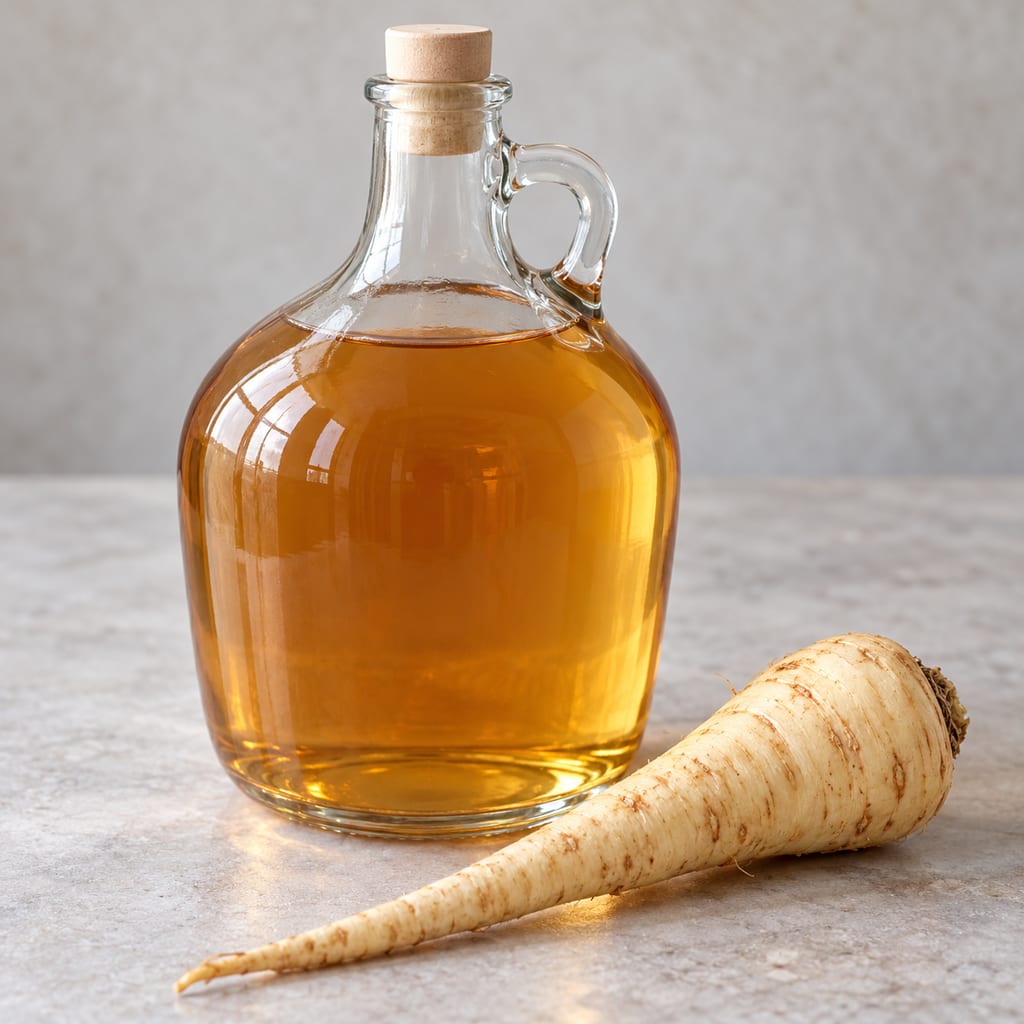
Parsnip wine with brandy
A root wine made from boiled parsnip liquor and lump sugar, fermented with yeast and finished with brandy before bottling.
 FermenteaWhere food goes to change
Historical attestation
Parsnip Wine
Wright's 1909 compilation records a parsnip wine made from boiled roots, sugar and a little yeast. The liquor spends ten days in a tub, then twelve months in a cask topped up daily only while the wine works over.
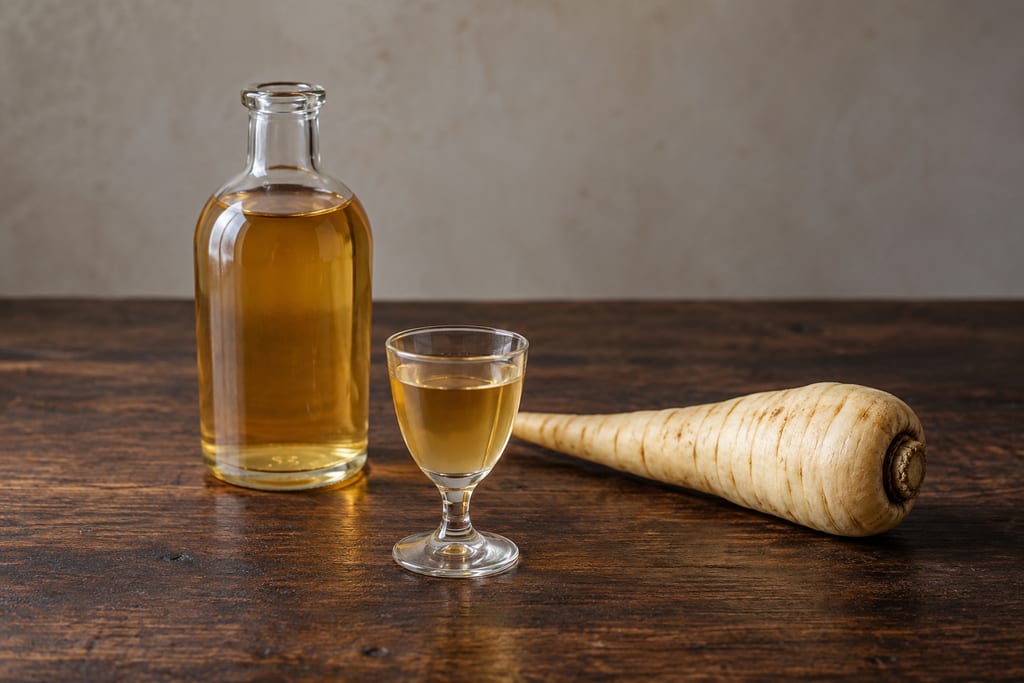
Wright's 1909 collection prints three preparations under Parsnip Wine. This record follows No. 1: six pounds of sliced roots are boiled in two gallons of water until soft, the liquor is squeezed out and sieved, then boiled with three pounds of loaf sugar for each gallon of liquor. A little yeast is added when the liquor is nearly cold. The source gives ten days in a tub with daily stirring, then twelve months in a cask, topped up each day only while it works over. It does not state a yeast dose, final yield or measured fermentation endpoint.
No. 2 is a different mixture: one pound of parsnips, fourteen pounds of loaf sugar and one and a half ounces of hops, followed by four days to work in a warm place; Wright says the paper over its cask is likely to burst. No. 3 uses seven and a half pounds of parsnips in two and a half gallons of water, coarse lump sugar and yeast on toast, with a ten-day tub stage and a year in cask. No. 2's paper warning belongs to that method; it is not evidence that No. 1 bursts its cask.
Helen S. Wright's Old-Time Recipes for Home Made Wines, Cordials and Liqueurs (Boston, 1909) gives three parsnip wines. The first is this one: six pounds of sliced parsnips boiled soft in two gallons of water, the liquor sieved and boiled for three-quarters of an hour with three pounds of loaf sugar to every gallon, a little yeast added nearly cold, ten days in a tub stirred daily from the bottom, and then a year in the cask, filled up every day as the wine works over. It has no brandy, which sets it apart from the brandied first alternative in Anne Cobbett's English Housekeeper of 1851. The third wine in Wright's book follows the same plan with seven and a half pounds of parsnips in two and a half gallons and a little yeast on toast; the second boils one pound of parsnips with fourteen pounds of sugar and hops, works it four days, needs no brandy and is likely to burst the paper pasted over the cask.
Scaling: source batch only
Clemson Cooperative Extension describes this as a general home-winemaking hazard. That guidance does not assess Wright's No. 1 formula. Wright's No. 1 says to top up the cask while it works over but does not give a measured fermentation endpoint or a packaging-stability test.
Hazard sourceWright's No. 1 does not give a measured fermentation endpoint, bottle-stability test or safe storage procedure. Its cask top-up wording applies only while the wine works over.
The paper-burst warning in Wright's No. 2 belongs to that different parsnip-wine formula. General bottle-pressure guidance does not validate No. 1.
Printed in Boston in a 1909 collection of old-time wine recipes; where the recipe came from is not stated.
A root wine made from boiled parsnip liquor and lump sugar, fermented with yeast and finished with brandy before bottling.
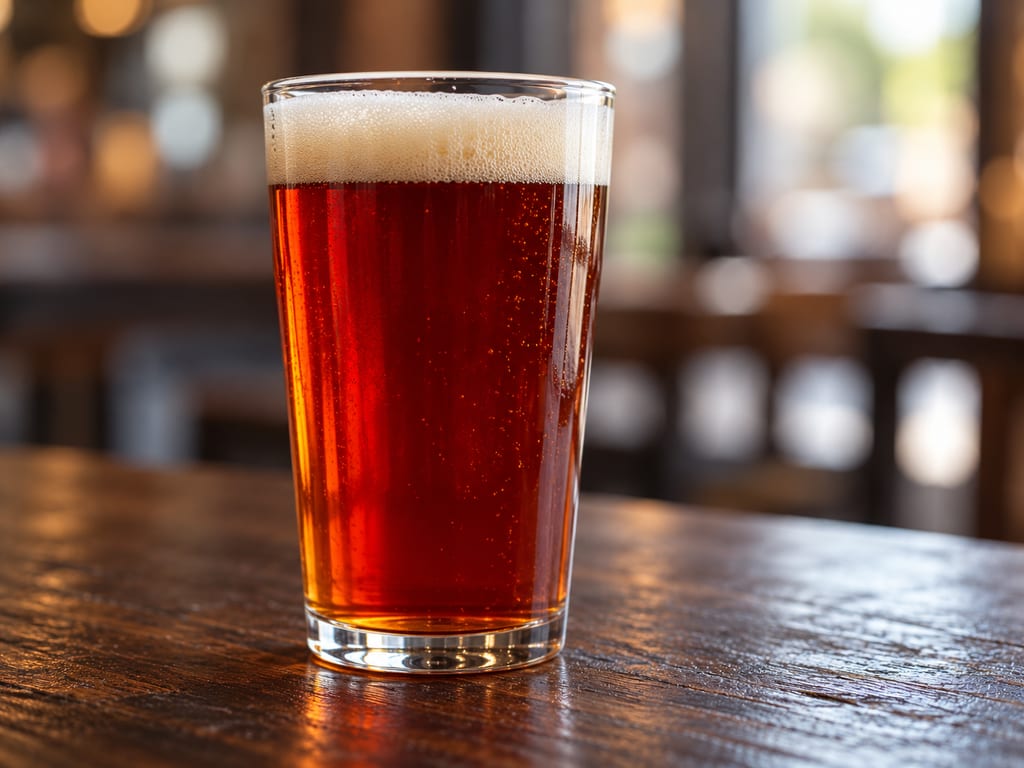
A deep amber-red American ale brewed from pale, Munich, CaraVienne and chocolate malts, bittered with Columbus hops and finished with Amarillo.
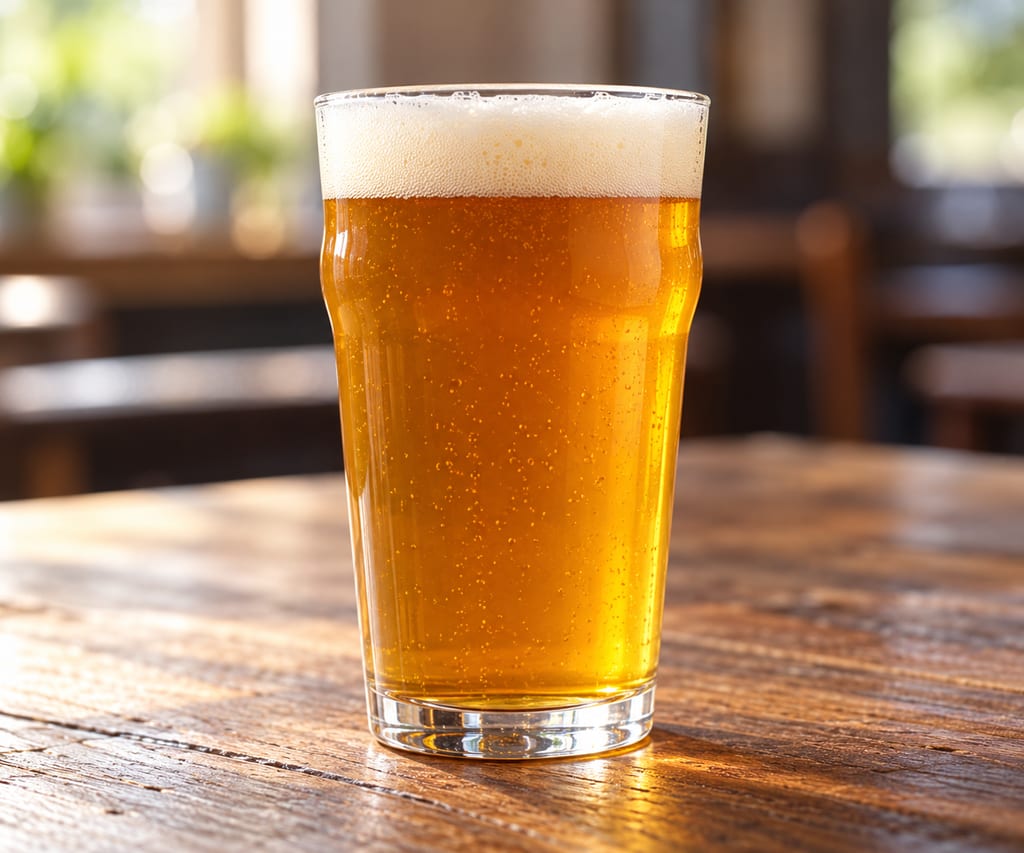
This is a process overview, not a complete batch recipe: key quantities, yield and packaging directions are absent. The AHA tutorial uses Hop Hammer Imperial IPA as an example; this page is not that full formulation.
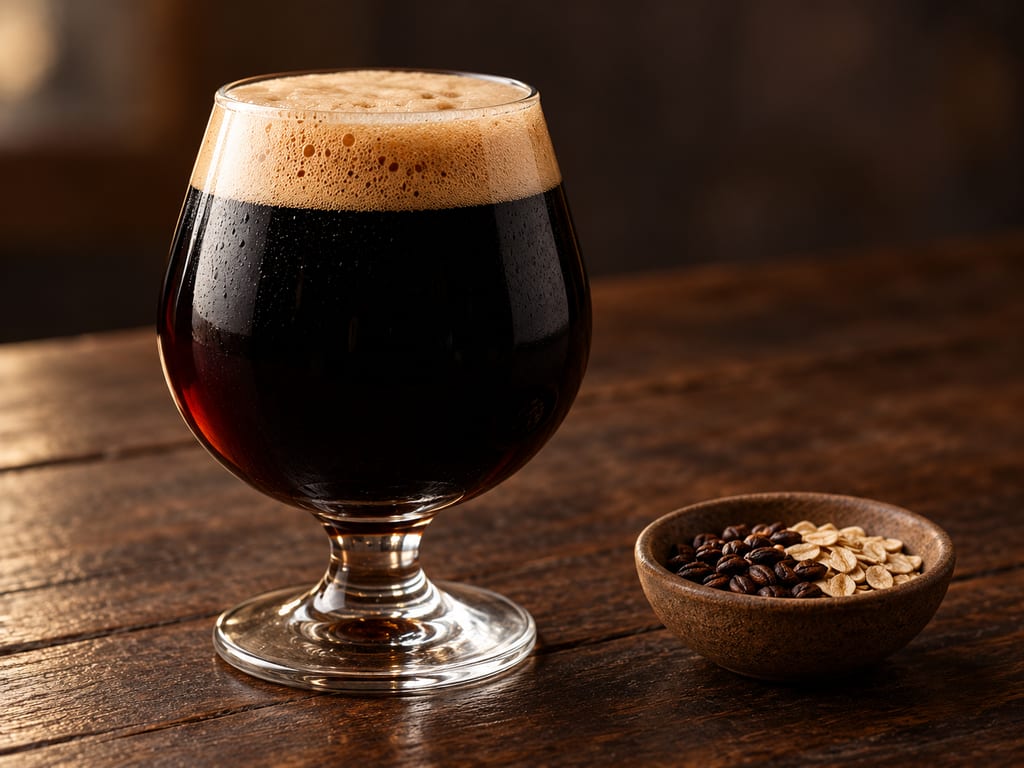
An all-grain imperial stout with pale malt, roasted barley, dark malts and oats, fermented with an American ale-yeast starter.
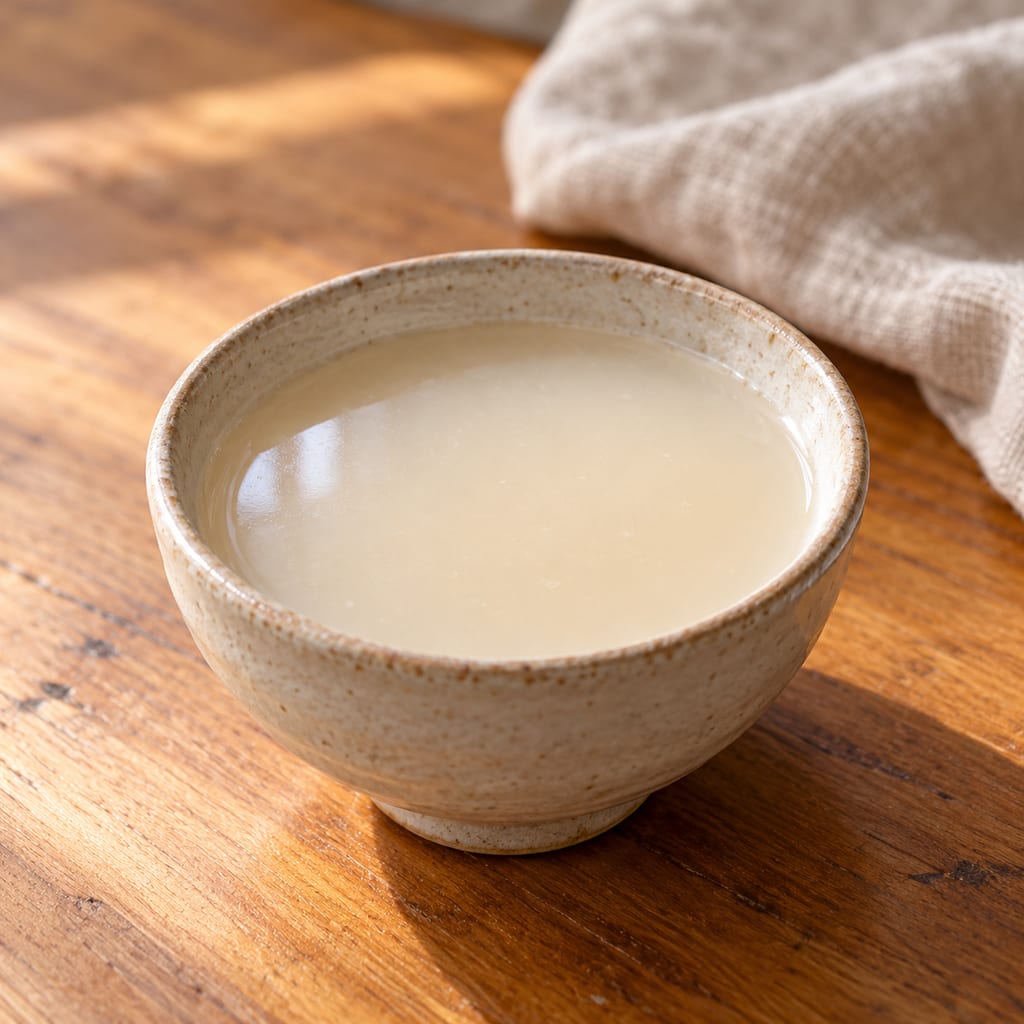
An alcoholic Korean rice drink of steamed glutinous rice and nuruk, mashed in a single stage and fermented for 7 to 14 days.
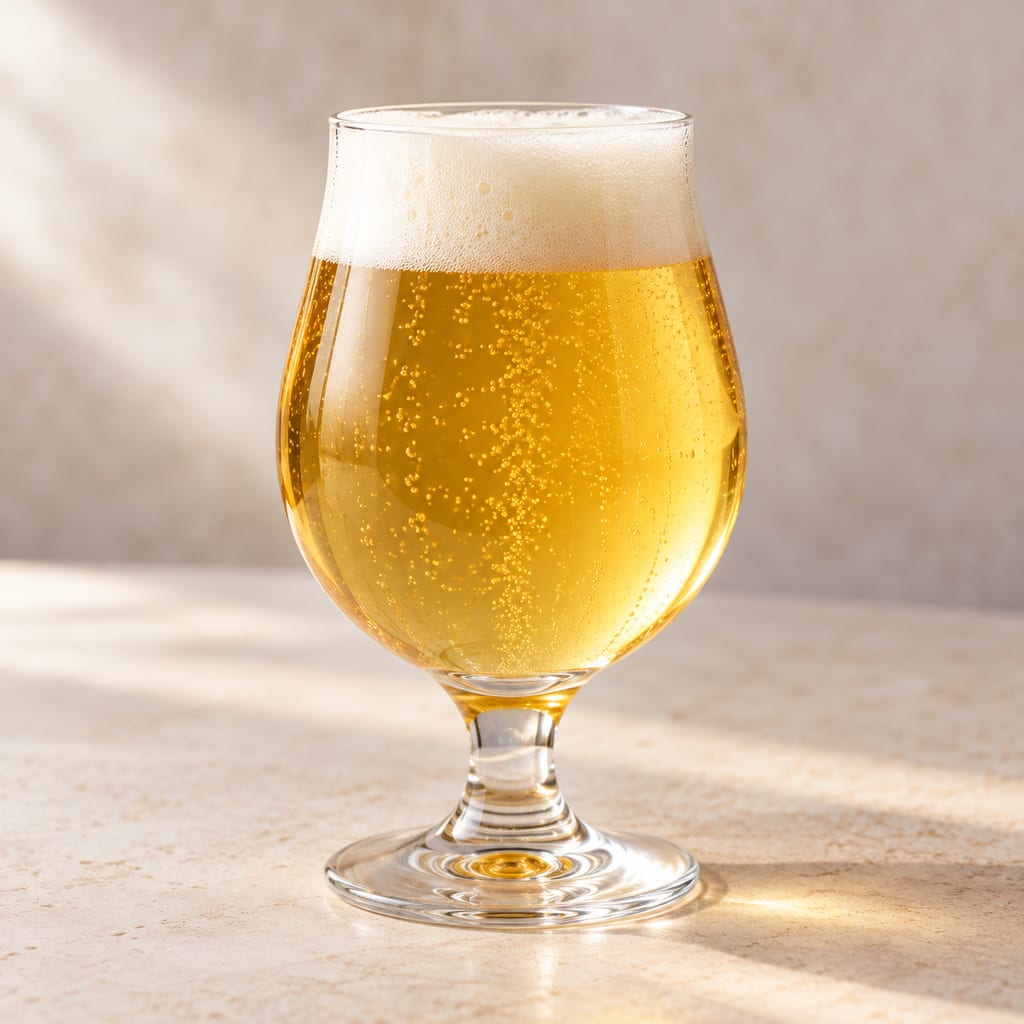
A pale Belgian-style ale with Pilsner and aromatic malts, cane sugar and Saaz hops, fermented under loose foil before an airlock is fitted.
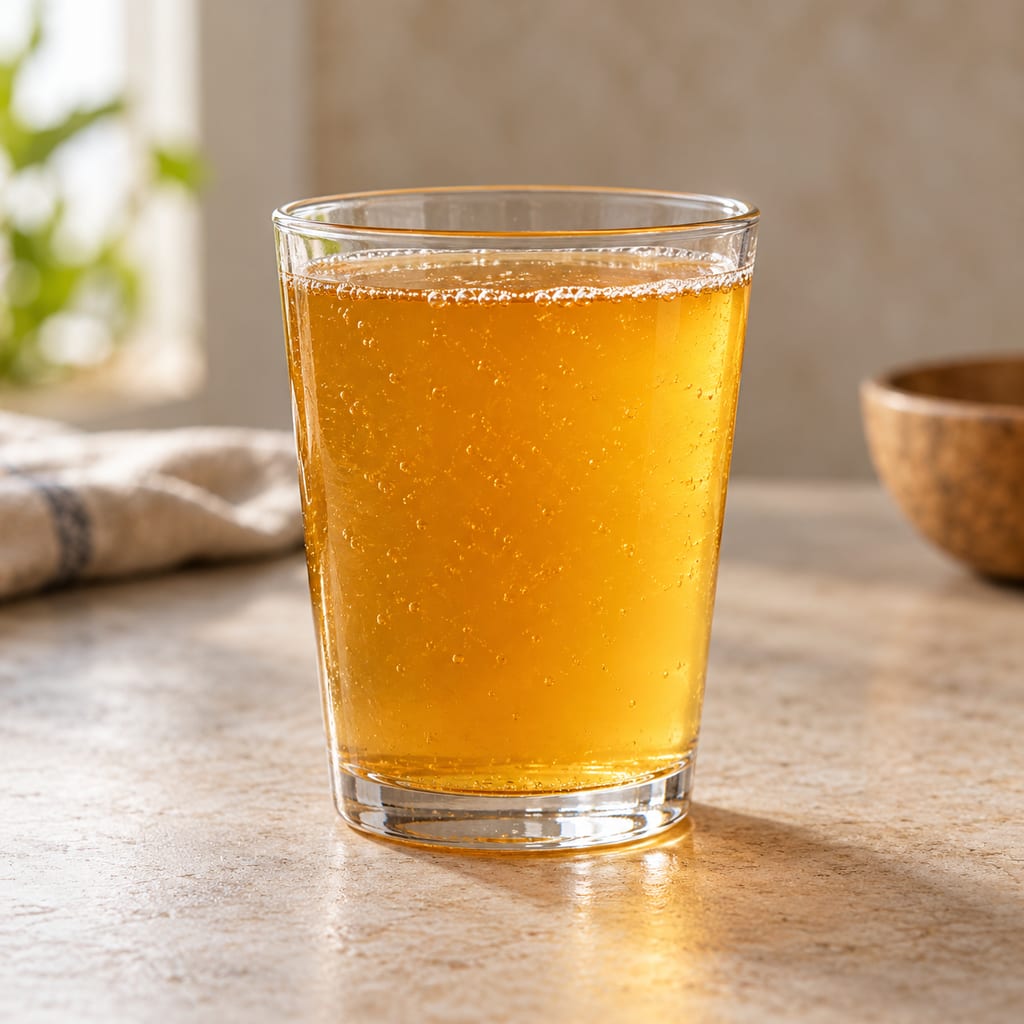
An Oregon State food-science lab formula ferments pineapple skin and piloncillo with jalapeño and warm spices for three to five days, then strains and refrigerates it. The handout reports wide alcohol variability.
A still, dry honey wine fermented from varietal honey and water with a single wine yeast, carrying no residual sweetness and no added carbonation.
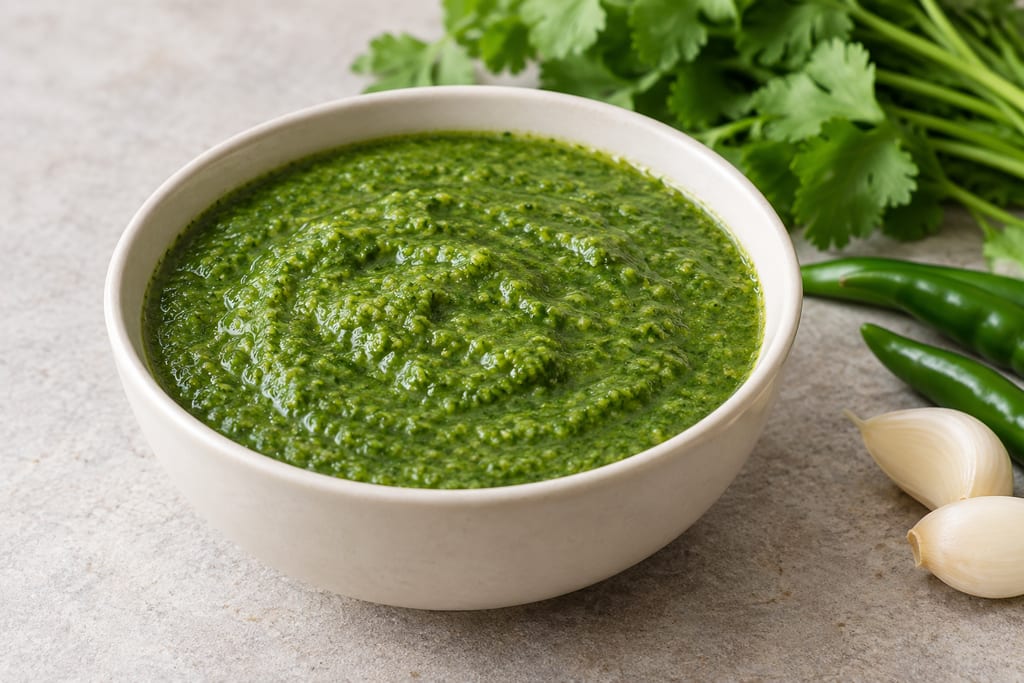
Afghan coriander chatni is a sharp, hot herb sauce with garlic and vinegar. A 2008 Afghanistan manual records green or red pepper and optional walnut; heat and household versions vary.
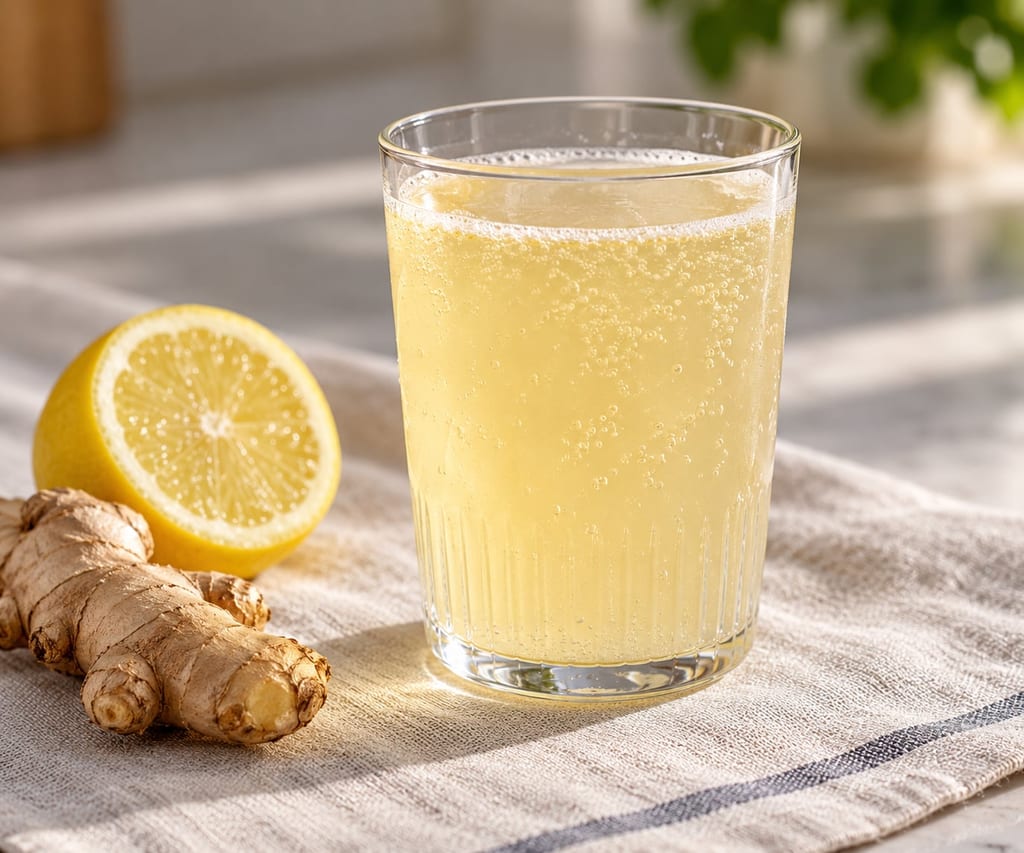
A one-liter teaching recipe ferments bruised ginger, lemon, sugar and cream of tartar with measured baker’s or ale yeast, then conditions the drink briefly in PET bottles before refrigeration.
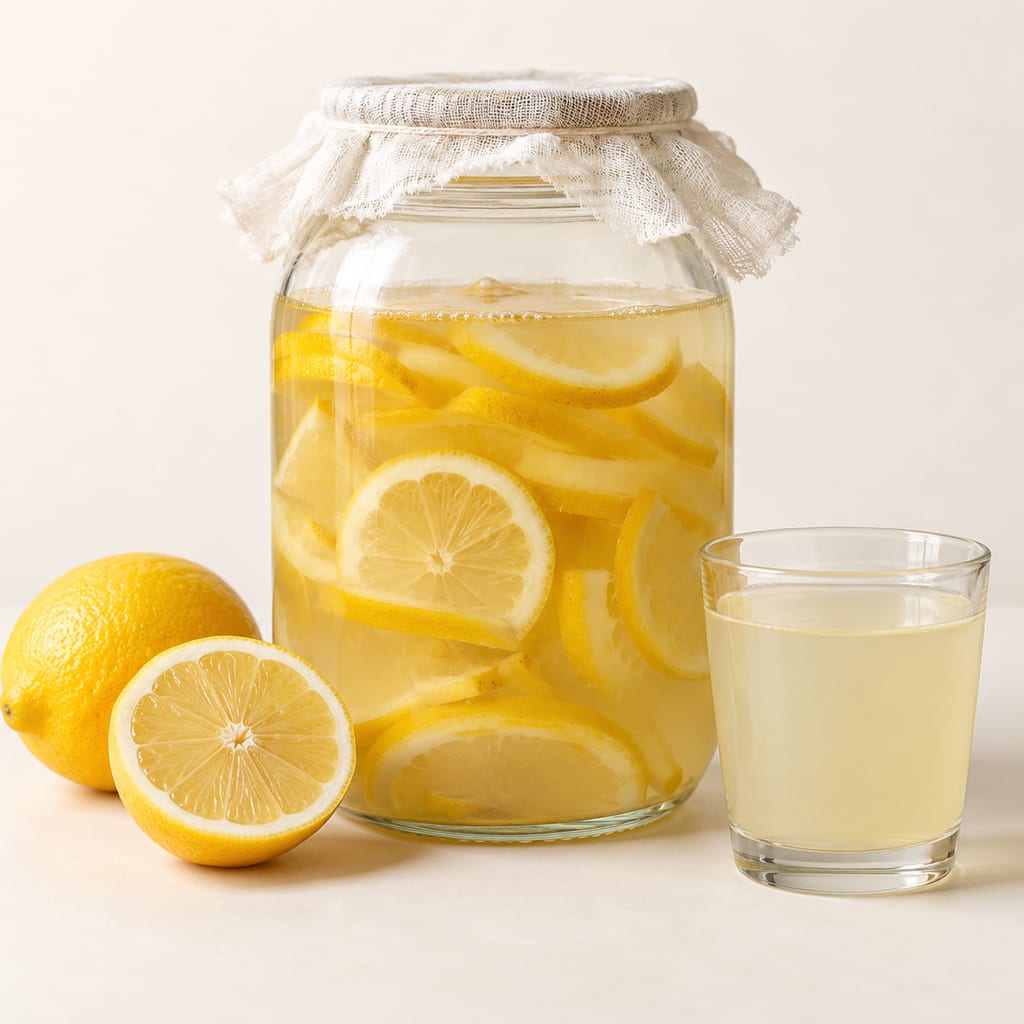
A lightly fizzy lemon drink made from peel-on lemons, water and sugar, held in a covered jar, bottled and kept going with small sugar and peel additions.
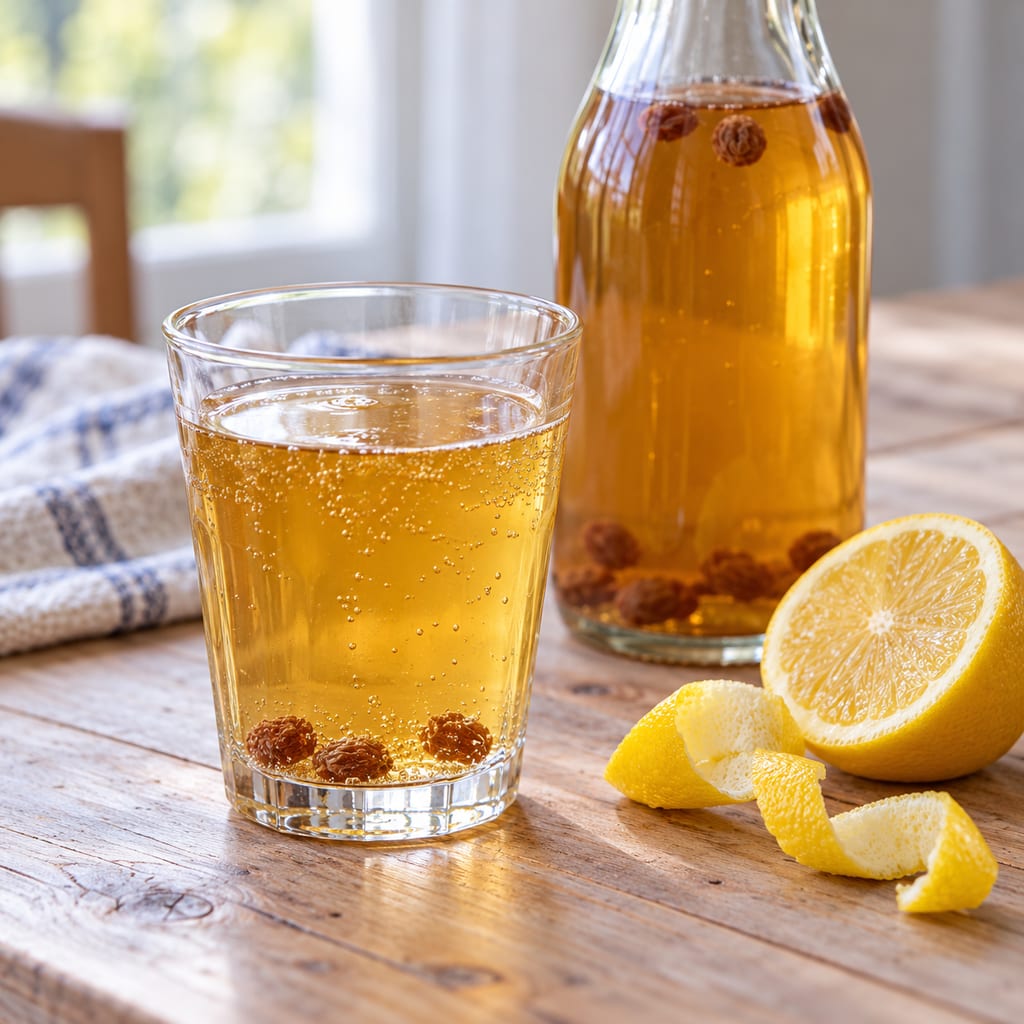
A lightly fermented Finnish May Day drink of lemon, white and brown sugar and a little yeast, bottled with raisins that rise as the carbonation builds.
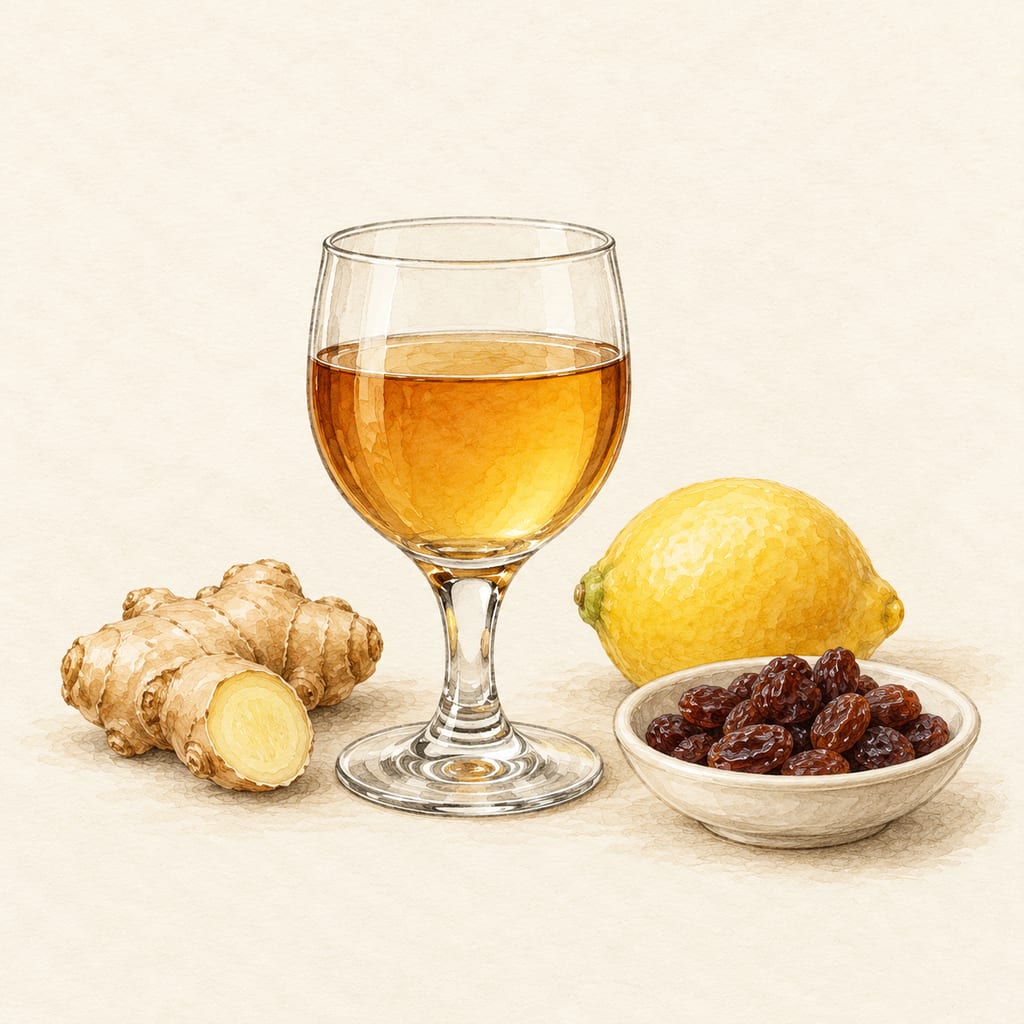
A Victorian household wine of boiled sugar, lemon and bruised ginger, worked on raisins in a cask for a fortnight and finished with brandy, made nine gallons at a time.

Jun is a fermented tea drink made with green tea and honey instead of the sweetened tea of kombucha. Its culture identity and origin are not established, and sealed bottles can build pressure and alcohol.
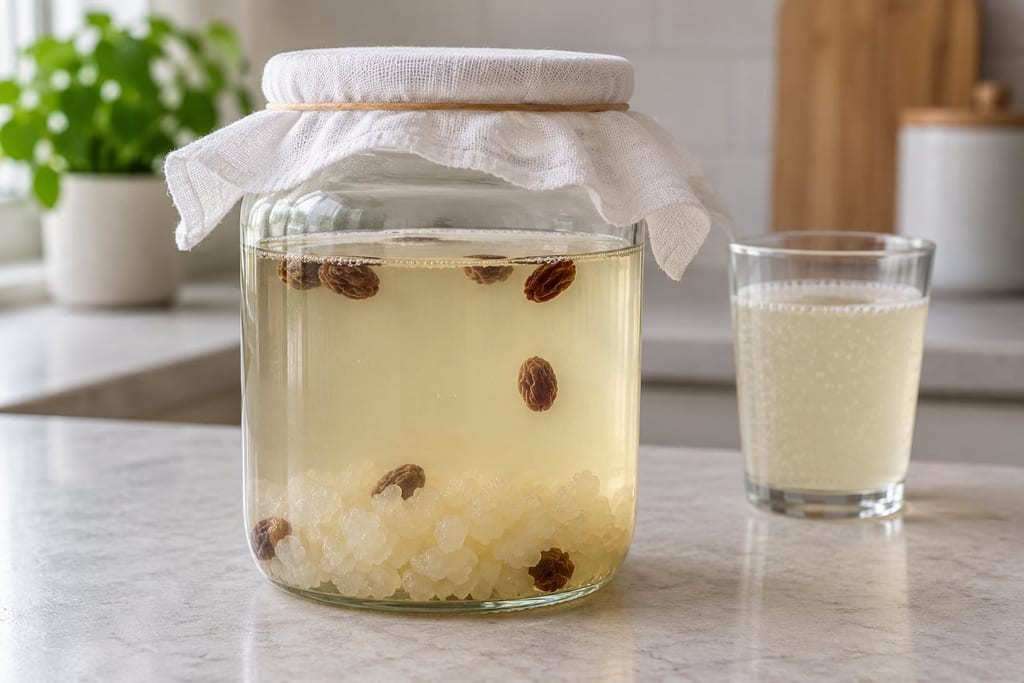
Water kefir grains culture lightly sweetened water into a tart, faintly fizzy drink, with raisins added as an optional dried-fruit nutrient. Alcohol, acidity and fermentation rate vary batch to batch.

A Cap-Pelé boucanière is an Acadian herring-smoking building. The documented Willie Niles example is a one-storey wood-frame structure with a ridge smoke vent and interior bays for hanging fish-bearing cannes.

Achcharu is a family of Sri Lankan vinegar pickles made with mixed vegetables or seasonal fruit and a piquant spice dressing. This version is a quick, refrigerated, non-fermented mixed-vegetable pickle.

The acocote is a long, hollowed and dried gourd used to draw aguamiel from a mature maguey. It is a harvesting tool: the sap is transferred to a separate vessel before it ferments into pulque.

Adrak murabba preserves young ginger in sugar syrup, a sweet South Asian preparation recorded in Indian cookery and food-processing sources.

Parkia biglobosa seeds are fermented into regional West African seasonings, including nététou, iru, dawadawa and soumbala. The yellow fruit pulp is a separate food, and names and methods vary by place.

Japanese reddish-brown vinegar from sake lees matured about three years, turned to vinegar by acetic bacteria; the vinegar of Handa and Edomae sushi rice.

A refined common-wheat flour blended for a broad range of baking; its protein and behavior vary with wheat, milling and market.

The almond mushroom, Agaricus subrufescens, was cultivated in eastern North America in the 1800s, lost its market, and returned as a cultivated mushroom from Brazil, where it is grown under several names.
No community contributions have been published for this entry yet.
Sign in to contribute. Published comments and photos are free to read.
The Page Company, Boston, 1909; Project Gutenberg eBook 75708Ingredients · Method · History · Safety
Helen S. Wright, Old-Time Recipes for Home Made Wines, Cordials and Liqueurs, Parsnip Wine, Nos. 1 to 3, pp. 83-84First parsnip wine: 6 lb sliced parsnips, 2 gallons water, boiled soft, squeezed and sieved; 3 lb loaf sugar to every gallon, boil three-quarters of an hour; a little yeast nearly cold; ten days in a tub stirred daily from the bottom; twelve months in a cask filled up daily as it works over.
No. 2 is likely to burst the paper pasted over the cask; No. 3 uses 7.5 lb parsnips in 2.5 gallons with coarse lump sugar and yeast on toast.
Cited in: Wright's three parsnip wines are separate formulas
Project Gutenberg eBook 55314History
The English Housekeeper (transcription of the sixth edition, 1851), Parsnip Wine, pp. 341-342Two parsnip wine alternatives printed in 1851; the first is brandied and the second is kept twelve months in the cask without brandy.
Clemson Cooperative Extension, Home & Garden Information CenterSafety
Basics of Home WinemakingStep 5: fermentation can restart during storage and carbon dioxide trapped in bottles can shatter them. General wine-packaging hazard; no parsnip-specific endpoint or validation of the historical formula.