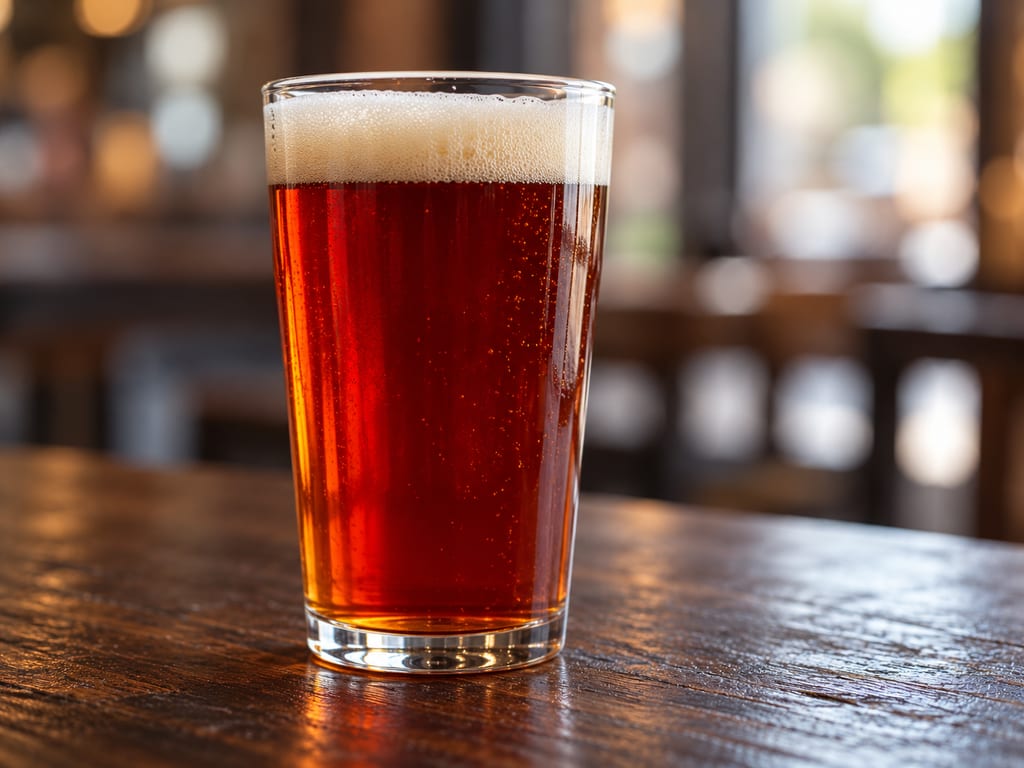
All-grain American red ale
A deep amber-red American ale brewed from pale, Munich, CaraVienne and chocolate malts, bittered with Columbus hops and finished with Amarillo.
 FermenteaWhere food goes to change
Modern method
Danyangju (단양주)
An alcoholic Korean rice drink of steamed glutinous rice and nuruk, mashed in a single stage and fermented for 7 to 14 days.
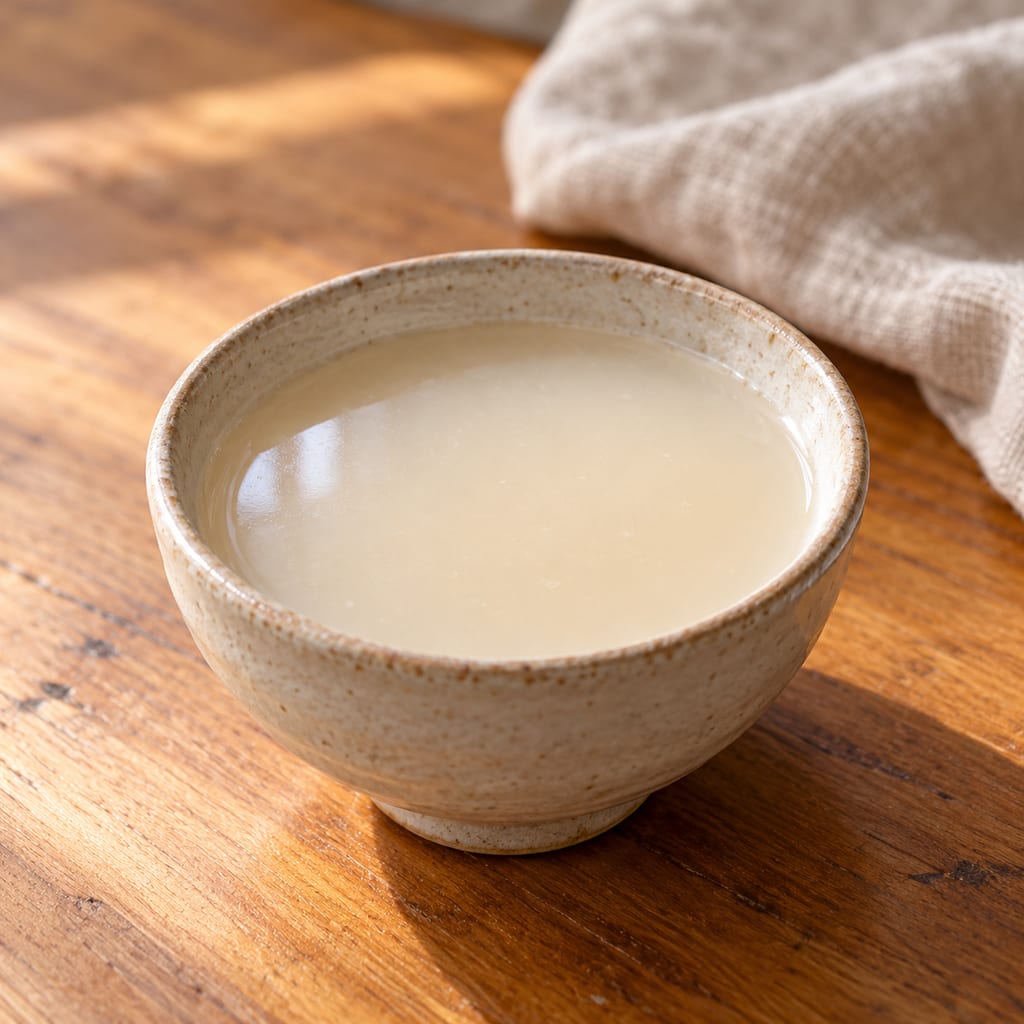
Danyangju is a Korean rice-alcohol preparation made through a single-stage fermentation.
The name is written 단양주.
Its distinguishing feature is that the main ingredients are combined in one brewing stage rather than being added through several successive fermentations.
The finished drink belongs to the wider family of Korean traditional rice alcohol known as sool.
When the fermented liquor is coarsely filtered and retains suspended rice solids, it can be presented in the cloudy style associated with makgeolli.
This particular recipe uses sweet glutinous rice, water and a traditional starter called nuruk.
The resulting drink can be cloudy, substantial and relatively strong compared with many mass-market makgeolli products.
The recipe is attributed to Hana Makgeolli, a Korean-American producer specialising in traditional-style rice alcohol.
It was published in January 2023.
Although the production method belongs to Korean brewing heritage, the exact 1 kg formulation is a contemporary professionally developed recipe.
Korea has a substantial history of fermented grain beverages.
Early historical texts contain references to alcoholic drinks, but their terminology cannot always be mapped precisely onto modern beverage categories.
Some accounts associate cloudy rice alcohol with the Three Kingdoms period.
More detailed historical evidence survives from later centuries, including Goryeo and Joseon literature and household food manuscripts.
The Joseon-period culinary record is especially valuable because written recipes and descriptions provide more concrete evidence of brewing processes.
Traditional fermentation relied on grain preparation, locally made starters and practical knowledge of seasonal conditions.
The resulting drinks varied considerably in clarity, alcohol strength, texture and intended use.
Rice shortages and political regulation strongly affected Korean brewing during the twentieth century.
The Japanese colonial period and subsequent Korean government policies altered household and commercial production.
Restrictions on the use of rice in alcohol manufacturing contributed to the development of substitutes and industrialised products.
In recent decades, renewed interest in artisanal Korean alcohol has encouraged producers to revisit traditional starter methods, rice varieties and multi-stage brewing.
The current recipe belongs to that broader revival rather than representing an unchanged ancient formula.
Sool (술) is a broad Korean term for alcoholic beverages.
Nuruk (누룩) is the traditional fermentation starter used in many Korean grain-alcohol preparations.
Makgeolli (막걸리) generally refers to cloudy, fermented grain liquor, often made from rice and nuruk.
Takju (탁주) is another term associated with cloudy alcoholic drink.
Danyangju (단양주) identifies a one-stage brewing method.
These words describe overlapping but different aspects of the product.
A danyangju recipe is defined by its fermentation structure, not simply by the colour of the finished drink.
The terms are therefore useful as separate taxonomy fields in a recipe database.
The original recipe gives 90–100 g nuruk. No single fixed starter mass is specified.
Water should be free from chlorine or other unsuitable contaminants.
The original method uses a wide-mouth 3.8-litre jar.
No additional refined sugar, commercial yeast or acid is specified.
Sweet glutinous rice is a form of Oryza sativa characterised by its starch composition and sticky texture after cooking.
The word glutinous refers to the grain's adhesive behaviour, not to the presence of gluten.
Rice itself does not naturally contain wheat gluten.
The starch in glutinous rice consists predominantly of amylopectin rather than the higher amylose proportions found in many ordinary rice cultivars.
This influences how the cooked grains absorb water, stick together and respond to enzymatic breakdown.
The source uses sweet glutinous rice because its physical properties suit the intended fermentation.
Substituting ordinary long-grain rice would change the consistency and potentially the fermentation behaviour.
Nuruk is a Korean grain-based fermentation starter.
It may be made from wheat, barley, rice or combinations of cereal ingredients.
Unlike a laboratory preparation containing only one selected yeast strain, traditional nuruk is commonly a complex microbial culture.
It can contain filamentous fungi capable of producing amylolytic enzymes, yeasts capable of alcoholic fermentation and bacteria that contribute acidity.
Its exact composition varies with the maker, cereal materials, processing and storage.
Nuruk supplies two crucial functions.
First, its enzymes convert starch into sugars.
Second, its microbial community participates in the fermentation of those sugars and the development of flavour.
These functions explain why the recipe requires no separate addition of commercial baker's yeast.
Measure 1 kg sweet glutinous rice.
Wash repeatedly until the water runs clear.
This removes loose surface starch and debris.
The exact number of washes is not specified.
Place the washed rice in clean water.
Soak for 2 hours.
This allows water to penetrate the grains before steaming.
Drain the rice thoroughly.
Leave it for 30 minutes so excess water can drip away.
Removing free surface water helps produce more consistent steamed rice.
Steam the rice for 40 minutes.
The original method allows use of a bamboo steamer lined with suitable material.
After steaming, leave the rice in the steamer for another 10 minutes.
This resting stage allows the cooked grains to equilibrate.
Spread the cooked rice out on a clean surface.
Allow it to cool.
The source does not specify an exact numeric temperature for inoculation.
The rice should no longer be hot enough to damage the starter organisms.
Place the cooled rice into a wide-mouth 3.8-litre jar.
Add 90–100 g nuruk.
Mix with clean hands for 10 minutes.
The source gives no single fixed nuruk quantity within that range.
Pour in 1 litre distilled water.
Continue mixing and gently kneading the ingredients.
Break up large nuruk clumps.
The original method aims for the rice to absorb the available liquid so there is initially little free-standing water.
Cover the vessel with cheesecloth.
Place it in a cool, dry, dark location.
The source does not specify a numeric fermentation temperature.
The cloth allows gas exchange but is not an airtight seal.
Protect the ferment against insects and other contamination.
For the first three days, mix the contents twice daily.
Use clean hands or utensils.
The mixture may initially look relatively dry.
As fermentation progresses, enzymes break down rice starch and the physical structure changes.
Allow fermentation to proceed for 7–14 days.
Reduced carbon dioxide production, separation into two or three visible layers and a mushy rice texture are the signs of maturation.
These are practical brewing observations, not analytical safety specifications.
Filter the fermented mash through a clean mesh bag or cheesecloth.
Squeeze to recover the liquid.
The source labels the whole formula as a 1.5-litre batch; it does not state a measured filtered yield.
Actual yield depends on absorption, straining and handling.
Transfer into clean, sanitised containers suitable for the product.
The source warns that the drink can remain active after filtration.
Pressure may accumulate after packaging.
The source directs brewers to use carbonation-capable bottles and open with care. It gives no refrigeration schedule, pressure limit or storage period.
The original formula and brewer's notes distinguish this small single-stage batch from larger professional fermentations.
Rice starch must become accessible to enzymes.
Steaming hydrates and gelatinises starch without introducing as much free water as ordinary boiling.
This affects the physical structure of the cooked rice.
Excessive cooking can create a very soft, sticky mass, while insufficient cooking leaves starch less accessible.
The original brewing method deliberately uses steaming.
The recipe's authors caution that boiling or conventional cereal mashing will not necessarily give the same result.
Steamed rice supports the intended interaction between starch, nuruk and microorganisms.
Danyangju relies on starch conversion and alcoholic fermentation occurring together.
Amylolytic enzymes associated with nuruk release fermentable carbohydrates from the rice.
Yeasts consume those carbohydrates and produce ethanol and carbon dioxide.
Lactic-acid bacteria may contribute acidity and additional flavour compounds.
This simultaneous process can cause substantial changes in texture.
At the beginning, the rice grains remain recognisable.
Later, enzymatic breakdown can produce a softer, more liquid mixture.
The separation of liquid and solids becomes more visible as fermentation progresses.
Many nuruk-based fermentations develop a mild sourness.
Lactic-acid bacteria can produce lactic acid from available carbohydrates.
The degree of acidity depends on the starter and conditions.
Acidity contributes flavour and influences microbial competition.
It is not automatically a guarantee of safety.
The original recipe does not report a final pH or a validated acidity threshold.
A sour taste should not be treated as proof that the product contains only desirable microorganisms.
Nuruk is not a perfectly standardised ingredient.
Traditional preparation can differ by region and producer.
Grain selection, milling, moisture, microbial exposure and drying all affect the finished starter.
These differences contribute to variations in saccharification efficiency, acidity and aroma.
A brewer changing nuruk supplier may obtain a noticeably different result even if the rice and water quantities remain constant.
Hana Makgeolli describes sourcing its professional nuruk from a Korean producer in Jeolla Province.
However, that does not mean the published homebrew recipe requires one exact commercial nuruk product.
The measured quantity and general preparation are preserved, while the starter's precise microbial specification remains unspecified.
A danyangju uses a single main addition of grain, starter and water.
Multi-stage brewing introduces additional grain or other ingredients at later stages.
Korean terminology distinguishes two-stage, three-stage and more elaborate processes.
A multi-stage method can change the rate of sugar release and yeast activity.
It may also allow the brewer to develop different flavour, acidity and alcohol characteristics.
The original recipe's authors specifically advise caution when scaling a single-stage preparation into substantially larger batches.
Hana production manager Mirandi Pohl says single-stage brewing is not appropriate above 2–3 gal (7.6 or 11.4 L), and recommends multistage recipes for larger volumes. She describes nuruk as a wild starter whose parallel fermentation begins on day one; in her account, the larger rice mass can overwhelm the yeast culture.
The article's five-gallon corny example estimates 28 lb (12.7 kg) of rice, but it does not provide a complete scaled Danyangju formula. That example is not a validated larger-batch method or a fermentation-safety limit.
The published recipe identifies an expected 12–14% ABV.
This is a recipe-level figure, not evidence that every batch will reach precisely that range.
Different nuruk cultures, rice preparation and temperatures can change the result.
The authors also discuss diluting finished makgeolli with filtered water.
Their guidance describes avoiding dilution greater than 40% and allowing approximately one week for flavours to integrate.
Those are optional brewer's notes, not part of the core measured recipe.
Additional sweeteners such as sugar, honey or agave may also be used after fermentation, but they can restart fermentation if viable organisms remain.
Traditional Korean rice alcohol includes a wide range of grain and starter combinations.
Some preparations use ordinary short- or medium-grain rice instead of glutinous rice.
Others use different nuruk proportions or additional fermentation stages.
Commercial products may be stabilised, sweetened, diluted or carbonated differently.
Contemporary artisanal producers are exploring a return to fewer ingredients and more complex fermentation character.
The recipe here belongs to this modern artisanal context while retaining a recognisably Korean brewing structure.
The single-stage method should remain one page, with rice and nuruk variations described as variants rather than automatically creating separate recipe entries for small numerical changes.
The finished drink is served as alcoholic rice liquor.
It may be naturally cloudy, with suspended particles contributing body.
Its flavour can combine sweetness, acidity, earthy cereal notes and fermentation aroma.
It is commonly served cool.
Makgeolli can accompany Korean meals and shared snacks, especially savoury pancakes and strongly seasoned dishes.
Its acidity and light carbonation provide contrast to rich food.
A higher-strength danyangju may be enjoyed differently from diluted mass-market makgeolli because its alcohol and flavour are more concentrated.
The original recipe does not specify a traditional serving vessel or required food pairing.
The mash initially appears dry: The source expects this after the ingredients are mixed.
Liquid develops later: Normal starch breakdown can release and redistribute liquid.
Large nuruk clumps remain: Mixing may have been insufficient.
The rice becomes soft and mushy: Consistent with enzymatic breakdown.
Gas production slows: May indicate reduced fermentation activity, but does not establish exact final gravity or ABV.
Layers appear: Separation can develop during maturation.
Visible unwanted mould or putrid odour: Reject the batch.
Bottles may become pressurised because the drink can remain active after straining. The source advises carbonation-capable bottles and careful opening; it gives no pressure limit or storage duration.
This is an alcoholic fermentation.
The recipe's published strength estimate should not be presented as a measured laboratory result for every batch.
The process uses a mixed microbial starter and lacks a specified numeric fermentation temperature or final pH endpoint.
Cooked rice handling and equipment hygiene remain important.
The source explicitly warns that fermentation may continue after filtering.
Do not assume that straining removes all viable yeast or eliminates pressure risk.
The source advises carbonation-capable containers and careful opening because fermentation may continue after filtering. It gives no refrigeration schedule, pressure limit or storage period.
Makgeolli is described by the companion article as a traditional Korean grain drink made with nuruk and as a drink with a long history of domestic brewing. This exact Danyangju formula was published by a Korean-American producer in Brooklyn as a contemporary recipe; the record does not assign the formula itself to an earlier period.
Scaling: source batch only
The source reports 12–14% ABV and warns that danyangju can remain active after filtering, producing carbonation that makes opening a concern.
Hazard sourceThe reported ABV is the publication's recipe estimate; the home method does not provide a measurement procedure to confirm the alcohol level or a pressure endpoint.
Hazard sourceIf bottling, use sanitized containers rated for carbonation as the source instructs; it gives no numeric pressure limit or guaranteed endpoint.
Control sourceClean food-contact equipment before sanitizing it, following the homebrew sanitation guidance; sanitation does not establish an alcohol or pressure limit.
Control sourceThis is an alcoholic beverage; the source's stated 12–14% ABV is an estimate, not a guaranteed home-batch measurement.
The source says fermentation may remain active after filtering and uses carbonation-capable bottles; pressure and alcohol are not independently measured here.
The source gives no numeric fermentation temperature or validated storage period.
The measured recipe is credited to Hana Makgeolli in Brooklyn. It is a contemporary US-brewed version of Korean makgeolli.
The companion article describes makgeolli as a traditional Korean rice beverage and discusses household brewing in Korea; it does not claim this Danyangju formula was historically used there.
A deep amber-red American ale brewed from pale, Munich, CaraVienne and chocolate malts, bittered with Columbus hops and finished with Amarillo.
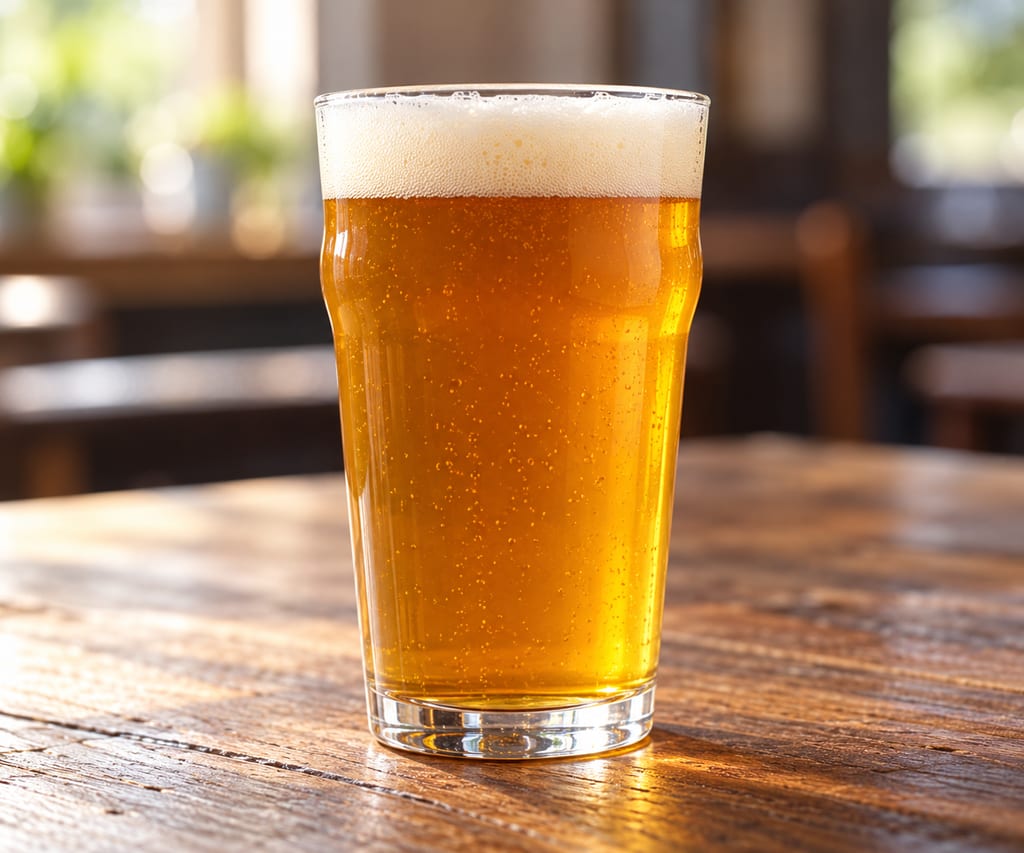
This is a process overview, not a complete batch recipe: key quantities, yield and packaging directions are absent. The AHA tutorial uses Hop Hammer Imperial IPA as an example; this page is not that full formulation.
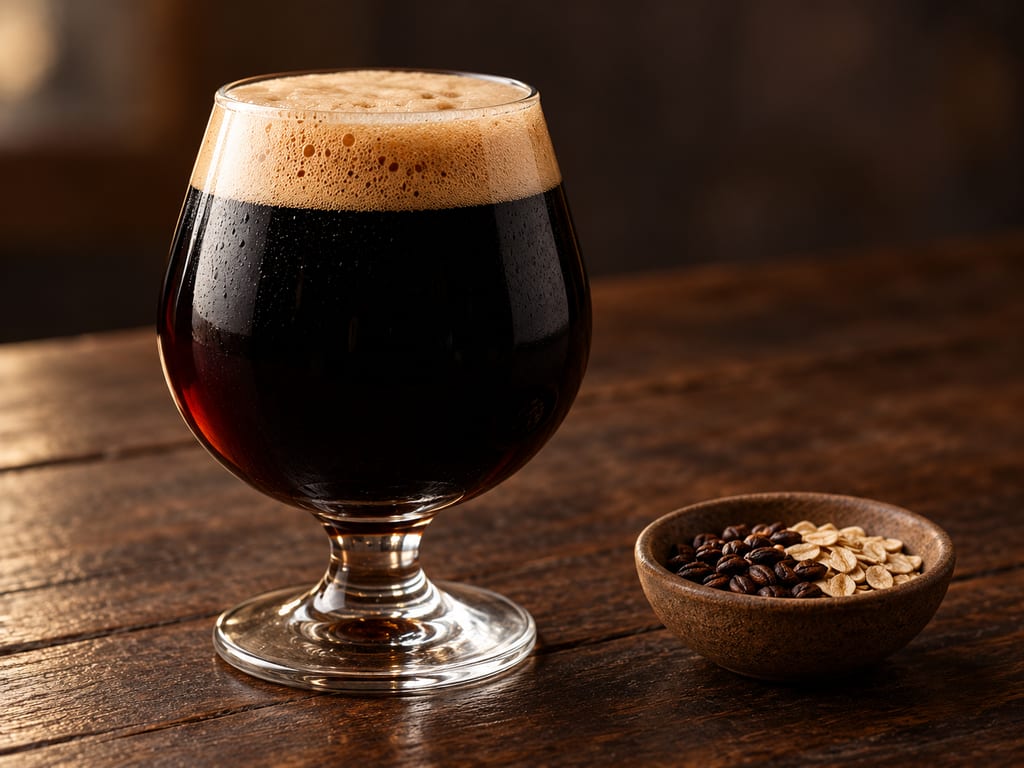
An all-grain imperial stout with pale malt, roasted barley, dark malts and oats, fermented with an American ale-yeast starter.
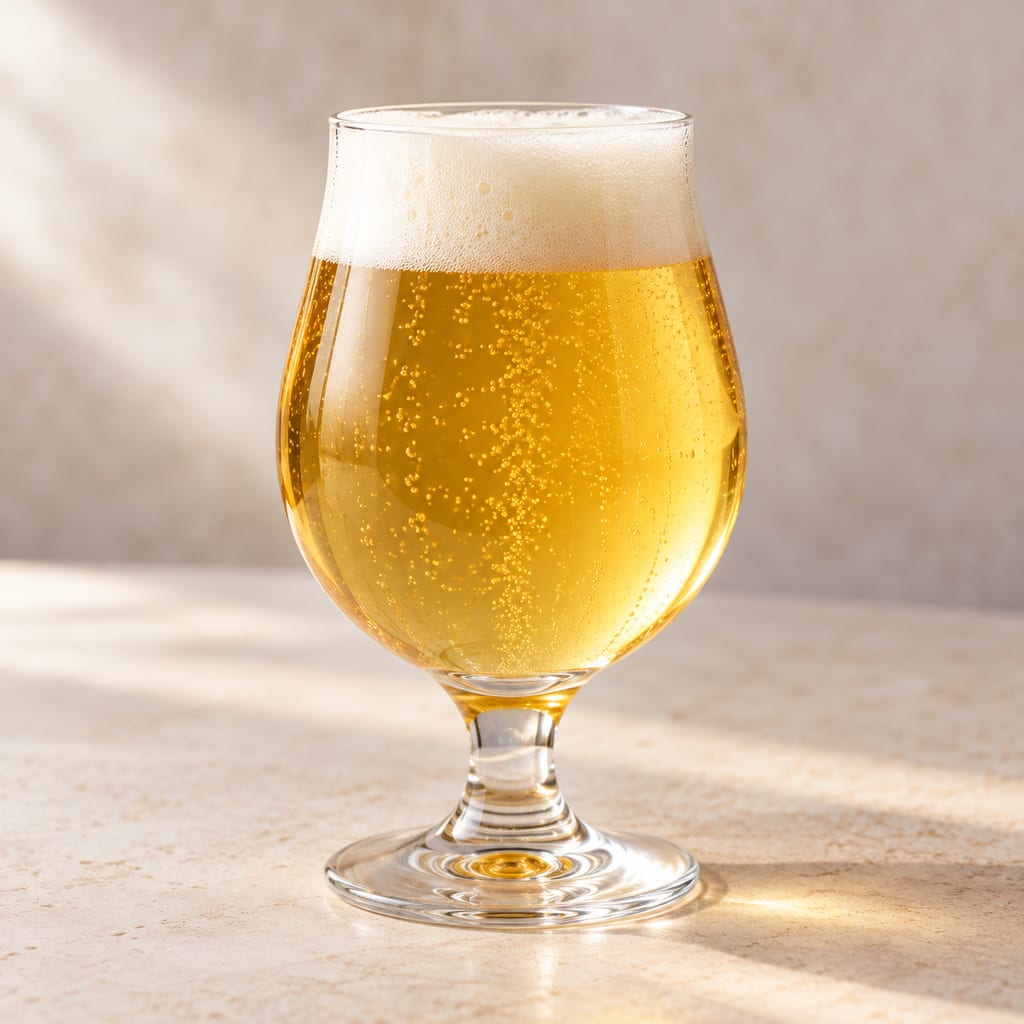
A pale Belgian-style ale with Pilsner and aromatic malts, cane sugar and Saaz hops, fermented under loose foil before an airlock is fitted.
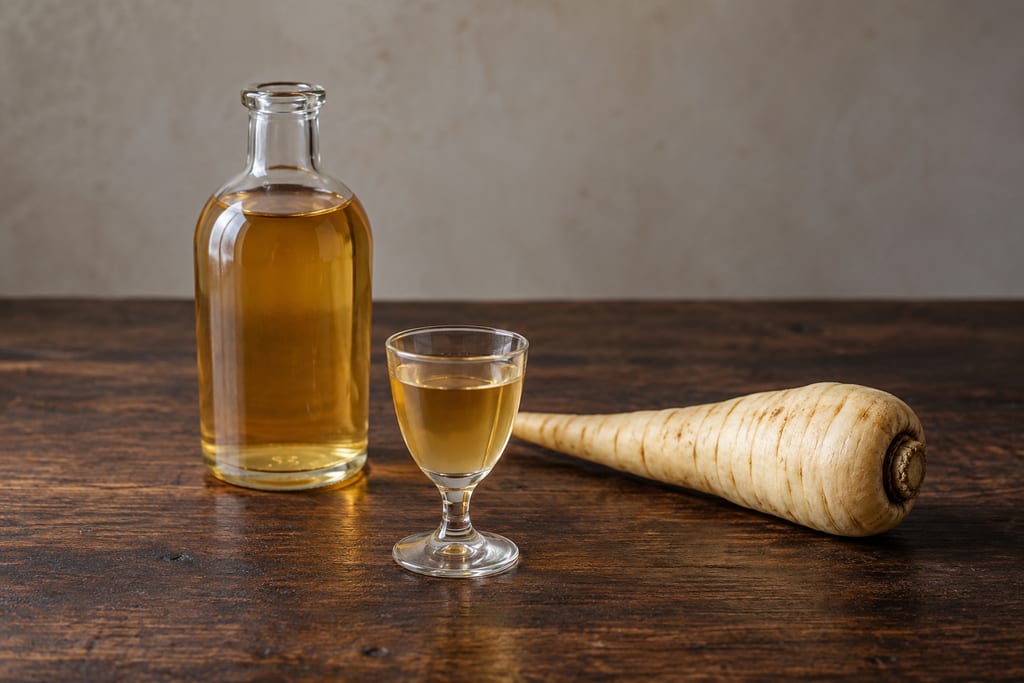
Wright's 1909 compilation records a parsnip wine made from boiled roots, sugar and a little yeast. The liquor spends ten days in a tub, then twelve months in a cask topped up daily only while the wine works over.
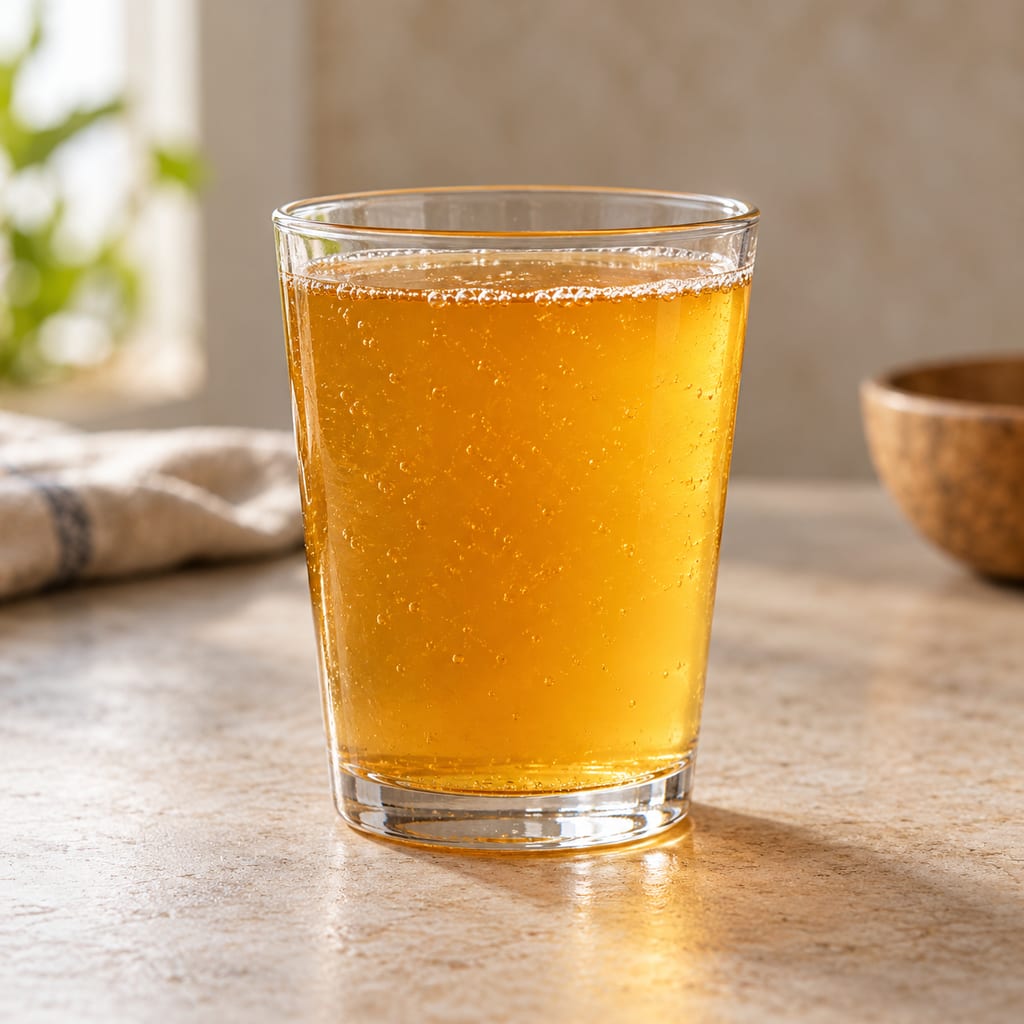
An Oregon State food-science lab formula ferments pineapple skin and piloncillo with jalapeño and warm spices for three to five days, then strains and refrigerates it. The handout reports wide alcohol variability.
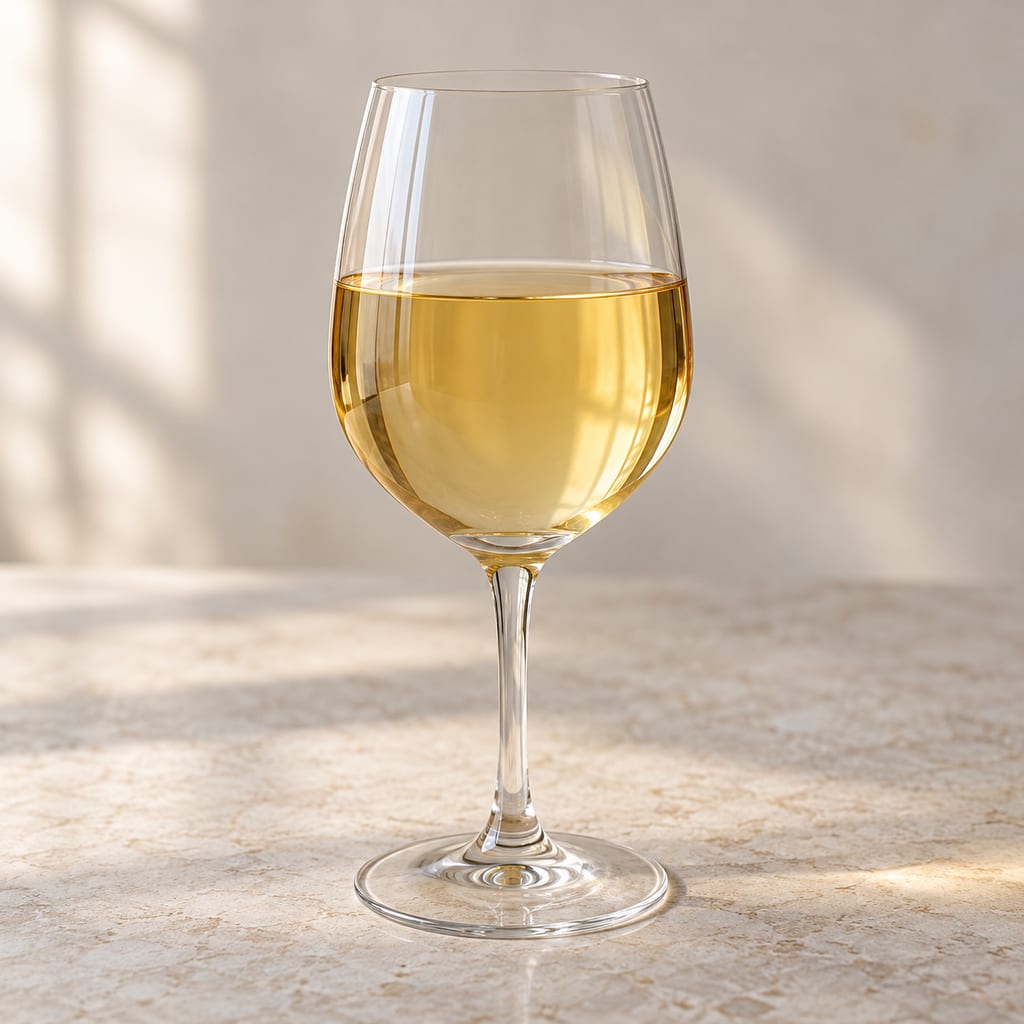
A still, dry honey wine fermented from varietal honey and water with a single wine yeast, carrying no residual sweetness and no added carbonation.
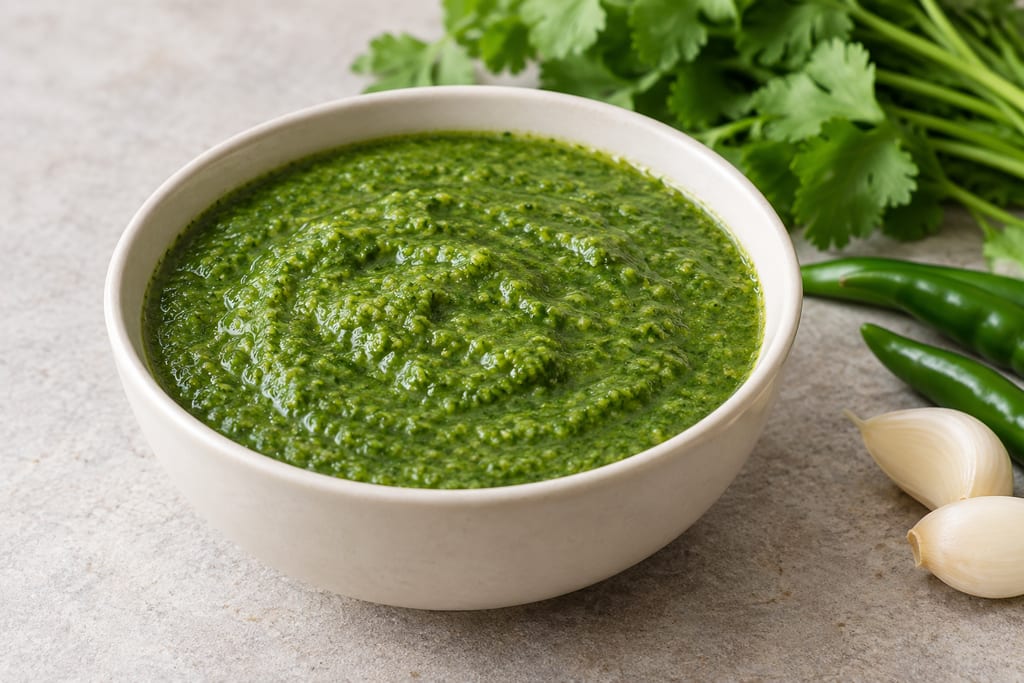
Afghan coriander chatni is a sharp, hot herb sauce with garlic and vinegar. A 2008 Afghanistan manual records green or red pepper and optional walnut; heat and household versions vary.
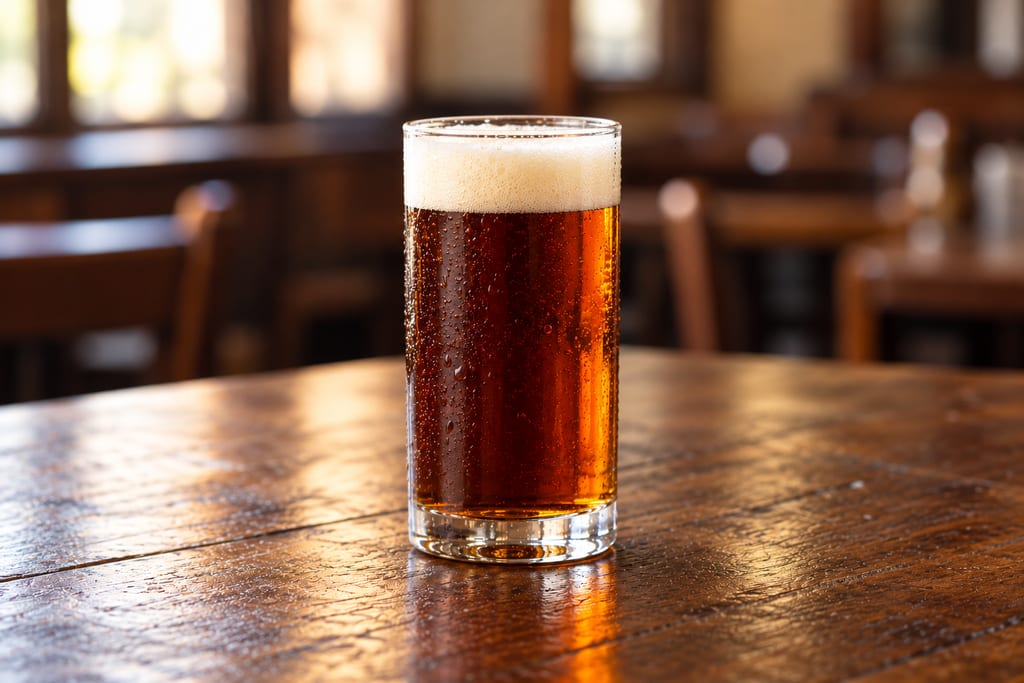
A source-specific modern extract adaptation of Düsseldorf Altbier, with specialty malts, two hop additions and an ale yeast. It is distinct from a brewery's commercial Altbier process and from Kölsch.
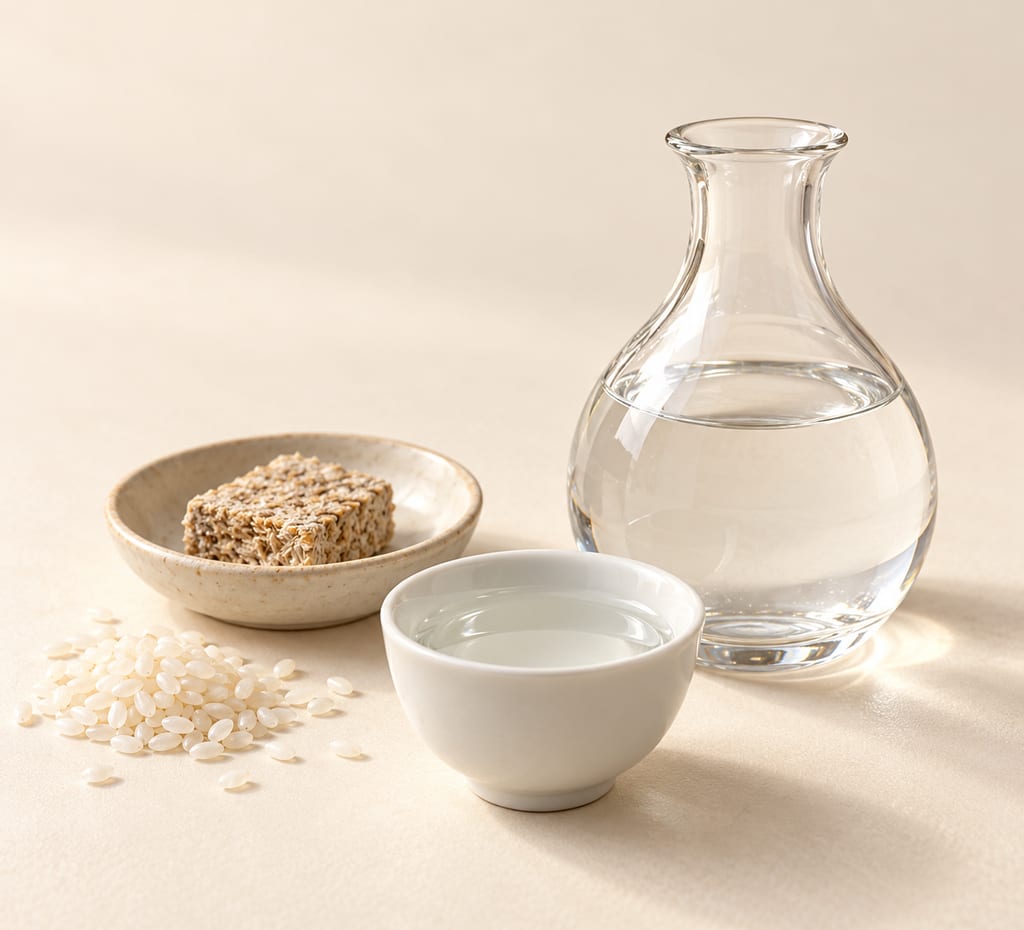
Andong soju is a rice spirit from North Gyeongsang, distilled from steamed rice and wheat nuruk. This method makes the starter before fermenting the rice mash in a jar.
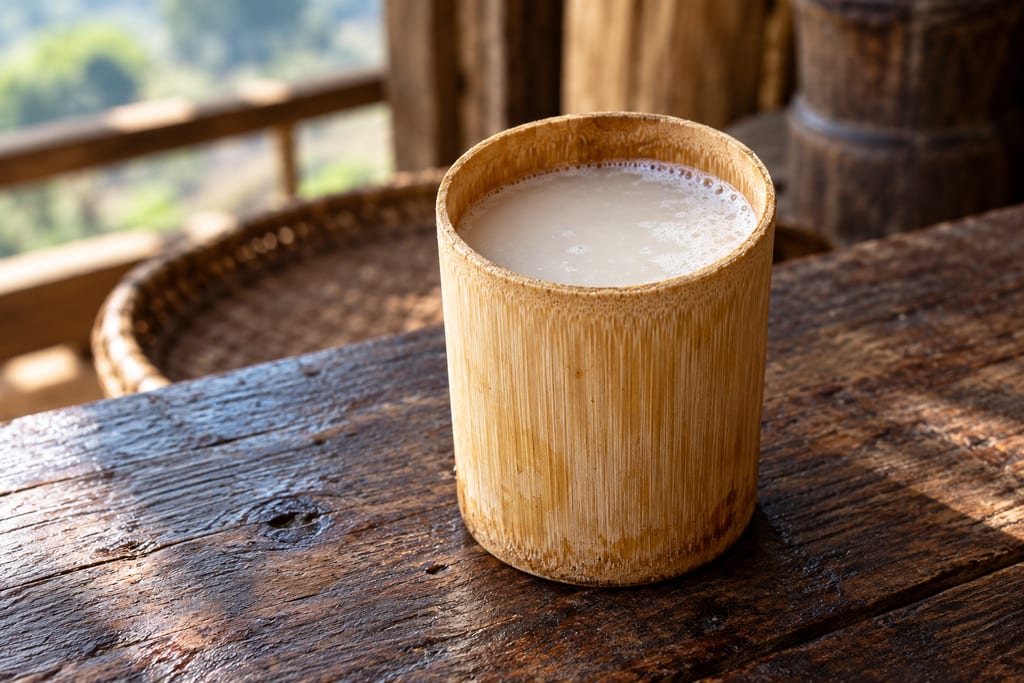
Angami rice beer from Nagaland. A surveyed method mixed cooked rice with piazu, fermented it for about four days in summer or a week in winter, then added water and filtered it. The starter ratio leaves the rice-weight basis unclear.
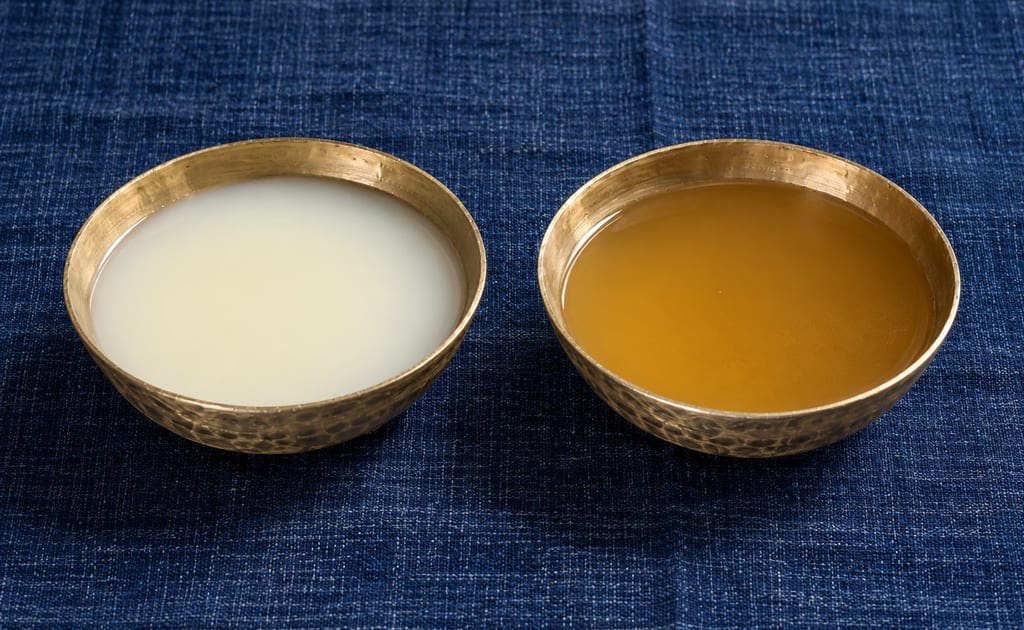
Apong names Mising rice beverages in Assam, including pale Nogin and ash-associated Po:ro. Sources describe distinct preparations and do not establish one unified household recipe or validated safety endpoint.
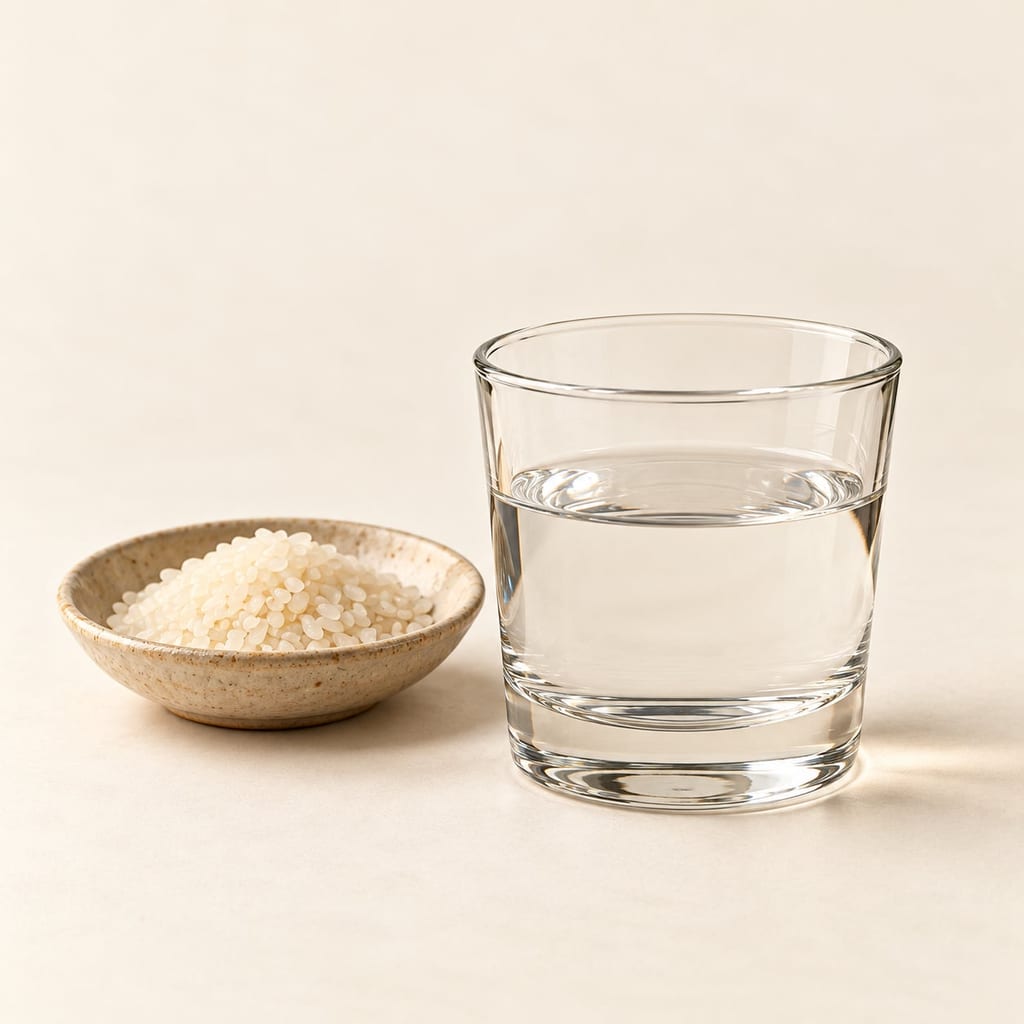
An Okinawan rice spirit made by turning all the rice into black koji, fermenting it with water and yeast, then pot-distilling and maturing the spirit.
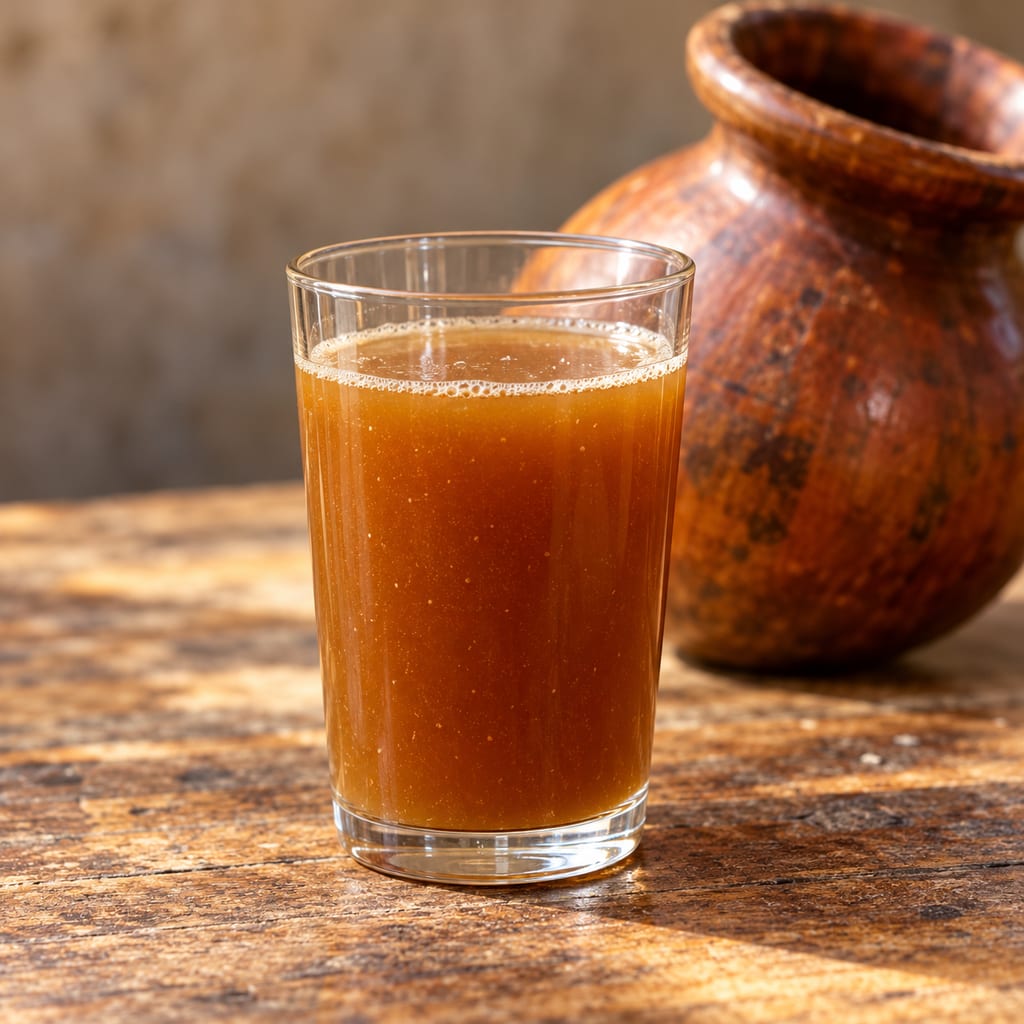
A darker Ethiopian maize tella, brewed from maize baked into a hot, dry kita pancake and then fermented in three stages with barley malt, gesho and water.
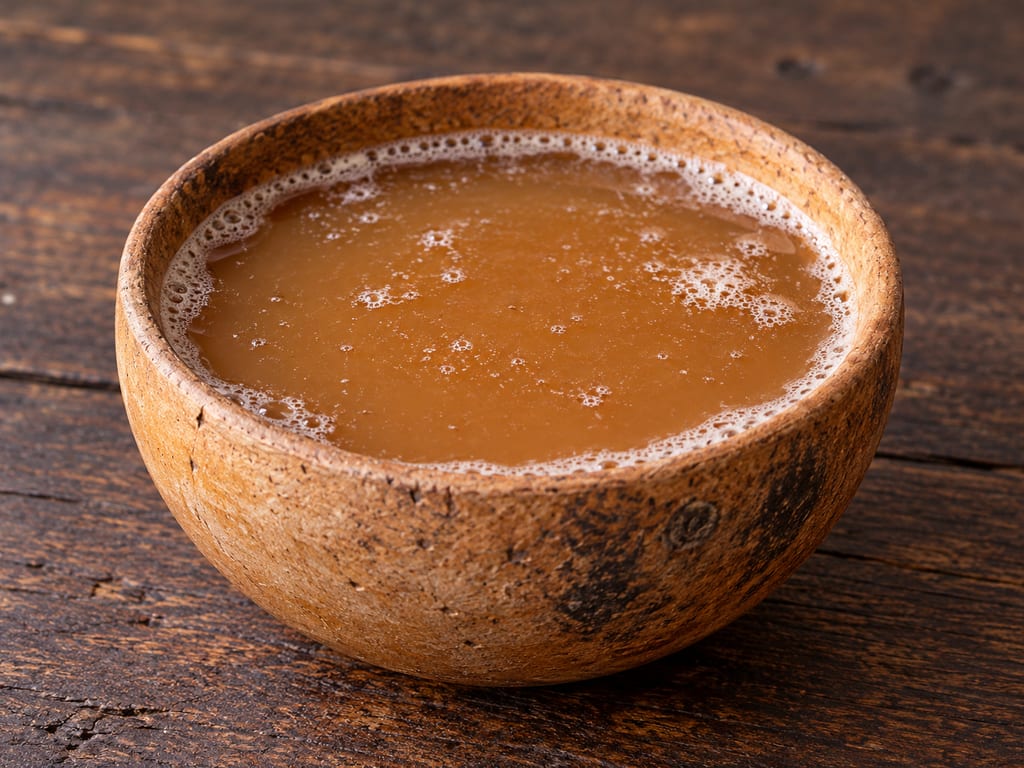
A Burkina Faso sorghum beer brewed from malted grain, soured by a spontaneous lactic stage and then fermented with a traditional yeast leaven.
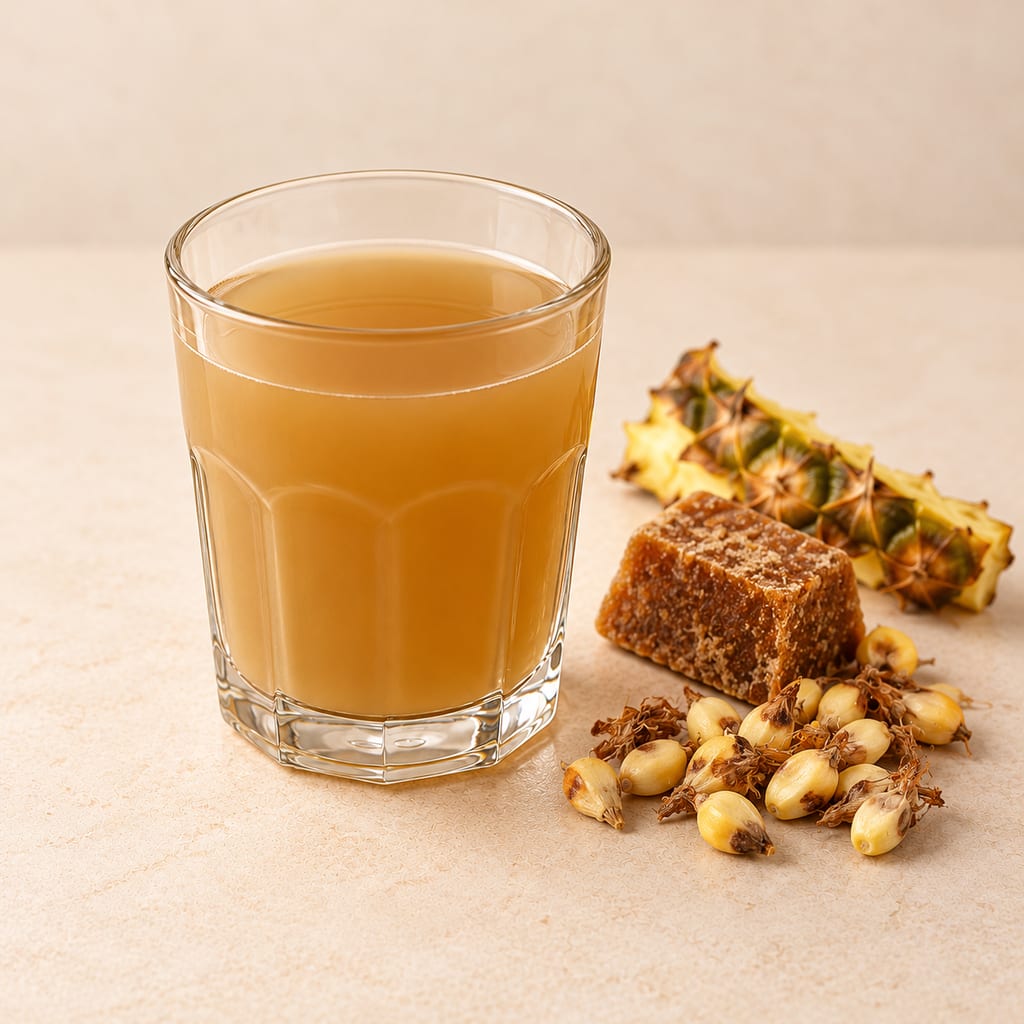
A contemporary Ecuadorian recipe simmers jora flour with spices, then adds panela and pineapple peel before a short spontaneous ferment. Its particular aromatics and measurements belong to this published adaptation.
No community contributions have been published for this entry yet.
Sign in to contribute. Published comments and photos are free to read.
Craft Beer & Brewing; recipe by Hana MakgeolliInspiration · Process · Location · Safety
Recipe: Hana Makgeolli DanyangjuThe source gives 1 kg sweet glutinous rice, 90–100 g nuruk, 1 L distilled water, 7–14 days, a nominal 1.5 L batch size and a stated 12–14% ABV.
The source specifies soaking, draining, steaming, cooling, mixing twice daily for three days, endpoint cues, filtering and carbonation-capable bottles; it notes post-filtration activity.
The recipe is credited to Hana Makgeolli in Brooklyn, New York. Production manager Mirandi Pohl recommends multistage recipes for larger volumes and says the single-stage recipe is not appropriate above 2–3 gal (7.6 or 11.4 L); the article's 5-gal corny example estimates 28 lb (12.7 kg) of rice but does not give a validated scaled recipe.
Cited in: What is danyangju?; Korean rice-alcohol history; Understanding the terminology; Ingredients; What is glutinous rice?; What is nuruk?; 1. Wash the rice; 2. Soak; 3. Drain; 4. Steam; 5. Cool; 6. Add rice and nuruk; 7. Add water; 8. Cover; 9. Mix during early fermentation; 10. Continue fermentation; 11. Strain; 12. Package carefully; Why steaming matters; Parallel fermentation; The role of acidity; Why nuruk varies; Danyangju versus multi-stage brewing; Alcohol strength and dilution; Regional and modern variants; Serving danyangju; Troubleshooting; Safety and storage
Craft Beer & BrewingHistory · Location · Culture
Meet MakgeolliThe article describes makgeolli as a traditional Korean rice drink made with nuruk and discusses the history of home brewing in Korea.
It explains that nuruk is a mixed starter of fungi, bacteria and yeast, and that makgeolli's alcohol and carbonation can vary by process.
Clemson Cooperative ExtensionSafety
Cleaning and Sanitation for the HomebrewerHomebrew cleaning and sanitation practices are relevant to the clean equipment step but do not validate a makgeolli recipe.
Hana MakgeolliInspiration
Hana Makgeolli — Glossary of Sool and Brewing TermsHana Makgeolli — Glossary of Sool and Brewing Terms
Cited in: Korean rice-alcohol history; Regional and modern variants
Hana MakgeolliInspiration
Hana Makgeolli — Brewery and Producer InformationHana Makgeolli — Brewery and Producer Information
Cited in: Korean rice-alcohol history; Regional and modern variants
Korea.netHistory
Korea.net — Traditional Korean Liquors and BrewingKorea.net — Traditional Korean Liquors and Brewing
Cited in: Korean rice-alcohol history; Regional and modern variants
Academy of Korean StudiesHistory
Academy of Korean Studies — History of Korean AlcoholAcademy of Korean Studies — History of Korean Alcohol
Cited in: Korean rice-alcohol history; Regional and modern variants
OnggiInspiration
Onggi — Interview with Alice JunOnggi — Interview with Alice Jun
Cited in: Korean rice-alcohol history; Regional and modern variants