Pineapple peel
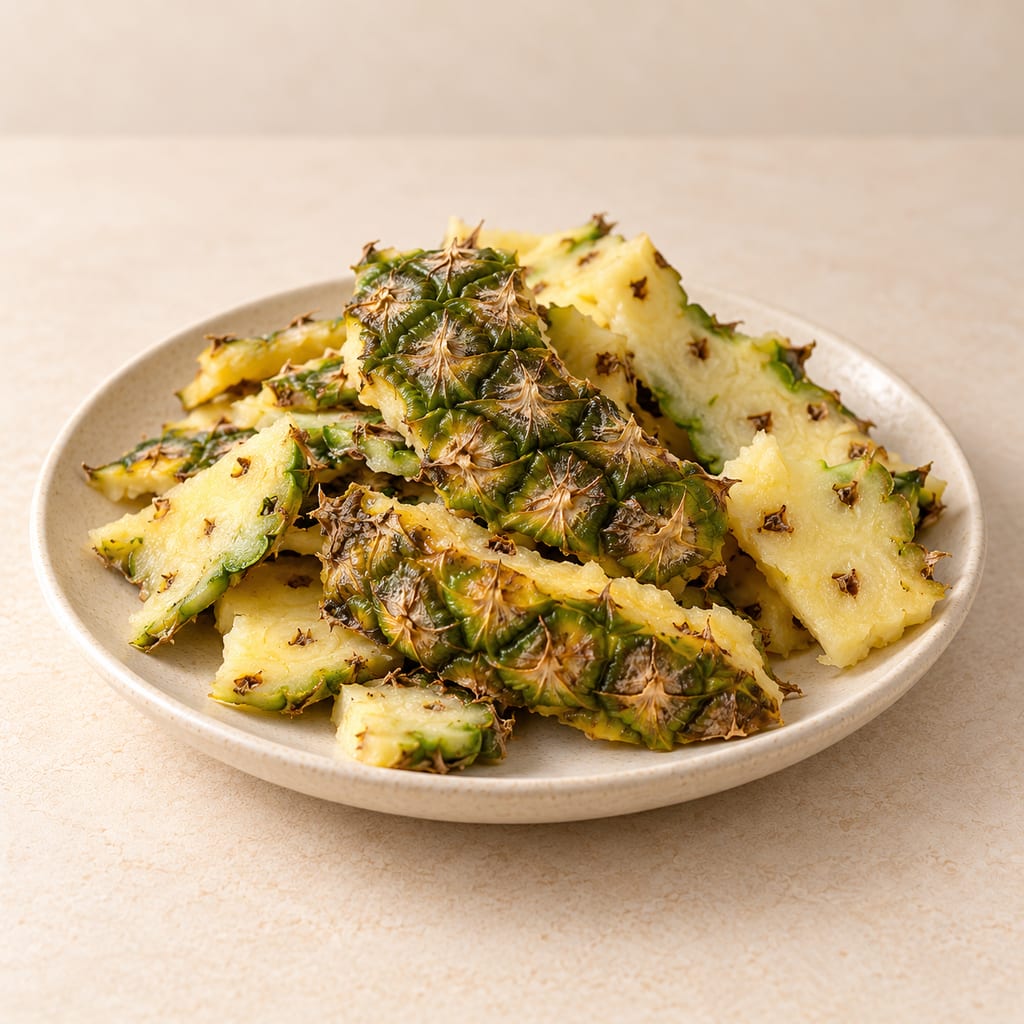
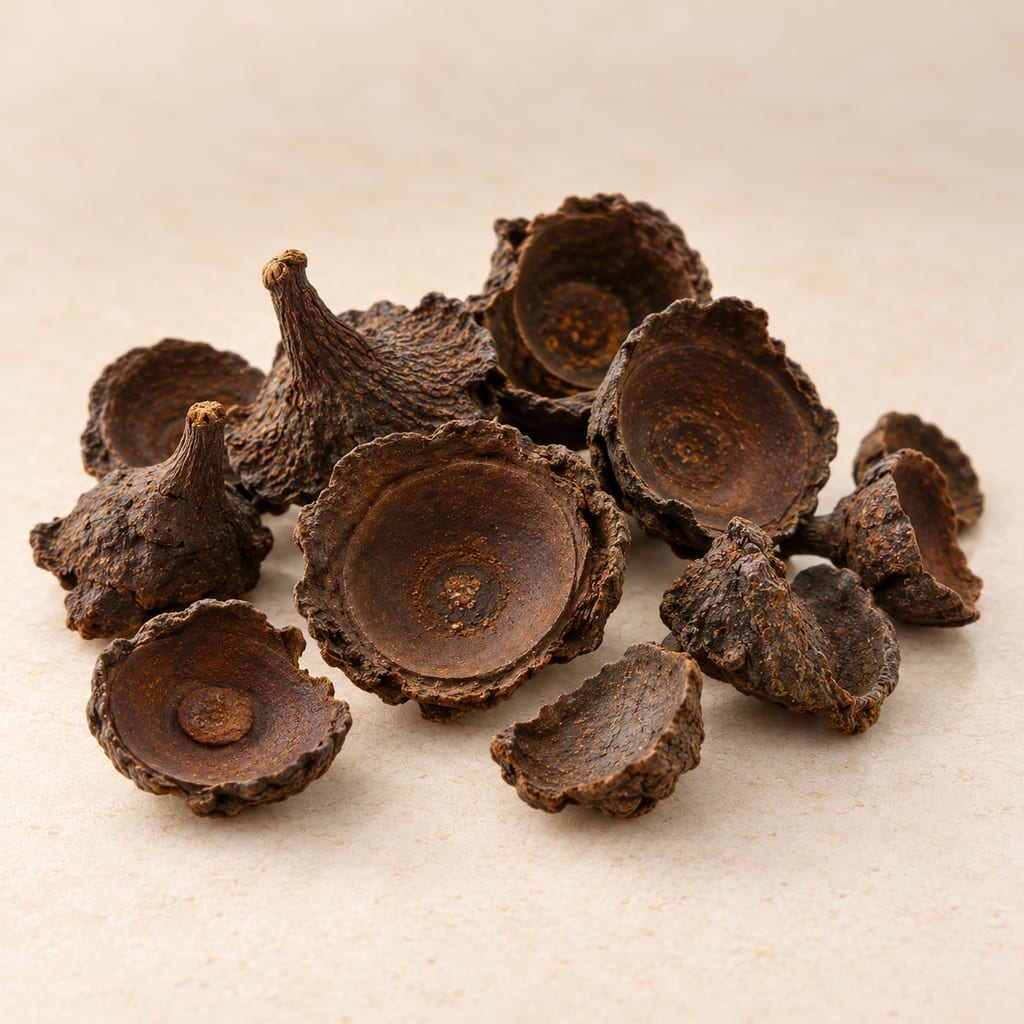
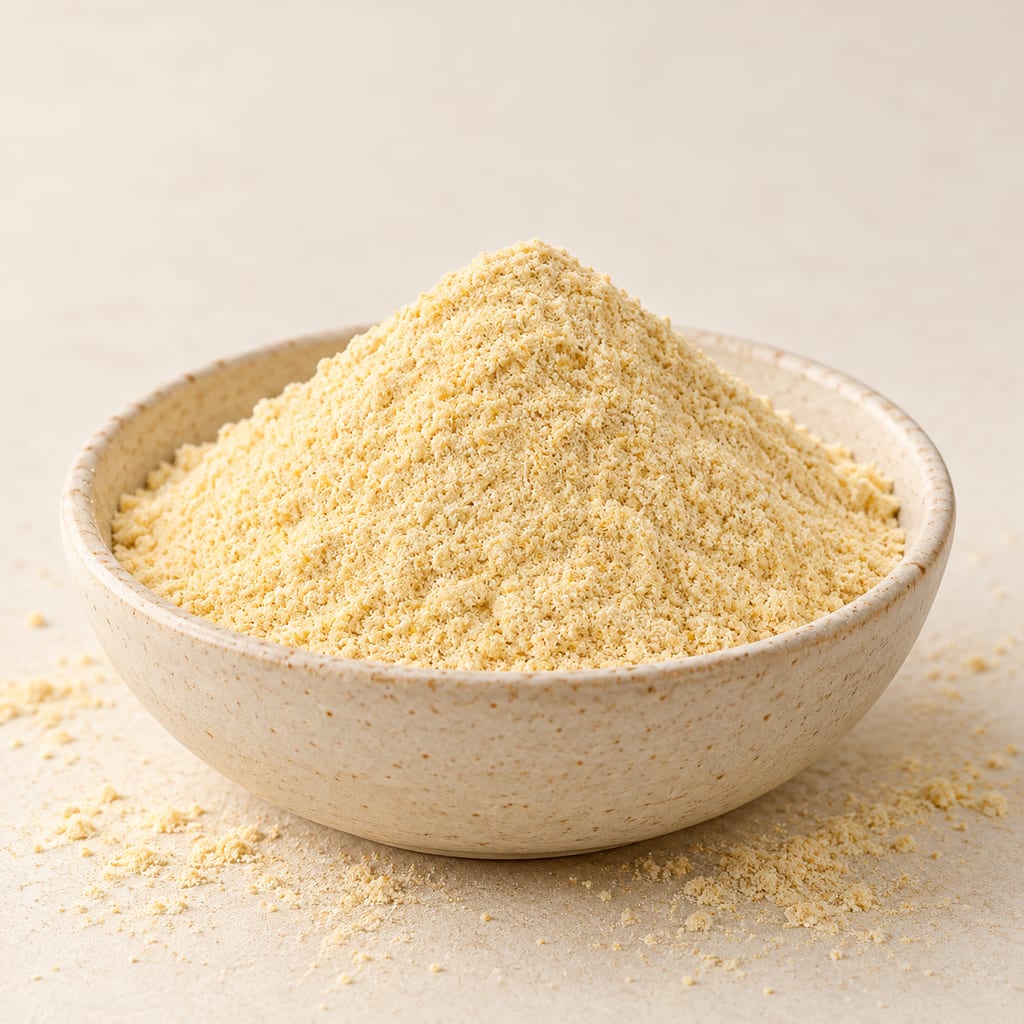
Pineapple peel is the firm, patterned outer layer trimmed from the fruit of Ananas comosus. It is not a uniform sheet but an irregular assembly of fused berry skins, bracts, and flower remnants, often retaining small amounts of juicy flesh depending on the cut. In a Tai-Nong-17 hybrid sample, the peel accounted for 34.7 percent of the whole fruit's mass, a proportion that varies by cultivar and preparation. Fresh peel is high in moisture, measured at 82.7 percent in that same study, and contains significant structural fiber. This high moisture content means that fresh peel is biologically active and prone to rapid spoilage if not processed or used immediately. The structural integrity of the peel is maintained by a complex network of cell walls that resist mechanical breakdown, which is why it requires specific preparation methods—such as boiling, drying, or prolonged steeping—to release its flavor compounds and nutrients into a liquid medium. When used in fermentation, such as in the Cañar-attributed chicha de jora recipe, the peel is added after cooking and cooling. This specific preparation treats the peel as a flavoring substrate rather than a primary starter culture, though its natural microflora may contribute to the fermentation environment. The physical form—whether steeped whole, cut into pieces, or dried into powder—determines how its compounds interact with the liquid and the microbial community. The surface area exposed to the liquid is a critical variable; larger pieces release compounds more slowly, while finely chopped or powdered peel can lead to a more rapid extraction of sugars, acids, and aromatic volatiles, potentially altering the fermentation kinetics and the final sensory profile of the beverage. The interaction between the peel's fibrous matrix and the aqueous environment also influences the viscosity and mouthfeel of the final product, adding a textural component that is distinct from the smoothness of the fruit pulp alone.
Sources for this section
The fruit’s outside
Botanically, the pineapple fruit is a multiple fruit formed from the fusion of many individual flowers. The exterior skin, or peel, is the hardened, protective layer resulting from this fusion, retaining the visual pattern of the original flowers and bracts. This structure makes the peel tough and fibrous, distinct from the soft, sweet pulp beneath. The boundary between peel and pulp is not sharp; historical cutting techniques, such as using a pineapple eyer to remove the 'eyes' with minimal flesh loss, highlight the thin layer of sweet tissue that clings to the rind. This transition zone is rich in sugars and organic acids, which can leach into the water during steeping processes, providing an initial source of fermentable carbohydrates for microbial activity. The composition of the peel is dominated by cell-wall materials. Analysis of dried peel shows it is rich in insoluble dietary fiber, primarily cellulose, hemicellulose, and pectic substances. These components give the peel its rigidity and its ability to hold water and oil. The presence of lignin further contributes to its hydrophobic properties, making the raw surface somewhat resistant to wetting until it is mechanically disrupted or heated. When fresh, the peel is pliable and moist; when dried and milled, it becomes a powder with high water-holding capacity, behaving very differently in food systems than the fresh rind used in traditional drinks. The drying process concentrates the sugars and acids present in the residual flesh attached to the peel, creating a more potent flavoring agent per unit weight. However, this concentration also increases the osmotic pressure potential, which can influence microbial growth rates in fermentation contexts. The structural complexity of the peel, with its varying thickness and density across the fruit's surface, means that even within a single pineapple, the extraction rates of compounds can vary, leading to batch-to-batch variability in traditional preparations that rely on visual or tactile cues rather than precise measurements.
Sources for this section
A crop with a long journey
The pineapple plant, Ananas comosus, has a deep history in the Americas. Evidence suggests cultivation in Amazonia and coastal Peru for over 3,000 years, and in Mesoamerica for about 2,500 years. Indigenous peoples moved and selected cultivars long before European contact. Portuguese traders carried the fruit from coastal Brazil to tropical Asia and Africa in the sixteenth century, leading to its pantropical diffusion. In Europe, it became a status symbol, grown in glasshouses, before canning and global trade made it a common commodity. The history of the peel as a specific culinary ingredient is less documented than the fruit's cultivation. Its use in waste reduction and flavor extraction appears in later household and industrial contexts. The large volume of pineapple processing, particularly in regions like Taiwan where annual yields exceed 400,000 metric tons, has driven interest in utilizing the peel, which constitutes a significant portion of the agricultural waste stream. This economic context supports the development of peel-derived products, from fiber fractions to vinegar, but does not necessarily imply an ancient, unbroken tradition of peel-specific fermentation. The shift from using the whole fruit to specifically isolating the peel for certain preparations may reflect changes in agricultural practices, such as the rise of canning industries that generate large amounts of peel waste, or changes in consumer preferences for cleaner, less fibrous eating experiences. In traditional contexts, the distinction between peel and flesh was often less rigid, with whole fruits being crushed or boiled together. The specific valorization of the peel as a distinct ingredient is a more modern phenomenon, driven by both economic efficiency and a growing interest in functional foods and waste valorization. This historical trajectory suggests that while the use of pineapple in fermented drinks is ancient, the specific technical manipulation of the peel as a separate substrate is a more recent adaptation, influenced by industrial processing and contemporary food science.
Sources for this section
What the peel contains
Pineapple peel is a concentrated source of dietary fiber. On a dry-weight basis, total dietary fiber measures 42.2 grams per 100 grams, with insoluble fiber comprising 36.3 grams and soluble fiber 5.90 grams. The insoluble fraction is rich in cellulose and hemicellulose, while the soluble fraction is characterized by arabinose-rich pectic polysaccharides. These components influence the texture and hydration properties of the peel. Dried peel fractions exhibit high water-holding capacity (7.94–12.3 mL/g) and oil-holding capacity (5.84–8.64 g/g), properties that are exploited in formulated foods like crackers, where peel powder can replace fat or flour. The high water-holding capacity is particularly relevant in fermentation, as it can buffer changes in moisture content and provide a hydrated matrix for microbial colonization. The peel also contains enzymes. Crude bromelain, a protease, has been isolated from pineapple peel, core, and crown. While bromelain is known for its tenderizing and proteolytic activity, the extent to which it affects fermentation in traditional drinks like chicha or tepache is not established by the available evidence. The enzyme's activity in a raw, steeped peel differs from that in extracted or processed forms. Heat treatment, such as boiling, can denature bromelain, reducing its proteolytic activity, while cold steeping preserves it. This difference can impact the breakdown of proteins in the fermentation medium, potentially affecting the availability of nitrogen sources for yeast and bacteria. Additionally, the peel's surface hosts natural microbial communities, including yeasts and bacteria, which can contribute to spontaneous fermentation, though specific starter roles are not universally defined. The microbial load on the peel is influenced by the fruit's ripeness, handling, and storage conditions. A ripe, intact fruit may harbor a different microbial profile than a bruised or overripe one. These endogenous microbes can compete with or supplement added starter cultures, influencing the fermentation pathway and the final flavor profile. The presence of natural sugars and acids on the peel surface also creates a selective environment for certain microbes, potentially favoring acid-tolerant yeasts and bacteria that are well-suited to pineapple-based fermentations.
Sources for this section
Uses in food
Beyond traditional fermented drinks, pineapple peel is used in various food applications. It serves as a feedstock for vinegar production, where it undergoes separate alcoholic and acetic fermentation stages. In industrial food processing, dried and milled peel is incorporated into baked goods, such as crackers, to increase fiber content and modify texture. Studies show that up to 10 percent peel powder is acceptable in cracker formulations, though higher levels can darken the crust and affect color preference. The use of peel in vinegar production highlights its potential as a substrate for sequential fermentation processes. The initial alcoholic fermentation converts sugars to ethanol, followed by acetic acid bacteria converting ethanol to acetic acid. The fiber content of the peel can influence the viscosity and stability of the vinegar, while the residual sugars and acids contribute to the flavor complexity. The peel is also used to flavor syrups and preserves. Historical recipes, such as an 1841 preserve, boil the rind with sugar and water to create a flavored liquid in which the fruit slices are then cooked. This method extracts flavor and pectin from the peel without consuming the fibrous material itself. Similarly, a South Pacific leaflet describes a non-fermented drink made by boiling peel and core in water, straining the infusion, and cooling it. These uses highlight the peel's role as a source of flavor and functional compounds rather than as a primary bulk ingredient. The extraction of pectin from the peel is particularly valuable for gelling agents in preserves and jams. The high pectin content, combined with the natural acidity of the pineapple, can facilitate gel formation with less added sugar or acid. This functional property makes the peel a useful ingredient in food systems where texture modification is desired. The versatility of pineapple peel in these diverse applications underscores its value as a multi-functional ingredient, capable of contributing flavor, texture, and nutritional benefits to a wide range of food products.
Sources for this section
The peel in chicha de jora
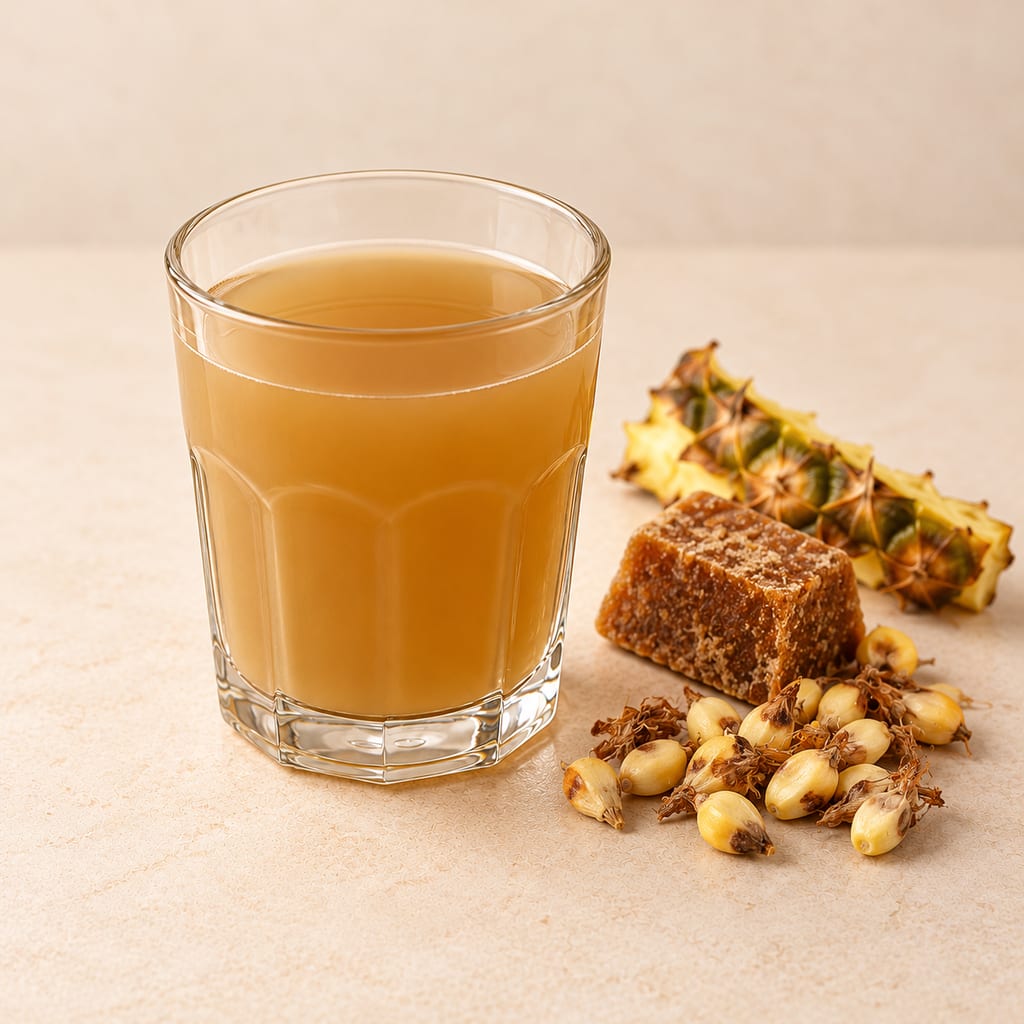
In a chicha de jora recipe attributed to Cañar, Ecuador, pineapple peel is added after the jora (sprouted maize) mixture has been cooked and cooled. The recipe specifies half a cup of peel, added along with chopped panela, before a two-day fermentation. The peel is not described as a starter culture but as an ingredient contributing to the final flavor profile. The specific microbial contribution of the peel in this context is not isolated; the fermentation is driven by the jora and potentially added yeast or ambient microbes. The addition of pineapple peel in this context introduces a complex array of volatile compounds, including esters and terpenes, which contribute to the aromatic profile of the chicha. These compounds are extracted during the steeping process and can interact with the fermentation metabolites produced by the jora. The use of peel in this preparation reflects a broader practice in Andean and Latin American chicha making, where fruit peels are sometimes used to add sweetness, acidity, or aromatic complexity. However, the evidence does not support the claim that pineapple peel is essential for the fermentation process itself in this specific recipe. It is a flavoring and textural component, distinct from the amylolytic role of the jora. The jora provides the enzymes necessary for starch conversion, while the pineapple peel adds secondary metabolites that enhance the sensory experience. This distinction is important for understanding the functional roles of different ingredients in traditional fermented beverages. The peel's contribution is primarily sensory, adding layers of flavor that complement the base notes of the maize and sugar. The interaction between the peel's compounds and the fermentation environment can also influence the stability and shelf-life of the final product, as certain phenolic compounds may have antioxidant properties.
Sources for this section
Choosing, washing and storing
Selecting a pineapple for peel use involves choosing a ripe, intact fruit. The peel should be free of mold or significant bruising. Washing is critical: the FDA recommends rinsing whole produce under running water before peeling to prevent surface contaminants from being transferred to the flesh or the peel itself by the knife. Soap or commercial produce washes are not recommended. Washing does not sterilize the fruit but reduces the microbial load. The effectiveness of washing depends on the physical integrity of the peel; cracks or cuts can harbor pathogens that are difficult to remove with simple rinsing. Once peeled, the trimmings should be handled with care. If not used immediately, they should be refrigerated at 40°F (4°C) or below. Perishable food should not be left at room temperature for more than two hours, or one hour if the ambient temperature is above 90°F (32°C). For long-term storage, drying the peel into powder or freezing it are common methods, though specific shelf-life data for home-dried peel is not provided in the sources. Clean, grease-free vessels are recommended in traditional recipes to prevent off-flavors and spoilage. The storage conditions significantly impact the microbial profile of the peel. Refrigeration slows down microbial growth but does not stop it, while freezing can preserve the peel's chemical composition but may alter its texture and extraction properties upon thawing. Drying reduces water activity, inhibiting microbial growth, but can also lead to the loss of volatile flavor compounds. The choice of storage method should therefore be aligned with the intended use of the peel. For fermentation, fresh or lightly preserved peel is often preferred to maintain the natural microbial community, whereas dried peel is more suitable for flavor extraction in non-fermented applications. Proper handling and storage are essential to ensure the safety and quality of pineapple peel as a food ingredient.
Sources for this section
Peel in historical drink recipes
Historical records show varied uses of pineapple peel in drinks. An 1845 Mexican recipe for 'pulque de piña' grinds the fruit with its rinds, strains the mixture with pulque, and sweetens it. Here, the peel is processed together with the flesh, contributing to the body and flavor of the drink. An 1891 recipe for 'Pineapple Cardinal' boils the rind in water to make an infusion, which is then poured over sugared pineapple slices. This method uses the peel for flavor extraction rather than fermentation. A 1999 Nahua recipe collection from northern Veracruz describes a tepache made by steeping washed, cut pineapple peel in water for two to three days before adding sweetener. This peel-only steeping contrasts with recipes that use whole crushed fruit. The sequence suggests the peel's compounds are extracted during the initial water rest, potentially influencing the subsequent fermentation. Another 1947 Mexican recipe for tepache crushes the whole pineapple, including the rind, with water, cinnamon, and cloves, then adds barley and piloncillo after two days. These variations demonstrate that the peel's role—whether as a sole substrate, a flavoring infusion, or part of a whole-fruit mash—depends on the specific regional and historical context. The 1999 Nahua recipe's emphasis on steeping the peel before adding sweetener suggests a deliberate attempt to extract specific compounds from the peel, possibly to influence the fermentation environment or the final flavor. This contrasts with the 1947 recipe, where the peel is crushed with the whole fruit, indicating a more integrated approach to flavor and fermentation. The 1891 'Pineapple Cardinal' recipe, which uses a boiled infusion, highlights the use of heat to extract flavor compounds, a technique that can also denature enzymes and reduce microbial load. These historical variations provide insight into the evolving understanding and utilization of pineapple peel in culinary traditions, reflecting different priorities in flavor, texture, and fermentation control.
Sources for this section
Places
Cañar
Documented preparation · Region evidenceThe chicha de jora recipe using pineapple peel is attributed to this region in Ecuador.