nata de piña · Nata de pina · Pineapple nata · Pineapple gel
Loading ratings…
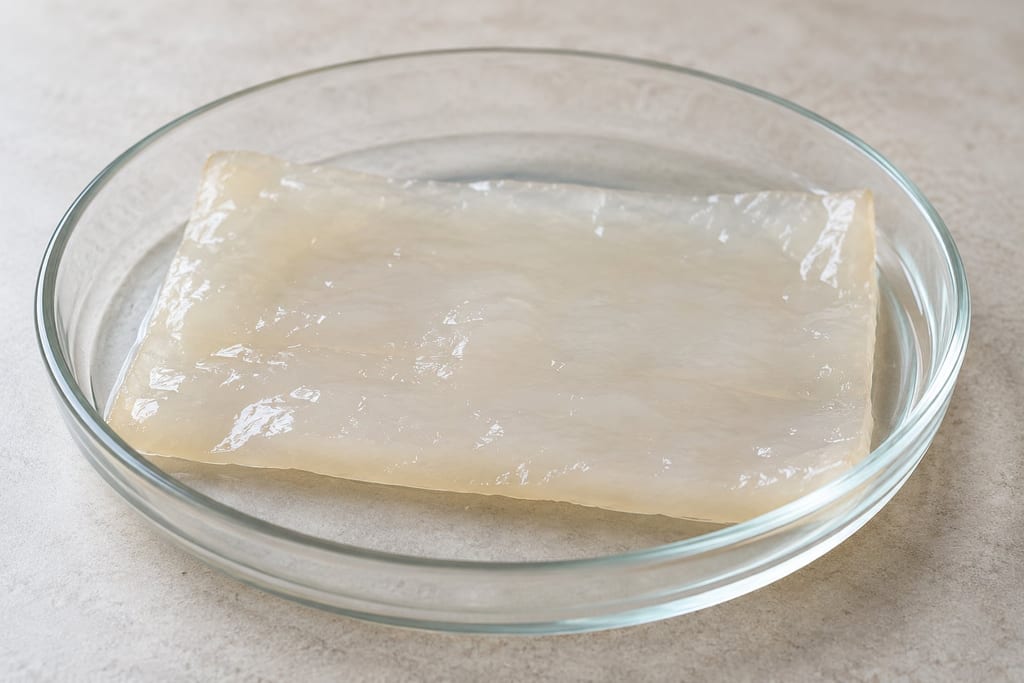
Nata de piña is a translucent cellulose gel grown from a pineapple-peel liquid instead of coconut water. A bacterial starter is added to the cooled peel extract and the pellicle forms over 14 to 28 days in a laboratory study.
Nata de piña is a translucent gel of bacterial cellulose. It is grown from a pineapple-peel liquid, not from coconut water as nata de coco is. The pellicle forms at the liquid surface, and the chewy product comes from that cellulose.
The two products are separate. Pineapple-skin tepache is a different ferment, and the peel extract here is only a substrate for the cellulose-producing bacteria.
The 2020 study starts with a bacterial starter grown in pineapple-peel extract for seven days at 29 degrees C. The organism is named Acetobacter xylinum. Current nomenclature places that name under Komagataeibacter xylinus, and isolates differ in how much cellulose they make.
The peel is rinsed, cut into pieces of 3 to 5 cm, homogenized and filtered. Sugar and urea are added to the filtrate. Urea is a laboratory nitrogen supplement in this study. Its use is not a claim of food suitability.
The medium was adjusted to pH 4 with acetic acid, boiled at 100 degrees C, and cooled to 29 to 30 degrees C. It was portioned into sterile jars with 20, 30 or 40 percent starter and incubated at 29 degrees C for 14, 21 or 28 days, with three replicates per treatment.
The reported results were 35.75 percent yield at 40 percent starter after 28 days, and 21.5 mm thickness at 40 percent after 21 days. The study identifies 21 days as optimal for thickness. The paper does not make clear whether the starter percentages are of a base or a final volume, and the yield denominator is not legible in the retrieved text.
The review associates nata de piña with the Philippines, along with nata de coco. That is a reported association. No source inspected dates the product or names an inventor.
A current retailer lists a packaged pineapple gel under the name nata de piña. That shows present availability only, not traditional use or manufacturing details.
The review describes nata products in general as chewy jelly used in desserts, candies, ice cream, drinks, puddings and fruit cocktails. The sources do not give a documented use specific to nata de piña.
No validated household recipe exists in these sources. The study had no uninoculated control and gives no household endpoint, storage period or safety protocol. Thickness and yield are not safety checks.
The urea, the starter percentage basis and the acid amount are unresolved. A food-process specialist must review any household method. Smell, taste and appearance do not establish safety.
The 2024 review associates nata de piña with the Philippines. Retail listings show present-day availability. No source inspected dates the product or names its first maker.
Ingredients
Scaling: source batch only
Pineapple peelRinsed, cut into 3 to 5 cm pieces, homogenized and filtered to make the extract.
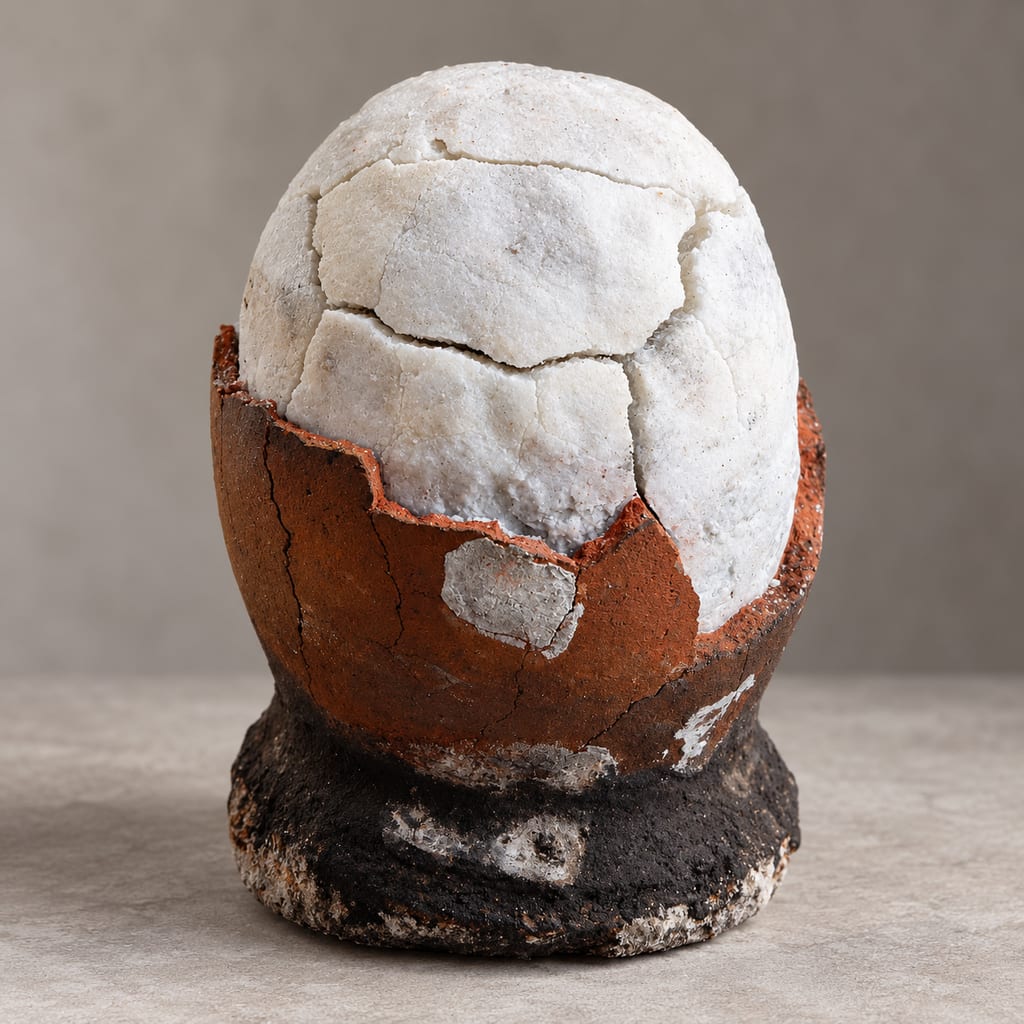
Asin tibuok is a Boholano salt-making craft that turns seawater-soaked coconut husks into a salt-rich ash, brine and formed sea salt in specialized clay pots. This record follows one published account of the community process; it is not a validated household formula.
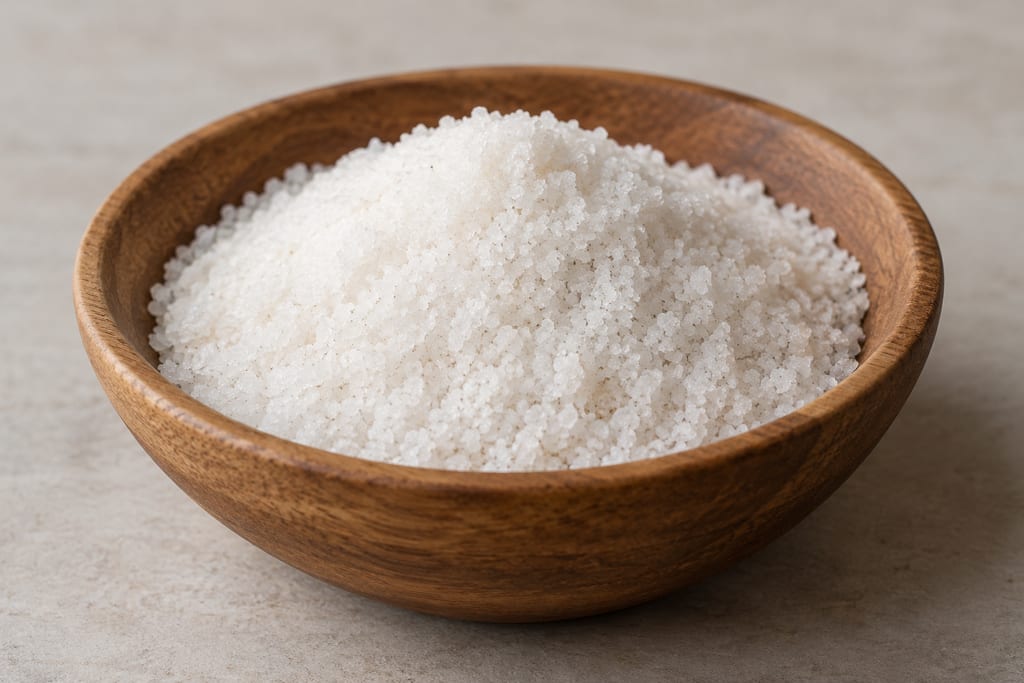
Asin sa buy-o is a fine sea salt made in Panayunan, Botolan, and packed in a woven nipa pouch called a buy-o. Salt-bearing coastal earth is leached with seawater, and the brine is boiled to crystals.
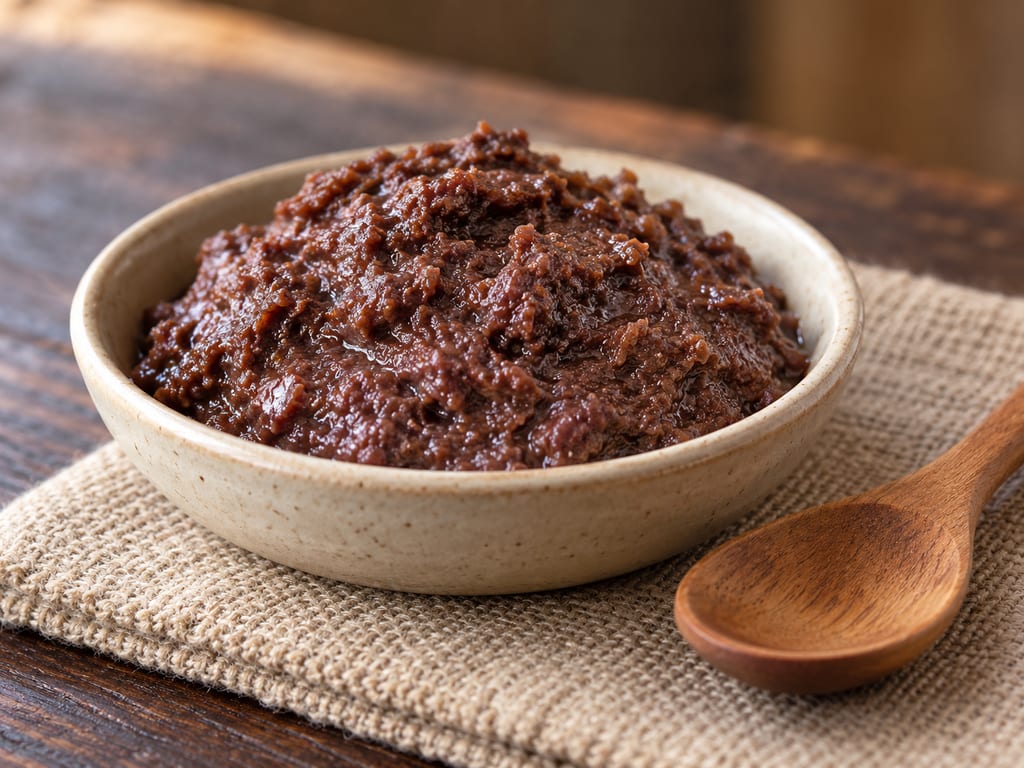
Bagoong isda is a Philippine fish paste: whole small fish salted and left to ferment for a month or more in earthen jars. It is the fish counterpart of bagoong alamang.
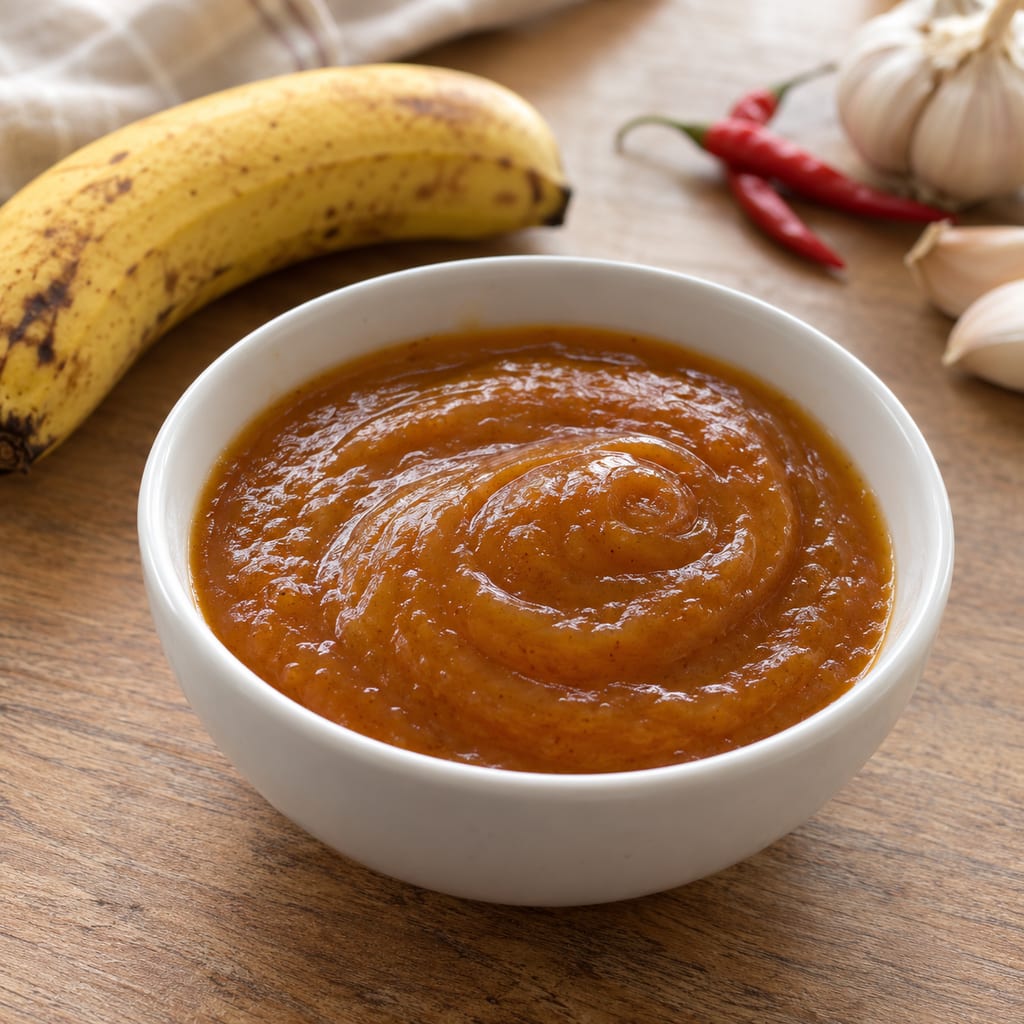
A sweet-hot table sauce of ripe banana simmered with vinegar, sugar, onion, garlic and fresh chilli, in the manner of Philippine banana ketchup. An untested development batch of about 500 g.
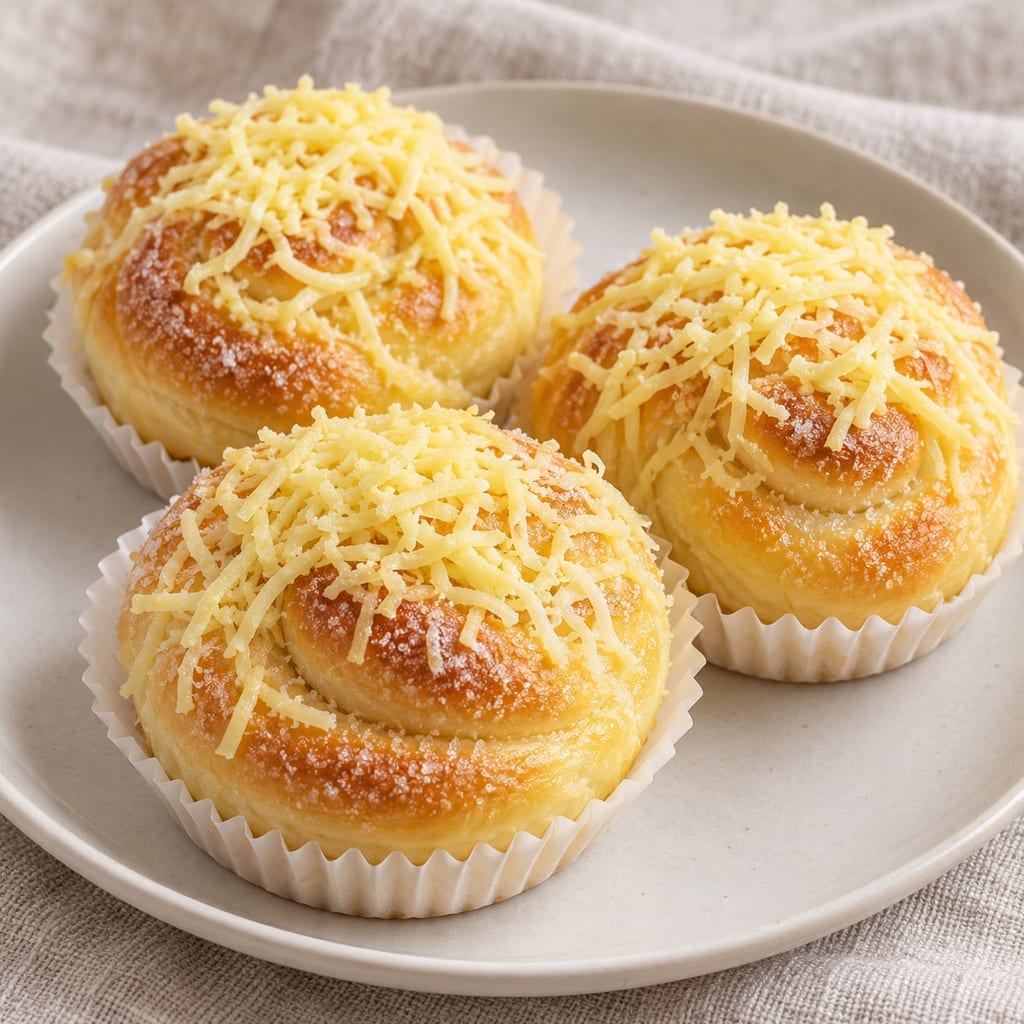
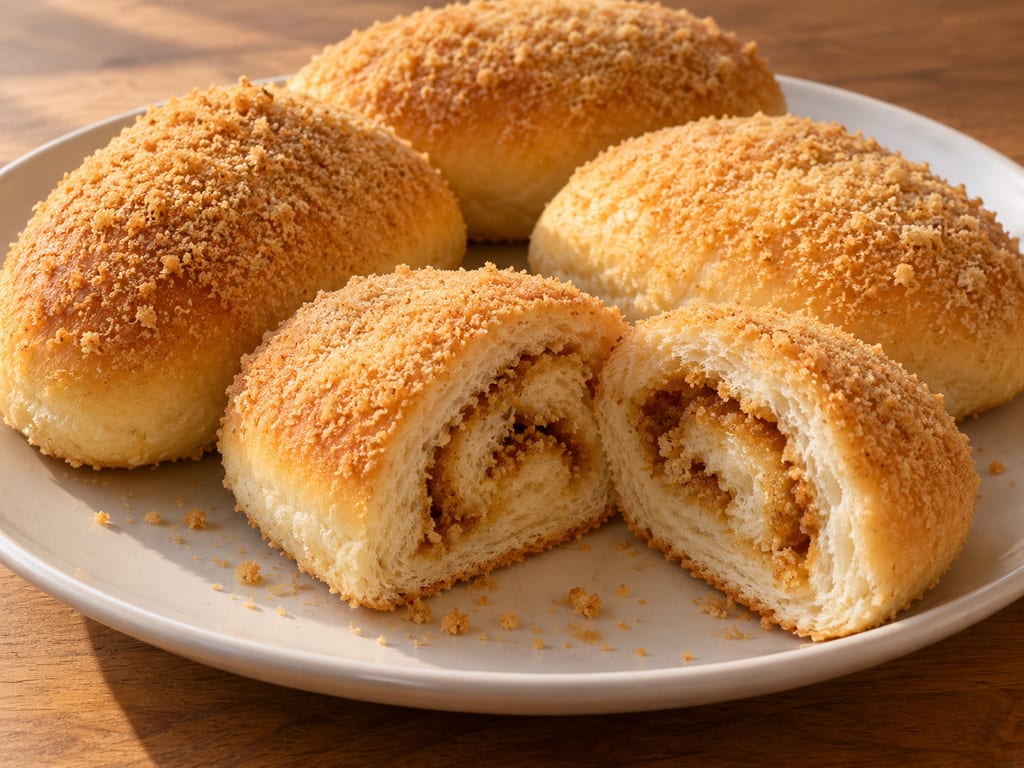
Soft Filipino ensaymada coils use enriched yeast dough, then receive butter, sugar and grated cheese. This modern Filipino version differs from Mallorcan ensaïmada and other Philippine regional formulas.
Starter: 20 mL of bacterial suspension in 500 mL pineapple-peel extract, 7 days at 29 degrees C.
Production: 8 kg peel rinsed, cut to 3 to 5 cm, homogenized and filtered; 10 g urea and 200 g sucrose per 2 L filtrate; acid to pH 4; boiled at 100 degrees C; cooled to 29 to 30 degrees C.
Treatments: 200 mL in sterile 250 mL jars with 20, 30 or 40 percent starter; 14, 21 or 28 days at 29 degrees C; three replicates per treatment (27 jars).
Results: 35.75 percent yield at 40 percent starter after 28 days; 21.5 mm thickness at 40 percent after 21 days, not significantly different from 24.6 mm after 28 days.
Cited in: What it is; The starter and the peel extract; How the 2020 study grew the pellicle; Open questions and safety
Accessed 2026-10-26
Journal of Ethnic Foods 11 (2024), article 27History · Uses
Nata de piña is named with nata de coco as a Philippine cellulose pellicle, grown from a plant-liquid substrate; the review associates both with the Philippines.