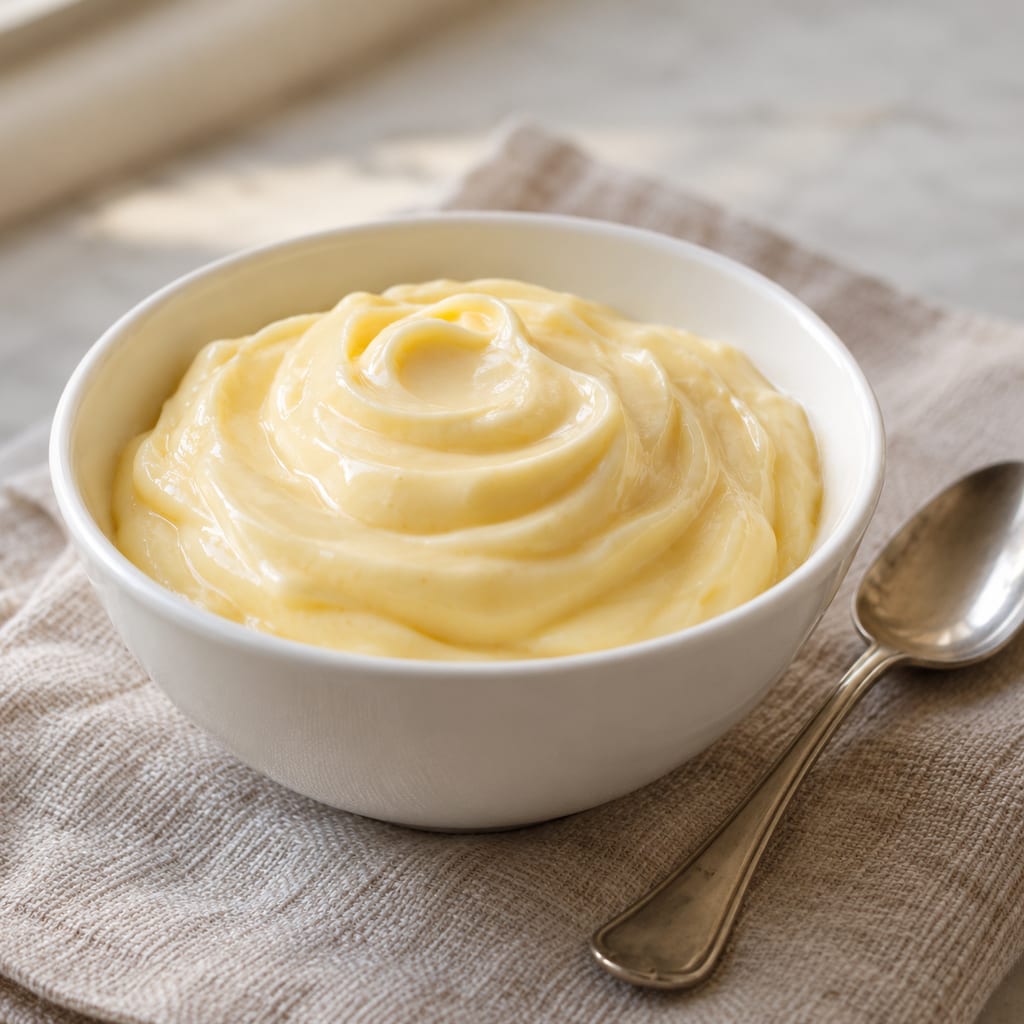
Cooked mayonnaise
A cooked-yolk mayonnaise documented in the University of Tennessee Extension’s 2007 Egg University Handbook. The egg mixture is heated before oil is emulsified into it.
 FermenteaWhere food goes to change
Modern method
Citrus mayonnaise for Mexican-style dishes
An untested mayonnaise variation that replaces part of a neutral base’s vinegar with lime juice and finishes with optional lime zest.
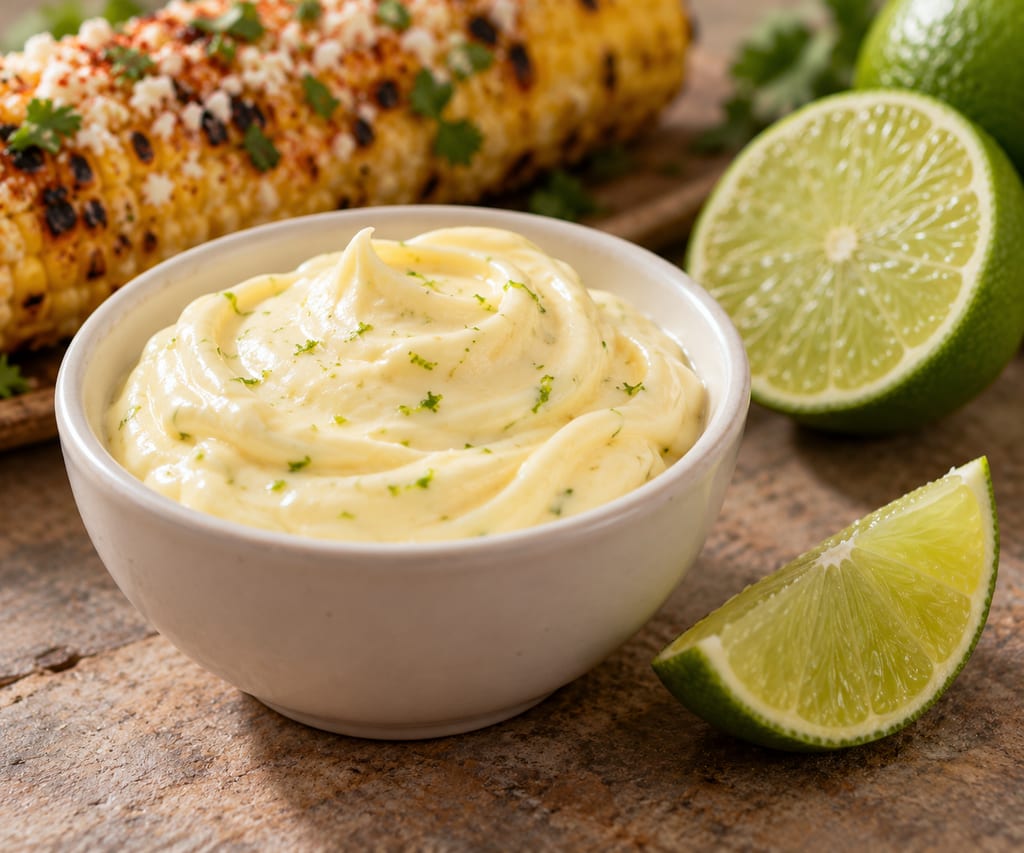
This is a lime-accented mayonnaise development formula. The archive adapts a neutral base by replacing 8 g of its 20 g vinegar with lime juice, reducing sugar, and offering a small amount of zest as an optional final addition. These are deliberate home-formula choices, not the result of sensory testing. This development formula has not been made in a kitchen, compared by tasters, or assessed for shelf life.
McCormick México currently presents mayonnaise with a touch of lemon. That commercial product gives a relevant flavor direction, but its ingredients and production are not the same as this formula. This page does not call the recipe traditional, nor assign it an origin in Mexico.
Mayonnaise is an oil-in-water emulsion: tiny oil droplets are dispersed through a water-based phase. Egg yolk contains emulsifying components that help keep droplets dispersed; mustard contributes flavor and can support emulsion formation. Gradual oil addition gives the yolk-and-water mixture time to surround droplets. This explanation describes the proposed method, not a guarantee that every bowl, whisk, or batch will emulsify.
Dissolving salt and sugar in the watery ingredients spreads them through the base before the oil is added. Whisking the yolk and mustard into that mixture provides a continuous starting phase. Add the first oil slowly; once a cohesive emulsion forms, a thin stream is easier to incorporate than a sudden pour. If the sauce becomes too stiff to whisk, a small measured addition of water may loosen it. Record any added water because it changes the nominal yield.
The optional zest is stirred in after emulsification. It adds aromatic citrus peel without replacing the measured juice. The lime juice's acidity can vary with fruit and measurement; neither lime nor the fixed vinegar amount has been tested here as a safety treatment. The 5% acidity on the vinegar label describes that ingredient, not the finished mayonnaise's pH.
The development notes suggest using this flavor direction on corn or as a base for a chili mayonnaise. Those are serving suggestions, not proof of a regional tradition. If adapting it further, change one flavor ingredient at a time and record it; additional fresh ingredients would make this a different, still untested formula.
Use pasteurised yolk sold for uncooked preparations, keep tools and hands clean, and refrigerate promptly at 4°C or colder. FDA guidance names homemade mayonnaise among uncooked-egg foods and advises use of pasteurised eggs for such recipes. The project's 24-hour working window is a cautious house rule for unvalidated prototypes, not a measured shelf life and not a claim that a batch remains safe for that period under every condition. The formula has no measured final pH, validated pathogen reduction, or shelf-life data. Do not can it or keep it at room temperature. Smell, taste, appearance, and a home pH reading cannot establish safety.
A modern, untested home development variation, not a documented Mexican traditional preparation. Its lime direction is compared with McCormick México's lemon-positioned mayonnaise range; the recipe is independently formulated and does not reproduce the product.
Yield 264 g nominal ingredient mass · Scaling: source batch only
The yolk is not cooked after it is added. Pasteurised egg and clean handling reduce risk but do not validate the finished formulation.
Hazard sourceUse commercially pasteurised egg yolk labelled for uncooked use; wash hands and clean and sanitise utensils and work surfaces.
Control sourceRefrigerate promptly at 4°C or colder. The archive's 24-hour period is a conservative house rule for unvalidated prototypes, not a measured shelf life.
Control sourceThis is an untested development formula: it has not been kitchen-tested, sensory-tested or shelf-life tested.
Vinegar and lime are flavour ingredients, not a validated pH or pathogen-kill step. Do not can or store at room temperature.
People at higher risk from foodborne illness should avoid uncooked-egg foods.
Freezing may split the emulsion; this is a quality concern, not a safety control.
Allergens: egg and mustard.
The lime direction is a modern home adaptation prompted by a Mexican-market product; this is not a traditional preparation or an origin claim.
A cooked-yolk mayonnaise documented in the University of Tennessee Extension’s 2007 Egg University Handbook. The egg mixture is heated before oil is emulsified into it.
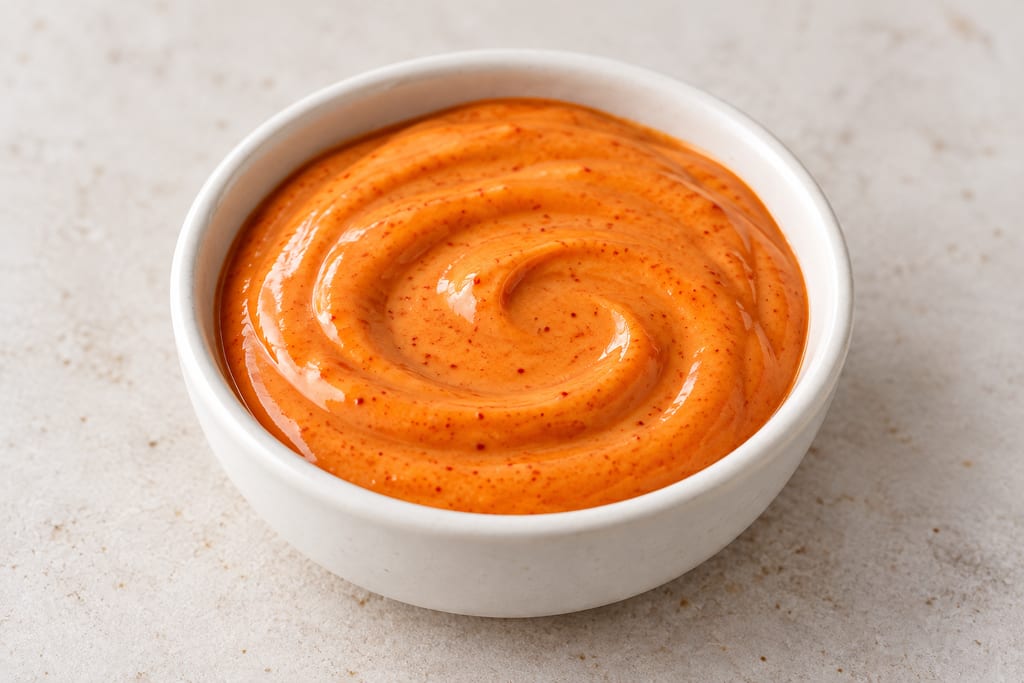
A contemporary, untested mix of finished mayonnaise, gochujang and rice vinegar, with starting amounts per 100 g mayonnaise.
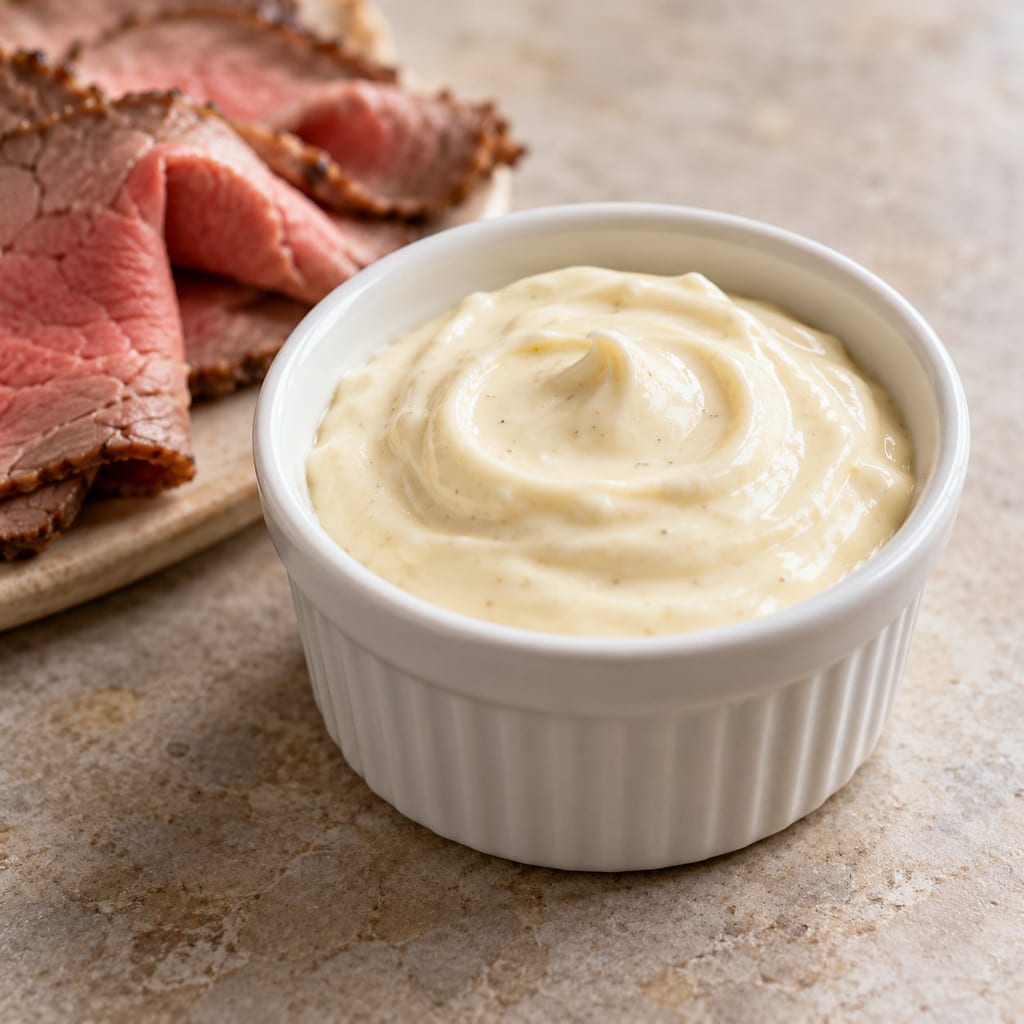
Prepared horseradish and lemon sharpen finished mayonnaise into a fresh accompaniment for roast meat or fish; the archived ratio has not been tested.
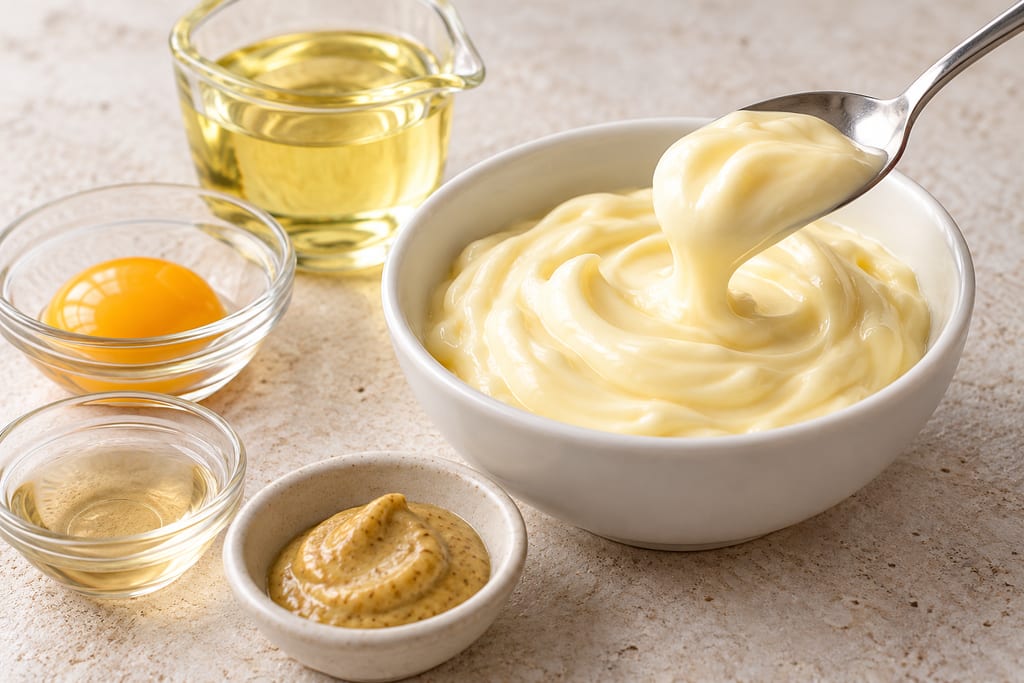
A plain mayonnaise of 200 g refined neutral oil emulsified into pasteurised yolk, vinegar, water and a little Dijon mustard: a clean base for tasting, comparing and flavouring.
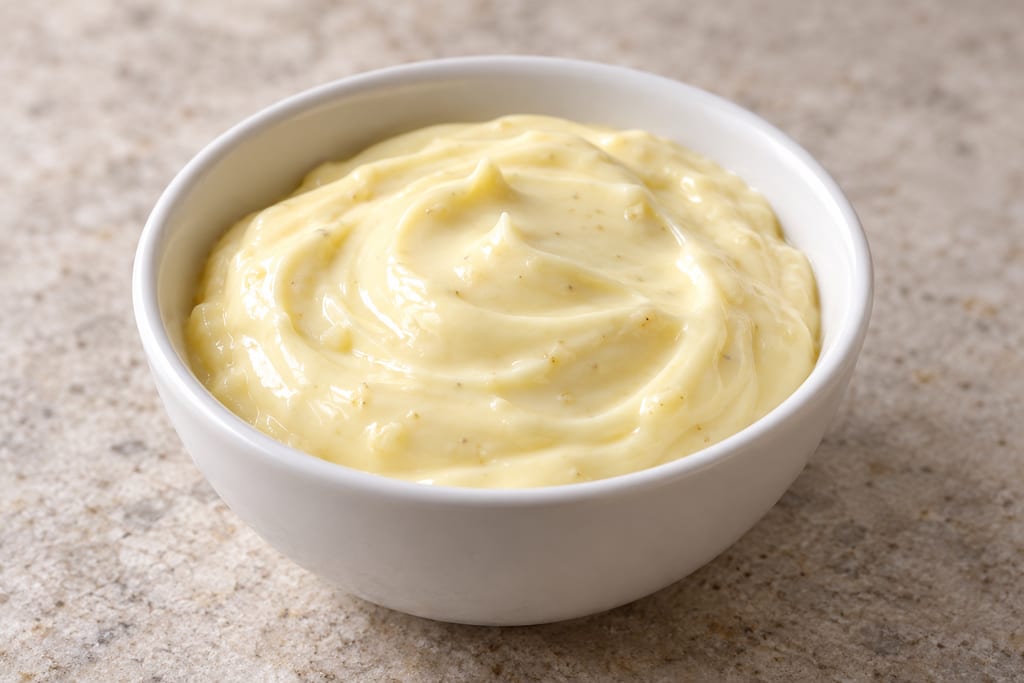
An untested 265 g garlic mayonnaise made by whisking pasteurised yolk with vinegar, water and Dijon, then slowly emulsifying neutral oil with mild extra-virgin olive oil.
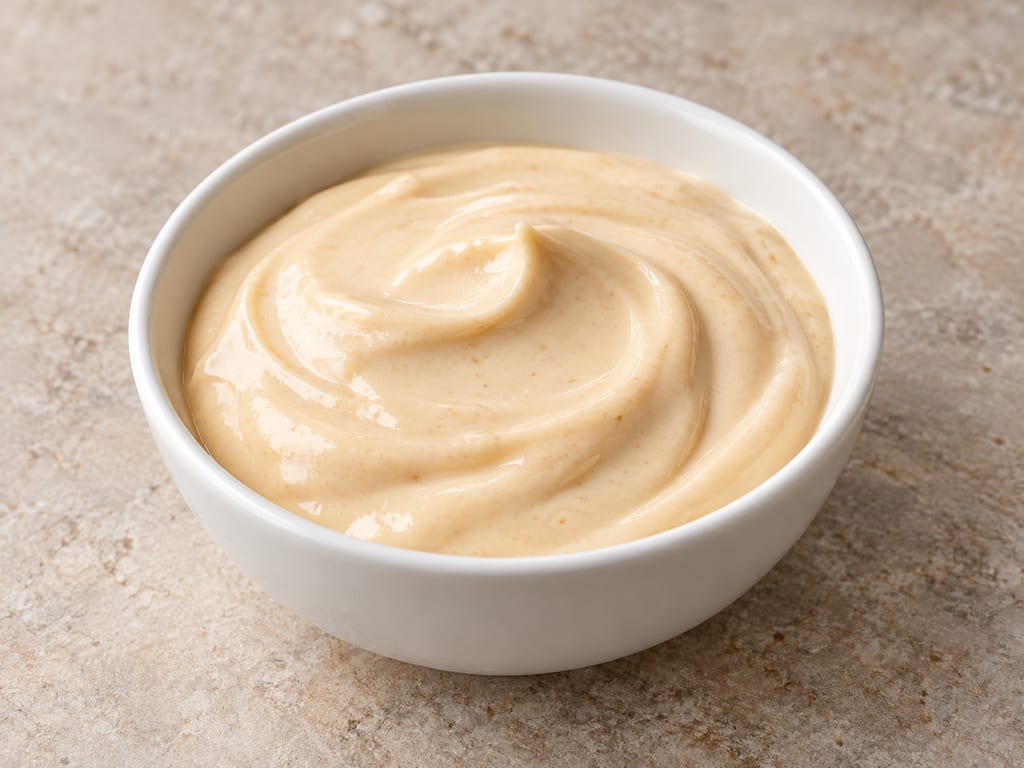
A sesame-forward, fresh sauce made by mixing tahini, toasted sesame oil and rice vinegar into finished mayonnaise; the archived amounts are untested starting points.
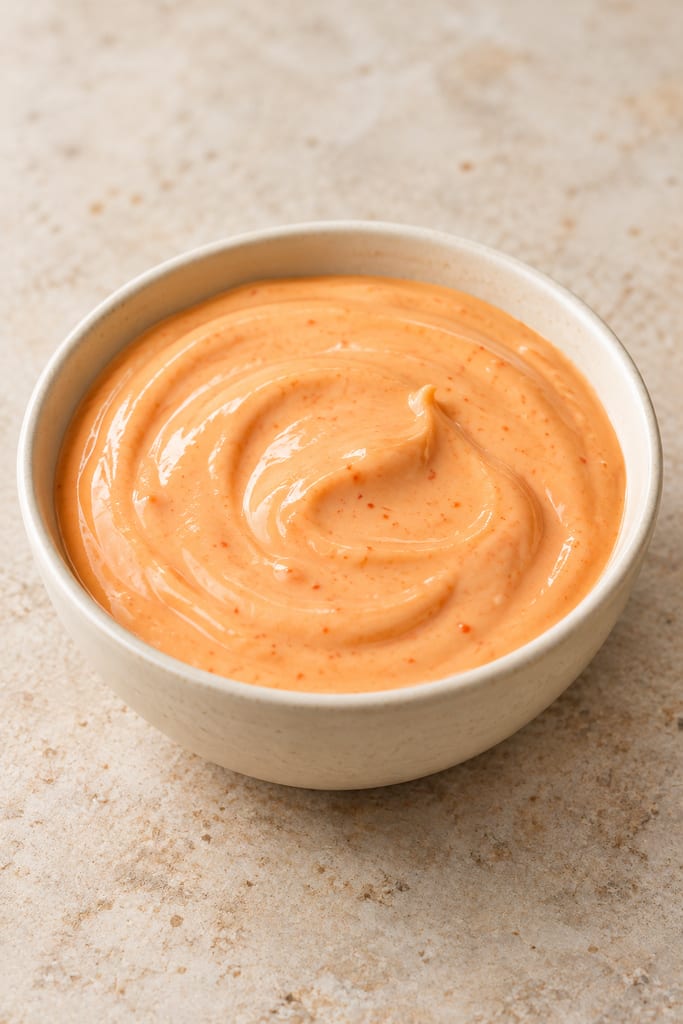
A contemporary, untested mix of finished mayonnaise, sriracha and lime juice, with starting amounts per 100 g mayonnaise.
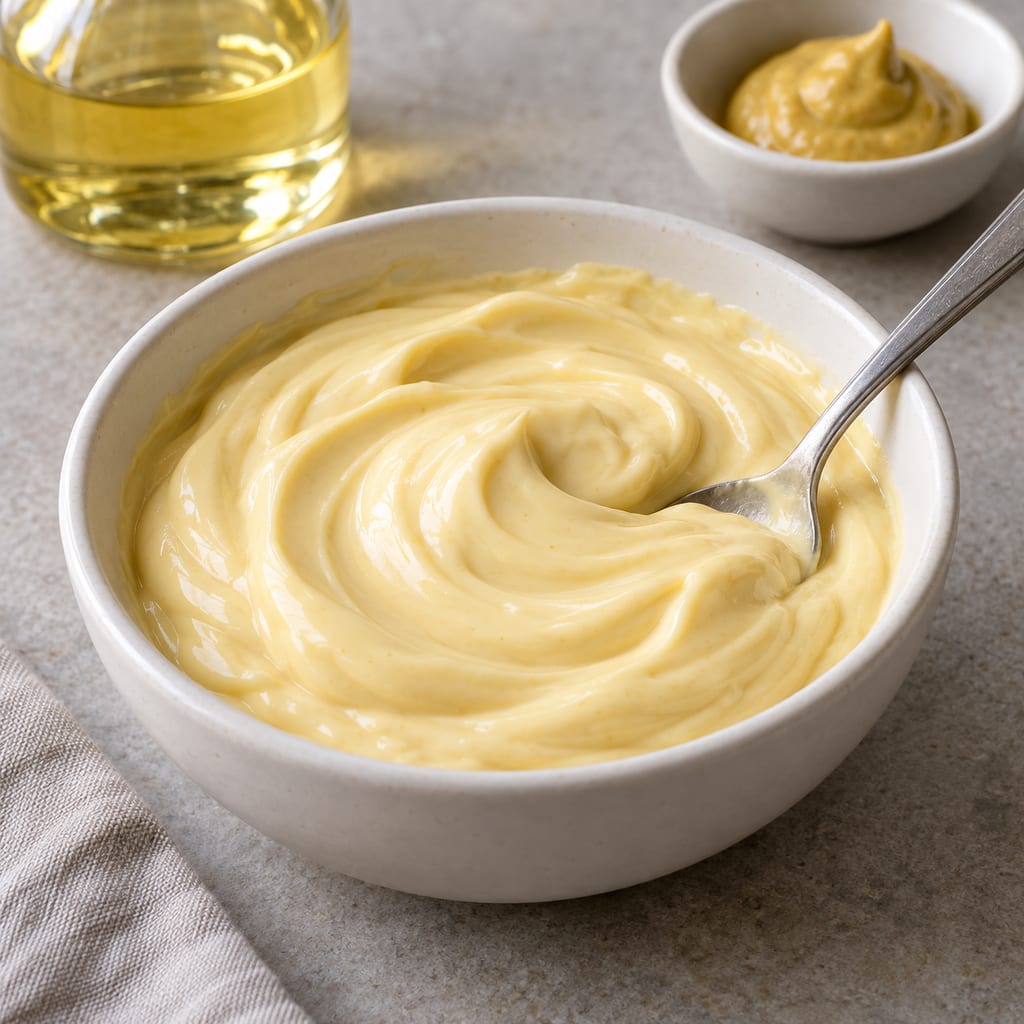
An untested mayonnaise variation made with refined sunflower oil and more Dijon mustard than a neutral base.
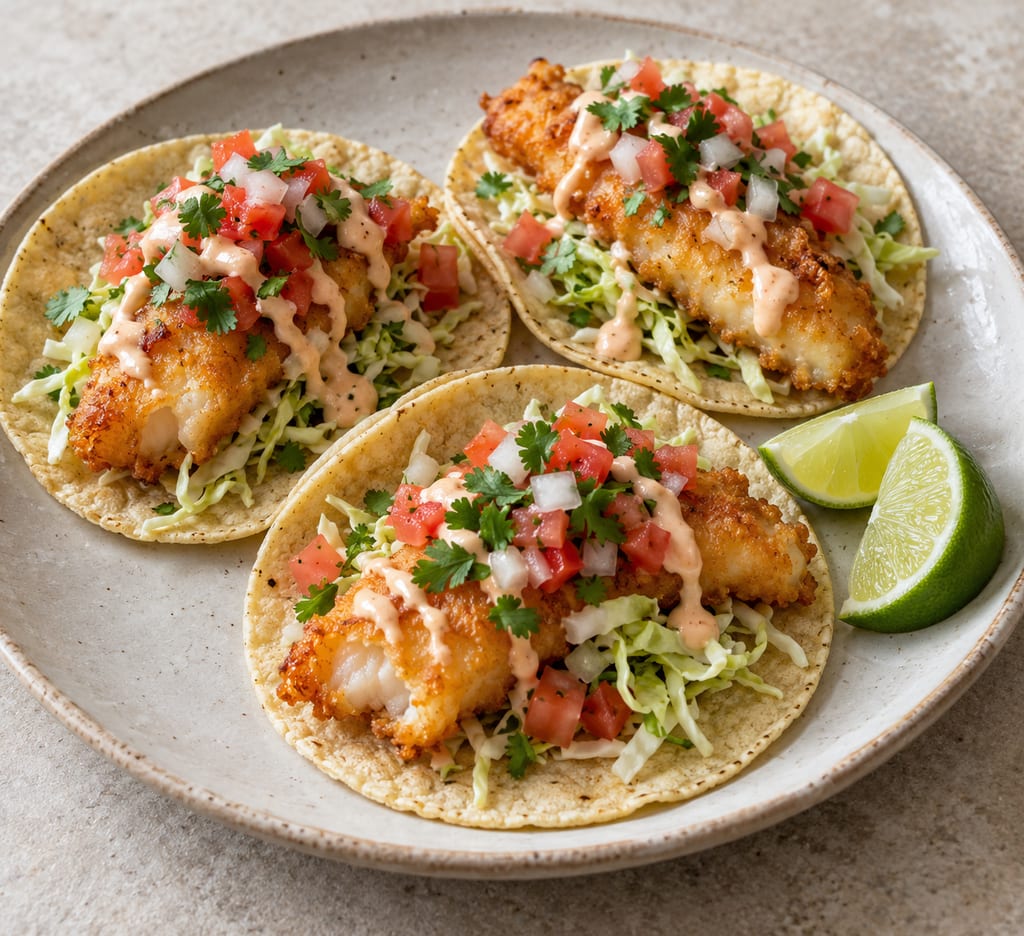
Crisp battered white fish in warm corn tortillas with shredded cabbage, lime and fresh salsa. This home version draws on the Ensenada style without claiming to be a definitive historic formula.
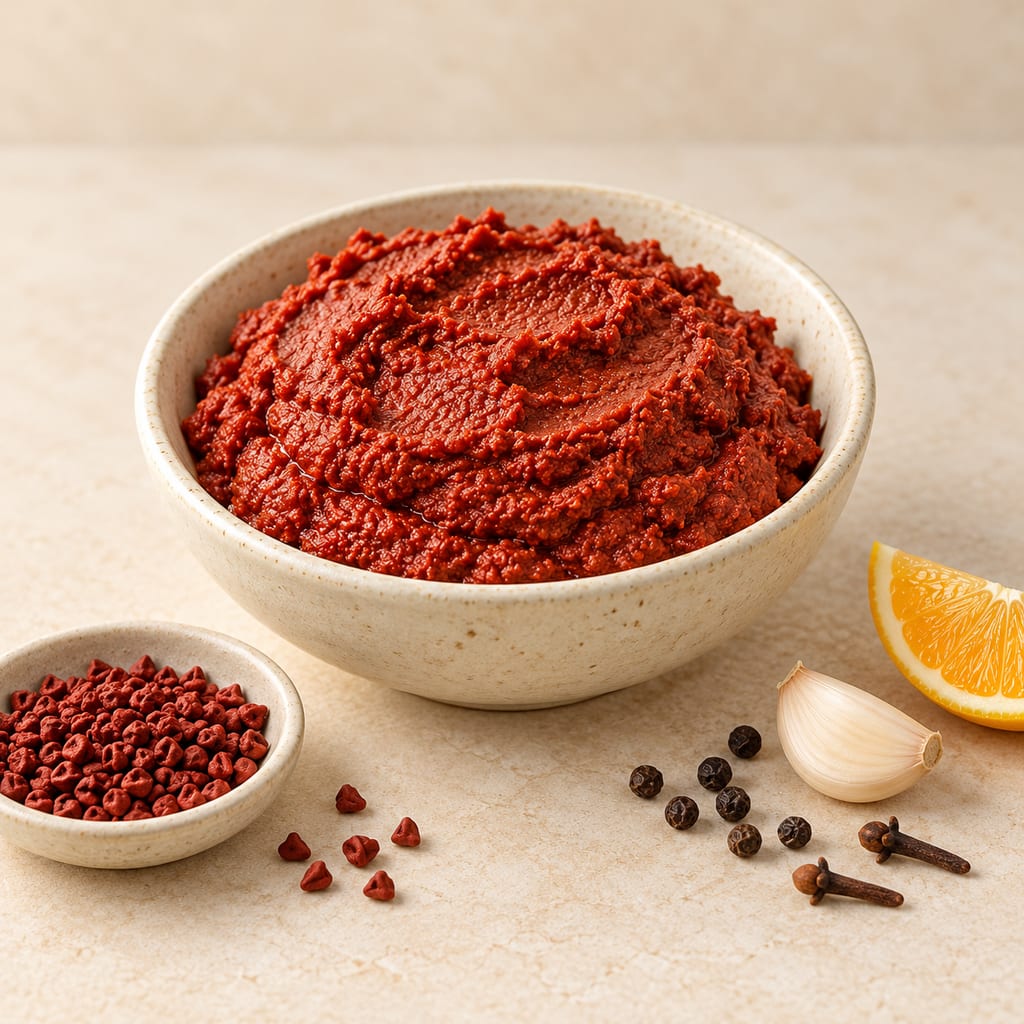
A Yucatecan recado rojo is a brick-red seasoning paste built on annatto seed, garlic and sour orange. This measured home version shows one route into a much wider family of market and household recados.
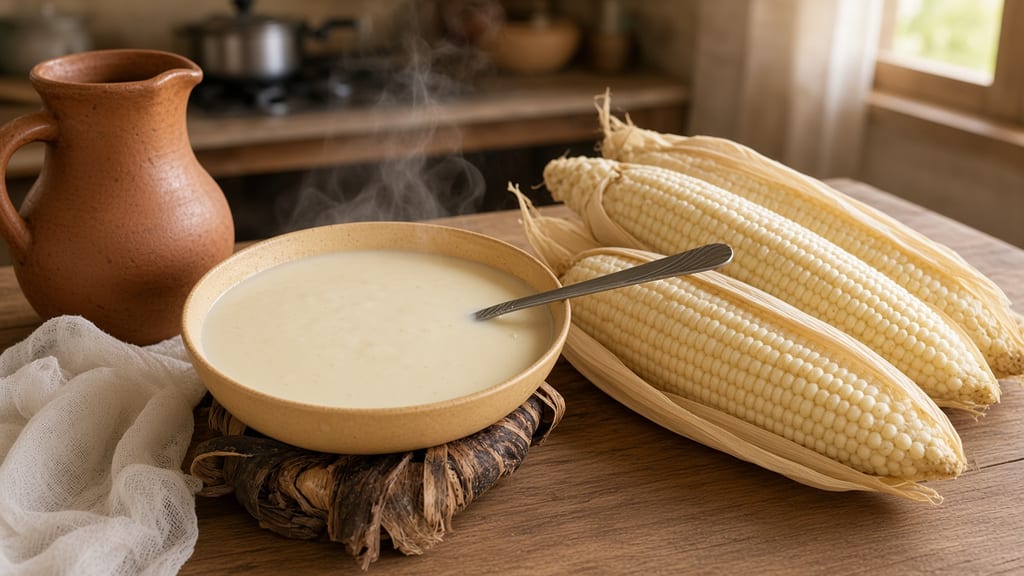
A hot, sour maize drink from Tabasco made from maize that is not lime-cooked. The ground grain sours for half a day, then makers strain it and boil it until thick.
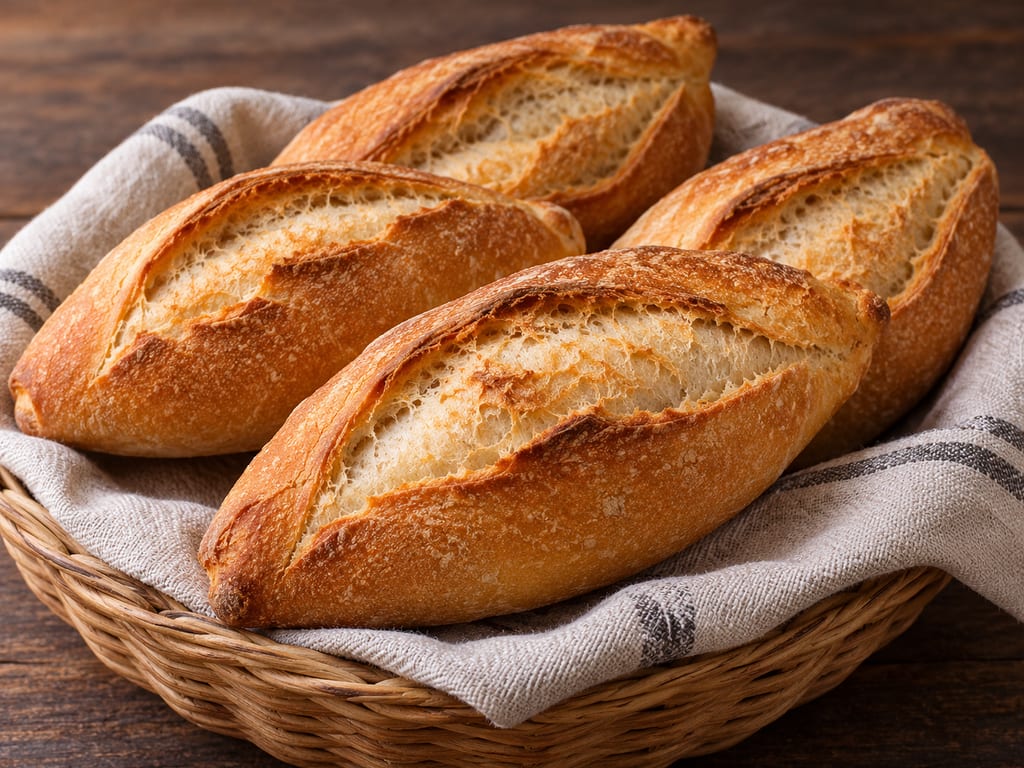
A measured, commercial-yeast home method for Guadalajara-style birote salado, with a six-hour preferment, shaped rolls and a two-temperature steam bake. This formula contains no egg.
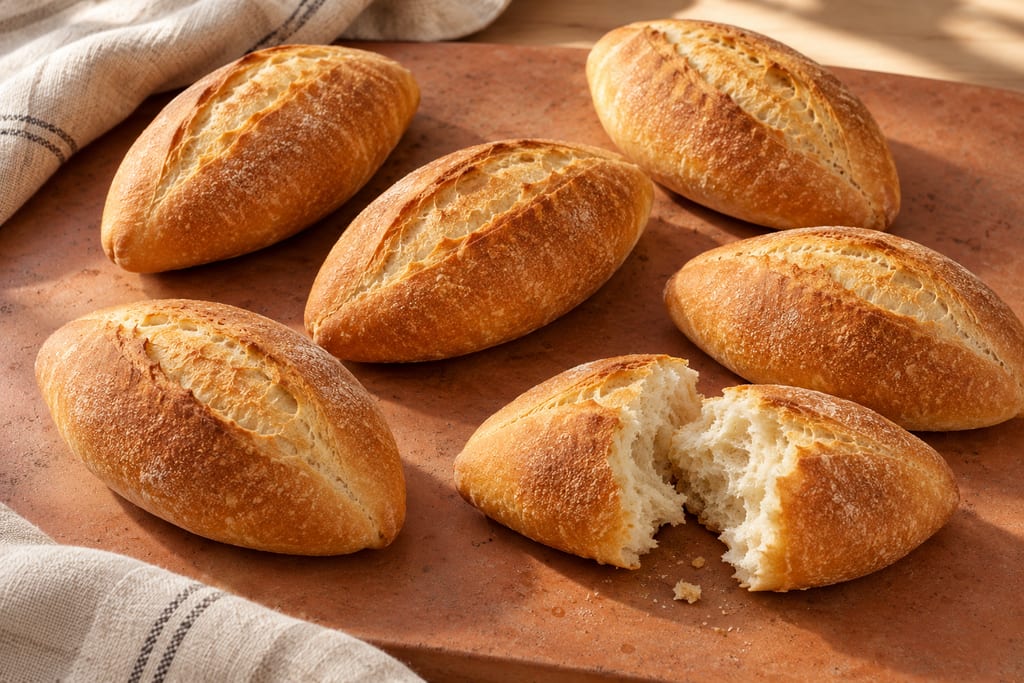
Small, lightly enriched rolls with tapered ends and a scored top; this six-roll formula bakes on a hot stone with steam for a thin, crisp crust.
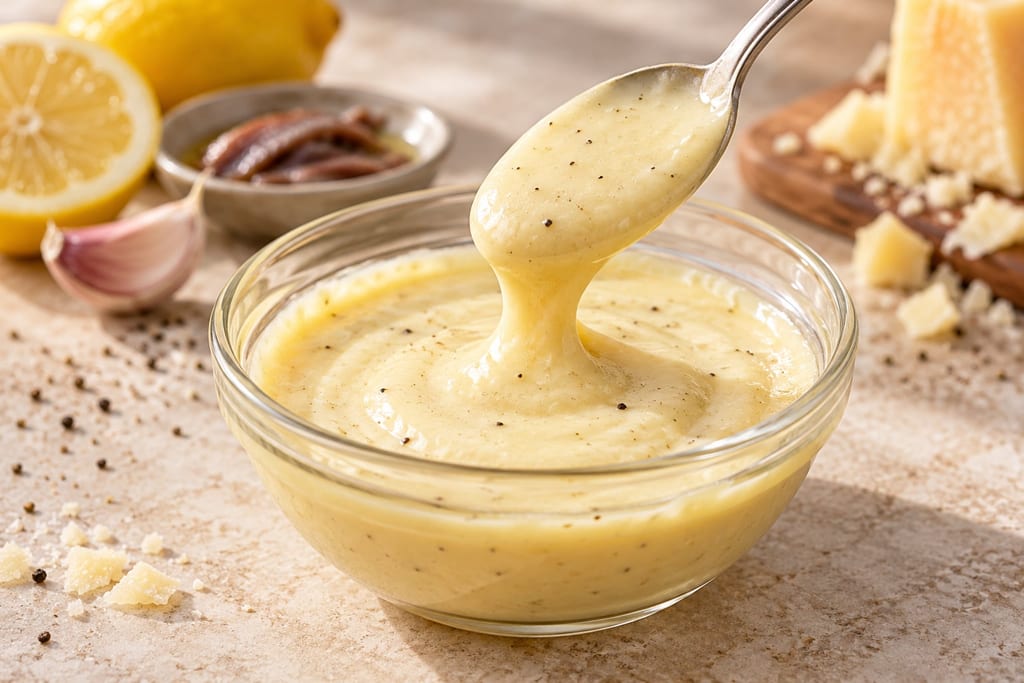
A source-specific Caesar dressing made with pasteurized egg yolks, Parmesan, lemon, anchovy, garlic, mustard and olive oil. This modern Vitamix formulation is distinct from the salad’s disputed 1924 origin accounts.
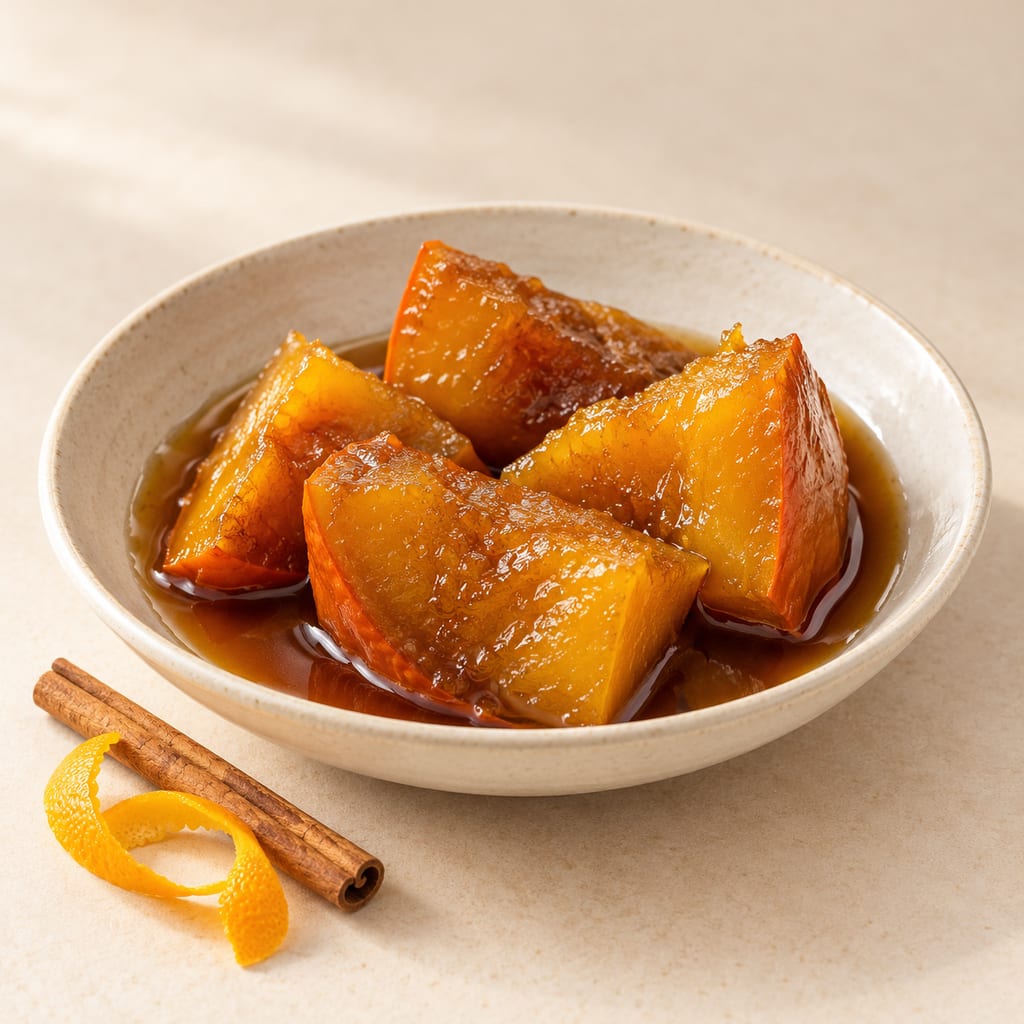
Rind-on pumpkin simmered with piloncillo, orange and cinnamon until glazed. This Mexican sweet keeps refrigerated for up to one week.

Chipotle is a ripe jalapeño pepper smoke-dried in a wood-fired cocedor. Camargo, Chihuahua, documents a large-scale version of the process; its source accounts do not establish a complete home batch or validated safety endpoint.
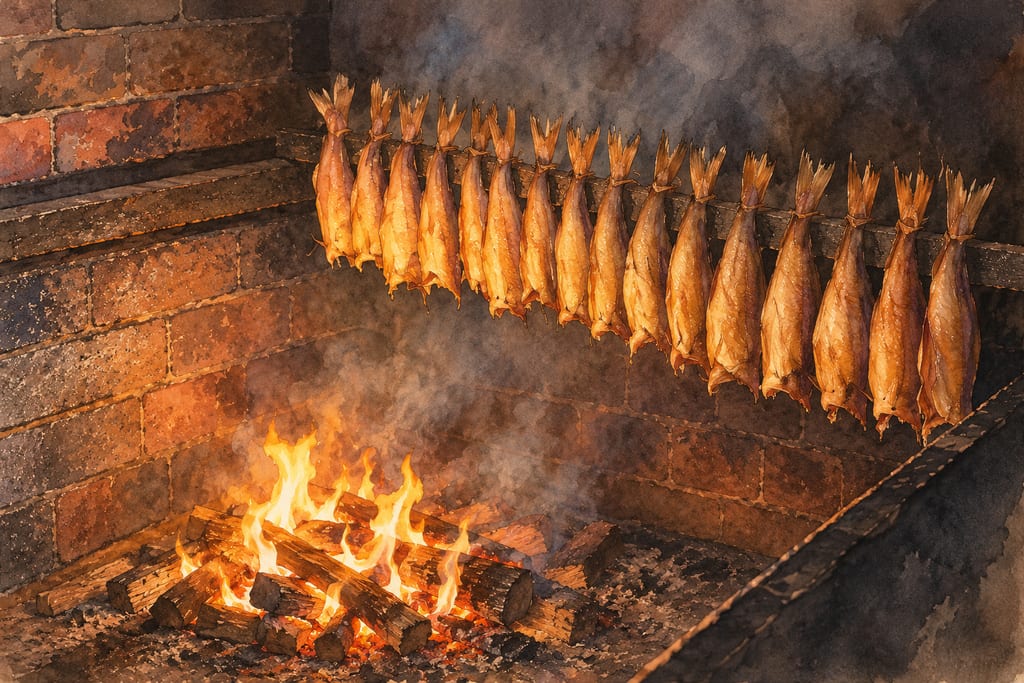
The Arbroath “barrel” is a hardwood-fired smoking pit with triangular rails and a cover. Its documented form belongs to the traditional hot-smoking of haddock around Arbroath and Auchmithie, Scotland.
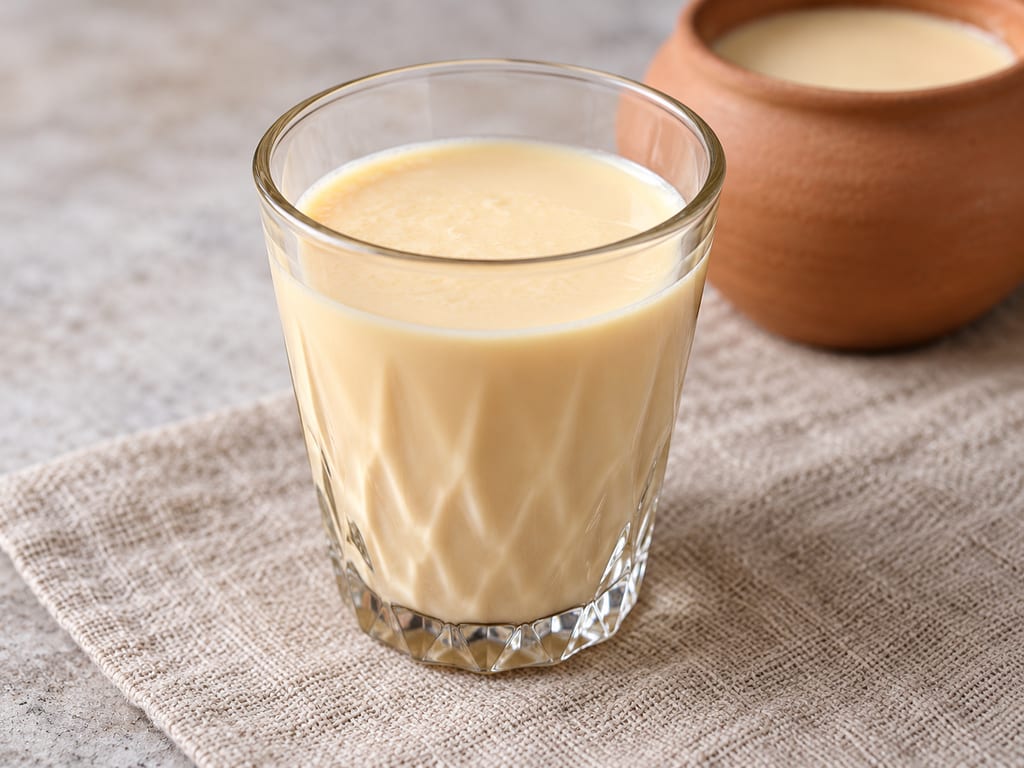
Baked milk is an Eastern European preparation of milk held at high heat for hours until it turns cream-coloured with a cooked, mildly sweet flavour, without any fermentation.
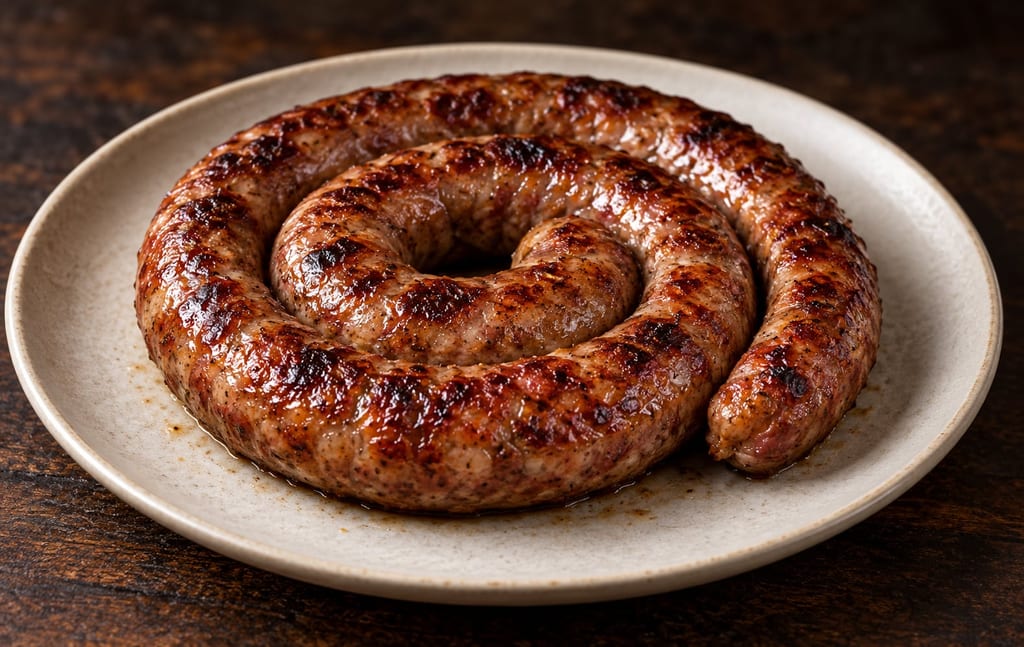
A coarse South African farmhouse sausage of beef with pork or mutton fat, defined by its coriander seasoning and cooked fresh over coals rather than preserved.
A flood-season pit store described for Omagua communities along the Amazon: manioc tubers were buried before inundation and recovered as waters receded. Its shape and lining are not recorded.
A temporary, in-place earthen oven used to cook camas with heat retained by fire-heated stones. The dimensions described here belong to one Kalispel-supervised reconstruction, not a universal form.

Chuño negro is a source-documented Andean potato-preservation practice. This entry records producer tradition; it is not a validated household process for making potentially toxic bitter potatoes safe.
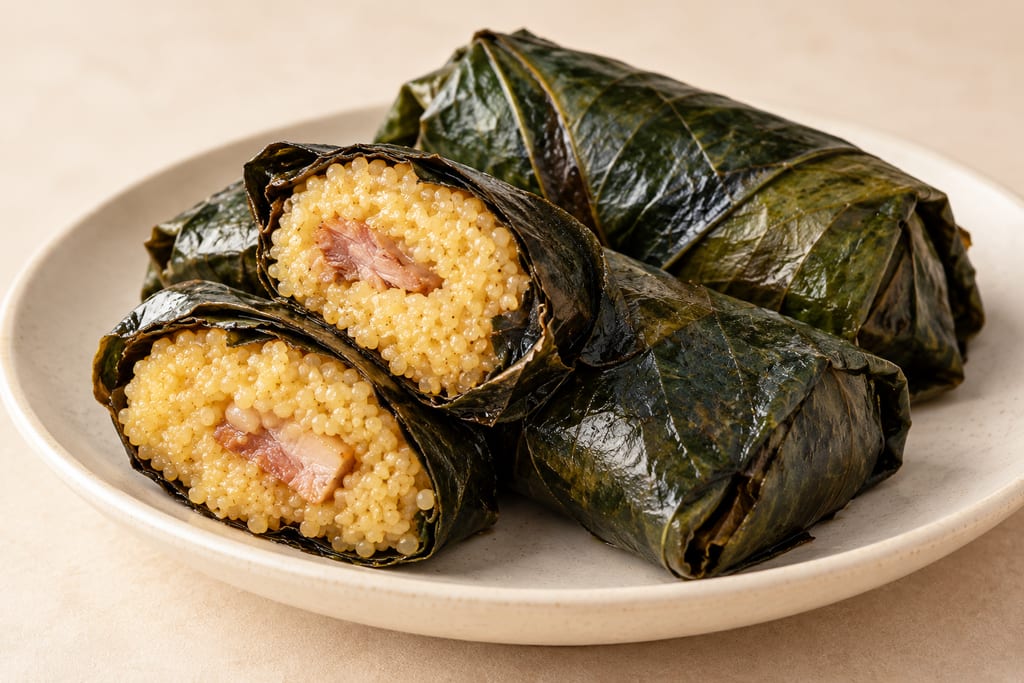
Cinavu is a Paiwan leaf-wrapped parcel built around millet or taro, meat and locally gathered leaves. It belongs to a food culture of harvest, hospitality and shared work, with village recipes differing in both filling and cooking time.
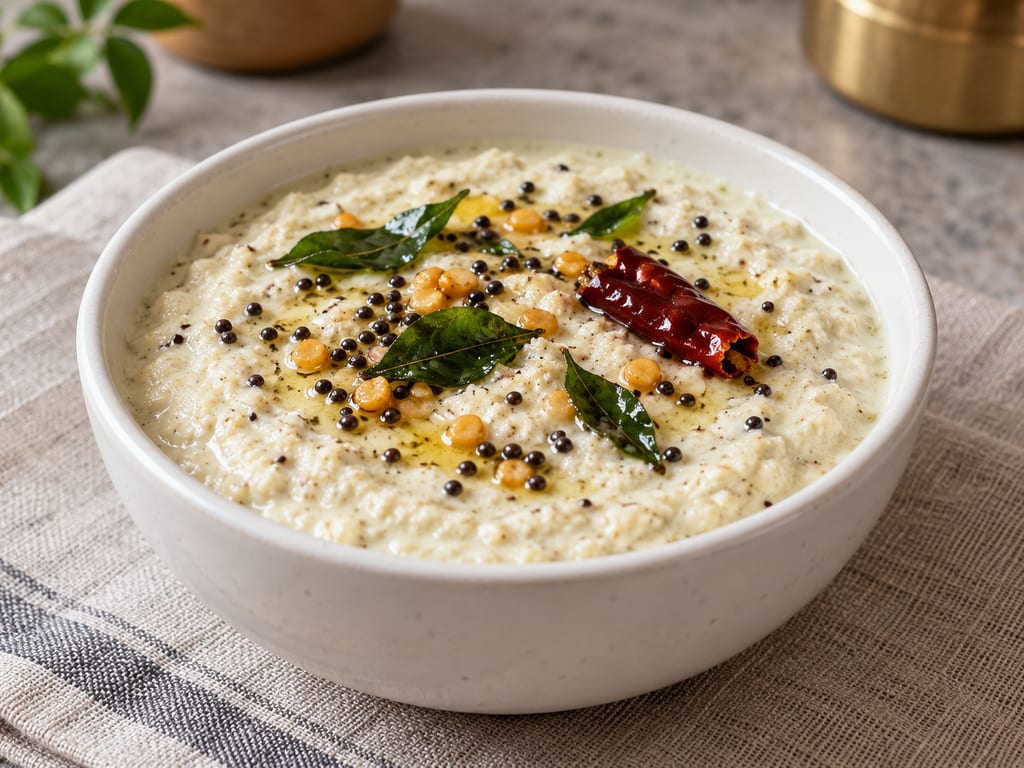
A coconut chutney whose ground base is finished with a separate oil tempering of mustard, urad dal, curry leaves and spices; the author pairs it with South Indian breakfast foods and snacks.
No community contributions have been published for this entry yet.
Sign in to contribute. Published comments and photos are free to read.
McCormick MéxicoModern product context
MayonesasThe product range presents mayonnaise with a touch of lemon. It informs flavour direction only; it does not disclose this home formula.
Cited in: Overview
Electronic Code of Federal RegulationsDefinition
21 CFR § 169.140 MayonnaiseThe standard describes mayonnaise as an oil, acidifying ingredient and egg-yolk-containing emulsion, and identifies vinegar and lime juice as acidifying ingredients. It does not establish this recipe's pH or safety.
Cited in: Overview; Method and adjustments
L’Atelier des ChefsMethod inspiration
Recette Sauce mayonnaiseIts method starts with yolk and mustard and adds oil gradually. This recipe uses its own untested quantities; no source quantities are copied.
Cited in: Method and adjustments
U.S. Food and Drug AdministrationSafety guidance
Dairy and Eggs (Food Safety for Moms-to-Be)FDA identifies homemade mayonnaise as an uncooked egg food, recommends pasteurised eggs for such recipes, and advises refrigeration at 4°C.
Cited in: Serving and limits
U.S. Food and Drug AdministrationSafety guidance
Assuring the Safety of Eggs and Menu and Deli Items Made From Raw, Shell EggsFDA recommends pasteurised eggs or egg products for uncooked mayonnaise and clean handling of utensils and work surfaces.
Cited in: Serving and limits