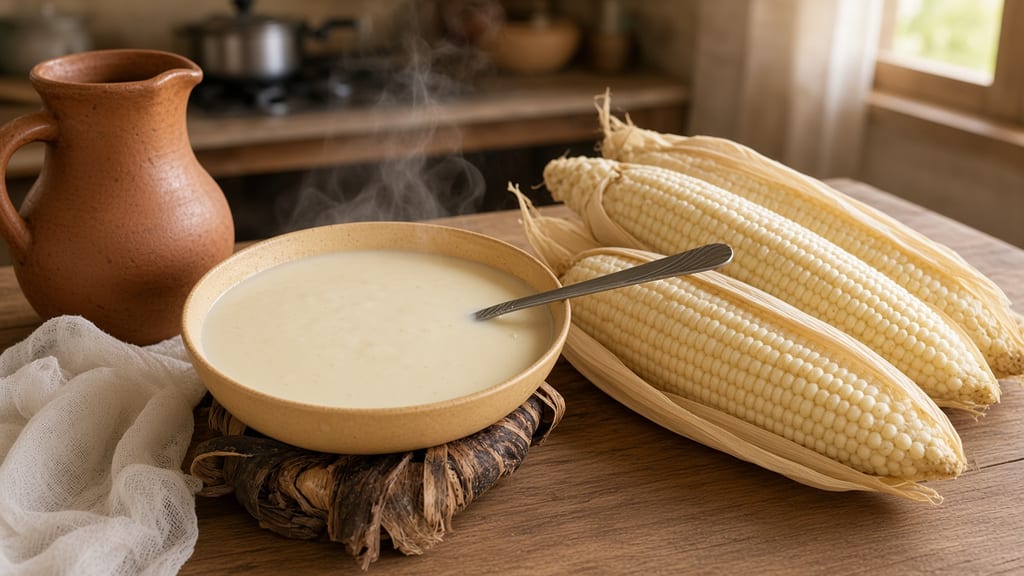
Atole agrio
A hot, sour maize drink from Tabasco made from maize that is not lime-cooked. The ground grain sours for half a day, then makers strain it and boil it until thick.
 FermenteaWhere food goes to change
Modern adaptation
Rosca de reyes
A Mexican Three Kings ring bread made from enriched yeast dough, citrus zest, candied fruit and a flour-and-sugar topping.
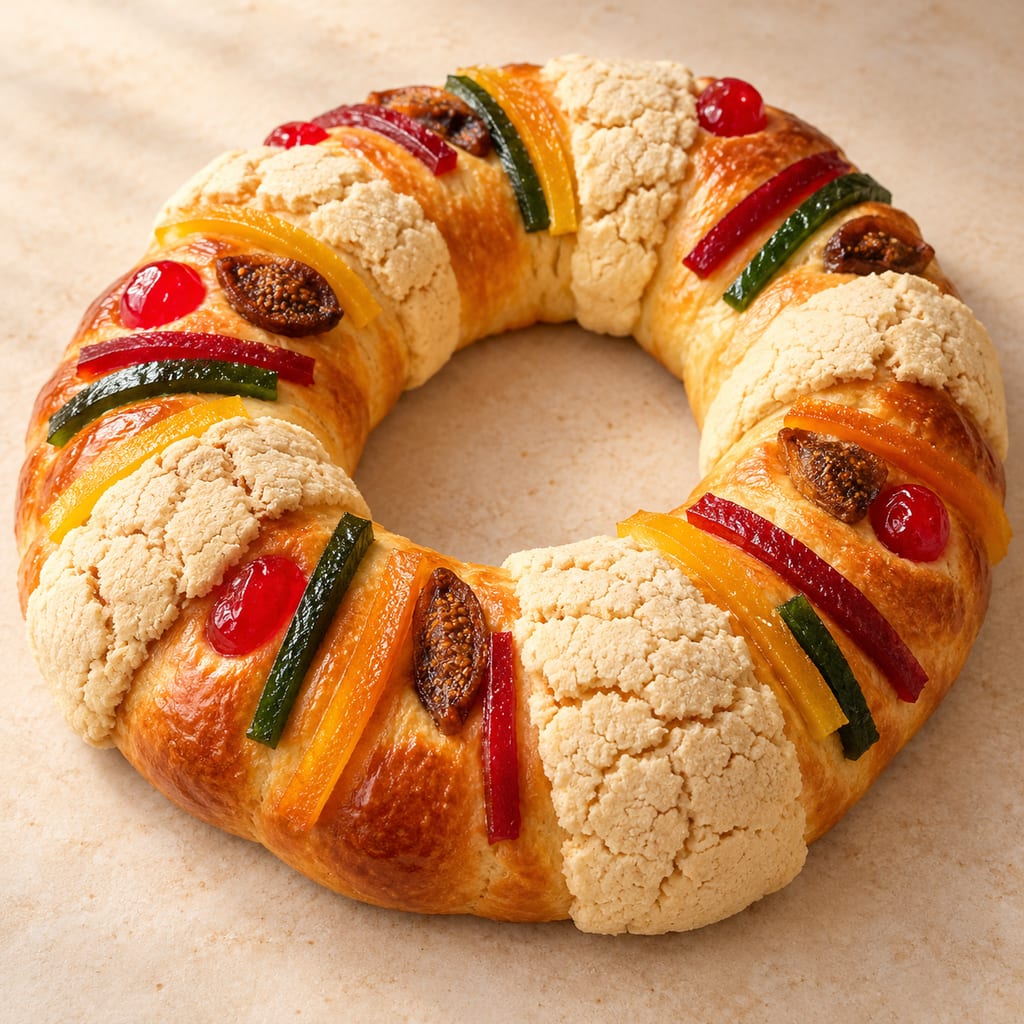
Rosca de Reyes is associated in Mexico with the January 6 observance of the Three Kings. The agriculture ministry documents the decorated bread and holiday context, but it does not establish an exact birthplace or earliest attestation. Its own example uses a cake-like batter. The formula here comes from a separate Catholic Relief Services publication and uses yeast dough, citrus zest, candied fruit and a crisp flour-and-sugar topping.
That distinction matters: recipes bearing the same name need not share the same dough process. This page follows the measured CRS formula and does not combine its yeast method with the ministry's cake-style recipe. CRS gives 12 portions, a 60-minute preparation estimate, two short proof stages and a 25-minute bake. It does not state a proofing temperature, the yeast form, a quantity for zest, or a measured internal baking endpoint.
The CRS formula begins by combining all dry ingredients, including the listed 30 g yeast, then kneading in the eggs. It does not identify the yeast form, so this version preserves the quantity and sequence without assuming a dry or fresh conversion. Butter is worked in gradually with lemon and orange zest. After a 30-minute fermentation, alternatively until doubled, the dough is shaped into a ring and brushed with beaten egg. The ingredient list gives eight eggs but does not say whether one egg for the glaze is included in that count.
The ring is decorated with dried figs, candied orange and lemon, and red cherries, then rested another 15–20 minutes. A separate paste is dotted over the ring before baking. Here the topping follows the ingredient list's vegetable shortening; the source's topping directions call the fat butter, so the source itself is inconsistent. The source gives 12 portions and a 60-minute preparation estimate, but leaves the zest quantity unstated.
Egg-containing dough must not be left warm for an unbounded rise. The CRS method does not specify temperature, so this home adaptation uses the FDA's general room-temperature limit for foods that require refrigeration: no more than two hours at room temperature, shortened to one hour when the surrounding air is above 90°F/32°C. Start counting as soon as the eggs are added and stop counting only when the shaped bread enters the oven. Include kneading, shaping, topping and both rises in that total.
The source's doubled-size cue is optional only within that cap. If the ring has not risen adequately when the limit is reached, discard it instead of extending the proof. Do not try to judge safety by smell, taste or appearance. This conservative general control addresses the previous unbounded holding gap, but it is not a dough-specific validation study. Raw flour and egg also mean the uncooked dough and topping must not be tasted. Wash hands and surfaces that contact them, then bake the formed bread.
CRS instructs the cook to preheat to 350°F/180°C and bake about 25 minutes, until golden. This page preserves those cues as the source's cooking instructions; the inspected source supplies no internal temperature or independently validated endpoint. No storage life is claimed. The Mexican government source supports the holiday and country association, while the CRS recipe supports this particular formula. Neither source warrants a precise origin claim or a claim that every rosca follows this method.
Mexico's cultural information system places rosca at the centre of a family evening merienda on January 6, accompanied by chocolate. It connects that gathering to Candelaria on February 2: in the described custom, the person who finds the hidden figure hosts a tamale gathering. These linked occasions make sharing the bread part of a longer festive calendar.
This is evidence for a documented Mexican custom, not a dated origin for the CRS dough. The figurine tradition is cultural context; the recipe above does not instruct the cook to insert a toy or other non-food object.
Secretaría de Agricultura y Desarrollo Rural describes rosca de reyes as a decorated bread associated with Mexico's January 6 celebration. Catholic Relief Services publishes a complete yeast-raised ring formula. The ministry page's cake-like formula is a distinct method; this recipe follows CRS and does not claim a birthplace or an ancient origin.
Yield 12 portions · Scaling: source batch only
The dough contains raw eggs and uncooked flour before baking; raw dough must not be tasted.
Hazard sourceThe source formula includes egg and does not specify proof temperature; extended unrefrigerated holding can allow pathogen growth.
Hazard sourceTrack cumulative unrefrigerated time from adding eggs until the dough enters the oven; keep it under 2 hours, or under 1 hour when the surrounding air exceeds 32°C/90°F. Discard if the cap is reached before baking.
Control sourceWash hands and equipment after contact with raw dough; do not taste raw dough or topping, and bake the formed bread.
Control sourceThe CRS timing is a formula, not a validated pathogen-control study. Follow the cumulative time cap; the source's 'until doubled' cue cannot override it.
If the dough has not risen adequately before the time cap, discard it rather than extending the proof.
No validated finished-bread storage duration is established.
Mexican government cultural material documents the January 6 rosca tradition, and Catholic Relief Services publishes a Mexican-style yeast-ring formula. Neither establishes a precise place of origin.
A hot, sour maize drink from Tabasco made from maize that is not lime-cooked. The ground grain sours for half a day, then makers strain it and boil it until thick.
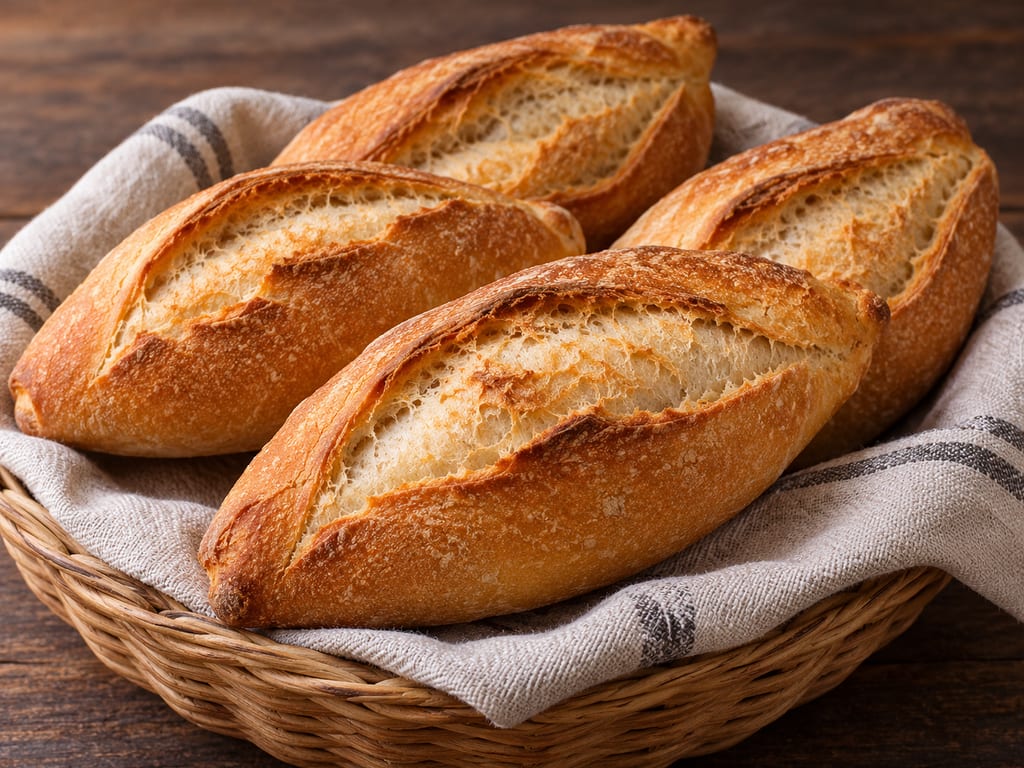
A measured, commercial-yeast home method for Guadalajara-style birote salado, with a six-hour preferment, shaped rolls and a two-temperature steam bake. This formula contains no egg.
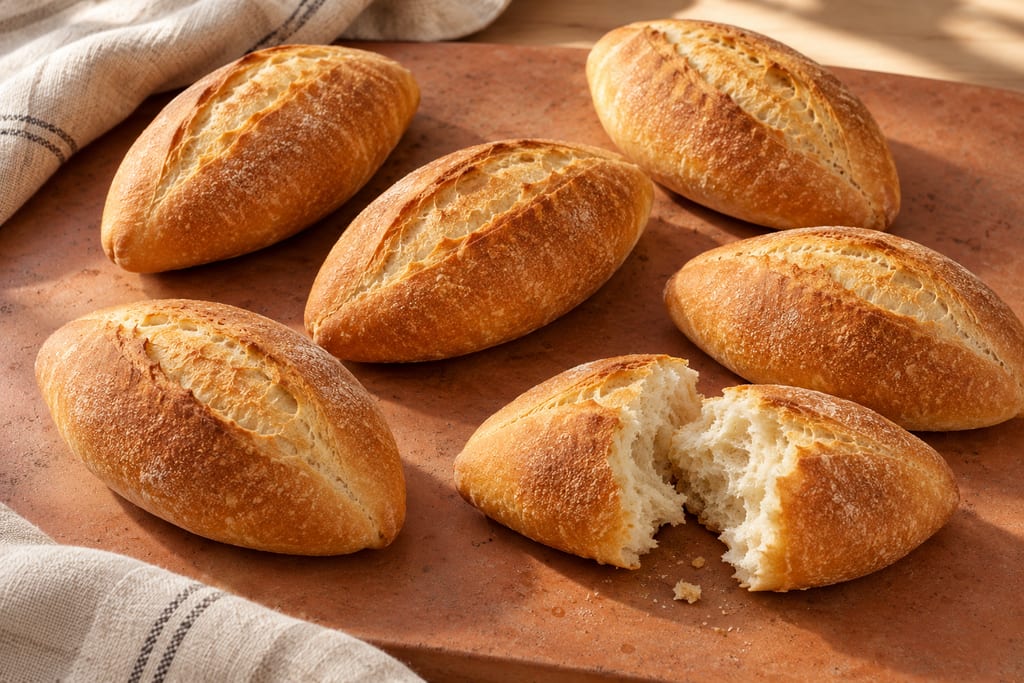
Small, lightly enriched rolls with tapered ends and a scored top; this six-roll formula bakes on a hot stone with steam for a thin, crisp crust.
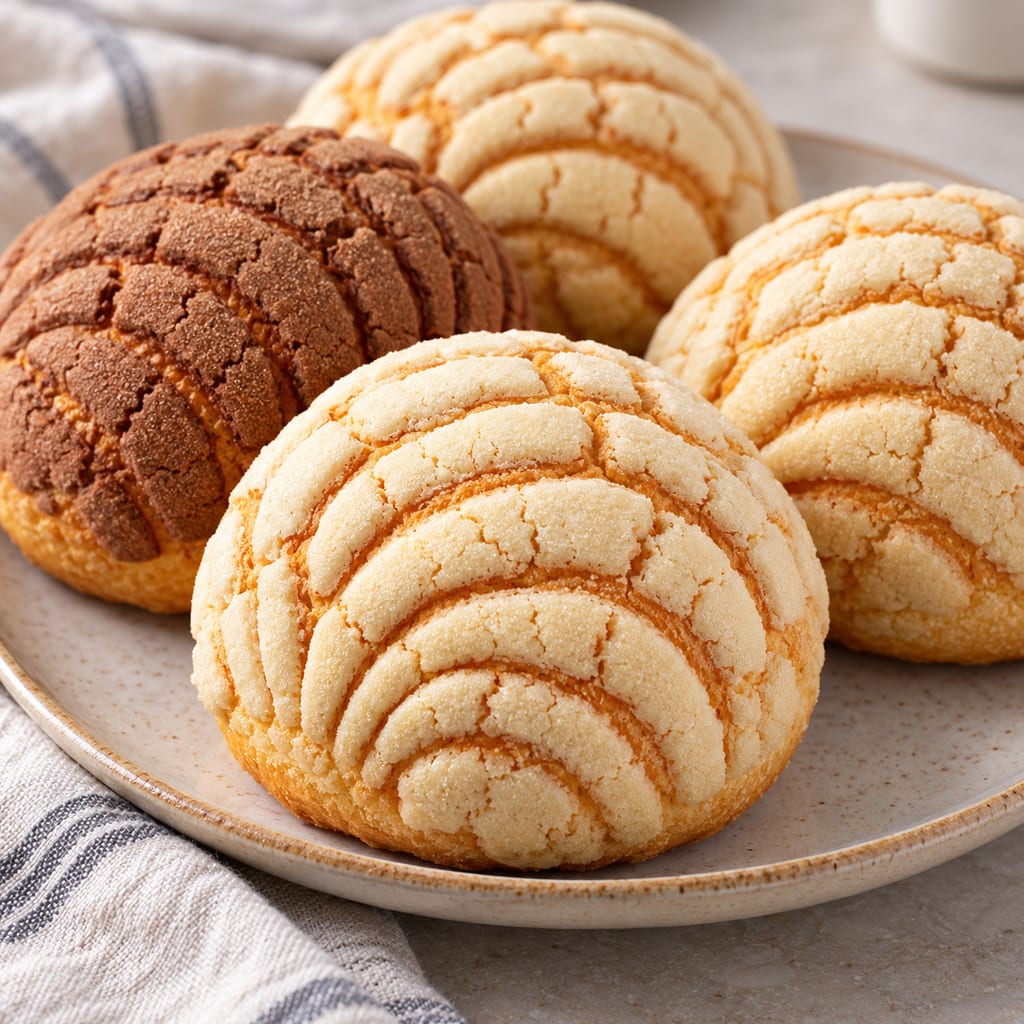
Mexican sweet rolls with a soft enriched yeast dough and a separate scored sugar-flour topping shaped like a shell. This version makes 15 rolls and uses a chilled dough rest before final proofing.
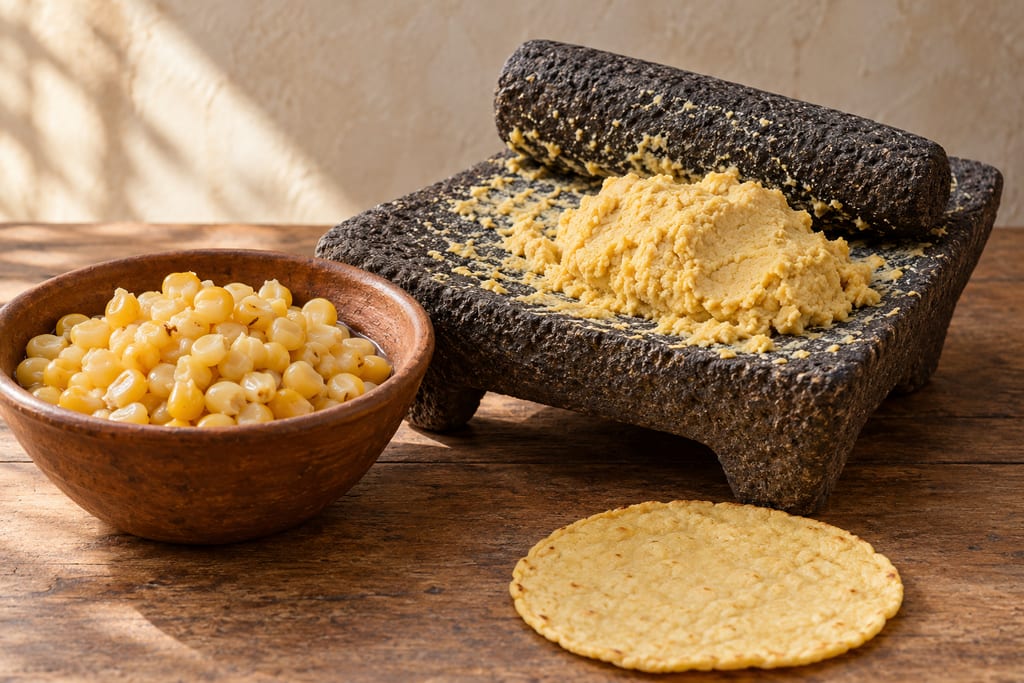
Whole maize cooked and steeped overnight in lime water, washed of its skins and excess lime, then ground into the moist dough used for tortillas.
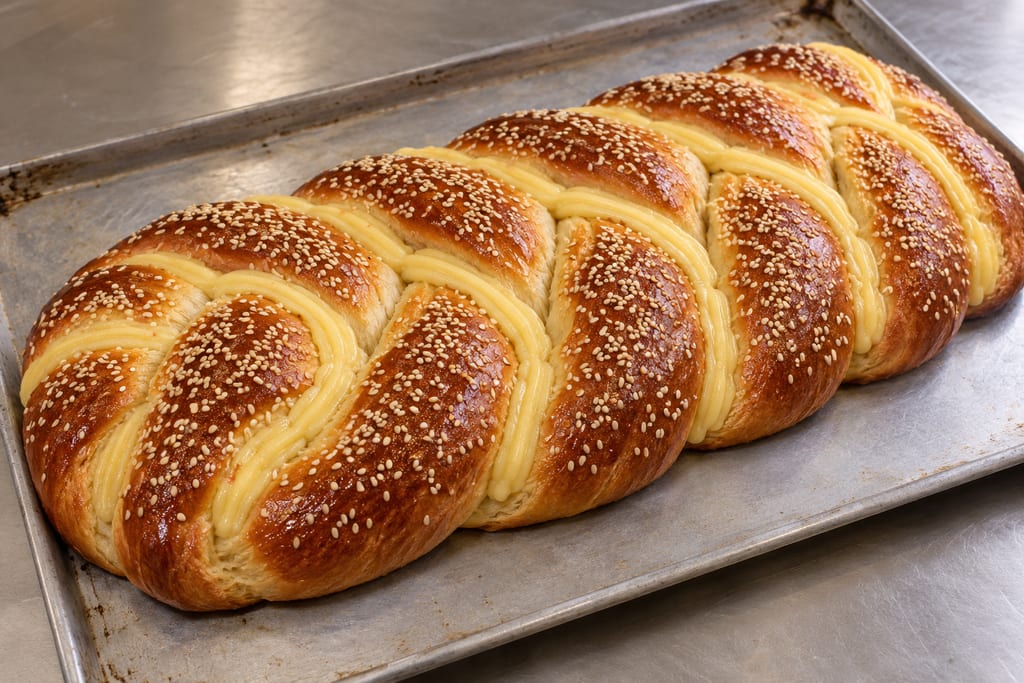
A Mexican sweet, yeast-raised wheat bread shaped as a broad braid or closed zigzag, brushed with egg glaze and decorated with pastry cream and sesame.
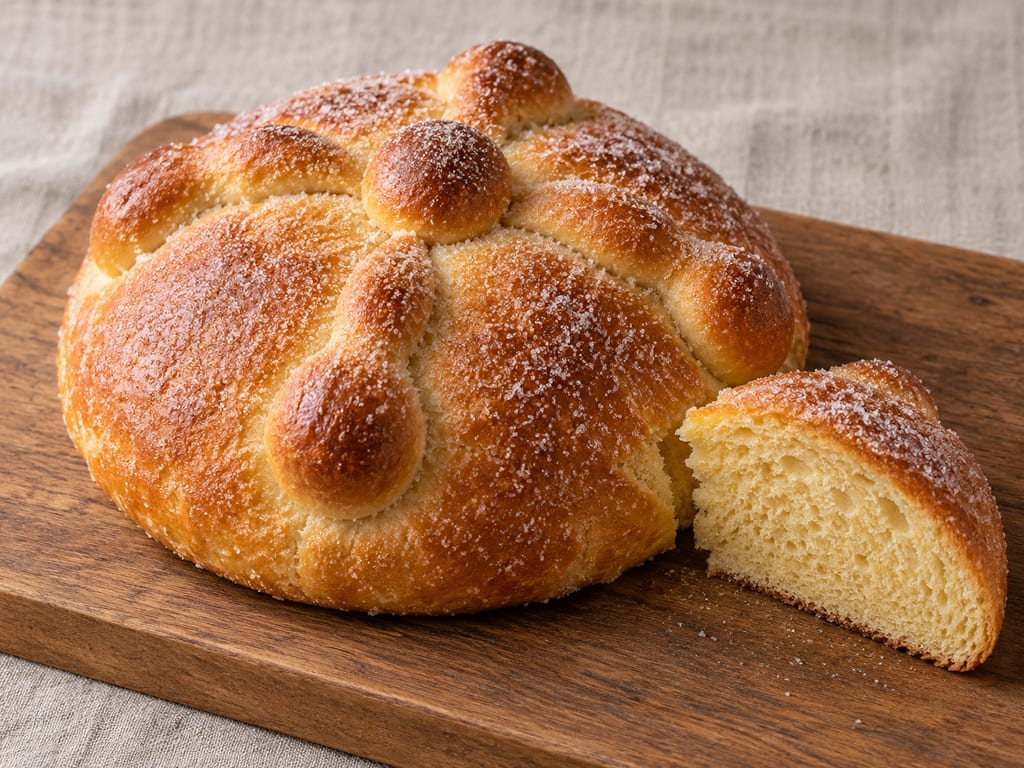
Two enriched, orange-anise loaves shaped with crossed dough bones and a central round, baked for Día de Muertos and finished with butter and sugar.
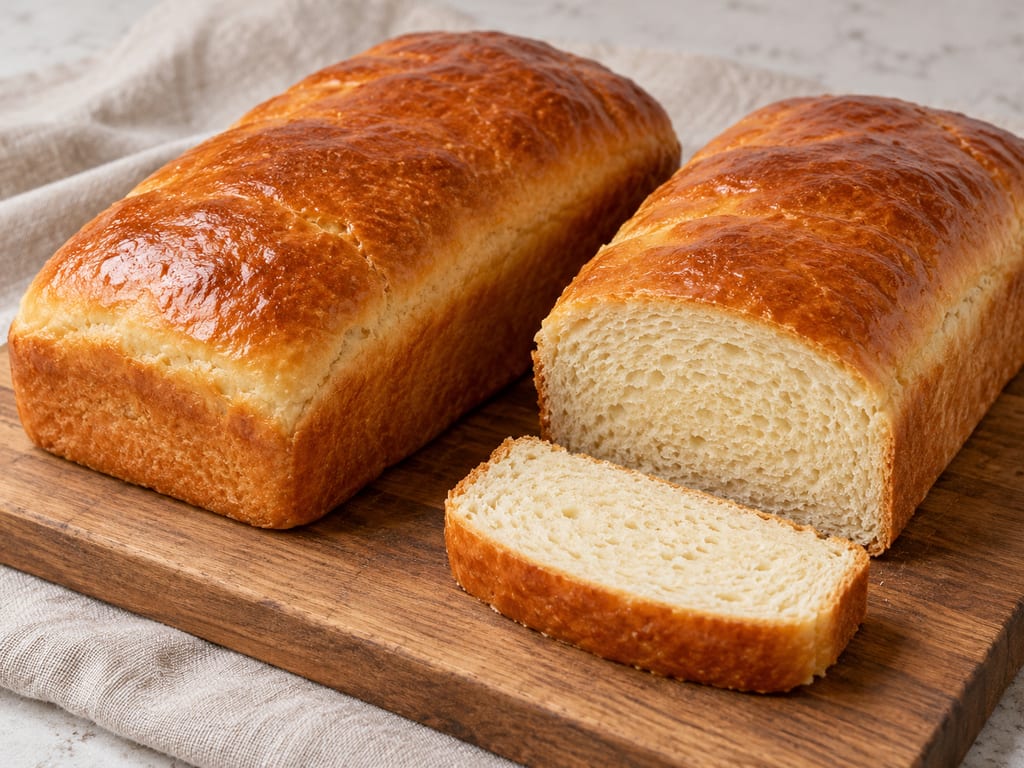
Two Mexican loaves made with pulque, eggs and baker's yeast in a home-oven recipe.
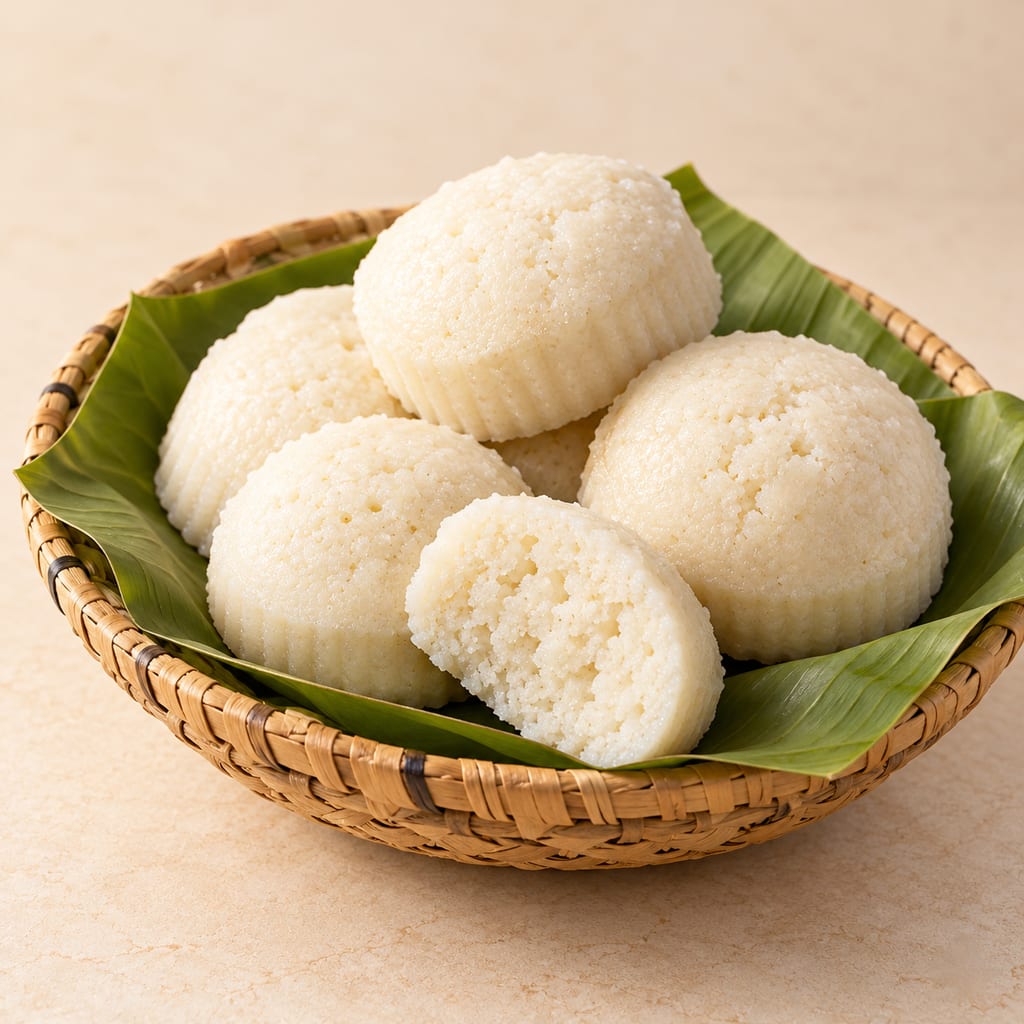
Soft, lightly tangy steamed cereal bread documented across Benin and Togo. This page gives one measured rice-flour research method; maize-based Ablo and mixed-grain versions remain distinct traditions.
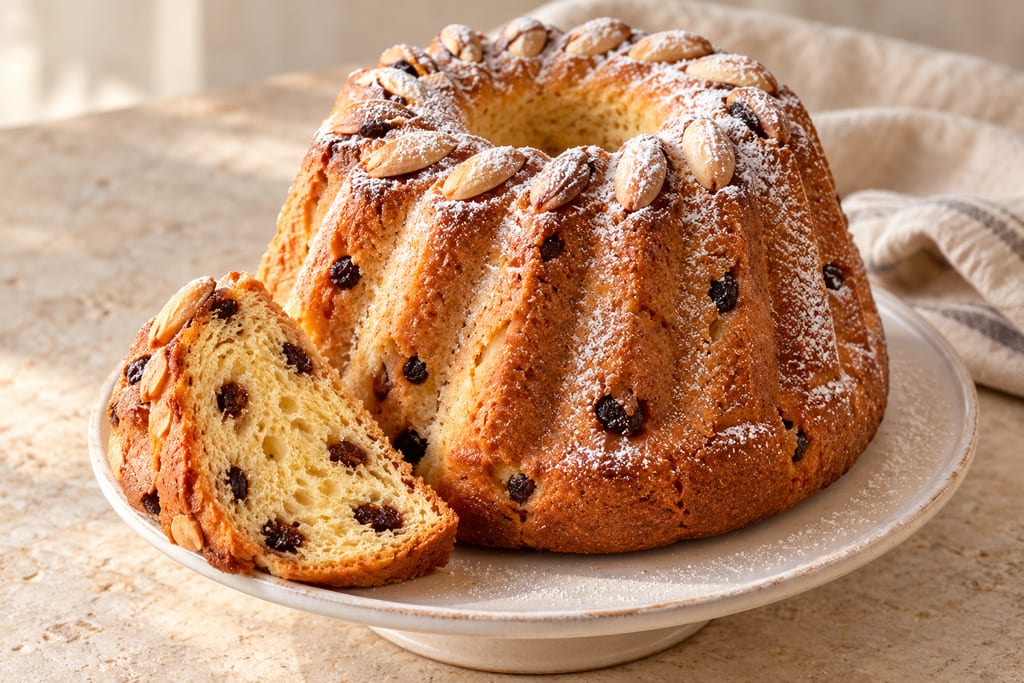
An enriched Alsatian yeast ring with raisins and almonds, kneaded with butter, proofed in a fluted mould and baked until browned.

Anpan is a soft wheat bun filled with sweet red-bean paste and finished with egg wash and black sesame. This dough rises with commercial instant yeast.
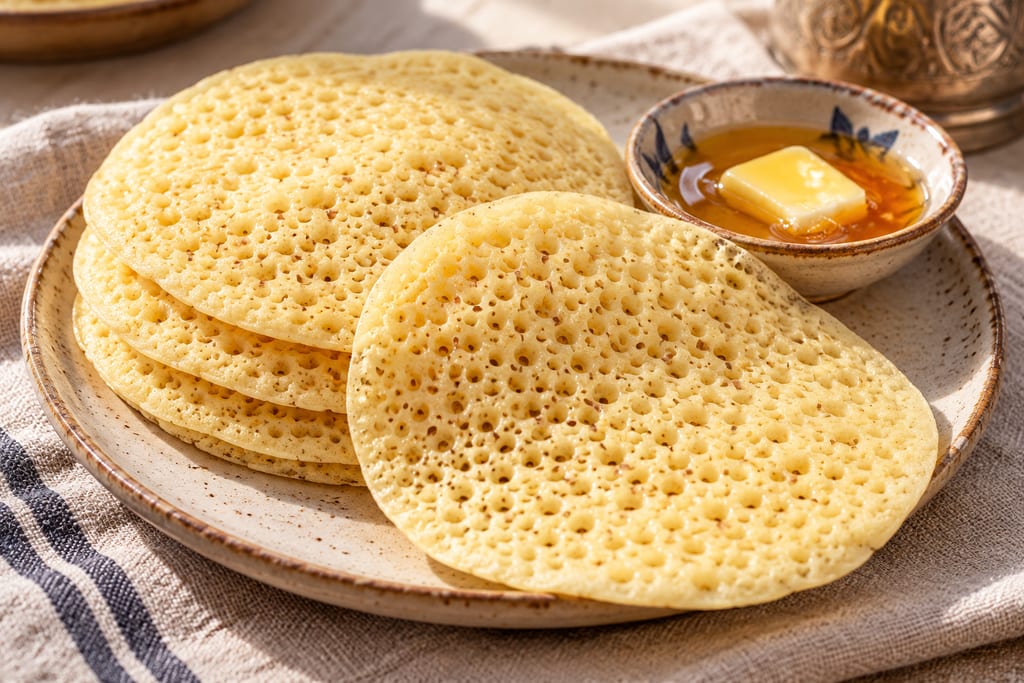
Moroccan semolina pancakes made from a thin yeast batter, rested until foamy and cooked on one side until the surface sets with a honeycomb of holes. This source-specific batch makes sixteen 5-inch pancakes.
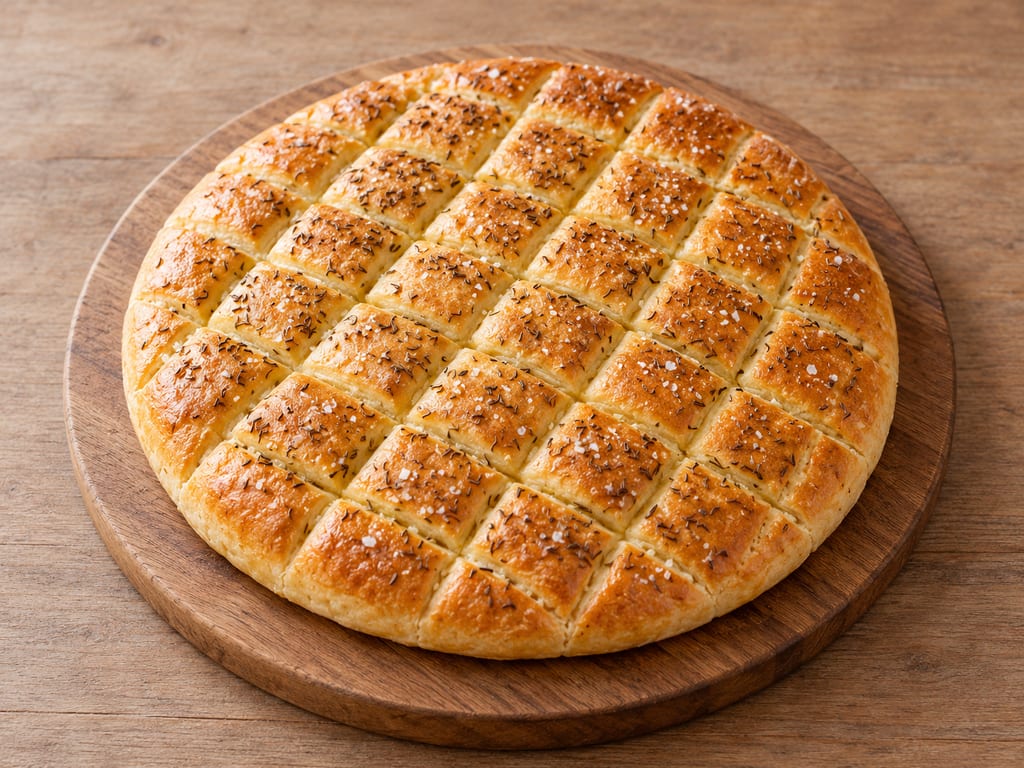
A round Slovenian flatbread scored in a grid and topped with caraway and coarse salt.
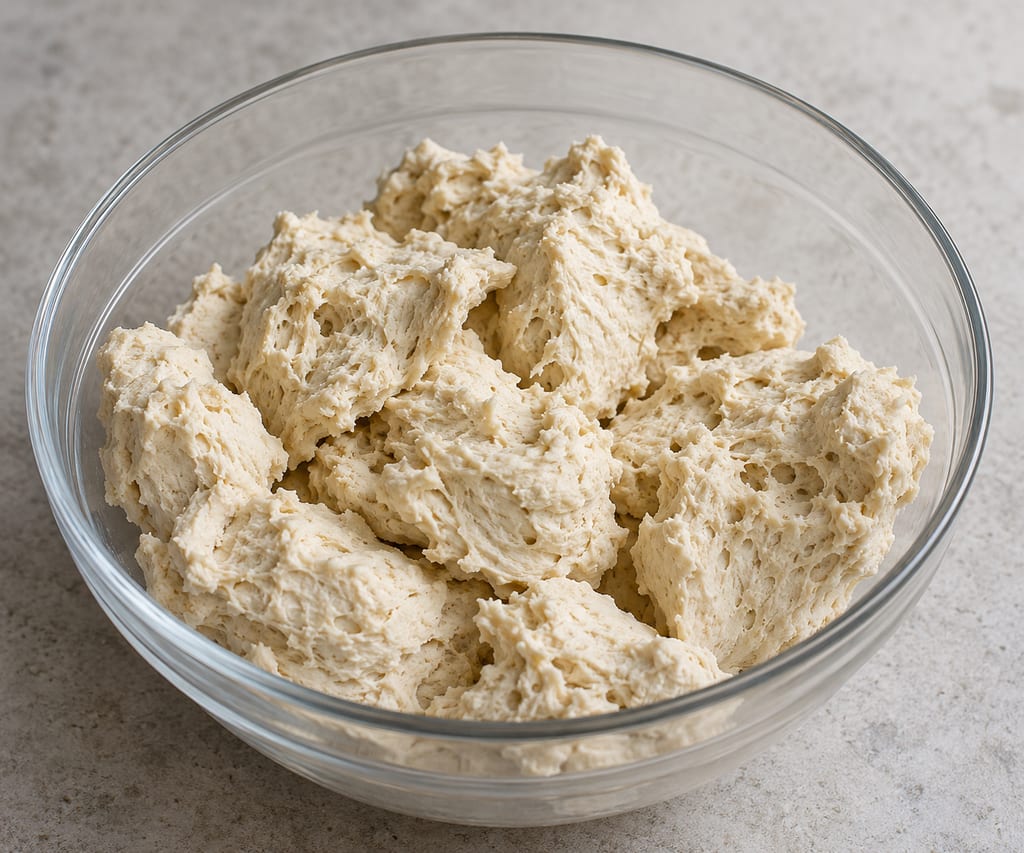
Biga is an Italian bread preferment of flour, water and a little yeast, usually a stiff unsalted mass of about 45 per cent water, fermented ahead and then mixed into the final dough.
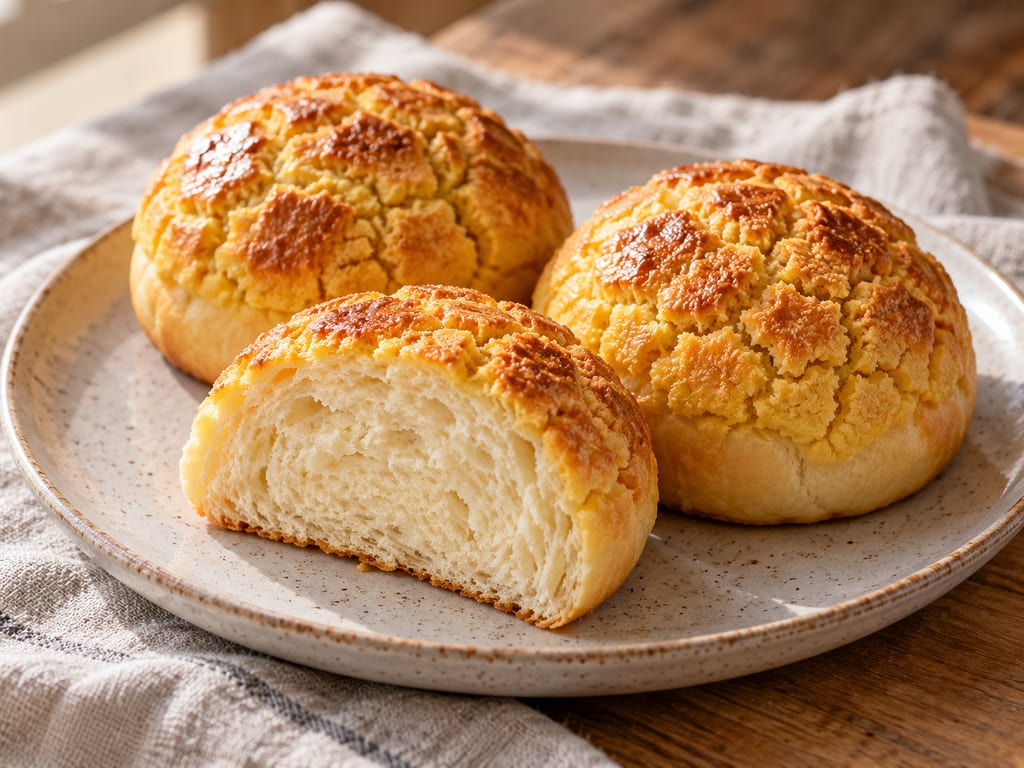
Hong Kong-style pineapple buns have soft yeast dough beneath a crisp, sweet pastry topping.
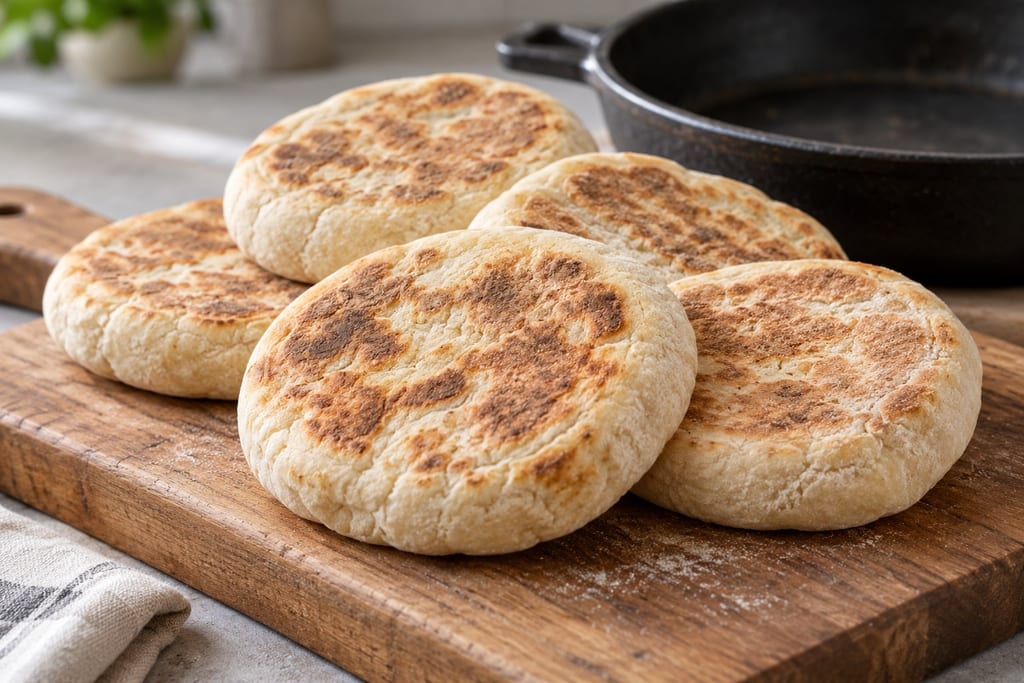
Sweet-potato wheat breads with fresh yeast, browned in a pan and finished in the oven. This is the bread component of Teleculinária's scrambled-egg dish.
No community contributions have been published for this entry yet.
Sign in to contribute. Published comments and photos are free to read.
Catholic Relief ServicesMethod
Rosca de ReyesComplete yeast formula for 12 portions: flour, sugar, salt, powdered milk, eggs, yeast, butter and citrus zest; candied fruit decoration; flour, icing sugar and vegetable shortening topping.
The method kneads the dough, ferments 30 minutes or until doubled, shapes and egg-washes a ring, rests 15–20 minutes, and bakes at 350°F/180°C for about 25 minutes until golden. Prep time 60 minutes.
Cited in: A Mexican January ring; Dough and shaping; Baking and evidence limits
U.S. Food and Drug AdministrationSafety
Are You Storing Food Safely?FDA says foods requiring refrigeration, including eggs, should not remain at room temperature for more than two hours, or one hour above 90°F/32°C; it also warns food may be unsafe without looking, smelling or tasting spoiled. This general rule is applied to cumulative pre-bake time and is not dough-specific validation.
Cited in: A bounded proof
U.S. Food and Drug AdministrationSafety
Handling Flour Safely: What You Need to KnowFlour is a raw food and raw dough should not be tasted; handle it hygienically and bake foods made with flour.
Cited in: A bounded proof
Secretaría de Agricultura y Desarrollo RuralGeography · Context
Rosca de Reyes, tradición y saborMexican January 6 tradition and decorated bread; the page's cake-like formula is not substituted into this yeast method.
Cited in: A Mexican January ring; Baking and evidence limits
Bigger Bolder BakingInspiration
Rosca de Reyes Recipe (Three Kings Bread)Previously inspected warm-risen enriched version helped identify the egg-and-dairy holding question. It is not the method used here.
U.S. Food and Drug AdministrationSafety
Assuring Safety of Eggs and Menu and Deli Items Made From Raw Shell EggsGeneral foodservice guidance on egg-containing foods is background only and does not validate this household dough schedule.
Sistema de Información Cultural, Secretaría de CulturaContext
Cocina mexicana y fiestas populares: calendario gastronómicoDescribes the January 6 evening family merienda with rosca and chocolate, and the custom connecting the hidden figure with hosting tamales on February 2, Candelaria. Cultural custom does not establish this formula's origin.
Cited in: From Reyes to Candelaria
Wikimedia CommonsImage reference
File:Rosca de reyes en banderilla.jpgExact-subject lead: uploader's own photograph dated 7 January 2026, explicitly dedicated CC0. Visual identity and form require inspection before approval. No generated hero is supported yet.
Wikimedia CommonsImage reference
File:Rosca_de_reyes_2026_02.jpgIndividually checked explicit CC0, Koffermejia own photo; metadata dates 5 January 2025 despite 2026 filename. Visually confirmed distinct close view of finished decorated Mexican rings; linked-bf9508e00cbbf4ce approved.
Wikimedia CommonsImage reference
File:Mega_Rosca_de_Reyes_2017_-i---i-_(31998023262).jpgIndividually checked Gobierno CDMX photograph, 5 January 2017, explicit CC0 with Flickr licence review 5 January 2019.
Distinct crowd portrait with officials and costumed participants; bread form largely obscured, not accepted as an exact-subject reference.
Wikimedia CommonsImage reference
File:Mega_Rosca_de_Reyes_2017_-i---i-_(32108264126).jpgIndividually checked Gobierno CDMX photograph, 5 January 2017, explicit CC0 with Flickr licence review 5 January 2019.
Distinct toy-presentation portrait; no legible bread, excluded from exact-subject count.
Wikimedia CommonsImage reference
File:Mega_Rosca_de_Reyes_2017_-i---i-_(32146669475).jpgIndividually checked Gobierno CDMX photograph, 5 January 2017, explicit CC0 with Flickr licence review 5 January 2019.
Distinct crowd and serving scene; bread fragment obscured, excluded from exact-subject count.
Wikimedia CommonsImage reference
File:Mega_Rosca_de_Reyes_2017_-i---i-_(32146659145).jpgIndividually checked Gobierno CDMX photograph, 5 January 2017, explicit CC0 with Flickr licence review 5 January 2019.
Distinct wide view clearly shows long decorated baked bread sections at the Mega Rosca event. Approved contextual reference linked-83da080732a6528b; public-event geometry must not replace household ring geometry.