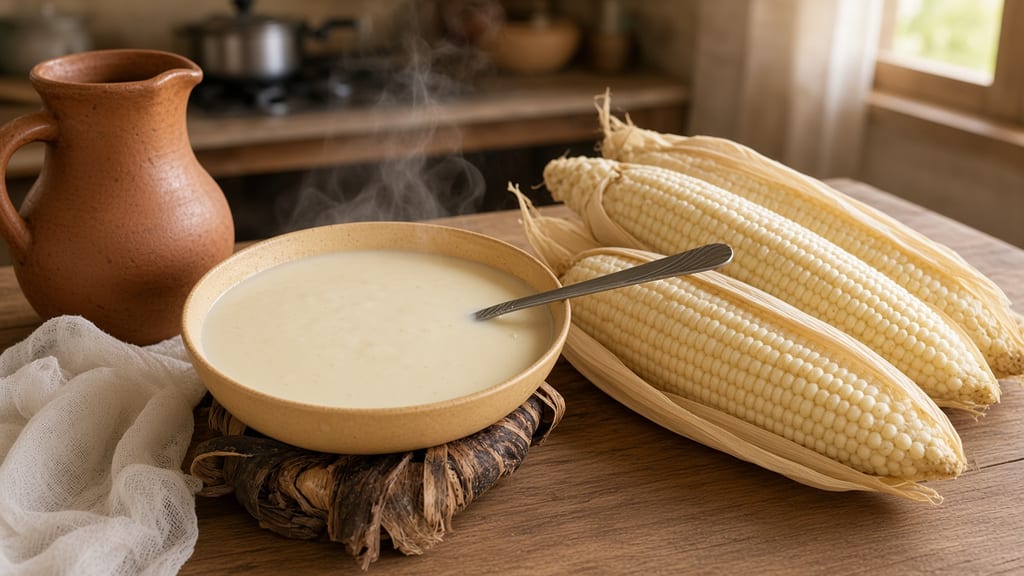
Atole agrio
A hot, sour maize drink from Tabasco made from maize that is not lime-cooked. The ground grain sours for half a day, then makers strain it and boil it until thick.
 FermenteaWhere food goes to change
Pan de feria · Mexican pan de feria
A Mexican sweet, yeast-raised wheat bread shaped as a broad braid or closed zigzag, brushed with egg glaze and decorated with pastry cream and sesame.
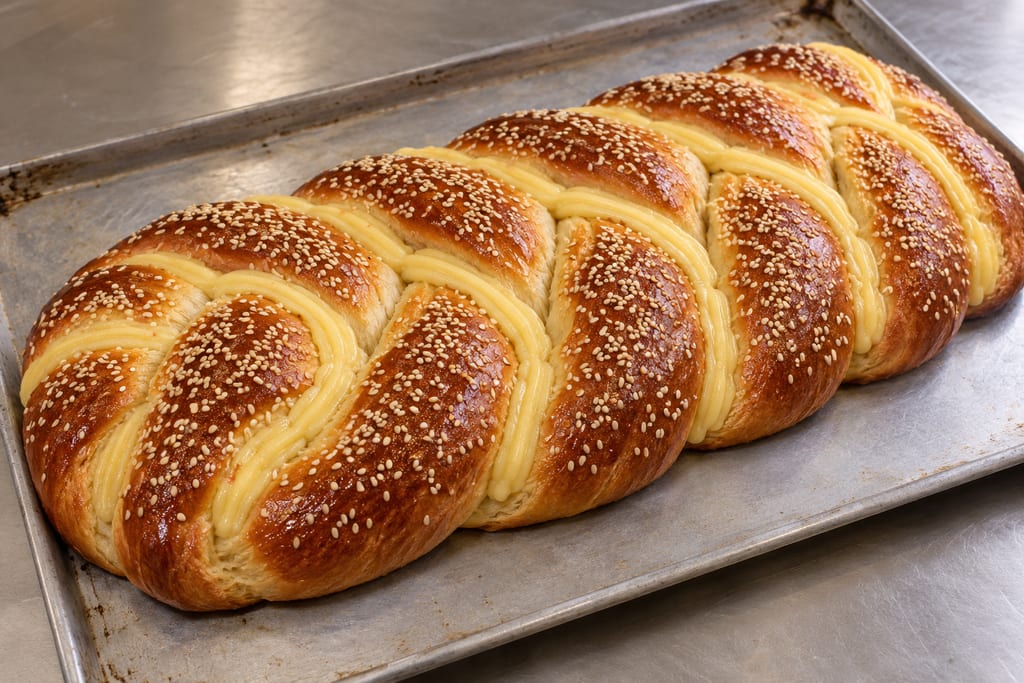
Larousse Cocina labels Irving Quiroz’s pan de feria as Mexican and cites his book Panes mexicanos. The particular formula here forms one large braid or closed zigzag, brushed with egg glaze and decorated with pastry cream and sesame. This description belongs to that recipe, not to every bread sold at a Mexican fair.
Larousse’s gastronomic dictionary describes pan de fiesta as a broad family whose finished shape depends on region. It names festive breads sold in Tlaxcala and Puebla and records a long sesame-topped form from San Juan Huactzinco and San Juan Totolac. Those facts show why a single photographed or printed version cannot stand for all regional forms; they do not place Quiroz’s braid in either town.
This large batch combines 2 kg wheat flour, 20 g salt and 30 g dry yeast with 100 mL milk and 400 g eggs, followed by 50 g butter, 350 g cream, 360 g sugar and 10 mL vanilla. The method builds a flour well, keeps salt around the outside, and mixes the yeast in the center with some milk and flour. Milk and eggs are gradually incorporated, then butter and cream, with sugar and vanilla added afterward. Knead until the dough is smooth, soft, elastic and pulls away from the work surface.
The source specifies one hour or a doubled rise, a 20-minute rest after deflating, and a final 40-minute rise after shaping. No proofing temperature is stated. The 30 portions are made from the large recipe batch as a single decorative bread; this account does not divide it into smaller units or invent new bake times.
The dough is rolled and cut into strips about 2 cm thick. Join their ends to create one long strand, then lay it as a braid or close zigzag on a large greased tray. Brush with egg glaze. The companion Larousse glaze recipe beats one egg with a pinch of salt and sugar to make about 50 mL; this version uses pasteurized whole egg product in that same measure.
For the half batch used here, the complete Larousse formula yields 2 cups and measures 480 mL milk, 35 g cornstarch, 65 g sugar, 100 g yolks, 30 g butter and 15 mL vanilla. Half is 240 mL milk, 17.5 g cornstarch, 32.5 g sugar, 50 g yolks, 15 g butter and 7.5 mL vanilla. Boil the milk, whisk yolks with cornstarch and sugar, combine, and cook on low while stirring until thick. Remove from heat, mix in butter and vanilla, transfer to a shallow container, cover the surface and refrigerate promptly. This preserves Larousse’s surface-cover instruction while adding shallow-pan cooling and prompt chilling guidance. Once chilled, smooth the cream and pipe it along the braid or zigzag, then scatter sesame over the surface.
The original dough and pastry cream include eggs, and both are held before the bread is baked. FDA food-service guidance recommends pasteurized egg products for procedures that hold eggs or egg-containing foods before or after cooking. This home adaptation uses pasteurized whole egg product for the dough and glaze and pasteurized yolks for the custard. Refrigerate the custard promptly in a shallow container after cooking and keep it cold until use.
Flour remains raw until cooked. CDC advises not tasting raw dough, keeping it separate from ready-to-eat food, and washing hands, bowls, utensils and surfaces after handling. Bake at the recipe’s stated 170°C for 30 minutes or until golden. The recipe does not specify an internal-temperature endpoint; no new number is added here.
After baking, the egg-and-milk cream filling makes this a perishable pastry. Divide the large loaf into smaller portions in shallow containers and refrigerate within 2 hours (within 1 hour if room temperature is above 32°C/90°F), keeping the refrigerator at or below 4°C/40°F. FoodSafety.gov says to discard cream-filled pastries exposed above 4°C/40°F for more than 2 hours; the one-hour limit applies in air above 32°C/90°F. General cooked-leftover guidance is to use food within 4 days; no validated storage duration specific to this bread was found. The source gives 170°C and 30 minutes or a golden cue but no measured internal endpoint.
The 30-portion formula, braid/zigzag shape, proofing, oven setting and bake time follow Larousse Cocina’s Irving Quiroz recipe. Its egg-glaze and pastry-cream references supply complete measured methods; the full pastry-cream recipe yields 2 cups, and the half batch used here is measured in the ingredients. Larousse's pastry-cream page says the cream may be refrigerated for up to one week; this adaptation does not adopt that period for the finished loaf. FoodSafety.gov supports prompt cooling, refrigeration and discard instructions for the perishable filled pastry, while its four-day leftover period is general guidance rather than a product-specific validation. Larousse’s regional entry is used to show that pan de fiesta has several local forms, not to claim this braid is from Tlaxcala or Puebla.
Larousse’s recipe names this as pan de feria, gives Mexico as its zone of origin, and cites the book Panes mexicanos. Larousse’s related pan de fiesta entry describes multiple regional forms, including Tlaxcala and Puebla, but does not establish when this braided formula first appeared. No dated first attestation is claimed.
Yield 30 portions · Scaling: source batch only
Uncooked flour can carry germs; do not taste the dough before baking.
Hazard sourceThe formula rests egg-containing dough and cools egg custard before use; pasteurized egg products are used here following FDA guidance for held egg-containing foods.
Hazard sourceThe finished cream-filled pastry requires refrigeration; FoodSafety.gov says to discard cream-filled pastries exposed above 4°C/40°F for more than 2 hours.
Hazard sourceUse pasteurized whole-egg product for the dough and glaze and pasteurized yolks for the pastry cream; this is an explicit adaptation of the source formula under FDA’s guidance for holding egg-containing foods before cooking. Keep the cooled pastry cream refrigerated until use.
Control sourceDo not taste raw dough; keep it away from ready-to-eat food, wash hands, bowls, utensils and work surfaces after handling flour or egg products, and bake according to the recipe directions.
Control sourceCool the pastry cream in a shallow container and refrigerate promptly. After baking, divide the filled loaf into smaller portions in shallow containers; refrigerate within 2 hours (within 1 hour above 32°C/90°F), keep at or below 4°C/40°F, and discard if exposed above 4°C/40°F for more than 2 hours (or for more than 1 hour in air above 32°C/90°F). Use within 4 days as general cooked-leftover guidance; no product-specific storage life is validated.
Control sourceThe source gives a 170°C oven setting and 30-minute bake or golden cue but no measured internal endpoint; this home formula has not been independently validated for a core temperature.
Larousse’s related pan de fiesta entry describes several regional breads; this recipe is not attributed to a particular state or town.
Larousse says the pastry cream may be refrigerated for up to one week, but that recipe-specific advice is not used here as a validated storage duration for this baked filled loaf. The adaptation applies FoodSafety.gov's general four-day cooked-leftover guidance and discard controls for cream-filled pastries.
Larousse labels this particular recipe’s origin as Mexico. Its related pan de fiesta entry describes several regional forms, including Tlaxcala and Puebla, but does not place this braid in a particular state or town.
A hot, sour maize drink from Tabasco made from maize that is not lime-cooked. The ground grain sours for half a day, then makers strain it and boil it until thick.
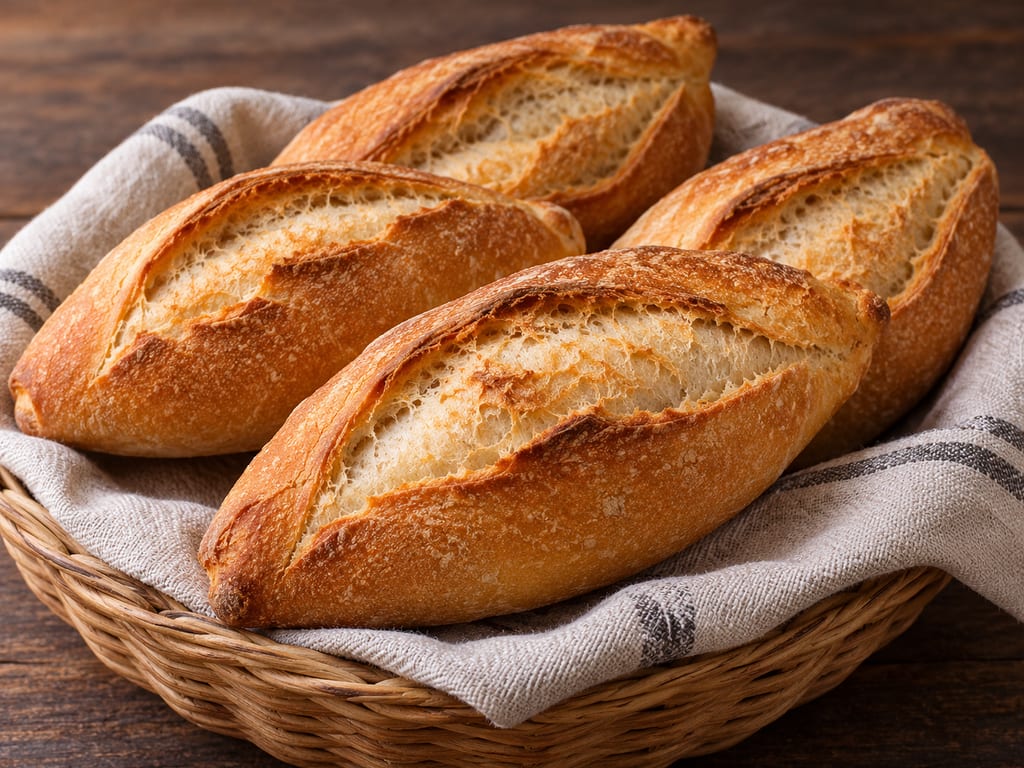
A measured, commercial-yeast home method for Guadalajara-style birote salado, with a six-hour preferment, shaped rolls and a two-temperature steam bake. This formula contains no egg.
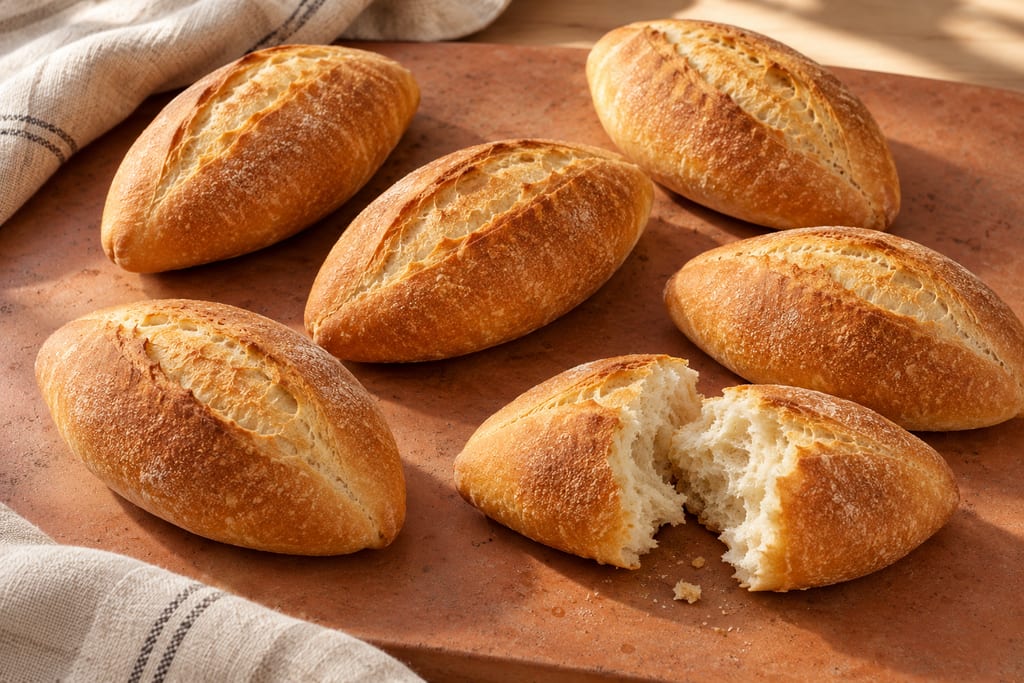
Small, lightly enriched rolls with tapered ends and a scored top; this six-roll formula bakes on a hot stone with steam for a thin, crisp crust.
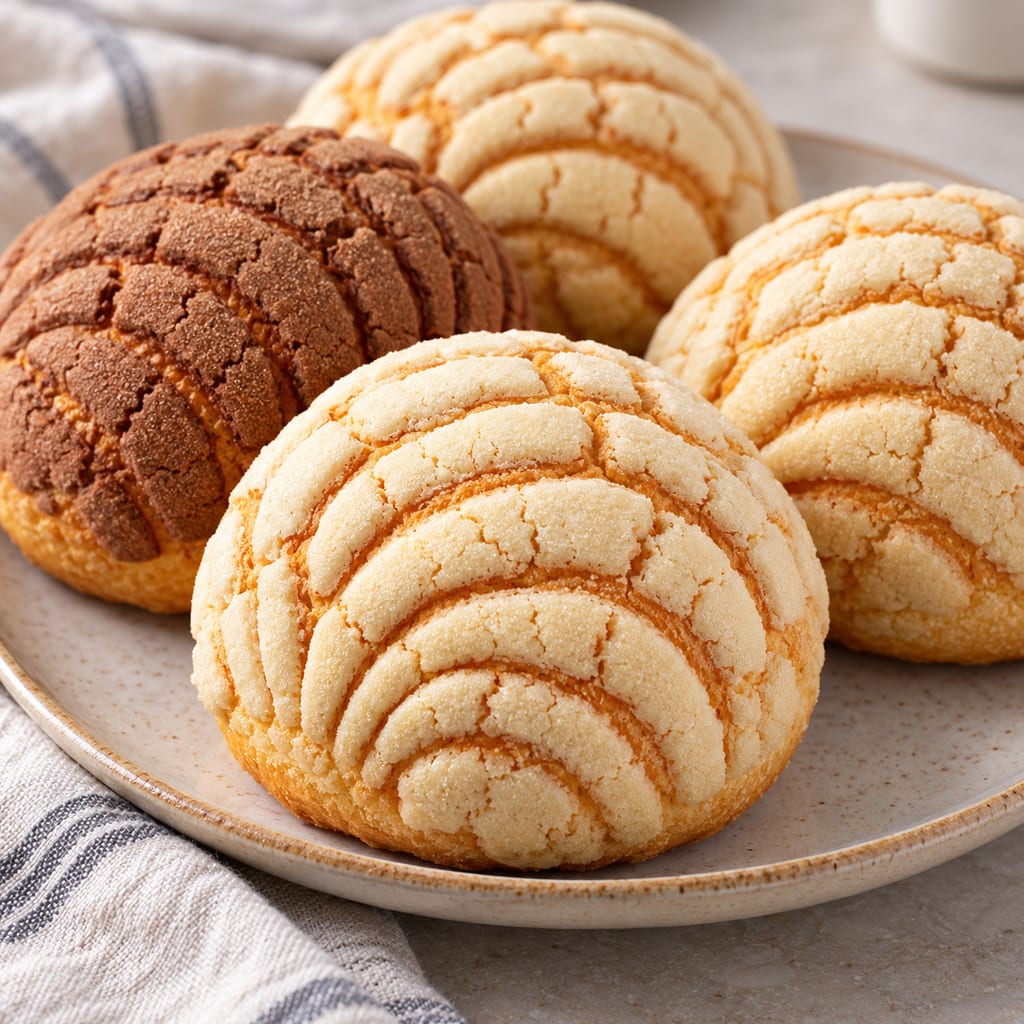
Mexican sweet rolls with a soft enriched yeast dough and a separate scored sugar-flour topping shaped like a shell. This version makes 15 rolls and uses a chilled dough rest before final proofing.
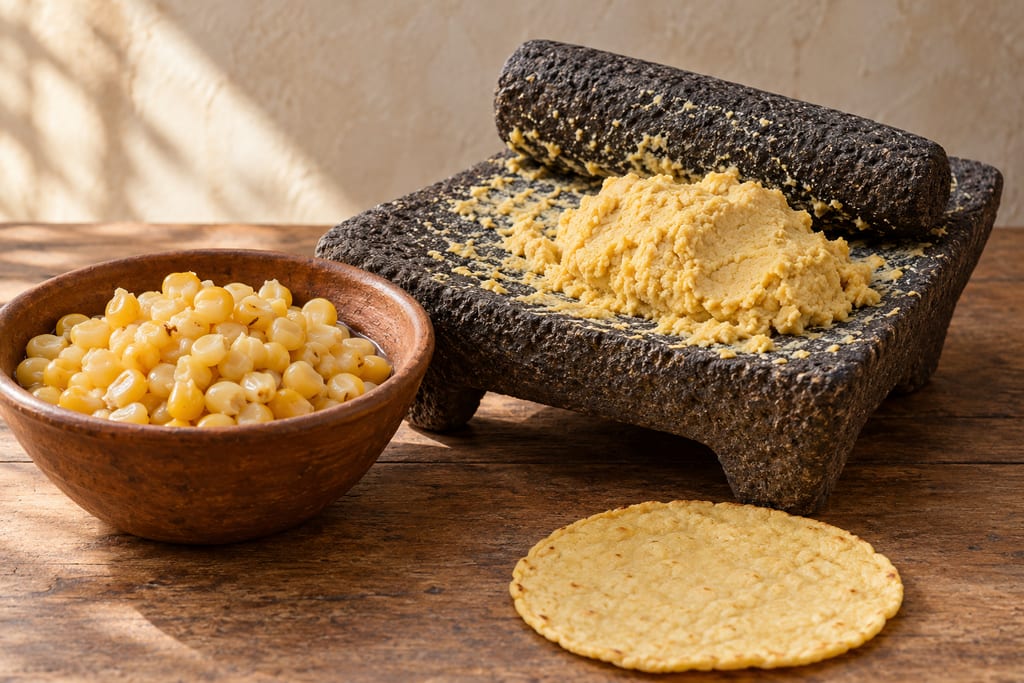
Whole maize cooked and steeped overnight in lime water, washed of its skins and excess lime, then ground into the moist dough used for tortillas.
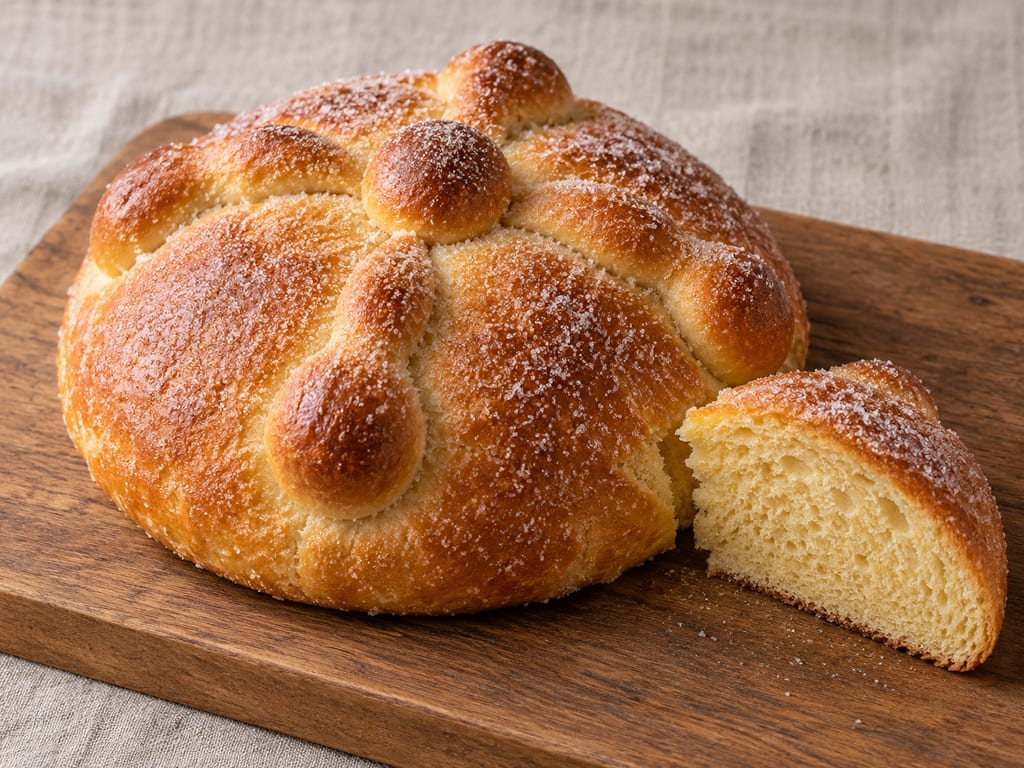
Two enriched, orange-anise loaves shaped with crossed dough bones and a central round, baked for Día de Muertos and finished with butter and sugar.
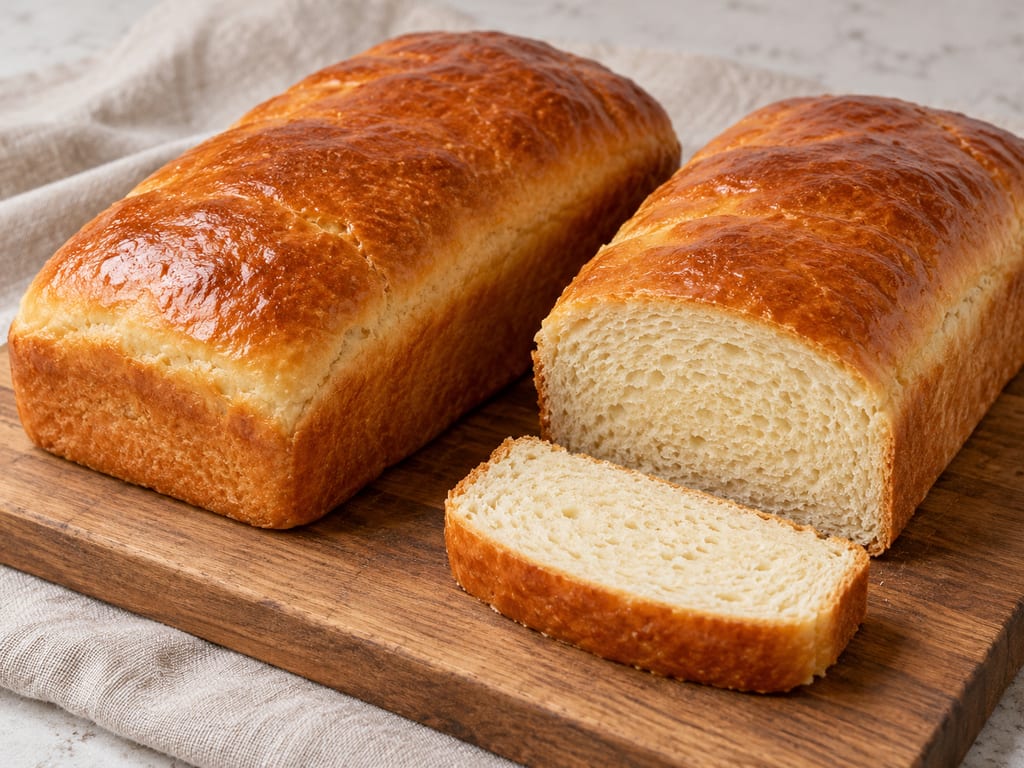
Two Mexican loaves made with pulque, eggs and baker's yeast in a home-oven recipe.
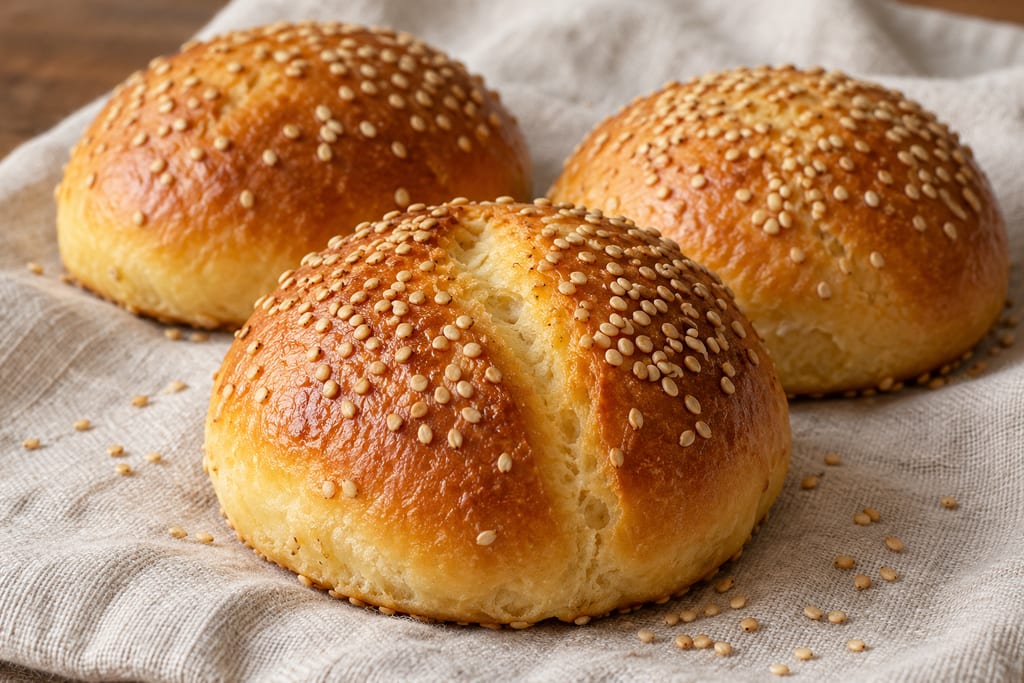
This Oaxacan yeast bread enriches wheat dough with eggs, extra yolks and butter, then shapes it into sesame-coated rounds for a long rise and a hot bake.
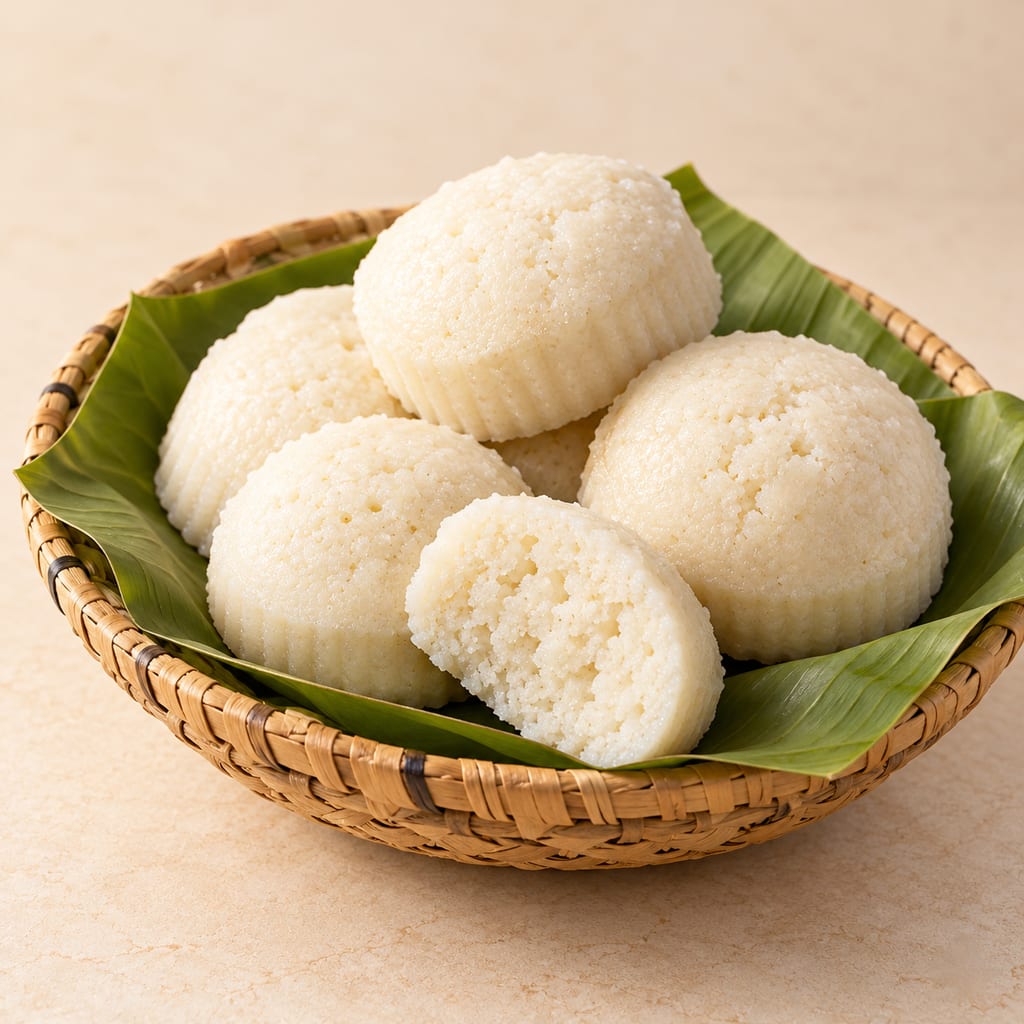
Soft, lightly tangy steamed cereal bread documented across Benin and Togo. This page gives one measured rice-flour research method; maize-based Ablo and mixed-grain versions remain distinct traditions.
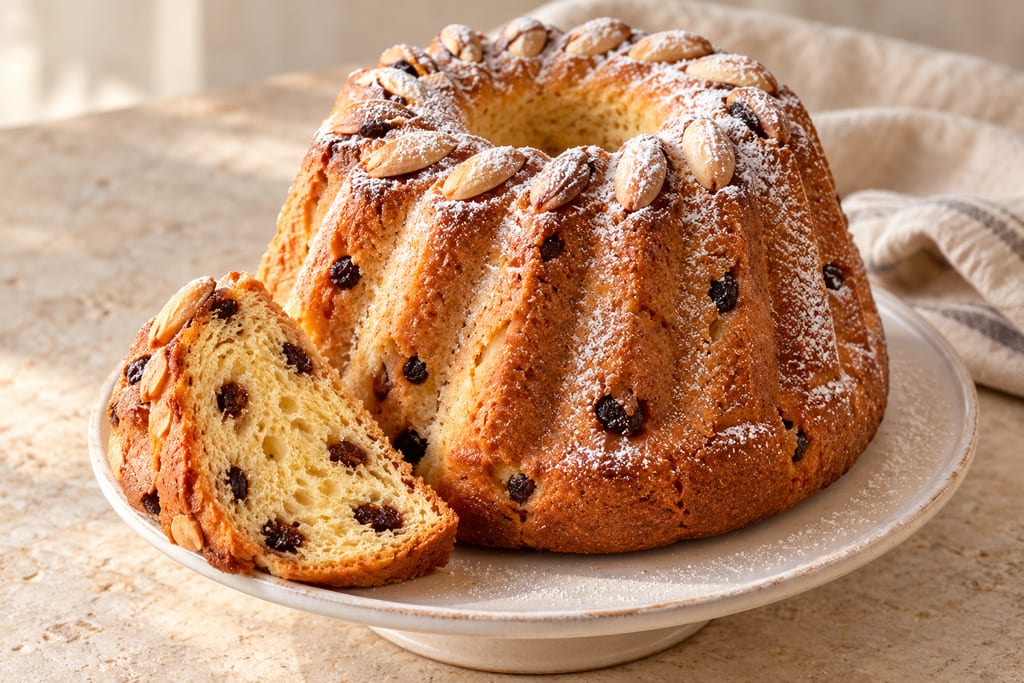
An enriched Alsatian yeast ring with raisins and almonds, kneaded with butter, proofed in a fluted mould and baked until browned.

Anpan is a soft wheat bun filled with sweet red-bean paste and finished with egg wash and black sesame. This dough rises with commercial instant yeast.
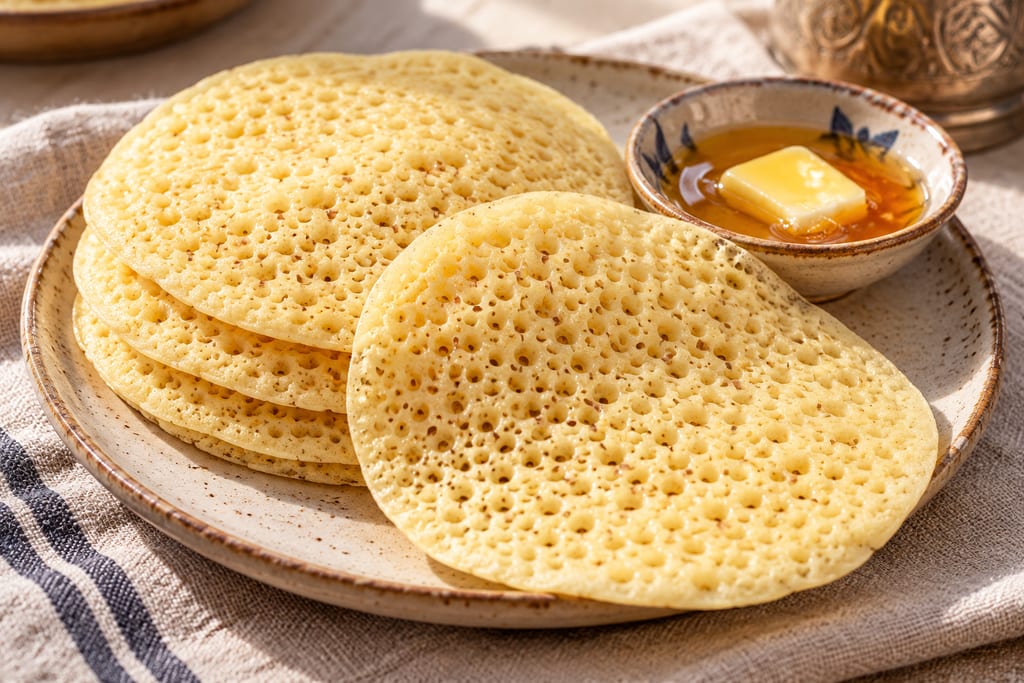
Moroccan semolina pancakes made from a thin yeast batter, rested until foamy and cooked on one side until the surface sets with a honeycomb of holes. This source-specific batch makes sixteen 5-inch pancakes.
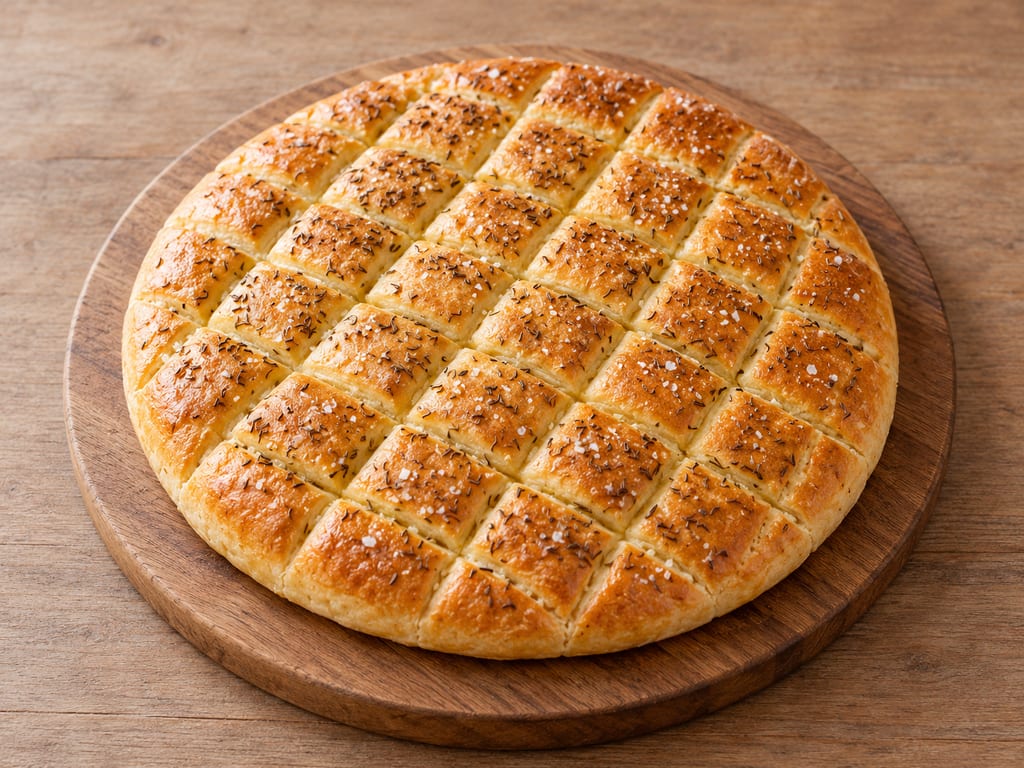
A round Slovenian flatbread scored in a grid and topped with caraway and coarse salt.
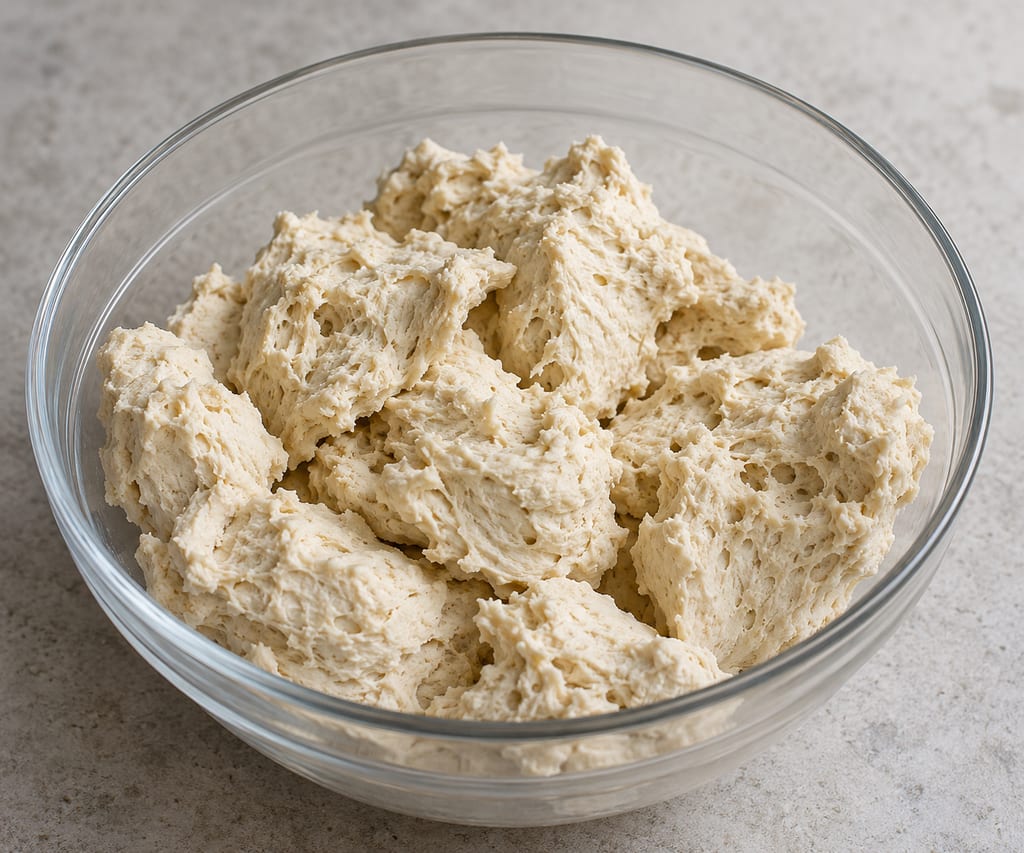
Biga is an Italian bread preferment of flour, water and a little yeast, usually a stiff unsalted mass of about 45 per cent water, fermented ahead and then mixed into the final dough.
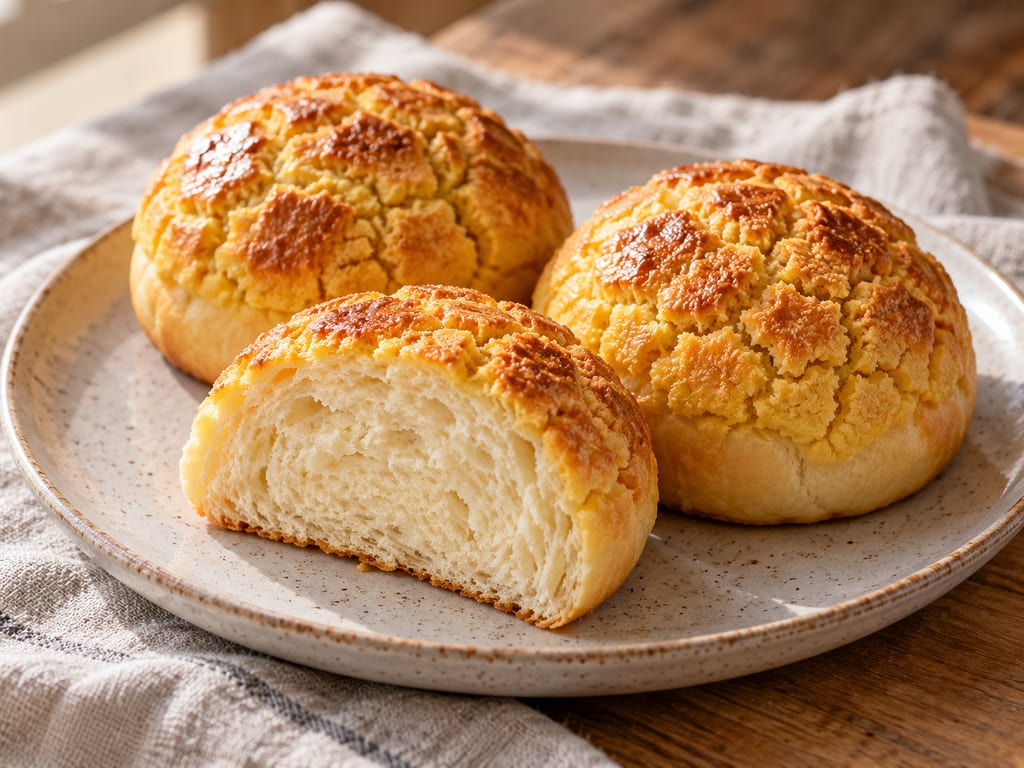
Hong Kong-style pineapple buns have soft yeast dough beneath a crisp, sweet pastry topping.
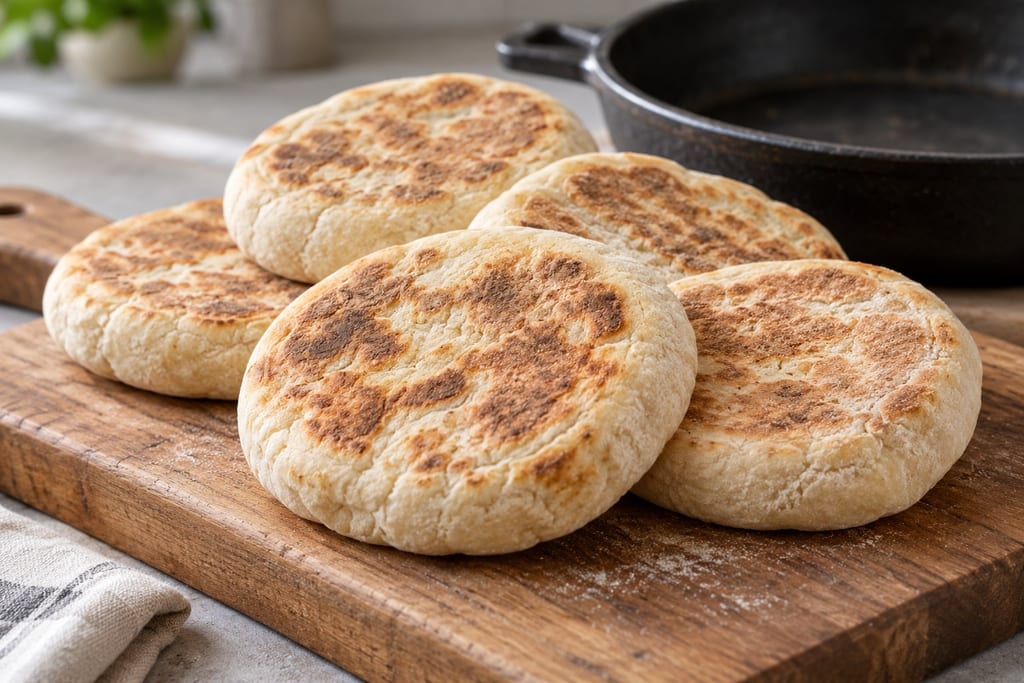
Sweet-potato wheat breads with fresh yeast, browned in a pan and finished in the oven. This is the bread component of Teleculinária's scrambled-egg dish.
No community contributions have been published for this entry yet.
Sign in to contribute. Published comments and photos are free to read.
Larousse CocinaMethod · Ingredients · Identity · Geography
Pan de feria, receta de Irving QuirozMeasured 30-portion dough formula, process, braid or zigzag shaping, pastry cream and sesame decoration, two rises, 170°C oven and 30-minute bake.
Recipe identifies Mexico as its zone of origin and cites the book Panes mexicanos.
Cited in: A Mexican fair bread with regional forms; The enriched dough; The braid, pastry cream and sesame finish; Egg handling and baking; Sources and limits
Larousse CocinaGeography · Cultural use · Variation
Pan de fiestaDescribes pan de fiesta as a broad category with regional forms; records festive breads in Tlaxcala and Puebla and a long sesame-topped form in San Juan Huactzinco and San Juan Totolac. Used to distinguish regional forms, not attribute the Larousse braid to those localities.
Cited in: A Mexican fair bread with regional forms; Sources and limits
Larousse CocinaIngredients · Method
Brillo de huevoEgg glaze for the bread: one egg, a pinch of salt and a pinch of sugar; approximately 50 mL yield.
Cited in: The braid, pastry cream and sesame finish; Sources and limits
Larousse CocinaIngredients · Method · Handling
Crema pastelera, receta básicaComplete two-cup pastry-cream formula and method: 480 mL milk, 35 g cornstarch, 65 g sugar, 100 g yolks, 30 g butter and 15 mL vanilla. The pan de feria recipe uses half, so its listed ingredient quantities are each scaled by one half.
The page says the cream may be refrigerated for up to one week; that source advice is recorded but not used as a validated duration for the finished filled loaf.
Cited in: The braid, pastry cream and sesame finish; Sources and limits
U.S. Food and Drug AdministrationSafety
Assuring the Safety of Eggs and Menu and Deli Items Made From Raw, Shell EggsFDA food-service guidance recommends pasteurized eggs or egg products for recipes, preparation or service procedures involving holding eggs or egg-containing foods before or after cooking. This recipe uses that guidance as an explicit safety substitution for the held dough and custard.
Cited in: Egg handling and baking
Centers for Disease Control and PreventionSafety
Raw Flour and DoughUncooked flour can carry germs; CDC advises against tasting raw dough, to follow cooking directions, keep raw dough from ready-to-eat food and clean after handling.
Cited in: Egg handling and baking
FoodSafety.govSafety · Handling
People at Risk of Food PoisoningPerishable foods should be refrigerated within 2 hours (within 1 hour if exposed to air temperatures above 90°F/32°C); leftovers should be placed in shallow containers and refrigerated promptly; use cooked leftovers within 4 days.
Cited in: Egg handling and baking; Sources and limits
FoodSafety.govSafety · Storage
Food Safety During Power OutageThe refrigerated-food table lists cream-filled pastries and egg/milk custard pies as discard if exposed to temperatures of 40°F/4°C or above for more than 2 hours.
Cited in: Egg handling and baking; Sources and limits