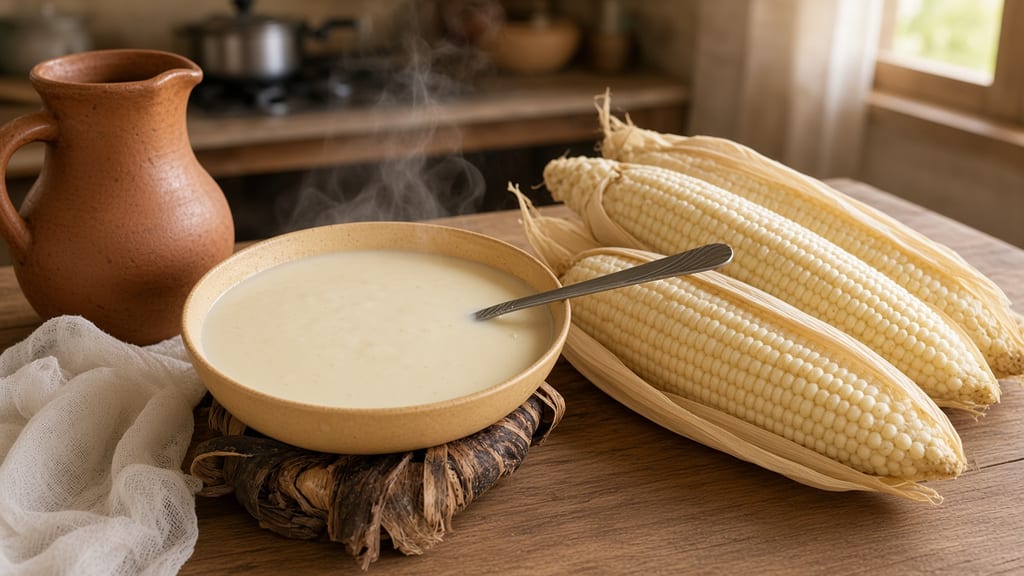
Atole agrio
A hot, sour maize drink from Tabasco made from maize that is not lime-cooked. The ground grain sours for half a day, then makers strain it and boil it until thick.
 FermenteaWhere food goes to change
Modern adaptation
Pan de muerto · Day of the Dead bread
Two enriched, orange-anise loaves shaped with crossed dough bones and a central round, baked for Día de Muertos and finished with butter and sugar.
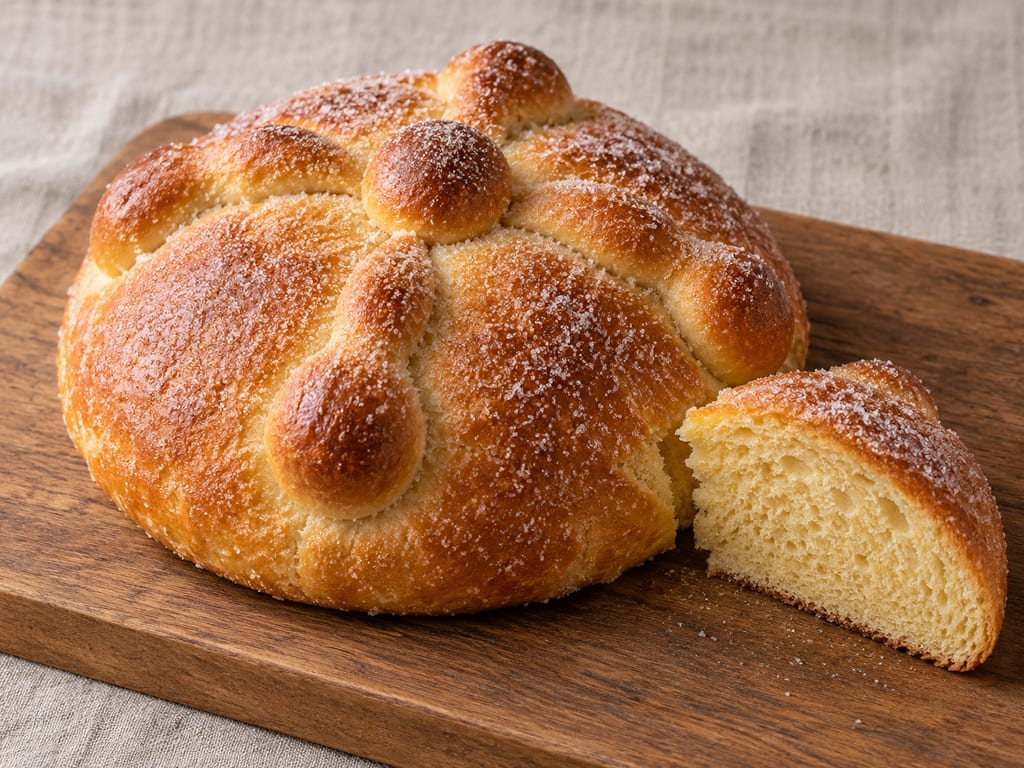
Pan de muerto is a sweet orange-and-anise loaf sold in the weeks before Día de Muertos and placed on family altars around 2 November. The Associated Press reports that it is on sale from early October to mid-November and describes it as a tie between families and the holiday. Shapes and flavours vary by region across Mexico.
The same report quotes an anthropologist who cautions that one origin date cannot be named for the bread. What the sources establish is its present season and use on altars, not its beginnings.
The loaves here follow Pati Jinich's recipe as published by King Arthur Baking: a milk, yeast and flour preferment, then a dough enriched with four eggs and 226 g of butter, flavoured with orange blossom water, orange zest and anise. After a first rise the dough chills for at least 4 hours or overnight, then forms two loaves with crossed dough bones and a central round. The published schedule runs to about eleven hours including refrigeration. The recipe is one contemporary version and does not describe other regional forms.
The exact date of origin is not established by the inspected sources. This entry documents a contemporary recipe credited to Pati Jinich, not a claim that this formula is ancient or universal. Pan de muerto is associated with Día de Muertos offerings and remembrance; Mexican bread forms and household practices vary.
Yield 2 8-inch round loaves · Scaling: source batch only
Uncooked flour and eggs can carry harmful bacteria; dough is handled before baking.
Hazard sourceDo not taste raw dough; wash hands, utensils, bowls and work surfaces after handling it, then bake fully according to the recipe.
Control sourceDo not taste raw dough. Keep it away from ready-to-eat foods and clean hands, tools and surfaces after handling. Bake the loaves through; the recipe specifies 190°F (88°C) internally.
The recipe page describes this as Mexican pan dulce; it does not specify a regional origin or stand for all forms.
A hot, sour maize drink from Tabasco made from maize that is not lime-cooked. The ground grain sours for half a day, then makers strain it and boil it until thick.
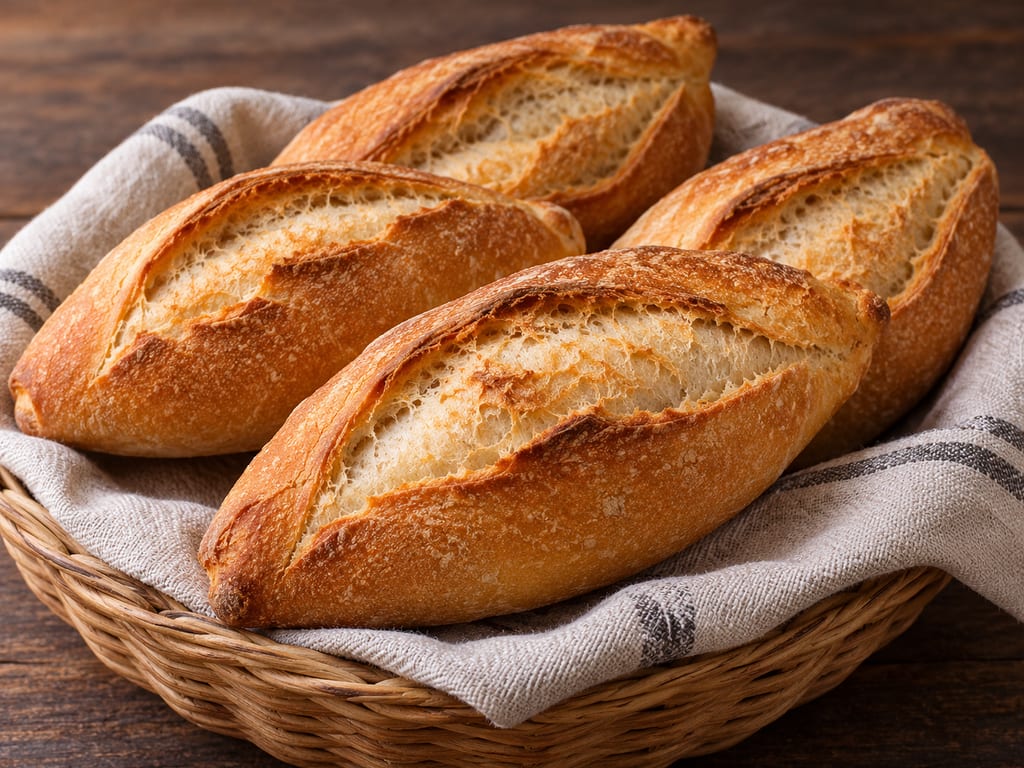
A measured, commercial-yeast home method for Guadalajara-style birote salado, with a six-hour preferment, shaped rolls and a two-temperature steam bake. This formula contains no egg.
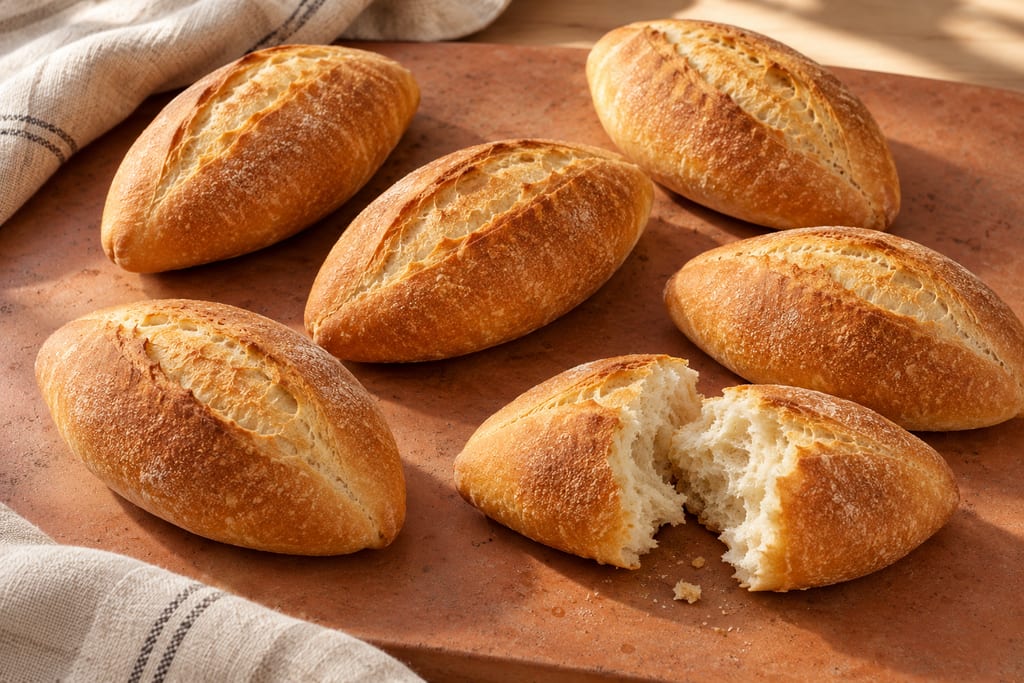
Small, lightly enriched rolls with tapered ends and a scored top; this six-roll formula bakes on a hot stone with steam for a thin, crisp crust.
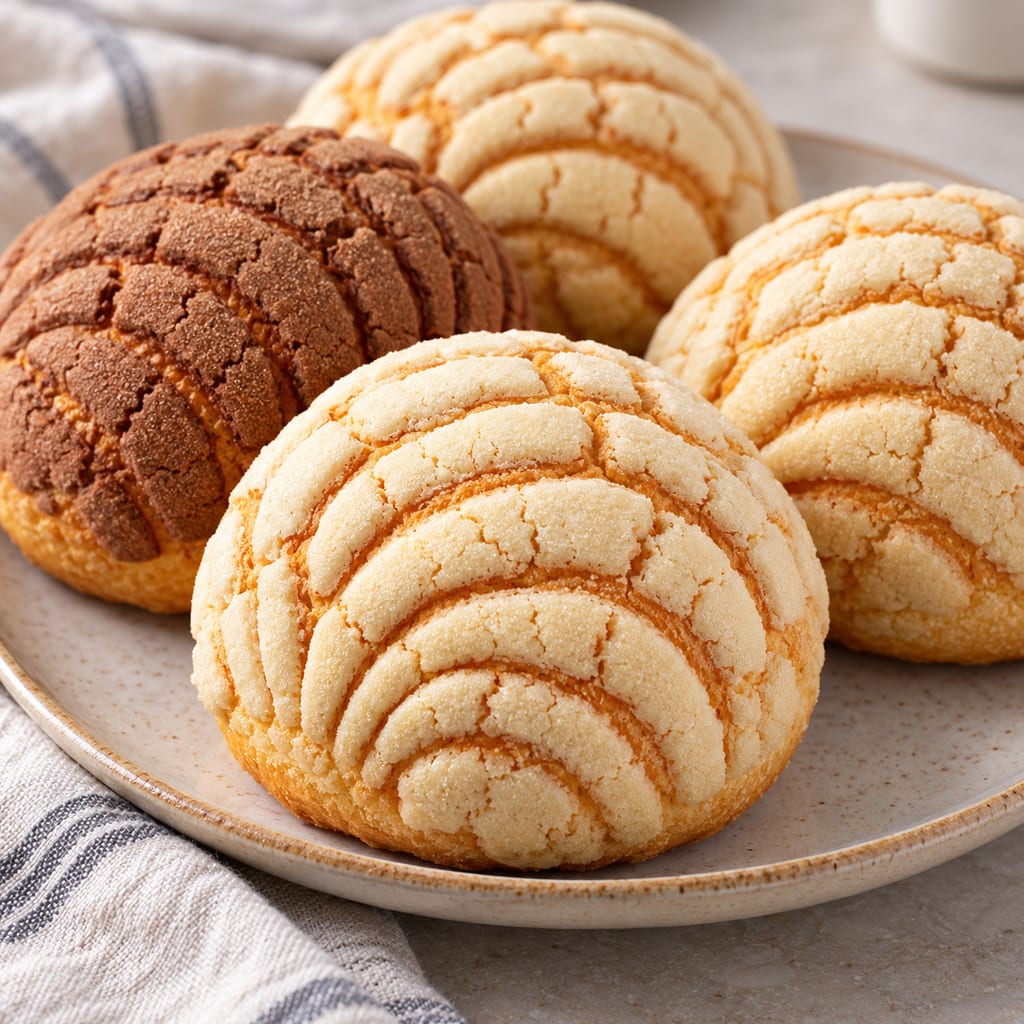
Mexican sweet rolls with a soft enriched yeast dough and a separate scored sugar-flour topping shaped like a shell. This version makes 15 rolls and uses a chilled dough rest before final proofing.
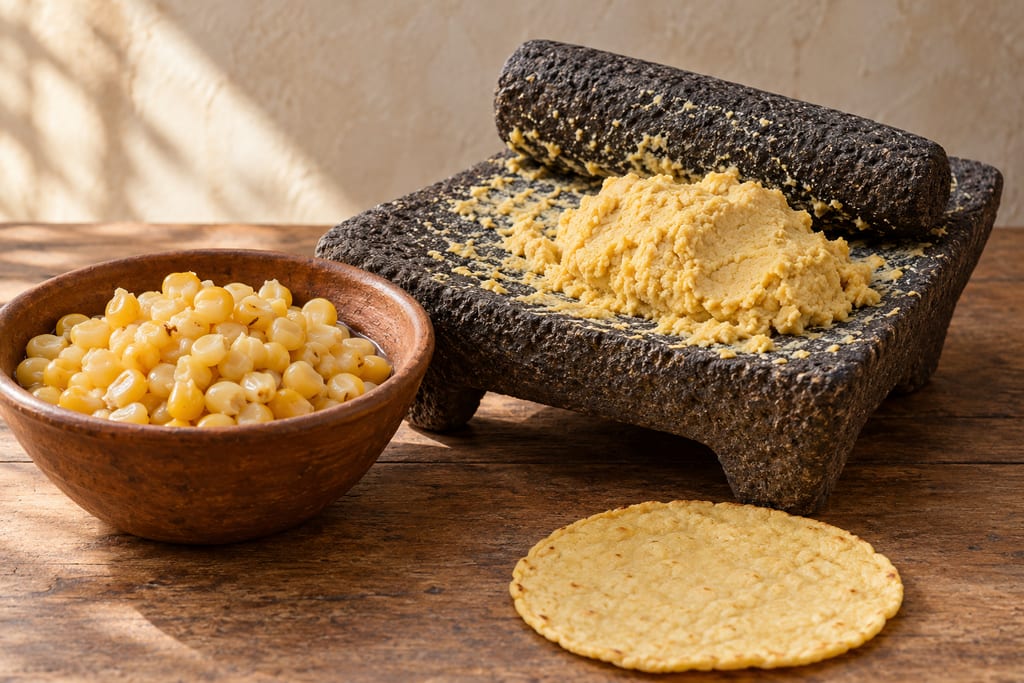
Whole maize cooked and steeped overnight in lime water, washed of its skins and excess lime, then ground into the moist dough used for tortillas.
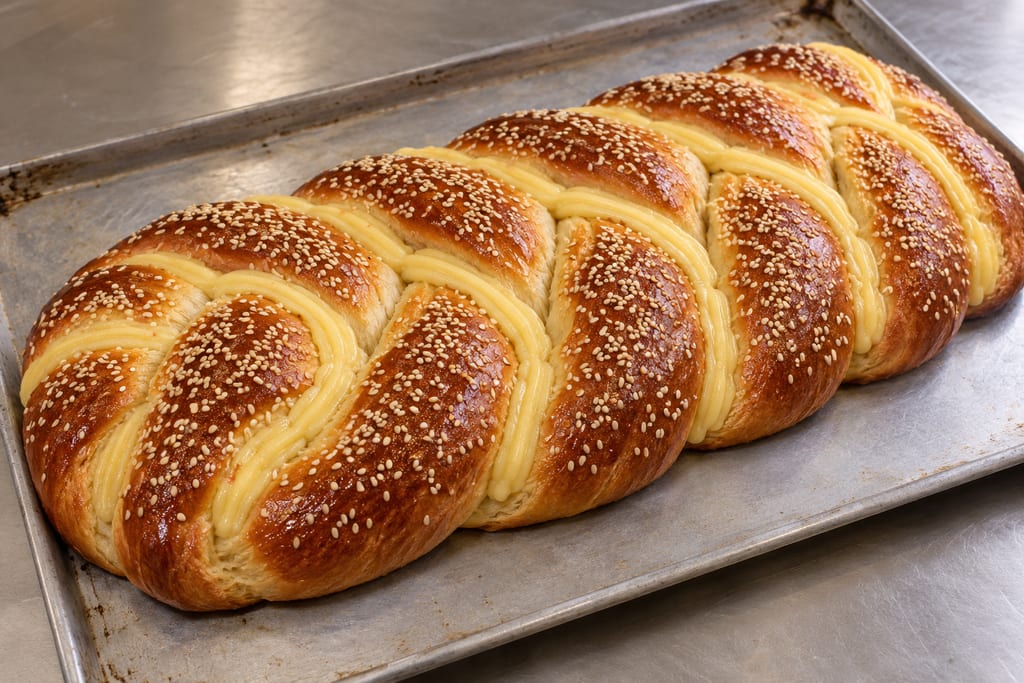
A Mexican sweet, yeast-raised wheat bread shaped as a broad braid or closed zigzag, brushed with egg glaze and decorated with pastry cream and sesame.
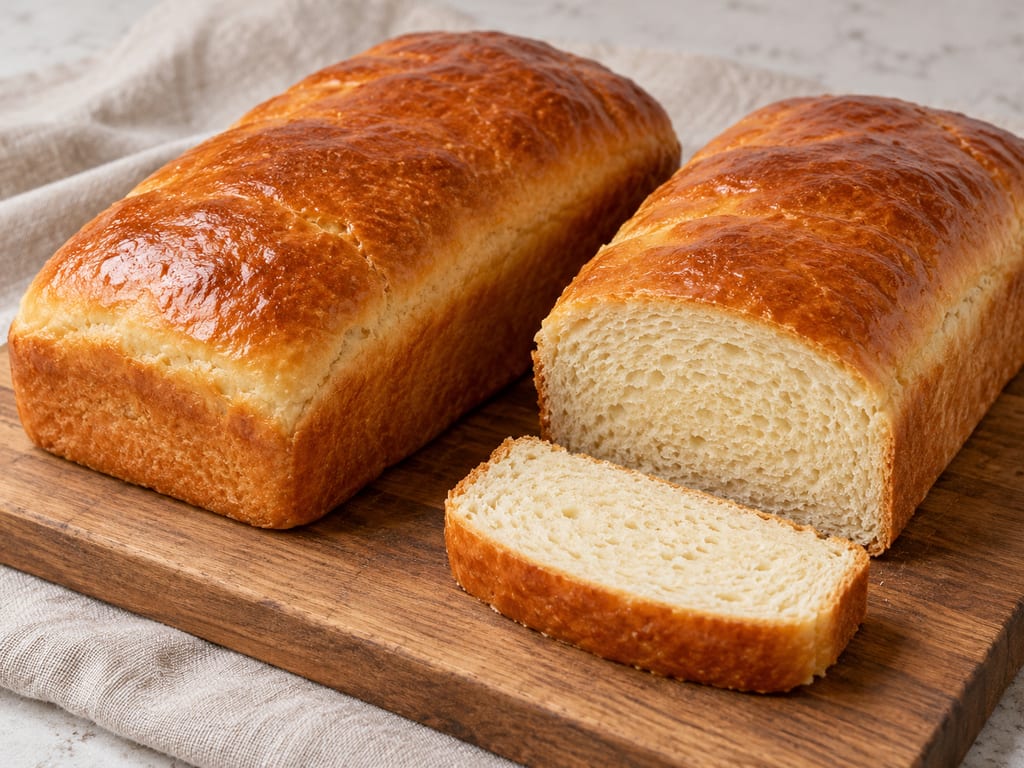
Two Mexican loaves made with pulque, eggs and baker's yeast in a home-oven recipe.
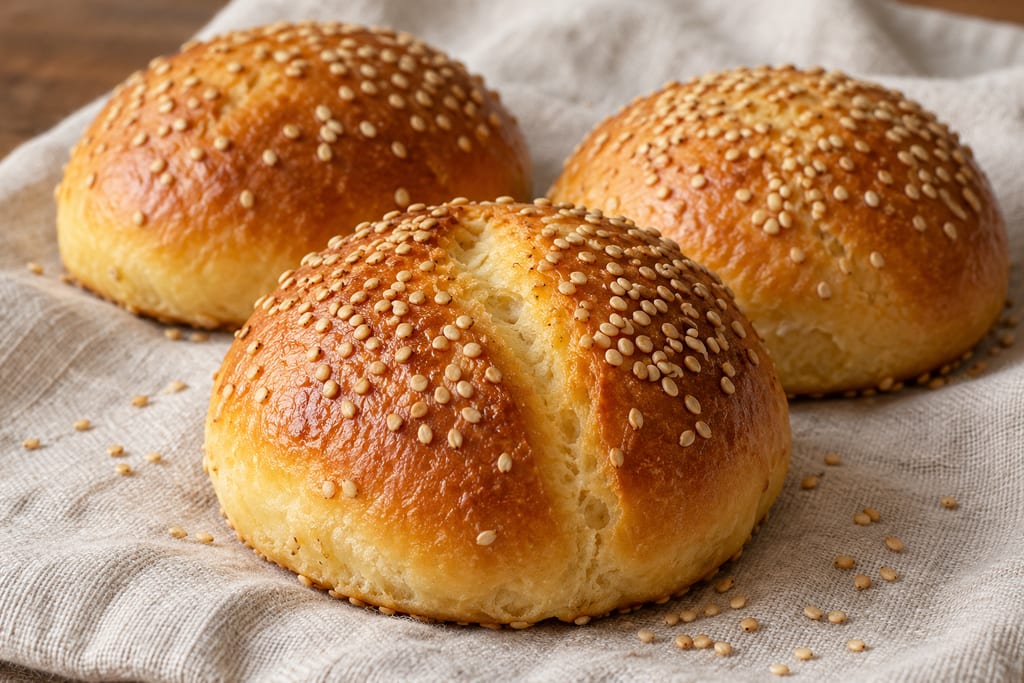
This Oaxacan yeast bread enriches wheat dough with eggs, extra yolks and butter, then shapes it into sesame-coated rounds for a long rise and a hot bake.
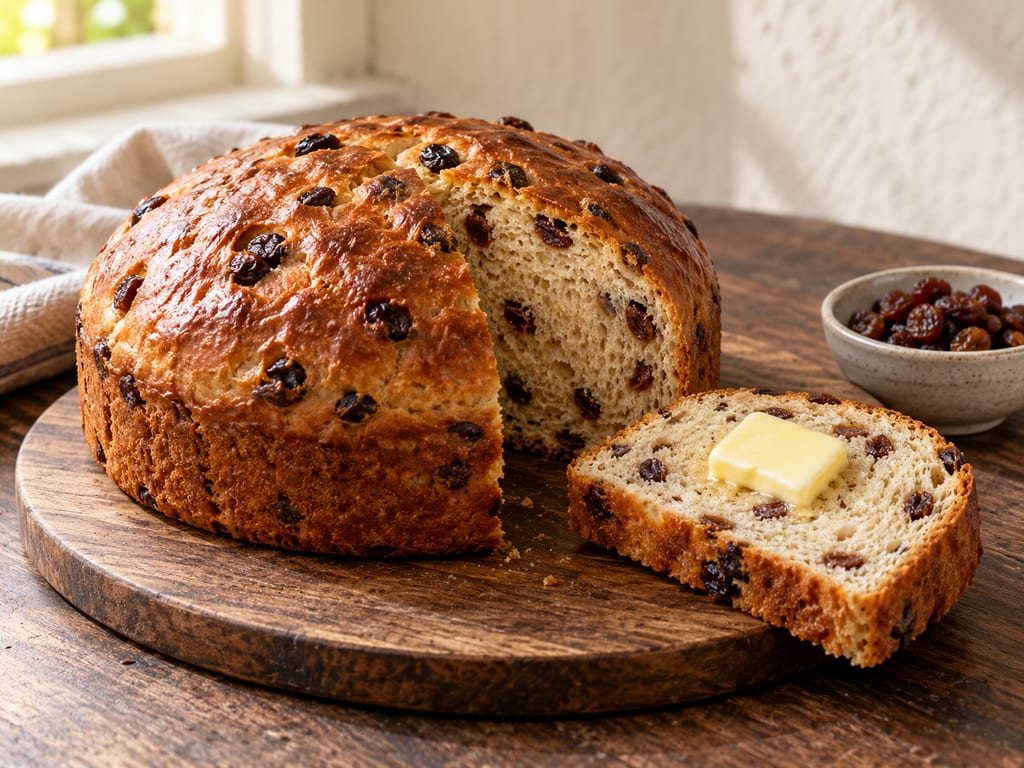
An Irish fruit-studded yeast loaf, associated in a contemporary cultural account with Halloween and often served fresh or toasted with butter.
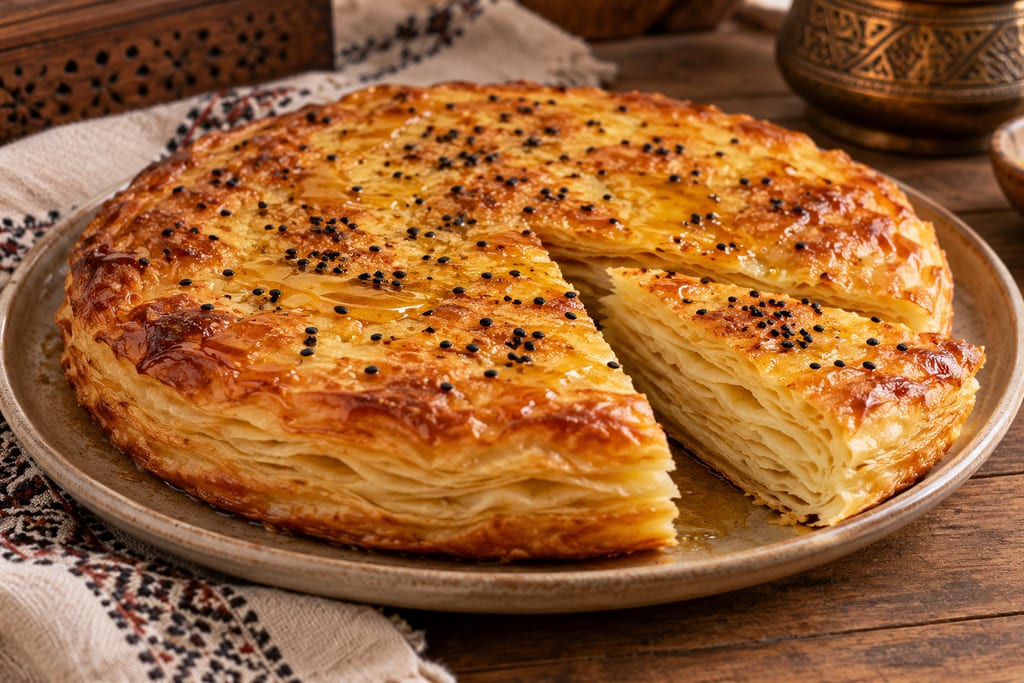
Bint al-sahn is a Yemeni celebration and home bread built from thin, egg-rich yeast dough layers brushed with ghee or butter. This source-specific version makes one round cake, baked until golden and served warm with honey.
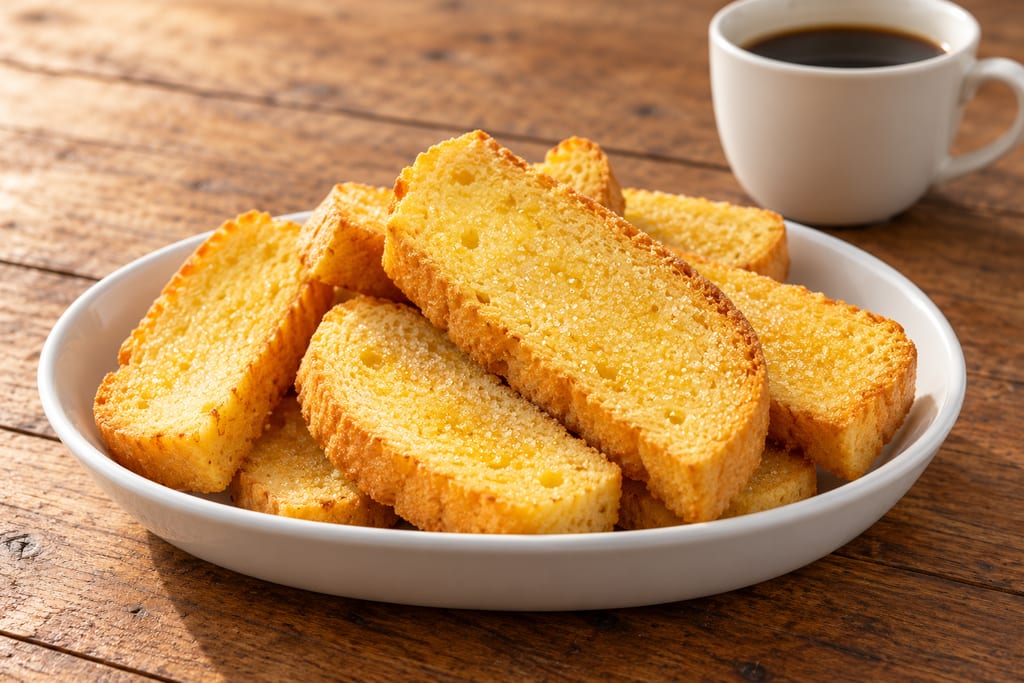
PagkainPinoy’s 24–30 piece version twice-bakes day-old soft bread with a thin butter-and-sugar coating.
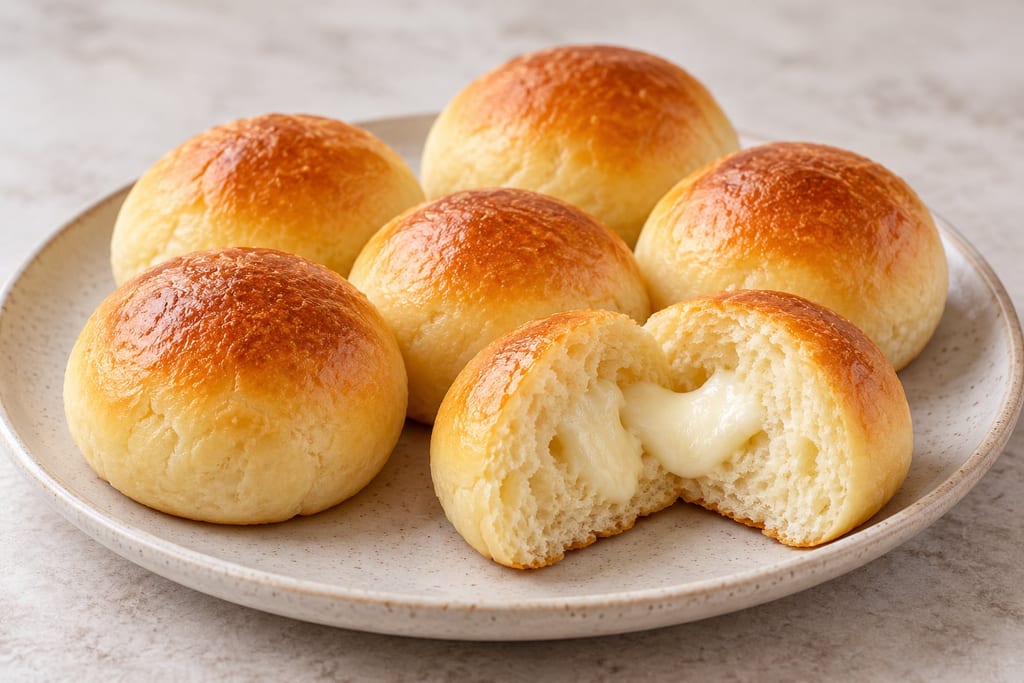
Soft Brazilian yeast rolls use cooked mashed potato in an enriched dough, with mozzarella cubes enclosed before baking.
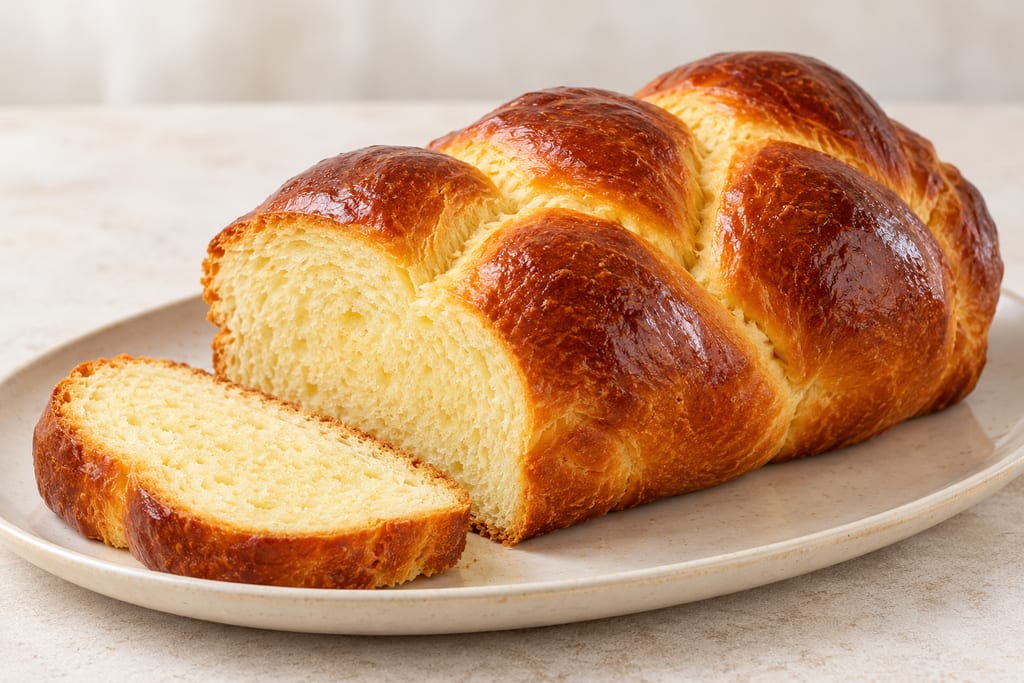
An egg-and-butter-rich yeast dough shaped as one round loaf, two loaves or twelve small brioches, with baking paths that vary by shape.
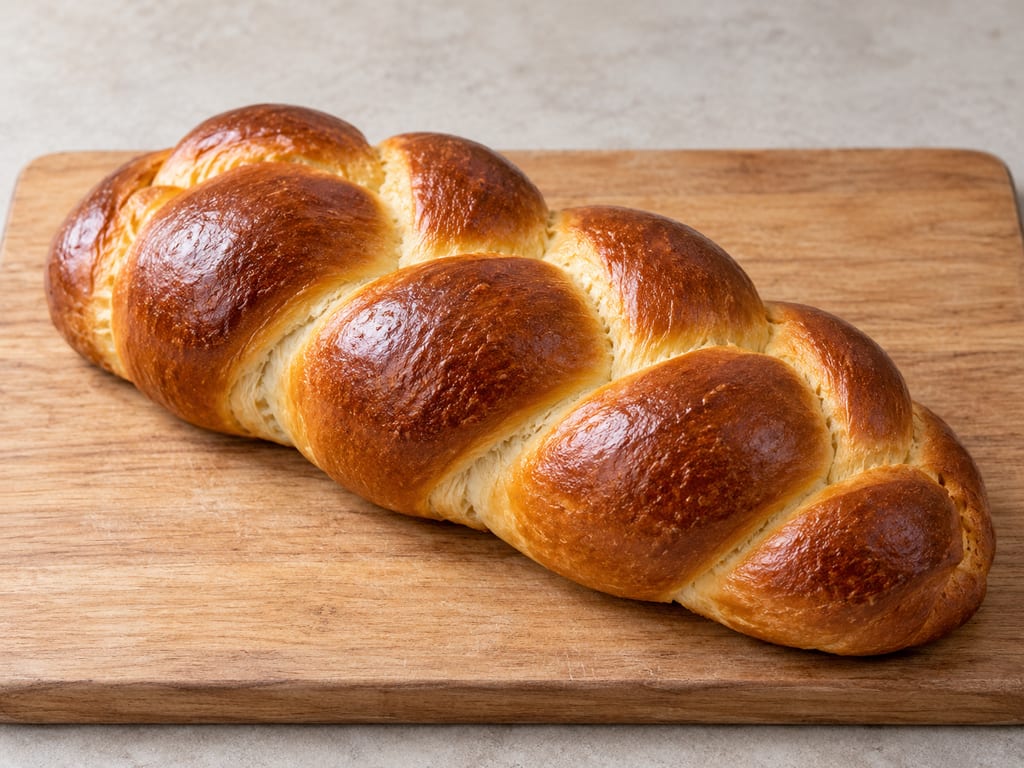
A three-strand yeast-raised challah with flour, salt, yeast, water, neutral oil, honey and egg, based on a Jewish Museum Vienna home recipe.
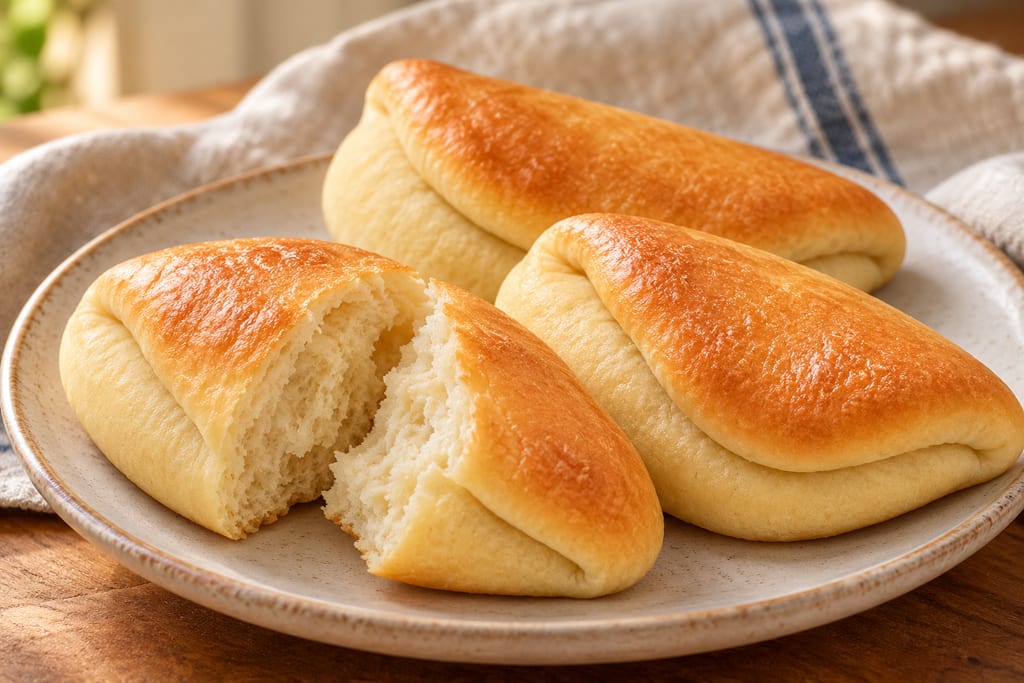
Jamaican-style folded rolls made from sweet coconut-milk yeast dough and brushed with butter.
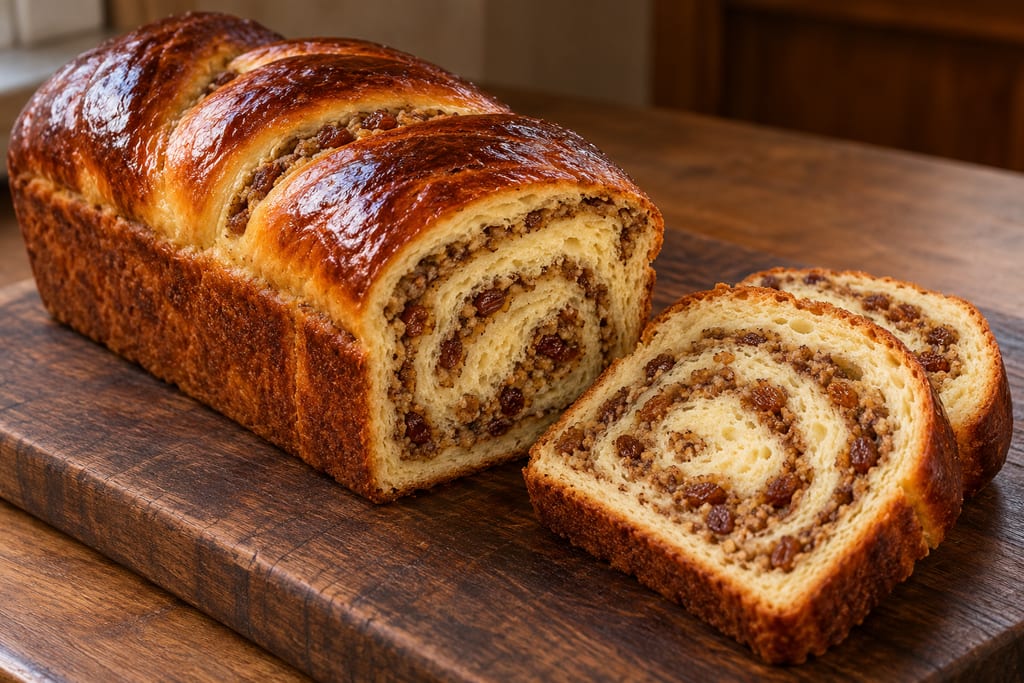
This Romanian cozonac recipe makes two enriched loaves filled with walnuts, sultanas and a whipped egg-white mixture. The dough rises once before filling and again in tins, then bakes in two oven stages.
No community contributions have been published for this entry yet.
Sign in to contribute. Published comments and photos are free to read.
King Arthur Baking; recipe by Pati JinichMethod · Ingredients · Yield · Celebration context
Pan de Muerto (Day of the Dead Bread)Formula yields two 8-inch loaves and lists weights and alternatives.
The method gives preferment, kneading, rises, chilling, proofing and bake times and temperatures.
Described as a Mexican pan dulce commonly made as a Día de Muertos offering and altar decoration.
Cited in: This formula
Mexico City GovernmentCelebration context
Ofrendas de Día de MuertosFood offerings honor deceased family and friends; bread is one element and forms vary.
The source describes more than one bread shape and emphasizes variation in ofrendas.
Cited in: A seasonal bread with an altar role
Associated PressCelebration context · History
Pan de muerto connects families to Día de los MuertosThe bread is sold seasonally, from early October to mid-November, and used on altars around 2 November; the report describes it as a family tie to Día de los Muertos and notes regional variation across Mexico.
A quoted anthropologist cautions that no single origin date can be named for the bread.
Cited in: A seasonal bread with an altar role
U.S. Food and Drug AdministrationSafety
Handling Flour Safely: What You Need to KnowFlour can carry harmful bacteria; raw flour or egg dough should not be tasted, and hands, utensils and surfaces should be washed after handling.