Elevated risk
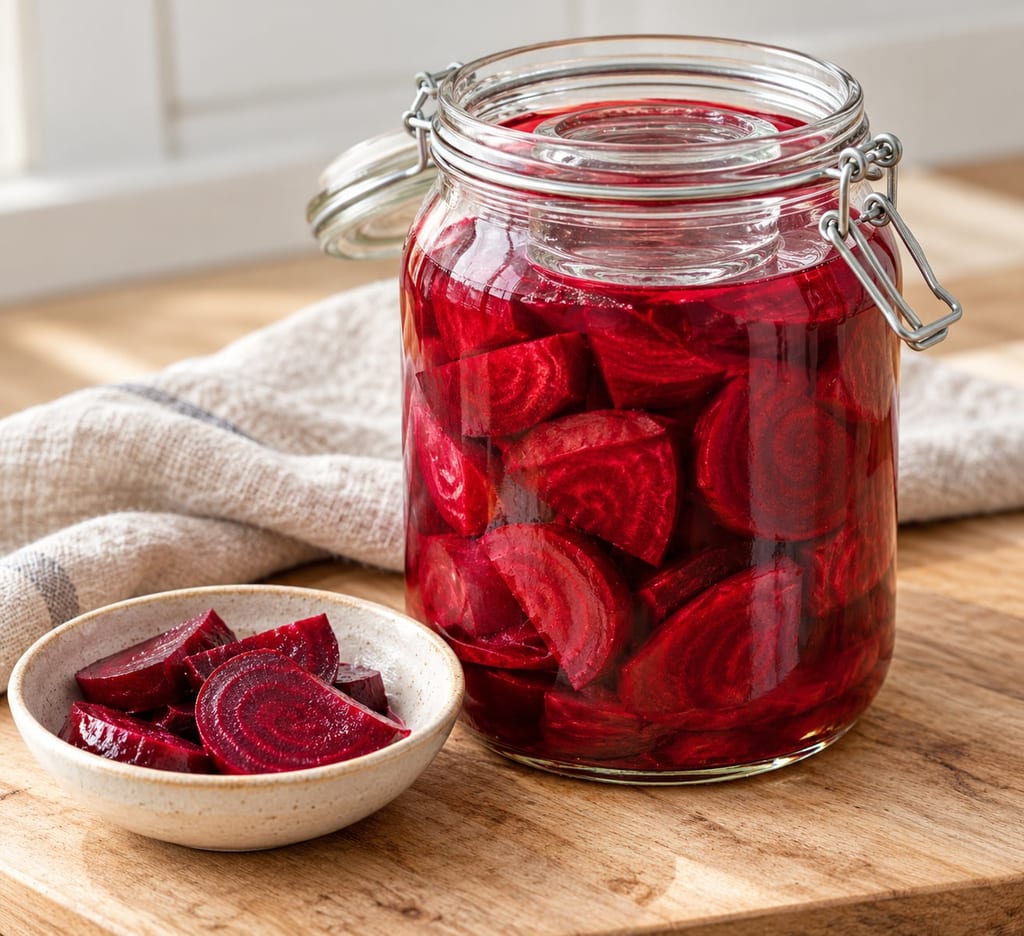
Lacto-fermented beets
Raw beetroot cut and packed into a jar under a salt-water brine, fermented until sour and deeply coloured; the batch weight is not recorded.
 FermenteaWhere food goes to change
Recipes by the places recorded in their sources.
Raw beetroot cut and packed into a jar under a salt-water brine, fermented until sour and deeply coloured; the batch weight is not recorded.
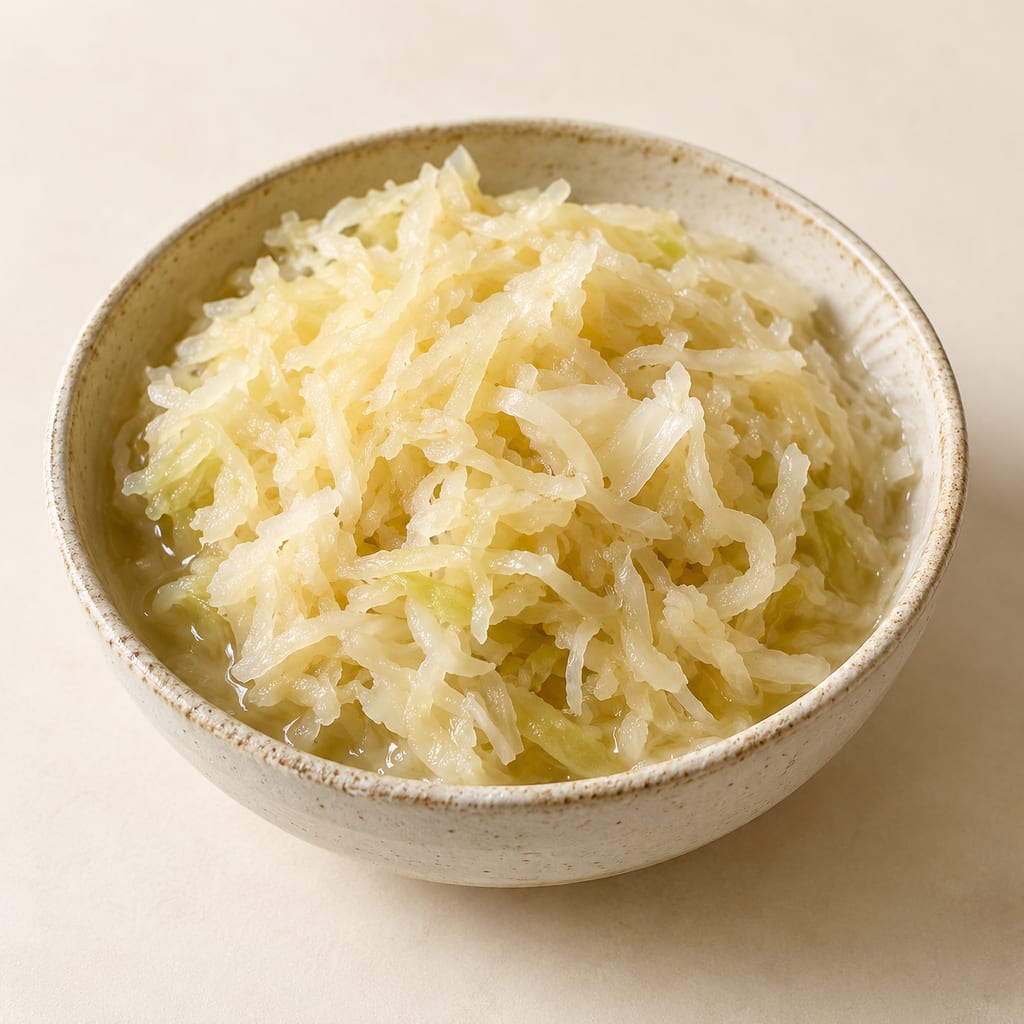
A Penn State Extension crock method mixes 5 lb of shredded cabbage with 3 tablespoons of canning or pickling salt, packs it under its own brine and ferments it in a covered container.
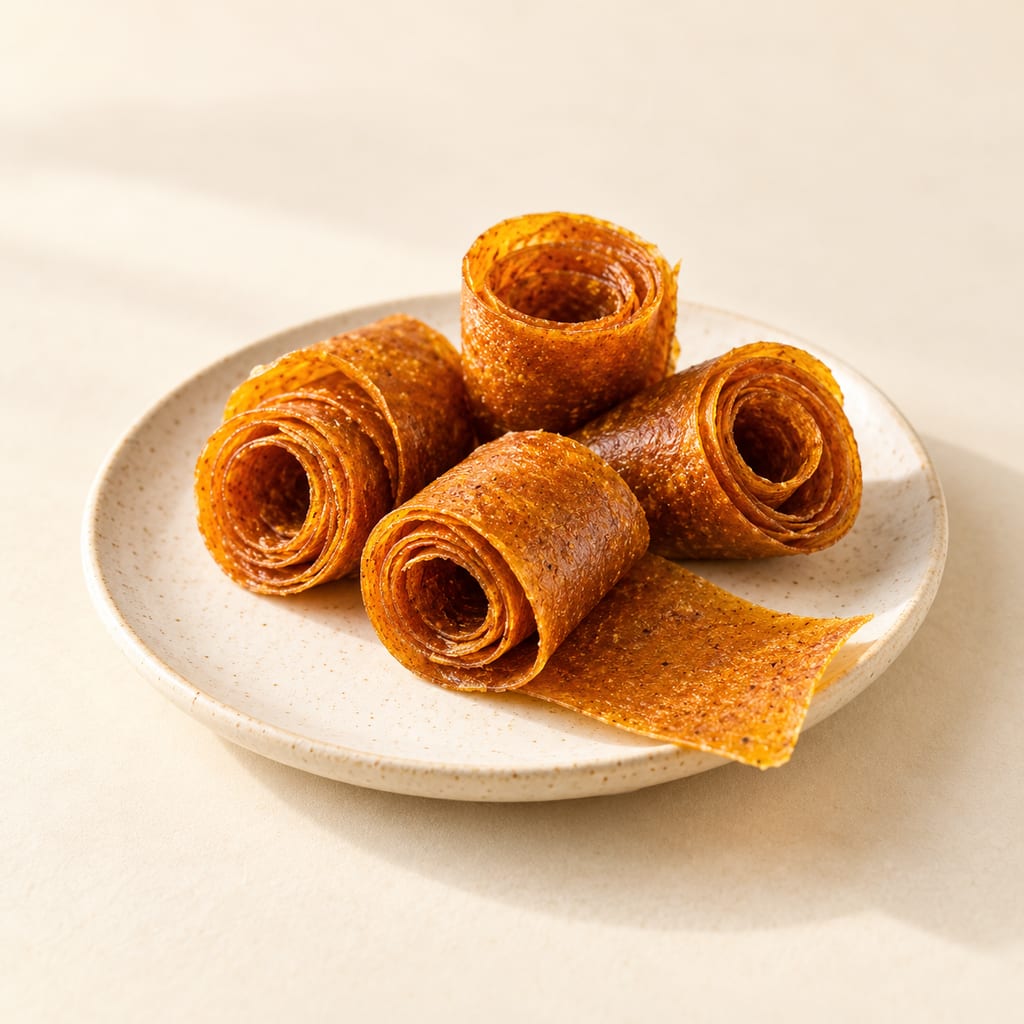
Cooked pumpkin blended with honey, cinnamon, nutmeg and cloves, spread thinly and dried into a rollable sheet.
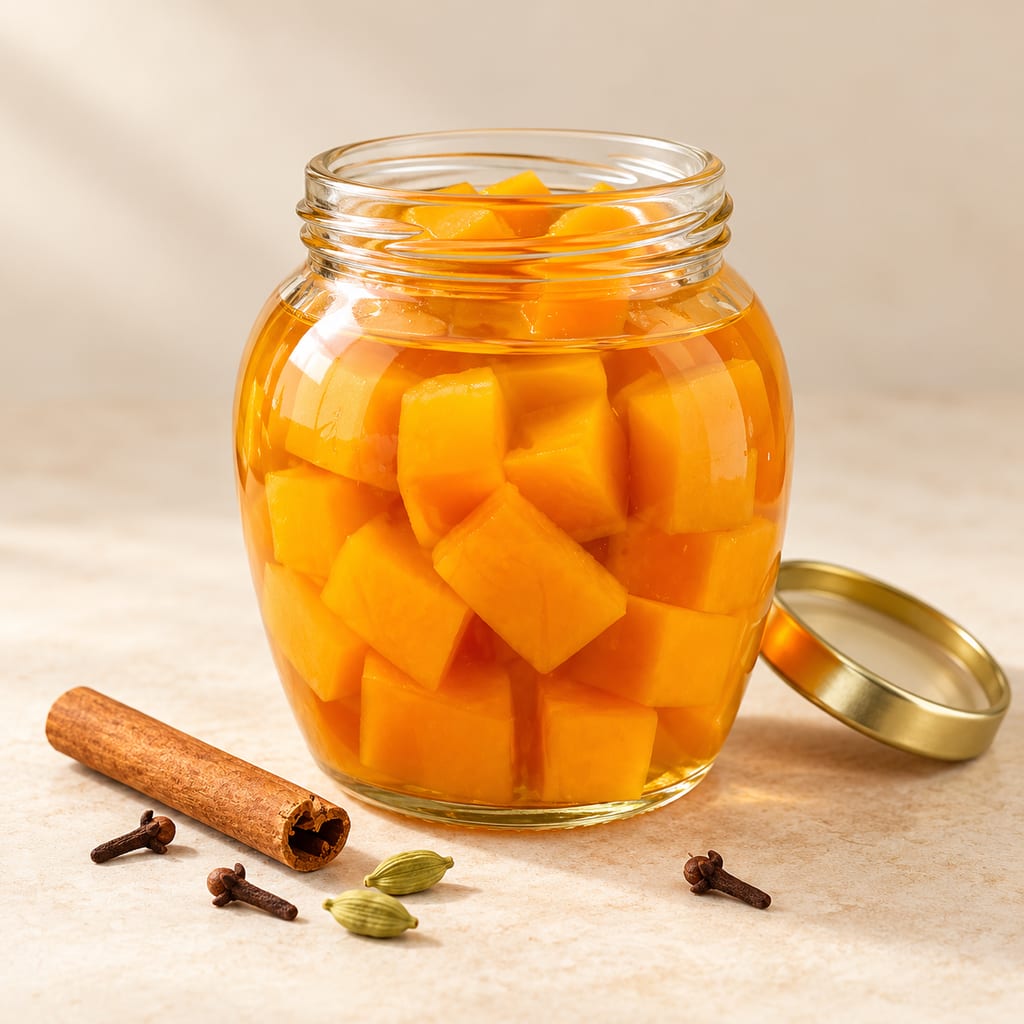
Pumpkin simmered with 5% vinegar, sugar, cinnamon, cardamom and cloves, then chilled. A sweet-sour pickle for the refrigerator.
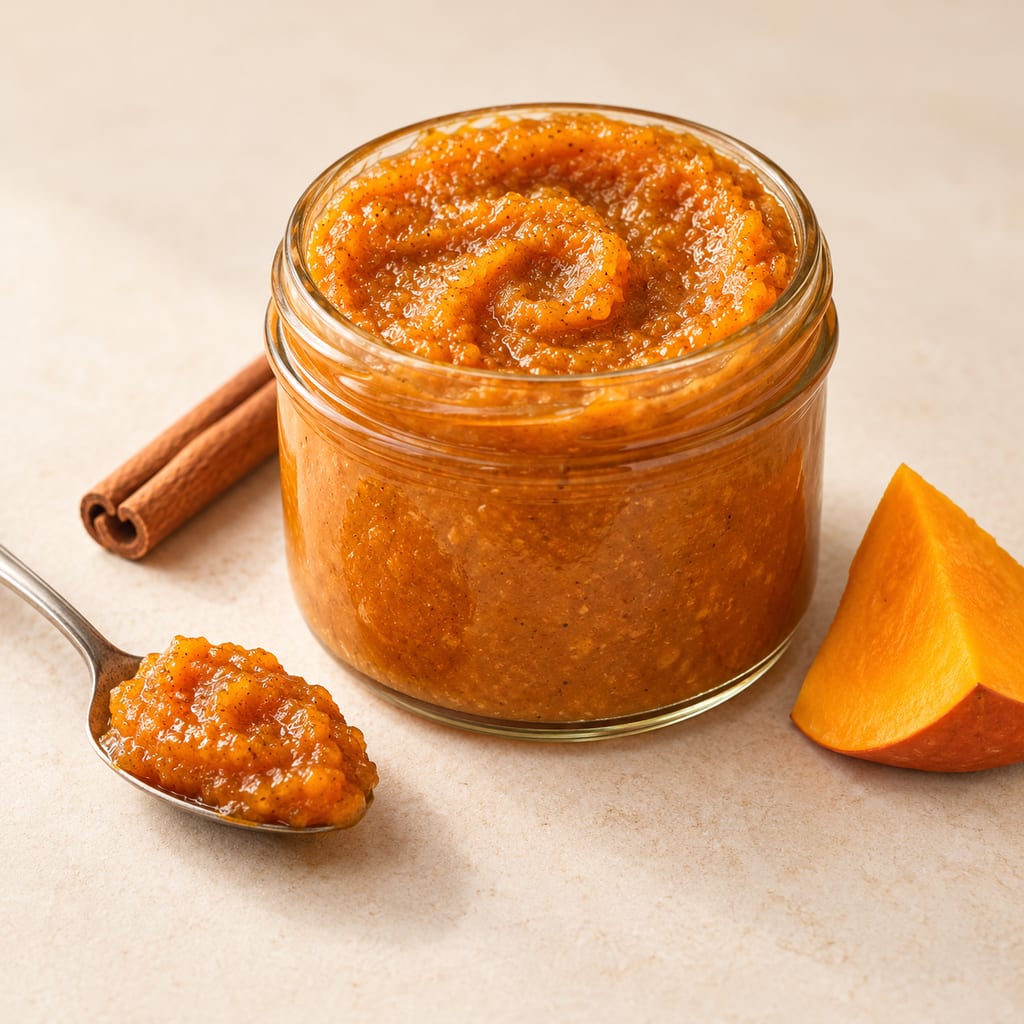
A smooth pumpkin spread cooked with apple juice, lemon and warm spices. Keep it refrigerated for up to seven days, or freeze for longer storage.
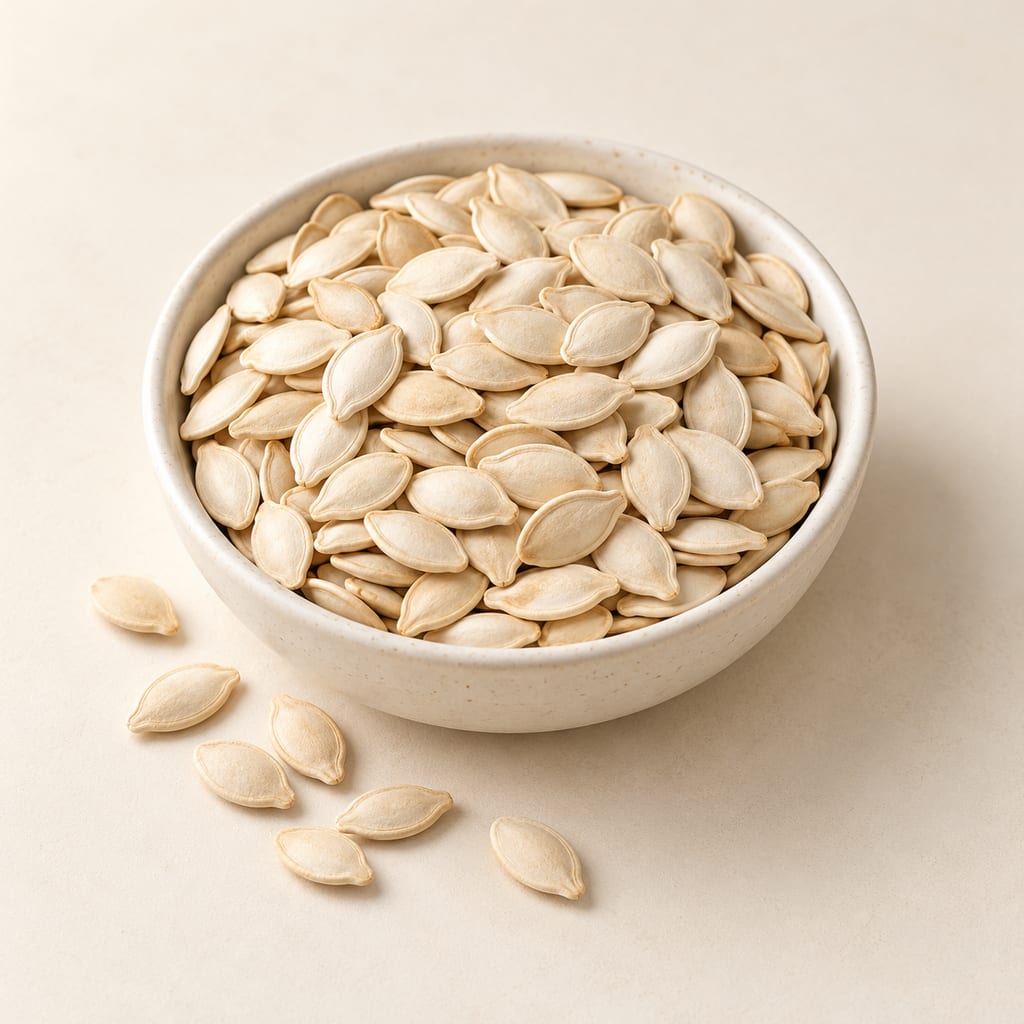
Washed pumpkin seeds dried gently for storage, with an optional roasting step before eating. Refrigerate or freeze the cooled seeds.
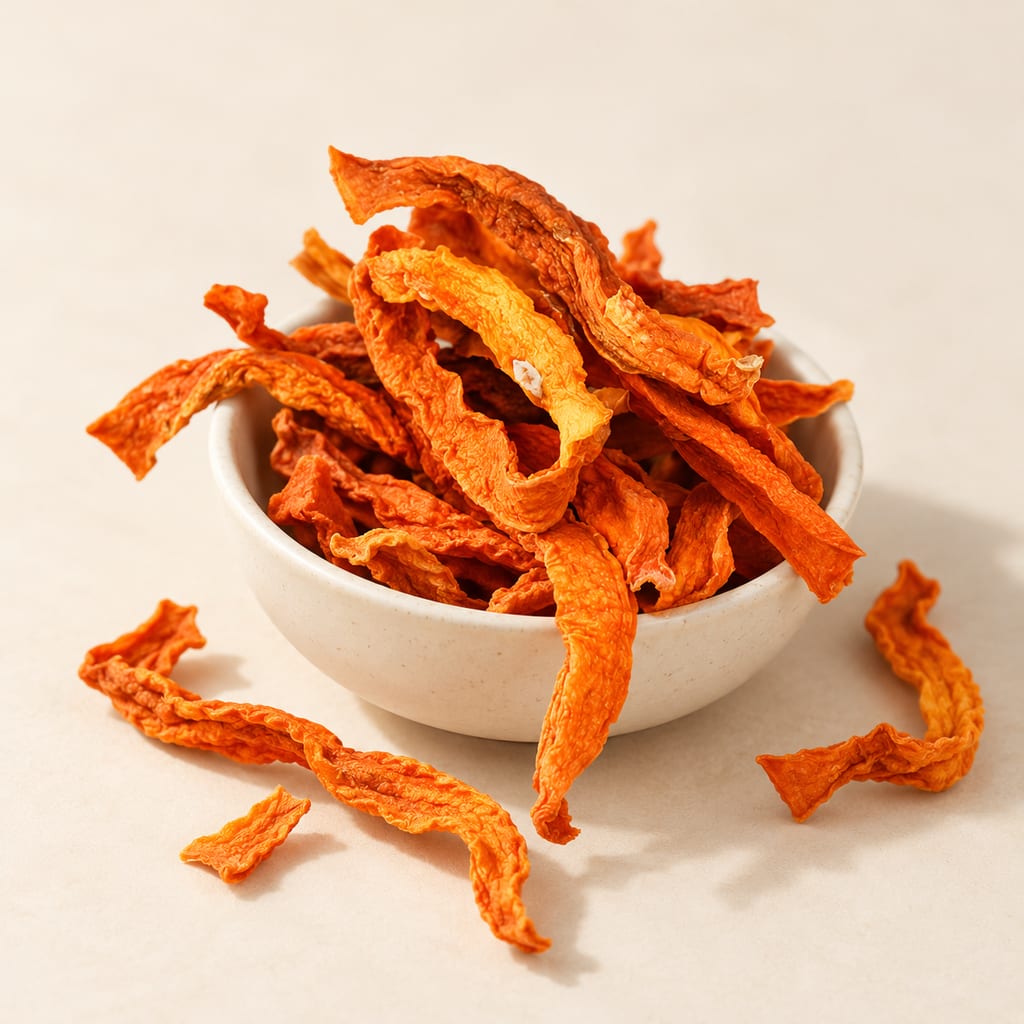
Steam-blanched pumpkin dried until brittle, kept as pieces or ground into powder, with pumpkin-specific packaging and quality guidance.
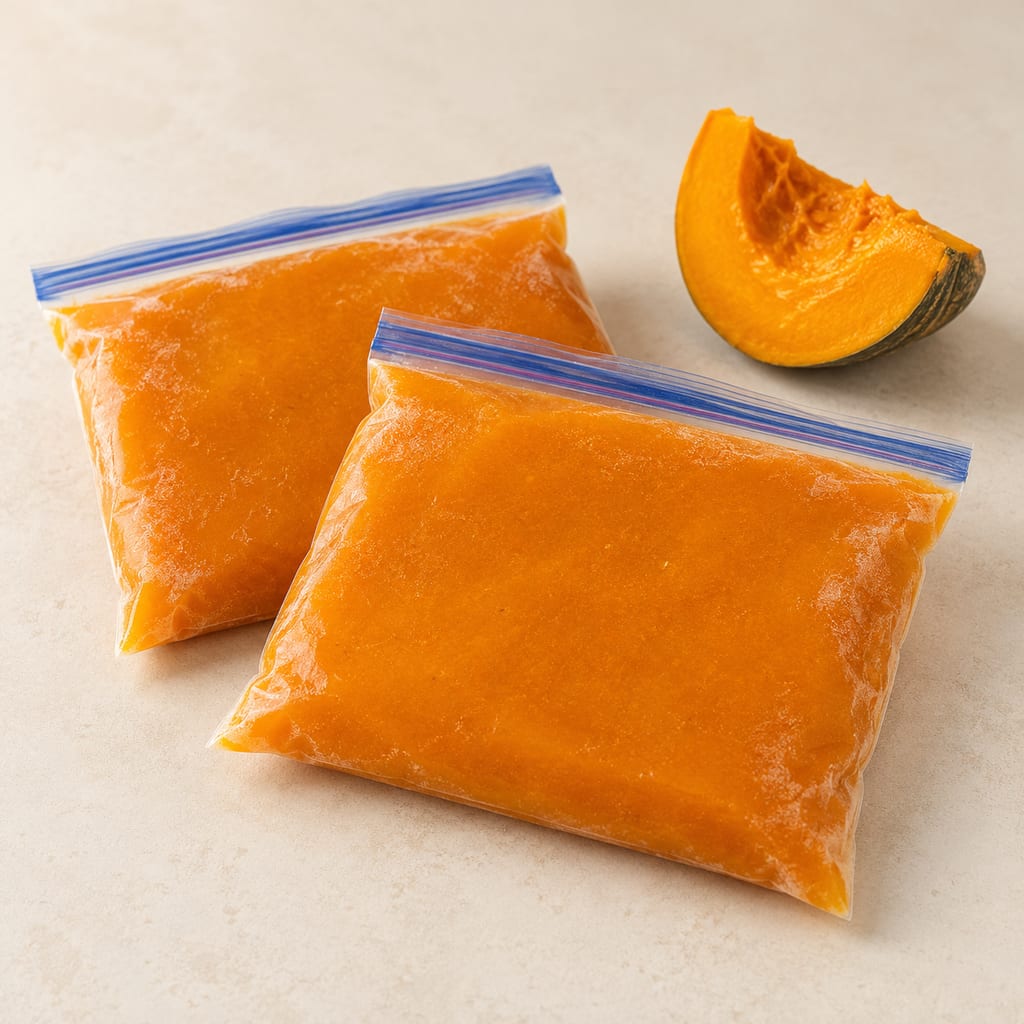
Cooked pumpkin mashed, cooled and frozen in portions: a plain base for pies, soups and baking without canning a dense purée.
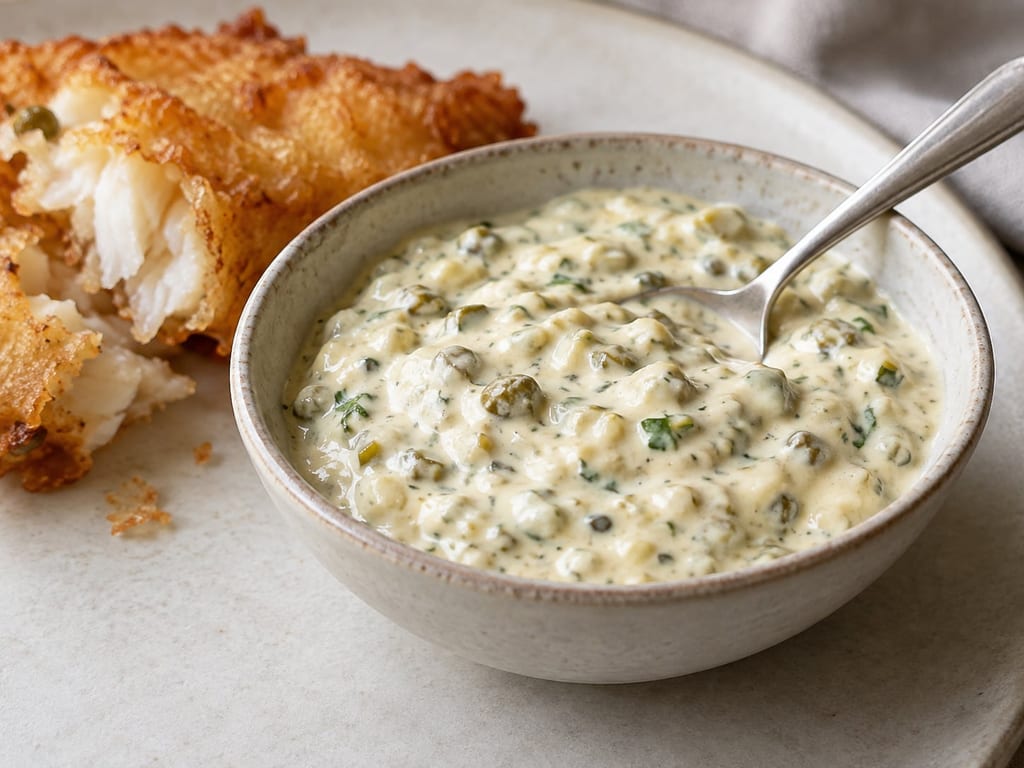
Drained pickled cucumber, capers and unspecified herbs turn finished mayonnaise into a fresh fish and seafood accompaniment; these archived amounts are untested starting points.
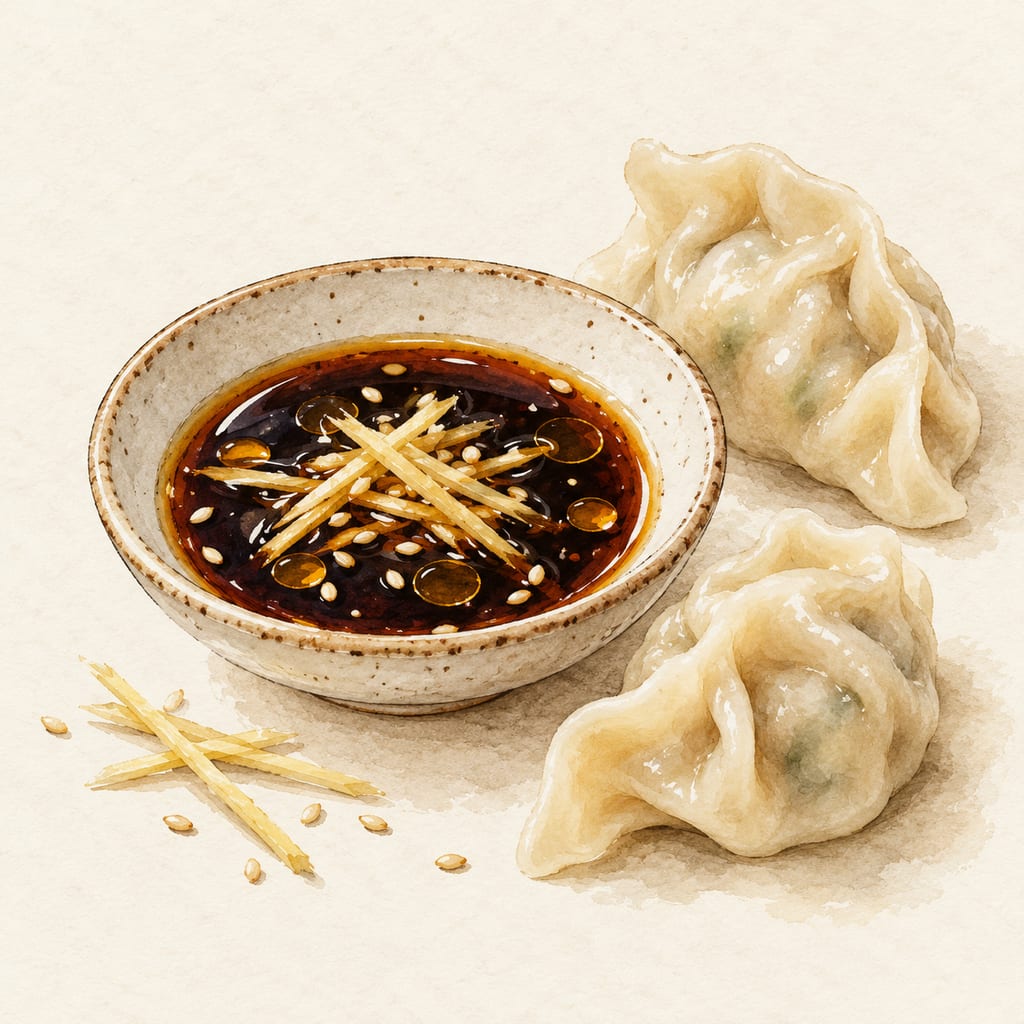
An untested small-batch soy and Zhenjiang black-vinegar dip with ginger and sesame oil, adapted as a modern accompaniment for dumplings or cooked vegetables.
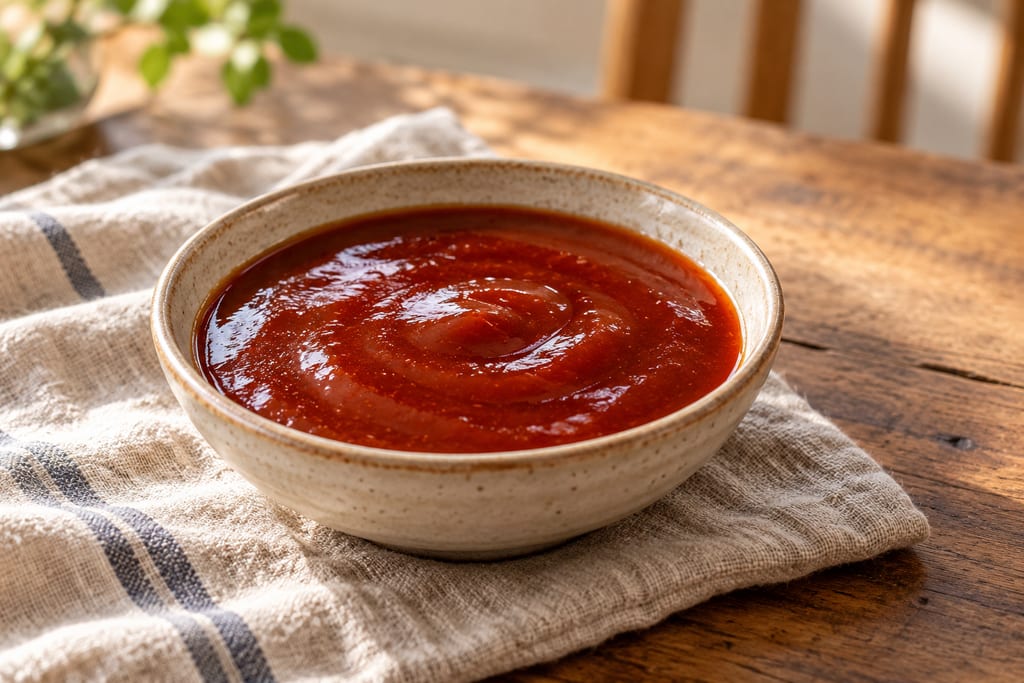
A smooth, tomato-based sweet-and-sour sauce of sugar, vinegar, tomato paste and soy sauce, thickened with starch for dipping or coating; it is not the sauce on Hangzhou's sweet-and-sour ribs.
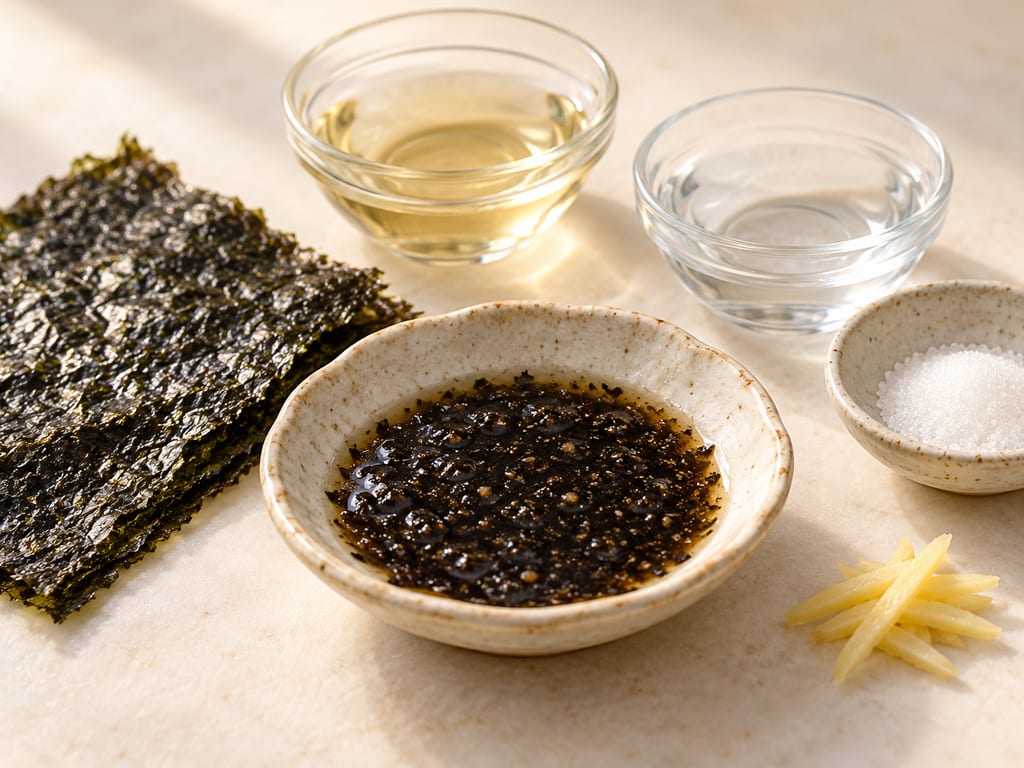
A fresh condiment in which crumbled nori softens in lightly sweetened vinegar and water. It is not vinegar fermented from seaweed.
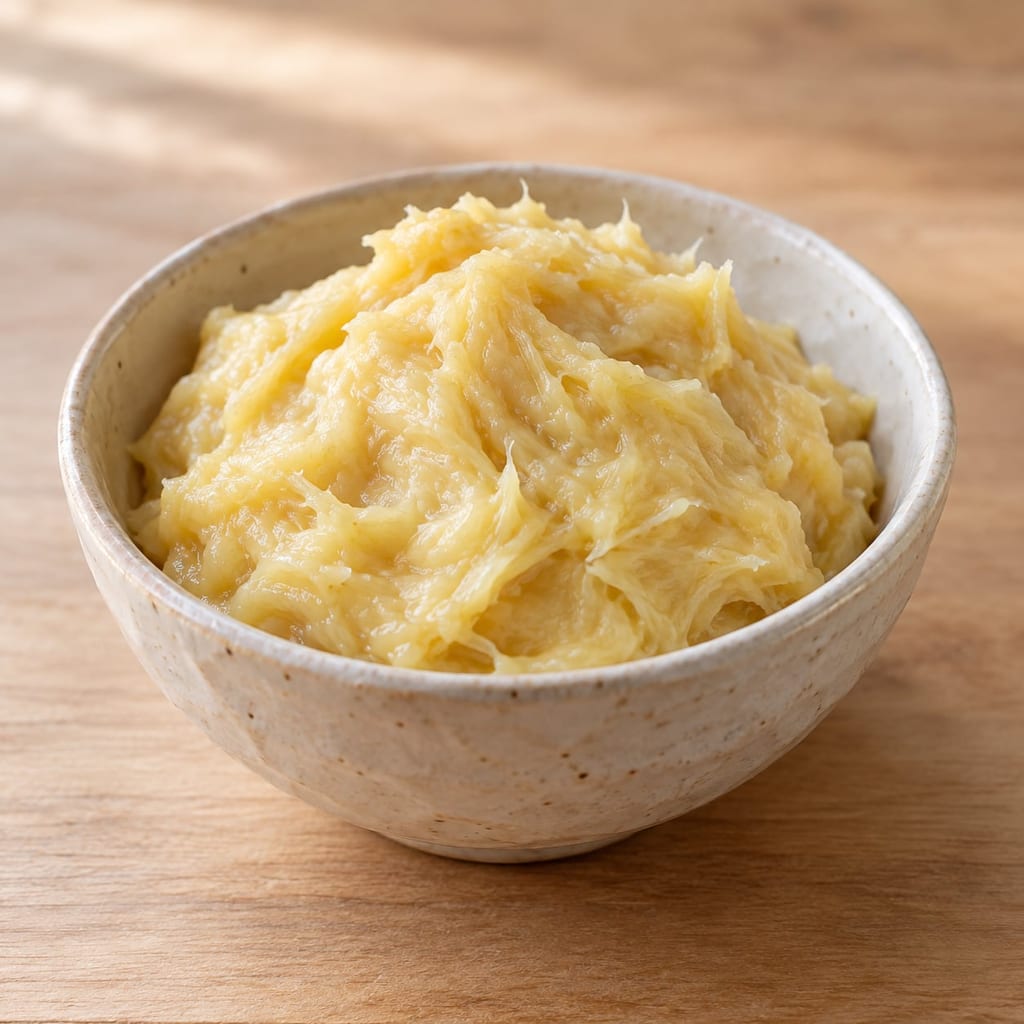
Durian flesh is mashed with salt and fermented in a covered container as a Malay condiment or cooking ingredient.
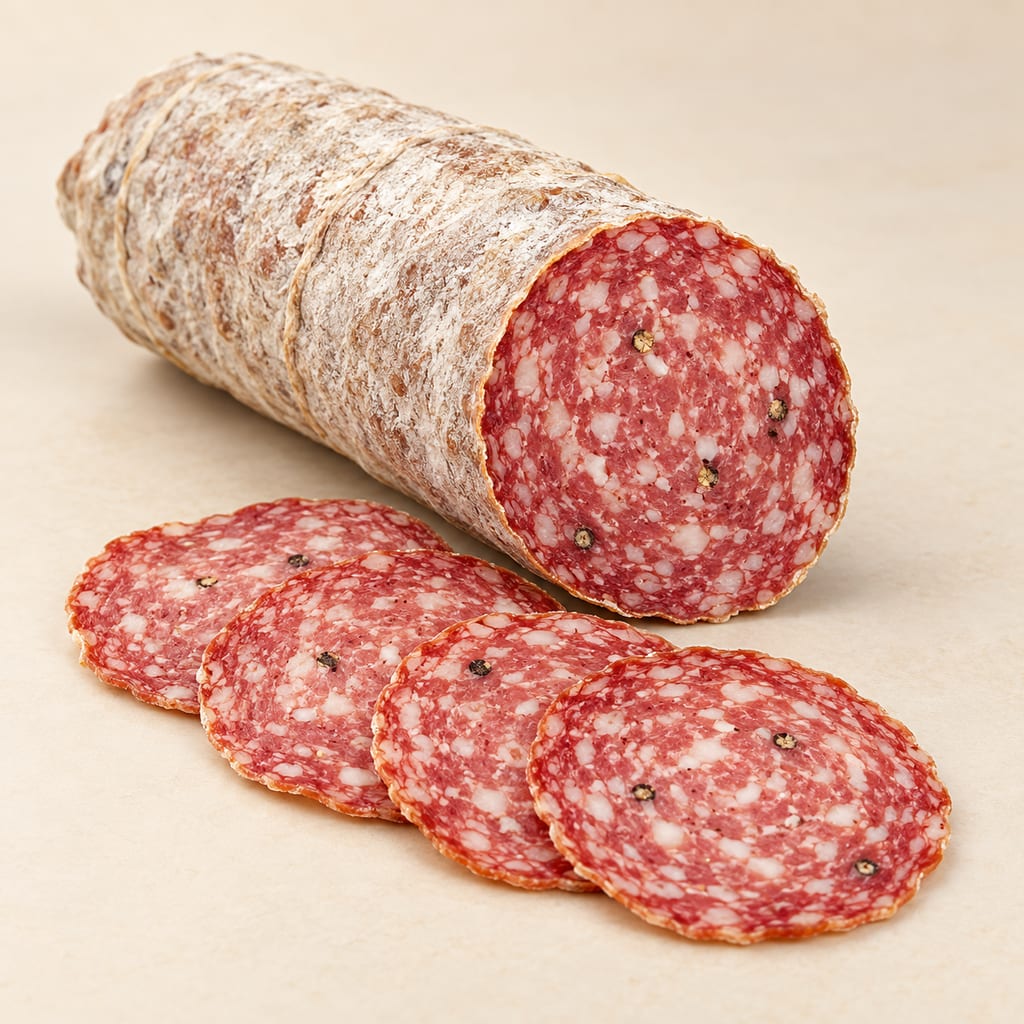
Pork, beef and back fat ferment with a named starter, cure and red wine before the sausages dry in casings. This contemporary formula uses no wood-smoke stage.
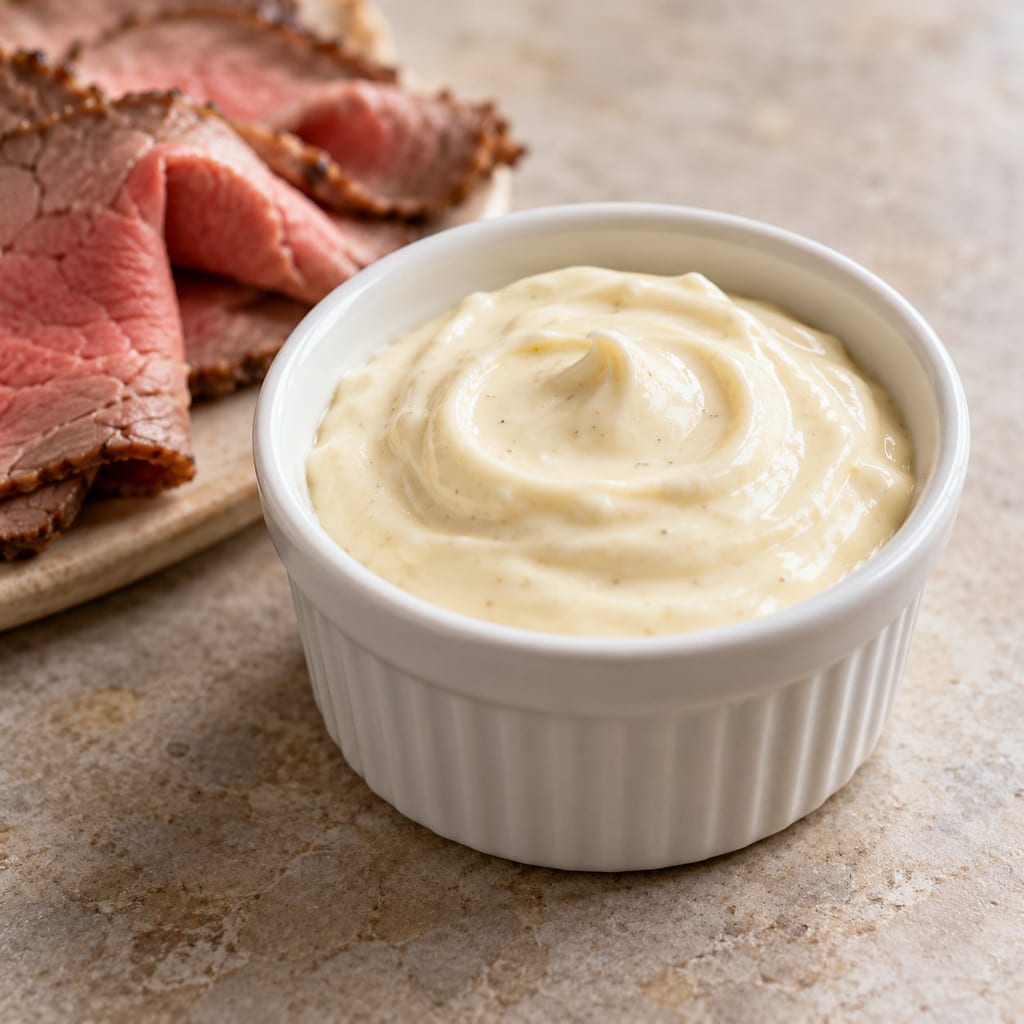
Prepared horseradish and lemon sharpen finished mayonnaise into a fresh accompaniment for roast meat or fish; the archived ratio has not been tested.
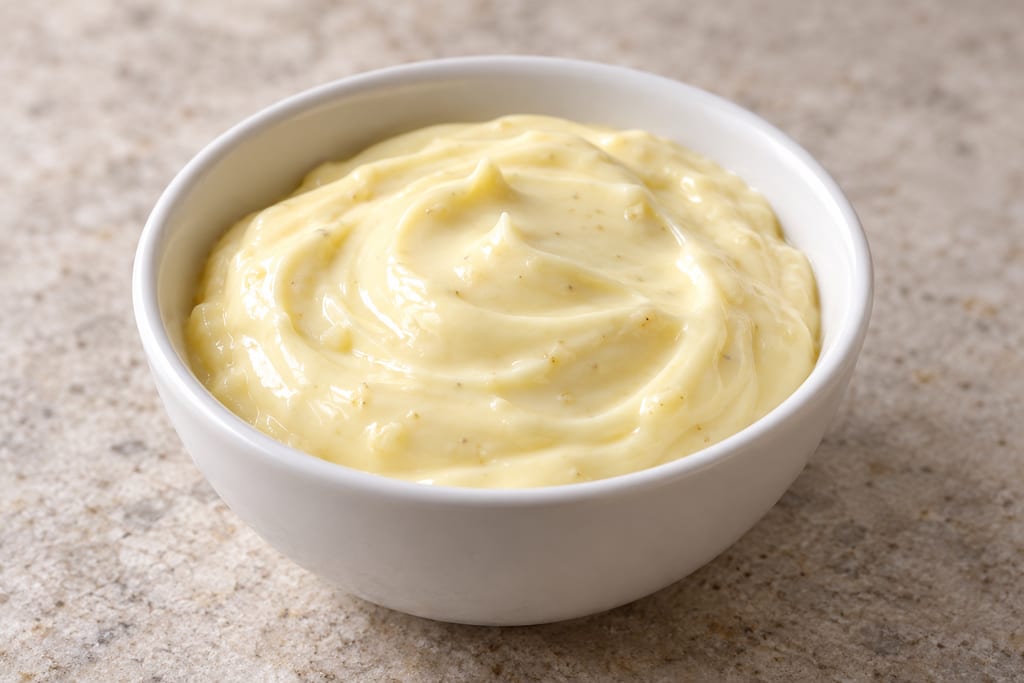
An untested 265 g garlic mayonnaise made by whisking pasteurised yolk with vinegar, water and Dijon, then slowly emulsifying neutral oil with mild extra-virgin olive oil.
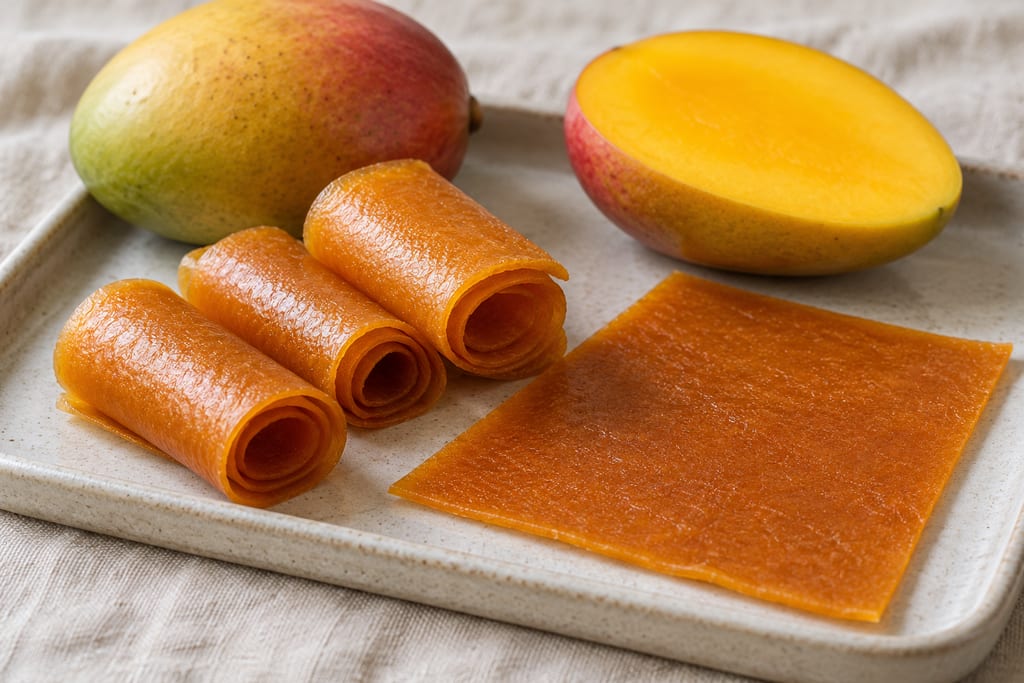
Sieved mango purée with honey and warm spices, spread a quarter inch thick and dried at 140 °F (60 °C) for about 10 hours into a flexible fruit sheet.
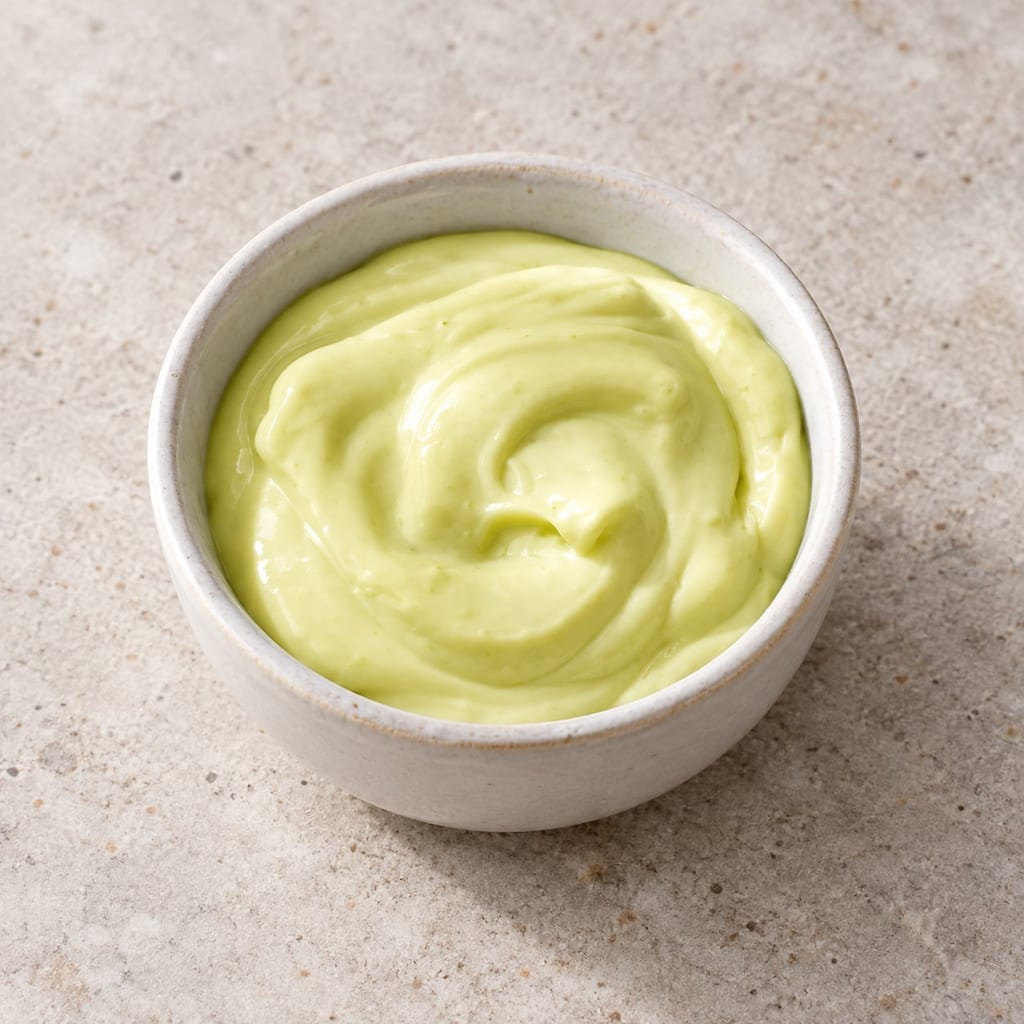
A contemporary, untested mix of finished mayonnaise and prepared wasabi paste, beginning within the archive's 2–4 g range per 100 g mayonnaise.
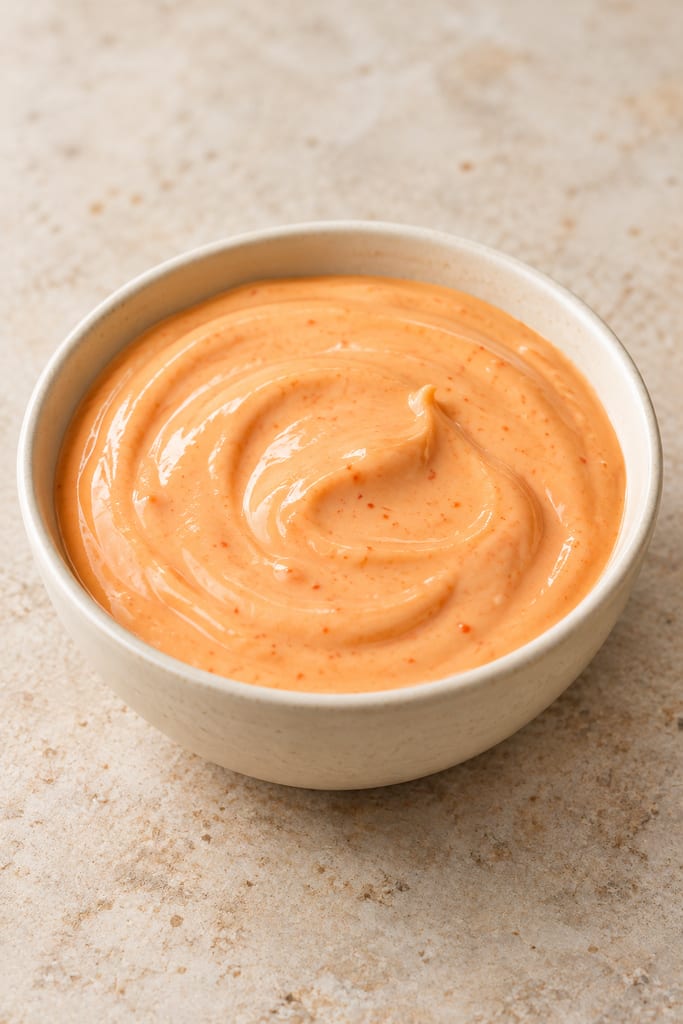
A contemporary, untested mix of finished mayonnaise, sriracha and lime juice, with starting amounts per 100 g mayonnaise.
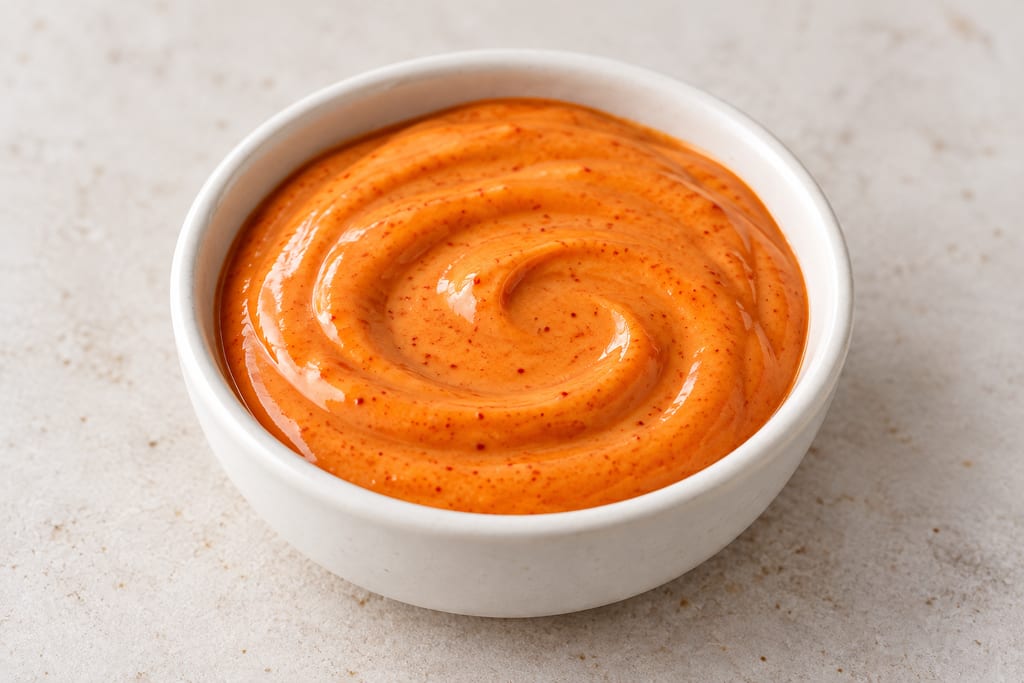
A contemporary, untested mix of finished mayonnaise, gochujang and rice vinegar, with starting amounts per 100 g mayonnaise.
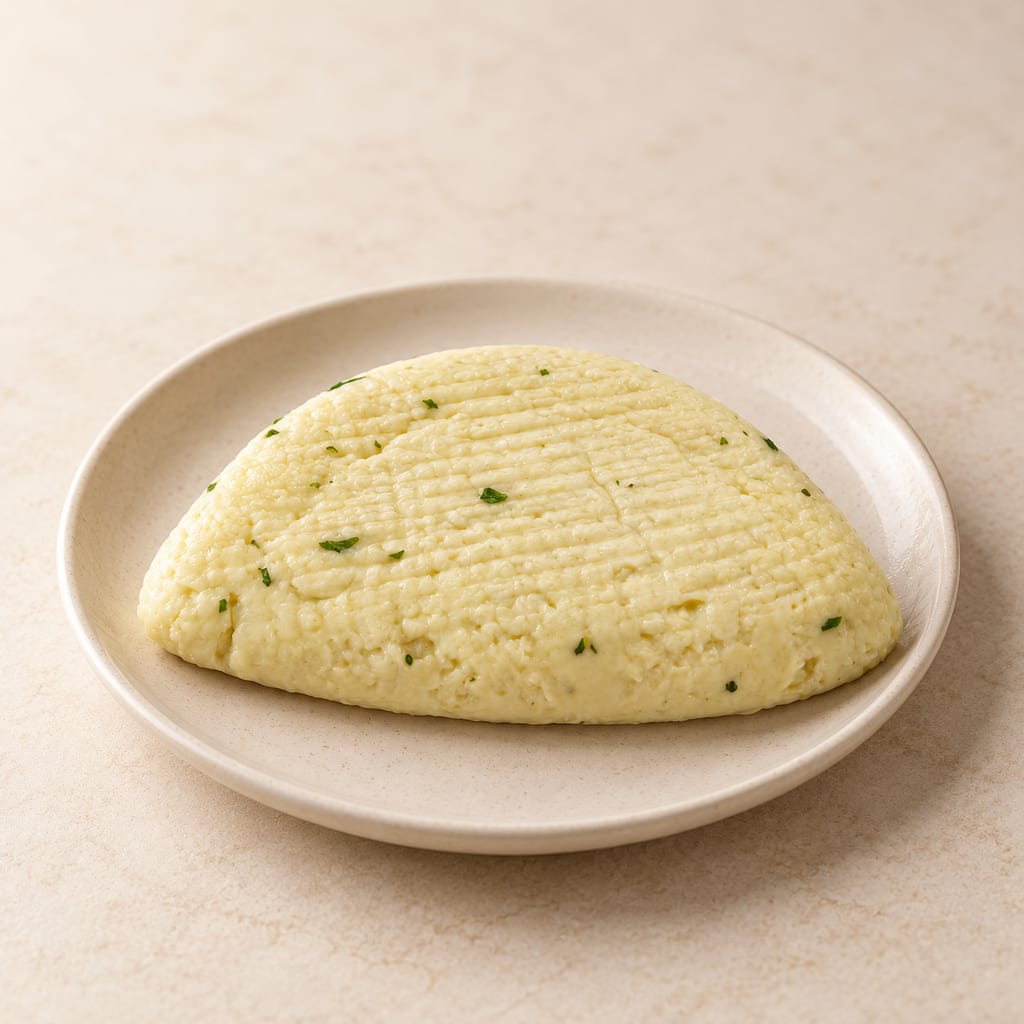
A firm cow-milk cheese cooked in hot whey, salted and folded with optional mint. This fresh halloumi keeps its shape when grilled or pan-fried.
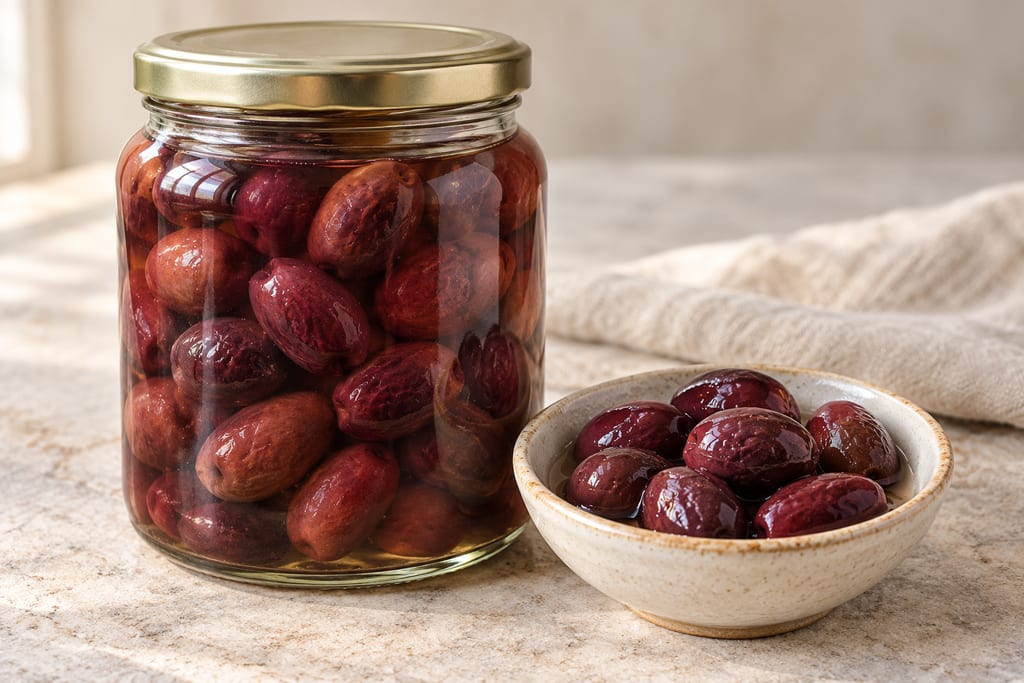
Ripe olives go straight into brine with no lye and cure for months, mostly by yeasts. The home method here is the University of California two-stage brine.
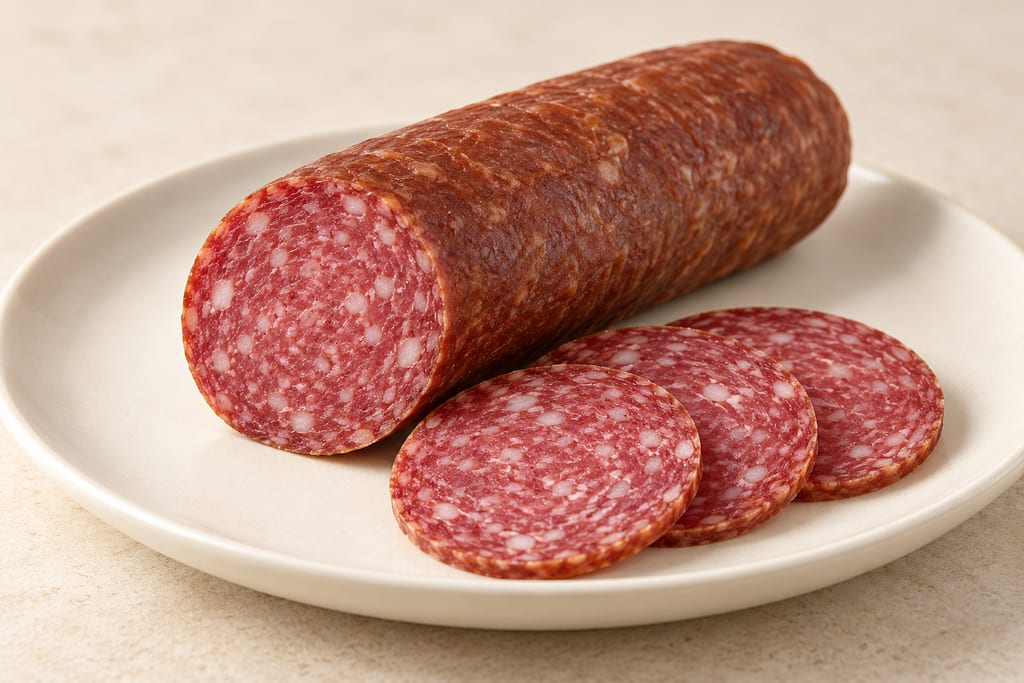
A family of salted minced-meat sausages fermented in casings, then dried and sometimes smoked. This description is not a validated household method; critical safety limits are not established.
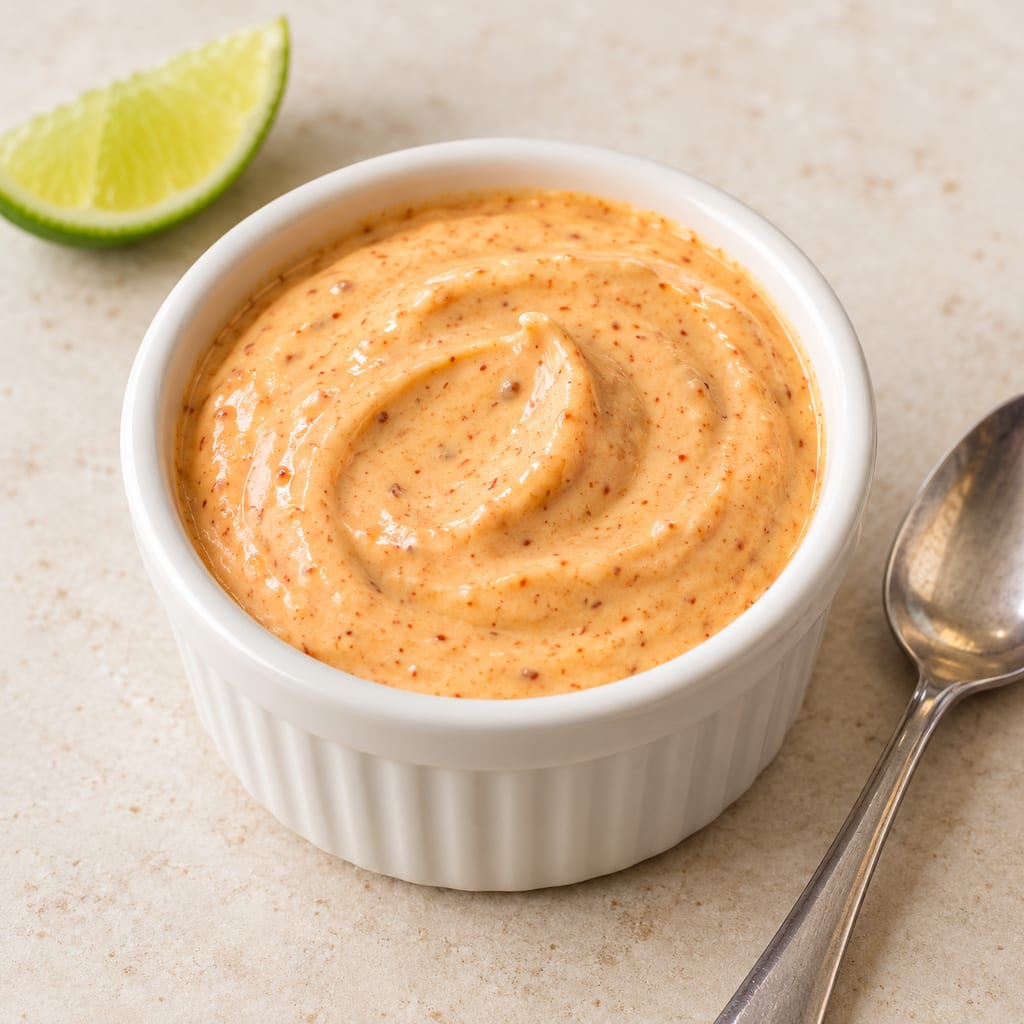
A contemporary, untested mix of finished mayonnaise, mashed canned chipotle in adobo and lime juice, given as starting amounts per 100 g mayonnaise.
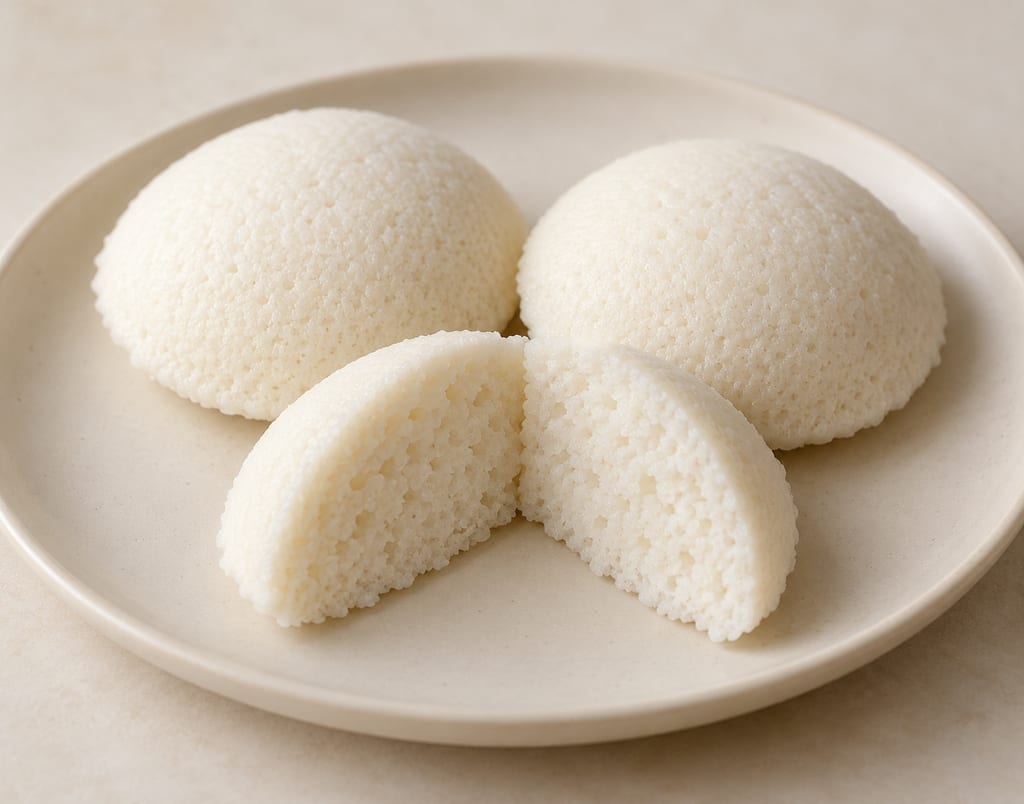
Rice and urad idli uses a source-specific naturally fermented grain and urad batter, then cooks it by steaming in moulds. The creator leaves some process measures unquantified.
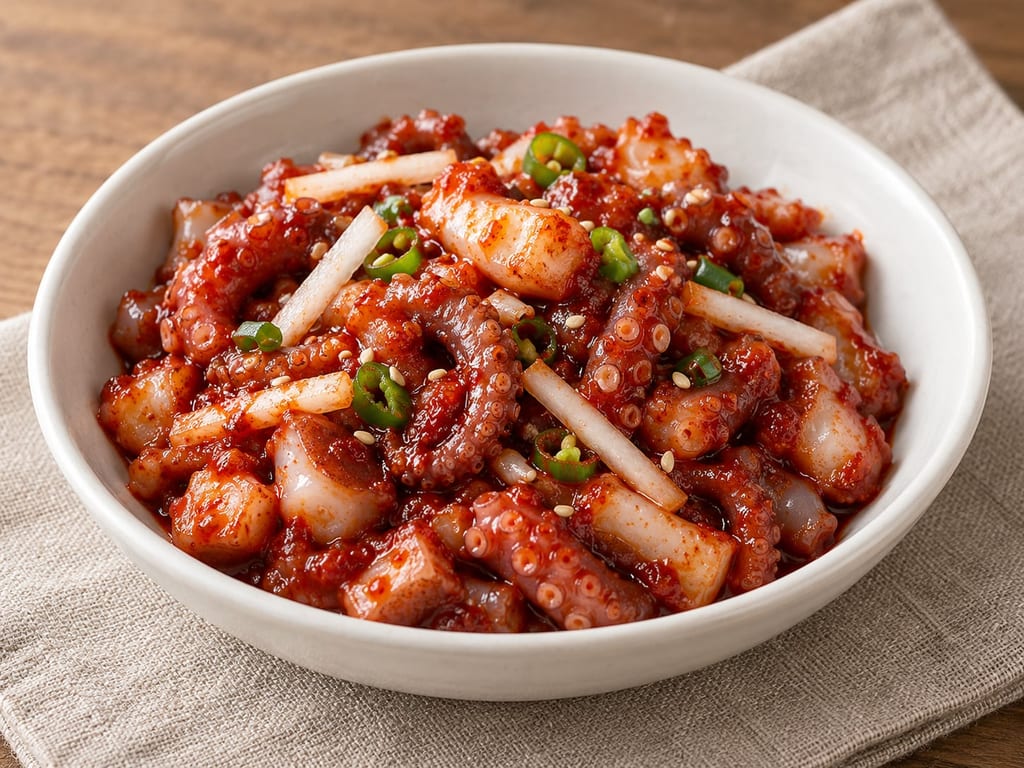
Nakji jeotgal is Korean salted octopus, served among jeotgal varieties with rice. This entry documents the dish and one creator’s quick-home version; it does not provide a household preparation method.
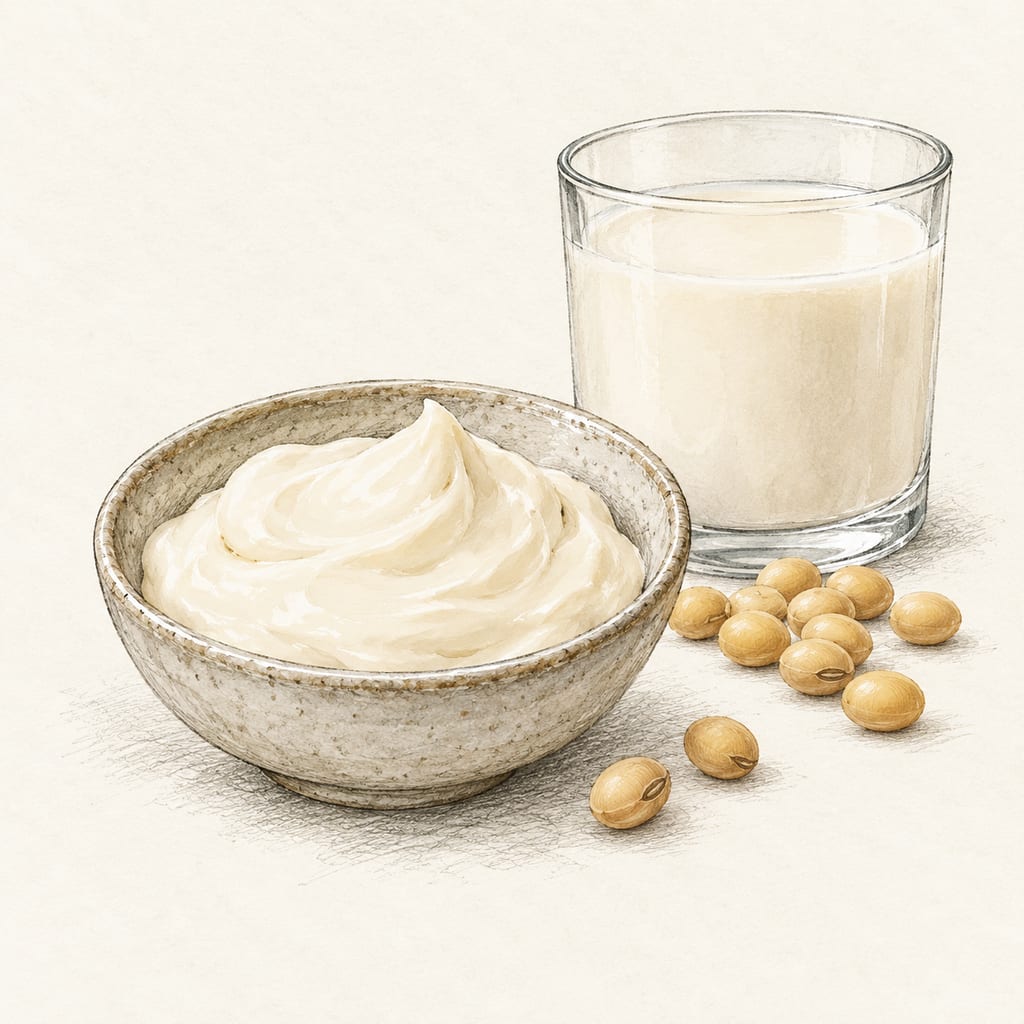
An untested eggless emulsion made by blending unsweetened soy milk with vinegar and Dijon, then slowly adding neutral oil. The 265 g formula has no validated shelf life.
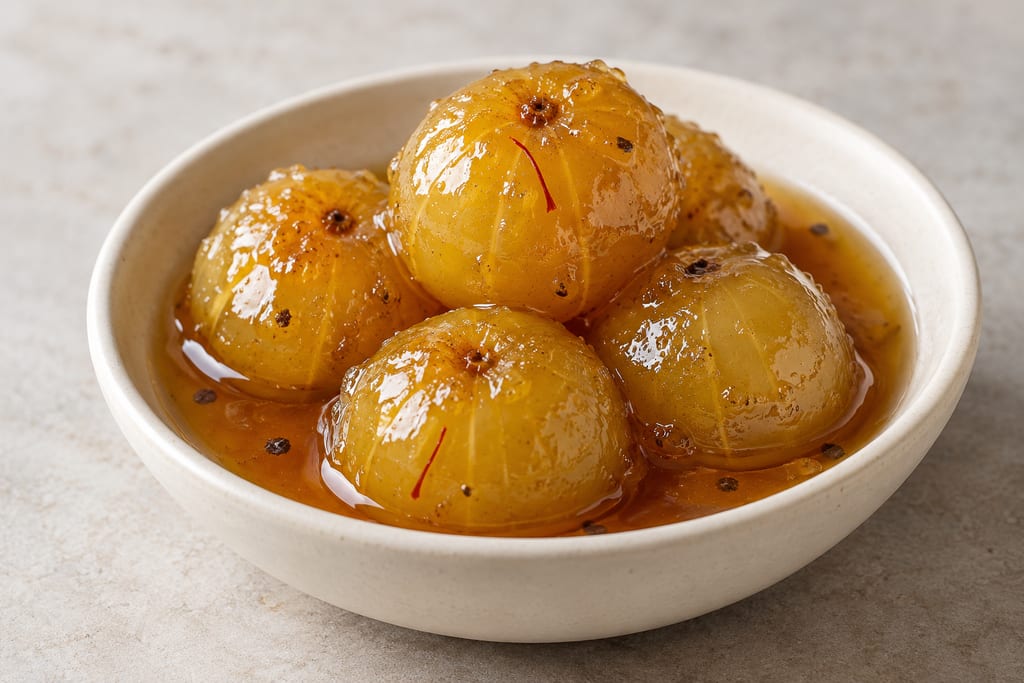
Amla murabba preserves whole Indian gooseberries in a heavy sugar syrup scented with cardamom and sharpened with pepper and black salt. This household method soaks the fruit before cooking.
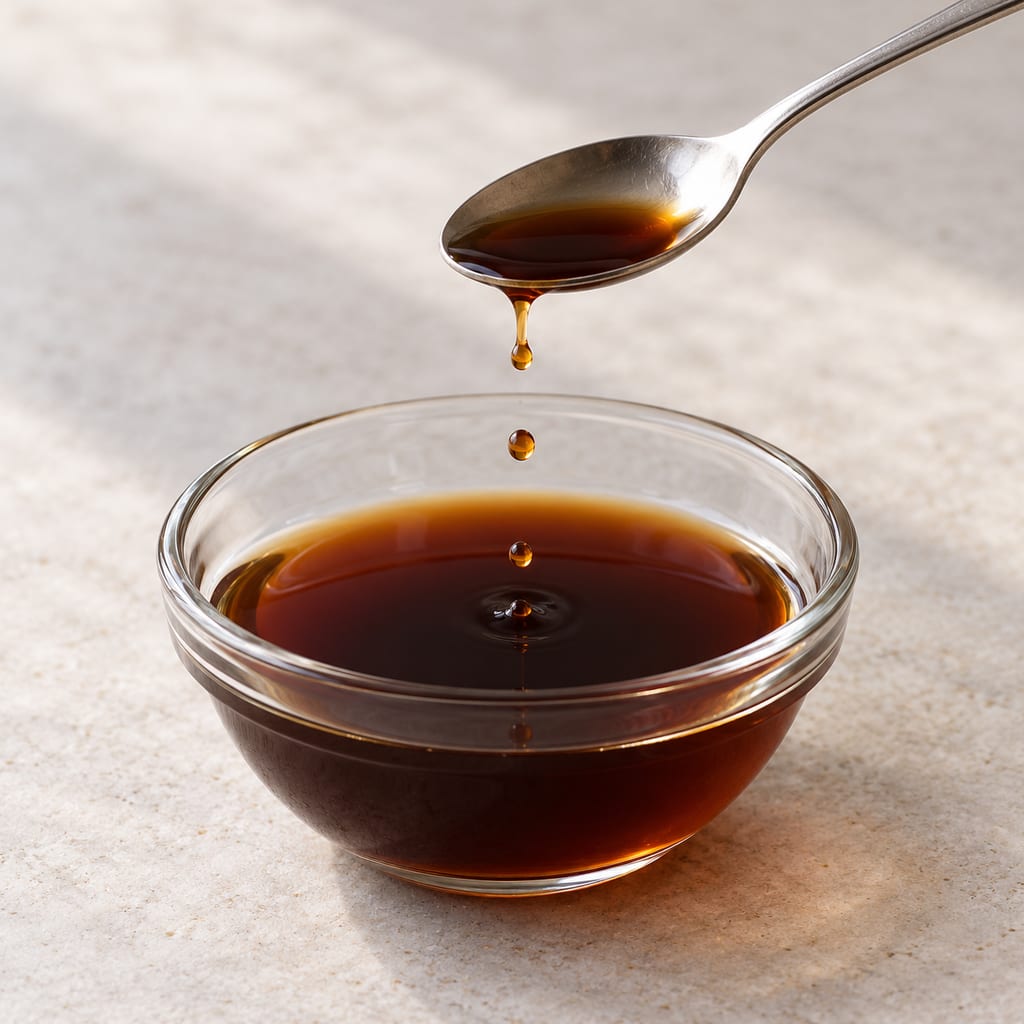
Cooked-bean koji garum is a dark liquid seasoning made from soft-cooked beans, rice koji, salt and water. A long warm hold lets koji enzymes break down the mash.
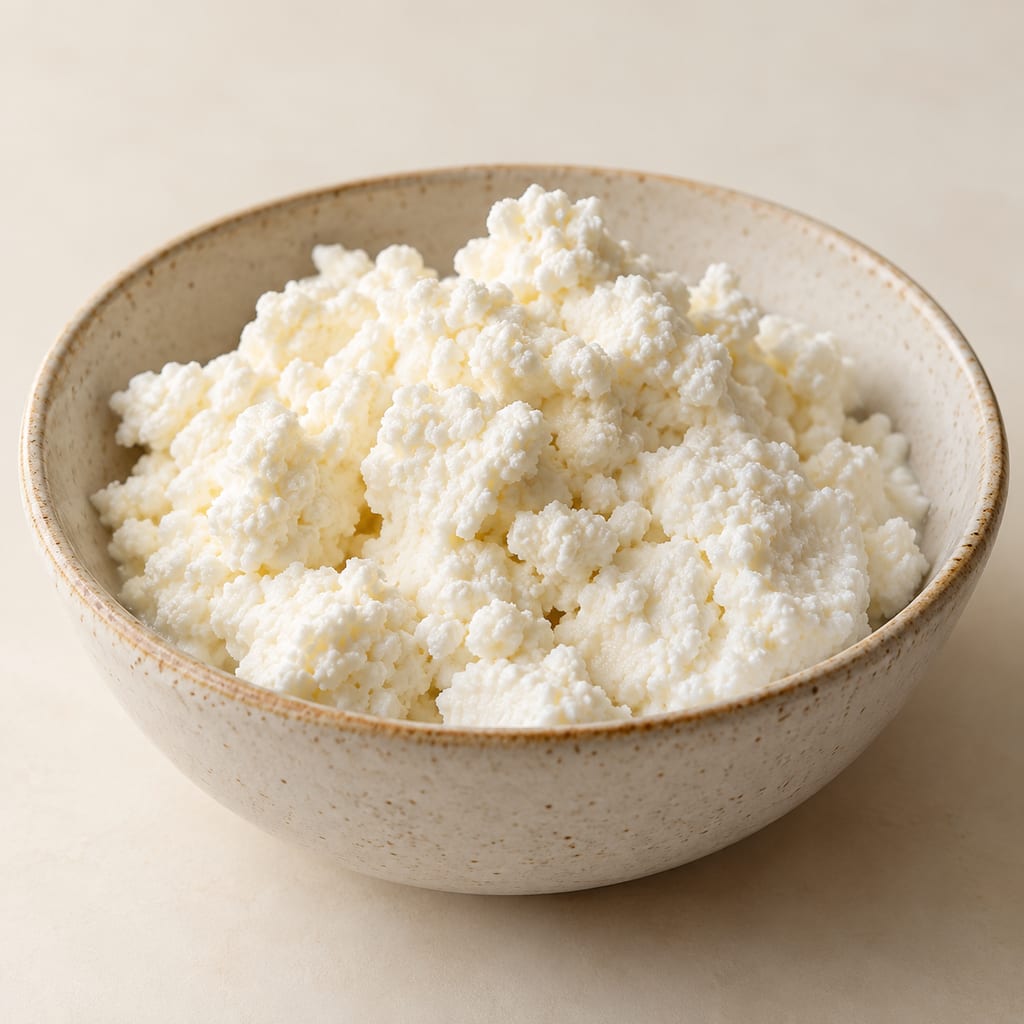
Whey ricotta recovers fine curds from leftover cheesemaking whey, often with added milk, by heating the whey and acidifying it until the curds separate.
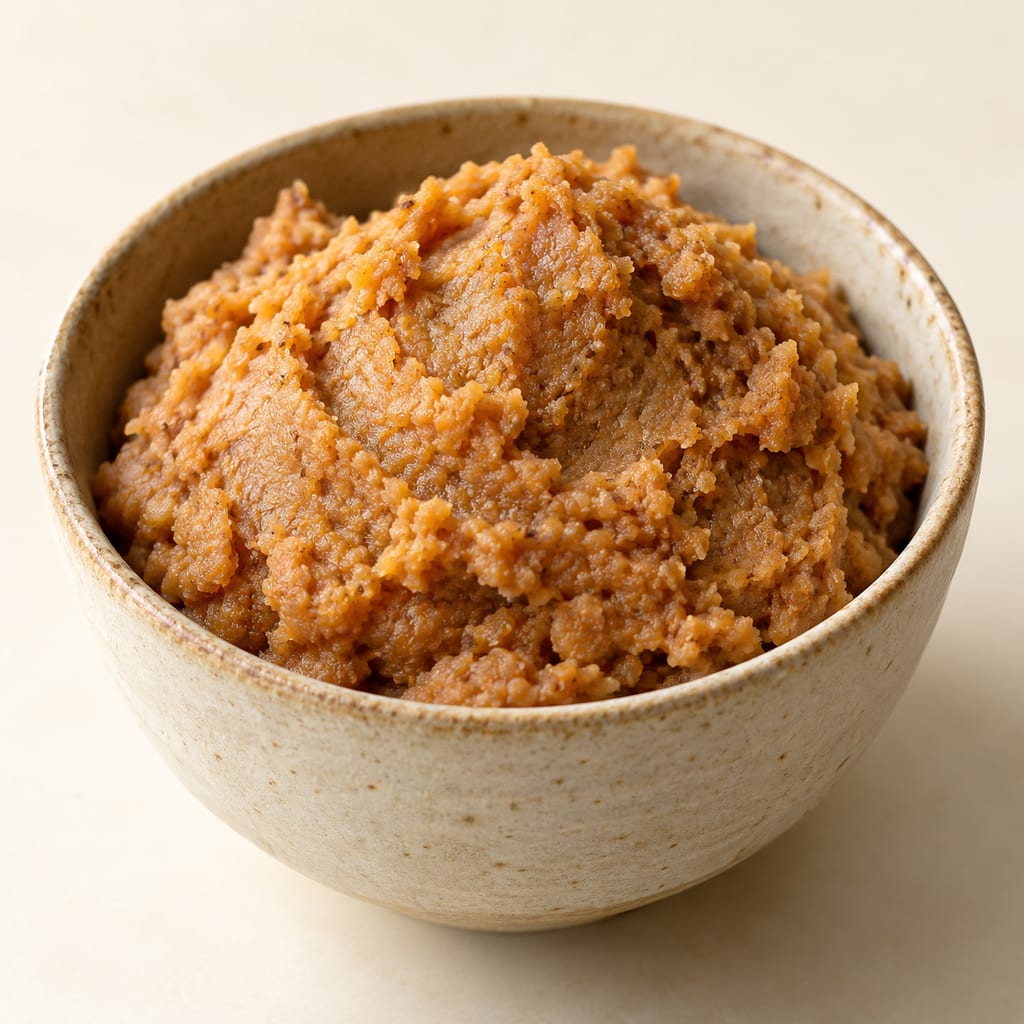
A home miso made from equal parts soybeans, chickpeas and Great Northern beans, cooked and mixed with rice koji and salt, then aged in a crock.
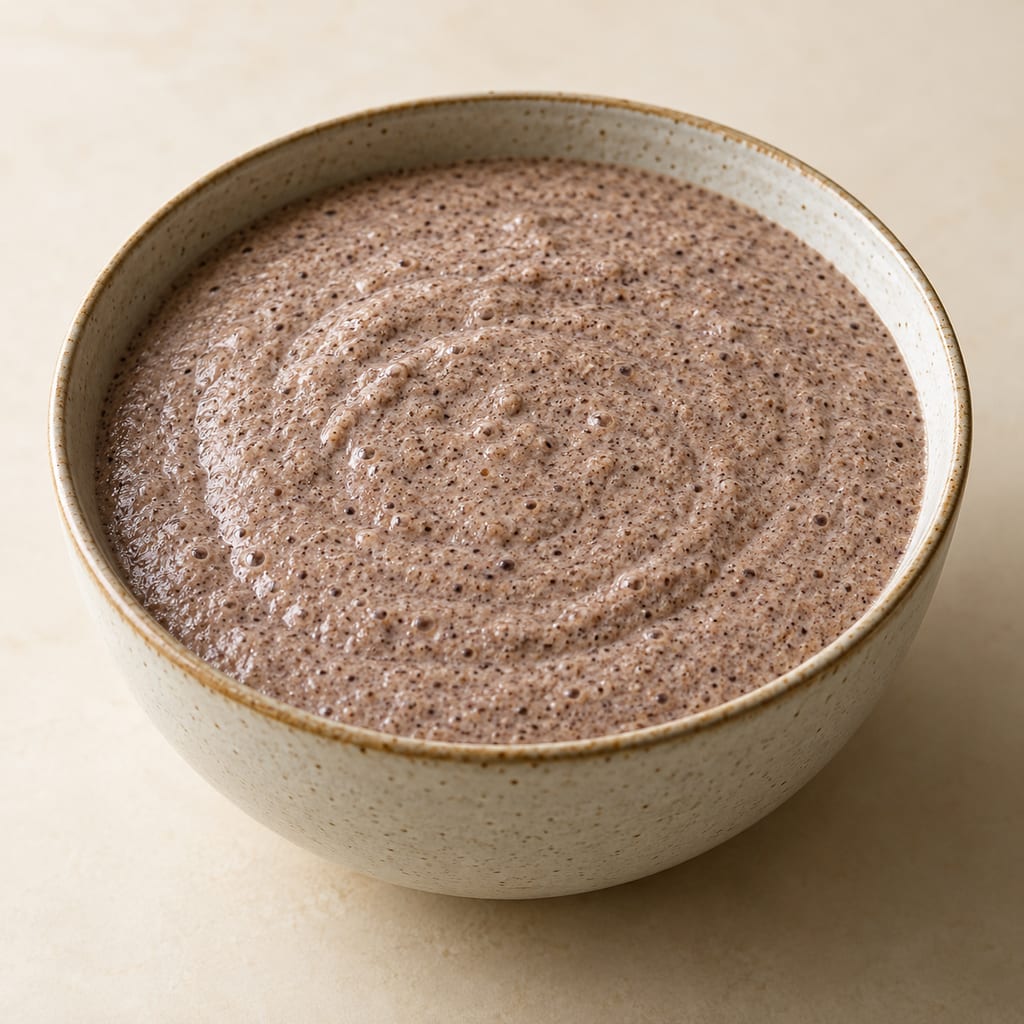
An idli batter made from whole ragi (finger millet) and urad with idli rava, each soaked and ground separately, combined, salted and left to ferment overnight.
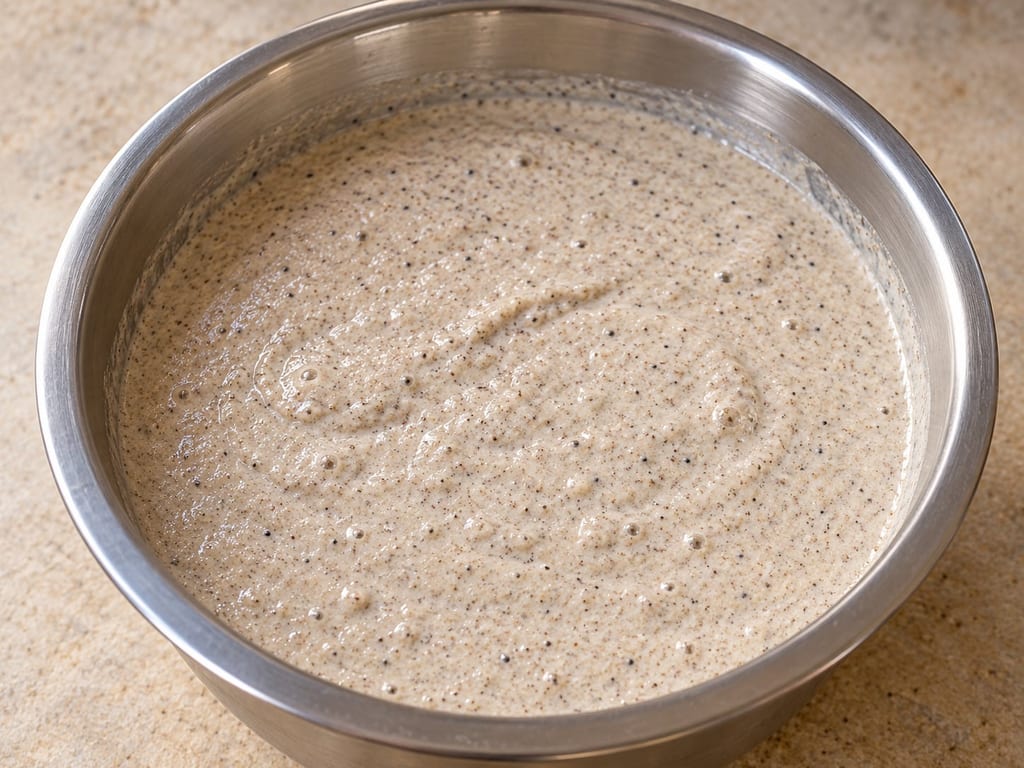
A multigrain idli batter from a stored blend of sorghum, millets, rice and black gram, with fenugreek kept apart, taken out by the glass and fermented warm.
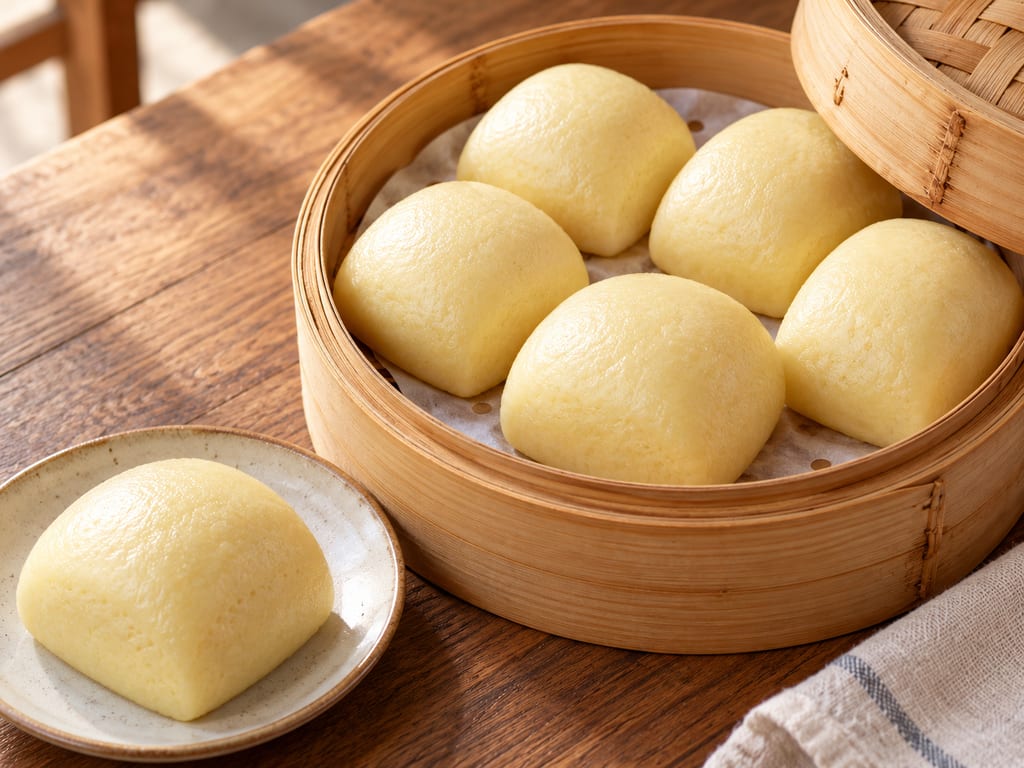
A yeast-raised mantou made with millet flour and wheat flour, hand-shaped and steamed. This measured home method uses a first rise to double, a second proof, and a covered rest after steaming.
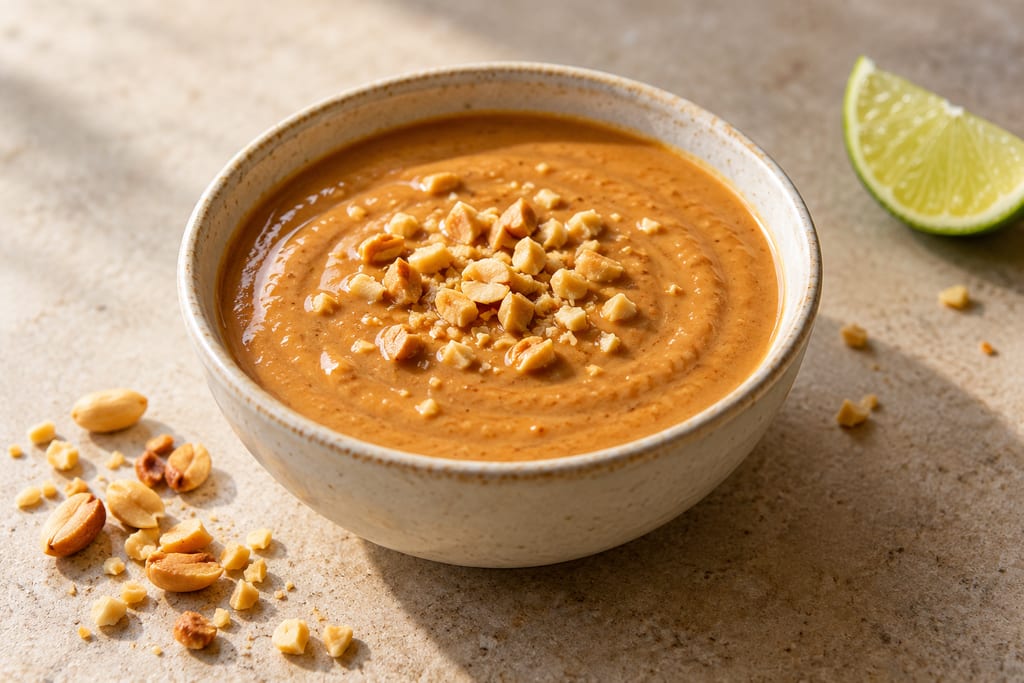
A quick Southeast Asian inspired peanut sauce combines peanut butter or ground roasted peanuts with coconut milk, soy, sugar, lime and chilli.
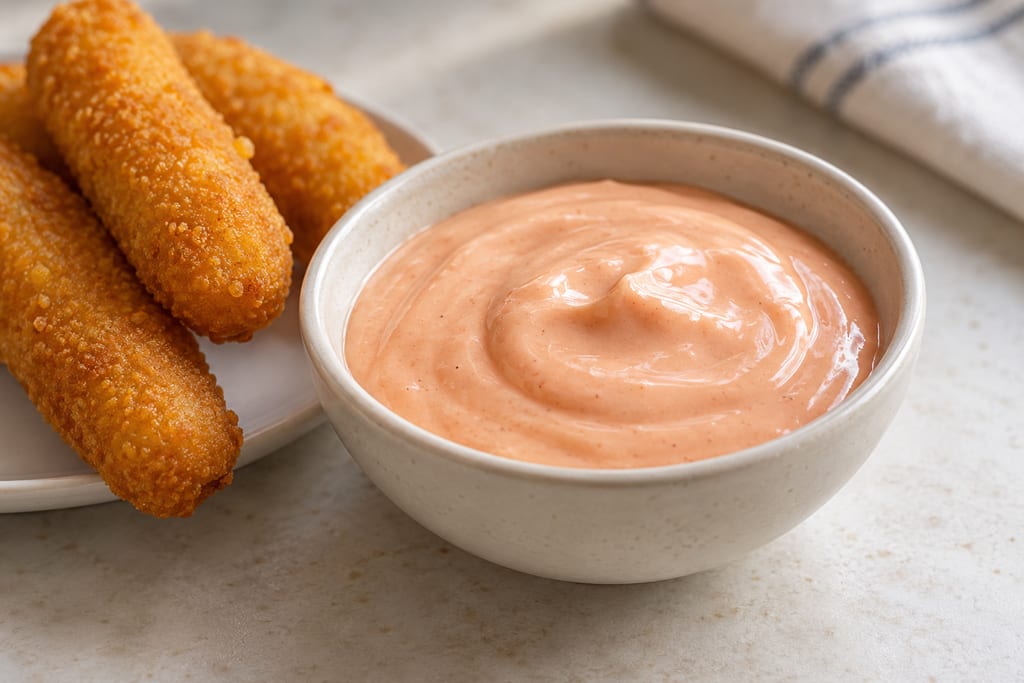
Mayonnaise and ketchup with garlic powder and lime make this proposed dipping sauce for surullitos; its ratio is an original, untested choice, not a Puerto Rican standard.
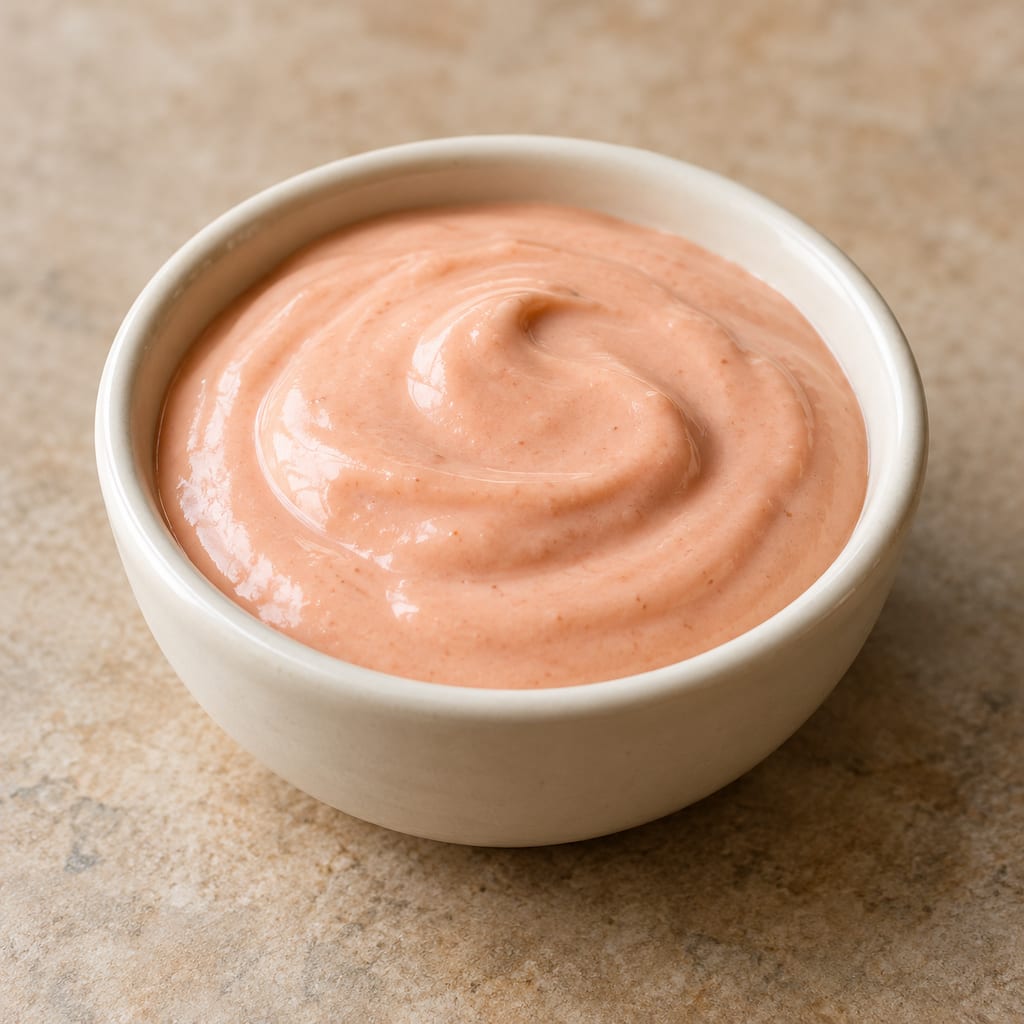
Mayonnaise and ketchup form a pale pink sauce sharpened with Worcestershire; a little citrus may be added at serving, while the proportions remain an untested starting point.
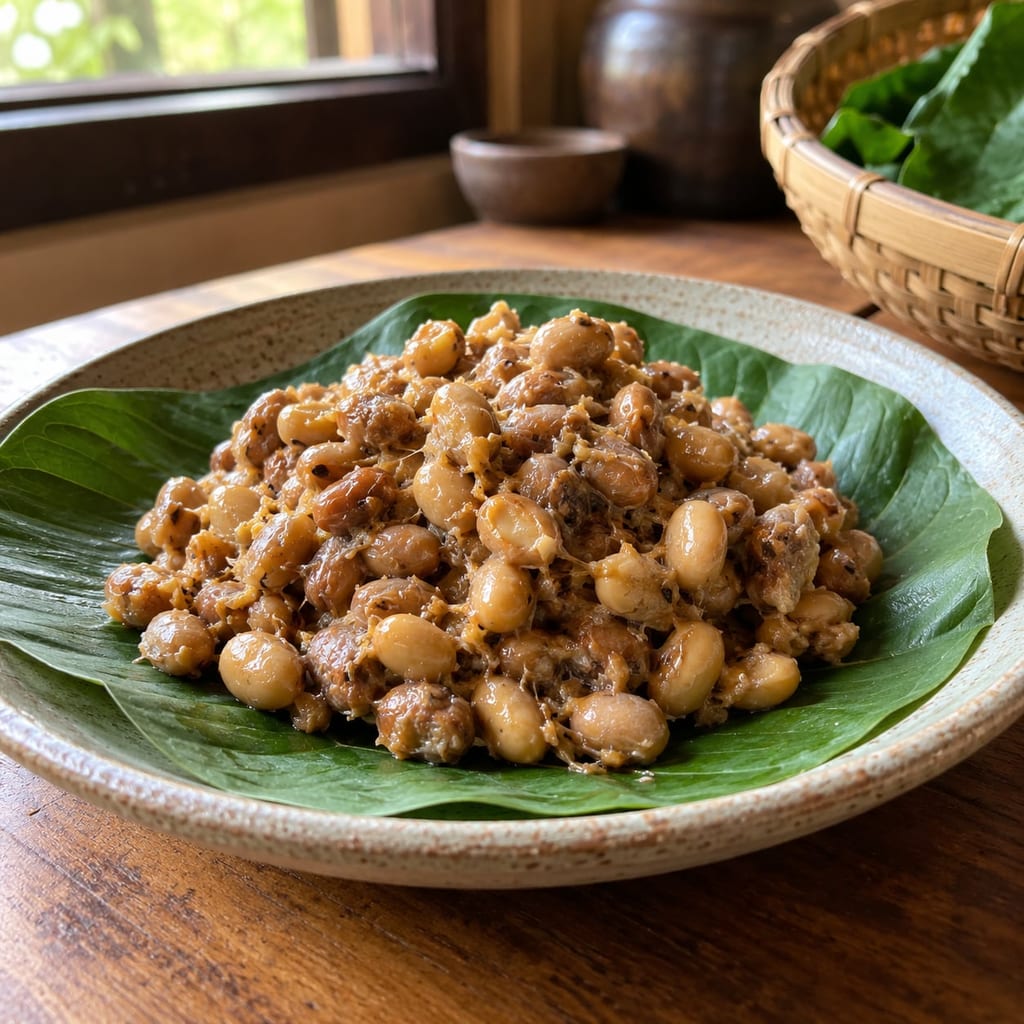
A home kinema made from overnight-soaked white soybeans, cooked, drained hot, wrapped in cloth and insulated to ferment for about a week.
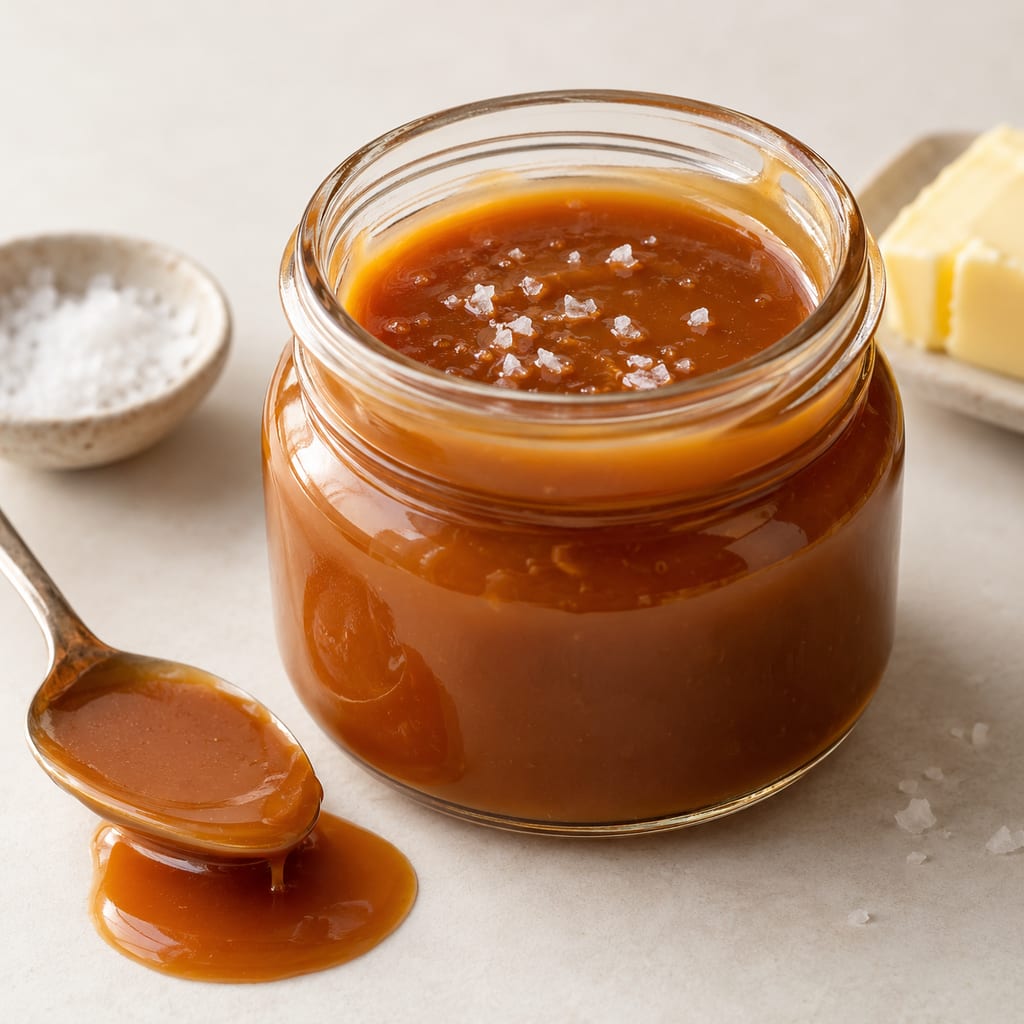
A pourable caramel of sugar and butter, cooked dark and then loosened with cream and finished with flaky salt.
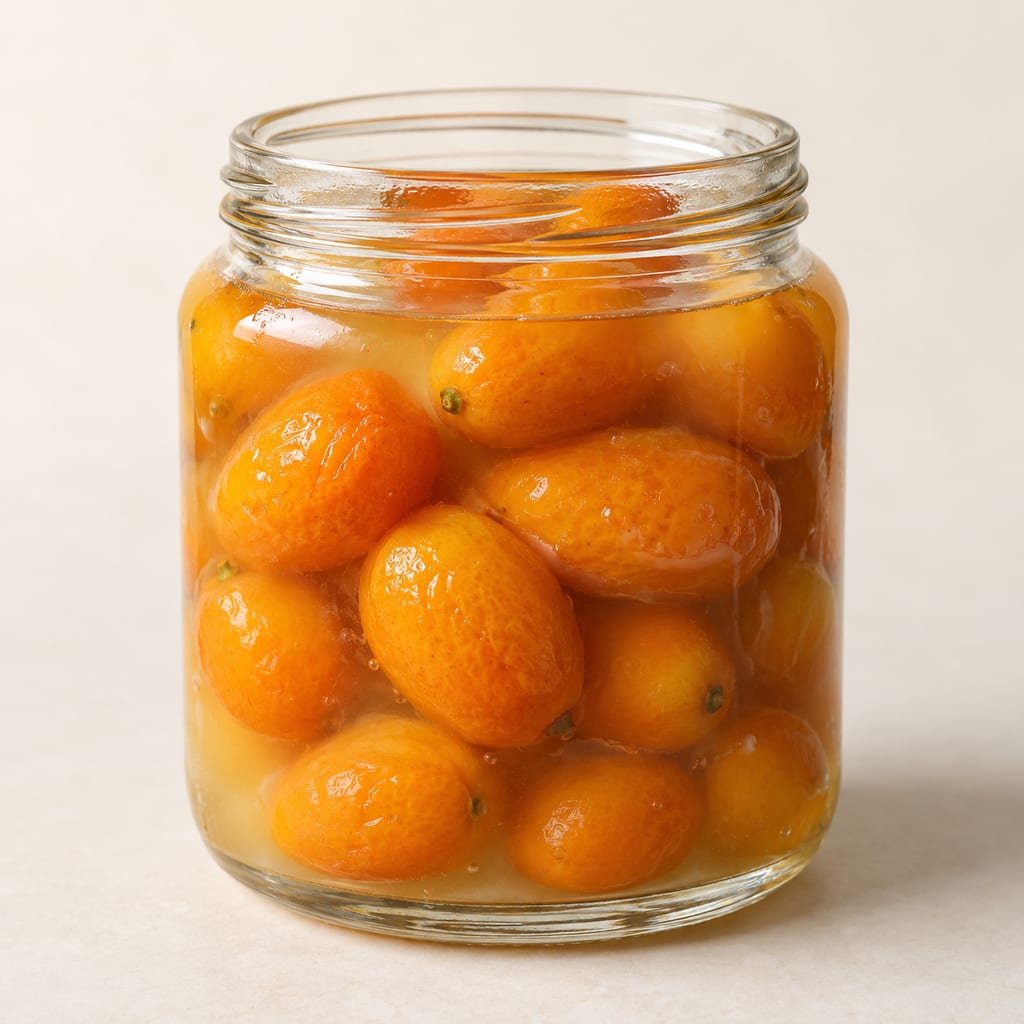
Whole kumquats are salted and covered with lemon juice, then refrigerated for two weeks. This distinct whole-fruit process is not a renamed lime pickle.
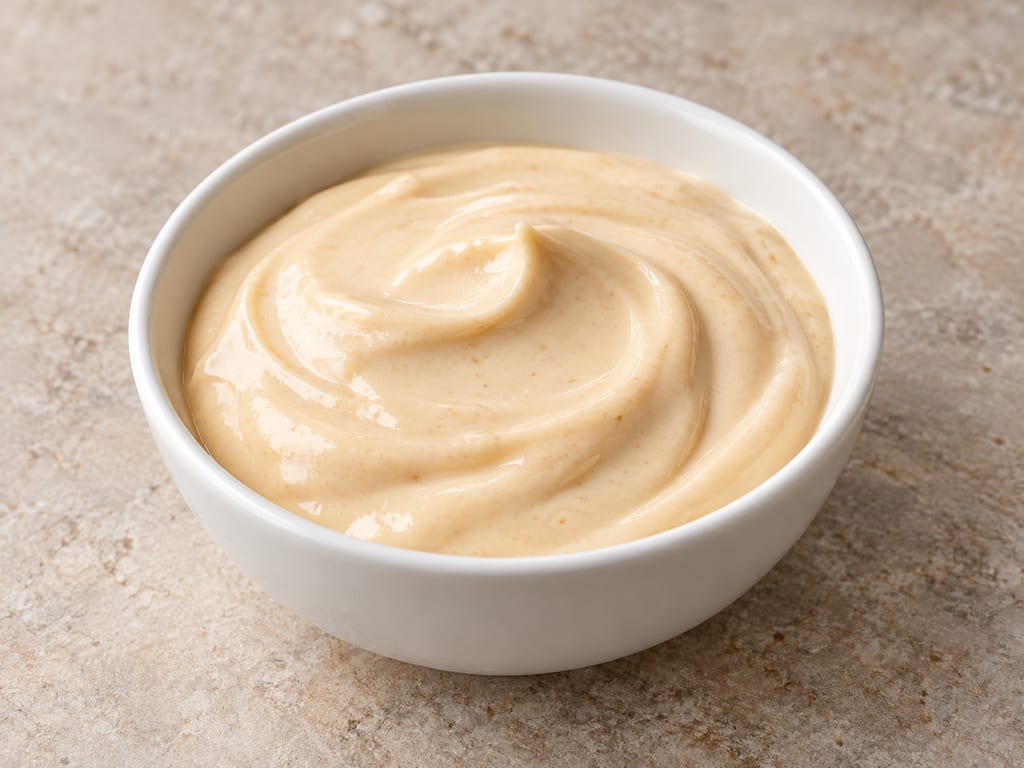
A sesame-forward, fresh sauce made by mixing tahini, toasted sesame oil and rice vinegar into finished mayonnaise; the archived amounts are untested starting points.
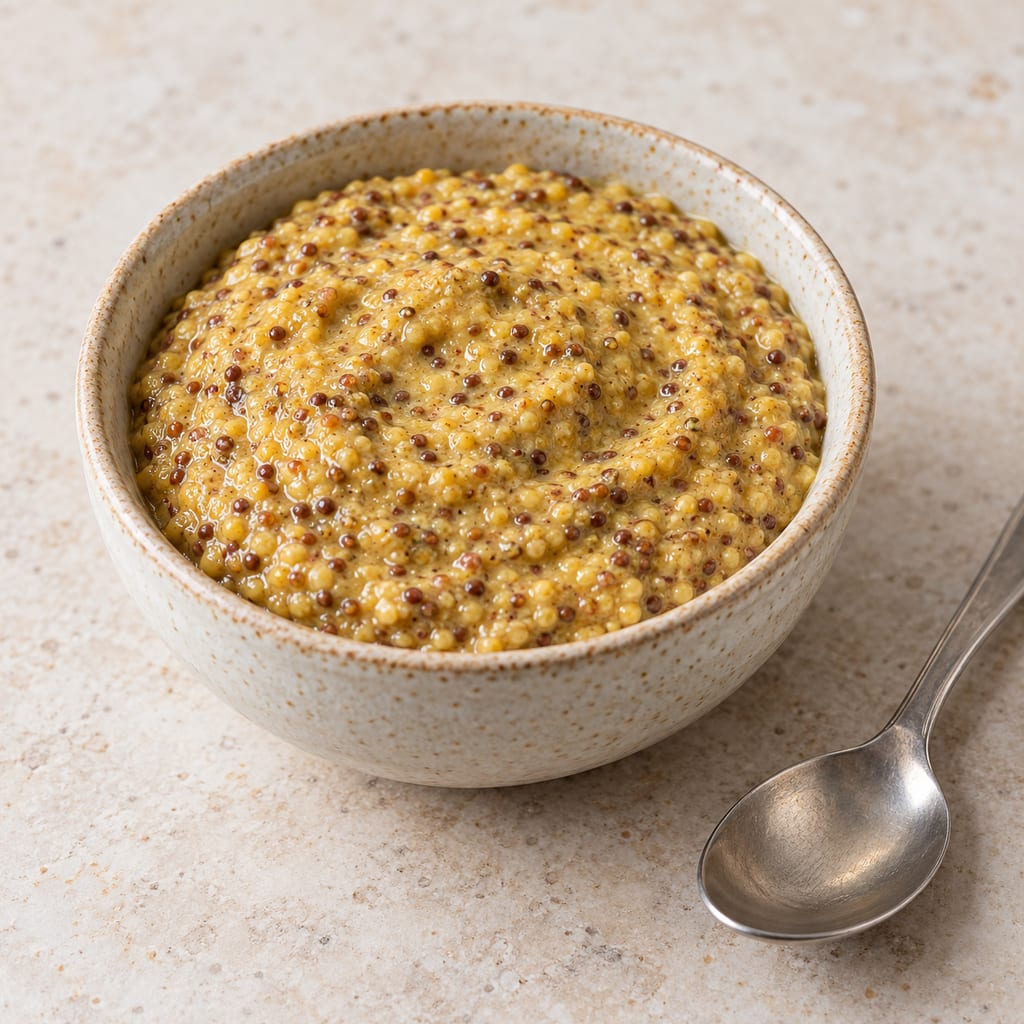
A coarse mustard of brown and yellow seeds soaked whole in cider or white-wine vinegar, with about a third blended to a paste and folded back so the rest stay whole.
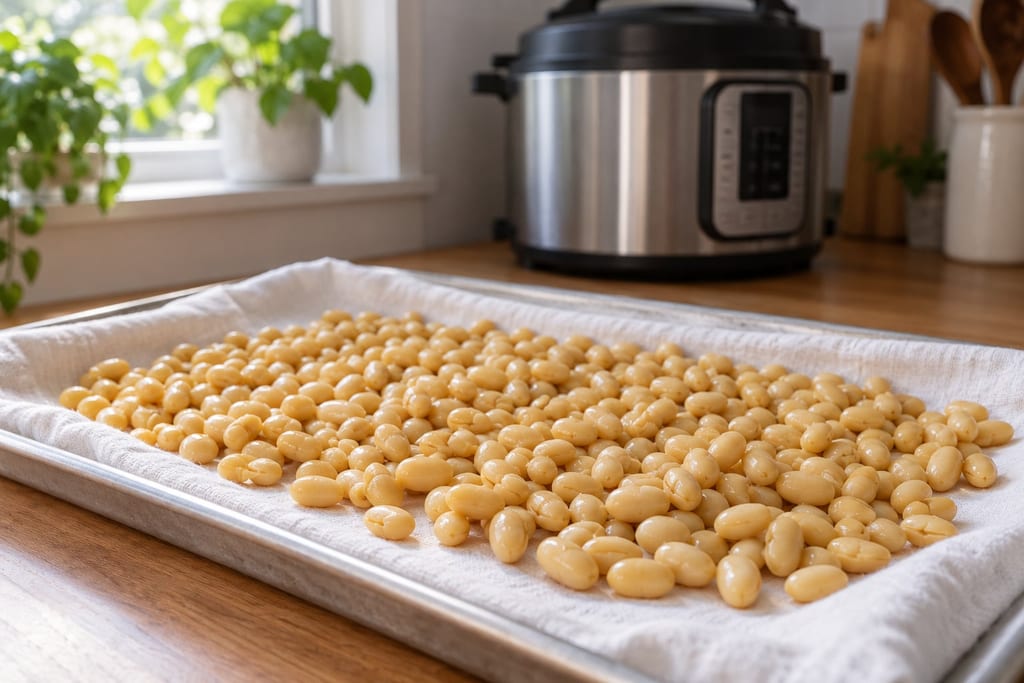
Soaked soybeans softened under pressure in a multicooker instead of simmered for an hour or more, then drained, dried and cooled quickly before inoculation.
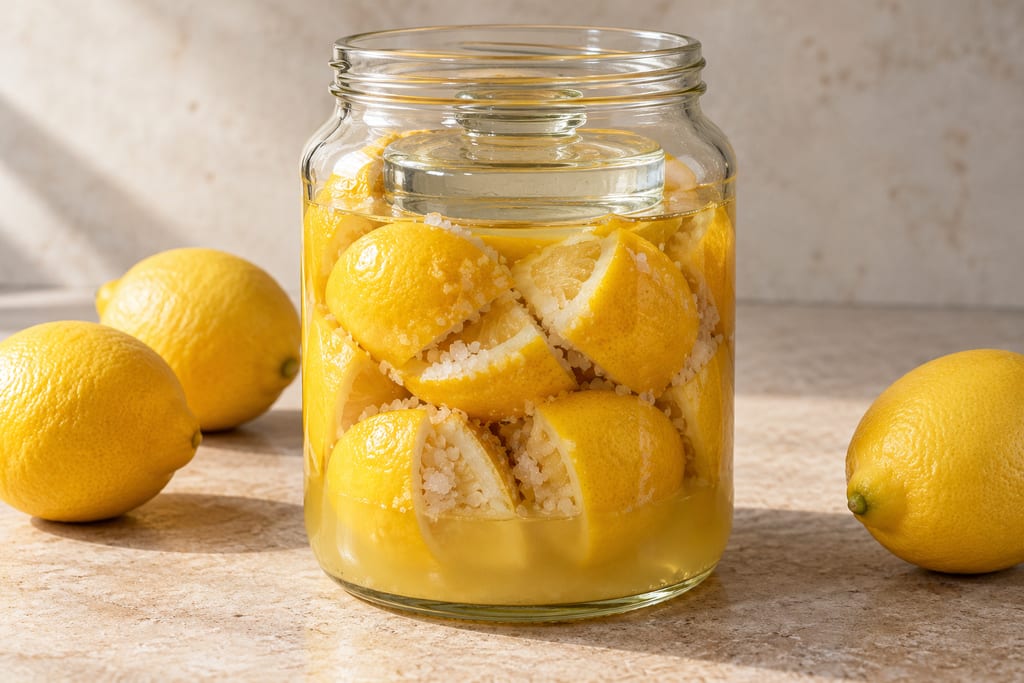
Preserved lemon is salted lemon packed in a jar until it releases its own juice. The sources give no fermentation duration, salt amount or measured endpoint.
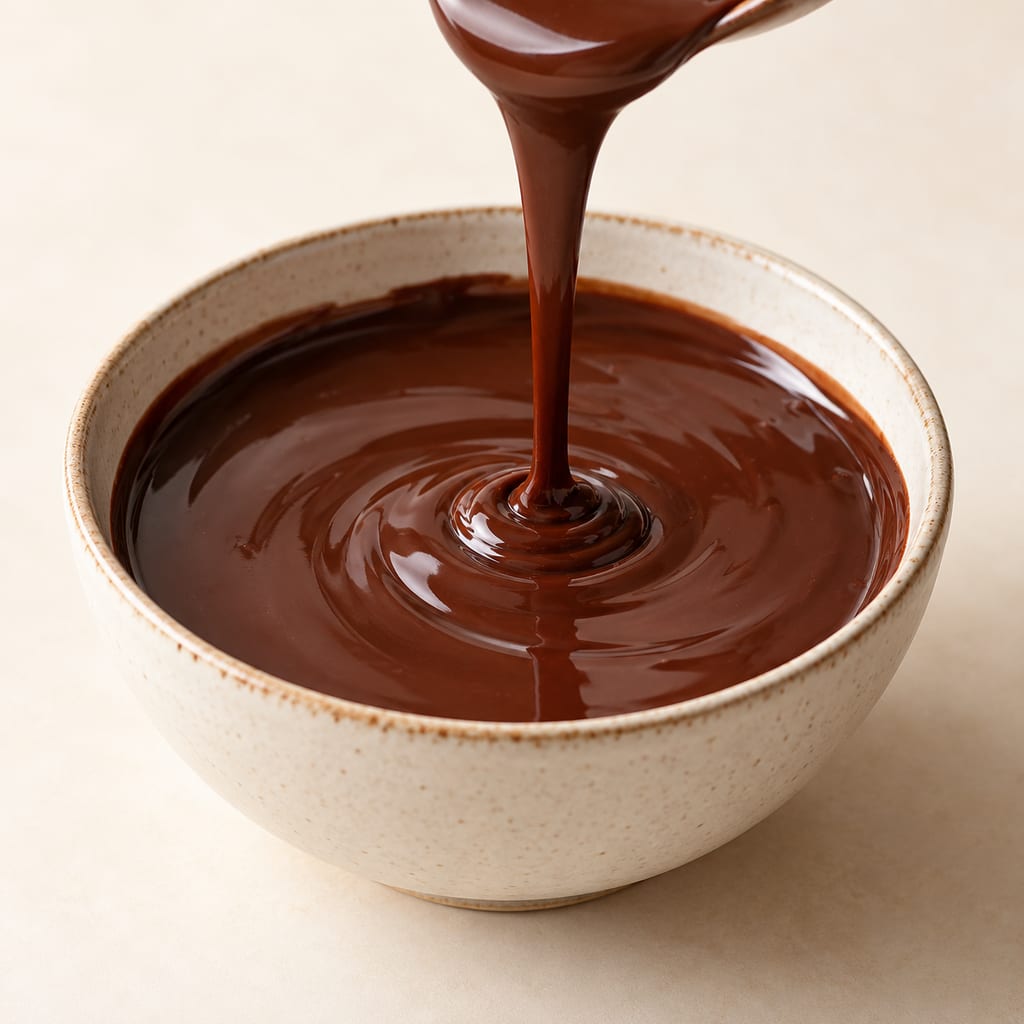
A chocolate and hot cream emulsion in a one-to-two ratio by weight, thin enough to pour, dip or drizzle, with cream and chocolate combined by whisking.
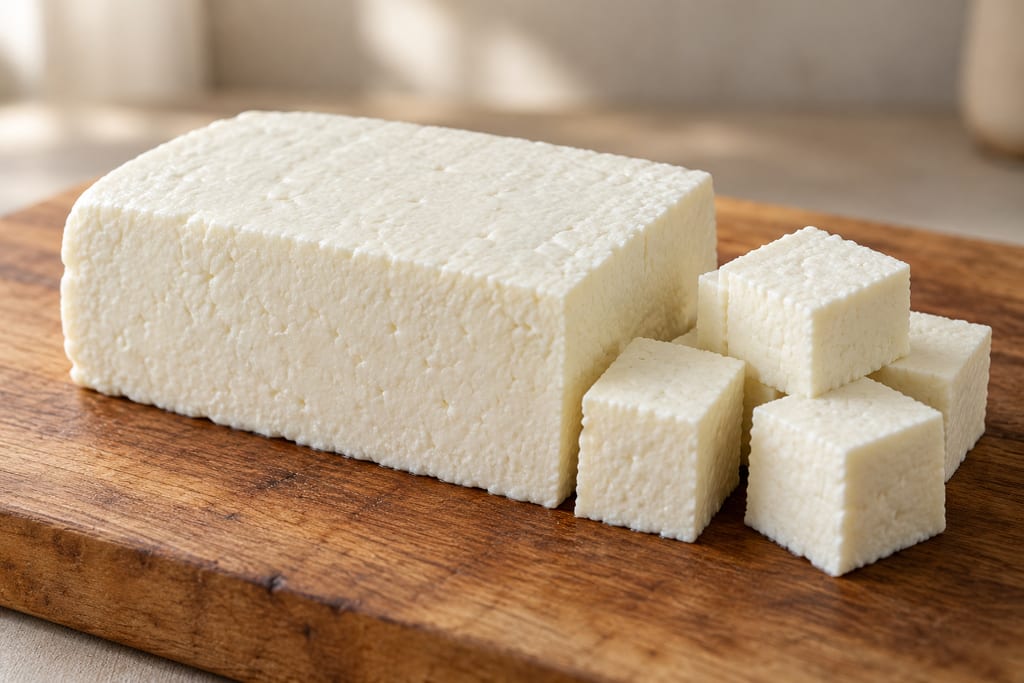
Paneer, a pressed fresh cheese, set by adding yogurt and then lemon juice a spoonful at a time to warm milk, strained, rinsed and lightly pressed.

Jun is a fermented tea drink made with green tea and honey instead of the sweetened tea of kombucha. Its culture identity and origin are not established, and sealed bottles can build pressure and alcohol.
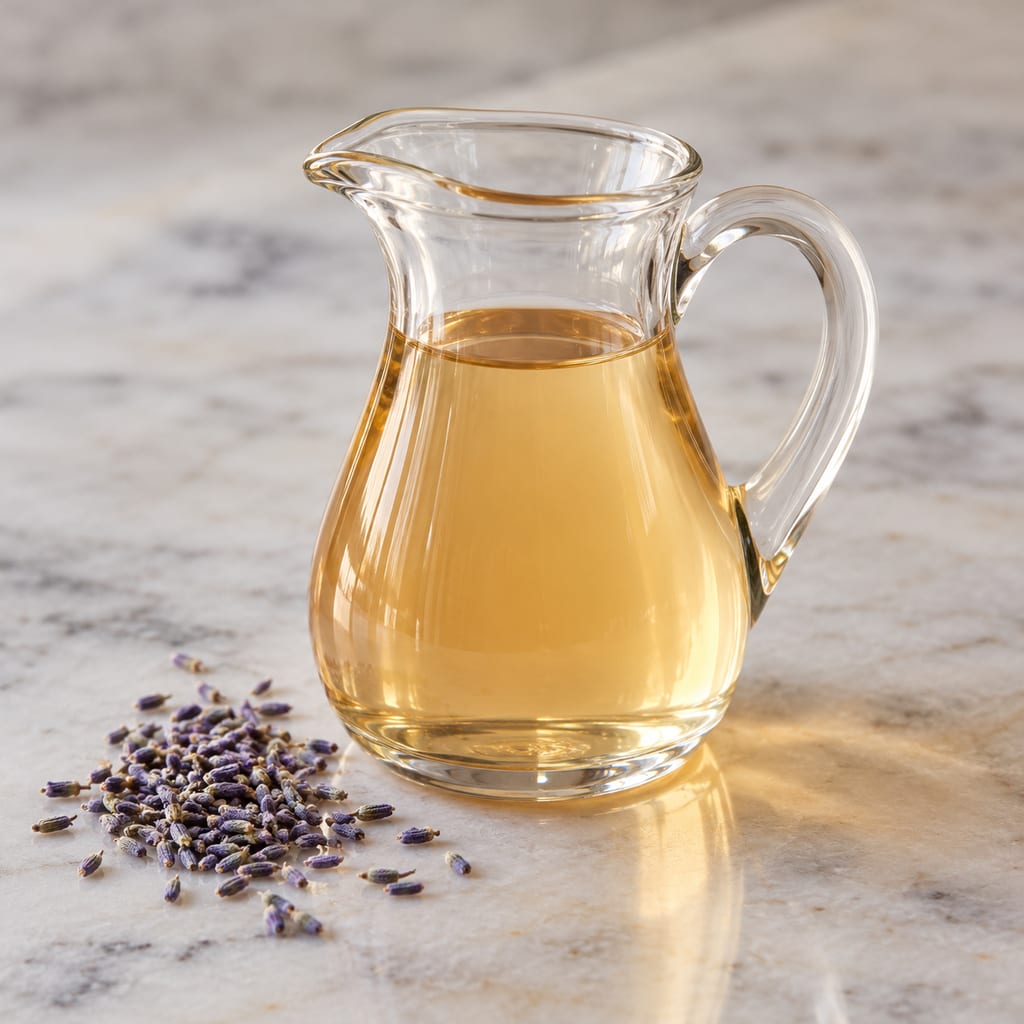
Sugar syrups flavoured by holding botanicals, sugar and water in sealed bags in a 135°F (57°C) water bath for an hour, then cooling and refrigerating; several can share one bath.
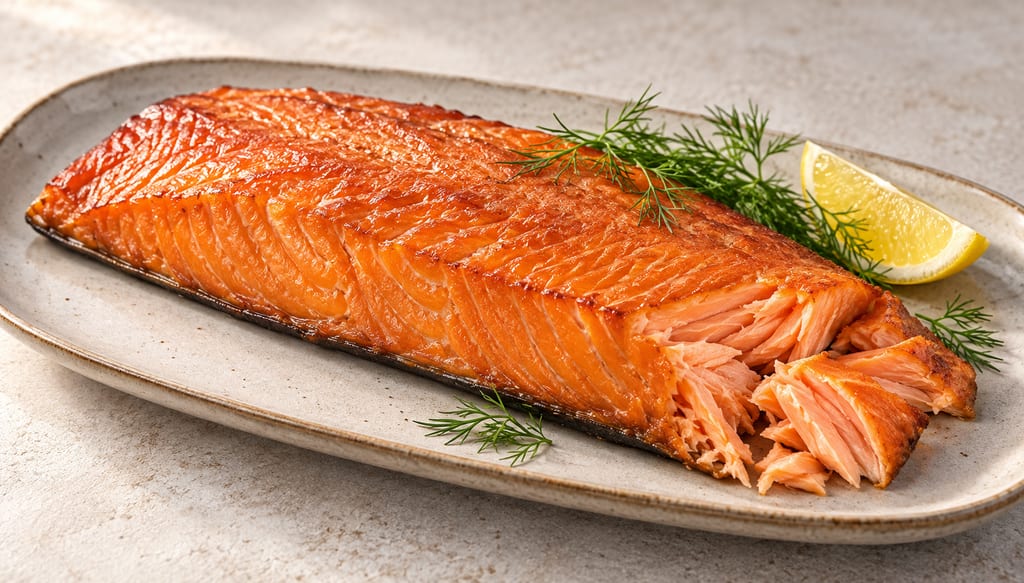
Salmon fillets salted or dry-brined, rested, then cooked and flavoured in a smoker. The method is a cooking process, and the endpoint decides its safety.

A firm, pressed halloumi-style cheese made here from raw cow milk. Raw milk can carry harmful germs; this documented method is not validated for home production.