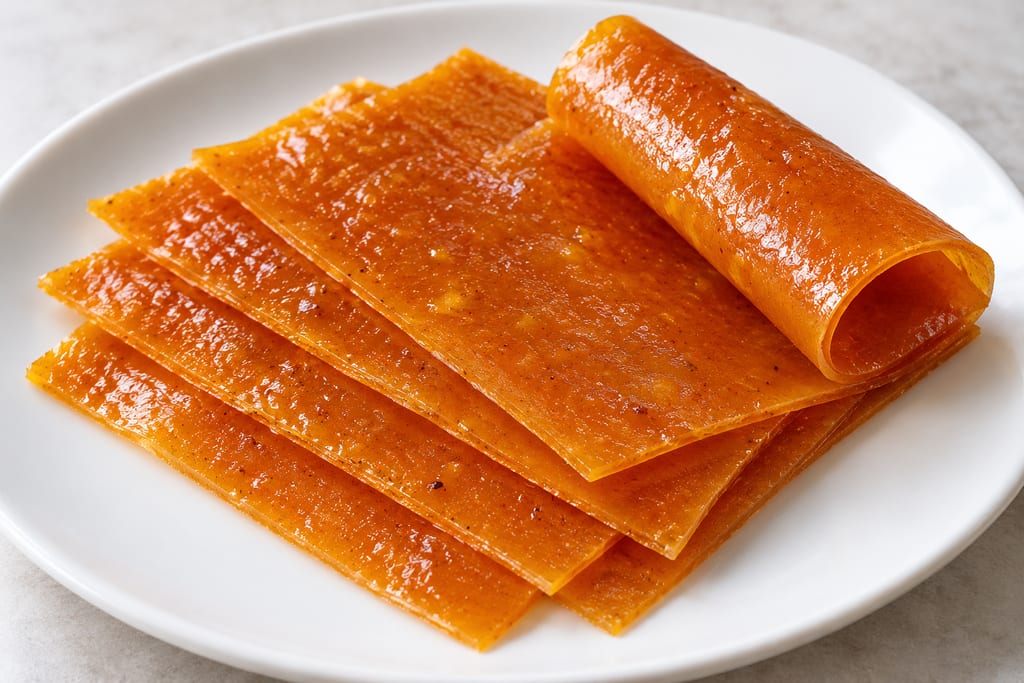
Aam papad
Ripe mango pulp spread thin and dried as a chewy fruit leather. This entry records one controlled unsweetened experiment and distinguishes it from Bengali sun-dried aamshotto and sweetened or spiced variants.
 FermenteaWhere food goes to change
Modern method
mango fruit roll · fruit roll · mango fruit leather
Sieved mango purée with honey and warm spices, spread a quarter inch thick and dried at 140 °F (60 °C) for about 10 hours into a flexible fruit sheet.
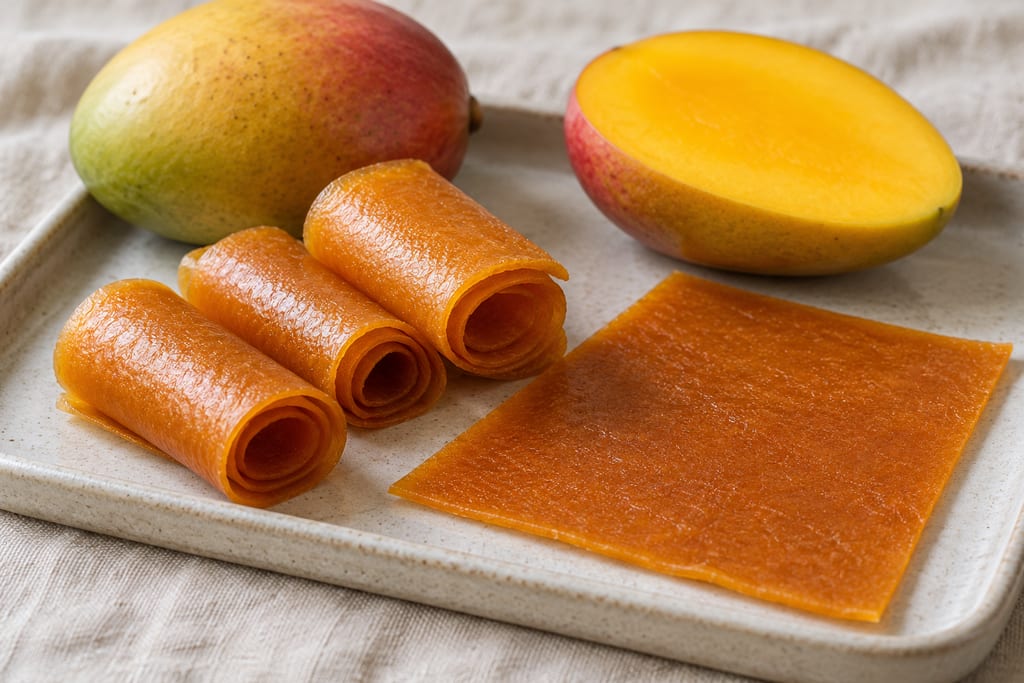
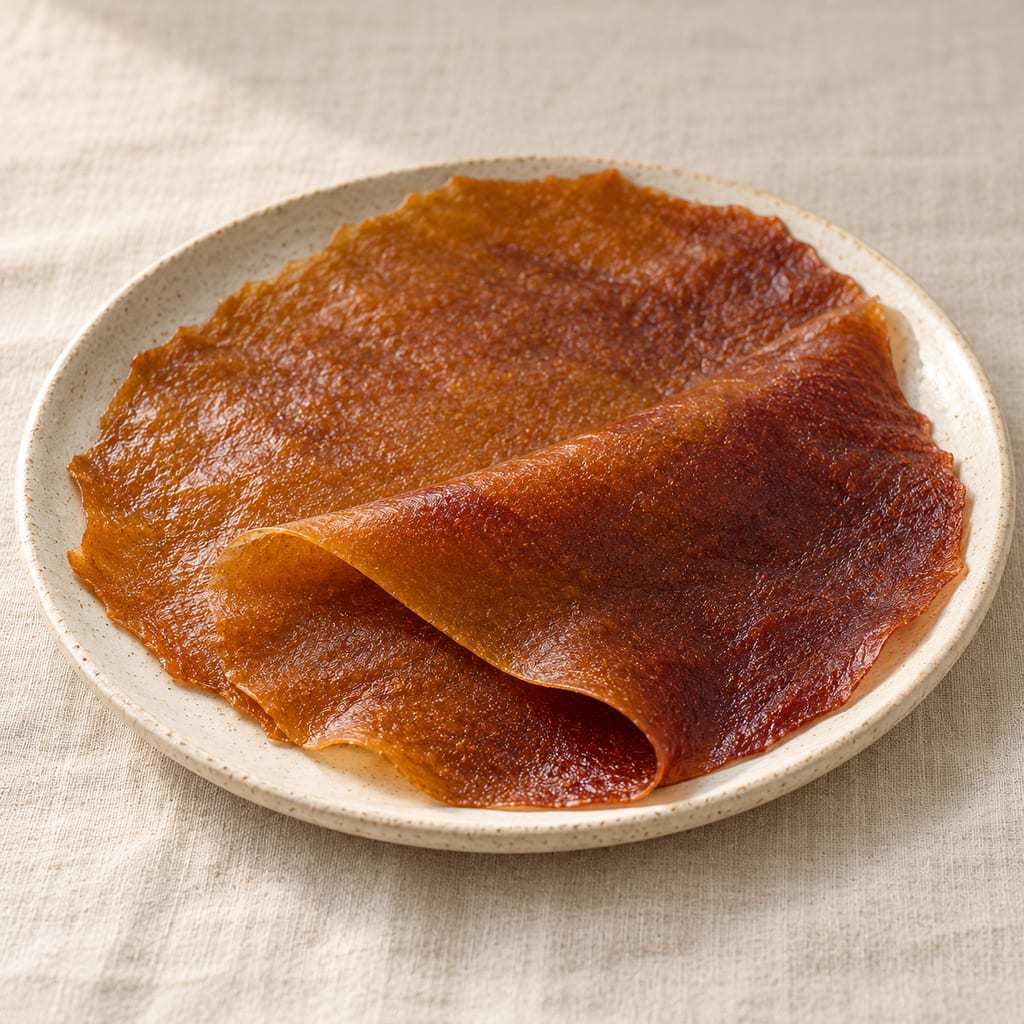
Mango leather is a sheet of dried fruit purée. Its colour is deep amber, and when it is ready it peels from its liner in one flexible piece, and it rolls without cracking. Fruit leathers are among the simplest dried fruit foods: the fruit is reduced to a smooth purée, spread thinly, and dried until the water has gone and the sugars hold the sheet together.
The mango version adds honey and warm spices. Cinnamon, nutmeg and cloves are the spices the record gives. Honey is optional, and the leather can be made unsweetened. The record also includes ascorbic acid, which the source gives to slow darkening of the colour and not to preserve the leather.
The purée is spread a quarter inch thick on liners and dried at a steady 140 °F (60 °C). The source gives about ten hours, and it says the time depends heavily on the humidity of the room. A thin layer dries faster at the edges than at the centre, so the leather is judged finished only when the middle is no longer sticky and does not take an indentation when pressed.
An oven can be used in place of a dehydrator. The oven is held at 140 to 145 °F (60 to 63 °C) with the door propped open two to six inches. The dehydrator's air temperature should be checked with a thermometer from time to time. Silicone mats used in place of the liners are a reasonable substitution, but the source does not test them, so that change is an untested adaptation.
Leather is peeled off while warm, cut into quarters and rolled in plastic wrap that extends beyond its edges. The source gives storage of about one month in freezer bags or airtight containers in a cool, dark, dry place, and up to one year tightly wrapped in the freezer.
The same instruction set gives a general method for other fruit: two cups of fruit make a 13 by 15 inch leather an eighth of an inch thick, dried for six to eight hours in a dehydrator. Fruit leather as a family is recorded separately, and this page covers only the mango formula the source prints.
The source is a current home-food-preservation instruction. It gives no date or origin for mango leather or for fruit leather in general.
Yield 8 fruit rolls (about two dryer trays of 14 inches diameter) · Scaling: source batch only
Leather dries from the edge inward, and a sticky centre is not finished.
Hazard sourceDryness test
Control sourceUse fruit-roll liners, not waxed paper or aluminium foil
Control sourceAcid in light fruit is for colour, not for preservation. The source gives ascorbic acid to prevent darkening.
The method is a home-food-preservation instruction from a US extension source, with no place of origin for mango leather.
Ripe mango pulp spread thin and dried as a chewy fruit leather. This entry records one controlled unsweetened experiment and distinguishes it from Bengali sun-dried aamshotto and sweetened or spiced variants.
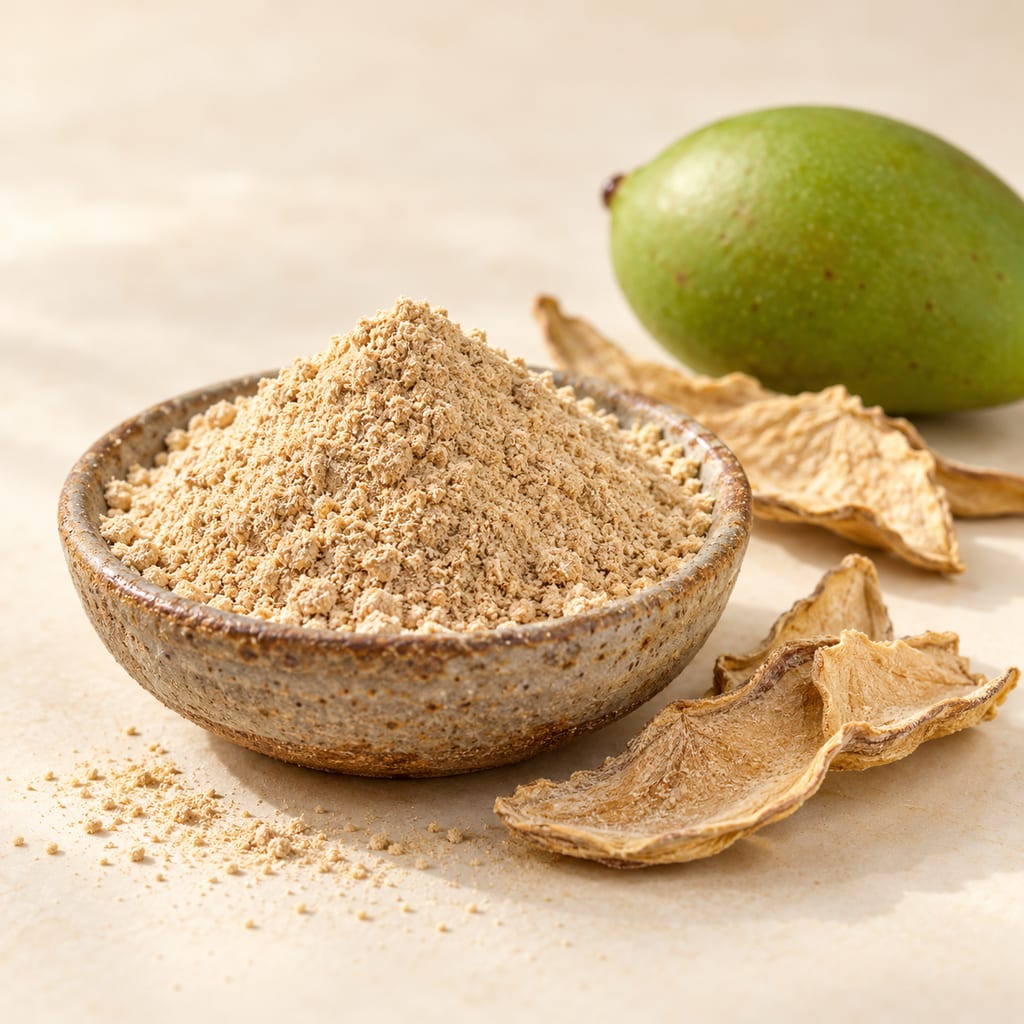
Thin slices of sour unripe mango are sun-dried over four days and ground into a tangy powder, following a five-fruit account published with an Indian mango study.
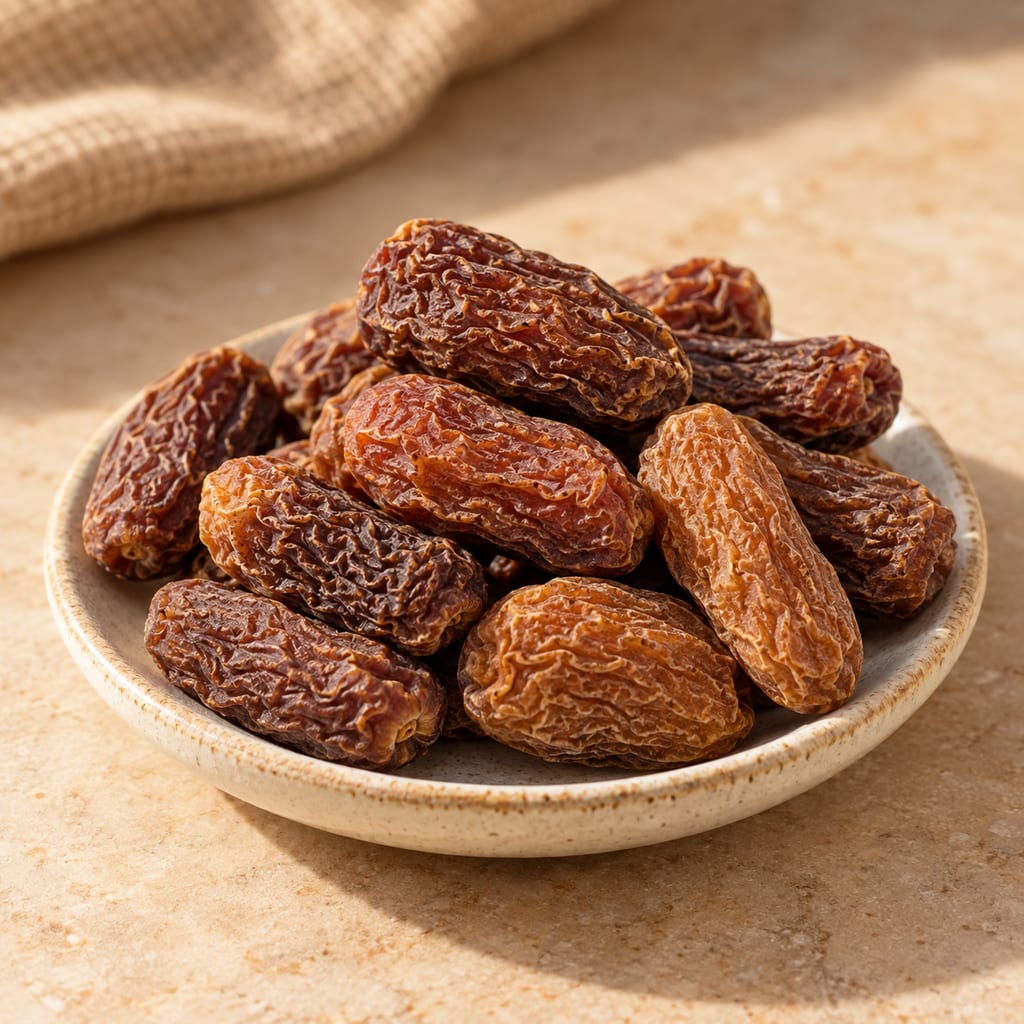
Chuhara is a processed dried-date product named in Pakistani date-production studies, distinct from other dried dates. Its household method is not established.
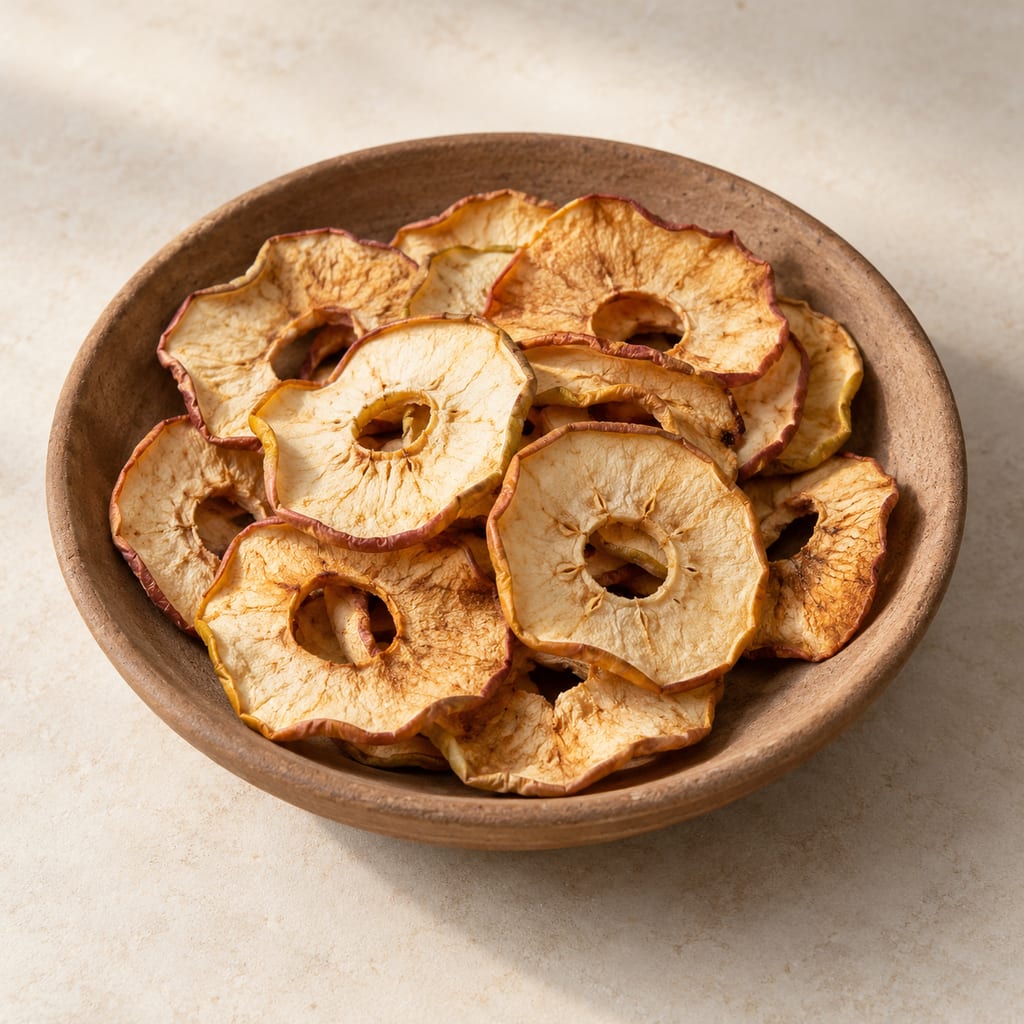
Apple slices dried until most of their water has gone, shrinking and concentrating into leathery or crisp rings, with the modern controls that a plausible old technique turns out to need.
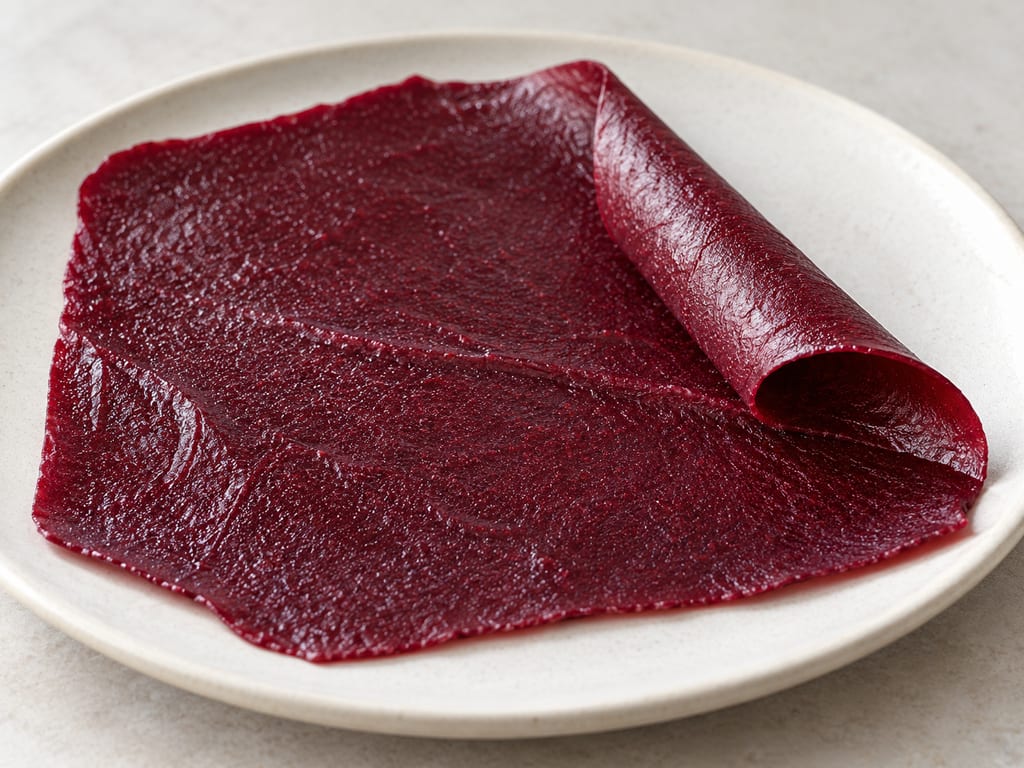
Fruit pulp spread into thin sheets or shaped into cakes and dried, a compact, portable way of keeping fruit in western and central Asia and among Indigenous North Americans.
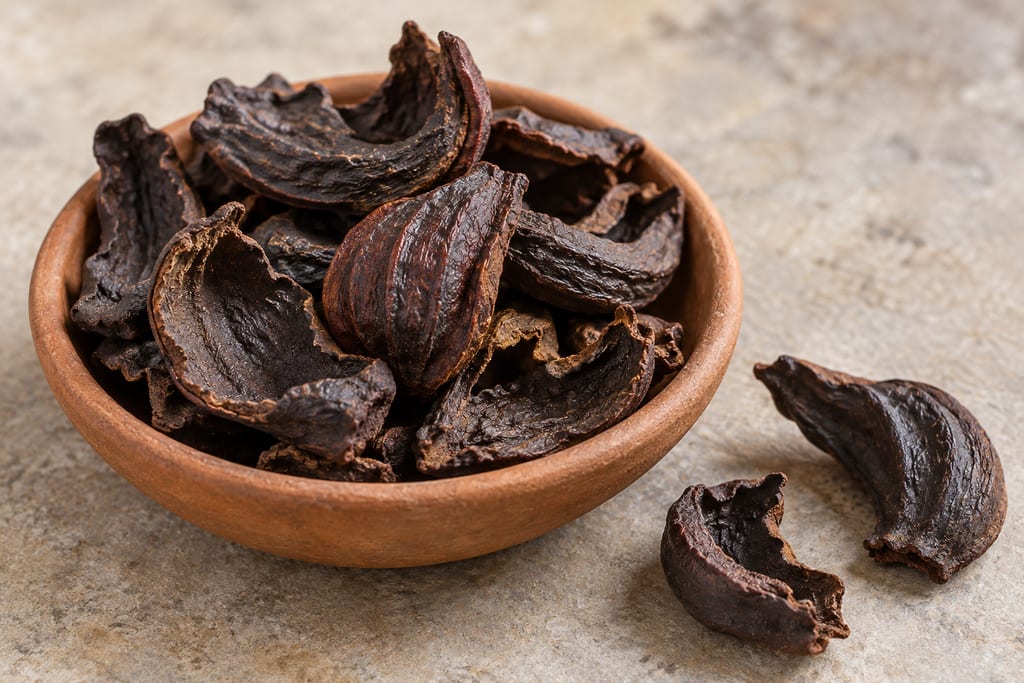
Goraka is the dried rind of Garcinia quaesita, a souring ingredient for Sri Lankan curries. Its drying is documented, but no complete household method is.
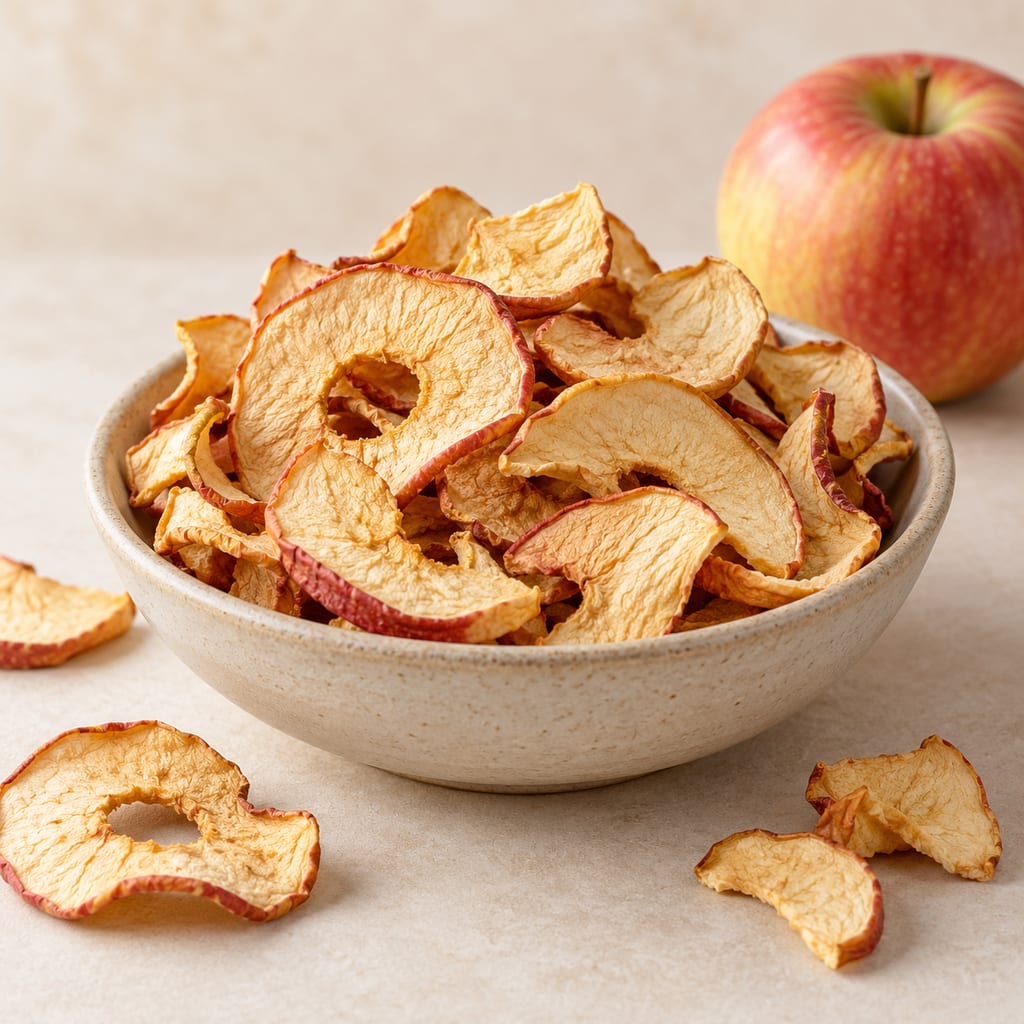
Křížaly are Czech dried apple or pear pieces. The name has regional meanings beyond apple slices, and drying practice varies by place and dryer.
A reported Khizabavra household method cooks mulberry juice with wheat flour into a thin porridge before drying it on cloth; batch measures and a measured endpoint are absent.

Soft, spreadable Calabrian pork sausage made with a great deal of red chilli and fatty pork, stuffed into natural casings, sometimes smoked and matured while staying soft.

A way to add independent temperature logging to an existing food dehydrator without changing its built-in controls or protections. It is a monitoring method, not a rewiring plan.

Pleurotus cystidiosus is the abalone mushroom, a cultivated oyster-type fungus with dark brown caps that grows more slowly and is more demanding than other Pleurotus species.

A dark, balanced vinegar from Emilia-Romagna made by combining cooked or concentrated grape must with wine vinegar, then acetifying and refining it in wood under a protected specification.

A living dairy inoculum that starts controlled cream fermentation, developing acidity and aroma before sour cream or cultured butter is finished.

A small electric incubator holds jars at a selected temperature for yogurt and other documented warm food preparations. Controls, capacity and vessel arrangement vary by model.

Adygean salt is a seasoned table salt associated with Adygea and the wider North Caucasian culinary tradition. Salt is blended with garlic and a variable selection of herbs and spices; the exact mix depends on the named style and maker.

The African Caesar-group mushroom, Amanita masasiensis, is a wild ectomycorrhizal species of central and southern African woodlands, eaten locally. The genus contains deadly poisonous species, so identification needs care.
No community contributions have been published for this entry yet.
Sign in to contribute. Published comments and photos are free to read.
National Center for Home Food PreservationMethod · Storage
Mango LeatherFour cups of mango purée with honey and spices
Dehydrator at 140 °F for about 10 hours
Quarter-inch thickness
Dryness test
Oven at 140 to 145 °F with the door open two to six inches
Storage for about one month, or one year frozen
Cited in: What mango leather is; Drying the purée; Storage and the general fruit-leather method
National Center for Home Food PreservationMethod · Safety
Fruit LeathersTwo cups of fruit per 13 by 15 inch leather, one eighth inch thick, six to eight hours
Liners; no waxed paper or aluminium foil
Acid to prevent darkening
Cited in: Drying the purée; Storage and the general fruit-leather method