Fermented meat around the world
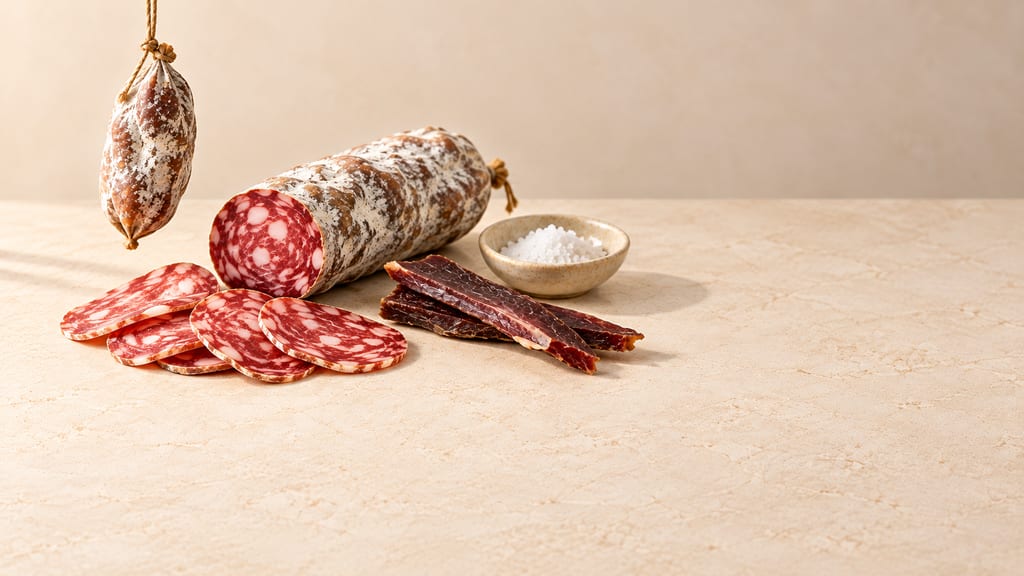
Dry salami, sour pork with rice, matured sheep and aged blubber follow different paths from animal to food. Their stories connect microbes with climate, slaughter, migration and the meals people share.
 FermenteaWhere food goes to change
Kodukkaippuli · Rathgoraka
Goraka is the dried rind of Garcinia quaesita, a souring ingredient for Sri Lankan curries. Its drying is documented, but no complete household method is.
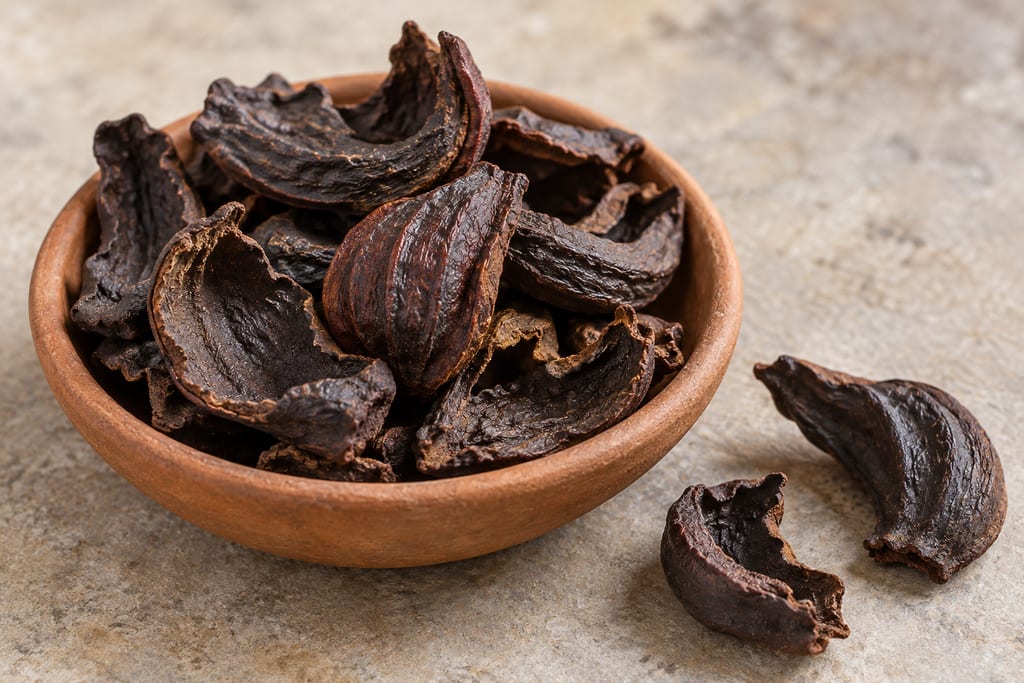
Sri Lanka’s Department of Export Agriculture describes Goraka as the rind of Garcinia quaesita and identifies the dried rind as a curry souring ingredient. Its page gives Kodukkaippuli as a Tamil name. A 2020 food-quality paper also describes dried rind as a souring ingredient and reports Rathgoraka as a local name.
The name alone does not identify a species: a taxonomy paper reports overlapping Goraka common-name use among Garcinia species, but that detail is available here through indexed text rather than the publisher’s PDF. Kew records G. quaesita as a Sri Lankan native species. The record therefore concerns rind described as G. quaesita, not every product called Goraka.
A 2005 forest study based on 2004 fieldwork documents Goraka gathering at Kanneliya and Sinharaja. Its narrative describes usual fruiting in November, but Annex III lists June and July under “Best season”; Annex V separately contains a conditional November plan. These entries conflict and do not establish one general harvest calendar.
The inspected sources do not date the first food use. Kew’s 1883 botanical publication record is a plant-naming date, not evidence for when people began using the rind as food.
The official crop page describes ripe fruit being handled carefully, seeds removed, the rind separated, and the rind dried in sunlight until dark. It gives no batch mass, surface, elapsed time, measured endpoint or storage conditions, so this description is not a complete household method.
A 2017 government-report excerpt available through the search index describes experimental drying of rind from selected fruit. A 2019 study abstract compares curing and drying treatments, but the full text was not available through the direct routes checked. These are research accounts, not instructions for home processing.
An indexed excerpt from the 2018 Department of Export Agriculture report lists dried Goraka rind as a condiment and mentions other value-added forms without giving their methods. Across the inspected sources, a complete household batch, validated endpoint, storage duration and food-safety assessment remain undocumented. Local-language household accounts and records that resolve the seasonal conflict would clarify the picture.
A common name does not confirm the species of an individual market product; no physical specimen was identified.
The 2005 field report's November narrative, June–July “Best season” table entry and conditional November plan remain unresolved; no earliest food-use attestation was located.
The crop-page description and separate experimental accounts do not provide a complete household batch, validated endpoint, packaging method or shelf life.
The 2017 and 2018 government reports were represented by indexed excerpts, and the 2019 study by its abstract and separately exposed search text; full reports were not directly inspected.
The inspected sources do not date the first food use of the rind. A Kew record from 1883 is a plant-naming date, not evidence of food use.
The Department of Export Agriculture describes the dried rind as a curry souring ingredient.
Gathering recorded in a 2004 fieldwork study; this places collection, not a preparation method.
Gathering recorded in the same 2004 fieldwork study.
Dry salami, sour pork with rice, matured sheep and aged blubber follow different paths from animal to food. Their stories connect microbes with climate, slaughter, migration and the meals people share.

Achcharu is a family of Sri Lankan vinegar pickles made with mixed vegetables or seasonal fruit and a piquant spice dressing. This version is a quick, refrigerated, non-fermented mixed-vegetable pickle.

Appam, or hoppers, are South Indian and Sri Lankan rice pancakes made from a fermented coconut-and-rice batter and cooked in a curved pan to a crisp lacy rim and a soft, spongy centre.
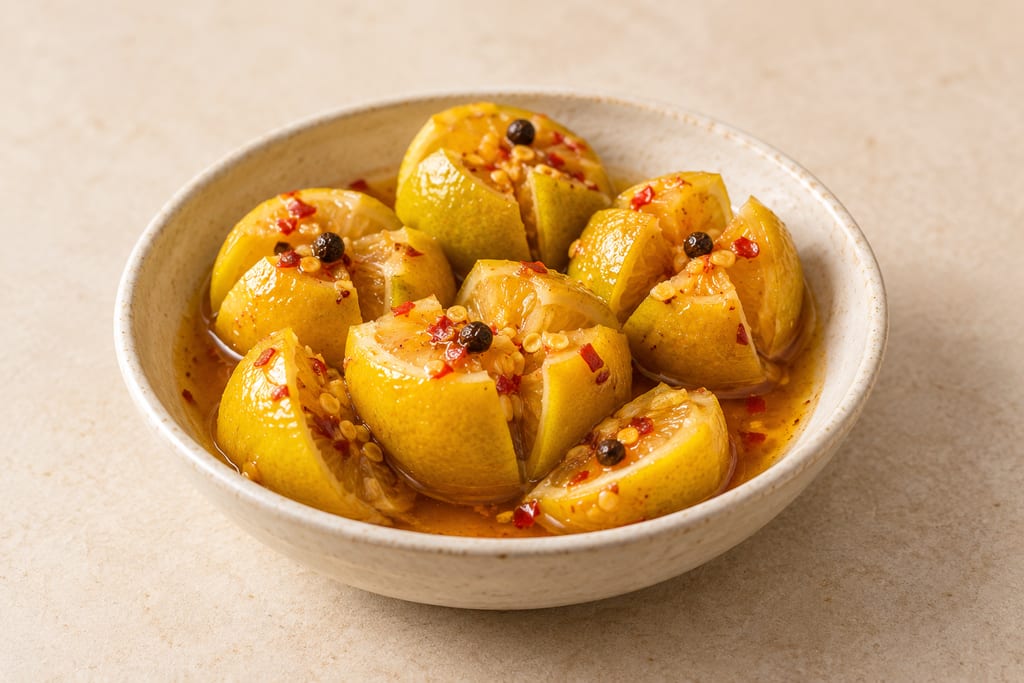
Peter Kuruvita’s published lime pickle stuffs 20 limes with rock salt, then simmers them in vinegar, sugar and chilli before a two-week rest.

Lunu dehi is Sri Lankan salted lime pickle. This version sun-dries cut, salt-stuffed ripe limes, then packs them with dried lime juice, chillies, spices and vinegar.
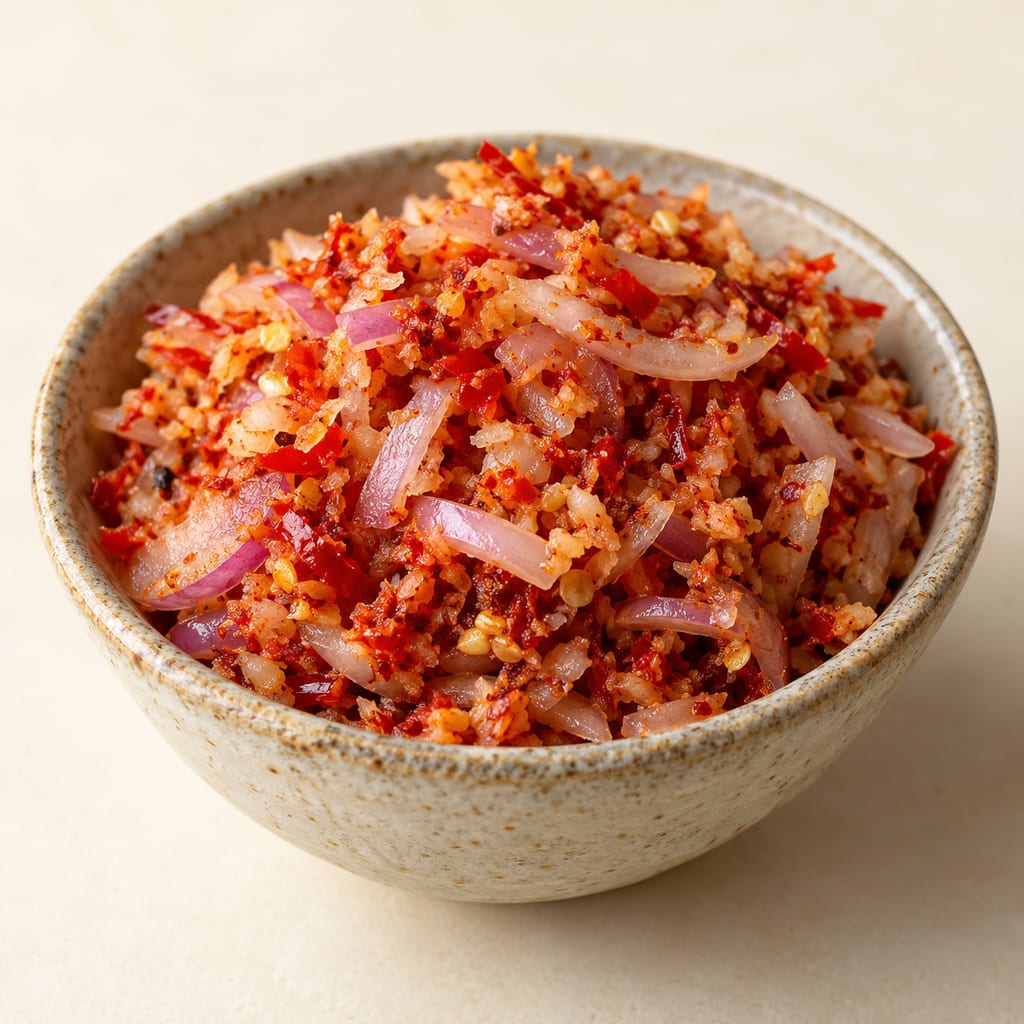
A Sri Lankan lunu miris made by pounding onion and chilli flakes with lime; Maldive fish is optional.
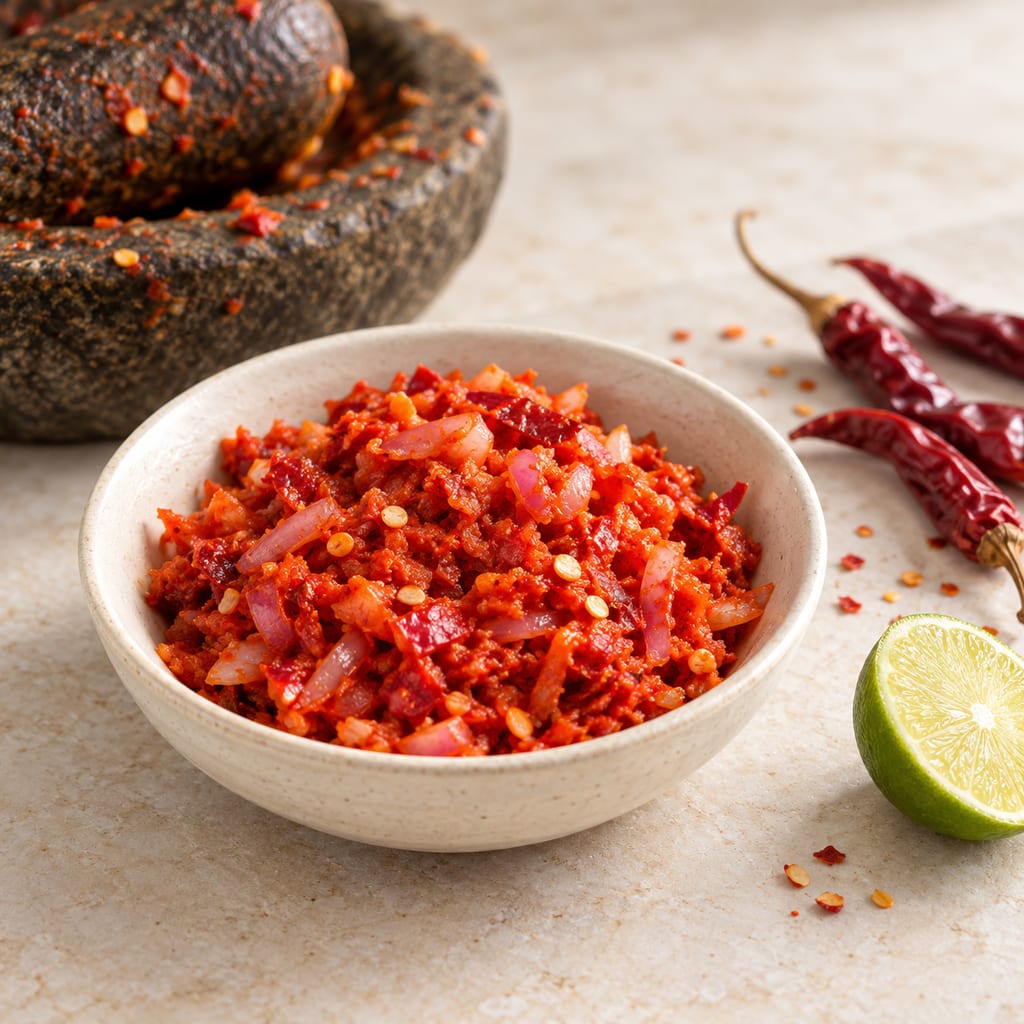
Lunu miris is Sri Lanka's pounded onion and chilli sambol: chilli flakes and red onion crushed with salt and lime, often with Maldive fish, eaten in small amounts with hoppers, pol roti and kiribath.
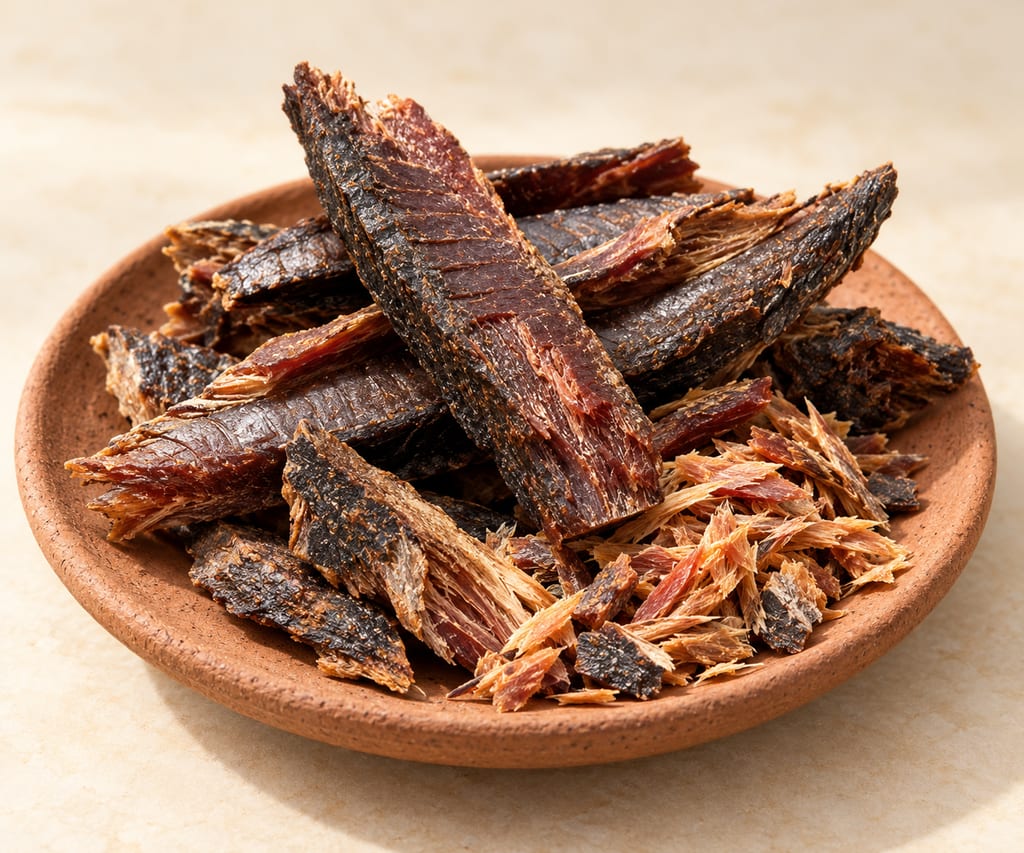
Maldive fish is a hard, smoke-dried tuna product made in the Maldives and traded especially to Sri Lanka, where it is known as umbalakada. Cooks shave or pound it into a concentrated savory seasoning for sambols, curries and other dishes.
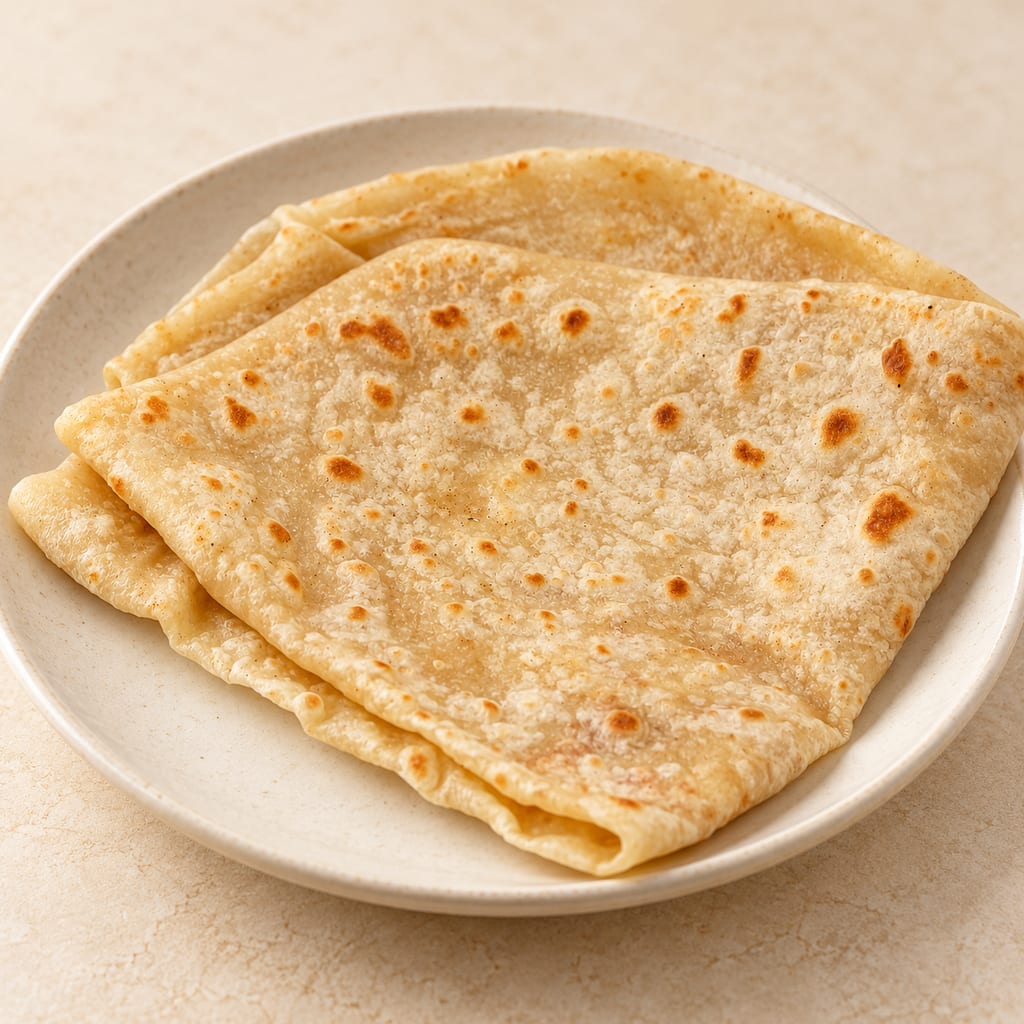
A Sri Lankan wheat flatbread made from thinly stretched, oil-rested dough and cooked briefly on a dry griddle until soft.
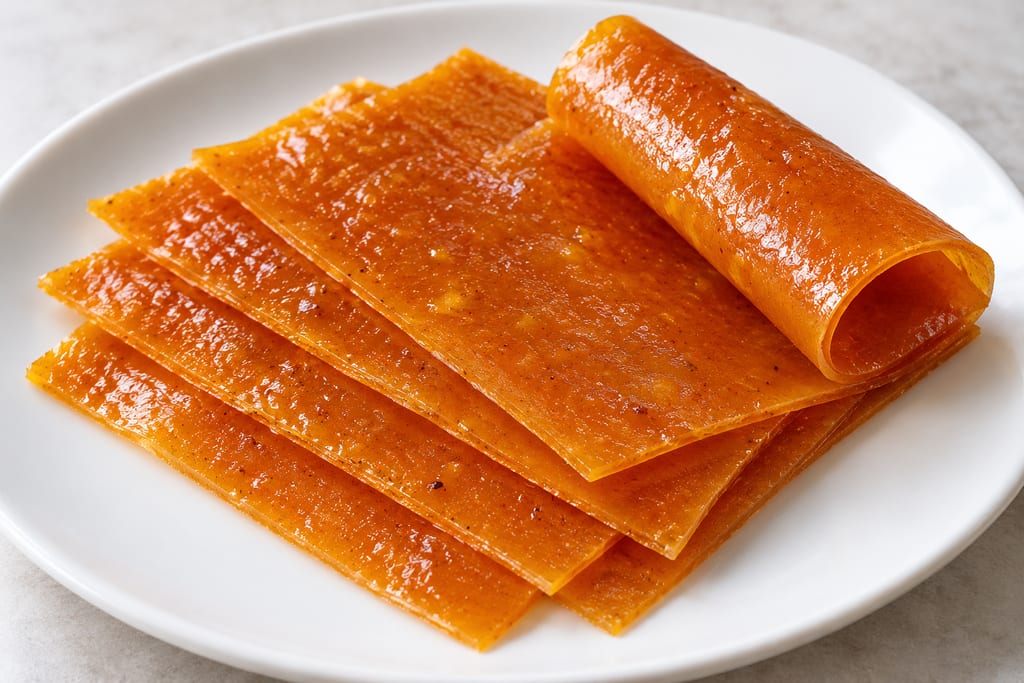
Ripe mango pulp spread thin and dried as a chewy fruit leather. This entry records one controlled unsweetened experiment and distinguishes it from Bengali sun-dried aamshotto and sweetened or spiced variants.
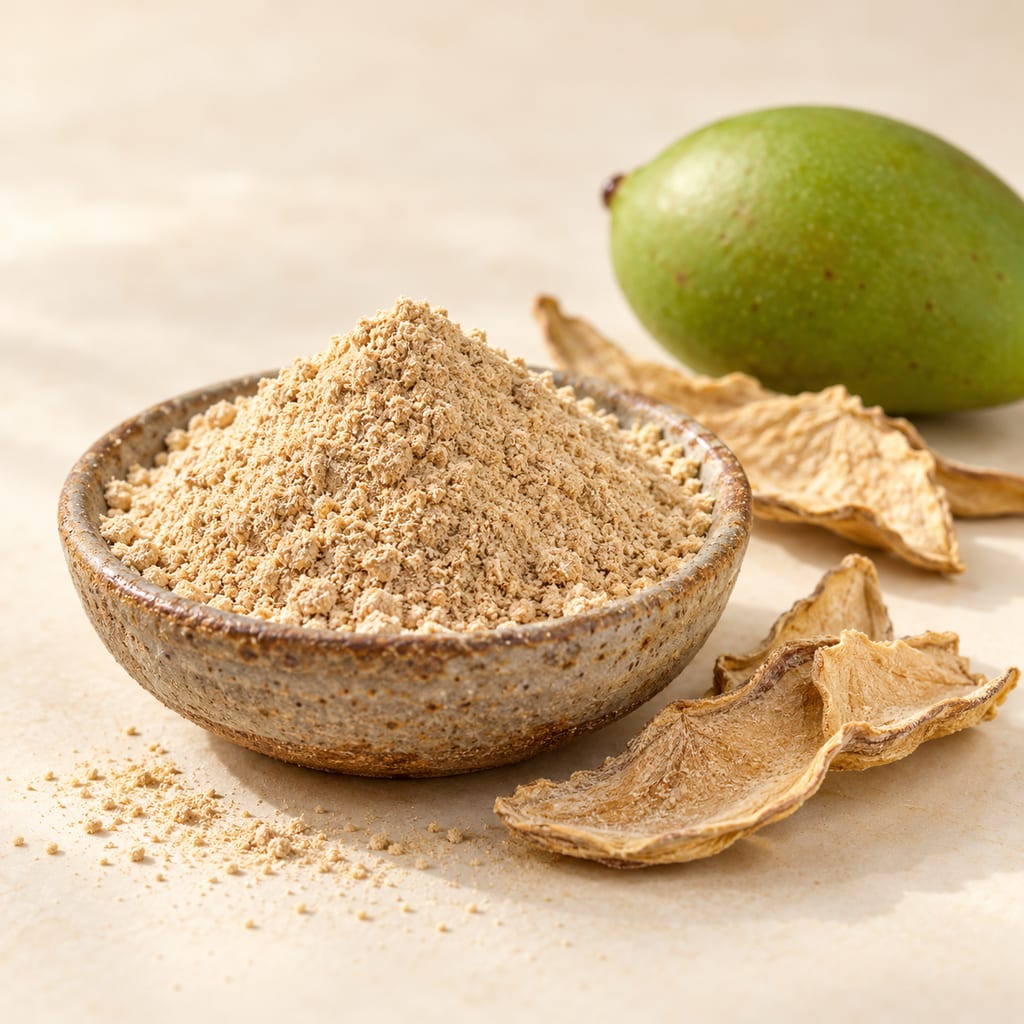
Thin slices of sour unripe mango are sun-dried over four days and ground into a tangy powder, following a five-fruit account published with an Indian mango study.
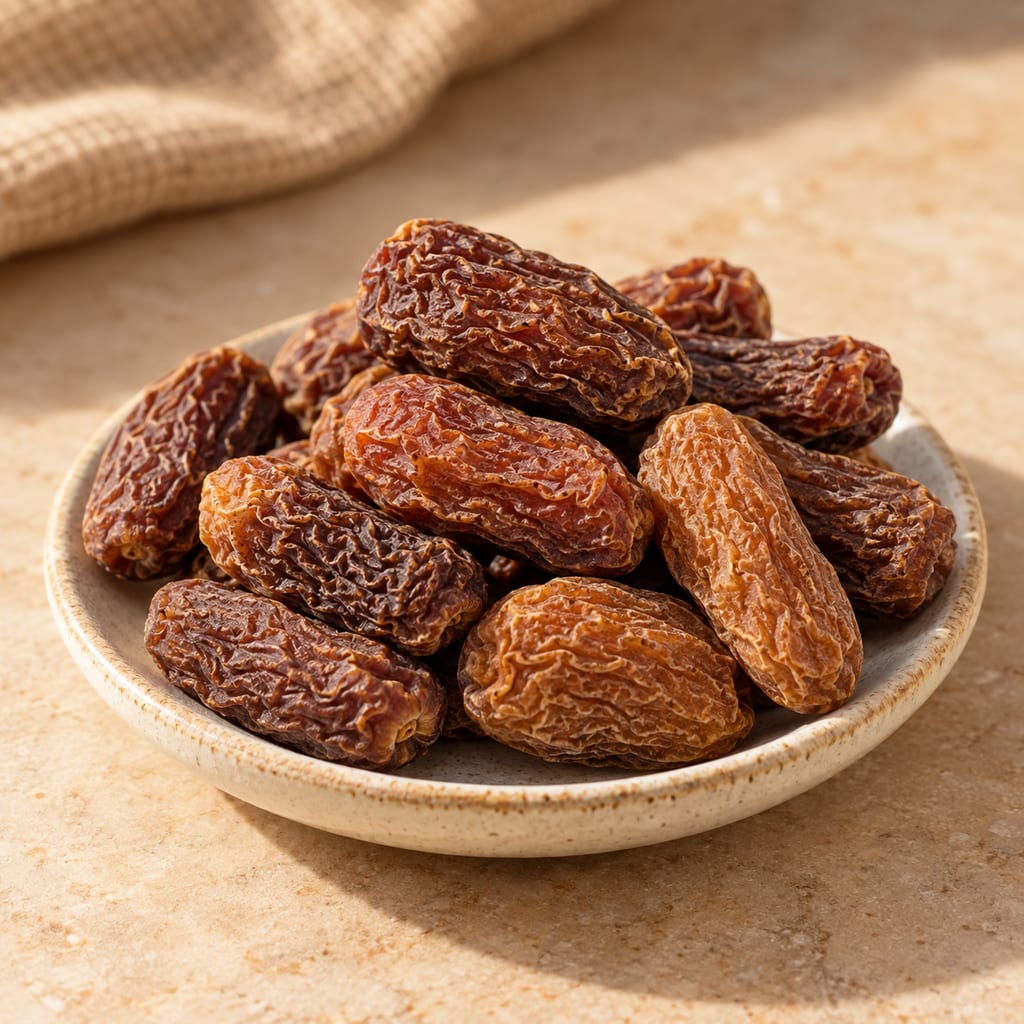
Chuhara is a processed dried-date product named in Pakistani date-production studies, distinct from other dried dates. Its household method is not established.
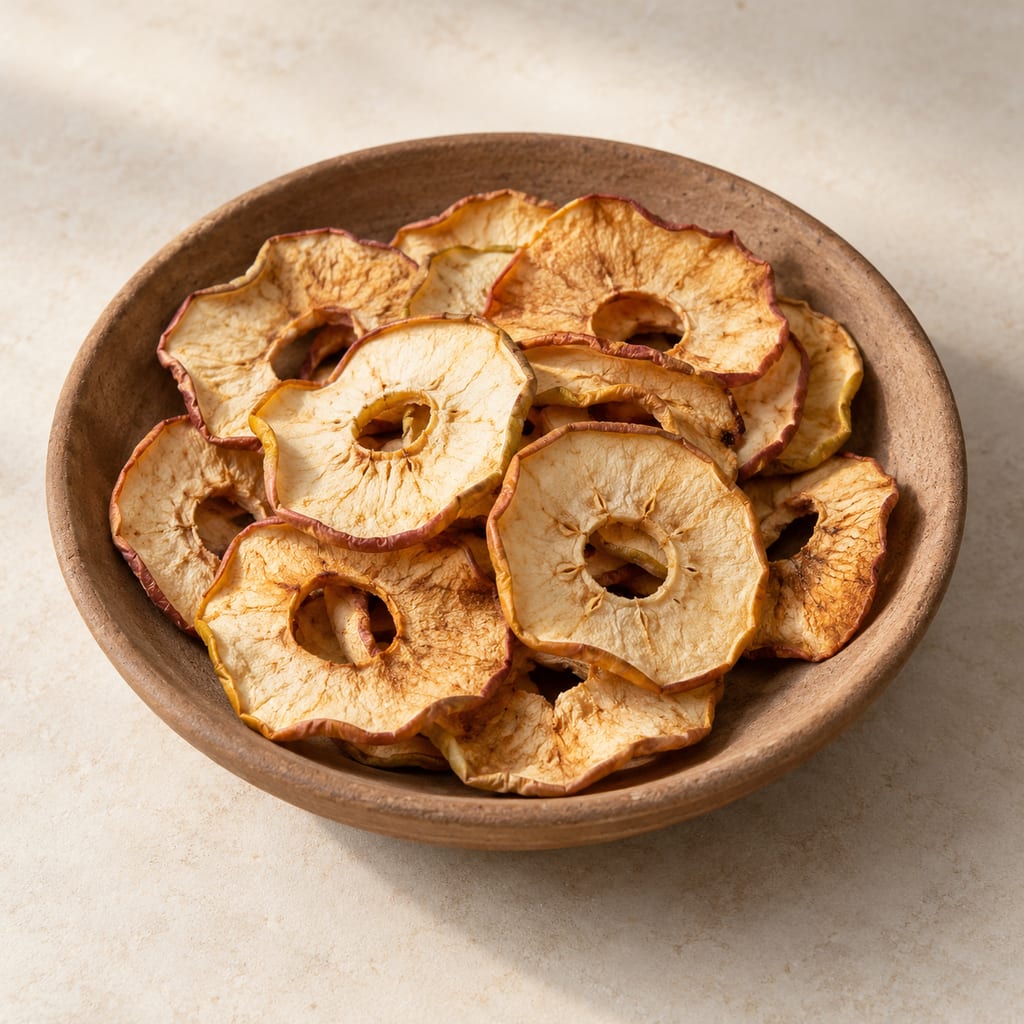
Apple slices dried until most of their water has gone, shrinking and concentrating into leathery or crisp rings, with the modern controls that a plausible old technique turns out to need.
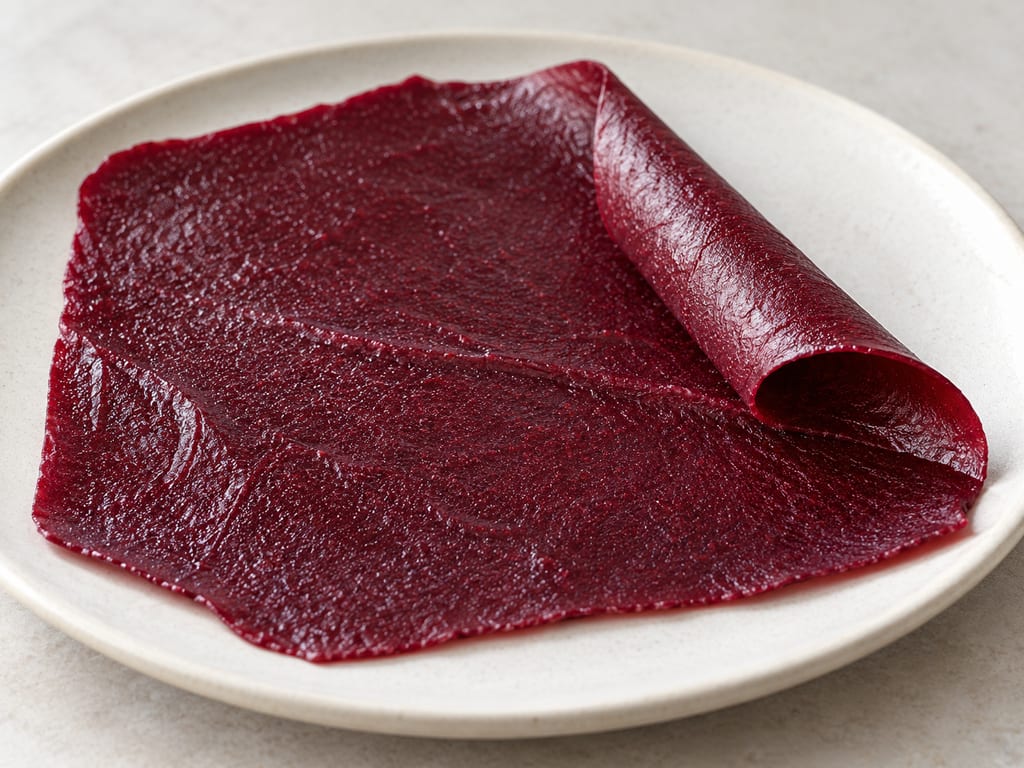
Fruit pulp spread into thin sheets or shaped into cakes and dried, a compact, portable way of keeping fruit in western and central Asia and among Indigenous North Americans.
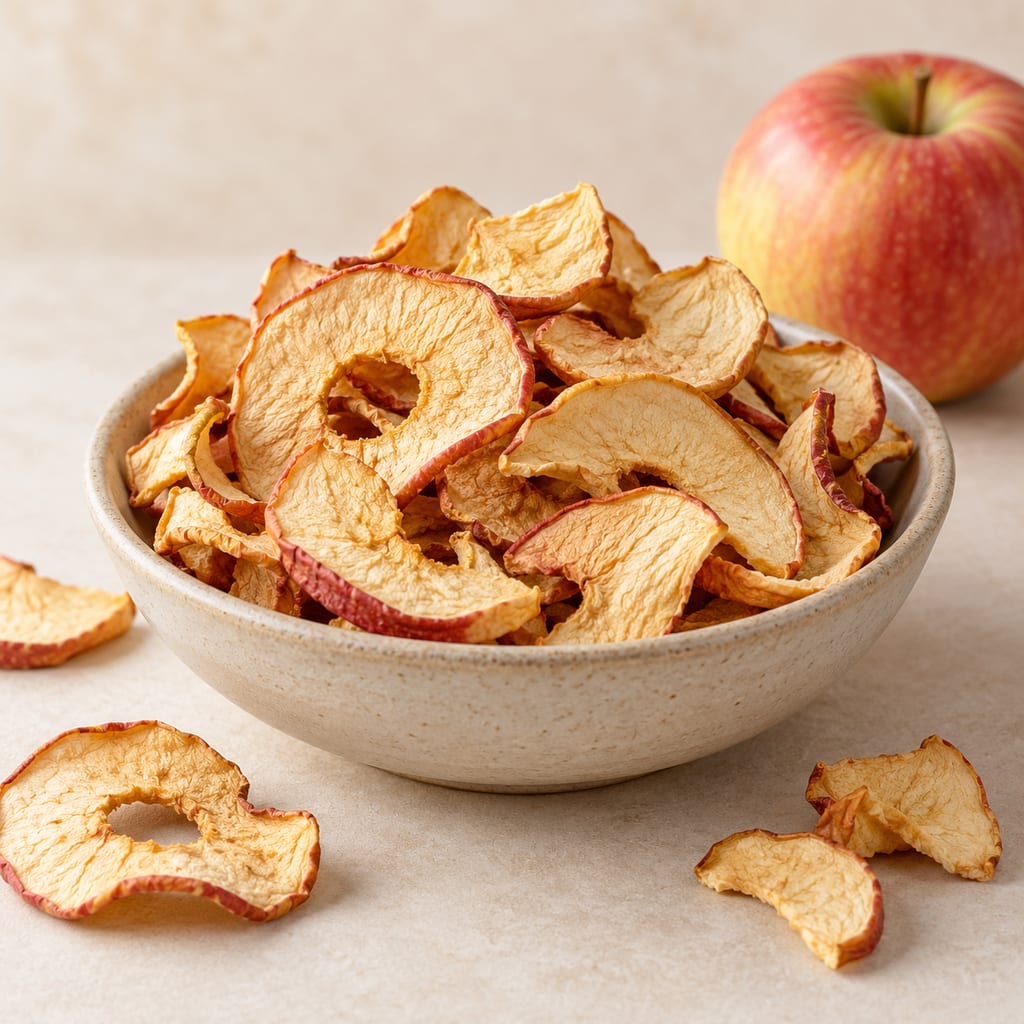
Křížaly are Czech dried apple or pear pieces. The name has regional meanings beyond apple slices, and drying practice varies by place and dryer.
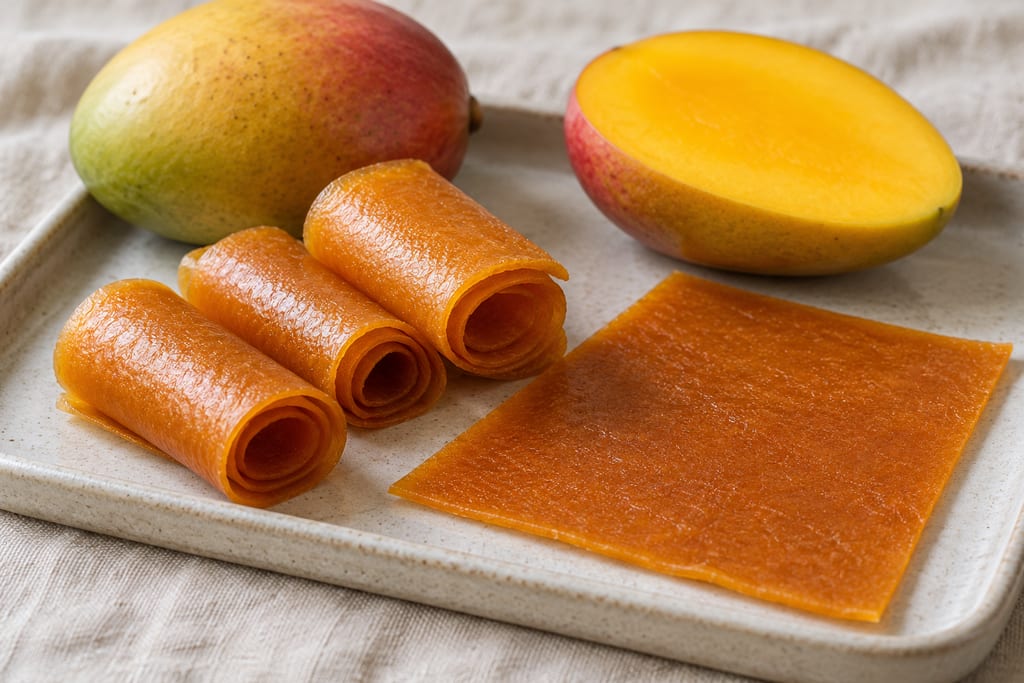
Sieved mango purée with honey and warm spices, spread a quarter inch thick and dried at 140 °F (60 °C) for about 10 hours into a flexible fruit sheet.
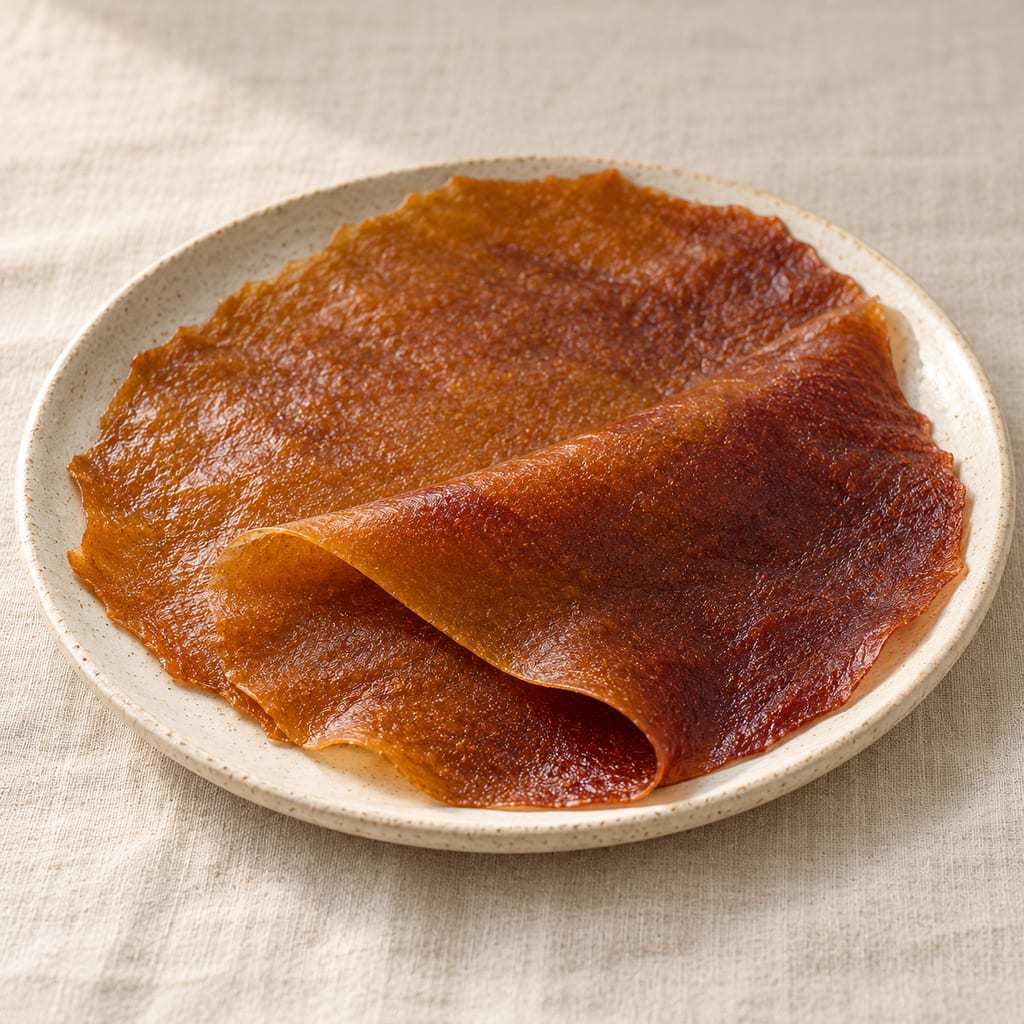
A reported Khizabavra household method cooks mulberry juice with wheat flour into a thin porridge before drying it on cloth; batch measures and a measured endpoint are absent.
No community contributions have been published for this entry yet.
Sign in to contribute. Published comments and photos are free to read.
Department of Export Agriculture, Sri LankaEvidence
Garcinia — Garcinia quaesitaCited in: Name and form; What processing accounts describe; Open questions
IUCN Sri Lanka Country Office; Eighth Round-Table Conference on DipterocarpsEvidence
Sustainable extraction of non-timber forest products in Dipterocarp-dominant lowland rain forests: a case study in southwestern lowland rain forest in Sri LankaCited in: Places, seasons and historical limits
Royal Botanic Gardens, Kew, Plants of the World OnlineEvidence
Garcinia quaesita PierreCited in: Name and form; Places, seasons and historical limits
Journal of the National Science Foundation of Sri LankaEvidence
Systematics of genus Garcinia L. (Clusiaceae) in Sri Lanka: new insights from vegetative morphologyCited in: Name and form
Journal of Food QualityEvidence
Correlation between Antioxidant Activity and the Garcinol Content Released from Fruit Rinds of Endemic Garcinia quaesita Pierre on Different Cooking ConditionsCited in: Name and form
Department of Export Agriculture, Sri LankaEvidence
Sri Lanka Department of Export Agriculture, Administration Report 2018Cited in: Evidence still needed
Department of Export Agriculture, Sri Lanka; report presented to ParliamentEvidence
Department of Export Agriculture Performance Report 2017Cited in: What processing accounts describe
ResearchGate publication page for author contentEvidence
Development of an Effective Curing and Drying Method for Garcinia quaesita (Goraka)Cited in: What processing accounts describe