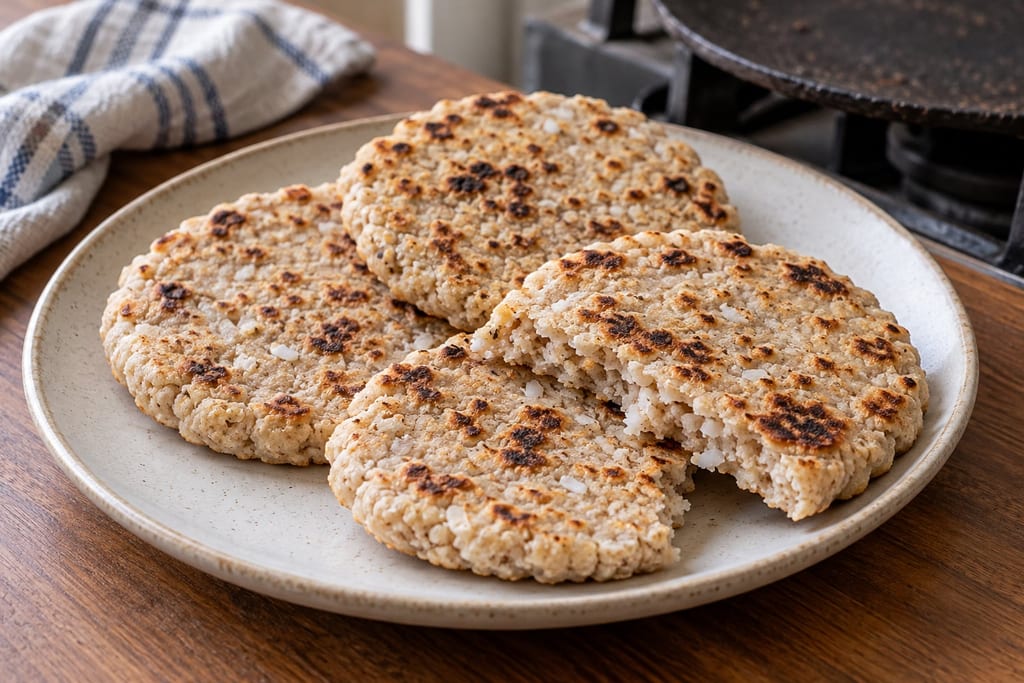
Sri Lankan pol roti
An unleavened Sri Lankan flatbread made with fresh grated coconut and wheat flour, cooked on a tawa.
 FermenteaWhere food goes to change
A Sri Lankan wheat flatbread made from thinly stretched, oil-rested dough and cooked briefly on a dry griddle until soft.
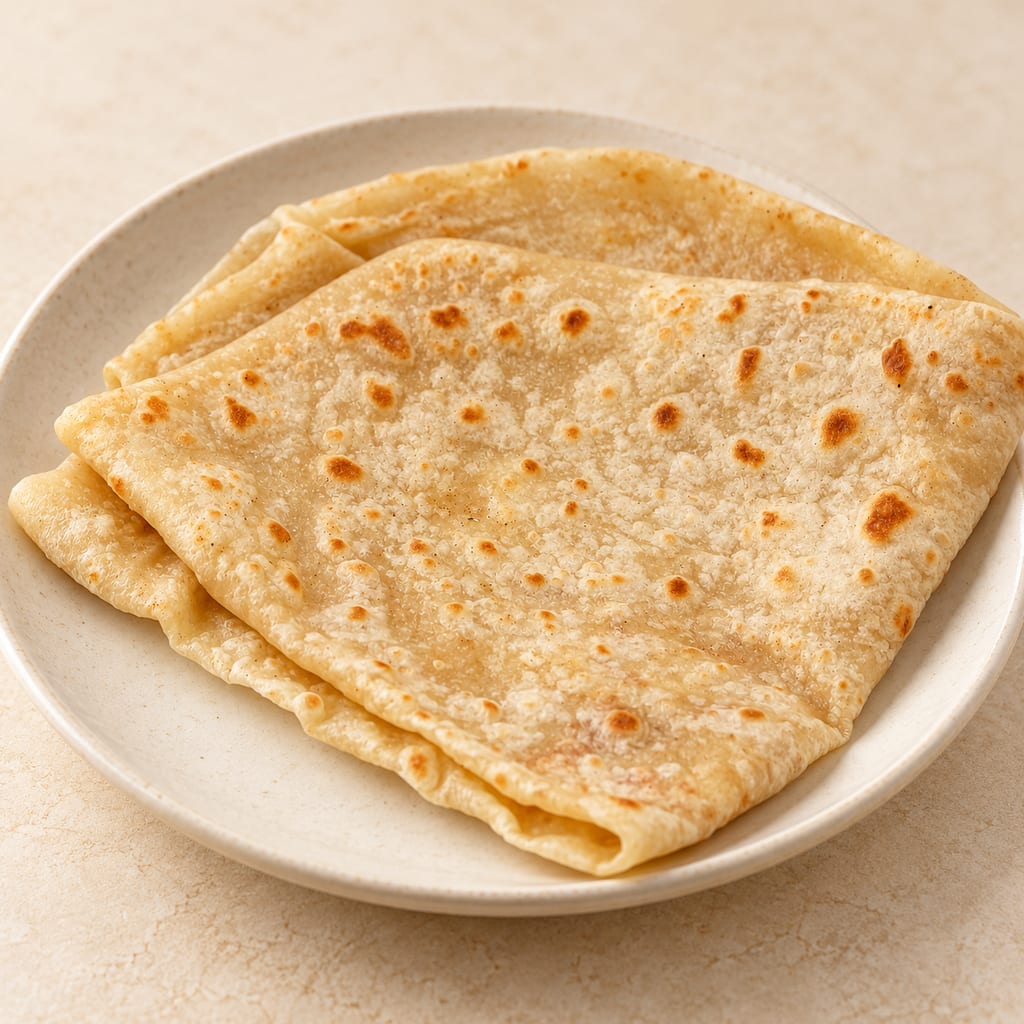
Godamba roti is a thin wheat flatbread cooked on a griddle. This measured version follows a contemporary recipe by O Tama Carey, published by Food & Travel in April 2022 and attributed there to her book Lanka Food. Food & Travel presents the plain bread with sauces and accompaniments. The recipe provides no historical evidence for when or where the bread began, so this version records Sri Lanka as a documented preparation context rather than a precise birthplace.
The dough is made from plain flour, salt and a range of water. Kneading develops an elastic dough, while a covered rest in coconut oil makes the portions easier to stretch. The source specifies 140 ml oil for coating and submerging the dough balls but does not say how much is absorbed or left behind. Use a snug container so the stated amount can coat the portions; do not assume that extra oil will be incorporated into the dough.
The source allows at least 30 minutes of rest or an overnight rest at room temperature. This recipe uses the shortest stated rest, 30 minutes. It leaves out the overnight option because the source offers no food-safety assessment for that extended room-temperature hold. Flour is raw and can carry harmful bacteria; keep it away from ready-to-eat food, clean up after handling, and never taste uncooked dough. The bread must be cooked before eating.
Stretch each portion with the fingers until the sheet is very thin and translucent, then fold it into a rectangle. The dough can contract after folding, so the source permits flattening or repeating the stretch-and-fold. A large dry pan over medium heat gives the folded dough colour while keeping it soft. The source gives about one minute per side but no measured pan temperature; watch for coloured patches and adjust the heat so the bread cooks without crisping.
The published recipe makes eight pieces from 300 g flour, 8 g salt, a range of 100–140 ml water and 140 ml coconut oil for coating and resting. That is the source batch. It gives no tested scaling method, total active time or validated storage period. Its separate mention of a filled vegetable roti describes another preparation and is not part of this plain-bread method.
A modern recipe published by Food & Travel in April 2022 attributes the preparation to O Tama Carey’s Lanka Food. It documents a Sri Lankan preparation but gives no date for the bread’s first attestation or precise place of origin.
Yield 8 roti · Scaling: source batch only
Flour can carry harmful bacteria and raw dough must not be tasted.
Hazard sourceThe method uses melted oil and a hot pan; splashes and contact can burn.
Hazard sourceKeep raw flour and dough away from ready-to-eat food; wash hands, tools and surfaces after handling, and do not taste dough before it is fully cooked.
Control sourceMelt the oil carefully, let it cool before coating the dough, and handle the hot pan with care.
Control sourceContains wheat (gluten).
Cook each piece through before serving; never taste the raw dough.
The source gives no validated storage duration. Serve promptly; no storage-time claim is made.
A modern Sri Lankan recipe documents this preparation; it does not establish a birthplace or historical origin.
An unleavened Sri Lankan flatbread made with fresh grated coconut and wheat flour, cooked on a tawa.

Achcharu is a family of Sri Lankan vinegar pickles made with mixed vegetables or seasonal fruit and a piquant spice dressing. This version is a quick, refrigerated, non-fermented mixed-vegetable pickle.

Appam, or hoppers, are South Indian and Sri Lankan rice pancakes made from a fermented coconut-and-rice batter and cooked in a curved pan to a crisp lacy rim and a soft, spongy centre.
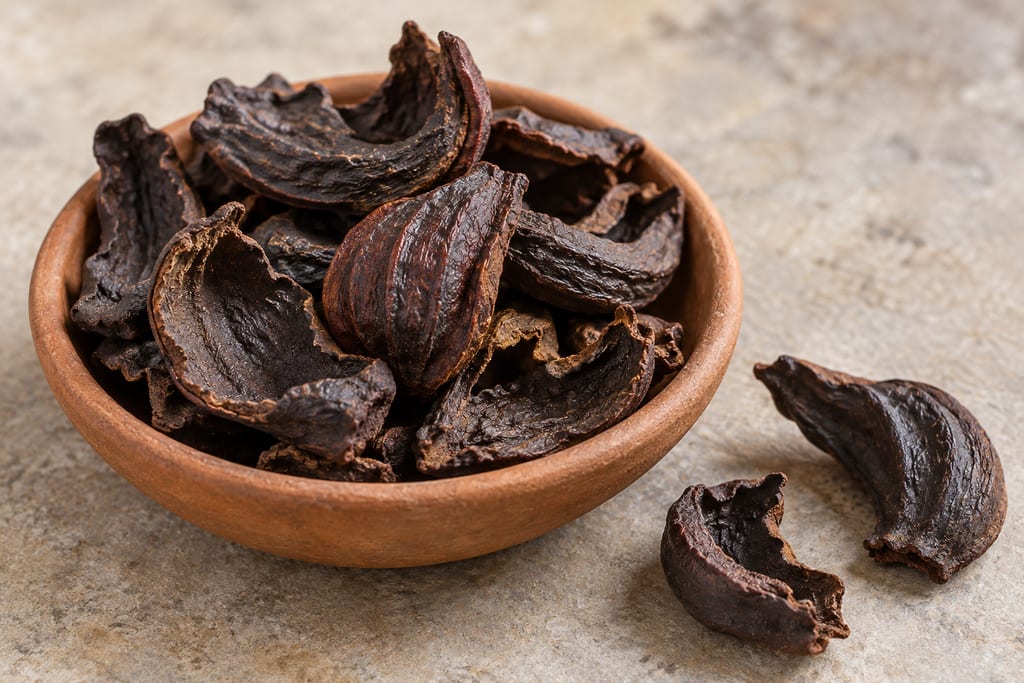
Goraka is the dried rind of Garcinia quaesita, a souring ingredient for Sri Lankan curries. Its drying is documented, but no complete household method is.
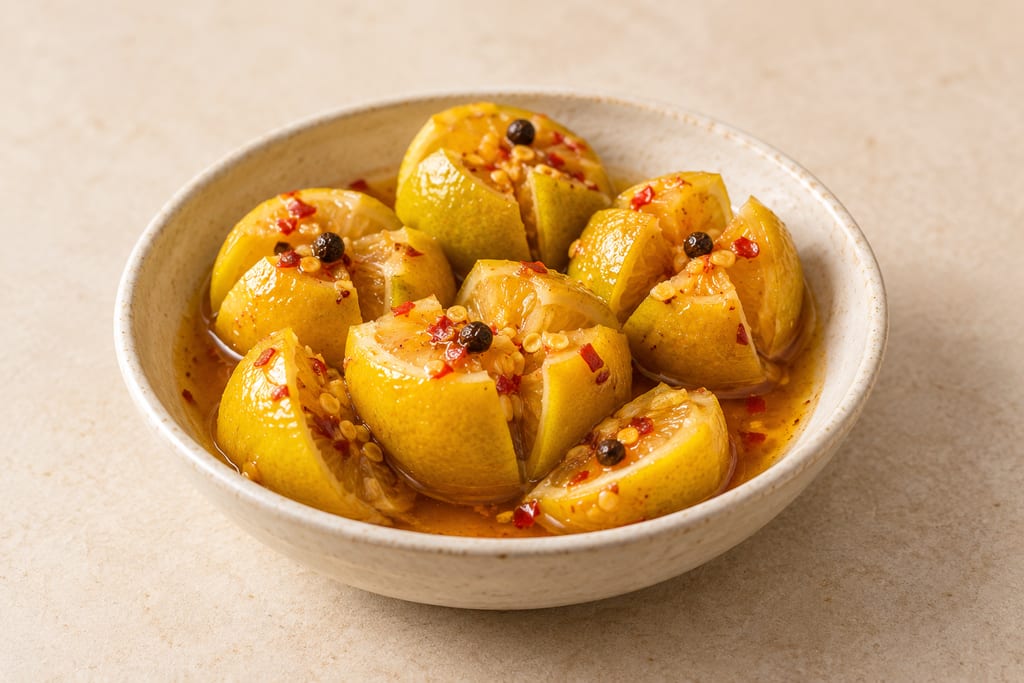
Peter Kuruvita’s published lime pickle stuffs 20 limes with rock salt, then simmers them in vinegar, sugar and chilli before a two-week rest.

Lunu dehi is Sri Lankan salted lime pickle. This version sun-dries cut, salt-stuffed ripe limes, then packs them with dried lime juice, chillies, spices and vinegar.
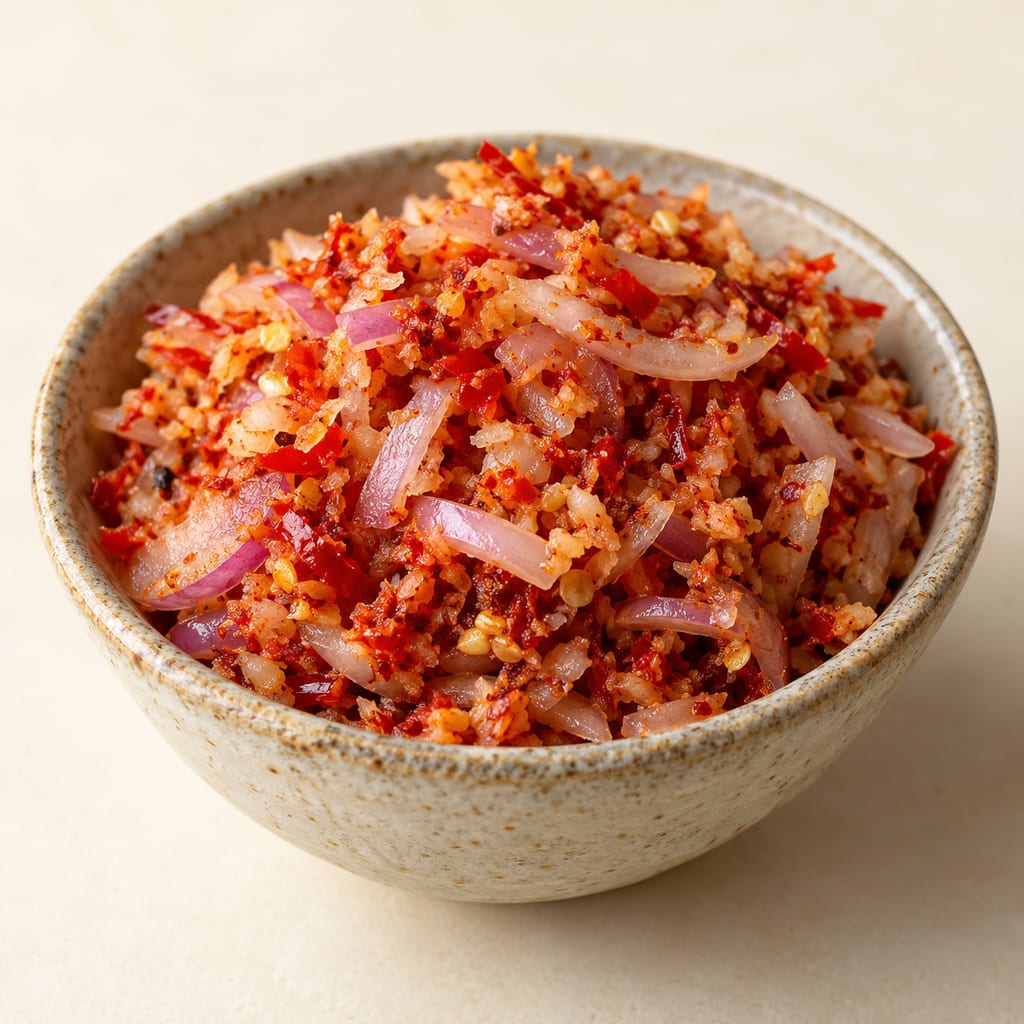
A Sri Lankan lunu miris made by pounding onion and chilli flakes with lime; Maldive fish is optional.
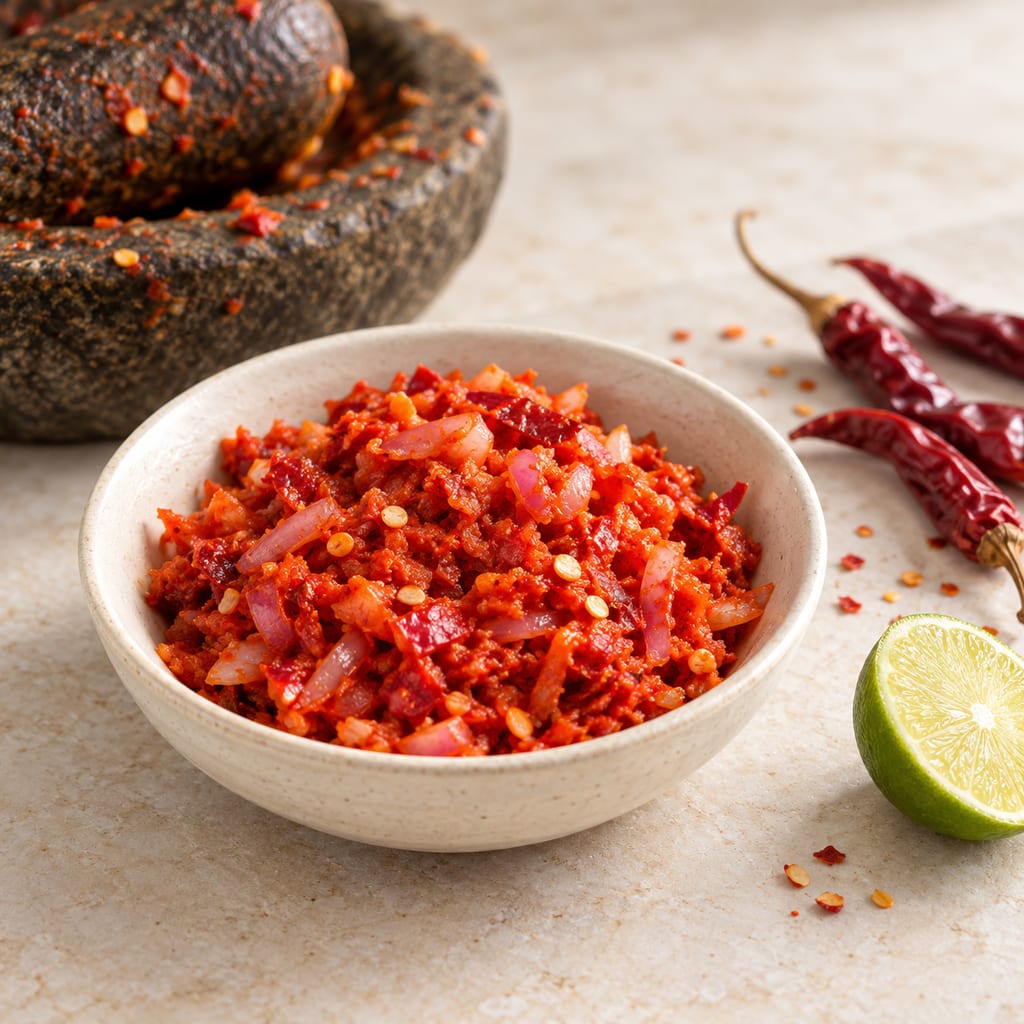
Lunu miris is Sri Lanka's pounded onion and chilli sambol: chilli flakes and red onion crushed with salt and lime, often with Maldive fish, eaten in small amounts with hoppers, pol roti and kiribath.
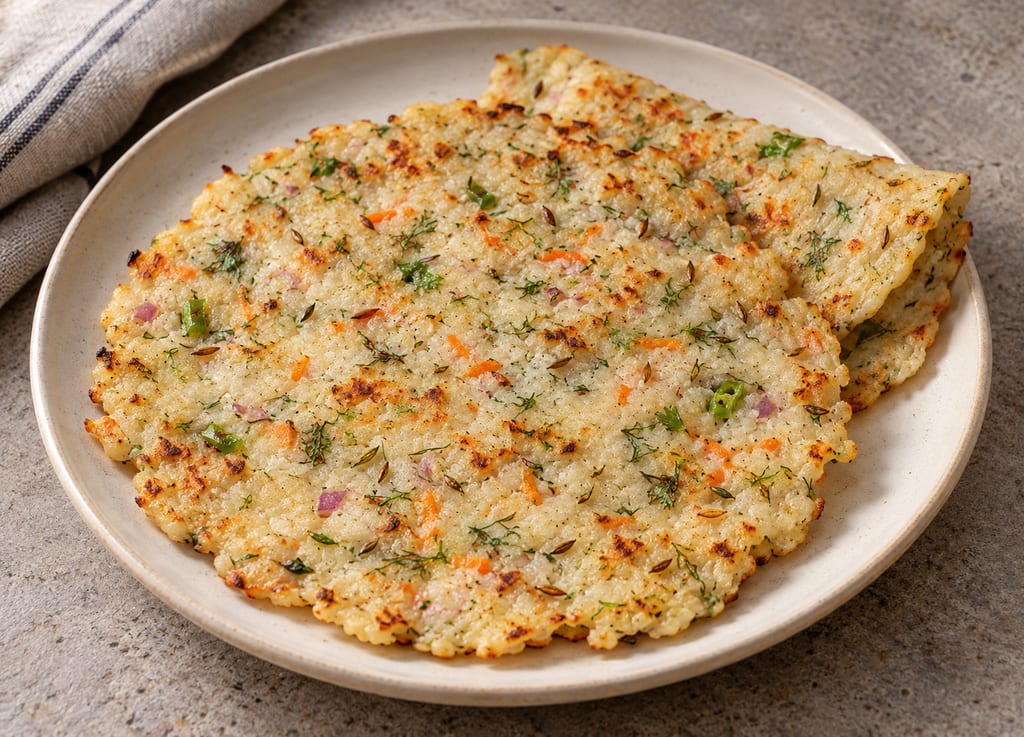
This Karnataka-style akki rotti mixes fine rice flour with vegetables, coconut, herbs and spices, then hand-pats and griddle-cooks the dough.
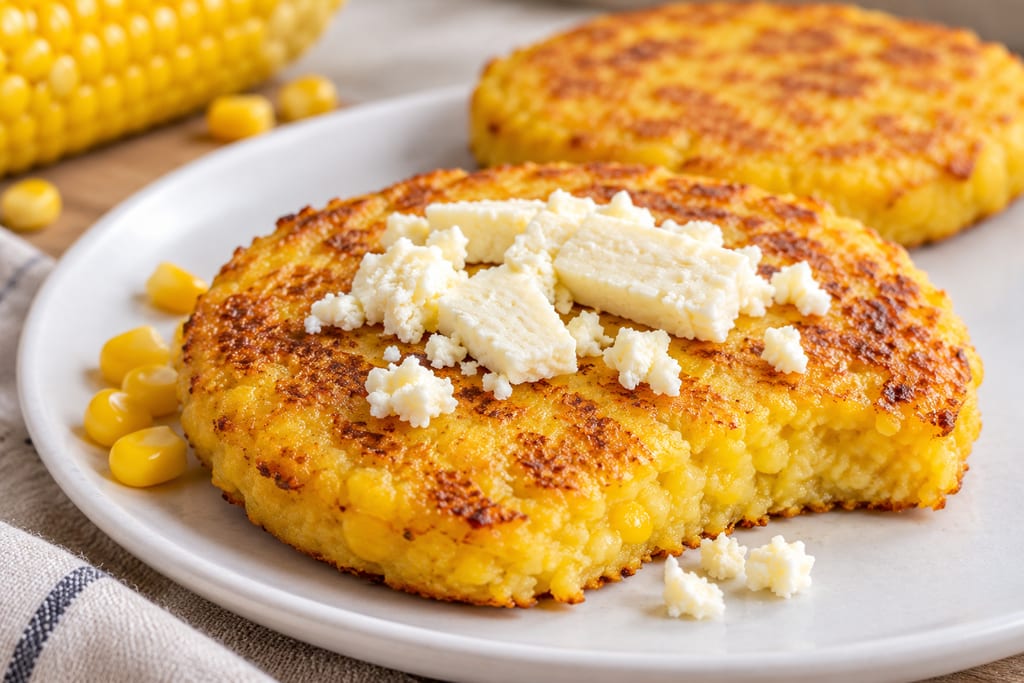
A Colombian Andean griddle cake made from fresh sweet-corn batter, cooked in butter and served with white cheese.
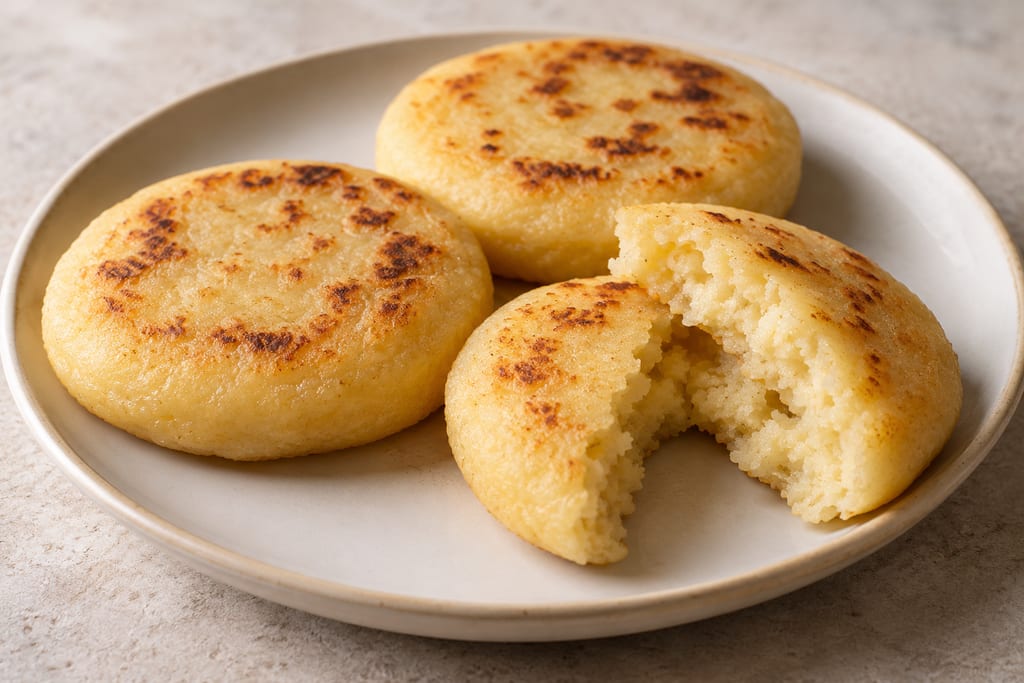
This household version combines precooked corn flour, warm water and salt, then cooks thick rounds on a lightly oiled skillet or griddle. It is one source-specific arepa method, not a universal Colombian or Venezuelan formula.
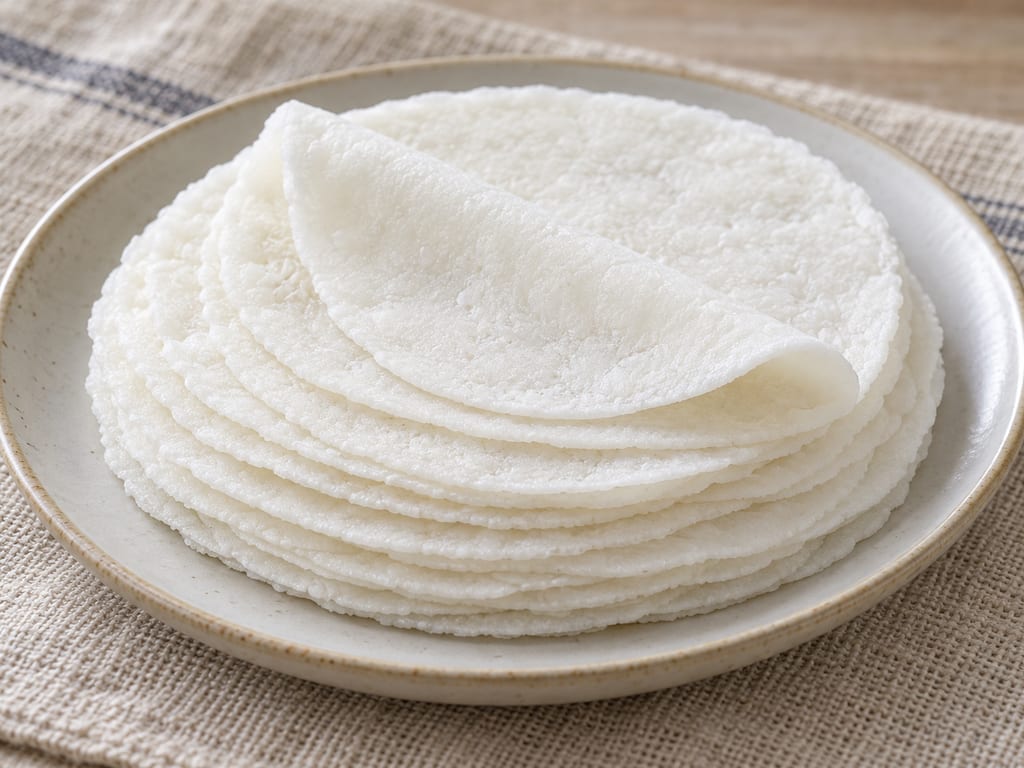
Thin Malabar rice-flour rounds made from roasted rice flour cooked into salted boiling water, kneaded after cooling, and rolled to about 1 mm. They cook on a hot griddle without taking on colour.
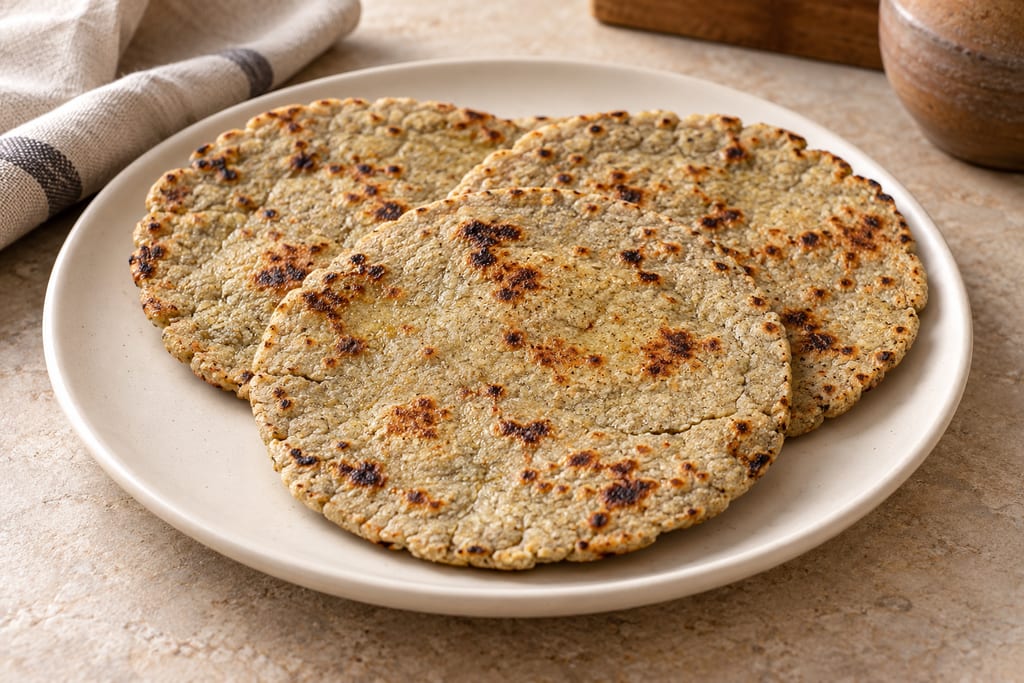
A pearl-millet flatbread shaped between sheets and cooked on a hot tawa. This home batch makes eight.
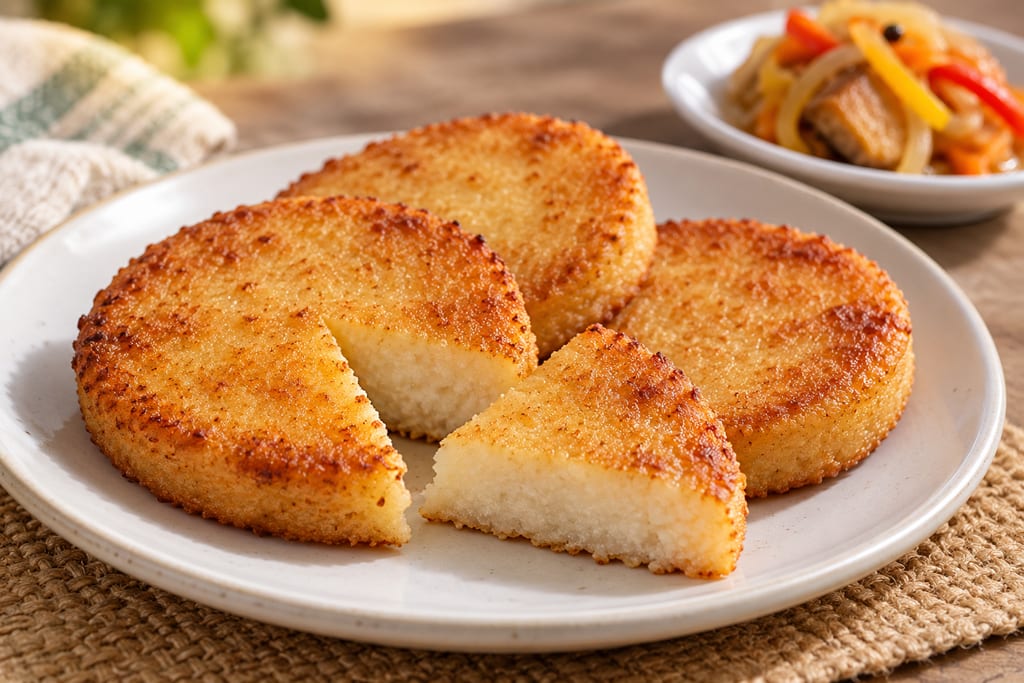
A serving method for approved, prepared bammy rounds: soak them in coconut milk and refry until golden. It does not process raw cassava.
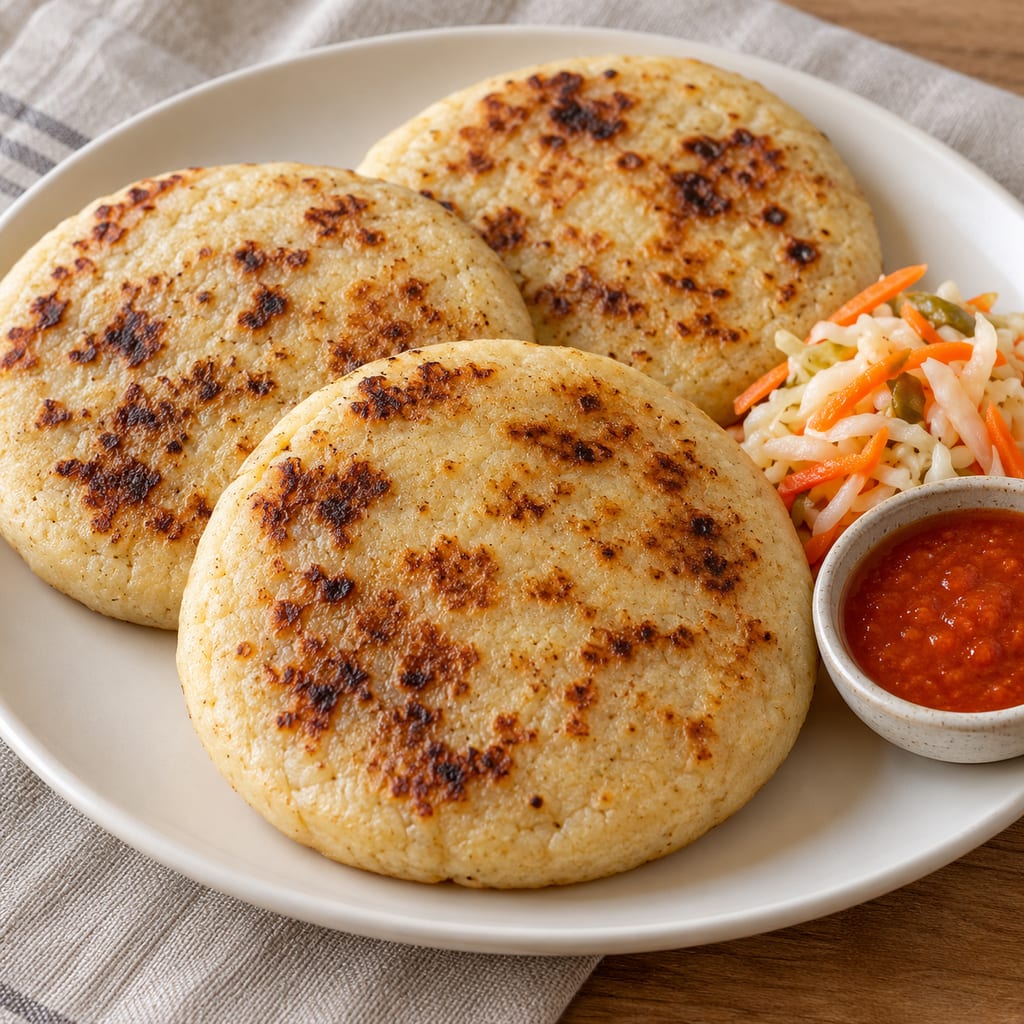
Salvadoran-style masa harina cakes filled with refried beans and cheese, sealed and cooked on an oiled skillet.
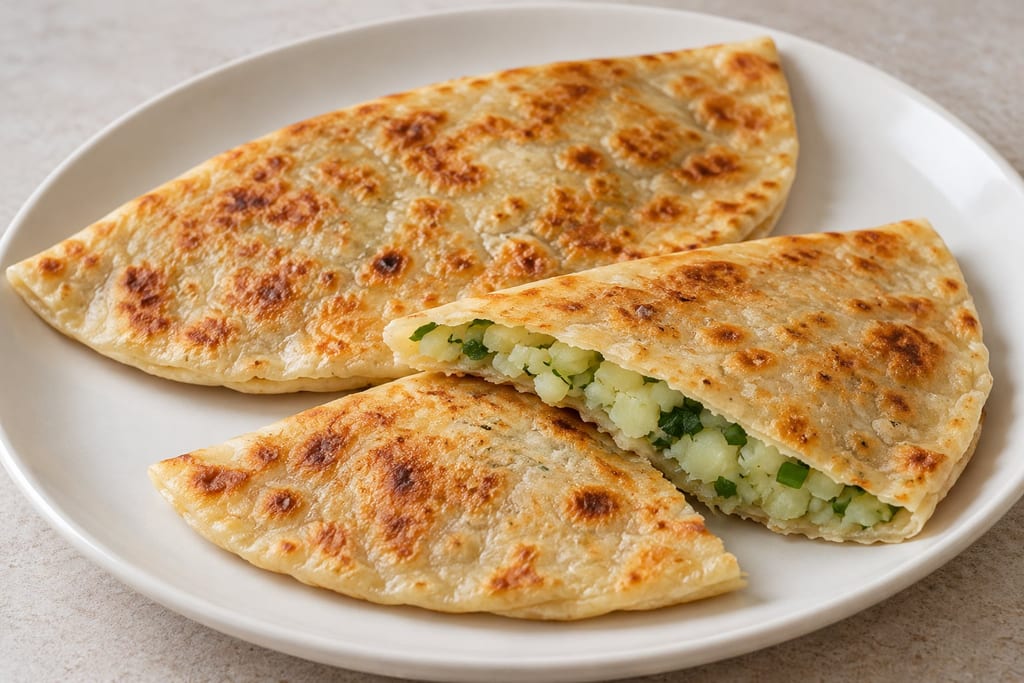
A thin, unleavened Afghan flatbread filled with mashed potato, scallion and cilantro, folded and pan-browned. This version uses a dough made from scratch.
No community contributions have been published for this entry yet.
Sign in to contribute. Published comments and photos are free to read.
Food & TravelInspiration · Method
Godhamba rotiThe modern recipe is attributed to O Tama Carey’s Lanka Food and makes eight pieces.
It gives 300 g plain flour, 8 g cooking salt, 100–140 ml water and 140 ml melted, cooled coconut oil for coating and resting.
It directs 2–3 minutes of kneading, at least 30 minutes of covered room-temperature oil rest, paper-thin stretching, folds to about 20 × 15 cm and about one minute per side in a dry pan over medium heat.
It does not provide historical origin, measured pan temperature, validated overnight-rest safety, or validated storage duration.
Cited in: A dough made to stretch
U.S. Food and Drug AdministrationSafety
Handling Flour Safely: What You Need to KnowRaw flour may carry harmful bacteria; do not eat or taste uncooked dough.
Keep raw flour separate from ready-to-eat food and wash hands, utensils and surfaces after handling flour.