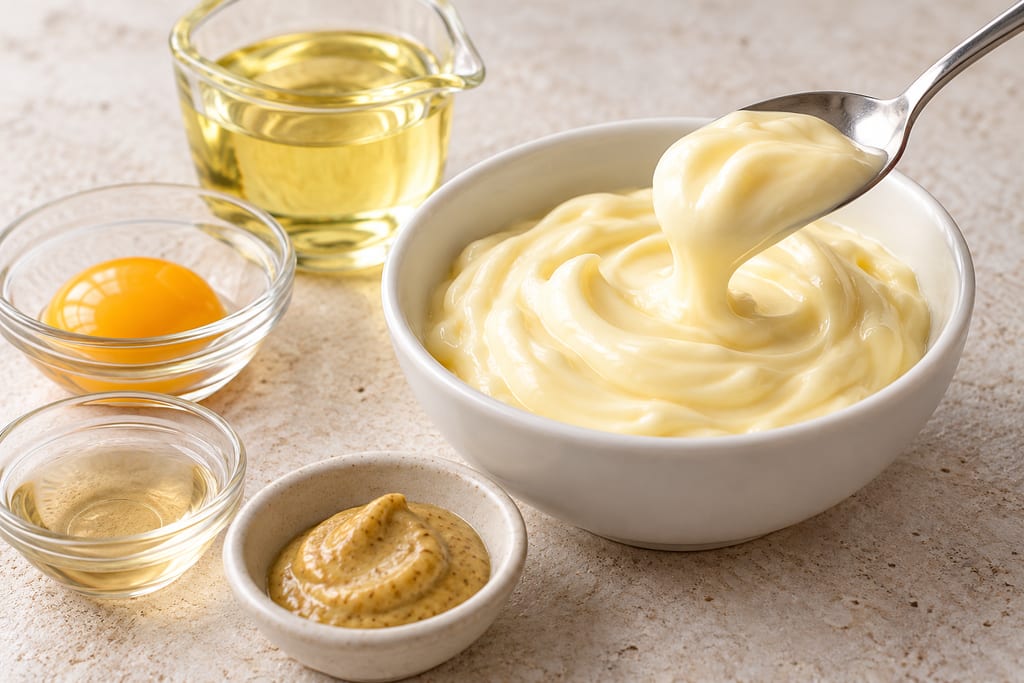
Neutral classic mayonnaise
A plain mayonnaise of 200 g refined neutral oil emulsified into pasteurised yolk, vinegar, water and a little Dijon mustard: a clean base for tasting, comparing and flavouring.
 FermenteaWhere food goes to change
Modern method
A contemporary, untested mix of finished mayonnaise and prepared wasabi paste, beginning within the archive's 2–4 g range per 100 g mayonnaise.
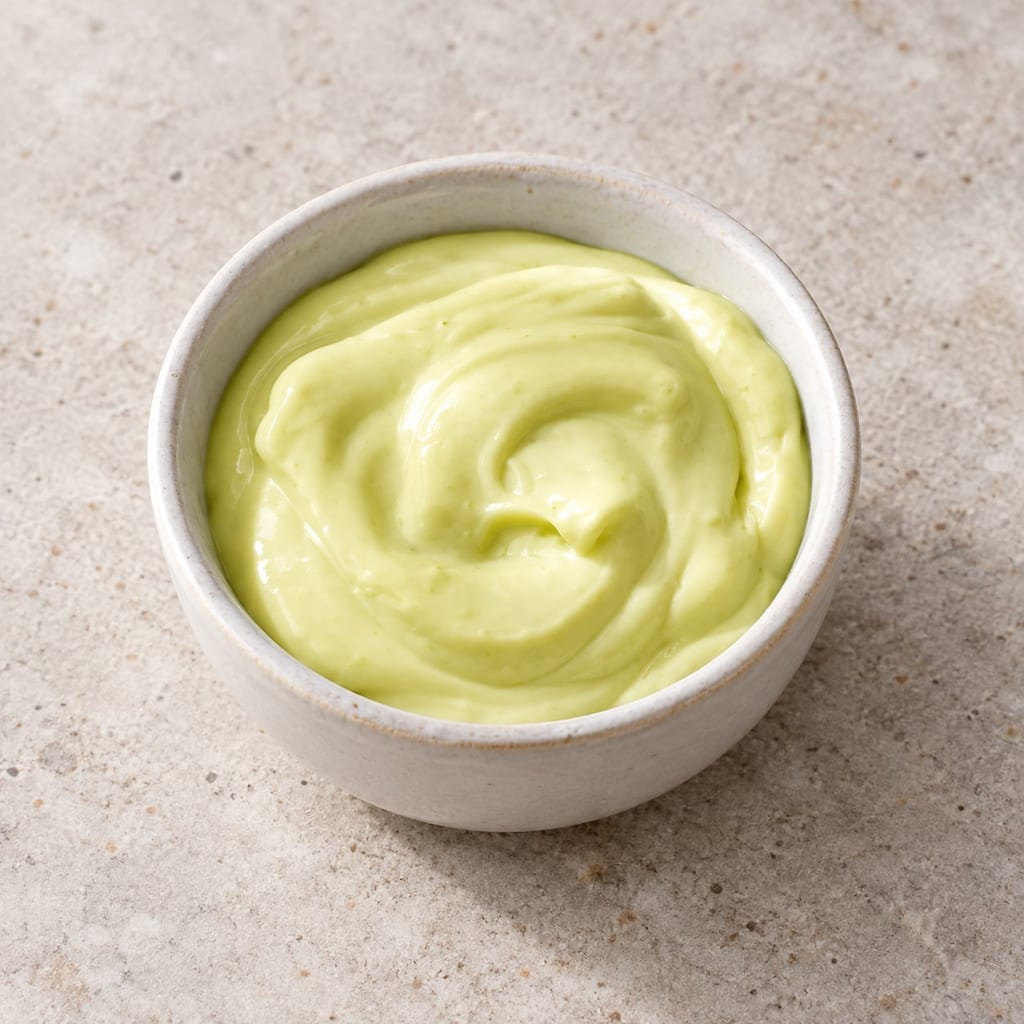
The supplied formula uses 100 g finished mayonnaise and 2–4 g prepared wasabi paste. Its note says to begin with a small amount and add shortly before serving. A separate recipe describes adding freshly grated wasabi to mayonnaise, but that is not the same ingredient or ratio. Keep this page's ingredient as prepared paste.
A tube paste is a formulated product. S&B's listed example contains wasabi alongside modified starch, sorbitol, sugar, rice-bran oil, salt, water, flavouring, citric acid and xanthan gum. This list describes that product only; other pastes vary, and labels should be checked. Prepared paste must not be linked to the published fresh wasabi rhizome page as if the two were interchangeable.
Mayonnaise is an oil-in-water emulsion, with egg-yolk components helping stabilize oil droplets in conventional egg versions. The chosen base brings its own fat, acid, seasoning and consistency. The archive does not name a brand, so the same amount of wasabi paste can taste different in different mayonnaise.
The paste's formulation can also affect colour, texture and pungency. The source gives a range of 2–4 g rather than one required level. Start at the low end, mix well, and add gradually to suit the dish. The advice to add shortly before serving is for flavour; no source quantifies aroma loss or gives a safety limit for it.
Weigh the mayonnaise and prepared paste, beginning with 2 g paste. Stir with a clean utensil until evenly combined, then taste a small portion with the intended food. If desired, increase within the archive's 4 g starting range. The formula does not state a yield, timed method or tested scale-up. Any changed proportions are an untested variation.
Wasabi mayonnaise is a modern serving combination in the sources consulted; the available materials do not date this exact prepared-paste ratio or identify its place of origin. It is not evidence of a historic Japanese formula, and it is not a fermented preparation.
Use commercial mayonnaise according to its storage label, or make the base with pasteurised egg. Keep equipment clean, prevent cross-contamination and return the mixture to refrigeration promptly. Additions create a new mixture, so the base jar's open-date is not a validated shelf-life for this sauce.
The archive's 24-hour working policy applies only as a conservative house rule to unvalidated prototypes. It is not a measured safe life or a universal maximum for mayonnaise. No product-specific pH, storage duration or shelf-stable process is available. Wasabi's pungency, taste or appearance cannot establish safety.
The supplied research archive marks this as an original untested serving combination. The cited public recipe source documents the flavour pairing but does not establish an origin or historical attestation for this exact ratio.
Scaling: source batch only
The mixture is uncooked. A homemade mayonnaise base can contain raw egg; the formula does not cook it.
Hazard sourceUse commercial mayonnaise according to its label, or make the base with pasteurized egg. Clean hands and utensils before and after handling egg-containing food.
Control sourceRefrigerate promptly, keep the mixture cold and follow the base’s label instructions.
Control sourceThis is an untested, non-fermented serving mixture with no measured shelf life.
The 24-hour working window in the supplied research archive is a conservative planning policy for unvalidated prototypes, not a validated limit or a universal mayonnaise shelf life.
The flavoured mixture is new food and does not inherit the base mayonnaise’s open-jar date.
Do not treat lime juice, vinegar, chilli or wasabi as a preservation step.
The cited recipe demonstrates a contemporary flavour combination but does not establish a documented place of origin for this specific archive formulation.
A plain mayonnaise of 200 g refined neutral oil emulsified into pasteurised yolk, vinegar, water and a little Dijon mustard: a clean base for tasting, comparing and flavouring.
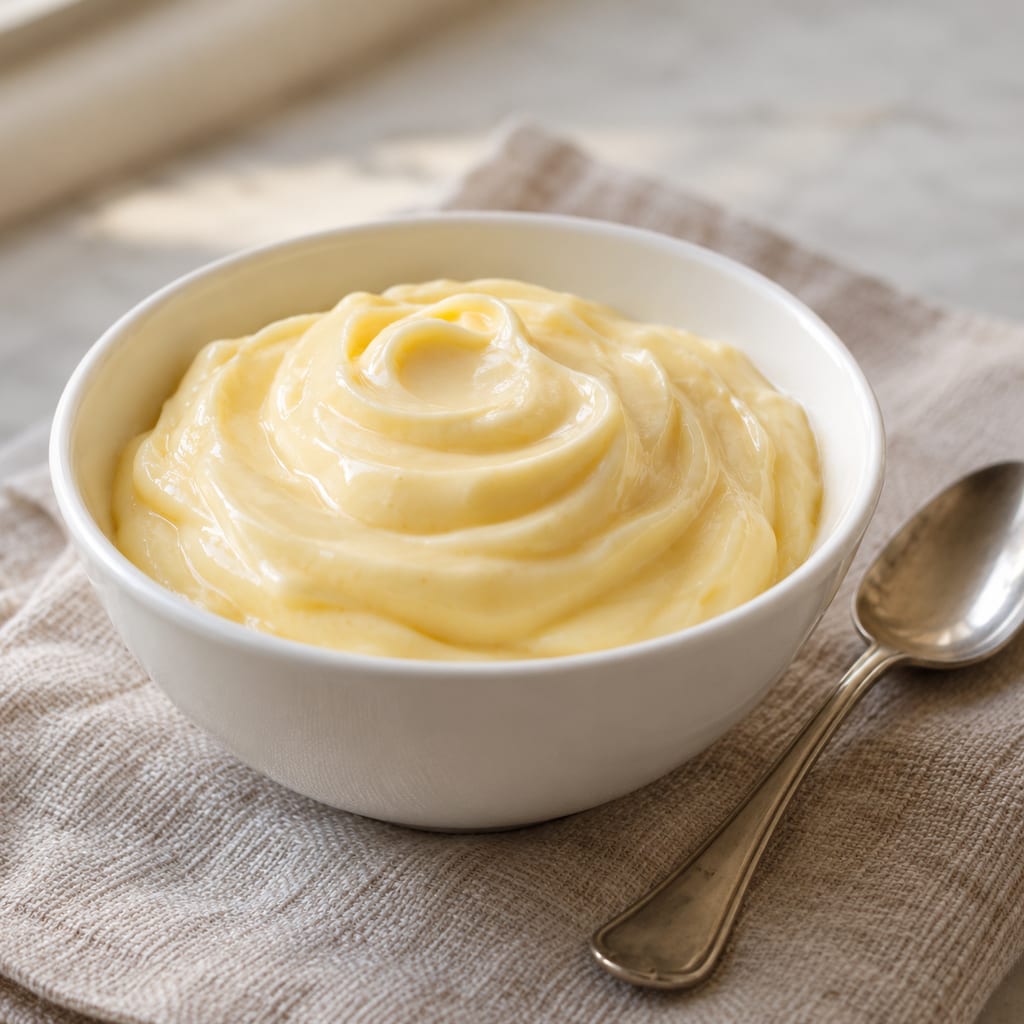
A cooked-yolk mayonnaise documented in the University of Tennessee Extension’s 2007 Egg University Handbook. The egg mixture is heated before oil is emulsified into it.
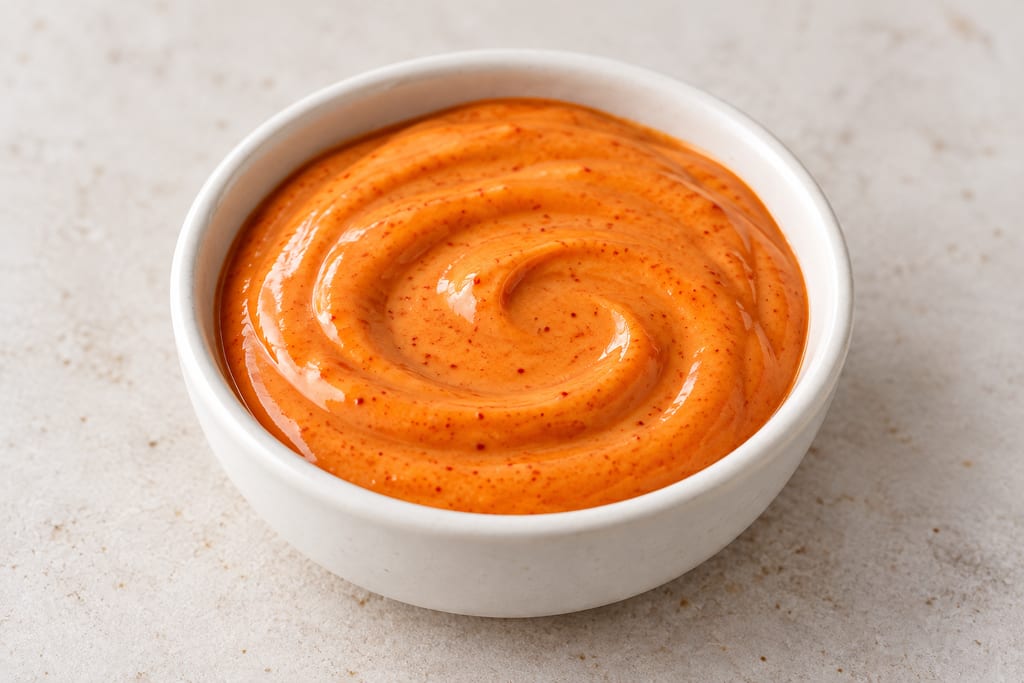
A contemporary, untested mix of finished mayonnaise, gochujang and rice vinegar, with starting amounts per 100 g mayonnaise.
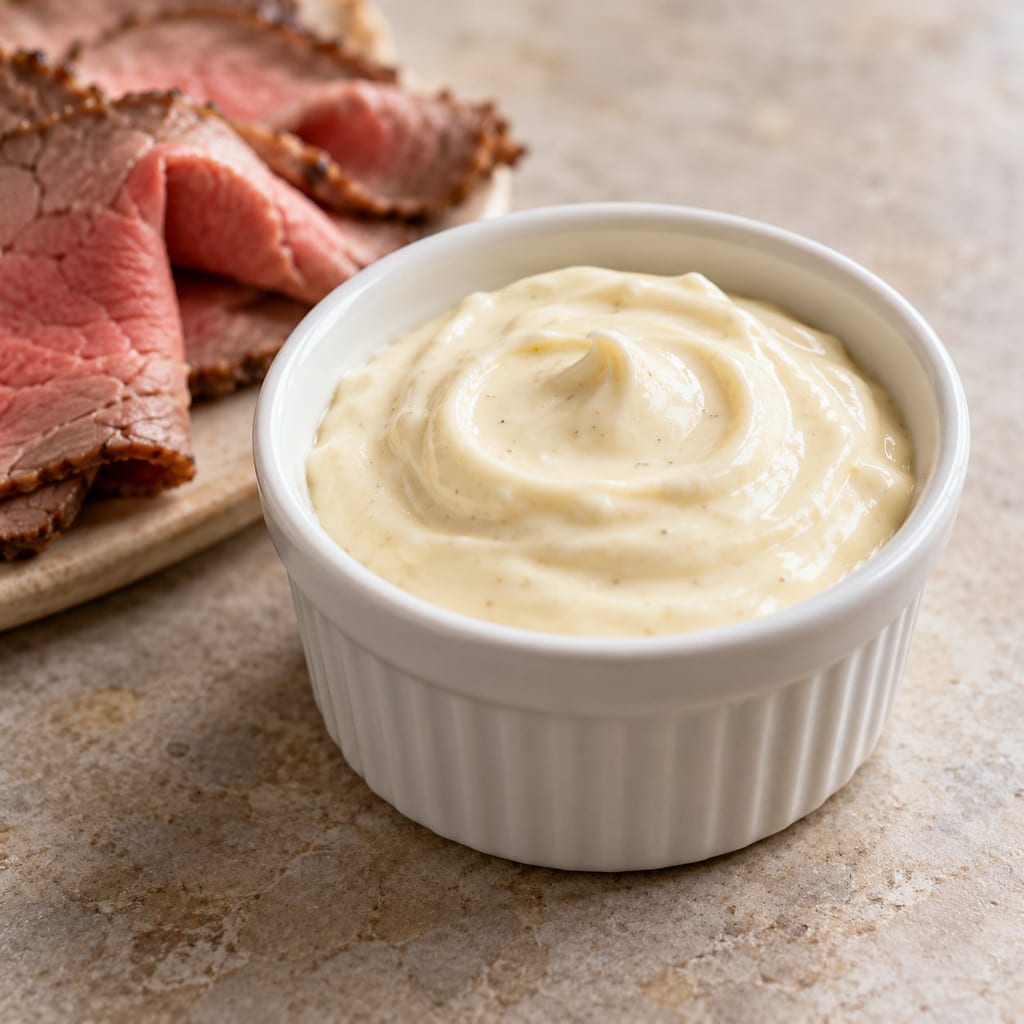
Prepared horseradish and lemon sharpen finished mayonnaise into a fresh accompaniment for roast meat or fish; the archived ratio has not been tested.
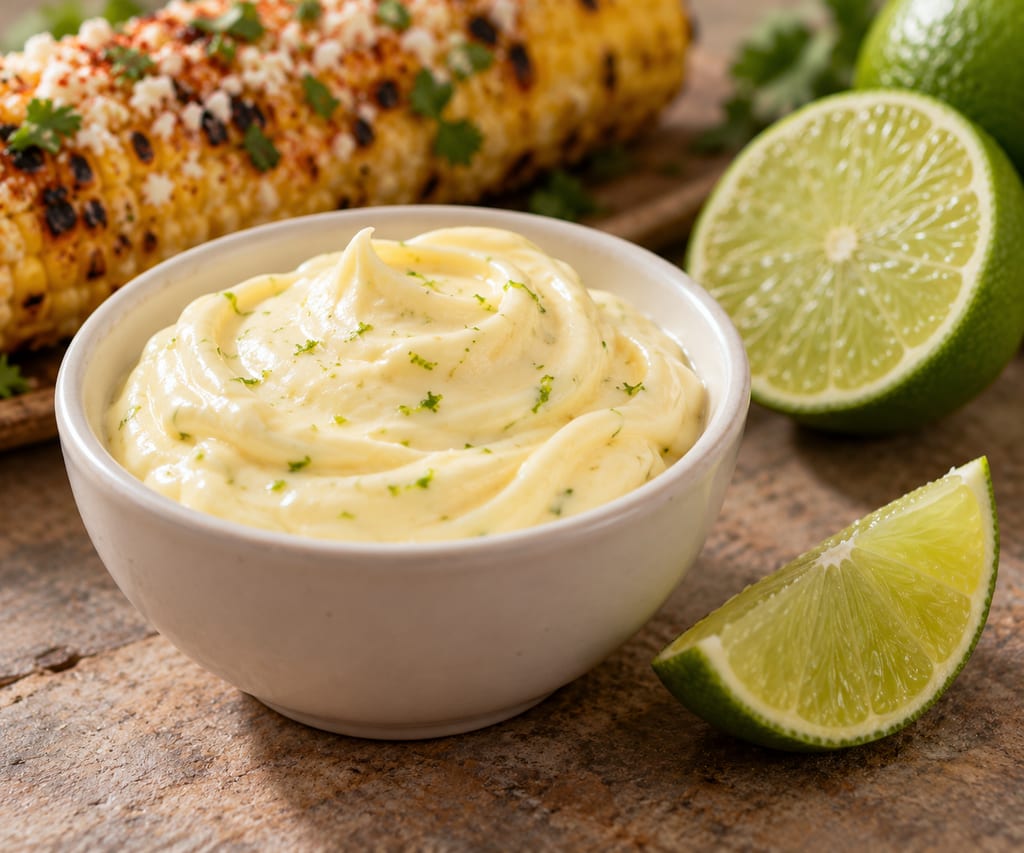
An untested mayonnaise variation that replaces part of a neutral base’s vinegar with lime juice and finishes with optional lime zest.
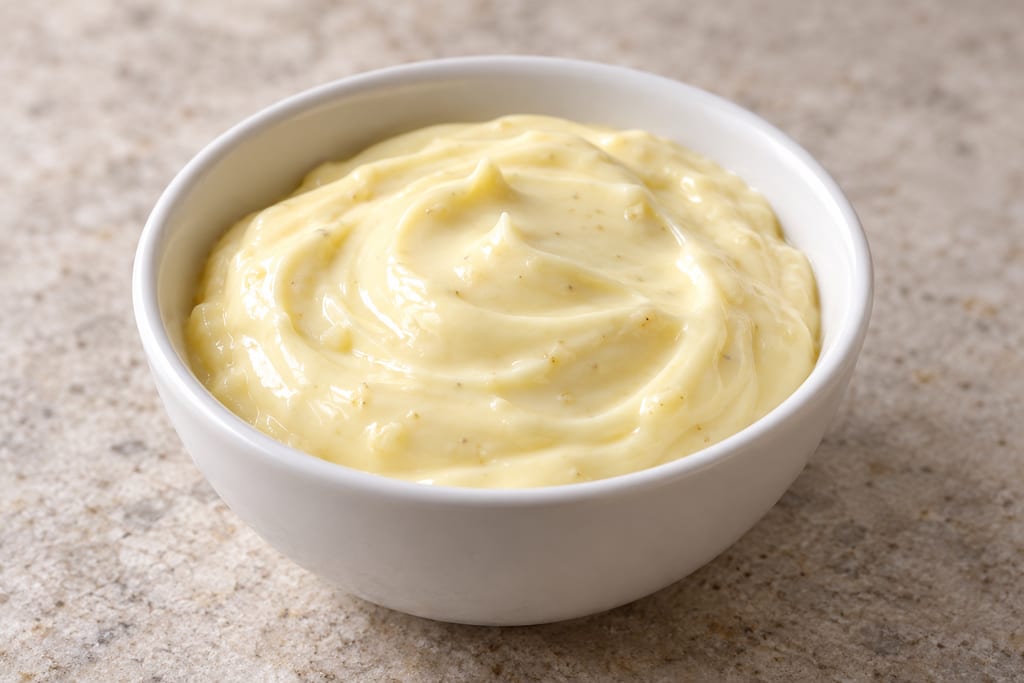
An untested 265 g garlic mayonnaise made by whisking pasteurised yolk with vinegar, water and Dijon, then slowly emulsifying neutral oil with mild extra-virgin olive oil.
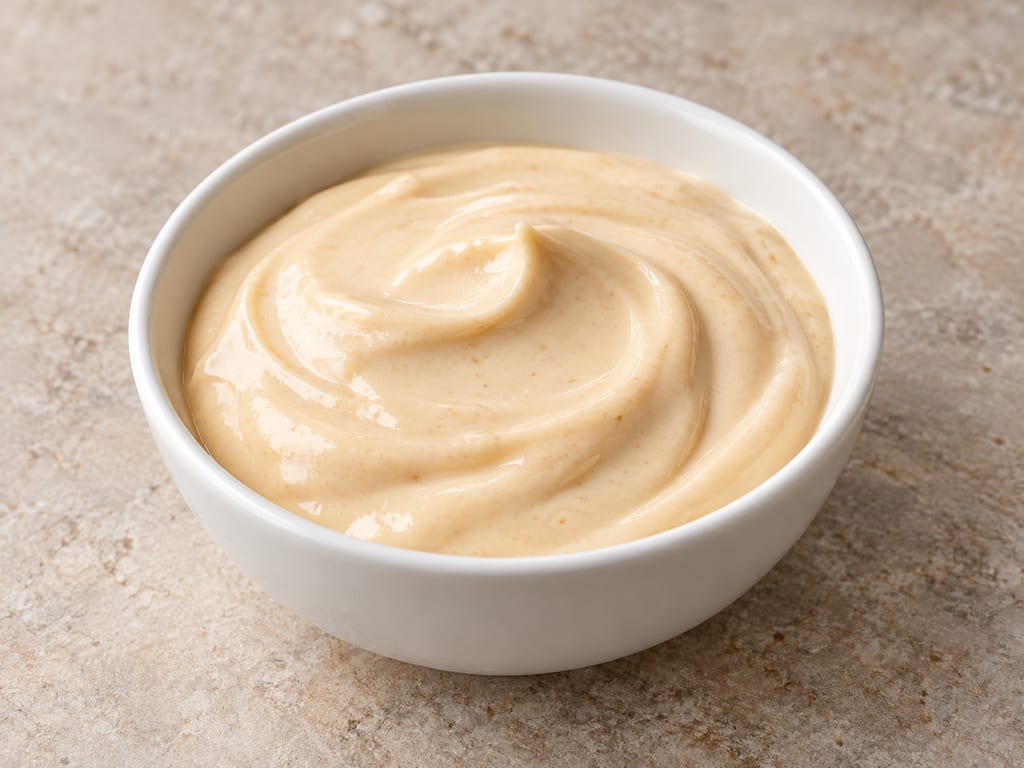
A sesame-forward, fresh sauce made by mixing tahini, toasted sesame oil and rice vinegar into finished mayonnaise; the archived amounts are untested starting points.
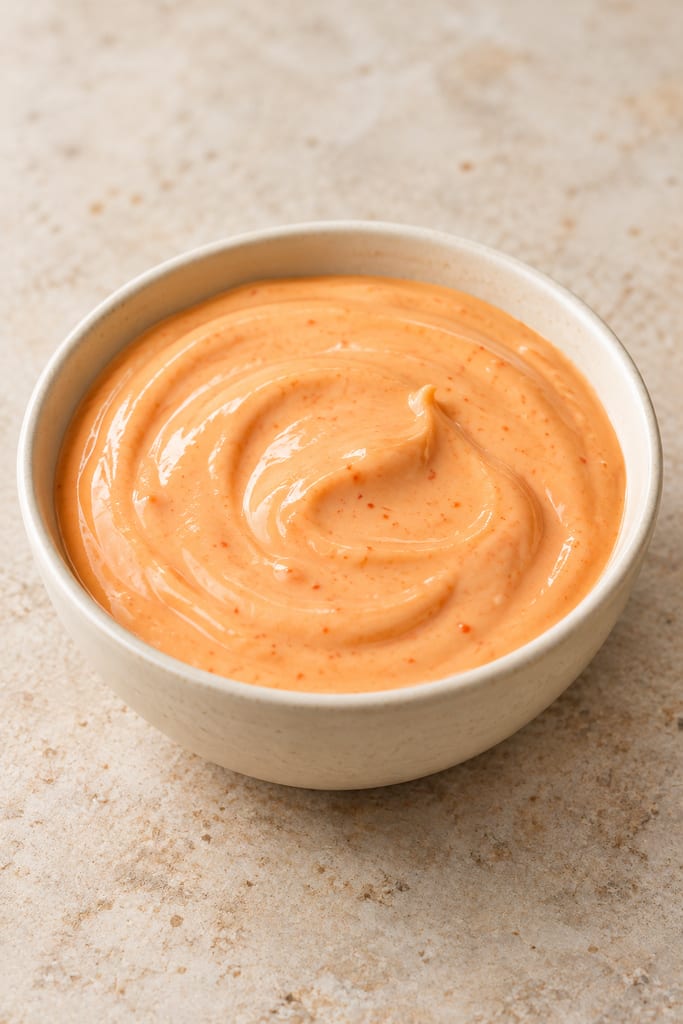
A contemporary, untested mix of finished mayonnaise, sriracha and lime juice, with starting amounts per 100 g mayonnaise.
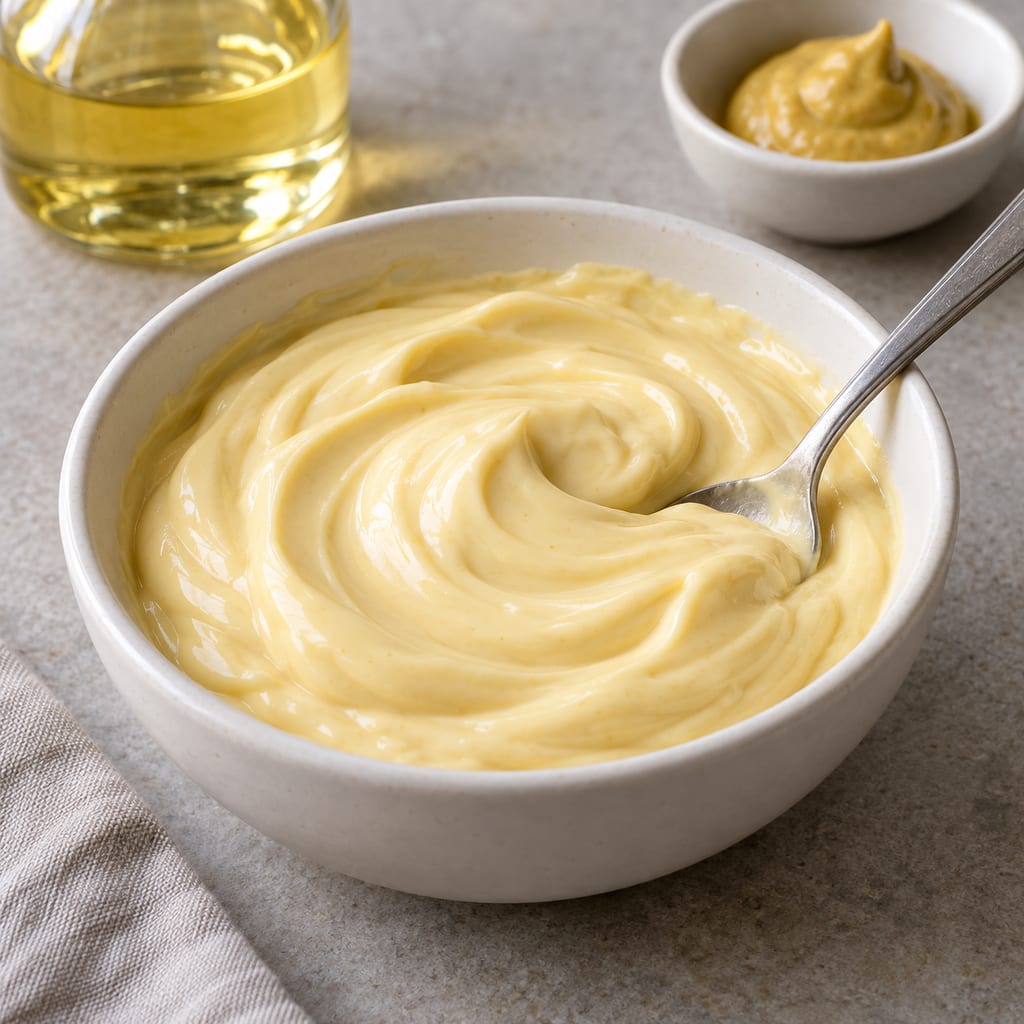
An untested mayonnaise variation made with refined sunflower oil and more Dijon mustard than a neutral base.
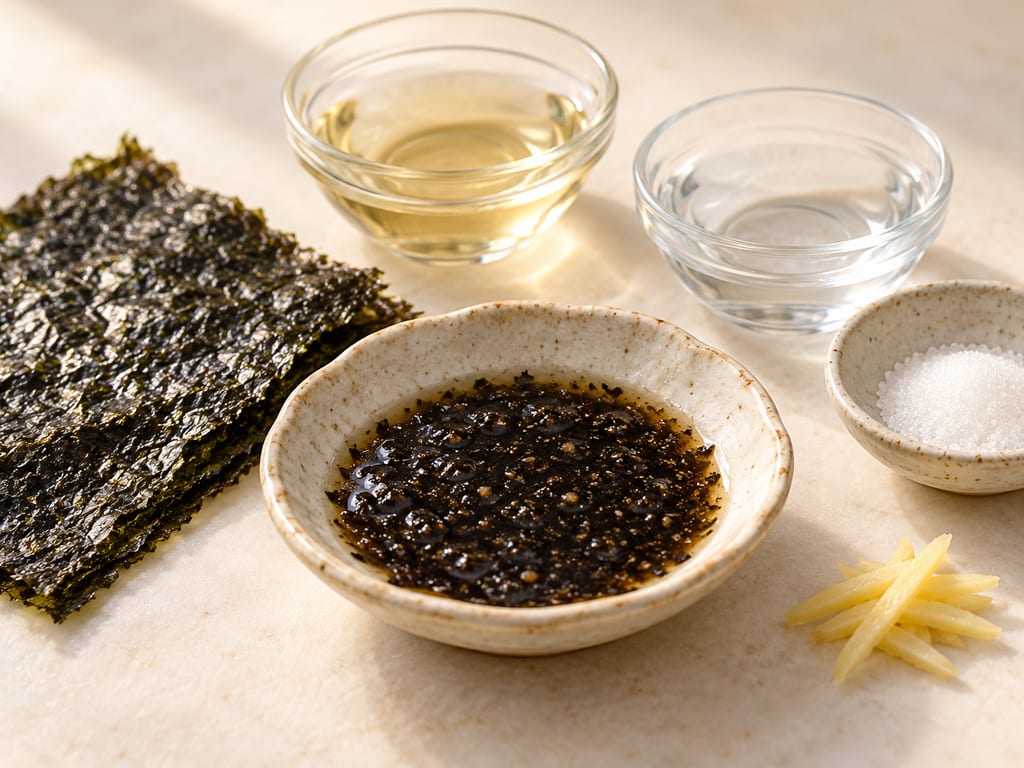
A fresh condiment in which crumbled nori softens in lightly sweetened vinegar and water. It is not vinegar fermented from seaweed.
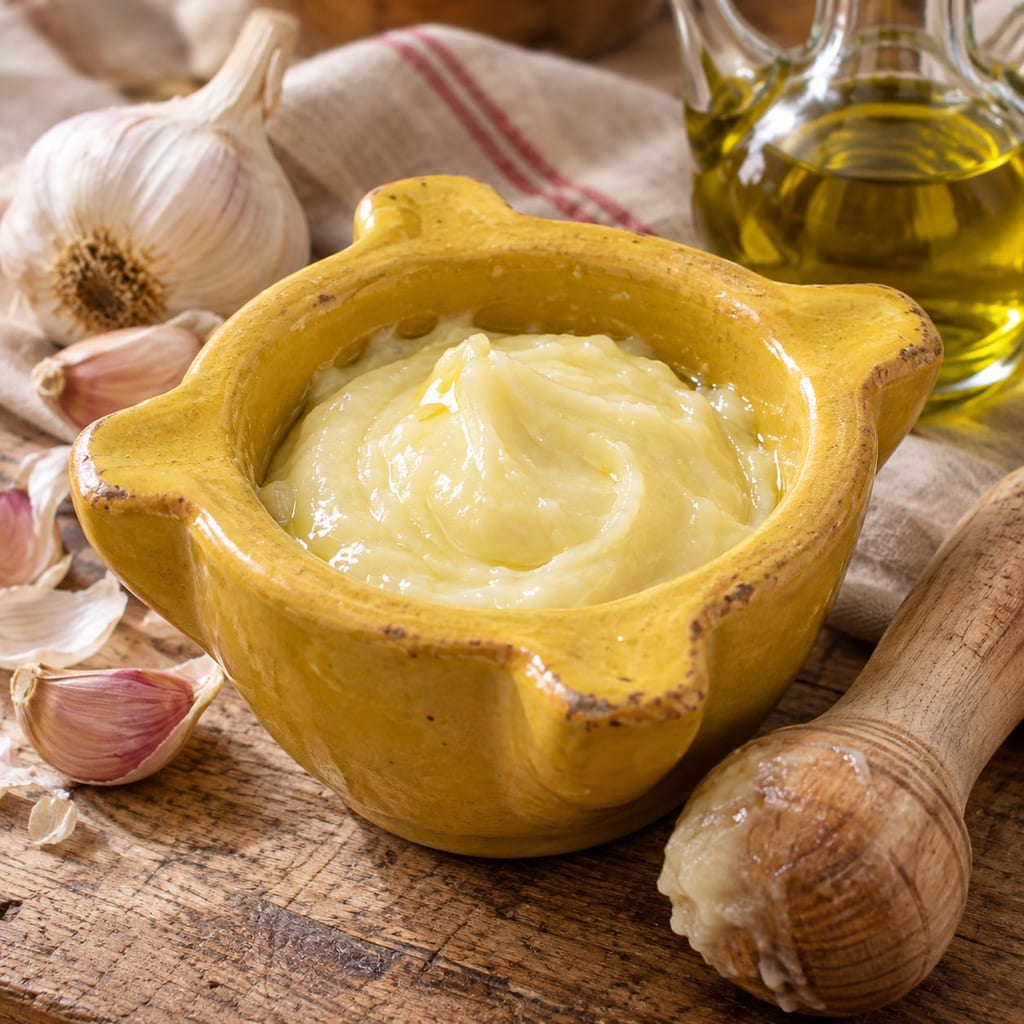
Traditional Catalan allioli is a dense emulsion of garlic, olive oil and salt made slowly in a mortar. This measured Barcelona-style version keeps egg-based garlic mayonnaise distinct.
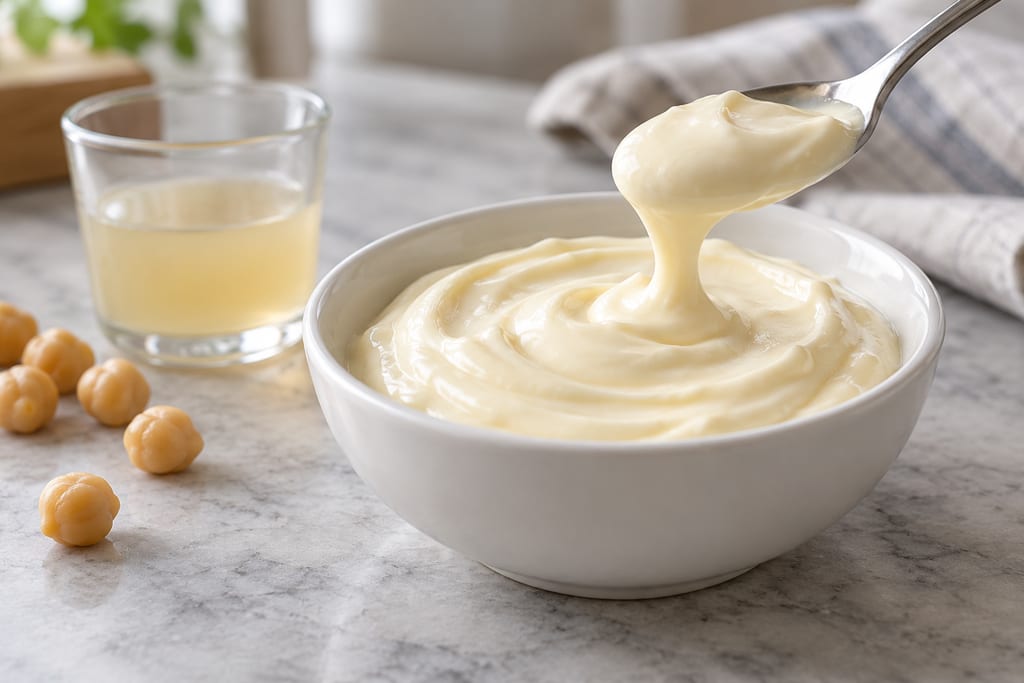
An eggless, untested emulsion made with canned chickpea liquid. Nominal yield 255 g.
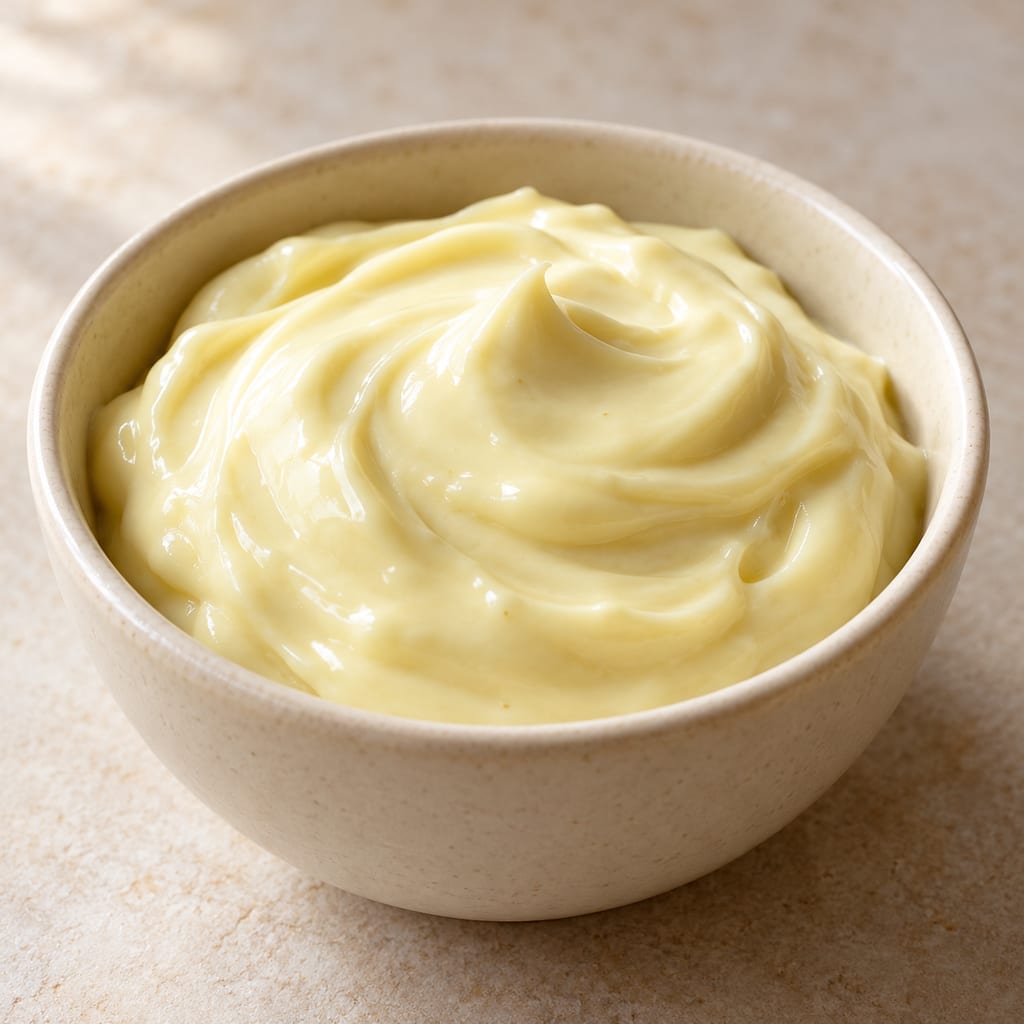
Avocado-oil mayonnaise is an ordinary egg-and-oil emulsion in which avocado oil supplies the oil phase. The oil changes flavour and colour, and it does not preserve the sauce.

Bechamel is a white sauce of milk thickened with a butter and flour roux, one of the French mother sauces, and the base from which Mornay and other cheese and cream sauces are made.
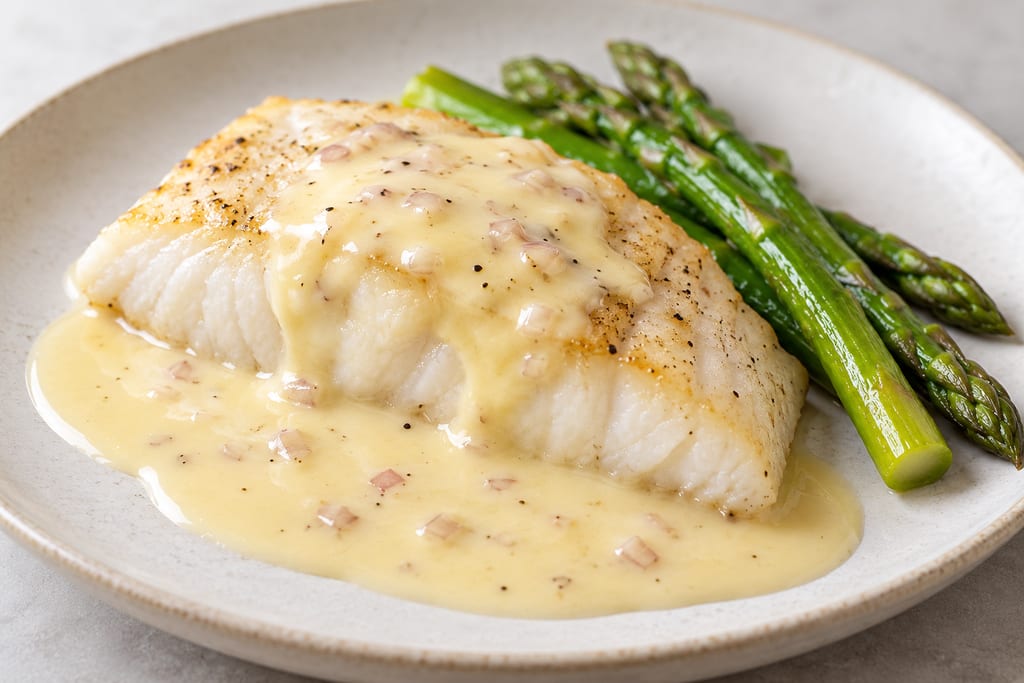
Beurre blanc is a warm emulsion of cold butter whisked into a reduction of white wine, vinegar or lemon juice and shallot, a sauce from the Loire Valley and its red-wine version, beurre rouge.
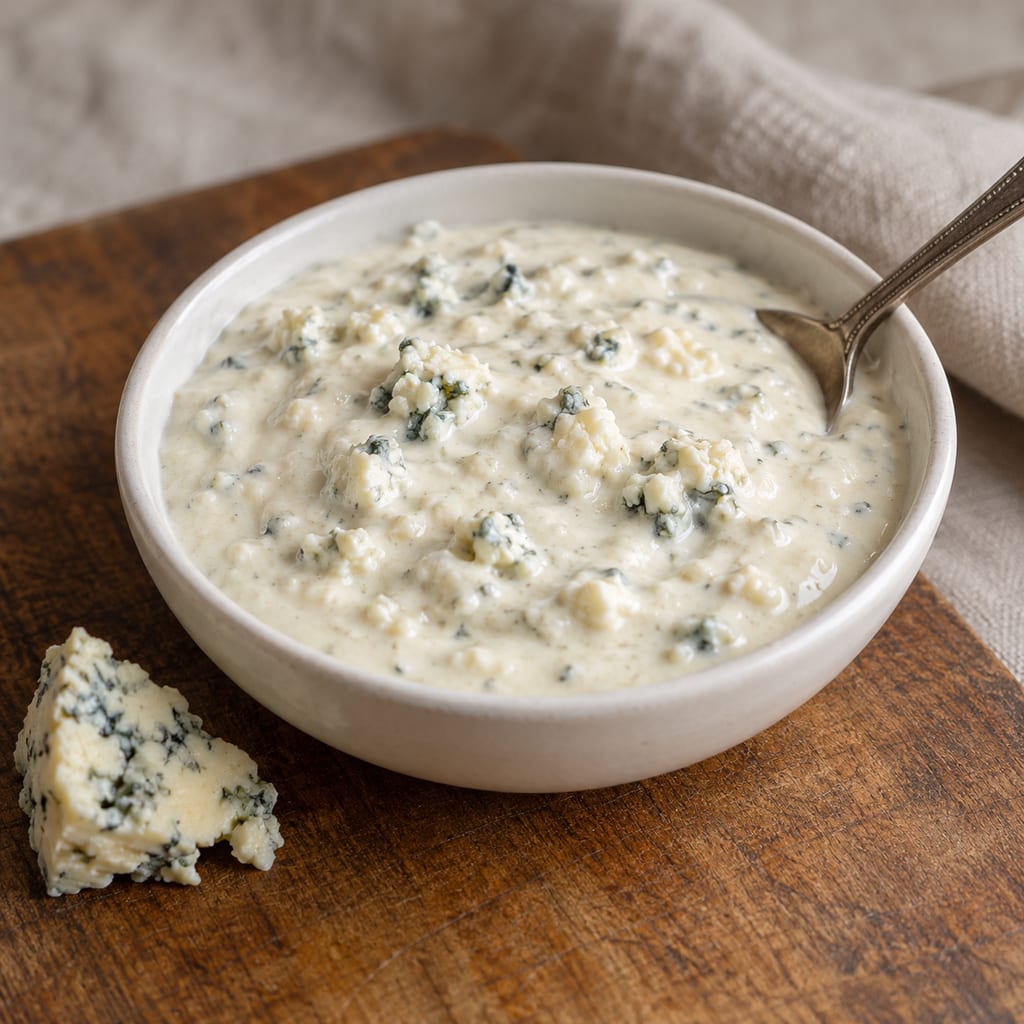
Blue cheese dressing is a creamy dressing built on crumbled blue cheese mashed into buttermilk, with sour cream, mayonnaise, vinegar and seasoning, and kept cold for up to two weeks.
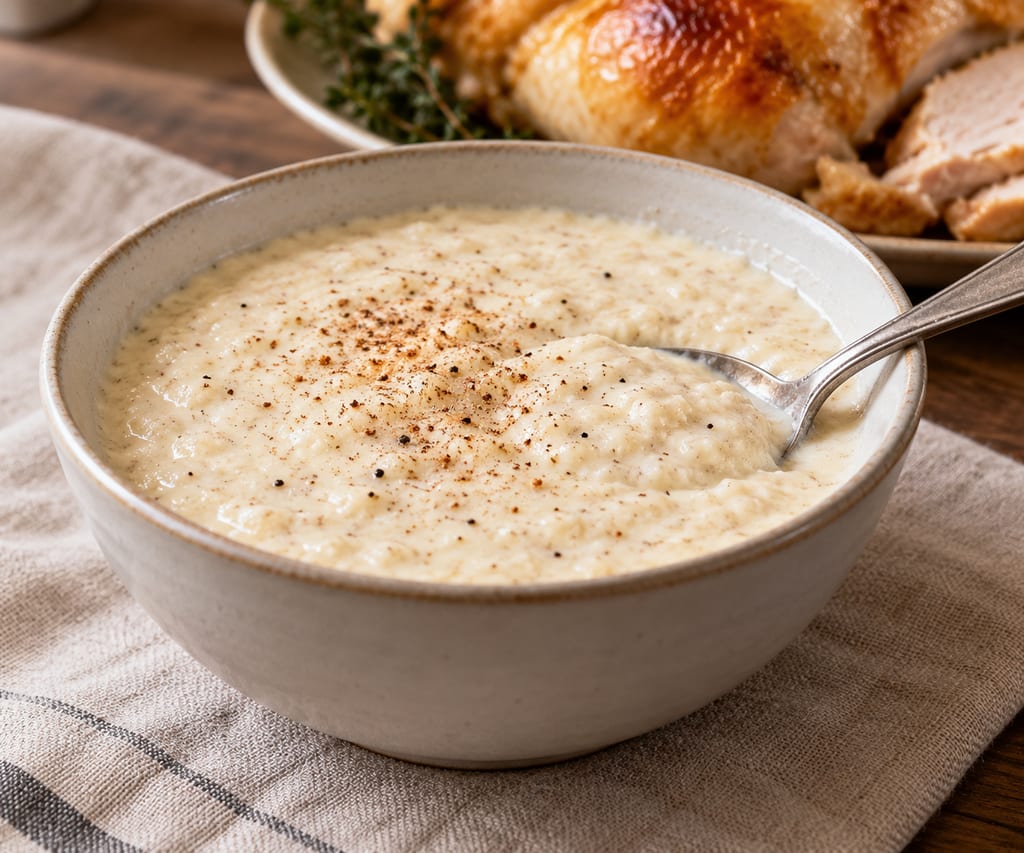
Bread sauce is a British sauce of milk infused with onion, clove and bay, thickened with stale breadcrumbs and finished with butter, served with roast chicken or turkey.
No community contributions have been published for this entry yet.
Sign in to contribute. Published comments and photos are free to read.
Just One CookbookFlavour combination · Method
Homemade Japanese Mayonnaise (Kewpie Mayo)The author describes adding a small dab of freshly grated wasabi to mayonnaise; this supports a modern wasabi-mayo variation, not the archive’s prepared-paste quantity.
Cited in: Prepared paste, not fresh rhizome; Mixing and serving
U.S. Food and Drug AdministrationSafety guidance
What You Need to Know About Egg SafetyUse eggs treated to destroy Salmonella or pasteurized egg products in recipes served raw or undercooked.
Food Standards ScotlandStorage guidance
Chilling foodKeep the refrigerator between 0°C and 5°C; chilling slows bacterial growth but does not always stop it; follow package storage instructions and return food to the refrigerator promptly.
Cited in: Egg safety and chilling
S&B FoodsIngredient identity
Premium Wasabi Paste in Tube 43gThis specific prepared wasabi paste is made with wasabi plus modified starch, sorbitol, sugar, rice bran oil, salt, water, natural flavour, citric acid and xanthan gum; prepared pastes vary.
Cited in: Prepared paste, not fresh rhizome
U.S. Food and Drug AdministrationSafety guidance
What You Need to Know About Egg SafetyUse pasteurized eggs or egg products in foods served raw or undercooked.
Cited in: Egg safety and chilling
Food Standards ScotlandSafety guidance
Advice on the safe storage, handling and use of eggs for cateringUse suitable pasteurised egg products in uncooked dishes and prevent cross-contamination.
Cited in: Egg safety and chilling
Food Science & NutritionFood science
Challenges and approaches for production of a healthy and functional mayonnaise sauceMayonnaise is an oil-in-water emulsion; egg yolk contributes to stability.
Cited in: Base, aroma and texture