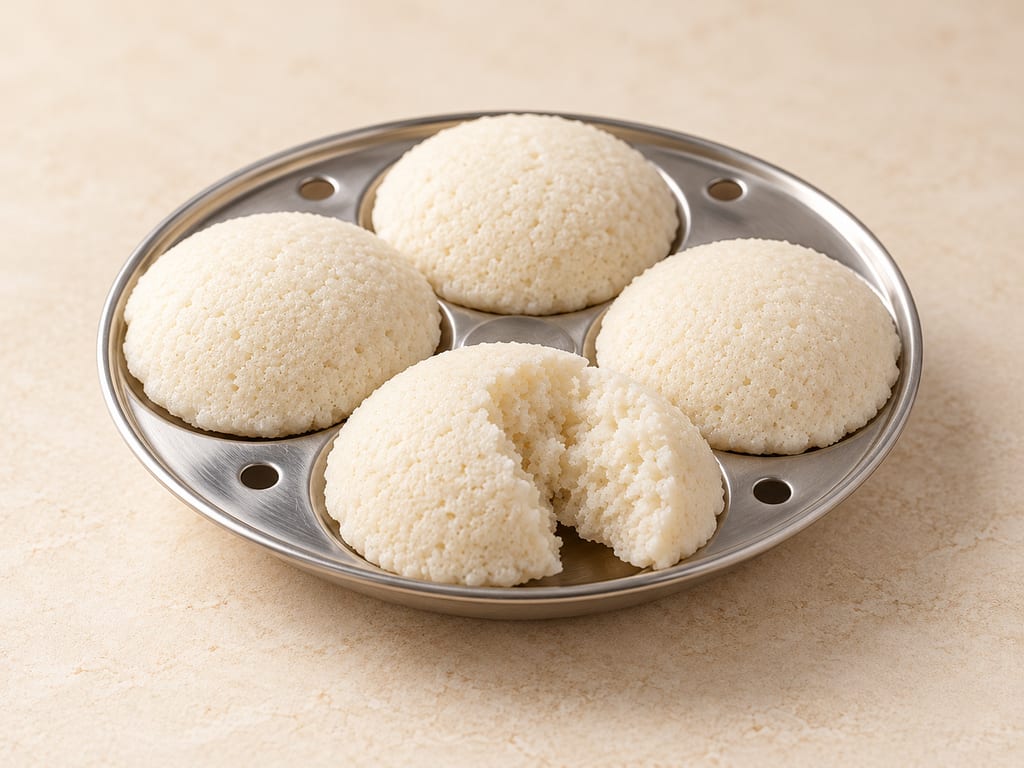
Idli batter
Rice and black gram are soaked separately, ground, salted and fermented into a thick batter for idli. The batter is portioned into moulds and steamed into soft savoury cakes.
 FermenteaWhere food goes to change
Multigrain idli batter · Millet idli batter
A multigrain idli batter from a stored blend of sorghum, millets, rice and black gram, with fenugreek kept apart, taken out by the glass and fermented warm.
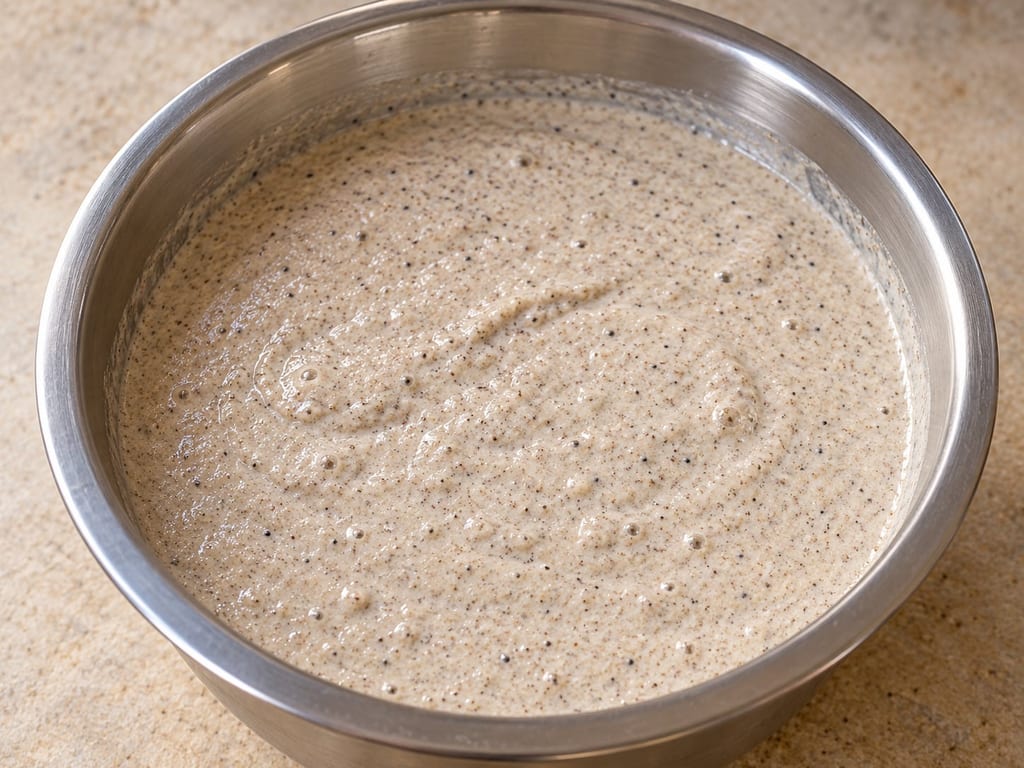
This batter is a blend rather than a single grain. Sorghum, two millets, two rices and whole black gram are measured in equal cups and kept as one dry mix. Each batch then comes out of the stored mix, which makes the batter a convenient, repeatable base for a household that cooks idli often.
The creator keeps fenugreek apart from the stored blend. The ingredient list names one teaspoon, but the source does not say in which batch it goes, so the page does not assign it to a fixed point in the method.
The batter is fermented warm for six to eight hours, or overnight. The source gives no temperature, and the fermentation is judged by the rise and the bubbles. Those are quality observations and do not establish safety.
The batter is steamed on idli plates over water on a medium flame for eight to ten minutes. The creator claims that three glasses of the blend make about 1.5 kg of batter, but without a glass capacity that figure cannot be used to scale the batch.
The ragi batch from a different creator uses whole ragi, urad and idli rava soaked and ground separately, then fermented overnight. This batch uses a pre-mixed multigrain blend and a warm fermentation of six to eight hours. The two methods are kept apart, and neither is used to fill the other's gaps.
The creator presents a stored multigrain blend for a family kitchen. The video does not establish a regional tradition for it.
Yield 1.5 kg · Scaling: source batch only
The source gives no temperature, pH or storage limit for the batter, so no control is established.
Hazard sourceSteam the idlis fully
Control sourceThe one-week freshness claim in the video has no storage conditions and is not advice.
Rise and bubbles are quality observations, not proof of safety.
The video does not identify a place. It is a modern home demonstration.
Rice and black gram are soaked separately, ground, salted and fermented into a thick batter for idli. The batter is portioned into moulds and steamed into soft savoury cakes.
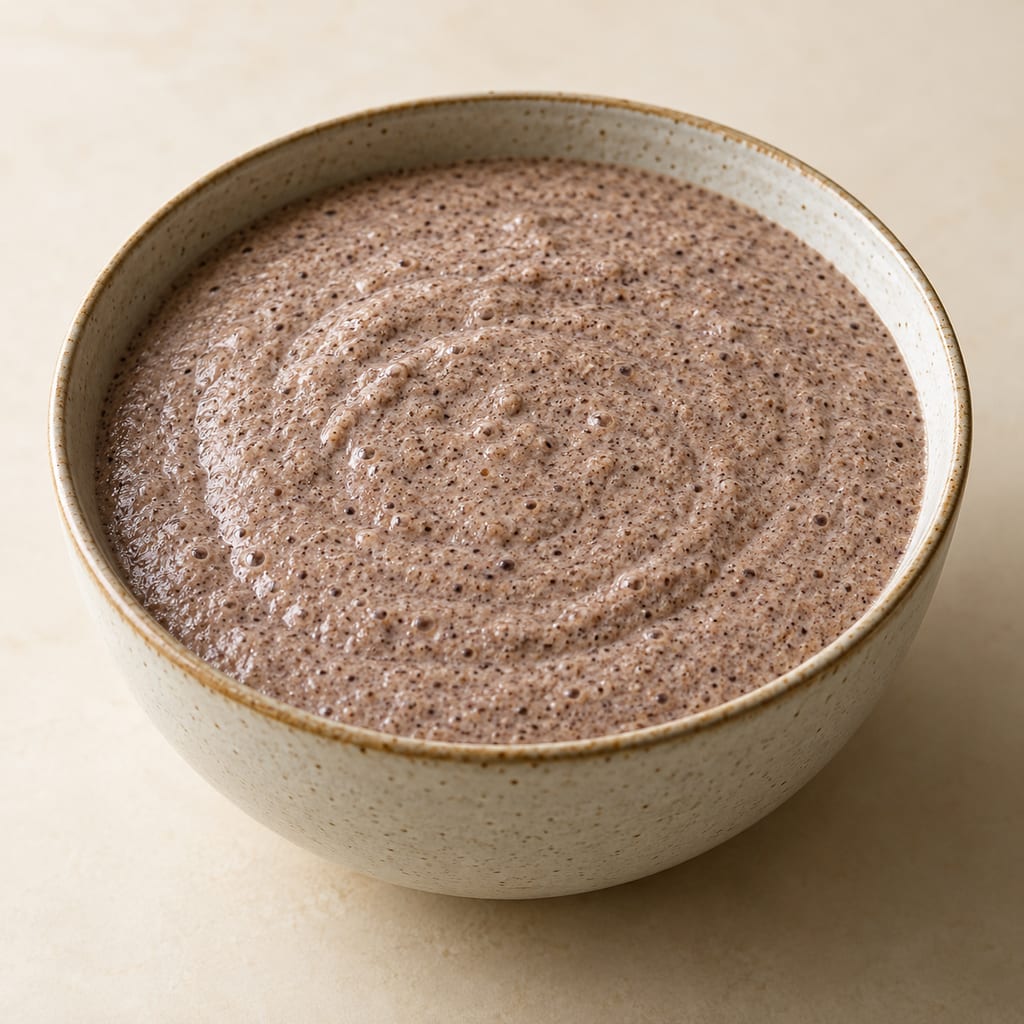
An idli batter made from whole ragi (finger millet) and urad with idli rava, each soaked and ground separately, combined, salted and left to ferment overnight.
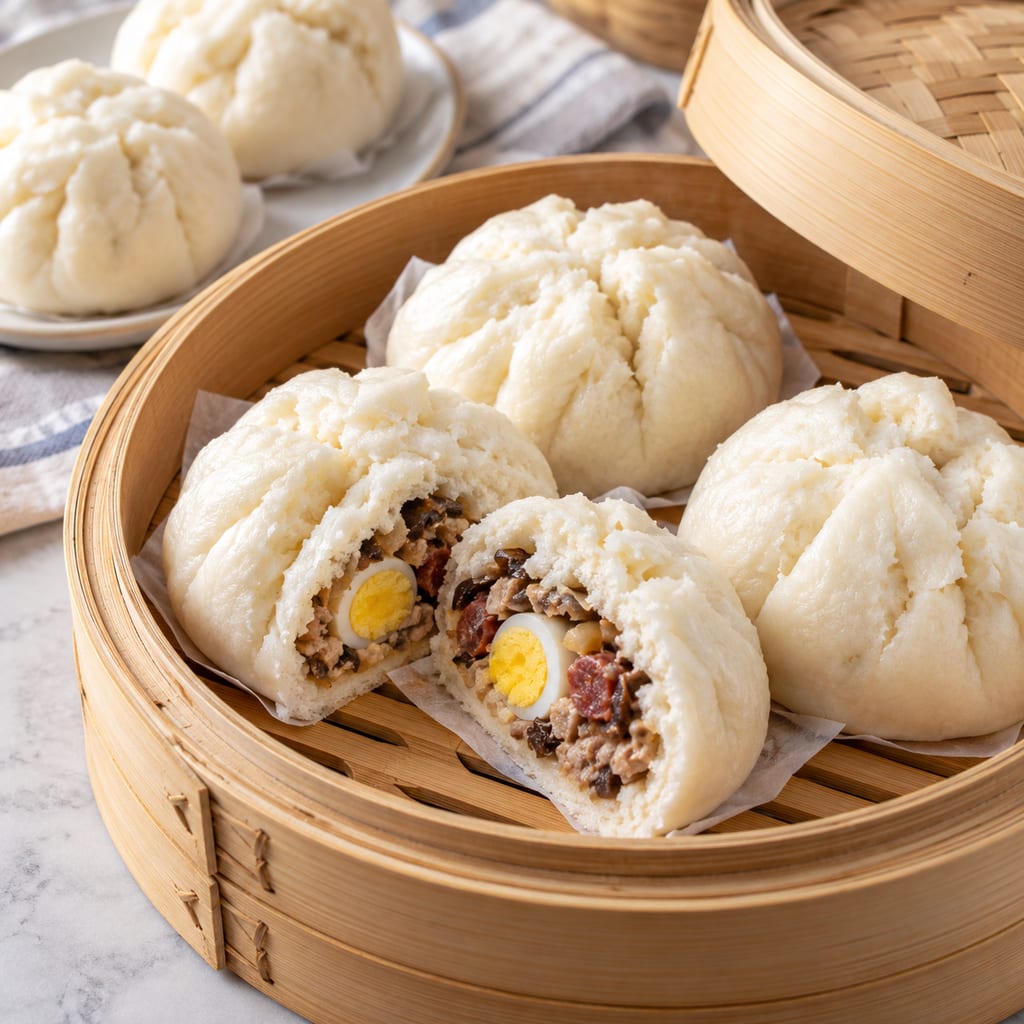
Vietnamese steamed wheat buns wrapped around seasoned pork, mushrooms, Chinese sausage and hard-boiled quail eggs. This from-scratch version uses yeast and self-rising flour.
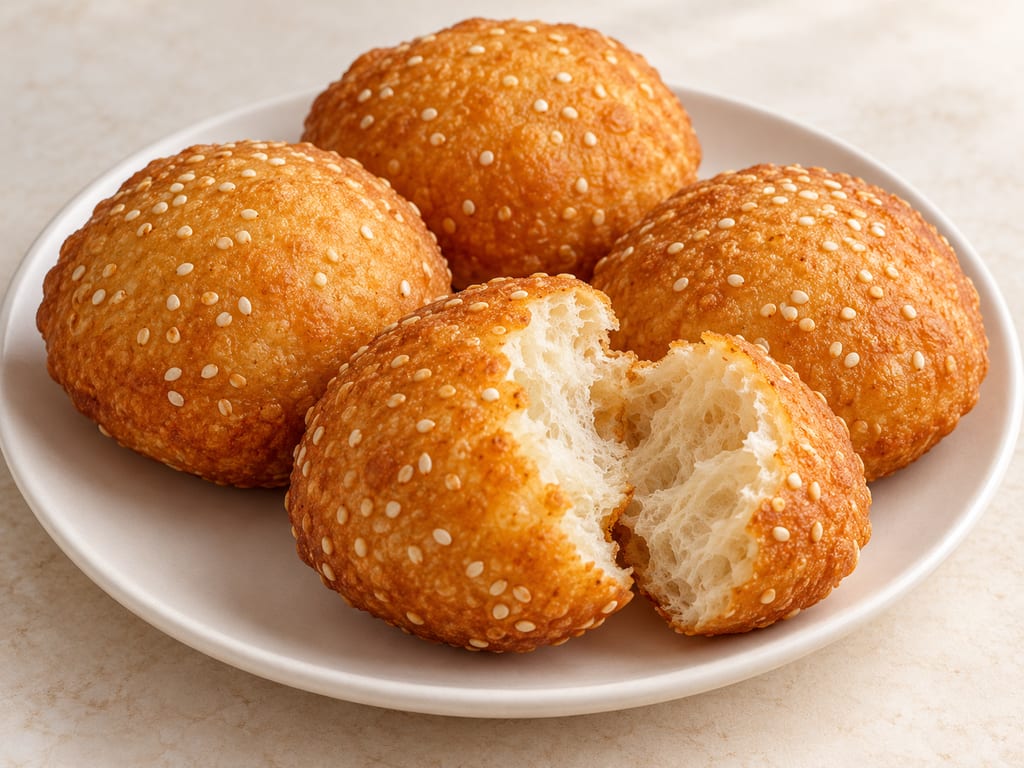
Bánh tiêu is a lightly sweet Vietnamese fried bread coated with sesame. A yeast-raised dough with baking powder is rolled into small rounds and fried until puffed and golden.
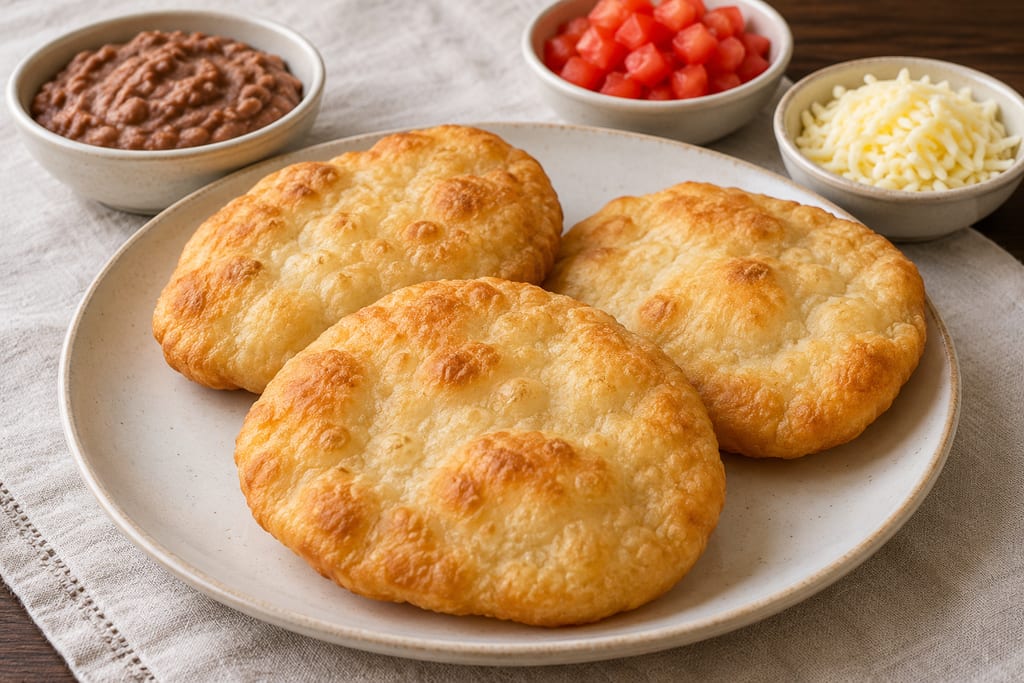
A Belizean fried breakfast bread made from baking-powder dough with evaporated milk, shaped into rounds and fried until golden.
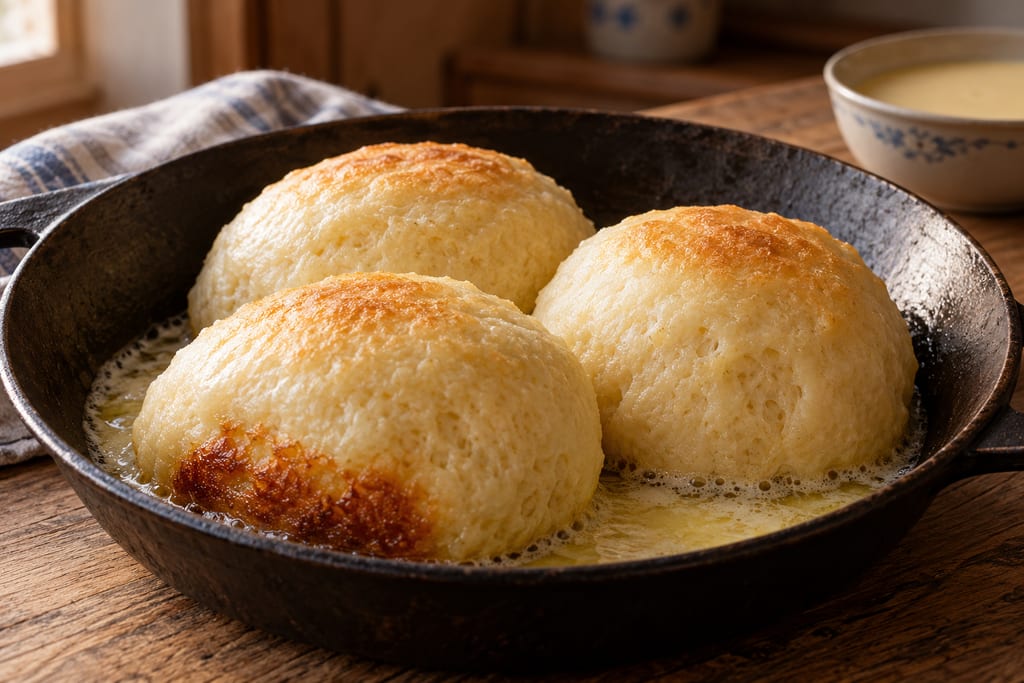
Allgäu Dampfnudeln are enriched wheat buns proofed in a covered casserole and cooked in milk and butter until the liquid nearly cooks away.
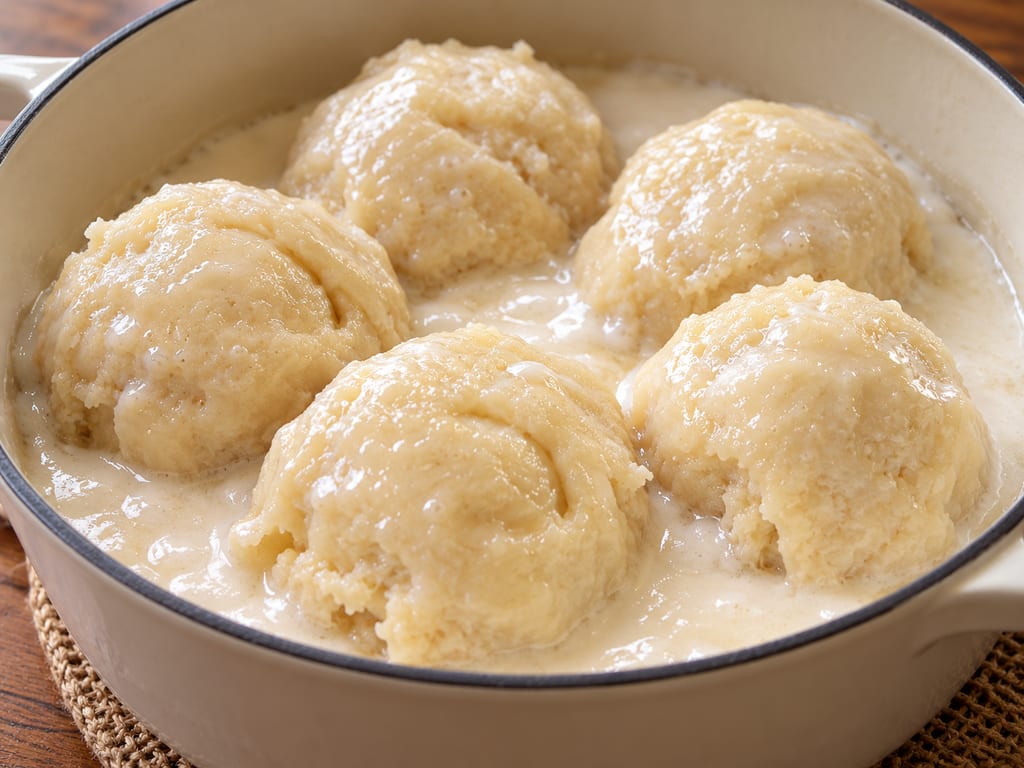
Soft yeast buns shaped by hand and simmered covered in coconut cream diluted with water in a deep pot. This Fijian home version uses a clean knife or fork inserted into the center as its doneness cue.

Firi firi is a yeast-raised coconut doughnut piped into long pieces and deep-fried at 170°C, traditionally eaten for breakfast or dessert in Tahiti.

This Emilia-Romagna home version uses a measured flour-and-milk dough with yeast, shapes it into small diamonds or squares, and fries them in peanut oil.
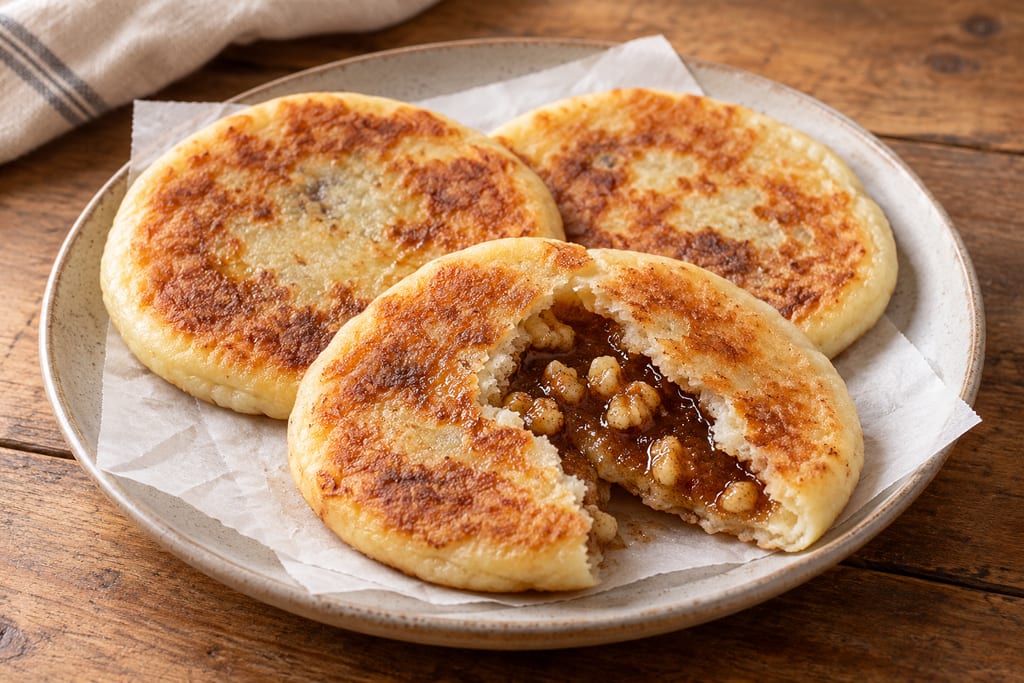
Maangchi’s eight-piece hotteok wraps a brown-sugar, cinnamon and walnut filling in yeast dough, then fries and presses the parcels in a pan.
No community contributions have been published for this entry yet.
Sign in to contribute. Published comments and photos are free to read.
Nisha ThajuMethod
How to make Multigrain Millet Idli Dosa Batter at home? Tips for perfect fermentationEqual cup measures of jowar, ragi, bajra, white or dosa rice, idli rice and whole black gram in a stored blend
Fenugreek kept separate, one teaspoon in the ingredient list
Three glasses per batch, about 1.5 kg of batter claimed
Warm fermentation six to eight hours or overnight, steaming eight to ten minutes