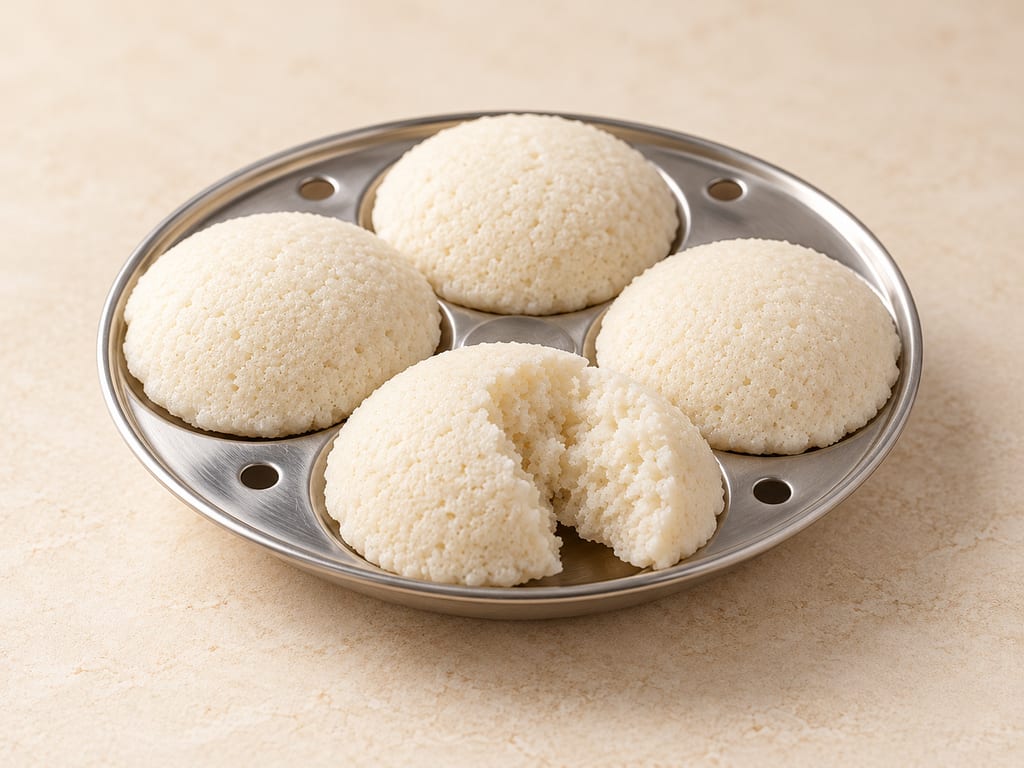
Idli batter
Rice and black gram are soaked separately, ground, salted and fermented into a thick batter for idli. The batter is portioned into moulds and steamed into soft savoury cakes.
 FermenteaWhere food goes to change
Ragi idli · Finger millet idli batter
An idli batter made from whole ragi (finger millet) and urad with idli rava, each soaked and ground separately, combined, salted and left to ferment overnight.
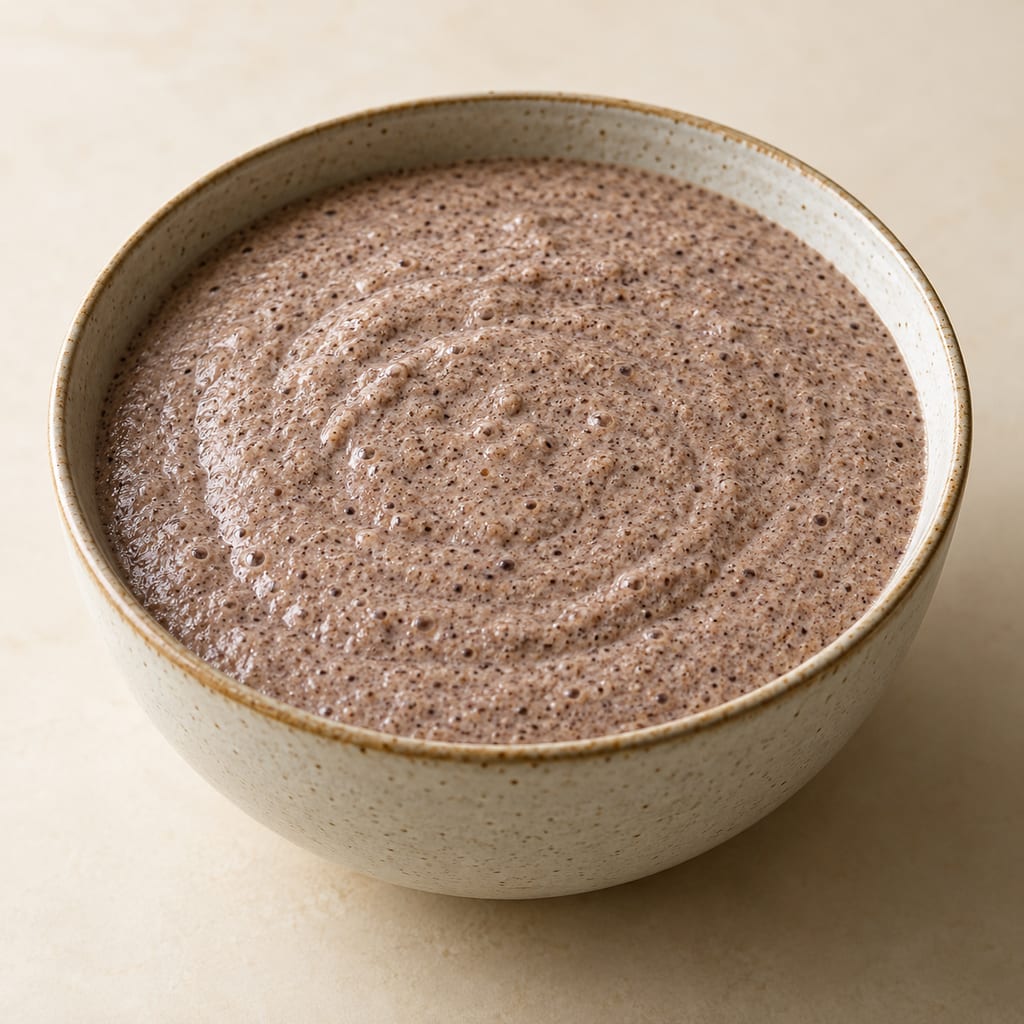
Idli is a steamed cake of fermented batter, and the usual batter is rice with urad. This variant replaces most of the rice with whole ragi, the finger millet that is widely grown in southern India and in parts of Africa. The millet gives the batter a darker colour and a different texture from the rice batter, and the creator presents it as a healthier option.
The batter is built from three separately prepared components. The whole ragi and the urad are soaked apart, each ground on its own, and the idli rava is soaked and ground as well. Only then are the three combined. The separate grinding keeps the urad batter smooth and lets each grain take up water at its own rate, which is why the creator keeps the stages apart.
Salt is added after the batter is combined. The creator leaves the batter to ferment overnight, which is the step that lets it rise. The video does not time the fermentation or measure its temperature. It gives no pH, so the sour note the batter develops cannot be quantified.
The batter is spooned onto idli plates and steamed over water on a medium flame for ten minutes. Steaming sets the rise into a cake and cooks the batter through, which is also the step that matters most for safety in a home batch.
The demonstration gives the cup measures for one batch, but no yield, no idli count and no soaking times. The salt amount is not stated. The batch is one creator's method and is not a standard ragi idli recipe.
The same video set includes other batters. This page covers only the ragi batch. The multigrain millet batch from a different creator is recorded separately.
The Gita's Kitchen batch is presented as a healthy, diabetic-friendly variant. The video does not establish its origin.
Scaling: source batch only
The source gives no temperature, pH or storage limit for the fermented batter, so no control is established.
Hazard sourceSteam the idlis fully before eating
Control sourceRise and air pockets are quality observations, not proof that the batter is safe.
This page does not validate an overnight holding time for this batter.
The demonstration does not give a place. Its origin and regional use are not established.
Rice and black gram are soaked separately, ground, salted and fermented into a thick batter for idli. The batter is portioned into moulds and steamed into soft savoury cakes.
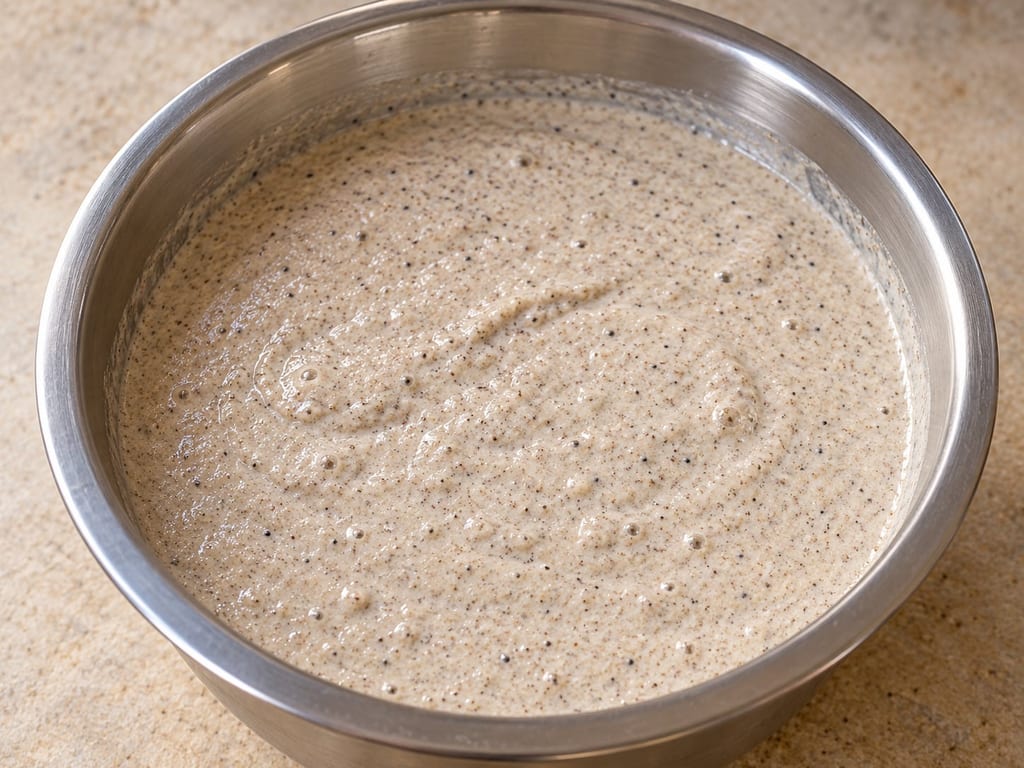
A multigrain idli batter from a stored blend of sorghum, millets, rice and black gram, with fenugreek kept apart, taken out by the glass and fermented warm.
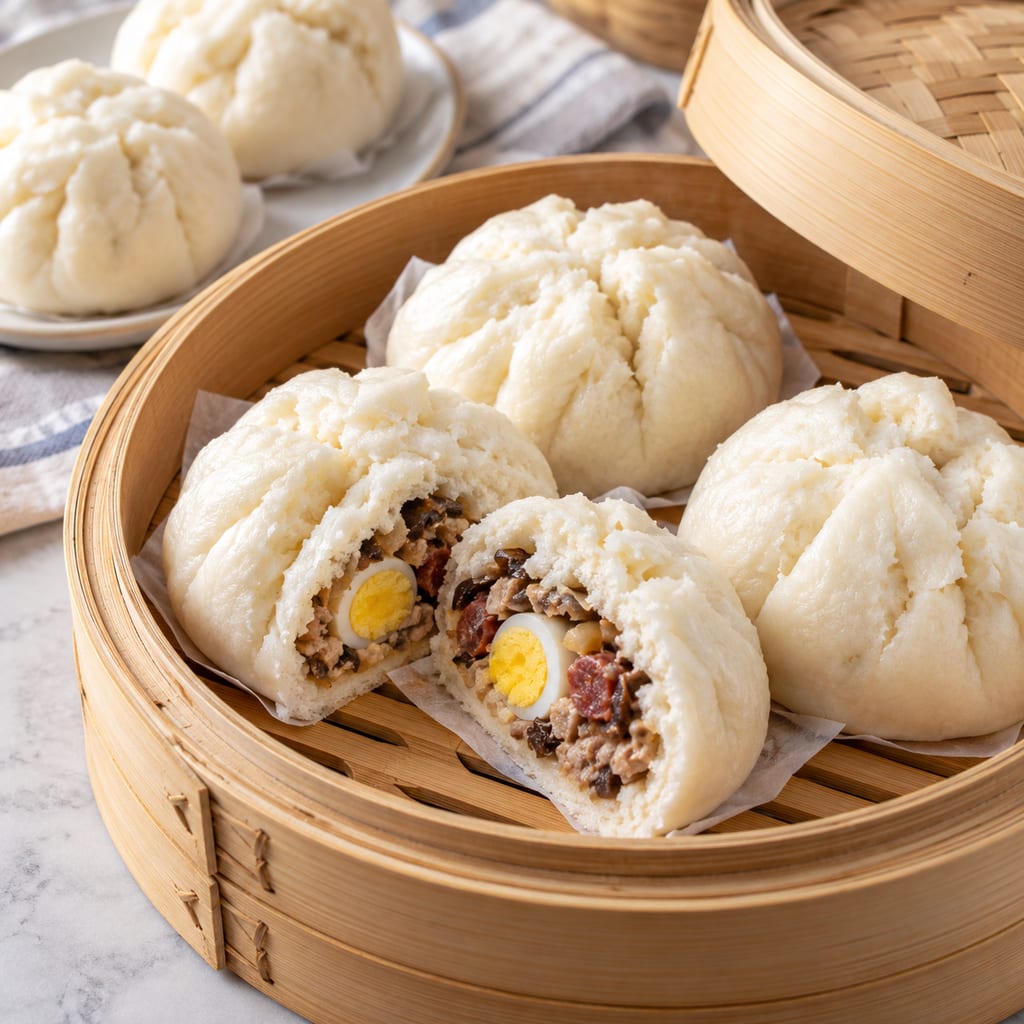
Vietnamese steamed wheat buns wrapped around seasoned pork, mushrooms, Chinese sausage and hard-boiled quail eggs. This from-scratch version uses yeast and self-rising flour.
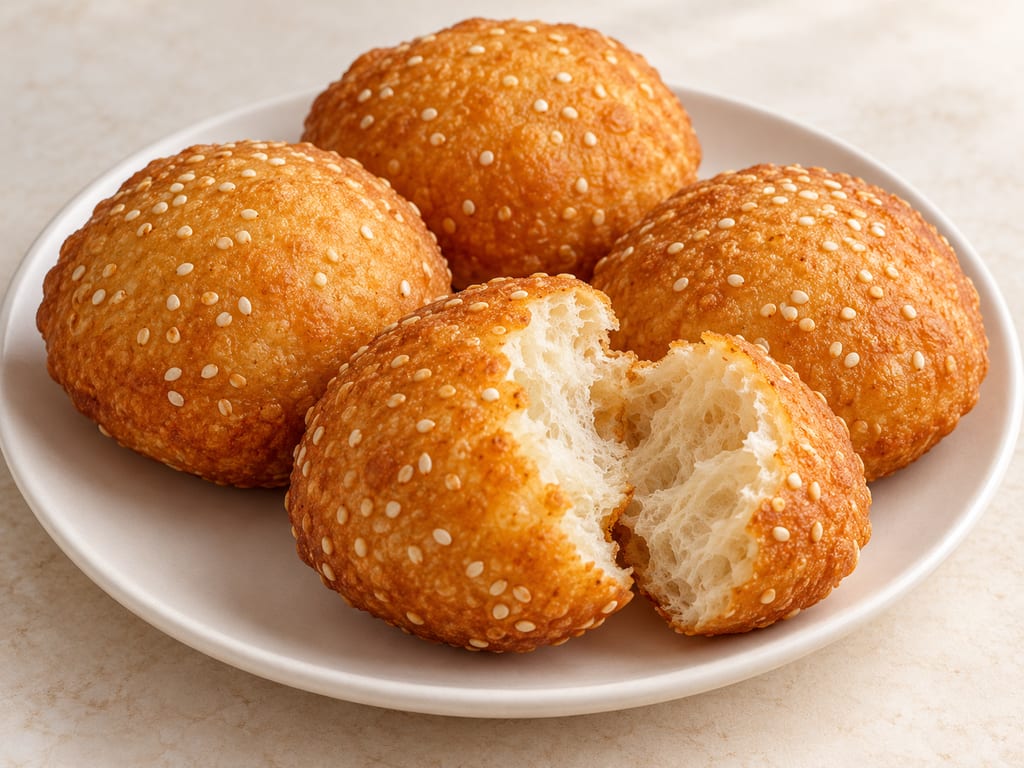
Bánh tiêu is a lightly sweet Vietnamese fried bread coated with sesame. A yeast-raised dough with baking powder is rolled into small rounds and fried until puffed and golden.
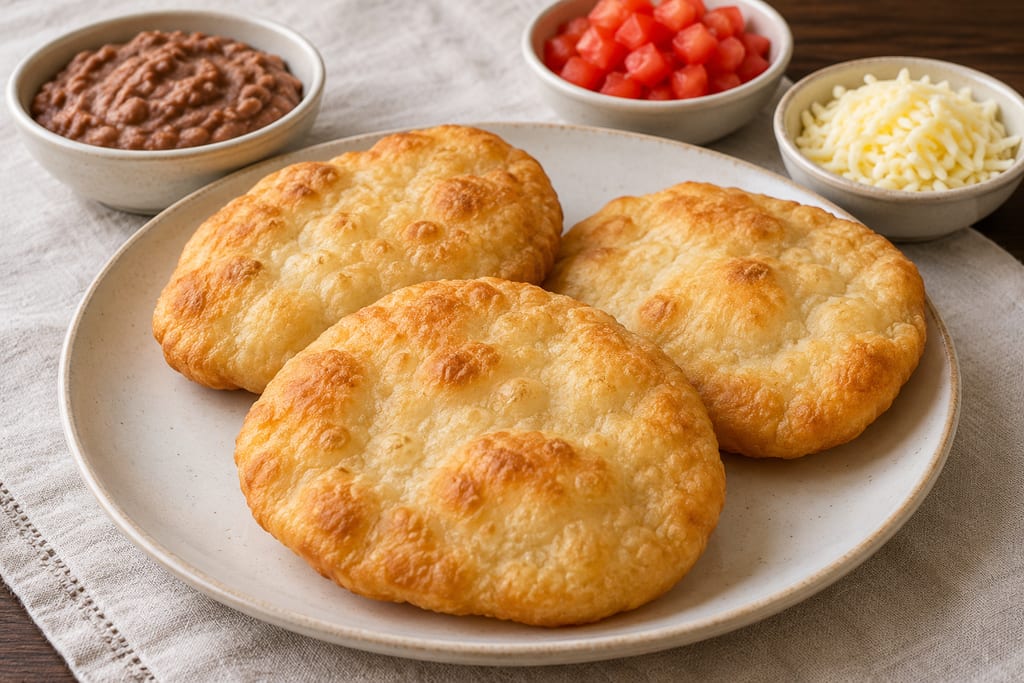
A Belizean fried breakfast bread made from baking-powder dough with evaporated milk, shaped into rounds and fried until golden.
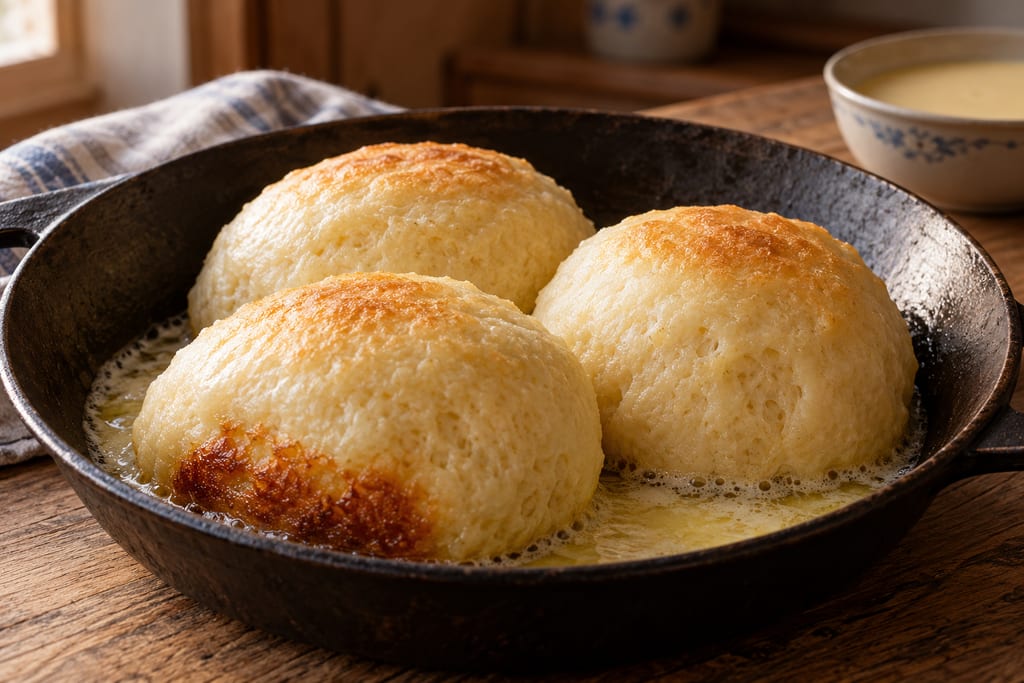
Allgäu Dampfnudeln are enriched wheat buns proofed in a covered casserole and cooked in milk and butter until the liquid nearly cooks away.
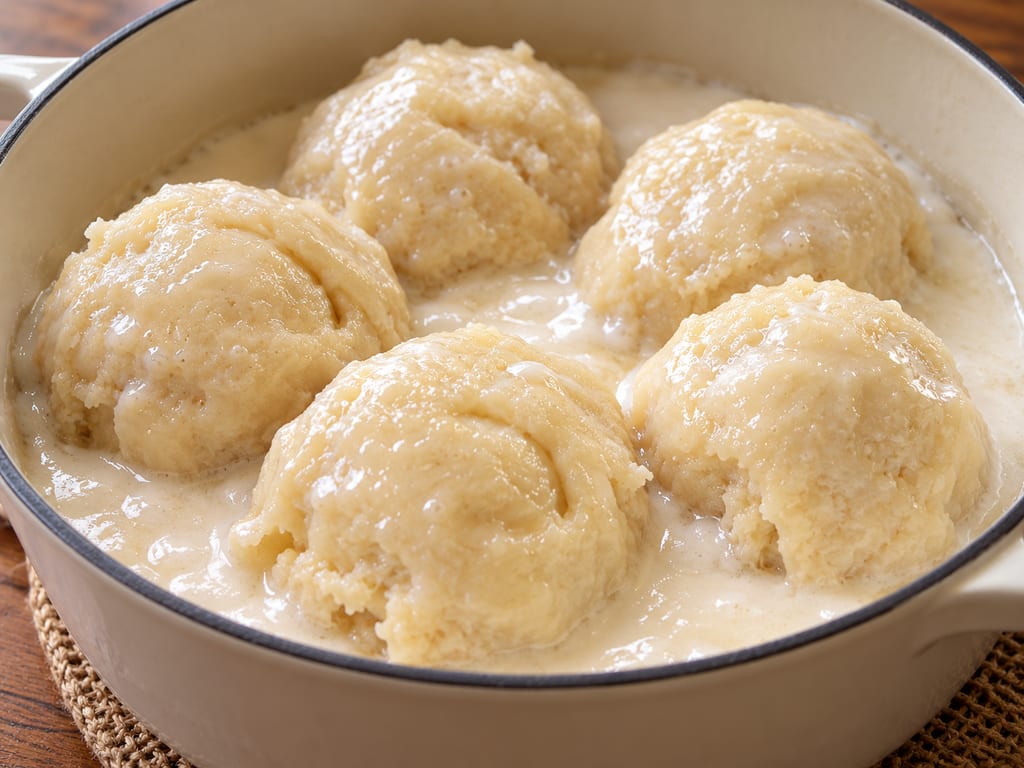
Soft yeast buns shaped by hand and simmered covered in coconut cream diluted with water in a deep pot. This Fijian home version uses a clean knife or fork inserted into the center as its doneness cue.

Firi firi is a yeast-raised coconut doughnut piped into long pieces and deep-fried at 170°C, traditionally eaten for breakfast or dessert in Tahiti.

This Emilia-Romagna home version uses a measured flour-and-milk dough with yeast, shapes it into small diamonds or squares, and fries them in peanut oil.
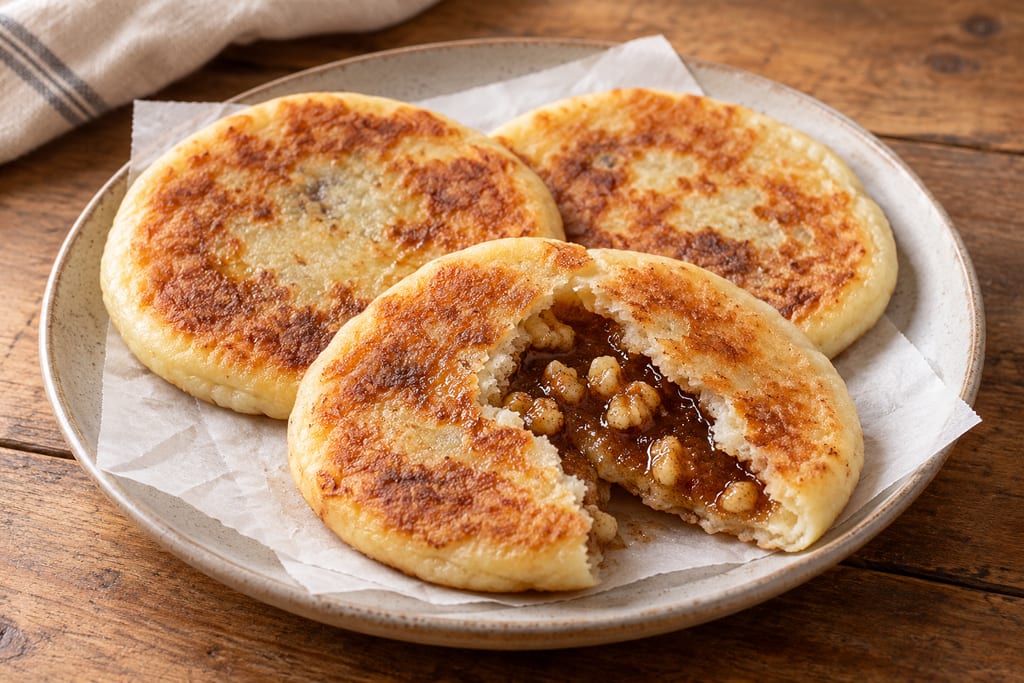
Maangchi’s eight-piece hotteok wraps a brown-sugar, cinnamon and walnut filling in yeast dough, then fries and presses the parcels in a pan.
No community contributions have been published for this entry yet.
Sign in to contribute. Published comments and photos are free to read.
Gita's KitchenMethod
1 Batter 5 Recipes I Healthy Ragi Idli/Dosa/Uthappam/Paniyaram&Pakoda ! Diabetics Special I1.5 cups whole ragi, 0.5 cup urad, 1.5 cups idli rava
Separate soaking and grinding, then combining and salting
Overnight fermentation and steaming for ten minutes on a medium flame