C21 buttermilk culture
A freeze-dried mesophilic starter for cultured buttermilk, combining acid and aroma bacteria with a lactose carrier. Also named in specific fresh-cheese methods.
 FermenteaWhere food goes to change
Modern adaptation
Halloumi · Hellim
A firm cow-milk cheese cooked in hot whey, salted and folded with optional mint. This fresh halloumi keeps its shape when grilled or pan-fried.
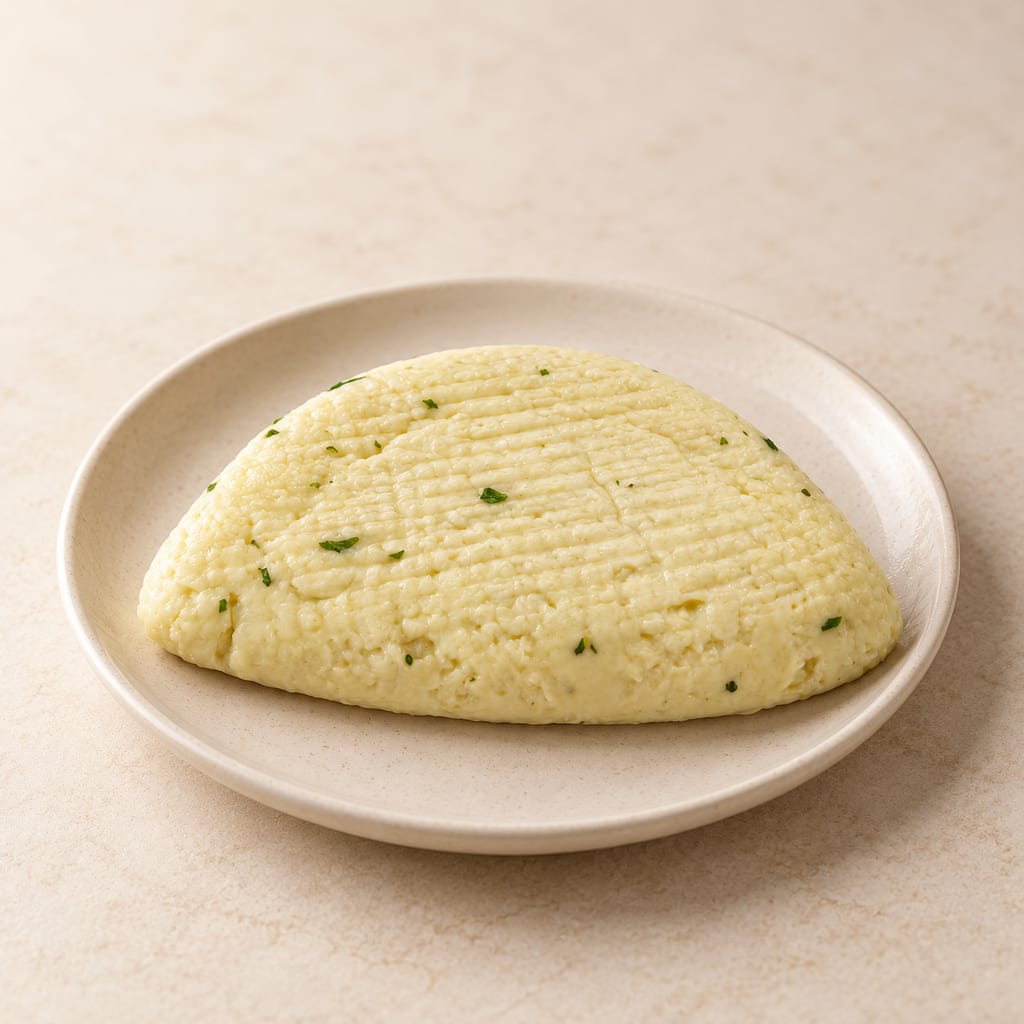
Halloumi is a white, firm cheese associated with Cyprus and produced in fresh and mature forms. Its names include Greek Χαλλούμι (Halloumi) and Turkish Hellim, which refer to the same Cypriot cheese tradition. A written attestation appears in Florio Bustron’s account of 1554, preserved in a Venetian manuscript and discussed by Cyprus’s Trade Service. It records “caloumi” made on the island in March. That is evidence of a name and food at a known date, not proof of its beginning or of every modern technique.
Later records describe milk choices and keeping practices that varied. Elias of Pesaro, writing in 1563 about Famagusta, described local cheese made with sheep, goat and cow milk together and said it did not keep long. Richard Pococke’s 1738 account emphasized goat-milk cheese known across the Levant. In 1788, Archimandrite Kyprianos referred to halloumi slices made from sheep and goat milk. The record points to a durable Cypriot practice, not one formula fixed through time.
Making cheese at home also involved shared labor. The Ministry’s account describes neighbors pooling limited milk supplies and taking turns making halloumi, often with an experienced woman directing the work. Small dairies later served local and export markets. This one-gallon home formula belongs to a different scale: a modern, published adaptation rather than a reconstruction of a particular village or historic household method. Its exact place of development is not given by the recipe source.
The seasonal references are also informative but should not be turned into a calendar for this recipe. The 1554 account associates “caloumi” with March; household production records describe milk pooling and later systems of collection. Milk volume and composition depend on local animals and season, while this home formula gives a fixed gallon and no season-specific adjustment. It therefore preserves the old attestation as history without implying that today’s home batch should be made in March or with a historic herd.
The present recipe uses pasteurized cow milk alone, rennet, optional C21 buttermilk culture, calcium chloride, salt and optional dried mint. The curd is warmed, drained, shaped and cooked again in hot whey, then lightly salted and folded. The maker gives a yield of about one pound per gallon. This is a home adaptation with its own ingredient list and timings; it is not a complete definition of every cheese called Halloumi.
Halloumi has a protected designation of origin. Cyprus’s official information and the European registration name Χαλλούμι (Halloumi) / Hellim and protect production in Cyprus under a product specification. A cook outside those conditions may follow a halloumi-style home recipe, but this page does not establish PDO eligibility, Cypriot manufacture or compliance with that protected process. The all-cow milk is retained exactly as the maker documents it, not as a claim about the historic or protected product.
FAO’s comparative description discusses sheep or goat milk or their mixture, pressing, hot whey or salted-water cooking, folding while hot, and brine storage. It also describes a Cypriot variation in which pieces are dry-salted with mint. Those details help explain why this recipe belongs to the same family, while also showing why methods should not be blended casually. Brining, maturation and a different milk supply change the recipe and are not instructions for this lightly salted refrigerated cheese.
Rennet is the milk-clotting agent in this method. After warming the milk, diluted rennet is stirred through and left for 30–40 minutes. Milk proteins form a gel-like curd that can be cut; the maker’s practical check is a firm set that splits cleanly. Cutting exposes more surface from which whey can drain. A short rest before horizontal cuts gives the pieces time to settle into the planned size. These are physical stages of cheese-making, not a fermentation interval.
The optional C21 culture is added before rennet, but the recipe gives no extended ripening period, acidity target or pH check. The maker describes little or no ripening before the later whey cook and notes that the culture cells are heated. The page therefore does not assign organisms to this batch, promise a sour flavor or make the culture a substitute for rennet. If it is omitted, the source’s rennet-setting sequence remains the same.
After cutting, the curds warm gradually to 100–106°F with gentle stirring, then stay beneath whey as they settle. Heating and movement firm the pieces and expel whey. The maker specifies 20–30 minutes to reach temperature, a further 20–30 minute hold and stirring every 3–5 minutes. These numbers belong to the one-gallon recipe; another milk, cut, vat or heating rate may behave differently. They are not a universal Halloumi standard or validated controls for other batches.
Once the curds are drained, the separated whey is warmed for another cook. The recipe first brings it to 185–195°F without boiling while the curds are lightly consolidated in a mold. The rounds are turned during heating and formed about 1½–2 inches thick. They are lowered into hot whey with a ladle or basket, kept off the pot bottom, and cooked at 190–195°F for 30–40 minutes until floating. These are separate from the earlier, lower-temperature curd cook.
The second hot cook appears in other halloumi descriptions too, although sources vary over whey or salted water, cutting before cooking, and the later use of brine. The shared stage helps explain the cheese family resemblance but does not prove that this home float endpoint reproduces a protected or historic method. Here it is the endpoint stated by the recipe maker, whose timings and temperatures refer to this home batch.
After lifting the cheese, the source calls for a short cold-water dip and draining. While still warm, the rounds are flattened gently, salted on one side and optionally covered with dried mint. They are folded into crescents and pressed lightly as they cool. The fold encloses seasoning and makes the familiar layered form. The source photograph shows pale folded cheese, faint draining-mat marks and sparse mint flecks. It illustrates the finished stage but cannot verify a batch, origin or safe process.
The temperature ranges are presented in Fahrenheit and Celsius in the structured method so readers can follow the source’s control points. They describe the milk warming, curd cooking and whey bath separately; they are not one continuous heating target. The “without boiling” instruction applies to warming the whey ahead of the cheese cook, and the actual cooking range is narrower. Keeping those stages distinct helps avoid carrying the higher temperature back to the milk or curd stage.
Pasteurized cow milk is the base and defines this version. The recipe excludes ultra-pasteurized milk and starts with one US gallon. Milk proteins form the curd; fat and water contribute to the final body, but no composition target or brand-specific result is supplied. Fresh cheese is handled at several stages, so pasteurized milk and clean equipment matter. The cited general university advice supports hygiene practices, but it does not validate this particular formula.
Calcium chloride is listed at 3/8 teaspoon for the pasteurized milk. It is an addition to the make, not a ferment, flavoring or preservative. C21 buttermilk culture is optional at one pack. The recipe also names MA4002 as an alternative and unquantified lipase in its notes, but neither is used in this batch. Because the method offers no organism identity or measured acidification target for the culture, the page does not make a stronger claim about fermentation.
A quarter teaspoon of single-strength liquid rennet is diluted in a quarter cup of water before adding, allowing it to disperse. “Single-strength” is the maker’s specified type; a stronger product is not interchangeable by volume. Half an ounce of salt is sprinkled on the cheese surface after cooking rather than dissolved in a brine. Dried mint is optional and unquantified; the maker specifies to use enough to cover the surface. Water is only used for dilution. Sheep milk, goat milk, mixed milk, other cultures or brine are separate variations, not silent substitutions in this batch.
The recipe says to refrigerate the lightly salted cheese and allow 3–5 days before using. This is a wait before use, not a validated shelf life. No keeping limit is supplied, so none is invented here. Fresh cheese can be contaminated during production and handling. NMSU’s general home-cheese guidance identifies pathogens that may occur and recommends hygiene, but it does not validate this exact method or establish its storage life.
Process observations are not safety tests. A clean split describes the recipe’s curd set; settling shows the curds gathering under whey; floating is the maker’s endpoint for its hot whey stage. None proves that pathogens are absent or supports storage beyond the source’s guidance. If the milk fails to set, the curd behaves unexpectedly, temperatures leave the stated ranges or the cheese is mishandled, the sources do not supply a rescue procedure or storage extension. Clean hands, sanitized equipment and refrigeration remain important.
This batch yields about one pound and is not designed for long aging, extended brining or room-temperature storage. Other traditional or commercial cheeses may mature or remain in brine under different processes, but those controls cannot be transferred to this fresh home recipe. Cheeses may share a name family or a hot-whey step while differing in milk, salting, moisture, storage and legal status. Use this page for the concise method it actually documents.
Halloumi is eaten fresh and cooked. The home recipe says the folded cheese can be grilled or pan-fried while retaining its shape, but gives no slice thickness or cooking time. Those are left open rather than added as if tested. The cheese can be served cold with bread or warmed in a meal. The Ministry’s history describes halloumi as a common bread accompaniment and notes its use grated over handmade pasta; historical travelers recorded its reputation in nearby parts of the Levant.
Mint is familiar but optional. FAO describes a Cypriot dry-salting method with dried mint and other regional variations in shape and storage. The Ministry’s account places cheese-making in household cooperation and a changing dairy economy. This variety is part of the food’s history and present practice, not a reason to merge incompatible processes. In particular, the mature brined forms described elsewhere do not make this lightly salted cheese shelf-stable.
Home recipes may use sheep or goat milk, blends, other cultures, raw milk, brine maturation or different pressing forms. Each changes the result and may carry distinct legal and safety conditions. This page keeps its scope narrow: pasteurized cow milk, optional C21 and dried mint, a staged curd cook, a hot whey cook, light surface salt and refrigeration. Cyprus is the historical setting supported by the records; the source does not say where this exact modern home formula originated.
In Cyprus, Halloumi’s uses have been linked to everyday meals as well as travel and trade. It could accompany bread between meals or appear grated over pasta; modern service also includes cooking it directly. The cow-milk home version preserves some recognizable handling cues, such as the fold and hot whey cook, but its light salting and short refrigerated keeping differ from mature brined forms. Serving suggestions should not be mistaken for directions to preserve leftovers or for evidence about how long they can be kept.
Halloumi is closely associated with Cyprus, where it has long been made as both fresh and mature cheese. Florio Bustron described Cypriot caloumi in 1554; later travellers also recorded the island’s cheese trade. Its familiar folded form and ability to brown without melting make it useful fresh, grilled or pan-fried. This home version uses cow milk alone and light surface salting, rather than reproducing a protected Cypriot specification.
Yield 1 lb · Scaling: source batch only
Fresh cheese can carry Salmonella, Escherichia coli, Listeria monocytogenes and Staphylococcus aureus, including contamination introduced during handling.
Hazard sourceUse pasteurized milk, wash hands, clean and sanitize equipment and food-contact surfaces, and handle and cool curds carefully.
Control sourceKeep this lightly salted halloumi refrigerated.
Control sourceFresh curds can be contaminated during handling. Use pasteurized milk, clean and sanitize the equipment, and wash hands before touching the cheese.
Keep the lightly salted finished cheese refrigerated.
C21 buttermilk culture — Optional enzyme contribution; the maker describes little or no ripening before the cells are destroyed by heating.
This is the lightly salted refrigerated version.
Halloumi’s documented Cypriot association; this all-cow home method is a modern adaptation.
The recipe does not state where this particular home formula was developed.
A freeze-dried mesophilic starter for cultured buttermilk, combining acid and aroma bacteria with a lactose carrier. Also named in specific fresh-cheese methods.
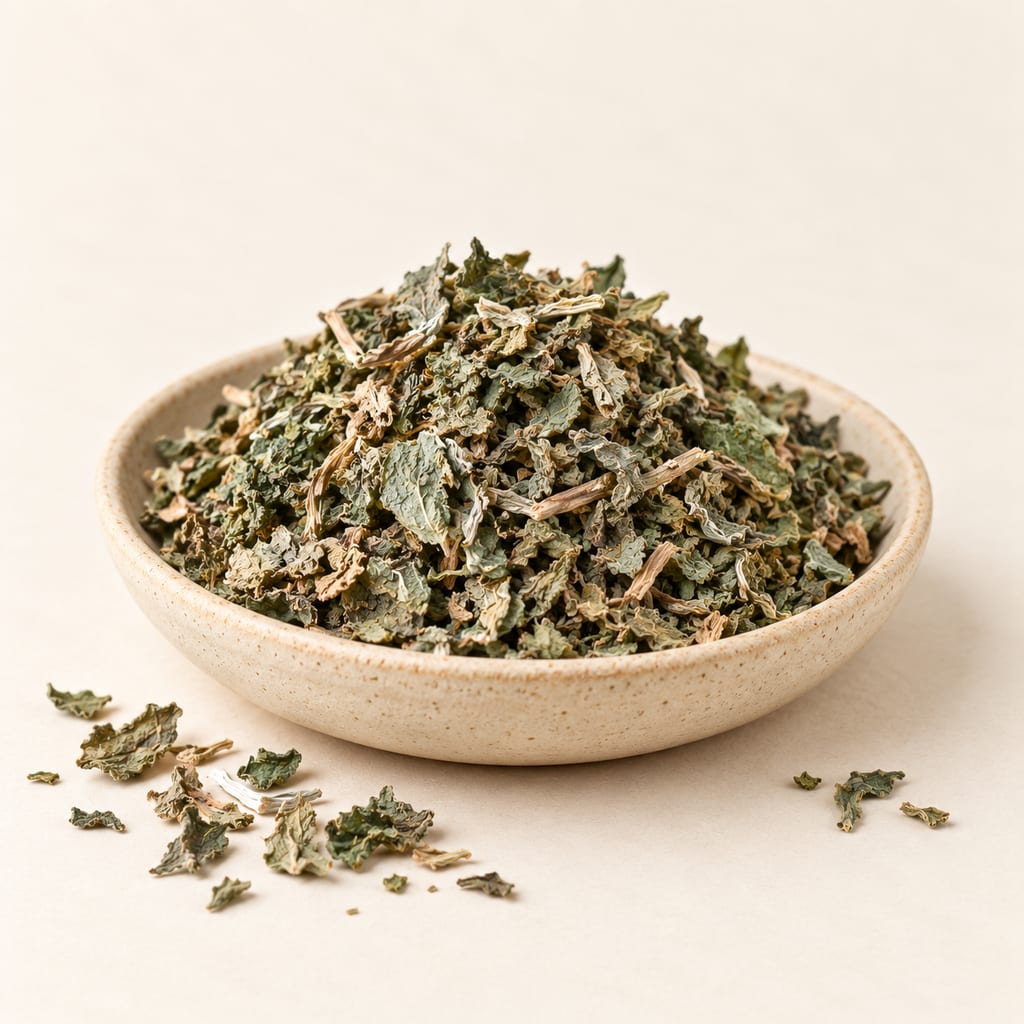
Dried mint is the leaf of a Mentha plant after moisture has been removed. The exact species varies by product; the linked Halloumi recipe specifies only optional dried mint, while separate standards distinguish spearmint from peppermint.
A liquid milk-clotting enzyme preparation at the strength assumed by its cheese recipe. Enzyme source and product activity must be identified separately.
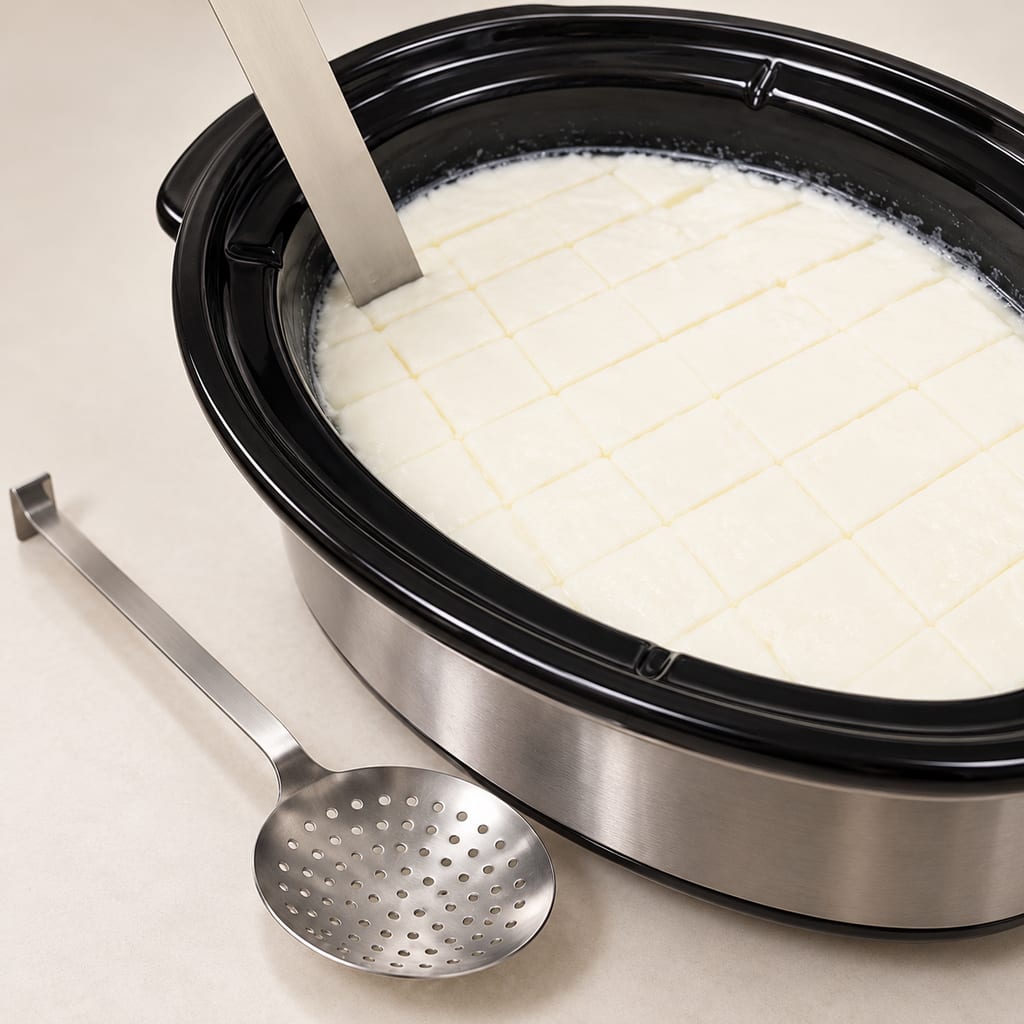
A curd knife cuts set milk into recipe-sized pieces; a perforated ladle lifts and moves curd while whey drains. The hand tools work at different moments in an open cheesemaking vessel.

A probe thermometer measures the temperature of food at its sensing tip. It answers a different question from a kettle, oven or water-bath display, and from a pH meter.
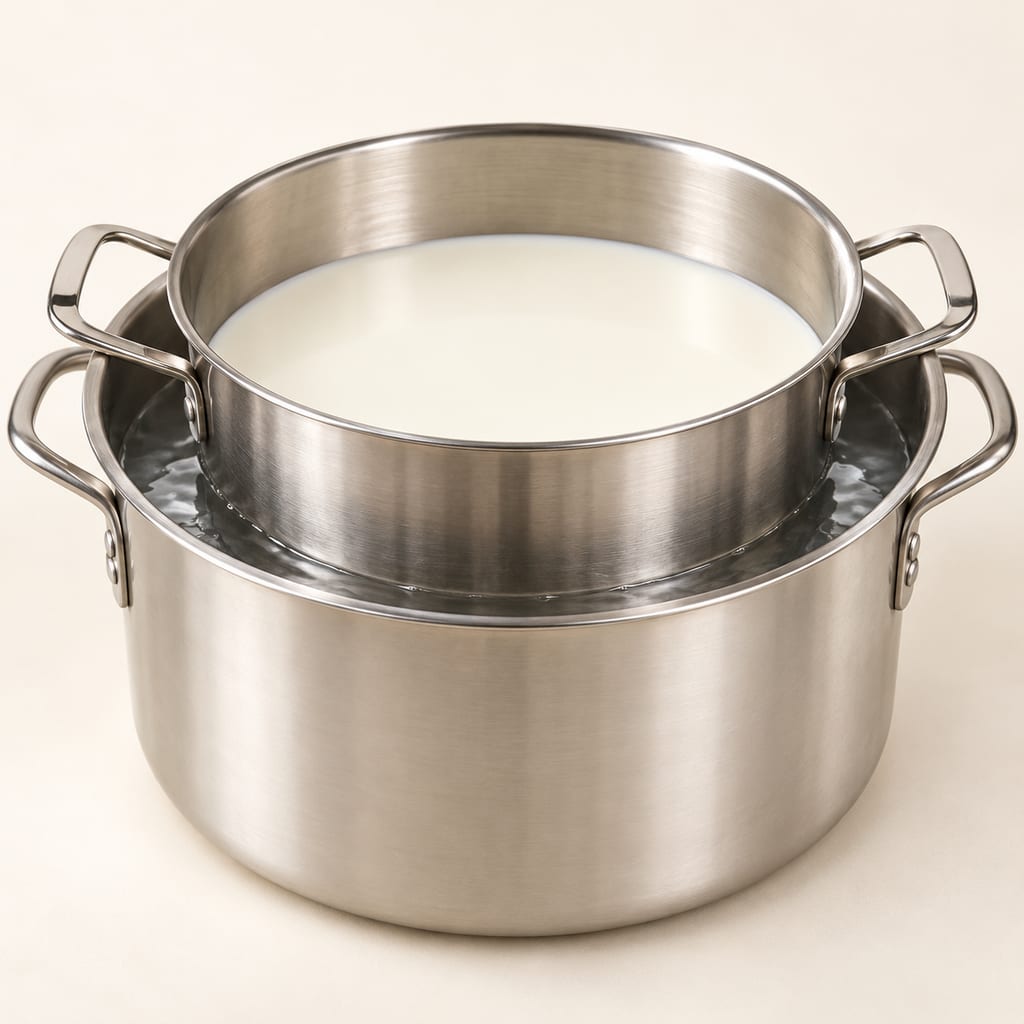
A separate inner pot holds milk or curd while a larger vessel holds hot water. In a documented cheesemaking setup, the inner pot’s handles rest on the outer vessel’s rim; this differs from a rack or trivet bearing a pot from below.
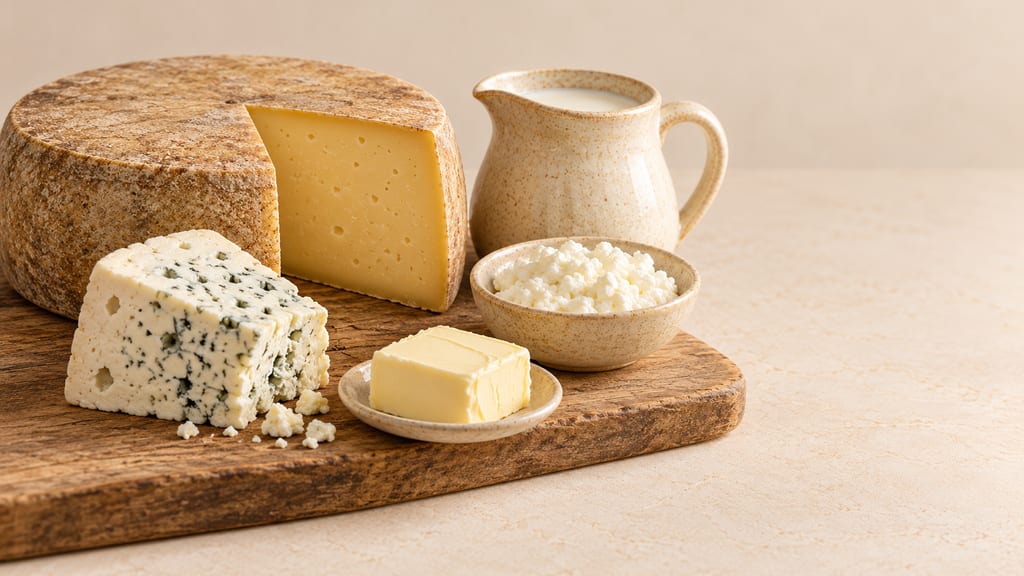
Follow milk into cheese, cultured drinks, butter, dried curds and sweets: a journey through the animals, seasons and household decisions behind the world's dairy foods.
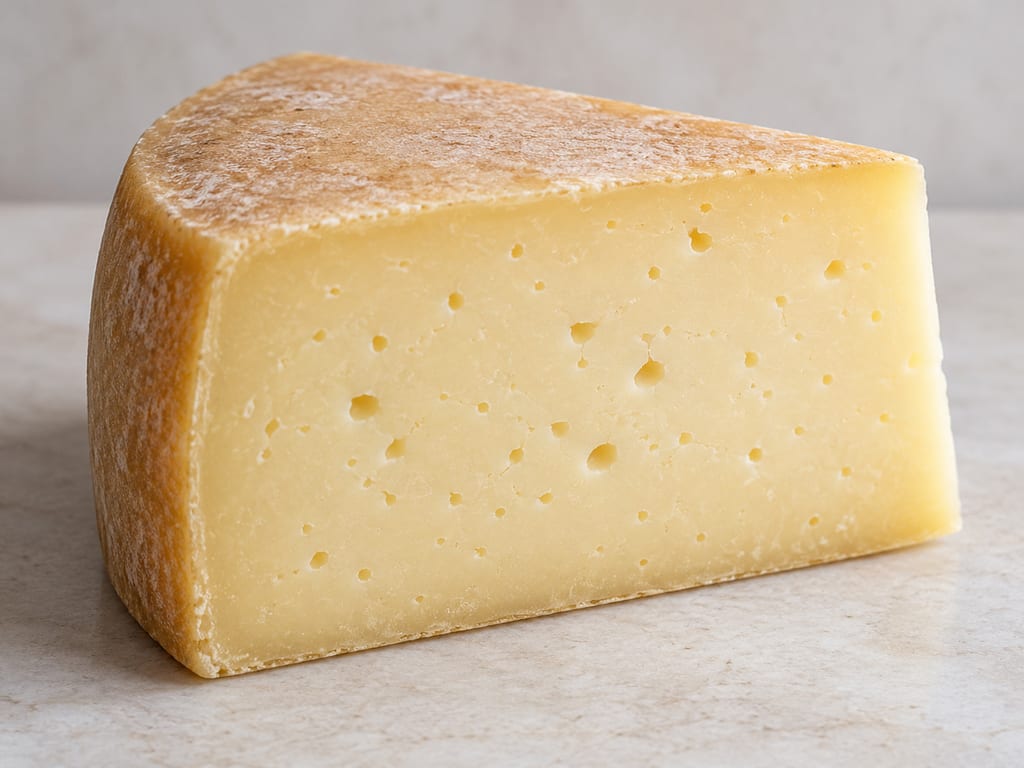
This Cypriot graviera is a hard sheep-milk cheese with a dry rind and round eyes. Its curd is heated, pressed and dry-salted before a long cool ripening.
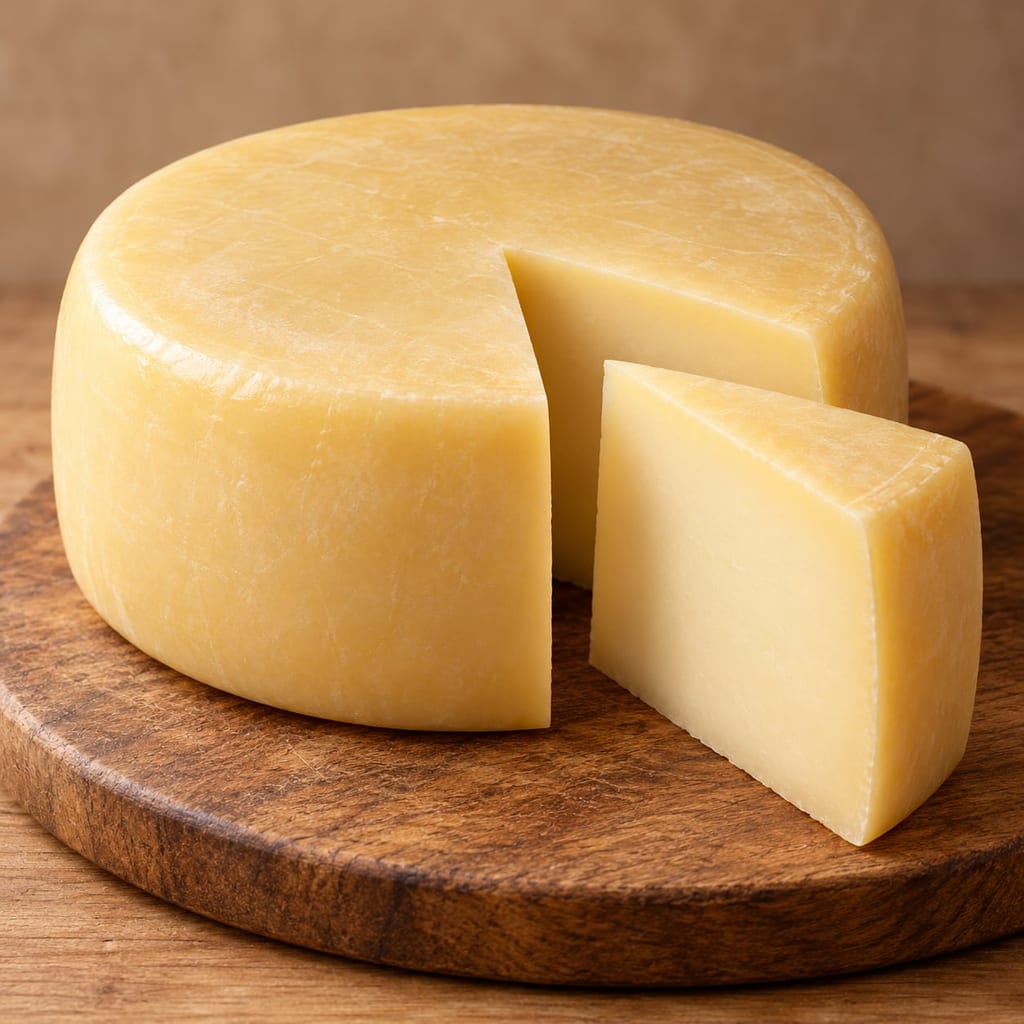
Kashkaval is a firm sheep-milk cheese whose acidified curd is worked in hot brine. This large-batch method finishes with repeated dry salting, wax coating and cool ripening.
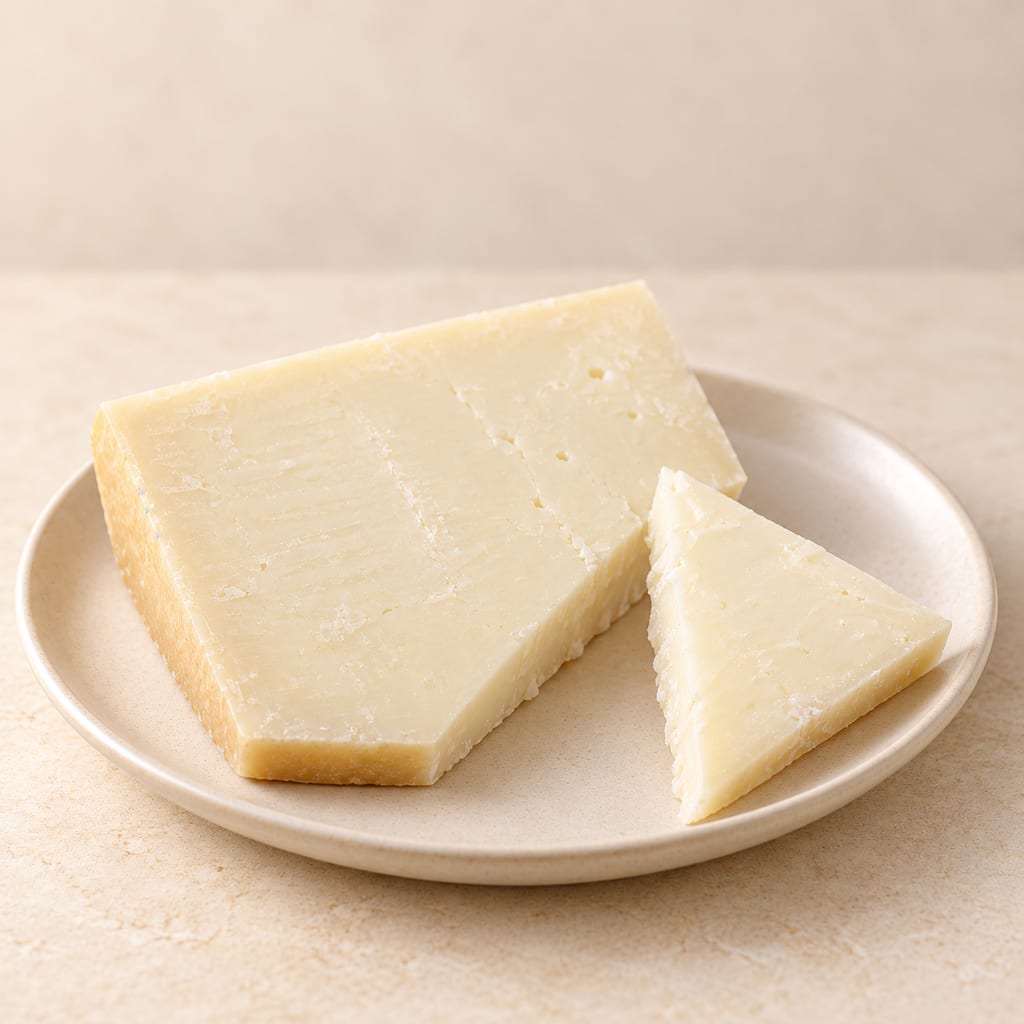
Kefalotyri is a hard sheep-and-goat-milk cheese made in Cyprus as well as Greece. This Cypriot method cooks and presses the curd, then brines, coats and matures the cheese.
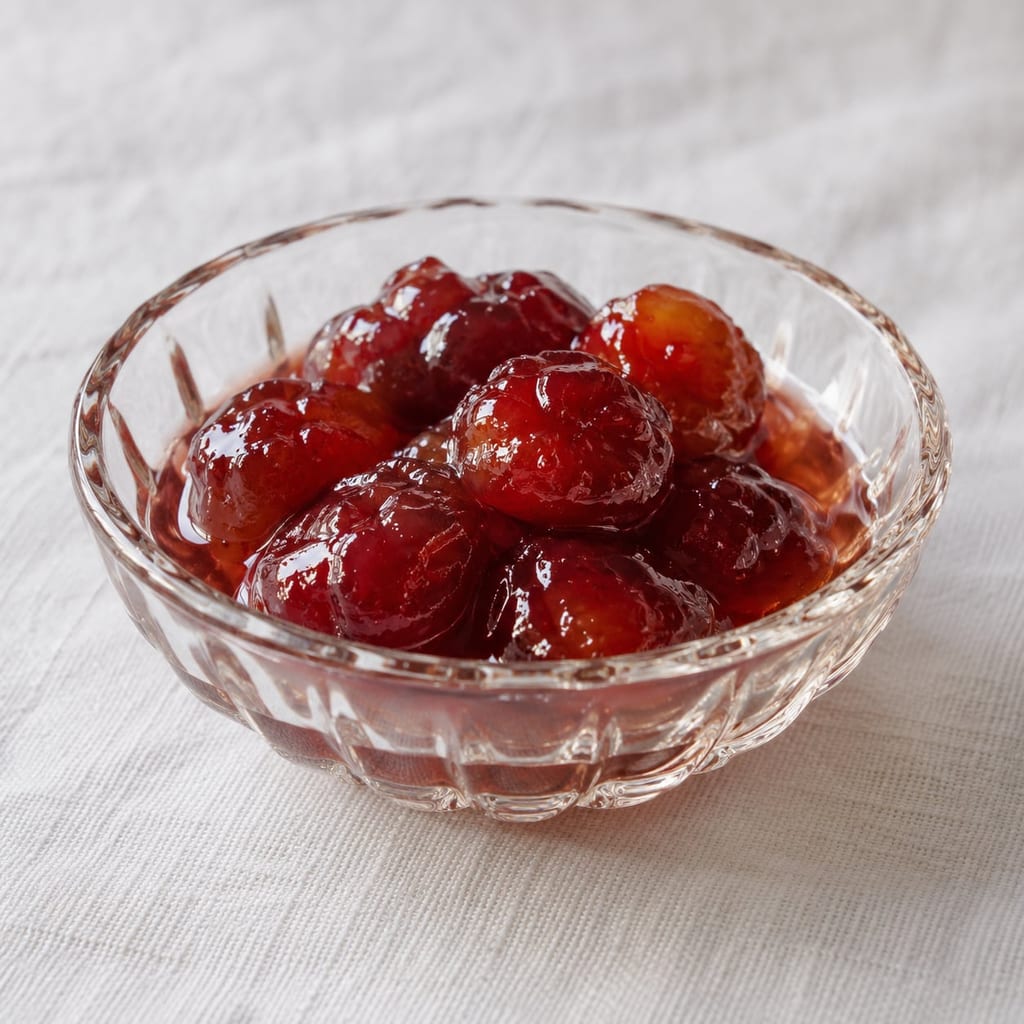
Cypriot cherry glyka made by layering firm pitted cherries with sugar, briefly boiling them, chilling overnight, and boiling again to concentrate the syrup. This version is refrigerated and has no shelf-stable canning process.

Garum, Greek garos and Latin liquamen, was the fish sauce of the ancient Mediterranean: fish and viscera salted and left in the sun, then drained off as a savoury liquid.
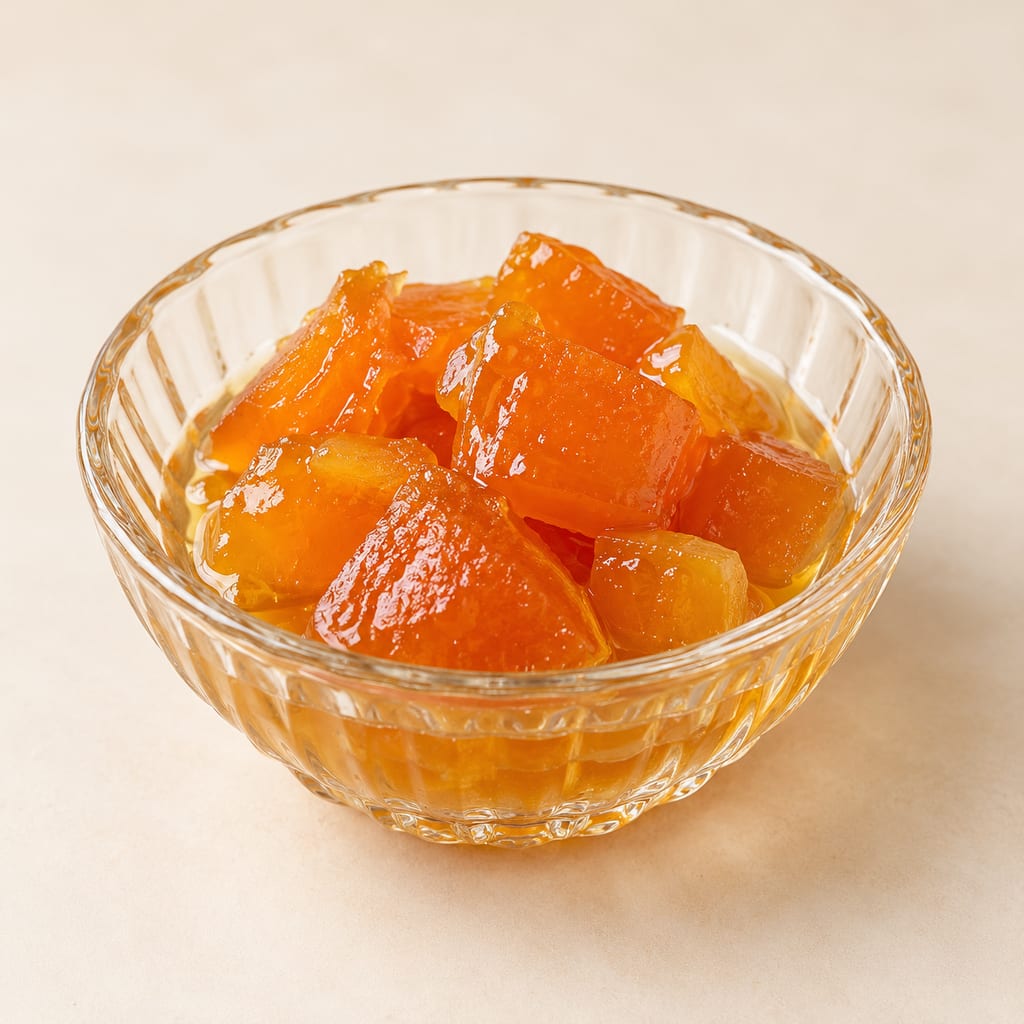
Greek pumpkin spoon sweet, with Cypriot context: Freeze for winter; small fresh portion refrigerated up to 48 hours.
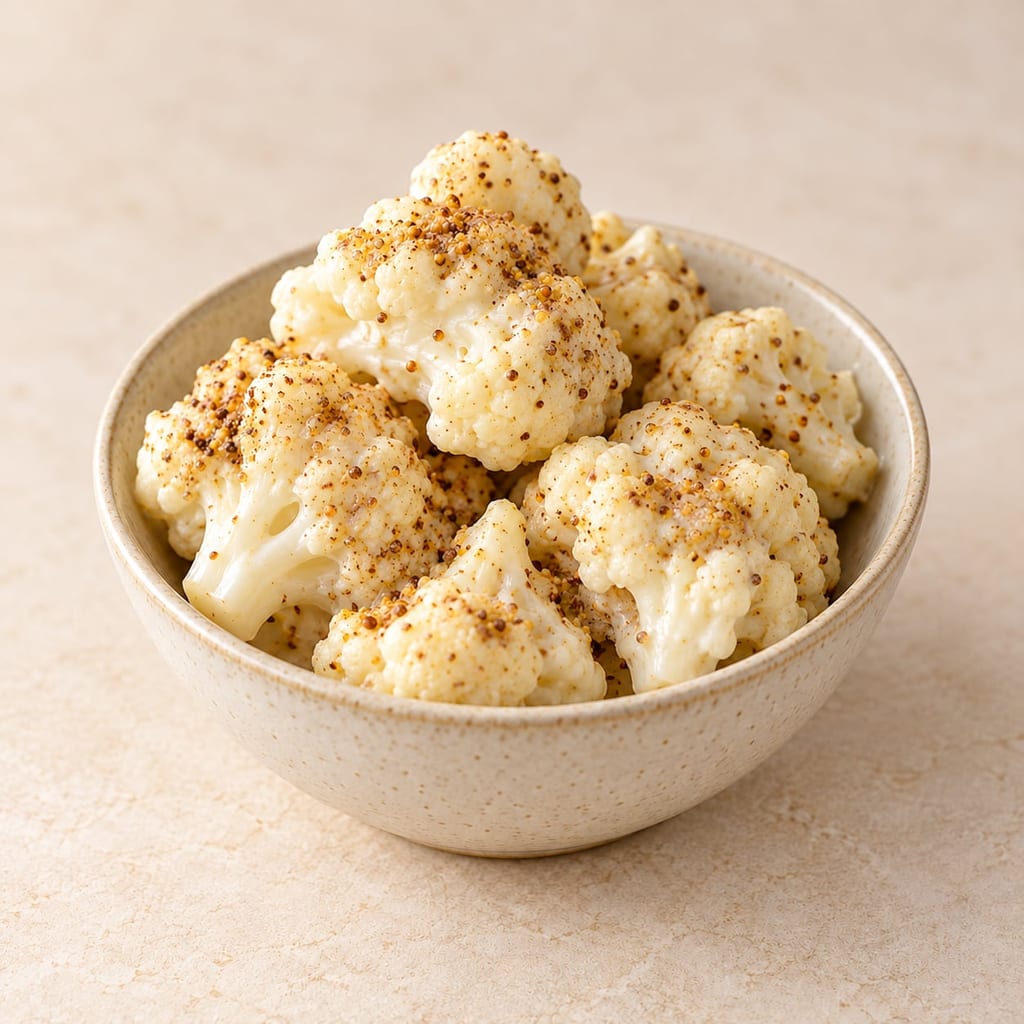
Moungra is a Cypriot preparation of blanched cauliflower coated in mustard and sourdough slurry and matured about a week; the Cyprus Food Museum records three versions with different measures.
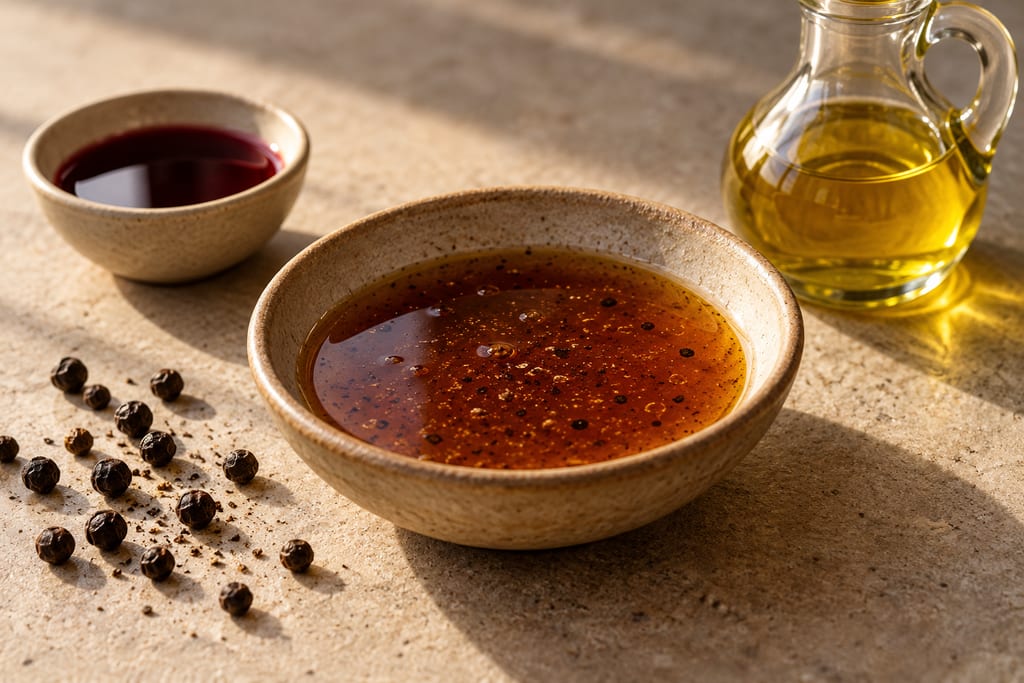
Oenogarum is fish sauce mixed with wine, pepper and often olive oil: a Roman table sauce in the Apicius cookbook, and a reduced, strained sauce in a later medical text.
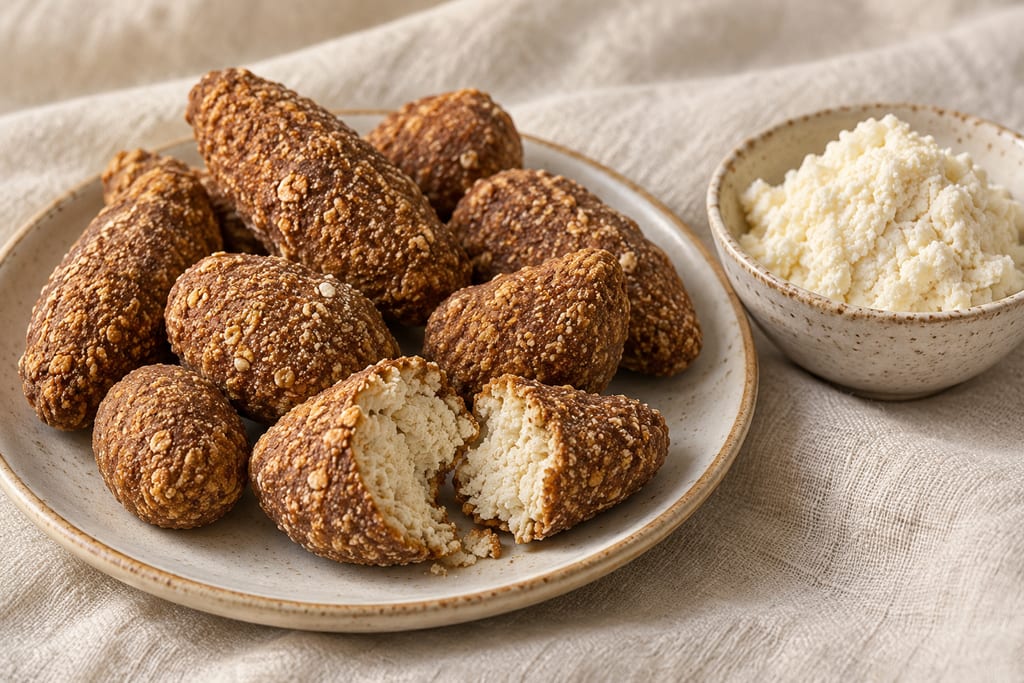
A two-stage Altai dairy preparation: sour chegen is heated into soft aarchi, then portions are drained, pressed and traditionally smoked into firm kurut.
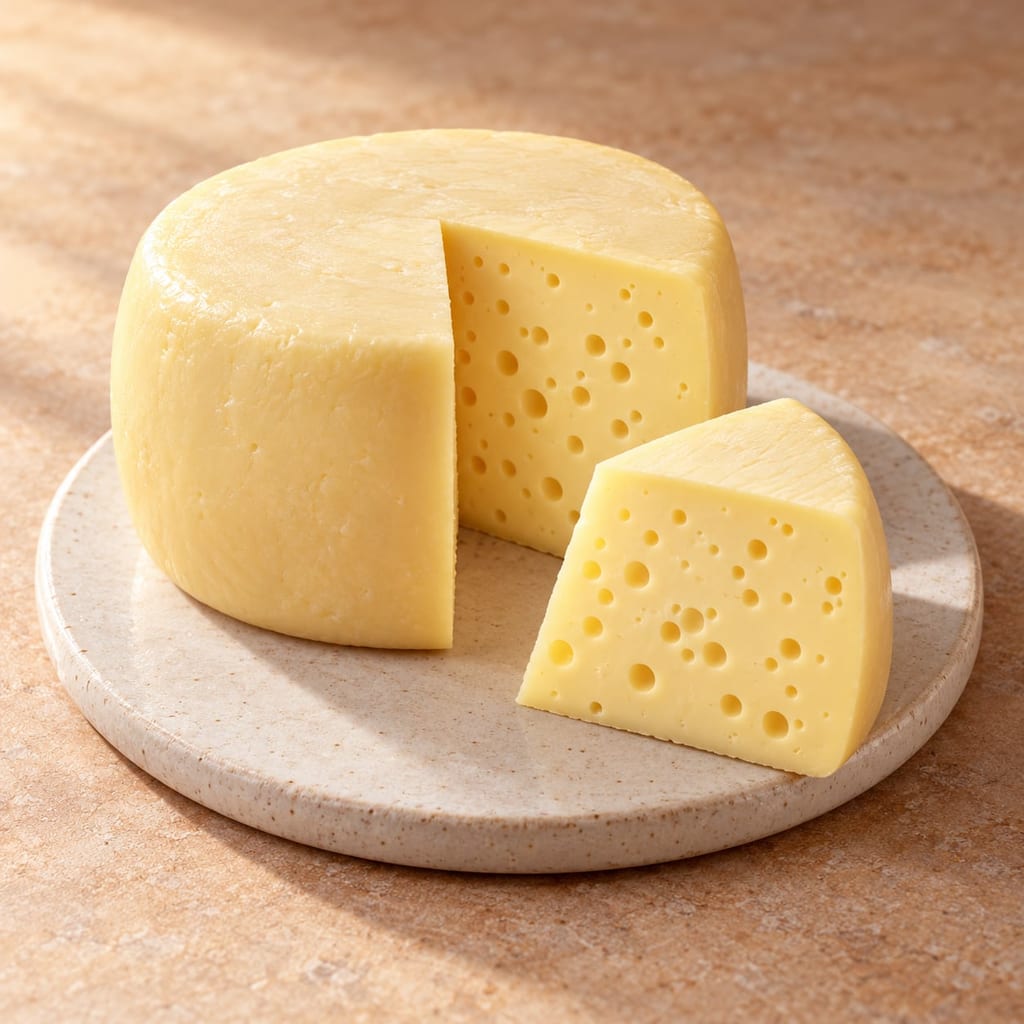
A washed-curd cheese with propionic bacteria, warmed by hot water in two steps and then held in a warm room for weeks so the bacteria can form its holes.

Beyaz peynir is a Turkish white cheese matured in brine. Sheep milk, alone or mixed with other milks, gives a close-textured cheese cut into blocks and packed in cans.
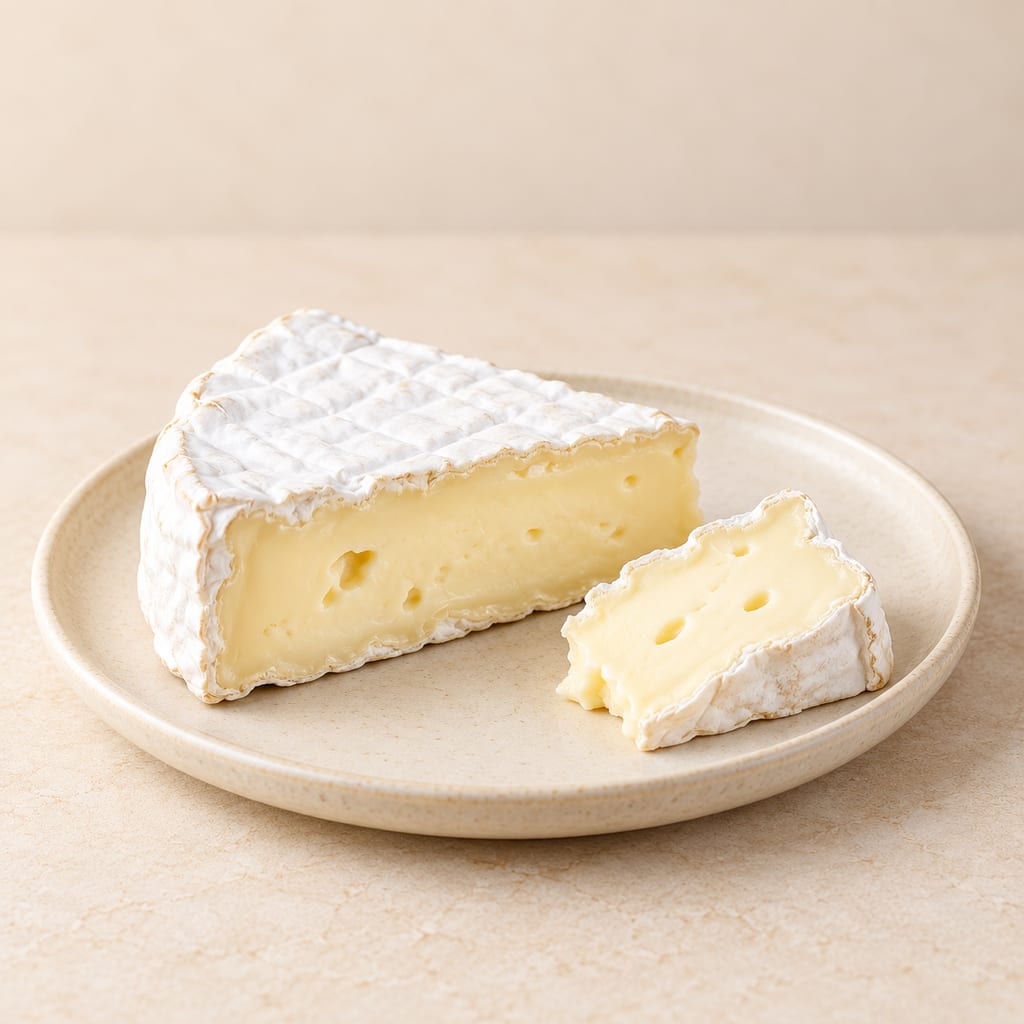
A cream-enriched Brie with a white bloomy rind and a softening center, made from pasteurized milk with lactic and surface cultures.
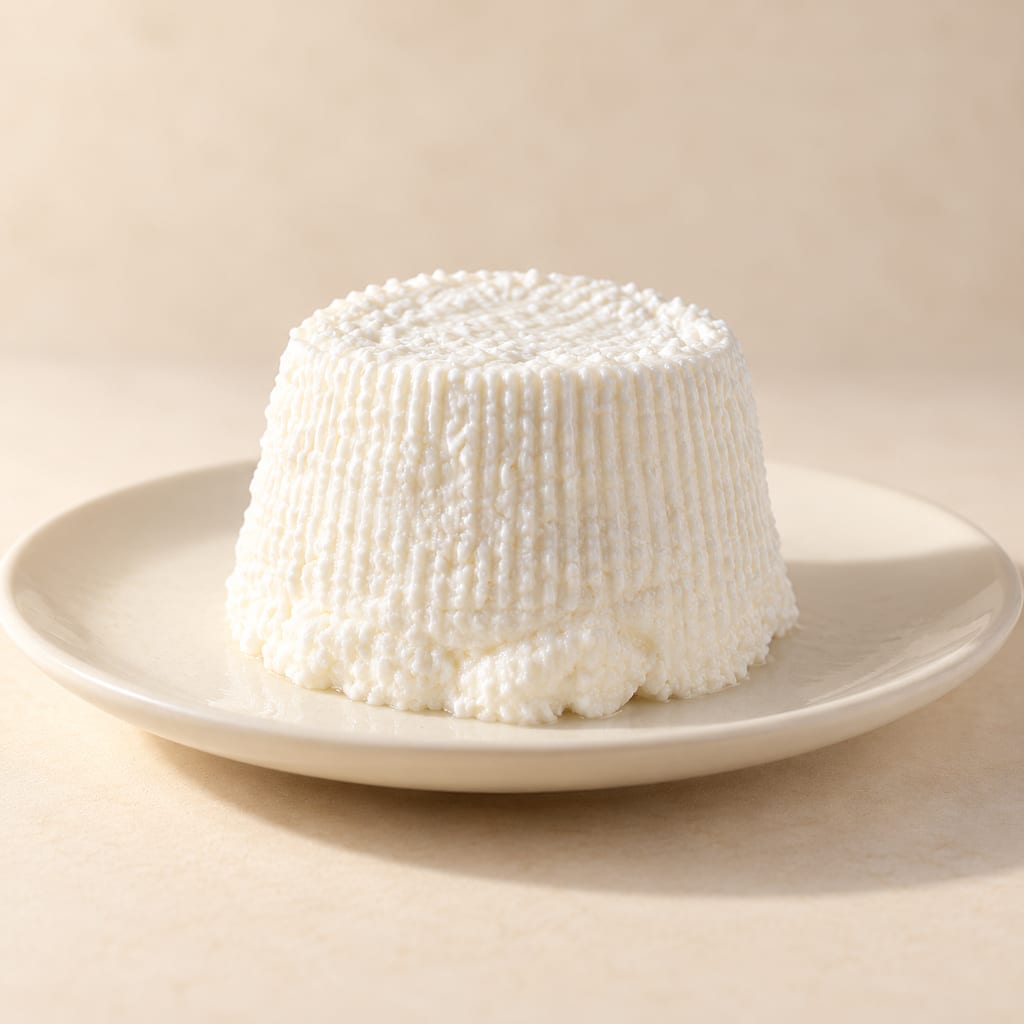
Corsican Brocciu is a whey cheese made by heating sheep's or goat's whey with whole milk and salt, then gently draining the flocculated curds. It is eaten fresh or salted and ripened as Brocciu passu.
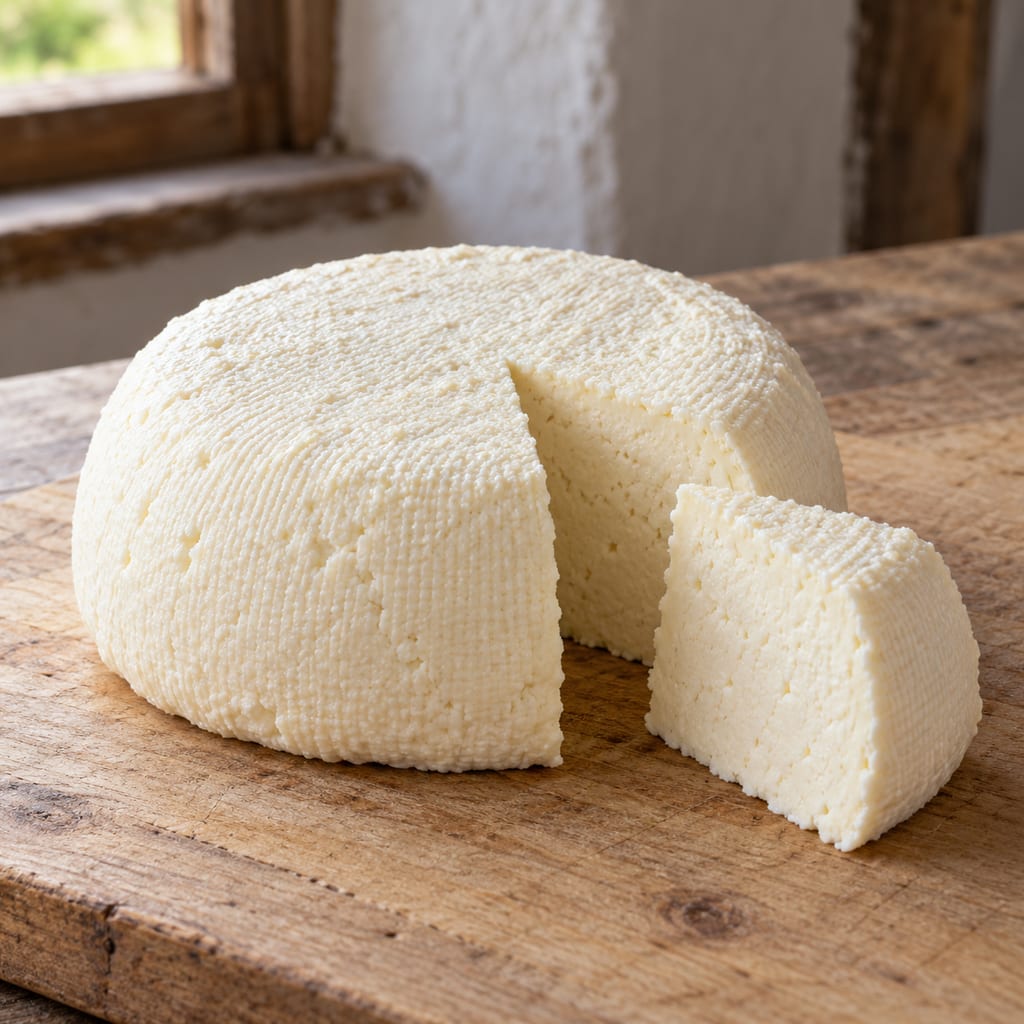
Budz is a traditional Hutsul rennet-set cheese made from sheep, cow or goat milk in the Ukrainian Carpathians, forming a fresh curd that can be eaten, smoked or processed into salted bryndza.
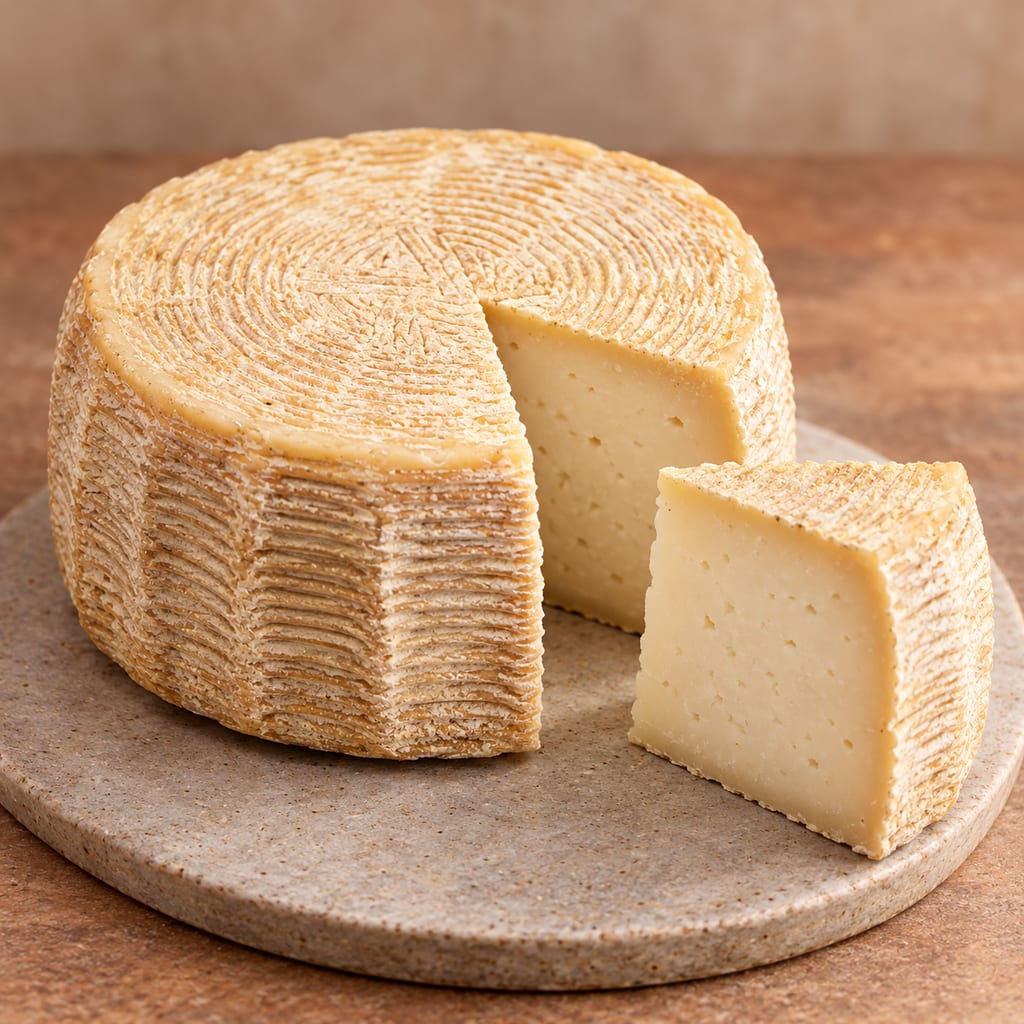
A scalded cheese moulded in baskets and re-cooked in its forms in hot whey, made alongside a ricotta from the same milk, then acidified, brined and aged for months.
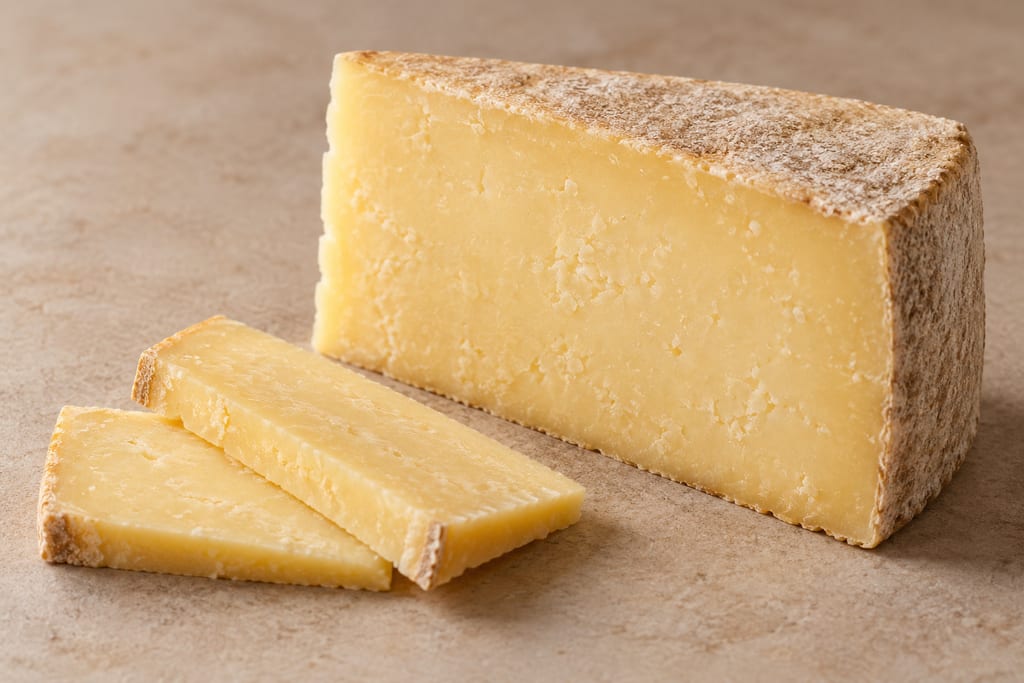
A pressed cheese whose curd is cooked slowly, then cheddared: kept warm in slabs that are turned and stacked for hours before milling, salting and pressing.

A gelling polysaccharide extracted from red seaweeds, sold as kanten strips or powder; it sets firm at a low concentration and stays solid until about 85 °C.

A Dominican table and seasoning condiment of sour orange juice, mixed with lime and salt and bottled raw; garlic, oregano or a hot pepper may be added for meat or a spicier bottle.

Cicerbita alpina is an alpine perennial whose tender shoots and leaves have been eaten raw or cooked. Sámi milk preparations and modern Carnian dishes are distinct uses, with serious identification and preservation limits.

Japanese skipjack tuna cooked, then repeatedly smoked and dried over a wood fire by the hand-fired tebiyama method into a hard block for shaving into dashi: the first stage of katsuobushi.

A Swedish-style spirit vinegar made by fermenting neutral alcohol with live vinegar bacteria, with a separate guide to commercial ättika strengths.

A yeast-raised wheat ring shaped from a firm dough, briefly boiled and baked. This source-batch formula gives a gently malted crust and a chewy crumb.

A warm dip of garlic, anchovy and olive oil, often enriched with butter, that Piedmont serves over a flame with raw and cooked vegetables and bread.

Bechamel is a white sauce of milk thickened with a butter and flour roux, one of the French mother sauces, and the base from which Mornay and other cheese and cream sauces are made.
No community contributions have been published for this entry yet.
Sign in to contribute. Published comments and photos are free to read.
New England Cheesemaking Supply CompanyProcess
Halloumi Cheese Making RecipeOne-gallon 100% cow-milk recipe, C21/MA4002, rennet, salt, curd cooking, whey cooking, yield and fresh refrigeration.
Cited in: A modern cow-milk method and the protected name; Rennet, cut curds and the optional culture; The second cook and why Halloumi folds; What the ingredients contribute; Fresh cheese, hygiene and the limits of storage advice
New Mexico State UniversitySafety
Making Homemade CheeseRevised February 2022. Fresh-cheese pathogens, equipment and food-contact hygiene, handwashing, curd cooling and handling; general guidance does not validate this specific recipe.
Cited in: Rennet, cut curds and the optional culture; What the ingredients contribute; Fresh cheese, hygiene and the limits of storage advice
Cyprus Ministry of Energy, Commerce and Industry, Trade ServiceHistory · Geography
History of HalloumiFlorio Bustron’s 1554 manuscript reference to caloumi in Cyprus, with manuscript location; historical account mediated through the Ministry page.
Cited in: A Cypriot cheese in a changing dairy culture; Serving and regional variation
Cyprus Ministry of Energy, Commerce and Industry, Trade ServiceNames · Identity
Protected Designation of OriginOfficial names Χαλλούμι (Halloumi) and Hellim, and Cyprus-specific protected product identity.
Cited in: A modern cow-milk method and the protected name; Serving and regional variation
Food and Agriculture Organization of the United NationsHistory · Method · Variation
The Technology of Traditional Milk Products in Developing Countries: HalloumiFAO's comparative technical account describes halloumi as a semi-hard brined cheese from sheep or goat milk or their mixture, with hot whey cooking, salt and folding; it notes several regional variations including Cyprus dry salting with dried mint.
The source is comparative background and does not describe or validate this recipe's one-gallon all-cow fresh method.
Cited in: A Cypriot cheese in a changing dairy culture; A modern cow-milk method and the protected name; The second cook and why Halloumi folds; Serving and regional variation