
Beyaz peynir
Beyaz peynir is a Turkish white cheese matured in brine. Sheep milk, alone or mixed with other milks, gives a close-textured cheese cut into blocks and packed in cans.
 FermenteaWhere food goes to change
Processing aids
A soluble calcium salt used to support cheese curd formation, balance cheese brines, reinforce some plant tissues and adjust brewing water.
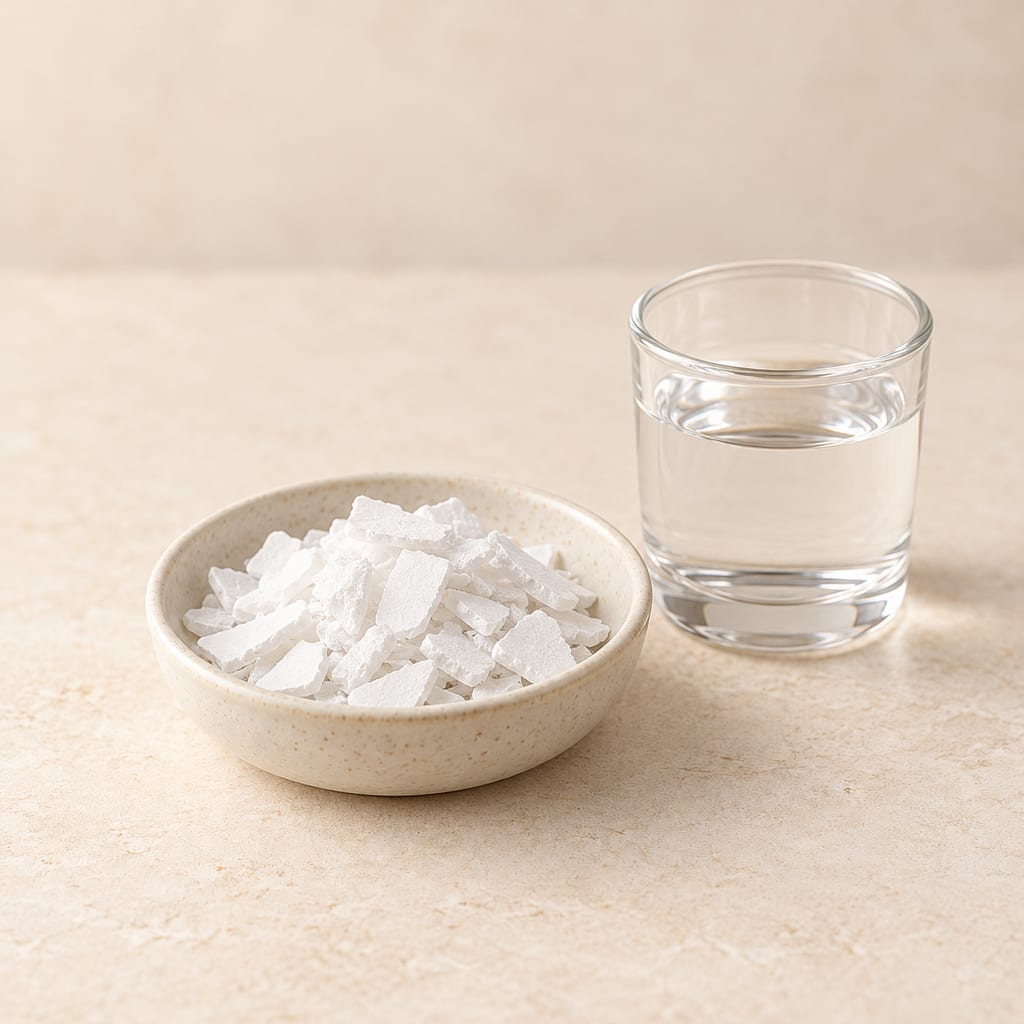
Calcium chloride is a mineral salt whose importance in food often appears in the texture rather than in the ingredient's own appearance. White flakes, granules or crystals dissolve into a clear liquid. In a cheese vat, the dissolved calcium can help a rennet-treated milk form a coherent curd. In a cheese brine, it can help maintain the cheese's surface. In a vegetable treatment, it can reinforce the tissue's pectin. The familiar name covers these different jobs, each governed by the food around it.
Its history as a commercial ingredient belongs partly to the history of industrial chemicals. Calcium chloride can be recovered alongside other salts from natural brines, obtained as a by-product of the ammonia-soda or Solvay process, or manufactured through reactions involving calcium and chloride compounds. Modern producers also make it from limestone and hydrochloric acid. These routes help explain why the same compound is sold for food processing, brewing, road treatment and other industries. A shared chemical name does not give those products a shared food specification.
Food use therefore depends on more than identifying the compound. The United States regulation for calcium chloride recognizes both the anhydrous salt and its dihydrate and requires a food-chemical specification. It lists several technical functions, including firming, pickling and processing assistance, with conditions for use in different food categories. That is a framework for defined food manufacture. It supplies neither a single household dose nor a reason to choose an industrial product for a kitchen.
The documentary history of its regulation also shows how this ingredient became part of standardized food manufacture. The U.S. calcium chloride provision records a federal publication in 1982 and an amendment in 1996, while incorporating a 1981 Food Chemicals Codex specification. These dates describe the regulatory record, rather than the first use of calcium chloride in cheese or other foods. They place a familiar workshop ingredient within a system that distinguishes chemical identity, food specification and the purpose for which a manufacturer uses it.
The formula CaCl₂ identifies calcium chloride. A dihydrate, written CaCl₂·2H₂O, includes water within its crystalline structure; the anhydrous form has no such crystal water. Both supply calcium and chloride when dissolved, but the water in the hydrate contributes to the product's mass. A weighed amount of one form consequently cannot be assumed to deliver the same amount of calcium chloride as the same mass of another form. Hydration state matters before a calculation begins.
Liquid products introduce another distinction. A bottle contains a solution, so the volume measured includes both dissolved salt and water. Its concentration determines what a drop, millilitre or spoonful supplies. A recipe written for a particular liquid product cannot be converted to dry flakes from volume alone. Likewise, descriptions such as powder, flakes and granules describe physical form; they do not establish assay, hydration state or suitability for food. The useful information is the actual supplier specification and product label.
This is why a cheesemaking solution and a brewing salt can share an ingredient name while carrying different directions. A brewer may buy hydrated flakes intended to be dispersed through brewing liquor. A cheesemaker may measure a small volume of a ready-made concentrate. Choosing the product specified by the method preserves the basis of that method. If the recipe does not identify the concentrate strength, that missing detail remains a practical limitation rather than an invitation to calculate an apparently precise replacement.
Milk contains casein proteins organized into small structures called micelles. Much cheesemaking depends on changing those dispersed structures into a network that holds fat and moisture. Rennet supplies enzymes, chiefly chymosin in conventional rennet, which destabilize the casein system. Calcium ions then help the altered micelles connect. These are related stages, but the mineral salt and the enzyme perform different work: calcium chloride supports the conditions for aggregation; it does not replace the enzyme's action.
The resulting curd is more than thickened milk. Its network must be strong enough to undergo the cutting, stirring and drainage required by the cheese. When calcium availability is too low, a soft coagulum can break into fine particles, carrying casein and fat away in the whey. A controlled addition of calcium chloride can strengthen coagulation. Temperature, acidity, milk composition and enzyme strength also influence the outcome, so calcium addition is one part of the make rather than a complete diagnosis of every weak curd.
More is not always better. Excessive calcium chloride can produce a coagulum that is difficult to cut. Calcium carried into the whey can also create problems during later industrial whey processing, including deposits in evaporation equipment. The desired result is a network appropriate to the cheese, not the hardest possible curd. This explains why an ingredient that improves one formulation can be unnecessary or excessive in another.
Quark illustrates a small-scale use alongside acid development. Calcium chloride is mixed into cold milk before warming, followed later by starter culture and diluted rennet. The starter develops acidity, while the small rennet addition and mineral conditions contribute to setting. Afterward, draining removes whey and determines the thickness of the fresh cheese. Calcium chloride has a supporting role within that sequence; it neither supplies the culture nor performs the drainage.
Once cheese has formed, calcium chloride may appear again in an external brine. This is a different operation from adding it to milk. During brining, the cheese and surrounding liquid exchange dissolved substances and water. A new brine with insufficient calcium can draw calcium from the cheese until the system moves toward equilibrium. The cheese surface may then become undesirably soft. Calcium in the brine helps manage that exchange.
The distinction is useful when reading a brined-cheese recipe. One calcium chloride entry may refer to the milk before coagulation; another may refer to the liquid surrounding the finished curd. Their amounts have different denominators and purposes. A milk addition cannot simply be copied into a brine formula. Brine composition, cheese composition and the intended salting operation belong together, including the other controls of the particular cheesemaking method.
Excessive calcium in brine can make the surface unusually firm. Calcium balance therefore helps shape the rind or outer layer without being a general guarantee of brine hygiene. Salt uptake, acidity, temperature, circulation and microbiological management remain separate parts of a brining system. A well-shaped surface is a quality result; the calcium adjustment alone does not establish that the whole cheese process is controlled.
Plant foods provide another material for calcium to act upon. Pectin helps organize and support plant cell walls. Calcium can form links within this material, strengthening the structure that contributes to firmness. This makes calcium chloride useful in some treatments of whole or cut fruit and vegetables, where softening during processing would otherwise reduce quality. The effect concerns the tissue itself, rather than simply making the surrounding liquid thicker.
The result depends on the food and the process. Tissue condition, the treatment and subsequent handling all affect the finished texture. Calcium-assisted firmness should therefore be understood as an interaction between an ingredient and plant material, not a promise that adding calcium chloride makes every pickle crisp. The same word, pickle, can describe an acidified preparation, a fermented vegetable or a product receiving further heat processing, with different requirements.
Commercial research into cucumber fermentation gives a useful example of those limits. A calcium chloride brining process was developed partly to reduce the salty wastewater associated with conventional sodium chloride fermentation and desalting. At commercial scale, the alternative process achieved lactic fermentation but gave variable texture and colour, with softer cucumbers on average than the conventional comparison. Moving from laboratory success to large tanks introduced practical interactions that the calcium-pectin explanation alone could not predict.
That history also explains why calcium chloride is not a simple spoon-for-spoon substitute for ordinary salt. Sodium chloride influences the fermentation environment as well as flavour. An alternative industrial brine can involve starter cultures, other ingredients and a specific operating method. A home recipe designed around one salt system cannot acquire the evidence for another system merely by changing the name on the ingredient line.
Brewers use calcium chloride to adjust water chemistry. Dissolving it adds both calcium and chloride ions. Calcium participates in mash chemistry and supports several brewing operations; chloride contributes to the beer's sensory balance. The addition belongs to the design of the brewing liquor, alongside the minerals already in the source water and the composition of the grist. It is not a fermenting organism or a substitute for yeast.
Hydrated calcium chloride flakes dissolve into brewing water to correct mineral deficiencies and supply calcium for enzyme function, protein coagulation in the kettle and yeast metabolism. These functions occur at different stages. Mash enzymes act on grain components; boiling changes proteins and wort composition; yeast later carries out fermentation. Following calcium through those stages explains why a water treatment can affect a beer even though the brewer does not add it as a flavouring at serving.
A meaningful brewing addition starts with the water already available. The same measured salt added to different waters does not produce the same final mineral profile. Product form and concentration matter here just as they do in a cheese vat. A manufacturer's directions describe that manufacturer's material and application; they do not establish a universal target for every beer style, water supply or recipe.
Calcium chloride absorbs moisture from the air and can become wet enough to dissolve in the water it has absorbed. This behaviour is called deliquescence. It explains why dry flakes need a tightly closed container and dry storage. An opened bag left exposed may cease to behave like the original dry product when it is weighed or handled. Keeping the label and the container together also preserves the identity and concentration information needed for later use.
Dissolving calcium chloride releases heat. The brewing producer advises adding its product cautiously to water while stirring and warns about irritation from dust and contact with eyes or skin. These handling properties deserve attention even when the final food uses only a small amount. Prepared concentrates and dry salts should be handled according to their own directions, rather than treated as though every form behaved like an ordinary table seasoning.
Pure calcium chloride is an inorganic salt, and it is not one of the United States' named major food allergens. That statement does not establish a commercial product's cross-contact history or the composition of a blend. Ingredient lists, supplier information and the intended food use remain relevant. Equally, a calcium chloride addition does not change the milk-allergen status of a cheese or make a particular diet claim about the whole recipe.
The ingredient's useful character is its specificity. In milk it assists a protein network; in brine it helps manage calcium exchange; in vegetables it can reinforce pectin; in brewing water it changes the mineral contribution. Recognizing the material being acted upon makes the directions easier to interpret. The linked preparations retain their own products, quantities and stages, because those details determine which of these roles calcium chloride actually plays.
Commercial manufacturing has several routes; no particular supplier, plant or sourcing location is established for the ingredient used by the linked recipes.
Beyaz peynir is a Turkish white cheese matured in brine. Sheep milk, alone or mixed with other milks, gives a close-textured cheese cut into blocks and packed in cans.
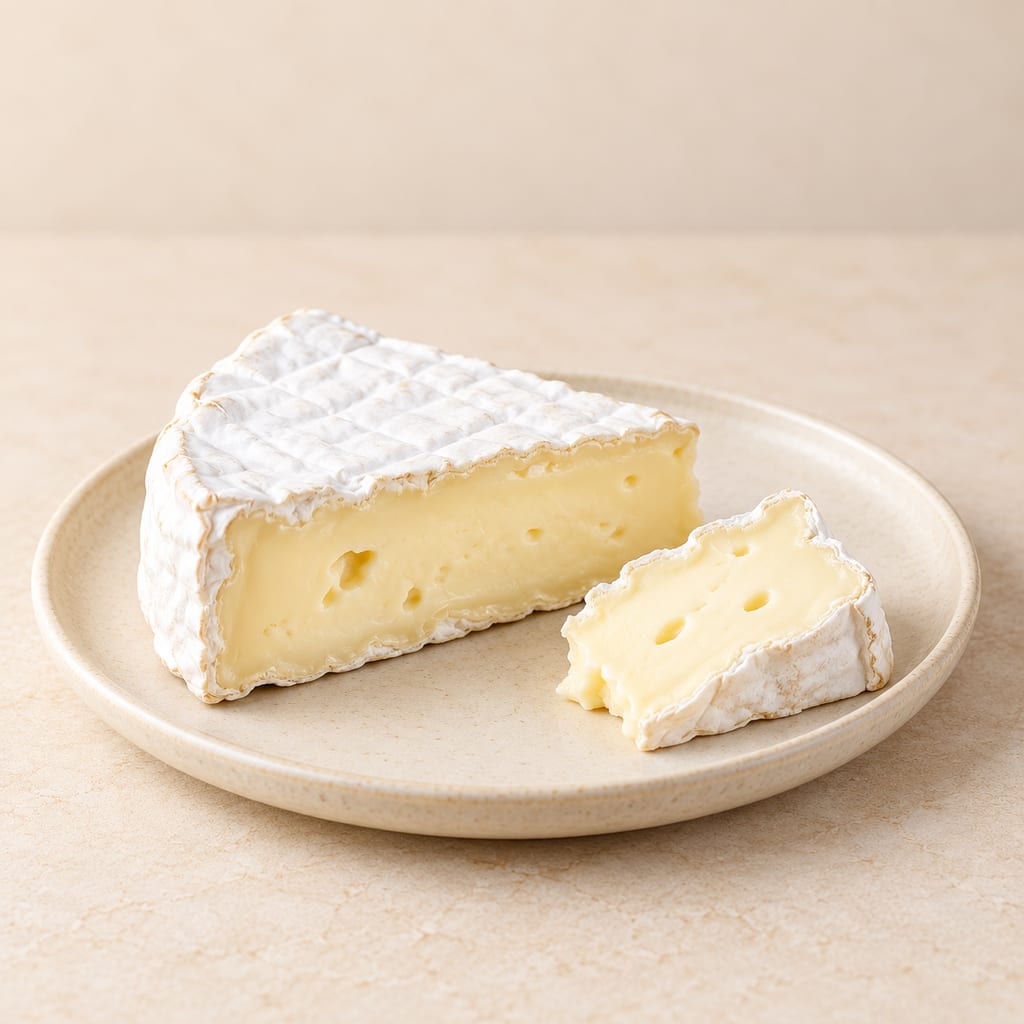
A cream-enriched Brie with a white bloomy rind and a softening center, made from pasteurized milk with lactic and surface cultures.
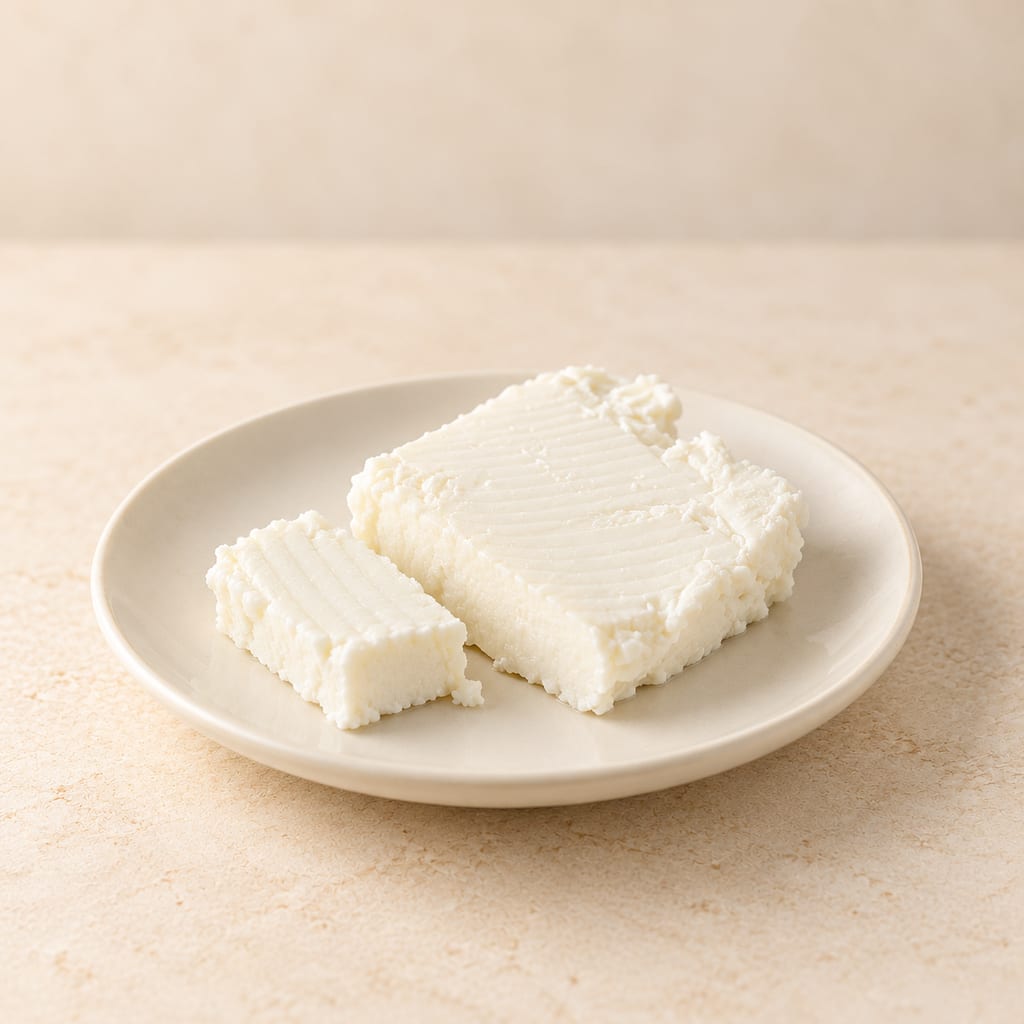
Domiati is a soft Egyptian white cheese made by salting milk before renneting. It is eaten fresh or ripened in brine, with cow and buffalo milk used in varying proportions.
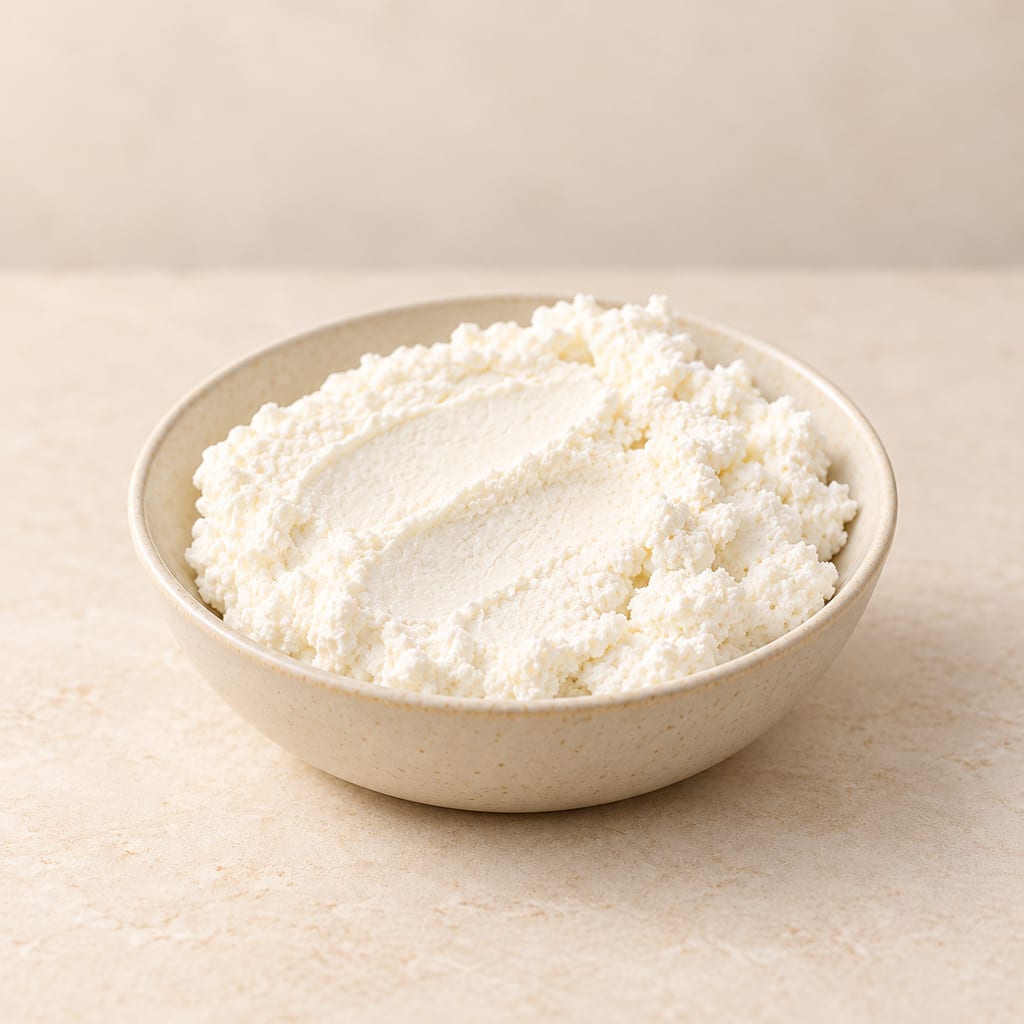
Fresh chèvre is a soft goat-milk cheese with a gently tangy flavour. This home method uses a combined lactic starter and coagulant, then drains the curd in cloth before salting and chilling.

A pale, dry lager with Pilsner malt, Magnum bittering hops and Hallertau Mittelfrüh and Tettnang additions, followed by cold maturation.

Kashkaval is a firm sheep-milk cheese whose acidified curd is worked in hot brine. This large-batch method finishes with repeated dry salting, wax coating and cool ripening.
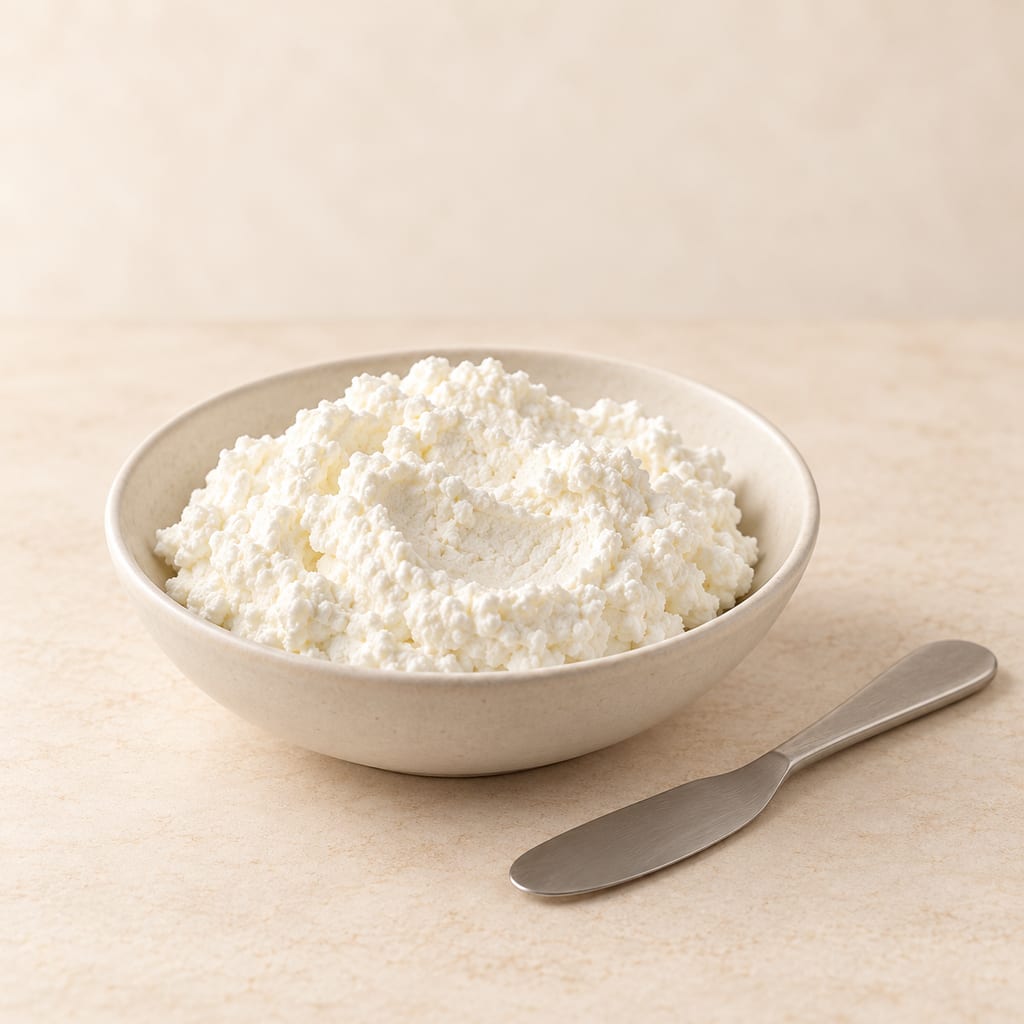
Quark is a soft, fresh curd cheese used in spreads and desserts. This small home batch sets milk with mesophilic culture and rennet before refrigerated drainage.
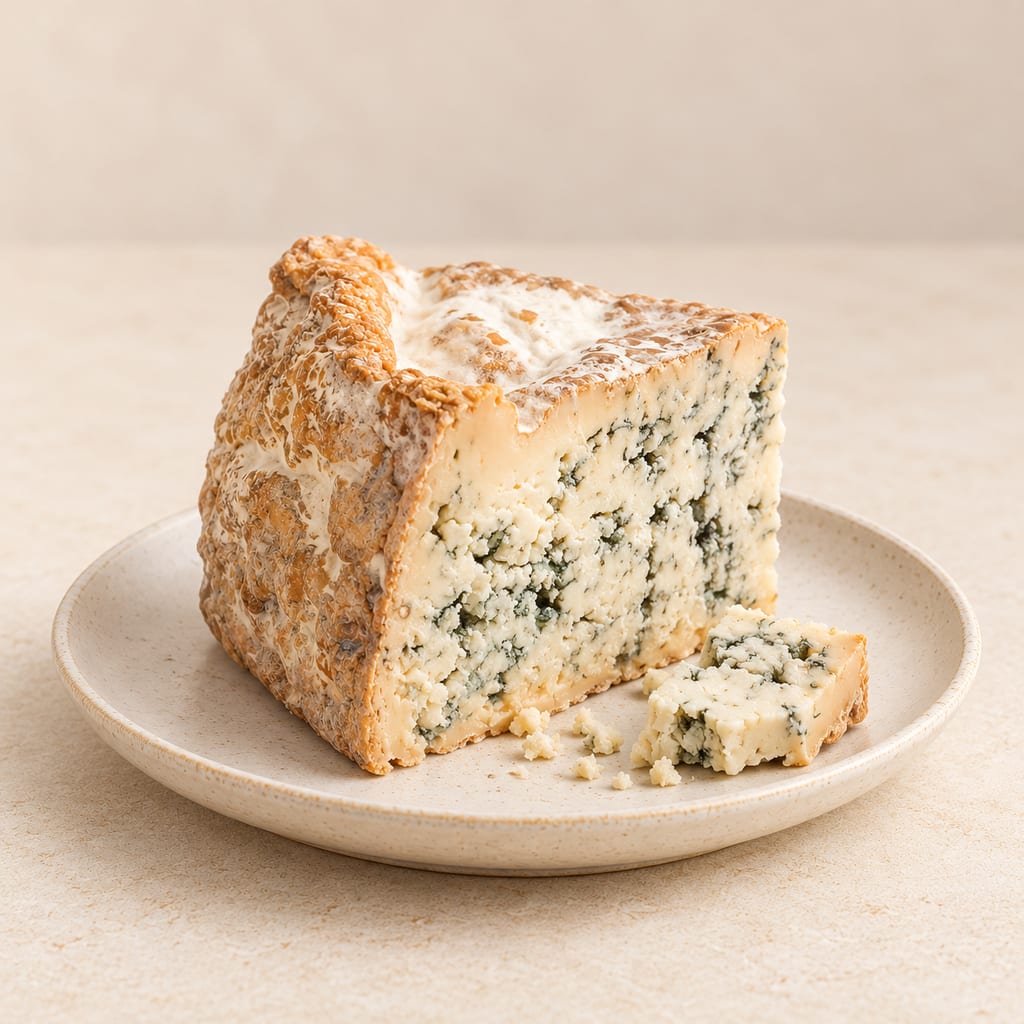
A moist blue cheese inspired by Cantabrian styles, made with pasteurized milk, a lactic starter and Penicillium roqueforti, then ripened in two stages.
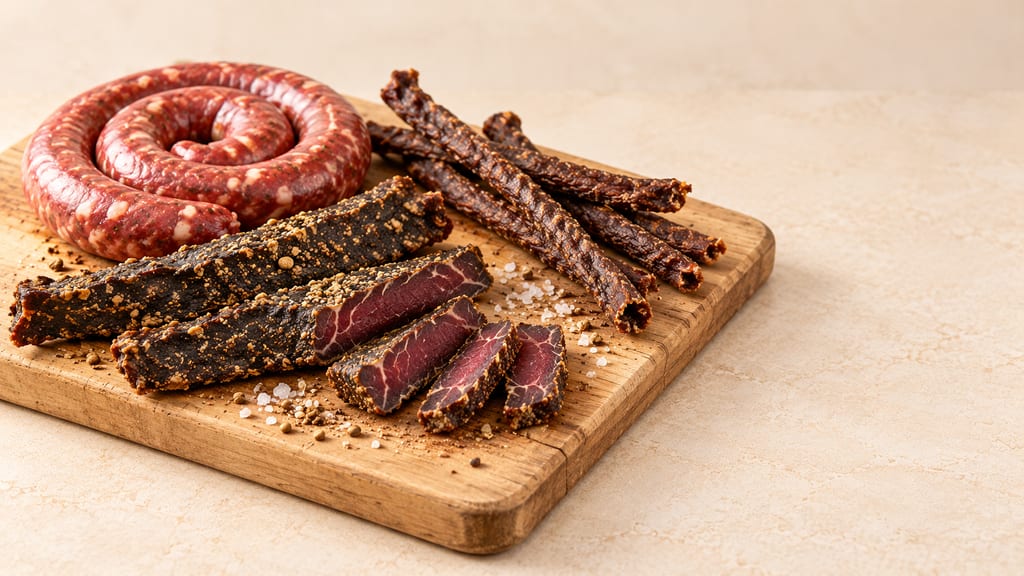
Boerewors, biltong and droëwors share a table but follow different paths from meat to meal. Their histories lead from the braai and butcher's counter to drying lines, household pots and the science of keeping food.
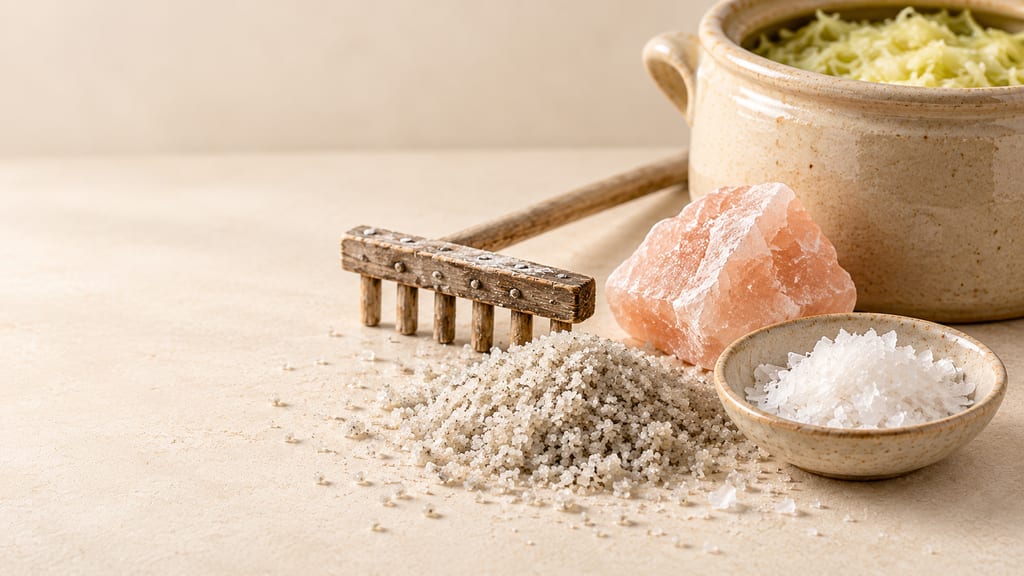
Salt seasons a meal, shapes fermentation and preserves food. Its history follows the people who mine, harvest, trade and transform it, and the choices hidden inside an ordinary packet.
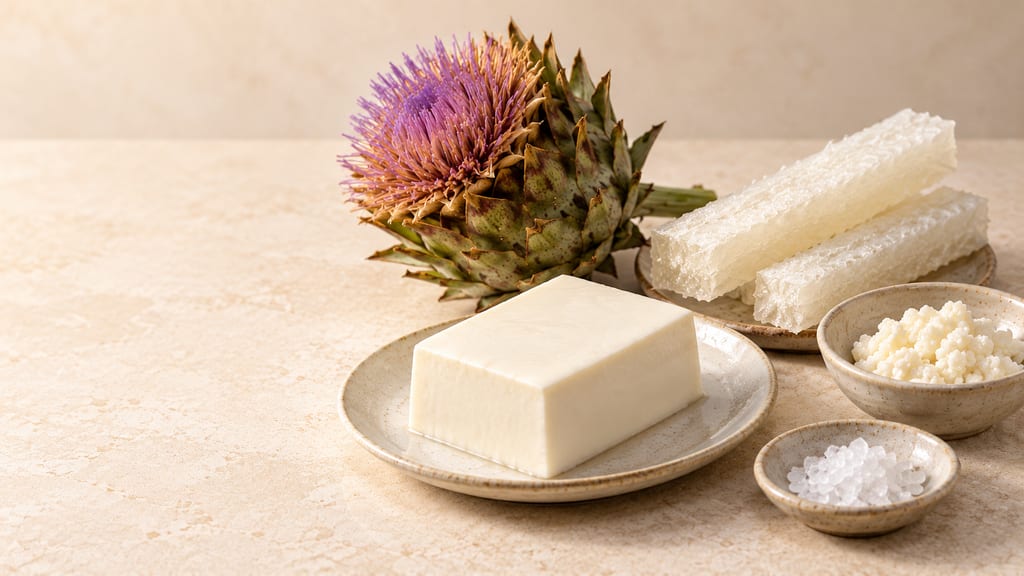
Cheese, tofu, agar, nixtamal and cured ham all begin with a liquid or soft food made to set, sour or keep. Rennet is one branch of that history, beside plant enzymes, acids, minerals, alkalis, gels, finings and curing salts.
No community contributions have been published for this entry yet.
Sign in to contribute. Published comments and photos are free to read.
U.S. Food and Drug Administration; eCFR text reproduced by eCFR.ioIngredient context
21 CFR §184.1193 Calcium chlorideCalcium chloride identity, anhydrous and dihydrate forms, manufacturing routes, food specifications and application-dependent U.S. conditions. The rule dates to 1982 with a 1996 amendment.
Cited in: A salt used to shape food; What is in a flake or bottle
USDA Agricultural Marketing Service; Organic Materials Review InstituteIngredient context
Calcium Chloride: Handling/Processing Technical Evaluation ReportPhysical properties, food uses, calcium–pectin interactions, manufacturing and sensory limitations of calcium chloride in food processing.
Cited in: A salt used to shape food; What is in a flake or bottle; Pectin and the firmness of vegetables
TETRA TechnologiesIngredient context
Calcium Chloride ProductsA producer’s limestone and hydrochloric-acid manufacturing route, solid and liquid forms, and intended commercial grades.
Cited in: A salt used to shape food
RahrBSGIngredient context
Brewers’ Calcium Chloride: Product InformationHydrated white flakes used in brewing: mineral adjustment, hygroscopic and deliquescent character, heat during dissolution, closed dry storage and handling precautions.
Cited in: What is in a flake or bottle; In brewing water; Keeping the ingredient in good condition
Tetra PakIngredient context
Cheese: Dairy Processing HandbookCalcium and rennet have distinct roles in casein coagulation. The dairy-processing account discusses weak curd and fines, excessive firmness and calcium deposits during whey processing.
Cited in: Milk, rennet and a network of casein
Omnom CheeseIngredient context
QuarkQuark preparation adds calcium chloride to cold milk before heating, then uses starter culture and diluted rennet. Culturing and setting precede whey drainage.
Cited in: Milk, rennet and a network of casein
U.S. DairyIngredient context
Dairy Brine Food Safety Best PracticesCalcium balance during cheese brining, mass exchange and microbiological monitoring. Low brine calcium can soften the surface, while excessive calcium can make it overly firm.
Cited in: A second role outside the cheese
Journal of Food Quality; Erin K. McMurtrie and Suzanne D. JohanningsmeierIngredient context
Quality of Cucumbers Commercially Fermented in Calcium Chloride Brine without Sodium SaltsAn industrial fermentation study compares a calcium-chloride alternative formulation with its control, including wastewater motivation, fermentation, texture and colour results.
Cited in: Pectin and the firmness of vegetables
Beer Judge Certification ProgramIngredient context
WaterBrewing-water hardness, alkalinity and ion effects, including chloride’s sensory contribution and differences among water profiles.
Cited in: In brewing water
U.S. Food and Drug AdministrationIngredient context
Food AllergiesThe U.S. major-food-allergen groups, allergenic proteins and cross-contact. Calcium chloride is not one of the named groups; product-specific ingredient declarations remain relevant.
Cited in: Keeping the ingredient in good condition
Electronic Code of Federal RegulationsIngredient context
21 CFR §184.1193 Calcium chlorideOfficial U.S. calcium chloride provision: anhydrous and dihydrate identities, commercial manufacturing routes, the incorporated 1981 Food Chemicals Codex and listed technical functions, with 1982 and 1996 rule history.
Cited in: A salt used to shape food; What is in a flake or bottle