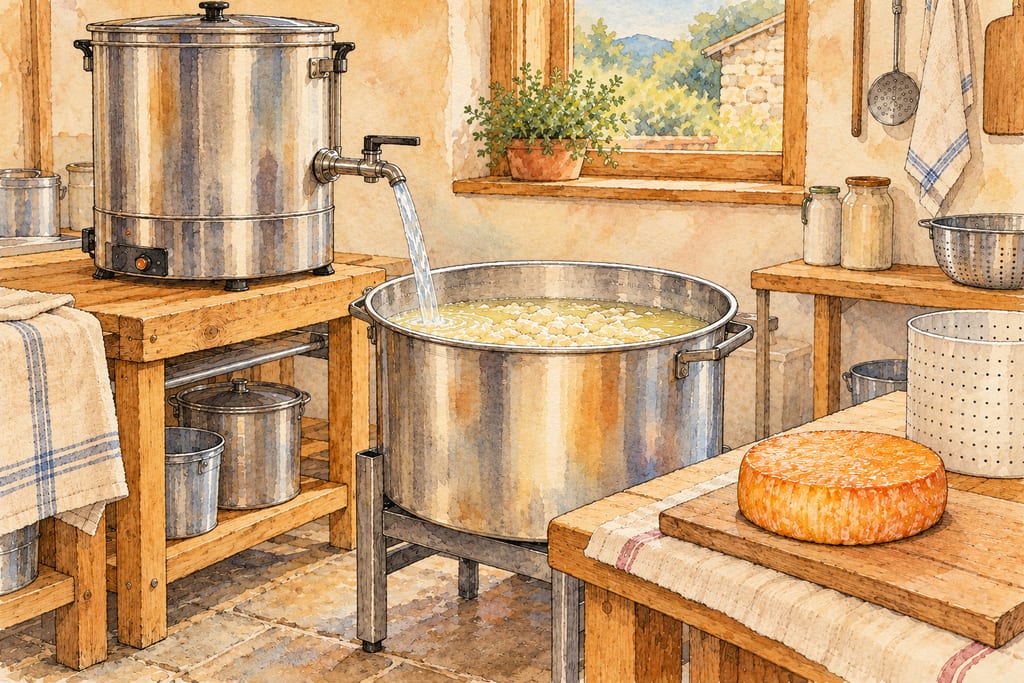
Brewer as a hot-water service station
The brewer holds clean water at a set temperature for washed-curd cheeses and other hot-water jobs, beside a separate cheese pot, instead of heating milk directly.
 FermenteaWhere food goes to change
Gouda
A pressed, brined cheese in which a third of the whey is replaced with hot water, washing out lactose so the cheese ends less acidic before months of ageing.
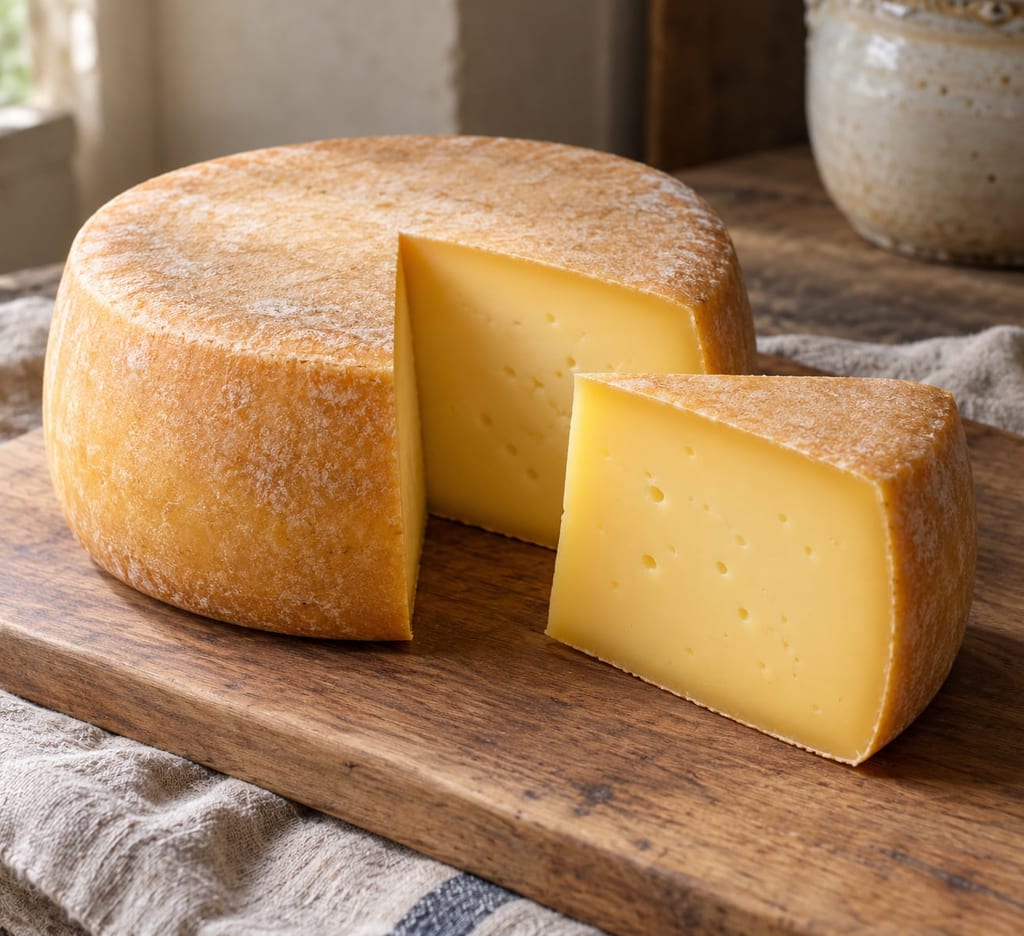
Gouda-style washed-curd cheese is a pressed, brined cheese in which part of the whey is replaced with hot water before the curd is consolidated and pressed. The documented method is Jim Wallace's Gouda recipe for New England Cheesemaking Supply, written for six gallons of milk with the MM100 mesophilic culture. The source refers to practice in Holland and to Boerenkaas rinds, which the page presents as an association rather than a claim of origin.
The method follows a sequence of set, cut, stir, wash, consolidate, press, brine, dry and age. The sources give the times and temperatures for each stage, and this page keeps them as printed.
The Gouda page explains that the wash removes lactose, which lactic bacteria would otherwise convert to acid. With less lactose left, the cheese ends less acidic before the months of ageing that follow. After stirring the curd for 15 minutes, one third of the whey is removed and water at 130 °F (54 °C) is added over 15 minutes, to a final curd temperature the source prints as 98 to 102 with no unit. The higher end of that range is for a drier, longer-aged cheese.
The source says to keep stirring for 30 minutes, or until the curd reaches its final moisture, and it leaves the wash water volume unstated.
The curd is consolidated in the mould under the whey with a follower and a 6 lb weight for 15 minutes. It is then pressed in steps: 9 lb for 30 minutes, flipped, 16 lb for 30 minutes, 25 lb for 30 minutes, then 25 lb for 6 to 8 hours. For a drier, long-aged cheese the source uses up to 50 lb overnight. The cheese rests overnight in the mould at 50 °F (10 °C).
It is brined in saturated brine for 18 to 24 hours, which the source gives as 3 to 4 hours per pound of final cheese. The brine is one gallon of water, 2.25 lb of salt, 1 tablespoon of 30% calcium chloride solution and 1 teaspoon of white vinegar. The cheese is dried for 3 to 7 days, then waxed or left to form a natural rind. It ages at 56 to 64 °F (13 to 18 °C) and 80 to 85% relative humidity, and the source gives ripeness from 60 days to 6 months, and 12 months to more than 4 years for drier cheeses.
The Gouda page says that low acid will not protect a raw-milk cheese from late fermentation by unwanted bacteria during ageing. Penn State Extension states that ultra-pasteurised and UHT milk interfere with curd formation and does not recommend raw milk for home cheesemaking, so the control this page carries is pasteurised milk.
Untested adaptation: the brewer filled with water as a hot-water service tank beside a separate cheese pot, with the 130 °F wash water measured and added by hand. The Gouda page says nothing about brewing equipment. The dossier's notes add that the wash water becomes part of the cheese, so it must come from a food-safe vessel, and that a brewer recently run with cleaner must be rinsed first. The water temperature should be checked in the jug, not on the brewer display, and the final curd temperature with a probe.
Wash water volume: The page gives only the temperature and the target curd temperature..
Unit of the final curd temperature: Printed as '98-102' with no unit..
Calcium chloride for 6 gallons: Only the 2-gallon version gives an amount..
Wash water quality: The Gouda page does not say whether the water should be non-chlorinated..
not researched yet
Yield 6 lb · Scaling: source batch only
The page says low acid will not protect against late fermentation from unwanted bacteria during ageing when raw milk is used.
Hazard sourceUse pasteurised milk; Penn State says ultra-pasteurised and UHT milk interfere with curd formation and should not be used, and does not recommend raw milk for home cheesemaking.
Control sourceThe brewer setting is the bath temperature, not the milk temperature. Every temperature in the steps is a temperature of the milk, curd or whey, measured with a calibrated probe in the food.
The brewer configuration is a proposed adaptation that nobody has published a trial of; the source method was written for a pot in a sink of warm water or on a stove.
The page notes Dutch makers add nitrate, which is not allowed in the United States; this draft adds none.
The page refers to practice 'in Holland' and to Boerenkaas rinds; association, not a claim of origin.
The brewer holds clean water at a set temperature for washed-curd cheeses and other hot-water jobs, beside a separate cheese pot, instead of heating milk directly.
Follow milk into cheese, cultured drinks, butter, dried curds and sweets: a journey through the animals, seasons and household decisions behind the world's dairy foods.
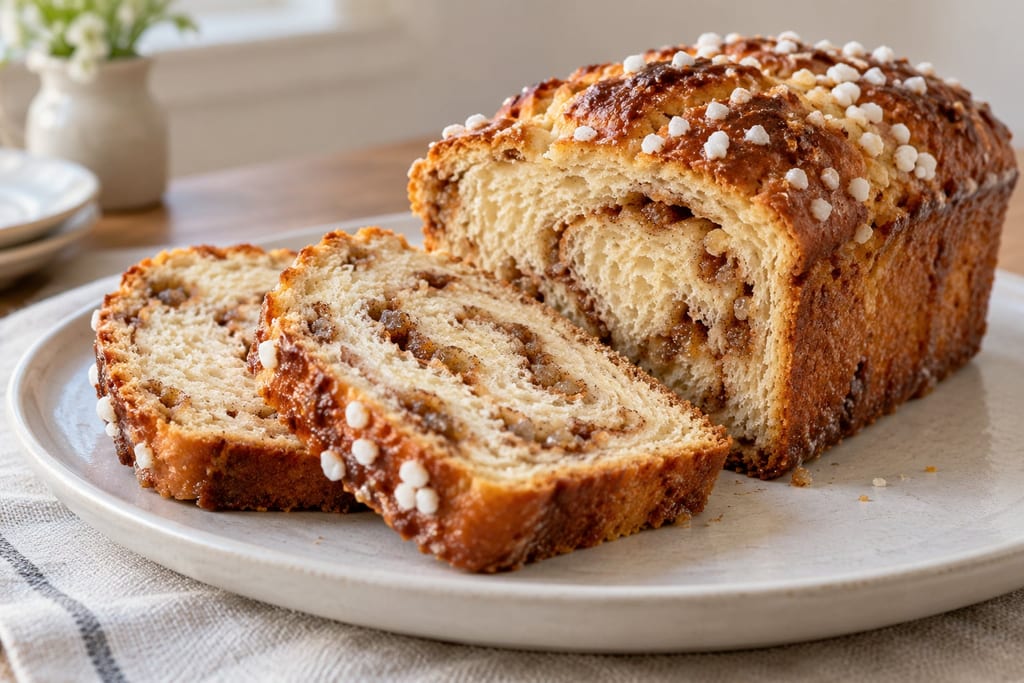
Yeasted sugar bread with cinnamon, pearl sugar and ginger syrup, shaped into two standard loaves or three paper-pan loaves.
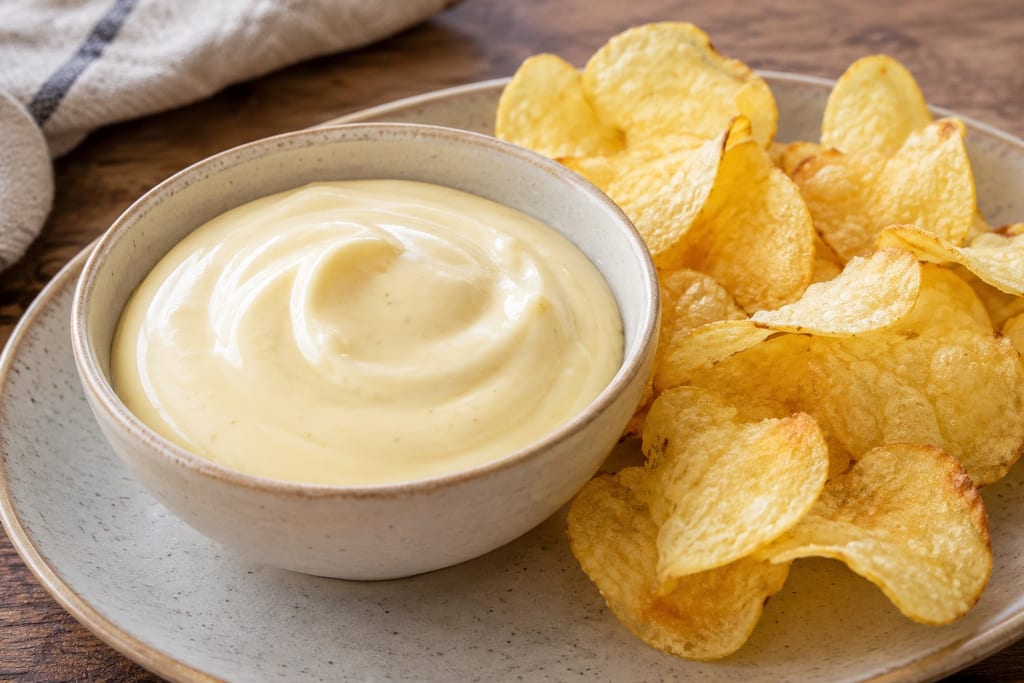
Lower-oil, starch-thickened fritessaus-inspired sauce derived from M13, not a Remia replica. Nominal yield 291 g before cooking loss.
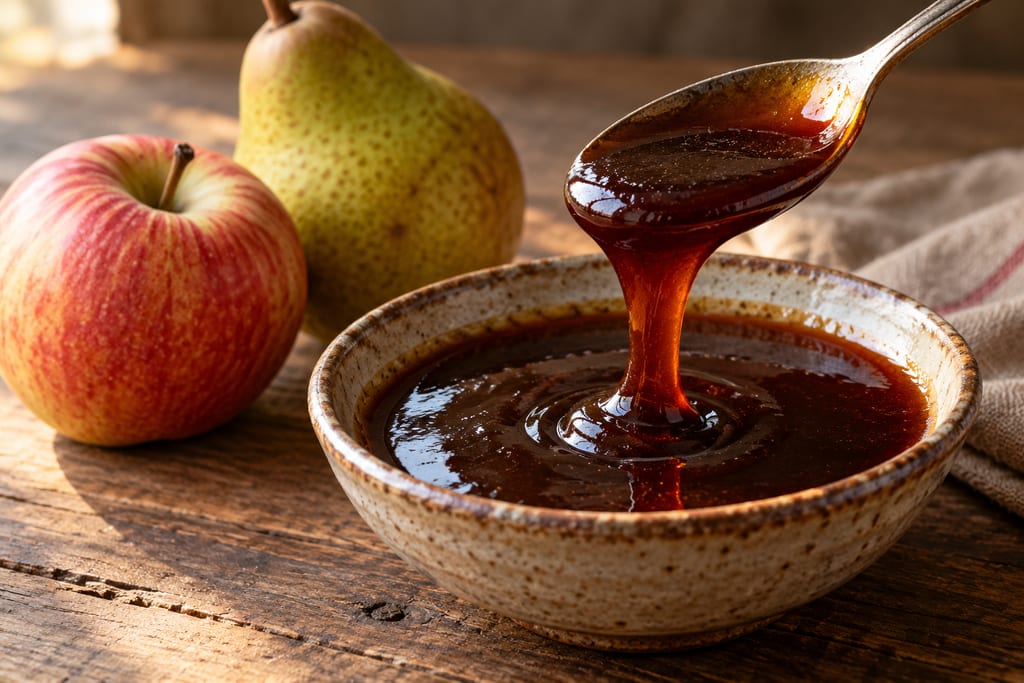
Limburgse stroop is a regional family of cooked fruit syrups from Dutch and Belgian Limburg. Producers blend apples, pears and beet differently, so no single formula exists.
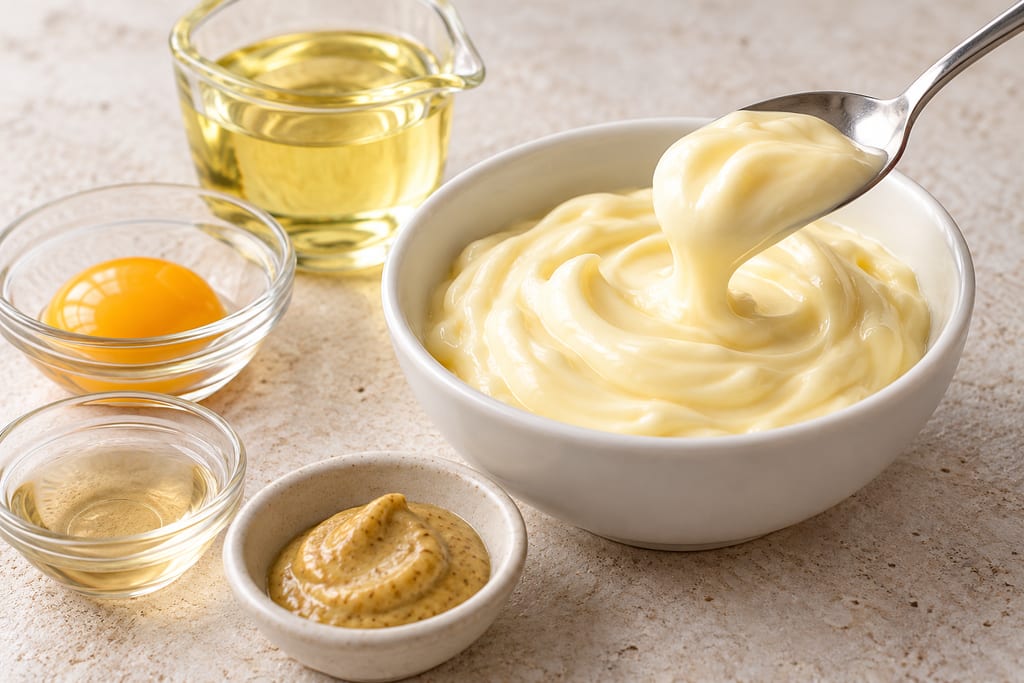
A plain mayonnaise of 200 g refined neutral oil emulsified into pasteurised yolk, vinegar, water and a little Dijon mustard: a clean base for tasting, comparing and flavouring.
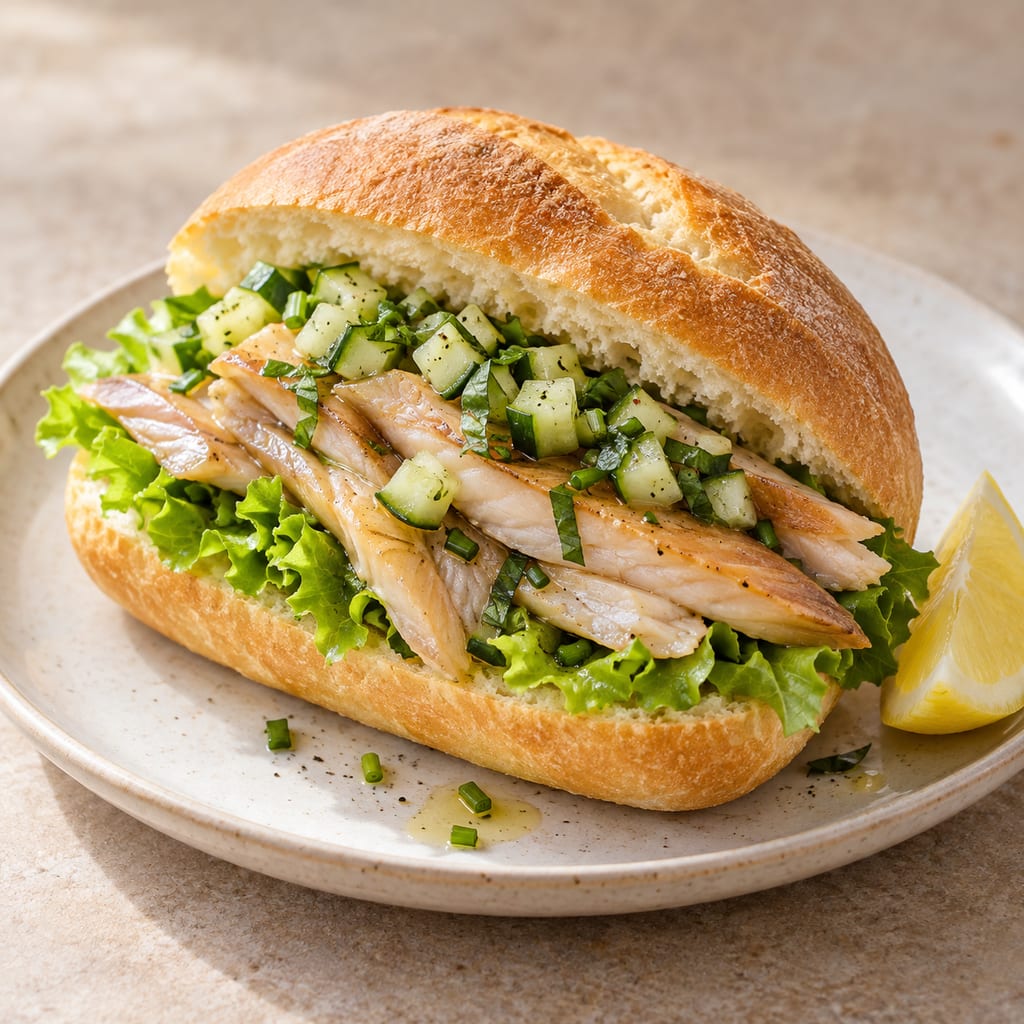
This Dutch lunch roll combines purchased smoked eel with cucumber, basil, lemon dressing and lettuce.

Pointed, yeast-raised Surinamese rolls with a light crumb and a thin crust, shaped with a pressed seam and baked with a semolina coating.
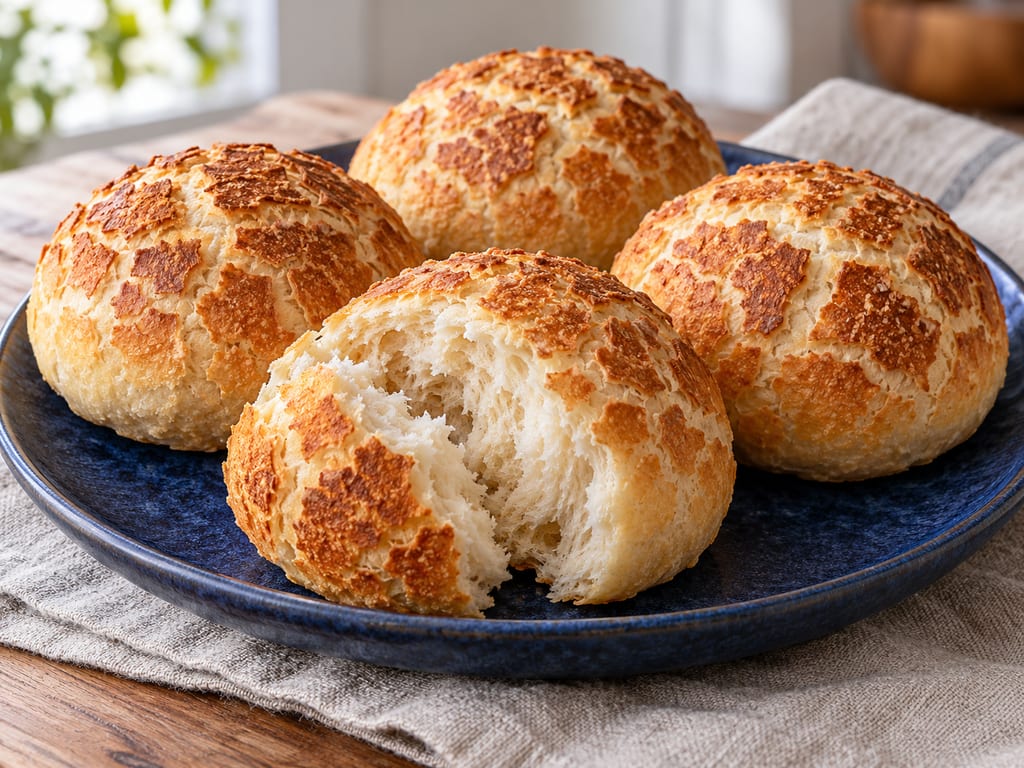
These Dutch-associated wheat rolls carry a yeast-raised rice-flour paste that dries into a split, crunchy crust.
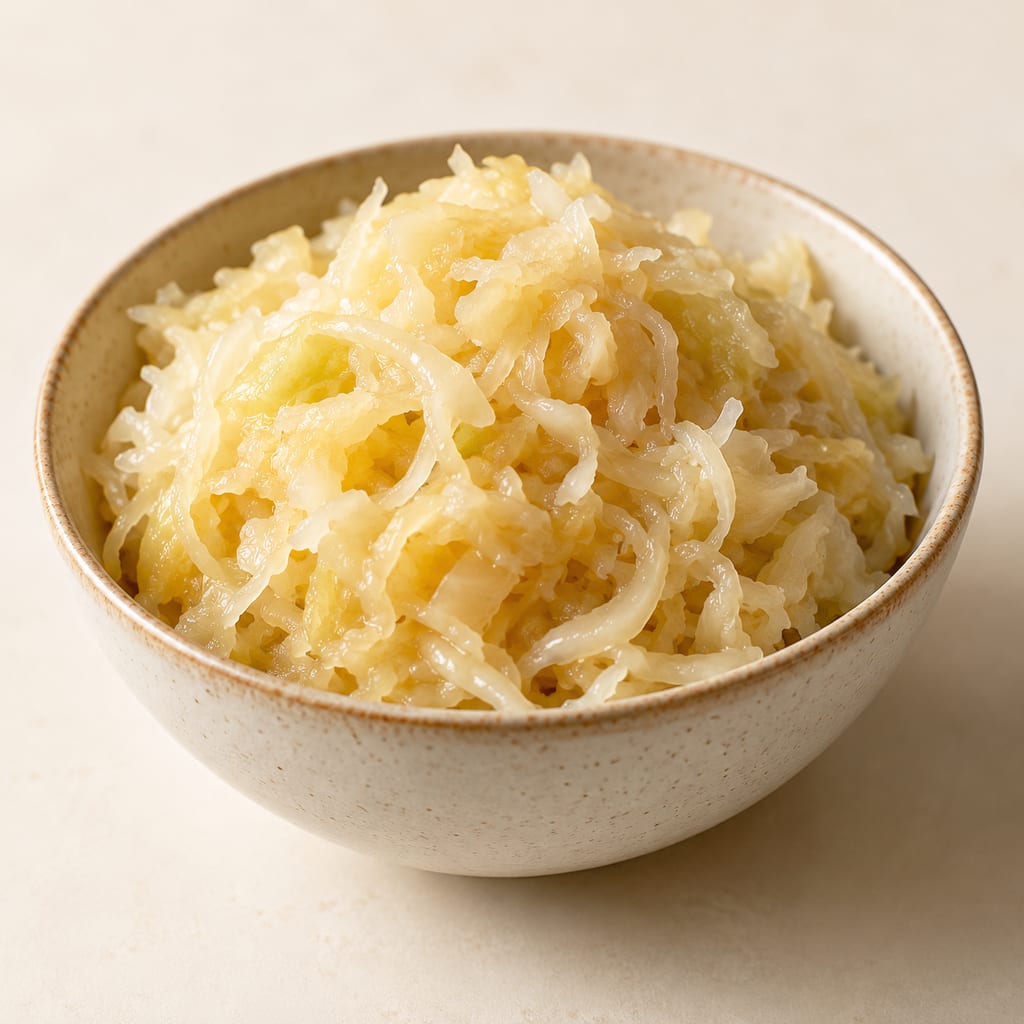
Dutch zuurkool is white cabbage salted and fermented in bulk. The only documented process in the available record is one North Holland producer’s commercial method from 2016.
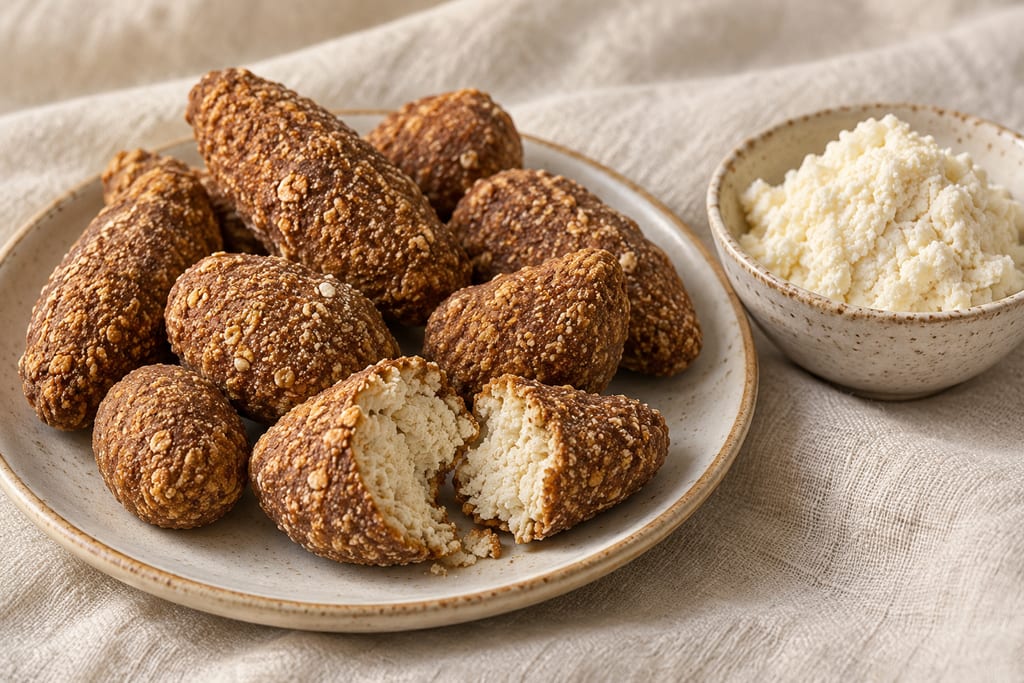
A two-stage Altai dairy preparation: sour chegen is heated into soft aarchi, then portions are drained, pressed and traditionally smoked into firm kurut.
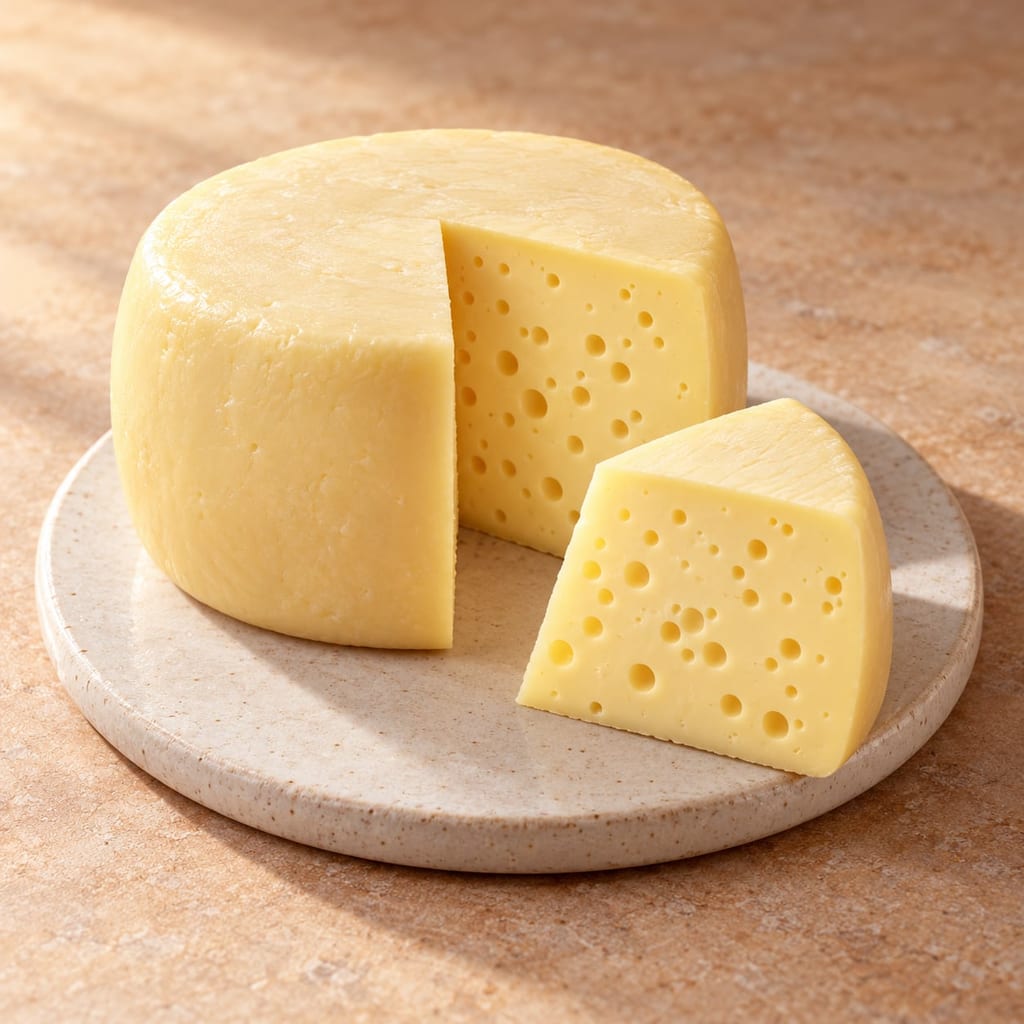
A washed-curd cheese with propionic bacteria, warmed by hot water in two steps and then held in a warm room for weeks so the bacteria can form its holes.
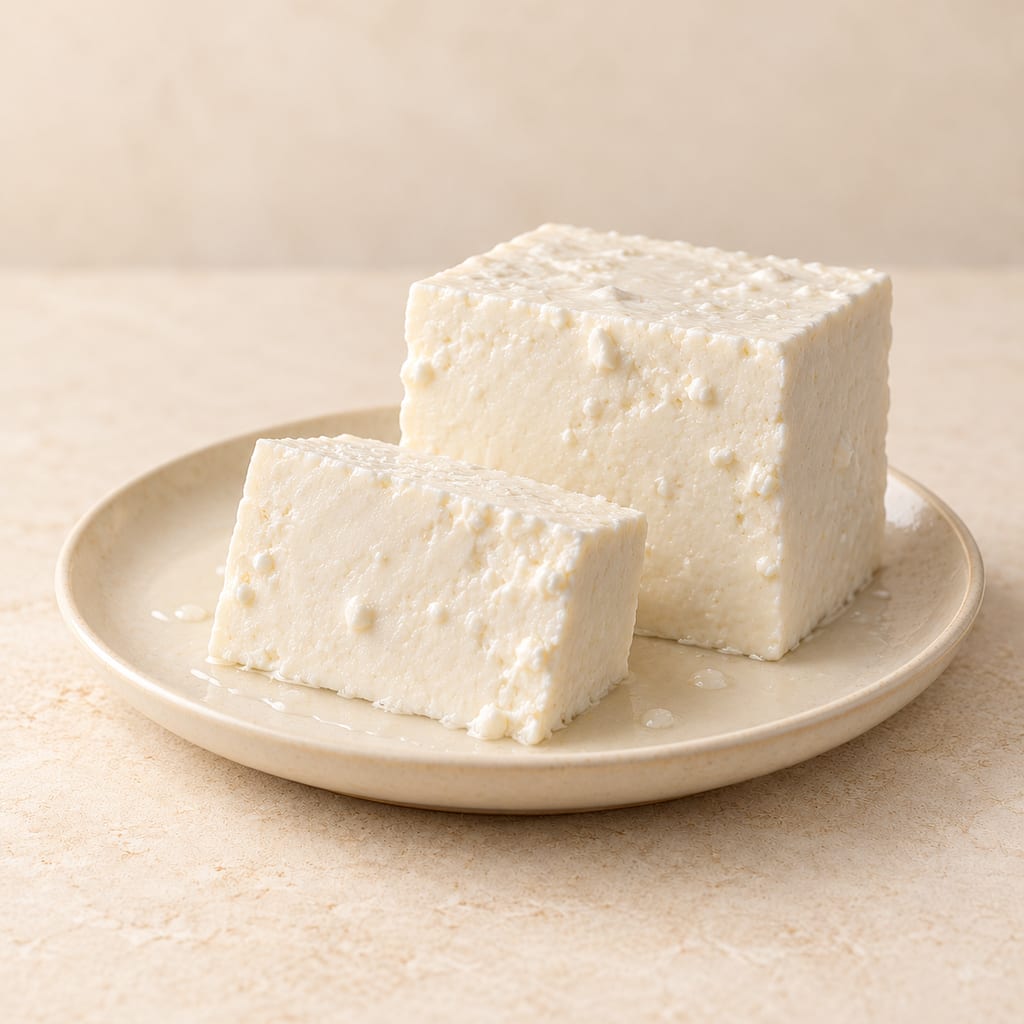
Beyaz peynir is a Turkish white cheese matured in brine. Sheep milk, alone or mixed with other milks, gives a close-textured cheese cut into blocks and packed in cans.
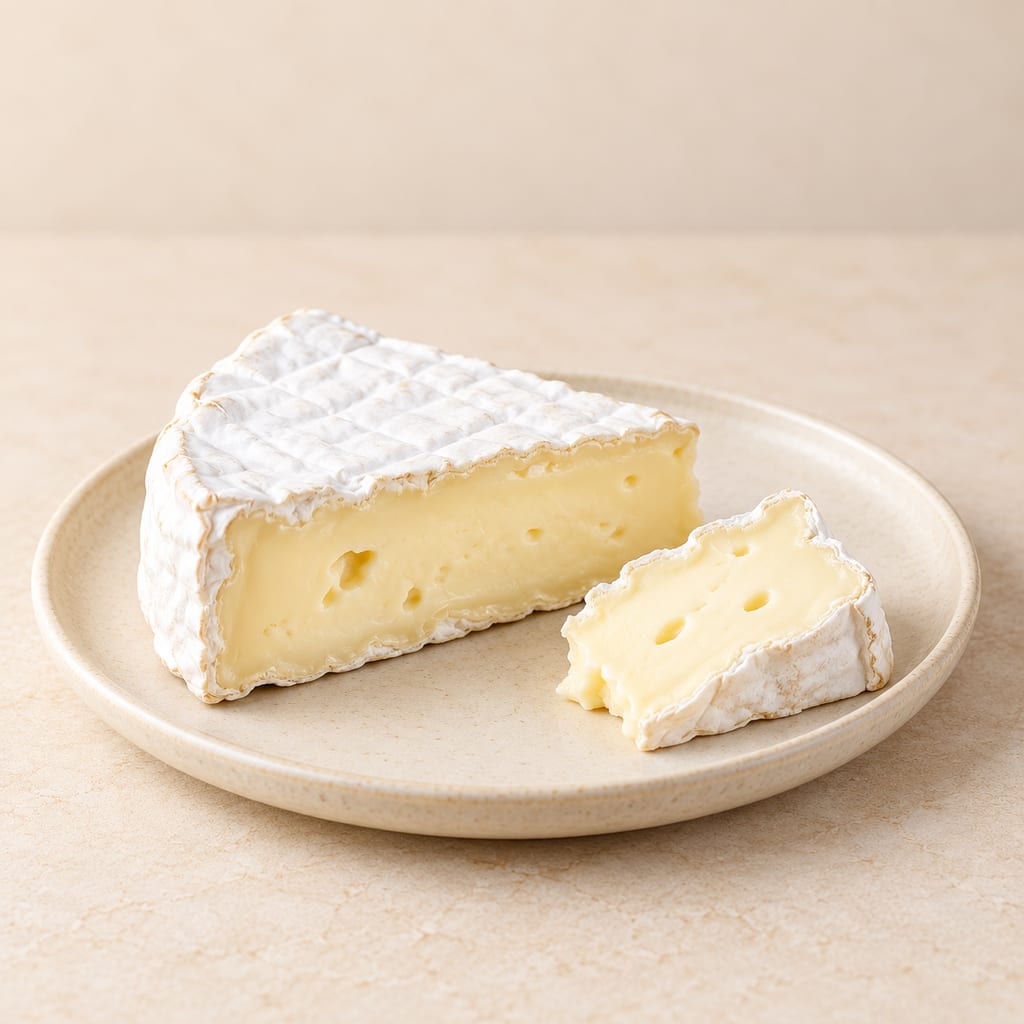
A cream-enriched Brie with a white bloomy rind and a softening center, made from pasteurized milk with lactic and surface cultures.
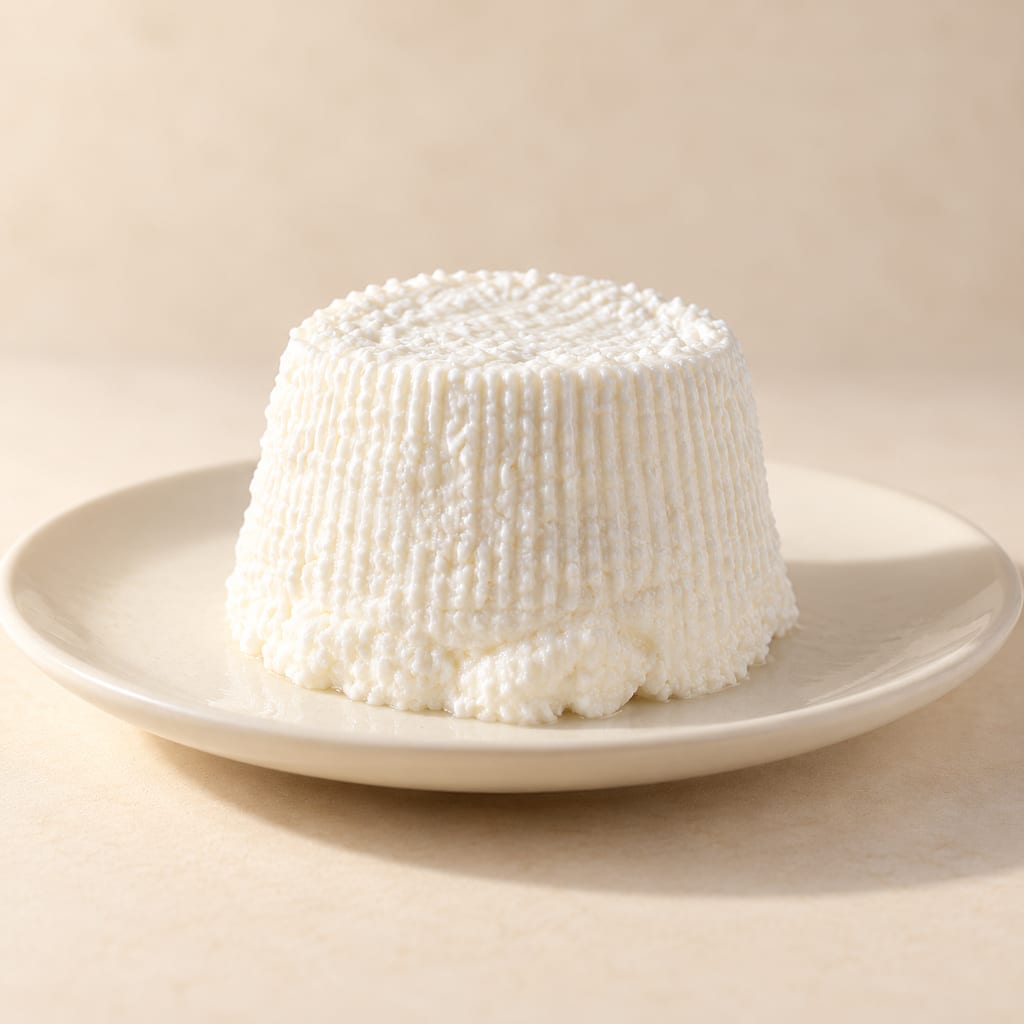
Corsican Brocciu is a whey cheese made by heating sheep's or goat's whey with whole milk and salt, then gently draining the flocculated curds. It is eaten fresh or salted and ripened as Brocciu passu.
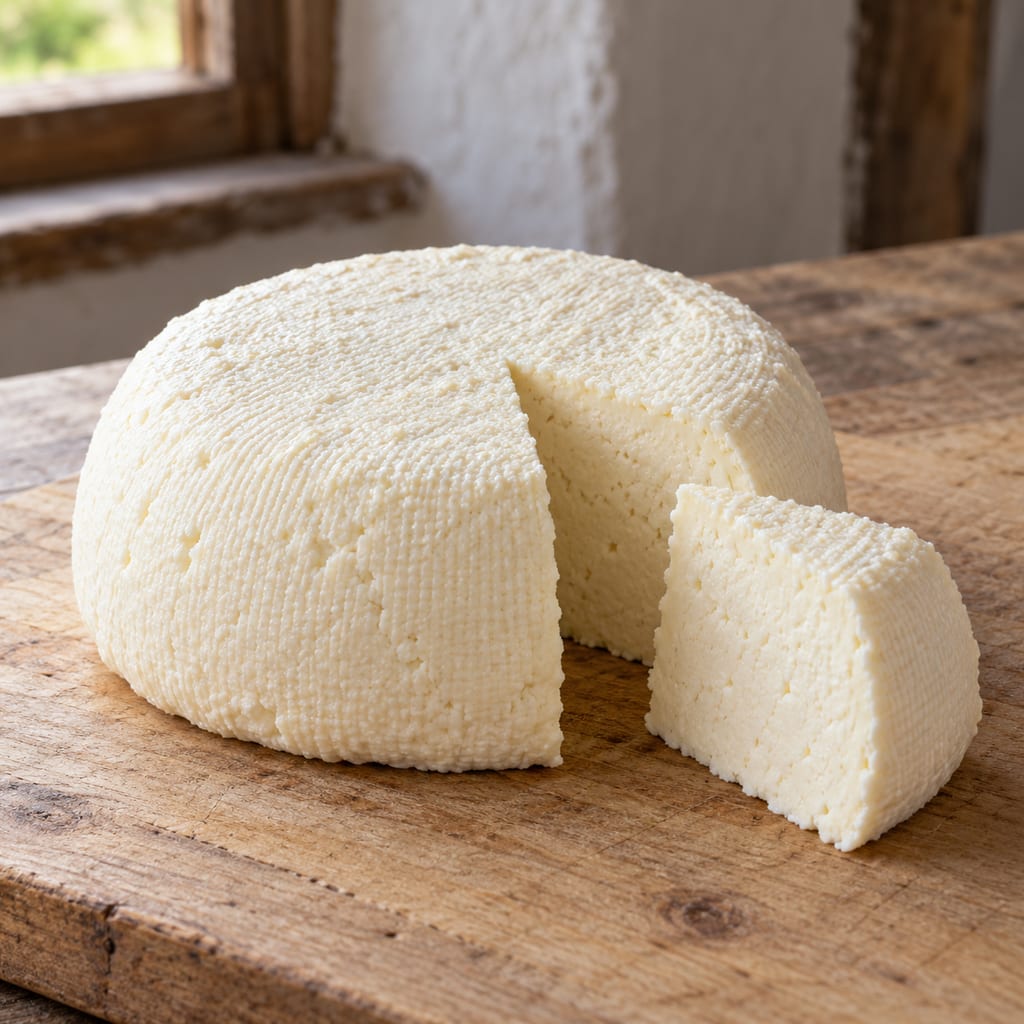
Budz is a traditional Hutsul rennet-set cheese made from sheep, cow or goat milk in the Ukrainian Carpathians, forming a fresh curd that can be eaten, smoked or processed into salted bryndza.
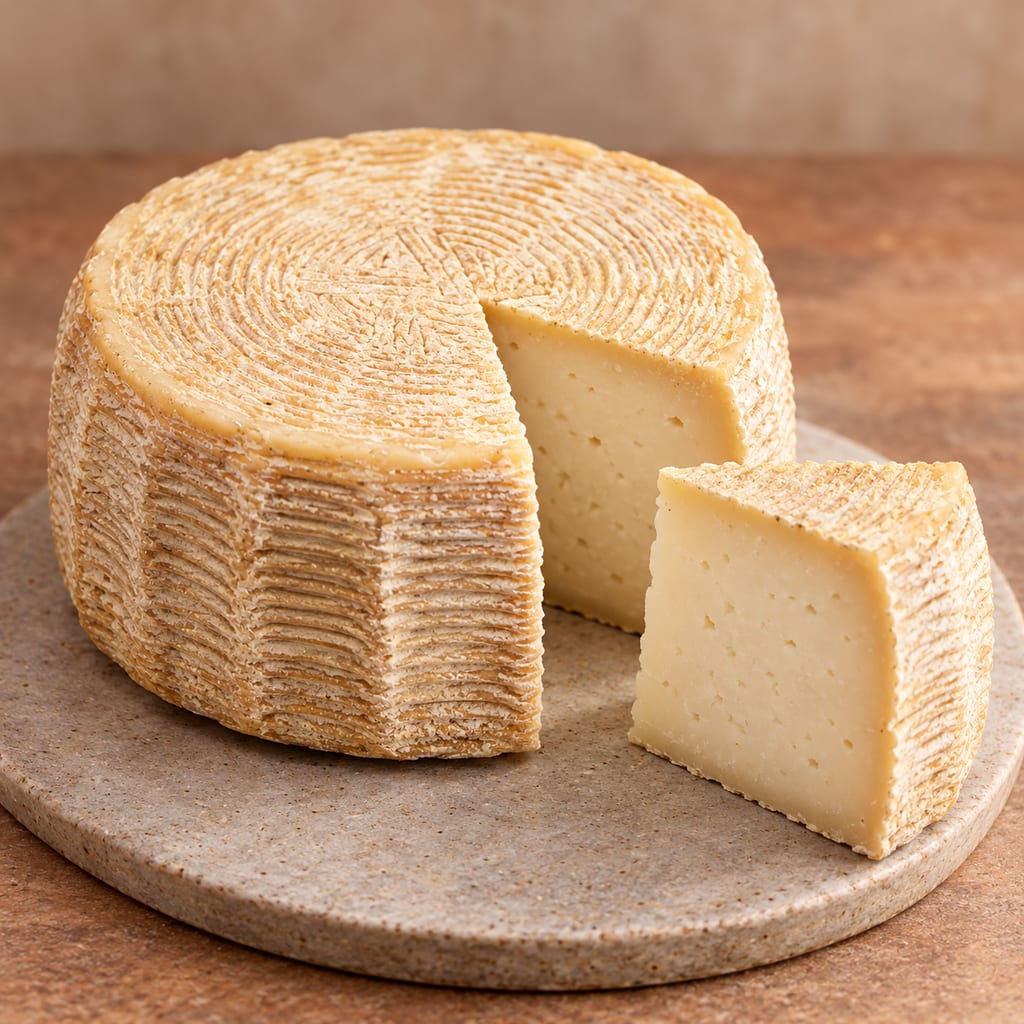
A scalded cheese moulded in baskets and re-cooked in its forms in hot whey, made alongside a ricotta from the same milk, then acidified, brined and aged for months.
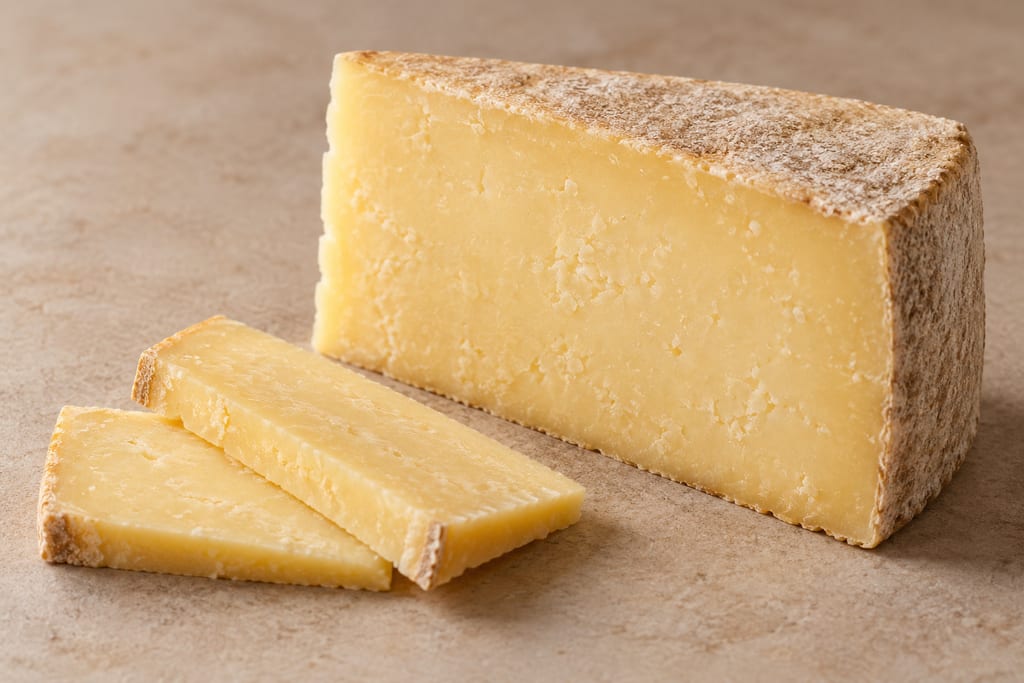
A pressed cheese whose curd is cooked slowly, then cheddared: kept warm in slabs that are turned and stacked for hours before milling, salting and pressing.
No community contributions have been published for this entry yet.
Sign in to contribute. Published comments and photos are free to read.
New England Cheesemaking Supply Company (author Jim Wallace)Method
Gouda Cheese Making Recipe6-gallon method, wash step and its purpose, pressing, brine formula, ageing targets
Cited in: A pressed cheese with a washed curd; Why the curd is washed; Pressing, brining and ageing; Raw milk and late fermentation; The brewer as a hot-water tank (untested adaptation); What the sources leave open
New England Cheesemaking Supply CompanyEquipment
Tony Hamblyn in New Zealand UpdateHamblyn's later layout keeps one tank purely for hot water
Cited in: What the sources leave open
Penn State ExtensionSafety
Home Cheesemaking (Penn State Extension, ART-4803, Kerry E. Kaylegian, 2019; copy hosted by UC ANR)pasteurised milk suitable; UP/UHT unsuitable; raw milk not recommended
Cited in: Raw milk and late fermentation; What the sources leave open