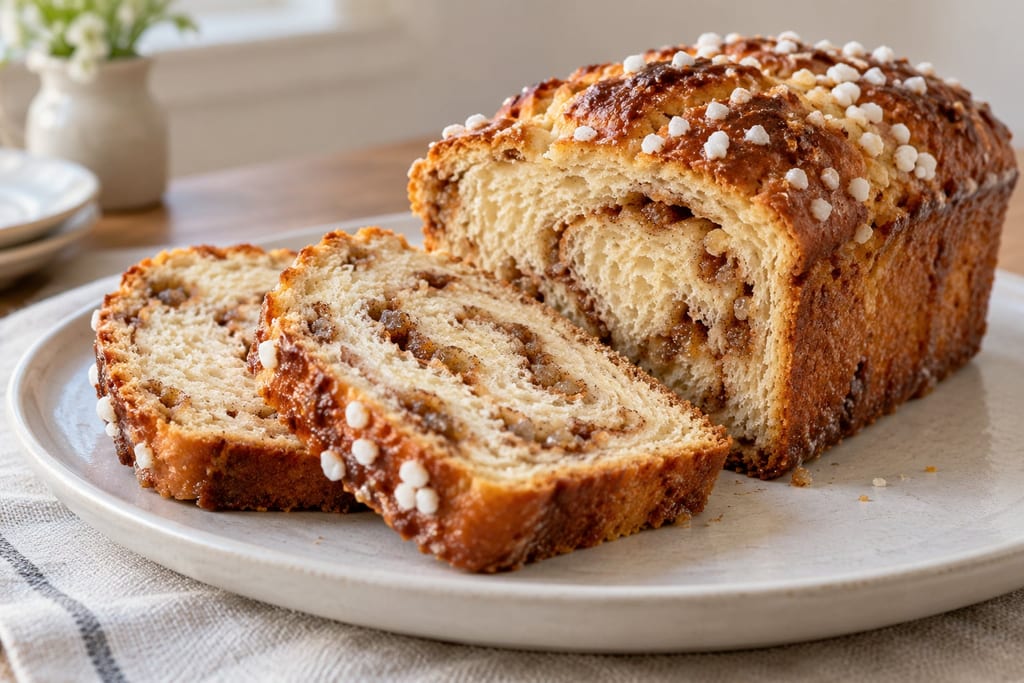
Frisian suikerbrood: Toine's version
Yeasted sugar bread with cinnamon, pearl sugar and ginger syrup, shaped into two standard loaves or three paper-pan loaves.
 FermenteaWhere food goes to change
Modern method
Tijgerbollen · tiger bread · Dutch crunch · tiger rolls
These Dutch-associated wheat rolls carry a yeast-raised rice-flour paste that dries into a split, crunchy crust.
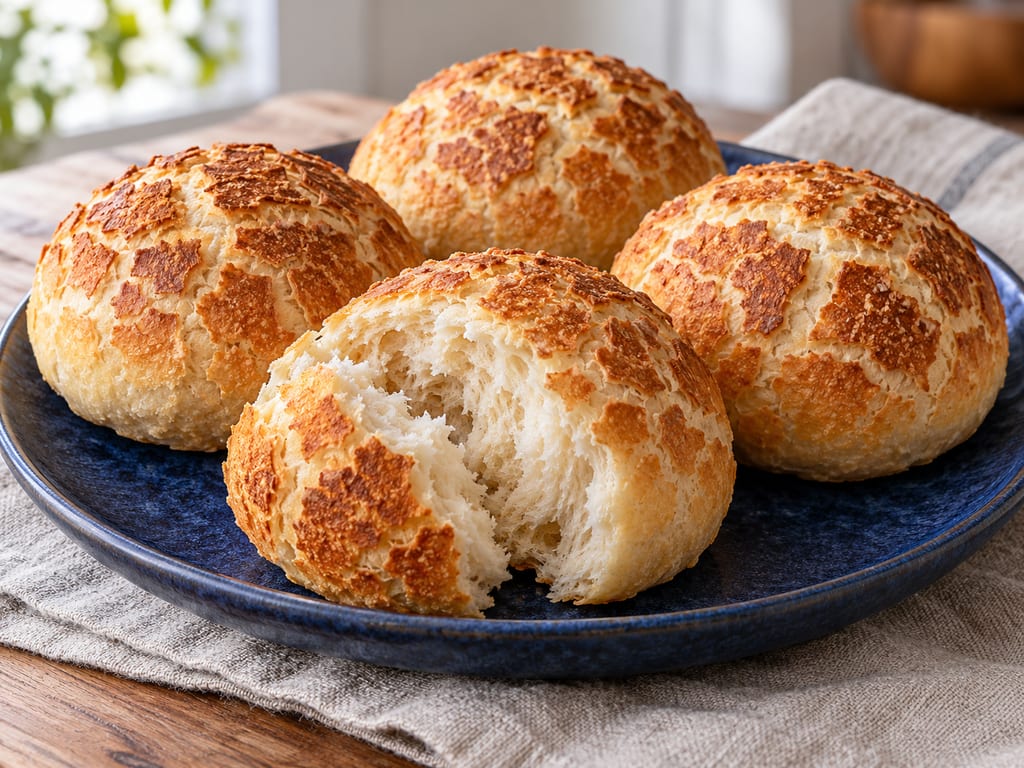
Tijgerbollen are individual wheat rolls finished with a pale rice-flour paste. During baking, the paste dries and splits into a mottled crust that gives the bread its tiger name. The Dutch Table presents a home-scale version yielding nine rolls; “Dutch crunch” is a common American name for the same broad crust idea, especially in Bay Area bakery culture. These names describe a family of breads rather than one fixed formula. This page follows the measured Dutch Table recipe, including its separate yeast-raised topping. (S-E023-01, S-E023-03)
The dough is a moderately enriched wheat bread: flour, water, yeast, salt, sugar, and a small amount of melted butter. The topping is a loose mixture of rice flour, water, yeast, sugar, oil, and salt. It contains no wheat flour in this version. Other bakery formulations and regional adaptations may differ, so the ingredient list here should not be read as a universal tiger-roll standard. (S-E023-01, S-E023-02, S-E023-03)
The Dutch Table author describes the bread as Dutch and recalls it in the Netherlands, including at weekend or holiday breakfasts. The post also reproduces an image said to be a 1901 Dutch newspaper advertisement for tijgerbrood. Because the newspaper page has not been independently examined here, that date remains a report made by the recipe author. The post does not name an inventor or establish a precise place of origin. The Netherlands association is therefore recorded at country level, not as a birthplace. (S-E023-01)
The KHSU/KQED account traces a later American story: it reports Eugene, Oregon newspaper mentions in the 1930s and references to the topping in 1941, then describes the Bay Area’s own bakery versions and changes in topping preference. That is useful evidence for U.S. circulation and adaptation. It does not settle where the bread was first made. (S-E023-03)
Wheat dough can stretch around gas cells because gluten forms an elastic network. Yeast uses available moisture and food, producing carbon dioxide that expands the dough. Rice flour has no gluten, so a rice-flour coating does not stretch in the same way as the dough beneath it. As the roll expands and the surface dries in the oven, the coating breaks into a cracked pattern. Bakers in Bedrijf notes that coating thickness affects the crackle and describes applying the paste close to the end of proof. This helps explain the technique, but it is not a tested timing correction for the separate proof schedule in the home recipe below. (S-E023-02, S-E023-04)
Sugar supplies yeast food and contributes to browning; salt and fat affect dough handling and the finished crumb. Those are general breadmaking roles, not measurements of this particular formula’s fermentation rate or texture. The source gives no target dough temperature, room temperature, paste thickness, or internal bake temperature, so none is added here. (S-E023-04)
The dough first rises for one hour or until doubled. The recipe then divides it into nine rolls and makes the topping separately. The paste rests for about 15 minutes; the author says it rises extensively and that not all of it is needed. A thin coating is brushed on the tops and sides, followed by a short 10-minute proof before baking. The exact paste amount used per roll is not measured. Applying a thin, even layer is the source’s practical instruction; thicker application is not established as better. (S-E023-01)
The stated oven setting is 375°F (191°C), with a bake of about 20–22 minutes, until golden brown. These times and visual cue belong to the author’s batch and equipment. Oven behavior varies, and the source does not give a validated internal temperature. Use the stated setting as the recipe instruction; do not treat color alone as a general food-safety test for other foods. (S-E023-01)
The method needs a bowl for the dough, a covered resting space, a second bowl for the paste, a brush, a baking tray, and an oven. No specialized tiger-bread equipment is required by the source. A scale can divide the nine pieces evenly, though the recipe specifies equal rolls rather than a measured weight for each one. The author’s approximate 100 g shaping comment is not a separate tested yield. (S-E023-01)
The source batch yields nine rolls. It does not provide a scaling formula, and the topping is deliberately mixed in excess, with up to about one quarter left unused. Larger batches may require practical adjustment to mixing and coating, but those adjustments have not been trialed here. The listed one-hour rise, 15-minute paste rest, 10-minute proof, and 20–22-minute bake are stage times; the source gives no aggregate duration. (S-E023-01)
The author recommends eating the rolls the day they are baked, or reheating them to restore a crisp crust. This is a quality recommendation. The source supplies no storage duration, refrigeration advice, freezing instructions, or safe holding limit, so this page does not infer one. Follow appropriate local food-storage guidance for bread and discard bread with visible spoilage. (S-E023-01)
This is a conventional baked bread recipe, with no brining, curing, or controlled preservation step. Its documented method contains ordinary yeast dough and a baked rice-flour topping. The source does not identify a special hazard or a validated preservation claim. Normal kitchen hygiene still applies, and the recipe’s quality note should not be turned into a safety limit. (S-E023-01)
Raw flour can contain germs that cause food poisoning. Do not taste the dough before baking. Wash hands, bowls, utensils and countertops after handling flour or dough, and keep raw flour separate from ready-to-eat foods. CDC advises baking raw dough before eating; this does not establish a separate internal endpoint for this recipe.
The author describes the bread as Dutch and recalls it as a weekend or holiday-breakfast bread. The post reports a 1901 Dutch newspaper advertisement for tijgerbrood and states that it does not identify an inventor or origin; the cited archive image is reproduced on the page, not independently examined here.
Yield 9 rolls · Scaling: source batch only
Uncooked flour can contain germs that cause food poisoning. Do not taste the dough before baking.
Hazard sourceBake the dough before eating. Wash hands, bowls, utensils and countertops after handling raw flour or dough, and keep raw flour away from ready-to-eat foods.
Control sourceThe author recommends same-day eating for best quality but gives no storage conditions or duration.
The recipe gives an oven setting and bake time but no validated internal endpoint; follow the stated baking directions and do not taste unbaked dough.
The author describes tiger rolls as a Dutch bread and recalls them in the Netherlands; this account does not establish a precise origin.
Yeasted sugar bread with cinnamon, pearl sugar and ginger syrup, shaped into two standard loaves or three paper-pan loaves.
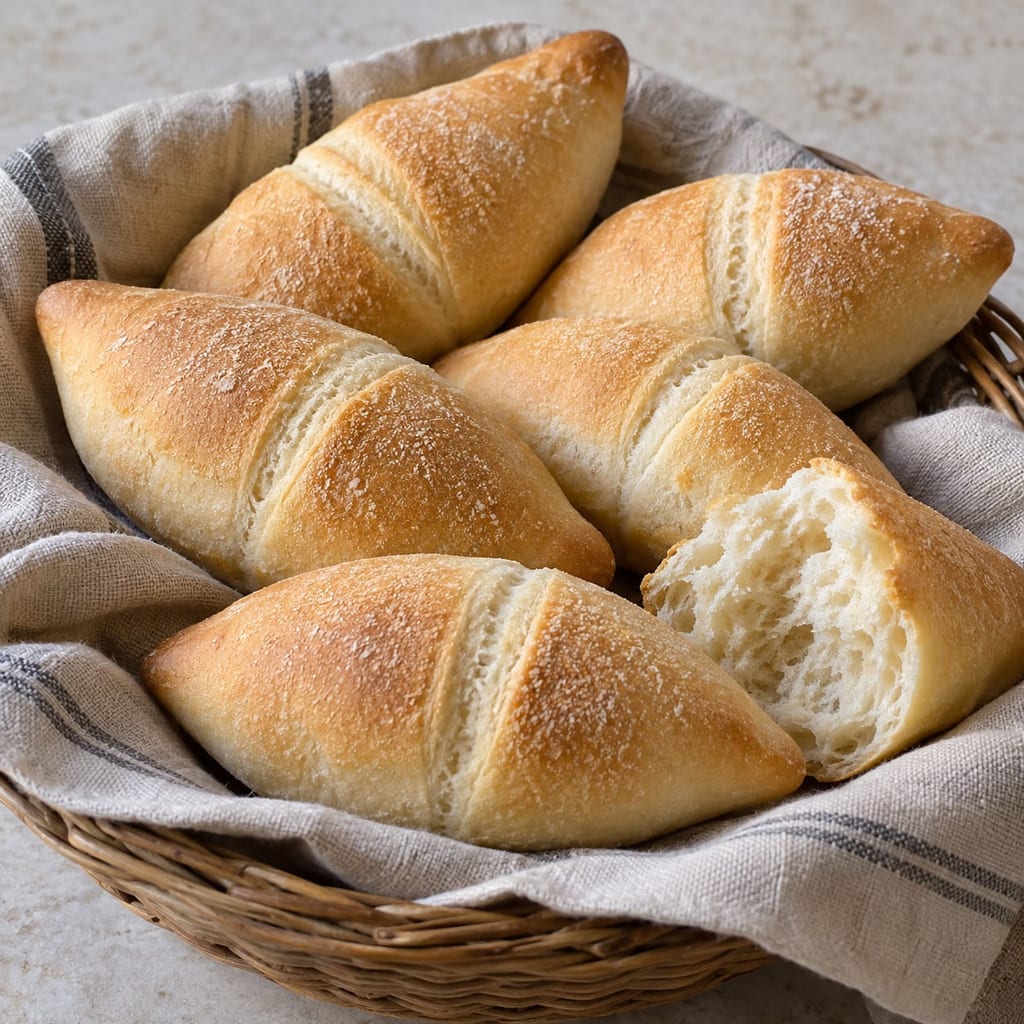
Pointed, yeast-raised Surinamese rolls with a light crumb and a thin crust, shaped with a pressed seam and baked with a semolina coating.
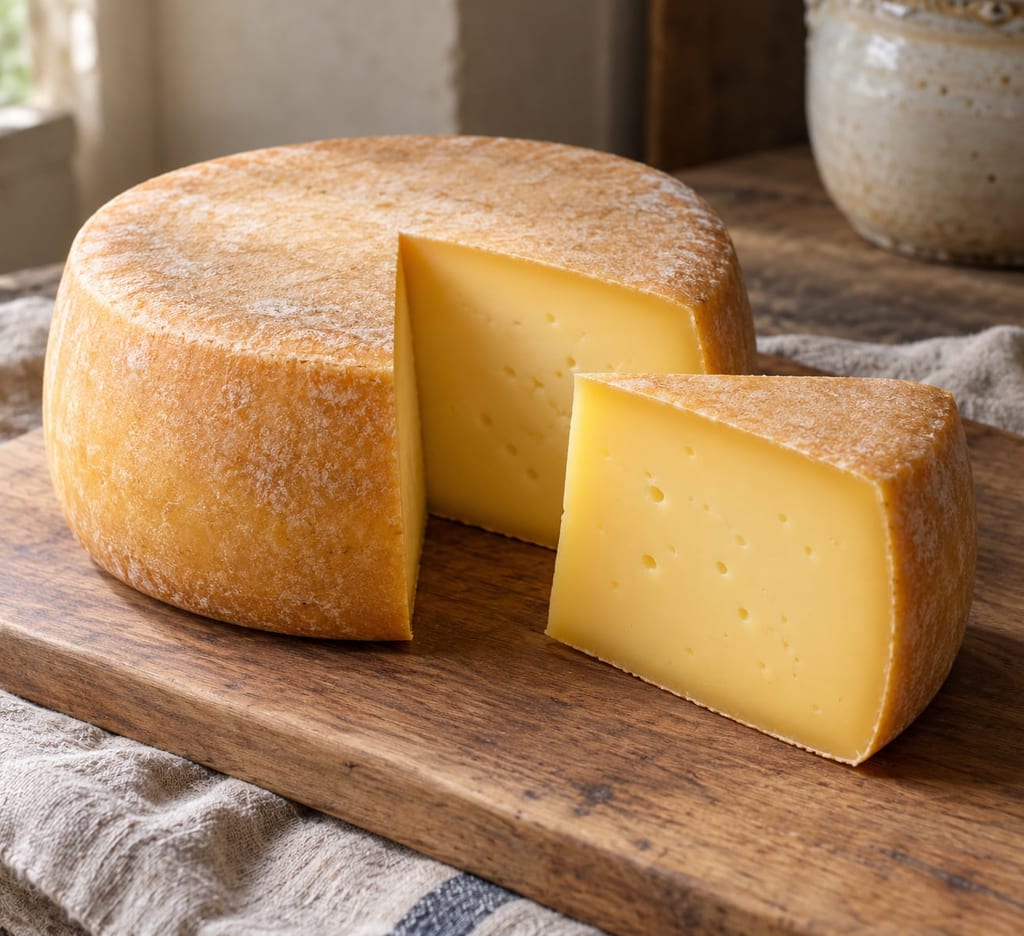
A pressed, brined cheese in which a third of the whey is replaced with hot water, washing out lactose so the cheese ends less acidic before months of ageing.
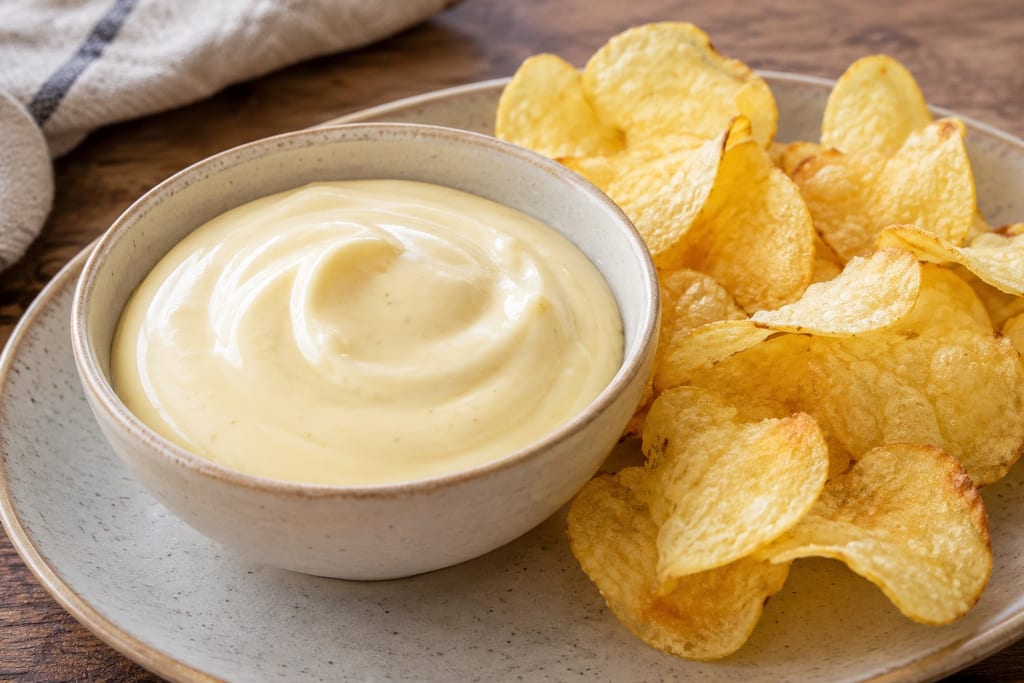
Lower-oil, starch-thickened fritessaus-inspired sauce derived from M13, not a Remia replica. Nominal yield 291 g before cooking loss.
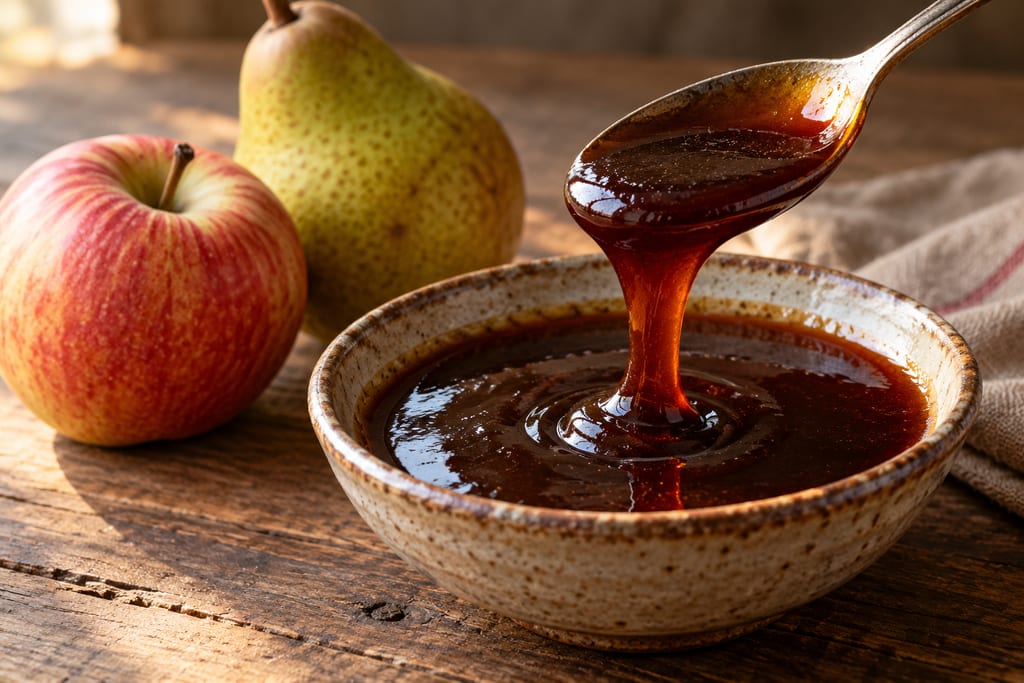
Limburgse stroop is a regional family of cooked fruit syrups from Dutch and Belgian Limburg. Producers blend apples, pears and beet differently, so no single formula exists.
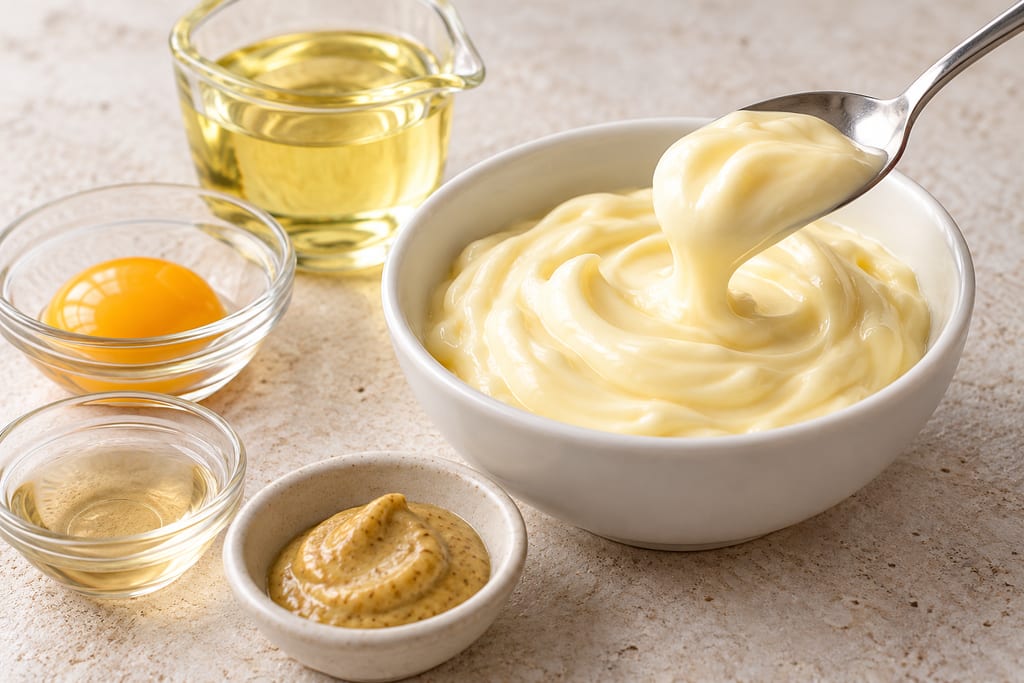
A plain mayonnaise of 200 g refined neutral oil emulsified into pasteurised yolk, vinegar, water and a little Dijon mustard: a clean base for tasting, comparing and flavouring.
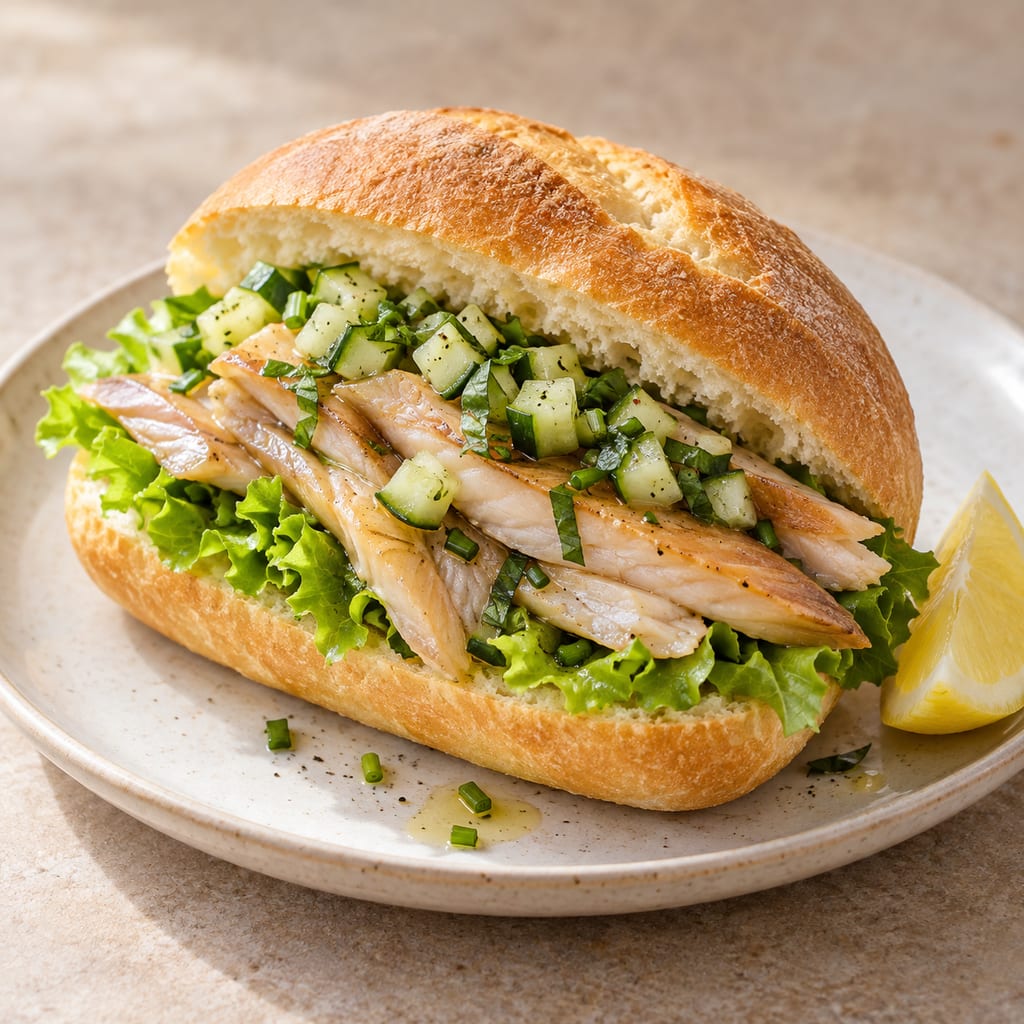
This Dutch lunch roll combines purchased smoked eel with cucumber, basil, lemon dressing and lettuce.
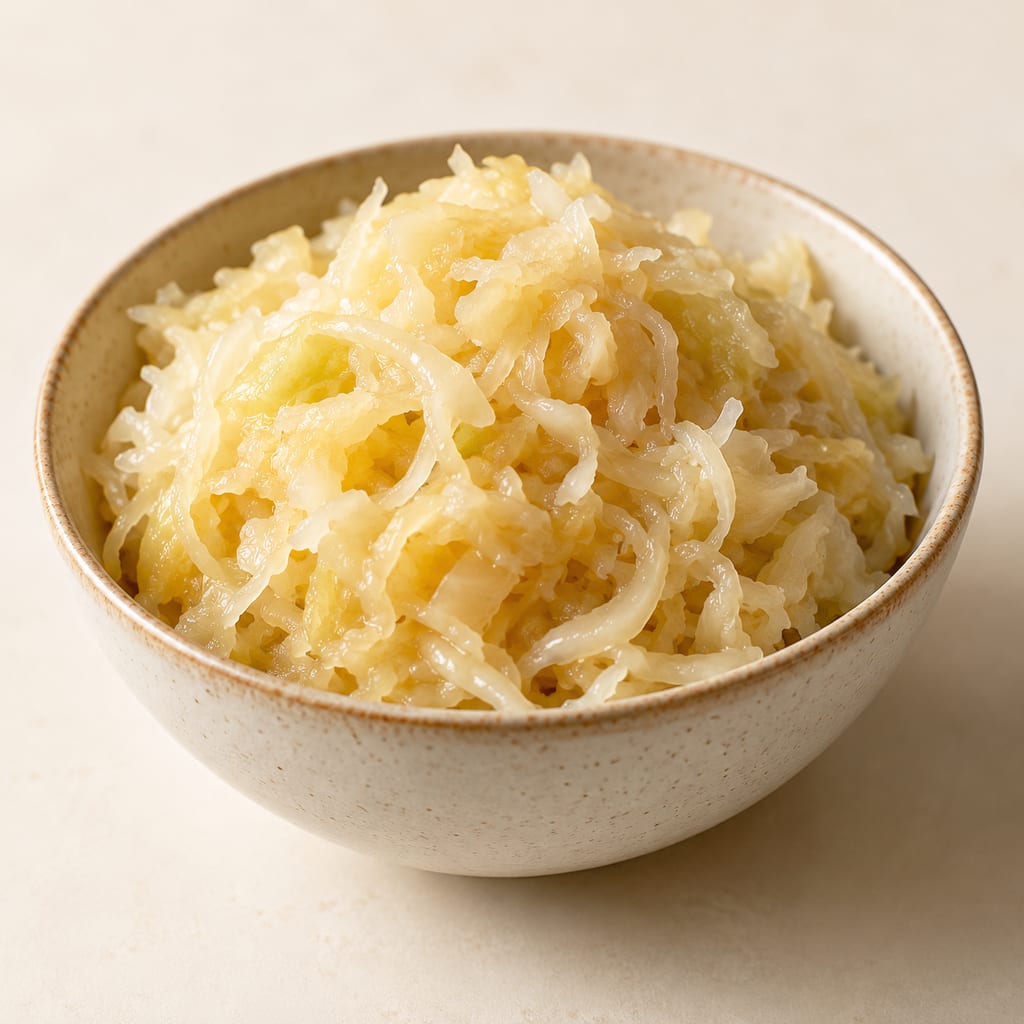
Dutch zuurkool is white cabbage salted and fermented in bulk. The only documented process in the available record is one North Holland producer’s commercial method from 2016.
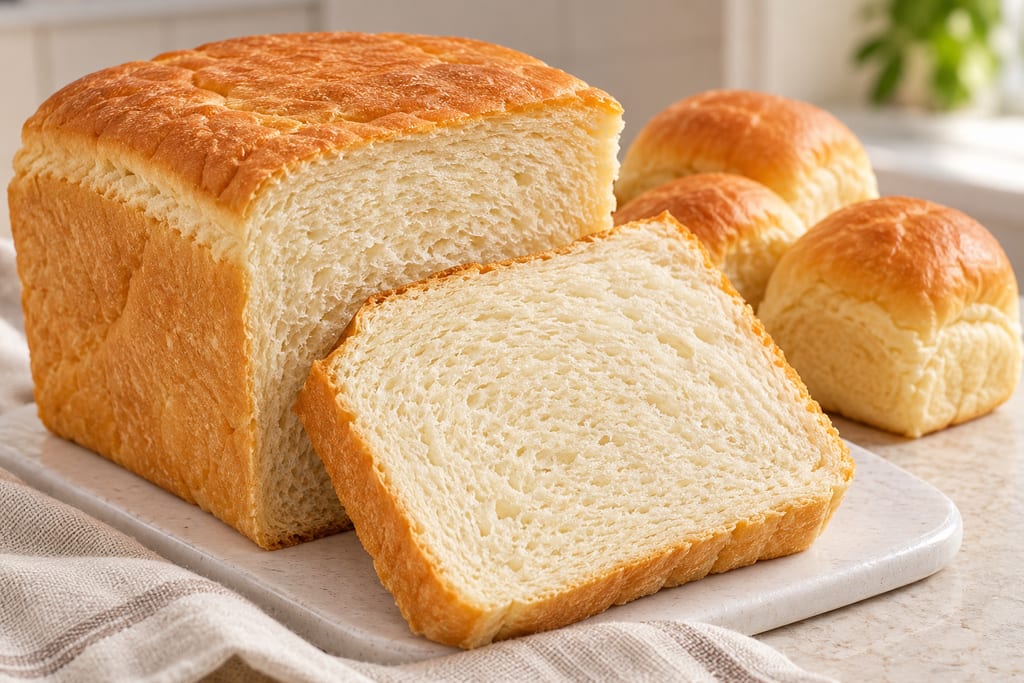
This softer home-style Agege bread uses a scalded flour paste, an enriched yeast dough and a 9×5-inch loaf pan, with rolls from the extra dough.
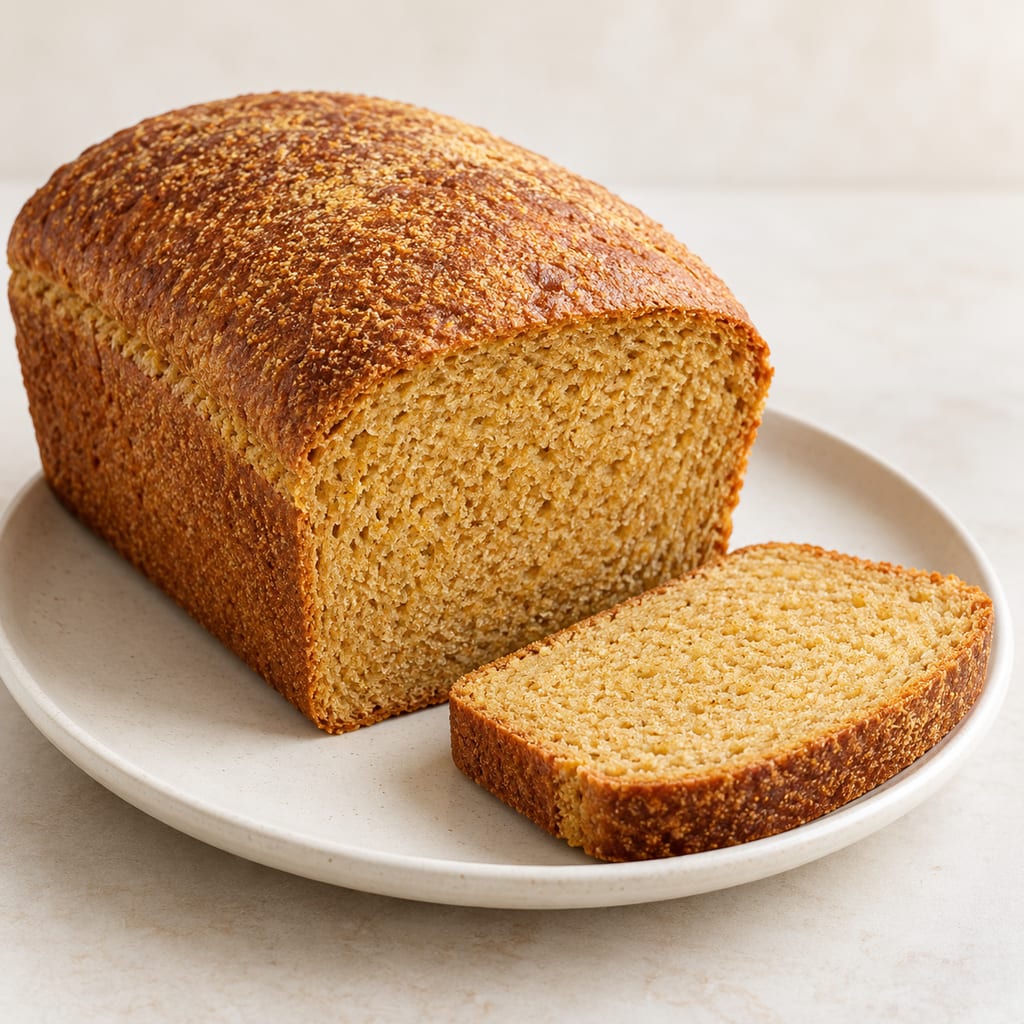
Anadama is a New England yeast loaf made with wheat flour, cornmeal and molasses. Scalded cornmeal enriches the dough, while molasses lends sweetness and a dark crust; it is especially good toasted or beside soup and baked beans.

A yeast-raised wheat ring shaped from a firm dough, briefly boiled and baked. This source-batch formula gives a gently malted crust and a chewy crumb.
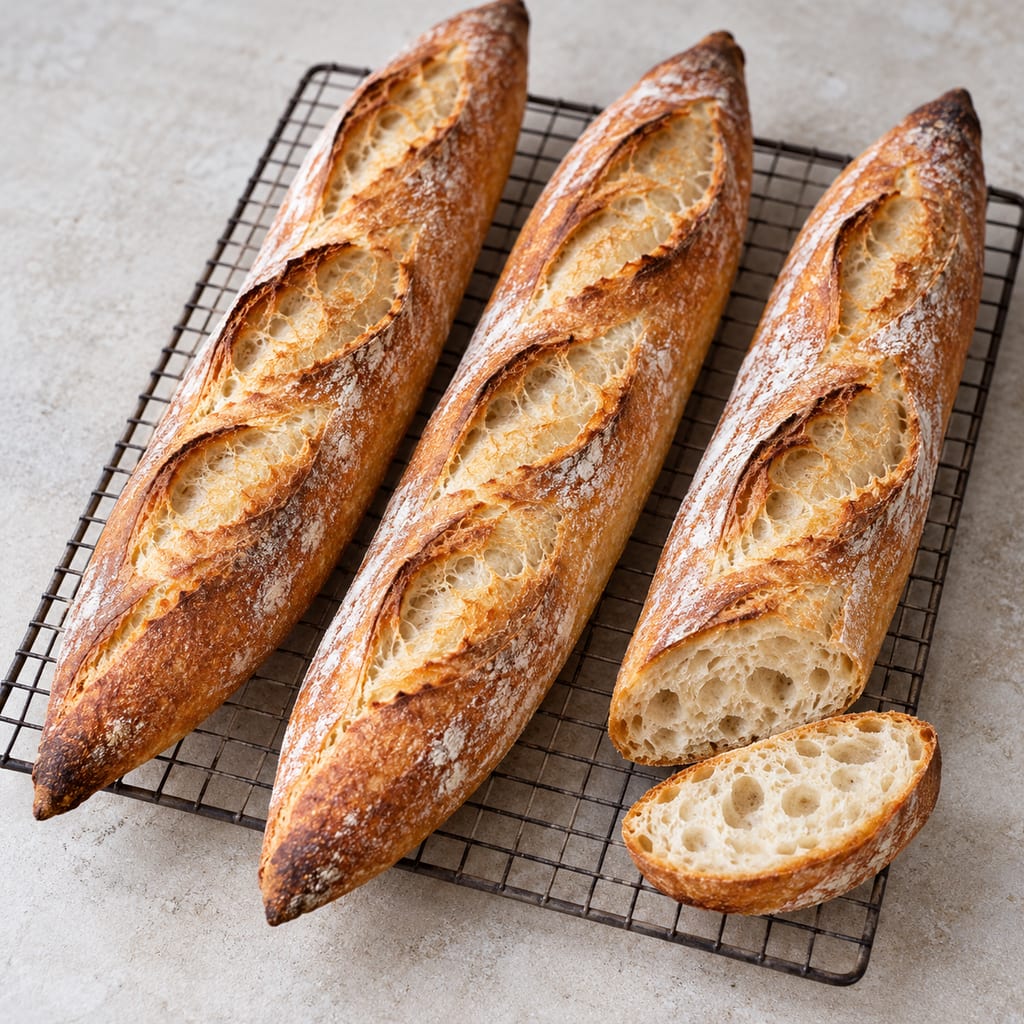
Three long, crusty wheat loaves made with an overnight yeast poolish, shaped by hand and baked with steam for a crisp crust.
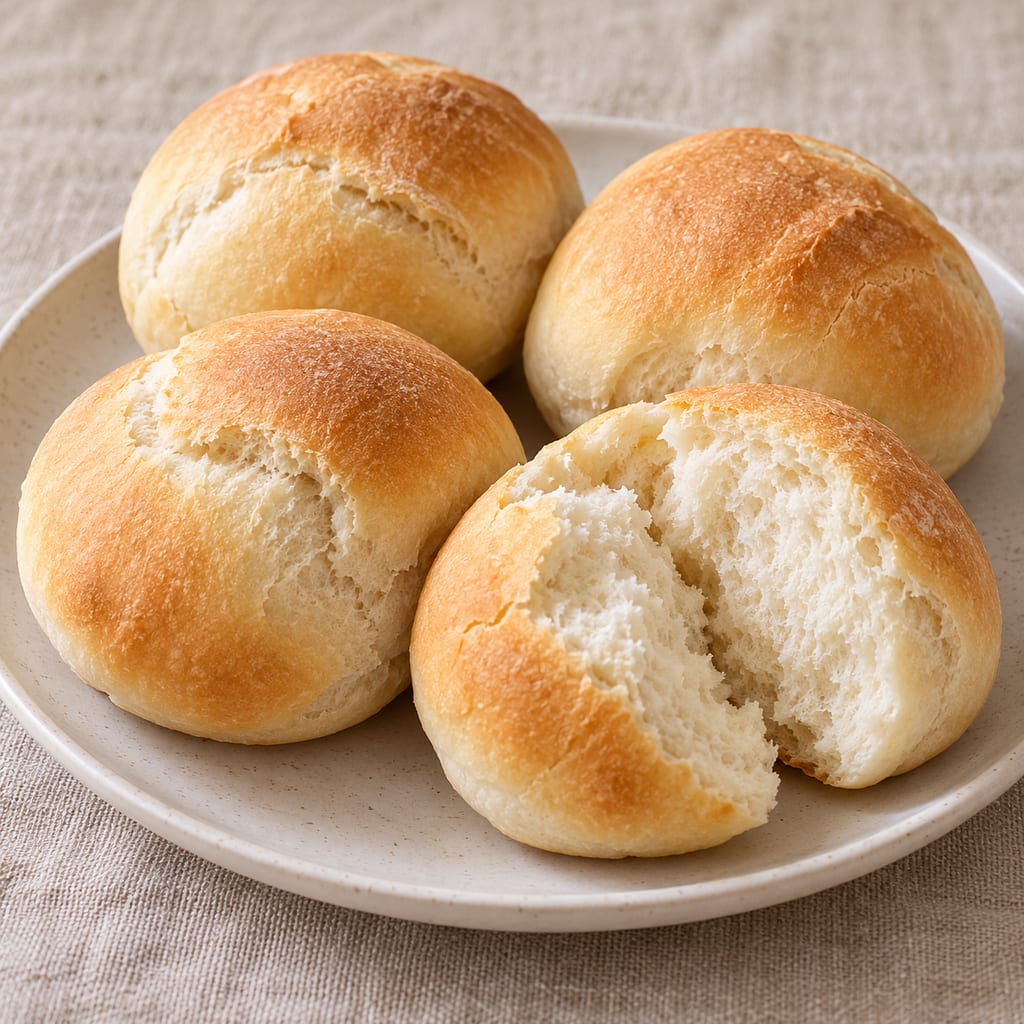
A lightly salted, yeast-raised Barbadian roll, baked in a dozen-roll home batch and often split for cutters.
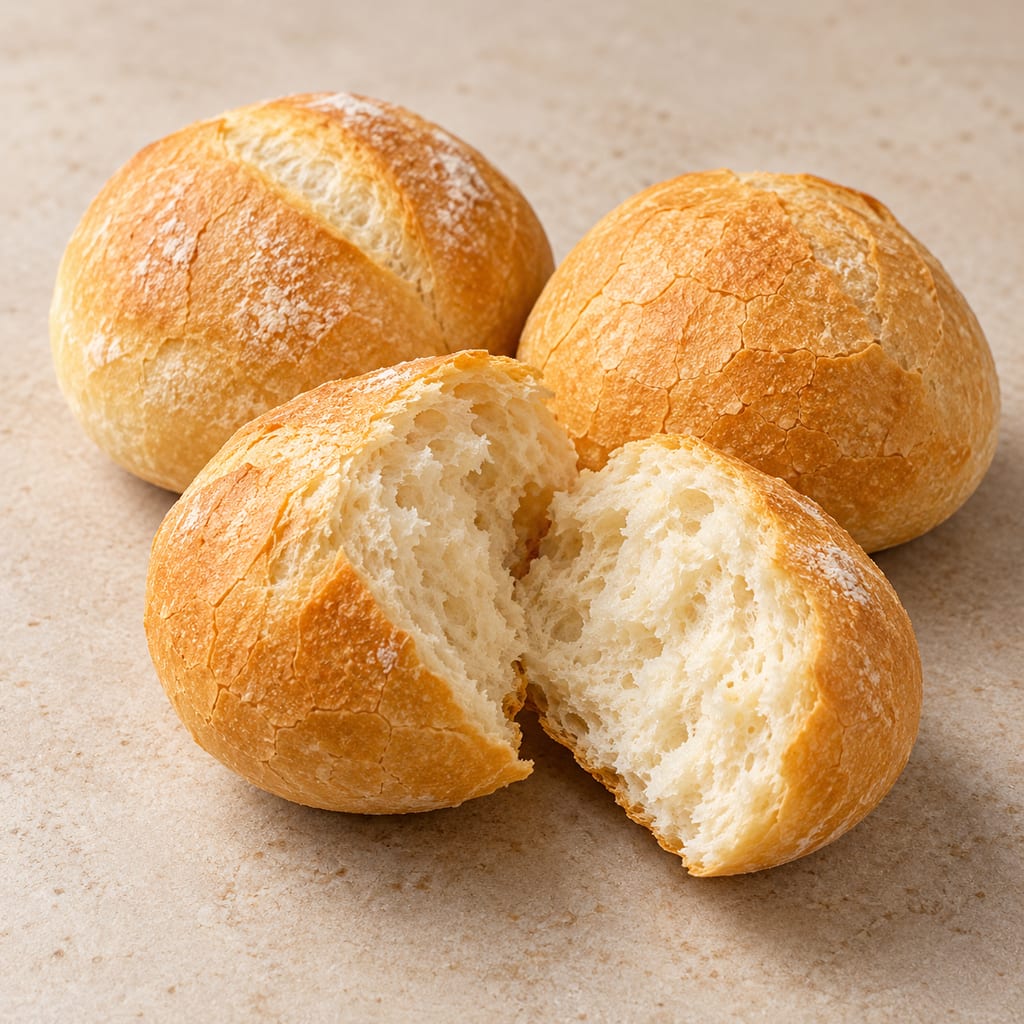
A crisp Belgian roll made from a supplier’s Croc-flour dough, mixed by hand or machine, proofed in rounds and baked with steam.
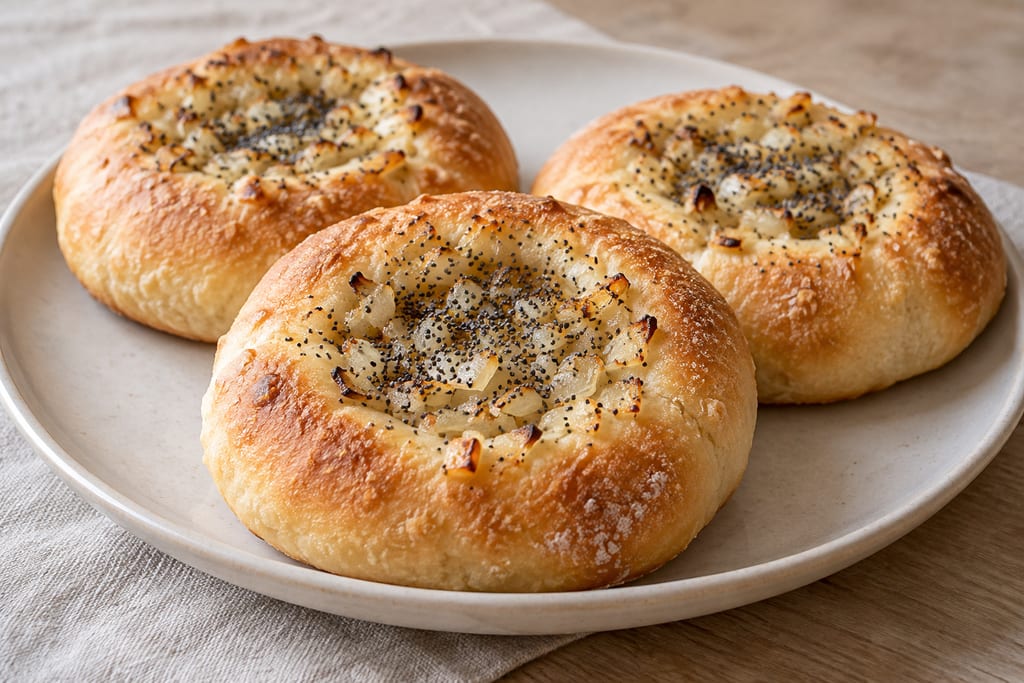
Bialys are soft, yeasted wheat rolls baked without boiling, each shaped with an onion-filled central depression instead of a hole.
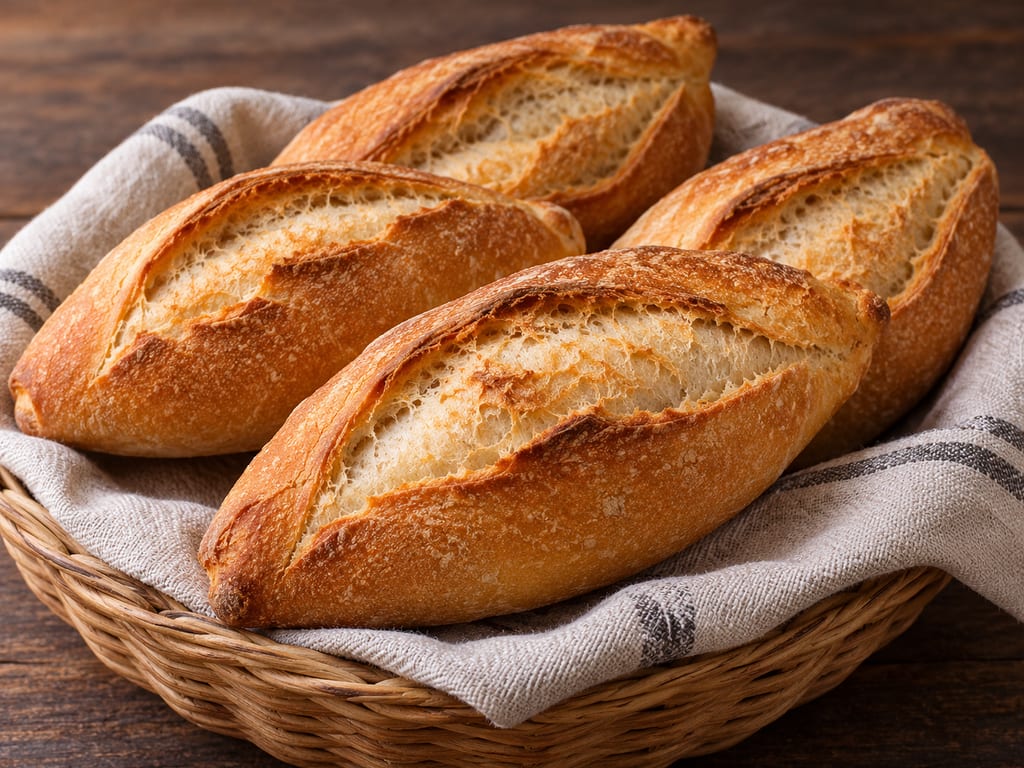
A measured, commercial-yeast home method for Guadalajara-style birote salado, with a six-hour preferment, shaped rolls and a two-temperature steam bake. This formula contains no egg.
No community contributions have been published for this entry yet.
Sign in to contribute. Published comments and photos are free to read.
The Dutch TableInspiration · Recipe · Cultural context
TijgerbollenThe nine-roll dough and rice-flour paste formula, staged method, oven setting, timing, and same-day quality recommendation.
The author's Dutch association and recollection, plus a reported 1901 advertisement whose image has not been independently examined.
Cited in: A wheat roll under a crackled cap; What the sources establish about history; Two rises and a separate paste; Equipment and batch limits; Serving, freshness and safe limits
Bakkers in BedrijfMethod · Technique
Van tijger tot casinoRice flour has no gluten; paste thickness affects how the coating cracks, and bakers apply it near the end of proof.
The trade article describes wheat and wholegrain bread variants.
Cited in: A wheat roll under a crackled cap; Why the topping cracks
KHSU/KQEDHistory · Modern adaptation
Dutch Crunch: A Bay Area Favorite, But Not a Bay Area OriginalThe article reports U.S. newspaper references and describes Bay Area topping variants and later preference for rice topping.
Its account supports a documented U.S. adaptation, not a single birthplace.
Cited in: A wheat roll under a crackled cap; What the sources establish about history
New Mexico State University Cooperative Extension ServiceFood science
Breadmaking, Guide E-206General roles of yeast, moisture, food, warmth, carbon dioxide, wheat gluten, sugar, salt, and fat in bread dough.
Cited in: Why the topping cracks
Centers for Disease Control and PreventionSafety
Raw Flour and DoughUncooked flour can contain germs; CDC advises not to eat raw dough, to bake it before eating, and to wash hands, bowls, utensils and countertops after handling flour or dough.
Cited in: Serving, freshness and safe limits