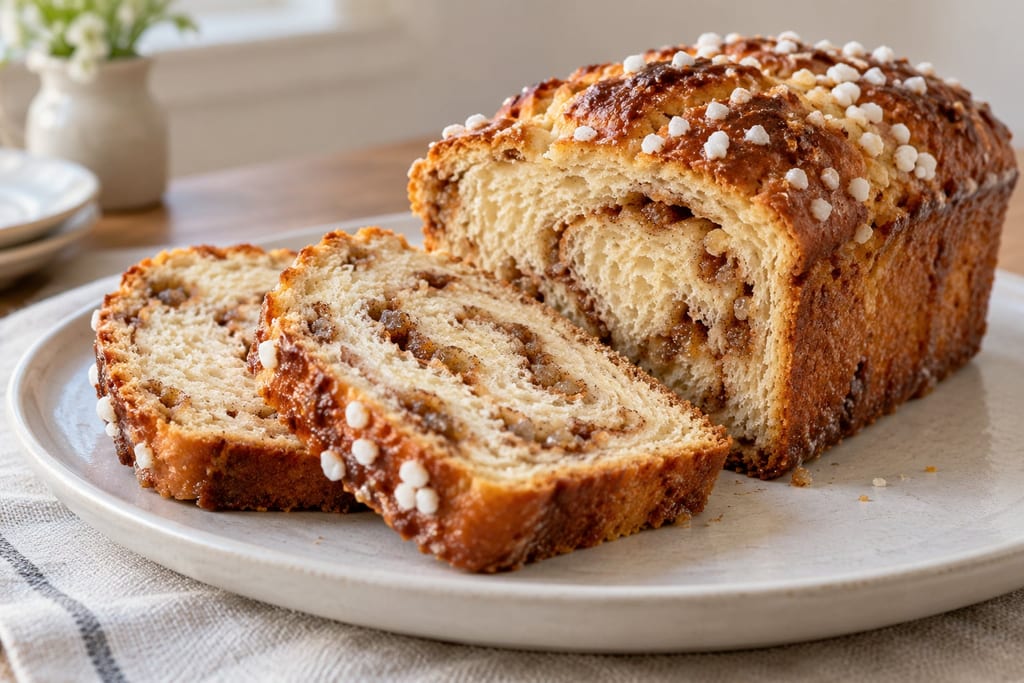
Frisian suikerbrood: Toine's version
Yeasted sugar bread with cinnamon, pearl sugar and ginger syrup, shaped into two standard loaves or three paper-pan loaves.
 FermenteaWhere food goes to change
Modern method
Broodje gerookte paling
This Dutch lunch roll combines purchased smoked eel with cucumber, basil, lemon dressing and lettuce.
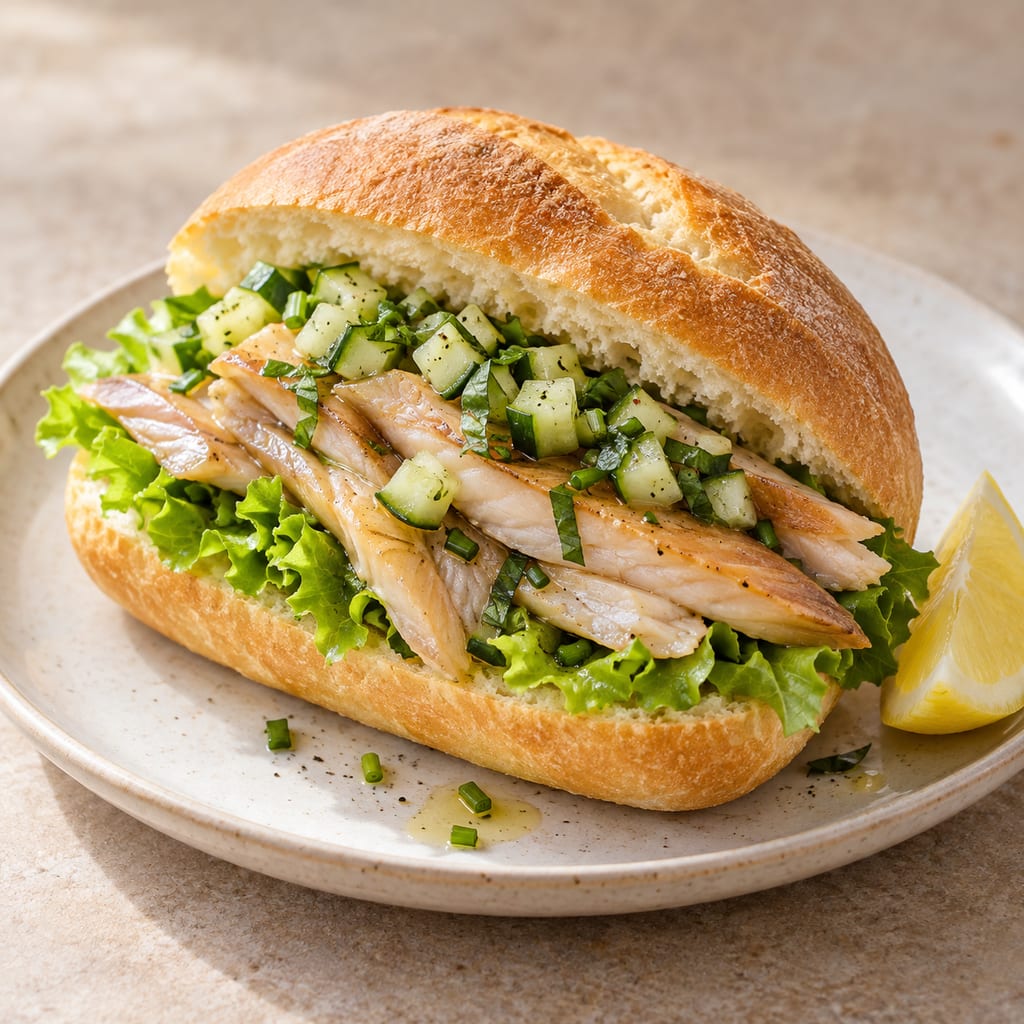
Broodje gerookte paling is a Dutch bread roll filled with smoked eel. The name translates directly as “smoked eel roll”.
The preparation recorded here adds cucumber, lettuce and a lemon-basil dressing to the traditional combination of smoked eel and bread. It is a contemporary Dutch-language recipe published by Hussemusse.
The dish is assembled cold from purchased smoked eel fillets. No curing, drying, smoking or further cooking is performed during the recipe.
Smoked eel is prized for its rich, oily, delicate flesh. Its texture differs from that of smoked salmon or smoked mackerel: it is particularly soft and can appear almost creamy when properly prepared.
The eel commonly associated with Dutch paling is the European eel, Anguilla anguilla. However, the original recipe does not identify the supplier, species or smoking method of the purchased fillet. The species identification therefore describes the traditional product category rather than a confirmed specification of every ingredient sold under the name.
The finished roll balances the richness of eel against the refreshing cucumber, citrus acidity, herbs and crisp bread.
Smoked eel occupies an important place in Dutch fish culture.
Eel was historically available in the rivers, lakes, canals and coastal waters of the Low Countries. Its migratory lifecycle connected marine and freshwater environments.
The species spends much of its growth period in freshwater or brackish habitats before migrating toward its oceanic spawning grounds. European eels are associated with reproduction in the Sargasso Sea.
Fishing communities around the former Zuiderzee, including places such as Volendam and Harderwijk, developed important traditions involving eel handling, trading and smoking.
Before modern refrigeration, salting, drying and smoking extended the usable life of fish. Smoking also became a valued flavouring method.
Dutch fishmongers developed a culture of selling ready-to-eat smoked products, including eel, herring and mackerel.
The broodje paling is a natural expression of this tradition: a simple roll allows the smoked fish to remain the central ingredient.
Its traditional presentation is often restrained, using white bread and sometimes butter, lemon or herbs.
The Hussemusse preparation is more elaborate. A cucumber-and-basil dressing adds ingredients that are not required for the most basic fishmonger's version.
The source page does not identify a particular town or claim that the dressing originated in Volendam, Monnickendam or any other Dutch settlement.
That geographical gap must remain.
A further distinction concerns the age of the particular recipe. Dutch smoked eel has an established history, but this specific sandwich formulation is documented through a contemporary online recipe. No historical date for its invention is supplied.
European eel has experienced a severe population decline.
Its migratory lifecycle makes it vulnerable to fishing, barriers to migration, habitat changes, pollution, disease and changing ocean conditions.
European eel is classed as Critically Endangered, and the International Council for the Exploration of the Sea advised zero catches in all habitats for 2026 under the precautionary approach. That advice includes catches intended for aquaculture restocking.
asd.ices.dk
This has consequences for a modern food website.
Traditional Dutch eel recipes deserve documentation, but documenting their cultural significance should not be mistaken for recommending increased exploitation of a threatened species.
Farmed eel is not automatically conservation-neutral because European eel aquaculture commonly relies on wild-caught juveniles.
The source and legality of purchased eel should therefore be investigated carefully.
Conservation concerns do not change the original sandwich recipe, but they are essential contextual information about its central ingredient.
TWO-PERSON SOURCE RECIPE
Ingredient — Quantity
Purchased smoked eel fillet — 100 g
Cucumber — ½
Chives — 5 sprigs
Lemon — ½, juice and zest
Basil — 25 leaves
Soy sauce — 1 tsp
Olive oil — 4 tbsp
Water — 2 tbsp
Salt — To taste
Black pepper — To taste
Fine sugar — Optional, ½ tbsp
Lettuce — A few leaves
Bread rolls — 2
Butter — A little
The water, salt and pepper appear in the original preparation instructions rather than its principal ingredient list. They remain part of the documented method.
The optional sugar belongs to the dressing.
The rolls are given as suitable fresh bread rolls, with no compulsory bread type identified.
Smoked eel supplies the principal flavour and substantial fat. Eel is an oily fish, and its lipid content helps carry smoke-derived aroma compounds.
Cucumber, Cucumis sativus, contributes water and crisp texture. Removing the watery central seed portion helps produce a cucumber mixture that does not excessively soak the bread.
Chives, Allium schoenoprasum, provide a mild onion-like aroma.
Lemon, Citrus limon, supplies acidity from its juice and aromatic citrus oils from its zest.
Basil, Ocimum basilicum, adds herbaceous and sometimes sweet aromatic notes.
Soy sauce adds sodium chloride and savoury compounds associated with soy-sauce processing. The precise product is not specified.
Olive oil forms the fat phase of the dressing and helps distribute oil-soluble aromatic compounds.
Water adjusts the dressing's consistency.
Sugar, if used, balances acidity rather than serving a fermentation purpose.
Lettuce provides a fresh leafy layer between the roll and the filling.
Butter adds richness and creates a slight moisture barrier on the cut bread surface.
The exact type of lettuce, butter and bread is not specified.
A cutting board and knife are required for the cucumber, herbs, lemon and eel.
A spoon is used to remove the cucumber seeds.
A fine grater is needed for lemon zest, and a container and stick blender are used to prepare the dressing.
A bowl is required for mixing the cucumber with the dressing and chives.
The recipe involves no stove, oven or smoker.
Stage 1 — Prepare the cucumber
Cut half a cucumber lengthwise into two pieces.
Remove its seeds with a spoon.
Dice the remaining flesh into small pieces.
Place the diced cucumber in a bowl.
The source does not specify an exact dice size.
Stage 2 — Prepare the lemon
Wash the lemon under cold water.
Grate the yellow outer zest from half the fruit.
Squeeze the juice into a tall mixing container.
Avoid unnecessarily incorporating the bitter white pith.
Stage 3 — Prepare the herbs
Cut or tear the 25 basil leaves into smaller pieces.
The precise size is not specified because the basil will be blended into the dressing.
Stage 4 — Blend the dressing
Combine the lemon juice and zest with basil, 1 teaspoon soy sauce, 4 tablespoons olive oil and 2 tablespoons water.
Blend with a stick blender until smooth.
Stage 5 — Season
Taste the dressing and add salt and black pepper as needed.
The source permits ½ tablespoon fine sugar if a sweeter balance is preferred.
No precise acidity or salt target is provided.
Stage 6 — Add chives
Finely cut the five chive sprigs.
Mix them into the diced cucumber.
Stage 7 — Dress the cucumber
Add 4 tablespoons of the prepared lemon-basil dressing to the cucumber mixture.
Mix until the cucumber pieces are coated.
The total dressing yield is not stated, and the recipe may produce more dressing than is required for this stage.
Stage 8 — Prepare the eel
Slice 100 g purchased smoked eel fillet.
The recipe does not specify the thickness of the slices or whether the eel was hot- or cold-smoked.
It also includes a suggestion to remove the eel from refrigeration thirty minutes before serving. That is recorded as source text, not endorsed as universal safety guidance.
Stage 9 — Prepare the rolls
Split the two bread rolls.
Spread a little butter onto the cut surfaces.
Add a few lettuce leaves.
Stage 10 — Fill and serve
Place sliced smoked eel over the lettuce.
Add spoonfuls of the dressed cucumber.
Close or serve the rolls as preferred.
The original gives an overall preparation time under thirty minutes.
The most important transformation has already happened before the recipe begins: the eel has been smoked.
Smoke flavour is formed through compounds generated by heating or smouldering wood.
Phenols contribute characteristic smoky aromas, while carbonyls and other compounds influence surface flavour and colour.
Salt treatment also changes the behaviour of muscle proteins and water within the fish.
Smoking does not always imply that the fish has been fully cooked. Hot-smoking and cold-smoking are different processes, and the label must identify the product's intended handling.
Eel's fat content has a major sensory role.
Lipids provide a smooth mouthfeel and carry many aromatic compounds. They also influence how flavours are released in the mouth.
The dressing is not fermented. Its preparation is an example of mechanical dispersion.
Blending olive oil with lemon juice and water creates an emulsion or temporary dispersion of small oil droplets in a continuous water-rich phase.
Basil particles and other compounds may help give the dressing some body, but no stable-emulsion specification is supplied.
The cucumber provides a contrasting aqueous, crisp component.
Lemon acidity balances fatty richness through taste rather than by materially removing the fish's fat.
The sandwich is also sensitive to moisture movement.
If the cucumber remains in contact with the bread for an extended period, liquid can migrate into the crumb and soften it.
The butter and lettuce layers can help delay this effect, although neither constitutes a fully waterproof barrier.
The simplest Dutch eel sandwich may contain only smoked eel and bread.
Some fishmongers add butter, lemon or greens.
A separate Dutch recipe published by Visrecepten uses smoked eel, cucumber, yoghurt mayonnaise, mild mustard and parsley on multigrain rolls.
That version differs chiefly in the dressing and bread rather than in the underlying identity of the dish.
Other variants use dill or horseradish.
A modern sandwich may incorporate more herbs and sauces than a traditional fish-shop serving.
The present Hussemusse recipe is distinctive because it uses basil, chives, lemon and soy sauce.
Its soy sauce introduces a savoury element not essential to classical Dutch fishmonger preparations.
The smoked-eel roll is a lunch dish.
It may be eaten as a portable sandwich or served plated.
Its richness means that a relatively small quantity of eel can provide a distinctive flavour.
The dressing adds freshness, while the bread makes it a complete light meal.
The recipe specifies two portions but does not assign a separate numerical weight to each assembled roll.
No mandatory beverage accompaniment or side dish is established.
Good purchased smoked eel should have the sensory properties appropriate to its labelled product: characteristic smoke aroma, suitable texture and no evidence of spoilage.
The colour and degree of oiliness can vary.
The cucumber should retain some crispness after dressing.
The dressing should have a coherent lemon-herb flavour without unpleasant bitterness from excess white lemon pith.
Bread becoming soggy indicates that the filling has been left in contact with it too long.
An intensely salty result may come from both eel and soy sauce.
Visible mould, unexpected decomposition, damaged packaging or an expired product are reasons not to use the eel.
Smell and appearance alone cannot establish that a smoked fish is microbiologically safe.
Smoked eel is a ready-to-eat fish ingredient only if its supplier labels it as such.
Listeria monocytogenes is a concern in some chilled smoked seafood products because it can survive refrigeration and may grow at low temperatures.
The exact smoking method and packaging condition are unknown for this recipe.
Follow the eel's product-specific storage and handling instructions rather than the source's unvalidated thirty-minute warming suggestion.
The sandwich also contains uncooked vegetables and fresh herbs, which should be cleaned and handled hygienically.
No storage period is given for the assembled roll.
A contemporary Dutch-language recipe page documents a meal but does not date the dish or locate its origin.
Yield 2 people · Scaling: source batch only
FDA notes that U.S. outbreaks have been linked to smoked fish and that Listeria can grow under refrigeration. The source does not say whether this eel is hot- or cold-smoked, so no specific smoking-related risk can be assigned to the product.
Hazard sourceThe recipe does not state the eel’s smoking method, package storage conditions or an opened-package use period. The source’s 30-minute room-temperature suggestion is not validated or endorsed; follow the product label and applicable guidance.
No maturation stage is described in the cited preparation.
The recipe page is a Dutch-language page for a Dutch smoked-eel roll; it names no town, so nothing here places the dressing in Volendam, Monnickendam or any other settlement.
Yeasted sugar bread with cinnamon, pearl sugar and ginger syrup, shaped into two standard loaves or three paper-pan loaves.
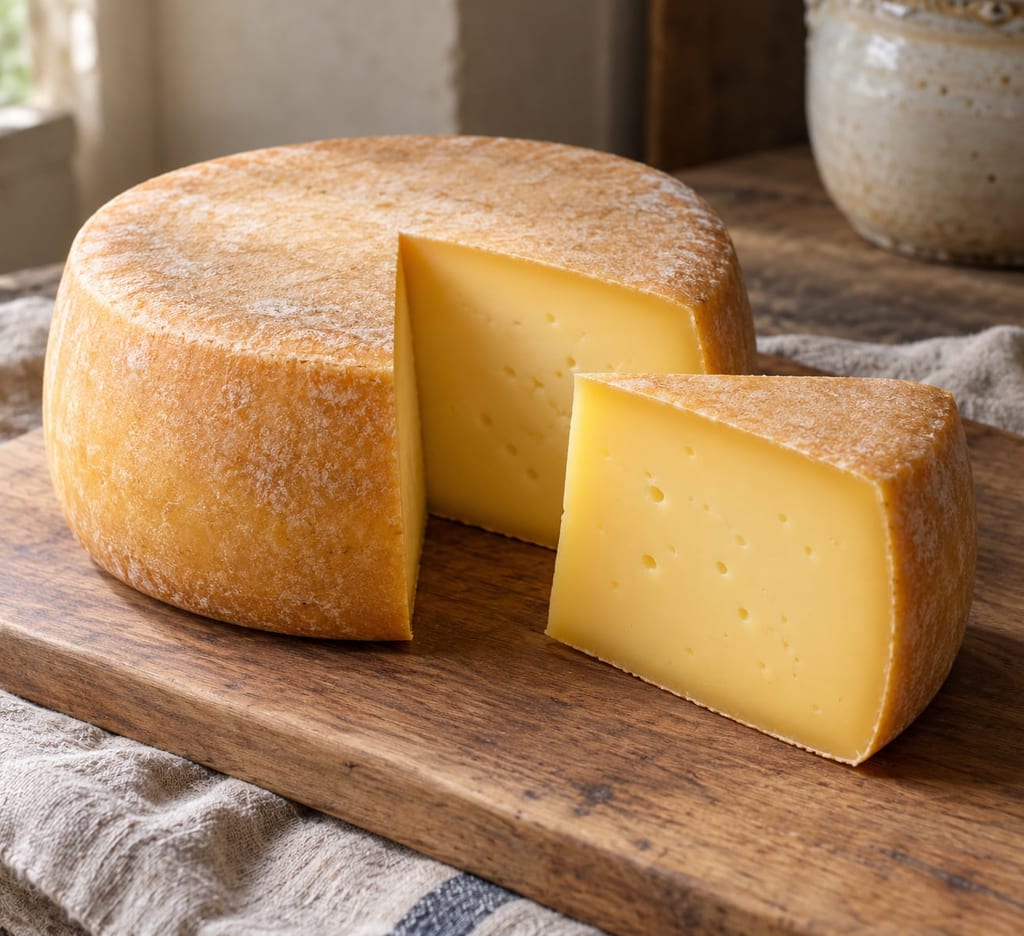
A pressed, brined cheese in which a third of the whey is replaced with hot water, washing out lactose so the cheese ends less acidic before months of ageing.
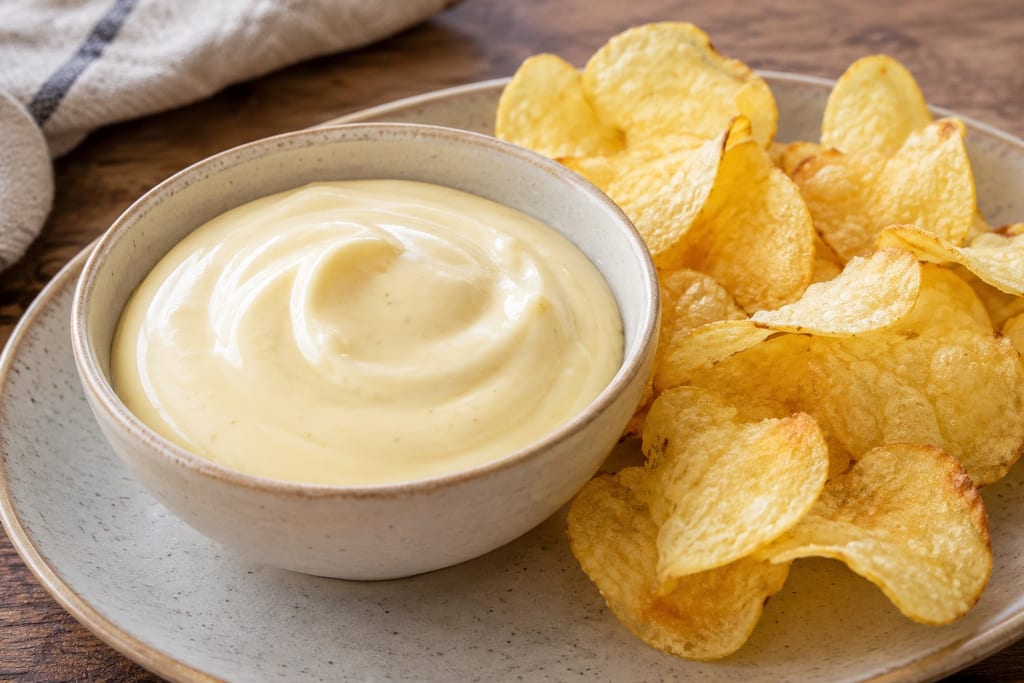
Lower-oil, starch-thickened fritessaus-inspired sauce derived from M13, not a Remia replica. Nominal yield 291 g before cooking loss.
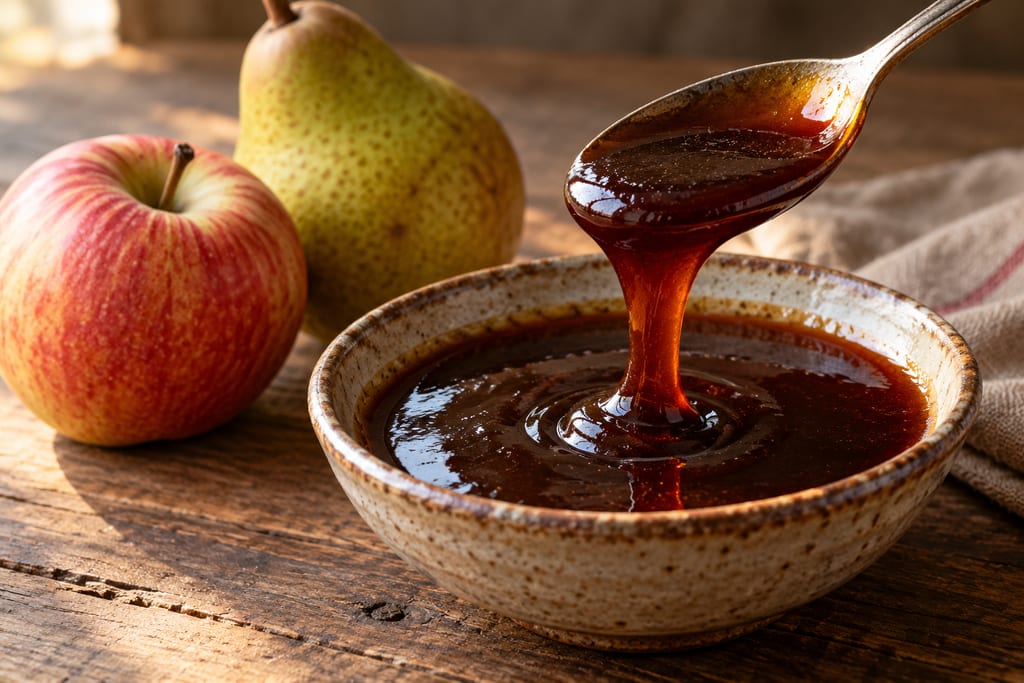
Limburgse stroop is a regional family of cooked fruit syrups from Dutch and Belgian Limburg. Producers blend apples, pears and beet differently, so no single formula exists.
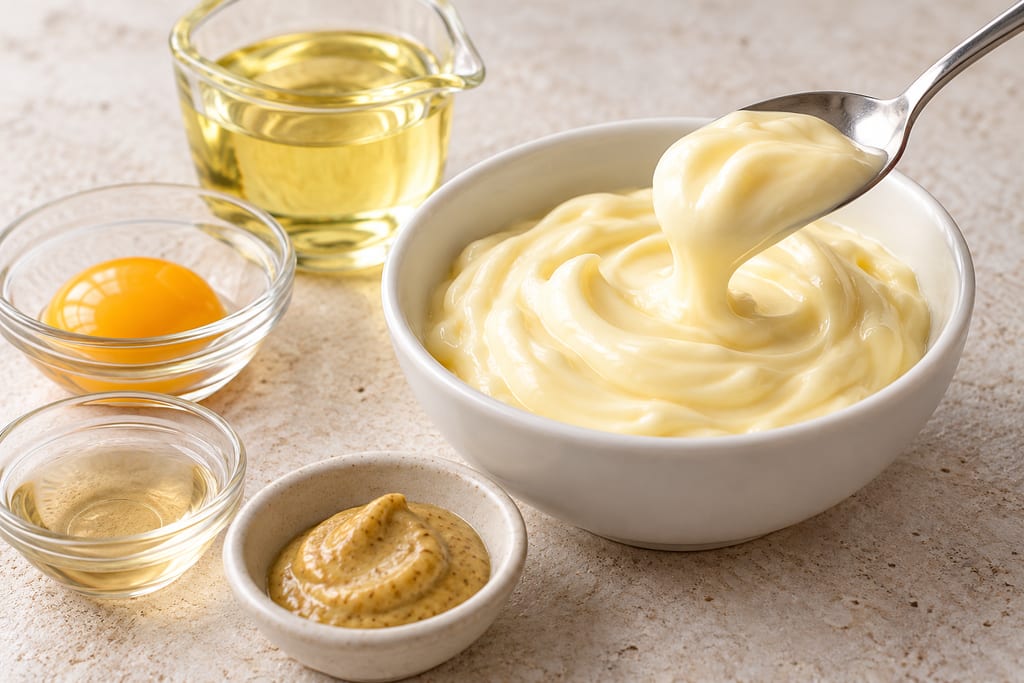
A plain mayonnaise of 200 g refined neutral oil emulsified into pasteurised yolk, vinegar, water and a little Dijon mustard: a clean base for tasting, comparing and flavouring.
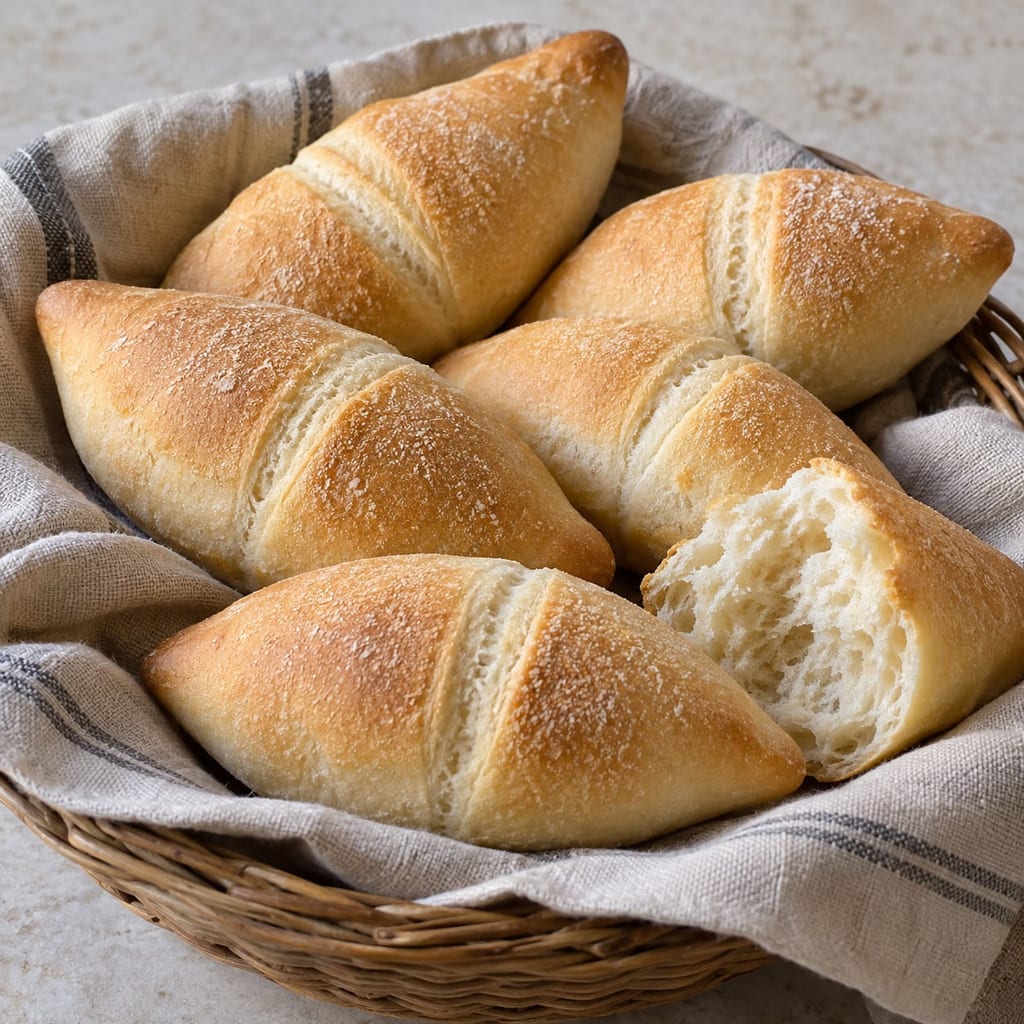
Pointed, yeast-raised Surinamese rolls with a light crumb and a thin crust, shaped with a pressed seam and baked with a semolina coating.
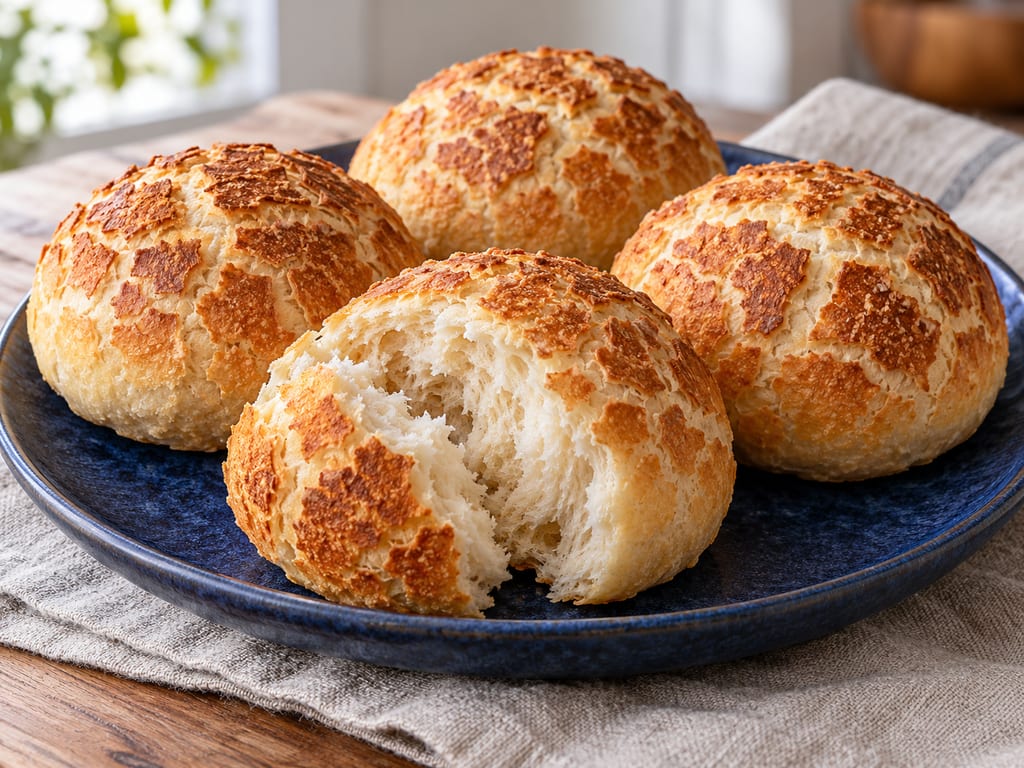
These Dutch-associated wheat rolls carry a yeast-raised rice-flour paste that dries into a split, crunchy crust.
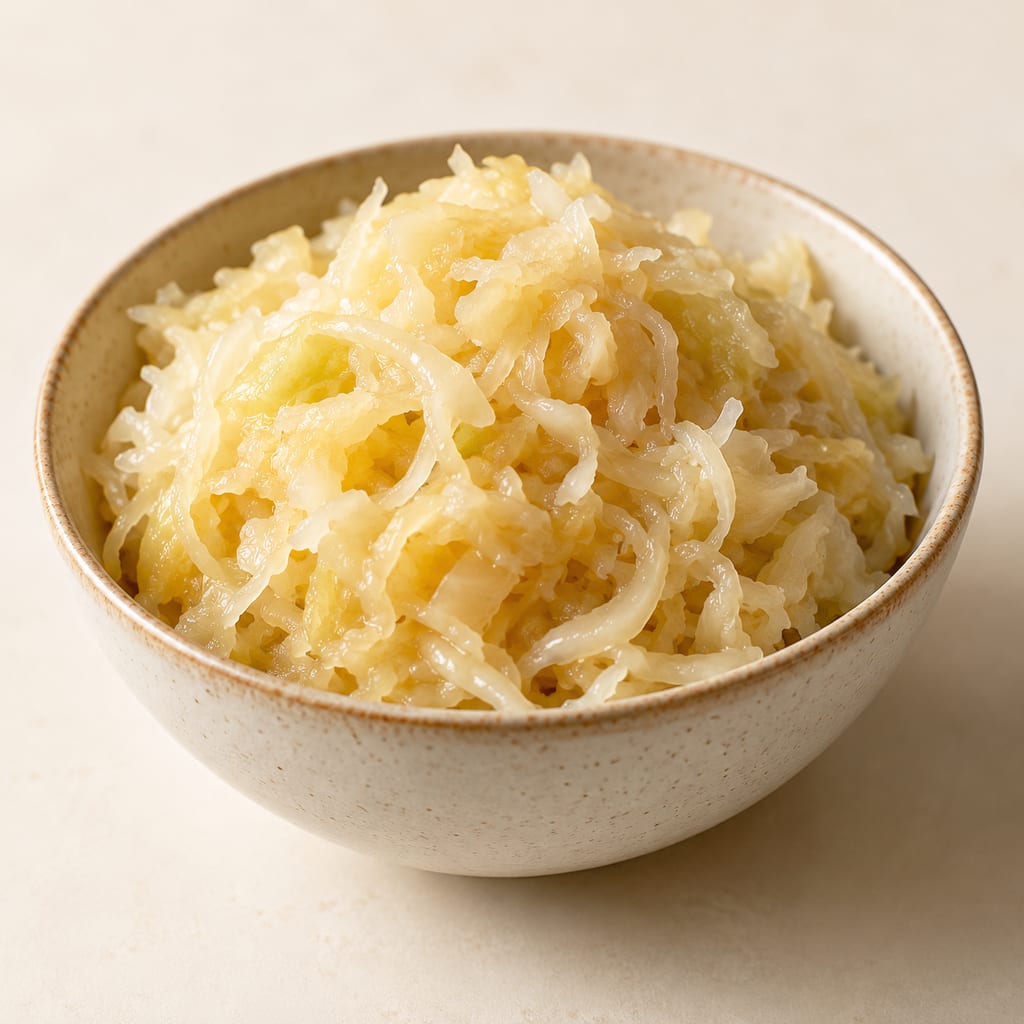
Dutch zuurkool is white cabbage salted and fermented in bulk. The only documented process in the available record is one North Holland producer’s commercial method from 2016.

Japanese skipjack tuna cooked, then repeatedly smoked and dried over a wood fire by the hand-fired tebiyama method into a hard block for shaving into dashi: the first stage of katsuobushi.
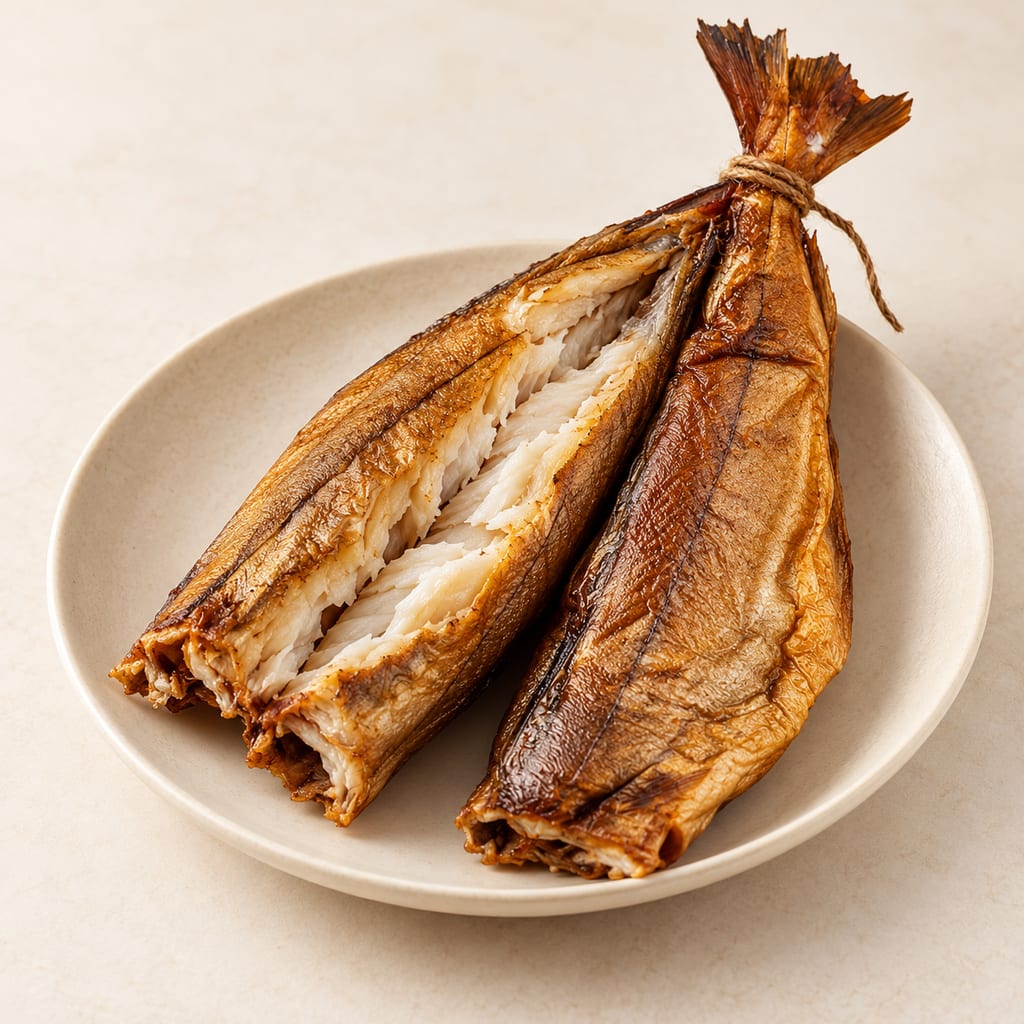
Arbroath smokies are whole haddock dry-salted, paired by the tail and hot-smoked in a protected coastal area. Their recorded history links Auchmithie and Arbroath, though the exact origin is unsettled.
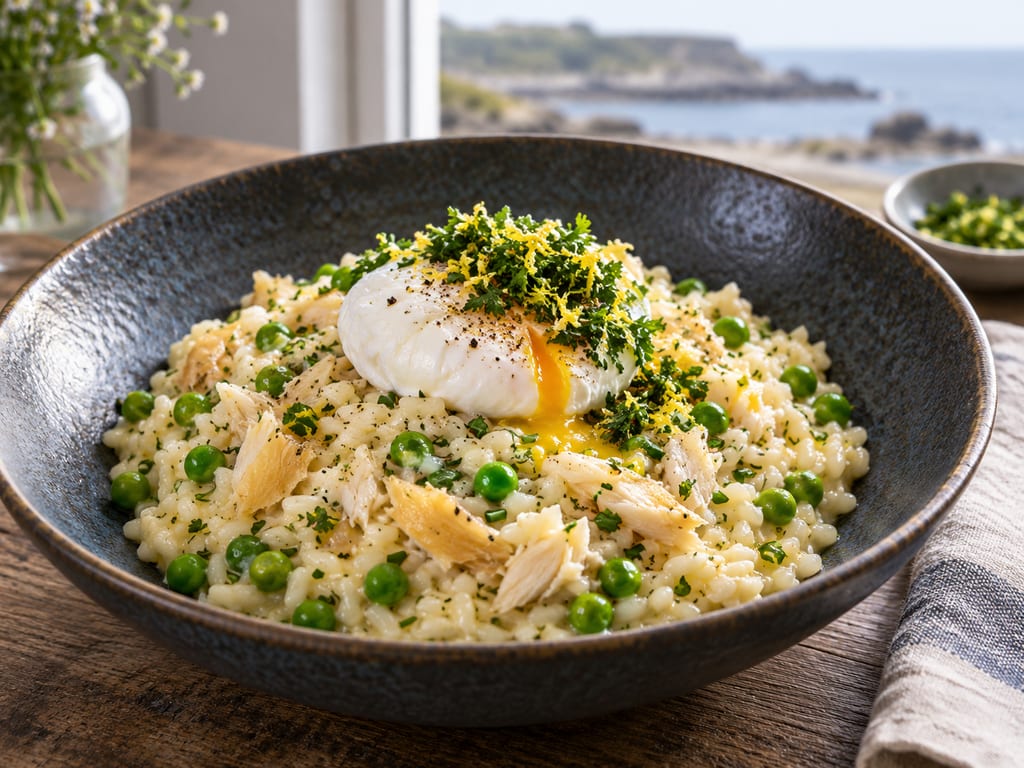
A four-serving risotto published in the 2014 Arbroath Smokie Trail booklet and credited to Hayley Wilkes. It cooks with finished Arbroath smokies; it does not describe smoking fish.
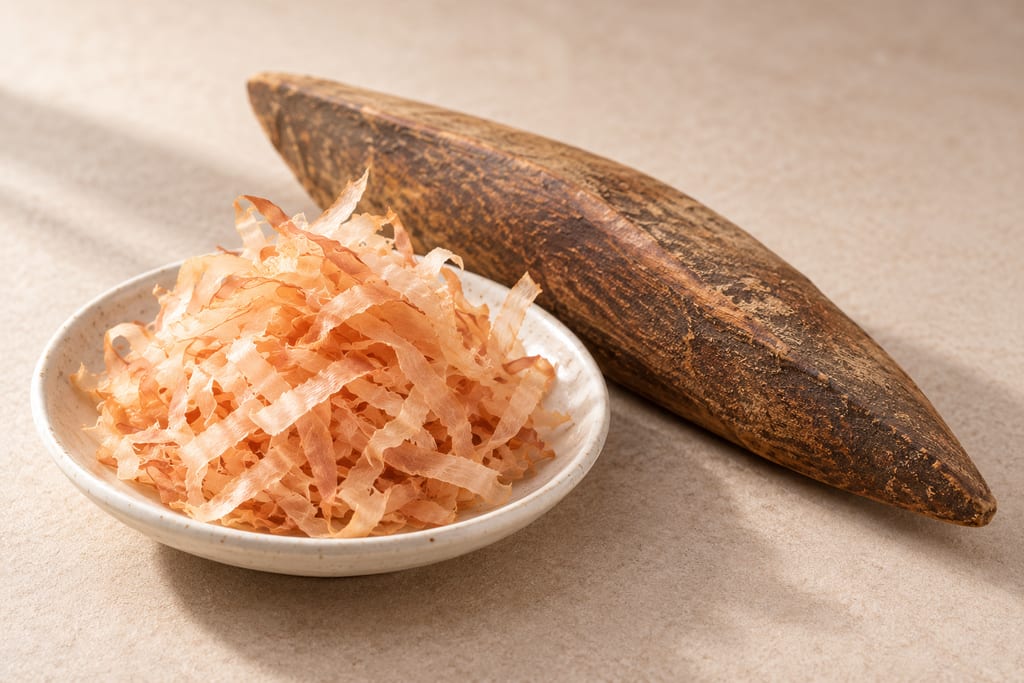
Katsuobushi is skipjack tuna cooked, smoked and dried into a hard block that is shaved into flakes for dashi and toppings. Some styles stop at the smoke-dried stage; others receive carefully managed mold maturation.
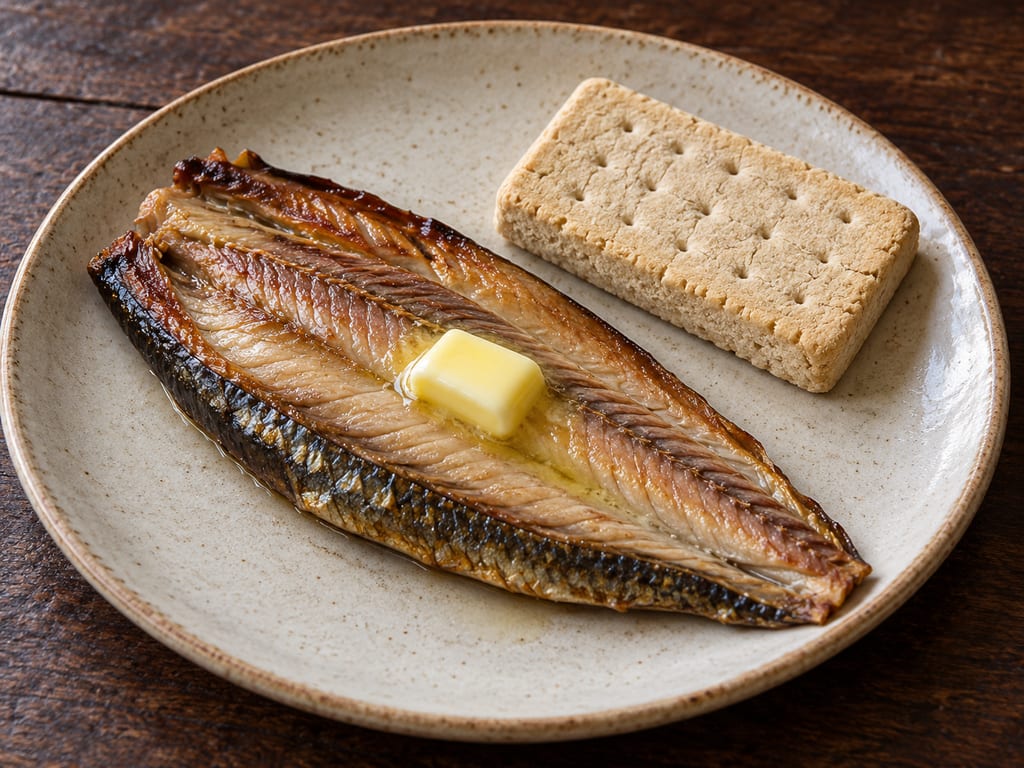
A Victorian way with Great Yarmouth bloaters: the lightly salted, cold-smoked whole herring is broiled and served with fresh butter and a warmed captain's biscuit.
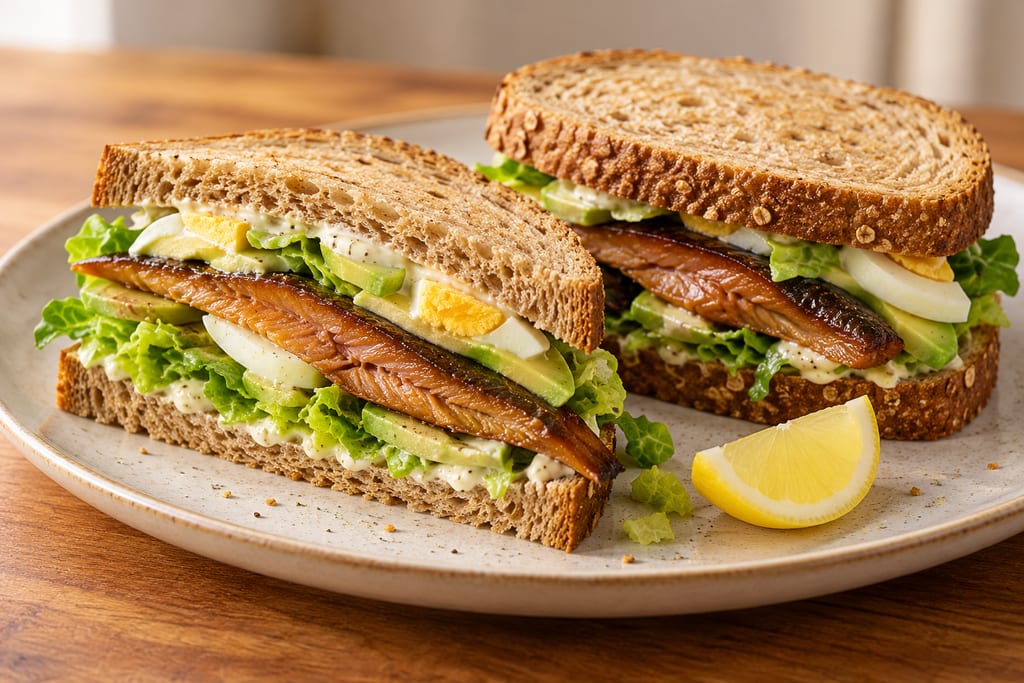
A warm club sandwich of oak-smoked Craster kipper fillets layered with soft-boiled egg, romaine, avocado and lemon mayonnaise on brown bread.
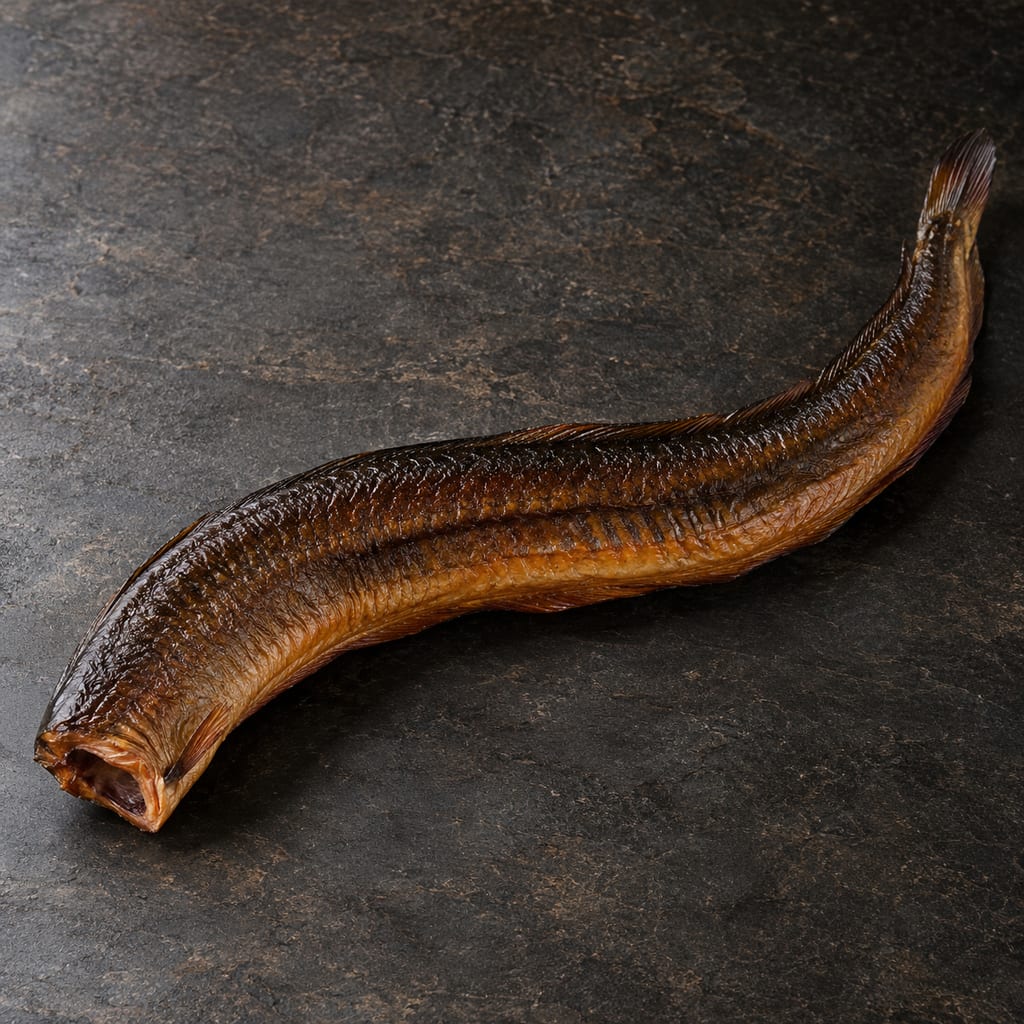
Short-finned eels, kooyang, smoked for a sustained period in the hollows of large trees at Budj Bim in south-western Victoria, a combined heat, smoke and drying method of the Gunditjmara people.
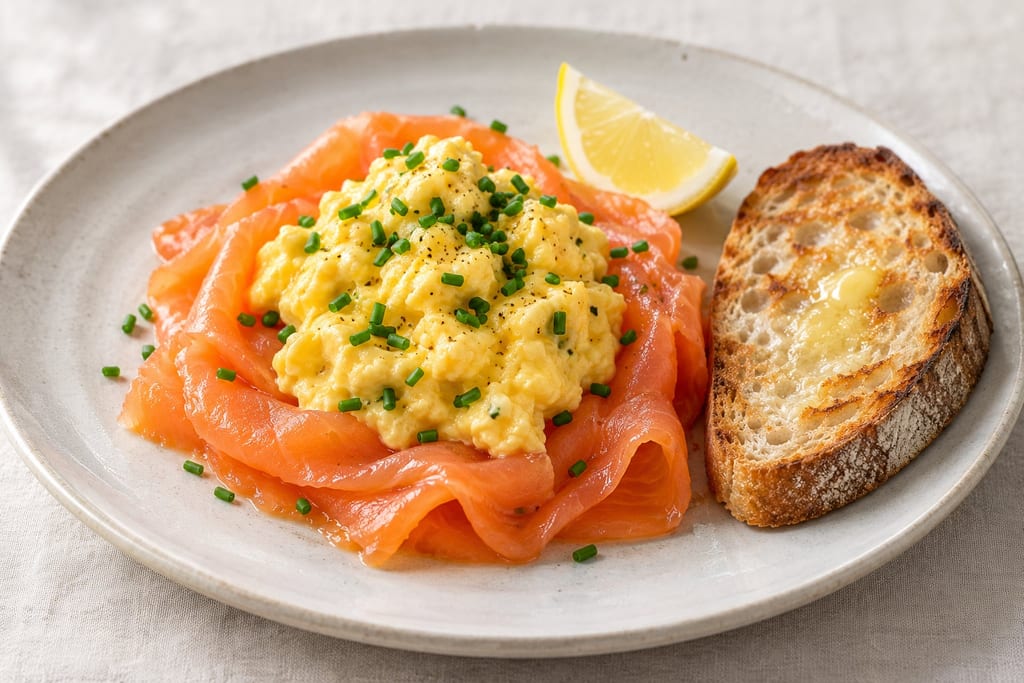
Softly scrambled eggs enriched with cream and butter, served with cold-smoked salmon, chives, lemon and sourdough toast as a British breakfast dish.
No community contributions have been published for this entry yet.
Sign in to contribute. Published comments and photos are free to read.
Hussemusse; recipe site, authors Agnes and Alex identify themselves on the site but the recipe page does not assign an individual authorSource recipe
Broodje gerookte palingPage heading is Broodje gerookte paling; it serves two, lists the ingredients and gives an under-30-minute method for assembling a roll from purchased smoked eel.
Cited in: What it is; Dutch smoked-eel traditions; Ingredients; Ingredient functions; Equipment; Method; The food science; Regional and contemporary variations; How it is eaten; Recognising quality and problems; Safety and handling
U.S. Food and Drug AdministrationSafety
Listeria (Listeriosis)FDA says Listeria can grow under refrigeration and notes U.S. outbreaks have been linked to smoked fish; this general page does not identify the eel’s smoking method or package status.
Cited in: The food science; Recognising quality and problems; Safety and handling
VisreceptenVariation
Broodje palingDressing variation.
Cited in: Dutch smoked-eel traditions; Regional and contemporary variations; How it is eaten