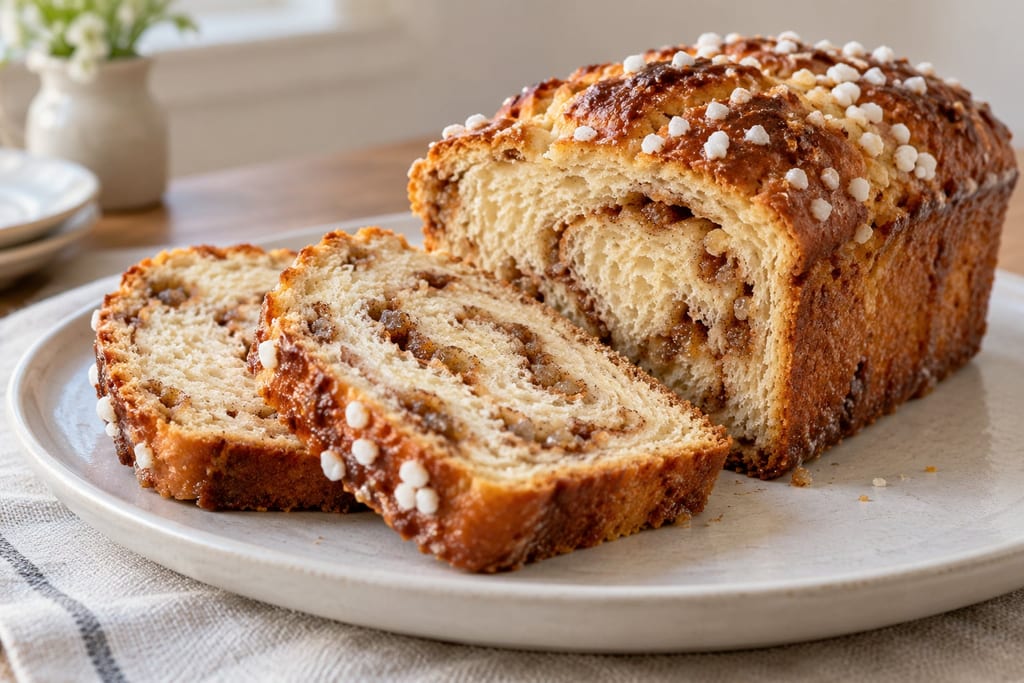
Frisian suikerbrood: Toine's version
Yeasted sugar bread with cinnamon, pearl sugar and ginger syrup, shaped into two standard loaves or three paper-pan loaves.
 FermenteaWhere food goes to change
Appelstroop · Perenstroop · Limburgse appel- of perenstroop
Limburgse stroop is a regional family of cooked fruit syrups from Dutch and Belgian Limburg. Producers blend apples, pears and beet differently, so no single formula exists.
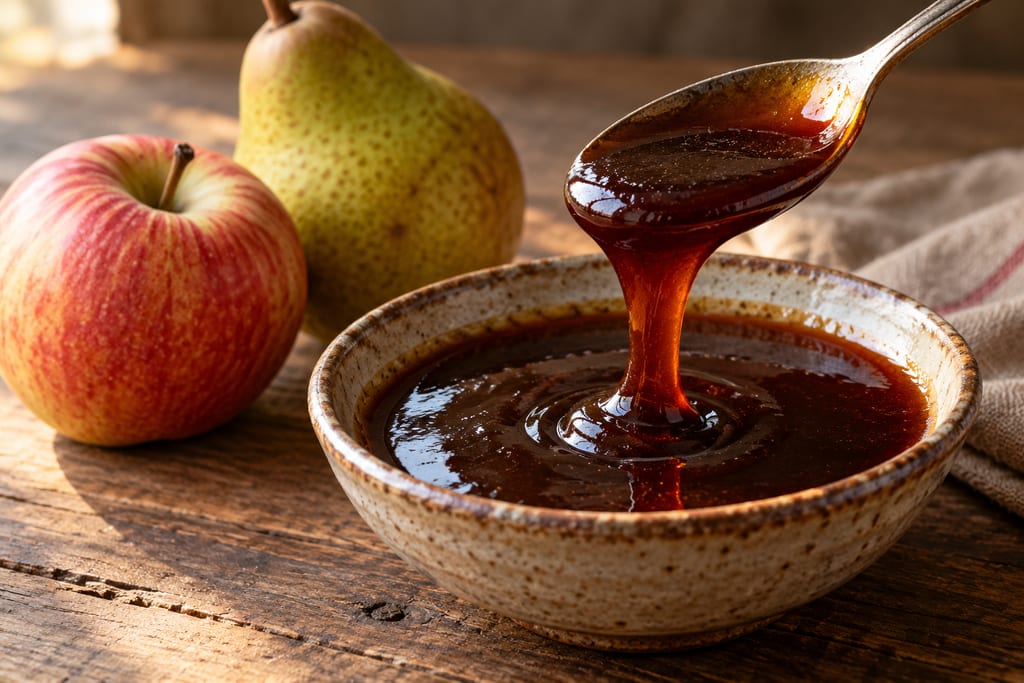
Limburgse stroop is a regional name for cooked fruit syrups associated with Dutch and Belgian Limburg. The Lanaken tourism page uses the older wording “Limburgse appel- of perenstroop” and describes fruit cooked and reduced to a dark syrup. The name alone does not specify a fixed ingredient list.
The Belgian Streekproduct.be page describes three named Borgloon products: an apple syrup with apples and pears, a pear syrup with a different balance, and a mixed syrup that includes sugar beet. It does not state the percentage denominator. A Dutch Slow Food Presidium page separately describes its own pear-and-apple product as about 60% pear and 40% apple, with no other ingredients; that page was available as indexed text in dossier research. These are product-specific accounts, not one formula for the region. Canisius separately lists ingredients for two of its own syrups, including a beet-and-apple concentrate product and a pear-and-apple juice product with lemon and pectin. Those manufacturer lists describe Canisius products, not Limburgse stroop as a whole.
Dutch heritage accounts recount household syrup-making and later village and factory production, but the inventory text was indexed-only during dossier research and its early historical witnesses were not inspected. An academic history documents syrup factories in Dutch Limburg during the nineteenth century. Separately, the Flemish heritage inventory dates the Borgloon steam syrup factory to 1878–1879. These records describe regional histories; they do not establish one birthplace or a single transmission route for all Limburg syrups.
Lanaken lists bread, pancakes, waffles, sauces and stews. Streekproduct.be links its named syrups to both sweet and savoury dishes. These are examples from municipal and product pages, not evidence that every syrup suits every use or that the uses are equally common.
The Dutch craft accounts place some syrup-making in autumn and early winter. A producer in Hombourg in the neighboring Land of Herve reports a September-to-early-November season for its own syrup. These are making seasons from different local accounts, not a regional fruit-harvest calendar.
Craft and producer pages describe thermal concentration using large kettles, pressing equipment and, in one factory account, later juice concentration. Their methods and ingredient statements belong to distinct makers and production scales. They do not form a complete household batch, and their visual thickness cues or reported storage claims are not validated safety controls or general shelf-life evidence. No fermentation step is established by these accounts.
The Dutch heritage page was available only as indexed text in dossier research; cited early historical witnesses have not been inspected, so no origin date is established.
Fruit percentages refer to named product accounts, and the Belgian page does not state their denominator. No single regional composition, fixed cultivar or universal harvest calendar is established.
Artisanal and producer process descriptions do not provide a complete validated household batch, measured home endpoint, or general finished-product shelf life. Reported storage durations conflict and are not independent validation.
No product-matched image with verified identity and item-specific reuse rights was established.
Dutch Limburg had syrup factories in the nineteenth century, and the Flemish heritage inventory dates the Borgloon steam syrup factory to 1878 and 1879. The sources do not establish one birthplace.
Dutch heritage and producer accounts describe household and later factory syrup-making.
Named Borgloon products and a steam syrup factory of 1878 to 1879 are documented.
Yeasted sugar bread with cinnamon, pearl sugar and ginger syrup, shaped into two standard loaves or three paper-pan loaves.
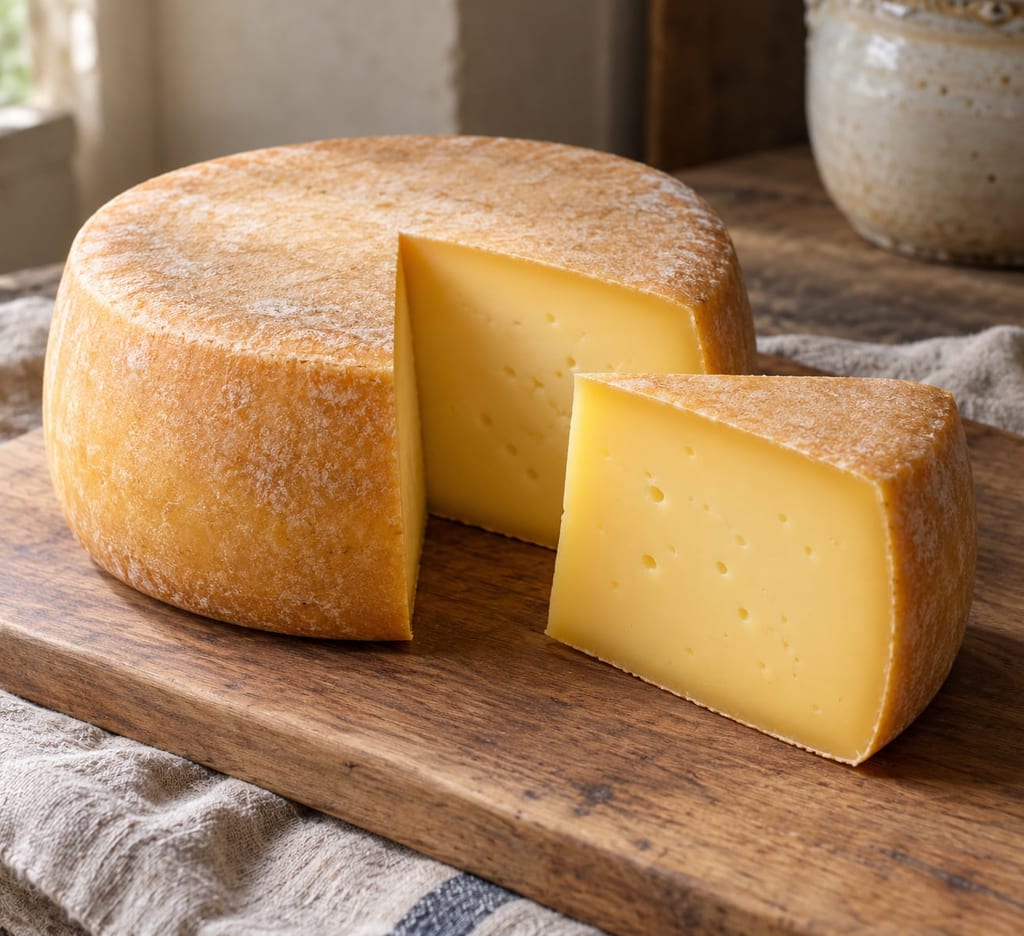
A pressed, brined cheese in which a third of the whey is replaced with hot water, washing out lactose so the cheese ends less acidic before months of ageing.
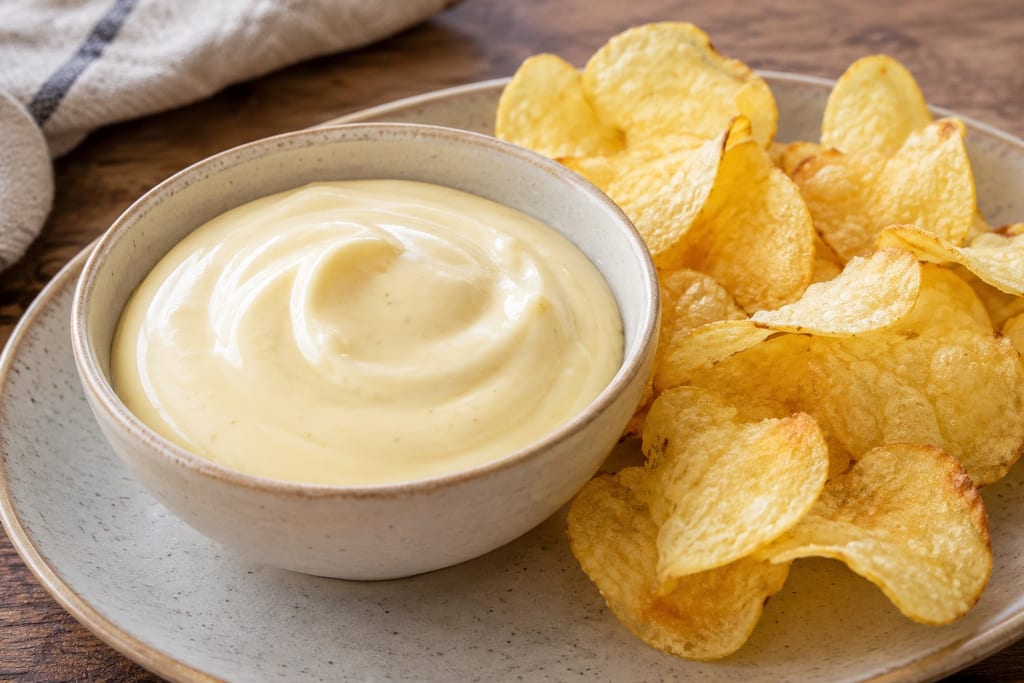
Lower-oil, starch-thickened fritessaus-inspired sauce derived from M13, not a Remia replica. Nominal yield 291 g before cooking loss.
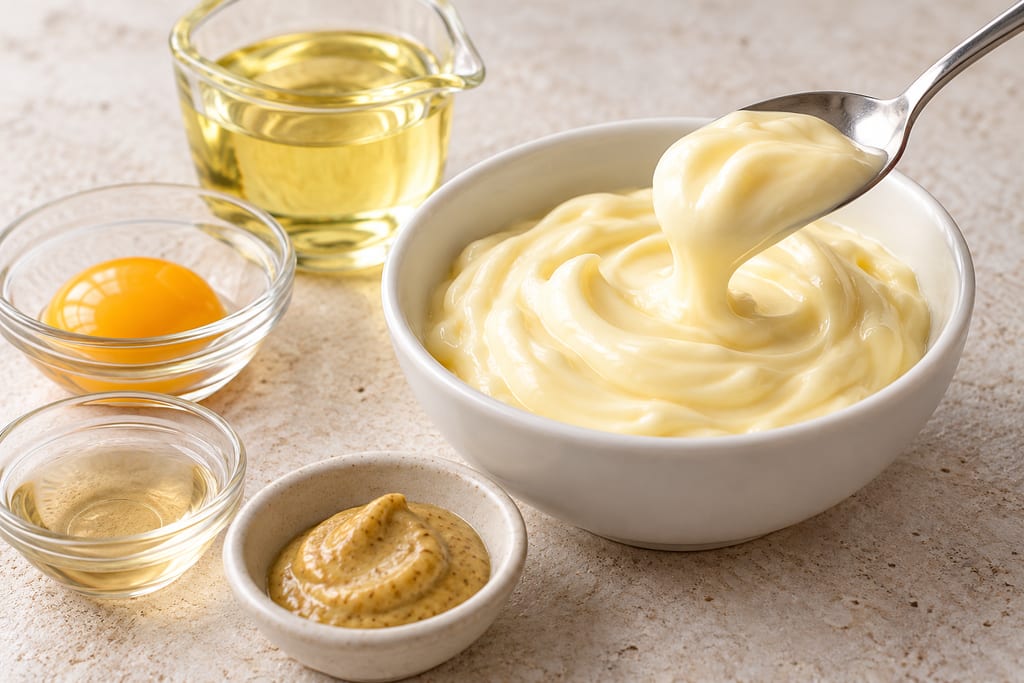
A plain mayonnaise of 200 g refined neutral oil emulsified into pasteurised yolk, vinegar, water and a little Dijon mustard: a clean base for tasting, comparing and flavouring.
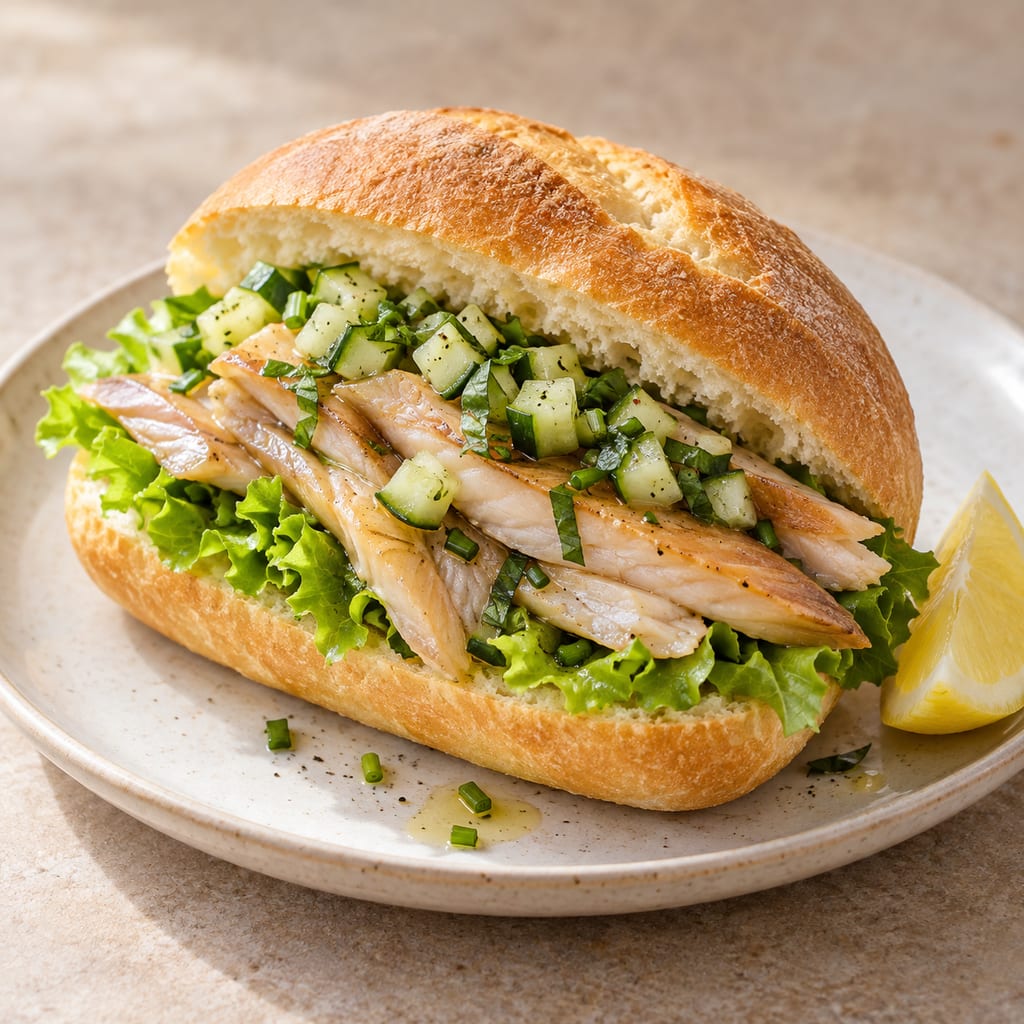
This Dutch lunch roll combines purchased smoked eel with cucumber, basil, lemon dressing and lettuce.
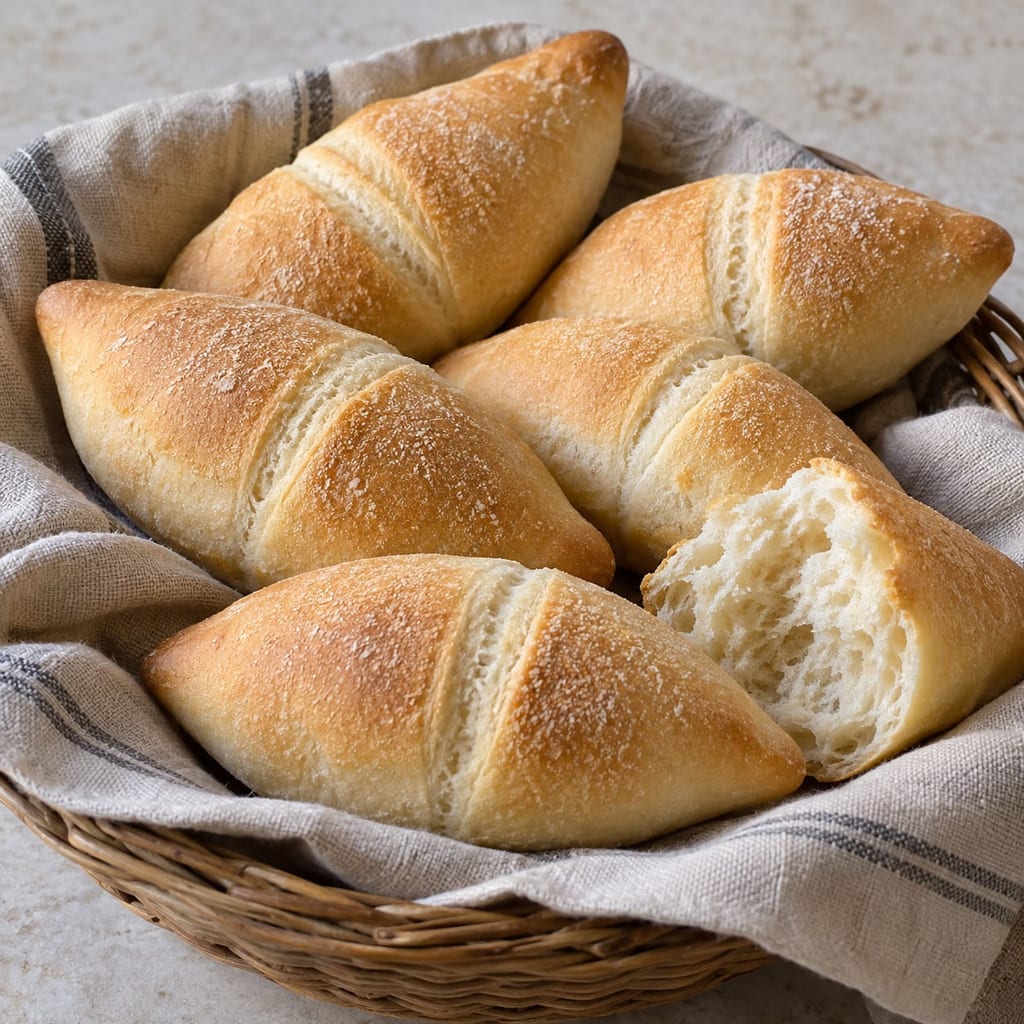
Pointed, yeast-raised Surinamese rolls with a light crumb and a thin crust, shaped with a pressed seam and baked with a semolina coating.
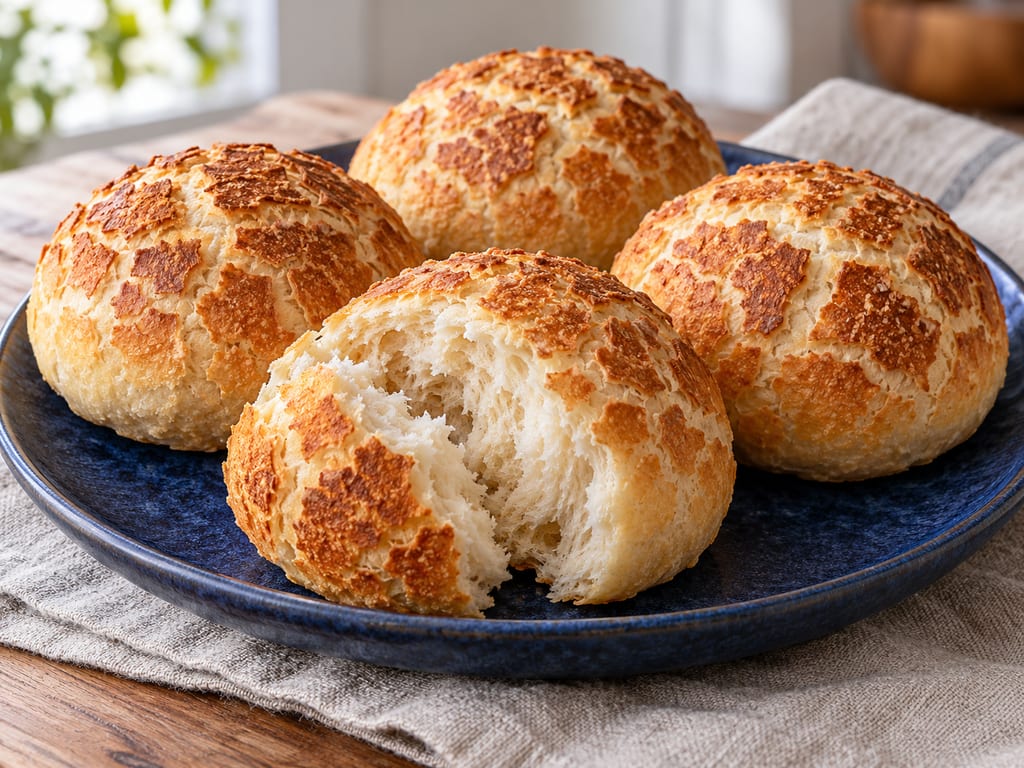
These Dutch-associated wheat rolls carry a yeast-raised rice-flour paste that dries into a split, crunchy crust.
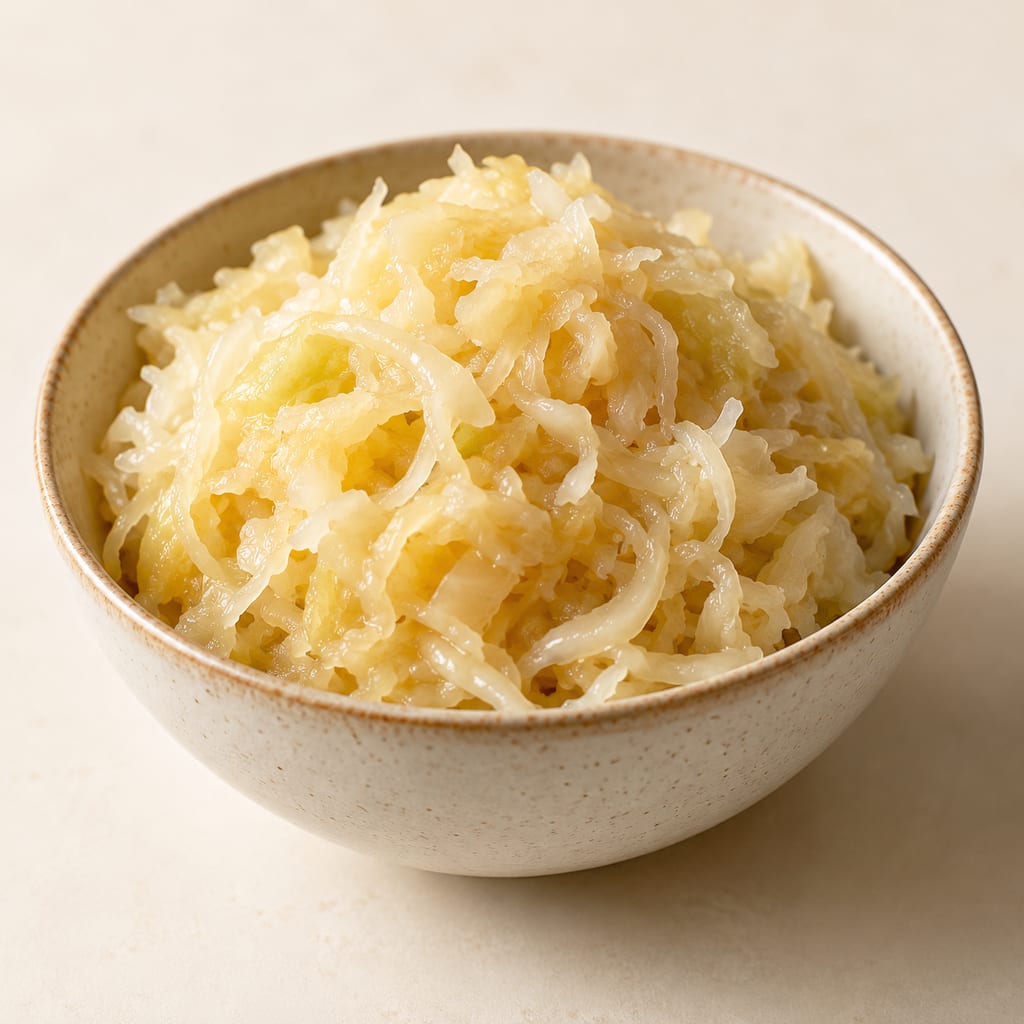
Dutch zuurkool is white cabbage salted and fermented in bulk. The only documented process in the available record is one North Holland producer’s commercial method from 2016.
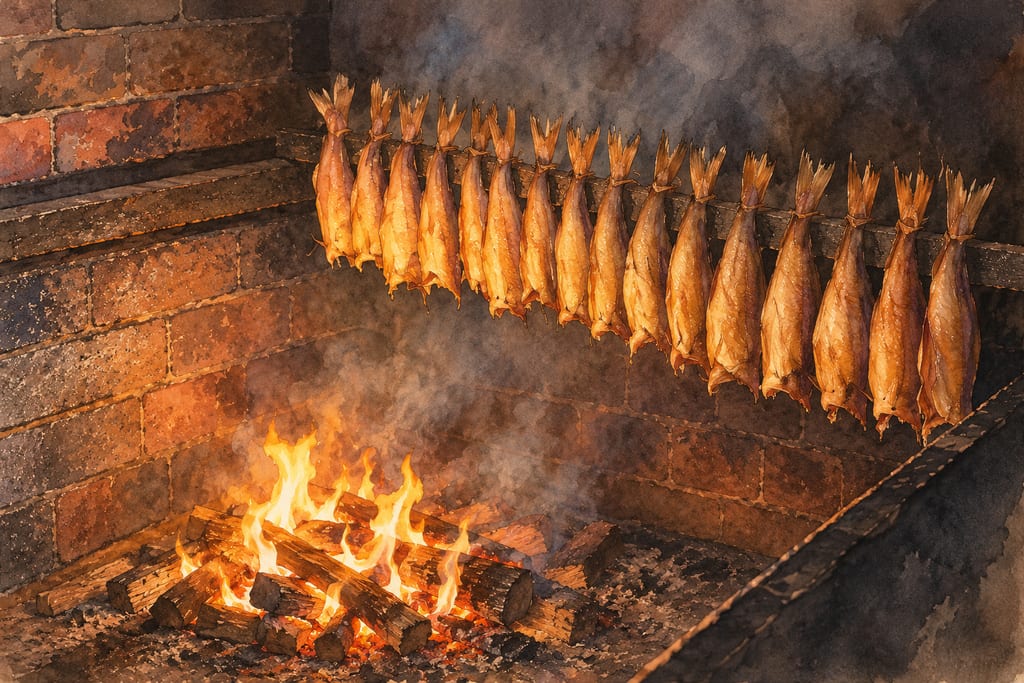
The Arbroath “barrel” is a hardwood-fired smoking pit with triangular rails and a cover. Its documented form belongs to the traditional hot-smoking of haddock around Arbroath and Auchmithie, Scotland.
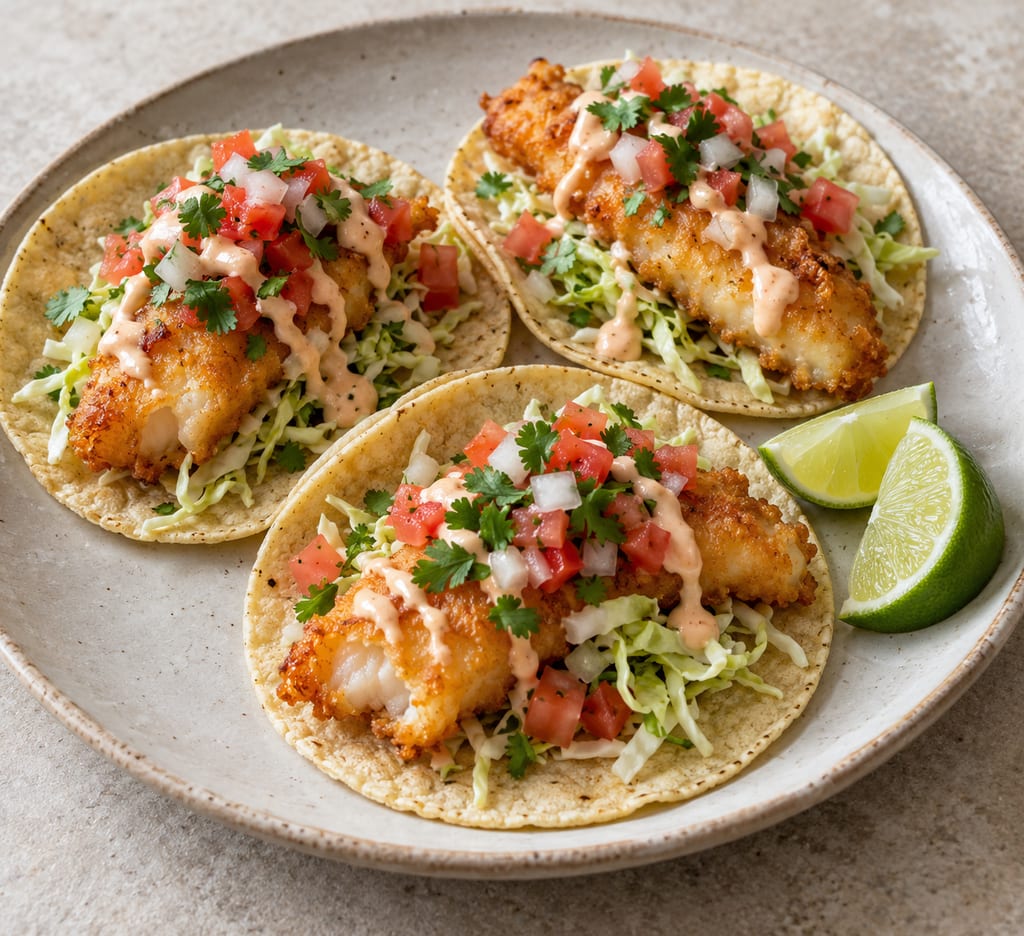
Crisp battered white fish in warm corn tortillas with shredded cabbage, lime and fresh salsa. This home version draws on the Ensenada style without claiming to be a definitive historic formula.
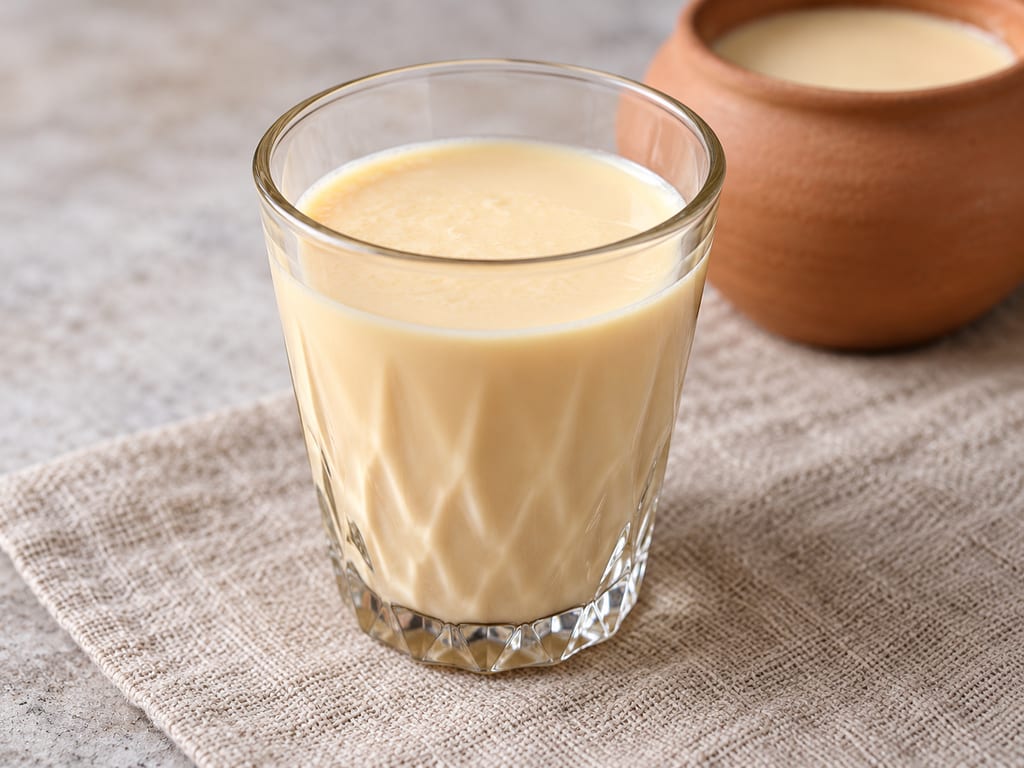
Baked milk is an Eastern European preparation of milk held at high heat for hours until it turns cream-coloured with a cooked, mildly sweet flavour, without any fermentation.
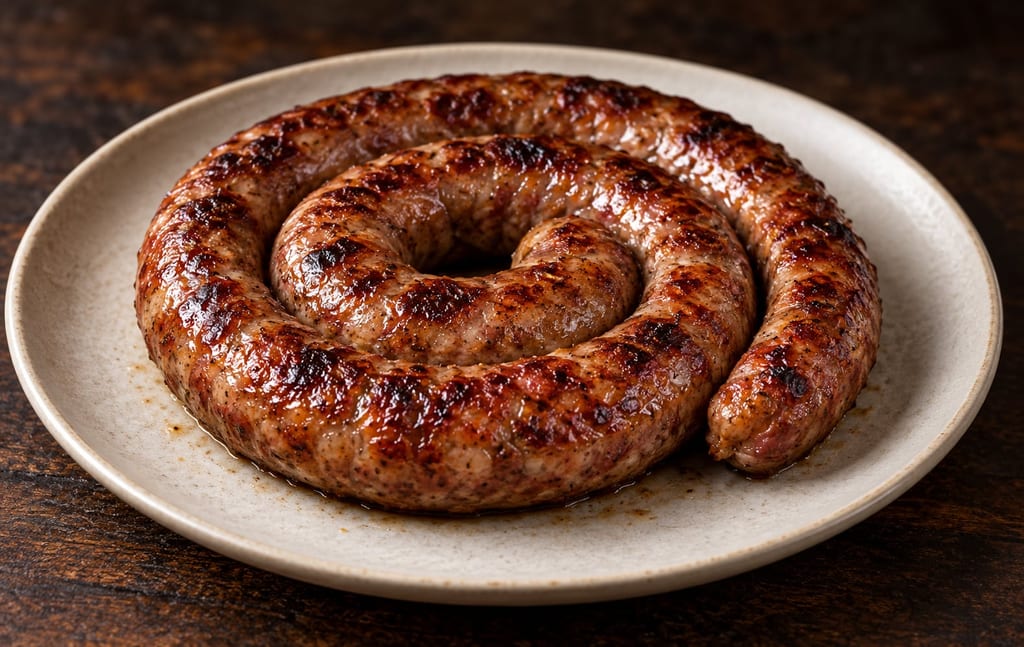
A coarse South African farmhouse sausage of beef with pork or mutton fat, defined by its coriander seasoning and cooked fresh over coals rather than preserved.
A flood-season pit store described for Omagua communities along the Amazon: manioc tubers were buried before inundation and recovered as waters receded. Its shape and lining are not recorded.
A temporary, in-place earthen oven used to cook camas with heat retained by fire-heated stones. The dimensions described here belong to one Kalispel-supervised reconstruction, not a universal form.

Chuño negro is a source-documented Andean potato-preservation practice. This entry records producer tradition; it is not a validated household process for making potentially toxic bitter potatoes safe.
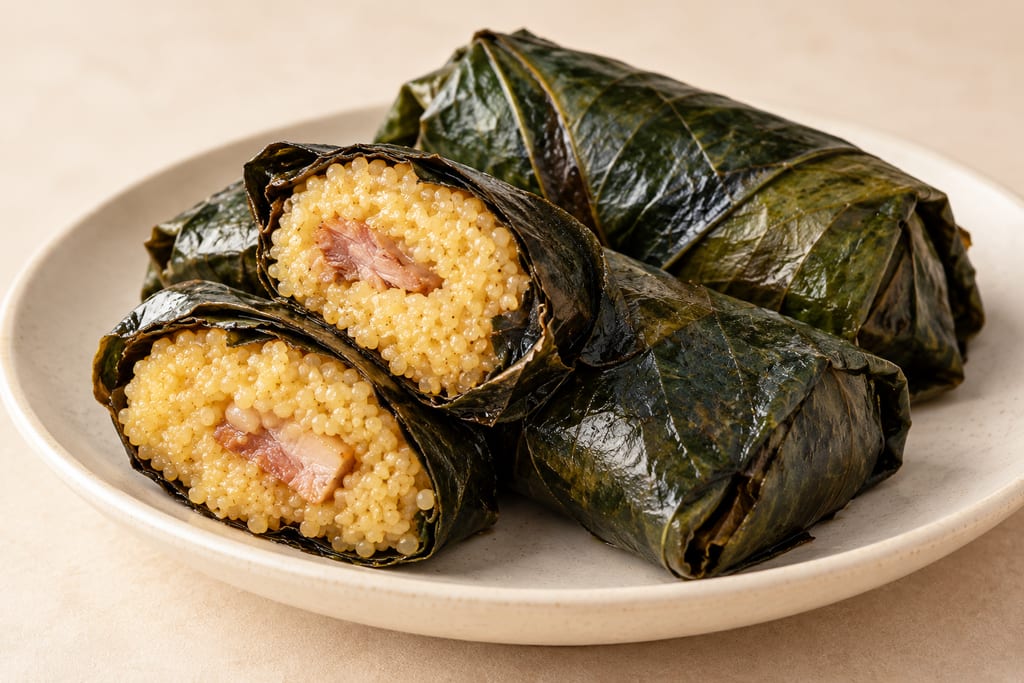
Cinavu is a Paiwan leaf-wrapped parcel built around millet or taro, meat and locally gathered leaves. It belongs to a food culture of harvest, hospitality and shared work, with village recipes differing in both filling and cooking time.

A Cap-Pelé boucanière is an Acadian herring-smoking building. The documented Willie Niles example is a one-storey wood-frame structure with a ridge smoke vent and interior bays for hanging fish-bearing cannes.

Achcharu is a family of Sri Lankan vinegar pickles made with mixed vegetables or seasonal fruit and a piquant spice dressing. This version is a quick, refrigerated, non-fermented mixed-vegetable pickle.

The acocote is a long, hollowed and dried gourd used to draw aguamiel from a mature maguey. It is a harvesting tool: the sap is transferred to a separate vessel before it ferments into pulque.

Adrak murabba preserves young ginger in sugar syrup, a sweet South Asian preparation recorded in Indian cookery and food-processing sources.

Parkia biglobosa seeds are fermented into regional West African seasonings, including nététou, iru, dawadawa and soumbala. The yellow fruit pulp is a separate food, and names and methods vary by place.

Japanese reddish-brown vinegar from sake lees matured about three years, turned to vinegar by acetic bacteria; the vinegar of Handa and Edomae sushi rice.

A refined common-wheat flour blended for a broad range of baking; its protein and behavior vary with wheat, milling and market.

The almond mushroom, Agaricus subrufescens, was cultivated in eastern North America in the 1800s, lost its market, and returned as a cultivated mushroom from Brazil, where it is grown under several names.
No community contributions have been published for this entry yet.
Sign in to contribute. Published comments and photos are free to read.
Visit Lanaken / Gemeente LanakenEvidence
Limburgse stroopCited in: One name, several syrups; Uses and seasonal context; Open questions
Kenniscentrum Immaterieel Erfgoed NederlandEvidence
Het stoken van Limburgse stroopCited in: Histories on both sides of the border; Uses and seasonal context
Slow Food Presidium Limburgse StroopEvidence
Geschiedenis van het ambachtCited in: Histories on both sides of the border
Slow Food Presidium Limburgse StroopEvidence
Het productieproces stroop stokenCited in: Uses and seasonal context; Production described, household method unresolved
VLAM-Steunpunt Streekproducten / Streekproduct.beEvidence
Limburgse stroopCited in: One name, several syrups; Uses and seasonal context
Agentschap Onroerend Erfgoed, Vlaamse overheidEvidence
Stoomstroopfabriek Wijnants-GroenendaelsCited in: Histories on both sides of the border
Gebroeders Bleus / Stroopfabriek Bleus NVEvidence
Onze werkwijzeCited in: Production described, household method unresolved
Canisius / FrumarcoEvidence
FAQCited in: One name, several syrups; Production described, household method unresolved
Hombourgeois / Molen van MedaelEvidence
Faire du siropCited in: Uses and seasonal context; Production described, household method unresolved
Hombourgeois / Molen van MedaelEvidence
Rondleiding ambachtelijke stroopstokerijCited in: Production described, household method unresolved
TSEG / Low Countries Journal of Social and Economic HistoryEvidence
Economic Clusters, Knowledge Networks and Globalisation: Fruit Growing in Dutch Limburg, 1850–1940Cited in: Histories on both sides of the border
Landgoed van Ulvend / Molen van Medael partner pageEvidence
Ambachtelijke stroopCited in: Production described, household method unresolved