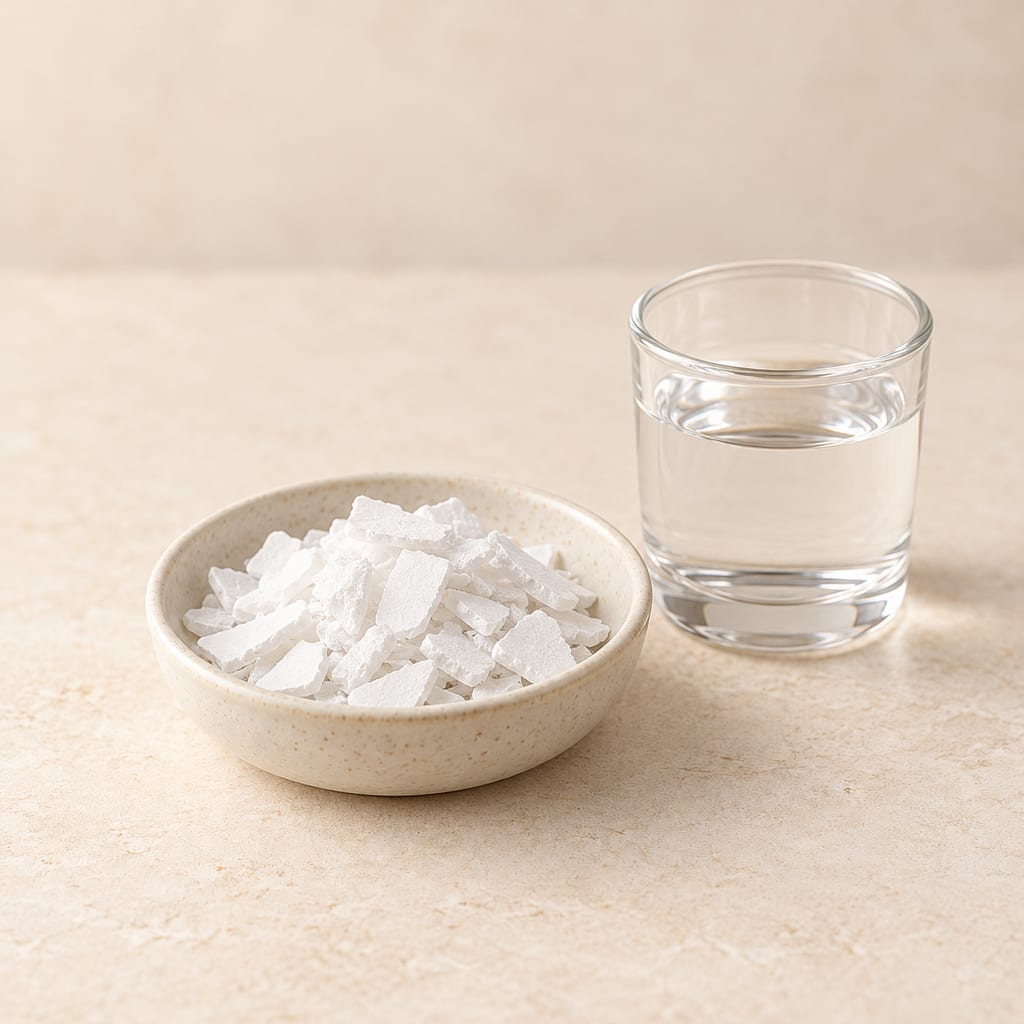
Calcium chloride
A soluble calcium salt used to support cheese curd formation, balance cheese brines, reinforce some plant tissues and adjust brewing water.
 FermenteaWhere food goes to change
Modern method
Topfen
Quark is a soft, fresh curd cheese used in spreads and desserts. This small home batch sets milk with mesophilic culture and rennet before refrigerated drainage.
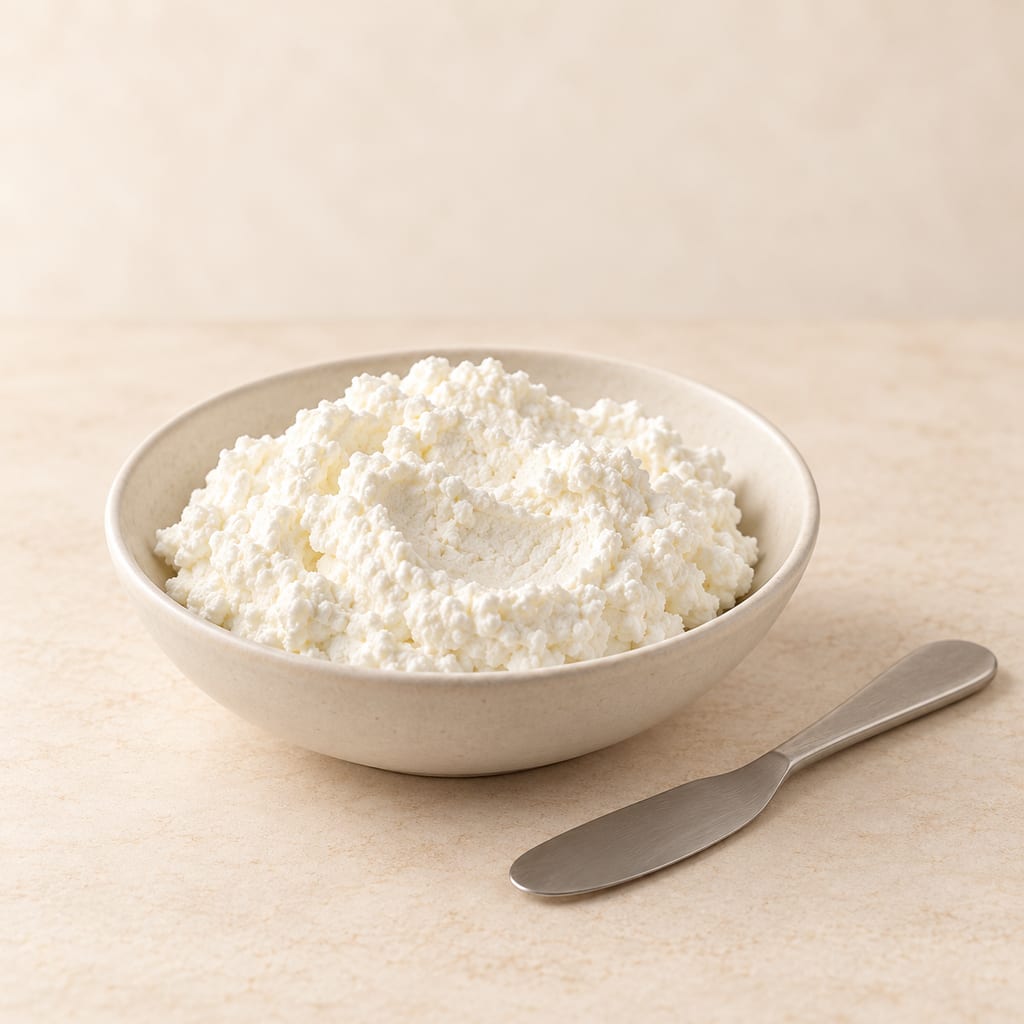
Quark is a fresh cultured cheese whose soft curd can be spooned, spread or mixed into other foods. It is commonly white, mildly acidic and moist, with a texture ranging from creamy to a more distinct curd. It has no necessary ageing stage after drainage. The cheese on a breakfast table and the quark worked into a dough can belong to the same broad family while differing substantially in water and fat.
Its apparent simplicity makes those differences easy to overlook. Quark is not merely thick milk: a protein network has formed, and some liquid has been separated from it. Nor does the name promise the richness of cream cheese or the loose grains of cottage cheese. A particular product's curd-making method, milk treatment and drainage shape how it sits on a spoon and behaves in a dish.
This household version uses a mesophilic starter and a small quantity of rennet in full-cream milk, followed by cloth drainage in the refrigerator. It is one concrete route through the family. Understanding that route gives the reader a way to interpret the result: bacterial acidification, enzyme-assisted setting and physical whey removal each have a different job. The optional cream, salt and herbs are finishing choices applied to the fresh cheese afterwards.
Names place this food in everyday life more clearly than an unsupported story about a single inventor. Quark is the usual word in Germany and Switzerland, while Topfen is usual in Austria. It does not imply that every cheese sold under those names has an identical formulation or that a national boundary marks a change in curd chemistry.
Regional speech adds further texture. In Rheinhessen, the Palatinate and Saarpfalz, local terms meaning soft cheese or white cheese occupied a place where the standard word Quark was less firmly established in dialect. Farms made such curd from unheated milk left to sour, separating the solid portion. That supplies a picture of household production before the deliberate starter-and-rennet approach used here.
The linguistic history reaches further back than the modern recipe. Middle High German forms include twarc and quarc, related to Slavic words such as twaróg. A word's survival tells us that people named and recognised a food; it cannot recover every step used to make it. The useful continuity is a category of curdled milk made into something edible and useful. The precise first preparation, its microbes and its birthplace remain unresolved.
Milk's casein proteins begin as tiny dispersed structures called micelles. Their surfaces help keep them apart in the watery milk phase. A cheese-making starter changes that environment as its bacteria use lactose, the milk sugar, and produce lactic acid. Increasing acidity reduces the stability of the casein dispersion. The proteins begin associating into a network that holds liquid and other milk components.
That network is the essential change from liquid milk to a gel. It initially contains much of the water that was present before setting, so the milk can become custard-like without becoming a dry cheese. The whey that later drains away was already held within the developing curd. Setting and drainage are connected stages, but they are not the same event.
In quark-making, a little rennet can assist the set and whey separation. Rennet is a coagulant enzyme preparation, not the bacterial culture. It acts on the surface of casein micelles by cutting a protein that helps stabilise them; the altered micelles can then aggregate. Acid and enzyme action can overlap in one vessel while remaining distinct mechanisms. This combination helps explain why the recipe needs both an active culture and a separately measured coagulant, rather than two interchangeable “starters.”
Fat contributes flavour and mouthfeel, but its relationship with the curd is physical too. Milk fat is carried in globules. When a protein network forms, those globules can be retained in it alongside water and other components. Reducing fat changes the material from which the cheese is built; it is not simply a way to remove richness while leaving everything else identical.
Homogenization changes this relationship by reducing globule size and altering the globule surface. Proteins associated with the new surfaces can participate in the developing gel. In quark-type cheeses, fat content, homogenization and milk heat treatment interact in shaping moisture and texture. These interacting choices explain why an ingredient substitution can change more than one characteristic of a fresh cheese at once.
The household formula explicitly permits full-cream homogenized milk or full-cream UHT milk. These are alternatives stated by its maker, not a demand that the milk have undergone both treatments. Homogenization is mechanical processing; UHT describes heat treatment. Keeping the terms separate avoids two common mistakes: assuming homogenized means pasteurized, or declaring that a permitted UHT ingredient must be unsuitable because a different cheese-making method rejects it. Here the starting milk choice belongs to this particular formula.
A carton of milk carries a processing history into the kitchen. Strong heating can unfold whey proteins, allowing them to associate with casein and with one another. In fresh-cheese systems, these interactions can change water retention and the ease with which whey leaves the curd. Heat treatment therefore has consequences beyond making milk warm enough for a culture.
Different combinations of fat, homogenization and heating produce different fresh-cheese textures. Stronger heat can help retain moisture, but that alone does not define a better cheese: texture reflects the full combination. This is why a heating schedule taken from one dairy product cannot be added to another recipe as a universal improvement.
Industrial quark technology uses these effects deliberately. Traditional, standard and thermo processes take different routes; the thermo process uses milk-protein interactions to change recovery into the cheese. That is a production strategy with specialised equipment and controls. The home recipe's gentle warming is a different operation: it prepares the milk for adding the culture and coagulant. Earlier commercial heat treatment, household warming and industrial treatment of a curd are three different interventions, even though all involve temperature.
Early mixing distributes the culture and diluted rennet through the milk. Stopping then gives the developing gel a chance to form without continued mechanical disruption. The long quiet set makes sense when one imagines a network being built throughout a liquid, rather than individual solid crumbs dropping to the bottom. Later handling deals with that network as a soft material.
Cloth drainage changes the cheese through physical separation. Liquid passes through the cloth while the larger curd structure remains. Longer drainage gives a thicker result in this method. The refrigerator location matters to the instructions, but drainage itself is not a new fermentation or a cooking step. It changes how much liquid the cheese holds and thus its handling and mouthfeel.
A double layer of cheesecloth in a colander offers a supported surface for this soft curd. Gravity does the work instead of a cheese press or a centrifuge. The result can be checked for the desired culinary consistency: a spoonable cheese for one purpose, a thicker curd for another. That judgement describes texture. The custard-like set and the eventual thickness are not measurements of microbial safety, and additional waiting cannot substitute for a known process when a batch fails to behave as expected.
The cloth-drained household cheese and a smooth retail tub can resemble one another while coming from different equipment. In a dairy, a separator can recover curd from whey mechanically. It changes the scale and pace of a separation that a household maker watches over many hours. A factory's smooth consistency is thus a designed production outcome, not evidence that home cloth drainage was carried out incorrectly.
A traditional German form has a coarser structure and is sold as layered white cheese. That texture belongs within the food's range. Uniform smoothness is one possible aim, rather than the definition against which every local curd must fail. Separating texture preference from process identity makes regional comparisons more useful.
Modern dairy lines can also use membrane filtration to concentrate milk components or recover material from whey. A membrane and a cloth do not simply become interchangeable because both perform separation: their selectivity, equipment and positions in the process differ. The important household lesson is that yield and consistency reflect what is retained as well as what is removed. More recovered cheese can mean a different composition or moisture level, rather than an improvement that can be achieved by draining the same curd harder.
Fresh quark is ready to use without a ripening period. A simple savoury finish keeps the cheese's own acidity and moisture at the centre: salt and herbs season it, while optional cream changes richness and consistency. These additions occur after drainage in the household recipe. They do not take the place of the culture or help the milk set.
As a spread, quark carries flavour through a soft dairy base. As a dessert base, the same mild acidity can sit alongside sweet ingredients. It can also take the place of sour cream in some culinary uses. That is a culinary use, not a claim that quark and sour cream are produced alike. Sour cream thickens a cream-rich starting material; this cheese is made by setting milk and separating whey.
The breadth of uses helps explain why a single ideal thickness would be unhelpful. A cheese meant to spread can remain softer than one intended for a firm dough. Stirring in cream deliberately changes the drained result again. Selecting a finishing treatment after deciding how the cheese will be eaten gives those optional ingredients a purpose, while leaving plain quark as a complete preparation in its own right.
In Saxony, Quarkkäulchen show how fresh cheese becomes an everyday cooked dish. The dough combines lean quark with cooked, grated potatoes, eggs, flour and vanilla sugar and is cooked in a pan. Raisins, apple purée, plum purée, fruit or powdered sugar may accompany it. The cheese is an ingredient in a dough rather than a topping added to a finished potato cake.
The potato helps distinguish the Saxon preparation, though recipes without it also exist. Sweet versions are common, while savoury versions can include bacon and paprika. The dish may be a dessert or a main meal for children. These choices place quark in a wider domestic repertoire than the spoonable breakfast cheese suggested by a retail tub.
They also show why a cheese-making recipe and a dish using cheese should remain separate. Lean quark in a regional dough is a specified ingredient. It does not make skim milk an automatic substitute in this full-cream household batch, or require every batch to be drained to an undocumented baking standard. The cooked dish gives the finished food a cultural setting without turning its flour, potato or pan-cooking stage into part of making quark itself.
Quark-Öl-Teig, or quark-and-oil dough, offers another useful contrast. A basic version combines lean quark with flour, milk, oil and baking powder. It can become a sweet base with fruit or a savoury base with a topping. The cheese carries moisture and dairy character into the dough, while the flour and fat build a different structure around it.
The raising agent in this example is baking powder. Using a cultured ingredient does not make every subsequent dish a fermentation. The distinction becomes especially clear beside a yeasted dough: a history of fermentation in the quark does not replace the separate mechanism needed to raise the bake. The fresh cheese is being used as a prepared ingredient.
Together with Quarkkäulchen, the dough demonstrates how adaptable a soft curd can be. Its usefulness lies partly in its capacity to mix through other ingredients while contributing acidity, solids and water. That same range makes ingredient qualifications important. A full-cream, lightly drained household cheese and a lean commercial baking quark can behave differently; the recipe for the dish should guide the choice rather than a broad claim that any white fresh cheese will do.
Use pasteurized milk for this modern adaptation. Warming to 31°C prepares the milk for the culture; it is not pasteurization. The producer does not specify starter species, rennet activity, calcium-chloride concentration, a measured acidity endpoint or a storage life for the finished cheese. Its drops, spoon measures and alternatives are preserved in the practical recipe rather than converted into a different-strength product. Keep the curd refrigerated during drainage and handle the milk and cheese hygienically.
The German food reference EDEKA lists Topfen in Bavaria and Austria, Glumse in East Prussia, Bibbeleskäs in Alsace and Luggeleskäs in Württemberg. These names do not show that every local cheese or method is interchangeable.
EDEKA also recounts a passage from Tacitus about curdled milk. The food described there is not identified as quark, and the sources reviewed here do not establish quark's origin or its earliest identity.
New England Cheesemaking Supply publishes a one-gallon method built on one packet of C20 Fromage Blanc culture. The culture is added at 86°F, and the covered mixture sets for 12 to 24 hours while it cools to 68–71°F. The curd then drains for 12 to 24 hours at 68–72°F.
The publisher estimates a yield of two pounds and advises refrigeration for seven to ten days. Its page recommends non-UHT milk and room-temperature set and drain stages. These are that publisher's batch details. They do not replace the Omnom quantities or schedule, and neither source is an independent process validation.
Two video descriptions show other home variants. An Italian-language video works from milk and yogurt, with buttermilk or lemon as alternatives, but gives no exact amounts for the yogurt or the lemon. It gives an approximate yield from one litre, which falls with longer drainage.
An English video first describes Dickmilch made from milk, optionally accelerated with buttermilk, and later describes quark as straining that cultured milk. The captioned passage gives no separate inoculum dose or drain duration. Both are creator descriptions taken from auto-captions, not validated procedures, and neither is the New England or Omnom batch.
Quark has a long household history in German-speaking Europe. In Rheinhessen and the Palatinate, farmers made fresh curd from souring milk and often called it white cheese or soft cheese. Quark is the usual name in Germany and Switzerland, while Austria uses Topfen. The older sour-milk practice differs from this measured starter-and-rennet home method. The fresh cheese serves as a spread, dessert base or alternative to sour cream.
Yield 400 g · Scaling: source batch only
The warm curd set begins at a culture temperature; it does not include a milk-pasteurization step.
Hazard sourceMilk and curd can pick up bacteria from unsanitized utensils, cloths and containers.
Hazard sourceChoose pasteurized milk for the warm curd set.
Control sourceUse cleaned, sanitized equipment and keep dairy away from raw-milk utensils and unsanitized surfaces.
Control sourceKeep the curd in the refrigerator throughout cloth drainage.
Control sourceUse pasteurized milk for the warm set; 31°C (88°F) is a culture temperature, not a pasteurization treatment.
Contaminated equipment can introduce bacteria while the curd sets or drains; sanitize the utensils and containers and drain the curd in the refrigerator.
Mesophilic starter culture — Acidifies the milk during the warm set; species and strain are not specified.
German household fresh-curd tradition; not a birthplace claim for this modern formula.
Topfen is the regional name for this fresh curd cheese.
The linguistic survey records Quark as the usual name for the cheese.
A soluble calcium salt used to support cheese curd formation, balance cheese brines, reinforce some plant tissues and adjust brewing water.
The fat-rich fraction of milk, used as a pouring ingredient, a whipped foam, a cultured dairy substrate or the starting material for butter.
Full-fat fluid milk, available with different heat treatments and fat distributions; the linked Quark method permits homogenized or UHT forms.
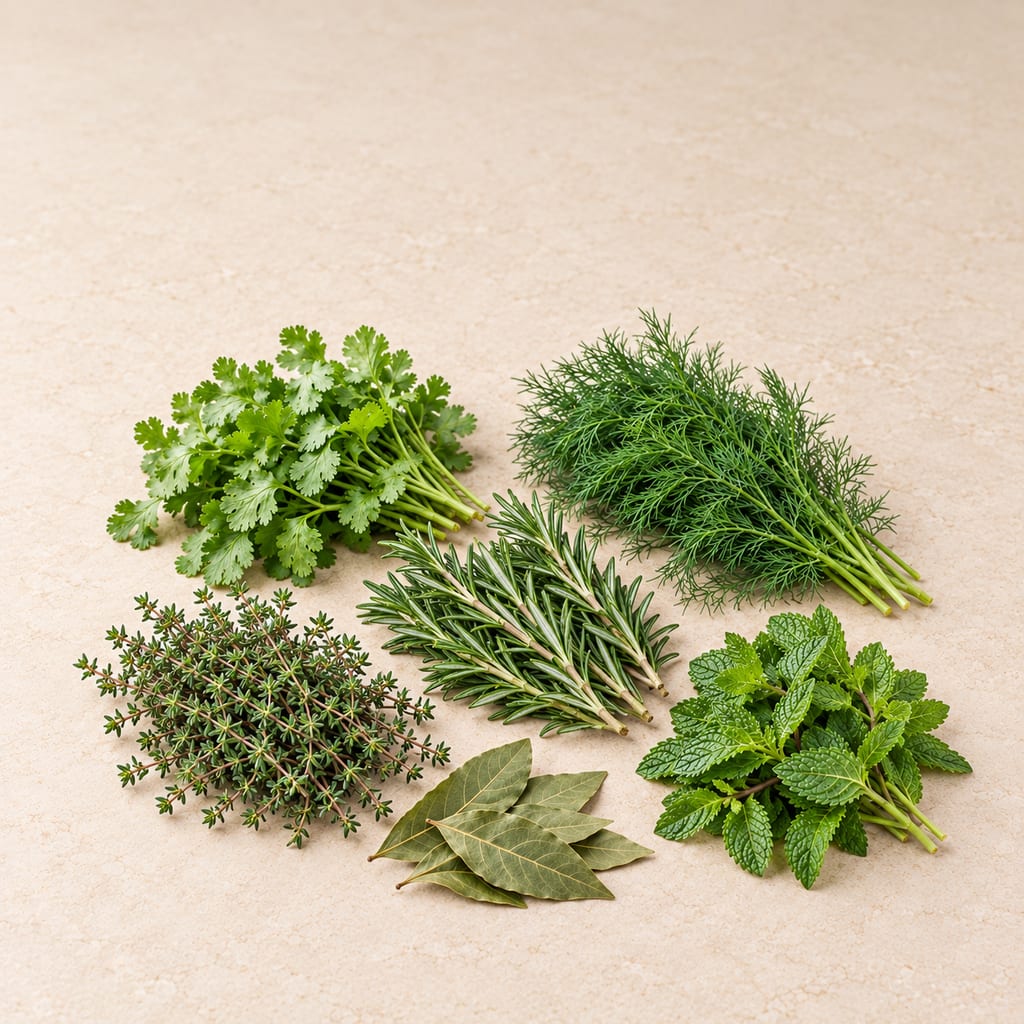
Culinary herbs are the leaves and tender shoots of aromatic plants, used for flavour and aroma. The plant and its fresh, dried or extracted form decide what a cook is handling.
Mesophilic dairy starters are live bacterial cultures selected to acidify milk at moderate temperatures. Their organisms, aroma production, strength and handling vary by product.
Drinking-quality water chosen without an active chlorine-based disinfectant, used as a carrier for rennet or cultures and as a cheese or pickle brine medium.
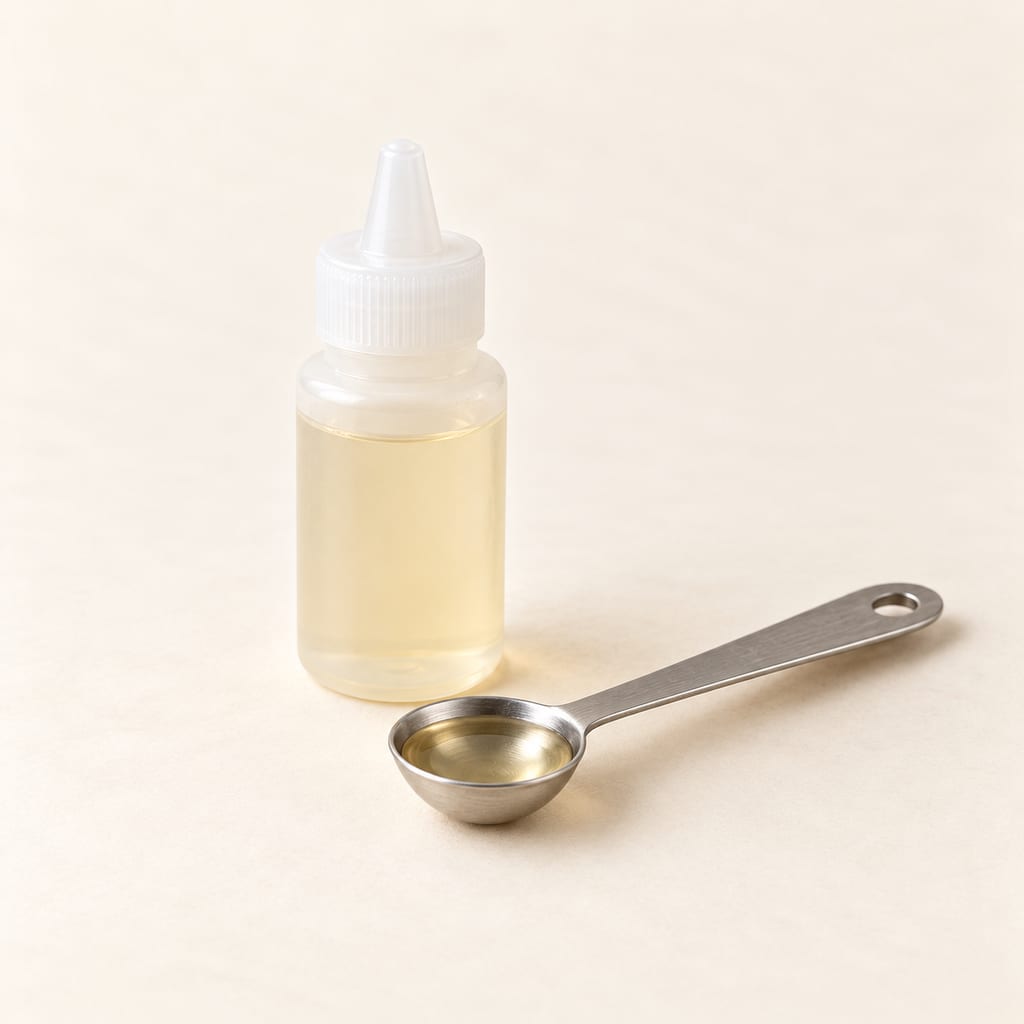
Rennet is an enzyme preparation that helps milk form a cuttable curd. Animal, microbial, fermentation-produced and plant coagulants have distinct identities and strengths.
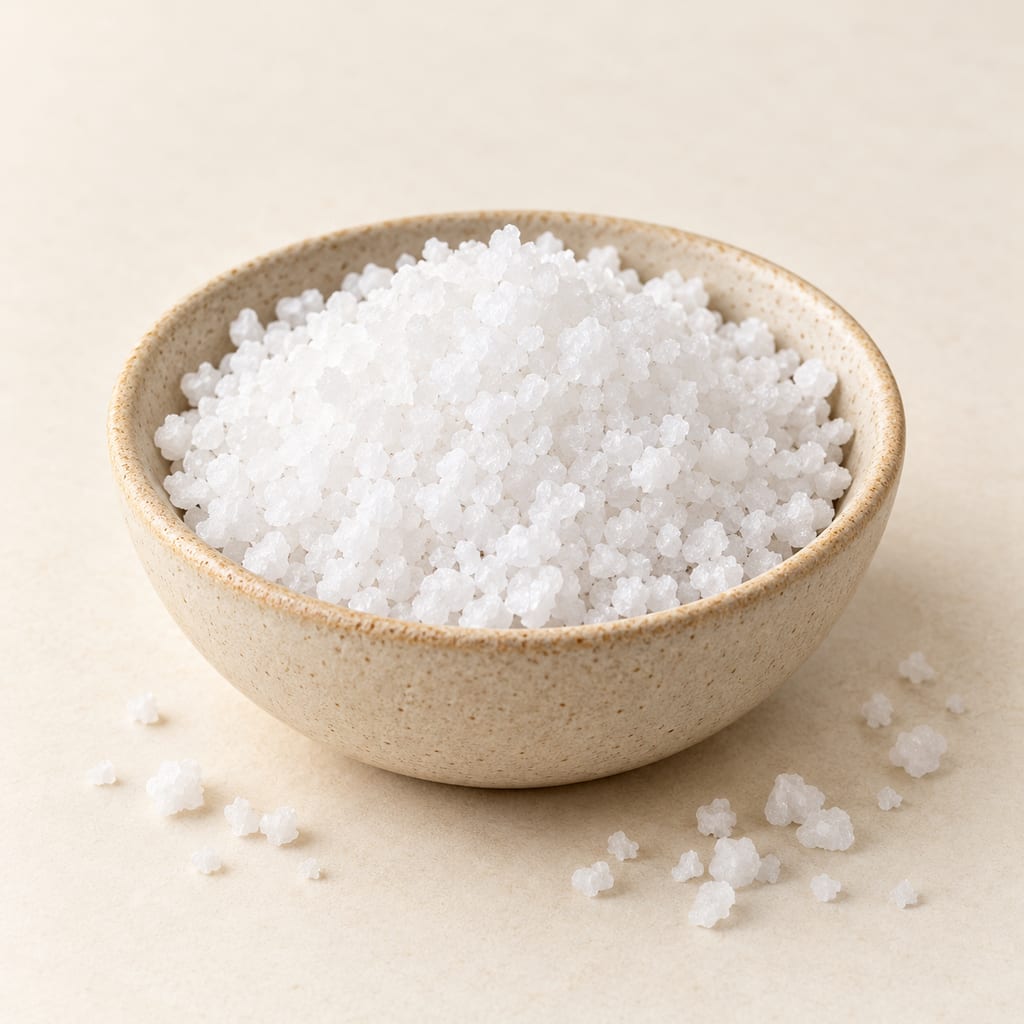
Food-grade sodium chloride seasons food and changes water movement in brines and cures; crystal size and the recipe's measurement method matter.
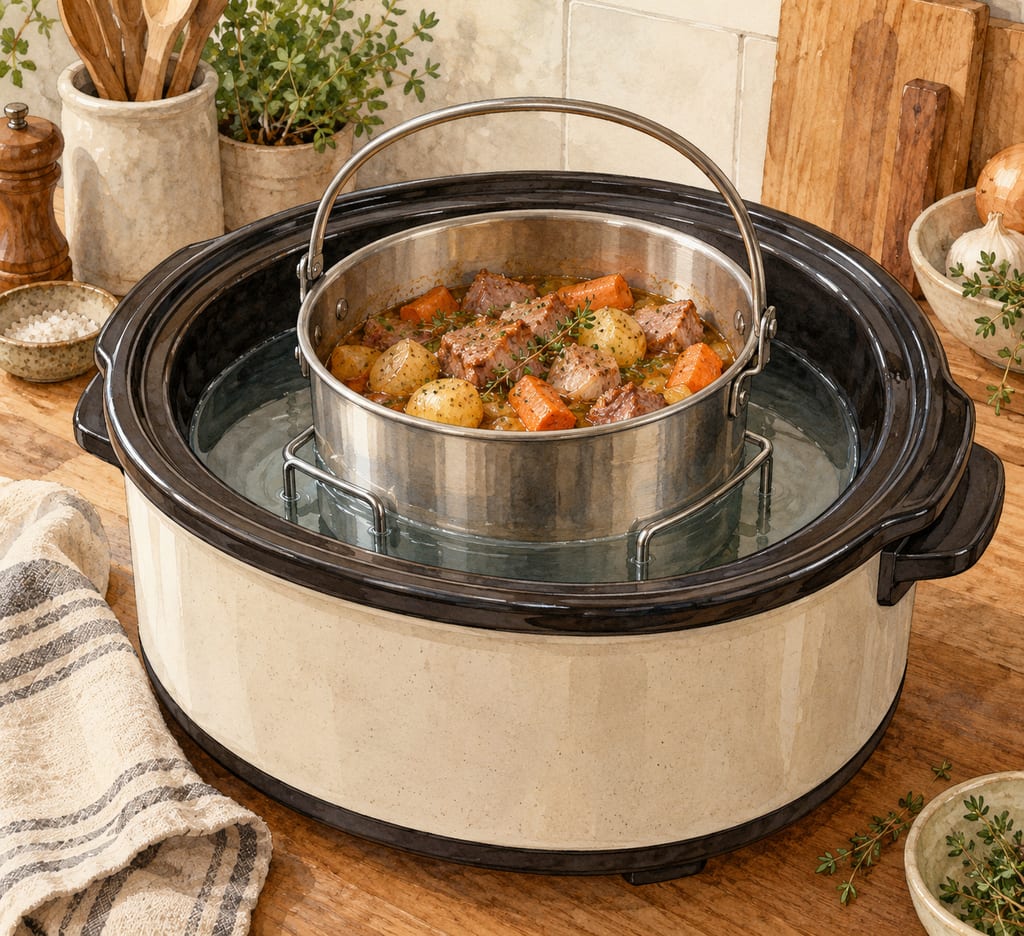
Water in the crock with a smaller stainless pot or heat-safe jar supported inside it, so the food never touches the hot ceramic and can be lifted out to stop heating.
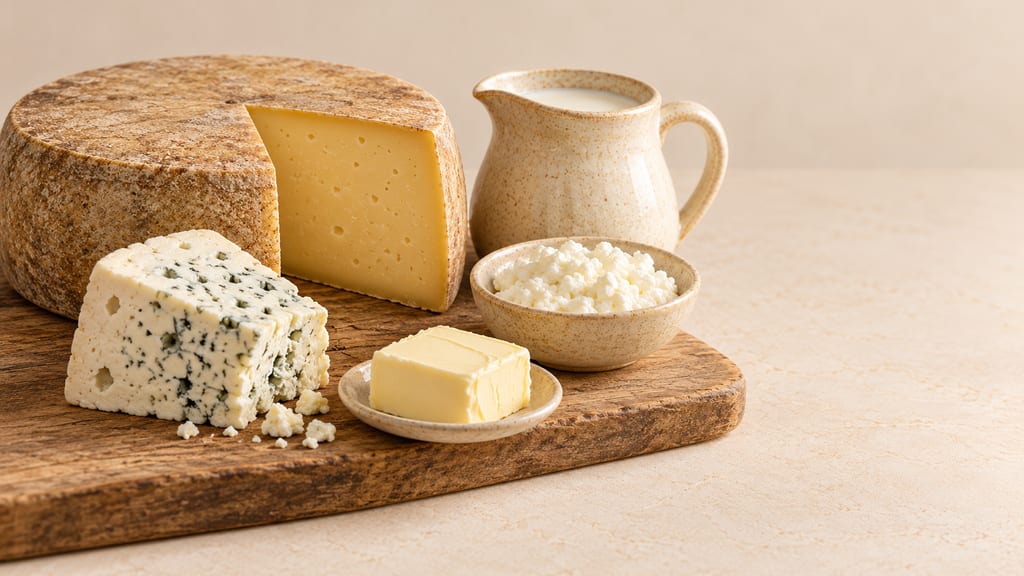
Follow milk into cheese, cultured drinks, butter, dried curds and sweets: a journey through the animals, seasons and household decisions behind the world's dairy foods.

A source-specific modern extract adaptation of Düsseldorf Altbier, with specialty malts, two hop additions and an ale yeast. It is distinct from a brewery's commercial Altbier process and from Kölsch.
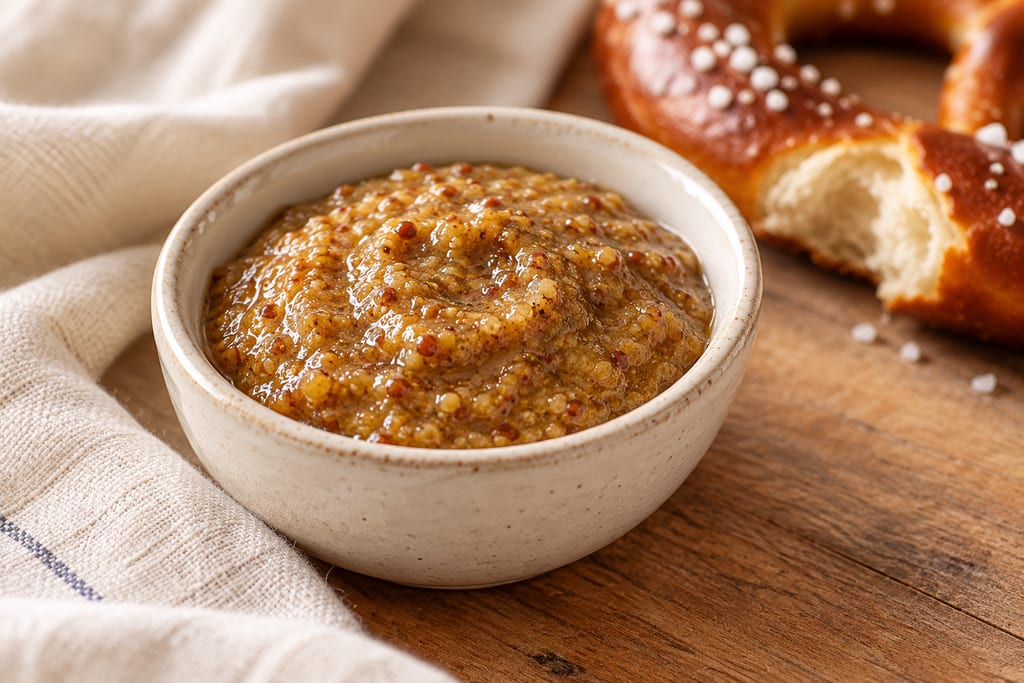
A coarse, sweet Bavarian-style mustard of yellow and brown seed in a cooked brown-sugar and vinegar base, made to eat with Weisswurst; an original refrigerated formula.
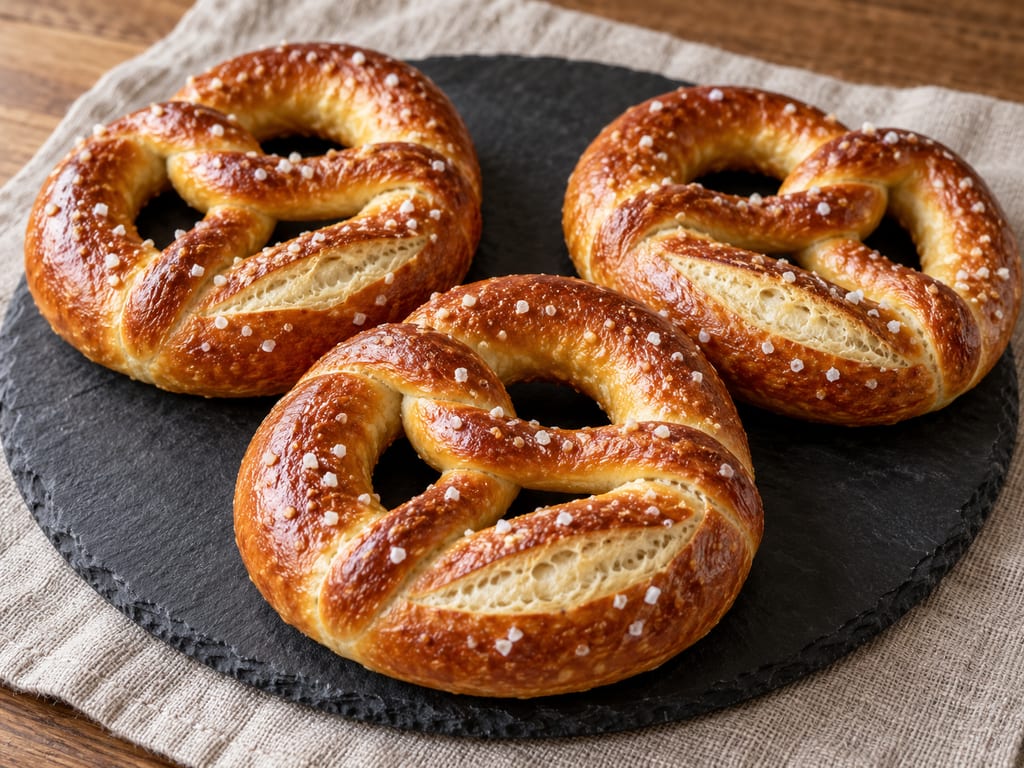
This German-style knot pretzel uses a firm yeast dough, a chilled shape, a one-minute baking-soda bath and a deep bake. The method follows Jeffrey Hamelman's home adaptation for King Arthur Baking.
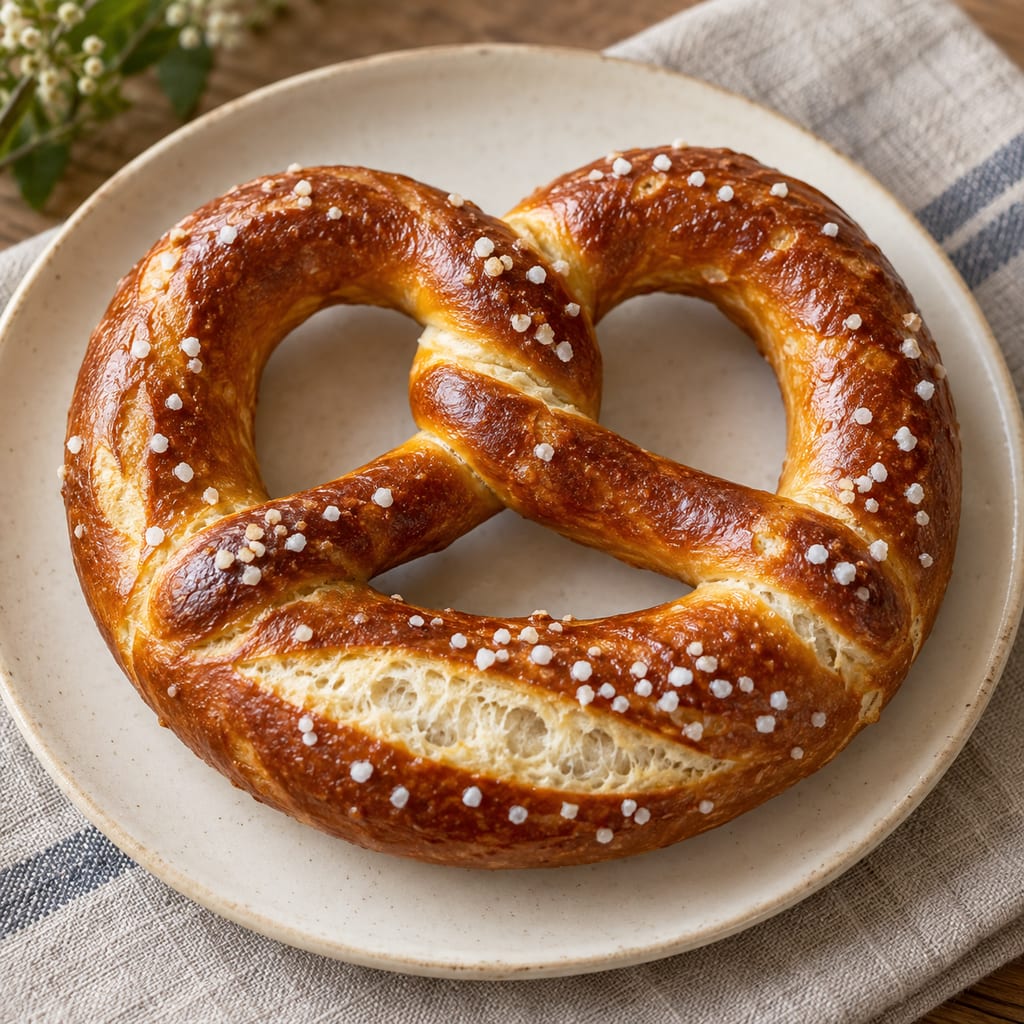
A German-style Brezel is a yeast-raised wheat dough shaped into a loop and dipped in an alkaline bath before baking. This home version uses baking soda; the original formula uses food-grade lye.
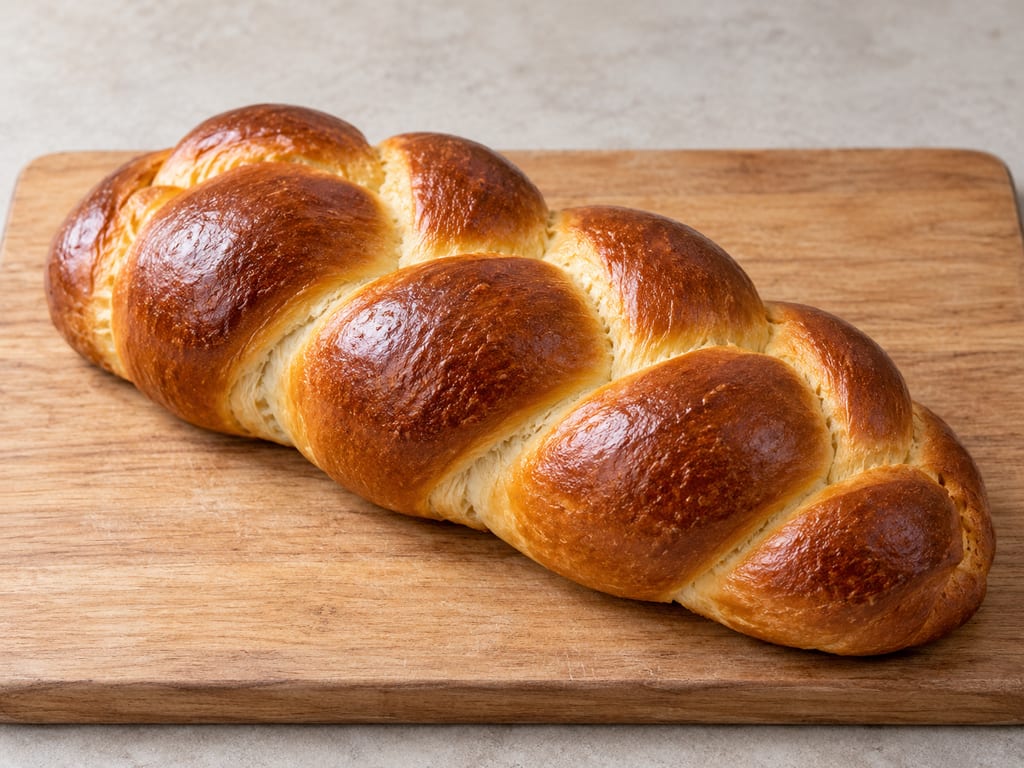
A three-strand yeast-raised challah with flour, salt, yeast, water, neutral oil, honey and egg, based on a Jewish Museum Vienna home recipe.
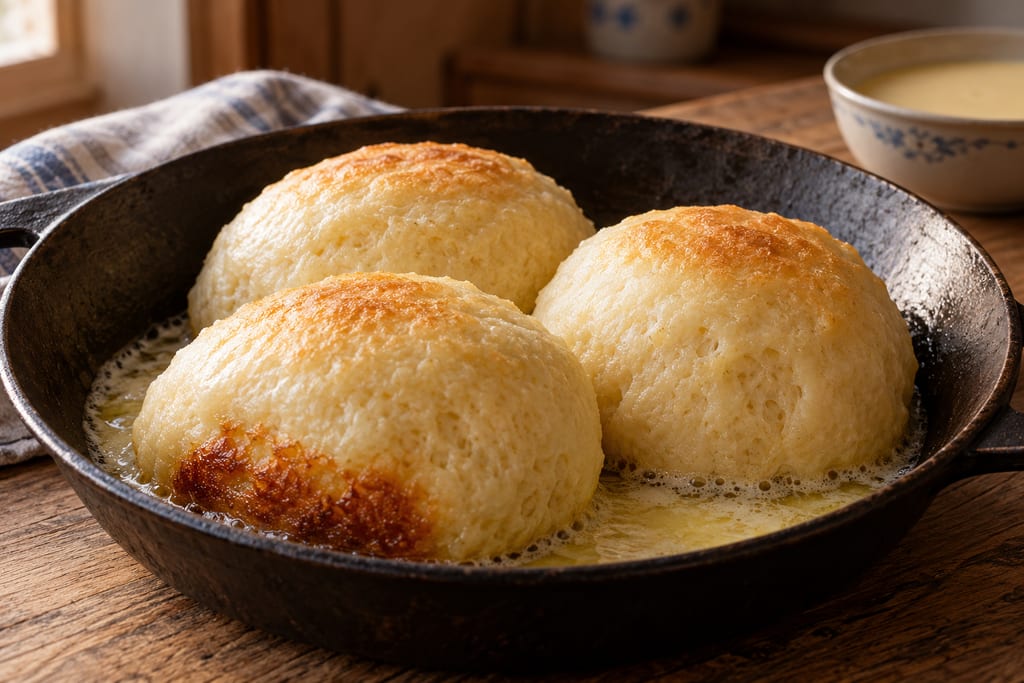
Allgäu Dampfnudeln are enriched wheat buns proofed in a covered casserole and cooked in milk and butter until the liquid nearly cooks away.
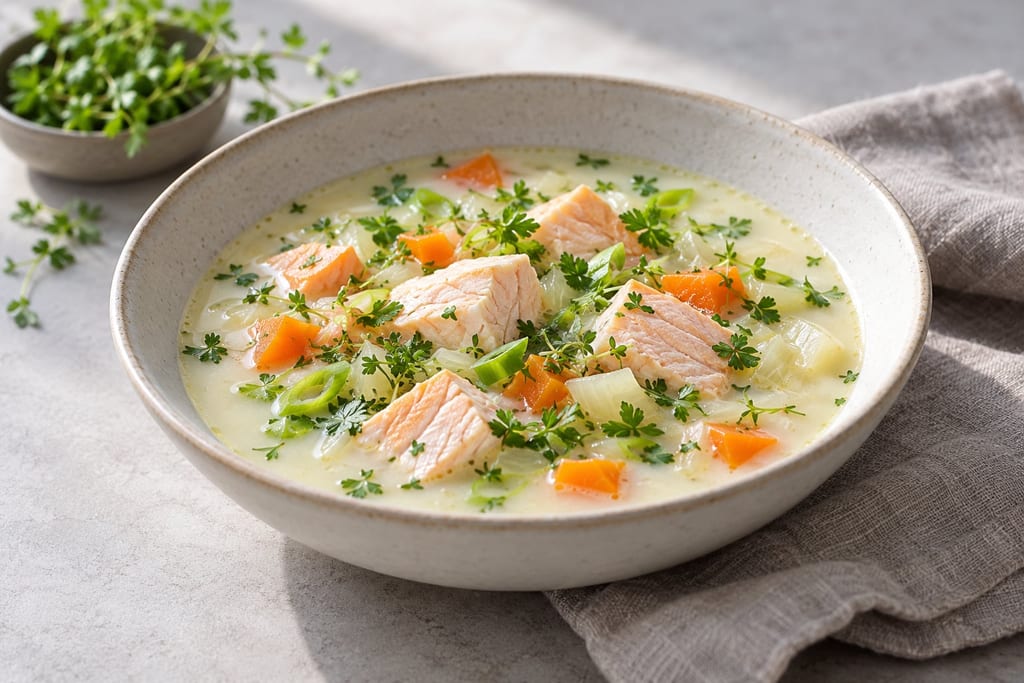
Trout or salmon poached at the end of a simmered broth of onion and root vegetables, a present-day reconstruction of coastal cooking built on excavated fish bones and a boiling pot.
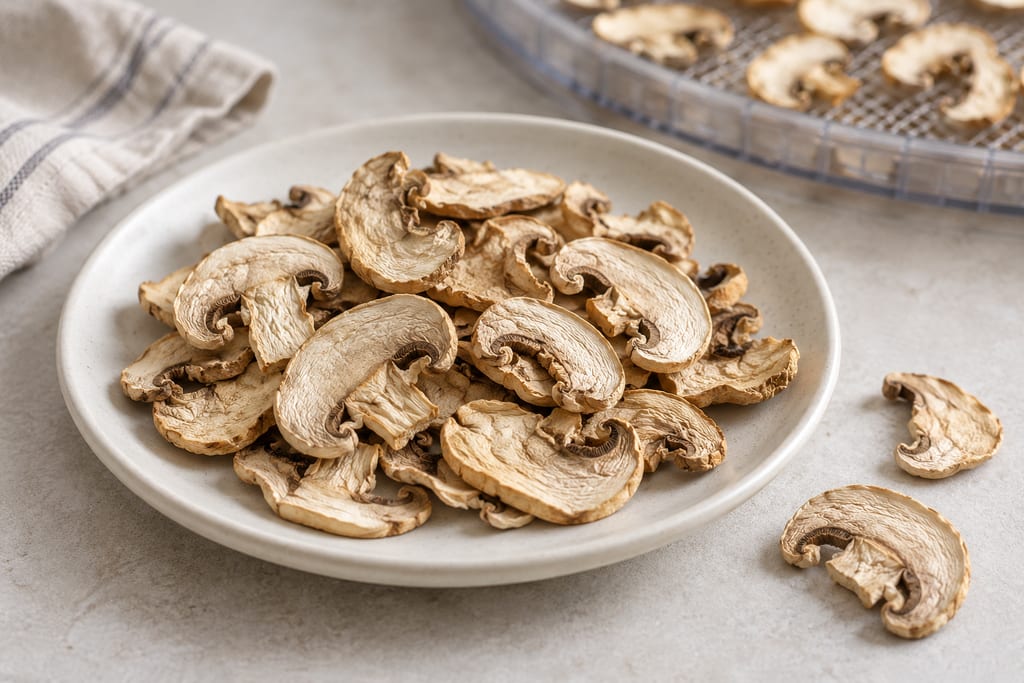
Hot-air dehydrated mushrooms are sliced mushrooms dried in a dehydrator or dryer with heated, moving air; a 2011 study dried button mushroom slices at 60 °C and compared them with microwave-vacuum and freeze-drying.
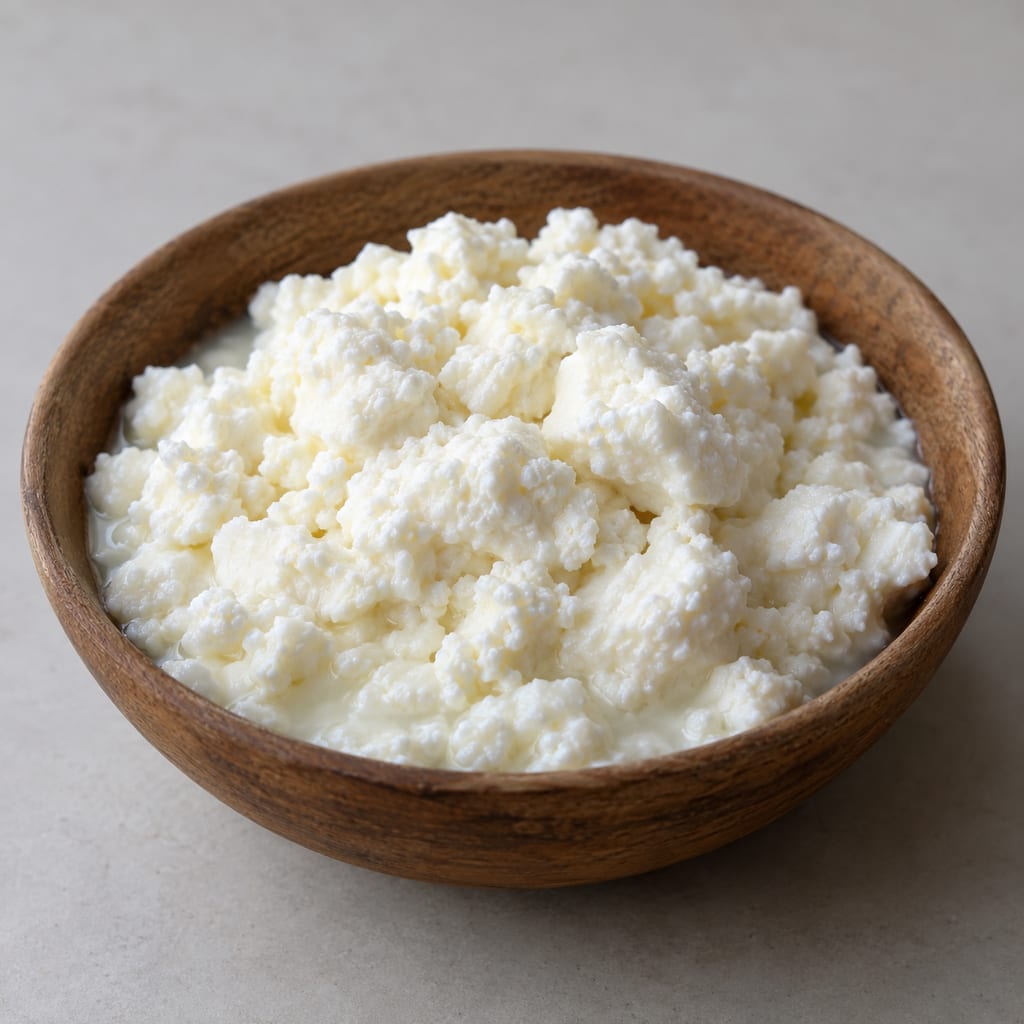
Aarts is a soft Mongolian curd made by draining boiled fermented yogurt; it remains wet, unlike aaruul, which is dried.
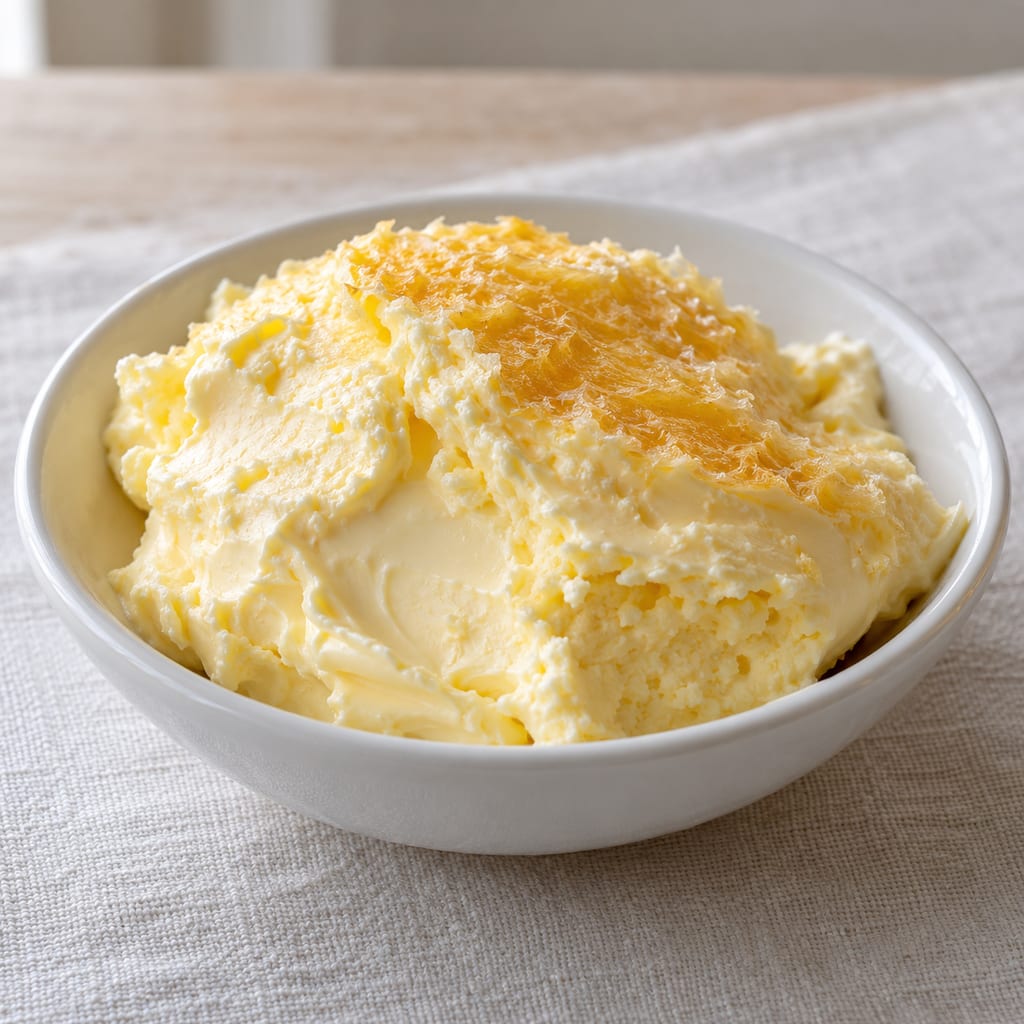
High-fat cream scalded below boiling for at least an hour until a thick crust forms, then cooled hard so the crust sets and the cream beneath thickens.
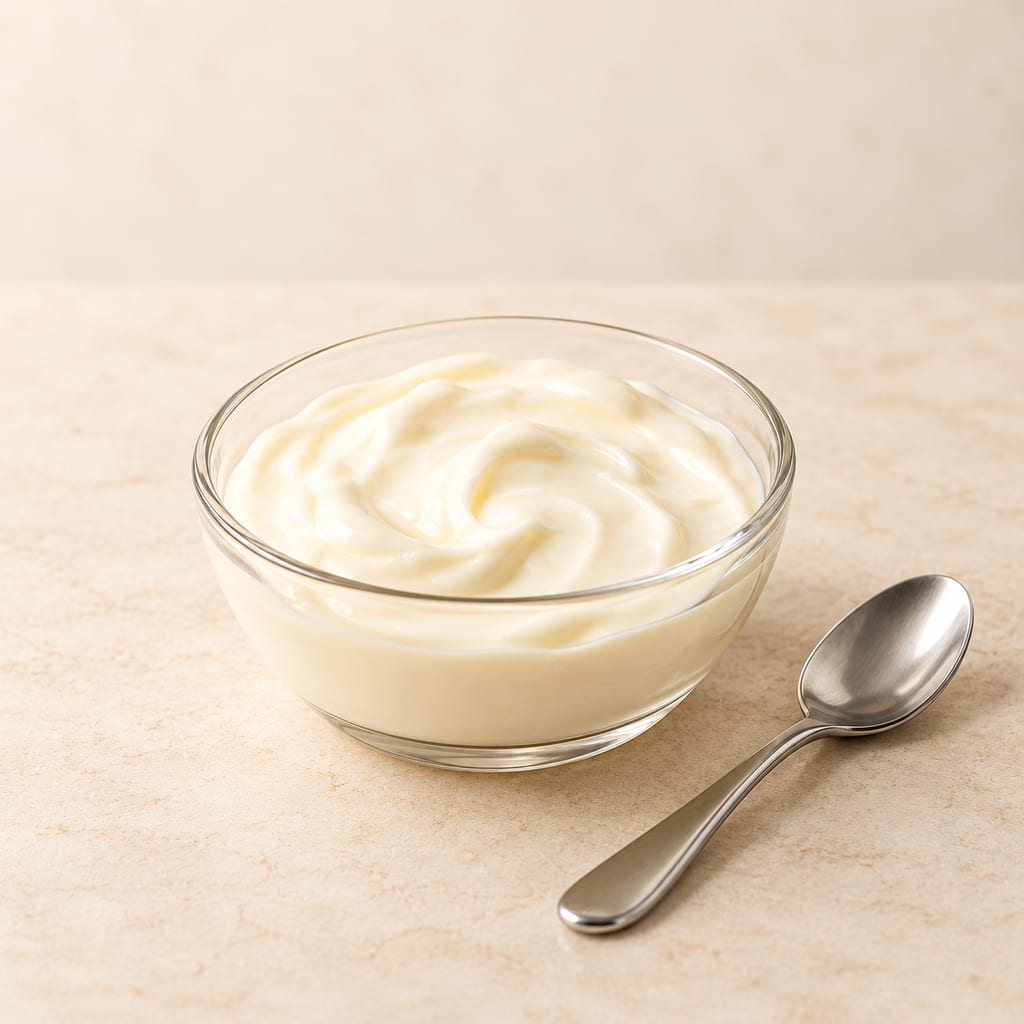
Crème fraîche is cream soured by lactic cultures into a thick, mild topping. It suits fruit and desserts as well as soups, sauces and other savoury dishes.
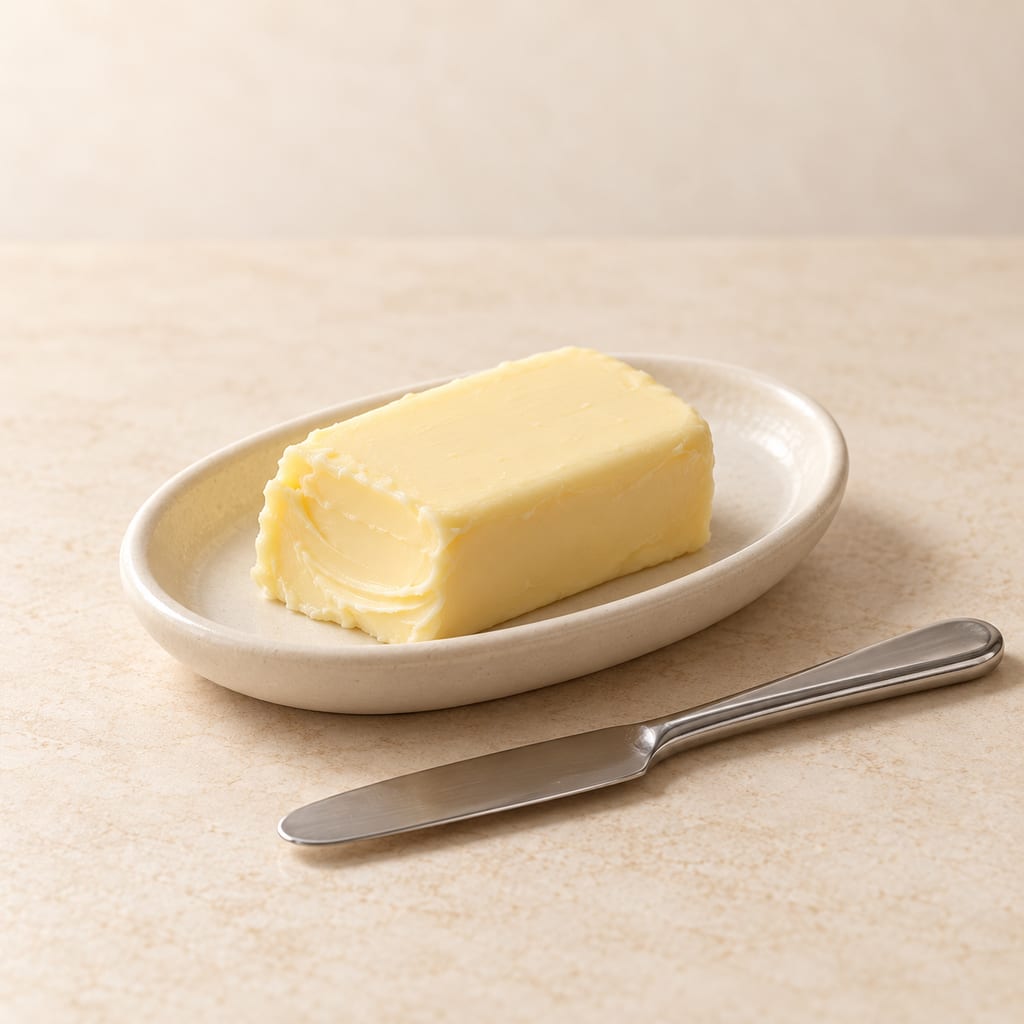
Cultured butter is churned from cream soured with lactic cultures. Its lightly tart flavour comes from the cultured cream, which separates into butter grains and buttermilk.
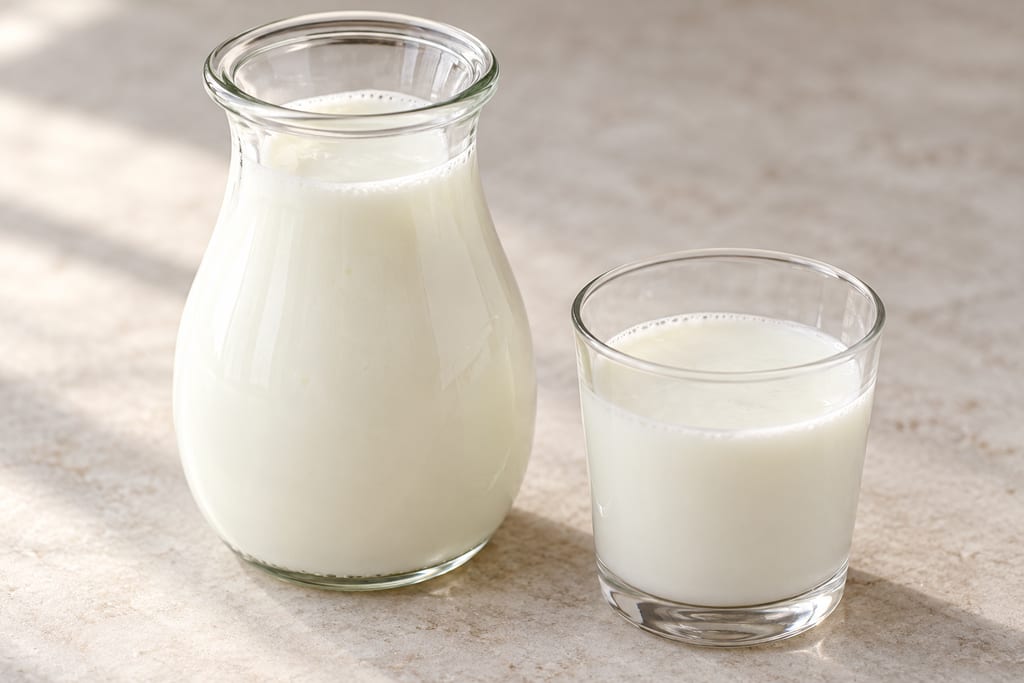
Cultured buttermilk is skim milk soured with a lactic starter into a tangy drink. This Canadian home method sets the milk without churning cream.
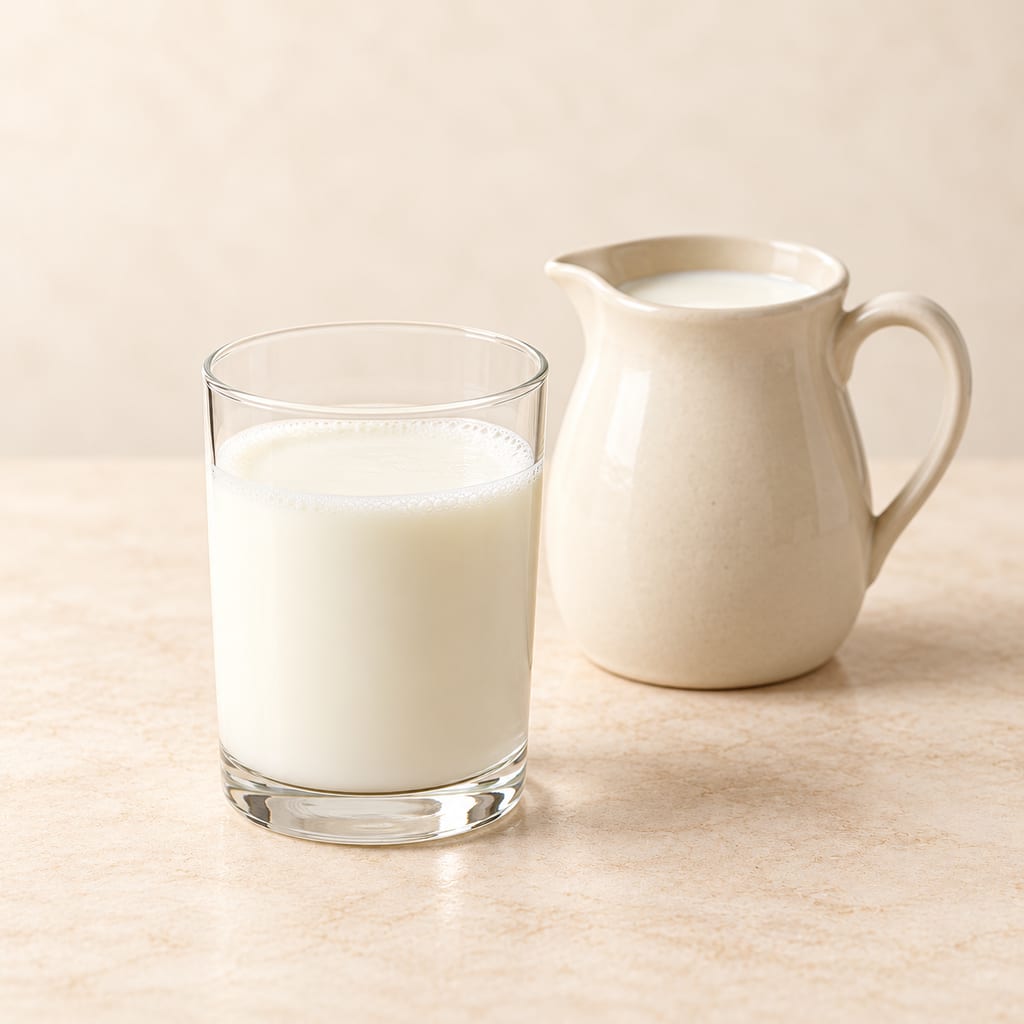
Milk thickened with a packet of buttermilk culture makes a tangy drink and a baking ingredient. This warm-incubated version uses whole milk.
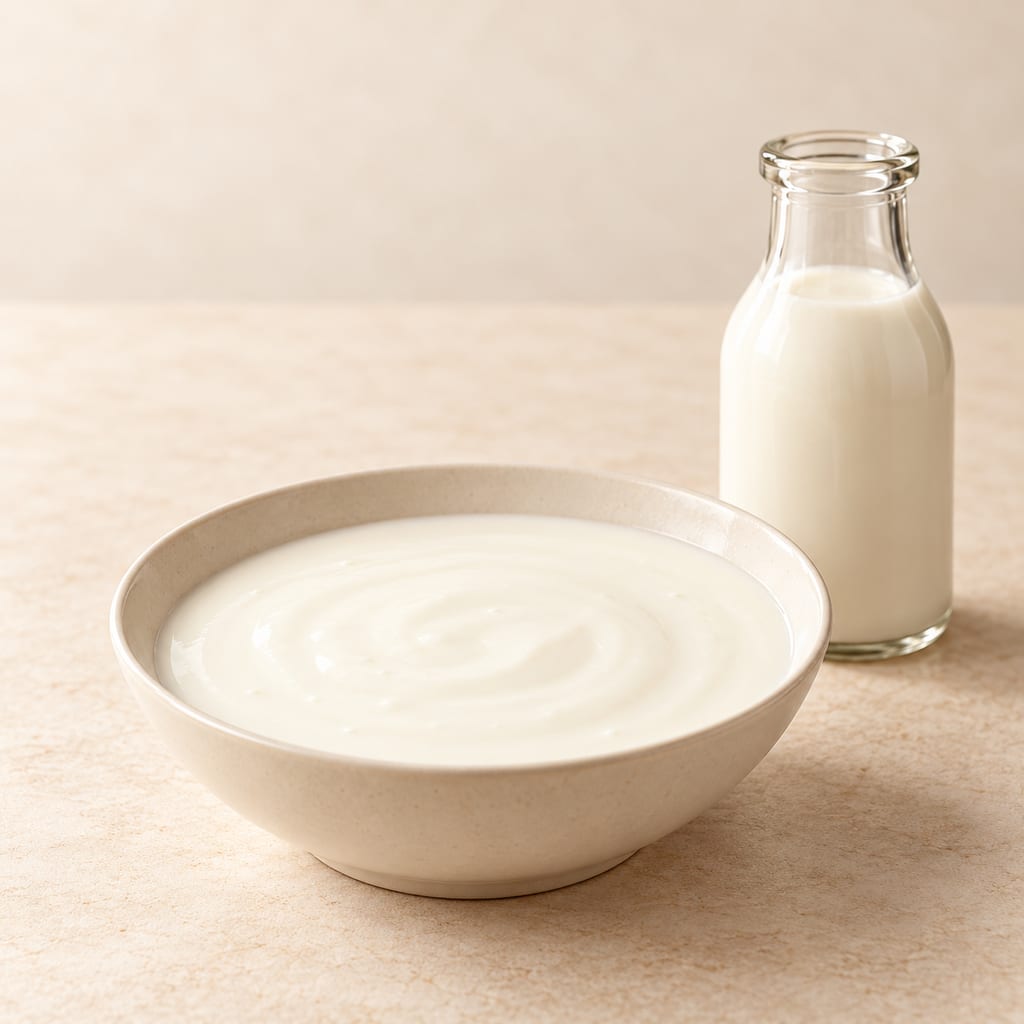
Filmjölk is a Swedish cultured milk with mild acidity and a spoonable body. This recurring batch uses filmjölk from the previous batch to culture fresh milk.
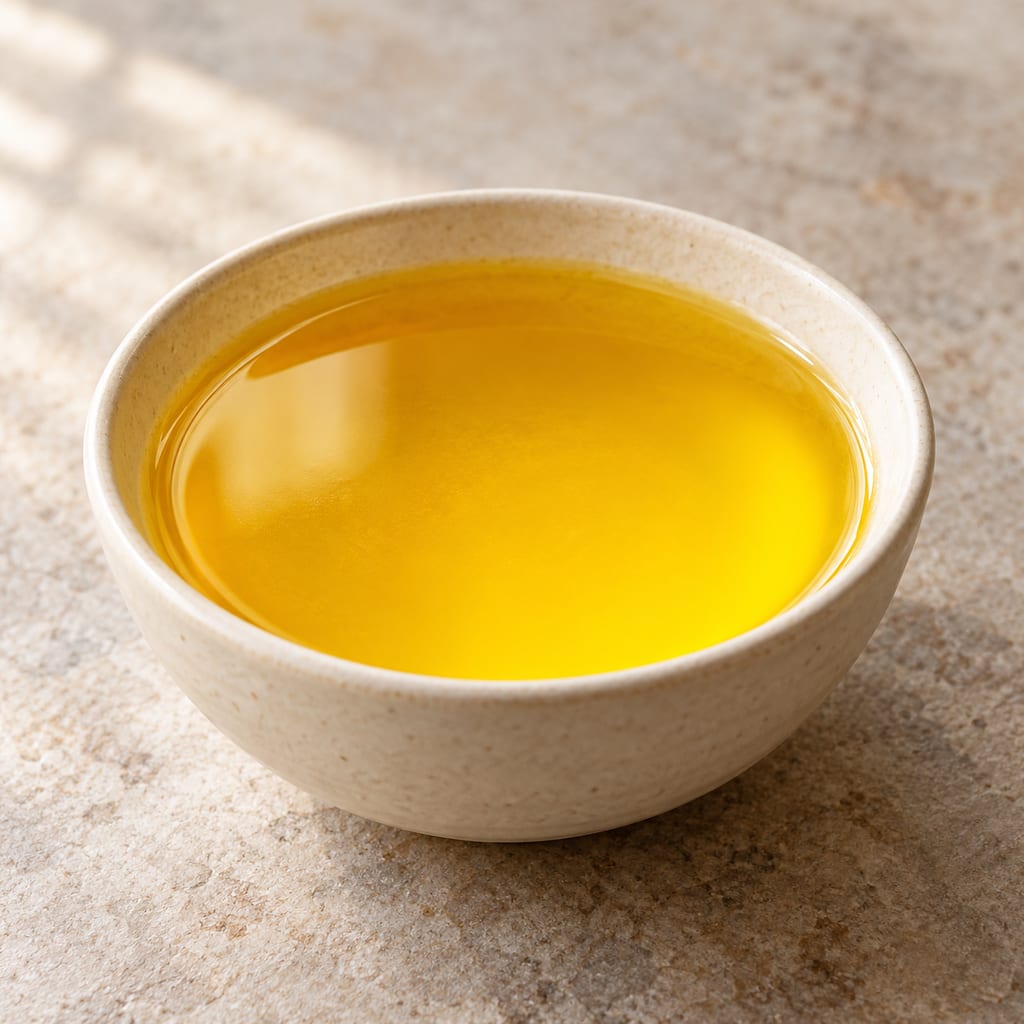
Butter heated until most water leaves and the milk solids separate, giving a fat that keeps far longer than butter. Rendering applies the same heat to animal tissue to make lard and tallow.
No community contributions have been published for this entry yet.
Sign in to contribute. Published comments and photos are free to read.
Omnom CheeseInspiration · Process
QuarkExact milk, calcium chloride, mesophilic starter, rennet and draining steps.
Ingredients; Method; optional finish: Exact full-cream home formula, culture/rennet measures, warming/setting/refrigerated drainage, yield and culinary uses.
Cited in: A fresh cheese with a wide working range; Full-cream milk brings structure as well as richness; A quiet set and a long drain do different work; Savoury quark and the fresh-cheese table; Handling notes
Agriculture CanadaSafety · Process
Home-made dairy products, Publication 1669Printed pp.3–4: pasteurize raw milk before use, keep pasteurized milk and finished products away from unsanitized equipment, and prevent recontamination. General dairy handling guidance; no quark-specific process validation.
Institut für Geschichtliche Landeskunde an der Universität MainzHistory · Names
QuarkGeorg Drenda, Wortatlas für Rheinhessen Pfalz und Saarpfalz, p. 310: household curd from coagulated milk; regional white/soft cheese names; twarc and quarc historical word forms.
Regional dialect and farm-production account: Soft/white cheese names in regional speech; household curd from unheated milk as historical context, not modern advice.
Cited in: Quark, Topfen and the geography of a familiar food; From the cloth bag to the dairy separator
Atlas zur deutschen AlltagsspracheNames · Geography
Quark/TopfenQuark predominates in Germany and Switzerland; Topfen in Austria. Regional vocabulary evidence, not a precise birthplace or the origin of this home formula.
Map and accompanying text: Modern word geography; Middle High German forms and Slavic relation; not recipe-origin evidence.
Cited in: A fresh cheese with a wide working range; Quark, Topfen and the geography of a familiar food; Savoury quark and the fresh-cheese table
Foods 10(1),184 / MDPIProcess
Quark-Type Cheese: Effect of Fat Content, Homogenization, and Heat Treatment of Cheese MilkIntroduction; Materials and Methods; texture/results discussion: General quark gel, fat/homogenization/heat effects; experiment distinct from Omnom formula. Full XML retained and relevant methods/intro checked.
Cited in: A fresh cheese with a wide working range; Turning dispersed protein into a curd; Full-cream milk brings structure as well as richness; The milk's earlier heating still matters
Microbiology Spectrum / American Society for MicrobiologyProcess
The Basics of CheesemakingMilk Protein; Acid Coagulation; Rennet Coagulation; whey proteins: General micelles, acidification, rennet and physical drainage; heat/protein mechanisms. No target pH assigned to these recipes.
Cited in: Turning dispersed protein into a curd; A quiet set and a long drain do different work
GEAProcess
Processing concentrated and fermented dairy products: Centrifuges and process lines for strained yoghurt and soft cheesesQuark Production printed pp.12–13; Membrane filtration table of contents and technical sections: Coarser traditional layered German product, industrial separation, thermo process, membrane routes; technical producer literature. Full PDF retained, p.12–13 visually inspected.
Cited in: The milk's earlier heating still matters; From the cloth bag to the dairy separator
State of Saxony, Regionales SachsenProcess
Sächsische QuarkkäulchenMain description and Geschichte: Quark/potato dough, pan cooking, sweet/savoury variants, accompaniments and meal use; no historic first date asserted.
Cited in: Quarkkäulchen put the curd in a frying pan
Dr. OetkerProcess
Grundrezept Quark-Öl-TeigIngredients; Method; sweet/savoury tip: Quark, milk, oil, flour and baking powder quick dough and toppings; independent original prose, no copied directions.
Cited in: A quick dough uses quark without fermenting it again
U.S. Centers for Disease Control and PreventionSafety
Raw MilkKey points and safer choices: Raw milk risks; pasteurized dairy choice. Does not validate recipe fermentation.
Cited in: Handling notes
EDEKAHistory · Method
Quark (Speisequark)EDEKA: Topfen in Bavaria and Austria, Glumse in East Prussia, Bibbeleskäs in Alsace, Luggeleskäs in Württemberg; regional names do not establish that local cheeses or methods are interchangeable; Tacitus passage about curdled milk not identified as quark.
Cited in: Regional names in the sources
New England Cheesemaking Supply Company; Jim WallaceMethod
Quark Cheese Making RecipeNew England Cheesemaking Supply one-gallon method: one packet C20 Fromage Blanc culture; culture added at 86°F; covered 12–24 hour set cooling to 68–71°F; 12–24 hour drain at 68–72°F; two-pound yield estimate; refrigerate 7–10 days; non-UHT milk and room-temperature set and drain stages; not independent process validation.
Cited in: A second home batch from a cheesemaking supplier
MypersonaltrainerTvMethod
FORMAGGIO QUARK - RICETTA - Quark FATTO in CASAItalian auto-caption: warm acid-and-heat approach from milk and yogurt, buttermilk or lemon alternatives without exact amounts; approximate yield from one litre falls with longer drainage.
Cited in: Creator variants and their limits
Beautifully Engineered LifeMethod
German Dairy Explained: How to Make Thick Milk, Quark, Kefir & Yogurt at Home (Temp, Time & RecipesAuto-caption: Dickmilch made from milk, optionally accelerated with buttermilk; quark described later as straining that cultured milk; no separate inoculum dose or drain duration in the captioned passage.
Cited in: Creator variants and their limits
Beautifully Engineered LifeMethod
German Dairy Explained: How to Make Thick Milk, Quark, Kefir & Yogurt at Home (Temp, Time & RecipesSecond timestamp of the same video: quark as straining the preceding cultured milk.
Cited in: Creator variants and their limits