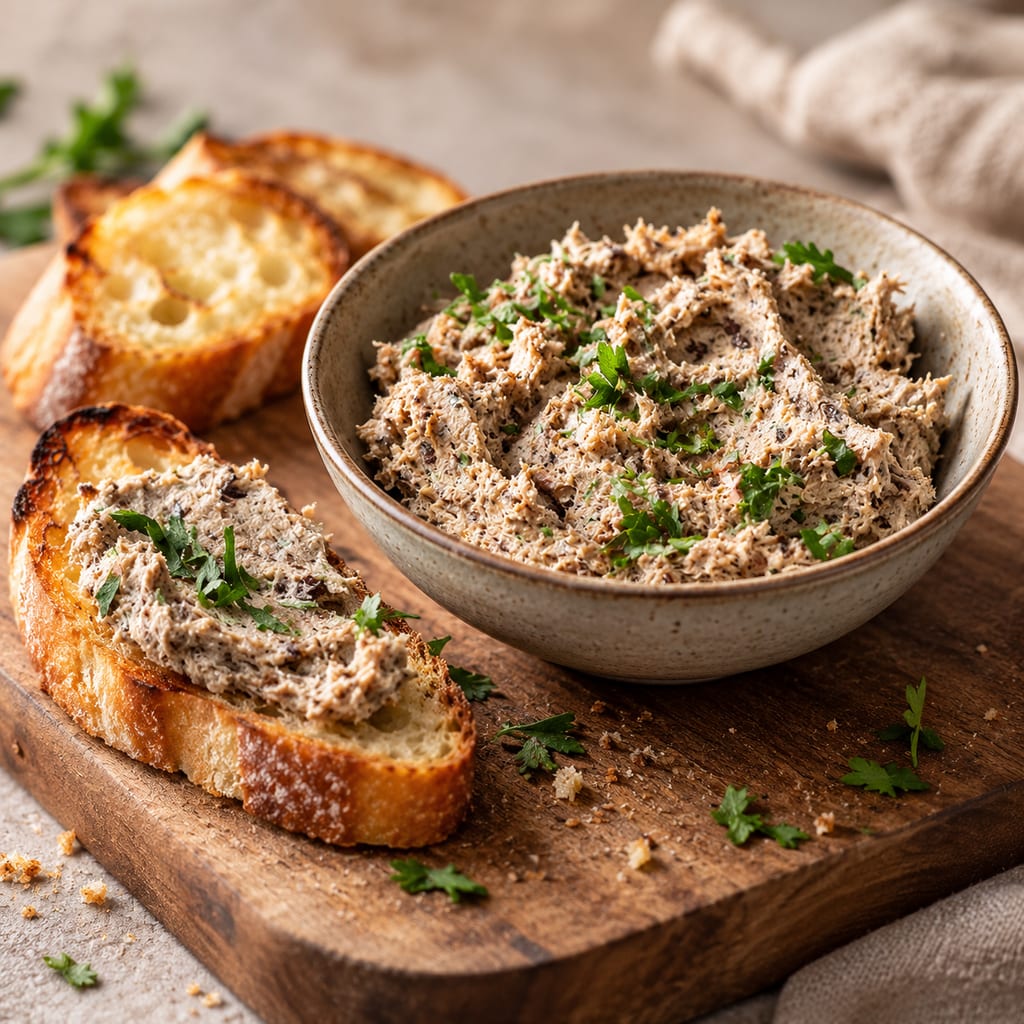
Biltong pâté
A cold biltong spread with sour cream, mayonnaise, mustard, lemon and herbs; serve it with crackers, crostini or bread.
 FermenteaWhere food goes to change
Spices and aromatics
Culinary herbs are the leaves and tender shoots of aromatic plants, used for flavour and aroma. The plant and its fresh, dried or extracted form decide what a cook is handling.
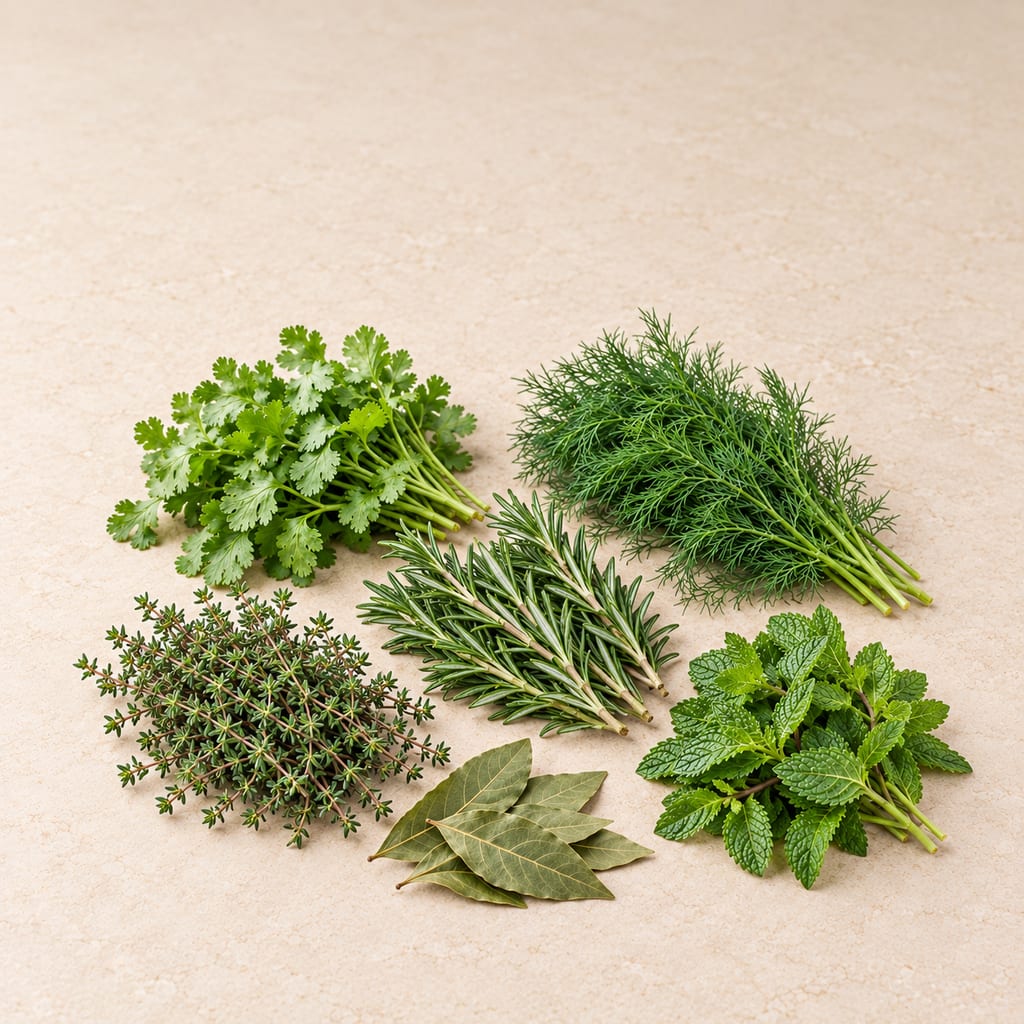
A culinary herb is a plant used for the flavour and aroma of its leaves, leafy stems, shoots and sometimes flowers. A handful can change the character of a much larger food without adding much substance to it. The word names a use, not a botanical group, and it covers plants of very different habit: soft annuals such as basil and coriander, woody shrubs such as rosemary, and low perennials such as thyme.
The line between herb and spice follows the plant part. Coriander and dill supply herbs and spices from the same crop: their leaves are traded as herbs and their seeds as spices, and coriander leaf is called cilantro in some markets. A recipe that asks for coriander leaf is asking for a different ingredient from one that asks for coriander seed. Herbs reach a kitchen as a bunch of soft stems, a few sprigs, a young plant in a pot, a jar of dried leaves, or, less often, as an extract. Naming the plant and the form tells a cook far more than the word herbs.
Most familiar herbs belong to two plant families. The mint family, Lamiaceae, includes some 236 genera and about 6,900 to 7,200 species, among them basil, mint, thyme, rosemary, sage, oregano and marjoram. The carrot family, Apiaceae, supplies parsley, coriander, dill, chervil and fennel. A kitchen grouping brings these together because their leaves do related work at the table, not because the plants are related.
Each herb carries its own aroma chemistry. Thyme (Thymus vulgaris) is dominated by thymol, about 42 percent of the volatiles in one analysis, with p-cymene at about 28 percent. Spearmint (Mentha spicata) is built on carvone, about 46 percent, and peppermint (Mentha piperita) on menthol and menthyl acetate, each about a third. Rosemary (Rosmarinus officinalis) gives eucalyptol, alpha-terpineol and camphor in similar amounts of 14 to 22 percent, and sage (Salvia officinalis) alpha-thujone at about 31 percent with camphor. Lemon balm (Melissa officinalis) is two-thirds citral, which accounts for its lemon scent. These are relative shares of the volatiles that rise from the leaf, and they vary with the plant, the place and the harvest.
Sweet basil, Ocimum basilicum, shows how much one species can vary. The Genovese basil of the Ligurian coast is rich in linalool, 47 to 54 percent of its essential oil, with eugenol at 10 to 21 percent, and it lacks estragole, the compound that gives other basils a mint or aniseed note. Asian and Pacific basils are associated with camphor, limonene, beta-selinene and methyl cinnamate. In one reading of the medieval estate list, parsley, chervil and chives are salad herbs and sage, dill and coriander physic herbs, a reminder that cooking and medicine shared the same garden.
The smell of a herb is carried by essential oils, mixtures of small volatile molecules, mostly terpenes and aromatic ethers, that evaporate from the leaf at room temperature. The Lamiaceae analysis counted 74 volatiles across twelve herbs: 37 terpenes, 23 alcohols, 7 esters, 3 aldehydes and 3 ketones. A cook perceives the mixture, not a single molecule, and the balance shifts between cultivars and growing conditions.
Volatility is also the herb's weakness. Essential oils decline in storage, and a leaf can look marketable after it has lost some of the aroma it was bought for. Drying removes moisture but too much heat carries off the oils, and drying too slowly lets the crop deteriorate or go mouldy. The task in processing is to remove the water while keeping the colour and aroma of the particular plant, which explains why a jar of dried herb and a fresh bunch are different ingredients and not two forms of one thing.
Written cookery shows herbs moving between garden, pot and table for two thousand years. The Roman collection translated by J. D. Vehling as Apicius includes a cereal-and-pulse dish with chopped green herbs, coriander, dill and fennel, in which leaves and crushed seasonings enter the same pot in different forms. In the ninth century a Frankish royal ordinance, the Capitulare de villis, listed 88 plants to be grown on the king's estates, including parsley, chervil, chives and celery as salads, sage, coriander, dill, fennel, rosemary and lovage as physic herbs, and savory and mint as pot-herbs. It is a list of intentions without planting instructions, and some of its plant names are uncertain, but it shows what an administrator expected a working garden to hold.
John Evelyn's Acetaria: A Discourse of Sallets, first published in 1699, shows the seasonal logic of a later cook. He lists the young leaves, shoots, tops and flowers fit for the salad bowl by month, with chervil, parsley, tarragon, mint and other aromatics among them, and he describes aromatic flowers infused in vinegar and mint used for tea. Growth stage mattered as well as the plant's name: a tender shoot and a mature leaf were different salad materials.
Where the plants came from is a botanical question separate from where they are cooked. Coriander, Coriandrum sativum, is native from the eastern Mediterranean to western Pakistan. Sweet basil is native to tropical and subtropical Asia and northern Australia, according to the botanical record, and is now grown worldwide, with the Mediterranean and Italy as the centre of its traditional use. Genovese basil has had an EU protected designation of origin since 2010. A plant that has spread around the world by trade and cultivation gives no clue to its native range from the places that cook with it.
Herbs are grown in household gardens, on small farms and in commercial systems, and the product handled differs with the market. Basil can supply several cuttings from plants grown in spaced rows; cilantro for bunching may be cut just above or below the soil line and tied. Most culinary herbs grow adequately in the tropics. Sage, moss-curled parsley, tarragon and thyme do better in temperate climates, while basil, coriander and rosemary can grow at least as well in the tropics given irrigation, higher altitude and cooler temperatures. The popular fresh herbs in trade include basil, chives, cilantro, dill, mint, parsley and rosemary. Fresh herbs can also be processed into pastes such as pesto, which loses less flavour and aroma than drying does.
The fresh market sells leafy stems, developing leaves, flowers and young plants. Dried herbs are sold as whole leaves, broken fragments or powder, with the amount of stalk depending on cleaning. Essential oils and oleoresins are separate products made by extraction. Essential oils are steam-distilled from aromatic crops. Oleoresins are made by macerating the flavour compounds in a solvent, such as hexane or liquid carbon dioxide, and evaporating the solvent under vacuum to leave a concentrate. Both concentrate selected components and are not a spoon-for-spoon version of the leaf. Harvest, cleaning, drying, grading and packaging each add handling, and each can protect or damage the aroma.
In fermented foods herbs are usually flavourings, and the fermenting is done by the organisms already in the brine or the culture. A fermented dill pickle shows the pattern. A tested home recipe uses 8 lb of pickling cucumbers with either 2 tablespoons of dill seed or 4 to 5 heads of fresh or dry dill, optional garlic and pickling spices, and a salted, slightly acidified brine; the jar is held for 3 to 4 weeks at 70 to 75 degrees F (about 21 to 24 degrees C). Temperatures of 55 to 56 degrees F are acceptable but take 5 to 6 weeks, and above 80 degrees F the pickles soften. The dill gives its flavour to the brine and the lactic acid bacteria do the souring. Fresh cultured cheeses such as quark take herbs at the end, stirred into the drained curd with a little cream and salt, so the seasoning does not interfere with the culture or the rennet.
Herbs also carry antimicrobial chemistry, and this is where they are most often misread. Thymol and carvacrol from thyme and oregano, eugenol, and menthol damage microbial cell membranes, and in laboratory media the oils of these herbs are strong. In real food the effect shrinks: the oils dissolve into fat, bind to protein and starch, evaporate, and meet food with its own pH and water activity. The concentrations that inhibit microbes often exceed what people find acceptable in mild foods such as dairy, drinks and fish. Rosemary oil added to refrigerated fermented thick cream, for example, gave the best sensory scores at only 0.13 percent; at 0.24 and 0.34 percent the aroma was excessive and bitter. At that dose the oil slowed the rise in acidity and the growth of aerobic bacteria over 35 days, in one study with a single harvest of rosemary. A fragrant herb therefore flavours a ferment far more reliably than it protects it.
Processing changes herbs as well. Basil for pesto is typically heated at 95 degrees C for a minute to stabilise its enzymes; acid and heat convert chlorophyll to olive-brown pheophytins, and the polyphenol oxidase that browns a bruised leaf is the other enemy of the colour. Pesto is an oil-in-water emulsion, so the fat is oxidised at the droplet surface, with iron and copper speeding it.
Good fresh herbs have bright leaves, a fresh smell and crisp stalks, and the leaves are not dried out. Yellow or brown leaves and black spots mean the bunch has aged or been damaged, and those leaves are discarded. Herbs are rinsed gently under cool running water, which is as effective as a produce cleanser, and kept apart from raw meat and seafood. Soaking them in a sink invites contamination from the sink itself.
Storage follows the plant. Most fresh herbs are kept unwashed in the refrigerator, with the stalk ends trimmed, in a re-sealable bag in the crisper, for up to five days; for the freezer, they are washed, patted dry and bagged. Basil is the exception: it is kept unwashed, uncovered and unrefrigerated, because cold can turn its leaves black. The postharvest work agrees. Basil showed chilling injury at 5 degrees C or below, with leaf necrosis after 1 day at 0 degrees C or 3 days at 5 degrees C, and its shelf life was longest at 12 to 15 degrees C, about 12.5 days, against 3.2 days at 5 degrees C and 1.6 days at 0 degrees C, in air of 90 to 95 percent humidity. Shiso is also chilling-sensitive. Damaged leaves discolour and decay faster and water loss lowers quality, so a bunch is sorted before it is stored. Dried herbs are kept away from moisture and pests, and their aroma fades with time.
Fresh herbs are usually eaten raw. Sampling by the US Food and Drug Administration of basil, cilantro and parsley found pathogens in some samples, including Salmonella and the parasite Cyclospora cayetanensis, which is why clean growing water, handling and transport matter for a garnish as much as for a salad. Dried aromatic herbs have also been linked to outbreaks, and low moisture and strong aroma do not make them sterile.
A herb mixture is only as clear as its label. In European Union food labelling, celery and mustard are among the allergens that must be declared when used as ingredients, and a seasoning blend may contain either. Read the formulation of any blend, including ingredients that contribute only a small part of its flavour.
celery and mustard (EU-declared allergens that may occur in herb and seasoning blends)
Native range of coriander, one herb among many; each herb has its own.
Native range of sweet basil.
Home of Genovese basil, protected designation of origin since 2010.
The Capitulare de villis plant list; plant identifications are partly uncertain.
A cold biltong spread with sour cream, mayonnaise, mustard, lemon and herbs; serve it with crackers, crostini or bread.
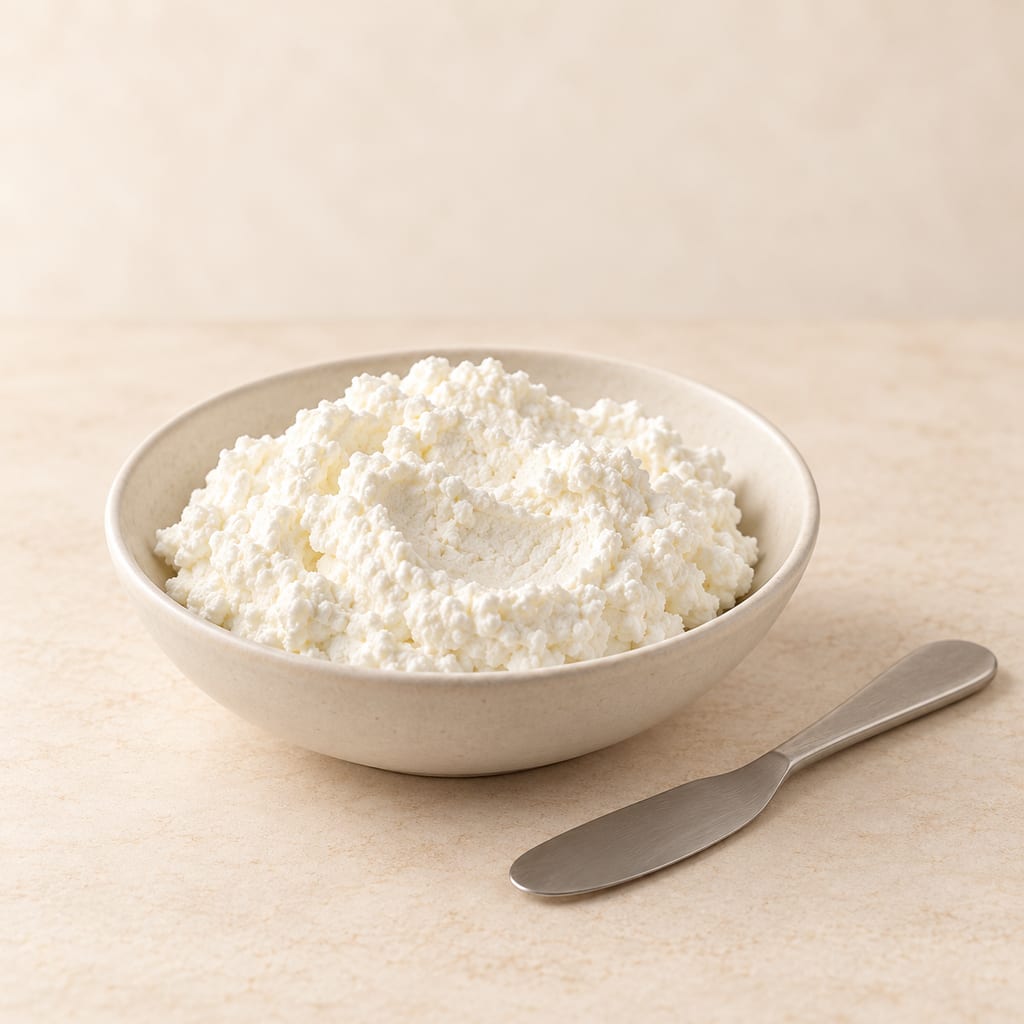
Quark is a soft, fresh curd cheese used in spreads and desserts. This small home batch sets milk with mesophilic culture and rennet before refrigerated drainage.
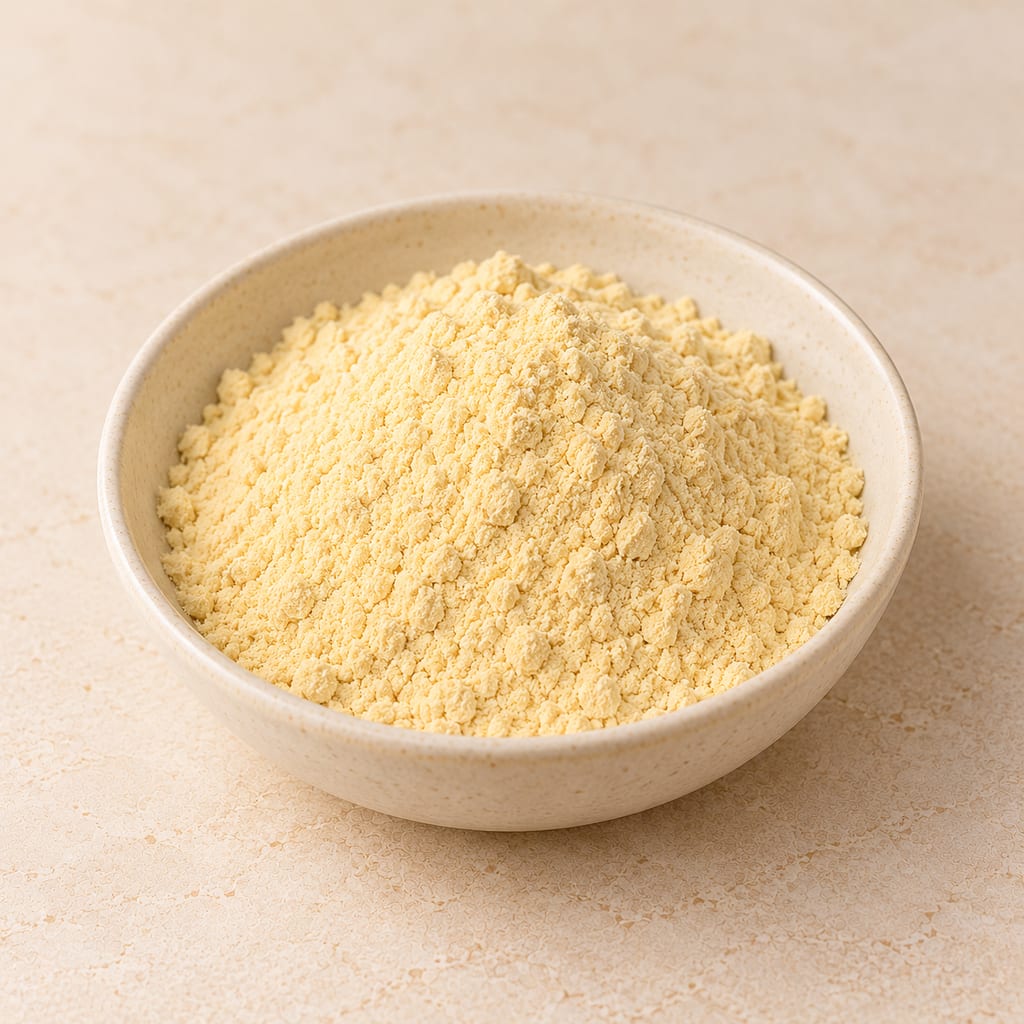
Chickpea flour is milled Cicer arietinum, used as besan in many Indian dishes and as the base of breads such as socca and farinata.
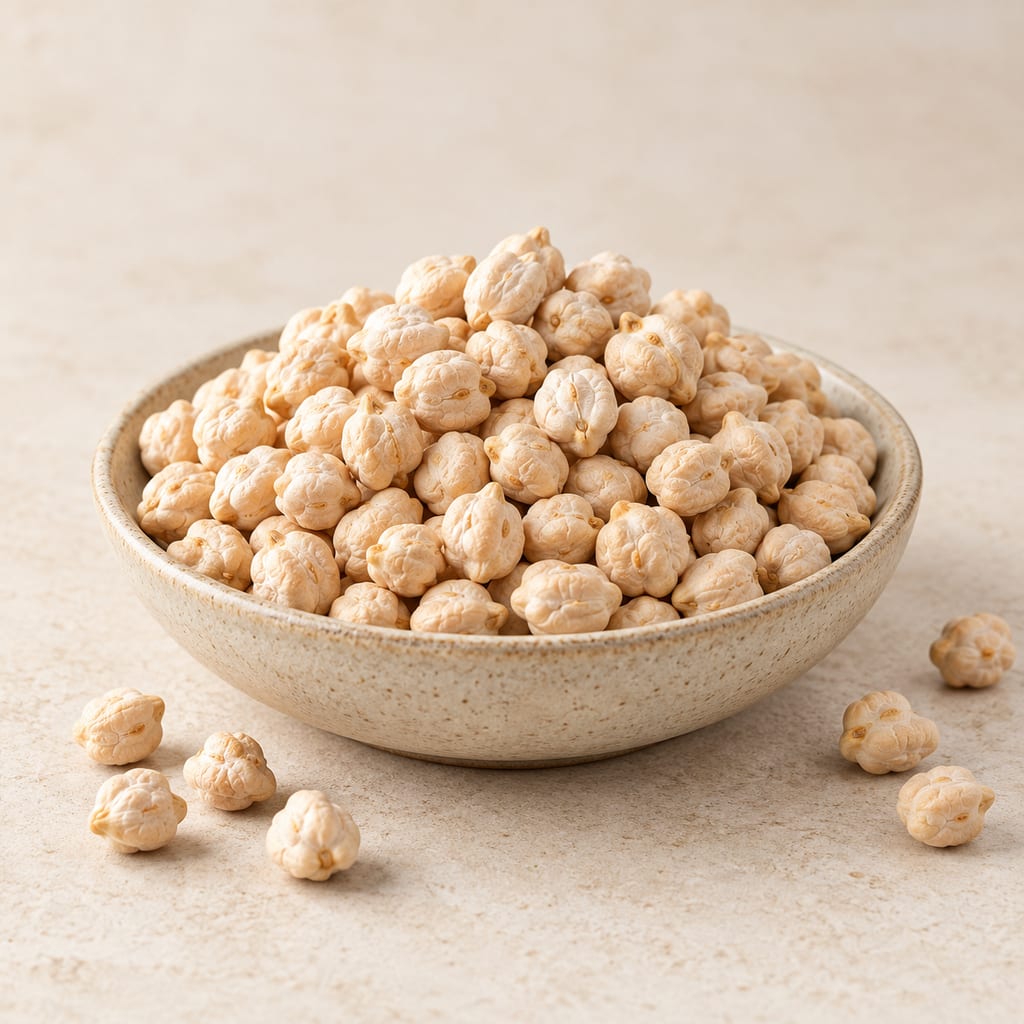
Chickpeas (Cicer arietinum) are dry pulses eaten whole or milled into flour, which gives socca, farinata and other breads a dense, nutty batter or dough.
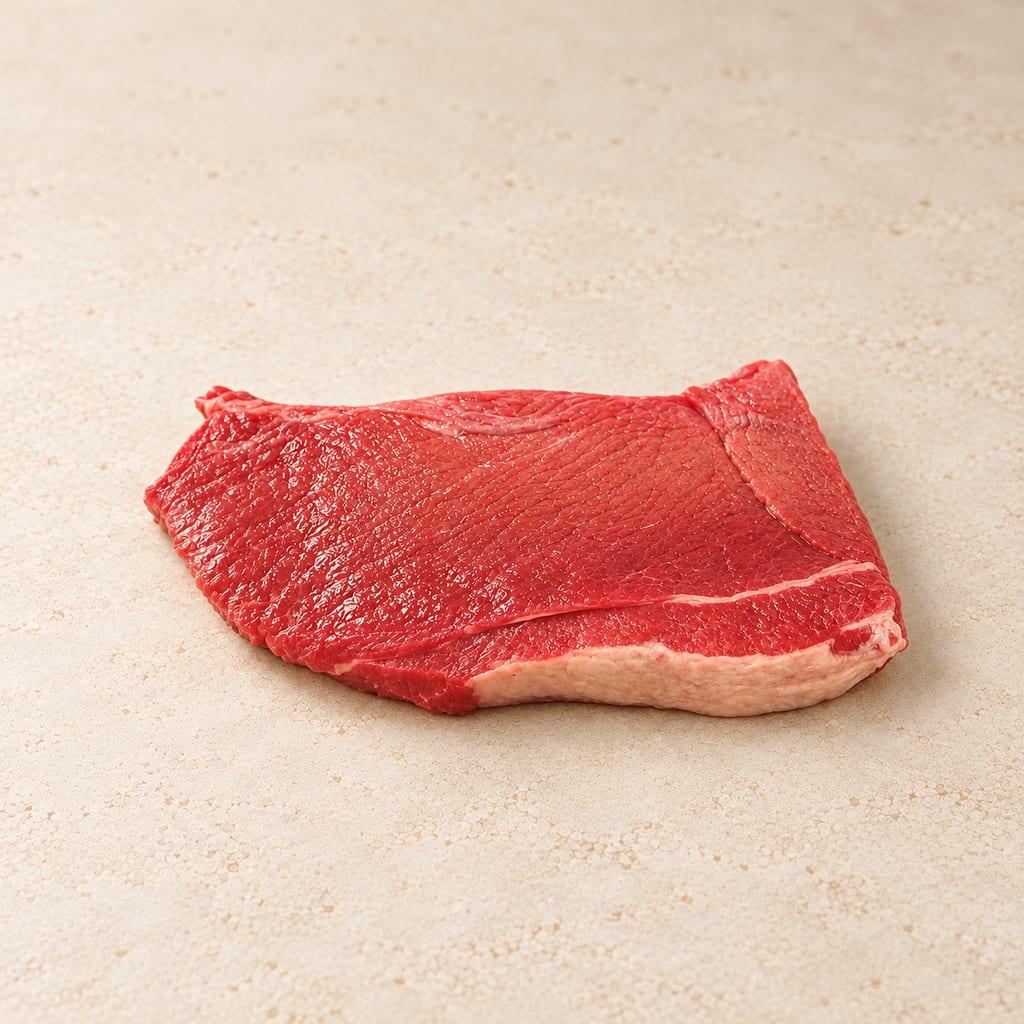
Lean beef is the trimmed muscle of cattle, Bos taurus and Bos indicus. In Genoa-style salami it is the second lean meat beside pork, ground fine, with pork back fat added separately.
No community contributions have been published for this entry yet.
Sign in to contribute. Published comments and photos are free to read.
Omnom CheeseUse in fresh cheese
QuarkUnspecified herbs to taste are stirred into quark after the cultured curd has drained, with optional cream and salt.
Cited in: Leaves that season a dish; Herbs in fermented and preserved foods
Food and Agriculture Organization of the United NationsForms · Cultivation · Drying · Aroma loss
Spices and herbs for home and marketLeafy herbs versus seed spices; coriander and dill supply both; fresh, dried and extracted forms; cultivation, harvest, drying, aroma and moisture; popular fresh herbs; oils and oleoresins.
Cited in: Leaves that season a dish; Where the aroma comes from; From garden crop to market bunch
Industry and academic working group coordinated under Western Growers leadership; hosted by FDAHandling
Commodity Specific Food Safety Guidelines for the Production, Harvest, Post-Harvest, and Processing Unit Operations of Fresh Culinary HerbsIndustry and academic guidance for fresh herb production, harvest, post-harvest handling and contamination prevention.
Cited in: From garden crop to market bunch
John Evelyn; 1937 Brooklyn Botanic Garden reprint, digitized by Project GutenbergHistory
Acetaria: A Discourse of SalletsEvelyn, Acetaria (1699): seasonal young leaves, shoots, tops and flowers for salads; aromatic flowers infused in vinegar; mint for tea.
Cited in: Herbs in the old kitchen and garden
J. D. Vehling translation; Project GutenbergHistory
Apicius: Cookery and Dining in Imperial RomeRecipe 173 of the Vehling translation combines cereals, pulses, green herbs, coriander, dill and fennel.
Cited in: Herbs in the old kitchen and garden
UC Davis Postharvest Research and Extension CenterStorage · Quality
Herbs (Fresh Culinary)Marketed herb parts; aroma and visual quality; leaf damage; chilling sensitivity in basil and shiso.
Cited in: Choosing, preparing and storing herbs
Health CanadaSelection · Storage · Hygiene
Food safety tips for fresh herbsSelecting herbs, rinsing under running water, preventing cross-contamination, storage suited to the plant.
Cited in: Choosing, preparing and storing herbs
U.S. Food and Drug AdministrationSafety
Microbiological Surveillance Sampling: FY17-21 Fresh Herbs (Cilantro, Basil & Parsley)FY17 to FY21 sampling of fresh cilantro, basil and parsley found pathogens including Salmonella and Cyclospora cayetanensis in some samples.
Cited in: Hygiene and allergen notes
World Health Organization and Food and Agriculture Organization of the United NationsSafety
Microbiological hazards in spices and dried aromatic herbs: meeting reportMicrobial hazards and outbreaks associated with spices and dried aromatic herbs; overview of the meeting report.
Cited in: Hygiene and allergen notes
European Commission, Directorate-General for Health and Food SafetyAllergens
AllergiesEU allergen declaration rules include celery and mustard; cross-contact information.
Cited in: Hygiene and allergen notes
Royal Botanic Gardens, Kew — Plants of the World OnlineScientific name · Native range
Coriandrum sativum L.Coriandrum sativum L., family Apiaceae; native from the eastern Mediterranean to western Pakistan, introduced elsewhere.
Cited in: Herbs in the old kitchen and garden
Royal Botanic Gardens, Kew — Plants of the World OnlineScientific name · Native range
Ocimum basilicum L.Ocimum basilicum L., family Lamiaceae; native from tropical and subtropical Asia to northern Australia, introduced elsewhere.
Cited in: Herbs in the old kitchen and garden
International Journal of Molecular Sciences 27(10):4601 (Ergun and colleagues, 2026)Aroma chemistry
Comparison of Volatile Compounds of Some Medicinal Plants from Lamiaceae Family by HS-SPME MethodTwelve Lamiaceae herbs; 74 volatiles; relative shares of thymol, carvone, menthol, eucalyptol, thujone, citral; Lamiaceae has 236 genera and about 6,900 to 7,200 species.
Cited in: The principal herbs and what each brings; Where the aroma comes from
Foods 15(15):2760 (Tapparo and colleagues, 2026)Basil chemistry · Storage · Processing
Sweet Basil Raw Material Functionality as a Framework for Industrial Pesto Quality: A Field-to-Fork PerspectiveGenovese basil linalool 46.7 to 53.9 percent and eugenol 9.7 to 20.9 percent of oil; chilling injury at or below 5 C; shelf life 12.5 days at 15 C, 3.2 at 5 C, 1.6 at 0 C; pesto heat treatment 95 C for 1 minute; chlorophyll to pheophytin; PDO under Regulation 611/2010.
Cited in: The principal herbs and what each brings; Herbs in the old kitchen and garden; From garden crop to market bunch; Herbs in fermented and preserved foods; Choosing, preparing and storing herbs
Foods 15(13):2314 (Kyuchukova, 2026)Antimicrobial limits
From In Vitro Antimicrobial Activity to Food Applications: Limitations of Essential Oils in Real Food SystemsThymol, carvacrol, eugenol and menthol disrupt membranes; partitioning into fat, binding to protein, volatility and food pH reduce effect; inhibitory doses often exceed sensory limits in mild foods.
Cited in: Herbs in fermented and preserved foods
International Journal of Food Science (Maaroufi and colleagues, 2026)Herb in a fermented dairy food
Rosemary Essential Oil as a Natural Preservative in Fermented Thick CreamRosemary oil at 0.068 to 0.34 percent in refrigerated fermented thick cream for 35 days; 0.13 percent scored best; 0.24 and 0.34 percent were too strong; slower acidity rise and lower aerobic counts; oil dominated by 1,8-cineole, camphor and alpha-pinene.
Cited in: Herbs in fermented and preserved foods
UC Master Food Preserver Program of San Diego County, University of California Cooperative ExtensionHerb in a ferment
Fermented Dill Pickles8 lb pickling cucumbers with 2 tablespoons dill seed or 4 to 5 heads of dill; fermented 3 to 4 weeks at 70 to 75 F; softer above 80 F.
Cited in: Herbs in fermented and preserved foods
Gardenvisit.com, after John Harvey, Medieval GardensHistory
The Capitulary De Villis, 9th CenturyFrankish royal ordinance on Charlemagne's estates; 88 numbered plants including parsley, chervil, chives, sage, coriander, dill, fennel, savory and mint; some identifications uncertain.
Cited in: The principal herbs and what each brings; Herbs in the old kitchen and garden