Stockfish
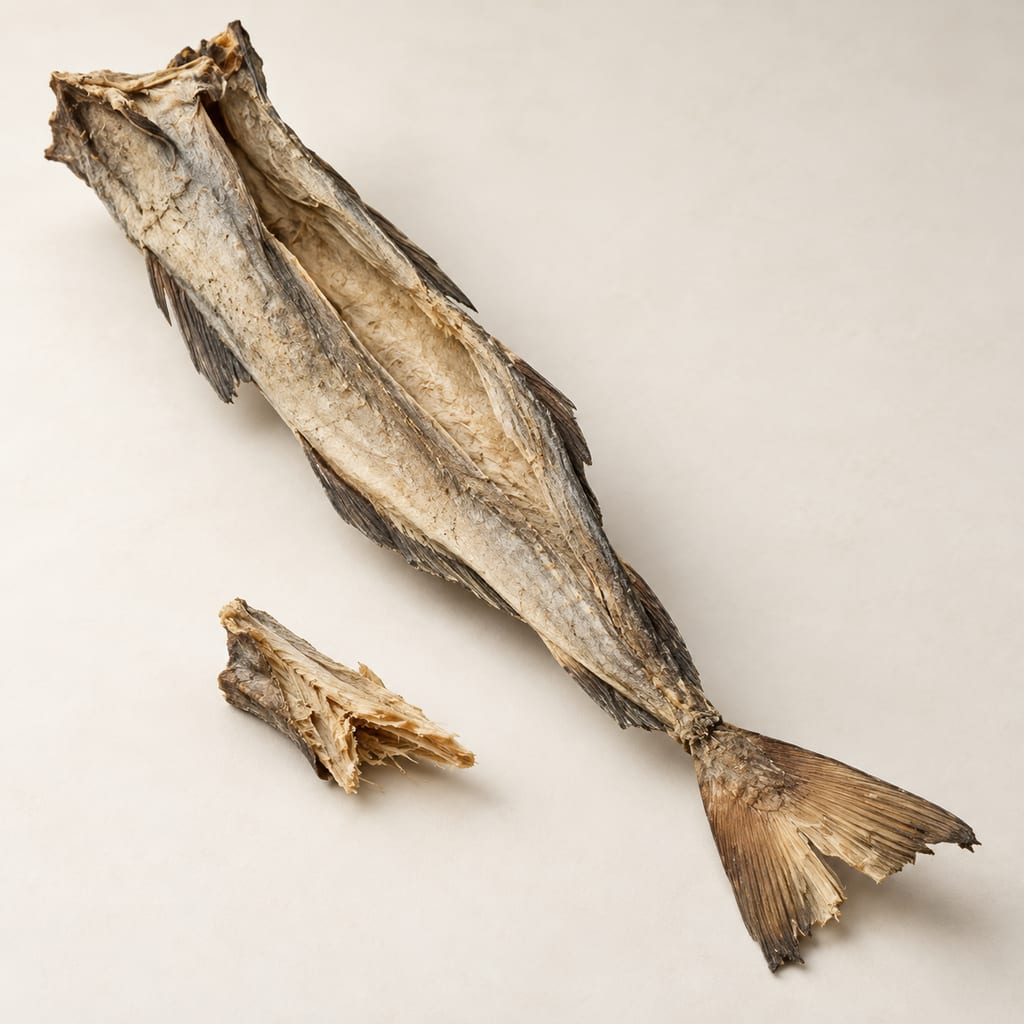
Cod hung on open racks in cold northern air until most of its water has gone, leaving a hard, light, unsalted fish that keeps and travels and must be soaked for days before cooking.
 FermenteaWhere food goes to change
Modern adaptation
Sauce for stokefysshe · Sauce for stockfish · Stockfish with parsley, ginger and verjuice
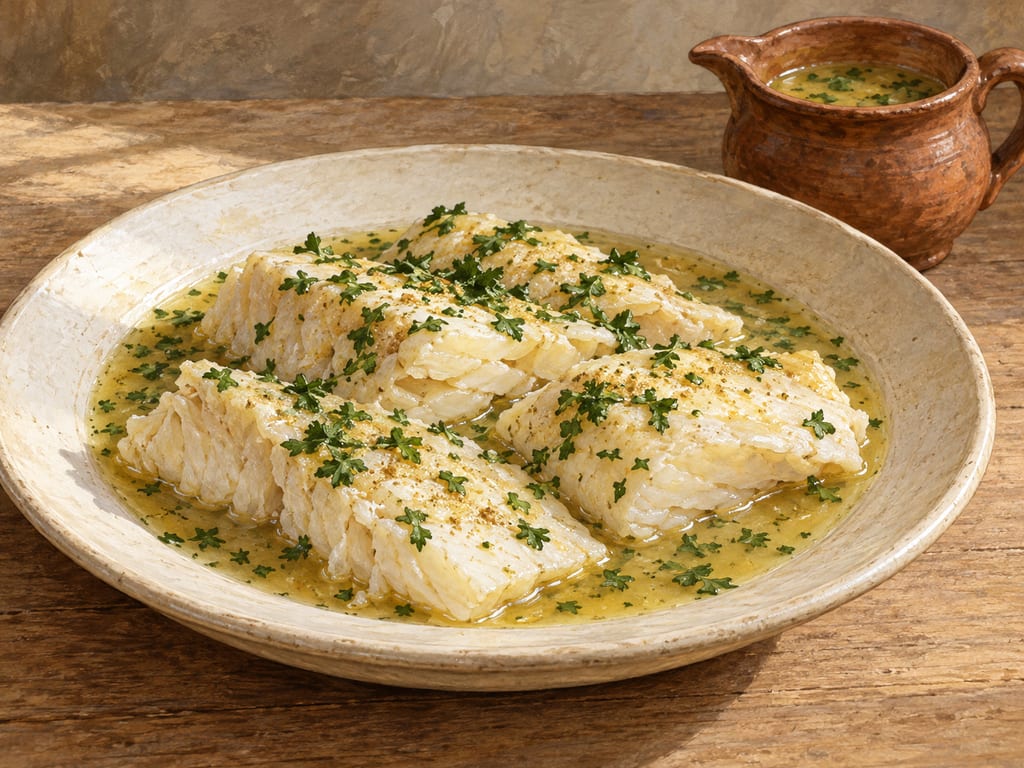
A fifteenth-century English way to serve cooked stockfish: strained fish broth boiled with chopped parsley, powdered ginger and a little verjuice, then poured hot over the fish.
A short recipe preserved in a fifteenth-century English culinary manuscript offers a valuable glimpse into how imported stockfish could be served before the development of many familiar modern preparations.
The dish combines cooked stockfish with a hot sauce of fish broth, parsley, powdered ginger and verjuice.
It contains no tomato, potato or butter sauce.
Instead, its flavour depends upon a carefully balanced combination of savoury liquid, fresh herbs, aromatic spice and acidity.
The result would have been recognizable as a cooked fish course, but its flavour profile differs considerably from most contemporary northern European fish dishes.
This is especially useful for historical reconstruction because the central flavour combination is recorded directly in a surviving recipe.
The measured version below is modern and untested, but the historical ingredient selection is substantially more secure than a recipe invented to evoke a general medieval atmosphere.
The historical name identifies a sauce intended for stockfish, rather than a modern complete dish with a fixed name.
The manuscript does not identify one particular cod species or Norwegian production district.
Middle English — Sauce for stokefysshe
Modern English — Sauce for stockfish
Ingredient — Stockfish, unsalted dried fish
Acidic seasoning — Verjuice, Middle English verious
Herb — Parsley, Middle English percely
Spice — Ginger, Middle English gingere
Scientific name — Usually Gadus morhua when made with Atlantic cod
The recipe appears on page 109 of Thomas Austin's 1888 edition, Two Fifteenth-Century Cookery-Books.
The relevant section contains recipes from Ashmole MS 1439, a manuscript associated with fifteenth-century English cookery.
The published text identifies fish broth made from eel, pike or fresh salmon.
It instructs the cook to strain the broth and combine it with chopped parsley, powdered ginger and a little verjuice in an earthenware vessel.
The sauce is boiled together.
Cooked stockfish is held in hot water until it is time to serve. The fish is then transferred to a clean dish and the hot sauce poured over it.
That sequence is unusually informative.
It shows that the stockfish and its sauce could be handled as separate preparations.
It also shows a concern for serving temperature: the fish is kept hot, and the sauce is added hot at the last moment.
The historical source does not specify the weight of stockfish, the exact amount of ginger, a measured volume of verjuice or a modern cooking temperature.
Those omissions must be retained as gaps in the historical record.
Imported stockfish was important in medieval northern European food networks.
Northern Norway supplied significant quantities of dried fish, while Bergen and other commercial centres helped connect producers with foreign markets.
English consumers encountered imported preserved fish through these networks.
Stockfish had important practical advantages.
It was durable, comparatively transportable and could be stored for longer periods than fresh fish.
It was also useful in societies where religious calendars and customary fasting practices influenced food choices.
Fish could be consumed on days when certain kinds of meat were restricted.
This does not mean everyone in medieval England ate stockfish in the same way or could afford elaborate sauces.
The manuscript recipe belongs to a written culinary tradition. It should not automatically be presented as a recipe eaten by every social class.
The presence of ginger and specially prepared fish broth points to a kitchen with access to particular ingredients and sufficient labour.
Verjuice is a sour liquid traditionally obtained from unripe grapes or other acidic fruit.
In French it is called verjus; Italian culinary terminology includes agresto.
Unlike wine vinegar, traditional grape verjuice is not defined by the conversion of alcohol into acetic acid.
Its sourness comes principally from naturally occurring fruit acids.
In unripe grapes, tartaric and malic acids are particularly relevant.
The precise acidity of verjuice depends upon the fruit, its maturity and the production process.
This makes it an effective but variable culinary ingredient.
Verjuice brings sourness without necessarily introducing the characteristic acetic aroma of vinegar.
The distinction matters in historical reconstruction.
Replacing verjuice with vinegar may produce a palatable sauce, but it is not an exact substitution.
Likewise, lemon juice supplies acidity, but it changes the flavour.
The present recipe uses actual verjuice and leaves the final seasoning adjustable.
Ginger is the rhizome of Zingiber officinale.
In its dried, powdered form, it contributes pungency and aroma.
Its characteristic flavour involves gingerols and related compounds. Processing and heating can alter the balance of those substances.
Powdered ginger also contains aromatic volatile compounds that can be lost during prolonged exposure to heat.
The medieval method requires boiling the sauce ingredients together, but it does not establish a long reduction period.
The modern reconstruction therefore uses relatively short heating.
A small quantity of ginger is sufficient to change the flavour of fish broth without turning it into a strongly spiced sauce.
Parsley, Petroselinum crispum, contributes fresh green colour and herbaceous aroma.
Its aromatic compounds differ from those of ginger and verjuice.
Chopping increases the exposed surface area and releases flavour into the broth.
Cooking softens the leaves and extracts some of their soluble components.
However, prolonged boiling can diminish the bright character of fresh herbs and dull their colour.
The medieval source instructs the cook to boil the chopped parsley with the other ingredients. It does not specify the exact duration.
The modern preparation reserves a small amount for finishing, an editorial choice rather than an attested historical instruction.
An important detail is the instruction to use broth from eel, pike or fresh salmon.
This creates an additional layer of flavour beyond the stockfish itself.
The choice is not arbitrary.
Different fish yield cooking liquids with different concentrations of dissolved proteins, gelatinous substances, minerals and flavour compounds.
Straining removes suspended solids and produces a clearer sauce.
The broth then functions as a savoury base for the ginger, parsley and verjuice.
The modern recipe uses unsalted light fish broth instead.
That substitution makes the recipe easier to prepare but does not reproduce the exact historical flavour.
A broth prepared from the specified fish would be a closer reconstruction.
Serves 4 · Approximately 45–60 minutes after rehydration · Modern reconstruction, not kitchen-tested
1. Prepare the fish. Cut the stockfish into suitable portions and inspect carefully for bones.
2. Poach gently. Bring 1,500 ml water to a gentle simmer. Add the fish and begin checking tenderness after approximately 20 minutes.
Continue until it is fully cooked and separates readily.
3. Prepare the sauce base. Pour 300 ml unsalted fish broth into a small saucepan.
Add 1 g powdered ginger.
4. Heat the broth. Simmer gently for five minutes.
5. Add acidity and herbs. Add 30 ml verjuice and most of the chopped parsley.
Continue simmering for another two minutes.
6. Adjust the sauce. Taste the sauce.
If the sourness is excessive, dilute cautiously with a little fish poaching water.
The original collection permits an additional 5–10 ml verjuice where necessary.
7. Plate the fish. Drain the cooked stockfish and place it in warmed shallow bowls.
8. Serve immediately. Spoon the hot sauce over the fish, finish with the reserved parsley and accompany with bread.
The flavour combination is directly supported by the fifteenth-century text.
The use of separate cooking and final serving stages is also supported.
The modern reconstruction departs from the manuscript in several ways.
It uses a generic light fish broth rather than broth specifically prepared from eel, pike or salmon.
It introduces measured quantities absent from the surviving source.
It establishes a cooking schedule that the manuscript does not provide.
It adds a modern food-safety endpoint.
It also includes bread as an accompaniment. Bread is historically plausible, but this particular stockfish sauce recipe does not specify a 240 g bread serving.
These distinctions are important because a modern practical recipe and a historical transcription serve different purposes.
The modern recipe should allow a cook to reproduce the flavour concept without pretending that its metric measurements were written in the Middle Ages.
The sauce is a flavoured aqueous broth, not an oil emulsion.
Its texture should therefore be comparatively light.
The broth provides dissolved compounds and may contain some gelatin depending upon its preparation.
The verjuice supplies acidity.
The ginger contributes pungency, while the parsley provides herbal aroma.
A lightly acidic environment changes how flavour is perceived, helping distinguish the sauce from plain fish broth.
No flour, bread or egg is specified as a thickener in the historical sauce.
The final preparation should not resemble a modern cream sauce unless the cook has substantially modified it.
The fish should remain in substantial pieces.
The sauce should be pourable and relatively light.
The ginger should be noticeable but not overwhelming.
Parsley should provide a recognizable herbal element.
Verjuice should introduce tartness rather than harsh, dominating sourness.
If the broth is excessively salty, the final dish may become unbalanced. Starting with unsalted broth gives better control.
If the sauce tastes thin, the quality and flavour of the underlying fish broth may be inadequate.
If the fish remains hard, rehydration and cooking require attention.
Medieval European sauce traditions frequently used combinations of herbs, spices, souring agents and broths.
However, this specific recipe is an English manuscript preparation, not evidence of an identical sauce throughout medieval Europe.
A related recipe from the same manuscript uses walnuts and garlic instead of parsley, ginger and verjuice.
The difference is substantial: one is a light acidic herb broth, while the other is a thickened nut-and-bread sauce.
They are therefore presented separately in this collection.
Keep stockfish below 4°C while rehydrating.
Cook to the published fish safety reference of 63°C.
Neither the verjuice nor the hot broth removes the need to cook and handle the fish safely.
The recipe does not establish a safe shelf life for the finished dish.
Serve promptly after cooking.
What makes this page unusual in a stockfish collection is that the primary evidence can be read. A short recipe headed as a sauce for stokefysshe survives in a fifteenth-century English manuscript and sets out a dish with no tomato, no potato and no butter sauce: a strained broth of eel, pike or fresh salmon, combined with chopped parsley, powdered ginger and a little verjuice in an earthenware vessel and boiled together, then poured hot over cooked stockfish that has been kept in hot water and moved to a clean dish at the last moment. That sequence is informative in two ways beyond its flavours. It shows the fish and the sauce handled as separate preparations, and it shows a deliberate concern with serving temperature. Around the recipe sits the trade that supplied it. Northern Norway produced dried fish in quantity and Bergen and other commercial centres connected producers with foreign markets, so English consumers encountered imported preserved fish through an established network, and the fish had real advantages: durable, comparatively easy to transport and storable far longer than fresh fish, and useful in a society whose religious calendar and customary fasting shaped what could be eaten on which day. None of that makes the dish ordinary. A written culinary manuscript is not a record of what everyone ate, and the ginger and the specially made fish broth point to a kitchen with means. Three ingredients carry the flavour and each behaves differently under heat. Verjuice, the sour juice of unripe grapes or other acidic fruit, gets its sharpness from fruit acids, tartaric and malic in unripe grapes, rather than from the acetic acid of vinegar, so it sours without a vinegar aroma, and its strength varies with the fruit. Powdered ginger brings pungency from gingerols and related compounds along with volatile aromatics that prolonged heat drives off. Parsley gives green colour and a herbaceous aroma that long boiling dulls. The manuscript asks for them to be boiled together and says nothing about how long, which is exactly where a modern reconstruction has to make choices and admit to them.
Scaling: source batch only
Soaking reverses the drying that made the fish stable, so for the week or more it takes the fish is perishable raw seafood held in water and needs refrigeration and regular water changes.
Hazard sourceNeither the verjuice nor the hot broth removes the need to cook and handle the fish properly; a sour sauce poured over underdone fish is still underdone fish.
Hazard sourceThe manuscript supplies no storage method or shelf life for the finished dish, and the reconstruction establishes none, so there is nothing to fall back on if it is not eaten at once.
Hazard sourceBones are removed after hydration rather than before, and fragments can remain concealed between the flakes of a cooked portion.
Hazard sourceKeep the stockfish below the stated limit throughout rehydration
Control sourceCook the fish to the published modern endpoint rather than to the manuscript's silence on the question
Control sourceServe promptly after cooking, since no shelf life is established for the finished dish
Control sourceInspect the fish for bones both after hydration and after portioning
Control sourceThe manuscript gives ingredients, sequence and serving method but no weights, volumes, temperatures or times: every number on this page is modern and none should be quoted as a medieval measurement.
The 63°C cooking endpoint is a present-day addition to the historical recipe, not something the fifteenth-century text asked for.
A generic light fish broth stands in here for broth made from eel, pike or fresh salmon, so the flavour is not the attested one.
Verjuice is not interchangeable with vinegar or lemon juice: its acidity comes from fruit acids rather than acetic acid, and substituting changes the dish.
No storage method or keeping time exists for this sauce in either the historical source or the reconstruction, so it is made to be eaten at once.
This reconstruction has not been kitchen-tested.
A country-level association from the manuscript itself, which belongs to an English written culinary tradition. The text names no town, county or household, and the presence of ginger and a specially prepared fish broth points to a kitchen with access to particular ingredients and labour rather than to ordinary eating across all social classes.
A country-level association for the supply of the ingredient, not for the dish: northern Norway produced large quantities of dried fish, and Bergen and other commercial centres connected producers with foreign markets, which is how English consumers met imported preserved fish. Ingredient origin and recipe origin are separate claims.
Cod hung on open racks in cold northern air until most of its water has gone, leaving a hard, light, unsalted fish that keeps and travels and must be soaked for days before cooking.
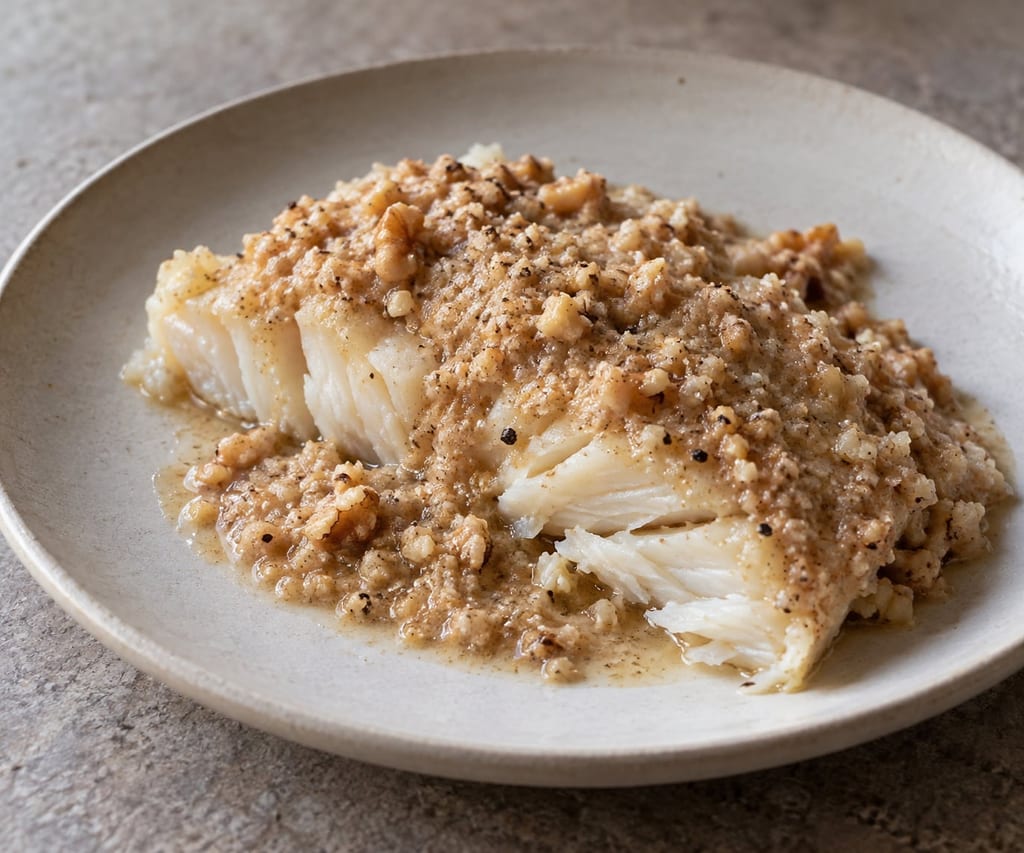
The second stockfish sauce from a fifteenth-century English manuscript: walnuts, garlic, bread, pepper and salt ground in a mortar and loosened with the fish's own broth.
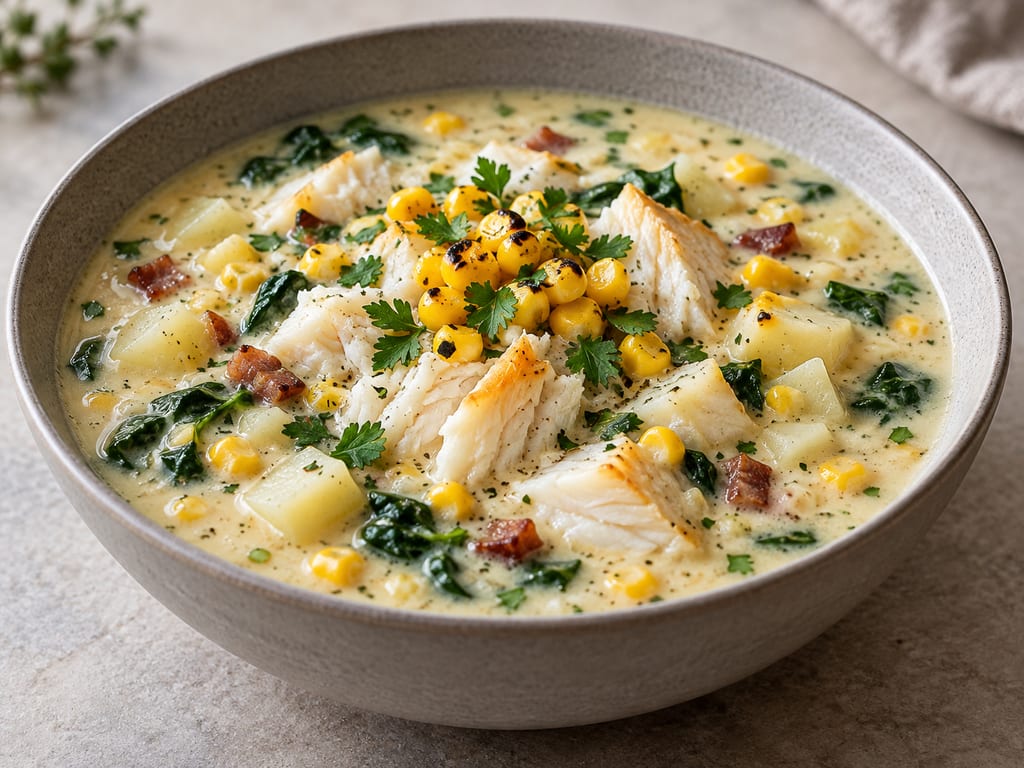
Alfred Enderby’s chowder combines smoked haddock with potato, sweetcorn and spinach in a milk-and-stock broth.
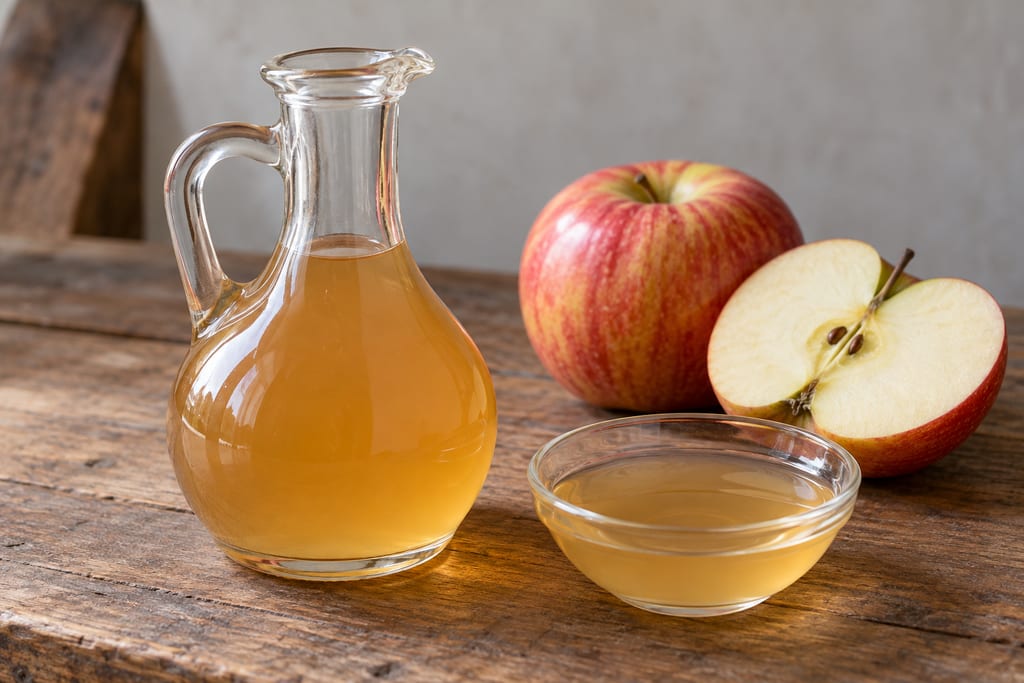
Cider vinegar is made when acetic-acid bacteria use oxygen to turn the alcohol in dry apple cider into acetic acid. This historical cask method begins with fermented cider and differs from apple-scrap vinegar made with sugar and water.
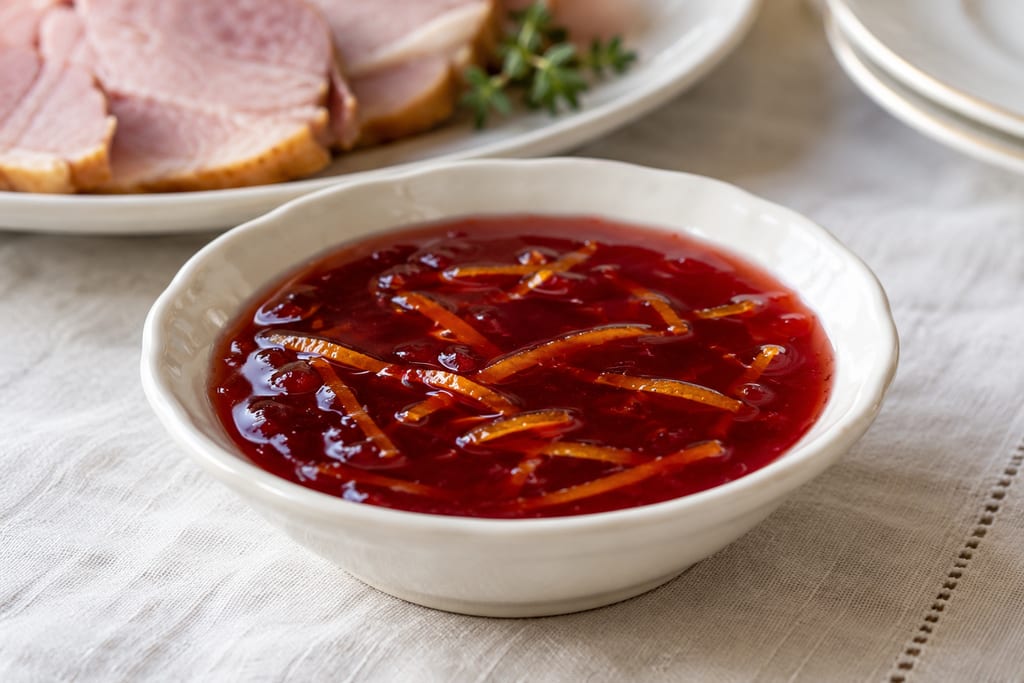
Cumberland sauce is a British condiment of redcurrant jelly, mustard, blanched orange peel and port, traditionally served cold with ham, game and cold meats.

King Arthur’s six-piece English muffin batch uses a yeast preferment, two folds and a skillet or electric griddle; it is distinct from the sourdough-and-yeast version already catalogued.
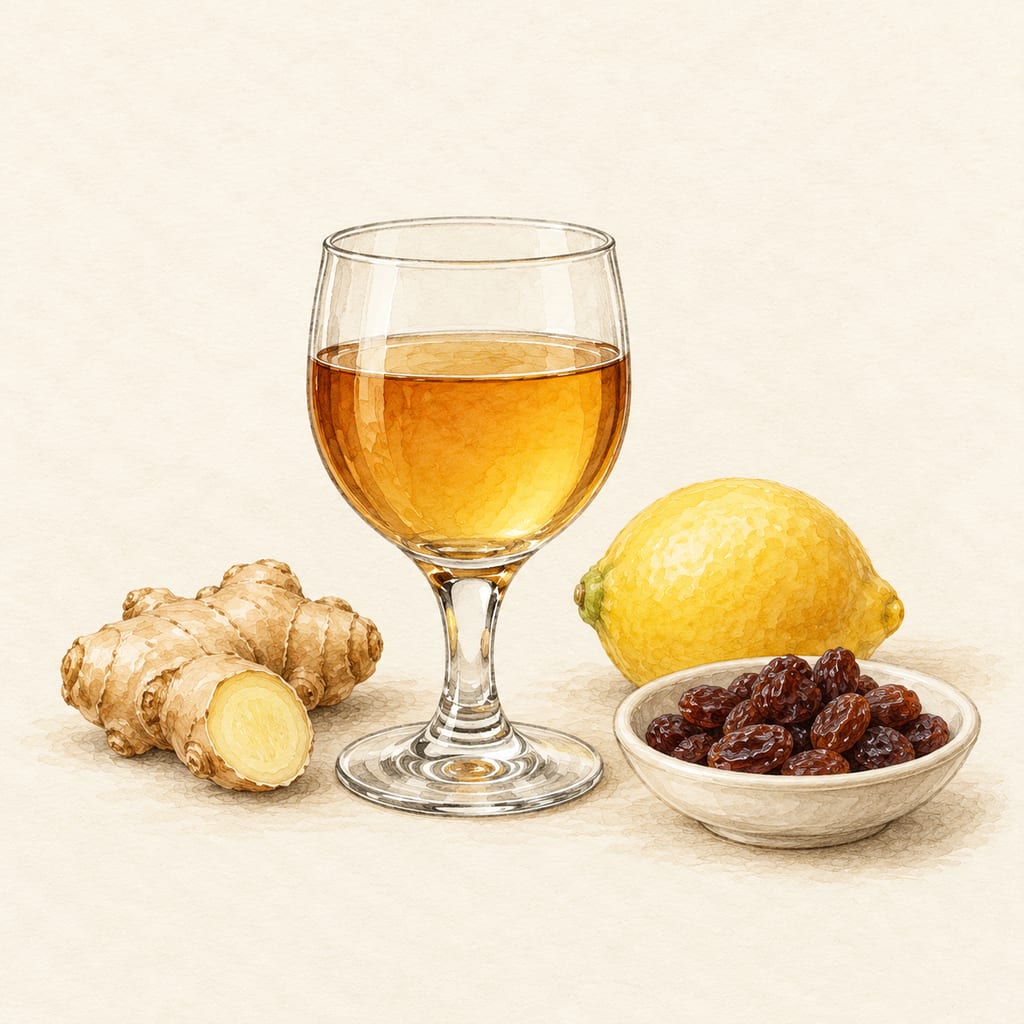
A Victorian household wine of boiled sugar, lemon and bruised ginger, worked on raisins in a cask for a fortnight and finished with brandy, made nine gallons at a time.
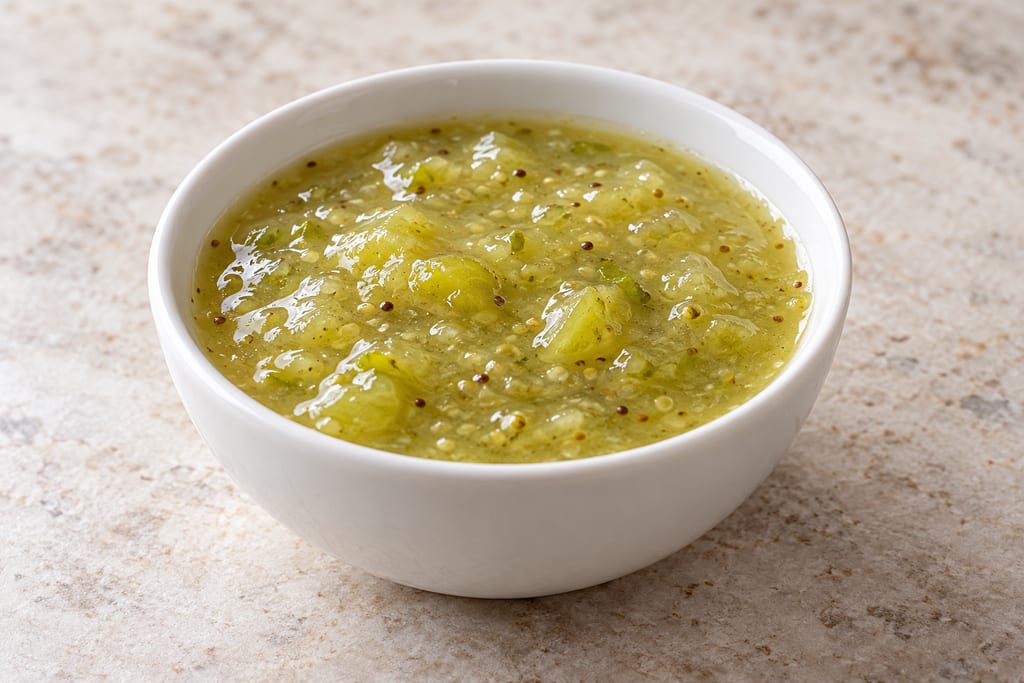
Gooseberry sauce is a soft, tart sauce of cooked green gooseberries, sharpened with wine or vinegar and lightly sweetened, traditionally served with mackerel.

A yeast dough is folded around sweetened lard and dried fruit, then baked in tins until the bottom caramelizes.
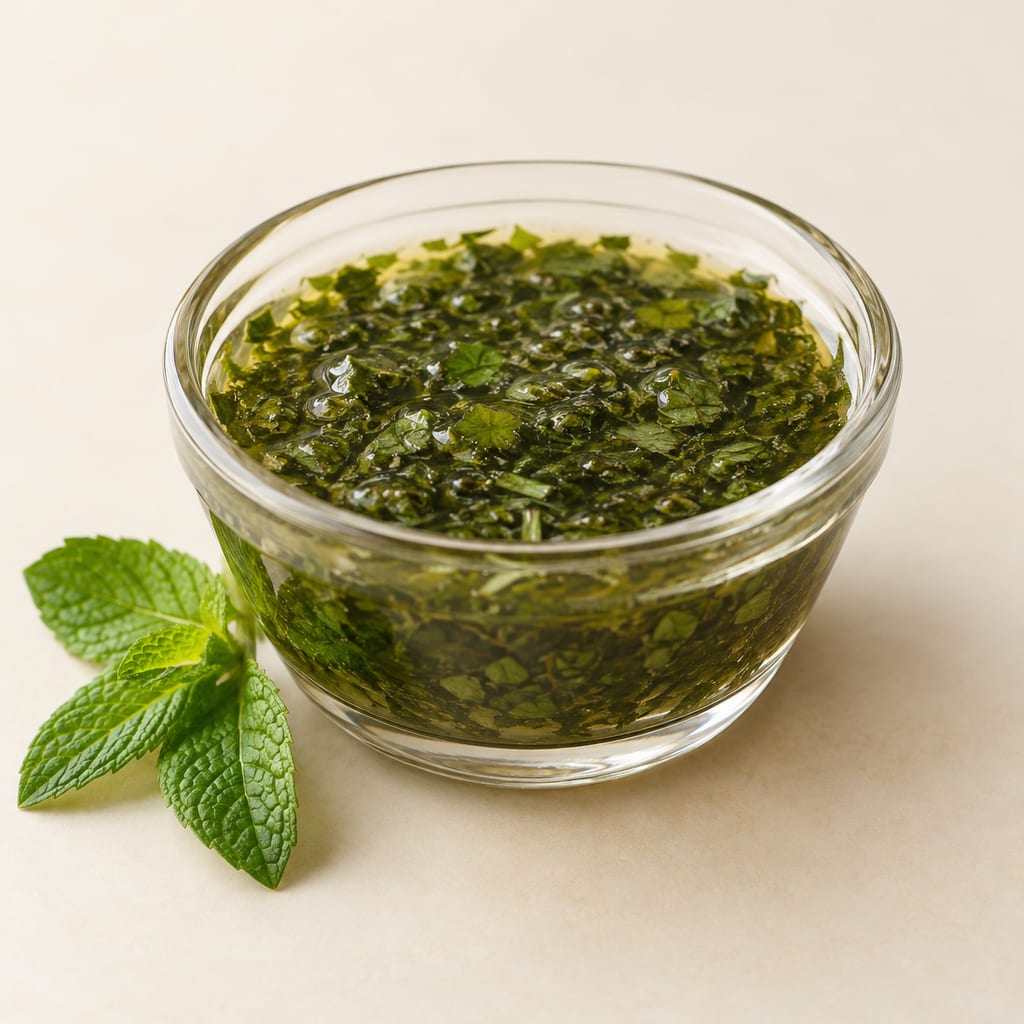
Finely chopped fresh mint steeped in a sweet and sharp liquid of white wine vinegar, sugar and water, the sauce traditionally served with roast lamb in Britain.

Jamaica's best-known dish: salt-cured cod desalted and flaked, then folded through ackee arils with onion, tomato, sweet pepper, thyme and Scotch bonnet.
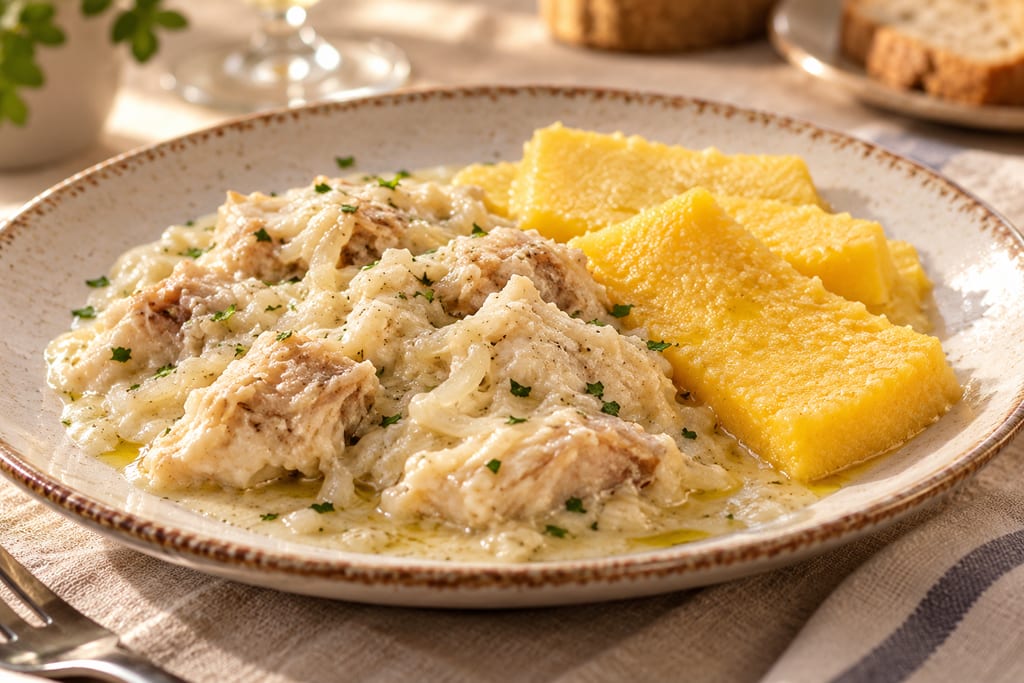
Stockfish from Vicenza, left barely bubbling for hours with onion, preserved anchovy, olive oil, milk and a little cheese until it is tender under a dense pale sauce, and eaten with polenta.

Lisbon's salt cod dish: shredded desalted cod and fine fried potato matchsticks folded through softened onion and bound with beaten egg, finished with parsley and black olives.
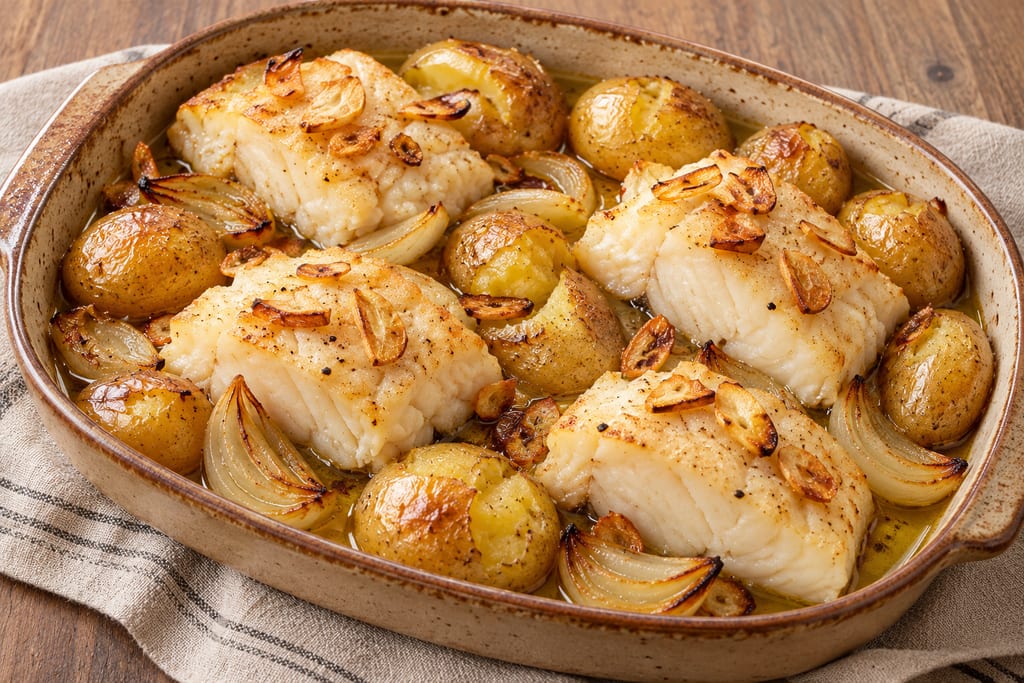
Thick pieces of desalted salt cod roasted in olive oil with garlic and onion, served with small potatoes cooked and then crushed until their skins split.
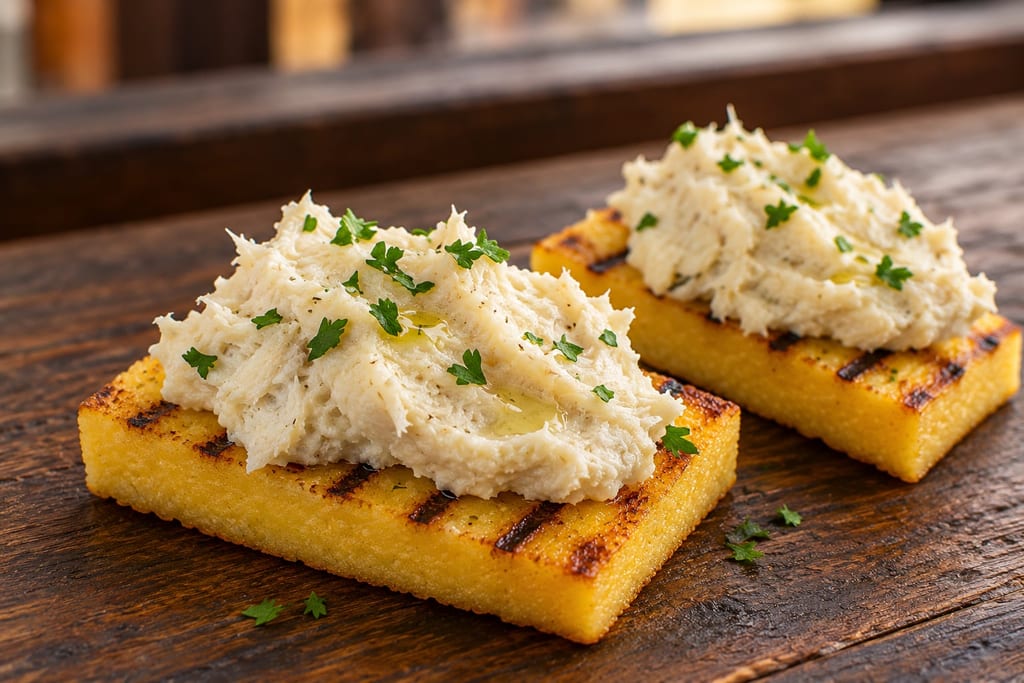
A Venetian cicchetto of cooked unsalted stockfish beaten with oil until it turns into a pale, aerated cream, spooned onto grilled polenta in the city's wine bars.
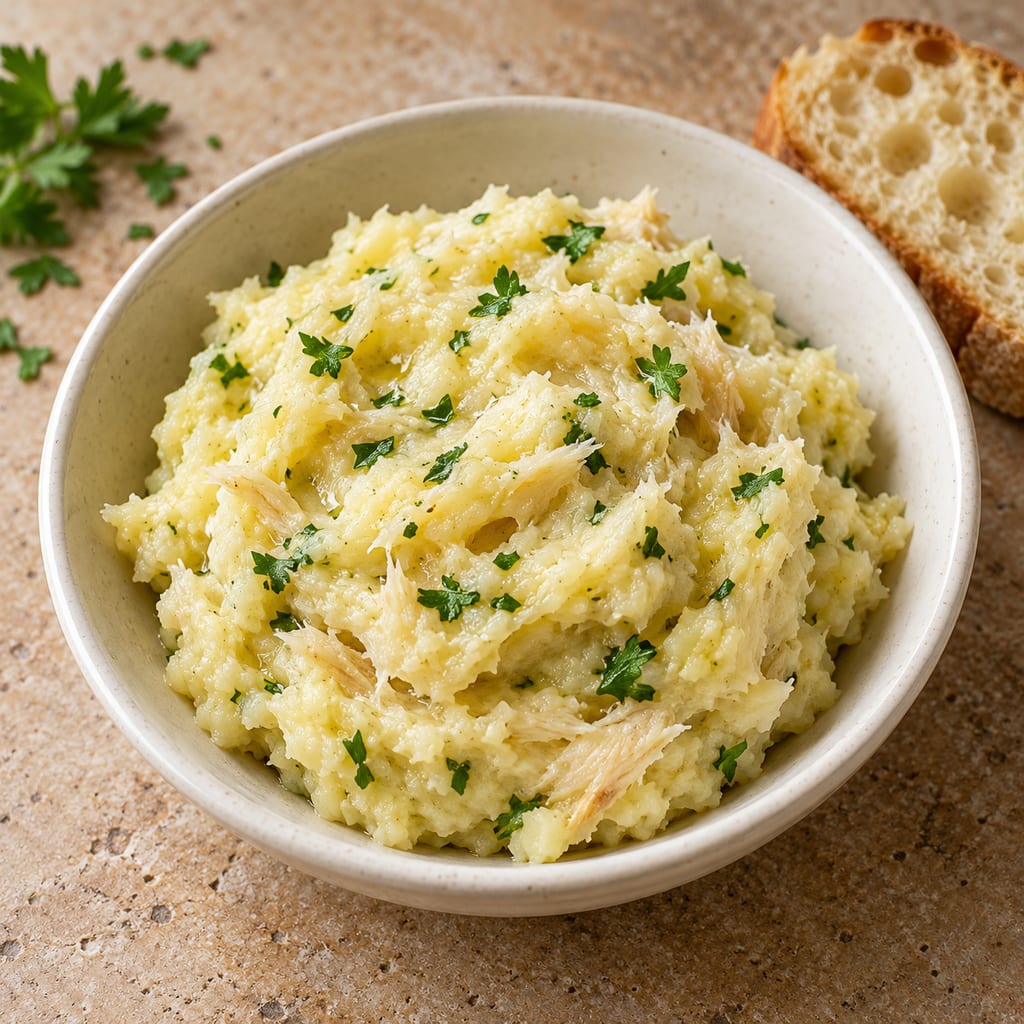
An Istrian festive spread of cooked stockfish beaten with olive oil and garlic until pale and cohesive, here bulked out with hand-mashed floury potato.
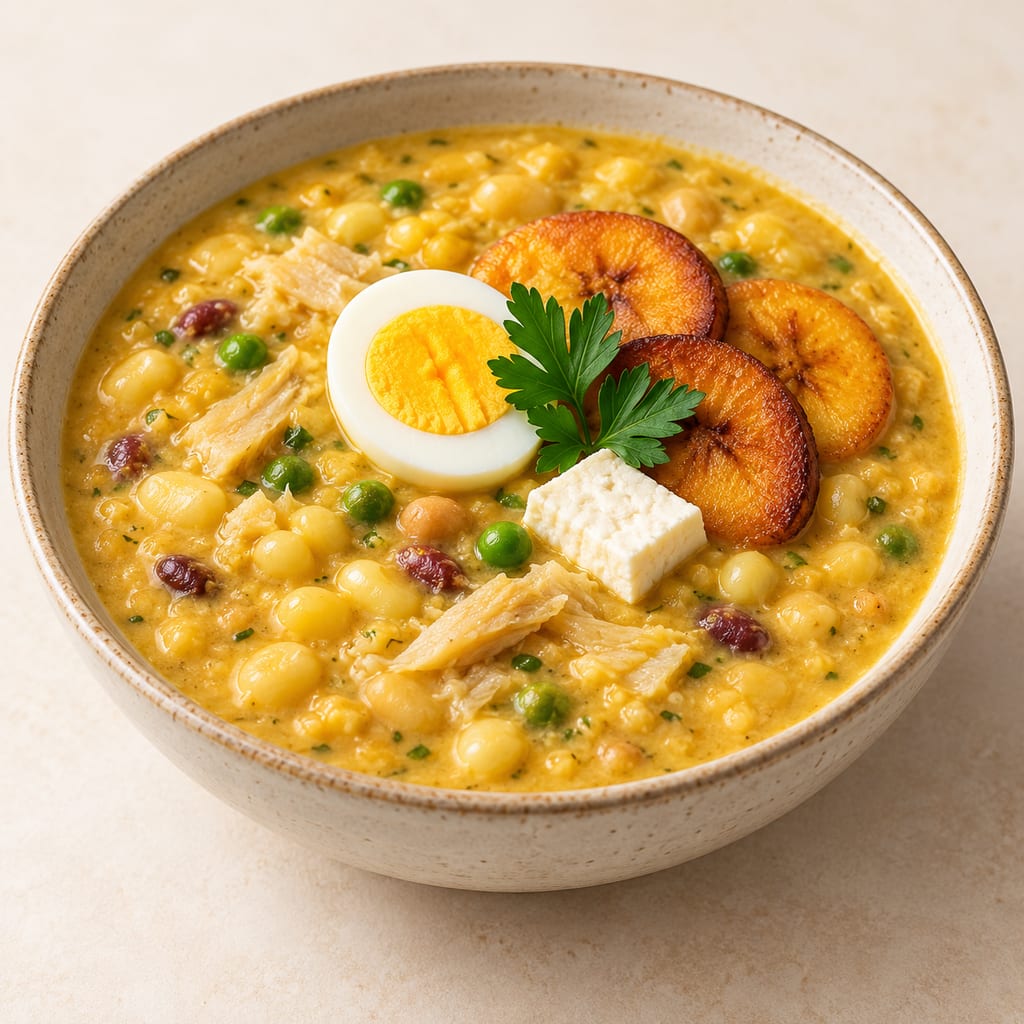
Ecuadorian Holy Week soup of tender grains and pulses, squash, milk and salted fish, thickened with peanut paste and served with contrasting garnishes.
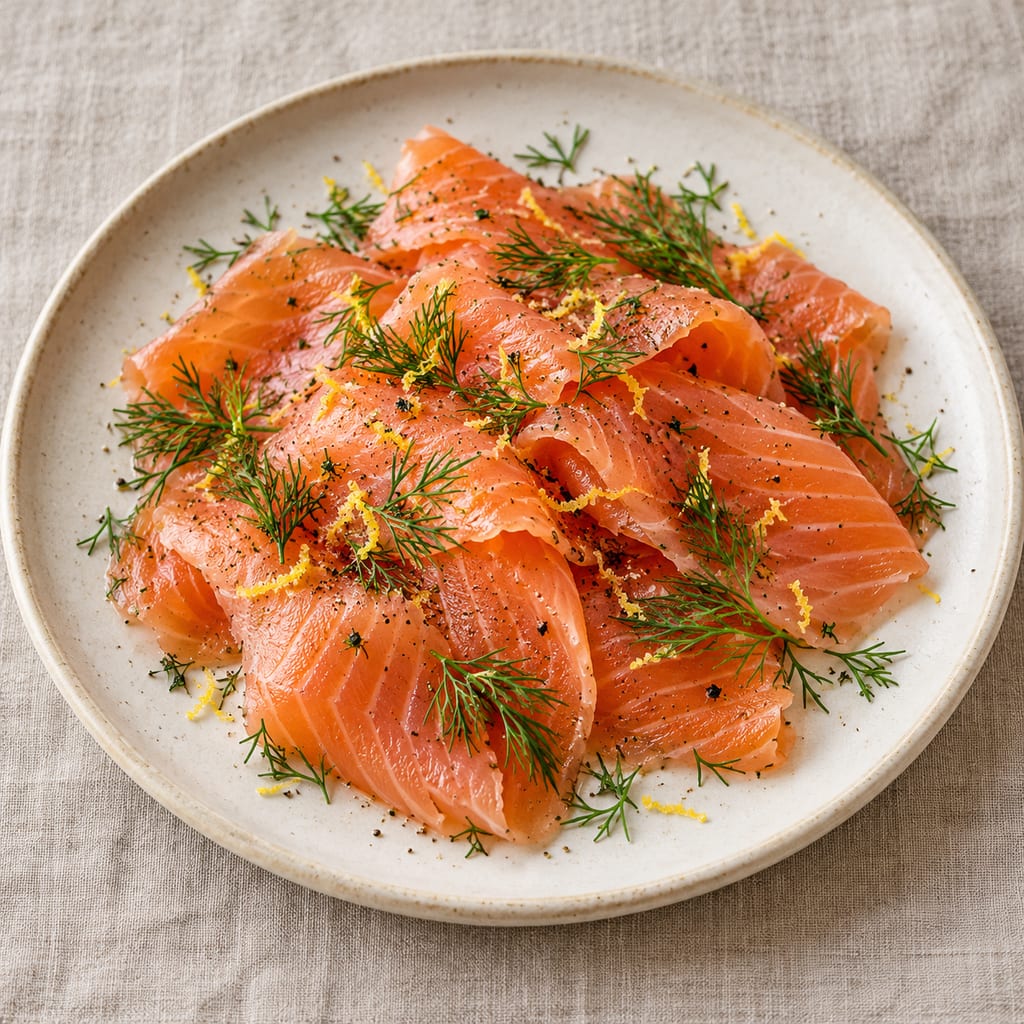
Salmon is cured with salt, sugar, pepper, dill and lemon zest under refrigeration.

Protected Italian vinegar made only from cooked grape must, fermented and aged in a battery of wooden barrels for at least 12 years: sweet, sharp and syrupy.

Airag is Mongolia’s fermented mare’s-milk drink, traditionally churned with saved starter in a reusable cowhide khokhuur.

Appam, or hoppers, are South Indian and Sri Lankan rice pancakes made from a fermented coconut-and-rice batter and cooked in a curved pan to a crisp lacy rim and a soft, spongy centre.

Auricularia tremellosa is a wood ear fungus of the genus that supplies most dried wood ear sold in China; its own food record is thin, and the culinary practice described here comes from the closely related wood ear species.

Ayran is Turkey’s cold, savoury yogurt drink: plain yogurt is loosened with water and lightly salted, then whisked smooth or aerated into a soft cap of foam.
A thin stone griddle used over an open hearth. Norwegian archaeology documents the established tradition from the early Middle Ages; a Viking-period origin is only a cautious suggestion linked to Shetland.

Crushed or milled barley cooked in water until the starch softens and the mixture thickens, the plainest way a northern household turned stored grain into a meal, here with apple and hazelnut.

Black carrot is the anthocyanin-pigmented Eastern carrot (Daucus carota var. atrorubens), the purple root that preceded orange types and still colours kanji and şalgam.
No community contributions have been published for this entry yet.
Sign in to contribute. Published comments and photos are free to read.
Internet ArchiveHistory · Method
Thomas Austin, Two Fifteenth-Century Cookery-Books, 1888, page 109 — Internet ArchiveThe recipe as printed on page 109 of the 1888 edition, Two Fifteenth-Century Cookery-Books, in the section containing recipes from Ashmole MS 1439.
The published text identifies fish broth made from eel, pike or fresh salmon, and instructs the cook to strain it and combine it with chopped parsley, powdered ginger and a little verjuice in an earthenware vessel, boiling the sauce together.
Cooked stockfish is held in hot water until it is time to serve, then transferred to a clean dish and the hot sauce poured over it, which shows the fish and its sauce handled as separate preparations and a deliberate concern for serving temperature.
The source gives no weight of stockfish, no exact amount of ginger, no measured volume of verjuice and no cooking temperature or duration; those omissions are part of the record.
A second stockfish sauce recorded on the same page uses walnuts and garlic instead of parsley, ginger and verjuice.
Cited in: A documented medieval way to serve stockfish; Historical name and identity; The manuscript evidence; Stockfish in late-medieval England; What is verjuice?; The role of ginger; The role of parsley; Why fish broth matters; Recipe: stockfish with medieval herb and verjuice sauce; Method; How close is this to the historical recipe?; The chemistry of the finished sauce; Recognizing the intended result; Regional comparisons
WorldCatHistory
WorldCat — Bibliographic record for the 1888 editionThe bibliographic record for Thomas Austin's 1888 edition of Two Fifteenth-Century Cookery-Books, which fixes the printed edition the transcription comes from.
Cited in: The manuscript evidence
Cambridge University PressHistory
Cambridge University Press — Stockfish distribution in medieval ScandinaviaStockfish distribution in medieval Scandinavia and how dried fish reached consumers, including the supply from northern Norway and the role of Bergen and other commercial centres in connecting producers with foreign markets, which is the network through which English consumers encountered imported preserved fish.
Cited in: Stockfish in late-medieval England
Norwegian Seafood CouncilMethod · Safety
Norwegian Seafood Council — Preparing dried stockfishPreparing dried stockfish for cooking: soaking in cold water with regular changes over 7 to 8 days, up to 10 for particularly dry fish, with the fish and water kept below 4°C and the skin and bones removed after hydration.
Cited in: Recipe: stockfish with medieval herb and verjuice sauce; Method; Safety
FoodSafety.govSafety
FoodSafety.gov — Fish cooking temperatureThe published safe minimum internal temperature for fish, 63°C, which is a modern food-safety endpoint added to the reconstruction and absent from the manuscript.
Cited in: How close is this to the historical recipe?; Safety