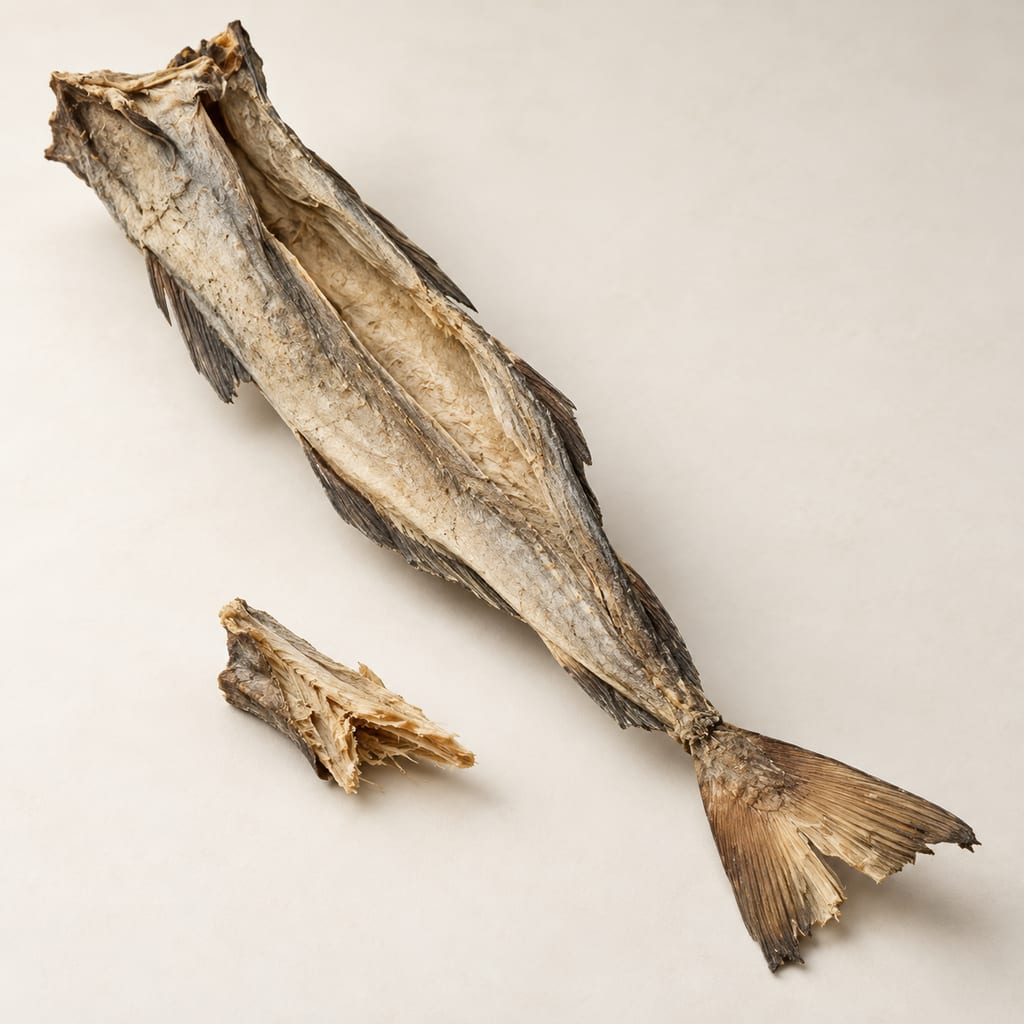
Stockfish
Cod hung on open racks in cold northern air until most of its water has gone, leaving a hard, light, unsalted fish that keeps and travels and must be soaked for days before cooking.
 FermenteaWhere food goes to change
Modern adaptation
Sauce for stokfysshe in an-other maner · Sauce for stockfish in another manner · Stockfish with walnut and garlic sauce
The second stockfish sauce from a fifteenth-century English manuscript: walnuts, garlic, bread, pepper and salt ground in a mortar and loosened with the fish's own broth.
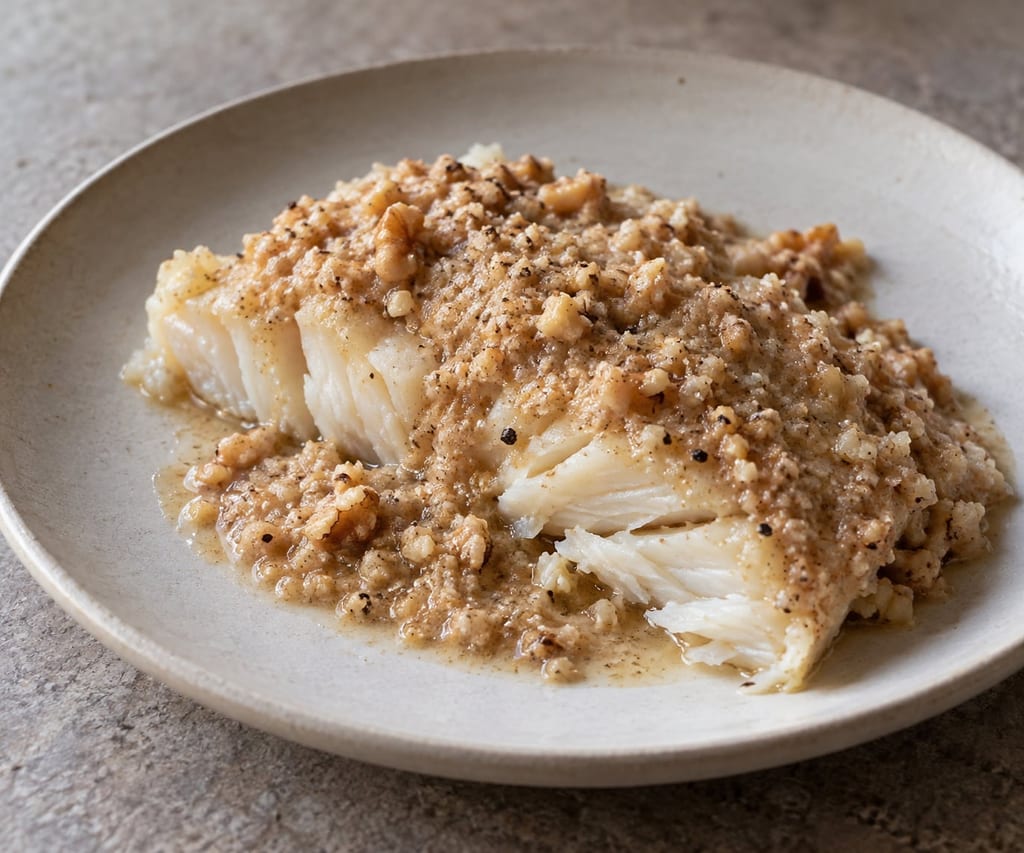
The second stockfish sauce recorded on page 109 of the same fifteenth-century culinary collection takes a very different approach.
Instead of a light broth flavoured with parsley, ginger and verjuice, it creates a thick sauce from walnuts, garlic, bread, pepper, salt and fish cooking liquid.
The ingredients are ground together in a mortar, then loosened with the liquid in which the fish was cooked.
This produces a rich, textured sauce without relying on butter, cream or eggs.
The basic structure has parallels in other historical European nut-and-bread sauces, but the surviving recipe is specifically identified as a sauce for stockfish.
Its simplicity is deceptive. The relative quantities of walnuts, garlic, bread and liquid determine whether the finished preparation becomes a thick paste or a sauce capable of coating fish.
The manuscript provides the ingredient combination and method, but not those proportions.
The recipe below is therefore a practical interpretation rather than a claimed transcription of medieval measurements.
The medieval heading explicitly identifies this as an alternative manner of making stockfish sauce.
It is not evidence of a separate named regional speciality with a known town of origin.
Middle English — Sauce for stokfysshe in an-other maner
Modern English — Sauce for stockfish in another manner
Main ingredient — Stockfish
Walnut — Middle English walnotys
Garlic — Middle English garleke
Bread — Middle English brede
Scientific name of walnut — Juglans regia
Scientific name of garlic — Allium sativum
Fish species — Usually Gadus morhua in modern reconstruction
The recipe instructs the cook to take walnut kernels, garlic cloves, pepper, bread and salt.
These are placed in a mortar and ground finely.
The paste is then tempered or loosened using the same broth in which the fish was boiled.
The sauce is served with the fish.
This gives three secure historical elements.
First, walnuts and garlic provide the principal flavouring.
Second, bread is included as part of the sauce rather than merely as something served alongside the finished dish.
Third, fish cooking broth is used to adjust consistency.
The original text does not give exact quantities, a nut-to-bread ratio, a heating temperature or a resting time.
It does not mention mayonnaise, cream, olive oil or lemon juice.
The reconstruction should not add those ingredients and then describe the result as a faithful historical recipe.
The recipe comes from Ashmole MS 1439, reproduced in Thomas Austin's nineteenth-century edition of fifteenth-century cookery texts.
Its preservation in a manuscript demonstrates that the combination was known within an English written culinary tradition.
It does not establish that every medieval household prepared it.
Walnuts were available in medieval Europe, and garlic and bread were familiar ingredients.
But access to particular foods, kitchen equipment and elaborate fish preparations varied with geography, wealth and season.
Stockfish was an imported preserved product that could travel through established northern European trade networks.
It was relevant to the consumption of fish during religious fasts and other meat-restricted occasions.
The sauce's reliance on nuts and bread is also noteworthy.
Both ingredients can create body and richness in the absence of dairy.
This is useful in considering historical cooking for days when particular animal products were restricted, although the manuscript itself does not specifically identify this recipe as a Lenten dish.
Walnuts contain substantial oil within their cellular structure.
Grinding breaks the nut tissue and releases some of that oil.
The remaining finely divided nut solids contribute body, flavour and texture.
Walnuts also provide proteins and fibre, which become dispersed through the sauce.
The result is a thick mixture rather than a clear liquid.
The quality of the walnuts matters.
Old or poorly stored nuts may develop unpleasant rancid flavours as their oils oxidize.
Fresh, good-quality shelled walnuts should therefore be used.
The original medieval source does not specify a particular walnut cultivar.
Garlic is an especially important flavouring here because the sauce does not contain many competing spices.
Crushing garlic damages its cells and brings together enzymes and sulphur-containing compounds that are separated in intact tissue.
Alliinase acts on alliin, resulting in the formation of allicin and related compounds involved in fresh garlic's pungency.
Those compounds change with time, heat and processing.
A sauce made with very finely crushed raw garlic may taste sharper than one in which the garlic has been heated.
The manuscript instructs grinding the cloves with the other ingredients but does not explicitly instruct cooking the garlic separately.
The editorial reconstruction therefore uses raw garlic in the mortar.
The measured amount remains a modern choice.
Bread provides starch and an absorbent structure.
When softened with liquid and ground into the walnut mixture, it helps distribute moisture through the paste.
It also binds some of the free liquid, producing a more cohesive sauce.
Unlike raw flour, bread has already undergone baking.
Its starch has experienced hydration and heat during breadmaking, so it behaves differently from dry uncooked flour added directly to broth.
The resulting sauce can be adjusted with cooking liquid until it reaches a desired pouring consistency.
Too little liquid produces a stiff paste.
Too much liquid gives a weak, watery sauce in which the ground solids may settle.
This is why gradual addition is useful.
Serves 4 · Approximately 45–60 minutes after rehydration · Modern reconstruction, not kitchen-tested
1. Cook the stockfish. Place the prepared fish in gently simmering water.
Begin checking tenderness after approximately 20 minutes and continue until it is cooked through and tender.
2. Reserve cooking liquid. Before draining, reserve 250 ml of the liquid.
This provides enough for the measured sauce and a little extra for adjustment.
3. Soften the bread. Take 50 ml of the reserved liquid and pour it over the bread.
Allow the bread to absorb the liquid.
4. Grind the walnuts and garlic. Place the walnuts and peeled garlic in a mortar.
Grind until the mixture forms a fine but slightly textured paste.
A small processor can be used as a practical alternative, but avoid excessive high-speed processing.
5. Add the bread. Incorporate the softened bread and black pepper.
Work the ingredients together until evenly distributed.
6. Loosen the sauce. Gradually add another 100–150 ml warm cooking liquid, stirring continuously.
Aim for a thick but pourable sauce.
7. Adjust seasoning. Taste the sauce after the fish has been fully cooked. Add salt only as required.
8. Serve. Arrange the fish on plates, spoon over the walnut sauce and add cooked greens or potatoes.
If the sauce thickens while standing, loosen it with a little additional warm cooking liquid.
The greens or potatoes are modern accompaniments in this reconstruction. The manuscript does not specify them.
The sauce should retain a recognizable walnut character.
A completely uniform, glossy emulsion would not necessarily reflect the mortar-ground preparation.
The finished mixture may be beige or pale brown, depending on the walnuts and bread.
Small nut particles can remain.
The bread should not form visible lumps.
The sauce should coat the fish rather than run away as a thin broth.
The garlic should be noticeable, with enough depth from the walnuts to create balance.
Because the fish cooking liquid provides much of the salt and flavour, its strength can substantially affect the result.
A mortar and pestle are particularly appropriate for this reconstruction.
Grinding by hand applies pressure and shear, breaking down ingredients gradually.
It allows the cook to stop while the mixture still has texture.
A modern high-powered blender can produce a much finer dispersion and may change the flavour by introducing heat.
Neither texture can be proven to match every fifteenth-century cook's result, but mortar grinding follows the explicit historical method more closely.
The sauce also illustrates how medieval cooks could build substantial textures from plant ingredients.
Nuts, bread and broth perform some of the roles that cream or thickened butter sauces might perform in modern kitchens.
This does not mean that medieval European cooking was universally dairy-free. It simply shows one documented alternative.
The manuscript's neighbouring stockfish sauce uses parsley, ginger, verjuice and a separately prepared fish broth.
The walnut sauce uses a completely different structural principle.
Its thickening comes from ground nuts and bread rather than the light broth of the parsley version.
The two should be treated as distinct historical recipes.
There are other European culinary traditions involving ground walnut or almond sauces, but similarities alone do not demonstrate direct historical descent.
A careful editorial treatment should avoid claims that the stockfish sauce is an ancestor of a particular modern national recipe unless documentary evidence connects them.
For practical purposes, cooks may vary how finely they grind the walnuts and how much broth they add.
Those adjustments are texture variations, not separate regional specialities.
The sauce is grainy in an unpleasant way. The walnuts may not have been ground sufficiently. Further mortar work can improve the texture.
The sauce is gluey. Excess bread or mechanical processing may have produced too dense a mixture.
The sauce is watery. Too much cooking liquid may have been incorporated.
The flavour is bitter. The walnuts may be old, rancid or naturally strongly flavoured.
The garlic overwhelms the fish. Raw garlic strength varies; the recipe's quantity is an editorial reconstruction rather than a historical fixed value.
The stockfish remains tough. Check rehydration and cooking rather than compensating with more sauce.
Rehydrate stockfish below 4°C and cook thoroughly.
The general fish cooking temperature is 63°C.
Use fresh, properly stored walnuts.
The principal allergens are fish, tree nuts and wheat gluten from the bread.
The source does not supply a historical storage method or shelf life for the finished sauce.
Because the preparation contains cooked fish broth, it should be consumed promptly or refrigerated safely.
Read beside its neighbour on the same manuscript page, this sauce shows how differently two fifteenth-century cooks could treat the same fish. The other is a light acidic broth of parsley, ginger and verjuice. This one builds a thick sauce out of walnut kernels, garlic cloves, pepper, bread and salt, ground together in a mortar and then tempered with the broth the fish was boiled in. Three things in that are secure, and they are the three that matter: the walnuts and garlic carry the flavour, the bread belongs inside the sauce rather than beside the dish, and the liquid used to adjust the consistency is the fish's own. What is not secure is every proportion, and the proportions are exactly what decide whether the result is a stiff paste or a sauce that will coat fish. Each ingredient does a specific job. Walnuts hold a lot of oil inside their cells, and grinding releases some of it while the remaining finely divided solids, proteins and fibre give the sauce body, which is why it comes out thick rather than clear. Garlic matters more here than it would in a spiced sauce, because there is little to compete with it: crushing brings alliinase into contact with alliin, forming allicin and related compounds, and since the manuscript grinds the cloves raw with everything else the pungency stays sharp. Bread contributes starch and an absorbent structure, and because it has already been through baking its starch behaves unlike raw flour stirred into liquid, binding some of the free broth into a cohesive sauce. The setting is worth stating carefully. Walnuts were available in medieval Europe and garlic and bread were ordinary, but access to particular foods, equipment and elaborate fish cookery varied with geography, wealth and season, and stockfish itself was an import that reached England through established trade networks and was useful on days when meat was restricted. The sauce's reliance on nuts and bread for richness, where a modern kitchen might reach for cream or butter, is a genuine and interesting fact about it; it is not evidence that medieval European cooking was dairy-free, and the manuscript does not itself call this a Lenten dish.
Scaling: source batch only
Soaking reverses the drying that made the fish stable, so the fish is perishable raw seafood for the days the soak takes and has to be kept refrigerated.
Hazard sourceThe sauce is loosened with the liquid the fish was boiled in and is not itself cooked afterwards, so it is a seafood preparation from the moment it is mixed and has no keeping time established by either the source or the reconstruction.
Hazard sourceWalnuts hold substantial oil within their cells, and old or poorly stored kernels develop unpleasant rancid flavours as those oils oxidise; grinding releases the oil into the whole sauce.
Hazard sourceThe dish combines three of the common declarable allergens in one bowl: the fish itself, the walnuts in the sauce and the wheat gluten carried by the bread that thickens it.
Hazard sourceRehydrate the stockfish under refrigeration before cooking
Control sourceCook the fish thoroughly to the published modern endpoint
Control sourceUse fresh, properly stored walnuts rather than kernels that have been open for a long time
Control sourceEat the sauce promptly or refrigerate it, since neither the manuscript nor the reconstruction supplies a storage method or shelf life
Control sourceThe principal allergens here are fish, tree nuts and the wheat gluten in the bread, and the nuts are ground through the whole sauce rather than scattered on top.
The manuscript supplies ingredients and a mortar method but no quantities, ratio, temperature or resting time: every figure on this page is a modern interpretation.
Nothing in the historical source mentions mayonnaise, cream, olive oil or lemon juice, and adding them produces a different sauce that should not be called a faithful reconstruction.
No historical storage method or shelf life exists for this sauce, so it is made for prompt eating.
A bitter sauce usually means the walnuts were old or rancid, and seasoning will not correct it.
This reconstruction has not been kitchen-tested.
A country-level association from the manuscript, which belongs to an English written culinary tradition. The heading identifies an alternative manner of making stockfish sauce rather than a named regional speciality with a town of origin, and its preservation in a manuscript does not show that every medieval household prepared it.
A country-level association for the supply of the ingredient rather than for the sauce: stockfish travelled to England as an imported preserved product through established northern European trade networks. Ingredient origin and recipe origin are separate claims.
Cod hung on open racks in cold northern air until most of its water has gone, leaving a hard, light, unsalted fish that keeps and travels and must be soaked for days before cooking.
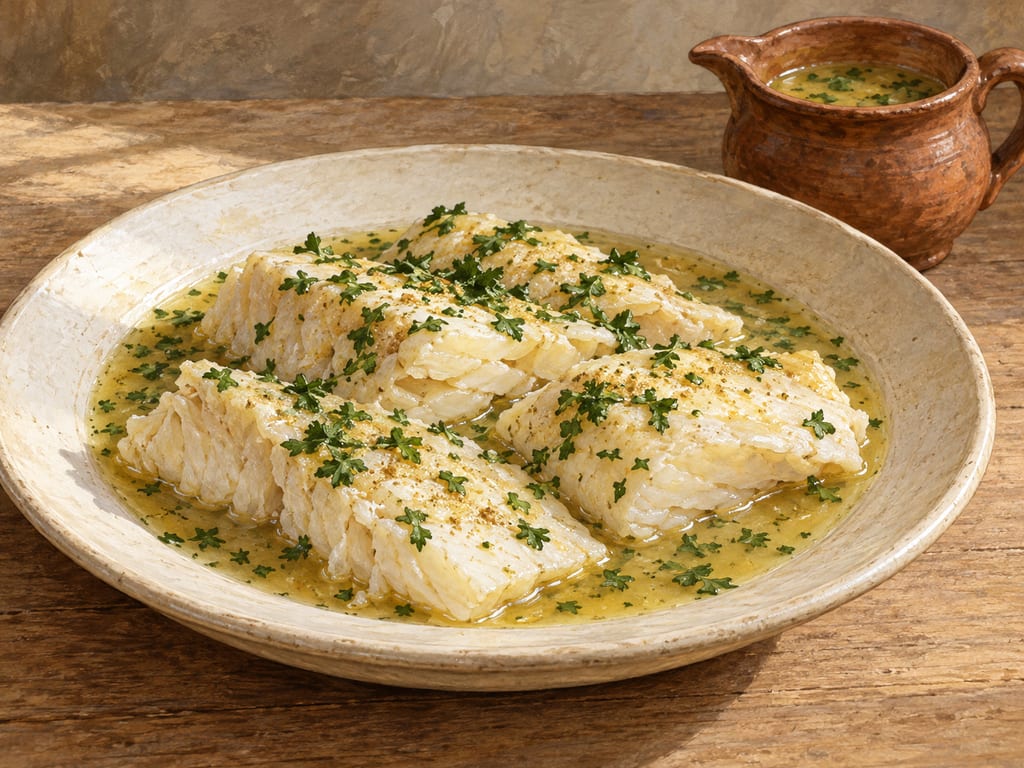
A fifteenth-century English way to serve cooked stockfish: strained fish broth boiled with chopped parsley, powdered ginger and a little verjuice, then poured hot over the fish.
Alfred Enderby’s chowder combines smoked haddock with potato, sweetcorn and spinach in a milk-and-stock broth.
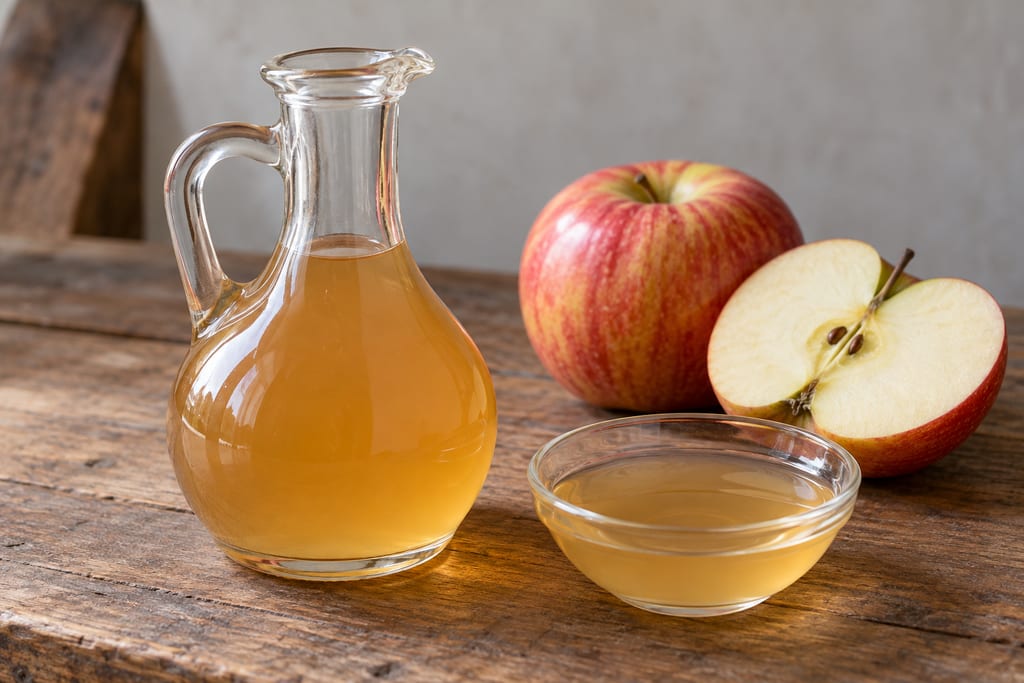
Cider vinegar is made when acetic-acid bacteria use oxygen to turn the alcohol in dry apple cider into acetic acid. This historical cask method begins with fermented cider and differs from apple-scrap vinegar made with sugar and water.
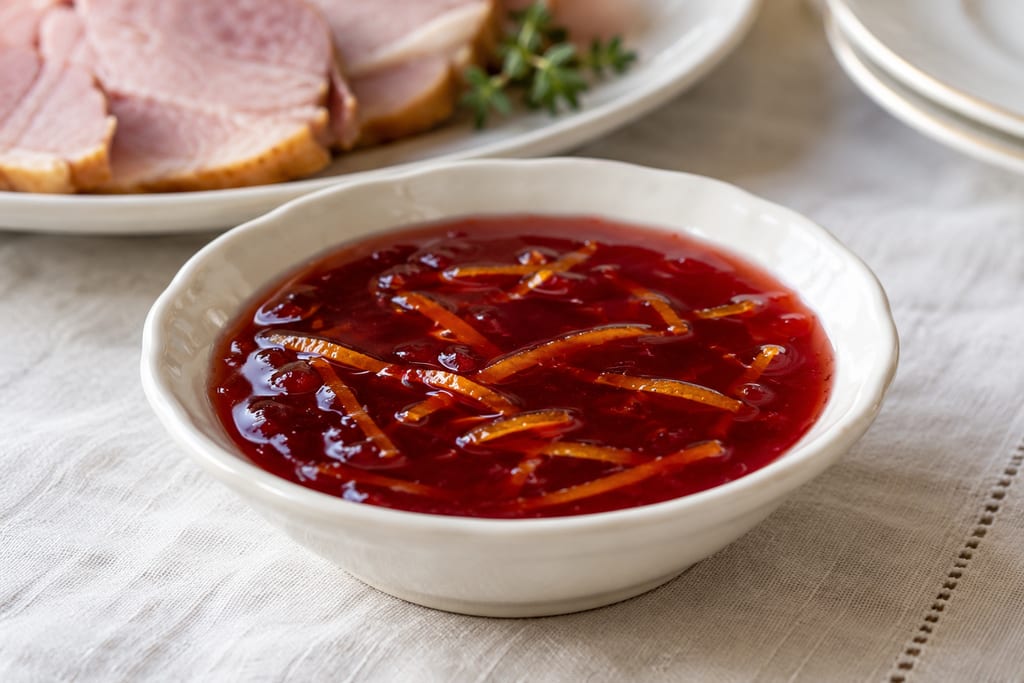
Cumberland sauce is a British condiment of redcurrant jelly, mustard, blanched orange peel and port, traditionally served cold with ham, game and cold meats.

King Arthur’s six-piece English muffin batch uses a yeast preferment, two folds and a skillet or electric griddle; it is distinct from the sourdough-and-yeast version already catalogued.
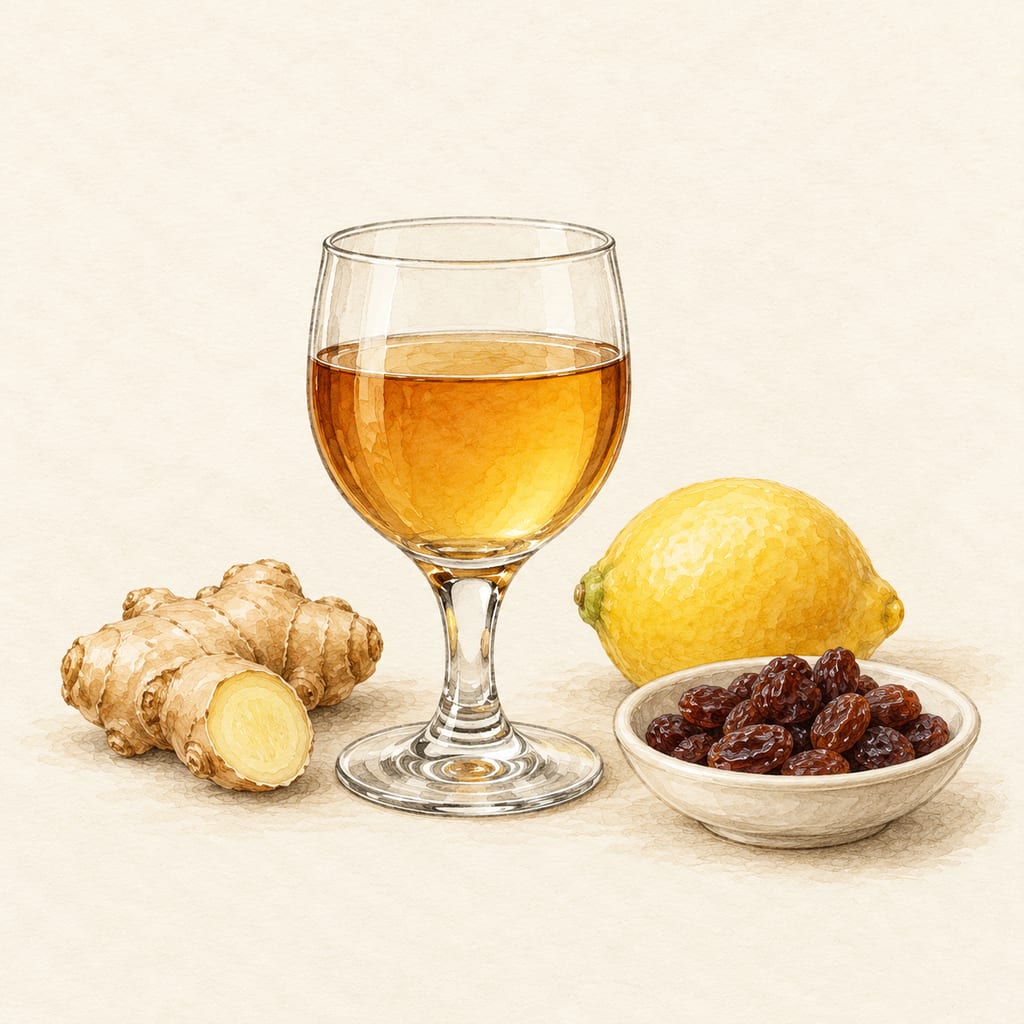
A Victorian household wine of boiled sugar, lemon and bruised ginger, worked on raisins in a cask for a fortnight and finished with brandy, made nine gallons at a time.
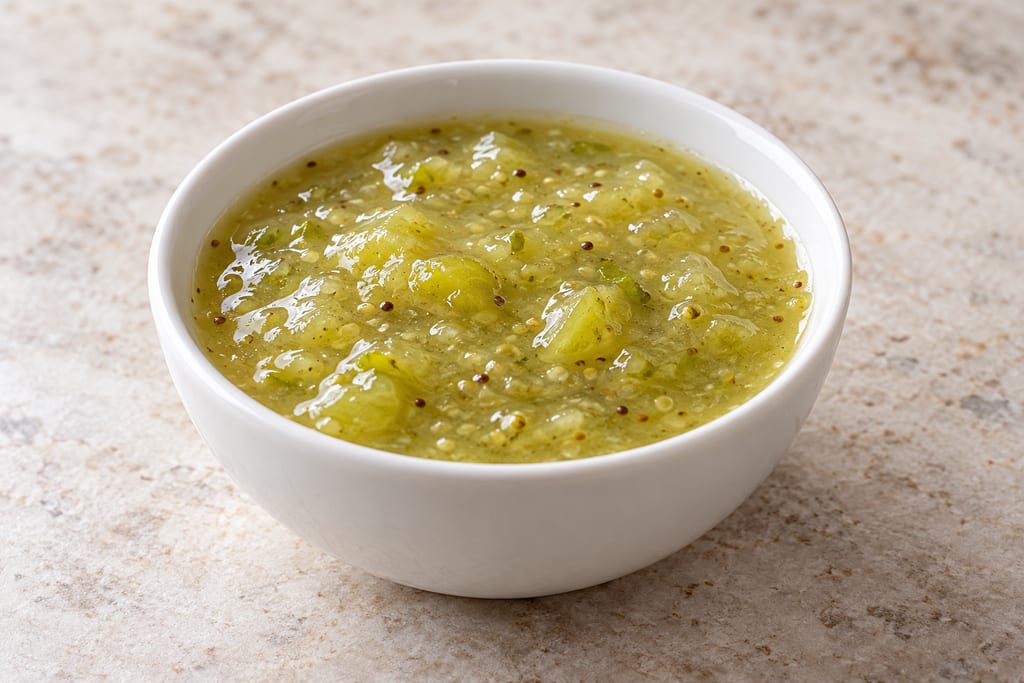
Gooseberry sauce is a soft, tart sauce of cooked green gooseberries, sharpened with wine or vinegar and lightly sweetened, traditionally served with mackerel.
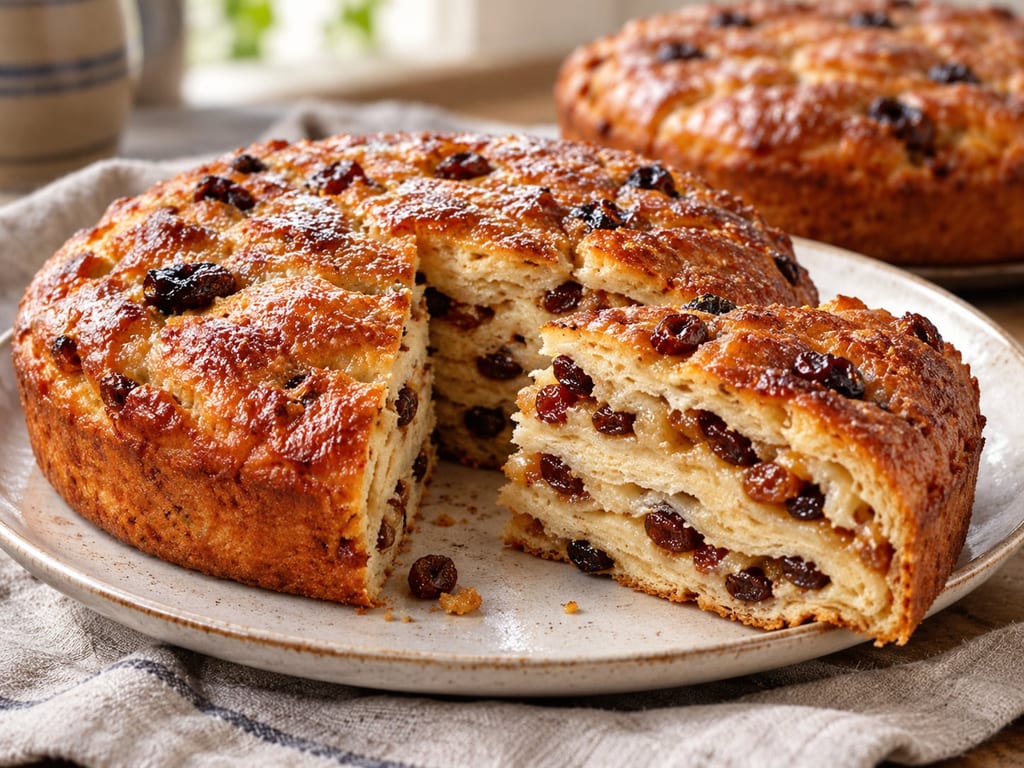
A yeast dough is folded around sweetened lard and dried fruit, then baked in tins until the bottom caramelizes.
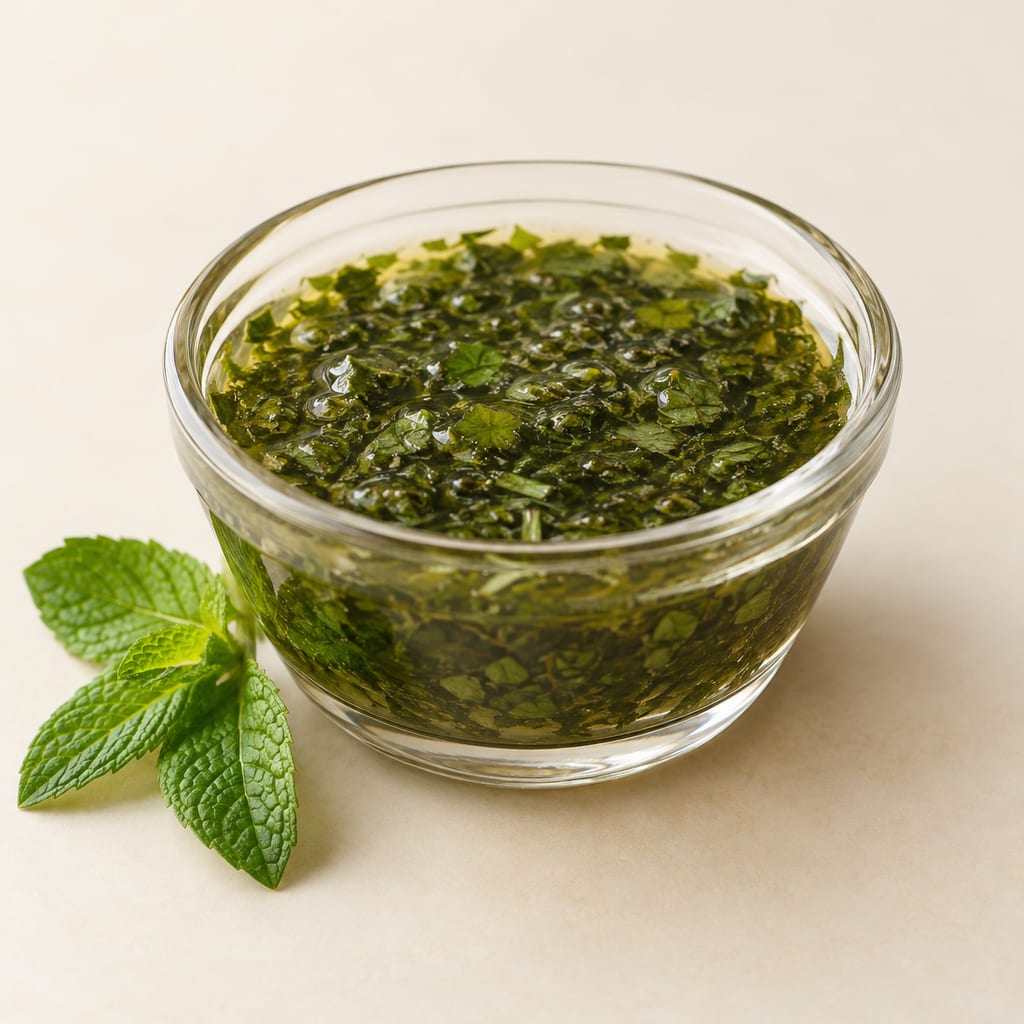
Finely chopped fresh mint steeped in a sweet and sharp liquid of white wine vinegar, sugar and water, the sauce traditionally served with roast lamb in Britain.

Jamaica's best-known dish: salt-cured cod desalted and flaked, then folded through ackee arils with onion, tomato, sweet pepper, thyme and Scotch bonnet.
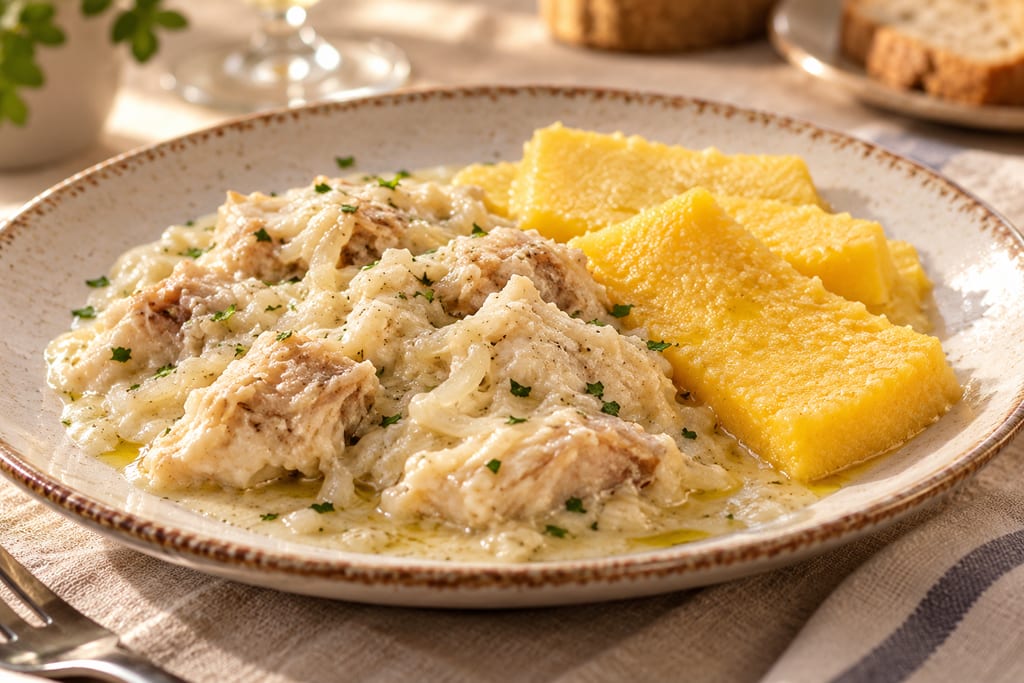
Stockfish from Vicenza, left barely bubbling for hours with onion, preserved anchovy, olive oil, milk and a little cheese until it is tender under a dense pale sauce, and eaten with polenta.
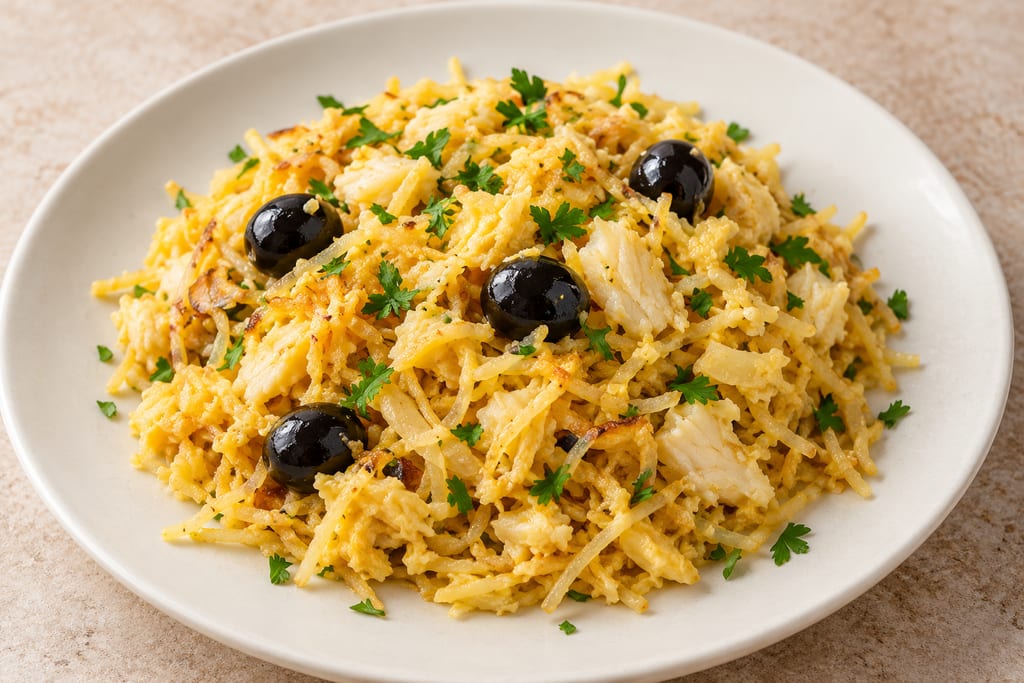
Lisbon's salt cod dish: shredded desalted cod and fine fried potato matchsticks folded through softened onion and bound with beaten egg, finished with parsley and black olives.
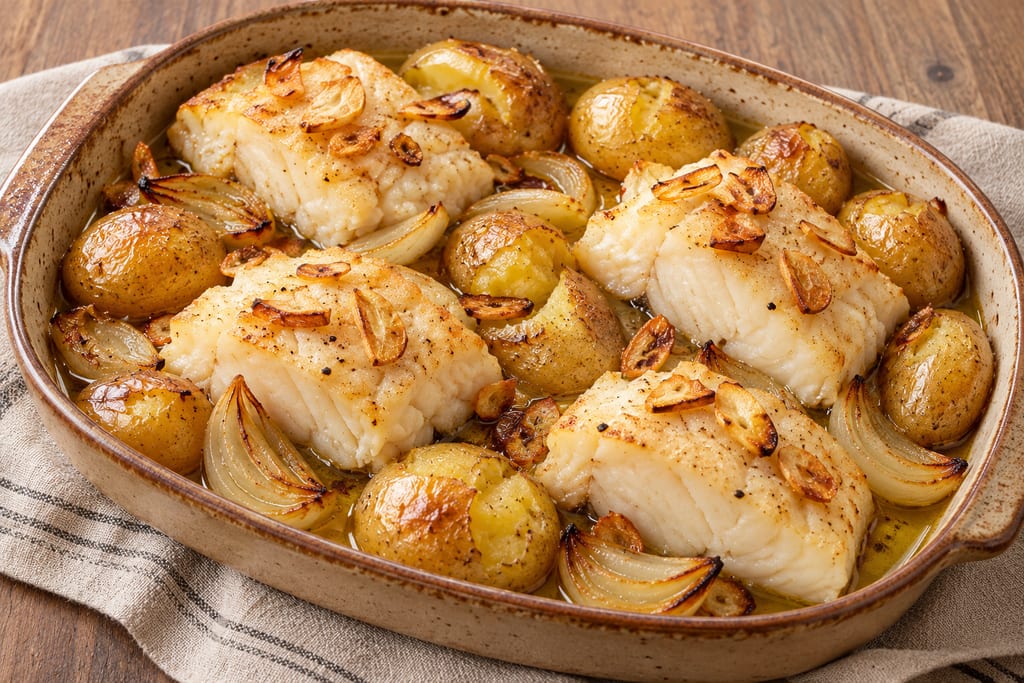
Thick pieces of desalted salt cod roasted in olive oil with garlic and onion, served with small potatoes cooked and then crushed until their skins split.
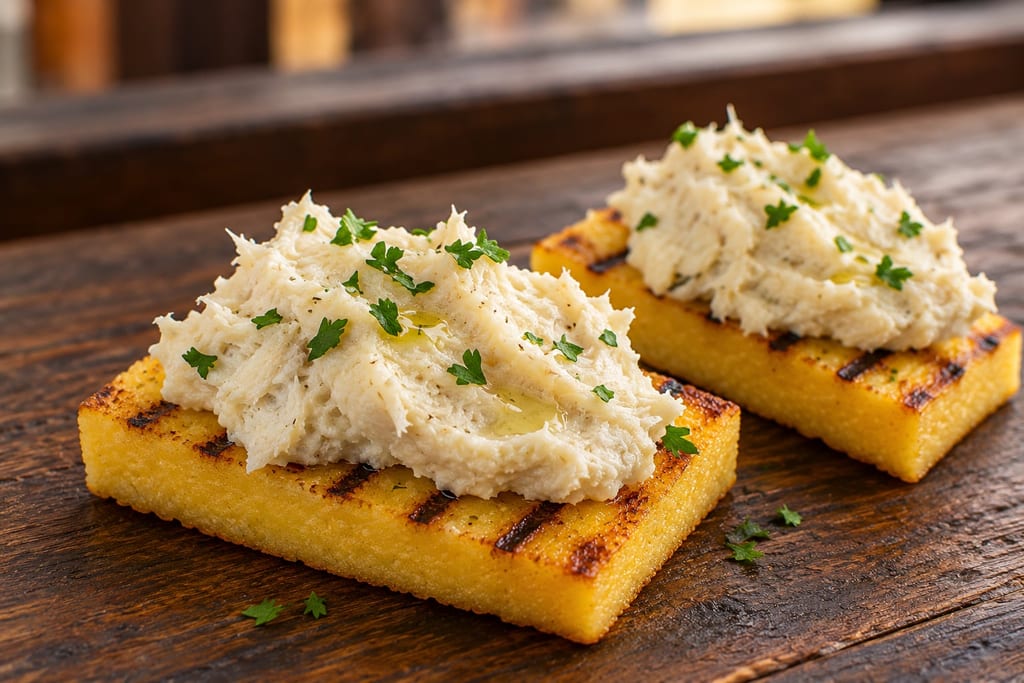
A Venetian cicchetto of cooked unsalted stockfish beaten with oil until it turns into a pale, aerated cream, spooned onto grilled polenta in the city's wine bars.
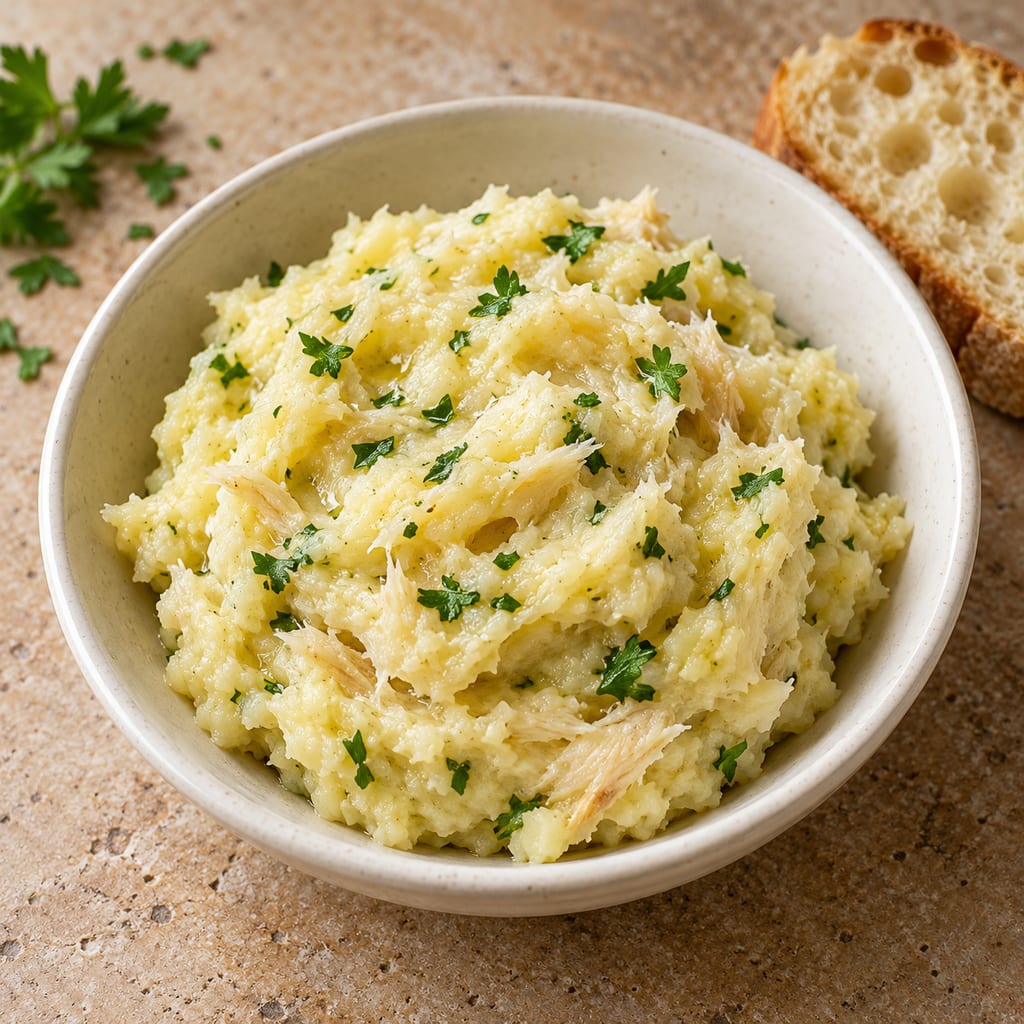
An Istrian festive spread of cooked stockfish beaten with olive oil and garlic until pale and cohesive, here bulked out with hand-mashed floury potato.
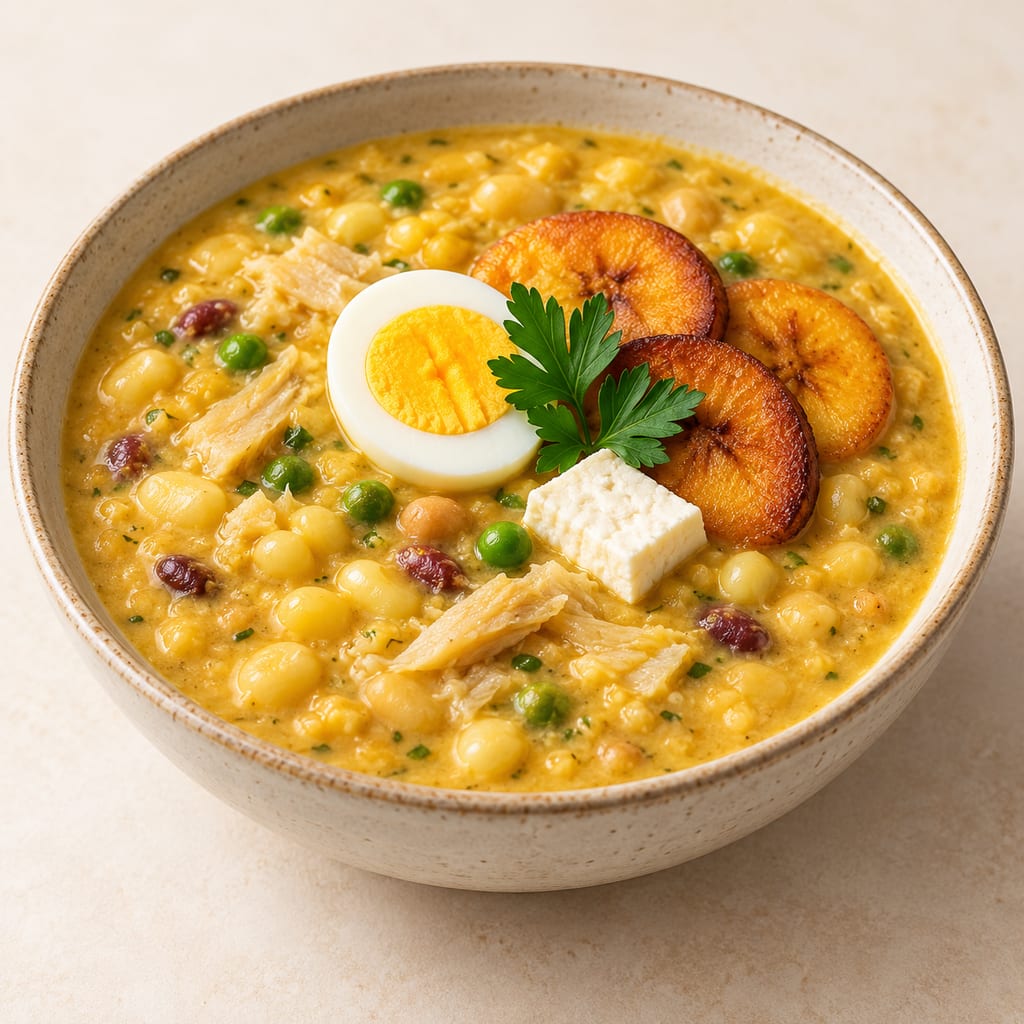
Ecuadorian Holy Week soup of tender grains and pulses, squash, milk and salted fish, thickened with peanut paste and served with contrasting garnishes.
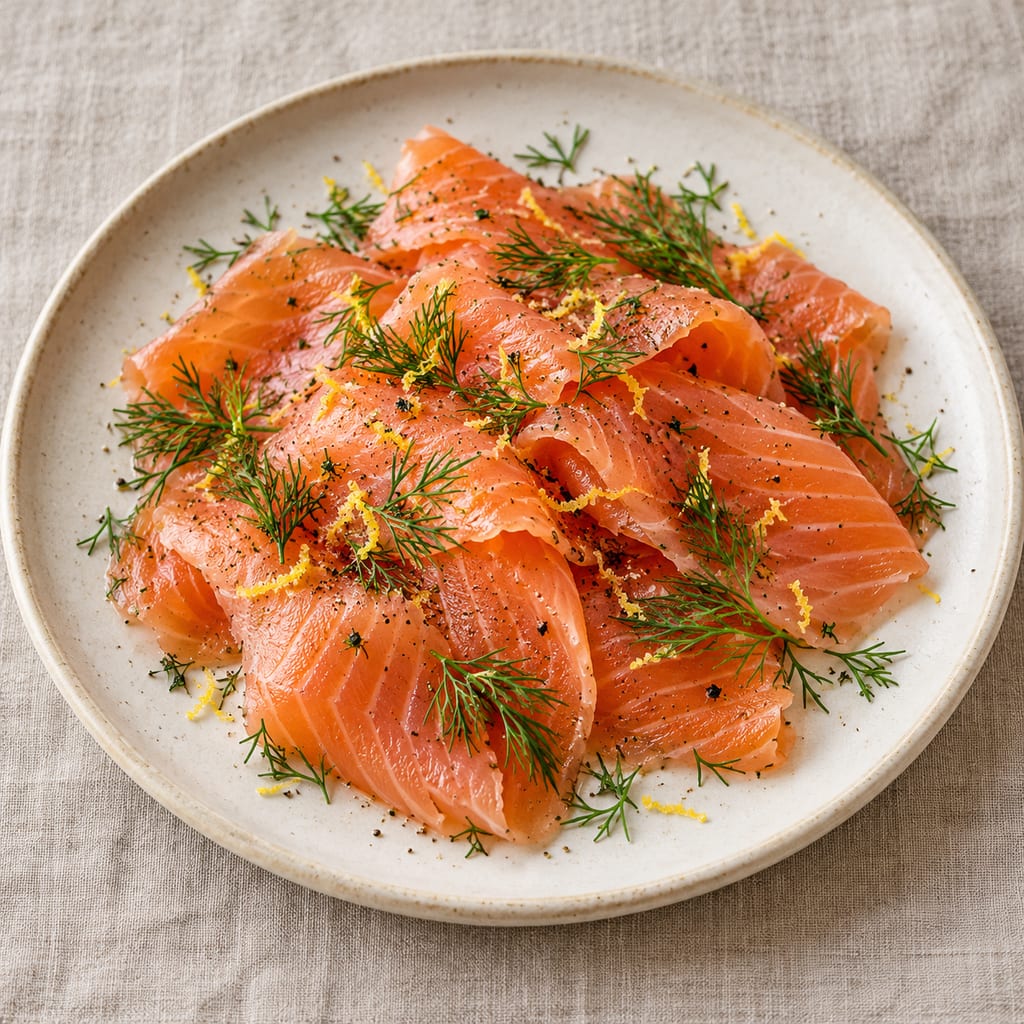
Salmon is cured with salt, sugar, pepper, dill and lemon zest under refrigeration.

Protected Italian vinegar made only from cooked grape must, fermented and aged in a battery of wooden barrels for at least 12 years: sweet, sharp and syrupy.

Airag is Mongolia’s fermented mare’s-milk drink, traditionally churned with saved starter in a reusable cowhide khokhuur.

Appam, or hoppers, are South Indian and Sri Lankan rice pancakes made from a fermented coconut-and-rice batter and cooked in a curved pan to a crisp lacy rim and a soft, spongy centre.
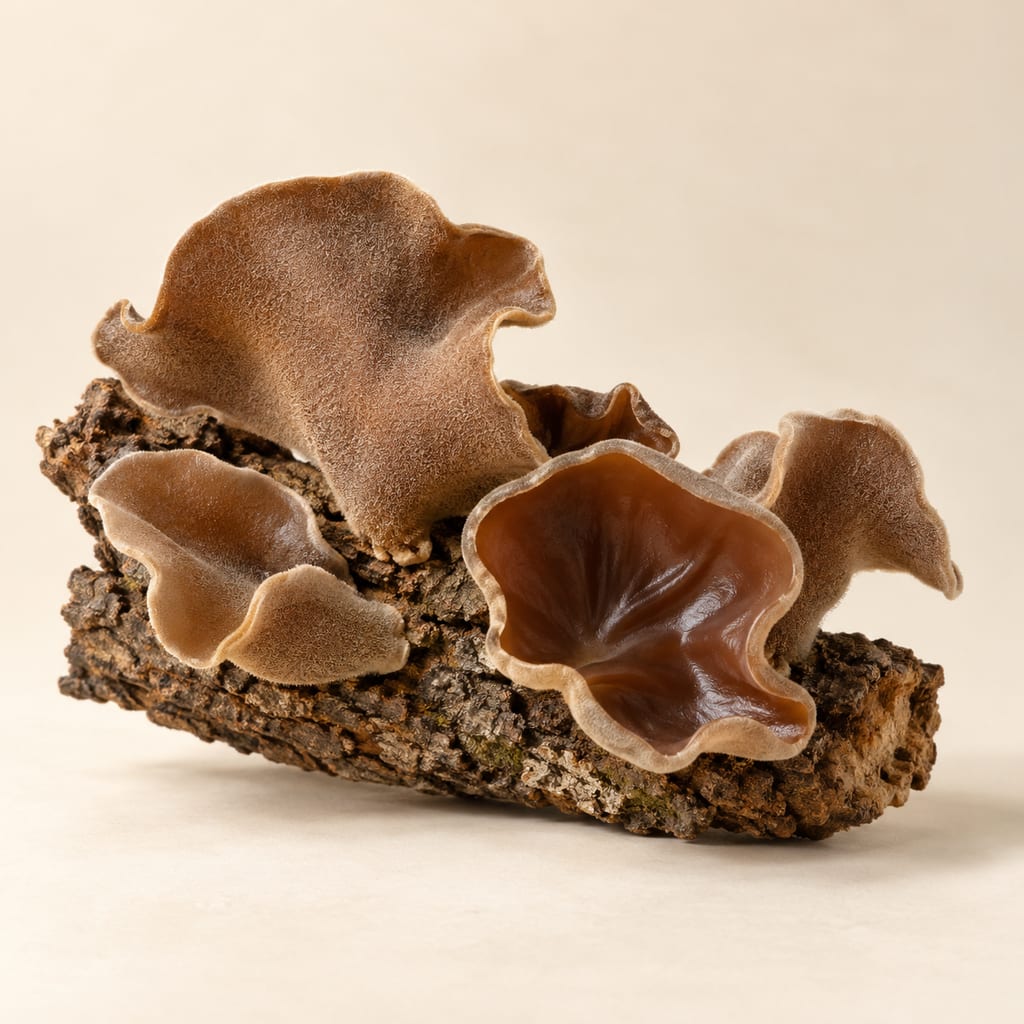
Auricularia tremellosa is a wood ear fungus of the genus that supplies most dried wood ear sold in China; its own food record is thin, and the culinary practice described here comes from the closely related wood ear species.

Ayran is Turkey’s cold, savoury yogurt drink: plain yogurt is loosened with water and lightly salted, then whisked smooth or aerated into a soft cap of foam.
A thin stone griddle used over an open hearth. Norwegian archaeology documents the established tradition from the early Middle Ages; a Viking-period origin is only a cautious suggestion linked to Shetland.

Crushed or milled barley cooked in water until the starch softens and the mixture thickens, the plainest way a northern household turned stored grain into a meal, here with apple and hazelnut.

Black carrot is the anthocyanin-pigmented Eastern carrot (Daucus carota var. atrorubens), the purple root that preceded orange types and still colours kanji and şalgam.
No community contributions have been published for this entry yet.
Sign in to contribute. Published comments and photos are free to read.
Internet ArchiveHistory · Method
Thomas Austin, Two Fifteenth-Century Cookery-Books, page 109The second stockfish sauce recorded on page 109 of the 1888 edition, headed as a sauce for stockfish in another manner, from Ashmole MS 1439.
The instruction to take walnut kernels, garlic cloves, pepper, bread and salt, place them in a mortar and grind them finely, then temper or loosen the paste with the same broth in which the fish was boiled, and serve it with the fish.
Three secure historical elements: walnuts and garlic as the principal flavouring, bread as part of the sauce rather than something served alongside, and fish cooking broth used to adjust the consistency.
The original text gives no exact quantities, no nut-to-bread ratio, no heating temperature and no resting time, and mentions no mayonnaise, cream, olive oil or lemon juice.
The neighbouring stockfish sauce on the same page uses parsley, ginger, verjuice and a separately prepared fish broth, a completely different structural principle.
Cited in: A medieval fish sauce made with nuts and bread; Historical name and terminology; What the manuscript actually says; The role of walnuts; The role of garlic; Why bread thickens the sauce; Recipe: walnut and garlic sauce for stockfish; Method; The texture of the finished sauce; Medieval sauce-making and modern interpretation; Comparisons and variations; Recognizing problems; Safety and allergens
A Boke of Gode CookeryHistory · Method
A Boke of Gode Cookery — Sauce for Stokfysshe, original transcription and modern interpretationAn original transcription of the sauce for stockfish alongside a modern interpretation, used here to confirm the reading of the manuscript instruction and the mortar method rather than to supply quantities.
Cited in: Historical name and terminology; What the manuscript actually says; Recipe: walnut and garlic sauce for stockfish; Method; Medieval sauce-making and modern interpretation
WorldCatHistory
WorldCat — Bibliographic record of Austin's editionThe bibliographic record of Austin's 1888 edition of fifteenth-century cookery texts, which fixes the printed edition behind the transcription.
Cited in: The culinary setting
Cambridge University PressHistory
Cambridge University Press — Medieval stockfish tradeThe medieval stockfish trade and its distribution to consumers: an imported preserved product moving through established northern European networks, relevant to the eating of fish during religious fasts and other meat-restricted occasions.
Cited in: The culinary setting
FoodSafety.govSafety
FoodSafety.gov — Safe cooking temperaturesThe published safe minimum internal temperature for fish, 63°C, a modern endpoint not present in the manuscript.
Cited in: Safety and allergens