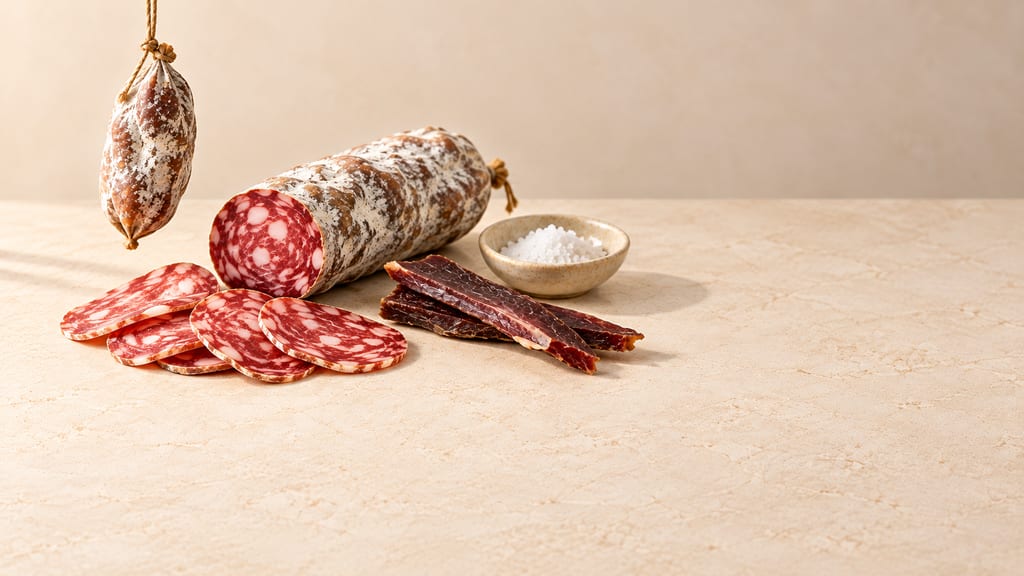
Fermented meat around the world
Dry salami, sour pork with rice, matured sheep and aged blubber follow different paths from animal to food. Their stories connect microbes with climate, slaughter, migration and the meals people share.
 FermenteaWhere food goes to change
Salmon is cured with salt, sugar, pepper, dill and lemon zest under refrigeration.
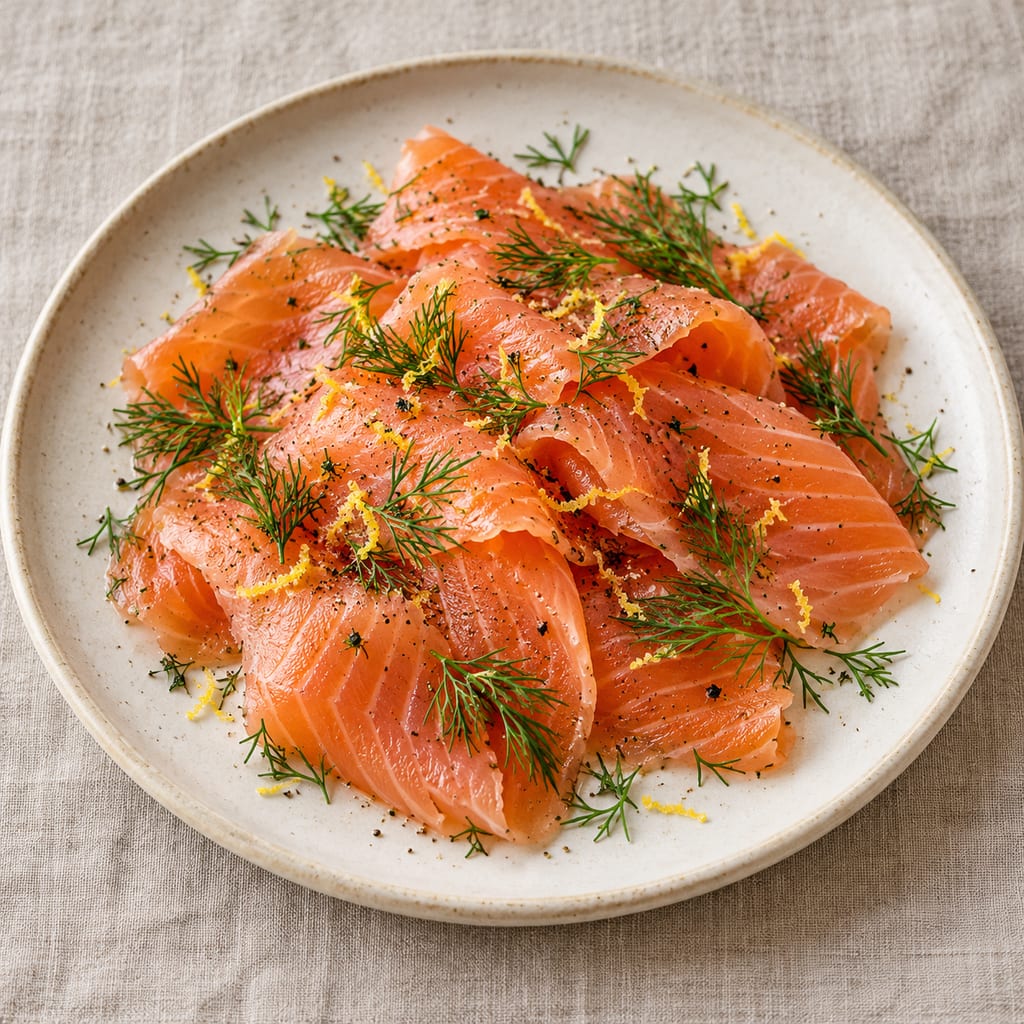
Gravad lax, or gravlax, is raw salmon cured for one to two days under a weighted layer of salt, sugar, pepper and dill. The fish is sliced thinly and served cold, often with a mustard or dill sauce and rye bread. The result is firm, glossy and savoury, with a sweetness from the sugar that softens the salt.
The name is Swedish and refers to fish buried or weighted to cure in the ground. The recipe here is a modern home version. The source does not assert a date of origin, so the page does not give one.
Salt and sugar draw water out of the flesh and dissolve into the juice that forms, so the fish firms and its flavour concentrates. The fish is turned during the cure so the dressing reaches every surface, and the weight keeps the flesh in contact with it. Because the fish is not cooked, the cure changes its texture but does not make the salmon safe by itself.
The method gives one to two days in the refrigerator with turning. Dill and lemon zest add aroma and do not change the process.
Raw fish carries hazards that a short salt-and-sugar cure does not remove. The FAO code of practice for fish and fishery products and the UK risk assessment for Listeria monocytogenes both treat chilled, cured fish as a category that needs control. Freezing advice in the source gives no temperature, so the page does not assume a household freezing schedule is sufficient.
Validated storage duration is absent from the sources. The practical rule they support is to use fish suitable for raw eating, keep it cold throughout, and serve it promptly rather than store it for an extended period.
Modern recipe source associates the preparation with Sweden; no origin date asserted.
Scaling: source batch only
Gravlax is served uncooked. Parasites may remain unless the fish has received an applicable parasite treatment or a documented exemption applies.
Hazard sourceSalt and sugar curing does not cook salmon or kill all harmful germs. Raw fish can contaminate ready-to-eat foods through hands, utensils or surfaces.
Hazard sourceSalt and sugar do not control every fish hazard.
Hazard sourceBefore raw curing, use supplier-confirmed parasite-treated fish or fish with a documented applicable exemption.
Control sourceKeep seafood refrigerated during handling and curing.
Control sourcePrevent cross-contamination from raw seafood to ready-to-eat foods.
Control sourceThis preparation is not cooked. Salt and sugar curing do not remove every fishborne hazard.
Visit Sweden’s 72-hour freezing advice does not state a temperature; do not use it or an unverified household freezer cycle as evidence of parasite control. The FSA lists gravlax among raw fishery products needing treatment unless a supplier/operator documents an applicable exemption.
No validated storage duration is established for this home-cured raw fish. Keep it refrigerated at or below 4°C, serve chilled promptly and do not infer that slicing or freezing after curing extends safe storage.
FDA guidance advises pregnant people, children, older adults and people with weakened immune systems to avoid raw or undercooked fish.
Separate raw fish and its utensils from ready-to-eat food; wash hands, boards, dishes and surfaces after handling.
The source documents a Swedish-associated home recipe, not a historical birthplace.
Dry salami, sour pork with rice, matured sheep and aged blubber follow different paths from animal to food. Their stories connect microbes with climate, slaughter, migration and the meals people share.
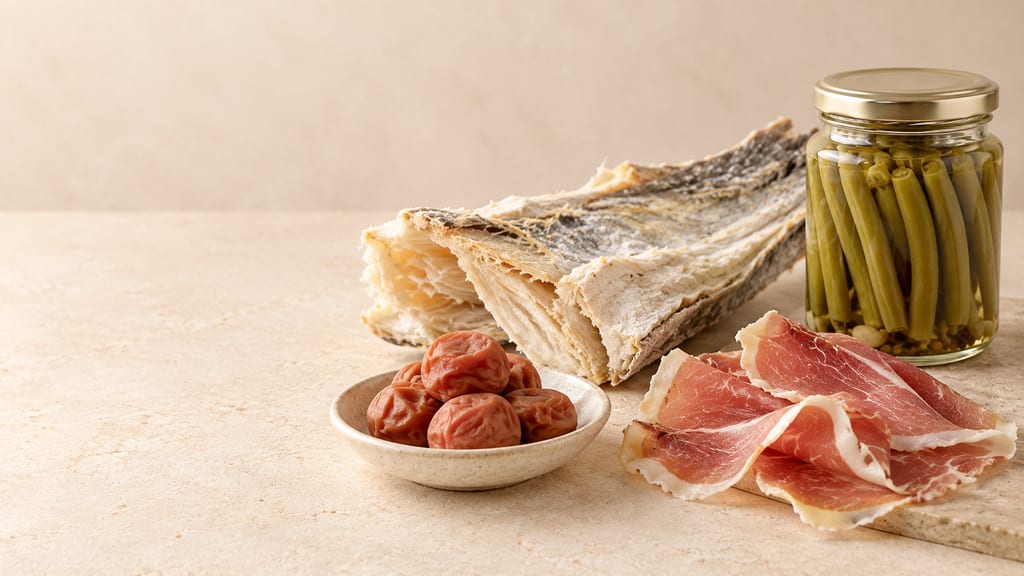
Every preserved food is a stack of barriers against microbes, enzymes, air and time. This is how they work, what a recipe's numbers measure, and how cooks worldwide build them.
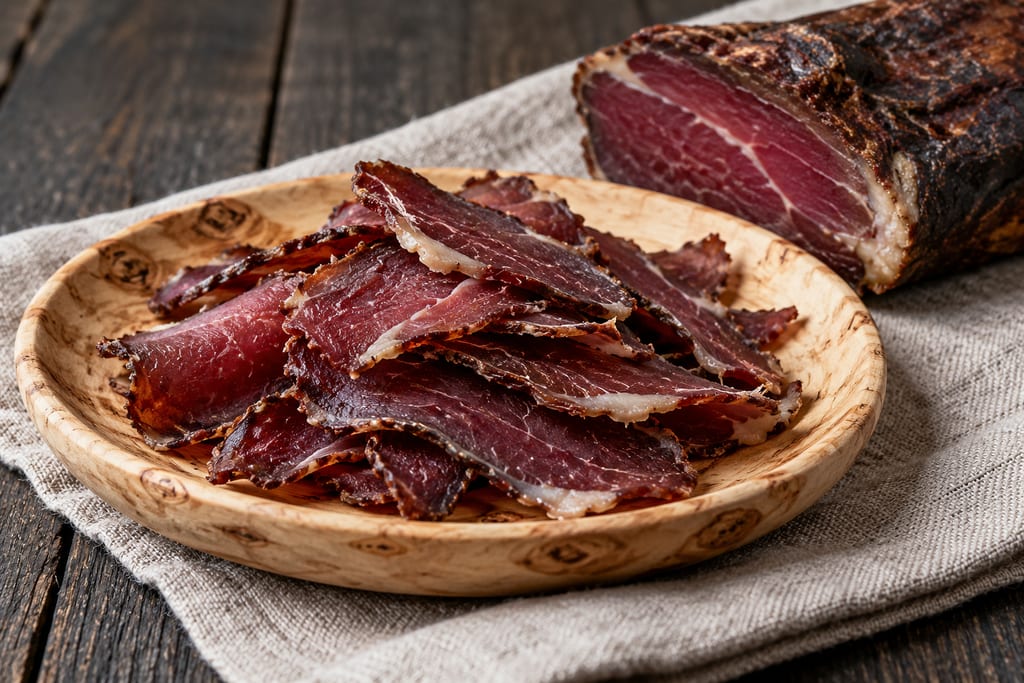
Salted reindeer meat hung in the smoke of a lávvu fire over willow, birch or juniper, then cooled and in some Sámi communities dried outdoors into travelling provisions.
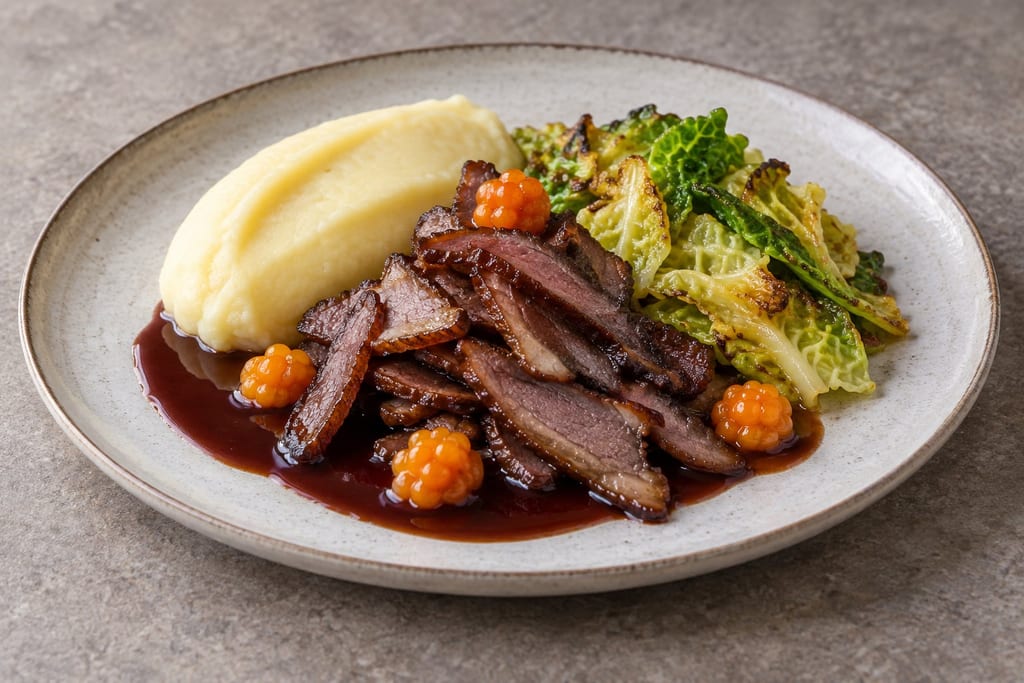
Suovas with almond-potato purée pairs pan-fried reindeer meat with buttered savoy cabbage and a reduced red-wine and reindeer-broth sauce.
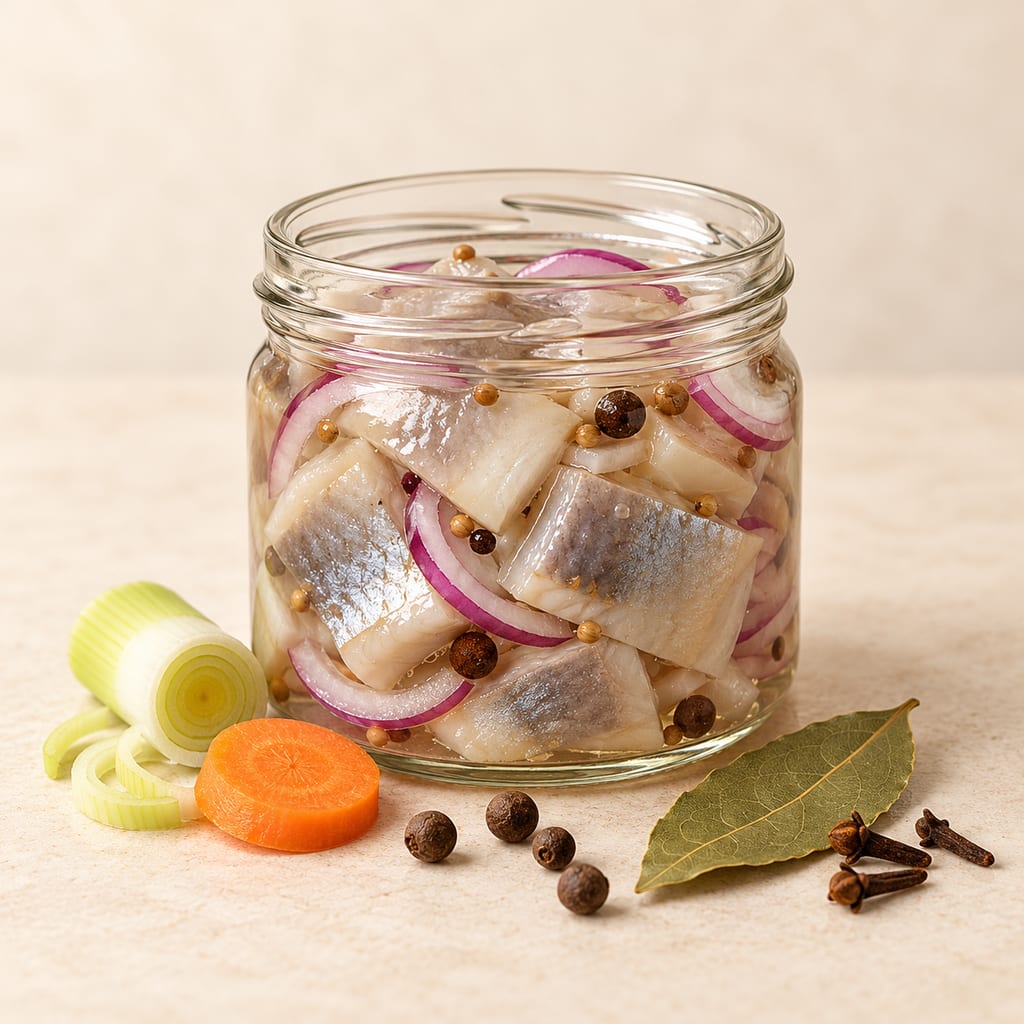
A Swedish ready-to-dress herring preparation: add the classic sliced aromatics and spices to already prepared herring, then serve or chill for fuller flavour.
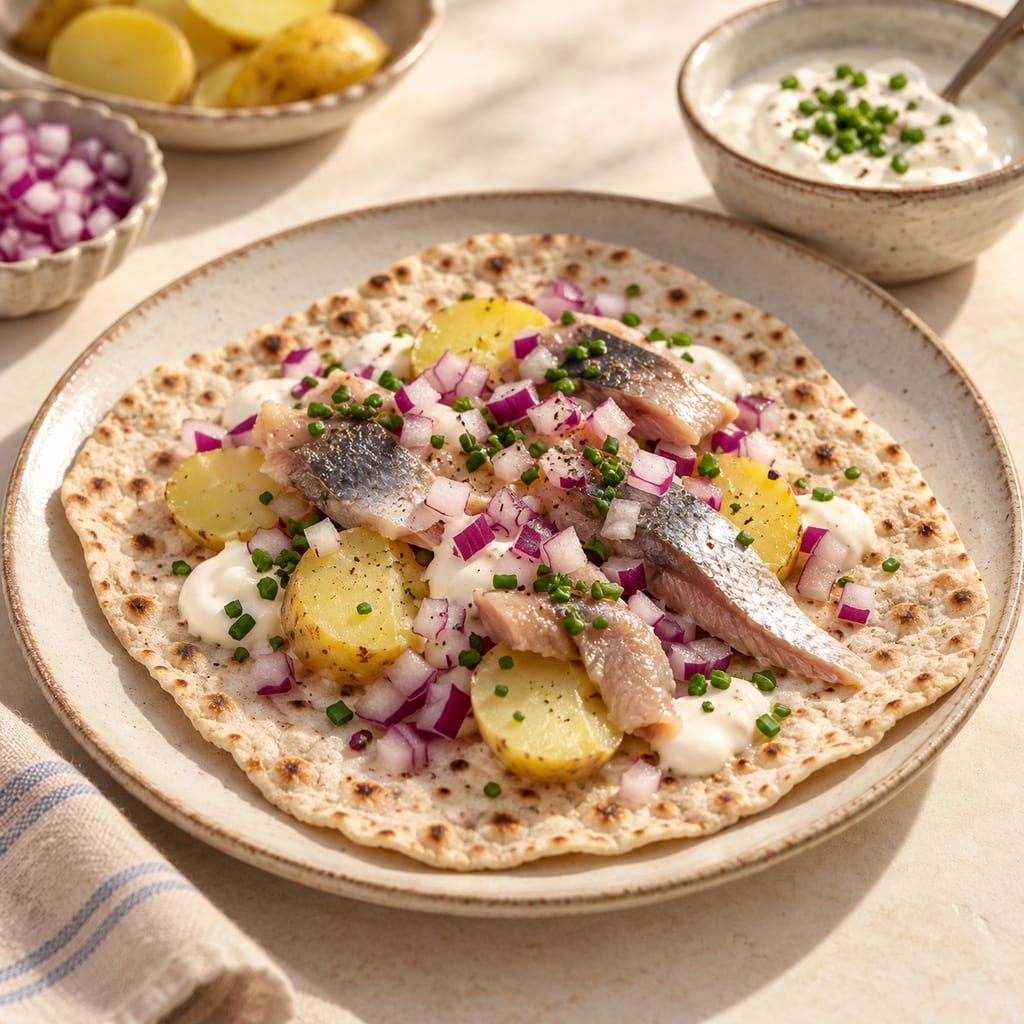
A Swedish late-summer meal of commercially prepared surströmming, tunnbröd, potatoes, onion and cultured cream. This is a serving preparation; the specialist fish fermentation is not made at home here.

A Swedish-style spirit vinegar made by fermenting neutral alcohol with live vinegar bacteria, with a separate guide to commercial ättika strengths.

Crushed or milled barley cooked in water until the starch softens and the mixture thickens, the plainest way a northern household turned stored grain into a meal, here with apple and hazelnut.
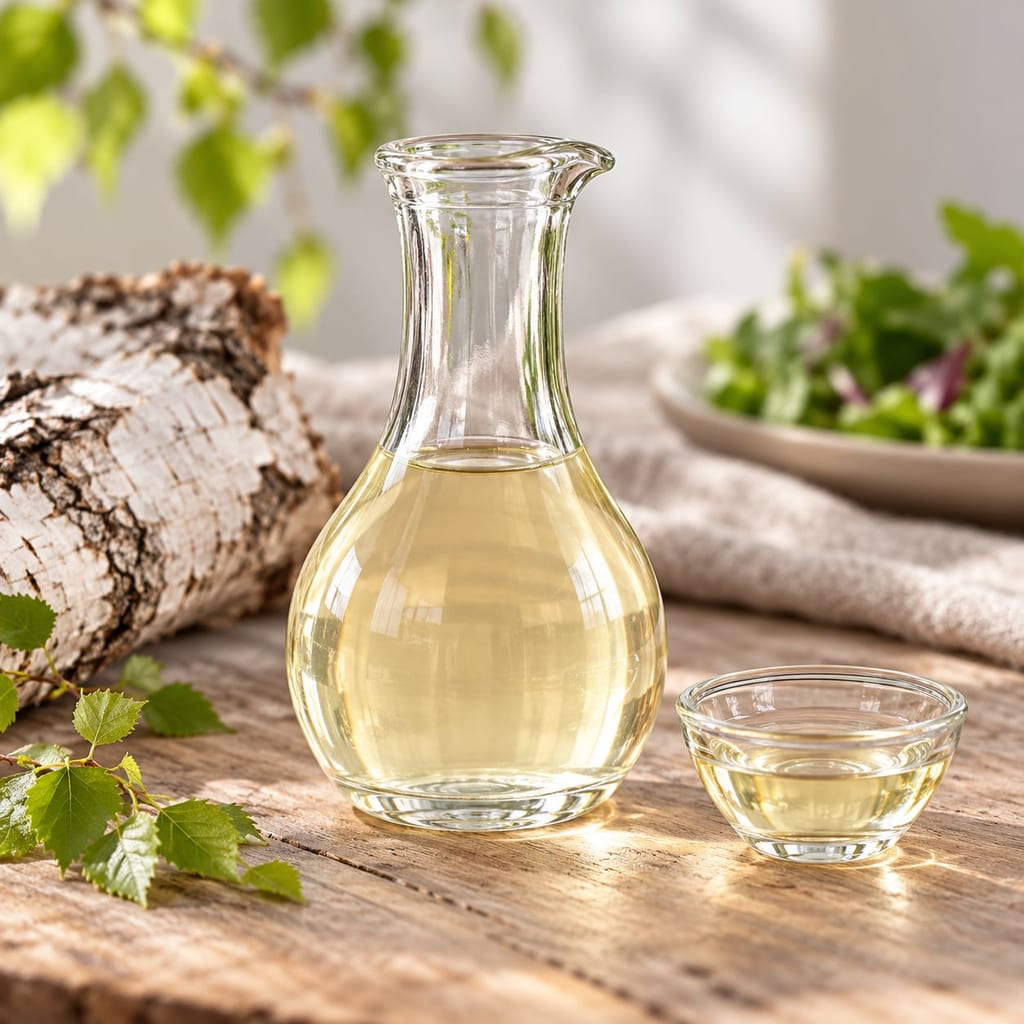
Vinegar from spring birch sap fermented to alcohol and then acetic acid, usually with added sugar or honey because the sap is so dilute; made in Sweden and described in older eastern European accounts.
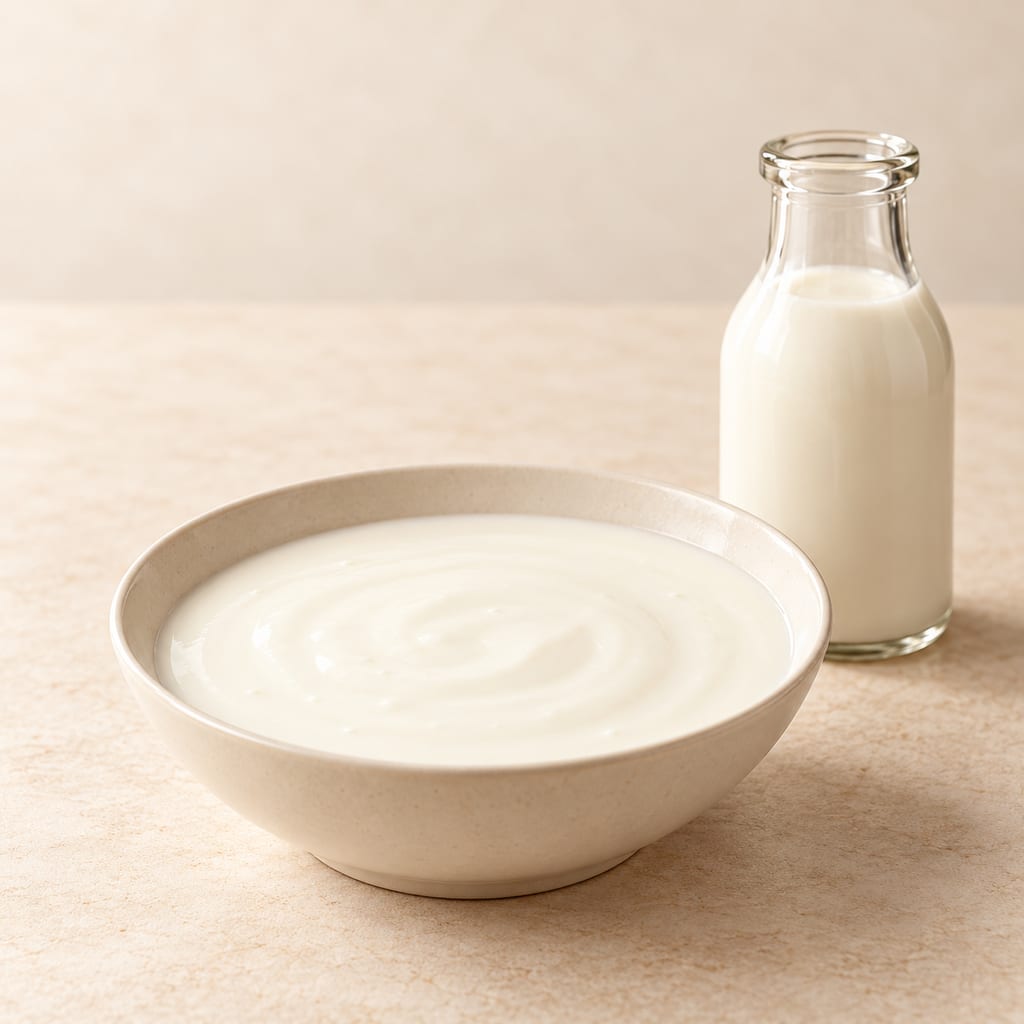
Filmjölk is a Swedish cultured milk with mild acidity and a spoonable body. This recurring batch uses filmjölk from the previous batch to culture fresh milk.
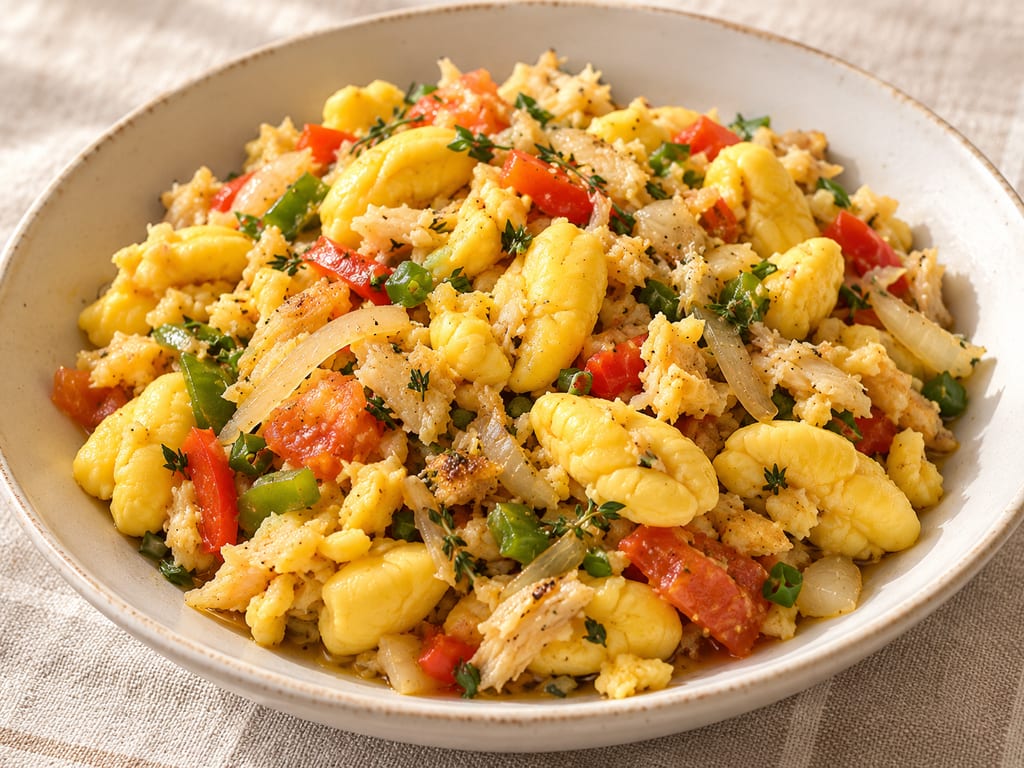
Jamaica's best-known dish: salt-cured cod desalted and flaked, then folded through ackee arils with onion, tomato, sweet pepper, thyme and Scotch bonnet.
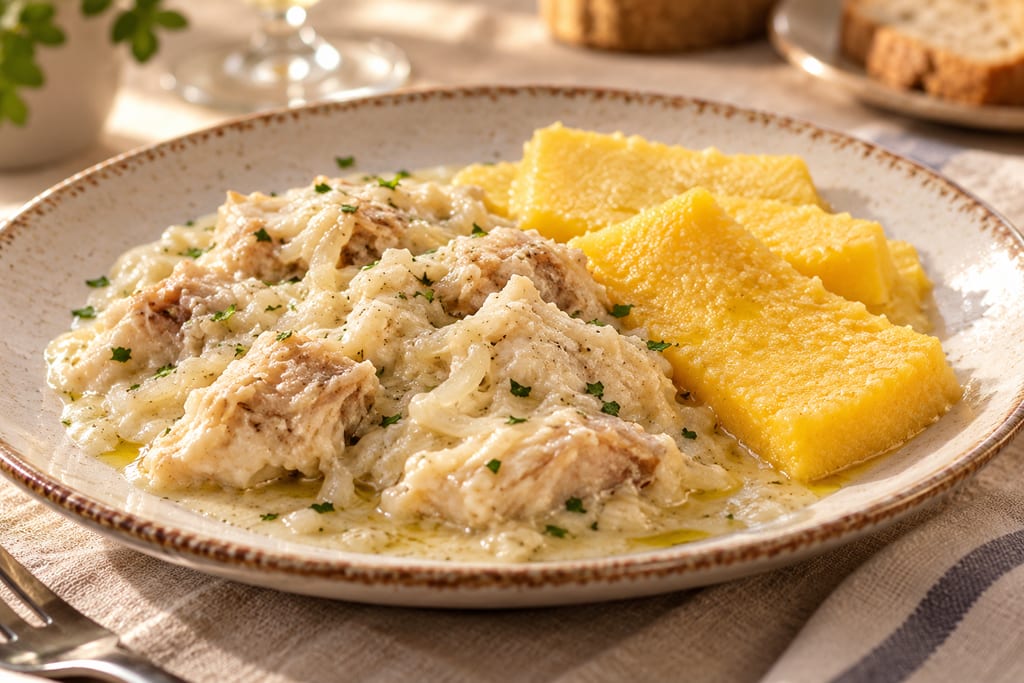
Stockfish from Vicenza, left barely bubbling for hours with onion, preserved anchovy, olive oil, milk and a little cheese until it is tender under a dense pale sauce, and eaten with polenta.
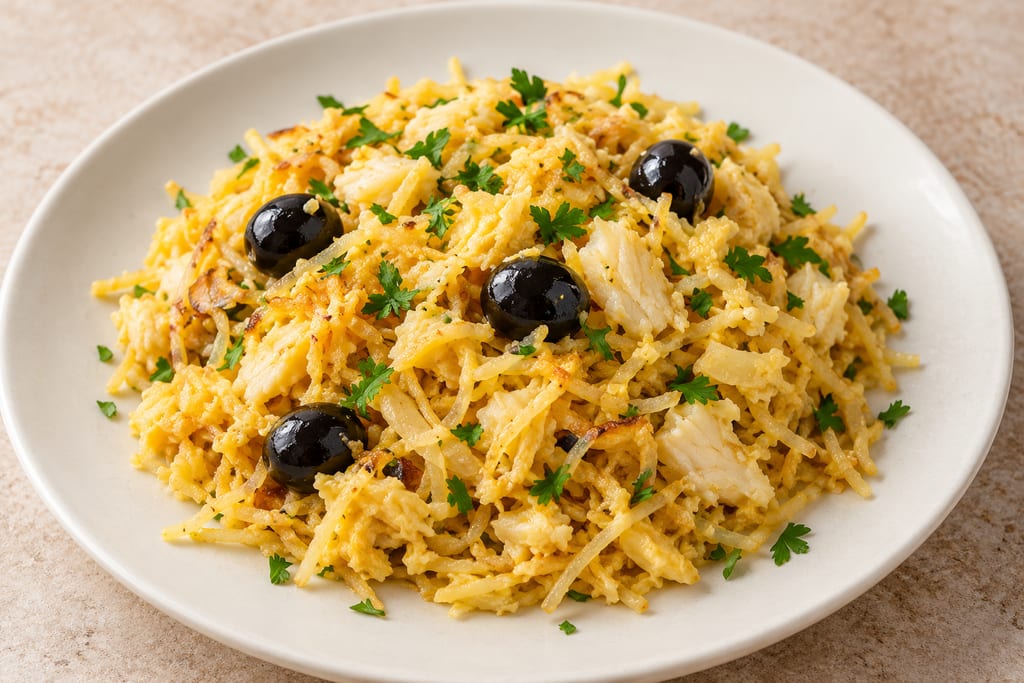
Lisbon's salt cod dish: shredded desalted cod and fine fried potato matchsticks folded through softened onion and bound with beaten egg, finished with parsley and black olives.
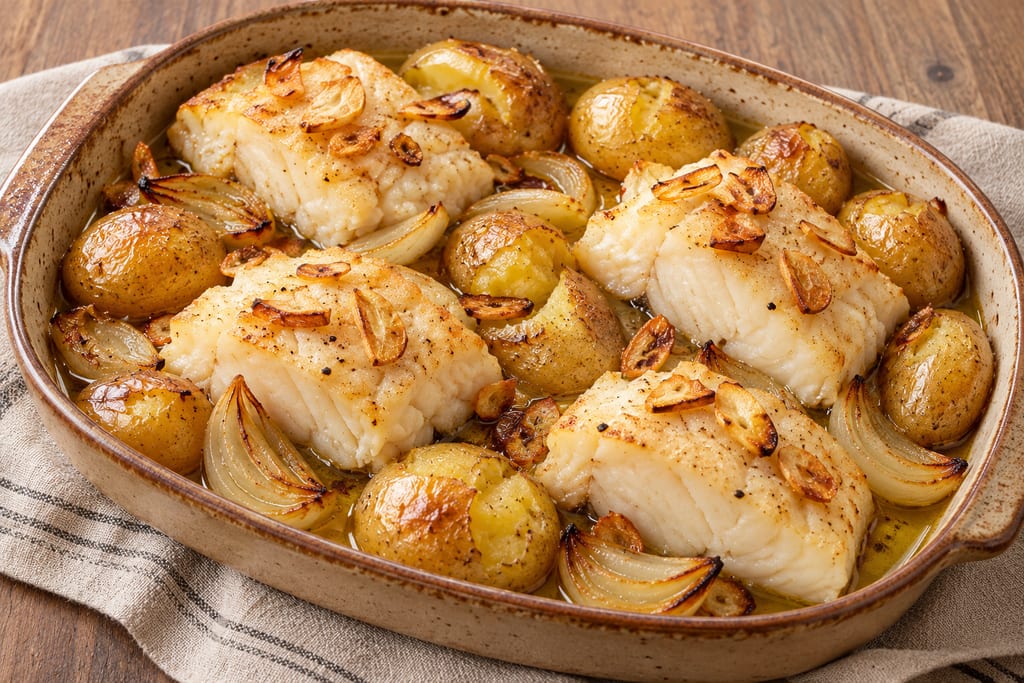
Thick pieces of desalted salt cod roasted in olive oil with garlic and onion, served with small potatoes cooked and then crushed until their skins split.
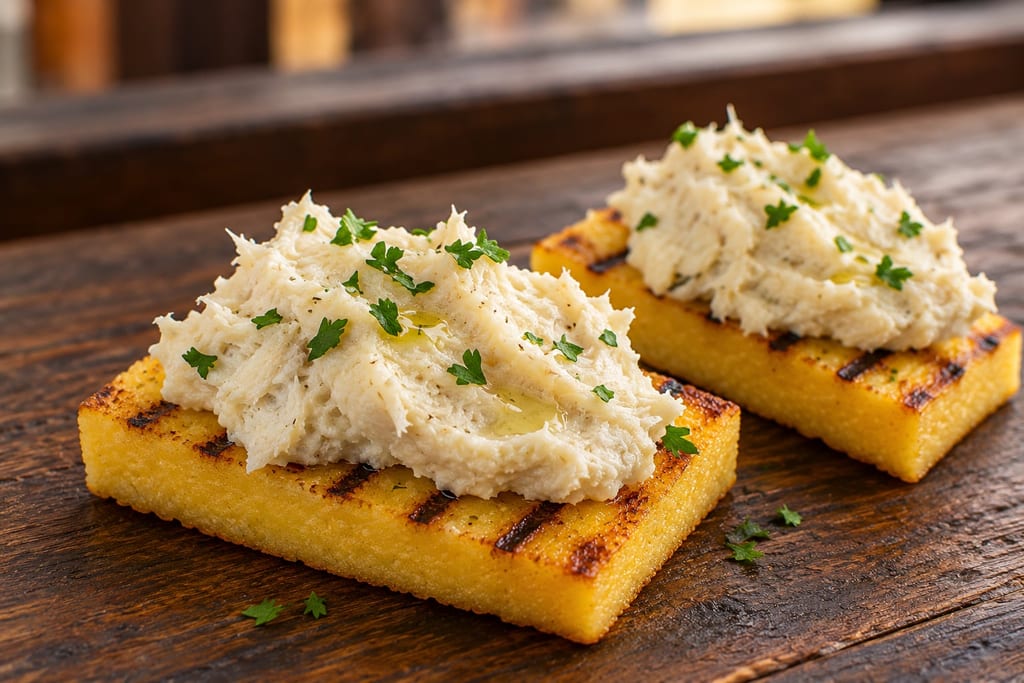
A Venetian cicchetto of cooked unsalted stockfish beaten with oil until it turns into a pale, aerated cream, spooned onto grilled polenta in the city's wine bars.
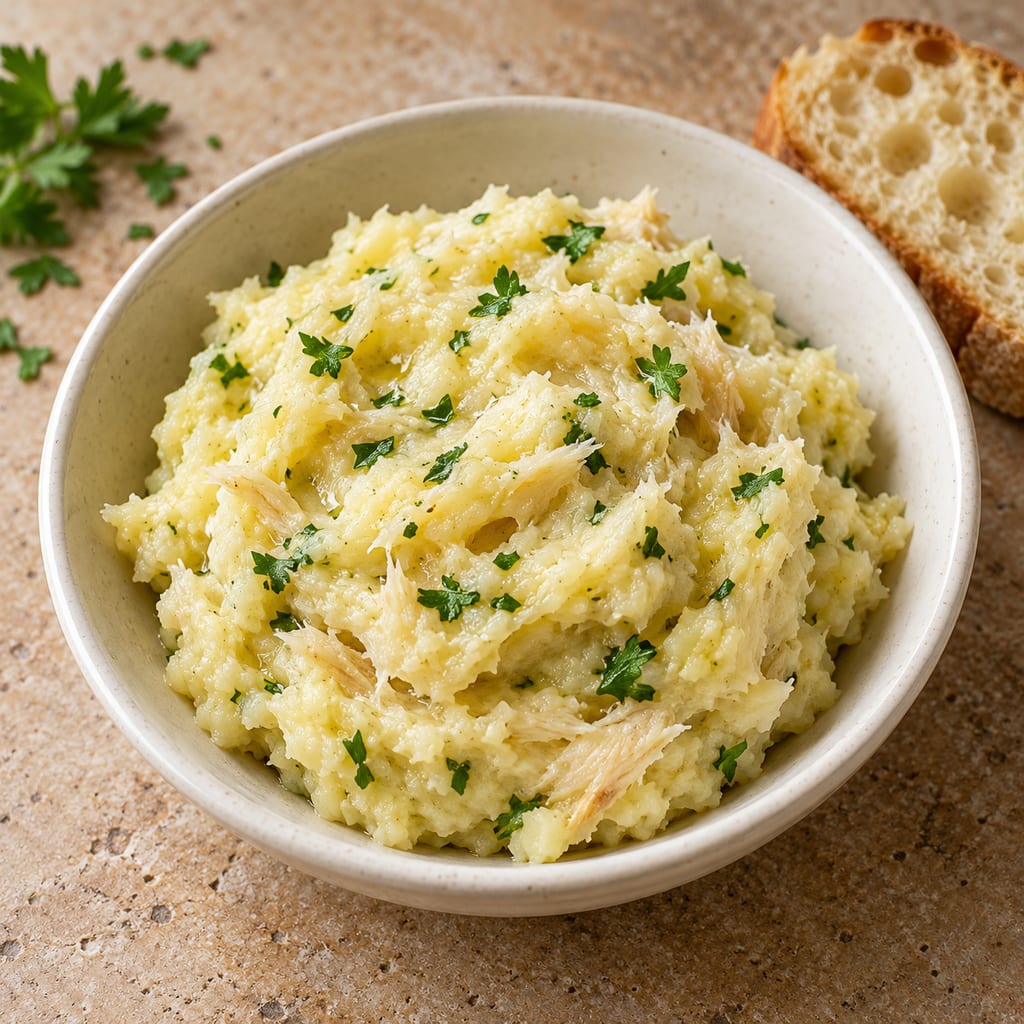
An Istrian festive spread of cooked stockfish beaten with olive oil and garlic until pale and cohesive, here bulked out with hand-mashed floury potato.
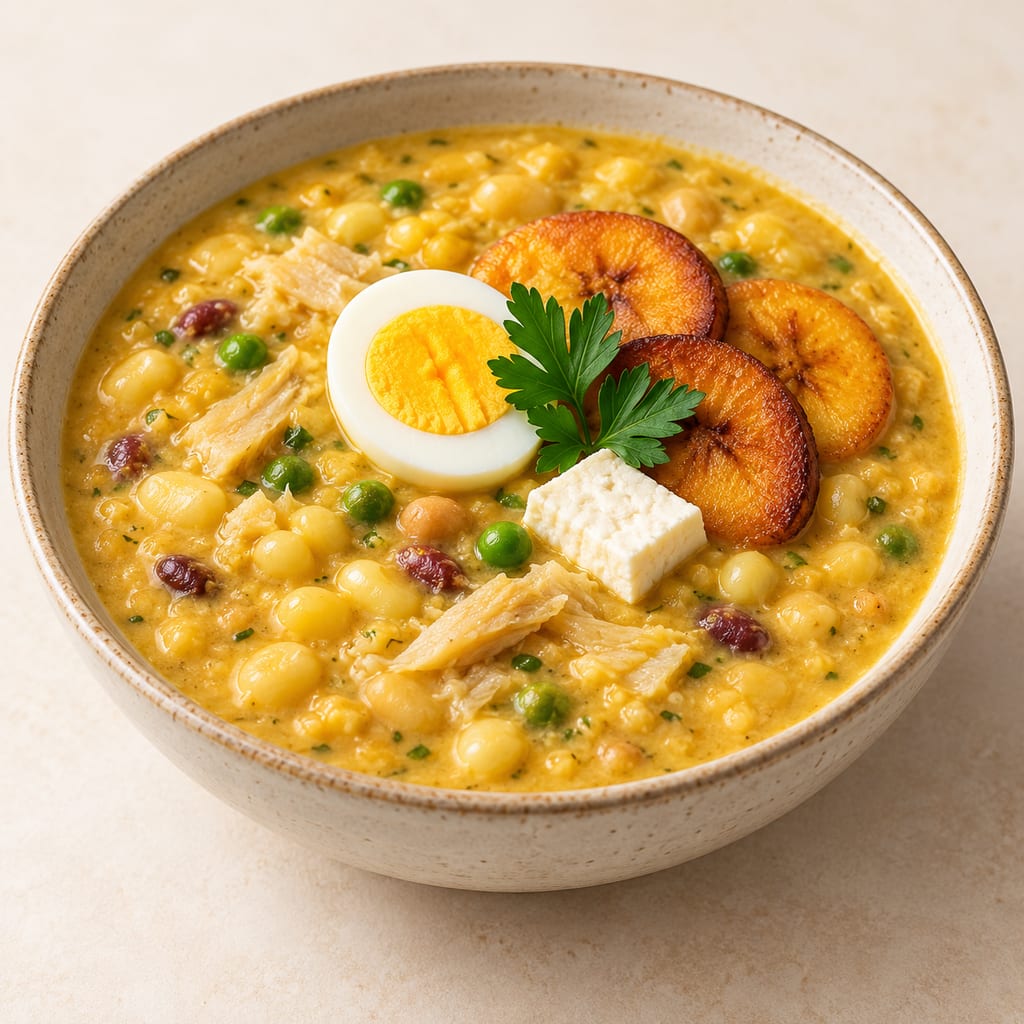
Ecuadorian Holy Week soup of tender grains and pulses, squash, milk and salted fish, thickened with peanut paste and served with contrasting garnishes.
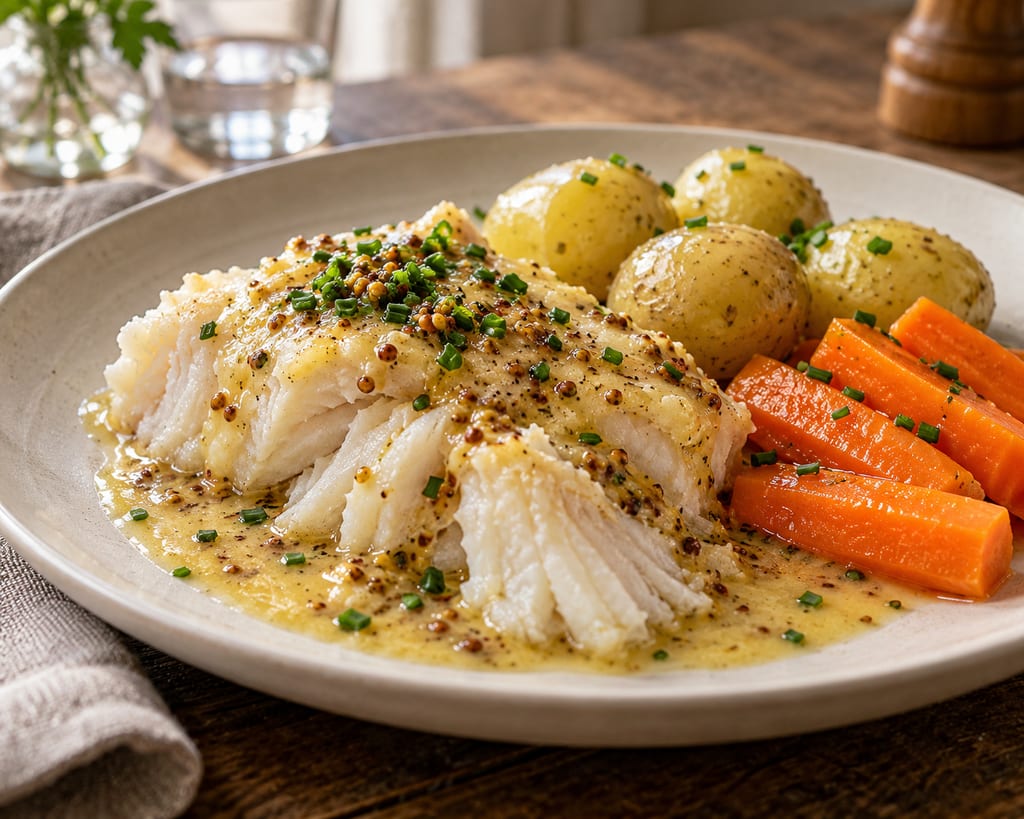
Rehydrated air-dried Norwegian cod simmered until it flakes, served with boiled potatoes and carrots under a wholegrain-mustard butter whisked from the fish's own poaching liquid.
No community contributions have been published for this entry yet.
Sign in to contribute. Published comments and photos are free to read.
Visit SwedenRecipe · Process · Regional context
Cured salmon (aka gravad lax) recipe1 kg salmon, 3 tbsp sugar, 4 tbsp salt, 2 tsp pepper, dill, lemon zest; weighted chilled cure 1–2 days; freezing advice 72h lacks freezer temp.
Cited in: What gravad lax is; How the cure works; Safety, freezing and serving
FAO / Codex AlimentariusSafety
Code of Practice for Fish and Fishery ProductsFish hazards include parasites, histamine, pathogens and botulinum toxin.
Cited in: Safety, freezing and serving
Food Standards AgencySafety
Listeria monocytogenes risk assessmentEvidence supports Listeria hazard in chilled ready-to-eat foods.
Cited in: Safety, freezing and serving
Food Standards AgencySafety · Process
Freezing fish, fishery products and treatment for parasitesFSA guidance for food businesses names gravlax among raw or lightly treated fishery products that require parasite treatment unless a specific exemption applies.
For the stated FSA parasite treatment, all parts of the product must reach -20°C for at least 24 hours or -35°C for at least 15 hours.
A general freezing exemption applies to qualifying farmed Atlantic salmon produced under specified controlled conditions; a supplier/operator is responsible for demonstrating the exemption.
U.S. Food and Drug AdministrationSafety · Handling
Selecting and Serving Fresh and Frozen Seafood SafelyFDA advises storing seafood in a clean refrigerator at 40°F (4°C) or below and using a thermometer.
FDA says previously frozen fish is a risk-reduction rule of thumb for raw fish, but freezing does not kill all harmful germs.
FDA advises separating raw seafood from ready-to-eat food and says pregnant people, children, older adults and people with weakened immune systems should avoid raw or undercooked fish.