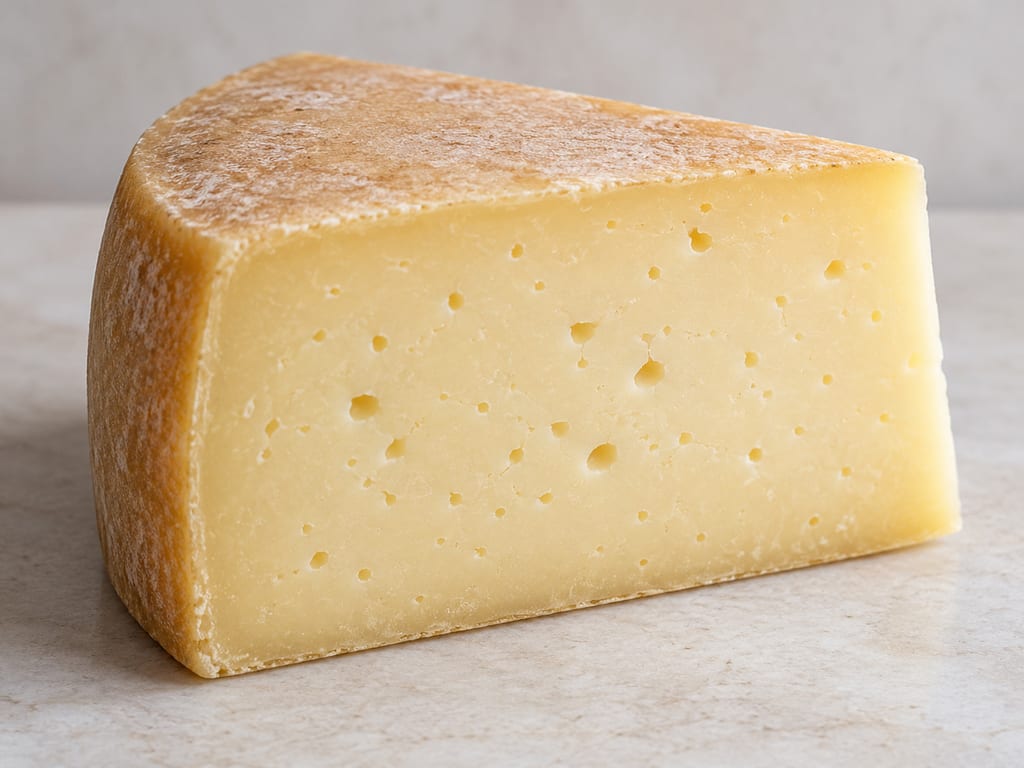
Graviera, Cypriot sheep-milk method
This Cypriot graviera is a hard sheep-milk cheese with a dry rind and round eyes. Its curd is heated, pressed and dry-salted before a long cool ripening.
 FermenteaWhere food goes to change
Coagulants
Rennet is an enzyme preparation that helps milk form a cuttable curd. Animal, microbial, fermentation-produced and plant coagulants have distinct identities and strengths.
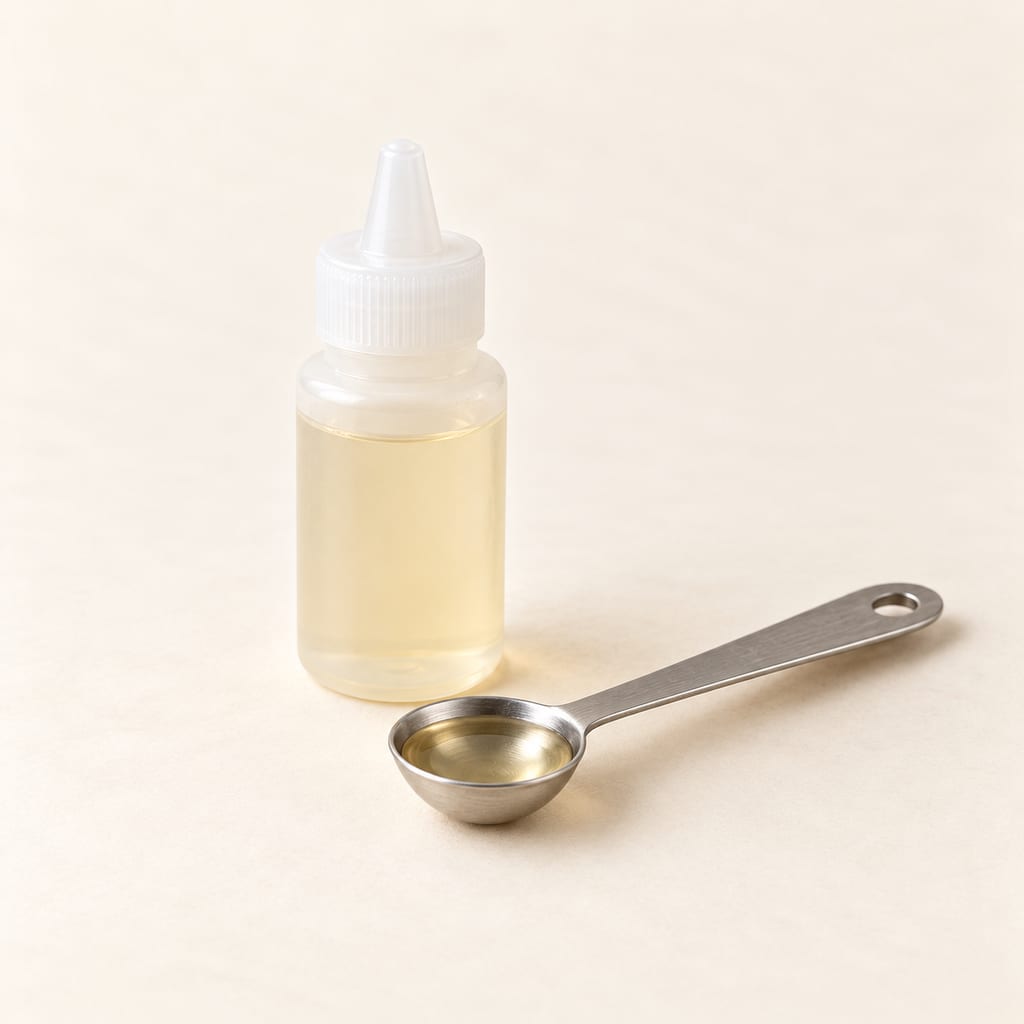
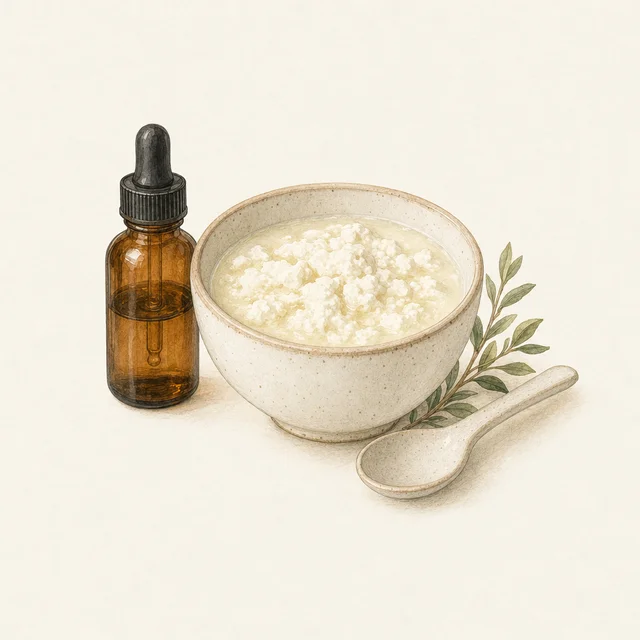
Milk can become cheese in more than one way. Rennet is the traditional name for an enzyme preparation that makes milk proteins gather into curd; it is not a name for every ingredient that thickens milk. Acid can set milk without rennet, and some cheeses combine acidification with an enzyme coagulant. That choice changes the curd’s structure, how it releases whey and the kinds of cheese a maker can form. Understanding the differences explains why a measured amount of one product cannot reliably be substituted for another.
People preserved milk by separating curd from whey long before enzyme chemistry could explain the change. Roman agricultural writers describe several ways to bring about coagulation. Varro, in *On Agriculture*, reports animal rennet and mentions fig-tree latex or vinegar as alternatives. Columella’s *On Rural Affairs* likewise describes lamb or kid rennet, while noting thistle flowers, seed and fig latex. These passages show that ancient Mediterranean writers knew multiple coagulants. They do not establish where cheesemaking began or that every region used the same method.
The texts connect coagulation to the work that follows. Columella describes transferring curd to baskets or molds, draining whey, applying weight, salting and drying. These are observations in a Roman farming manual, not a modern recipe. They show why a useful curd mattered: it could be gathered and handled before the milk spoiled. An ancient quantity cannot be converted into a modern dose because its potency, milk and conditions are not specified in modern terms.
Rennet was traditionally taken from the abomasum, the fourth stomach of a young ruminant. Calf, kid and lamb preparations contain milk-clotting enzymes, chiefly chymosin with some pepsin. Today a cheesemaker may also encounter microbial coagulants made by selected fungi, or fermentation-produced chymosin made by a production microorganism. The latter is a chymosin enzyme made through fermentation; the organism is its manufacturing host. A label's origin and enzyme declaration matter more than the single word “rennet,” which is used broadly in commerce.
Plant coagulants supply another tradition. Cardoon flowers (*Cynara cardunculus*) are used in some Iberian ewe’s-milk cheeses. In the protected specifications for Serpa and Serra da Estrela, cardoon is part of the named products’ defined methods. These examples show why “milk coagulant” is a useful umbrella term. A cardoon infusion is not animal rennet, and no source supports treating every plant extract as interchangeable with animal or microbial preparations.
Milk contains casein proteins arranged in tiny particles called micelles. Kappa-casein forms a stabilizing outer layer on those particles. Chymosin, the principal milk-clotting enzyme in many animal rennets, cuts a particular bond in kappa-casein. A portion becomes soluble and leaves the micelle surface. With that protective layer reduced, calcium helps the particles join into a continuous gel. The solid gel is the curd; the liquid that separates is whey.
This is more specific than general thickening. The curd traps fat and water in a protein network. Cutting the gel creates paths for whey to escape. Smaller pieces expose more surface and can lose more moisture during later handling than large pieces, although milk composition, acidity, heat and other steps also shape the result. The coagulant starts a structure that the maker then controls by cutting, stirring, heating, draining, salting, pressing or aging.
Acid-only setting follows another route. When a starter culture gradually ferments lactose, falling pH reduces the repulsion that keeps casein particles apart. Near casein’s isoelectric point they gather into a fragile, highly demineralized curd. This culture-driven acid set often develops over several hours, while an enzyme set in the same scientific comparison takes roughly 30–60 minutes. Directly adding acid with heat can make a quick fresh cheese by a different path; the time contrast does not describe that method. Some cheeses let a starter acidify milk before rennet is added, so acid and enzyme can contribute at different stages of one make.
Enzyme activity changes the gel's development, but the curd also responds to milk acidity, calcium and temperature. The same coagulant may set differently in another milk or after a longer culture ripening. This is why the cheesemaker watches the set before cutting rather than judging the enzyme by the clock alone. A curd's firmness then affects how it can be cut and how much whey it will release.
Start with the cheese style. A fresh acid-set cheese, quick mozzarella, pressed farmhouse cheese and long-aged hard cheese do not ask milk to form the same curd. A style-specific formula identifies its milk, culture, coagulant, amount, timing and later handling. Penn State Extension’s overview places starter-culture growth before an enzyme such as rennet, followed by cutting and draining. It emphasizes that the cheese style determines subsequent cooking and handling. This is a map of the process, not a universal recipe.
Animal and microbial preparations may each come as liquid or dry products, while fermentation-produced chymosin names the enzyme's production route rather than a physical form. These categories describe origin and identity, not equal performance. The product chosen for a cheese can shape how fast the curd forms and how its proteins change during ripening.
The choice may affect flavor and aging as well as the initial set. Coagulant enzymes can continue to act after the curd forms. Proteolysis—the gradual breakdown of proteins—contributes to texture and flavor during ripening. Preparations can differ in their proteolytic behavior, which is one reason a long-aged cheese may specify its coagulant while a quick fresh cheese is judged mainly by its curd and drainage. The relationship depends on the cheese and product. Claims such as “microbial rennet always tastes bitter” or “all microbial rennet is identical” are too broad to guide a particular make.
In a cultured rennet cheese, the maker prepares milk and adds a starter culture. Bacteria consume lactose and produce lactic acid. That acid changes the mineral balance and influences how milk responds to rennet; the culture also contributes compounds that shape flavor as the cheese develops. The coagulant is added in the manner and amount required by the formula, often after dilution or preparation as directed. Mixing distributes it through the milk. Once a gel begins to form, unnecessary agitation can damage it.
The maker checks the set against the recipe before cutting. This is a process observation, not a safety test. Cutting opens the gel so whey drains. Small curds are often handled to lose more moisture; larger pieces retain more. Some recipes stir or cook the curd, strengthening it and encouraging additional whey release. Others drain gently to keep it tender. Each operation helps make a target texture and moisture level; not every cheese uses every step.
After draining, salt and pressing may shape the curd and influence moisture, flavor and rind development. During aging, enzymes from milk, culture and coagulant continue to act while moisture leaves and the interior becomes more concentrated. Penn State’s examples show how far later stages can diverge. Cheddar is cooked and drained, then matted and turned during cheddaring before salting and pressing. Blue cheese receives mold spores, drains in forms, is pierced to admit air, and matures under its own conditions. Both use cheesemaking principles, but they are not one universal “rennet method.”
Fresh acid-set cheeses follow a different path. Acidification, sometimes combined with heat, forms a curd that is gathered and drained without the same elastic gel sought in many rennet cheeses. A quick mozzarella formula can use citric acid before a recipe-specific rennet addition, then stretch the curd later. This does not make all mozzarella acid-only or permit one formula to be transplanted to another. Use the instructions for the named style.
Cardoon thistle offers a clear example of technique rooted in place. Serpa, a protected Portuguese sheep’s-milk cheese, uses an infusion from *Cynara cardunculus* flowers to coagulate raw ewe’s milk. Its official product description calls the result cured, semi-soft and buttery, and describes slow draining. The Serra da Estrela specification also names cardoon. These products show why culinary writing sometimes uses “rennet” loosely for any coagulant. A careful ingredient guide can use “milk coagulant” for the broad group and reserve “rennet” for enzyme preparations except when discussing an historical source’s wording.
Plant enzymes can shape cheese differently from animal chymosin. The EU’s Torta del Casar specification describes cardoon in raw ewe’s-milk production and a maturation process associated with extensive proteolysis and a soft, spreadable interior. It is an example of a particular coagulant, milk and maturation method working together, not a template for every thistle-set cheese.
Microbial products arose from another need: making milk-clotting enzymes without relying only on animal stomachs. Fungal preparations include enzymes from selected species such as *Rhizomucor miehei*, *Rhizomucor pusillus* and *Cryphonectria parasitica*. Organism and enzyme depend on the preparation, so “microbial rennet” does not designate a single fungus or standardized recipe. Fermentation-produced chymosin differs: a production organism makes chymosin, the enzyme identity also found in animal preparations. In the United States, an FDA final rule in 1992 affirmed GRAS status for a chymosin preparation derived by fermentation from *Kluyveromyces marxianus* var. *lactis*. This is a U.S. regulatory milestone, not a global invention date.
At the shop, first decide which coagulant the cheese actually calls for: animal rennet, a microbial preparation, fermentation-produced chymosin or a plant infusion. The label should then identify the product's form and activity so its amount can be matched to the recipe. A teaspoon of one liquid cannot be converted into a tablet count or powder mass by appearance. “Vegetarian” says something about origin but does not name the enzyme or its strength. Water, salt, preservatives and tablet binders can also differ between products, so the ingredient statement matters for dietary choices.
Store it as its own maker directs. One maker refrigerates its microbial liquid while allowing its tablets at room temperature; another gives a refrigerated range for a calf-rennet liquid. The difference belongs to those formulas and packages. Close the original container, protect dry material from moisture and follow the printed date and conditions. An unlabelled product cannot be assigned another brand's strength or shelf life.
When making the cheese, measure in the recipe's units and dilute or dissolve the coagulant as it specifies. Mixing it into the milk distributes enzyme through the vat; then the curd needs an undisturbed setting period. A weak set can have several causes, including the milk, culture activity, temperature or enzyme condition. Its appearance alone cannot identify which one changed.
Concentrated dry enzymes also deserve careful handling. Repeated exposure to airborne dust or aerosol can sensitize workers; avoid making dust and follow the label and safety data sheet. This occupational concern is distinct from measuring liquid rennet in a home kitchen. Cheese safety still depends on the milk and the complete method, rather than on whether a curd feels firm.
Rennet is not rennet casein. Rennet is an enzyme preparation that coagulates milk; rennet casein is a milk protein ingredient. Any cheese made from cow, goat or sheep milk remains a dairy food, whether the coagulant came from animal, microbial or plant sources. People avoiding milk because of allergy need to assess the cheese itself and its labeling; changing coagulant does not remove milk proteins.
People making choices for vegetarian or religious reasons may need more than the front label. Animal rennet comes from stomach tissue; microbial preparations and fermentation-produced chymosin have different production origins; plant coagulants are botanical. A manufacturer’s statement or certification is the appropriate way to verify a particular product’s suitability. Enzyme origin alone does not establish that a finished cheese meets every dietary, religious or certification standard.
The finished curd tells a story about the whole make. A rennet gel that holds together when cut can release whey as its pieces are stirred, heated or pressed; an acid curd is usually more fragile and is often drained gently. Later, the same enzyme action that first made a workable curd may contribute to protein breakdown during ripening. Milk composition, culture acidification, curd size and heat shape those outcomes alongside the coagulant. No single texture proves which enzyme a maker used.
A soft, spreadable cardoon-set ewe's-milk cheese and a cooked, pressed rennet cheese illustrate that range without offering a universal ranking of coagulants. Their texture comes from milk, coagulation and every later operation together. The useful question for a cook is which structure a named cheese needs, then which coagulant and method its source actually describes.
Rennet’s importance lies in the structure it helps create. It can turn liquid milk into a cohesive gel that can be cut, drained and shaped. Cultures and later handling take that structure toward fresh, stretched, pressed or aged cheese. The ingredient is one well-defined tool in a process whose details belong to each style.
Serpa PDO documents cardoon as a milk coagulant in this named regional cheese, not the origin of rennet.
The named cheese specification documents cardoon use in its own regional method.
Torta del Casar PDO documents a named ewe-milk and cardoon method in its protected area.
This Cypriot graviera is a hard sheep-milk cheese with a dry rind and round eyes. Its curd is heated, pressed and dry-salted before a long cool ripening.
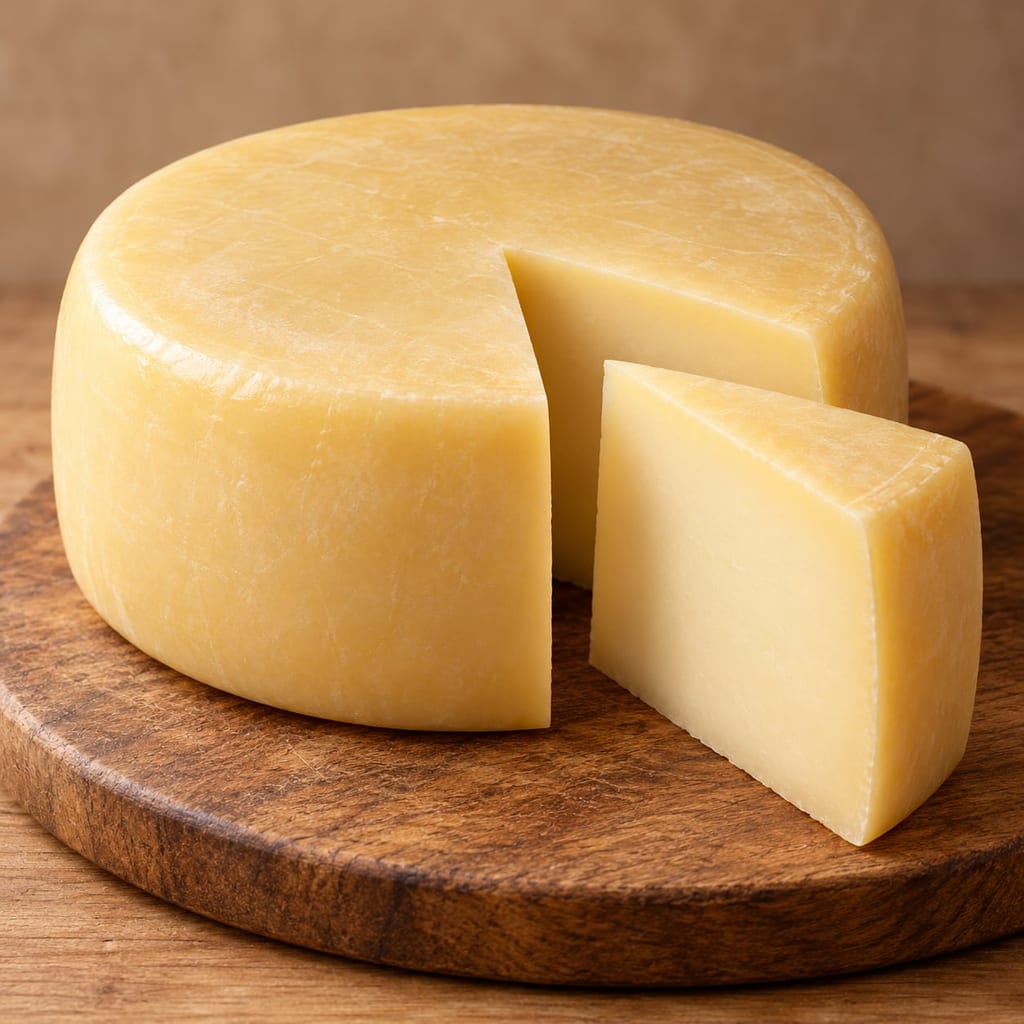
Kashkaval is a firm sheep-milk cheese whose acidified curd is worked in hot brine. This large-batch method finishes with repeated dry salting, wax coating and cool ripening.
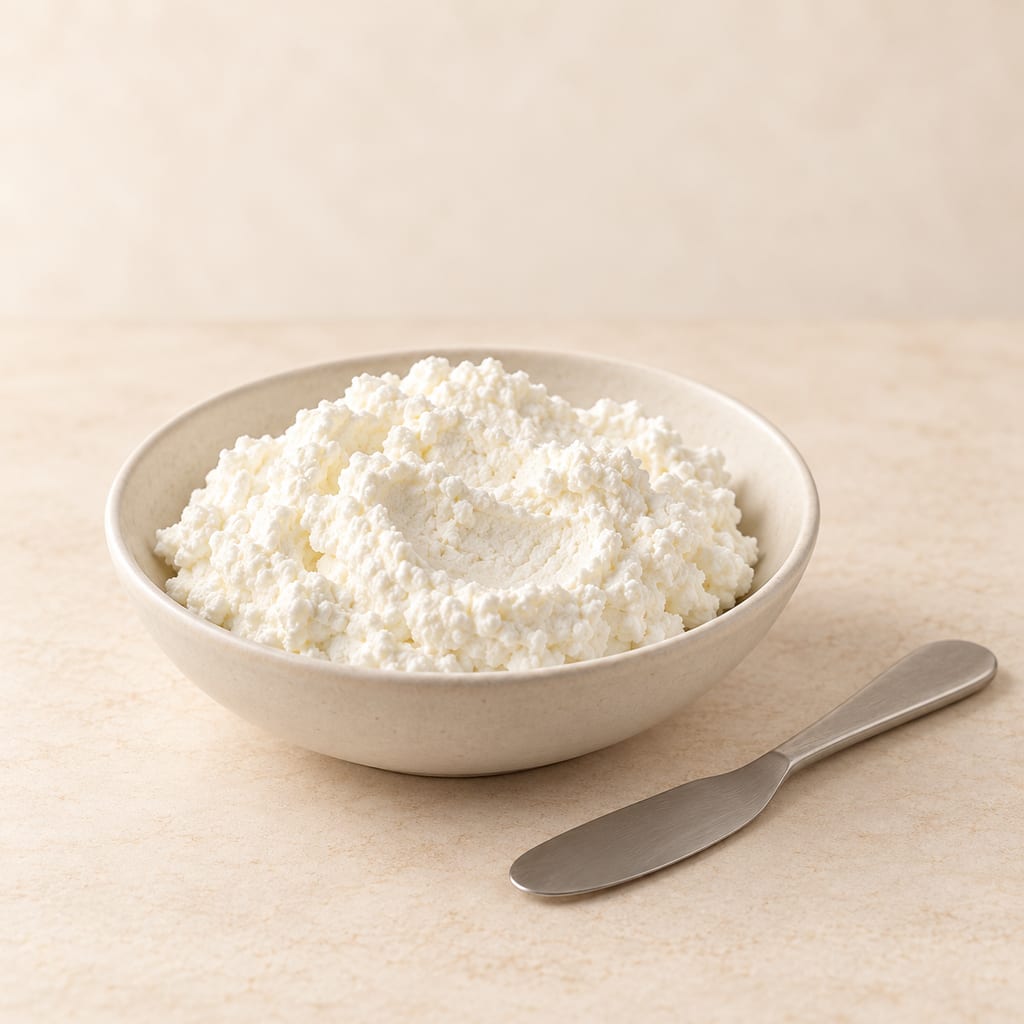
Quark is a soft, fresh curd cheese used in spreads and desserts. This small home batch sets milk with mesophilic culture and rennet before refrigerated drainage.
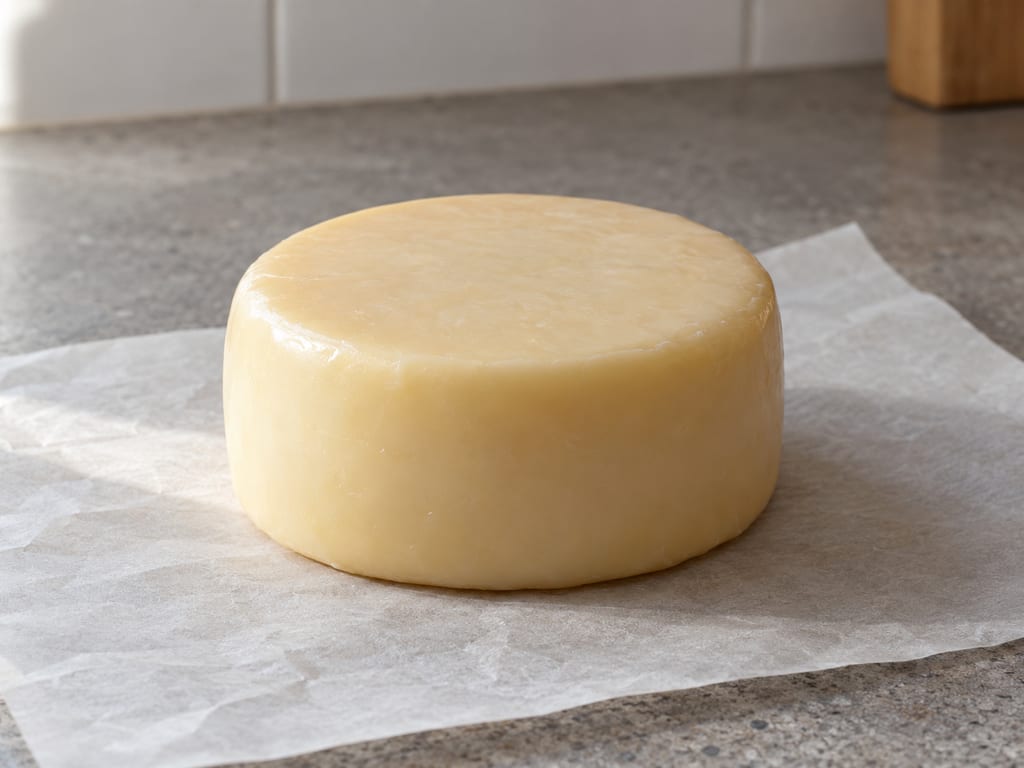
A mild whole-milk cheese set with starter and rennet, drained in a mould, dry-salted and ripened. This small-batch method appeared in Canadian home-dairy guidance.

Skyr is Iceland’s thick, tart fresh cheese. This home method cultures skim milk with fresh skyr and rennet, then drains the curd under refrigeration.
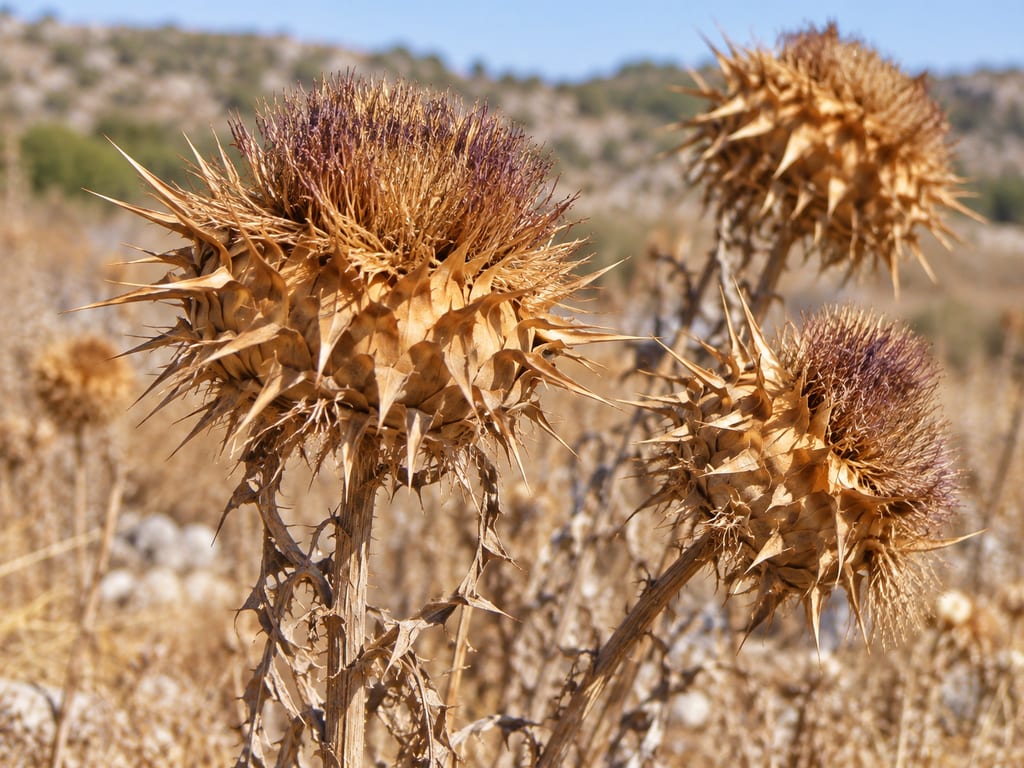
Dried flower heads of cardoon (Cynara cardunculus) supply plant proteases used to coagulate milk in several documented regional cheeses. Plant, extraction, milk and dose matter; evidence does not establish a universal home method.
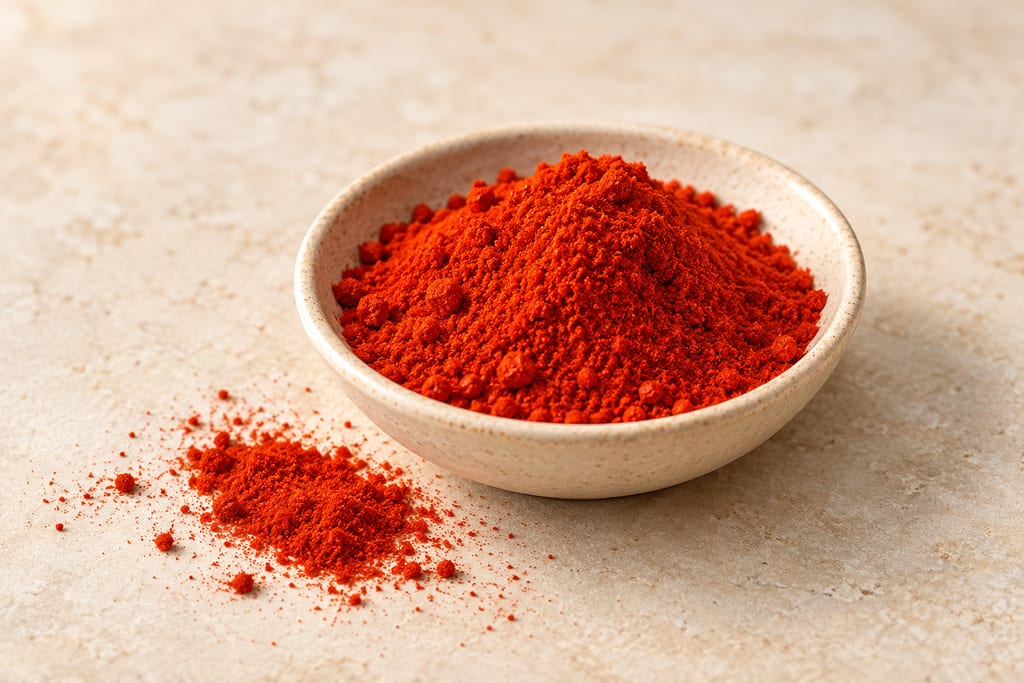
Paprika is ground, dried Capsicum fruit used for red color and pepper flavor; the name alone does not specify its heat, smoke, cultivar or origin.
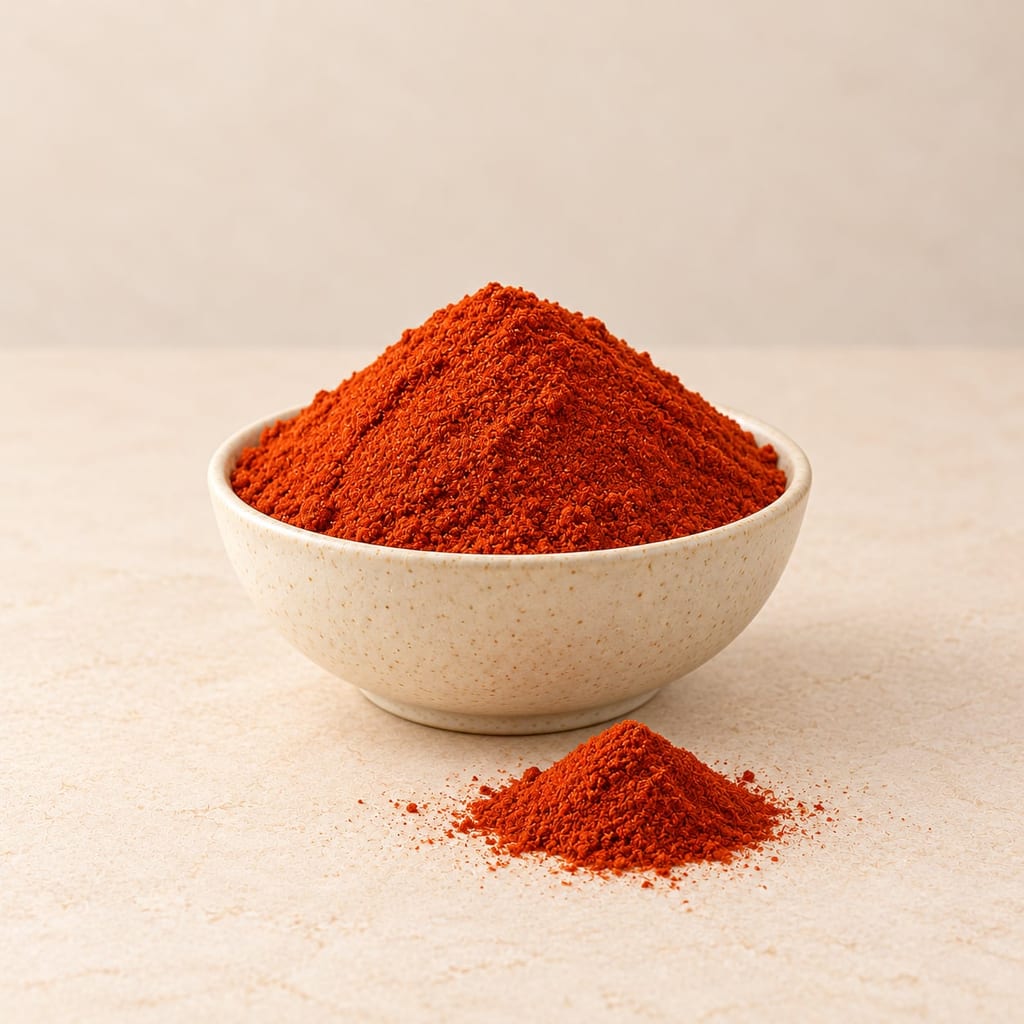
Sweet and smoked paprika are mild red powders made from dried ripe peppers, the smoked kind dried over oak or holm oak fires, used for colour and flavour in sausages, stews and rubs.
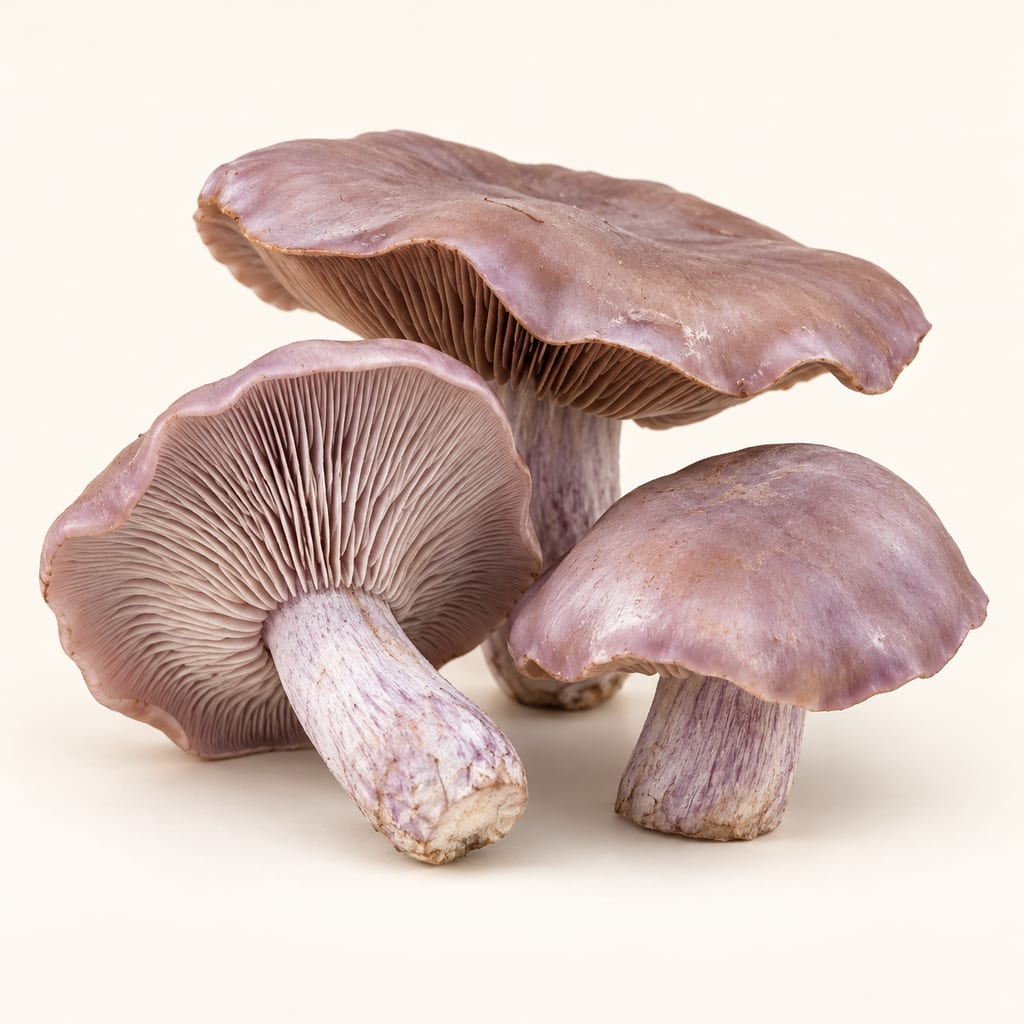
Wood blewit is a violet, litter-feeding mushroom collected and cultivated in parts of Europe. It is eaten only after thorough cooking; raw or undercooked specimens can cause gastrointestinal illness.

At North Abydos in Egypt, a fixed early Dynastic brewery comprised parallel semi-subterranean installations with rows of ceramic mash vats; excavation reports revise their number, scale and estimated batch capacity.

Ají amarillo is the orange-yellow Peruvian chilli cultivar group of Capsicum baccatum, used to colour and season huancaína sauce and ají de gallina. Published heat estimates do not establish one range for the named cultivar.

Toasted almonds are whole sweet almond kernels dry-roasted until golden to brown. Heat replaces their marzipan note with a roasted, nutty one; they thicken and flavour romesco.

Kodiak salmon, halibut and cod cut as seg'aq and hung on an initaq rack to become tamuuq, with kac'amaasaq and kupcuunaq named as different results.

Aniseed is the dried ripe fruit of Pimpinella anisum, an aromatic Apiaceae spice commonly called a seed. It adds a sweet, warm aroma to breads such as Moroccan krachel and South African mosbolletjies, and is distinct from star anise.

A fixed Late Chalcolithic installation in Areni-1 cave combined a shallow clay pressing basin with a large jar set into the cave floor and storage vessels nearby.

Ripe avocado flesh is the soft, buttery, fat-rich pulp of Persea americana, eaten raw. It is low in acid, so it is a fresh ingredient that needs care in chilled dishes.

A portable dome and pan used over a hearth, with embers on the lid and heat from below. Regional peka and saç forms share this principle while differing in materials, pan shape and how the food is cooked.
No community contributions have been published for this entry yet.
Sign in to contribute. Published comments and photos are free to read.
penelope.uchicago.eduHistory
Varro, On Agriculture, Book II, LacusCurtius, University of ChicagoVarro’s ancient account of animal rennet and alternative agents for setting milk.
Cited in: A tool with a long record
www.thelatinlibrary.comHistory
Columella, De re rustica, Book VII, chapter 8 (Latin original)Columella’s original Latin description of lamb or kid rennet, thistle, fig latex, draining and salting.
Cited in: A tool with a long record
American Society for MicrobiologyHistory · Process · Safety
Kindstedt, “The Basics of Cheesemaking,” Microbiology Spectrum 1(1), 2013Casein micelle behavior, coagulation pathways and the role of curd handling in cheese.
Cited in: A tool with a long record; What happens inside milk; Choosing a coagulant; From milk to workable curd; Regional coagulants and their cheeses; Reading the result
Portuguese Directorate-General for Agriculture and Rural DevelopmentHistory · Process
DGADR, “Queijo Serpa PDO”Serpa PDO sheep-milk cheese uses cardoon flower infusion as its coagulant.
Cited in: A tool with a long record; Regional coagulants and their cheeses
European UnionHistory · Process
Queijo Serra da Estrela protected designation specificationQueijo Serra da Estrela protected specification names cardoon as the coagulant.
Cited in: A tool with a long record; Regional coagulants and their cheeses
University of ReadingProcess
National Centre for Biotechnology Education, University of Reading, “Chymosin”Chymosin cleavage of kappa-casein and its role in milk coagulation.
Cited in: What happens inside milk
U.S. Food and Drug AdministrationProcess · Safety
FDA, “Enzyme Preparations Used in Food: A Partial List”FDA’s partial list documents distinct food-enzyme preparations.
Cited in: What happens inside milk; Buying, storing and handling; Dietary context
Penn State ExtensionSafety · Process
Penn State Extension, “Introduction to Making Cheese”Style-dependent cheese sequence of culture, enzyme setting, curd cutting, draining and later handling.
Cited in: Choosing a coagulant; From milk to workable curd; Reading the result
Utah State University ExtensionSafety · Process
Mozzarella Cheese (physical page 3 of four-page Utah State University Extension cooking-class PDF)One-gallon whole-milk quick mozzarella formula with citric acid and liquid rennet sequence; printed heating numbers omit F/C units.
Cited in: Choosing a coagulant; From milk to workable curd
European UnionProcess
European Union, “Torta del Casar” single document, Official Journal 19 January 2023Torta del Casar single document specifies raw ewe milk, cardoon coagulation and characteristic proteolysis during maturation.
Cited in: Regional coagulants and their cheeses
U.S. Food and Drug AdministrationProcess
FDA, 1992 final rule on chymosin derived from genetically modified K. marxianus var. lactis1992 U.S. regulatory record for fermentation-produced chymosin.
Cited in: Regional coagulants and their cheeses
usefulinfo.madmillie.comSafety
Mad Millie, “Does the rennet contain preservatives?”Producer-specific composition and storage distinction between liquid rennet and tablets.
Cited in: Buying, storing and handling
browin.esSafety
Browin, “Natural liquid rennet for cheese, 50 ml”One maker’s calf-derived liquid rennet composition and storage directions.
Cited in: Buying, storing and handling
University of ReadingSafety · Process
University of Reading NCBE, “Safety: Working with enzymes”Enzyme-powder aerosol and sensitization precautions.
Cited in: Buying, storing and handling; Dietary context
Health CanadaProcess
Health Canada, “Milk as a priority food allergen”Milk proteins are a priority allergen; this does not make every rennet preparation milk-derived.
Cited in: Dietary context