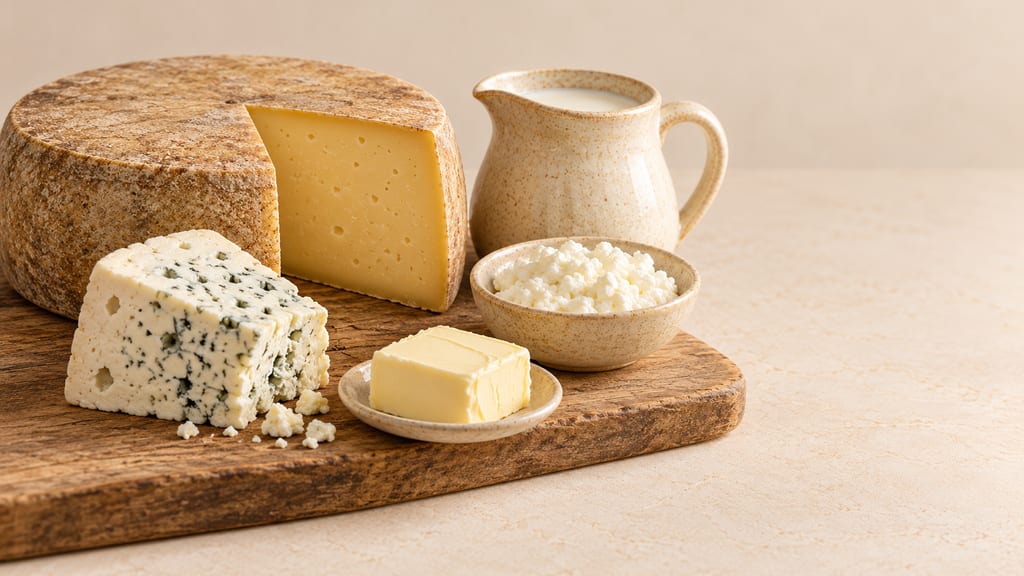
Milk, curd and the world's dairy stores
Follow milk into cheese, cultured drinks, butter, dried curds and sweets: a journey through the animals, seasons and household decisions behind the world's dairy foods.
 FermenteaWhere food goes to change
Coagulants
Dried flower heads of cardoon (Cynara cardunculus) supply plant proteases used to coagulate milk in several documented regional cheeses. Plant, extraction, milk and dose matter; evidence does not establish a universal home method.
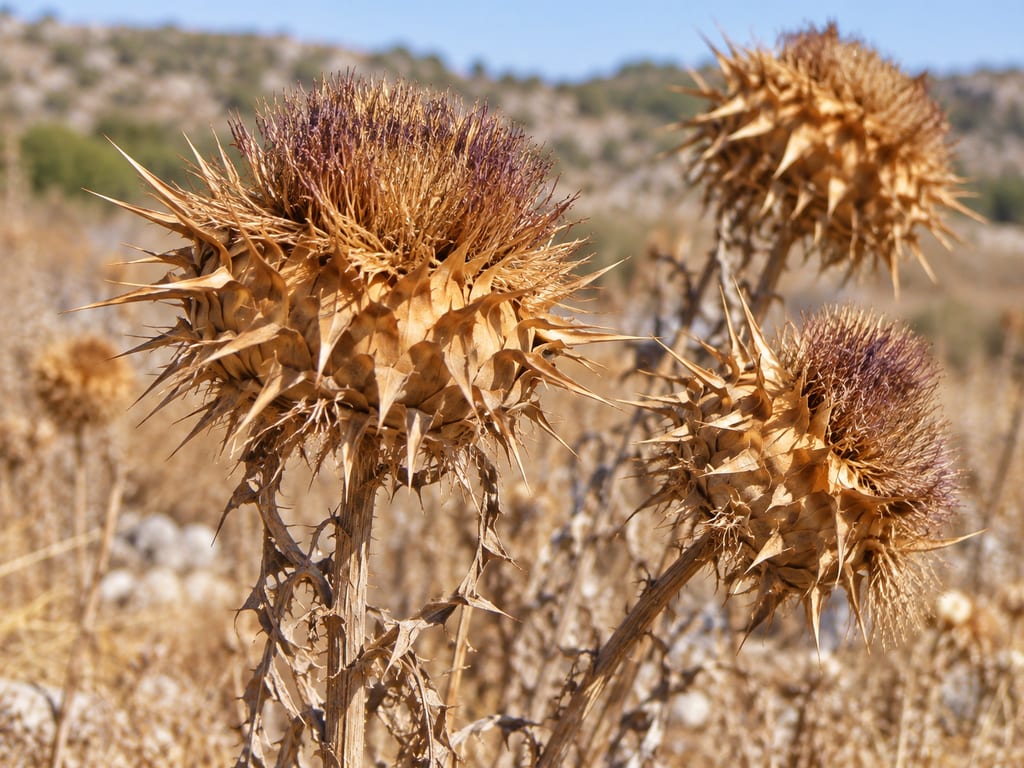
Cardoon flower rennet is a plant-derived milk coagulant made from the flowers of Cynara cardunculus L., a thistle in the sunflower family. The word rennet here describes its role in setting milk; it does not mean an animal stomach preparation. Cheese product specifications may name the flower or dried flower heads, while experimental papers may describe aqueous extracts of selected floral parts. Those descriptions are related but they do not make every flower, extract or market product interchangeable.
Cynara names need care. The Canary Islands specification names C. cardunculus var. ferocissima and C. scolymus for Flor de Guía and Media Flor. That document specifies the plants accepted for those cheeses; it does not show that the taxa are botanically identical. This ingredient account focuses on cardoon flower material and preserves the exact botanical names used in each source rather than collapsing all thistles or artichokes into one ingredient.
The supplied evidence does not provide a field-identification key, a specimen record attached to every traditional batch, or a reliable way to identify a dried anonymous flower sample. A common name such as cardo can refer to more than one plant in ordinary speech. A food source should therefore identify the species and plant part, and a gathered specimen should not be treated as verified by this page.
Cardoon flowers contain cardosins and related aspartic proteases. Their milk-clotting action cleaves casein components that help keep milk micelles dispersed. Once that stabilizing effect is reduced, the micelles can aggregate into a gel under suitable milk and process conditions. The clotting extract is not just a generic acid: experimental studies compare it with chymosin and measure both clotting and broader protein breakdown.
Those activities matter at different times. Milk-clotting activity helps form a curd; proteolytic activity continues acting on proteins during manufacture and ripening. In the Alentejo ecotype study, variation in milk-clotting and proteolytic activities was associated with differences in gel firmness and micelle aggregation rate. The authors grouped their samples according to measured properties, illustrating why plant identity alone cannot specify performance.
Proteolysis can affect moisture retention, curd drainage, texture, flavour and cheese yield. A plant enzyme that continues cutting proteins may contribute to a soft curd and can create bitter peptides in some cheese and milk combinations. This is a tendency documented in research, not a guarantee that every cardoon cheese tastes bitter. Product style, milk species, extract and process all contribute to the result.
Portugal has several protected cheeses whose specifications or research identify cardoon flower as a coagulant. The 2025 Serra da Estrela PDO specification says the cheese is made by slow drainage after coagulating unadulterated raw ewe’s milk from Bordaleira Serra da Estrela or Churra Mondegueira ewes with C. cardunculus flower. It specifies at least 30 days’ ripening, with the name Velho reserved for cheese ripened at least 120 days. These are production rules for that protected cheese, not general targets for home cheese.
A peer-reviewed study of Alentejo cardoon ecotypes describes cardoon as a mandatory vegetable coagulant for certain Portuguese PDO cheeses and examines the variation of flowers sourced in that region. It reports that growers and makers use flowers without a common control over collection and extract preparation, one reason the study measures variation instead of offering a universal recipe. Its observations concern the tested Alentejo sample group and do not establish that all Portuguese cardoon has the same enzyme profile.
Older cheesemaking research by Vieira de Sá and Barbosa compares cardoon flower enzyme activity in cow’s- and sheep’s-milk curds and reports trial makes of Edam, Serra and Roquefort cheeses. This work demonstrates that cardoon has been tested beyond one local ewe-milk cheese. It does not turn those experimental products into a documented traditional recipe or supply a ready-to-use dose for another maker.
The Torta del Casar PDO specification identifies raw milk from Merino and Entrefino ewes, vegetable rennet made from C. cardunculus and a minimum maturation of 60 days. The specification ties the named cheese to its area in Cáceres, Extremadura. These source details support a documented-use association between cardoon rennet and that place; they do not establish that the plant itself originated there or grows only there.
The BOE text for Queso Flor de Guía and Queso de Guía describes three products with different coagulant rules. Flor de Guía is set exclusively with vegetable rennet obtained from dried flower heads of C. cardunculus var. ferocissima and C. scolymus. Media Flor uses the named plant coagulants in a proportion greater than 50 percent. Guía cheese may use animal and/or vegetable rennet and/or other authorized ferments. Treating all three as identical would erase a meaningful production distinction in the specification.
The protected area for those cheeses is Gáldar, Moya and Santa María de Guía in north-west Gran Canaria, and the specification ties milk production, manufacture and maturation to that zone. It also describes cheeses whose texture and flavour vary with maturation, including bitter and aromatic notes in Flor de Guía. Those descriptions concern the finished products and cannot be attributed to cardoon alone.
A peer-reviewed study on Algerian fresh cheese Jben reports Cynara cardunculus flowers as the coagulant and raw ewe’s milk as its substrate. Cynara cardunculus occurs widely in Mediterranean countries; the study also discusses flower collection and enzyme action. The location-level statement used here remains Algeria, as supported by the paper’s study context; it does not assign the practice to every Algerian region or to the whole Mediterranean.
The paper emphasizes that flower development stage matters: its discussion cites earlier work finding coagulating activity only in flowers collected at an advanced stage. It also explains the combined role of rennet and lactic acid bacteria in the cheese it studies. This is an account of a particular fresh-cheese process and its research context, not a complete, independently validated home recipe for all Jben.
Taken together, the official specifications and research show several independent regional traditions and trials: protected cheeses in Spain and Portugal and studied Jben in Algeria. The sources do not establish one point of origin, one earliest dated use, or an uninterrupted single tradition across these places. The historical period therefore remains unknown here, despite clear evidence of continuing traditional use.
Flower material is biologically variable. The Alentejo study found measurable differences among its collected ecotypes in milk-clotting and proteolytic properties and in their effects on gel formation. A separate genotype study in the research archive describes stable cardosin profiles among selected genotypes, but selected material and observed stability do not show that unselected wild populations are uniform. The conclusion for use is limited: a plant name by itself is not a performance specification.
Flower maturity also matters. A drying-method study investigates maturity stage at harvest, type of drying, which flower part is dried, pistil toasting and maceration time. These are preparation variables whose effects on milk coagulation have been evaluated experimentally. Its work supports identifying the harvested material and recording preparation conditions; it does not authorize applying one study's preferred treatment to every household batch.
Flower harvest, drying and storage are food-processing steps. The studies available here do not set a universal moisture target, validated storage period or routine sensory test that confirms the enzyme's identity or activity. Colour, aroma, a dry feel or a successful curd cannot substitute for botanical authentication and measurement. Research and regional cheese rules describe controlled contexts, not a safety assessment of a particular foraged plant.
Sources describe dried floral material that is macerated in water and strained, or crude aqueous extracts prepared for laboratory or cheesemaking trials. That broad description is useful for understanding the ingredient's form, but it is not a complete household method. It does not name a universally accepted flower dose, extraction ratio, water quality, extraction temperature, time, filtration, holding time or finished-cheese process.
Research on extraction pH compared cardoon flower rennet extracts prepared at pH values from 3 to 6. In that experiment, the pH 3 extract had the highest measured enzyme content and a higher milk-clotting-to-proteolysis ratio than the tested alternatives. The study also reports that lowering rennet pH lowers milk pH and changes measured gel firmness and rheological properties. These experimental conditions are evidence that pH changes function, not an instruction to acidify a home extract to pH 3.
The drying study likewise varies flower maturity, drying type, flower part, pistil toasting and maceration duration. The Alentejo research describes uncontrolled flower collection and extract preparation as a source of uncertainty in traditional manufacture. Together, these studies show why an extract prepared from a different plant source cannot be dosed by copying an unqualified instruction. The articles inform product development and process validation; they do not supply a universal household endpoint.
Cardoon rennet has been used with ewe’s milk in several protected regional cheeses, and experiments also test cow’s milk. The substrates are not interchangeable simply because both contain casein. The 2009 cheesemaking study measured cow- and sheep-milk curds under different pH and calcium conditions. More recent research tests extracts across milk species and observes that milk composition changes gelation behavior. These findings support matching the coagulant to a process rather than assuming identical set times or curd strength.
A review of plant milk-clotting enzymes explains that proteases remaining active in cheese can influence its later characteristics. It summarizes reports of softer textures and more pronounced or sometimes bitter flavour in certain cardoon-coagulated cheeses. It also notes differences among animal milks and products. Those are tendencies across cited research; they should not be treated as a sensory prediction for an untested cheese or attributed only to one enzyme.
The Torta del Casar, Flor de Guía and Serra da Estrela specifications each pair cardoon with particular sheep-milk and manufacture conditions. That evidence supports the regional use records. It does not say cardoon cannot clot cow’s milk: experimental cheese studies do test that substrate. Nor does a successful experimental clot prove that any home cow-milk cheese will mature safely or have the desired body. Product quality and food safety need a process appropriate to the actual milk, coagulant and cheese.
Cardoon flower rennet is the raw botanical material used to prepare a plant coagulant. A recipe may name dried cardoon flowers or a prepared extract, but the steps for macerating, filtering, measuring and dosing the coagulant belong in the documented cheese preparation. Separating raw ingredient identity from recipe operations prevents this page from implying that simply gathering flowers produces a standardized, ready-to-use rennet.
Commercially standardized food-grade extracts, where available, are distinct from an unstandardized batch of flowers because the product can specify activity or use directions. The reviewed evidence does not identify a universal commercial specification for this item, and no product label is endorsed here. A reader should use a supplier's current, product-specific directions as part of a validated cheese process rather than transferring a dose from an unrelated research article.
Links from this ingredient to Queijo de Azeitão, Queijo de Serpa, Queijo Serra da Estrela and Torta del Casar preserve the catalogue's documented recipe relationships. Links are not themselves proof that every batch uses the same plant form or preparation. Official sources and recipe sources should be checked for each cheese separately, and an ingredient association should not be expanded beyond what those records support.
This page does not identify wild plants for harvesting. The cited cheese specifications begin with specified flower material; they do not authorize readers to gather any thistle that looks similar. Botanical identification and food suitability are separate questions. A common name, a dried flower, or a successful set does not establish the species, the absence of contamination, the enzyme activity or safe cheese maturation.
No reviewed source supplies a universal dose or validated home procedure for collecting, drying, storing and extracting cardoon flowers. The literature uses experimental measurement and controlled cheesemaking conditions; protected-product specifications require defined milk and maturation practices for named cheeses. Those conditions cannot be generalized into a safety limit for an unrelated household process.
Use identified food-grade material and a cheese method validated for that exact coagulant and milk. Follow applicable food-safety guidance for raw milk, refrigeration, hygiene and cheese maturation; this ingredient summary is not that guidance. Do not use smell, flavour, a visible curd or a single pH reading to infer that milk handling or a finished cheese is safe. Where a process limit is absent from a source, it remains unstated rather than being inferred.
Evidence reviewed for this account supports cardoon identity, enzyme action, variation and several regional cheese uses. It does not fix the earliest date of use or a single geographic origin. The documented territories refer to specific cheese production; Algeria is the location of a reported Jben study. Neither is a botanical range map.
The accessible studies do not establish a universal household harvest stage, flower-to-water ratio, extraction time, temperature, dose, extract shelf life or safe ageing limit. Laboratory activity measurements and protected cheese rules answer different questions from a modern validated home recipe. No such complete home method is added here.
The research record remains uneven across places and products. The full text of one 2020 cardoon-type and lactation trial could not be independently accessed during this pass because PMC returned a verification page; that trial's detailed findings are not used in this account. New cheese-specific specifications, accessible full-text trials and validated process-safety guidance could refine the record without erasing these limits.
Torta del Casar specification documents cardoon rennet; not a claim of plant origin.
BOE specification sets a protected cheese production zone in Gáldar, Moya and Santa María de Guía; not a plant-origin claim.
Study documents Jben made with cardoon flowers and raw ewe milk; no more precise location is used here.
Official PDO specification names cardoon flower as rennet; not a claim of botanical origin.
Follow milk into cheese, cultured drinks, butter, dried curds and sweets: a journey through the animals, seasons and household decisions behind the world's dairy foods.
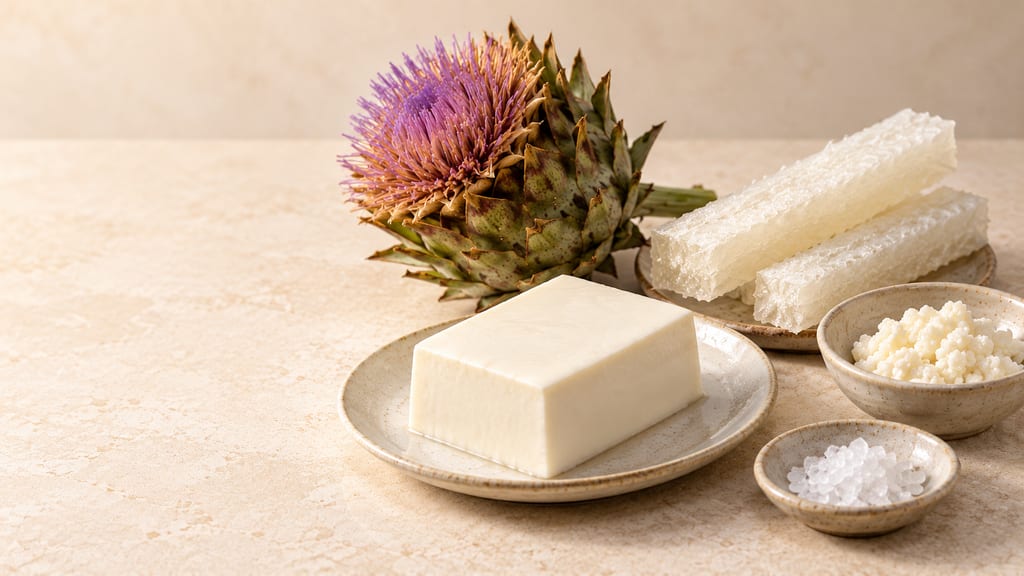
Cheese, tofu, agar, nixtamal and cured ham all begin with a liquid or soft food made to set, sour or keep. Rennet is one branch of that history, beside plant enzymes, acids, minerals, alkalis, gels, finings and curing salts.
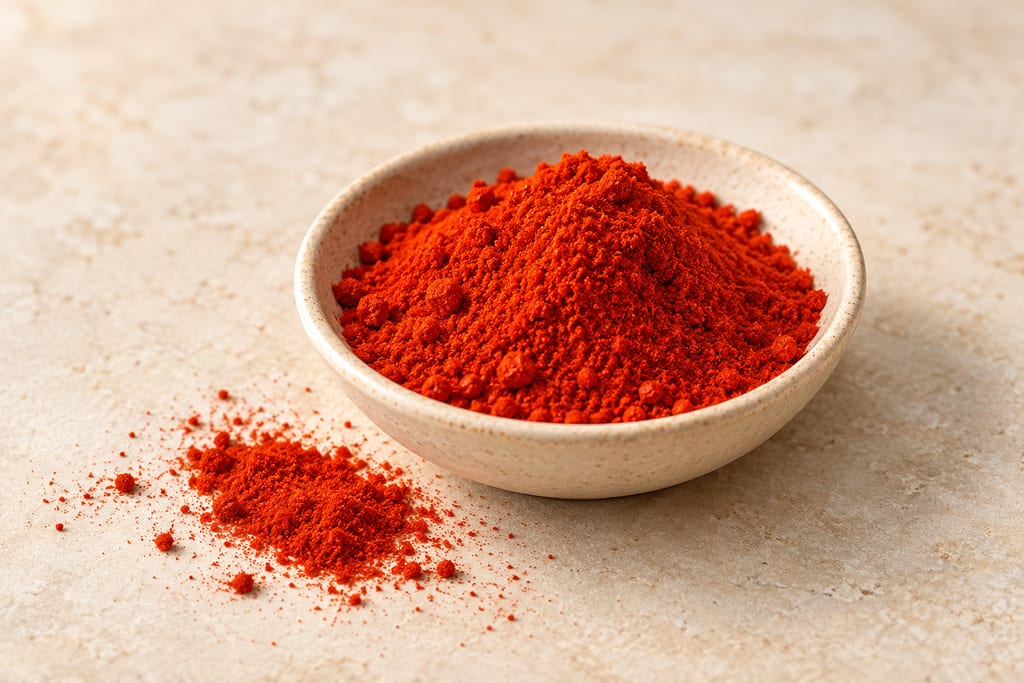
Paprika is ground, dried Capsicum fruit used for red color and pepper flavor; the name alone does not specify its heat, smoke, cultivar or origin.
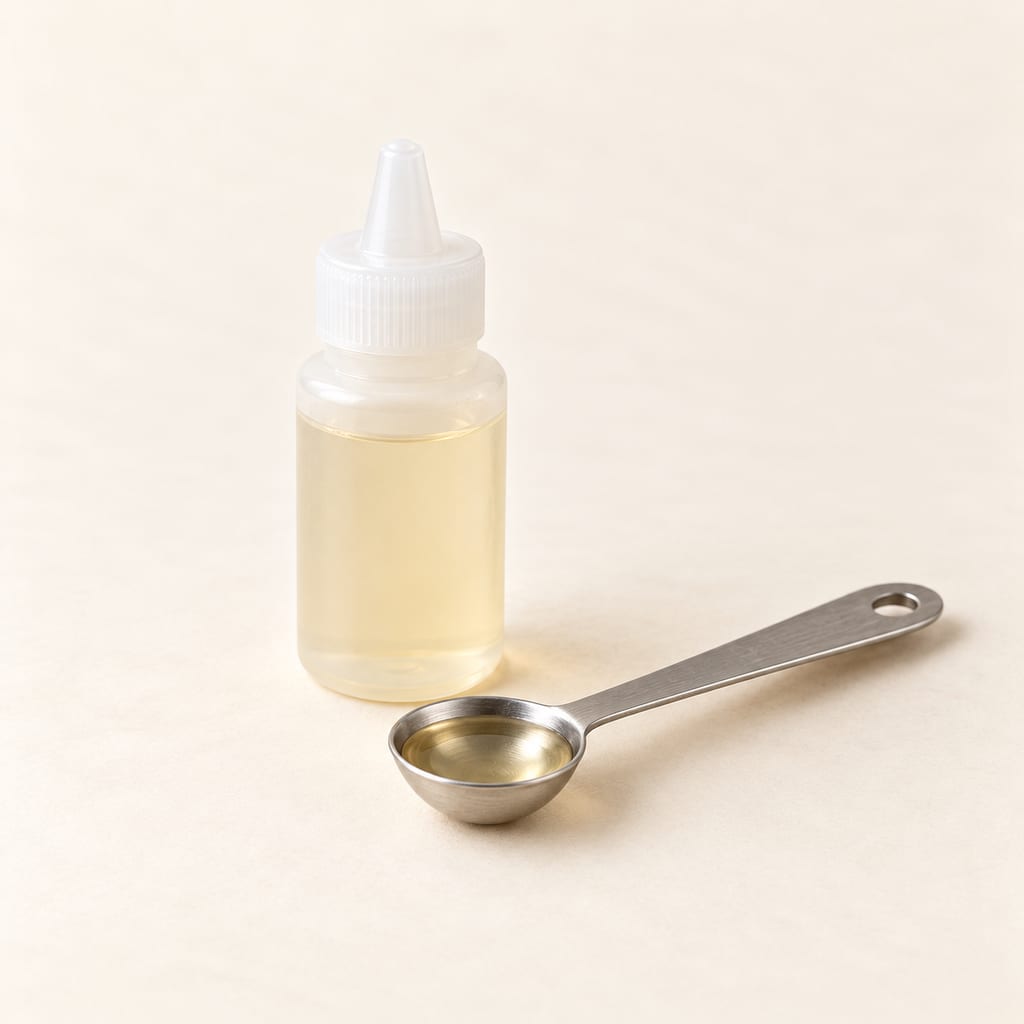
Rennet is an enzyme preparation that helps milk form a cuttable curd. Animal, microbial, fermentation-produced and plant coagulants have distinct identities and strengths.
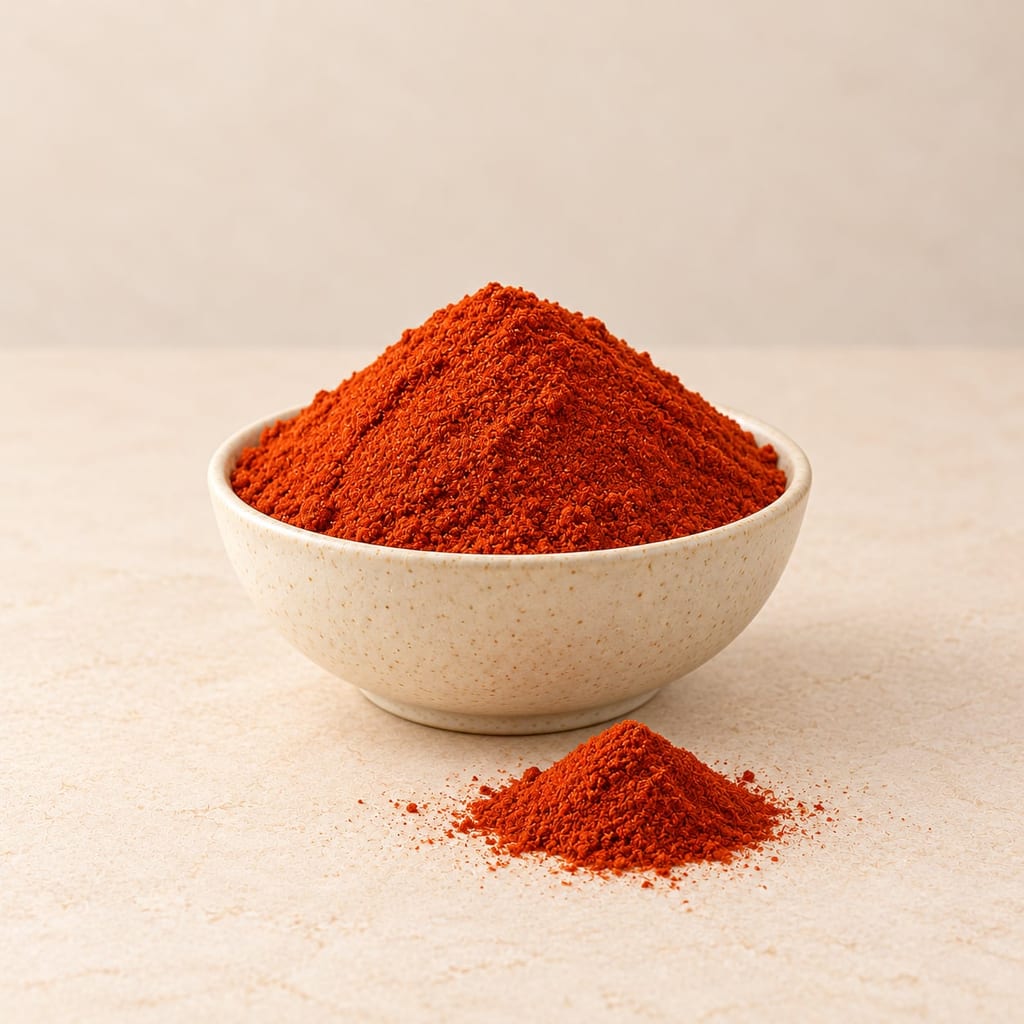
Sweet and smoked paprika are mild red powders made from dried ripe peppers, the smoked kind dried over oak or holm oak fires, used for colour and flavour in sausages, stews and rubs.
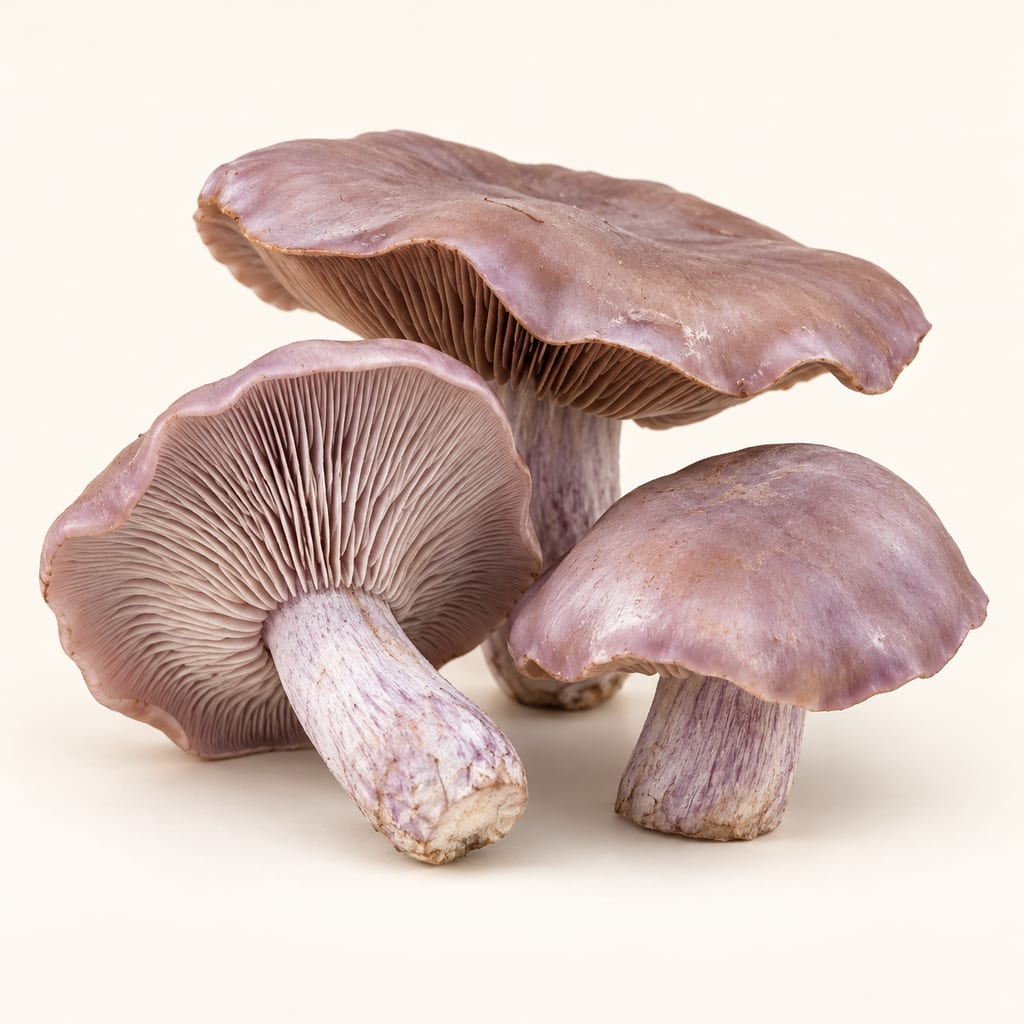
Wood blewit is a violet, litter-feeding mushroom collected and cultivated in parts of Europe. It is eaten only after thorough cooking; raw or undercooked specimens can cause gastrointestinal illness.
No community contributions have been published for this entry yet.
Sign in to contribute. Published comments and photos are free to read.
Foods, via PubMed CentralIdentity · Uses · Geography
Technological characterization and sensory evaluation of a traditional Algerian fresh cheese clotted with Cynara cardunculus L. flowers and lactic acid bacteriaCited in: North African use and the limits of the evidence; Where this ingredient belongs in a cheesemaking record; Identification and safety limits; Evidence gaps
PubMed, U.S. National Library of MedicineMethod · Uncertainty
Effect of extraction pH on techno-functional properties of crude extracts from wild cardoon (Cynara cardunculus L.) flowersCited in: Extract preparation in research and tradition; Identification and safety limits; Evidence gaps
Italian Journal of Food ScienceProduction · Method
Effects of the drying method for flowers of Cynara cardunculus var. Altilis on milk coagulating propertiesCited in: Harvest, flower stage and variation; Extract preparation in research and tradition; Evidence gaps
Official Journal of the European UnionUses · Geography
Torta del Casar product specificationCited in: Documented Spanish and Canary Island cheeses; North African use and the limits of the evidence; Milk species and cheese outcomes; Where this ingredient belongs in a cheesemaking record; Identification and safety limits; Evidence gaps
Boletín Oficial del EstadoIdentity · Uses · Geography
Resolución de 15 de abril de 2008: Queso Flor de Guía y Queso de GuíaCited in: What cardoon rennet is; Documented Spanish and Canary Island cheeses; North African use and the limits of the evidence; Milk species and cheese outcomes; Where this ingredient belongs in a cheesemaking record; Identification and safety limits; Evidence gaps
University of Católica Portuguesa repositoryProduction · Method
Selected Cardoon (Cynara cardunculus L.) Genotypes Suitable for PDO cheeses in Mediterranean RegionsCited in: Harvest, flower stage and variation
Official Journal of the European UnionIdentity · Use · Geography
Publication of an approved standard amendment: Queijo Serra da EstrelaCited in: Documented Portuguese cheeses; North African use and the limits of the evidence; Milk species and cheese outcomes; Where this ingredient belongs in a cheesemaking record; Identification and safety limits; Evidence gaps
International Dairy Journal, 91 (2019), 178–184Production · Method · Science
Characterization of Cynara cardunculus L. flower from Alentejo as a coagulant agent for cheesemakingCited in: What cardoon rennet is; How the enzymes set milk; Documented Portuguese cheeses; North African use and the limits of the evidence; Harvest, flower stage and variation; Extract preparation in research and tradition; Where this ingredient belongs in a cheesemaking record; Identification and safety limits; Evidence gaps
Foods, via PubMed CentralScience · Use · Uncertainty
Plant Milk-Clotting Enzymes for CheesemakingCited in: What cardoon rennet is; How the enzymes set milk; Milk species and cheese outcomes; Identification and safety limits; Evidence gaps
Peer-reviewed article, via PubMed CentralScience · Method
Cynara cardunculus as a potential source of milk coagulating protease: Effects on physical properties of cow's milkCited in: How the enzymes set milk; Extract preparation in research and tradition; Milk species and cheese outcomes; Identification and safety limits; Evidence gaps
Journal of Dairy Research, Cambridge University PressScience · Method
Cheese-making with a vegetable rennet from Cardo (Cynara cardunculus)Cited in: Documented Portuguese cheeses; Milk species and cheese outcomes