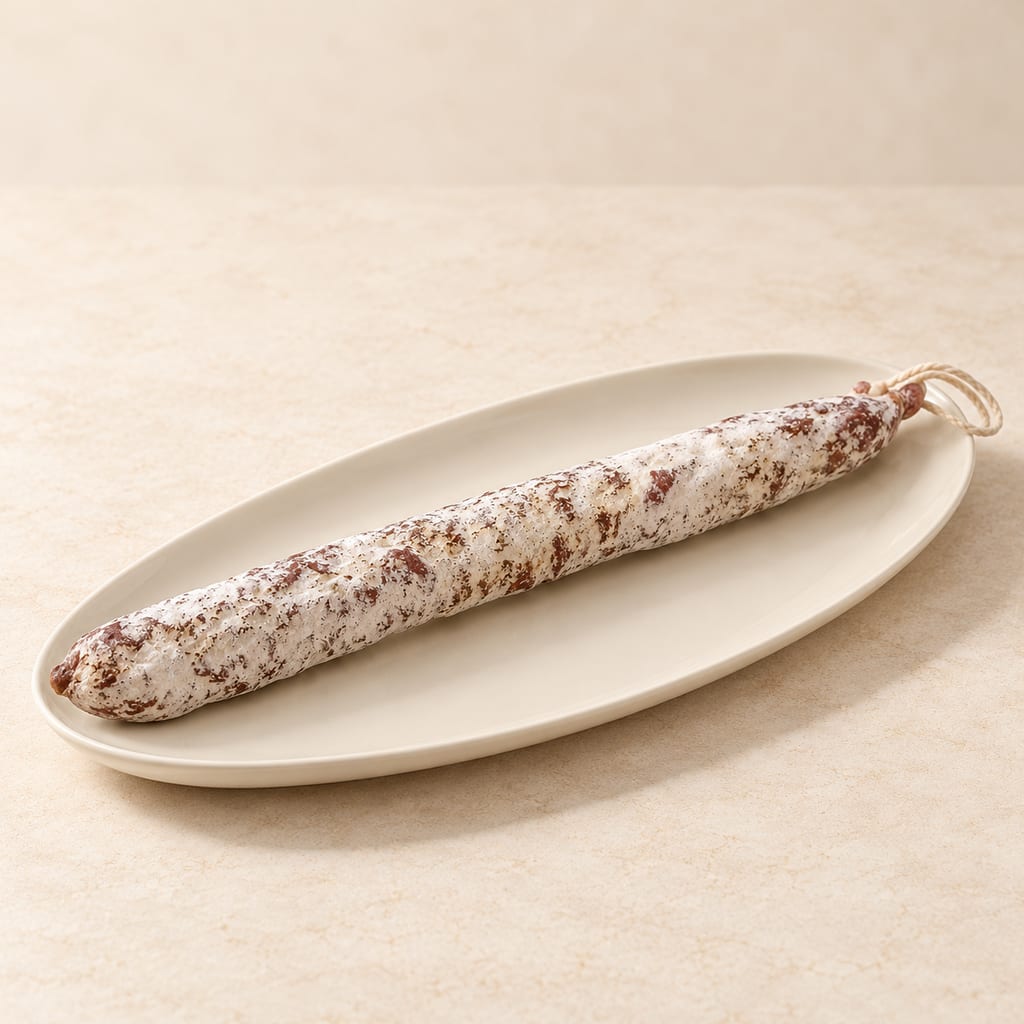
Fuet, starter-cultured
A documentary account of a modern starter-cultured Fuet formula and its place in Catalan sausage culture. The cited raw-pork process lacks matched safety validation, so this page does not present it as a household recipe.
 FermenteaWhere food goes to change
Water
Drinking-quality water chosen without an active chlorine-based disinfectant, used as a carrier for rennet or cultures and as a cheese or pickle brine medium.
“Non-chlorinated water” is a useful line in a cheesemaking or curing recipe, but it is not a separate natural spring, mineral species, or flavor. It names water selected because it does not carry an active chlorine-based disinfectant into a small, sensitive mixture. The cook may meet it in a measured spoonful used to disperse rennet, in a larger vat of brine, or in a suspension of surface culture for sausage. Those three jobs have different effects on food. The wording asks the cook to pay attention to the water's treatment, while the rest of the recipe still determines how much water is used and what it touches.
Water itself is easy to overlook beside milk, meat, salt and cultures. In a quark recipe from a cheesemaking supplier, only 15 millilitres are used to dilute the rennet before it enters a litre of milk. The quantity is small, yet its job is to carry an evenly dispersed dose into the milk rather than let a concentrated drop land in one place. In a stretched-curd cheese, water may later become a warm cooking bath, a cooling bath or a salt brine. On a dry sausage, a culture mixed with water coats the casing rather than becoming part of the meat mixture. Reading the ingredient line in the context of its destination prevents those roles from being flattened into one vague instruction.
The word also says less than it appears to. It does not tell whether the water came from a tap, a bottle or a filter. It says nothing by itself about dissolved calcium, magnesium or iron, and it is not a synonym for distilled or sterile water. A particular recipe may separately specify one of those properties. Treat the exact noun phrase as a condition on an otherwise food-grade water supply, then read its volume, temperature and preparation note before using it.
The instruction has a modern public-water backdrop. The US Centers for Disease Control and Prevention dates the first use of chlorine by US utilities to 1908 and chloramine to 1929. Those are milestones in municipal disinfection, not dates when people first made cheese, pickles or fermented meat. Their importance here is practical: a present-day household water supply may arrive with a low residual disinfectant that continues working through pipes until it reaches the tap. What the cook calls plain water has already been treated for public health.
Chlorine and chloramine are not interchangeable words. In drinking-water treatment, monochloramine is commonly made when ammonia is added to chlorine, and it persists longer through a distribution system. A utility can also switch disinfectants during the year. The same tap can therefore differ across seasons or service areas, while a recipe book's ingredient line remains fixed. The CDC describes water within its regulated disinfectant limits as suitable for drinking and cooking; the special request in a fermentation recipe is about a controlled culinary process, not a claim that municipal water is generally unsafe.
A quark recipe calls for cool non-chlorinated water boiled and cooled before rennet is stirred into it. A university home-cheese guide allows cool distilled or boiled water for the same small dilution. Each starts with a clean, cool carrier so the rennet can be mixed promptly through milk rather than entering as a concentrated drop. The quark instruction is a contemporary way of handling a sensitive ingredient; the recipe itself, not the phrase on the water label, sets the dilution and timing.
Disinfection is one axis of water quality; mineral content is another. A water can be free of chlorine yet hard with dissolved calcium and magnesium. It can be soft but still carry a disinfectant. Distillation produces low-mineral water by collecting vapor after boiling; that is a different process from choosing a tap supply without chlorine. In a cheese pot, dissolved minerals can affect the way additives and enzymes meet milk. New Mexico State University's home-cheese guide specifically distinguishes distilled or boiled water for dissolving rennet and offers a separate note about hard water. Its advice is process-specific, not a license to treat every source of non-chlorinated water as equivalent.
The distinction matters even more when water forms a brine. University of Minnesota Extension recommends soft or distilled water for wet-brined produce because minerals in hard water can discolor vegetables or alter texture. It also explains that salt draws water and carbohydrates from produce and helps establish the conditions in which lactic-acid bacteria make acid. The water is a solvent and a medium for exchange; it is not itself a starter culture. A transparent brine can be affected by mineral haze while a safe acidification depends on the recipe's salt, produce, temperature and time. A change of water treatment cannot repair a wrong brine formula.
Chlorine and chloramine suppress germs in drinking water at low levels. A cheesemaker or sausage maker may choose water without that residual for a living culture or enzyme preparation, then use the exact quantity named by the recipe. A slow curd or ferment can also reflect temperature, culture condition, salt or timing. Knowing the utility's disinfectant helps the cook choose the requested water without treating it as an explanation for every change in the food.
Quark shows why a small water addition deserves its own line. The source recipe puts liquid or tablet rennet into 15 millilitres of cool non-chlorinated water, then stirs that dilution into warm cultured milk. The culture is added separately to the milk. The water is therefore primarily the rennet's carrier; it is not the body of the cheese, the culture's food, or the liquid that will later drain away as whey. That sequence gives the rennet a chance to spread through a much larger volume before coagulation begins.
Rennet acts on milk casein so that a gel-like curd forms and traps moisture and fat. New Mexico State University's guide describes this network and shows why even distribution matters: the coagulating ingredient needs contact with the milk, while subsequent cutting and draining shape the finished texture. A Lincoln University mozzarella teaching sheet likewise dissolves a rennet tablet in cool non-chlorinated water before adding it to milk. These are two distinct cheese styles using the same small-carrier idea. The amount and temperature belong to each recipe, so copying a quark dilution into mozzarella would be a poor shortcut.
The coolness of the water is also purposeful. It allows the cook to prepare rennet without preheating the enzyme in a separate cup; the prepared solution is then mixed into milk at the stage the cheese recipe specifies. Boiled-and-cooled water in the quark source addresses the water before mixing. It should be cool by the time rennet is added, and the prepared dilution should be used according to that recipe's timing. These details are about handling a coagulant accurately. They say nothing about making an untreated source of water potable simply because it was later mixed into milk.
Kashkaval brings water into the cheese at several stages. In one detailed modern method, cool non-chlorinated water dilutes the rennet and the calcium chloride in separate cups before either is added to milk. Later, warm water tests whether the ripened curd will stretch; hot salt water heats the cut curd; cooler water can set the newly shaped mass; and another brine salts it. These are different liquids even when a recipe groups them under one ingredient name. The dilution water governs distribution of small additives. The bath and brine govern heat transfer, texture and salt uptake.
The salt is not incidental to the later bath. In a brine, water carries dissolved sodium chloride around the curd so salt can enter from its surface while the hot liquid softens it for kneading. The modern kashkaval instructions use a hot 16–18% salt bath for this shaping step and a separate, stronger finishing brine. Those figures describe that particular method, not a general cheese rule. FAO's survey of traditional milk products documents a kashkaval process with a 5–7% hot salt bath and different subsequent salting. The contrast shows that the food has more than one working method. It also shows why “water” cannot stand in for the whole brine: concentration and temperature alter what the bath does.
In this use, non-chlorinated does not mean mineral-free, and it does not tell the cook how much lemon juice or acid belongs in a finishing brine. The source's order is specific: prepare, heat and cool the brine, then follow its finishing instructions. A reader shopping for water should first identify which volumes are for dissolving additives and which become cooking or storage media. Keeping those functions separate makes the ingredient list easier to follow than treating every mention of water as one interchangeable cup.
The fermented-meat examples use water in another place entirely: on the exterior of a stuffed sausage. In the linked fuet and ventricina versions, the bacterial starter for the meat mixture is hydrated in separately named distilled water, while non-chlorinated water is associated with an optional or specified surface-mold suspension. Once applied, that liquid wets the casing and carries spores across it. It does not replace the salt, sugar, curing agent, fermentation schedule or drying controls in the meat. The image of a pale, even casing comes from surface growth over time, not from a water treatment by itself.
The MOLD-600 manufacturer's sheet identifies *Penicillium nalgiovense* and describes a concentrated initial suspension, subsequent dilution, then dipping, spraying or showering the sausage. Its own directions say tap water, while the linked recipes choose non-chlorinated water for this step. The suspension must be mixed as it is applied: spores settle, so an unmixed cup would coat early and late sausages unevenly. The water is a way to spread the mold across the casing, where it can grow during the specified drying process.
Inside the sausage, a separate meat starter and fermentable sugar support acid production and microbial competition. The surface mold has a different place and job. With two small water additions on the bench, it helps to mark one cup for the meat starter and the other for casing treatment. Water for the exterior does not replace the salt, curing agent or drying schedule inside; it carries a culture to the surface where the recipe intends it to grow.
Vegetable fermentation offers a useful comparison even though the linked ingredient lines here come mostly from dairy and cured meat. A wet brine surrounds whole cucumbers, peppers or other pieces that do not release enough juice to cover themselves quickly. Water dissolves the salt, fills the space around the food and lets soluble material move. University of Minnesota Extension contrasts that with dry brining shredded vegetables, where salt pulls liquid out of the produce itself. The cook can see the difference in the vessel: one starts with added liquid, the other builds its own. Neither is created by the phrase “non-chlorinated.”
Oregon State University Extension describes how fermenting cucumbers change color and become translucent while lactic-acid bacteria turn available carbohydrates into acid. It recommends moderately soft water for pickle brine and notes that hard water can make brine cloudy or contribute unwanted colors. These are quality observations tied to minerals. The same source distinguishes fermented pickles from quick vinegar pickles, in which the acid is added directly. In a quick pickle, increasing water or reducing vinegar changes the acid balance; choosing a different water treatment does not make that formula equivalent.
The same ingredient can be a spoonful carrying rennet, a hot bath that stretches curd, a suspension coating sausage or the continuous liquid around vegetables. In each case water dissolves, distributes, heats or surrounds something else. Reading the adjoining measurement and method tells the cook whether mineral content, disinfectant residual, salt concentration or temperature is the property that matters at that point.
Begin with water suitable for drinking and find out how it has been treated. A water utility can state whether it uses chlorine or chloramine; a bottled-water label or a filter's certified performance can help identify a practical alternative. A filter that removes taste is not automatically a chloramine-removal device, and “spring water” does not certify the absence of disinfectant. The US EPA says monochloramine is not removed simply by letting water stand at room temperature or by boiling it. That corrects the common one-size-fits-all advice to leave any tap water out overnight. Choose a method for the disinfectant actually present rather than relying on a ritual attached to the word chlorine.
For a small rennet dilution, measure the water separately, bring it to the temperature the cheese method asks for, and use a clean cup. For a brine, measure both water and salt as the recipe specifies, because changing volume alters concentration. For a surface-culture suspension, keep the vessel and mixing method in view so the culture is dispersed when applied. These choices are modest, but each follows the physical job of the water. Once opened or treated, keep a portion covered in a clean food container until it is used; prolonged standing adds no documented advantage for chloramine and gives the cook another handling variable.
The best substitute is therefore context-dependent. Distilled water may suit a tiny additive dilution but is not a promise that every large brine will have the desired mineral balance or flavor. A verified non-chlorinated drinking-water source may suit a recipe without demanding distillation. The ingredient is most useful when it makes the cook read the nearby instructions carefully: in the finished food, the water's invisible role can be as consequential as a much more conspicuous spice.
US university cheesemaking guidance documents distilled or boiled water for rennet dilution; this is a documented preparation context, not the origin of non-chlorinated water.
A documentary account of a modern starter-cultured Fuet formula and its place in Catalan sausage culture. The cited raw-pork process lacks matched safety validation, so this page does not present it as a household recipe.
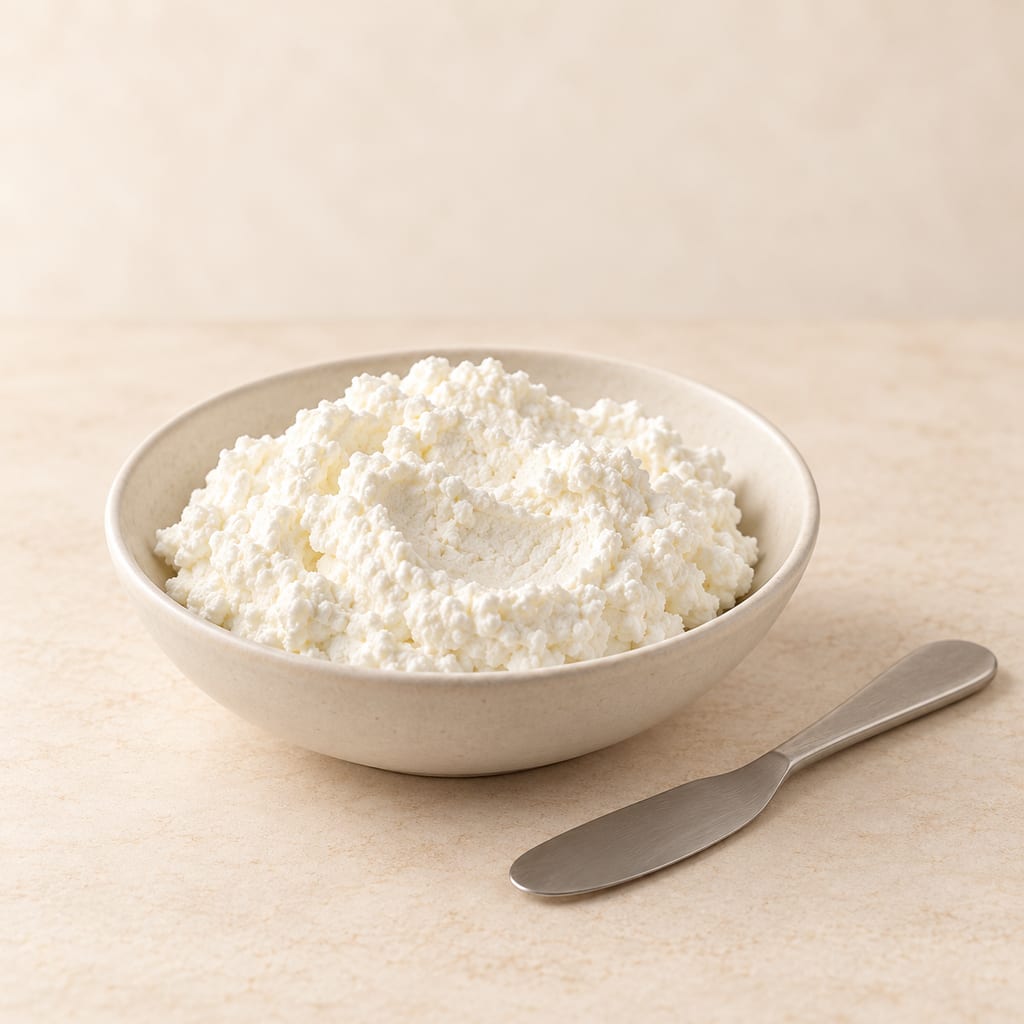
Quark is a soft, fresh curd cheese used in spreads and desserts. This small home batch sets milk with mesophilic culture and rennet before refrigerated drainage.
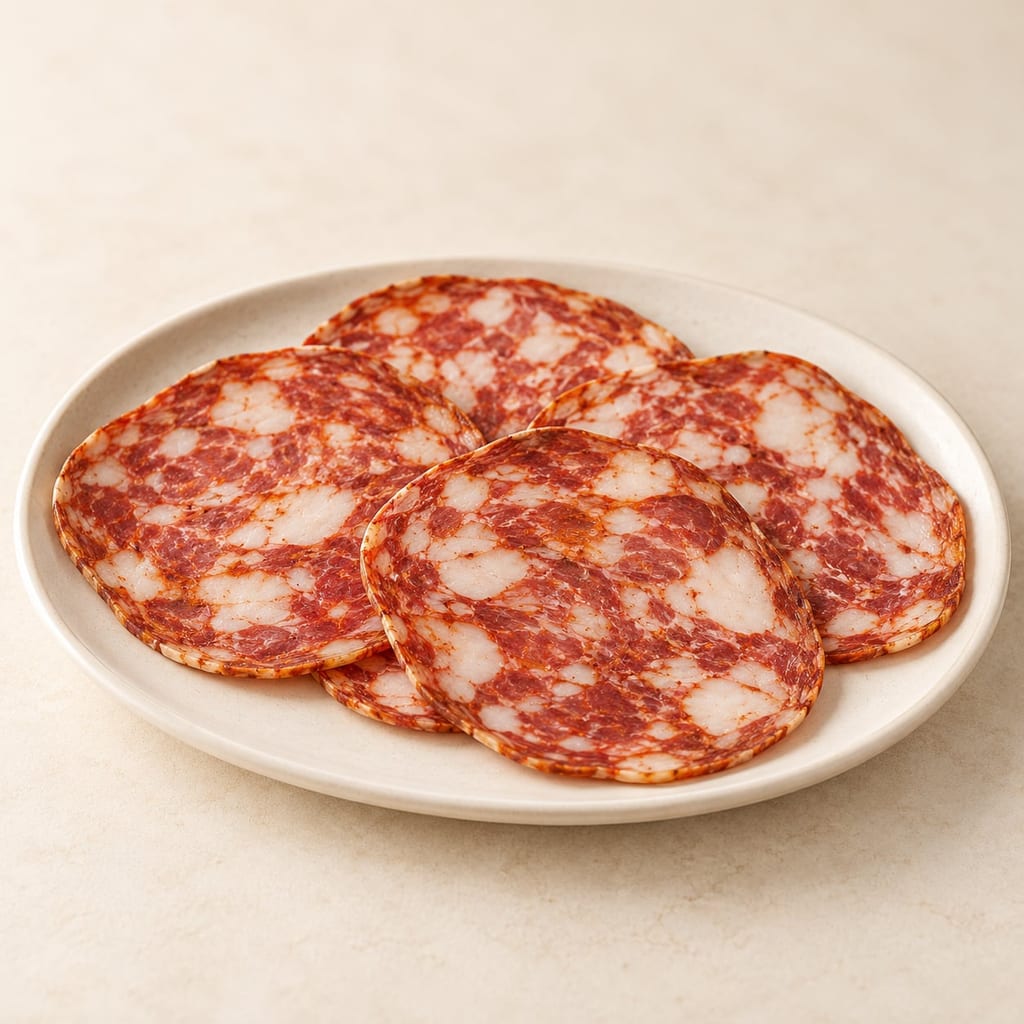
A documentary account of a modern ventricina-style salami source and its Abruzzese context. This page provides no preparation directions or validated home process.

A refined common-wheat flour blended for a broad range of baking; its protein and behavior vary with wheat, milling and market.

Toasted almonds are whole sweet almond kernels dry-roasted until golden to brown. Heat replaces their marzipan note with a roasted, nutty one; they thicken and flavour romesco.
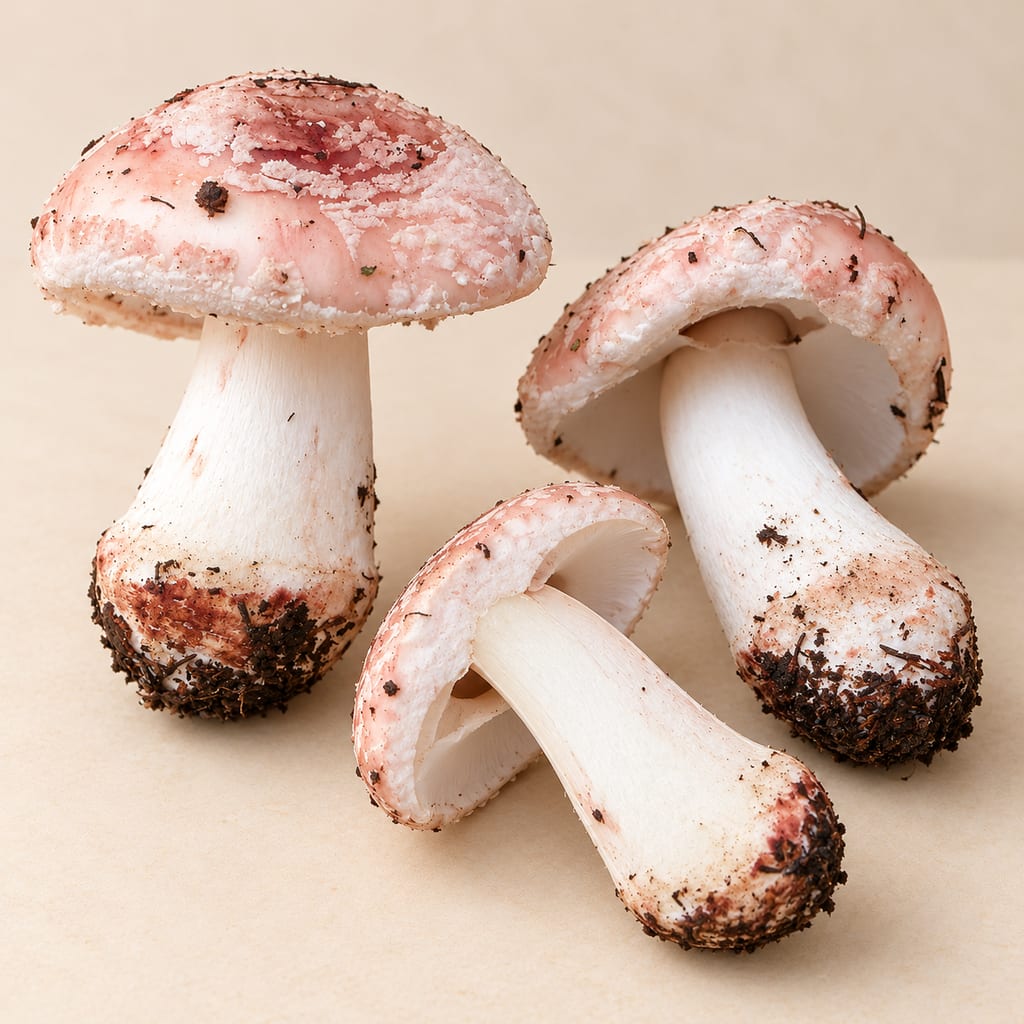
Amanita novinupta is a western North American blusher, a forest mushroom recorded as food in Mexico, and one that must be cooked because its raw flesh is toxic.
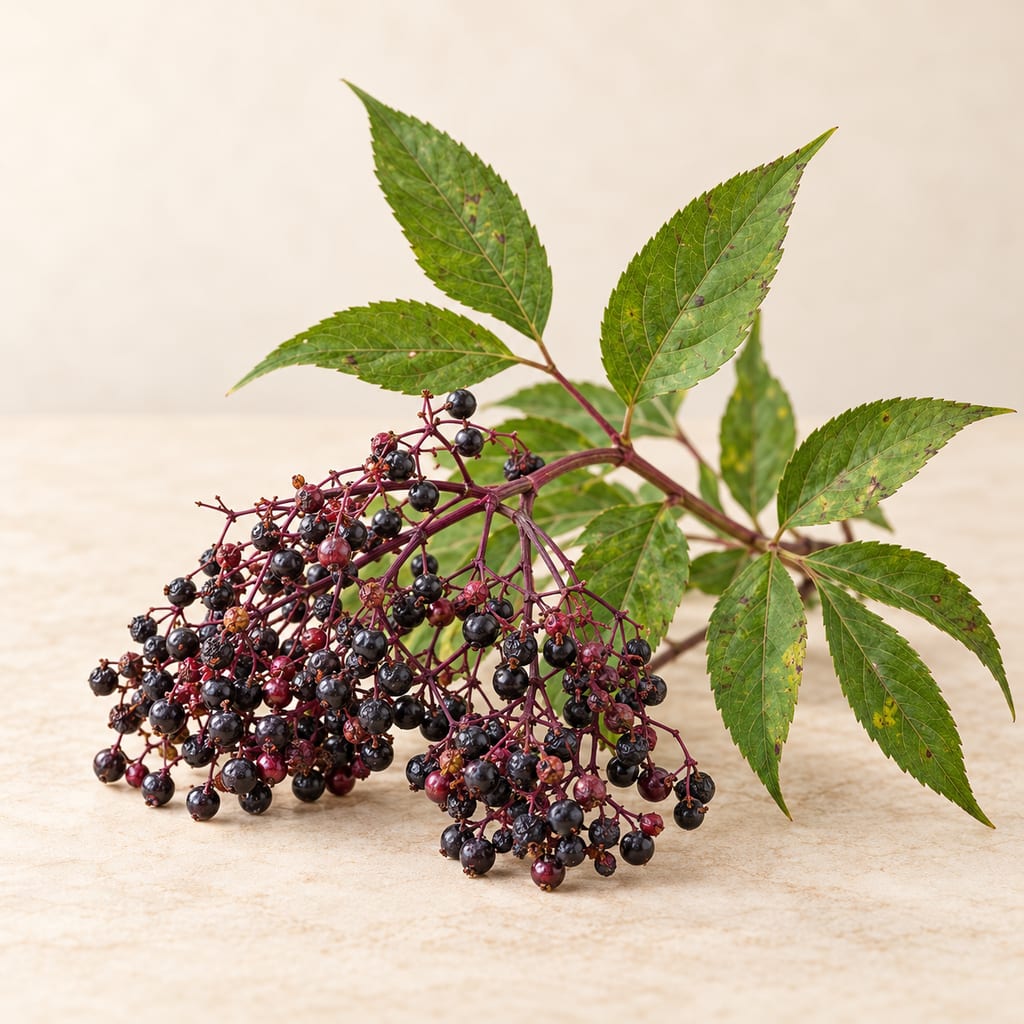
Sambucus canadensis is the accepted name used here for American elderberry. Missouri production guidance and named-cultivar studies give useful regional growing information, while food and analytical sources leave process questions open.
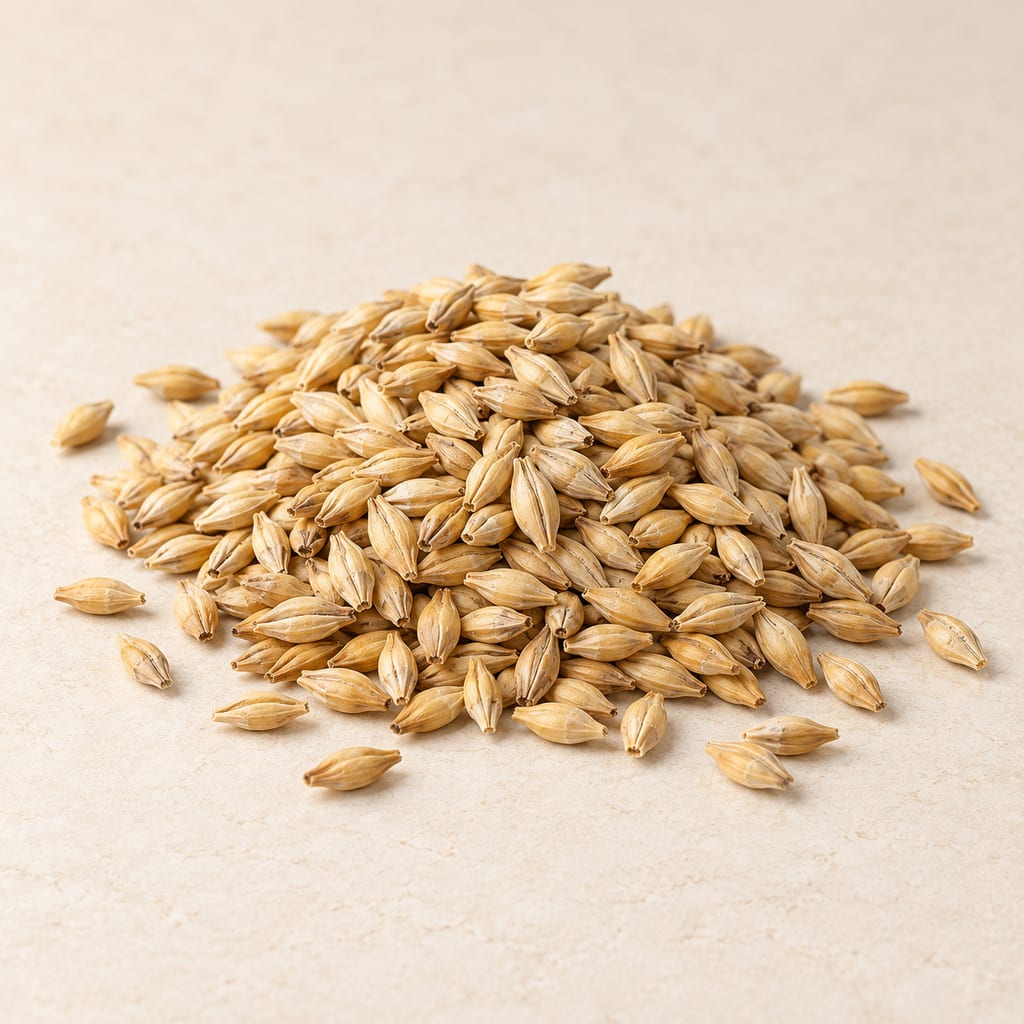
A lightly kilned brewing base made from two-row barley. It supplies starch and enzymes for the mash, with the maltster’s product and lot analysis defining its brewing properties.

Ripe avocado flesh is the soft, buttery, fat-rich pulp of Persea americana, eaten raw. It is low in acid, so it is a fresh ingredient that needs care in chilled dishes.
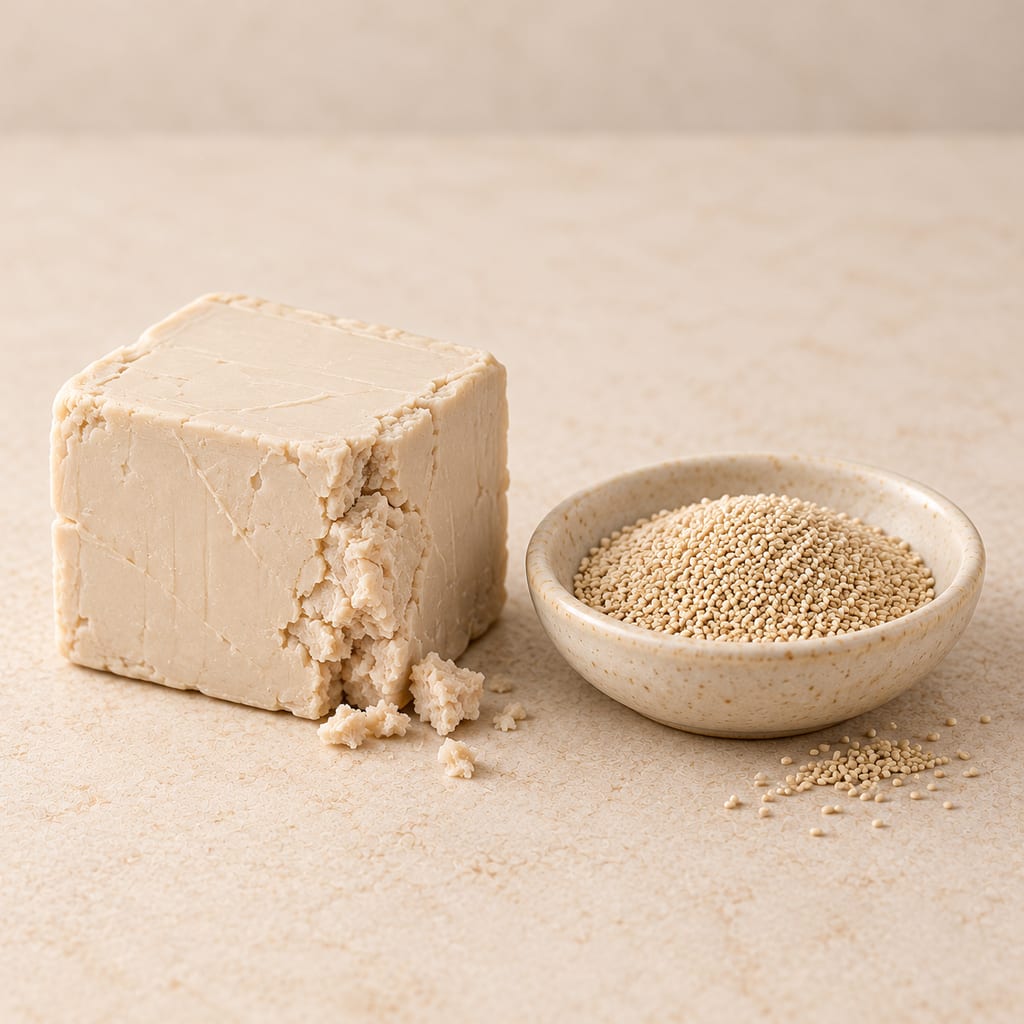
Baker's yeast is a cultivated living leavener, commonly sold fresh or dried. In dough, selected Saccharomyces cerevisiae cells make gas that can raise bread.
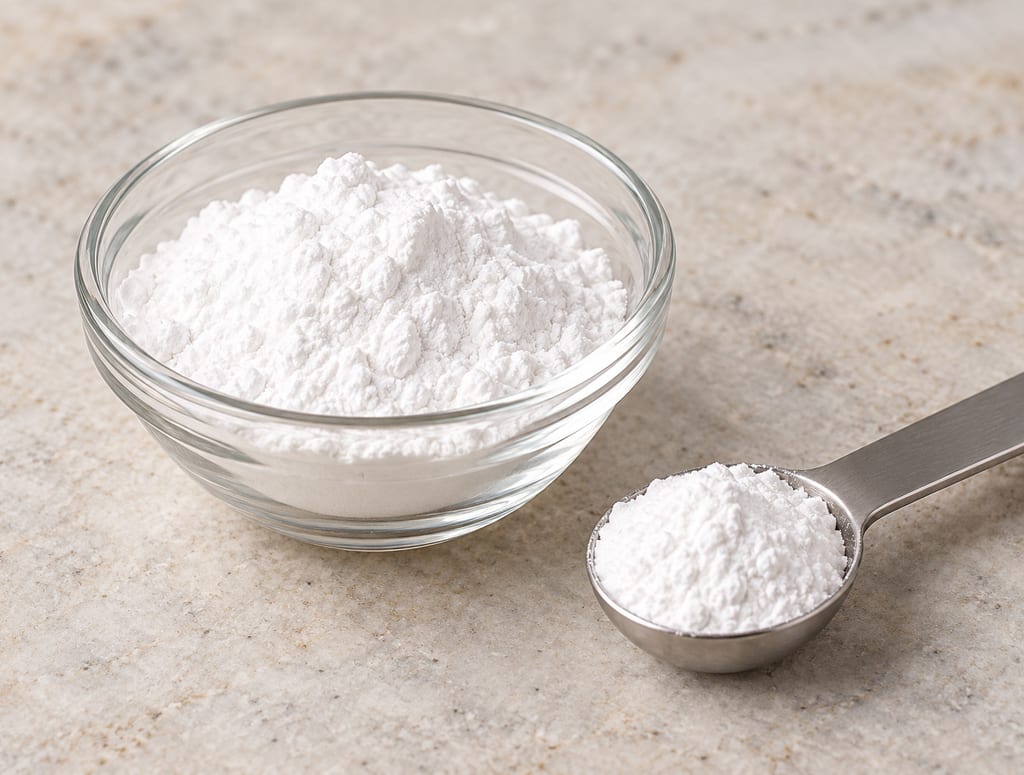
Baking powder is a dry chemical leavener that combines bicarbonate with acid-reacting ingredients and a carrier. Moisture and heat release carbon dioxide for quick breads, batters and griddle cakes.
No community contributions have been published for this entry yet.
Sign in to contribute. Published comments and photos are free to read.
US Centers for Disease Control and PreventionDisinfectant identity · Municipal history · Drinking water use
About Water Disinfection with Chlorine and ChloramineUS chlorine first use 1908, chloramine 1929; chlorine versus monochloramine; utilities may switch disinfectants; regulated water suitable for cooking
Cited in: A condition of water, not a place of origin; How the instruction entered the modern kitchen; Disinfectant, minerals and the water's other contents; The broader brine kitchen; Choosing and keeping the water for a recipe
US Environmental Protection AgencyWater treatment mechanism
Chloramines in Drinking Waterchloramine formation from chlorine and ammonia; persistent disinfection residual
Cited in: How the instruction entered the modern kitchen
US Environmental Protection AgencyChloramine handling
How can I remove monochloramine from my drinking water?room-temperature standing and boiling do not remove monochloramine; filters need appropriate certification
Cited in: Disinfectant, minerals and the water's other contents; Choosing and keeping the water for a recipe
New Mexico State University Cooperative ExtensionCheese science · Rennet dilution · Water selection
Making Homemade Cheeserennet casein network; dilution in cool distilled or boiled water; curd, whey and brine roles
Cited in: A condition of water, not a place of origin; Disinfectant, minerals and the water's other contents; The small carrier in fresh cheese; Water in a stretched, salted cheese; Choosing and keeping the water for a recipe
Omnom CheeseFirst person recipe · Quark water use
Quark2025 recipe uses 15 mL cool non-chlorinated boiled-and-cooled water for rennet in 1 L milk
Cited in: A condition of water, not a place of origin; How the instruction entered the modern kitchen; The small carrier in fresh cheese; Choosing and keeping the water for a recipe
University of Minnesota ExtensionWet brine science · Water mineral quality
Preserving food at home: Fermentationsoft or distilled water recommended for wet brines; salt, carbohydrate and acid exchange; dry versus wet brine
Cited in: Disinfectant, minerals and the water's other contents; The broader brine kitchen
Lincoln University Cooperative ExtensionTeaching recipe
Introduction to Cheesemakingmozzarella recipe dissolves rennet tablet in cool non-chlorinated water
Cited in: The small carrier in fresh cheese
Bacillus BulgaricusFirst person recipe · Cheese process
Kashkaval Making Instructionsseparate rennet and calcium-chloride dilutions; hot 16–18% salt bath; cooling and finishing brine
Cited in: Water in a stretched, salted cheese
Food and Agriculture Organization of the United NationsComparative cheese method
The technology of traditional milk products in developing countriesdocumented kashkaval method uses a 5–7% hot brine, demonstrating process variation
Cited in: Water in a stretched, salted cheese
Two Guys & A CoolerFirst person recipe · Surface culture use
Fuet Salamirecipe distinguishes distilled water for meat starter from non-chlorinated water for optional surface culture
Cited in: A carrier on the casing of a dry sausage
Two Guys & A CoolerFirst person recipe · Surface culture use
Ventricina Salamirecipe distinguishes distilled water for bacterial starter and non-chlorinated water for surface culture
Cited in: A carrier on the casing of a dry sausage
Chr. Hansen A/SPrimary manufacturer specification · Surface culture identity
MOLD-600 Product Information, version 3identifies Penicillium nalgiovense; instructs suspension and application; says tap water, not necessarily non-chlorinated water
Cited in: A carrier on the casing of a dry sausage
US Department of Agriculture Food Safety and Inspection ServiceFermented meat process
Ready-to-Eat Fermented, Salt-Cured, and Dried Products Guidelinedistinguishes bacterial starter in meat and its acidification role from surface-mold application
Cited in: A carrier on the casing of a dry sausage
Oregon State University ExtensionPickle brine science · Water quality
Pickle Fact Sheetfermented versus vinegar pickles; moderately soft water for brine; hard-water haze and discoloration
Cited in: The broader brine kitchen