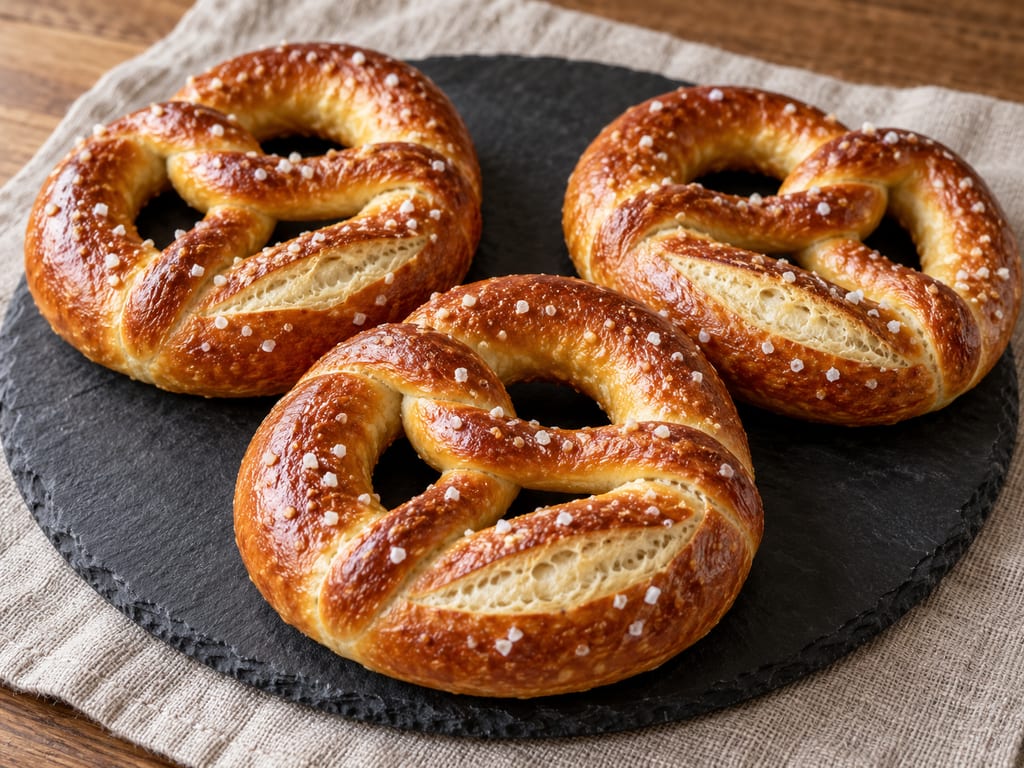
Brezel
This German-style knot pretzel uses a firm yeast dough, a chilled shape, a one-minute baking-soda bath and a deep bake. The method follows Jeffrey Hamelman's home adaptation for King Arthur Baking.
 FermenteaWhere food goes to change
Brezel · Brezn · German-style pretzel
A German-style Brezel is a yeast-raised wheat dough shaped into a loop and dipped in an alkaline bath before baking. This home version uses baking soda; the original formula uses food-grade lye.
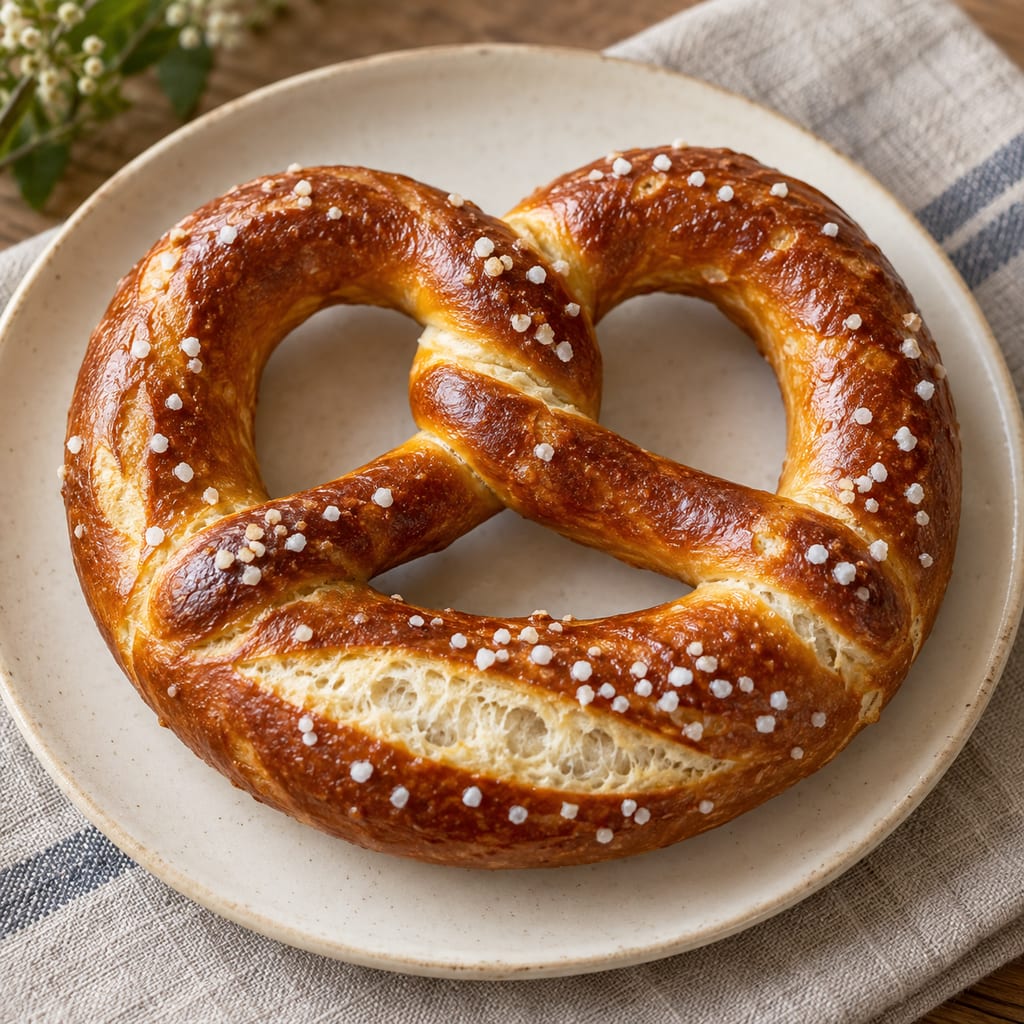
A Brezel is a yeast-raised wheat dough twisted into a loop, then dipped in a hot alkaline bath before it bakes. The bath is what gives the pretzel its dark, glossy skin and its characteristic taste. Hamelman, adapting German bakery practice for a home kitchen, uses baking soda where a bakery would use lye.
The baking-soda bath is not the same as the lye bath; the results differ. The soda method is a practical substitute for home cooks who cannot find food-grade lye. Both methods are presented separately.
The dough is developed by mixing, then given two long rises with folds between them. The folds build strength without kneading. The final chill makes the shaped ropes firm and easier to dip without tearing.
The Goethe-Institut feature treats the story of the pretzel as myth and hearsay rather than a documented origin, and follows bakers in Germany, Switzerland and the United States who still make it. No single inventor or first date is established by these sources.
Yield 10 pretzels · Scaling: source batch only
Pretzels are a German bakery product in the sources. Goethe-Institut frames the origin stories as myth and hearsay, so no birthplace is set.
This German-style knot pretzel uses a firm yeast dough, a chilled shape, a one-minute baking-soda bath and a deep bake. The method follows Jeffrey Hamelman's home adaptation for King Arthur Baking.
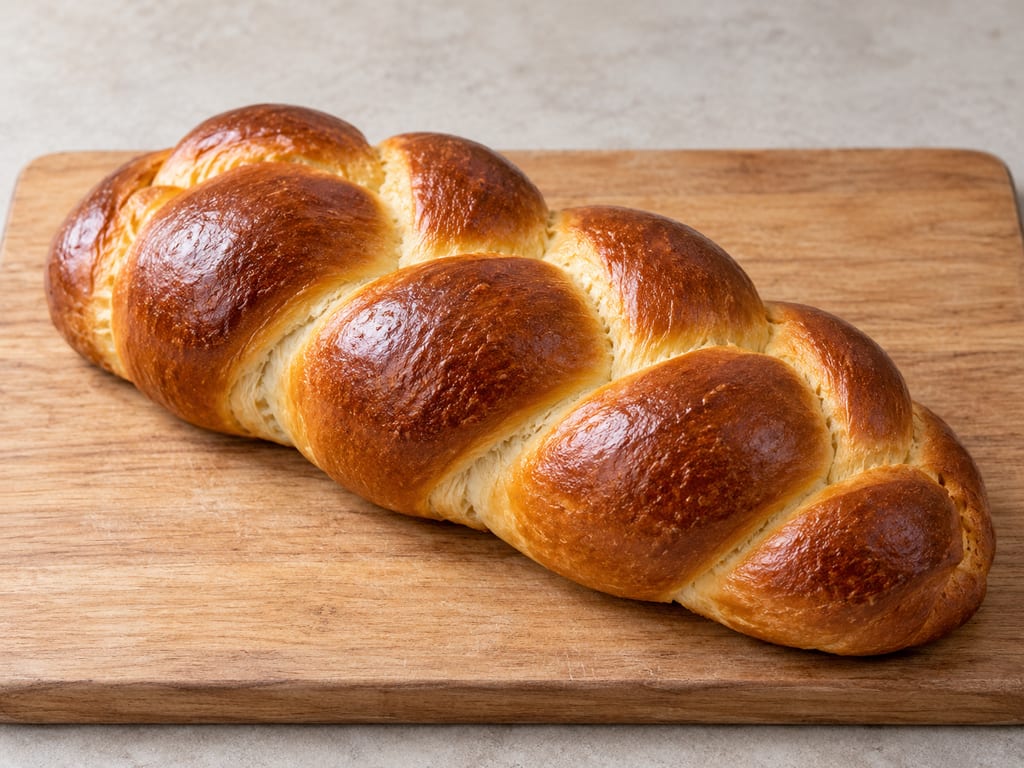
A three-strand yeast-raised challah with flour, salt, yeast, water, neutral oil, honey and egg, based on a Jewish Museum Vienna home recipe.
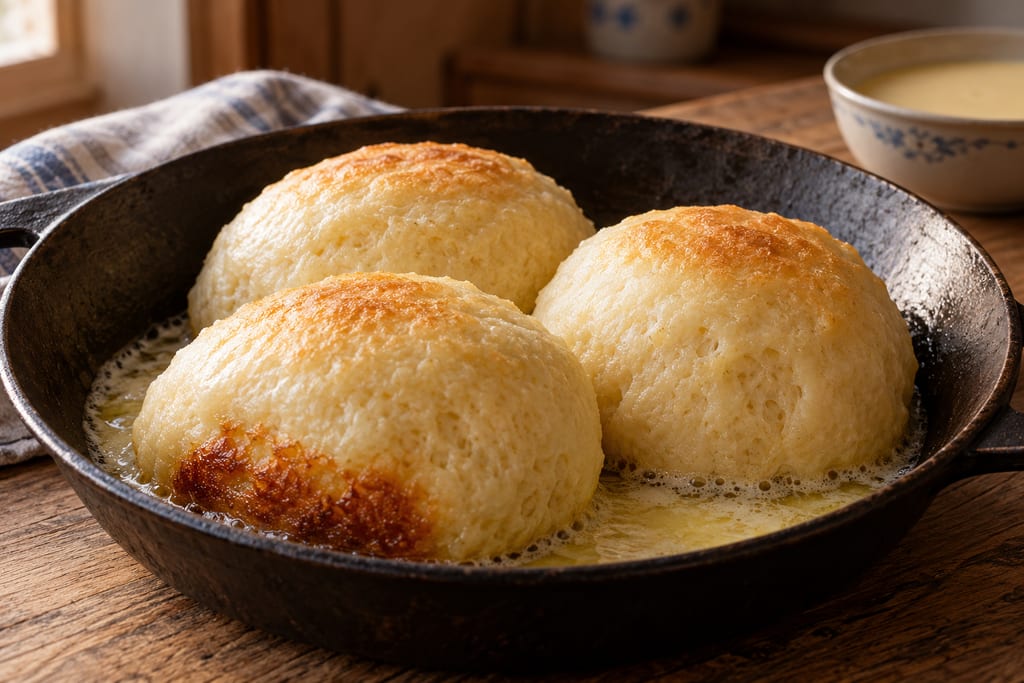
Allgäu Dampfnudeln are enriched wheat buns proofed in a covered casserole and cooked in milk and butter until the liquid nearly cooks away.
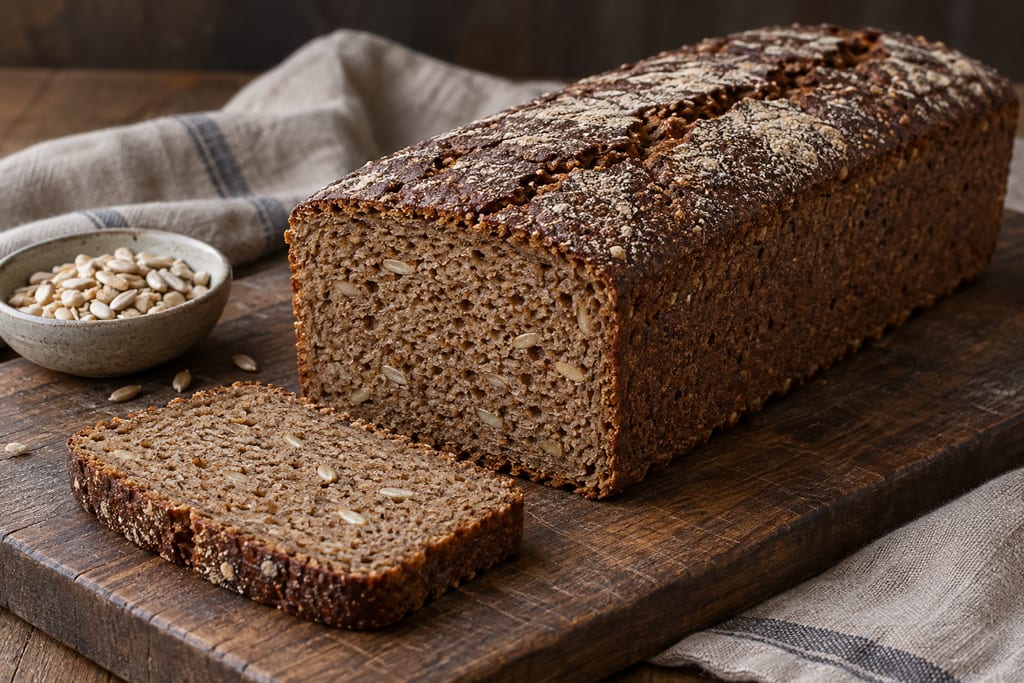
A dense whole-rye loaf with a sourdough preferment, soaked rye chops and sunflower seeds. It bakes in a long loaf pan and rests for 24–48 hours before slicing.
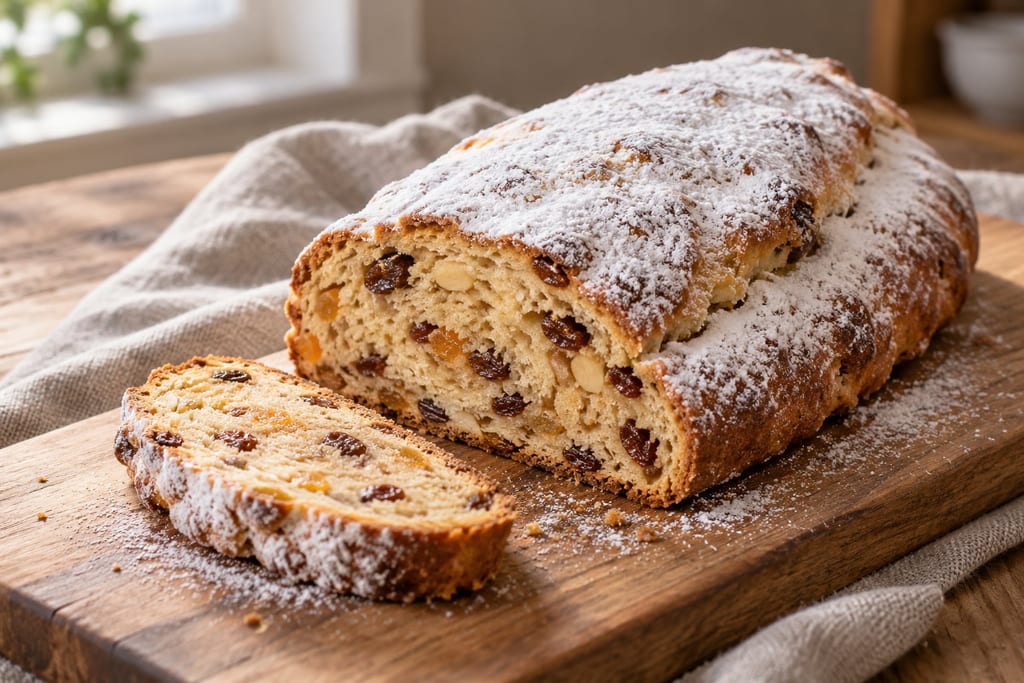
A four-loaf German family Christmas stollen with rum-soaked sultanas, almonds, candied citrus and marzipan, baked in two stages.
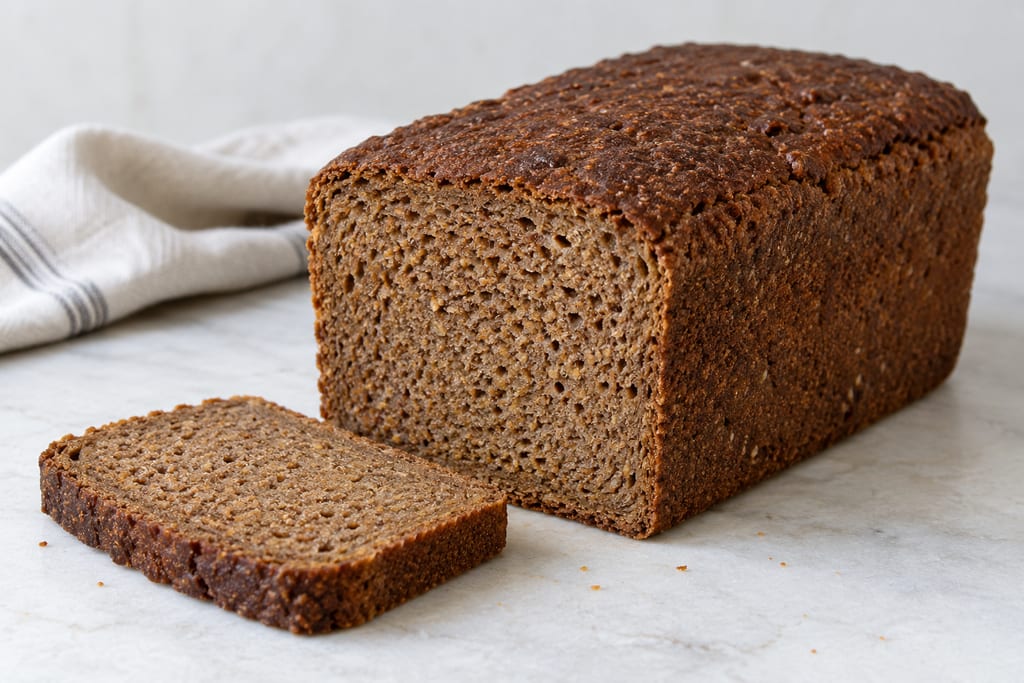
A dense, dark rye-and-wheat loaf with a warm rest and long covered bake. This home version uses a 5-hour oven bake and differs from the protected Westphalian product.
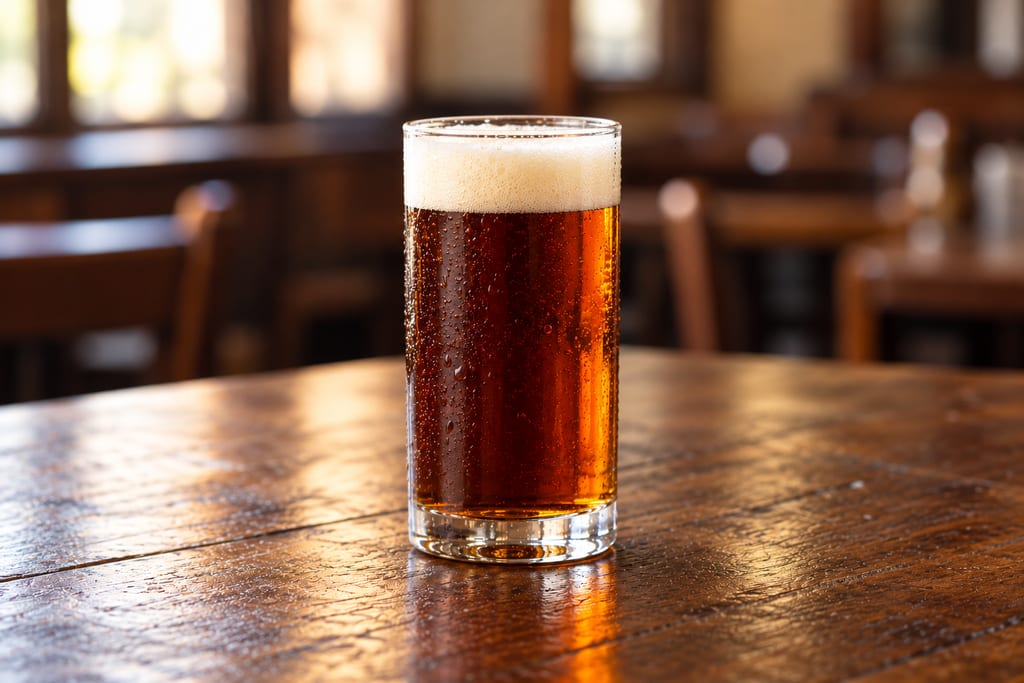
A source-specific modern extract adaptation of Düsseldorf Altbier, with specialty malts, two hop additions and an ale yeast. It is distinct from a brewery's commercial Altbier process and from Kölsch.
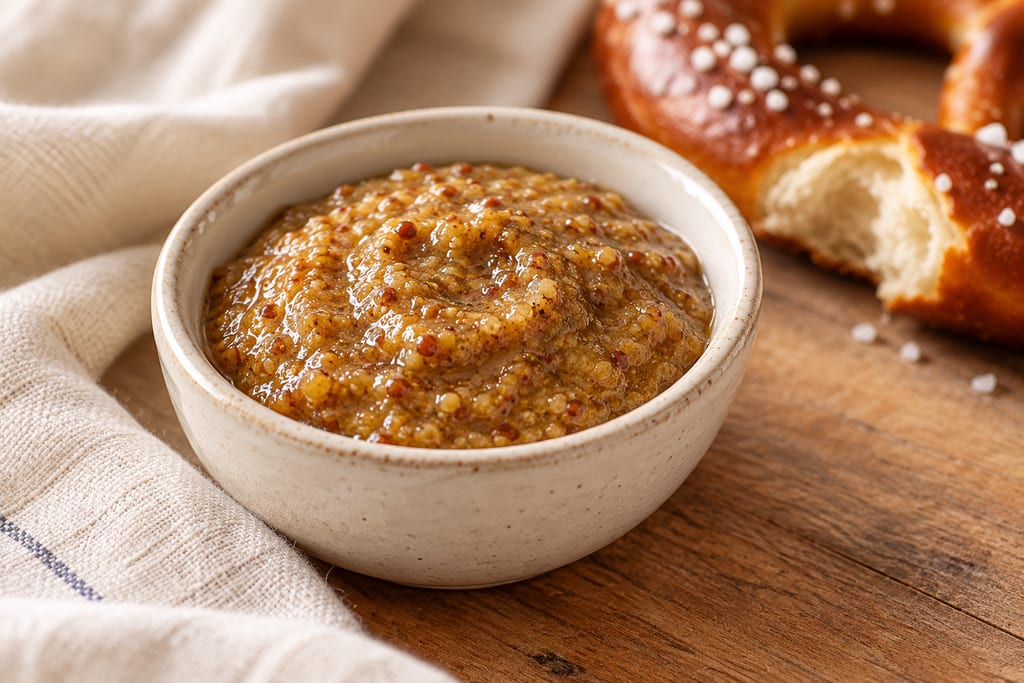
A coarse, sweet Bavarian-style mustard of yellow and brown seed in a cooked brown-sugar and vinegar base, made to eat with Weisswurst; an original refrigerated formula.
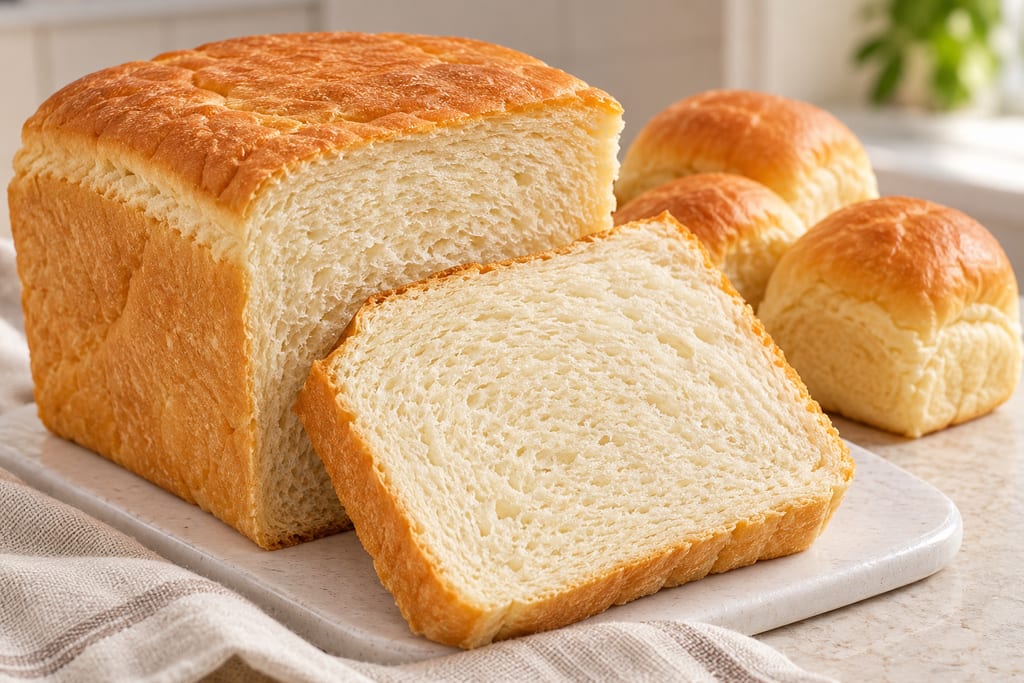
This softer home-style Agege bread uses a scalded flour paste, an enriched yeast dough and a 9×5-inch loaf pan, with rolls from the extra dough.
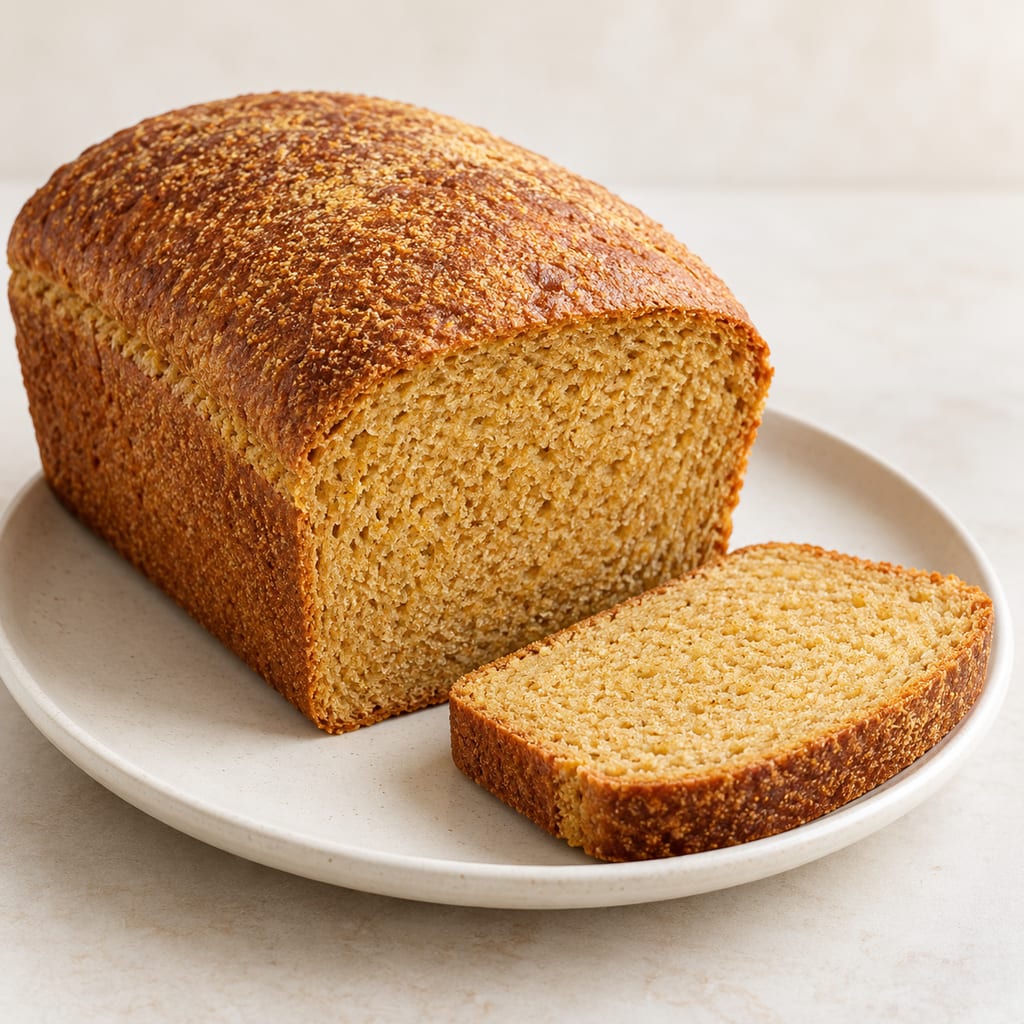
Anadama is a New England yeast loaf made with wheat flour, cornmeal and molasses. Scalded cornmeal enriches the dough, while molasses lends sweetness and a dark crust; it is especially good toasted or beside soup and baked beans.

A yeast-raised wheat ring shaped from a firm dough, briefly boiled and baked. This source-batch formula gives a gently malted crust and a chewy crumb.
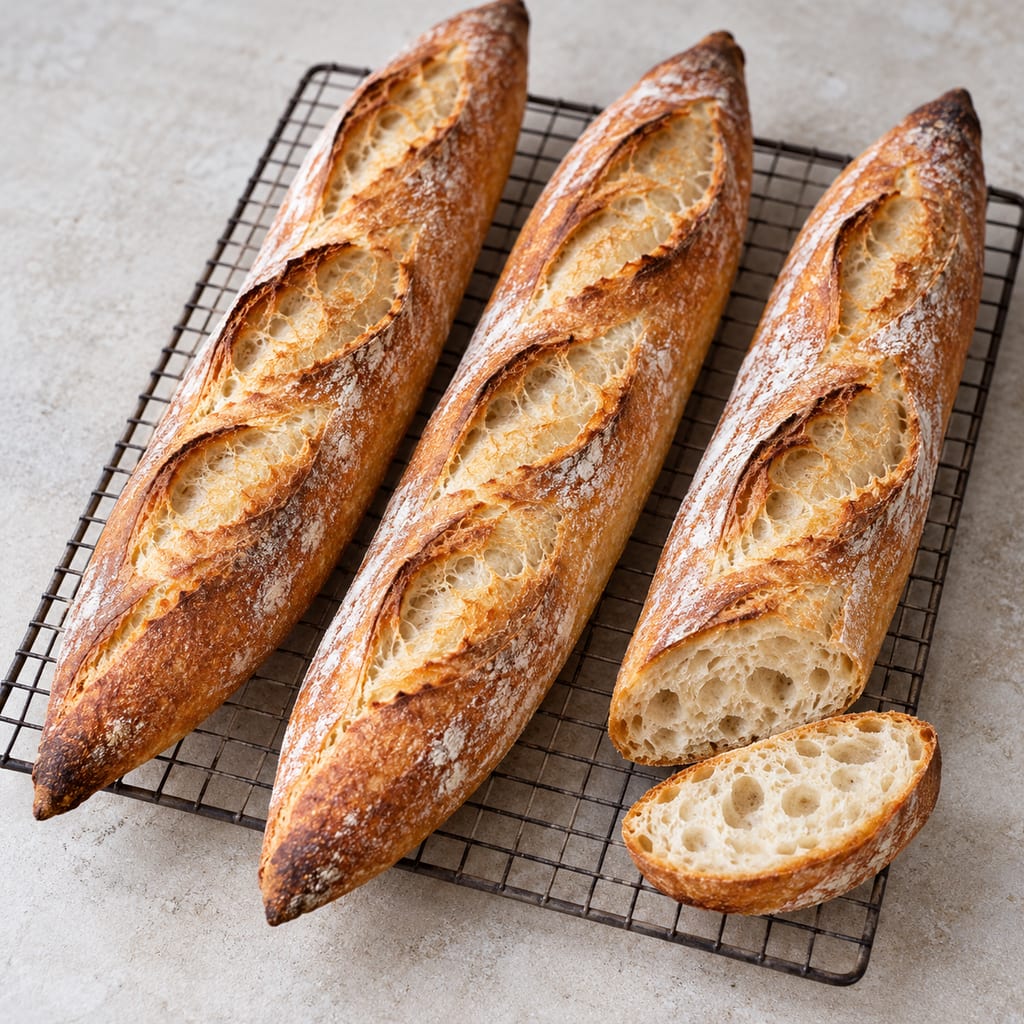
Three long, crusty wheat loaves made with an overnight yeast poolish, shaped by hand and baked with steam for a crisp crust.
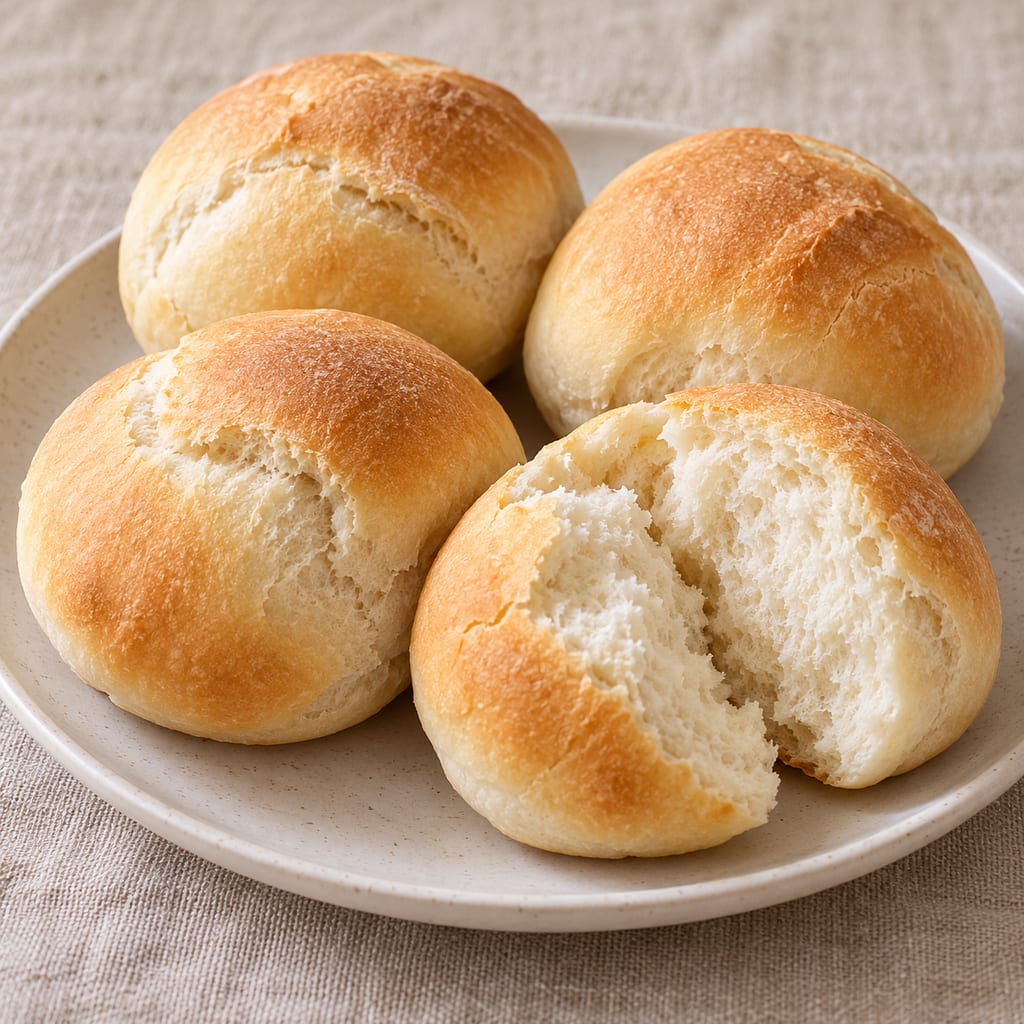
A lightly salted, yeast-raised Barbadian roll, baked in a dozen-roll home batch and often split for cutters.
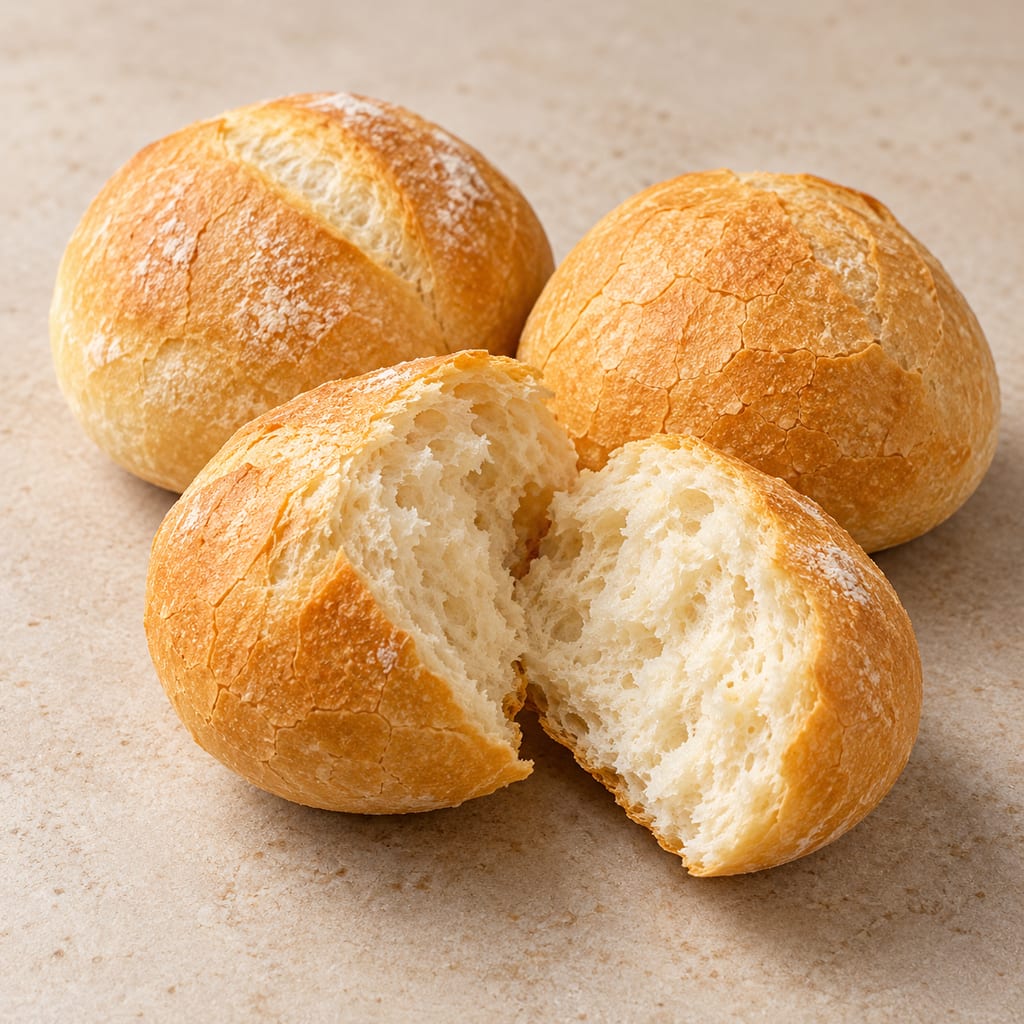
A crisp Belgian roll made from a supplier’s Croc-flour dough, mixed by hand or machine, proofed in rounds and baked with steam.
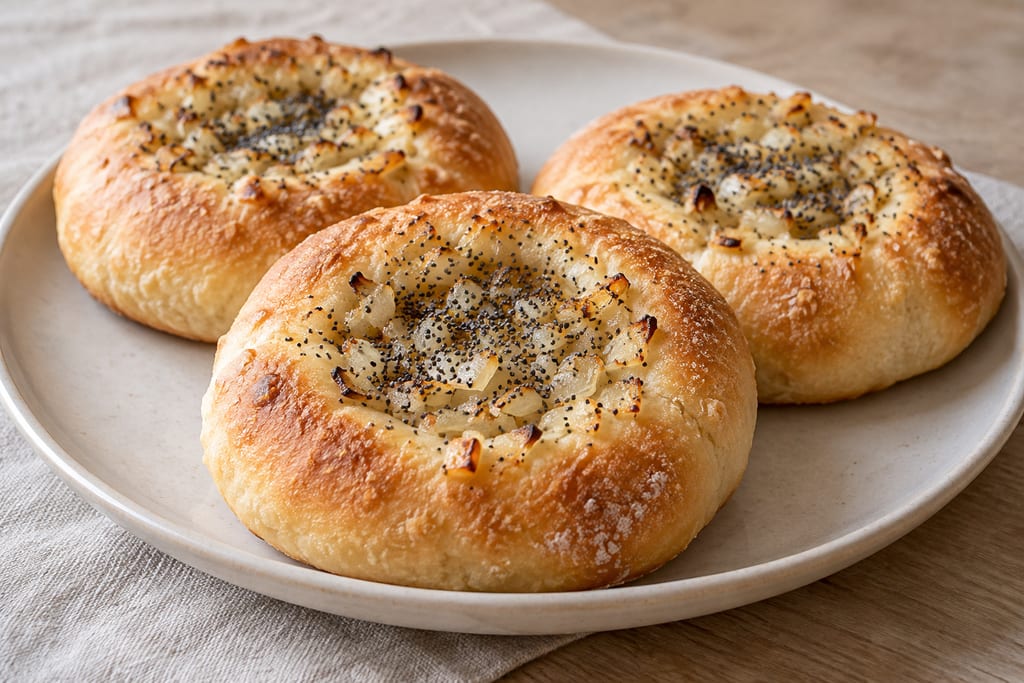
Bialys are soft, yeasted wheat rolls baked without boiling, each shaped with an onion-filled central depression instead of a hole.
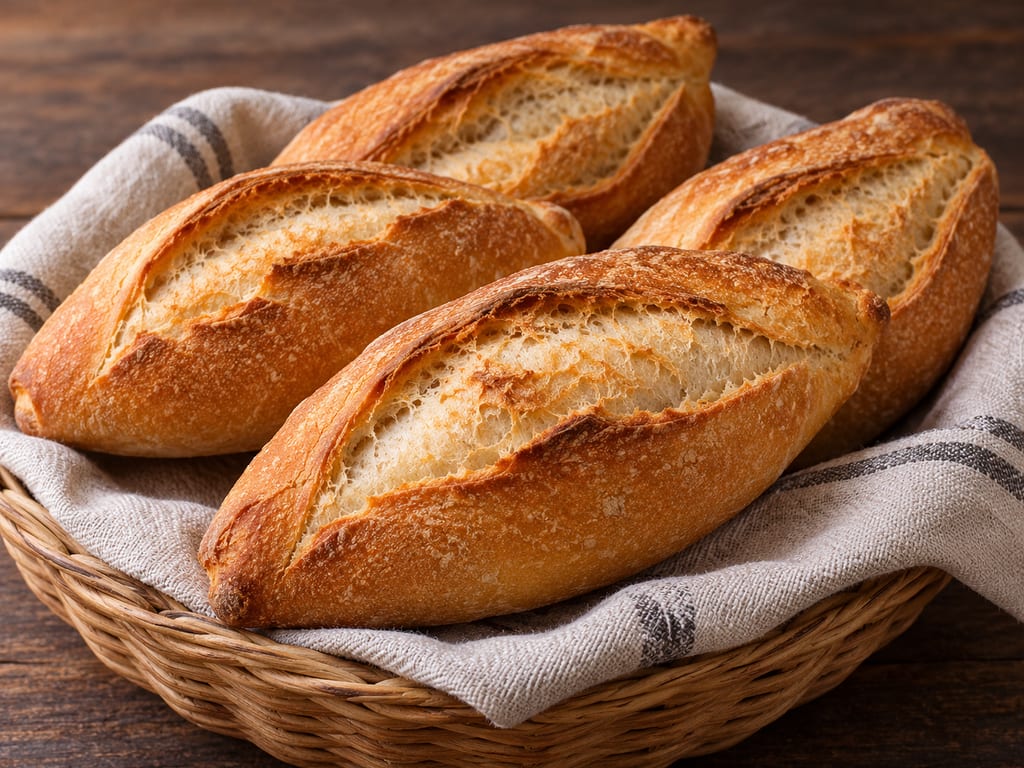
A measured, commercial-yeast home method for Guadalajara-style birote salado, with a six-hour preferment, shaped rolls and a two-temperature steam bake. This formula contains no egg.
No community contributions have been published for this entry yet.
Sign in to contribute. Published comments and photos are free to read.
King Arthur Baking; recipe by Jeffrey HamelmanMethod · Inspiration
German-Style PretzelsDough quantities and method, alkaline bath with baking soda, 450 F bake.
Lye alternative and food-safety wording for lye.
Cited in: A loop in a boiling bath; Dough and rises
Goethe-Institut; Wolfgang Karg and Irene BilalHistory
The Story of the BreznPretzel history is presented as myths and hearsay; current bakers and uses in Germany, Switzerland and the United States.
Cited in: History is uncertain