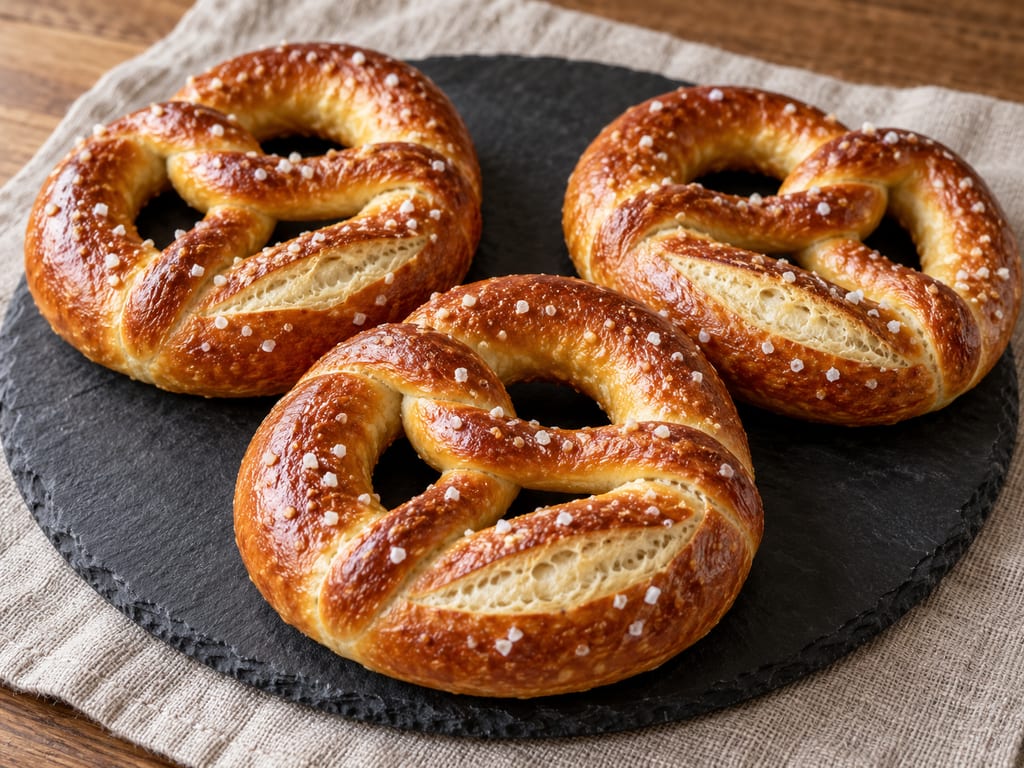
Brezel
This German-style knot pretzel uses a firm yeast dough, a chilled shape, a one-minute baking-soda bath and a deep bake. The method follows Jeffrey Hamelman's home adaptation for King Arthur Baking.
 FermenteaWhere food goes to change
Modern adaptation
Westfälischer Pumpernickel · Westphalian rye bread
A dense, dark rye-and-wheat loaf with a warm rest and long covered bake. This home version uses a 5-hour oven bake and differs from the protected Westphalian product.
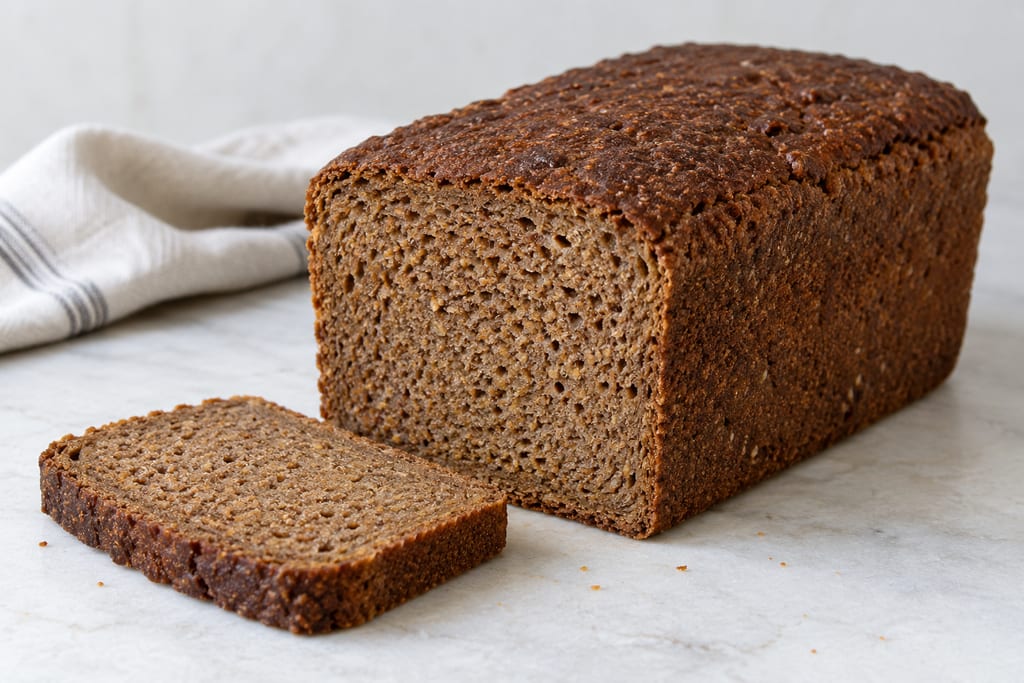
Westfälischer Pumpernickel is more specific than a generic dark rye loaf. The European Union’s published specification describes the protected bread as a dark, crustless wholemeal loaf with visible rye grain structure and a tight, moist crumb. Its raw materials are at least 90% coarsely ground rye flour, wholemeal rye grain or a mixture of the two, with water, salt, yeast and previously baked pumpernickel; other grain ingredients and sugar beet products may also be used. The production steps from mixing through baking must take place in the defined region.
The specification ties the product’s color, dense crumb and bittersweet flavor to an unusually long bake in sealed tins. It calls for at least 16 hours in a steam-filled or rack oven. This is a distinct baking process; the specification says it is unlike ordinary black-bread baking. Its account also connects the method and the product’s reputation to Westphalia’s long rye-growing tradition. That supports a regional association, not a single town as a birthplace.
King Arthur Baking calls its own recipe Westphalian Rye Bread and explicitly describes it as a less time-consuming version of the many-hour traditional bake. It is a useful home method with a covered pan, low oven and measured center endpoint, but its wheat ingredients and five-hour bake differ from the PGI specification. This page records that recipe as a modern adaptation rather than treating it as the protected all-rye product.
The dough combines cracked wheat and malted wheat flakes or oats with pumpernickel flour and whole wheat flour. Boiling water first softens the cereal before the remaining ingredients go in. The mixture is extremely stiff and sticky, and it expands very little during the long warm rest. The first stage is best understood as mellowing rather than a conventional doubled proof.
The warm rest lasts 12 to 24 hours at 70–75°F, with one or two folds after 6 to 8 hours. This makes the recipe an overnight-to-next-day schedule, not a short same-day loaf. The covered pan rest after shaping is shorter, at an hour and a half, and the dough expands only slightly.
The darkening choice is optional. Burnt sugar syrup or black cocoa gives the dough a darker starting color, while the long bake also deepens the loaf. The recipe lists syrup and cocoa as alternatives; this adaptation leaves out the optional homemade burnt-sugar process, which involves handling hot caramel and boiling water.
Two standard 8½-by-4½-inch loaf pans make the source batch. The dough is pressed into the pans and smoothed with wet hands, then sealed beneath greased foil for the bake. The foil and pan contain the loaf during five hours at 225°F. The method does not call for an open steam tray or an improvised sealed jar.
After the five-hour bake, the recipe gives a visual check and a center reading of 195°F on an instant-read thermometer. The loaf then firms in its pan for 15 minutes before it is removed. It is wrapped only after cooling to lukewarm, and it rests for at least eight more hours before slicing. Those steps let the dense crumb settle before cutting.
This batch yields two loaves. Keep this recipe at that batch size: neither cited method validates a scaled home batch, and the industrial tin-and-steam process is not a substitute for the covered-pan instructions here. Serve thin slices, in the style described in the recipe, with butter or savory accompaniments.
Pumpernickel also appears in Westphalia's visual record. A 2016 notice for the LWL exhibition on 200 years of Westphalia reproduces Heinrich Genau's photograph of a farm girl carrying pumpernickel loaves, dated around 1919. The exhibition uses such material to explore regional identity and stereotypes.
The photograph is evidence of a named historical depiction, not a first attestation of the bread or documentation of this household formula. The protected product's specification and King Arthur's shorter wheat-and-rye adaptation remain separate sources for their respective processes.
Westfälischer Pumpernickel is registered as a German PGI. Its specification lists at least 90% coarsely ground rye flour or wholemeal rye grain and requires at least 16 hours in sealed tins. King Arthur Baking calls this five-hour wheat-and-rye loaf a less time-consuming version, so it is a modern adaptation, not the protected specification.
Yield 2 loaves (8½-by-4½-inch pans) · Scaling: source batch only
Bake the covered pans for the full source time and check the center with an instant-read thermometer; the source endpoint is 195°F.
Control sourceThe PGI specification associates the protected rye product and sealed long-bake process with Westphalia. This King Arthur Baking adaptation is not that protected product.
This German-style knot pretzel uses a firm yeast dough, a chilled shape, a one-minute baking-soda bath and a deep bake. The method follows Jeffrey Hamelman's home adaptation for King Arthur Baking.
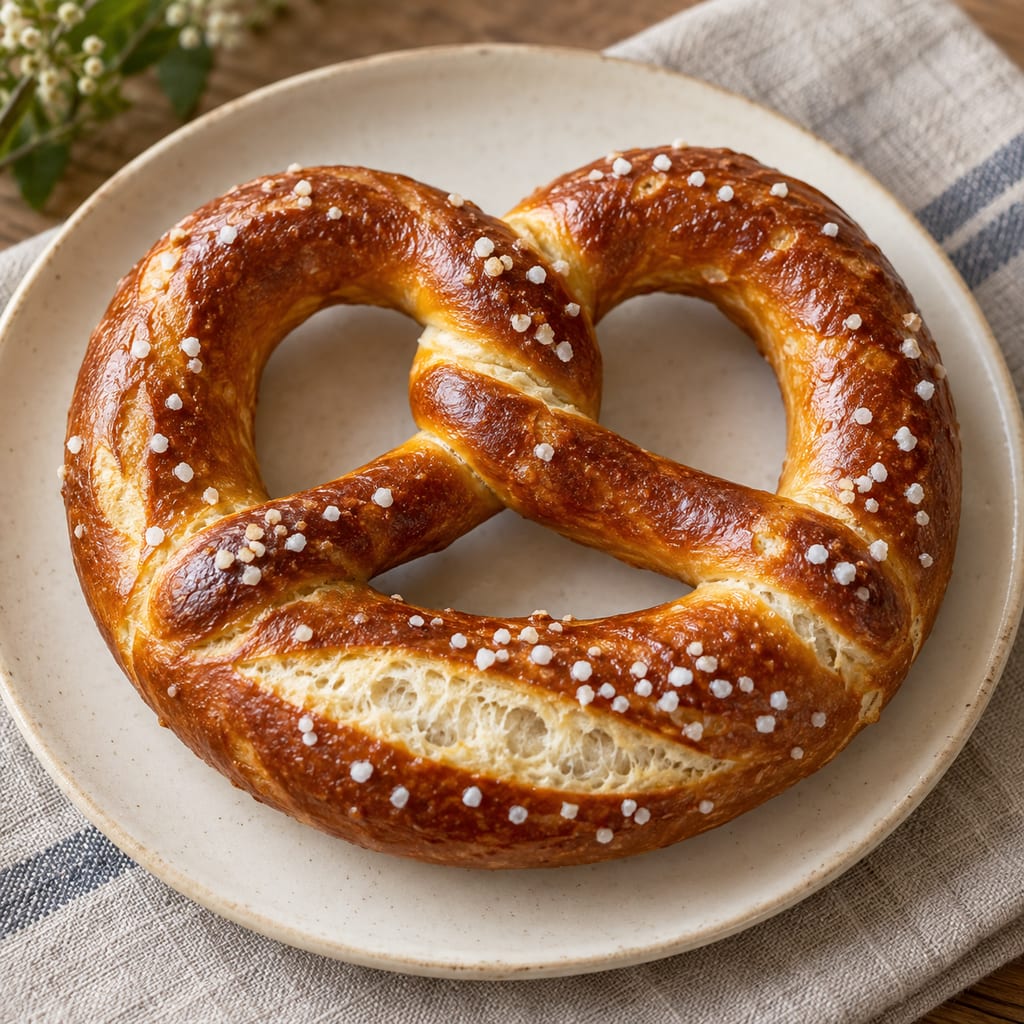
A German-style Brezel is a yeast-raised wheat dough shaped into a loop and dipped in an alkaline bath before baking. This home version uses baking soda; the original formula uses food-grade lye.
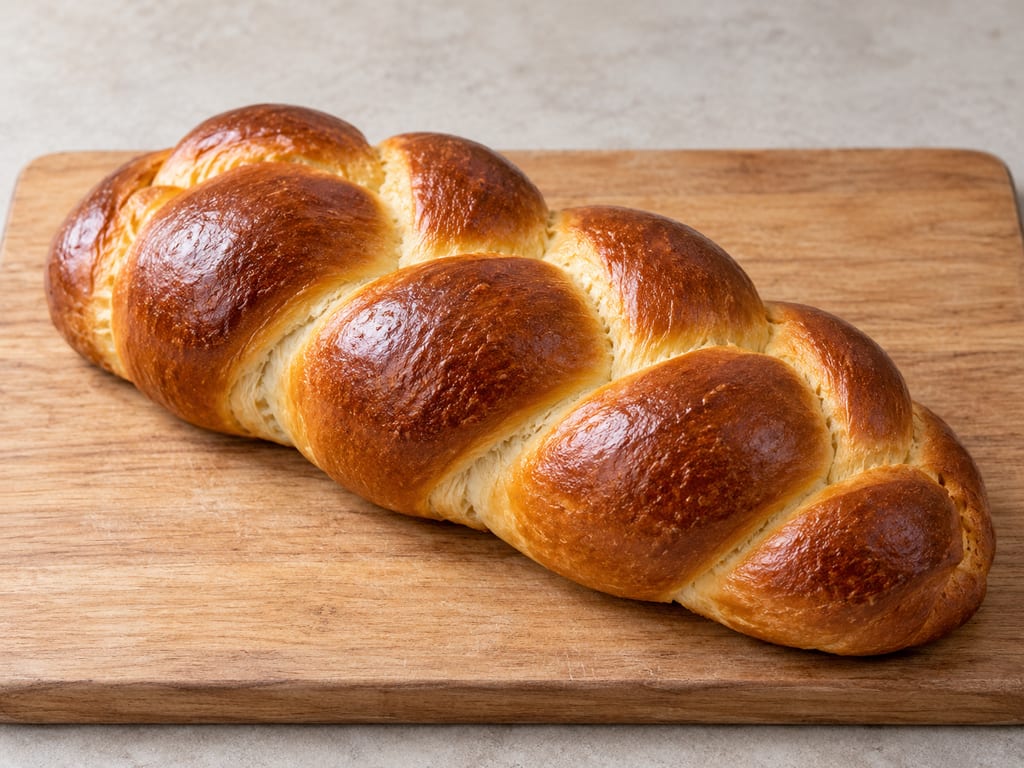
A three-strand yeast-raised challah with flour, salt, yeast, water, neutral oil, honey and egg, based on a Jewish Museum Vienna home recipe.
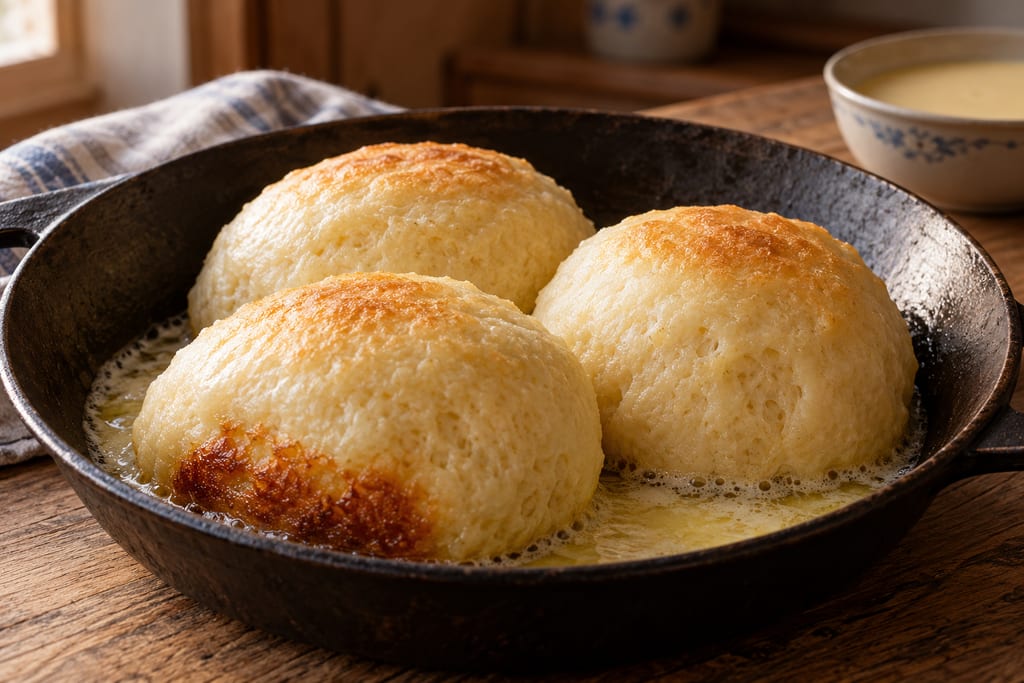
Allgäu Dampfnudeln are enriched wheat buns proofed in a covered casserole and cooked in milk and butter until the liquid nearly cooks away.
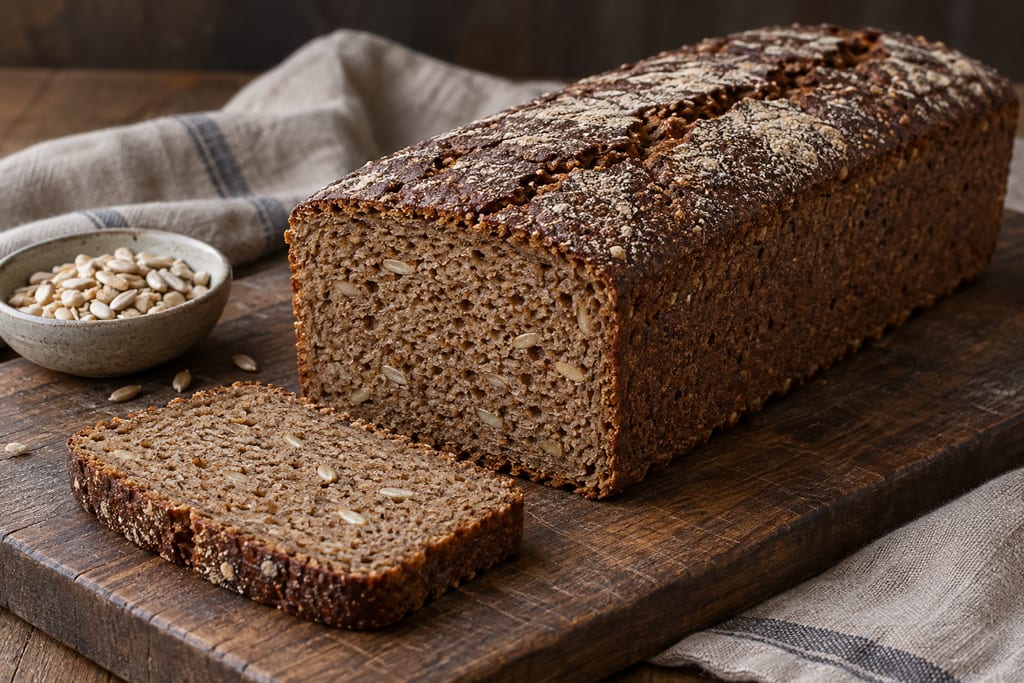
A dense whole-rye loaf with a sourdough preferment, soaked rye chops and sunflower seeds. It bakes in a long loaf pan and rests for 24–48 hours before slicing.
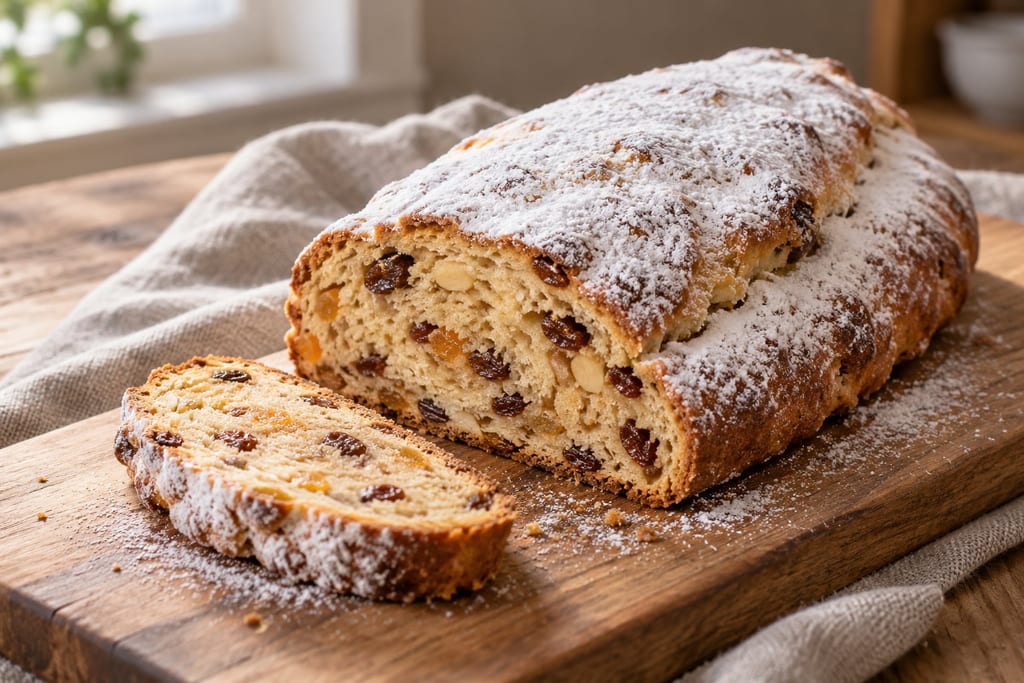
A four-loaf German family Christmas stollen with rum-soaked sultanas, almonds, candied citrus and marzipan, baked in two stages.

A source-specific modern extract adaptation of Düsseldorf Altbier, with specialty malts, two hop additions and an ale yeast. It is distinct from a brewery's commercial Altbier process and from Kölsch.
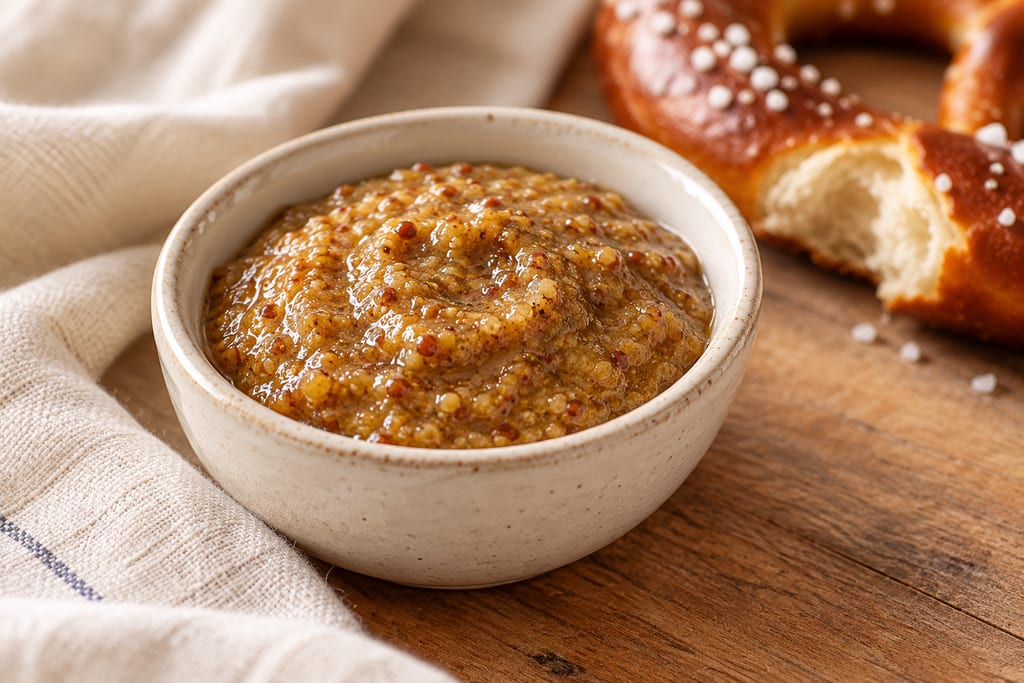
A coarse, sweet Bavarian-style mustard of yellow and brown seed in a cooked brown-sugar and vinegar base, made to eat with Weisswurst; an original refrigerated formula.
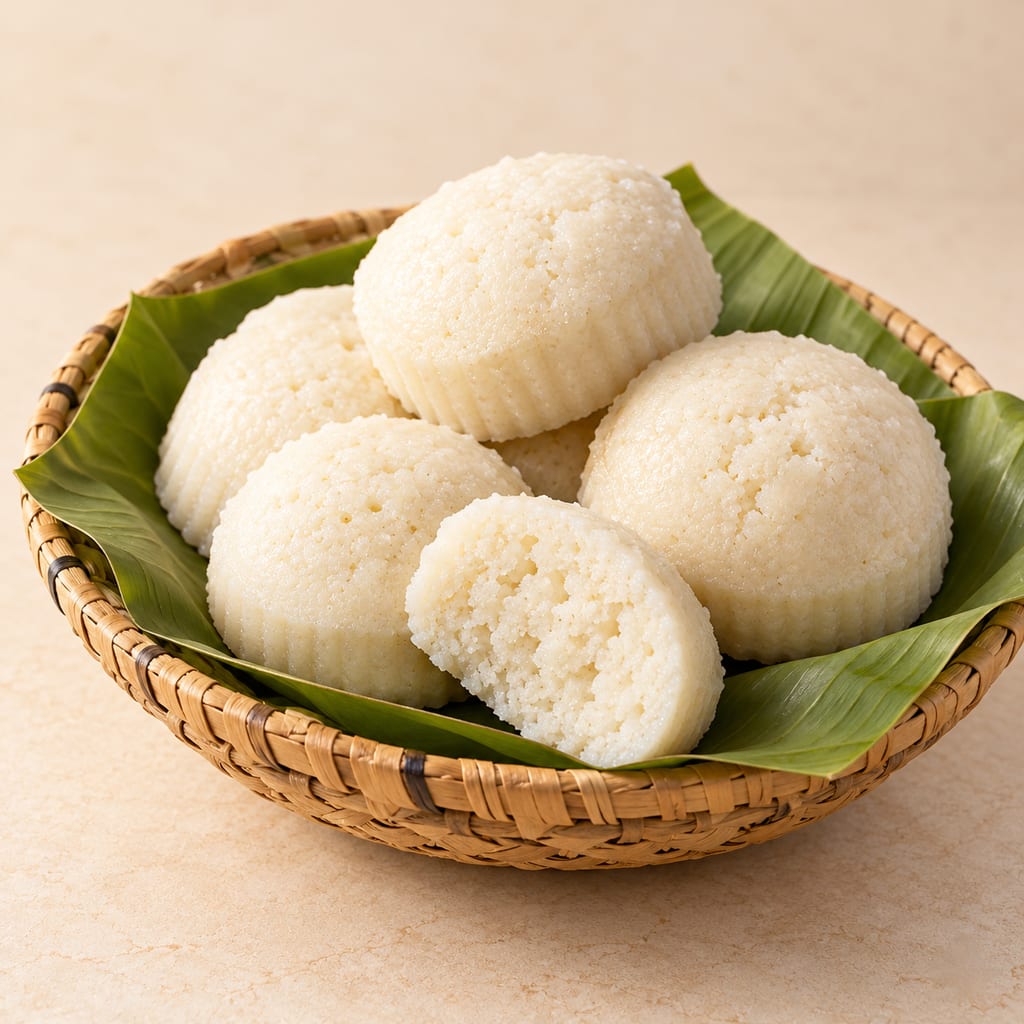
Soft, lightly tangy steamed cereal bread documented across Benin and Togo. This page gives one measured rice-flour research method; maize-based Ablo and mixed-grain versions remain distinct traditions.
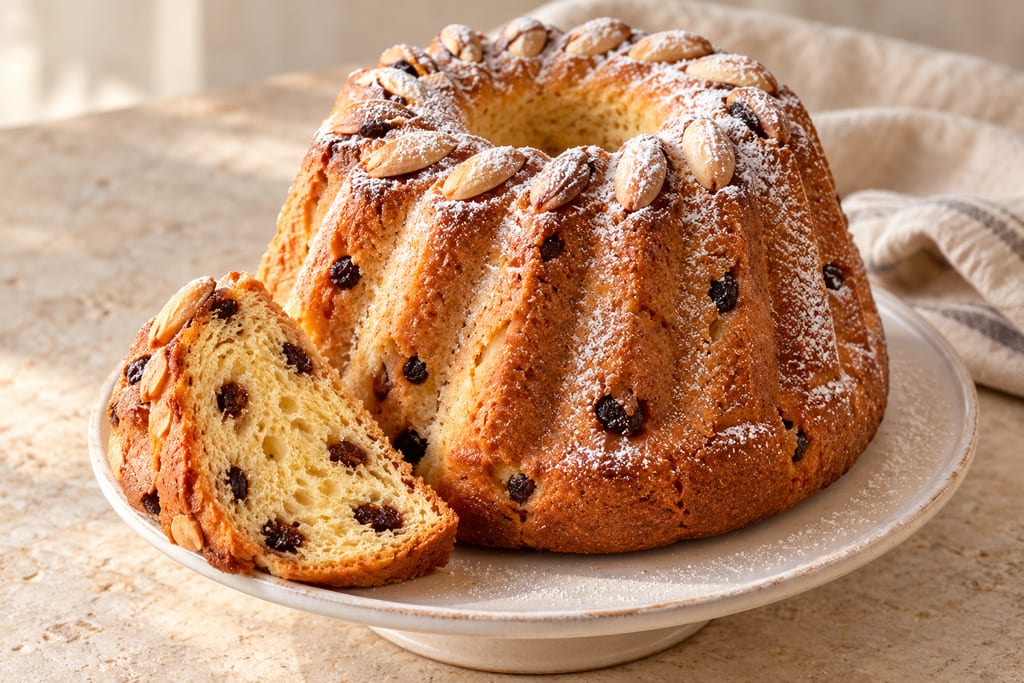
An enriched Alsatian yeast ring with raisins and almonds, kneaded with butter, proofed in a fluted mould and baked until browned.

Anpan is a soft wheat bun filled with sweet red-bean paste and finished with egg wash and black sesame. This dough rises with commercial instant yeast.
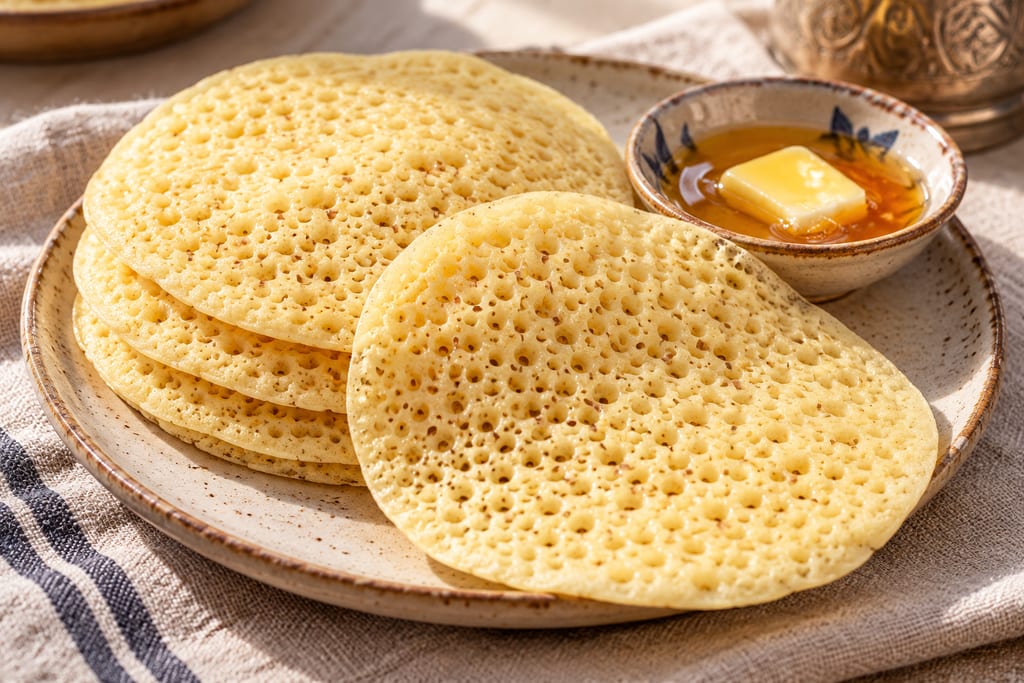
Moroccan semolina pancakes made from a thin yeast batter, rested until foamy and cooked on one side until the surface sets with a honeycomb of holes. This source-specific batch makes sixteen 5-inch pancakes.
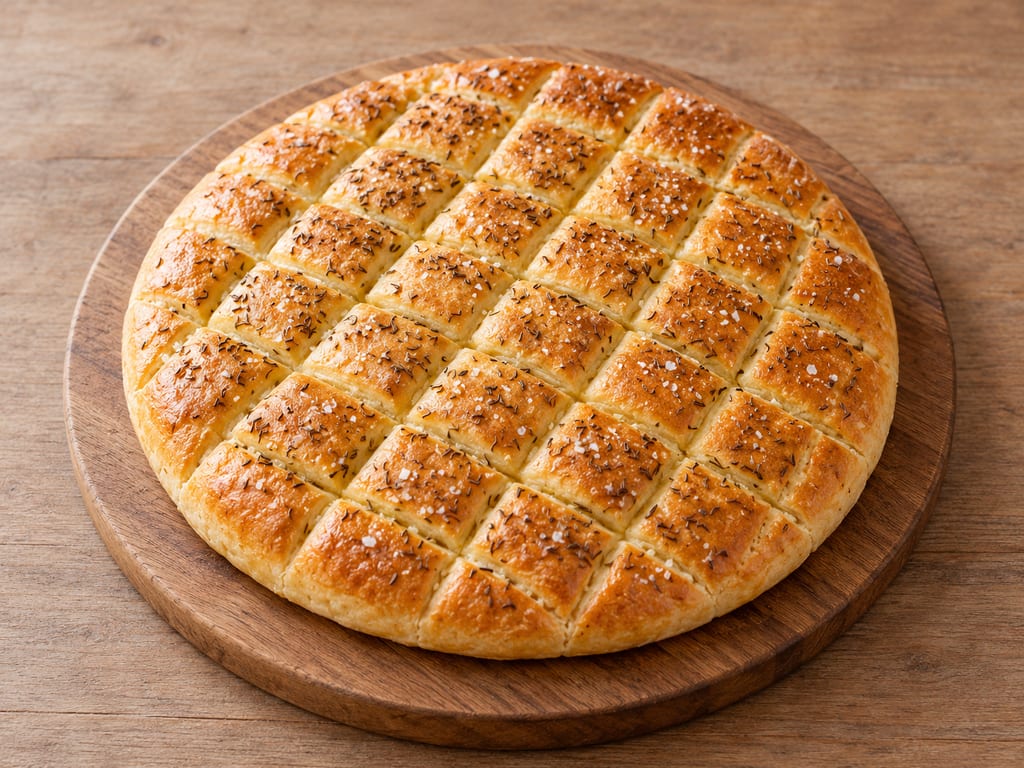
A round Slovenian flatbread scored in a grid and topped with caraway and coarse salt.
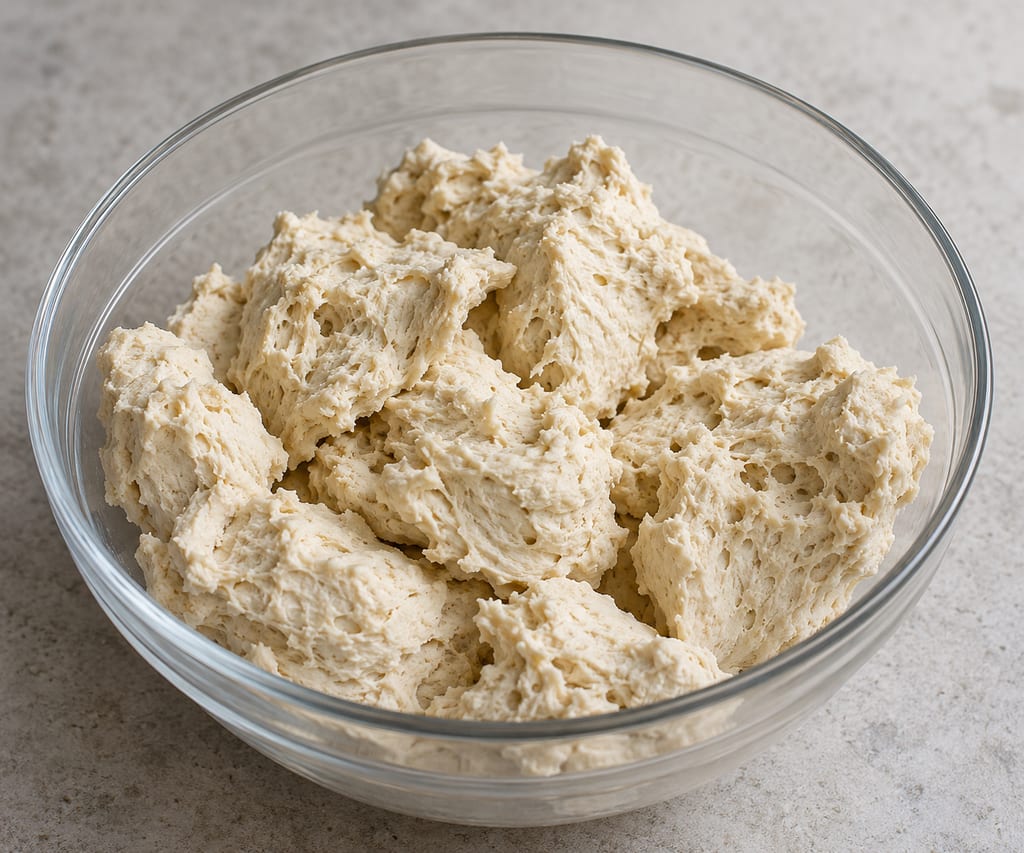
Biga is an Italian bread preferment of flour, water and a little yeast, usually a stiff unsalted mass of about 45 per cent water, fermented ahead and then mixed into the final dough.
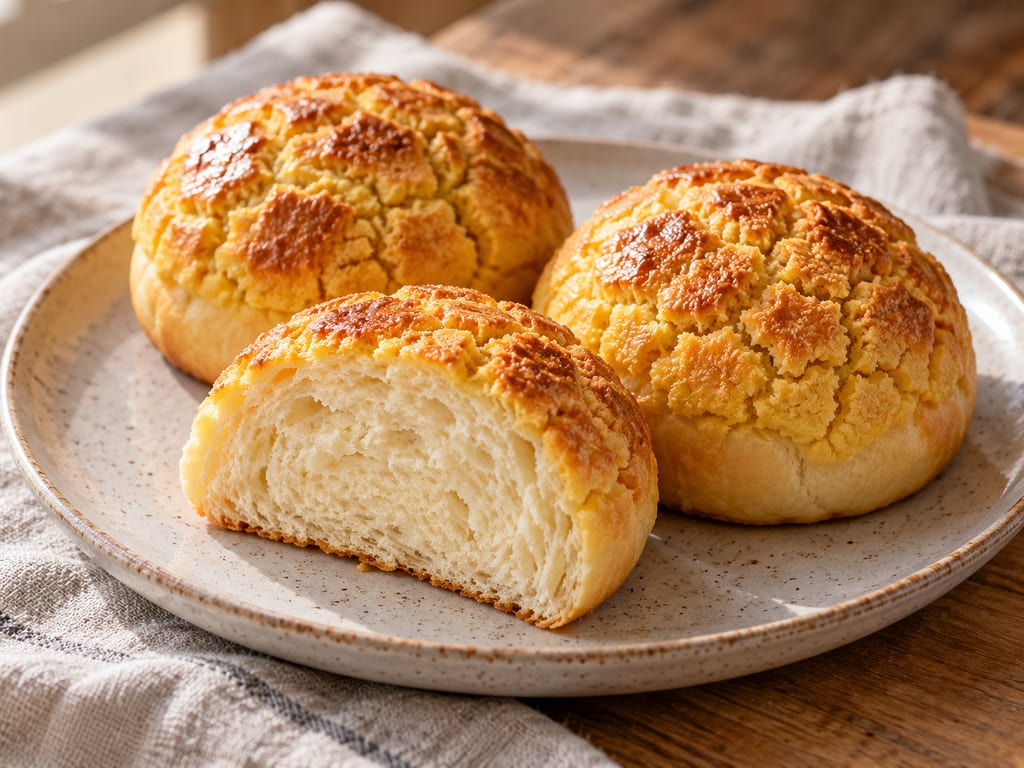
Hong Kong-style pineapple buns have soft yeast dough beneath a crisp, sweet pastry topping.
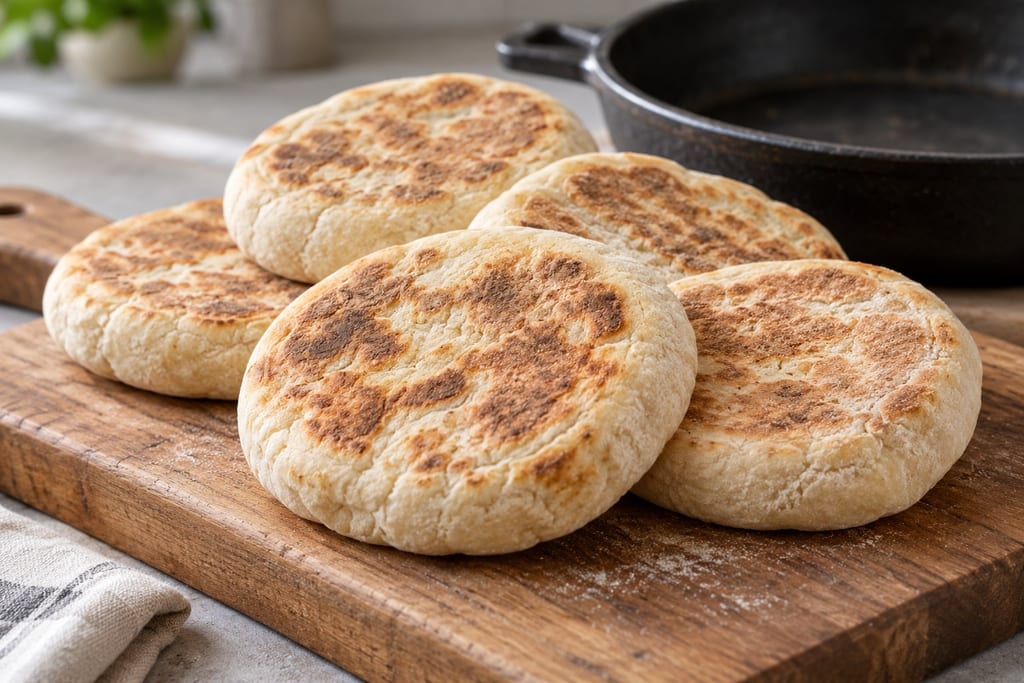
Sweet-potato wheat breads with fresh yeast, browned in a pan and finished in the oven. This is the bread component of Teleculinária's scrambled-egg dish.
No community contributions have been published for this entry yet.
Sign in to contribute. Published comments and photos are free to read.
King Arthur BakingInspiration · Method
Westphalian Rye BreadTwo 8½-by-4½-inch loaves and ingredient amounts, including flakes or oats and syrup or cocoa choices.
Rest at 70–75°F for 12–24 hours with folding after 6–8 hours; covered pan rest 1½ hours.
Covered 225°F bake for five hours; 195°F center endpoint; cool and wrap before an eight-hour rest.
The recipe is described as a less time-consuming version of Westphalian rye bread.
Cited in: A Westphalian bread with a precise meaning; Why this dough rests for so long; A covered bake and a patient finish; A regional image as well as a bread
European Commission, Official Journal of the European UnionHistory · Geography
Single document: ‘Westfälischer Pumpernickel’The protected product is dark, crustless wholemeal rye with at least 90% coarsely ground rye flour or wholemeal rye grain.
Production from mixing through baking must take place in the defined region.
The specification requires at least 16 hours in a steam-filled oven or rack oven in sealed baking tins.
The specification associates the product’s method and reputation with Westphalia.
Cited in: A Westphalian bread with a precise meaning; A regional image as well as a bread
Landschaftsverband Westfalen-LippeContext
Gebärdenführung durch die Ausstellung 200 Jahre Westfalen. Jetzt!LWL's 29 June 2016 exhibition notice uses a Heinrich Genau photograph captioned Westphalian farm girl with pumpernickel loaves around 1919; the exhibition explores regional identity and stereotypes. This dated documentary context is not a first-attestation or recipe-method claim.
Direct LWL page currently redirects to maintenance; the dated caption and exhibition scope were available in the publisher-indexed record.
Cited in: A regional image as well as a bread
Wikimedia CommonsImage reference
File:Genau-Frau mit Pumpernickel.jpgCommons explicitly states PD life-plus-80 and pre-1931 publication grounds; author died1942. LWL source imposes press-use conditions on its downloadable version. Visual inspection and provenance reconciliation remain pending; no hero reference counted.
Wikimedia CommonsImage reference
File:Pumpernikiel.jpgJulo explicit worldwide PD release, but source labels Polish malt-coloured pumpernickel. Related variant, excluded from exact Westphalian-style reference count.
Wikimedia CommonsImage reference
File:Bagels,_pumpernickel_with_seeds_-_San_Francisco.jpgDaderot individually explicit CC0, but the subject is American seeded bagels, excluded from the Westphalian loaf reference count.
Wikimedia CommonsImage reference
File:Cream_cheese_and_olive_sandwich_on_pumpernickel_-_Massachusetts.jpgDaderot individually explicit CC0; American open sandwich with unspecified bread formula, not established as Westphalian dense loaf or the home adaptation. Excluded from exact-subject count.