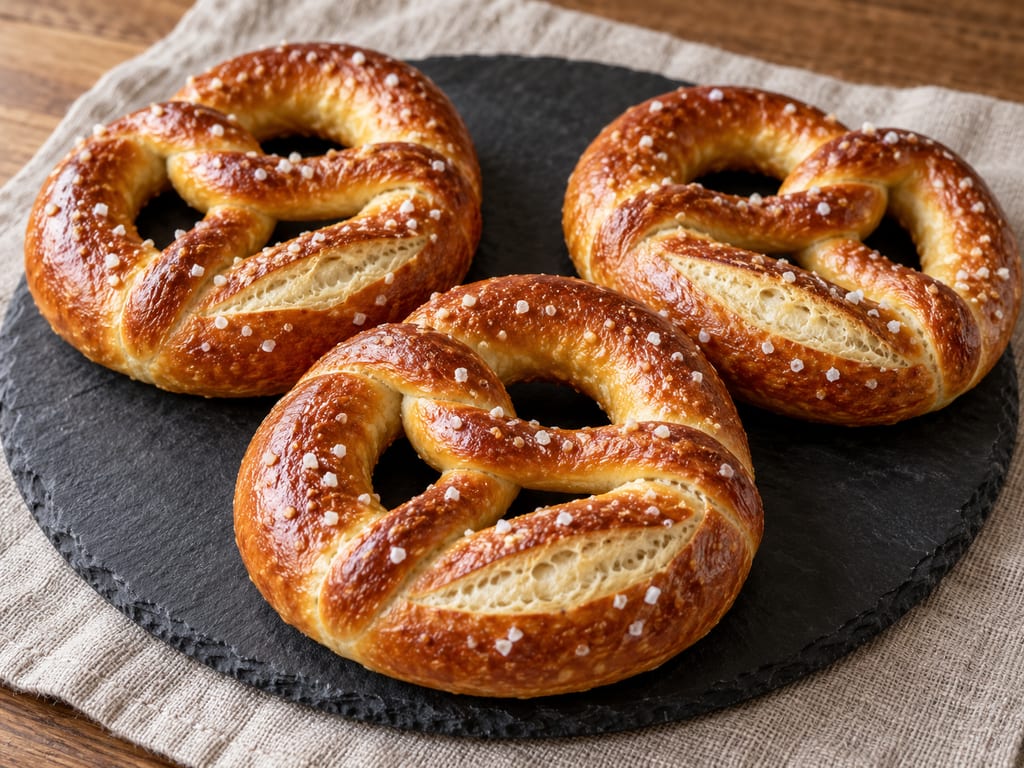
Brezel
This German-style knot pretzel uses a firm yeast dough, a chilled shape, a one-minute baking-soda bath and a deep bake. The method follows Jeffrey Hamelman's home adaptation for King Arthur Baking.
 FermenteaWhere food goes to change
Modern adaptation
Weihnachtsstollen von Mutti · German Christmas stollen · Weihnachtsstollen
A four-loaf German family Christmas stollen with rum-soaked sultanas, almonds, candied citrus and marzipan, baked in two stages.
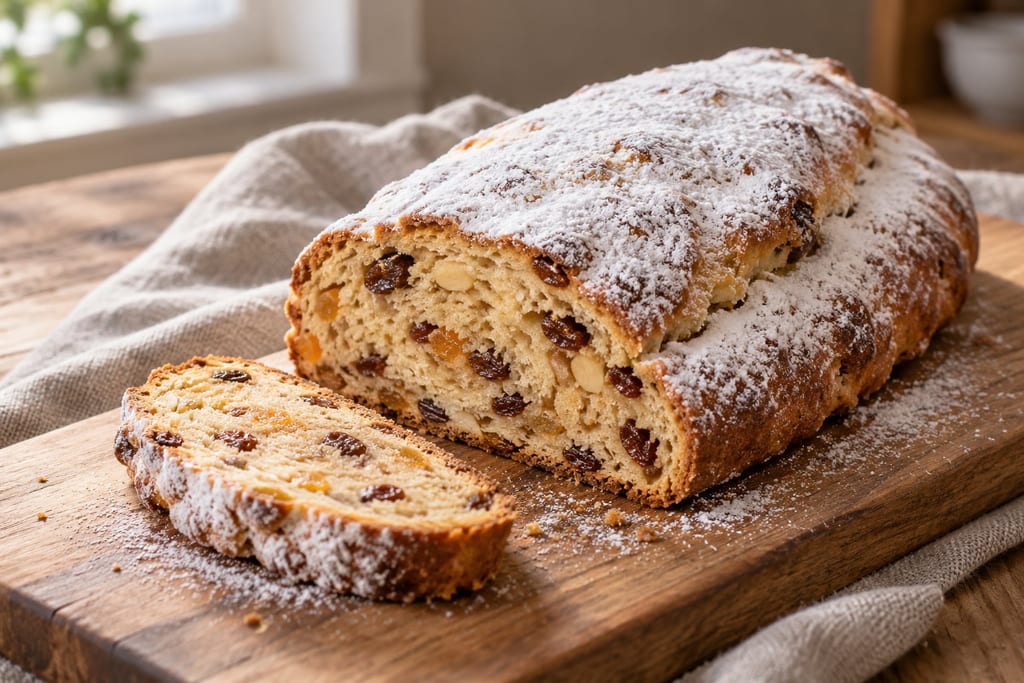
The Goethe-Institut publishes this large family recipe under the name Weihnachtsstollen von Mutti. It makes four folded loaves from an enriched yeast dough with sultanas soaked in rum, almonds, candied citrus and marzipan. It is one documented home formula; the source does not assign it to a town or bakery tradition.
Dresdner Christstollen is a separate protected geographical indication made in Dresden and twelve surrounding municipalities under its own production specification. This family recipe is not presented as Dresdner Stollen or as an authenticated protected-origin product.
The batch uses 1.5 kg flour, ½–¾ litre lukewarm milk, 80–100 g fresh yeast, 500 g butter, just under 250 g sugar, 600 g sultanas, 600 g chopped peeled almonds, 125 g each candied lemon and orange peel, about 8 g vanilla sugar, one small vial of food-grade bitter almond baking aroma, 200 g marzipan, grated nutmeg, a pinch of cardamom, zest of one lemon and ½ teaspoon salt. The sultanas soak overnight in rum. The recipe leaves the final milk or flour adjustment to dough consistency.
Make a sponge by crumbling yeast into a well in the sifted flour, stirring in some milk and 4 tablespoons sugar, covering and waiting until bubbly. Gradually work in the rest of the milk. Knead in butter, then sugar, spices, marzipan and the drained sultanas with the almonds and candied peel. Knead for about 1½ hours, adding small amounts of milk or flour if needed until the dough forms a ball that releases from the bowl.
Cover the dough and rise about 1½ hours in a warm place. Knead briefly, divide into four portions, roll each slightly and fold one side over the other, leaving an edge to form the raised seam. Remove exposed raisins and tuck them between the folds so they do not burn.
Bake one loaf at a time on the second rack at 150°C under foil for about 40–60 minutes, until lightly golden. Remove the foil and continue at 150°C convection for about 30 minutes, until medium brown; the base should not become too dark. Cool on a wire rack. Brush warm loaves with butter and dust lightly with powdered sugar. The source cautions that warm loaves break easily.
The dough contains raw flour. Do not taste it before baking; wash hands, utensils and surfaces after handling flour. Since fruit is soaked in rum, do not assume all alcohol cooks off. The source gives no finished-loaf storage duration.
The dough contains raw flour. Do not taste it before baking; wash hands, utensils and surfaces after handling flour. Use only a food-grade bitter almond baking aroma and follow its label; raw bitter almonds are not a substitute. Since fruit is soaked in rum, do not assume all alcohol cooks off. The source gives no finished-loaf storage duration.
The measured method is a family recipe published by the Goethe-Institut as Weihnachtsstollen von Mutti. It is recorded as a German home version, with no specific family locality or date established. The European Commission states that Stollen was recorded in Dresden in 1474 and distinguishes the protected Dresdner Christstollen PGI, made in Dresden and surrounding municipalities, from a general home Christmas stollen recipe. This formula is not represented as that protected product.
Yield 4 loaves · Scaling: source batch only
Flour is raw and may carry harmful bacteria; do not taste the dough before baking.
Hazard sourceRaw bitter almonds contain amygdalin that releases cyanide during digestion; the source's unspecified vial should be taken as food-grade baking aroma, not raw kernels or unlabelled essential oil.
Hazard sourceDo not taste raw flour or dough. Bake the loaves fully and wash hands, utensils and work surfaces after handling raw flour.
Control sourceUse only a clearly labeled food-grade bitter almond baking aroma and follow its package directions; do not substitute raw bitter almonds.
Control sourceThe sultanas are soaked in rum; do not assume baking removes all alcohol. This formula is not Dresdner Stollen PGI and is not made under its protected specification.
The source gives no storage duration for the finished loaves.
The source does not give a vial size for the bitter almond flavour; use a commercial product sold for baking and follow its label.
A Goethe-Institut family recipe and German National Tourist Board home recipe document German Weihnachtsstollen. Neither ties this formula to a town or bakery.
This German-style knot pretzel uses a firm yeast dough, a chilled shape, a one-minute baking-soda bath and a deep bake. The method follows Jeffrey Hamelman's home adaptation for King Arthur Baking.

A German-style Brezel is a yeast-raised wheat dough shaped into a loop and dipped in an alkaline bath before baking. This home version uses baking soda; the original formula uses food-grade lye.
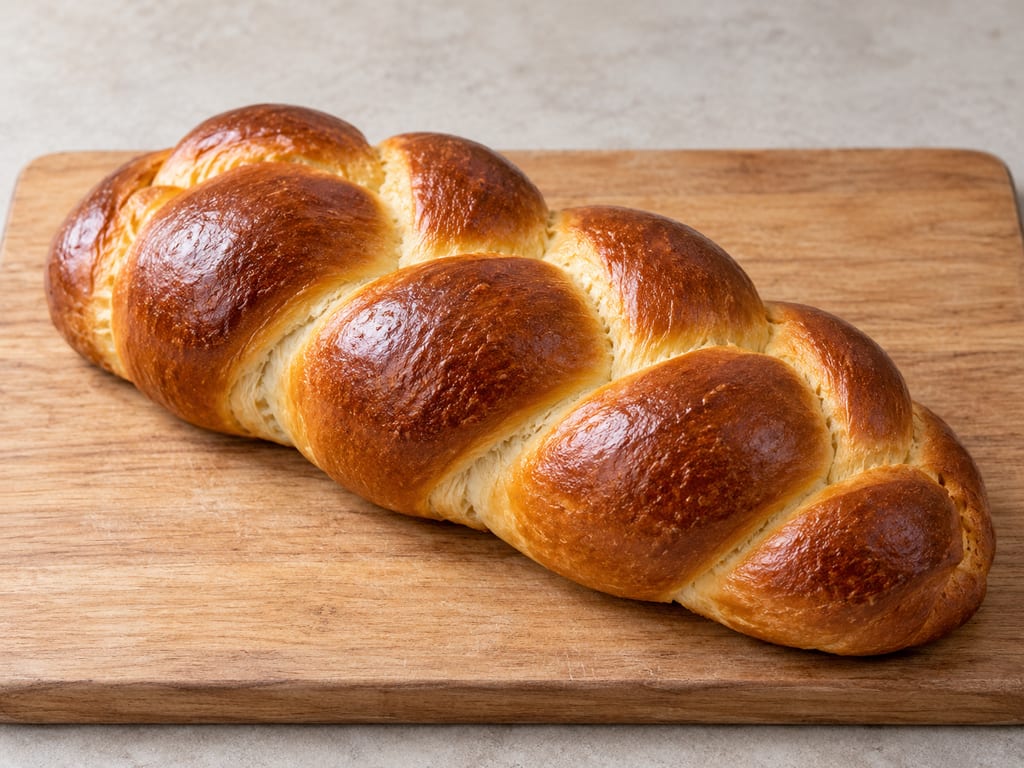
A three-strand yeast-raised challah with flour, salt, yeast, water, neutral oil, honey and egg, based on a Jewish Museum Vienna home recipe.
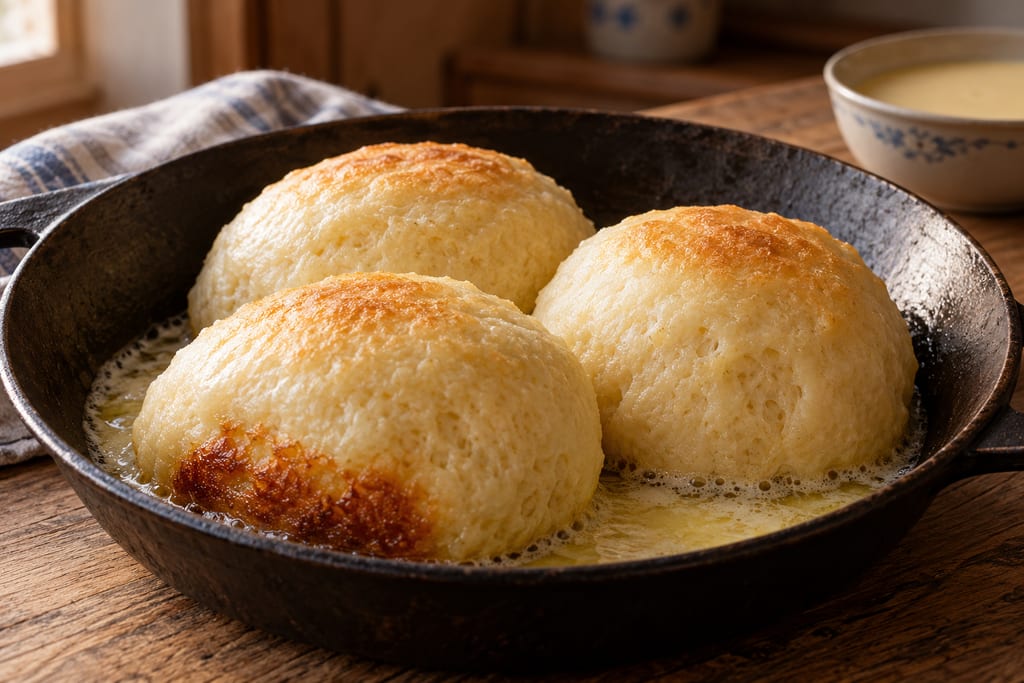
Allgäu Dampfnudeln are enriched wheat buns proofed in a covered casserole and cooked in milk and butter until the liquid nearly cooks away.
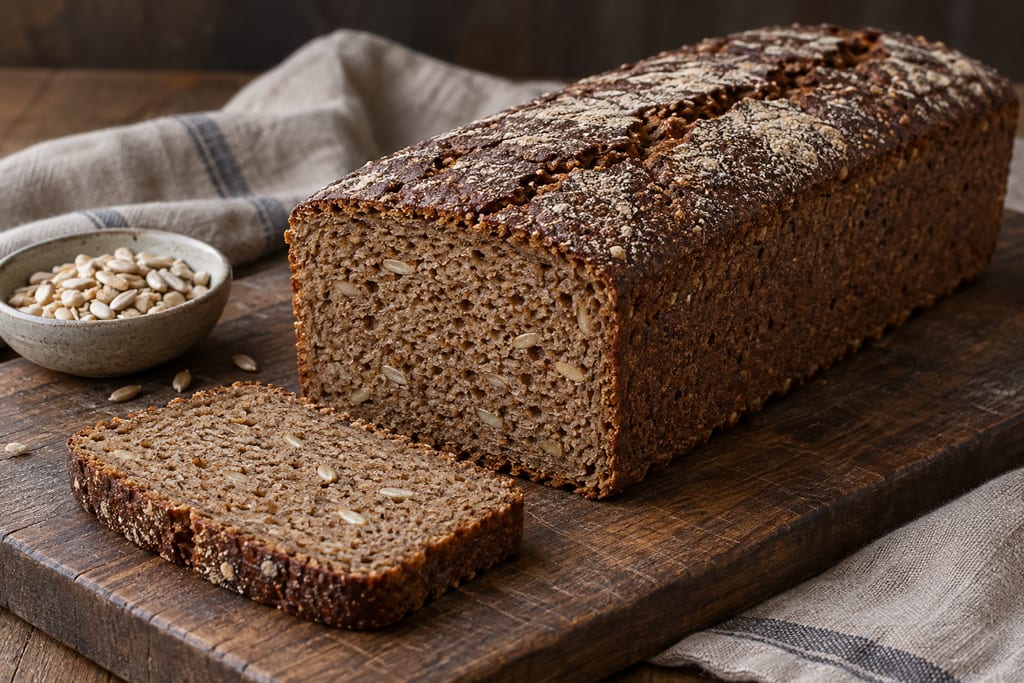
A dense whole-rye loaf with a sourdough preferment, soaked rye chops and sunflower seeds. It bakes in a long loaf pan and rests for 24–48 hours before slicing.
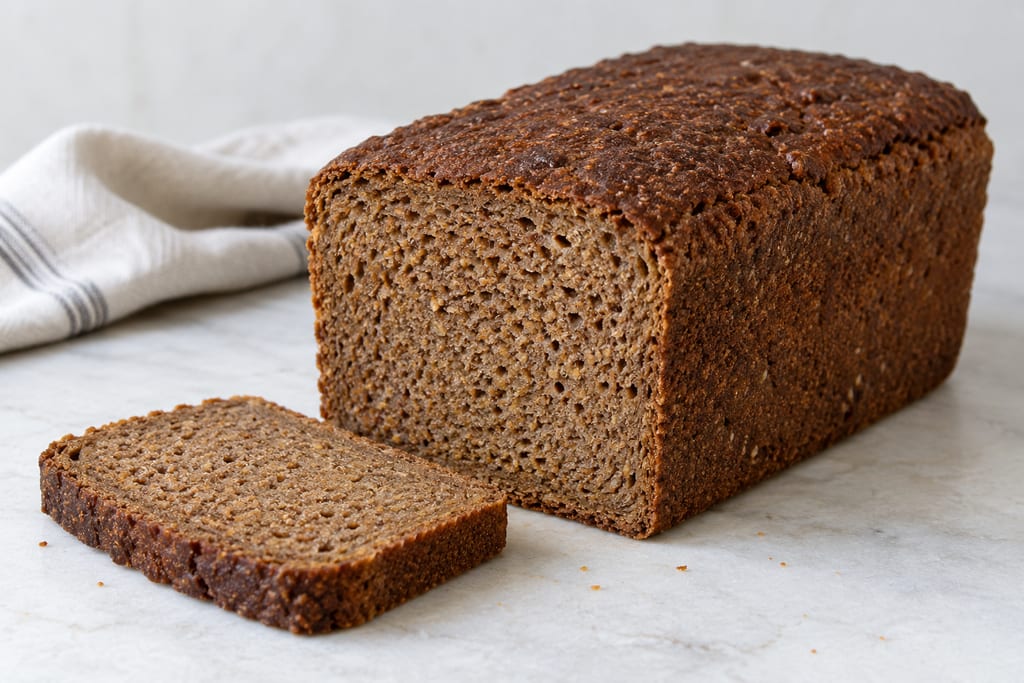
A dense, dark rye-and-wheat loaf with a warm rest and long covered bake. This home version uses a 5-hour oven bake and differs from the protected Westphalian product.

A source-specific modern extract adaptation of Düsseldorf Altbier, with specialty malts, two hop additions and an ale yeast. It is distinct from a brewery's commercial Altbier process and from Kölsch.
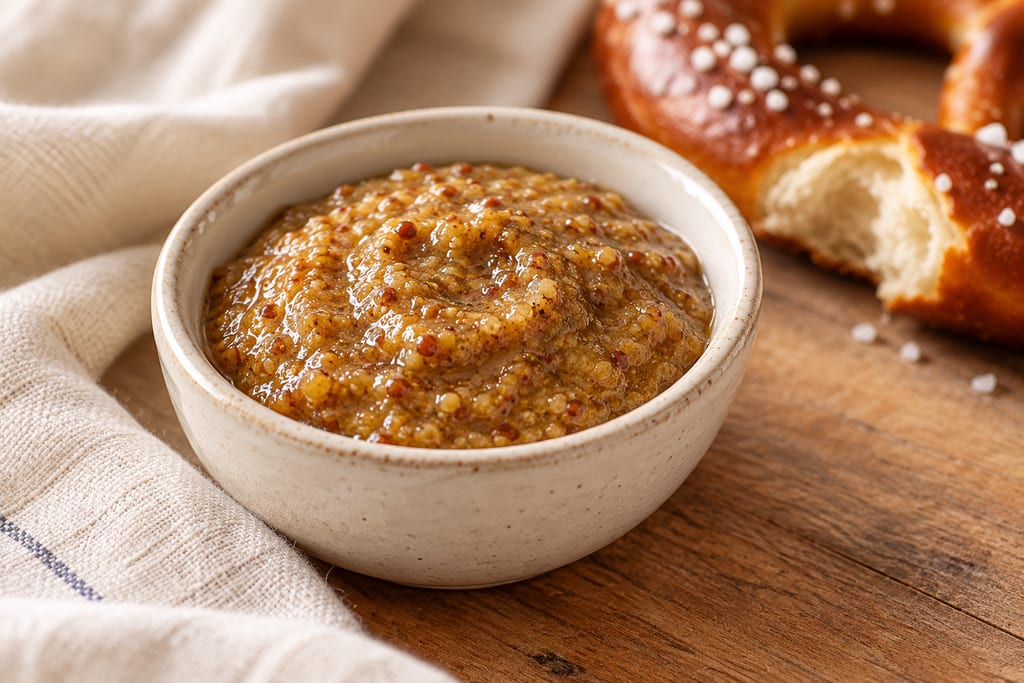
A coarse, sweet Bavarian-style mustard of yellow and brown seed in a cooked brown-sugar and vinegar base, made to eat with Weisswurst; an original refrigerated formula.
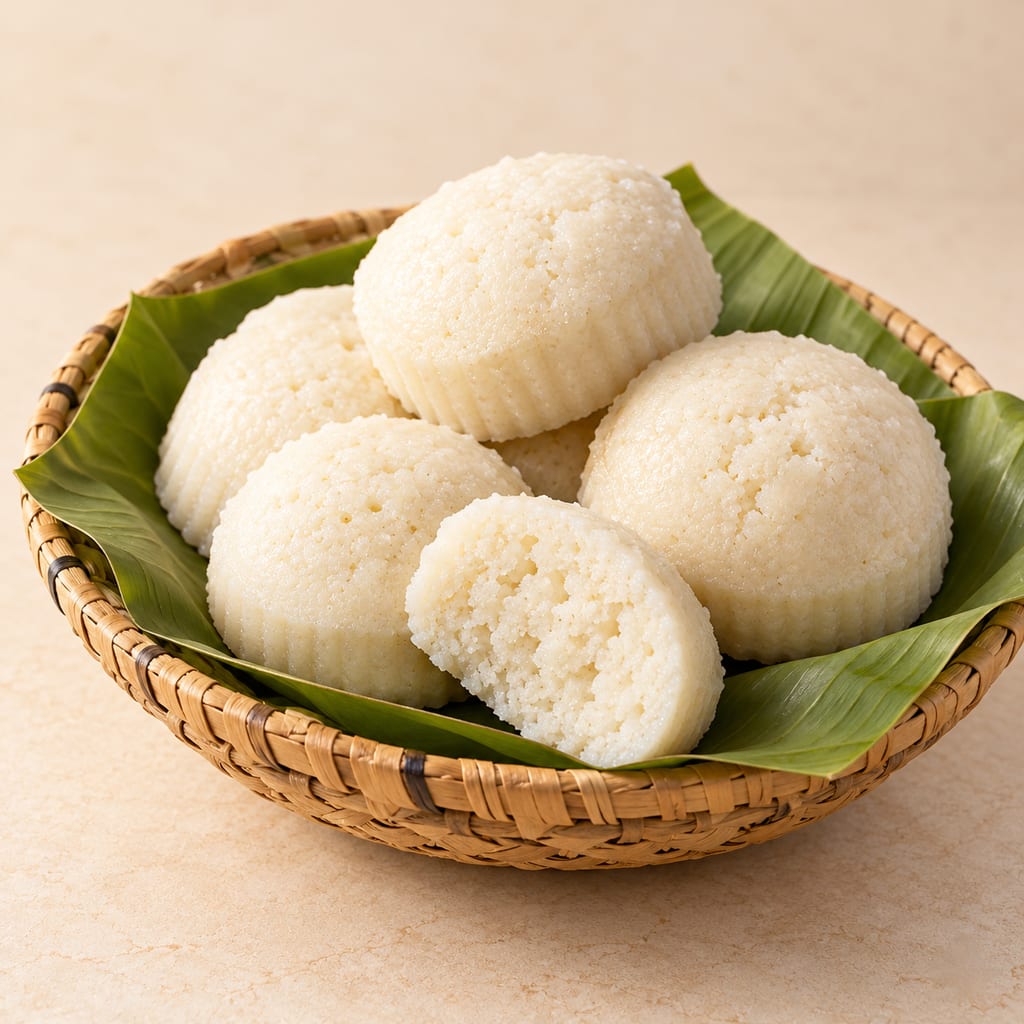
Soft, lightly tangy steamed cereal bread documented across Benin and Togo. This page gives one measured rice-flour research method; maize-based Ablo and mixed-grain versions remain distinct traditions.
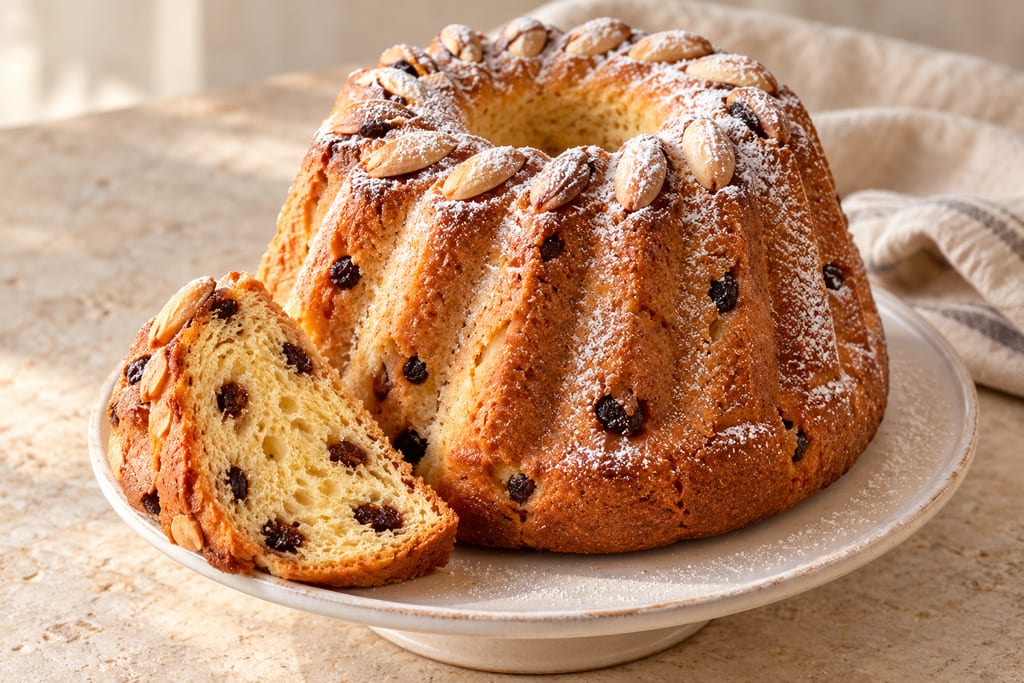
An enriched Alsatian yeast ring with raisins and almonds, kneaded with butter, proofed in a fluted mould and baked until browned.

Anpan is a soft wheat bun filled with sweet red-bean paste and finished with egg wash and black sesame. This dough rises with commercial instant yeast.
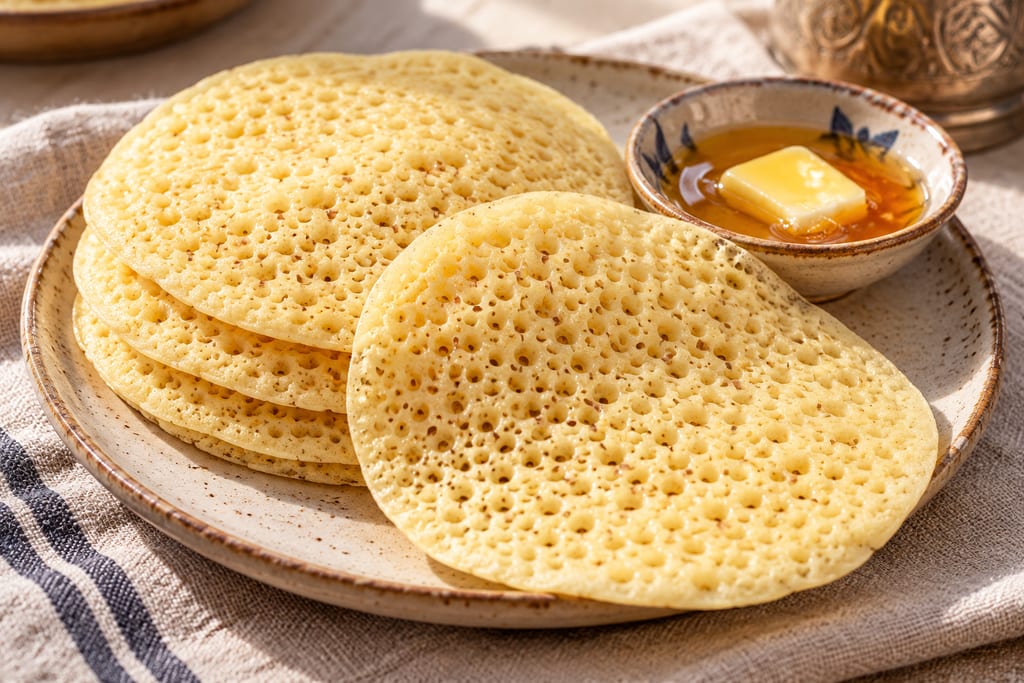
Moroccan semolina pancakes made from a thin yeast batter, rested until foamy and cooked on one side until the surface sets with a honeycomb of holes. This source-specific batch makes sixteen 5-inch pancakes.
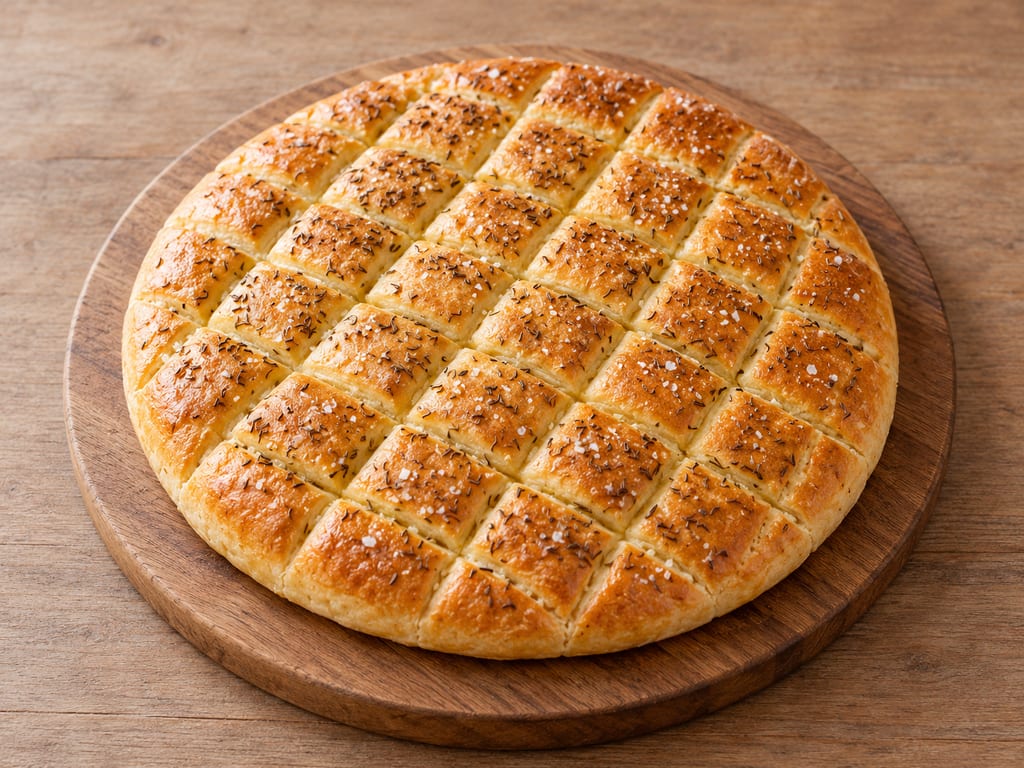
A round Slovenian flatbread scored in a grid and topped with caraway and coarse salt.
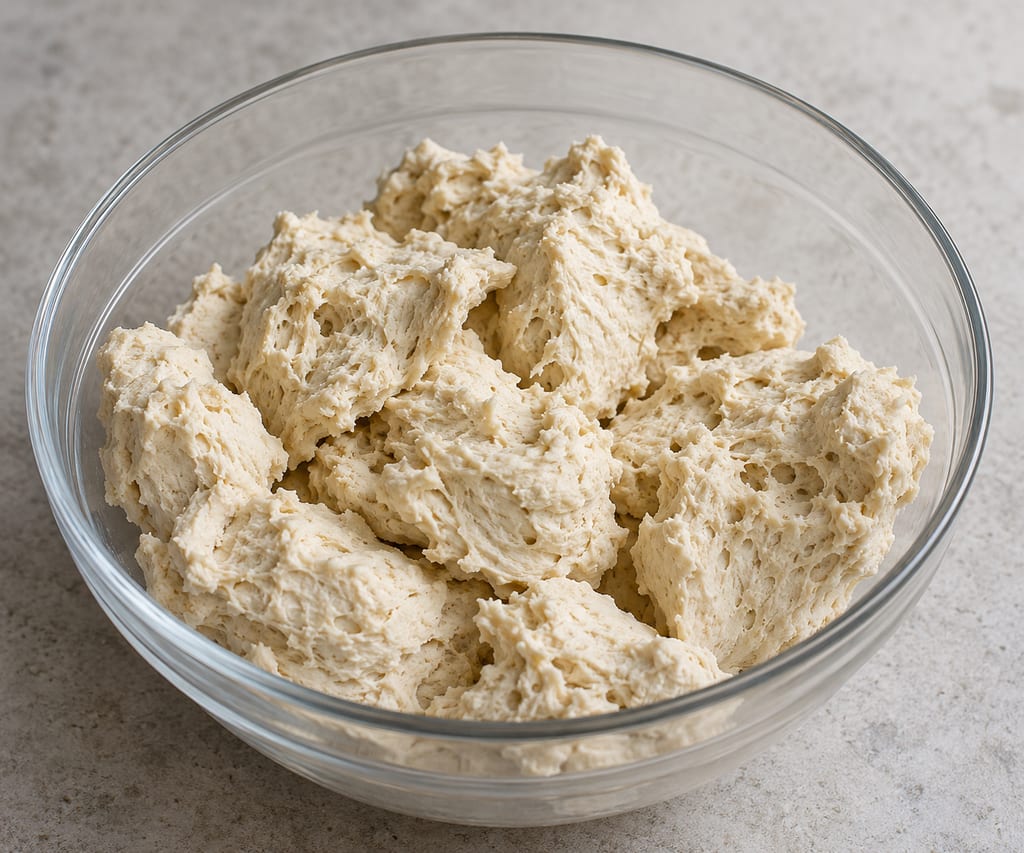
Biga is an Italian bread preferment of flour, water and a little yeast, usually a stiff unsalted mass of about 45 per cent water, fermented ahead and then mixed into the final dough.
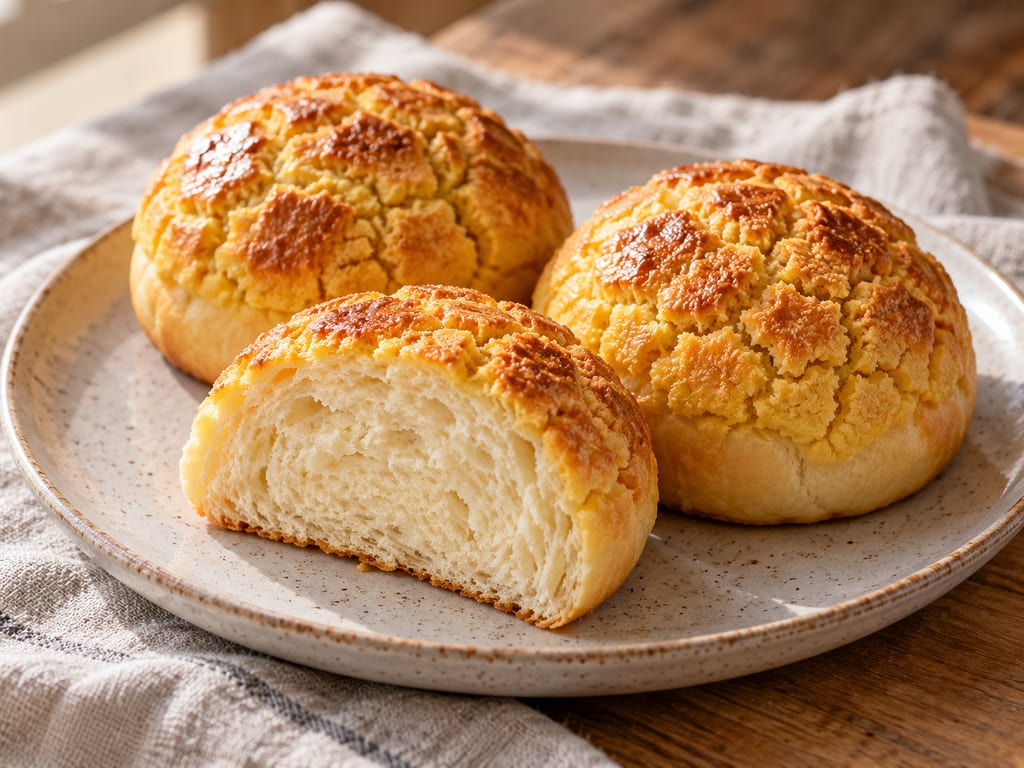
Hong Kong-style pineapple buns have soft yeast dough beneath a crisp, sweet pastry topping.
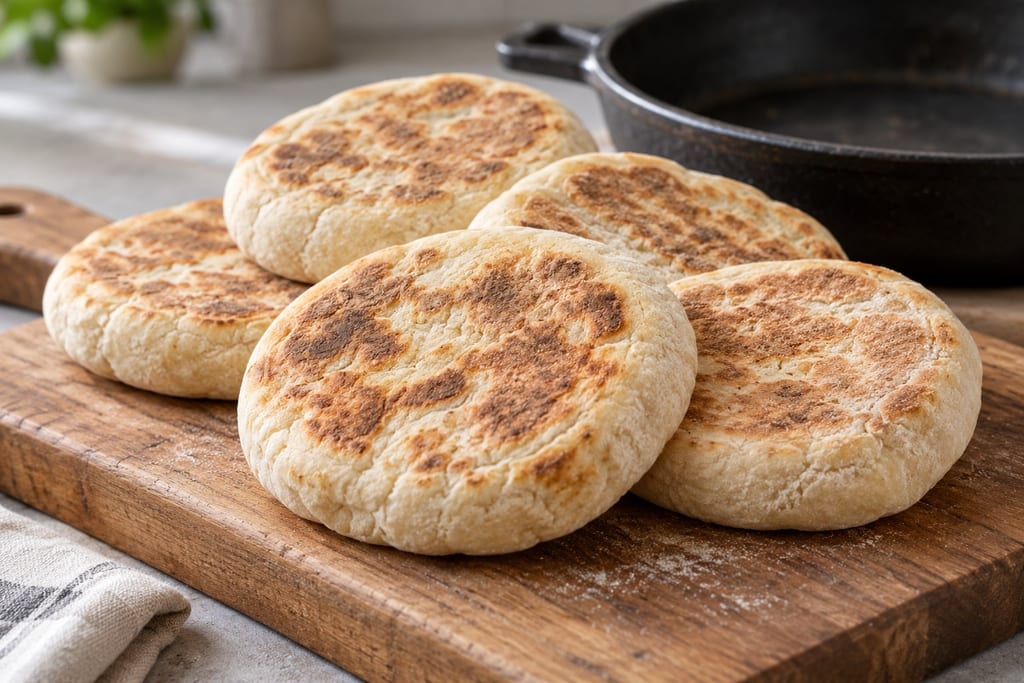
Sweet-potato wheat breads with fresh yeast, browned in a pan and finished in the oven. This is the bread component of Teleculinária's scrambled-egg dish.

Protected Italian vinegar made only from cooked grape must, fermented and aged in a battery of wooden barrels for at least 12 years: sweet, sharp and syrupy.
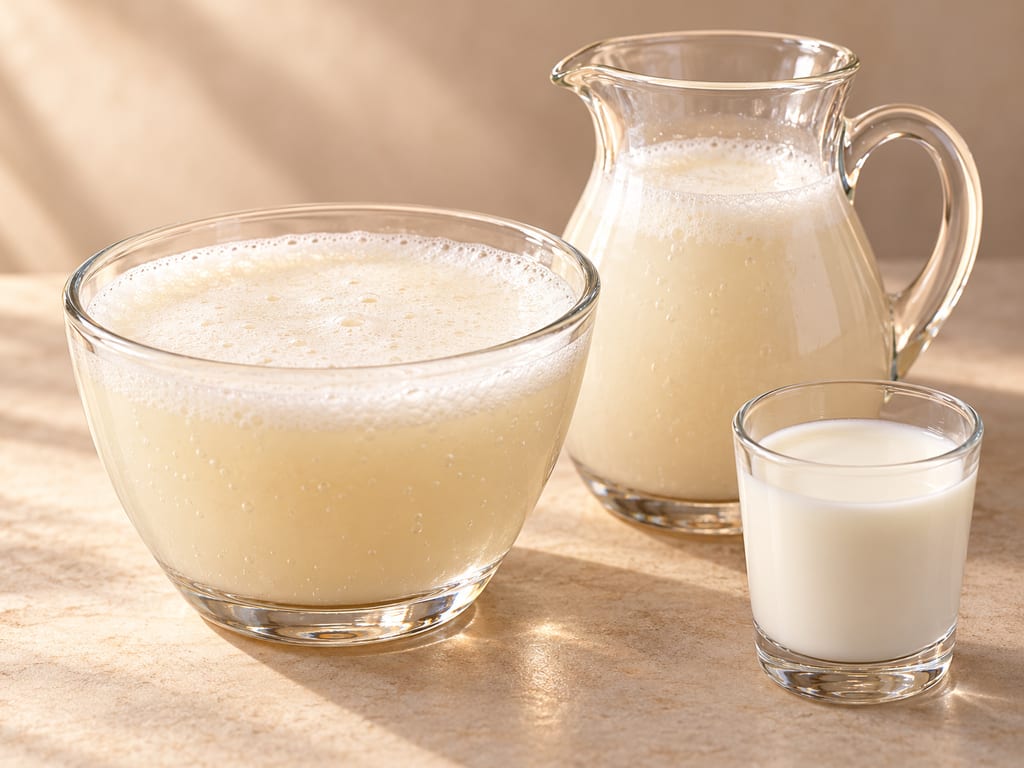
Airag is Mongolia’s fermented mare’s-milk drink, traditionally churned with saved starter in a reusable cowhide khokhuur.

Appam, or hoppers, are South Indian and Sri Lankan rice pancakes made from a fermented coconut-and-rice batter and cooked in a curved pan to a crisp lacy rim and a soft, spongy centre.
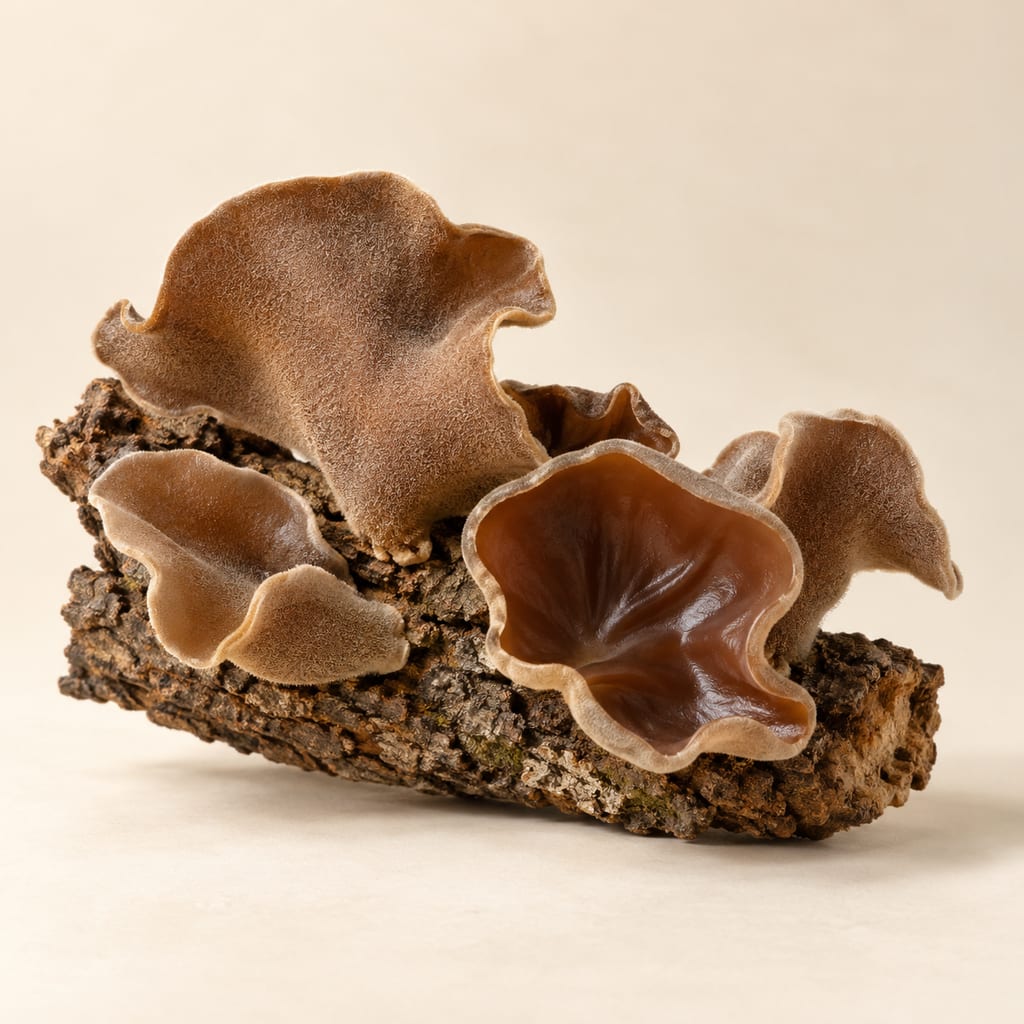
Auricularia tremellosa is a wood ear fungus of the genus that supplies most dried wood ear sold in China; its own food record is thin, and the culinary practice described here comes from the closely related wood ear species.

Ayran is Turkey’s cold, savoury yogurt drink: plain yogurt is loosened with water and lightly salted, then whisked smooth or aerated into a soft cap of foam.
A thin stone griddle used over an open hearth. Norwegian archaeology documents the established tradition from the early Middle Ages; a Viking-period origin is only a cautious suggestion linked to Shetland.

Crushed or milled barley cooked in water until the starch softens and the mixture thickens, the plainest way a northern household turned stored grain into a meal, here with apple and hazelnut.

Black carrot is the anthocyanin-pigmented Eastern carrot (Daucus carota var. atrorubens), the purple root that preceded orange types and still colours kanji and şalgam.
No community contributions have been published for this entry yet.
Sign in to contribute. Published comments and photos are free to read.
Goethe-InstitutRecipe · Geographic context · Food use
Rezept Christstollen: Weihnachtsstollen von MuttiLarge family formula for four loaves: flour, milk, yeast, butter, sugar, rum-soaked sultanas, almonds, candied citrus, vanilla sugar, bitter almond oil, marzipan, spices, lemon zest and salt.
Method gives the yeast sponge, sequential kneading, approximate 1½-hour knead and first rise, four folded loaves, covered then uncovered two-stage 150°C bake, buttering and powdered sugar finish.
The family recipe is titled Weihnachtsstollen von Mutti; it does not identify a protected-origin Dresden product.
Cited in: A German family Christmas loaf; Mix and shape four loaves; Bake, butter and finish
European Commission, Directorate-General for Agriculture and Rural DevelopmentHistory · Geographic context
Dresdner Christstollen / Dresdner Stollen / Dresdner Weihnachtsstollen PGIDresdner Christstollen is a protected geographical indication produced in Dresden and twelve surrounding municipalities; it is distinct from a generic home Christmas stollen.
The Commission records Stollen on a Dresden hospital bill in 1474 and Christstollen in 1530; the 1474 item was a fasting food of flour, yeast and water.
The EU protection attaches to the named Dresdner product and its production area; a home recipe elsewhere is not that product.
Cited in: A German family Christmas loaf
U.S. Food and Drug AdministrationFood safety
Handling Flour Safely: What You Need to KnowRaw flour may carry harmful bacteria; do not taste raw dough and clean hands and surfaces after handling flour.
Cited in: Bake, butter and finish
German National Tourist BoardGeographic context · Food use
Christmas Stollen (Weihnachtsstollen)This German home recipe source says its version brings a taste of German Christmas to the home and contrasts it with authentic Dresden stollen, which is associated with Saxony.
Niedersächsisches Landesamt für Verbraucherschutz und Lebensmittelsicherheit (LAVES)Food safety
Vorsicht beim Verzehr von bitteren Mandeln und bitteren Aprikosenkernen – Gefahr durch BlausäureRaw bitter almonds contain amygdalin, which releases hydrogen cyanide during digestion; they should not be eaten raw.
The agency suggests commercially available bitter-almond flavoring as an alternative for baked goods.
Cited in: Bake, butter and finish