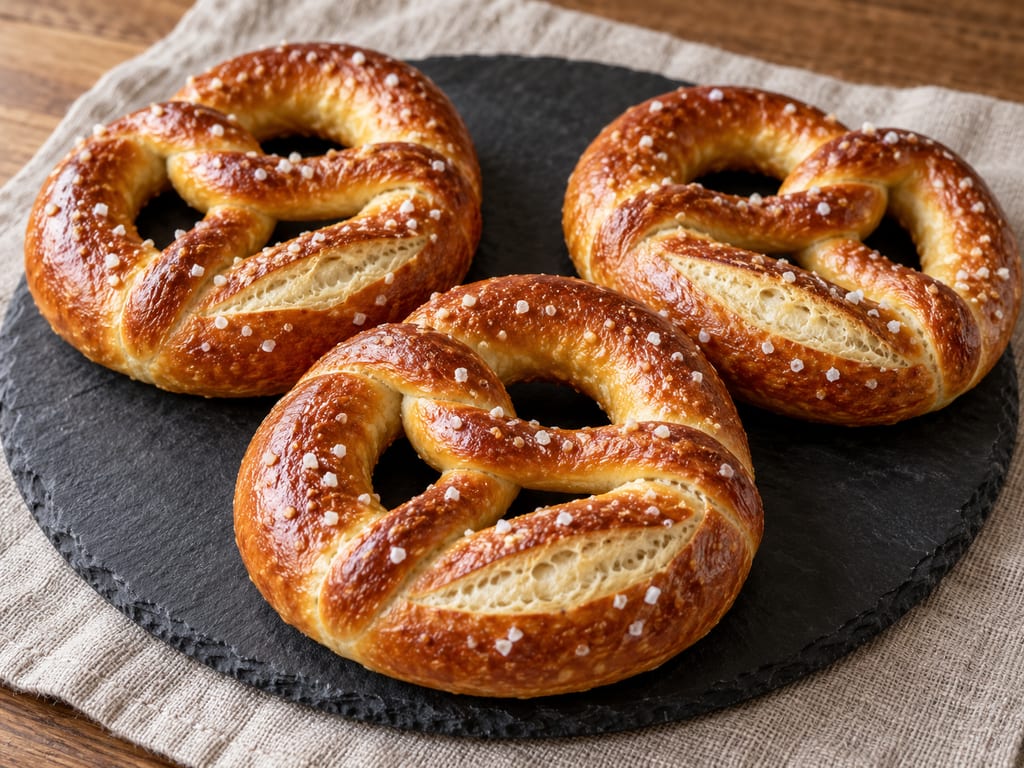
Brezel
This German-style knot pretzel uses a firm yeast dough, a chilled shape, a one-minute baking-soda bath and a deep bake. The method follows Jeffrey Hamelman's home adaptation for King Arthur Baking.
 FermenteaWhere food goes to change
Vollkornbrot · German whole-rye bread · wholegrain rye Vollkornbrot
A dense whole-rye loaf with a sourdough preferment, soaked rye chops and sunflower seeds. It bakes in a long loaf pan and rests for 24–48 hours before slicing.
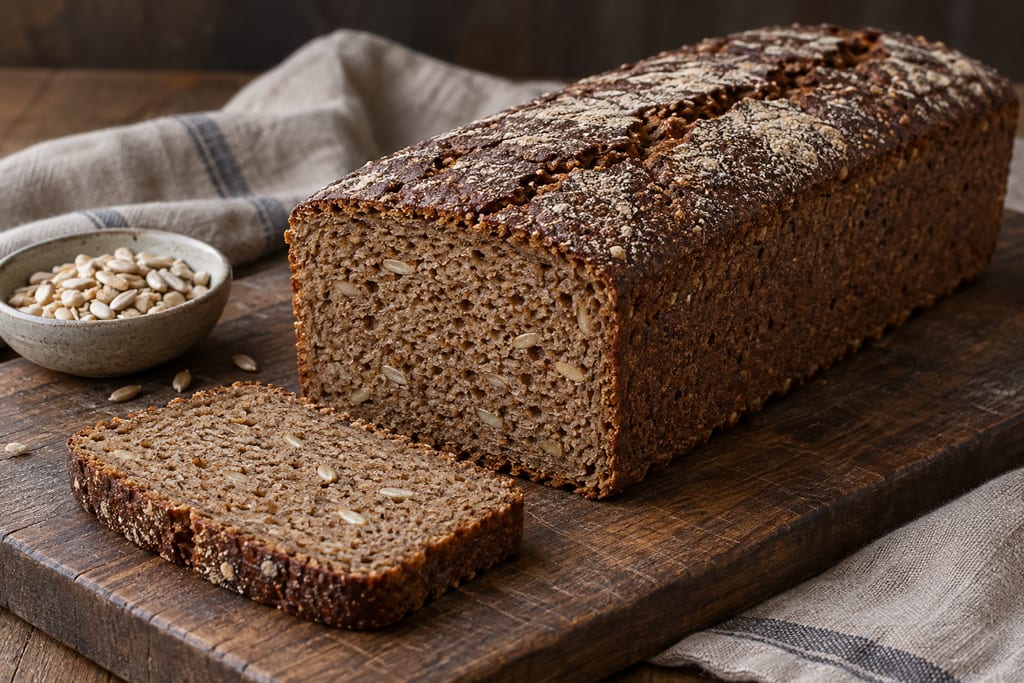
Vollkornbrot is a wholegrain bread family, not a single universal formula. Germany's official travel information includes rye and wholegrain loaves in its broad bread culture, whose regional forms vary. This entry follows one King Arthur Baking recipe: a long pan loaf made with whole rye flour, soaked rye chops and sunflower seeds. The source also calls its whole rye flour pumpernickel flour, but this is not a Westphalian pumpernickel method; the pan size and oven schedule are different.
This dough gets its structure from rye rather than wheat. Whole rye flour and coarse rye chops absorb water and make a heavy, sticky mixture, so the method does not call for long kneading to develop a wheat gluten network. The overnight starter build and grain soaker are prepared separately, then mixed into the final dough with more flour, water, salt, seeds and instant yeast. The source permits a ripe sourdough culture or a small amount of instant yeast in the preferment; this version uses the sourdough option and retains the final-dough yeast.
Vollkornbrot names a wholegrain bread family rather than one fixed loaf. Germany's official travel source includes rye and wholegrain breads in the country's broad bread culture, while the German UNESCO Commission documents its regional variety. This recipe is King Arthur Baking's specific home formula using whole rye flour, rye chops, sunflower seeds, a sourdough preferment and final-dough yeast; it does not stand for every German-speaking wholegrain bread.
Yield 1 13-inch loaf · Scaling: source batch only
Flour is a raw food and can carry harmful bacteria; do not taste the raw dough.
Hazard sourceThe loaf contains rye (gluten) and sunflower seeds.
Hazard sourceDo not taste raw flour or dough; keep it separate from ready-to-eat food and clean hands, tools and surfaces after handling.
Control sourceBake to the source's stated centre-temperature endpoint of at least 205°F (96°C).
Control sourceContains rye (gluten) and sunflower seeds.
Do not taste raw dough; bake the loaf before serving.
This page records a Germany-level association for a Vollkornbrot style and one specific home formula. German bread sources place wholegrain and rye breads within a wide regional tradition; no exclusive origin is claimed.
This German-style knot pretzel uses a firm yeast dough, a chilled shape, a one-minute baking-soda bath and a deep bake. The method follows Jeffrey Hamelman's home adaptation for King Arthur Baking.
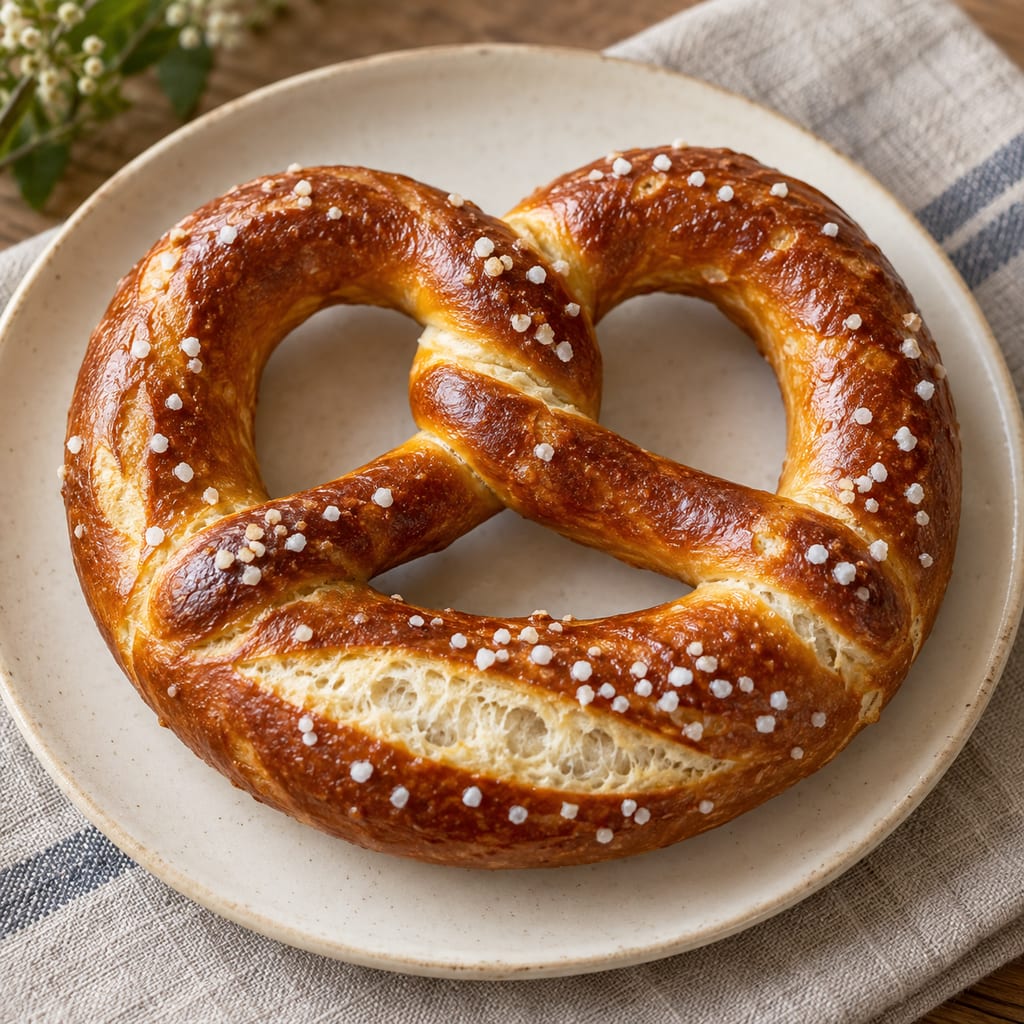
A German-style Brezel is a yeast-raised wheat dough shaped into a loop and dipped in an alkaline bath before baking. This home version uses baking soda; the original formula uses food-grade lye.
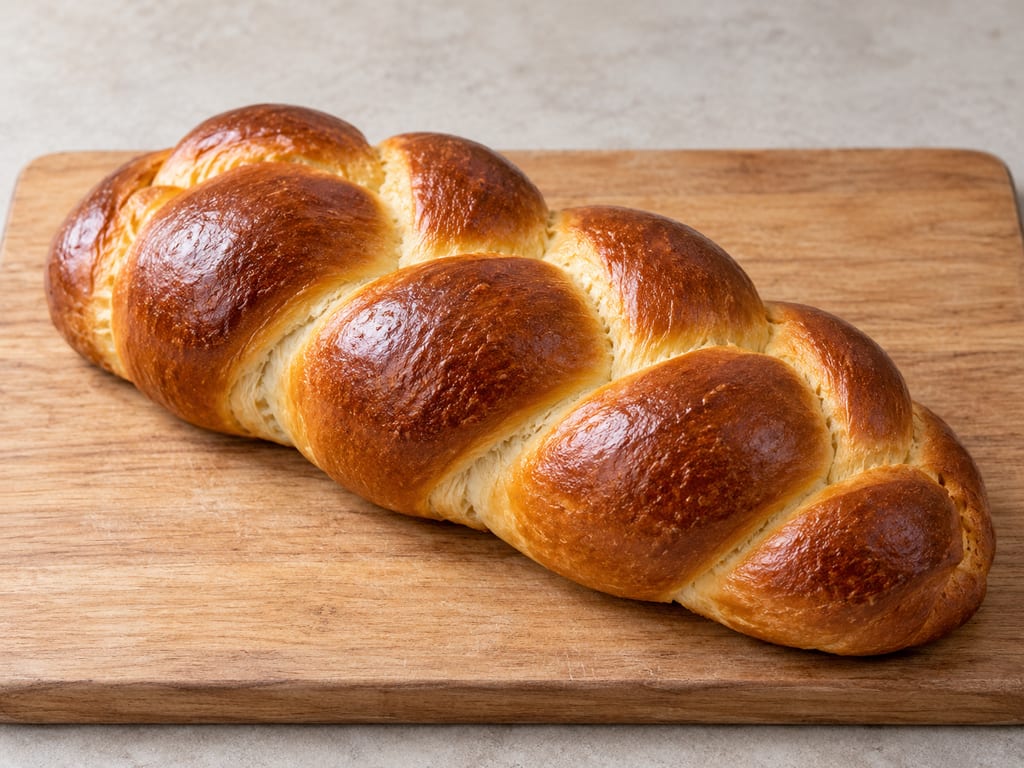
A three-strand yeast-raised challah with flour, salt, yeast, water, neutral oil, honey and egg, based on a Jewish Museum Vienna home recipe.
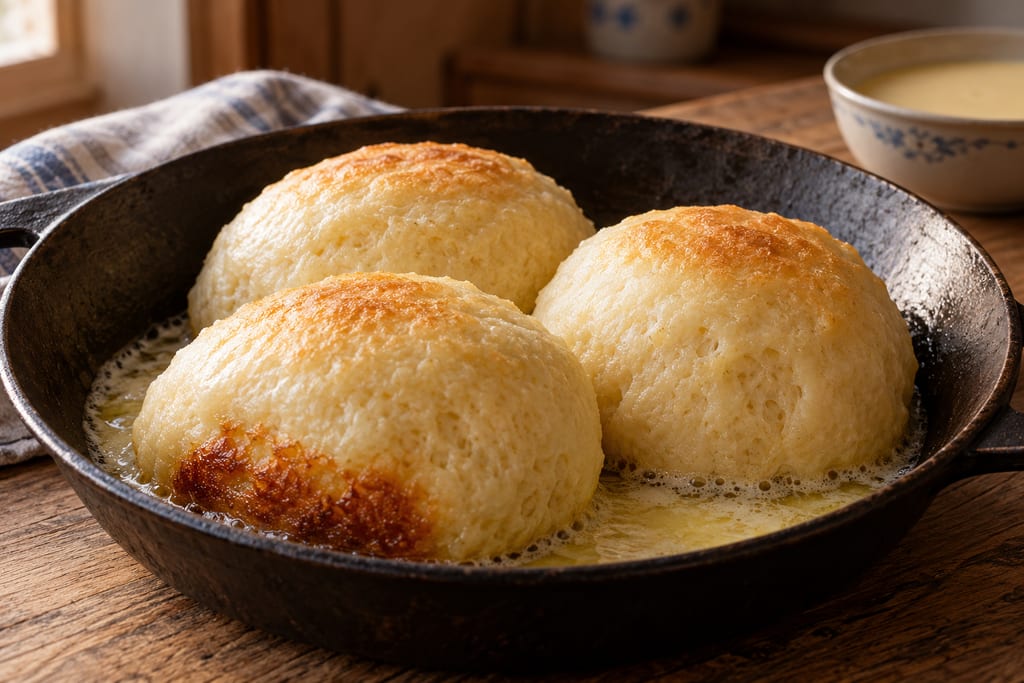
Allgäu Dampfnudeln are enriched wheat buns proofed in a covered casserole and cooked in milk and butter until the liquid nearly cooks away.
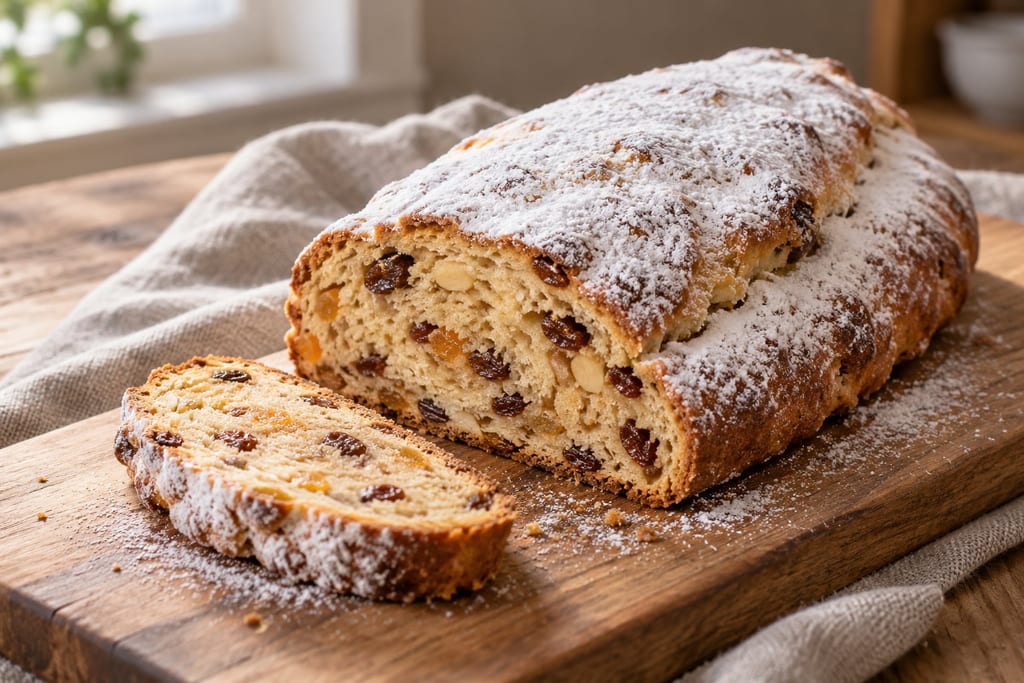
A four-loaf German family Christmas stollen with rum-soaked sultanas, almonds, candied citrus and marzipan, baked in two stages.
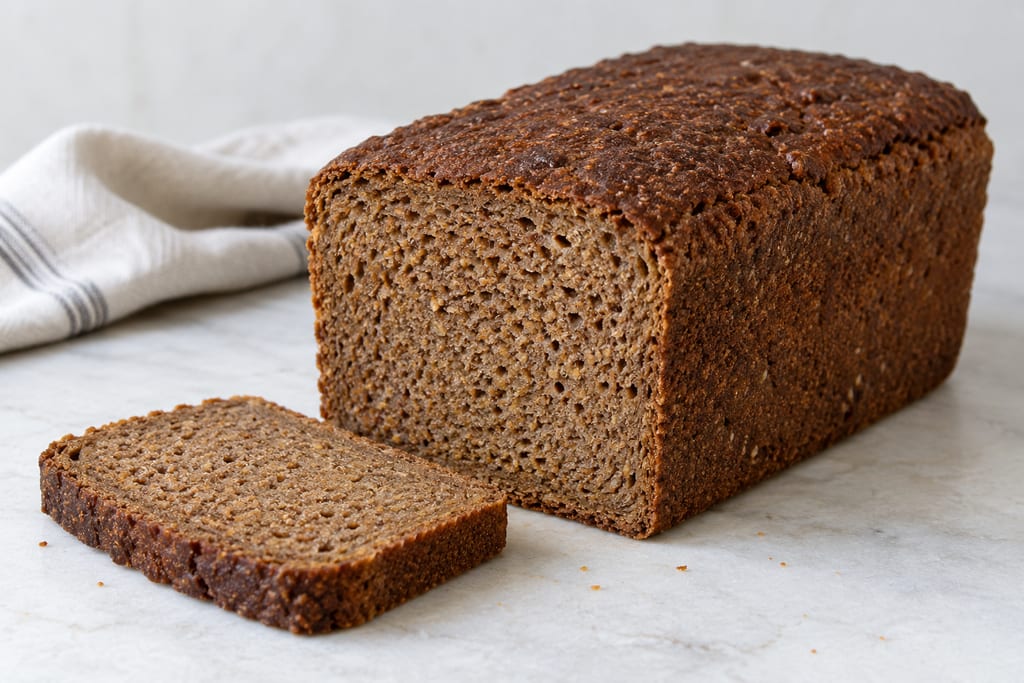
A dense, dark rye-and-wheat loaf with a warm rest and long covered bake. This home version uses a 5-hour oven bake and differs from the protected Westphalian product.

A source-specific modern extract adaptation of Düsseldorf Altbier, with specialty malts, two hop additions and an ale yeast. It is distinct from a brewery's commercial Altbier process and from Kölsch.
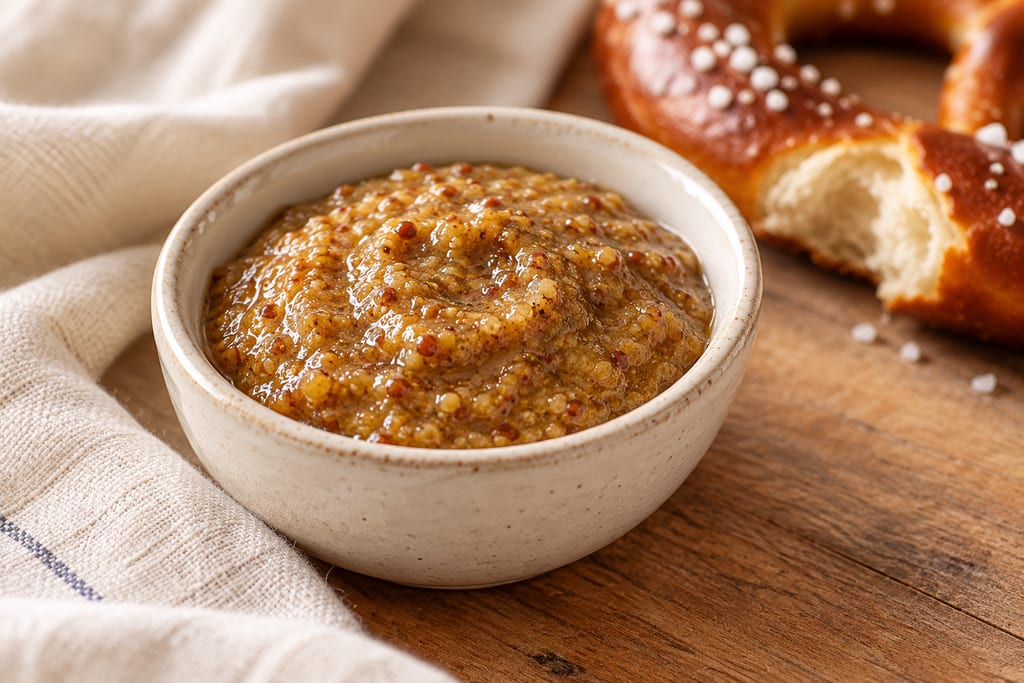
A coarse, sweet Bavarian-style mustard of yellow and brown seed in a cooked brown-sugar and vinegar base, made to eat with Weisswurst; an original refrigerated formula.
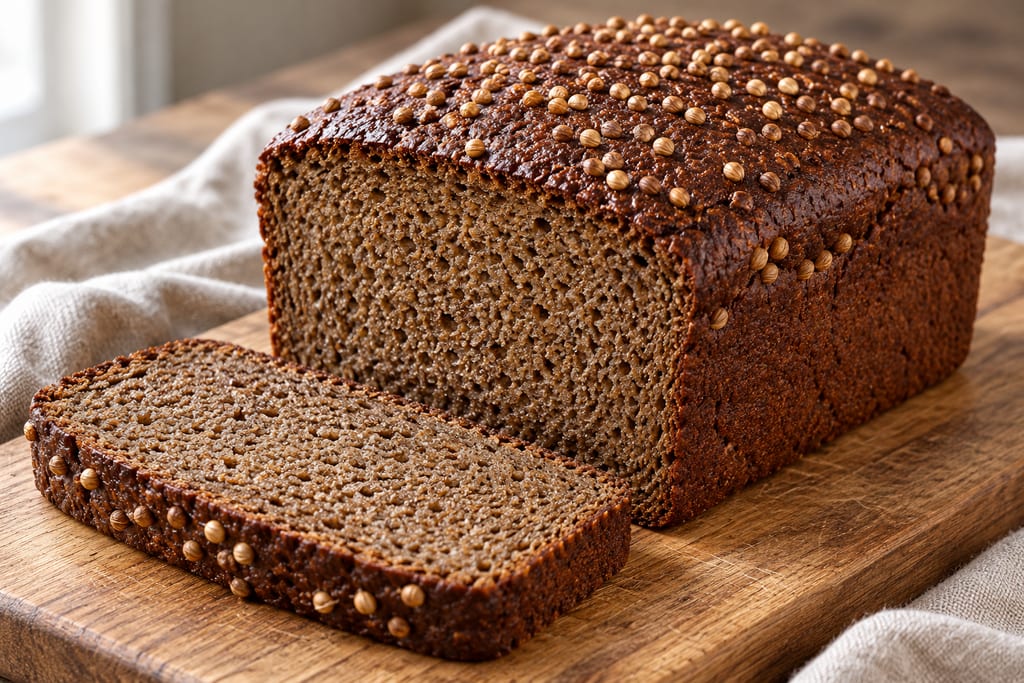
A dark rye sourdough with coriander and roasted barley-malt scald, based on Lily McCann's measured Borodinsk-ish home formula.
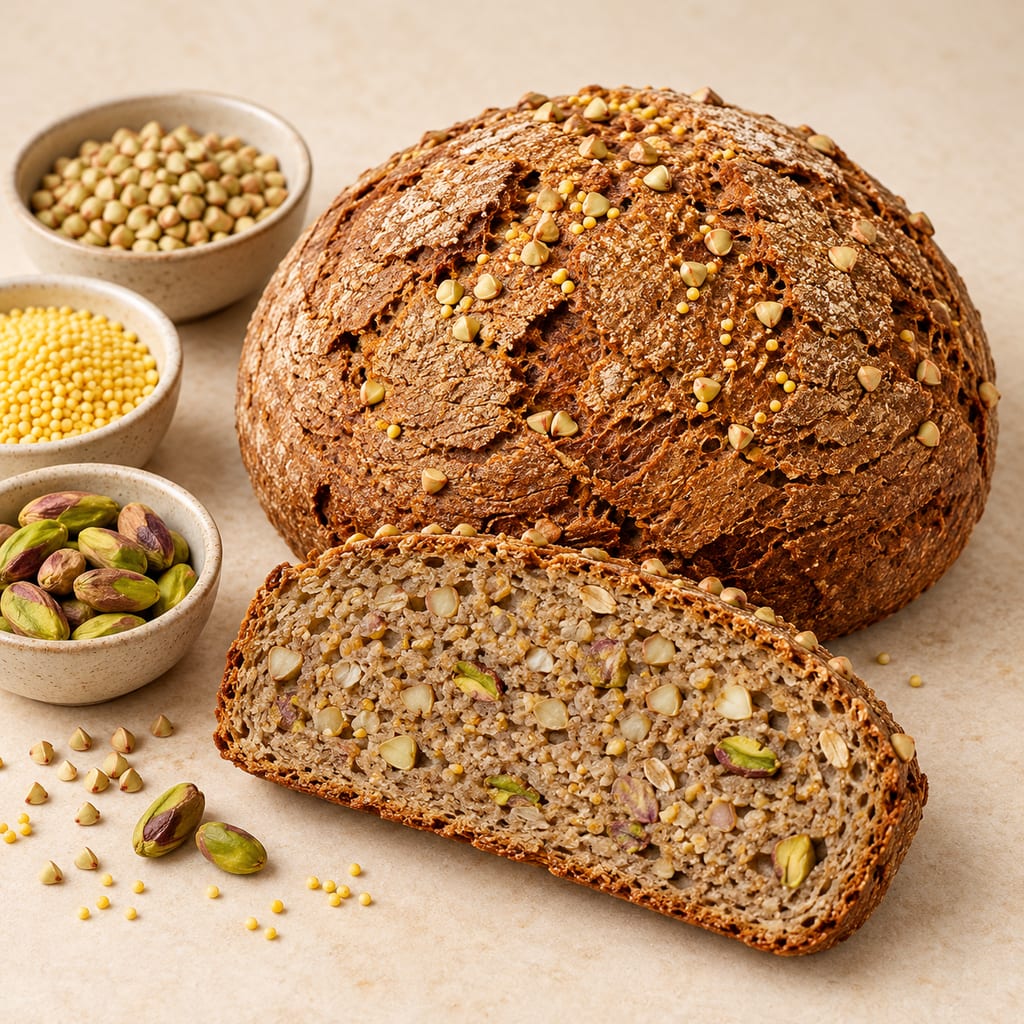
A gluten-free sourdough loaf of about 1 kg. A buckwheat and quinoa starter leavens a dough with cooked whole buckwheat groats, millet and a dark gluten-free bread mix, baked in a lidded pot.
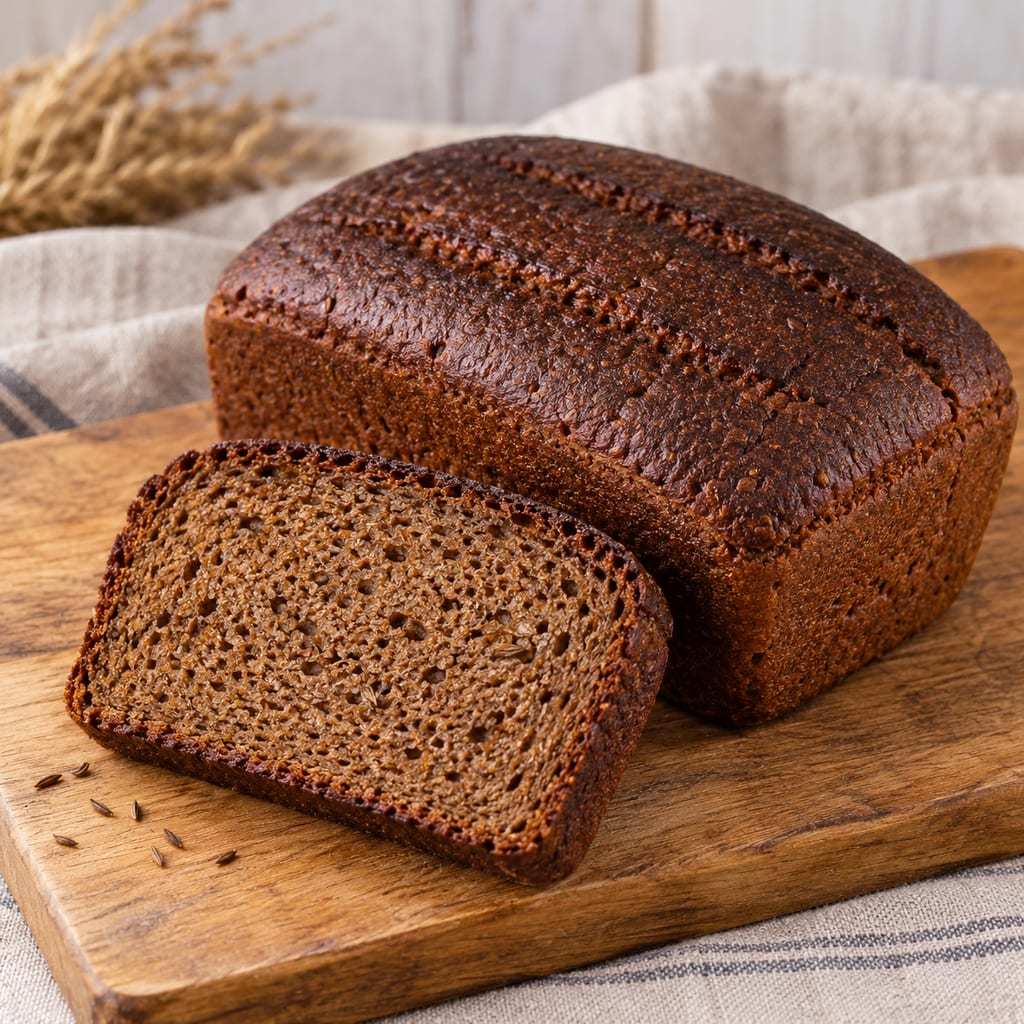
A Lithuanian dark rye loaf made with an overnight rye preferment, caraway, honey and sugar, then proofed in a loaf pan and baked in two stages.
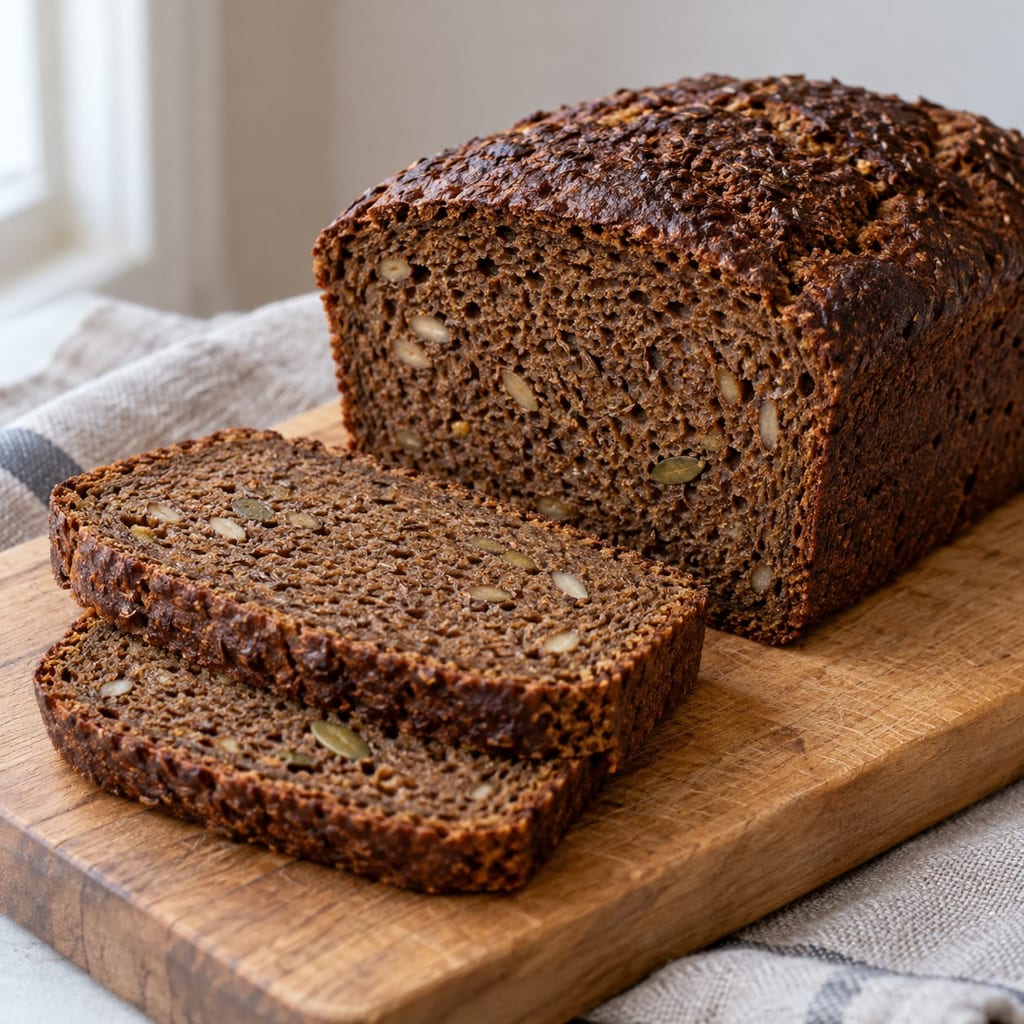
This Estonian rye loaf uses a sourdough preferment, a rye scald and soaked seeds, with a small amount of baker’s yeast. Two tins bake through a staged hot-to-moderate oven schedule.
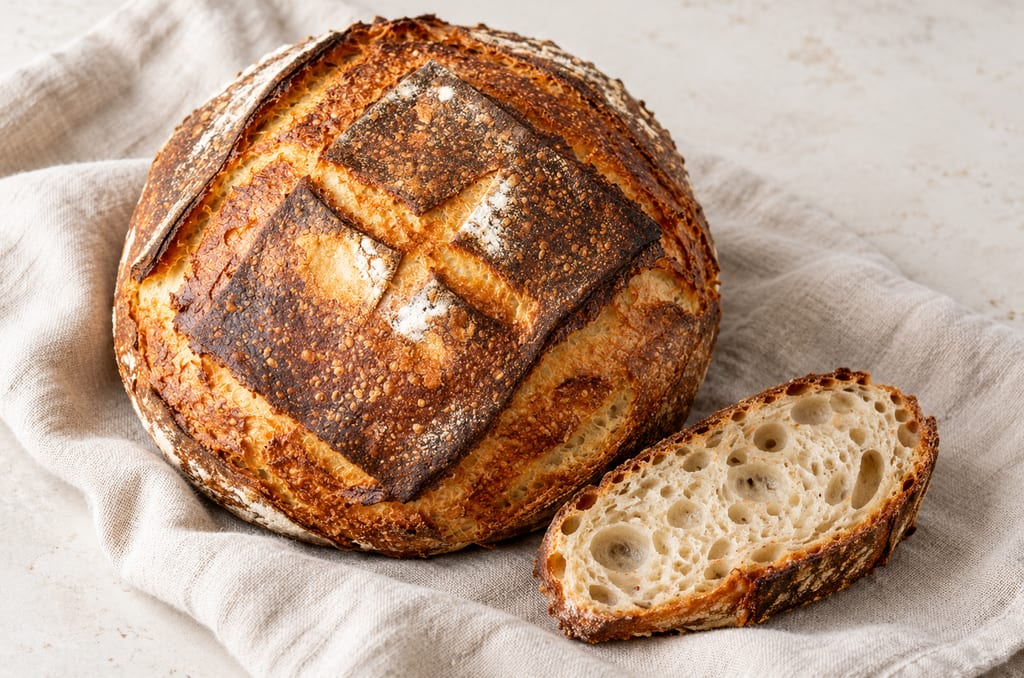
A ripe sourdough starter leavens this modern low-handling loaf. Three hourly folds organize the sticky dough before a long refrigerator rest, final proof and covered bake.
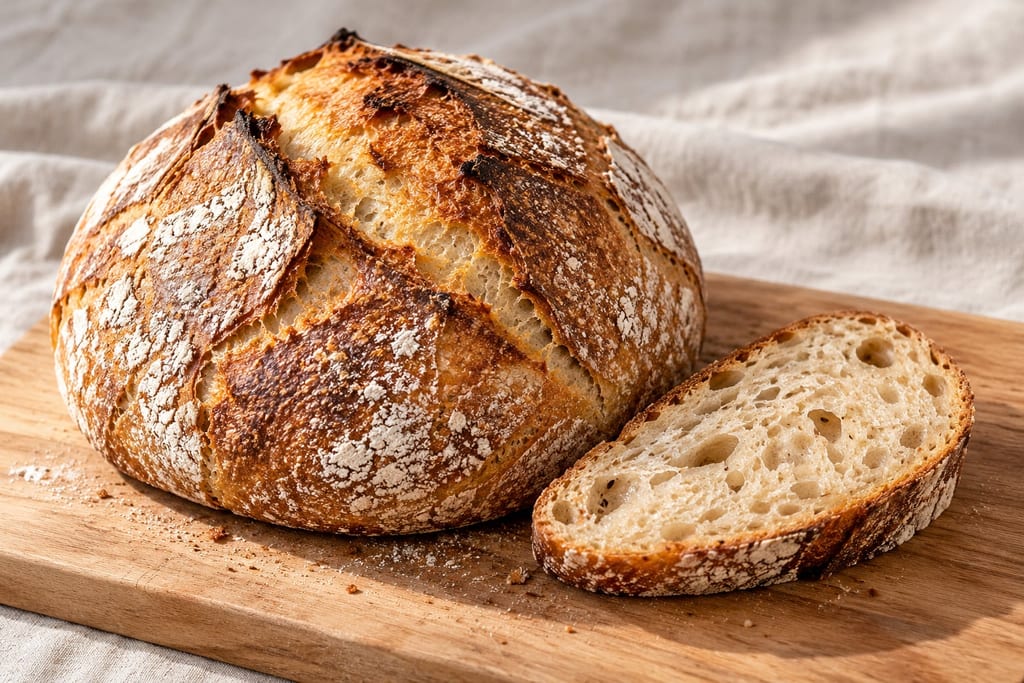
Two large French-style wheat loaves use unfed sourdough starter, whole-wheat flour, long room-temperature fermentation and a covered-pot bake.
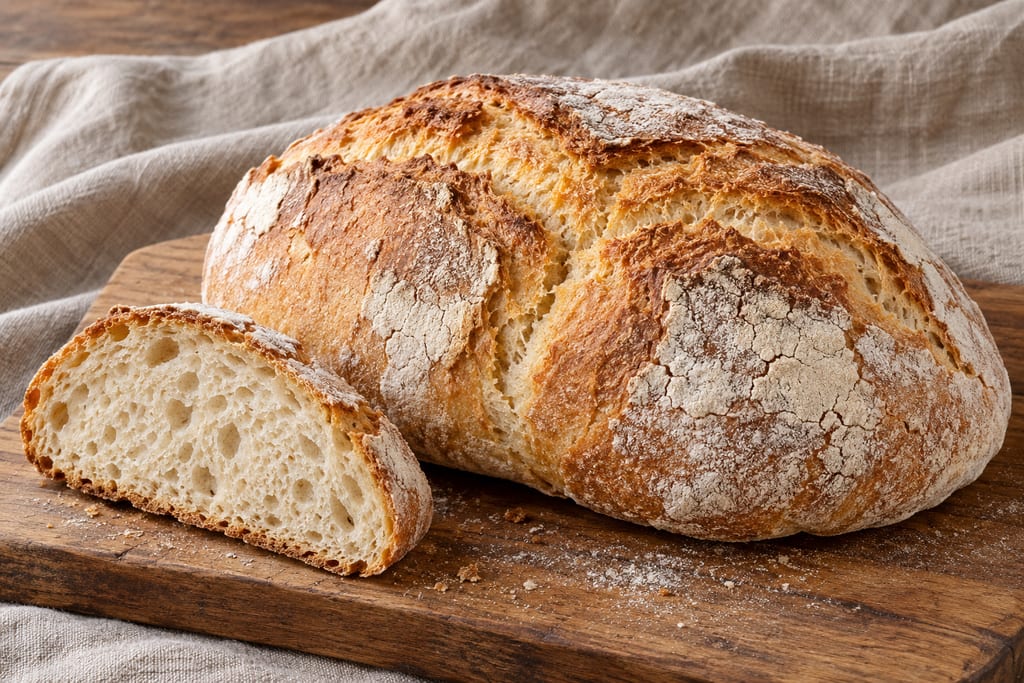
This home sourdough adaptation borrows Pan de Cea’s wheat-forward loaf and central fenda while using a domestic oven and a separately documented modern formula.
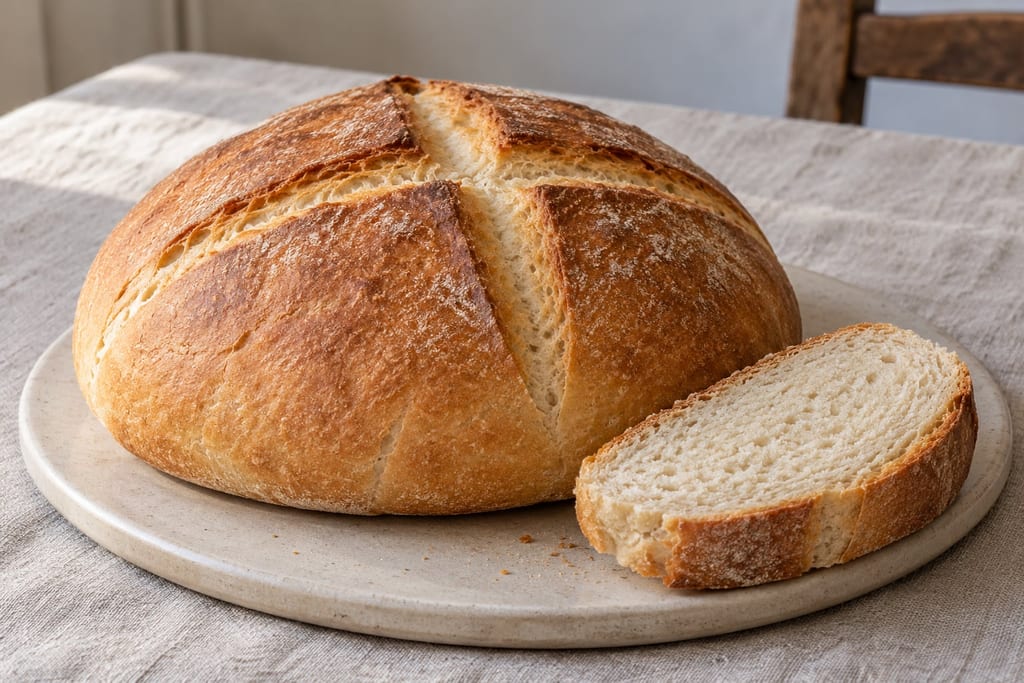
This household Pan de Cruz adaptation uses sourdough and a folded, tight-crumb wheat dough, marked with a cross and baked in a home oven.
No community contributions have been published for this entry yet.
Sign in to contribute. Published comments and photos are free to read.
King Arthur BakingMethod · Ingredients · Home adaptation
Vollkornbrot RecipeComplete one-loaf formula with whole rye flour, rye chops, sunflower seeds, a sourdough or yeast preferment and additional final-dough yeast.
Overnight starter build and soaker, 13-inch pan, sticky dough handling, 60-minute rise cue, staged bake, 205°F internal endpoint, 24–48-hour rest and refrigerated storage guidance.
Cited in: A whole-rye version of Vollkornbrot
German National Tourist BoardGeography · Cultural context
German bread and baked goodsGerman bread culture includes wholemeal and rye-wheat breads and varies by region; this supports a broad German association, not an origin claim for this formula.
Cited in: A whole-rye version of Vollkornbrot
German Commission for UNESCOHistory · Cultural context
Deutsche BrotkulturThe German bread culture entry describes a continuing craft tradition with historical regional diversity, not a single inventor or recipe for Vollkornbrot.
Cited in: A whole-rye version of Vollkornbrot
U.S. Food and Drug AdministrationSafety
Handling Flour Safely: What You Need to KnowRaw flour may carry harmful bacteria; do not taste raw flour or dough, keep it away from ready-to-eat food, and clean hands, tools and surfaces after handling.