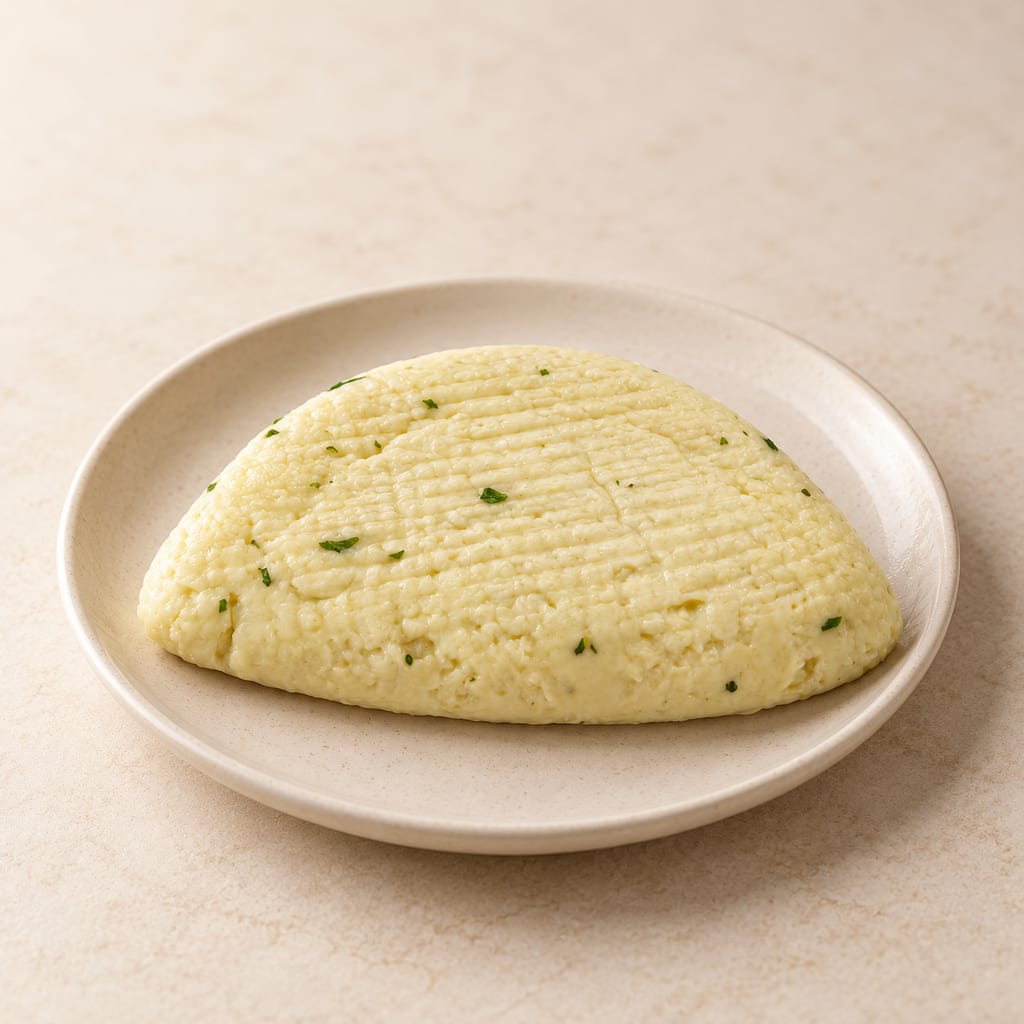
Halloumi, cow-milk method
A firm cow-milk cheese cooked in hot whey, salted and folded with optional mint. This fresh halloumi keeps its shape when grilled or pan-fried.
 FermenteaWhere food goes to change
Spices and aromatics
Dried mint is the leaf of a Mentha plant after moisture has been removed. The exact species varies by product; the linked Halloumi recipe specifies only optional dried mint, while separate standards distinguish spearmint from peppermint.
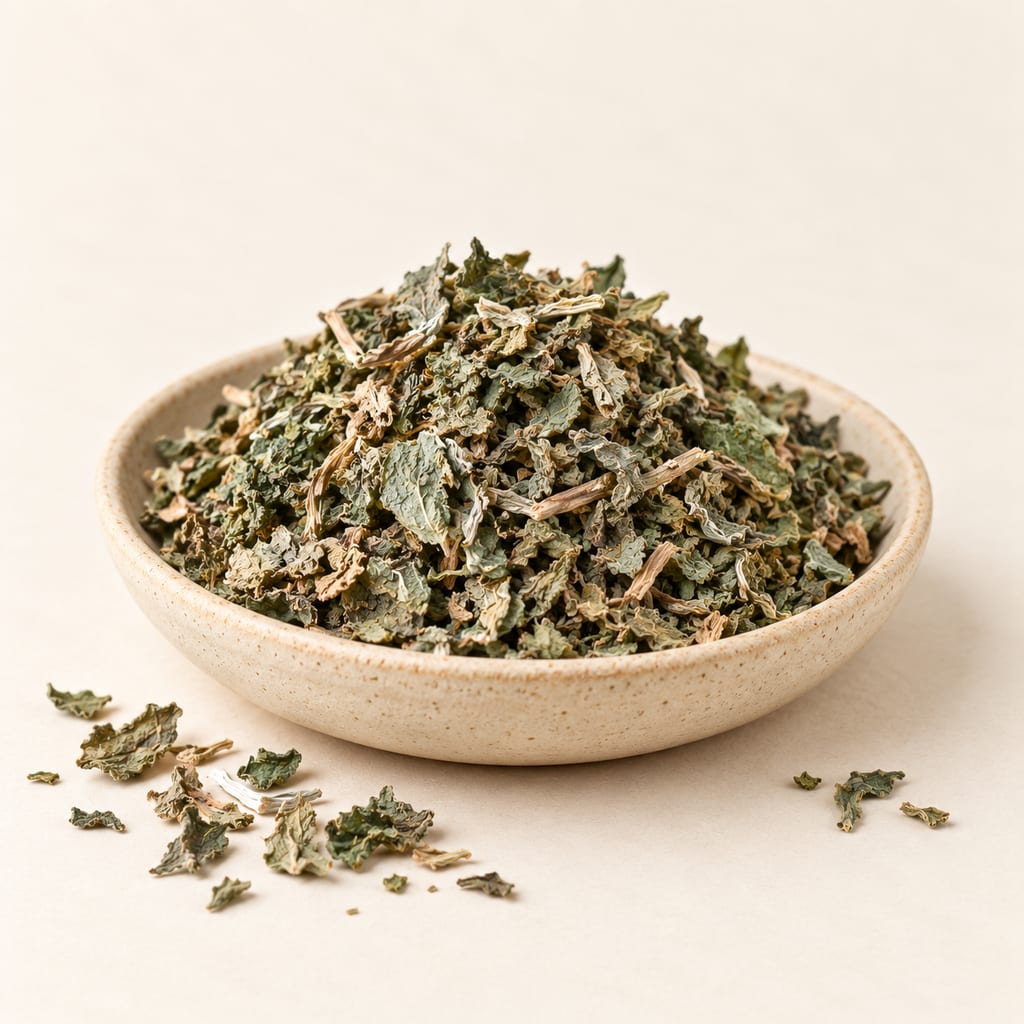
Dried mint is the aromatic leaf of a mint plant after moisture has been removed. The dry product may arrive as whole leaves, broken pieces, or rubbed flakes; some recipes use it crumbled further into a powder. It is usually green to olive-brown and light in the fingers. Its scent can be fresh and cool, sweet, grassy, or sharply minty, depending on the plant and its handling. “Mint” alone does not tell us which species supplied those leaves.
The genus Mentha belongs to the mint family, Lamiaceae, and includes many species and hybrids used in foods. Two familiar commercial forms illustrate why a common name needs care. Spearmint is usually identified as Mentha spicata L.; peppermint is Mentha × piperita L., a hybrid of water mint, M. aquatica, and spearmint. Botanical sources describe peppermint as especially menthol-rich, while spearmint oil is commonly associated with carvone. These profiles explain why peppermint can taste colder and more medicinal, and spearmint sweeter or more herbal. They describe typical species-level differences, not a guarantee about every dried jar or cultivar.
The recipe that prompted this page says only “dried mint.” It gives no species, cultivar, country of origin, cut size, or mass. The name must remain at that level for this method. It would be inaccurate to silently rewrite the ingredient as spearmint because spearmint appears in a separate regional cheese standard, or as peppermint because a supermarket packet uses that familiar word. The plant identity is unknown for this recipe unless the maker or package supplies it.
International standards show one way the trade separates the products. ISO 2256:1984 names dried mint as spearmint, Mentha spicata, including the botanical synonym M. viridis, and covers leaves whole, broken, or rubbed. Its abstract says it does not cover dried peppermint, for which ISO 5563:1984 provides a separate specification. These are commodity standards, not proof that every package sold simply as “dried mint” is spearmint, and not evidence that the Halloumi recipe uses a standard-compliant product. They do show that “dried mint” can conceal a meaningful distinction in species and aroma.
Mint plants are aromatic perennials. Kew records spearmint as native across a broad range from Europe to China and grown chiefly in temperate climates; its botanical account describes the plant as rhizomatous, with stems and leaves bearing glands. Mint spreads from underground stems and can grow vigorously in a garden. That habit is useful to growers but means it is better contained than planted where it can run freely. Those notes concern living M. spicata; they do not establish the source of an unidentified dried product.
The aroma is carried in volatile compounds made and held in tiny glandular structures on the plant. In spearmint, a primary study located monoterpene production in glandular trichomes and identified carvone as its principal accumulated monoterpene. Peppermint’s characteristic menthol-rich oil is chemically different. When leaves are bruised, rubbed, or crushed, their structure is broken and aroma is released into the air. This is why freshly crumbling a small amount can smell stronger than a sealed, intact leaf, and why the same action can also let the scent fade faster from stored herb.
Drying is a physical preservation operation: water moves out of the leaf into the surrounding air or drying system. It is not fermentation, and no starter culture is involved. Removing moisture reduces the conditions that let fresh leaves deteriorate quickly, but it does not turn the herb into a sterile product. The National Center for Home Food Preservation specifically notes that mints have high moisture content when fresh and can mold if they are not dried quickly. Dryness also makes leaves brittle and easier to rub or distribute across food.
The aroma that survives depends on how the leaf was dried. Volatile oils can escape or change with heat, airflow, time, and plant identity, so there is no single temperature that guarantees the best flavor for all mint. A 1994 study of Indian spearmint compared drying procedures and found shade-dried leaves retained a greener color and less loss of volatile oil than the other methods in that experiment; blanching produced a bland, nearly odorless result. That finding applies to its tested M. spicata material and conditions, not to all mint species or every commercial factory.
Drying trials on spearmint show that temperature and apparatus can change both the speed of water removal and the amount of oil recovered afterward. In one refractance-window experiment, the highest measured oil yield came from the hottest water setting tested, while other quality measures shifted differently. That laboratory result is not a kitchen temperature recommendation: extracted-oil yield is only one feature of quality, and a finished dish may prize color, texture or aroma in another balance.
For household drying, university and preservation guidance emphasizes clean leaves, airflow, and complete drying. Oregon State Extension says dried herbs should crumble easily and recommends a cool, dry, dark place for best flavor and color, with up to one year as a quality guide for herbs generally. The National Center for Home Food Preservation suggests controlled dehydrator settings and checking leaves until brittle; it also warns that tender mint can mold when drying is slow. Those are general home-herb instructions, not a commercial dried-mint specification. Once bought, the reader should follow the producer’s package directions rather than re-drying or treating the jar as if it were freshly harvested mint.
The history of mint as a plant is older and broader than the history of dried mint as a specific traded product. Classical and later medical writings refer to plants called mint, but historical names do not always resolve to a modern species. Encyclopaedia Iranica notes that Mentha species hybridize and can be difficult to identify in older texts because authors used overlapping names and descriptions. It is therefore safer to say that mint has a long record in food and household practice than to assign every ancient reference to modern spearmint or peppermint. Nor does a historical mention of fresh mint prove the use of dried leaves.
Iranian cuisine supplies a clearly described dried-leaf preparation. Encyclopaedia Iranica gives the Persian name naʿnāʿ dāḡ for dried, powdered mint leaves briefly used in hot oil to season dishes. It names soups such as āš and kašk o bādemjān, a dish of eggplant with kašk, a dairy product. The leaves are not simply scattered onto the plate: the hot oil carries their aroma and makes the mint part of a finishing seasoning. The article also describes sekanjabin, a sweet-and-sour syrup of sugar or historically honey and vinegar, usually flavored with mint extract. That is a separate preparation using mint flavor, not dried leaf as the ingredient.
Cyprus offers another documented use: the folding of mint into Halloumi. The European Union single document for Halloumi/Hellim lists fresh or dried Cypriot mint leaves, identifies M. viridis, and says leaves sit between curd layers so that the fold holds them in place and their aroma reaches the cheese. A Cyprus government guide says PDO Halloumi must contain spearmint and that other spices are sprinkled only after the production process. Together these sources describe the protected Cypriot cheese and its mint requirement; they do not prove that every homemade cow-milk recipe labelled Halloumi uses the same milk ratios, species, or process.
The Cyprus Food Museum’s Greek-language preparation record uses the term δυόσμος (diósmos) for mint, describes it as finely chopped, and places it after the cooked cheese is salted, before the pieces are folded and stored in whey. This wording records a particular traditional preparation. The same source names the cheese Χαλλούμιν and notes the Turkish Cypriot name hellim. These local terms help locate the food practice without turning the generic English label “dried mint” into a universal ingredient identity. The PDO document’s botanical identification is more specific than the museum recipe’s common herb name.
In the New England Cheesemaking Supply Company’s one-gallon home method, dried mint is optional. The maker flattens the cheese while it is still warm, sprinkles salt and enough mint to cover one surface, then folds the disc into a crescent. The amount is visual rather than weighed. The source calls the herb dried but leaves its species open; it mentions fresh leaves only as an alternative for cheese intended to be eaten fresh. Since the structured recipe does not specify a product label or botanical name, keeping the record at “dried mint” is the accurate choice.
The timing explains the herb’s role. Mint is added after the curd has been formed, pressed, cooked in whey, and removed; it does not acidify milk, set curd, or drive fermentation. The optional C21 culture in the home recipe is a separate ingredient, and the recipe’s own text says that culture is quickly destroyed as the milk and curds are heated. The mint is an aromatic leaf folded into the finished cheese. The source’s statement that mint is traditionally used for preservation should not be converted into a safety claim: the herb is not a validated preservation treatment, and the lightly salted version is expressly directed to refrigeration.
A protected Cypriot Halloumi and this home recipe overlap in a folded cheese and mint aroma, but they should not be merged into one formula. The home method is explicitly made with 100 percent cow’s milk, and its mint is optional with no specified species. The PDO source describes sheep and goat milk, allows cow milk only within its stated composition rules, and requires spearmint. This difference matters when a reader shops or names a cheese: the recipe provides a home adaptation, not a verified PDO product.
At the table, mint works as a fragrant counterpoint to the cheese’s salt and warm dairy flavor. The Cyprus Food Museum records Halloumi as a food eaten fresh and cooked. In those dishes the dried or fresh leaf folded into the curd seasons the cheese itself; it is not merely a garnish added after cooking. Persian uses give the dried leaf a different role: hot oil carries powdered mint into soup or eggplant-and-kašk, while sekanjabin takes mint flavor as an extract in a sweet-sour drink. One herb name spans distinct techniques, so a cook should follow the particular food’s treatment rather than assume a universal dose or point of addition.
A jar of dried mint should have a distinct aroma when opened. Intact leaves can be rubbed just before use to release scent; finely powdered mint is convenient but has more exposed surface and may lose aroma faster. The ISO standards distinguish whole, broken, and rubbed leaves as forms for dried spearmint or peppermint, while household guidance likewise recommends keeping leaves whole until use where possible. A dull, faint-smelling product may simply be old or poorly stored; smell is a quality clue, not a safety test.
Keep the container tightly closed, cool, dry, and away from direct light, steam, and stove heat. Oregon State Extension’s one-year recommendation is a general quality guide for dried herbs, not a guaranteed expiry date for mint or a safety limit. Use the date and storage instructions on the package. Moisture entering the jar can clump the leaves and create conditions for spoilage; if the product is visibly damp, moldy, insect-damaged, or has an abnormal odor, discard it. Do not treat the mint’s aroma, color, or dryness as evidence that the finished cheese is safe.
Fresh and dried leaves are not automatically interchangeable by volume. Drying removes water and changes the leaf’s texture; it also changes the concentration and balance of aroma compounds, and rubbing releases more of them. A general herb conversion chart cannot decide how much dried mint is right for this Halloumi method because the recipe gives only “enough to cover” and no matching quantity for fresh leaves. Begin with the small surface coverage the method describes, keep the leaves distributed between the folded layers, and adjust only according to the flavor you want. The herb seasons the cheese; salt and refrigeration remain the recipe’s stated handling measures.
The Persian dried-mint oil and the warm-cheese fold expose leaves to heat and moisture in different ways. Neither preparation has one proven ideal species or dose in the sources here. A named spearmint or peppermint belongs where a recipe asks for it; the linked home Halloumi simply calls for dried mint, leaving that choice to the cook.
The page documents naʿnāʿ dāḡ and named foods; it does not identify all mint used in the dishes to one modern species.
The PDO document identifies M. viridis/spearmint and a cheese-folding use. It does not identify the generic species in the linked cow-milk home recipe.
A firm cow-milk cheese cooked in hot whey, salted and folded with optional mint. This fresh halloumi keeps its shape when grilled or pan-fried.
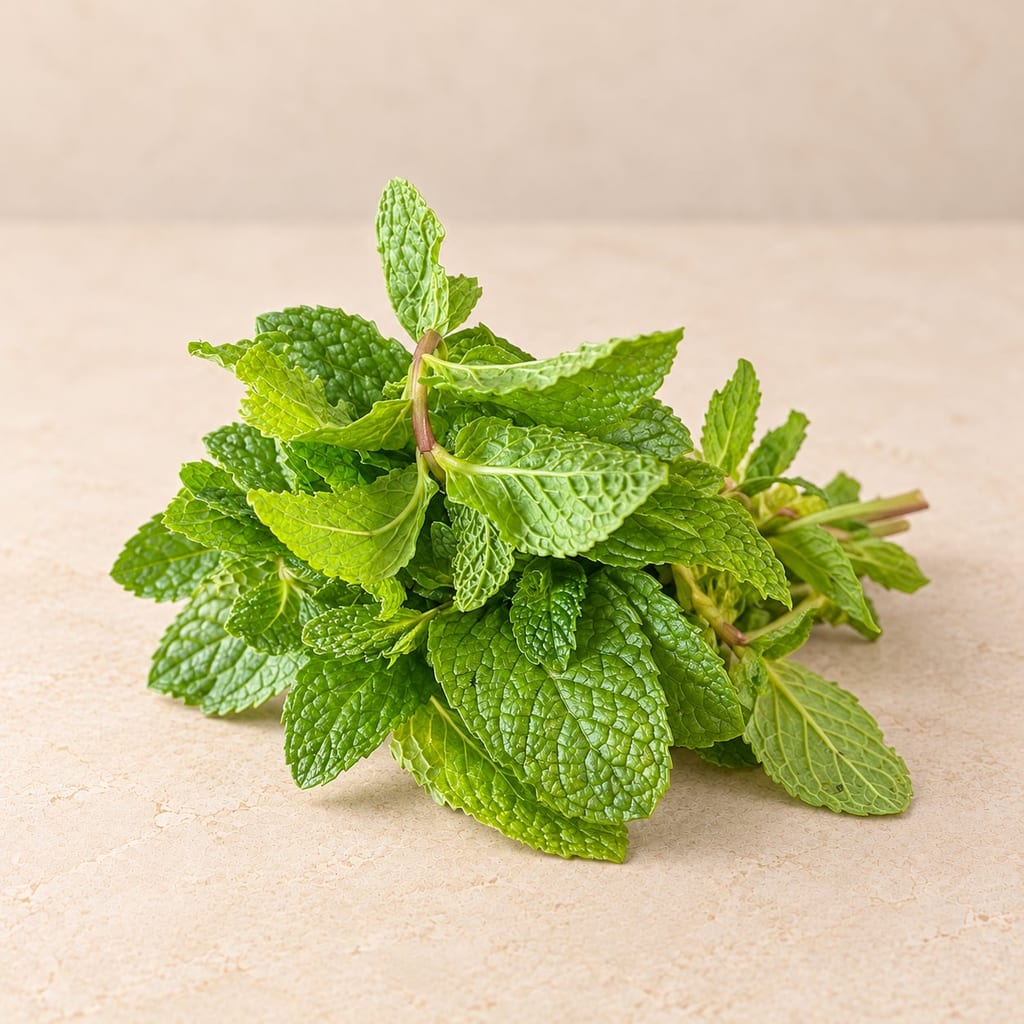
Mint is the fresh leaf of aromatic Mentha plants, chiefly spearmint and peppermint. It gives chutneys, yoghurt sauces and fermented drinks a cool, sweet, green note.
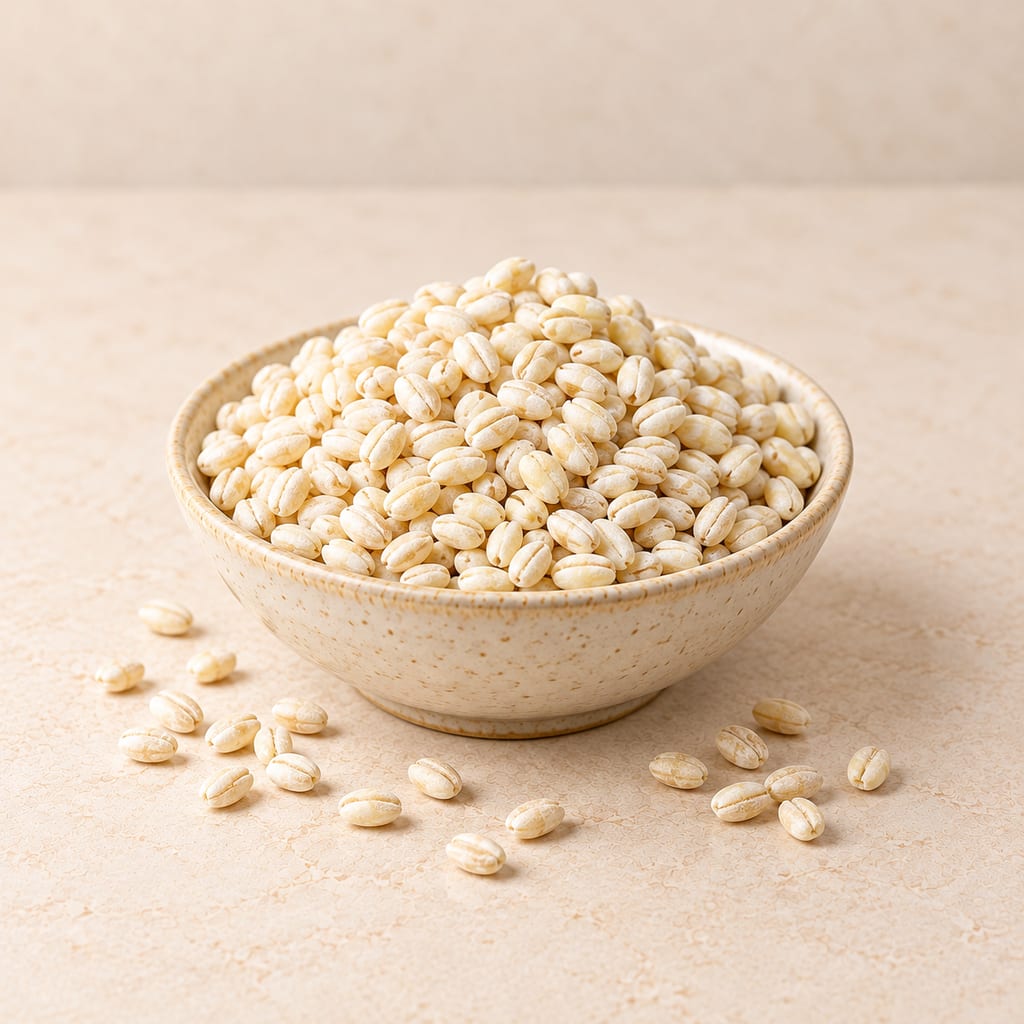
Barley is a hardy cereal, domesticated in the Middle East over 10,000 years ago, eaten whole, pearled or milled, malted for brewing, and grown with koji mold for barley miso.
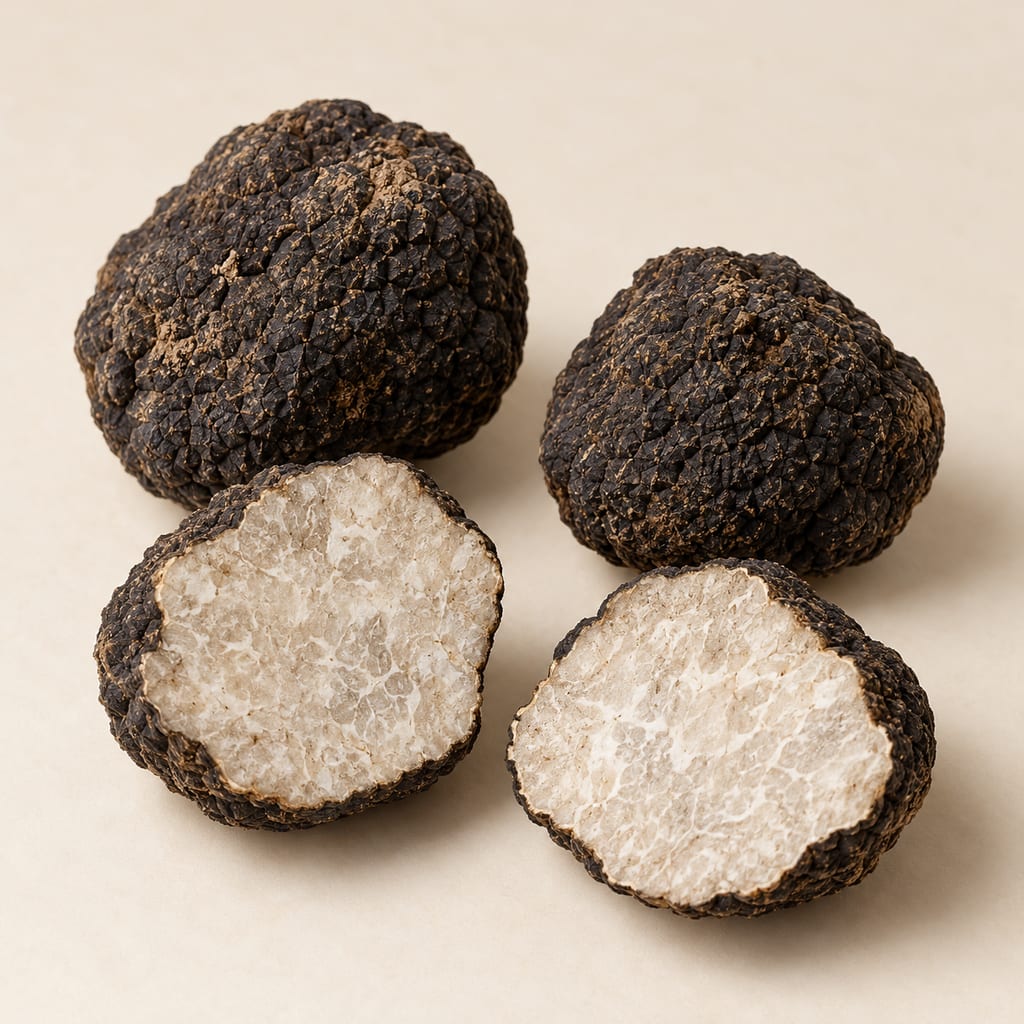
The black desert truffle, catalogued as Picoa juniperi, is a subterranean fungus gathered wild in arid and semi-arid lands. Eastern Anatolian households eat it, usually fried with eggs.
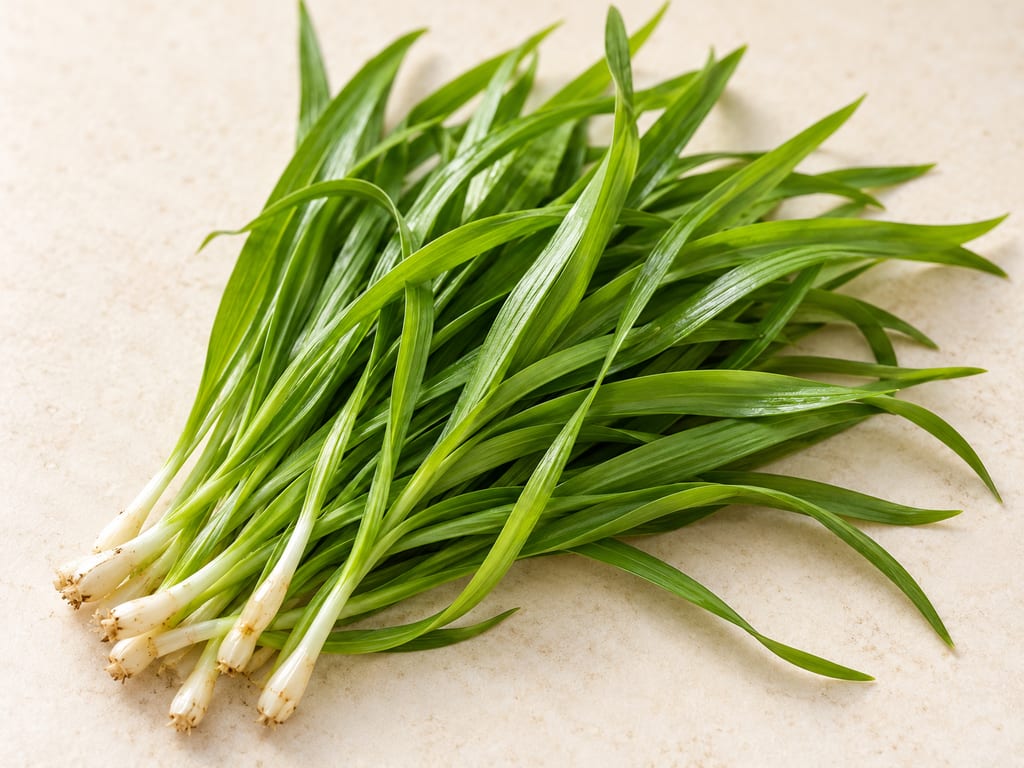
Few-flowered garlic (Allium paradoxum) is a bulbous perennial native from eastern Ukraine through the Caucasus to Iran. Its leaves and, in some documented traditions, stems, bulbs or bulbils are eaten fresh, cooked or preserved.
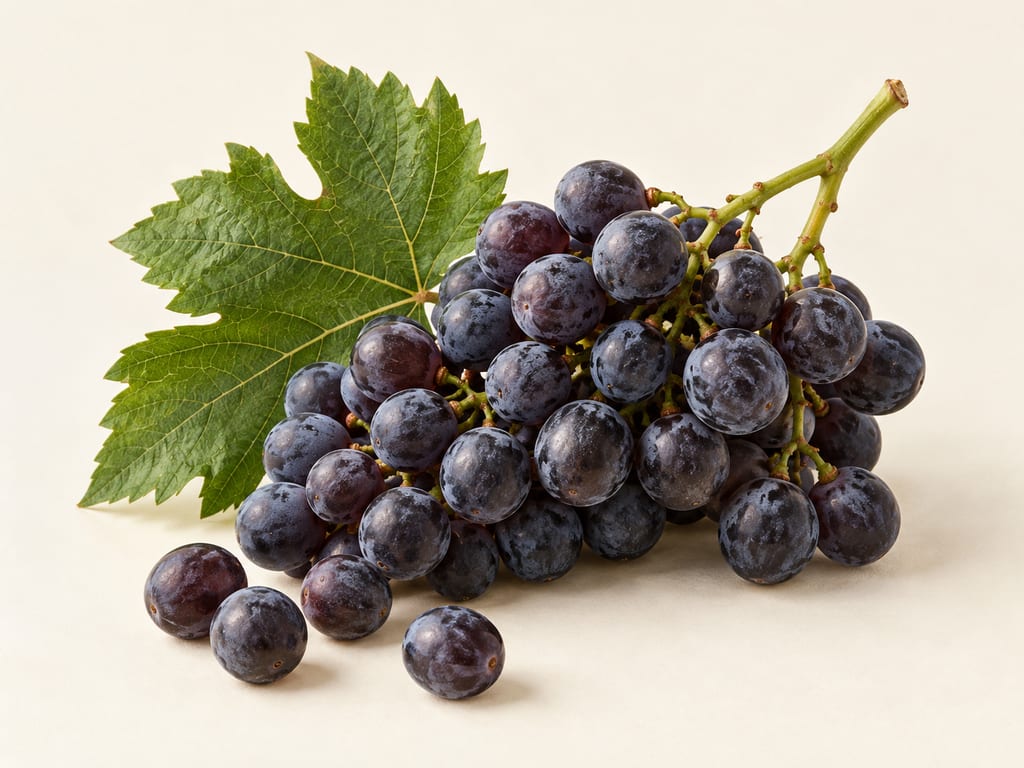
Wine grapes are fresh berries selected for vinification; their sugars fuel alcoholic fermentation, while cultivar, ripeness and handling shape the fruit and the wine it can become.
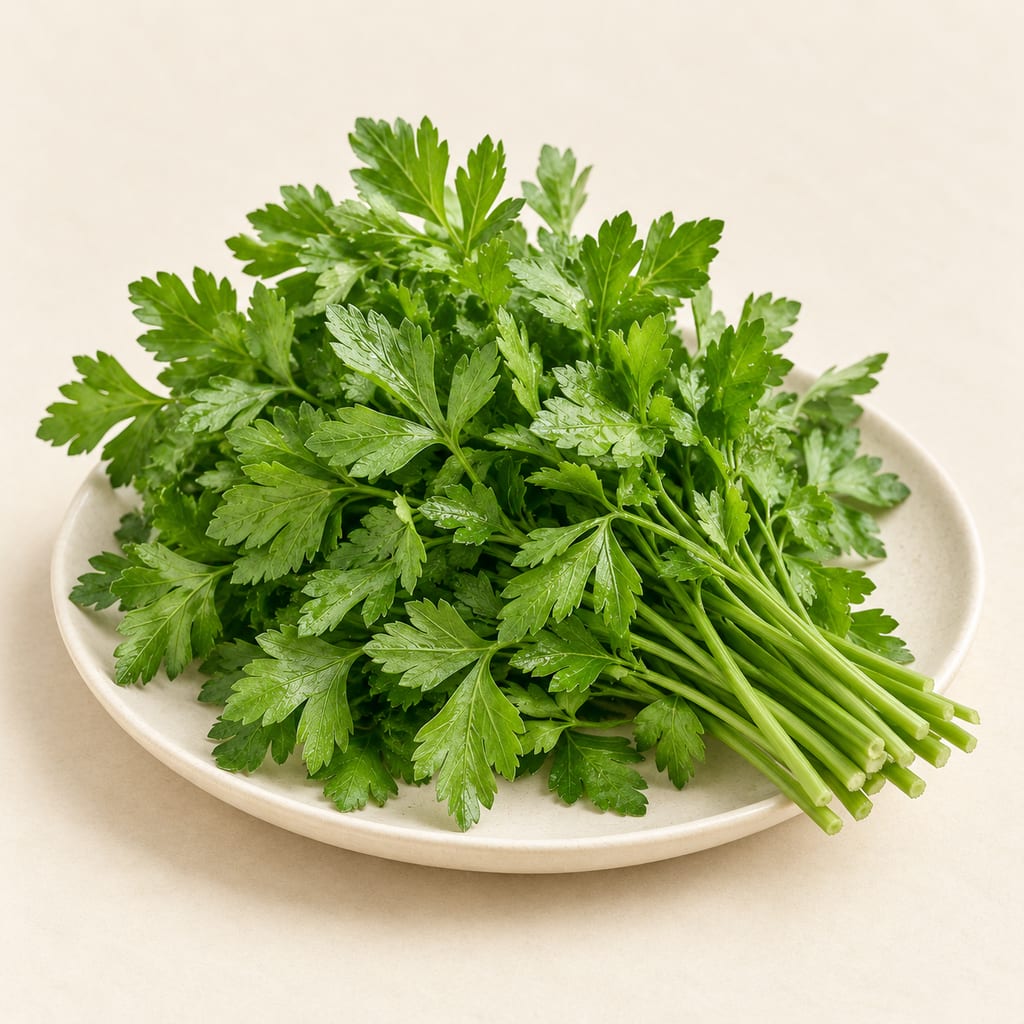
Parsley (Petroselinum crispum) is a cultivated Apiaceae herb grown mainly for its fresh leaves, though root parsley is a separate crop form. Flat-leaf and curly-leaf parsley differ in leaf shape and reported flavour.
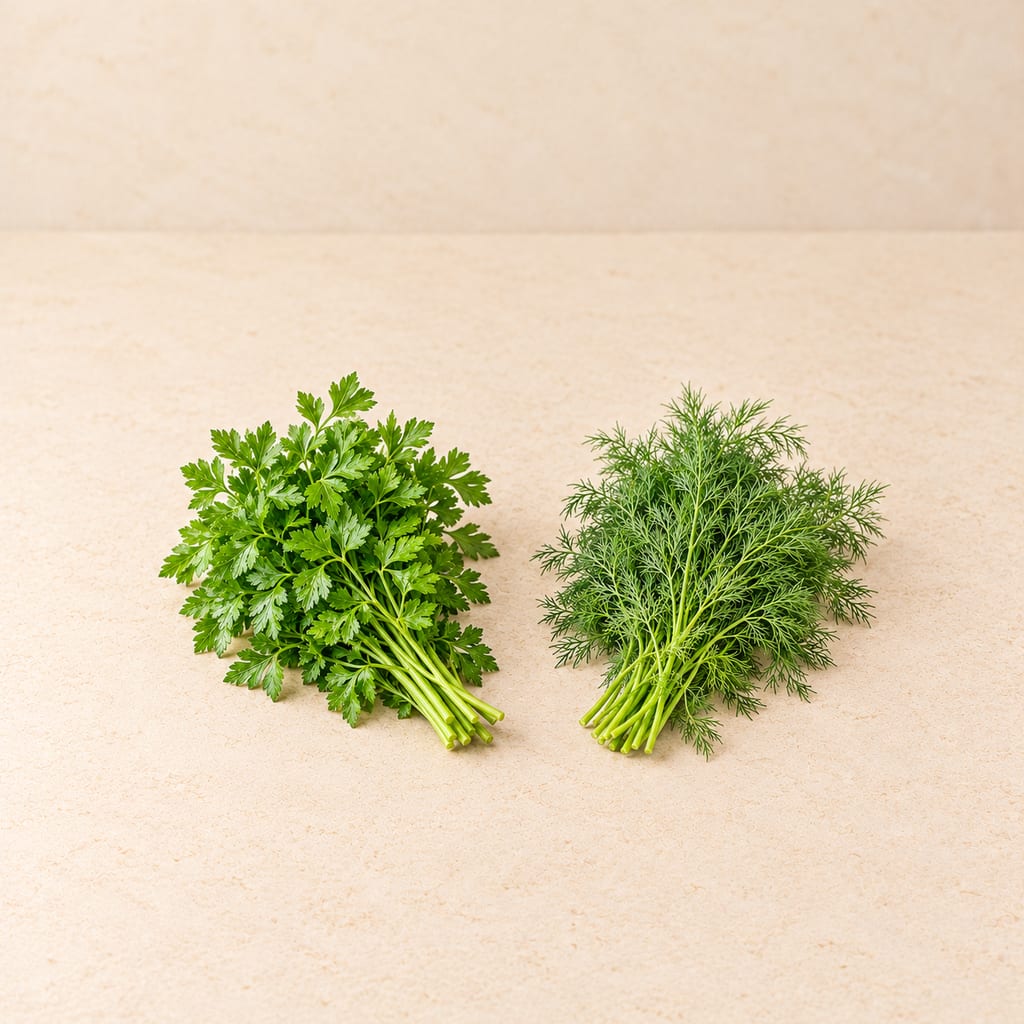
Parsley and dill are two leafy herbs of the carrot family, used fresh for their green, clean flavour. Dill also gives its name to dill pickles, the best-known cucumber ferment.
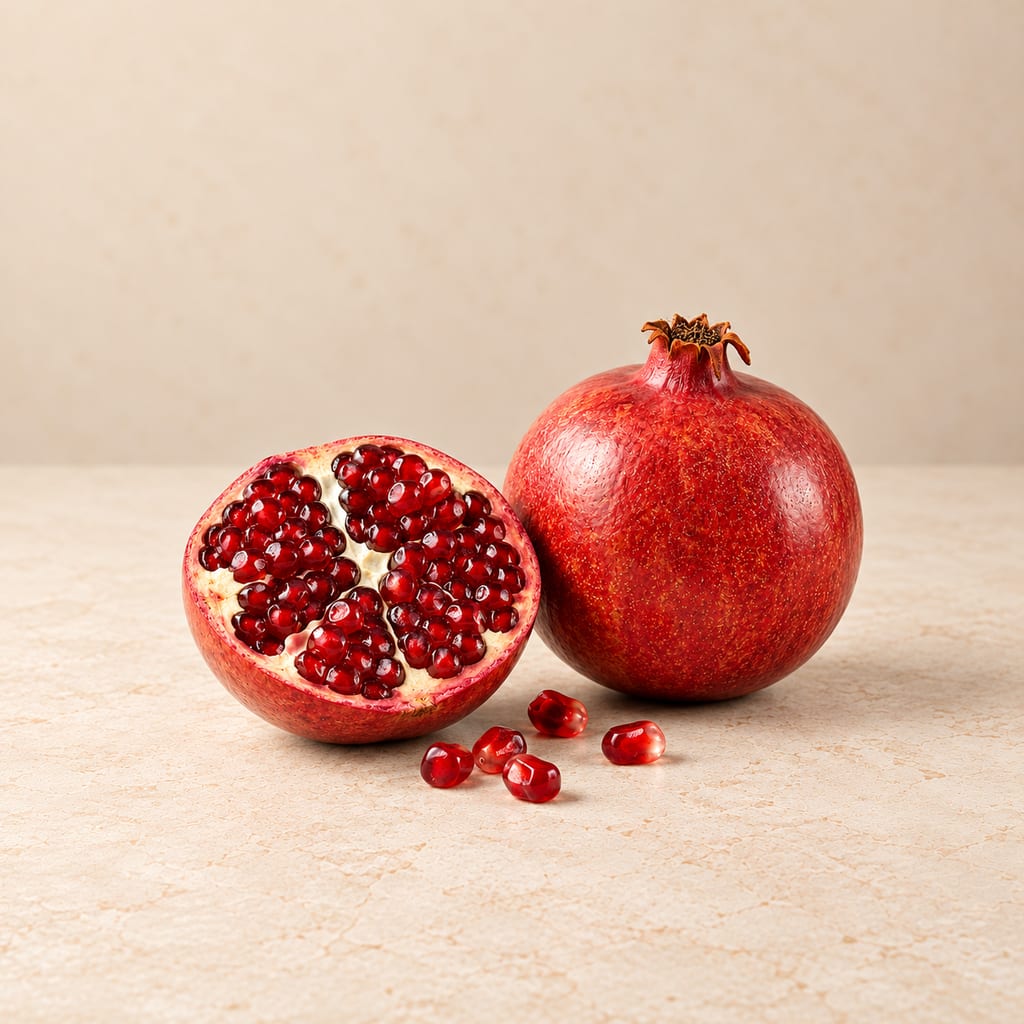
The pomegranate (Punica granatum) is a seed-filled fruit whose arils run from sweet to sharply sour, depending on citric acid. Sour fruit becomes juice, molasses and dried anardana.
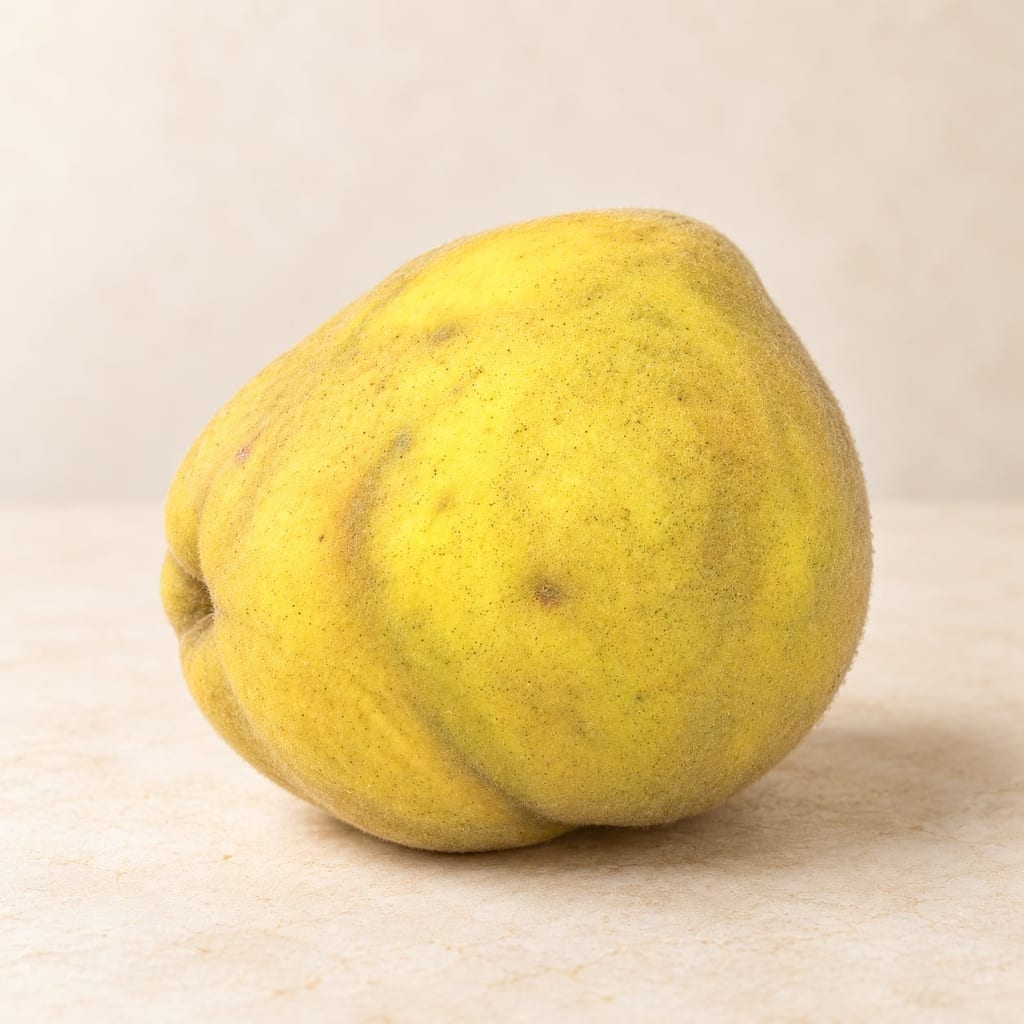
A fragrant, usually yellow pome with firm, tart and astringent flesh, cooked for tender fruit dishes, jelly and dense quince paste.
No community contributions have been published for this entry yet.
Sign in to contribute. Published comments and photos are free to read.
Royal Botanic Gardens, Kew, Plants of the World OnlineIdentity
Mentha L.Mint genus and accepted species overview; botanical distinctions
Cited in: A name for leaves, not one botanical identity; From growing plant to dry leaf
Royal Botanic Gardens, Kew, Plants of the World OnlineIdentity
Mentha spicata L.Accepted spearmint identity, range and perennial habit
Cited in: A name for leaves, not one botanical identity; From growing plant to dry leaf
Royal Botanic Gardens, Kew, Plants of the World OnlineIdentity
Mentha × piperita L.Peppermint hybrid formula and distribution
Cited in: A name for leaves, not one botanical identity
International Organization for StandardizationStandards
ISO 2256:1984 — Dried mint (spearmint) (Mentha spicata Linnaeus syn. Mentha viridis Linnaeus) — SpecificationWhole, broken, rubbed dried spearmint; scope excludes peppermint; storage annex
Cited in: A name for leaves, not one botanical identity; Choosing, storing, and using dried mint
International Organization for StandardizationStandards
ISO 5563:1984 — Dried peppermint (Mentha piperita Linnaeus) — SpecificationSeparate specification for dried peppermint leaves, broken or rubbed form
Cited in: A name for leaves, not one botanical identity; Choosing, storing, and using dried mint
Plant PhysiologyPlant science
Biochemical and Histochemical Localization of Monoterpene Biosynthesis in the Glandular Trichomes of Spearmint (Mentha spicata)Spearmint glandular trichomes and carvone biosynthesis
Cited in: From growing plant to dry leaf
Journal of Spices and Aromatic CropsDrying
Effect of drying on flavour quality of Indian spearmint (Mentha spicata L.)Shade-drying, blanching and volatile-oil/color outcomes in tested spearmint
Cited in: From growing plant to dry leaf
FoodsDrying
Determination of Drying Characteristics and Physicochemical Properties of Mint (Mentha spicata L.) Leaves Dried in Refractance WindowOne refractance-window study; drying water temperature effects and essential-oil yield, study-specific
Cited in: From growing plant to dry leaf
Oregon State University Extension ServiceHandling
Food Safety & Preservation: Drying Herbs, SP 50-921General herb drying and storage quality guidance; not mint-specific shelf-life guarantee
Cited in: From growing plant to dry leaf; Choosing, storing, and using dried mint
National Center for Home Food Preservation, University of Georgia Cooperative ExtensionHandling
HerbsMint moisture and mold risk during slow drying; general household drying guidance
Cited in: From growing plant to dry leaf; Choosing, storing, and using dried mint
Encyclopaedia Iranica; Shamameh MohammadifarFood history
MintHistorical naming limits; Persian naʿnāʿ dāḡ, āš, kašk o bādemjān, sekanjabin uses
Cited in: Mint in particular food cultures
European Commission / Cyprus Department of Agriculture; Official Journal of the European Union 2022/C 407/06Food history
Single Document: Χαλλούμι / Halloumi / Hellim, PDO-CY-01243-AM01Cypriot mint identified as Mentha viridis; fresh or dried leaves; folding stage and aroma
Cited in: Mint in particular food cultures; What the Halloumi recipe asks the mint to do
Republic of Cyprus Department of AgricultureStandards
General Guidelines regarding the usage of PDO Χαλλούμι/Halloumi/HellimPDO must contain spearmint; additional spices sprinkled at end, not added into curd
Cited in: Mint in particular food cultures; What the Halloumi recipe asks the mint to do
Cyprus Food Museum; Greek-language record sourced to Mari Community CouncilFood history
Παρασκευή χαλλουμιών (Halloumi preparation)Greek δυόσμος, finely chopped mint after salting, Halloumi folding and whey storage
Cited in: Mint in particular food cultures; What the Halloumi recipe asks the mint to do
New England Cheesemaking Supply Company; Jim WallaceRecipe context
Halloumi Cheese Making RecipeOptional generic dried mint to cover cheese surface after salting; cow-milk home adaptation; fold while warm and refrigerate lightly salted batch
Cited in: What the Halloumi recipe asks the mint to do; Choosing, storing, and using dried mint
Wikimedia Commons; Fumikas SagisavasImage
File:Dried mint leaves tea.jpgInspected photo of loose dried mint leaves; source caption frames it as tea; CC0 1.0