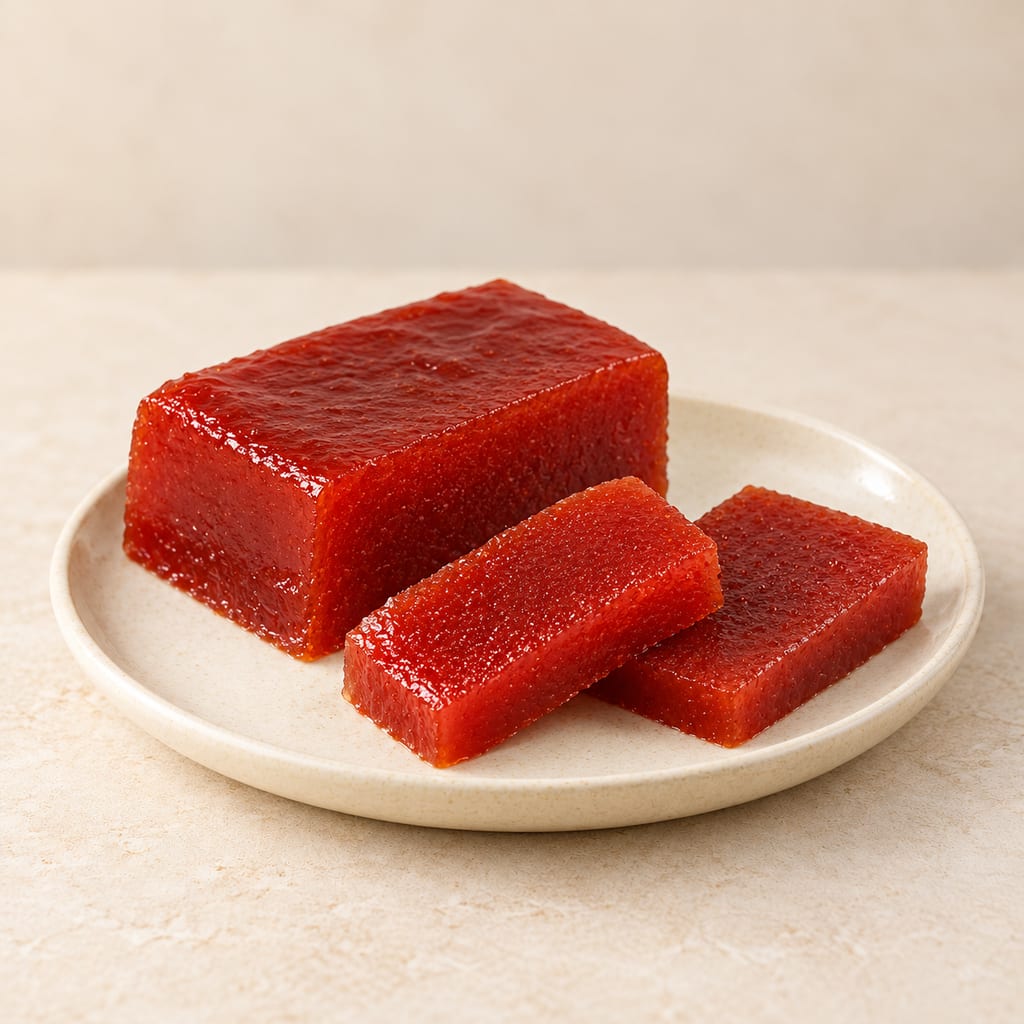
Dulce de membrillo, pressure-cooker method
Dulce de membrillo is quince cooked with sugar into a firm paste for slicing. This family method softens the fruit in a pressure cooker, then blends it and leaves it to set.
 FermenteaWhere food goes to change
Substrates
A fragrant, usually yellow pome with firm, tart and astringent flesh, cooked for tender fruit dishes, jelly and dense quince paste.
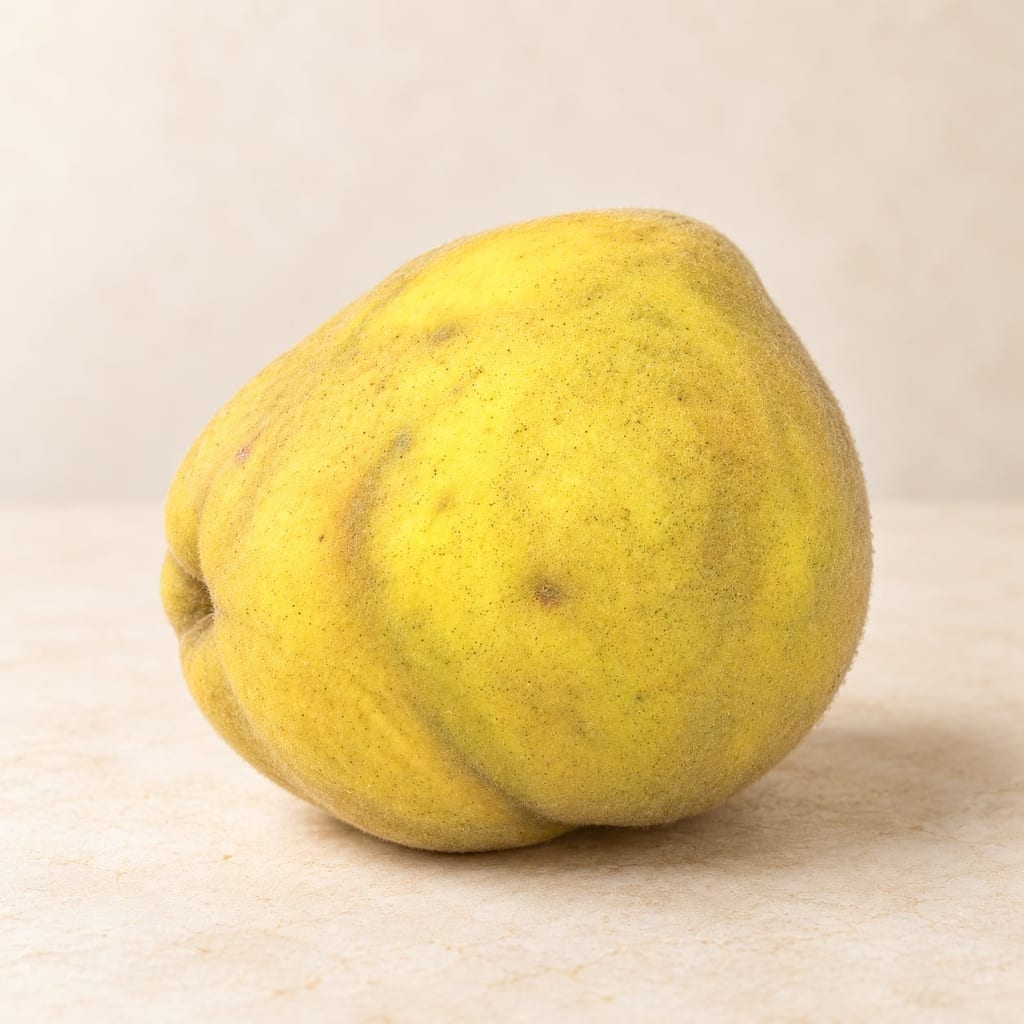
A ripe quince can perfume a room before it offers much pleasure to the teeth. Its usually golden skin encloses firm, pale flesh that is often hard, gritty, tart and astringent when raw. Cooking makes a very different food possible: tender slices, a fragrant compote, a clear jelly or a dense sweet paste. The contrast between the aroma of the whole fruit and the texture of its uncooked flesh is central to understanding its place in a kitchen.
Common quince is Cydonia oblonga Mill., a member of the rose family, Rosaceae. Like apples and pears, it makes a pome, a fruit type in which tissues beyond the ovary contribute to the fleshy structure. Quinces can be rounded or pear-shaped, and some retain a downy surface. Shape and colour alone do not identify a cultivar. The fruit is grown for processing and cooking in many settings, but most cultivars' difficulty as a raw dessert fruit should not be turned into a claim that every quince is identical.
Quince has a long history in western Asian and Mediterranean cultivation. Its native range extends from the Caucasus towards Central Asia. That broad botanical range is more secure than a single claimed birthplace or a precise date of domestication. Ancient fruit names do not always correspond neatly to modern species, and surviving plant remains can be difficult to identify or date. The cultivated quince belongs to that long history without requiring an invented starting point for it.
The Roman writer Pliny described several kinds of quince, distinguishing their colour, scent and time of ripening. His account gives particular attention to fragrance: some were valued for an especially fine smell, and fruit was kept in the reception spaces of wealthy households. A quince could therefore be both orchard produce and an object appreciated before it was eaten. The description is a reminder that its most immediately attractive quality, scent, did not depend on soft dessert-fruit flesh.
Pliny also distinguished varieties and described one exceptional kind as eaten raw. These ancient names cannot simply be attached to present nursery cultivars, but the account shows that variation mattered to observers long before modern breeding terminology. Early orchard writing treated fruit as something selected for different qualities, not as a uniform commodity. Scent, ripening and palatability were practical differences between the kinds a grower or household might encounter.
In later European gardens, quince occupied space as a useful cultivated tree. It was recorded in the Oxford Physic Garden in 1648 under the name Malus cotonea. A quince from Portugal followed as an experimental introduction in 1658, although it was absent from the later garden record of 1676. These particular records show gardeners comparing and moving fruit material between places. They also connect the tree with household and institutional interests in useful plants rather than with decorative blossom alone.
The fruit is membrillo in Spanish and marmelo in Portuguese; ayva is a Turkish name for Cydonia oblonga. These names identify the fruit in their own language settings. Portuguese marmelada names a quince sweet, and quince paste belongs to the history of the English word marmalade. The familiar modern association between marmalade and citrus should therefore not hide an older connection with a very different fruit and a much denser confection.
The raw quince and its sweetened paste remain different subjects. A piece of dulce de membrillo has been cooked and concentrated, while a whole quince still contains its original balance of flesh, skin, core and water. The linked household preparation turns cleaned fruit into a smooth paste that cools to a cuttable consistency. Its transformation explains why a pantry product may take its name from the fruit while requiring a separate method. Knowing the ingredient's name does not describe all the work needed to make the sweet.
Common quince is easily confused with flowering quince, the Chaenomeles shrubs often grown for conspicuous blossom. Their fruits can also be aromatic and useful in jelly, but they are not merely small cultivars of Cydonia oblonga. The plants differ in growth habit and botanical identity. A garden label that says Japanese quince or flowering quince points towards another group, even if the harvested fruit seems to offer familiar sourness and fragrance.
Chinese quince, Pseudocydonia sinensis, is another distinct subject. Its naming history has included placement with other quince groups, which helps explain confusion in older botanical and culinary accounts. Similar-looking fruit and overlapping uses do not make scientific findings about one genus automatically applicable to another. For an ingredient used in a named preparation, identifying Cydonia oblonga is more informative than relying on the broad English word alone.
Common quince grows as a deciduous tree with conspicuous white or pale pink flowers. Cultivated plants are often grafted, and the rootstock helps influence the eventual size of the tree. Named cultivars differ in fruit shape, flesh, flavour and ripening time. A choice of tree therefore involves the intended growing site and harvest as well as a name on a nursery label. The fruit delivered to the kitchen is the outcome of those orchard choices.
Cultivar names give some sense of that variety. In a Missouri account, Orange has comparatively rounded fruit with orange-yellow flesh, while Pineapple has white flesh and a flavour described in relation to its name. Smyrna is another named type with yellow-skinned fruit. British growers also encounter Meech's Prolific, Vranja and Serbian Gold, with pear-shaped or rounded forms. These descriptions help a shopper or grower recognize differences without establishing that any one cultivar is the unnamed fruit used in a recipe.
A warm, sunny, sheltered site helps fruit develop, and spring blossom can be vulnerable to frost. Harvest also depends on place. In British garden guidance, the fruit is left to develop its golden colour and strong aroma before the first frost. That autumn routine should not become a worldwide calendar: cultivar and climate change the season. A photograph's date or the arrival of quince in one local market cannot establish the right harvest time elsewhere.
Quince flesh brings more than an attractive perfume. Organic acids contribute tartness, while phenolic compounds, including tannins, contribute to its astringent character. The dry, puckering impression is different from sour taste, even though both can be strong in the same fruit. Ripeness and cultivar affect the balance. These qualities help explain why sugar and cooking are so often involved in its culinary use rather than treating the raw fruit as a direct substitute for a soft pear.
Heat changes the material the cook is handling. Firm pieces become softer, a puree can be made more uniform, and water can be removed as a sweet mixture is concentrated. The fruit's aroma and acidity can remain prominent within that changed texture. A poached piece and a thoroughly blended paste therefore express different possibilities of the same ingredient. Neither texture follows from fragrance alone: cutting, heating, mixing and concentration each contribute to the result.
Quince can also add aroma and astringency to cider and other drinks. In such a use, its fruit components enter a wider formulation whose fermentation depends on the process and microorganisms involved. The raw fruit is not itself a fermented food simply because it may be used in one. Likewise, cooking quince with sugar to make paste is a physical and chemical transformation with its own stages, rather than a fermentation.
Quince contains pectin, a plant component valued for its ability to help form gels. In a suitable acidic, sugar-containing system, pectin chains can associate into a network that holds liquid within it. Sugar changes the availability of water, while acid changes the conditions under which the chains interact. The set of a fruit sweet therefore comes from the relationships among pectin, water, acid and dissolved solids, not from an isolated statement that a fruit contains pectin.
Different pectins do not all behave identically. High-methoxyl types are associated with sugar-and-acid gels, while other pectin types can use calcium-mediated interactions. Commercial products are selected and standardized for their intended applications. A raw quince, by contrast, carries its pectin within a complex fruit tissue. Its cultivar, maturity and cooking history affect what reaches the finished preparation. An analytical extraction yield from a laboratory is not a percentage that can be assigned to every kitchen fruit.
This gives a useful way to understand quince paste. Cooking prepares and softens the flesh; blending produces a more even material; concentration changes the proportion of water to solids; cooling allows the finished structure to develop. A firm slice of paste and a spoonable compote represent different outcomes of those choices. The fruit helps make them possible, but their ingredients and method determine the particular food. A general description of pectin does not supply substitute amounts for a tested or documented recipe.
Freshly cut quince can darken. Breaking its tissue brings phenolic compounds, enzymes and oxygen into relationships different from those in an intact fruit. Polyphenol oxidase participates in the oxidation of phenolic material, producing quinones and subsequent coloured products. The starting fruit and its processing conditions affect that browning. A squeezed juice, exposed cut flesh and a heated puree therefore need not have the same appearance even when made from one supply.
Cutting-related enzymatic browning is distinct from the colour of a long-cooked quince sweet. Raw fruit, expressed juice and heated products can have different appearances, with cultivar and processing conditions both contributing to the result. Van Deman’s orange skin is described as turning red when cooked. The shade of a particular paste can therefore vary, and its exact chemical pathways remain uncertain without a relevant analysis of that fruit and preparation.
For kitchen use, look for sound fruit with the aroma and colour appropriate to its cultivar and maturity. Its natural firmness is not in itself a defect. British garden guidance recommends storing only undamaged fruit in a cool, dark, ventilated place, with individual fruits separated in trays. That is a way of managing a garden harvest, not a universal storage period for every market quince, cut portion or cooked product. Check stored fruit and use the directions appropriate to its condition and intended preparation.
Wash fruit before cutting and work with clean tools. The linked paste preparation peels and cuts the quinces and removes the core. Seeds belong to a different part of the fruit from the flesh used for the sweet: quince seeds contain cyanogenic compounds, and the recipe's core-removal step should be kept. The composition of seed material is not a reason to describe ordinary quince flesh as poisonous, nor does it provide a household dose for using crushed seed kernels.
Quince can be poached, baked in tarts, made into compote or strained for jelly. In the Iberian paste tradition, its dense sweetness can accompany cheese; the linked household account also suggests honey. Dried common quince has been used for infusions in Asia Minor, and fruit-derived alcoholic preparations provide another regional use. These foods use its aroma, acids and texture in different ways. The whole fruit, a clear jelly, a tender slice and a cuttable sweet remain connected by their ingredient, while each has its own preparation and place at the table.
One country within Kew’s native range, not a unique domestication origin.
One country within Kew’s native range, not the growing location of the linked batch.
Documented Physic Garden plant records.
Quince marmelada tradition; not the source of all quince fruit.
The linked household recipe does not identify the farm or origin of its purchased fruit.
Dulce de membrillo is quince cooked with sugar into a firm paste for slicing. This family method softens the fruit in a pressure cooker, then blends it and leaves it to set.
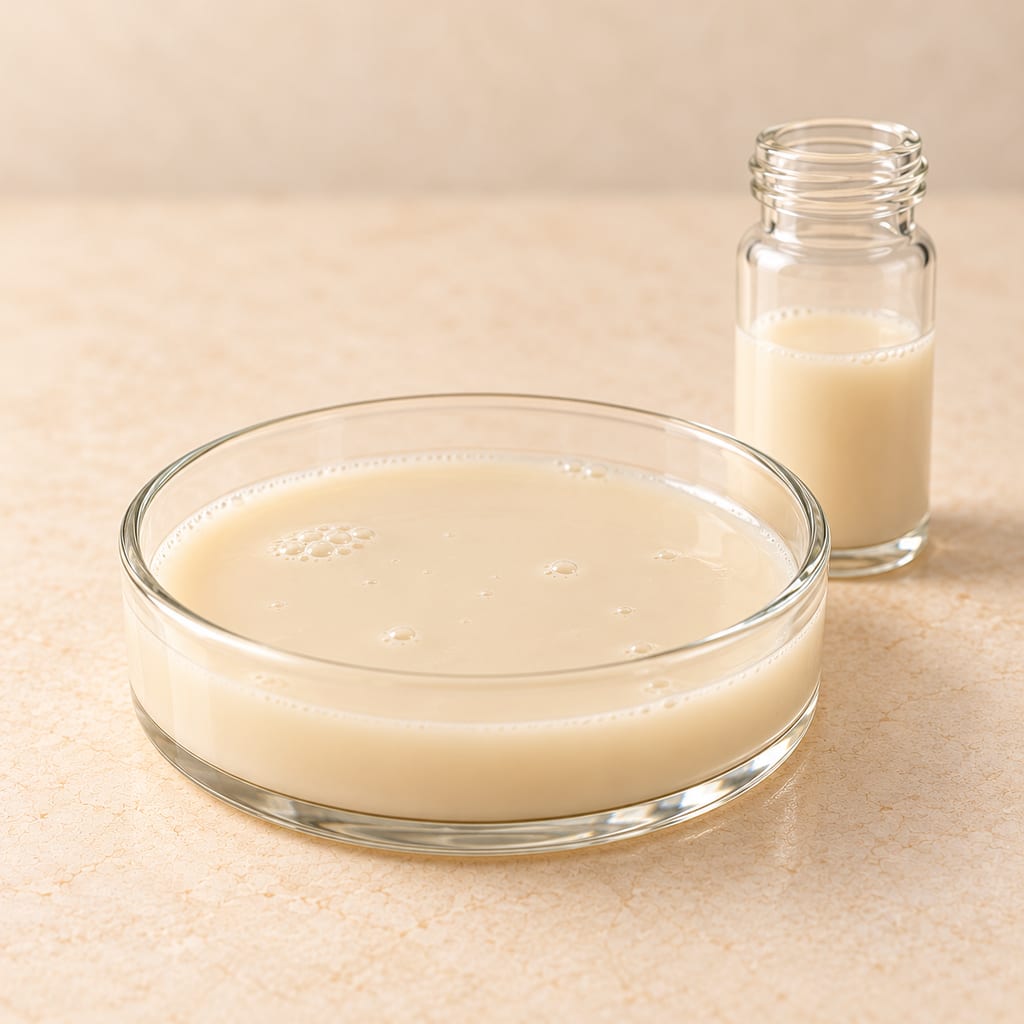
Brewer’s yeast is a working name for living cultures selected for brewing, not one strain or always one species. Ale and lager cultures differ, and older household books may use the term for foam or sediment from brewery beer.
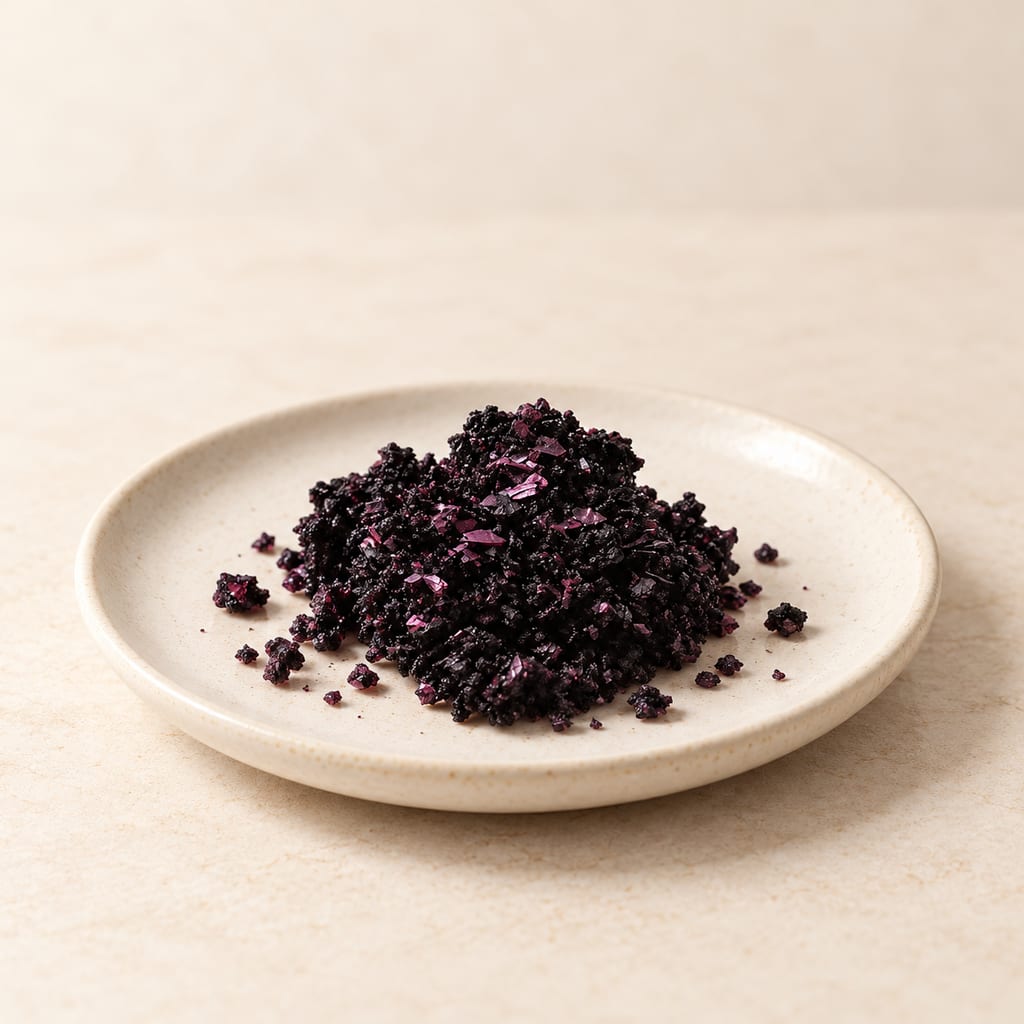
A mixed crystalline wine-vessel deposit, chiefly potassium hydrogen tartrate, used historically in wine recipes and recovered for refining into purer products.
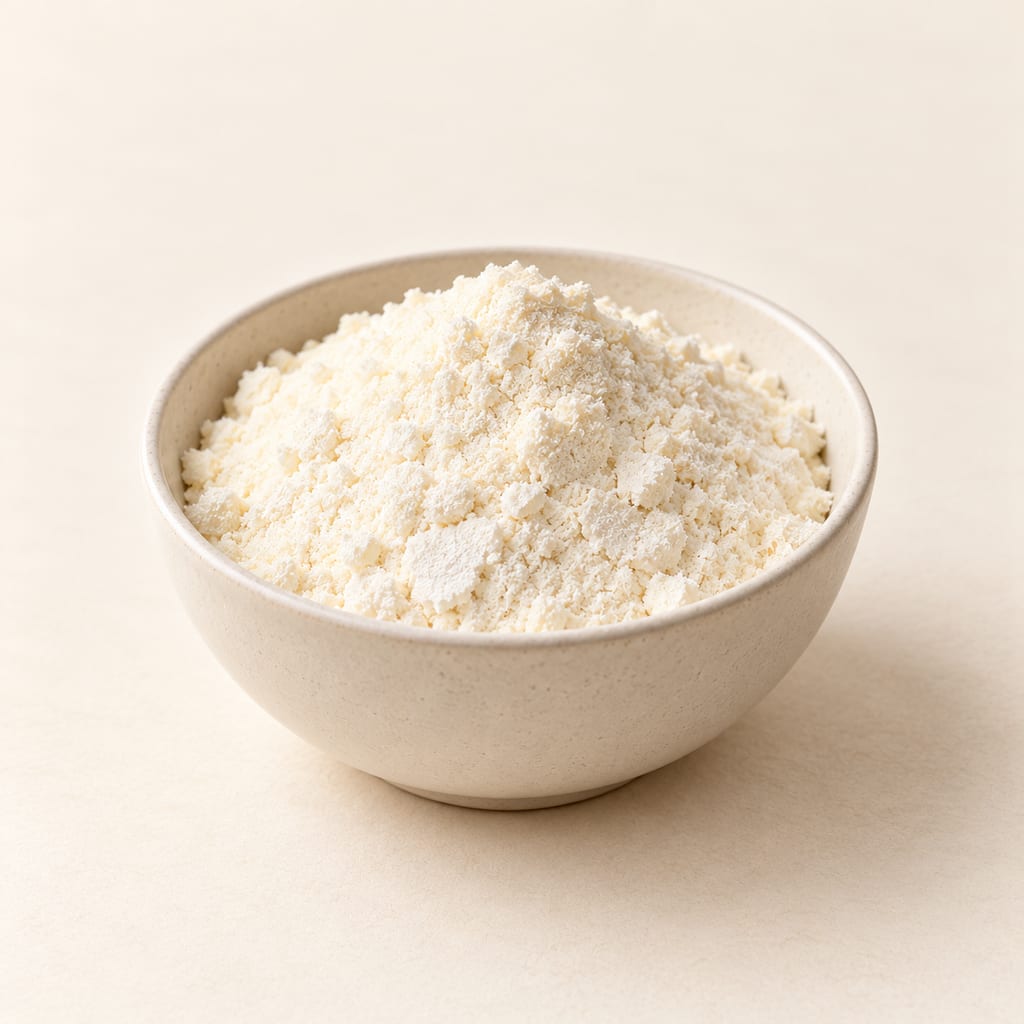
Dry milk is a family of dairy ingredients made by removing most water from milk or cream. The name includes distinct whole, partly skimmed and nonfat powders; fat level, heat treatment and particle form determine handling and use.
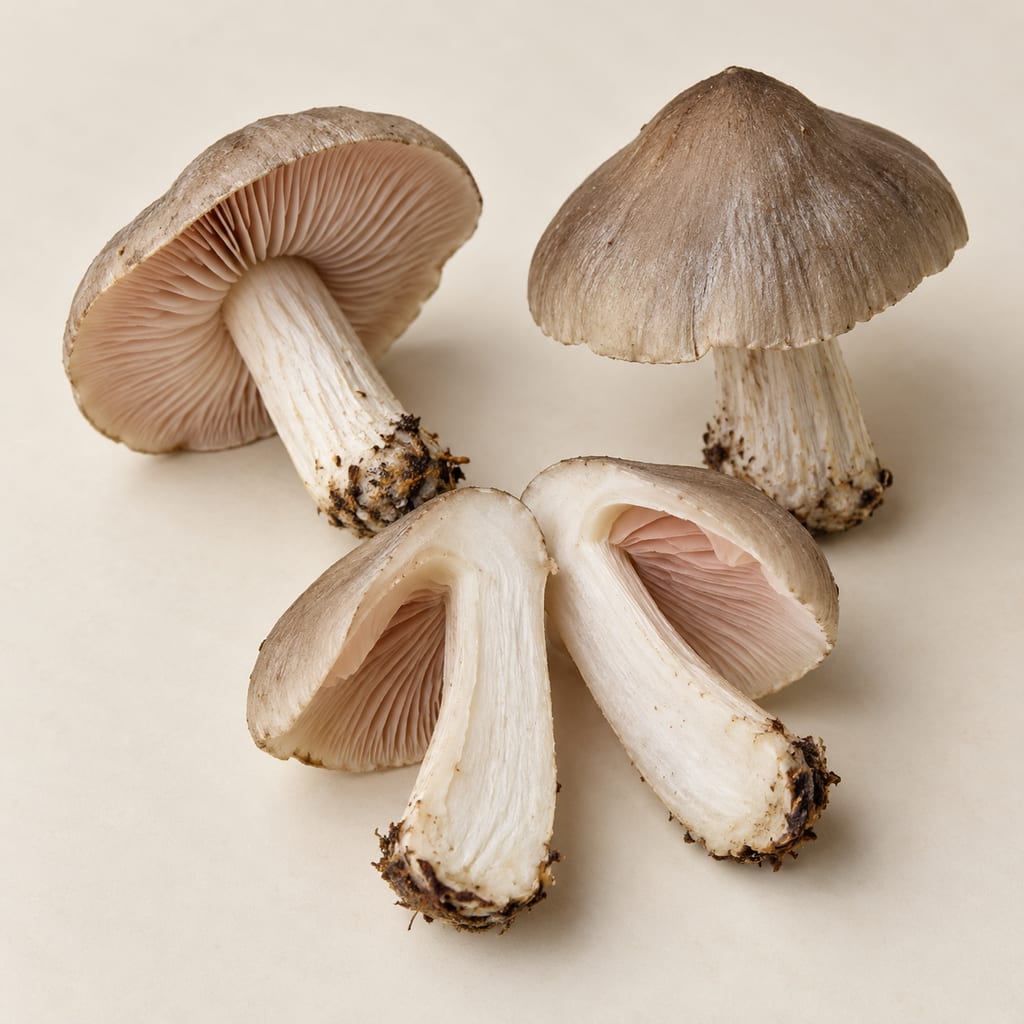
A woodland pinkgill reported as local food in Sikkim and parts of Italy, but difficult to identify and subject to strong regional warnings about confusion with toxic Entoloma species.
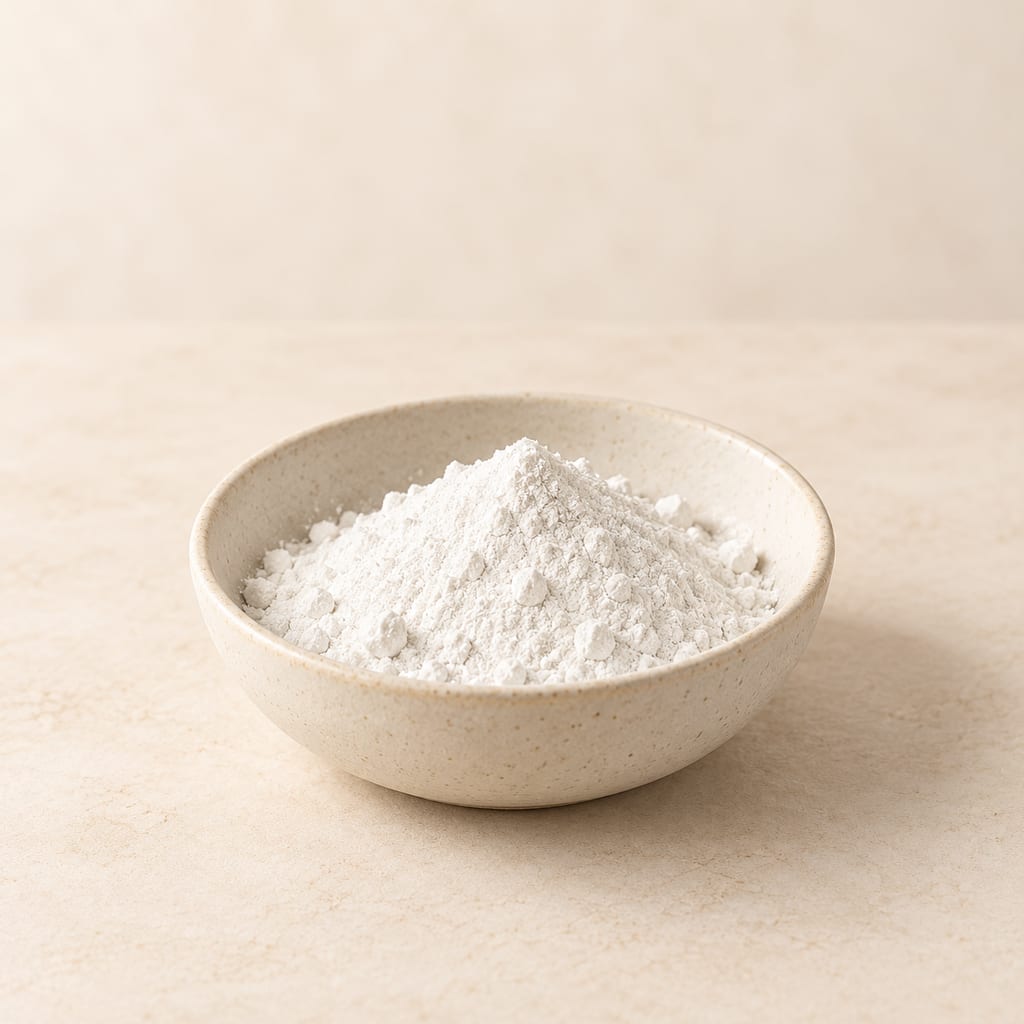
Gypsum is calcium sulfate dihydrate, a mineral salt that brewers dissolve in water for its calcium and sulfate and that tofu makers use to set soy curd.
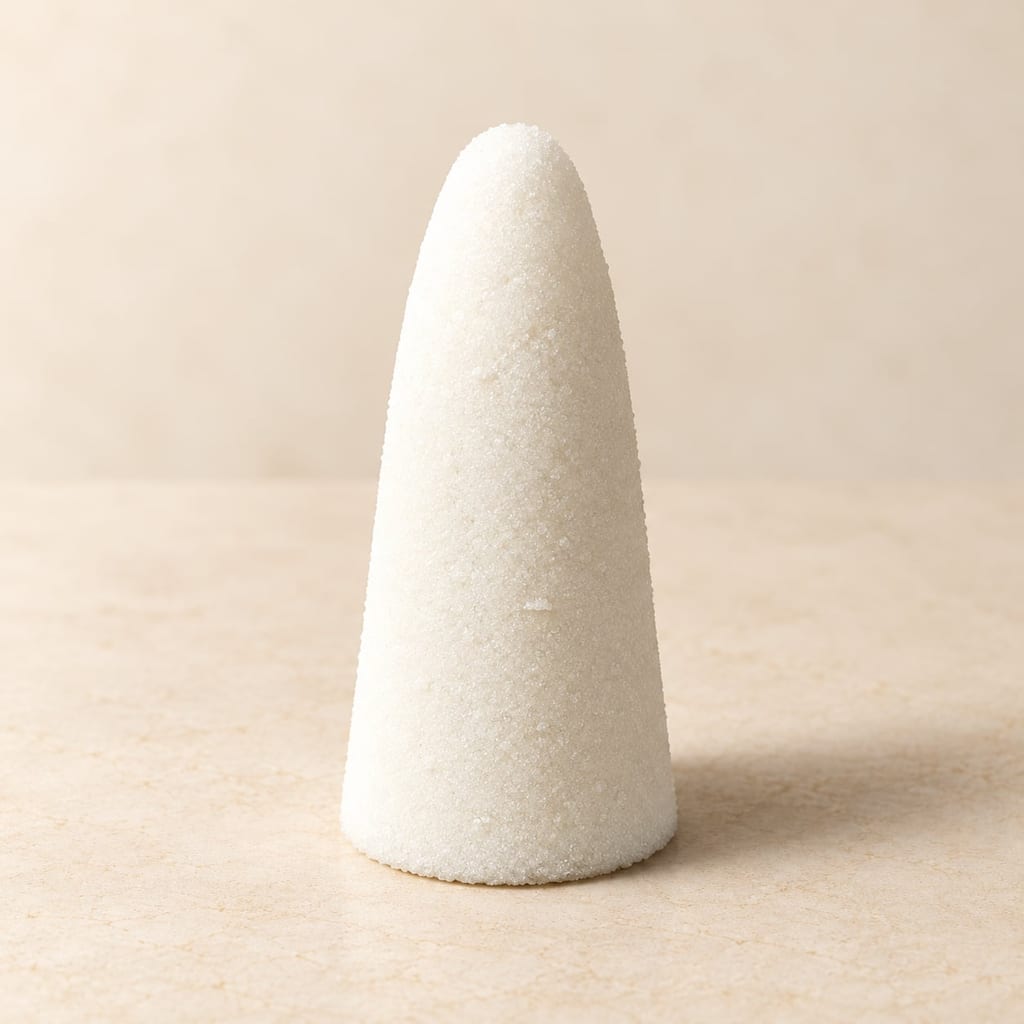
Refined sugar formed into a solid cone, historically cut or powdered for kitchen use and dissolved into wine liquor.
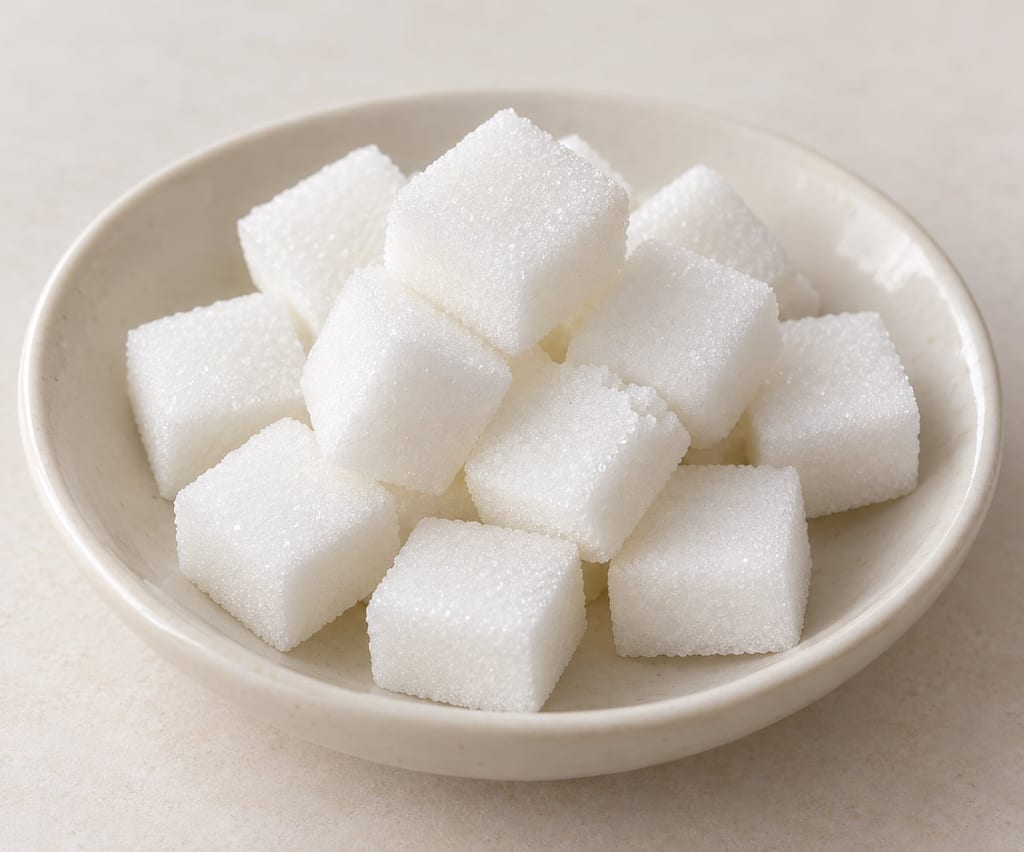
A historical refined-sugar form whose name has covered truncated cones and, in later usage, smaller pressed or cast pieces.
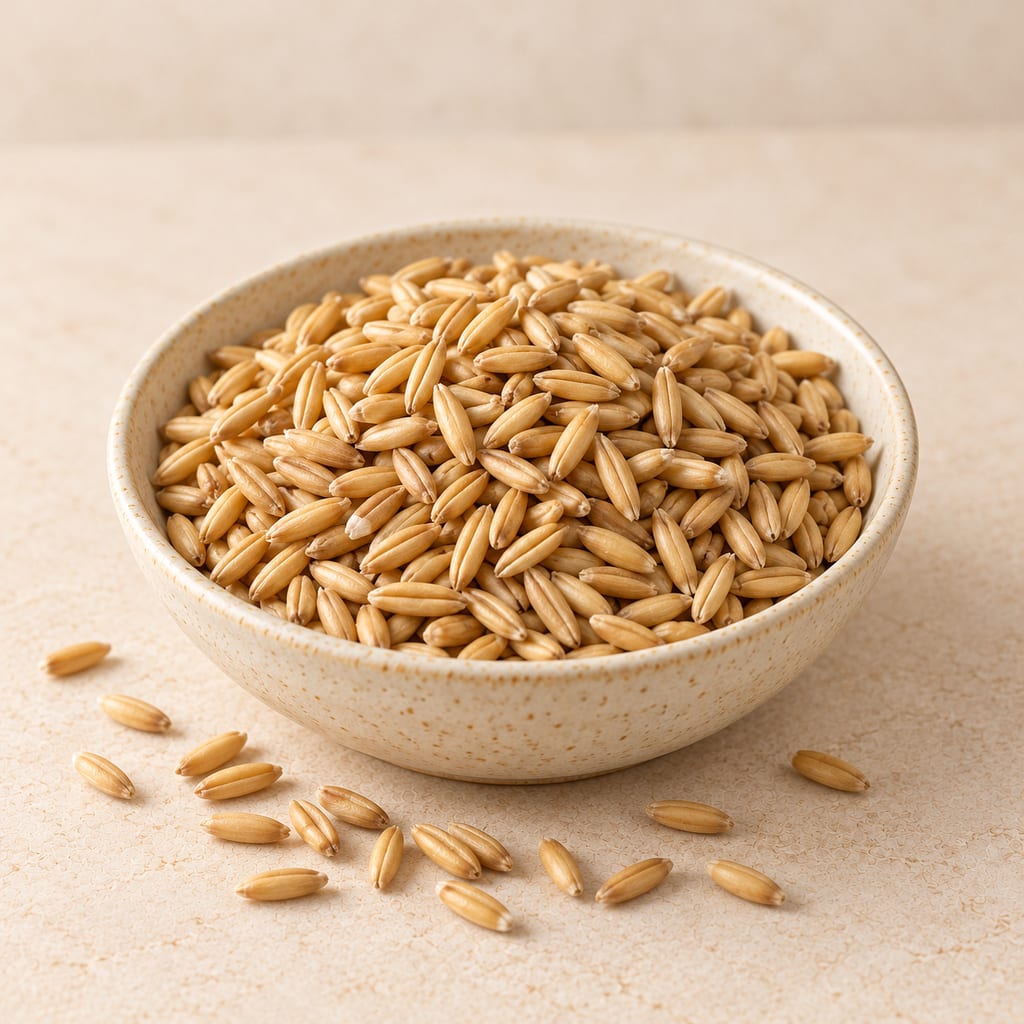
A cereal grain sold as groats, cut pieces, flakes, flour and malt. Oats shape porridge, bread and brewing differently as processing changes hydration, texture, starch, beta-glucan, protein and oil.
No community contributions have been published for this entry yet.
Sign in to contribute. Published comments and photos are free to read.
Royal Botanic Gardens, Kew, Plants of the World OnlineResearch
Cydonia oblonga Mill.Cydonia oblonga Mill. is an accepted member of Rosaceae, with a native range extending from the Caucasus into Central Asia.
Cited in: A fragrant fruit that asks to be cooked; Orchard fruit, household stores and scent
Antioxidants13(1):71(2024)Research
Quinces (Cydonia oblonga, Chaenomeles sp., and Pseudocydonia sinensis) as Medicinal Fruits of the Rosaceae Family: Current State of Knowledge on Properties and UseCydonia, Chaenomeles and Pseudocydonia are distinct quince-related genera. Common quince has firm, often astringent fruit that is commonly cooked; its seeds contain cyanogenic compounds.
Cited in: A fragrant fruit that asks to be cooked; Other plants called quince; Firm flesh, acids and astringency; Choosing fruit and preparing its different foods
Public text of Bostock and Riley translation(1855)Research
Natural History, BookXV, Chapter10: The QuincePliny describes quince varieties differing in scent, colour and ripening, including fragrant fruit displayed in reception rooms and one variety described as suitable raw.
Cited in: Orchard fruit, household stores and scent
Oxford Botanic Garden and ArboretumResearch
Oxford University Plants400: Cydonia oblongaQuince is an aromatic pome with firm, astringent flesh. Oxford garden records list it in 1648 and a Portugal introduction in 1658 that was absent by 1676; Portuguese marmelada is associated with quince.
Cited in: A fragrant fruit that asks to be cooked; Orchard fruit, household stores and scent; Membrillo, marmelo and the made sweet
EPPO Global DatabaseResearch
Cydonia oblonga(CYDOB)Regional fruit names include Spanish membrillo and Turkish ayva.
Cited in: Membrillo, marmelo and the made sweet
Dicionário Priberam da Língua PortuguesaResearch
marmeloPortuguese marmelo names the quince fruit and tree; marmelada is a quince sweet.
Cited in: Membrillo, marmelo and the made sweet
Real Academia Española / ASALEResearch
membrilloSpanish membrillo names the quince tree and its aromatic, granular fruit.
Cited in: Membrillo, marmelo and the made sweet
University of Missouri Extension(2018)Research
Common Quince, Cydonia versus Flowering Quince, ChaenomelesCommon quince differs from flowering quince. Grafted trees and named cultivars offer different fruit characteristics; cooking and cider use draw on aroma, acidity and astringency.
Cited in: Other plants called quince; From spring blossom to autumn harvest; Firm flesh, acids and astringency; Choosing fruit and preparing its different foods
Royal Horticultural SocietyResearch
How to Grow QuincesQuince cultivar and rootstock choices influence cultivation. Warm, sheltered sites and protection from blossom frost matter in the British growing context; undamaged harvested fruit needs cool, ventilated storage.
Cited in: Other plants called quince; From spring blossom to autumn harvest; Choosing fruit and preparing its different foods
Foods(2023)Research
Pectin Hydrogels: Gel-Forming Behaviors, Mechanisms, and Food ApplicationsHigh-ester pectin forms networks through interactions influenced by acid, sugar and available water. Low-ester pectin can form gels through calcium crosslinks; these are distinct gel-forming mechanisms.
Cited in: Pectin and the structure of a set sweet
Molecules28(7):3066(2023)Research
Changes in Physicochemical and Bioactive Properties of Quince (Cydonia oblonga Mill.) and Its ProductsCydonia quince has distinctive firmness, acidity and tannins. Cutting and juicing expose substrates to polyphenol oxidase and quinone formation; processing changes colour and other measured properties.
Cited in: Other plants called quince; Firm flesh, acids and astringency; Pectin and the structure of a set sweet; Browning after cutting and colour during cooking
UC Cooperative ExtensionResearch
Growing Temperate Tree Fruit and Nut Crops in the Home Garden and Landscape: QuinceThe California home-garden guide describes named quince cultivars with differing fruit traits, including Van Deman skin becoming red when cooked.
Cited in: From spring blossom to autumn harvest; Browning after cutting and colour during cooking
El Club de la Cazuela(28January2007)Research
Dulce de membrilloA Spanish household membrillo preparation washes, peels, cuts and cores quince, cooks and blends it, then cools it into a sliceable sweet served with cheese or honey.
Cited in: Membrillo, marmelo and the made sweet; Pectin and the structure of a set sweet; Choosing fruit and preparing its different foods
U.S. Food and Drug AdministrationResearch
Selecting and Serving Produce SafelySound produce, washing under running water and clean preparation surfaces are important when preparing whole and cut fruit.
Cited in: Choosing fruit and preparing its different foods
