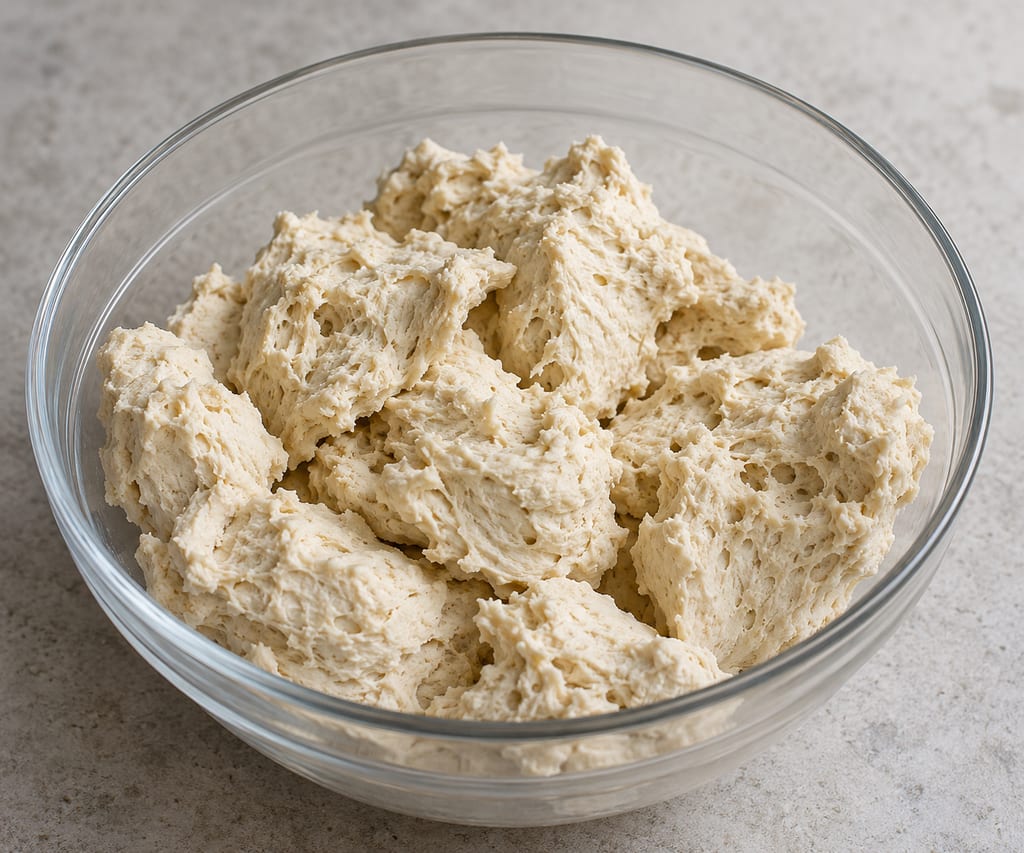
Biga
Biga is an Italian bread preferment of flour, water and a little yeast, usually a stiff unsalted mass of about 45 per cent water, fermented ahead and then mixed into the final dough.
 FermenteaWhere food goes to change
Mostarda di frutta · Mostarda di frutta · Mostarda di Cremona · Mostarda mantovana · Mostarda vicentina
Mostarda is a northern Italian condiment of candied fruit in a mustard-flavoured syrup, served with boiled meats and cheeses.
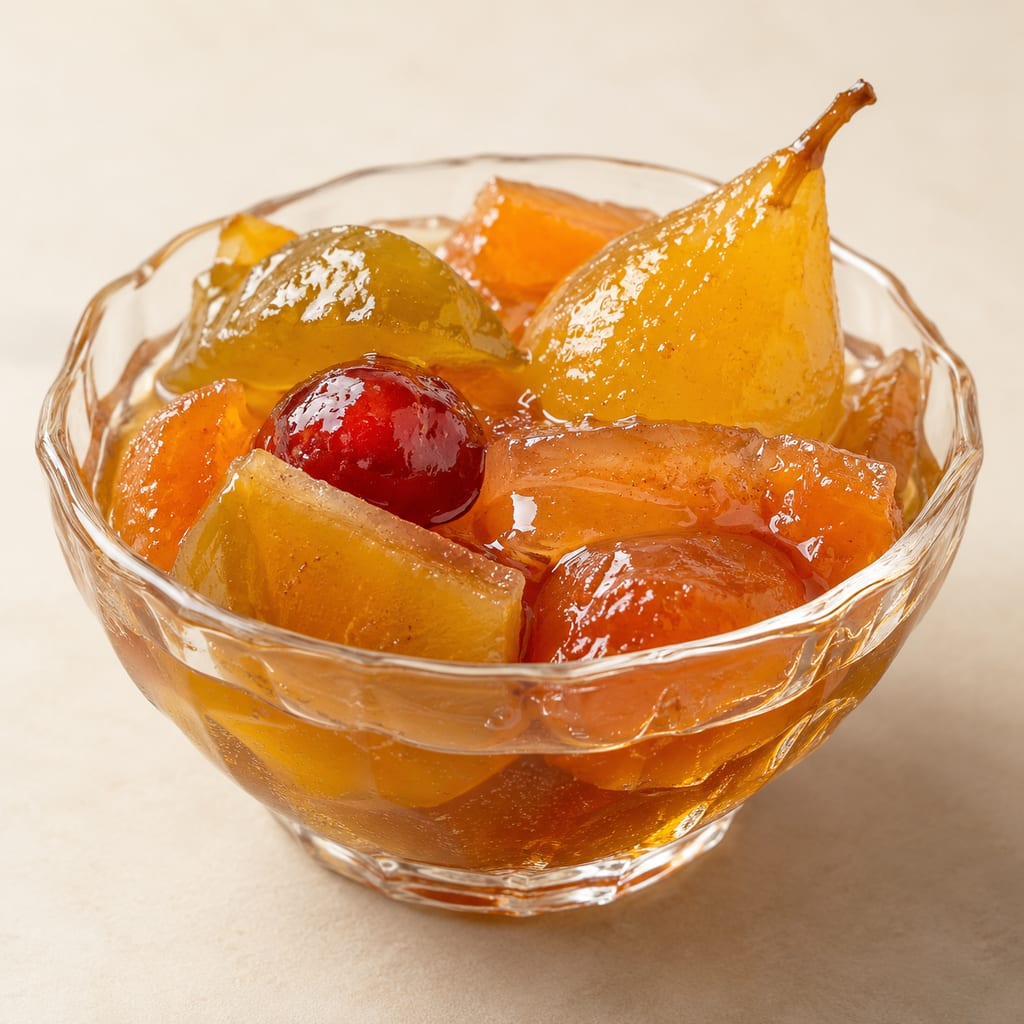
Mostarda is a condiment of whole or chopped fruit candied in sugar syrup and given a sharp mustard note. It belongs to northern Italy, mainly to the plain between Mantua and Cremona, and it is served with the boiled meats of the region and with cheese. Its character is a sweet, hot contrast: the fruit is soft and glossy, and the syrup is pungent from the mustard. Mostarda di frutta is the name for the fruit version, and the same name is used for syrupy and chopped preparations.
Because the fruit is candied whole, mostarda sits between a preserve and a condiment. A fruit with a firm skin keeps its shape. The sauce-like and chopped forms are closer to a relish than to a jam.
The earliest documented mostarda is from Voghera. In a letter dated 7 December 1397, the chancellor of Duke Gian Galeazzo Visconti asked the podesta of Voghera to have the apothecary Pietro de Murri make the mostarda, which the duchess Caterina enjoyed and which was to be served at Christmas. The producer of Mostarda di Voghera gives the letter's Italian wording as mostarda de fructa cum la senavra, a fruit mostarda with mustard.
One blog cites a document of 1393 from the same duke, which the regional and producer pages do not confirm. The Voghera letter is therefore the earliest dated reference used here.
The fruit is selected for ripeness and then immersed in heated sugar syrup. The Lombardy regional page describes this candying stage as slow, lasting four to ten days depending on the fruit, and it stops when the sugar content of the fruit reaches 70 per cent. No rest periods are given for the candying stage.
Mustard is added last, just before packing. Commercial makers use mustard essence, which keeps the syrup clear; Wikipedia records that mustard powder heated in white wine can be used at home. The page gives no time or quantity for this seasoning, so the sharpness is a matter of taste and of the maker's practice.
The Cremona version is the best-known form of mostarda di frutta, and the regional page says it holds a large share of the market in northern Italy. Mostarda di Mantova is made from small, sour green apples called mele campanine. Mostarda vicentina, from Vicenza in Veneto, uses quince and has a jam-like consistency. Each is a regional form, and their fruit and textures differ, so they are separate records.
Fruit in mustard syrup has also been adapted for modern shops, with more fruit kinds and glucose used in place of some sugar. Those adaptations are commercial and are not the historical recipe.
Traditionally the mostarda accompanies boiled meats, notably bollito misto, the mixed boiled meats of northern Italy. More recently it is served with cheeses such as crescenza, taleggio and mascarpone, and with cured meats including cotechino, according to the regional page.
The earliest documented mostarda is from Voghera, in a letter of 7 December 1397 from the chancellor of Duke Gian Galeazzo Visconti asking for a mostarda of fruit with mustard, which was to be served at Christmas.
The Voghera and Cremona versions are made in Lombardy. Voghera's documented origin is the 1397 letter; the Cremona history is not dated on the page read.
Mostarda vicentina, a Vicenza specialty with quince as the main fruit, as Wikipedia describes it. The date of this version is not given.
Biga is an Italian bread preferment of flour, water and a little yeast, usually a stiff unsalted mass of about 45 per cent water, fermented ahead and then mixed into the final dough.
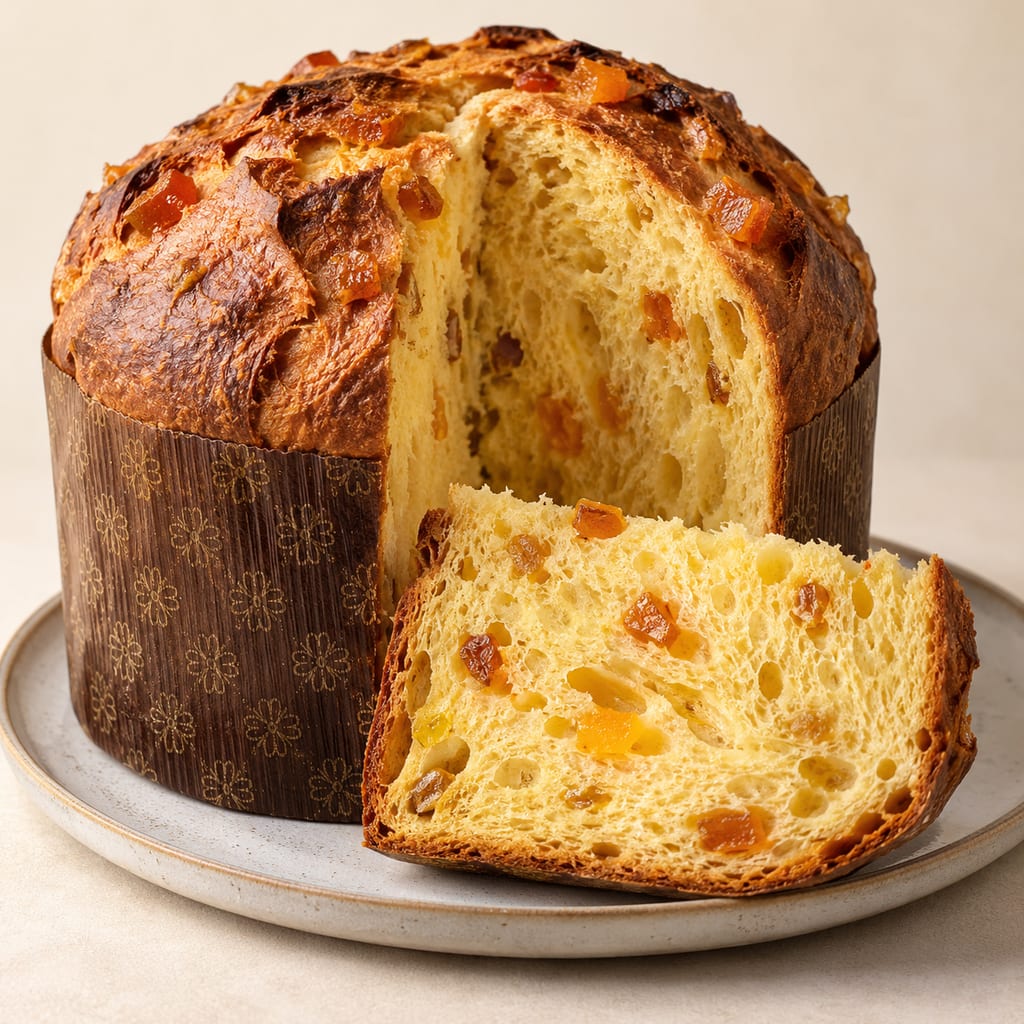
A tall Lombard Christmas bread enriched with butter, yolks and candied citrus, raised first with refreshed sourdough and then proofed in a paper mould.
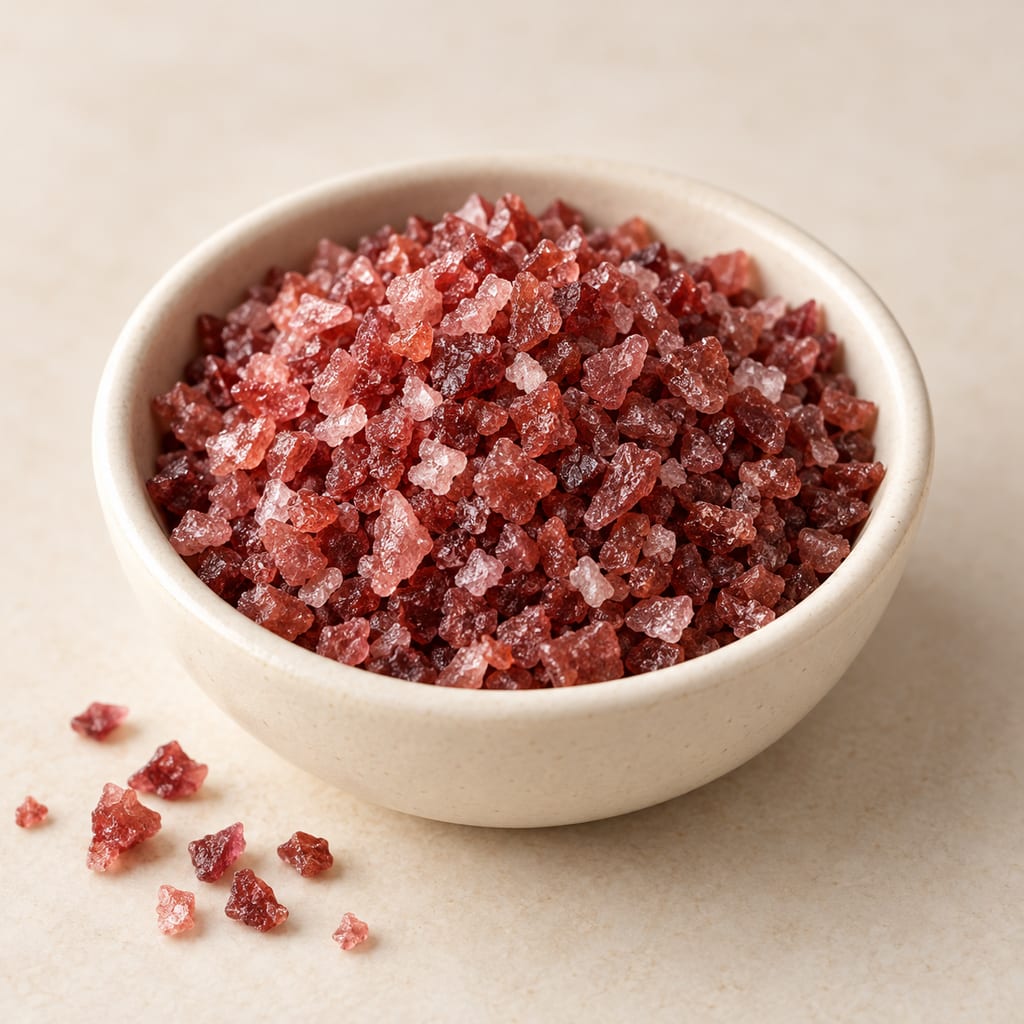
Wine-infused salt is coarse food salt carrying wine colour and aroma after a wine-and-salt mixture is reduced and dried. This version follows a Missouri Wines method at a one-to-three salt-to-wine ratio.

Adrak murabba preserves young ginger in sugar syrup, a sweet South Asian preparation recorded in Indian cookery and food-processing sources.
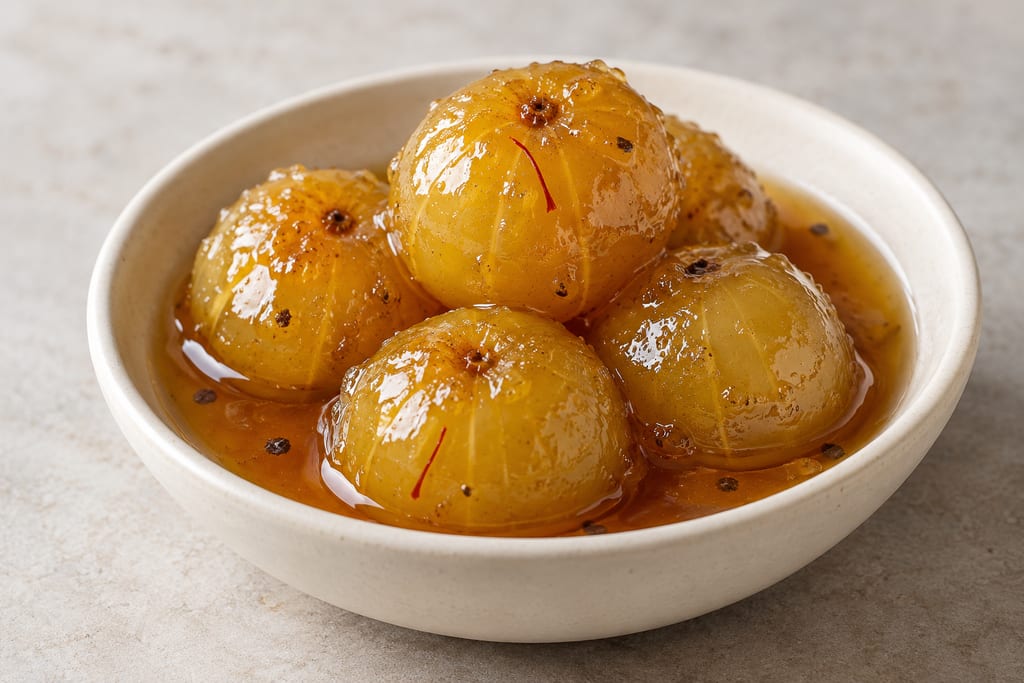
Amla murabba preserves whole Indian gooseberries in a heavy sugar syrup scented with cardamom and sharpened with pepper and black salt. This household method soaks the fruit before cooking.
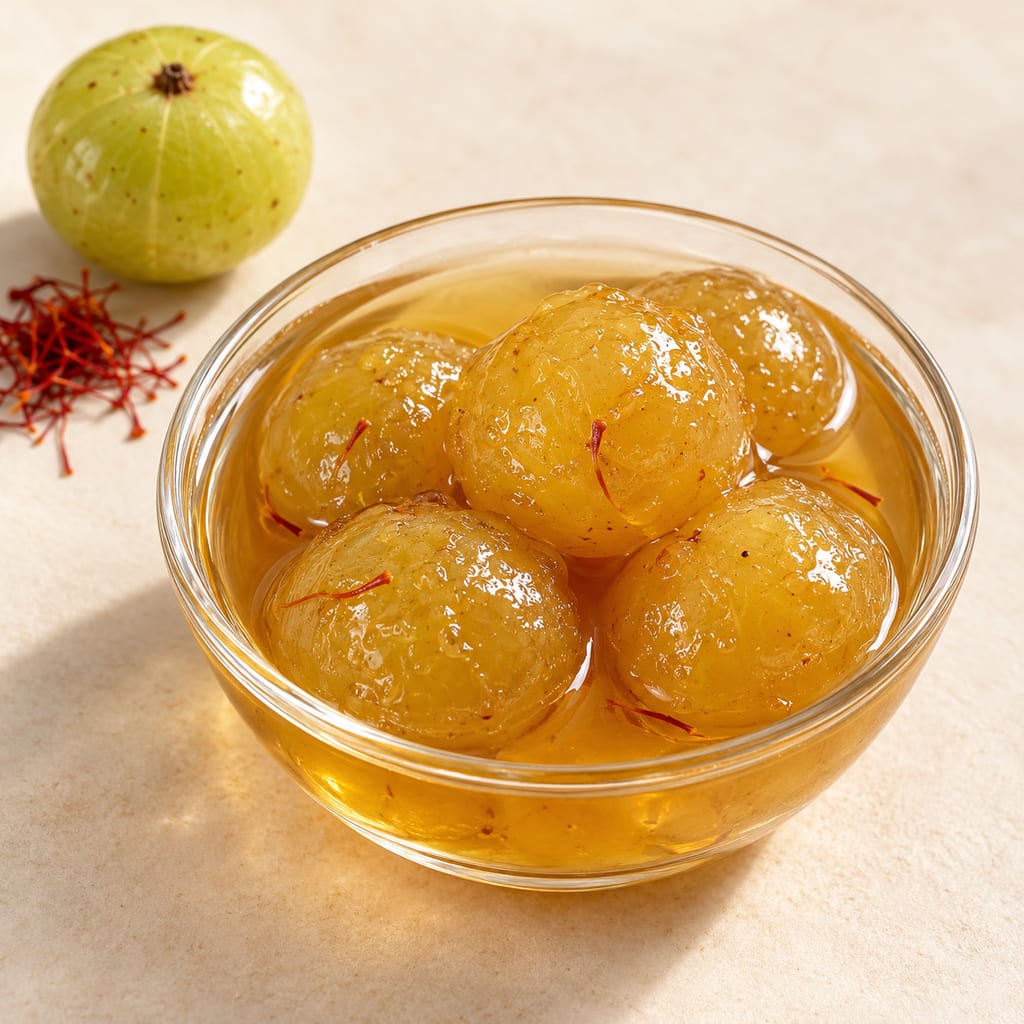
Whole amla simmer in sugar syrup with saffron, black cardamom and pepper in this chef's version of the Indian fruit preserve. The fruit is soaked overnight before cooking.
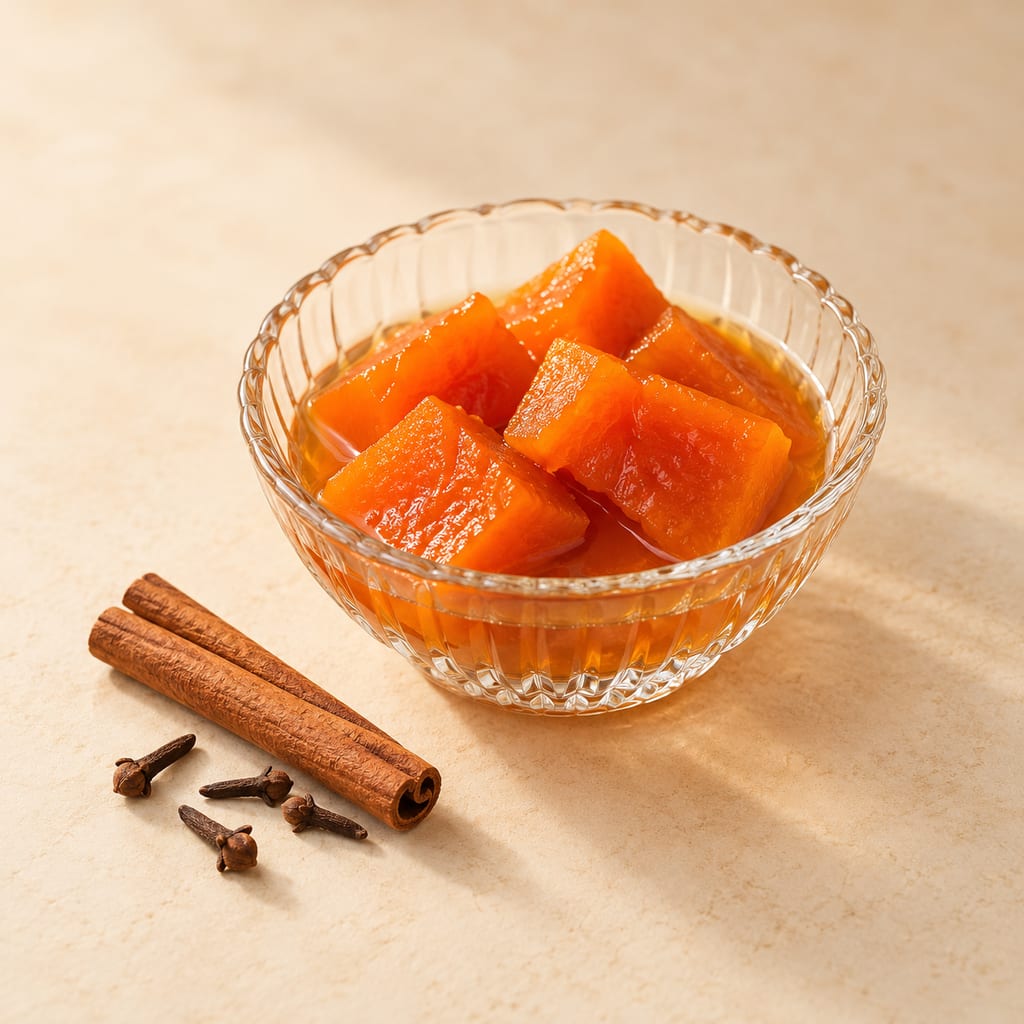
Brazilian doce de abóbora: Freeze for winter; small fresh portion refrigerated up to 48 hours.
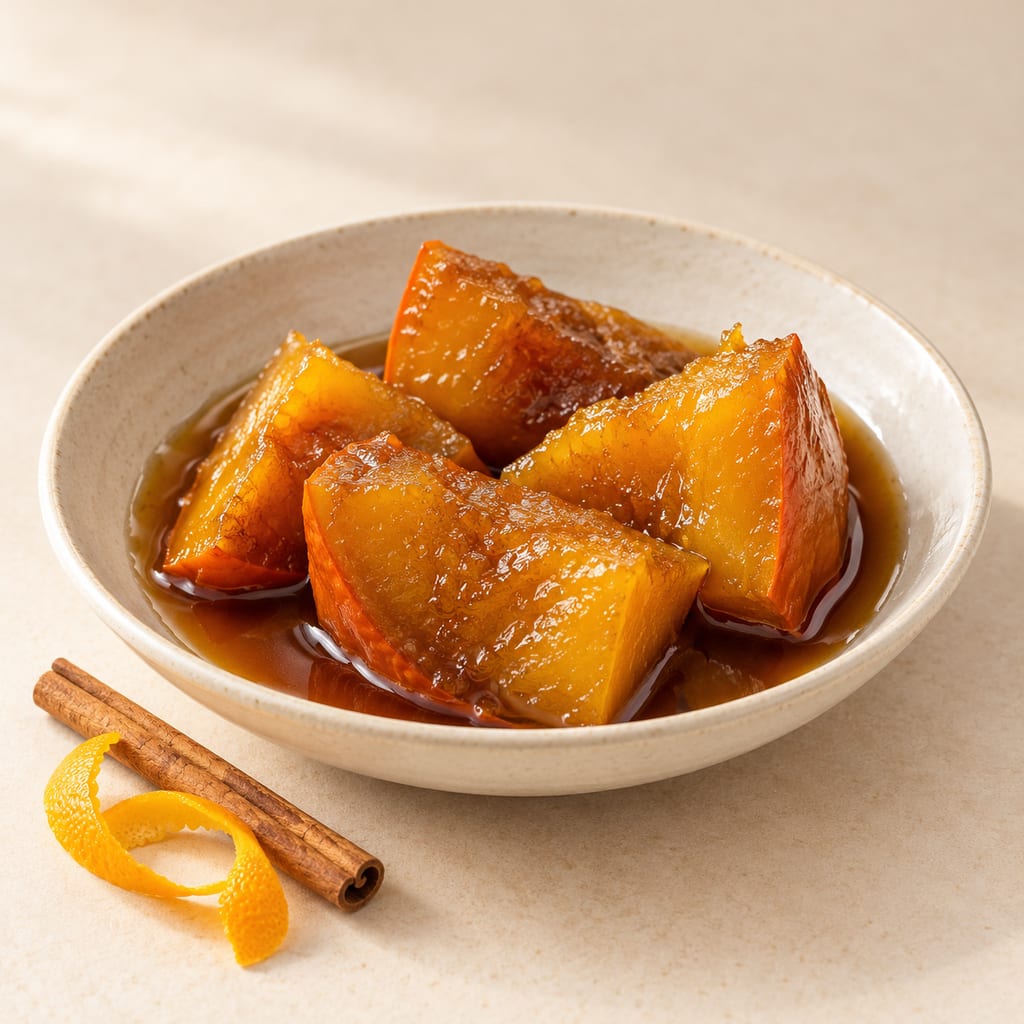
Rind-on pumpkin simmered with piloncillo, orange and cinnamon until glazed. This Mexican sweet keeps refrigerated for up to one week.
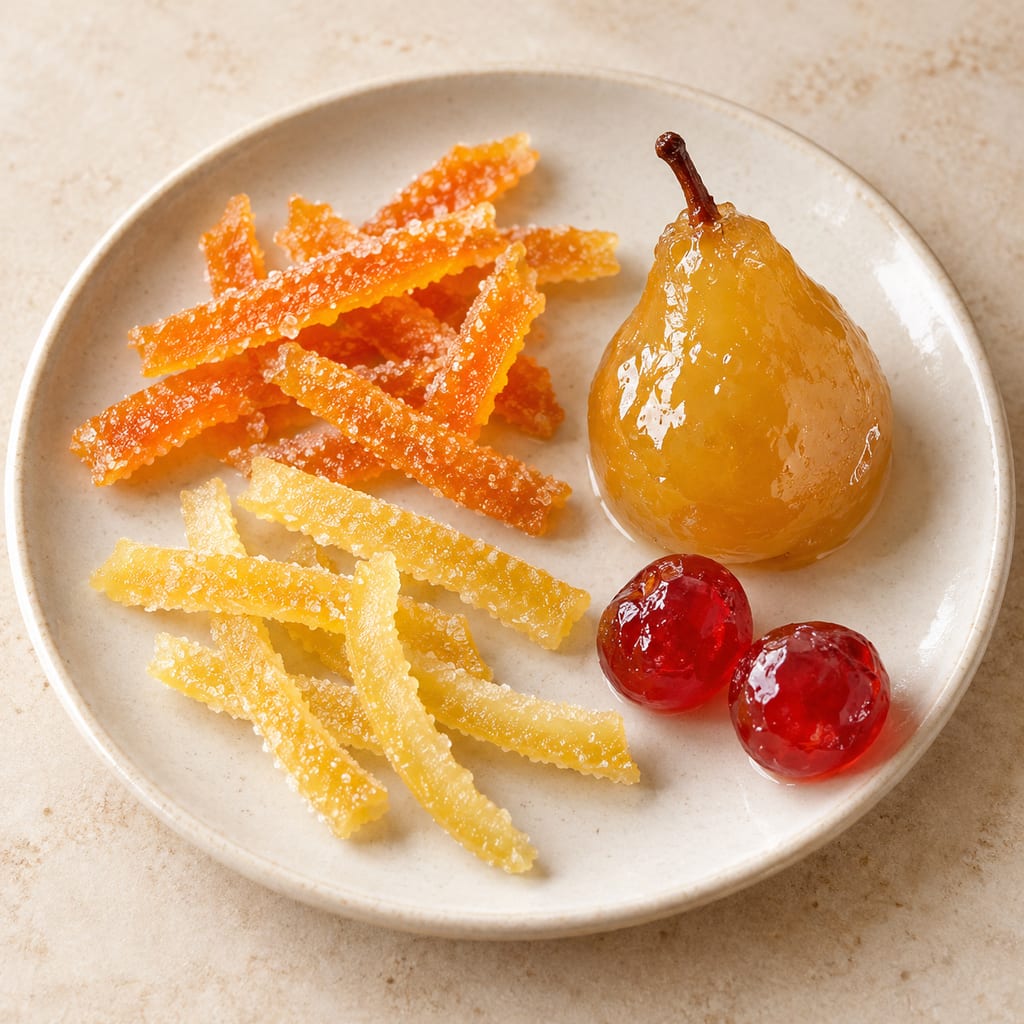
Candied fruit is fruit that has been repeatedly steeped in concentrated sugar syrup, which replaces part of its water with sugar, often followed by drying. It differs from fruit served in a thin syrup.
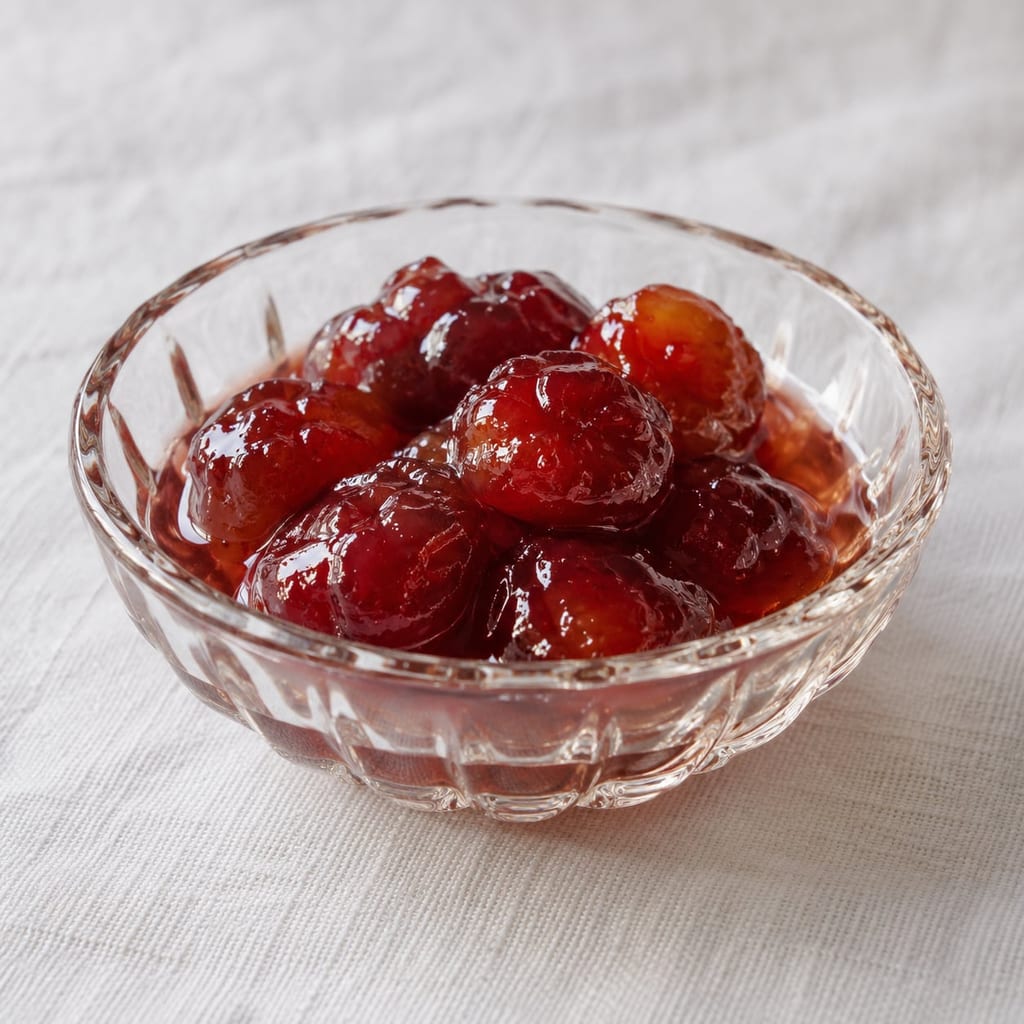
Cypriot cherry glyka made by layering firm pitted cherries with sugar, briefly boiling them, chilling overnight, and boiling again to concentrate the syrup. This version is refrigerated and has no shelf-stable canning process.
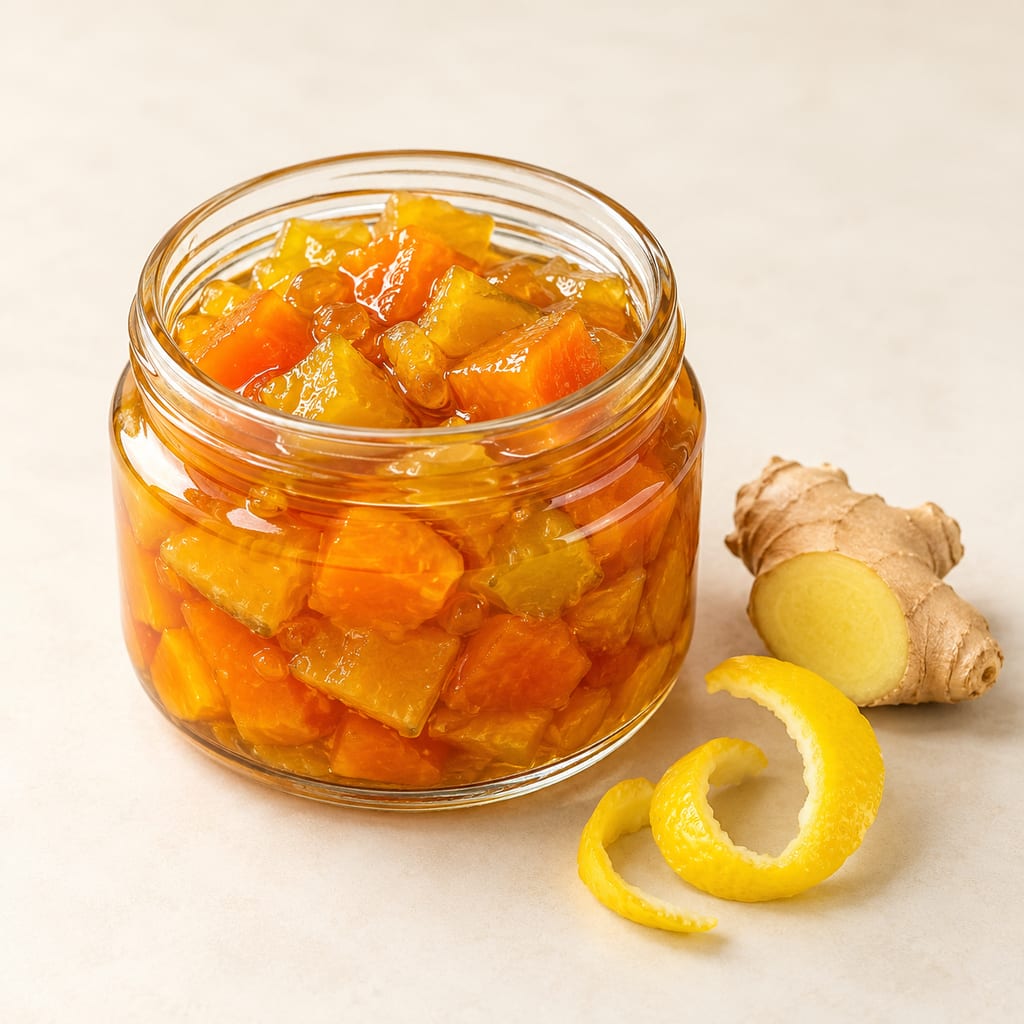
English lemon-and-ginger preserved pumpkin, after an 1861 recipe: Freeze for winter; small fresh portion refrigerated up to 48 hours.

Protected Italian vinegar made only from cooked grape must, fermented and aged in a battery of wooden barrels for at least 12 years: sweet, sharp and syrupy.

Airag is Mongolia’s fermented mare’s-milk drink, traditionally churned with saved starter in a reusable cowhide khokhuur.

Appam, or hoppers, are South Indian and Sri Lankan rice pancakes made from a fermented coconut-and-rice batter and cooked in a curved pan to a crisp lacy rim and a soft, spongy centre.

Auricularia tremellosa is a wood ear fungus of the genus that supplies most dried wood ear sold in China; its own food record is thin, and the culinary practice described here comes from the closely related wood ear species.

Ayran is Turkey’s cold, savoury yogurt drink: plain yogurt is loosened with water and lightly salted, then whisked smooth or aerated into a soft cap of foam.
A thin stone griddle used over an open hearth. Norwegian archaeology documents the established tradition from the early Middle Ages; a Viking-period origin is only a cautious suggestion linked to Shetland.

Crushed or milled barley cooked in water until the starch softens and the mixture thickens, the plainest way a northern household turned stored grain into a meal, here with apple and hazelnut.

Black carrot is the anthocyanin-pigmented Eastern carrot (Daucus carota var. atrorubens), the purple root that preceded orange types and still colours kanji and şalgam.
No community contributions have been published for this entry yet.
Sign in to contribute. Published comments and photos are free to read.
Regione Lombardia, BuonaLombardia (Italian)Method · History · Uses
Mostarda cremoneseLetter of 7 December 1397 from the chancellor of Duke Gian Galeazzo Visconti to the podesta of Voghera, asking for a mostarda that was served at Christmas.
Candying in sugar syrup for 4 to 10 days, until the sugar content reaches 70 per cent; mustard seasoning just before packaging.
Fruit list: apricots, cherries, figs, oranges, plums, melons, pears, peaches, citron and pumpkin; glucose syrup and mustard.
Served with boiled meats, cheeses and cured meats such as cotechino.
Mostarda di Voghera (producer)History · Ingredients
Voghera's mostardaThe Voghera letter of 1397 asks for mostarda de fructa cum la senavra.
Ingredients: candied fruit, sugar syrup and mustard-flavoured glucose.
WikipediaDefinition · Variants · Home method
MostardaMostarda is a northern Italian condiment of candied fruit in a mustard-flavoured syrup.
Commercial use of mustard essential oil for transparency; home use of mustard powder heated in white wine.
Variants: Cremona, Mantova (small sour green apples, mele campanine), Vicenza (quince, jam-like).
Served traditionally with bollito misto and more recently with cheeses.
Wikimedia CommonsImage
Sapori mantovani - La mostarda di fruttaPhotograph of mostarda di frutta, CC BY-SA 4.0.