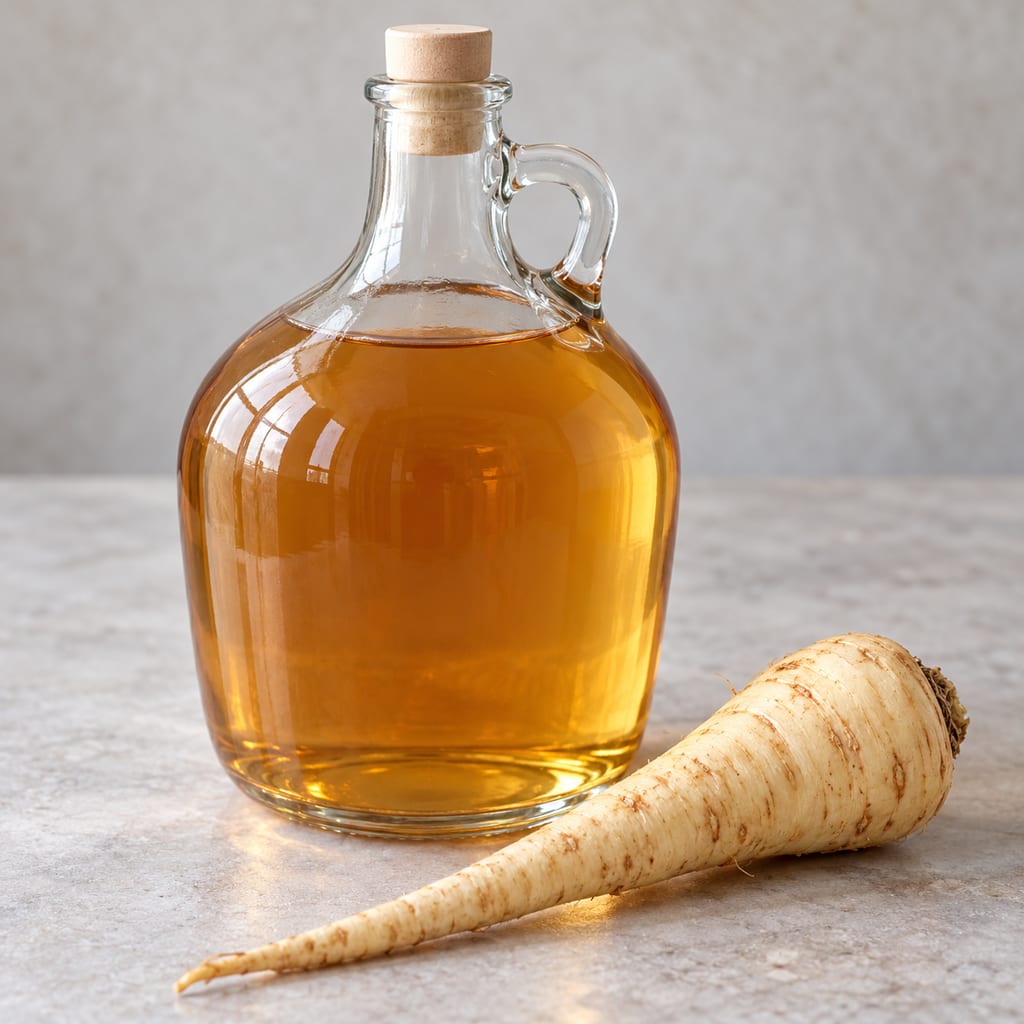
Parsnip wine with brandy
A root wine made from boiled parsnip liquor and lump sugar, fermented with yeast and finished with brandy before bottling.
 FermenteaWhere food goes to change
Sugar sources
A historical refined-sugar form whose name has covered truncated cones and, in later usage, smaller pressed or cast pieces.
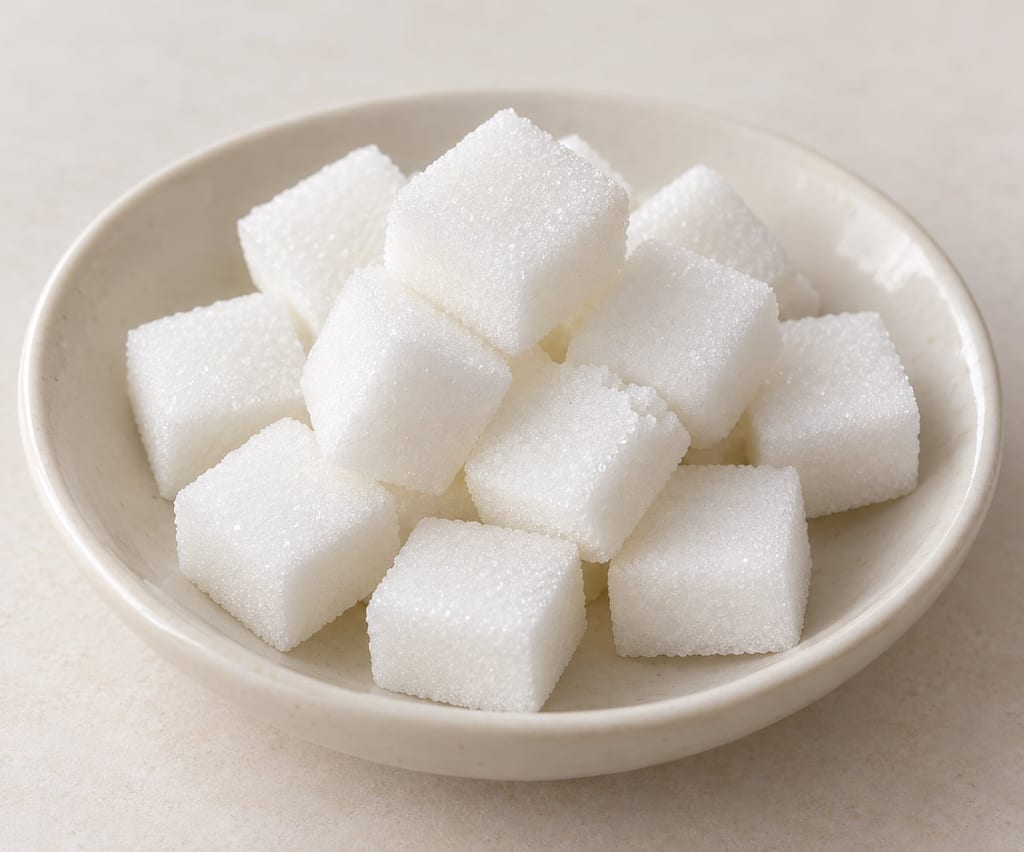
Lump sugar is refined sugar supplied as a solid body of small crystals. In nineteenth-century British trade it could be a substantial grocery product, ready for the household to break down as needed. The compact mass put sweetness in the cupboard in a form that could be grated, pounded, rubbed over citrus rind or dissolved.
Jonathan Pereira’s 1843 description distinguishes conical sugar loaves from truncated cones called lumps. Both were compact, porous and friable, with sizes and purity that varied. A lump was a manufactured body assembled from fine crystalline grains, rather than one large crystal. The porous structure and tendency to break were part of the material a cook handled.
Anne Cobbett’s 1851 parsnip-wine instructions name lump sugar in the first version and loaf sugar in the next. Her kitchen also puts lump sugar into puddings, sauces and flavouring preparations. The same purchased solid thus enters foods with different textures and purposes, according to what the cook does with it.
The word refined did not make every commercial sugar identical. Pereira described double-refined sugar as white and single-refined sugar as slightly yellowish. His account treated both loaf and lump as compact bodies made from small crystals. Colour, grade, shape and size were several ways of describing the product, rather than a single interchangeable scale.
Small lumps had a name of their own: titlers. That vocabulary shows how much detail could sit behind an apparently simple ingredient. A buyer could encounter a category within the refined trade, then a size within that category. The name was part of choosing and recognizing a product before any kitchen preparation began.
A broken surface would expose the crystalline construction that a smooth exterior could hide. A solid mass can be porous and friable at the same time: it contains spaces between grains and can break apart. These are physical qualities of the sugar body. They help explain why breaking, grating and pounding recur in recipes that begin with sugar named by its solid form.
Cobbett’s orange and lemon puffs begin with grated lump sugar mixed with citrus peel before beaten egg whites are added. Grating makes small particles from the solid body, bringing the sugar into a form that can be distributed with the peel through a light mixture. The preparation starts before the sweetener meets the eggs.
A lemon-pudding alternative brings cooked lemon peel and lump sugar together under a pestle in a mortar. Pounding works the two ingredients in contact, with the sugar present during the preparation of the flavouring mixture. The mortar belongs to the sequence of making the pudding, alongside the later additions that give it body.
A fish pickle specifies the sugar broken. Here the knife or other breaking work produces pieces for the next stage, rather than a fine grated material for an egg mixture. The household draws on the same cupboard supply but prepares it differently for each food. Grating, pounding and breaking describe physical work on the sugar; dissolving it later creates another state again.
Lump sugar appears across Cobbett's kitchen. It enters puddings, but it also appears in soup, a mushroom sauce for fowl and a white sauce served with cauliflower. In these dishes the sweetener joins stocks, vegetables, eggs, cream or butter, rather than standing alone as the principal flavour.
Her directions for browning soup and gravy also include lump sugar heated with butter until brown. That is a preparation of the sugar, not simply a different way to measure it. The household could take a pale crystalline ingredient toward sweetness in one dish and toward a coloured browning preparation in another. The ingredient's name alone does not predict which transformation the cook intends.
Pereira places burnt sugar among the materials used to colour soups and sauces. He describes sugar becoming brown, developing a marked smell and acquiring bitterness as it is heated, then being sold dissolved in water as a browning. Beside Cobbett’s sugar-and-butter preparation, this shows the kitchen using sugar for colour and changed flavour as well as sweetness. The pale grocery body is a starting material for another preparation, whose properties emerge through the subsequent heating.
The first parsnip wine in the English Housekeeper uses forty-five pounds of lump sugar with a bushel of parsnips and sixty quarts of water. The roots are boiled first. After the liquor has been strained, the sugar is added and the liquid is boiled for a further hour. Cooling precedes fermentation with yeast, and brandy is a separate later ingredient.
The order separates extraction from sweetening. Boiling the roots moves material from the vegetable into the water. Straining removes the roots. Sugar then enters the recovered liquid, so it does not need to be extracted from the parsnip tissues or handled as another whole vegetable.
The fixed sugar measure also distinguishes this version from the next one. Cobbett's second wine uses loaf sugar in a ratio to the drained liquor. The two instructions should not be combined into a universal parsnip-wine formula. They offer separate ways of organizing the ingredients and measuring the addition. The first names lump sugar and gives its batch quantity; the second names loaf sugar and makes the volume recovered after draining determine the amount.
Once sugar is dissolved, its original geometry is no longer the geometry of the fermentation. Yeast encounters sugars in a liquid medium, not a miniature intact lump passing through a cell. Dissolving a solid and metabolizing its molecules are different changes, separated in Cobbett's sequence by cooling and the introduction of yeast.
Sucrose can be split by the yeast enzyme invertase into glucose and fructose outside the cell. Those sugars can then be taken up. Research published in 1993 on an adapted Saccharomyces cerevisiae batch culture also found evidence for direct sucrose uptake during active growth. The study examined a particular culture and conditions; it does not identify Cobbett's yeast or prescribe the course of her wine.
The distinction makes the ingredient's role clearer without giving the old recipe an invented laboratory precision. Refined sugar contributes fermentable material. Its solid form affects preparation before it enters solution. How the available sugars are consumed depends on the organism and the medium. Neither the word lump nor the disappearance of visible grains establishes that a fermentation has finished or that its remaining sugar has been measured.
Sugar names also entered disputes about prices, refining and taxation. In the Commons debate on sugar duties on 15 April 1864, Mr. Crawford argued against the existing classification system. He discussed the difficulty of judging sugar's value from colour and grain and the effects of duties on producers, refiners and consumers.
He read a grocer's letter that distinguished hard lump sugar from crushed lump, pieces and lower refinery products. The letter praised hard lump while blaming other products for poor preserves and sour household wines. These were trade claims presented in a political argument, not controlled tests of keeping quality.
The exchange shows buyers making distinctions within sugar that mattered to them economically and in the kitchen. It also shows why their preservation claims need historical attribution: a complaint about a product in a tax debate cannot supply a safe modern wine or preserve formula.
A sugar mass contains more than the outline of its mould. Refiners had to separate crystals from the syrup around them, remove unwanted material and produce a form that could be sold. Augustus Hermann Seyferth's 1879 patent addressed that separation while also designing the shape of the product.
He described moulds divided by plates into prismatic sticks or segments suitable for subsequent subdivision into lumps. The plates also conducted heat into the mass. Shaping the sugar and reaching its interior were connected problems: a large body and many smaller sections did not present the same route for heating and the recovery of processing liquid.
The specification proposed washing with alcohol and recovering it after use. It is evidence for one inventor's approach to refining and moulding, rather than a description of every lump sold in Britain. Its importance here is the explicit link between manufacture, intermediate shape and later division. By the late nineteenth century, a product called lumps could be discussed through machinery that formed sections for cutting, alongside older descriptions of a whole truncated cone.
Modern lump sugar commonly includes pressed or cast cubes. Pressed sugar is bonded into a shape; cast sugar forms from a crystallizing mass. Their texture and strength can differ even when both are small white pieces intended to sweeten drinks.
A cube puts a small portion within easy reach for sweetening a drink. A rough-cut piece offers a less regular surface, while a cast or pressed piece carries the structure produced during its manufacture. These forms belong to the continuing trade in solid sugar, alongside the older grocery shapes described by Pereira.
Sweet dishes show another range of handling. Cobbett's lemon pudding combines sugar with butter and lemon, while her Bakewell pudding places a sugar-and-egg mixture above preserves and pastry. Orange and lemon puffs bring grated sugar together with aromatic peel and egg whites. The sugar is part of a mixture whose other ingredients shape the result.
Pereira's account extends the picture to preserved ginger, candied peel and rock candy. In rock candy, crystals grow from concentrated sugar solution, including on threads. A visible crystal grown that way is structurally different from a compact lump assembled from small grains, even though both belong to the wider use of sugar in food.
The confectioner could take the dissolved material in another direction. Pereira describes boiled sugars used for barley sugar and acidulated drops, then the repeated stretching and pulling of still-soft sugar into a white, opaque material called pulled sugar or penides. Crystal growth on a thread, a compact grocery lump and a pulled confection produce visibly different solids. Their making gives each its texture; whiteness alone does not make them the same material.
One of Cobbett's flavouring preparations uses the sugar's solid surface directly. For an essence of Seville orange and lemon peel, she rubs lump sugar over the fruit, scrapes the flavoured sugar into a jar, then repeats the operation. The result is intended for custards and puddings. An orange-jelly alternative also begins by rubbing the rinds with lump sugar.
Here, the material is doing a job before it dissolves. It makes contact with the rind as a solid and carries the resulting flavouring into the next preparation. This is different from simply pouring sugar into already squeezed juice. The instruction gives the old commercial form a kitchen use that loose grains cannot reproduce in quite the same handling sequence.
Keep solid sugar dry and protected from dirt and strong foreign odours. Modern transport guidance treats moisture and contamination as material problems. Follow the product’s own storage and ingredient information when keeping a household supply; a historical grocery name supplies no tested shelf life.
Lump has covered more than one commercial form. Pereira’s truncated cones, later refinery sections intended for subdivision and modern pressed or cast cubes belong to different descriptions of the trade. Cobbett identifies neither the supplier nor the precise grocery shape used for her wine. Her firm particulars are the named sugar, the batch quantity and its addition to the strained liquor. The recipe retains those particulars, while the commercial history explains the broader name.
The historical sugar has no product-specific allergen or processing-aid declaration.
Printed commercial description and culinary use, not the origin of sugar refining or the crop.
The source crop, supplier and refinery behind the historical recipe ingredient are unidentified.
A root wine made from boiled parsnip liquor and lump sugar, fermented with yeast and finished with brandy before bottling.
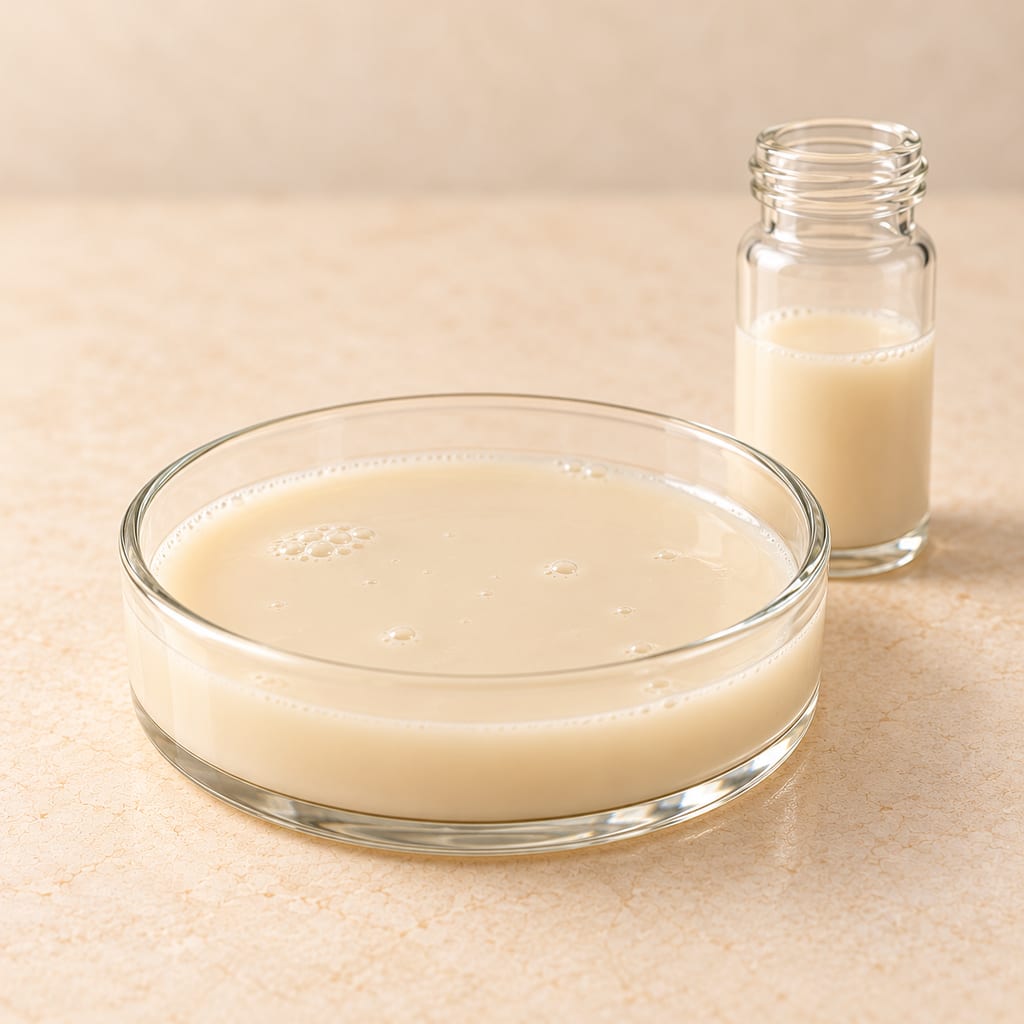
Brewer’s yeast is a working name for living cultures selected for brewing, not one strain or always one species. Ale and lager cultures differ, and older household books may use the term for foam or sediment from brewery beer.
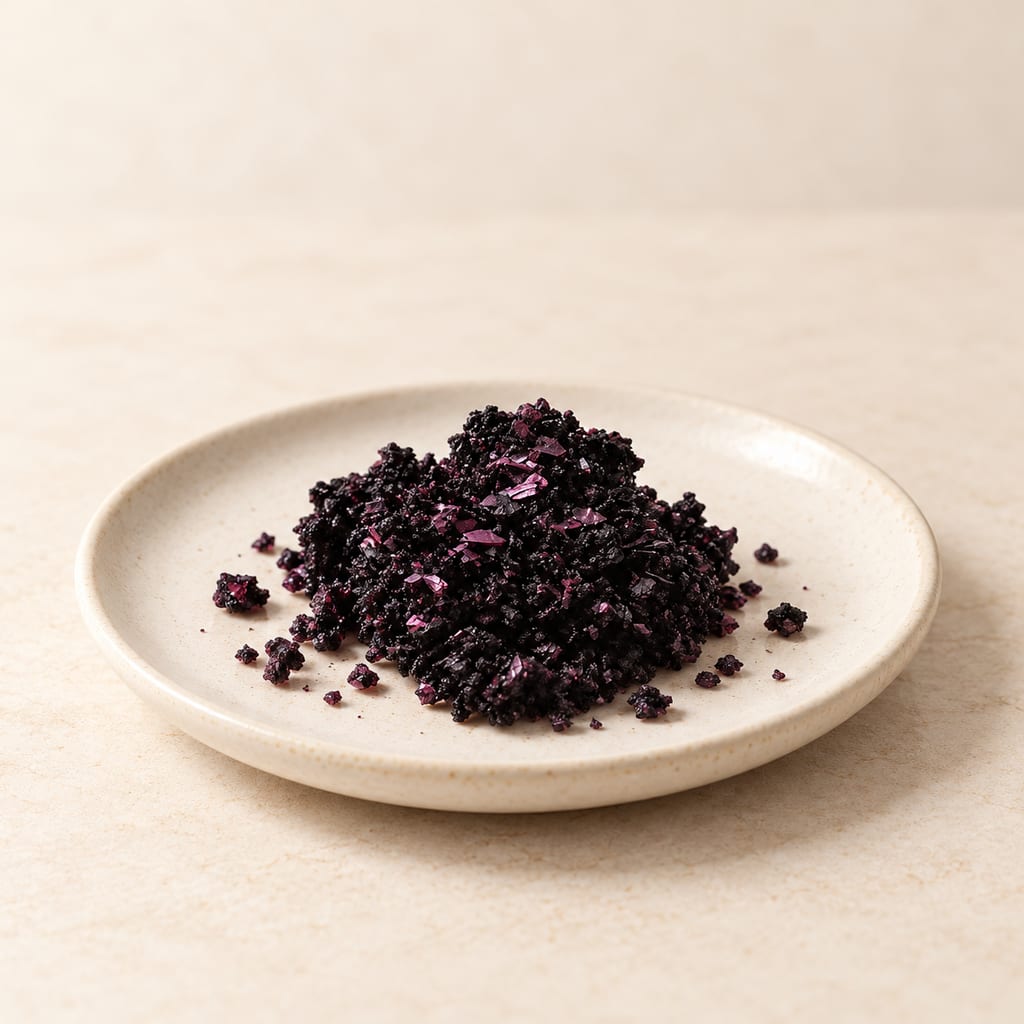
A mixed crystalline wine-vessel deposit, chiefly potassium hydrogen tartrate, used historically in wine recipes and recovered for refining into purer products.
Dry milk is a family of dairy ingredients made by removing most water from milk or cream. The name includes distinct whole, partly skimmed and nonfat powders; fat level, heat treatment and particle form determine handling and use.
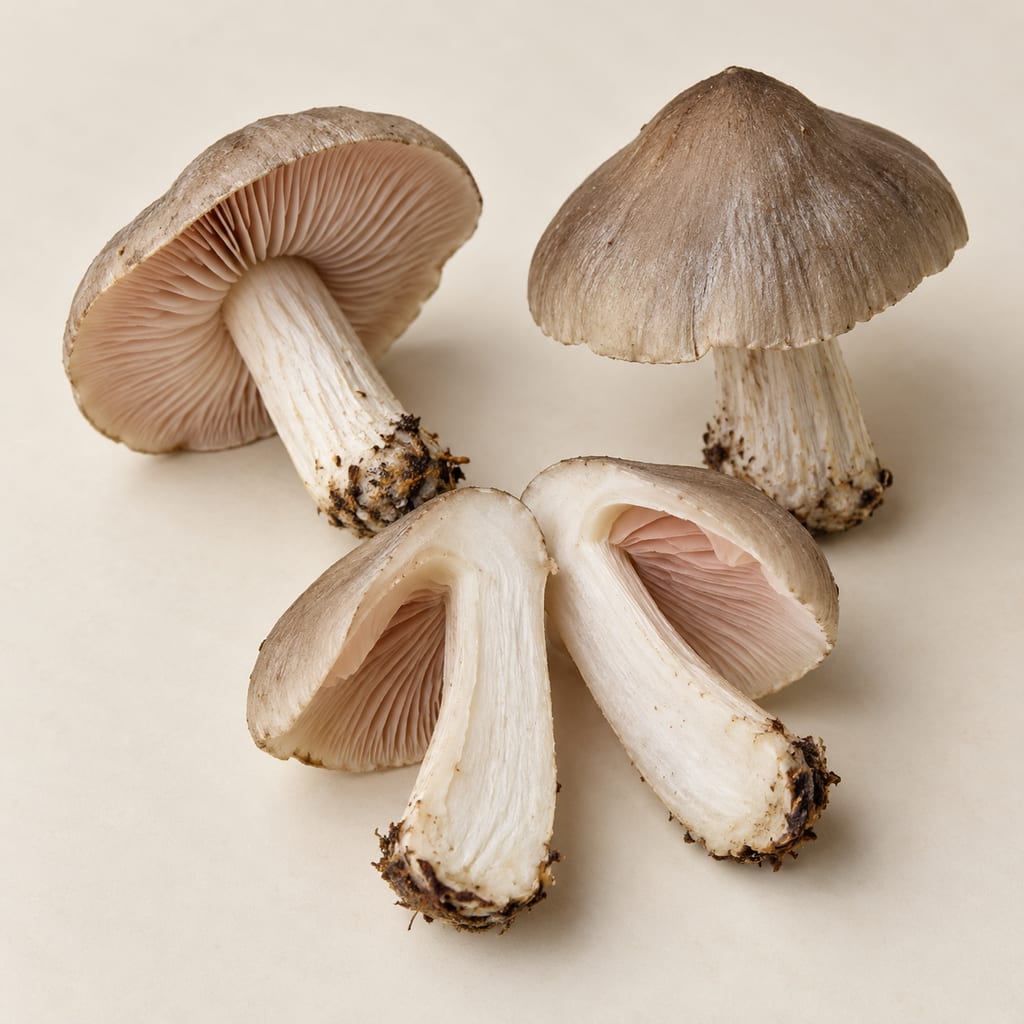
A woodland pinkgill reported as local food in Sikkim and parts of Italy, but difficult to identify and subject to strong regional warnings about confusion with toxic Entoloma species.
Gypsum is calcium sulfate dihydrate, a mineral salt that brewers dissolve in water for its calcium and sulfate and that tofu makers use to set soy curd.
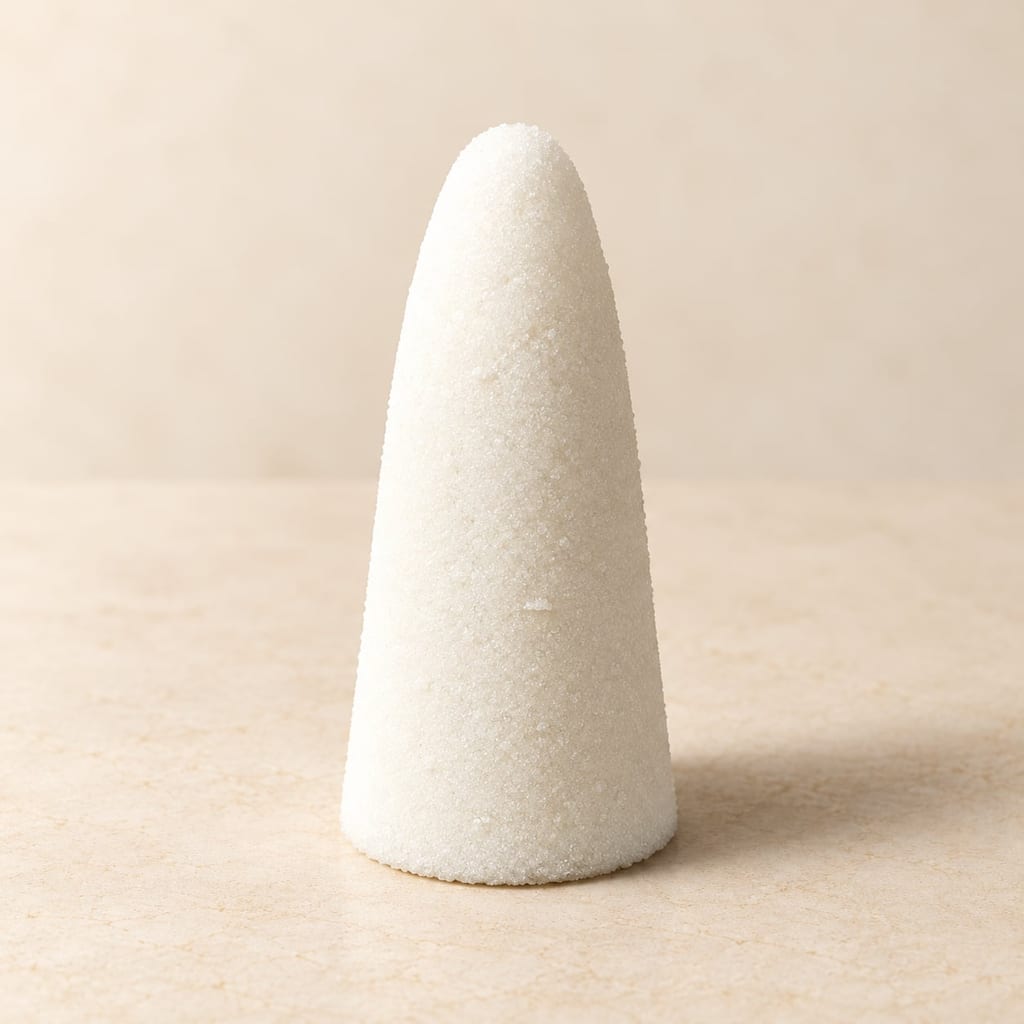
Refined sugar formed into a solid cone, historically cut or powdered for kitchen use and dissolved into wine liquor.
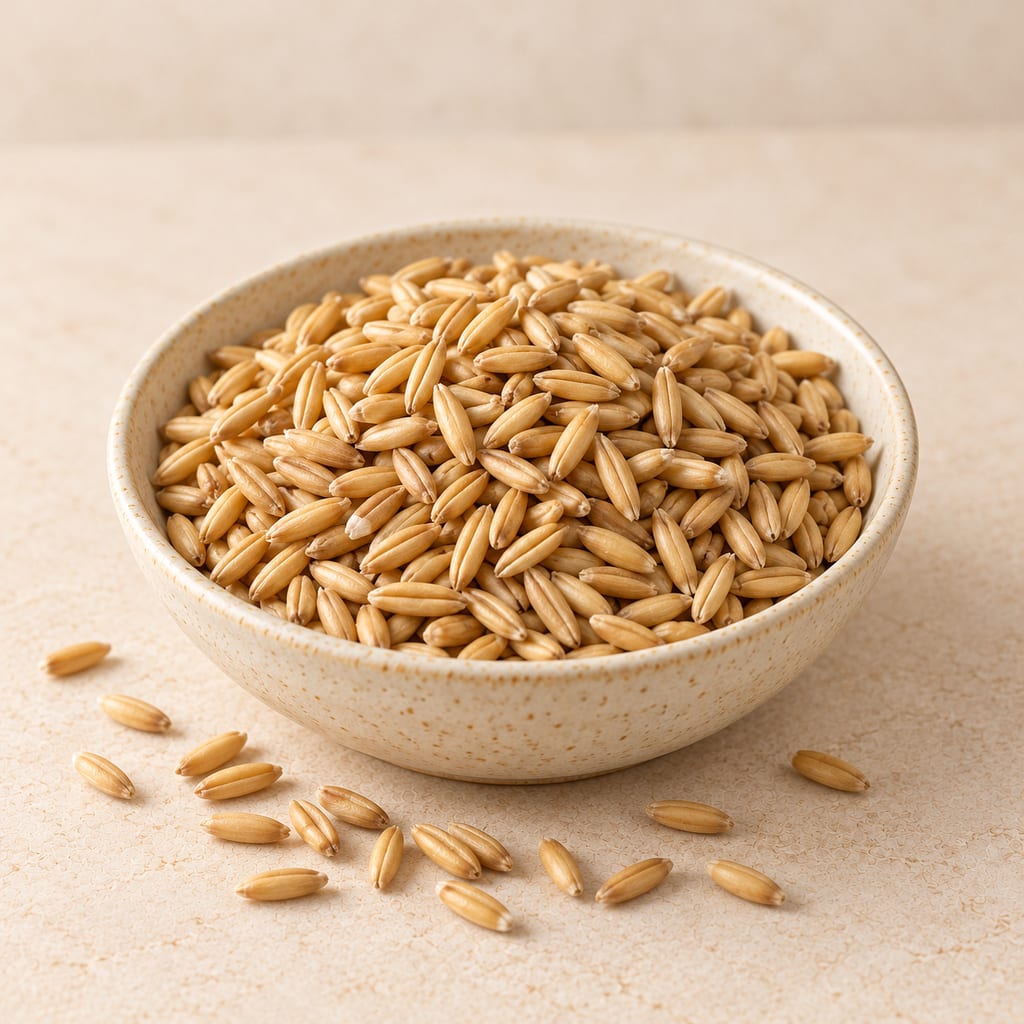
A cereal grain sold as groats, cut pieces, flakes, flour and malt. Oats shape porridge, bread and brewing differently as processing changes hydration, texture, starch, beta-glucan, protein and oil.
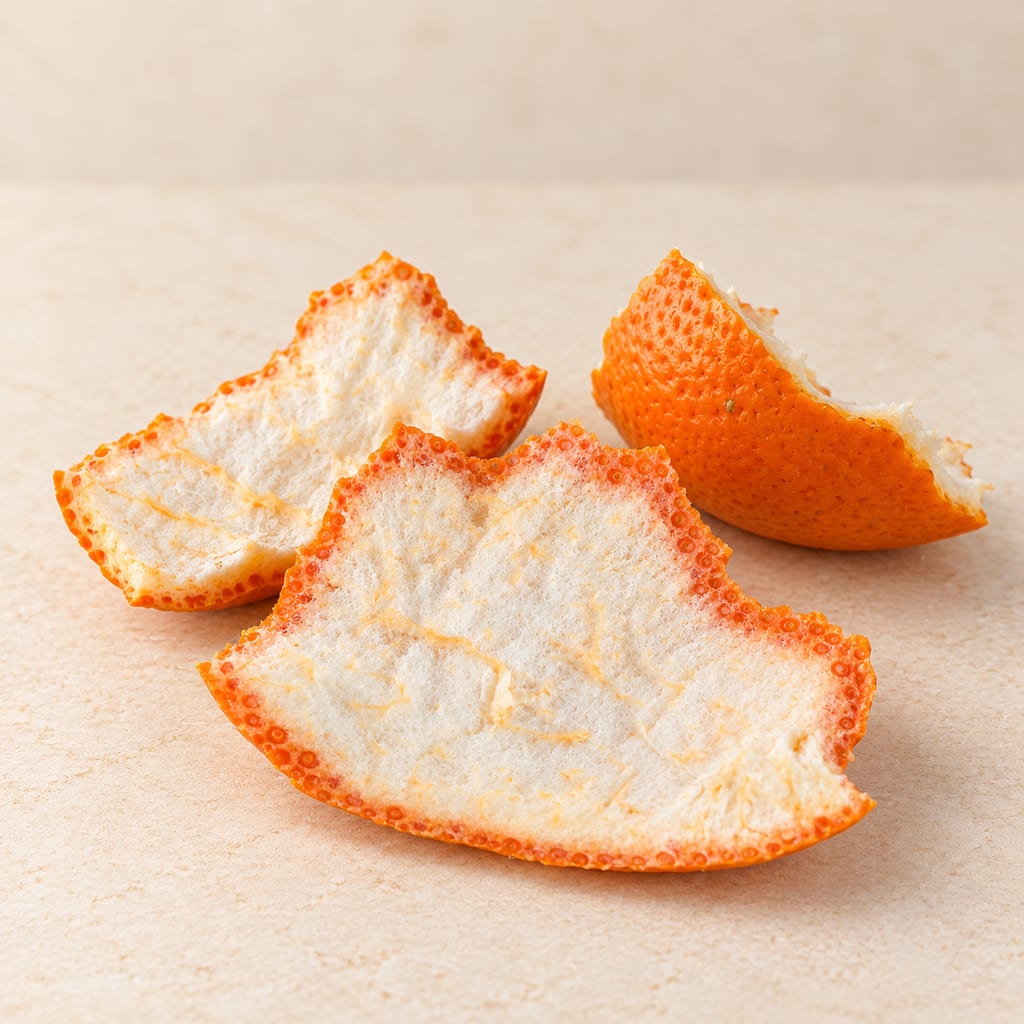
Orange rind retaining its white inner pith, combining aromatic outer peel with the body and pectin used in marmalade and other citrus preparations.
No community contributions have been published for this entry yet.
Sign in to contribute. Published comments and photos are free to read.
Longman, Brown, Green, and Longmans, London
A Treatise on Food and DietPrinted116: conical loaves versus truncated-cone lumps/titlers, refinements, crystalline texture. Printed118–121: rock candy, syrups, boiled confectionery, caramel, preserved ginger/candied peel. Historical chemistry and medical claims not used as current guidance.
Printed118–119 describe crystal growth for sugar candy, boiled and pulled sugars, and burnt sugar browning for soups and sauces; used as historical food/material descriptions, with no medical or preservation assurances.
Cited in: A grocery solid made of small crystals; White, yellowish and finely crystalline; A sweetener outside the dessert course; Modern cubes are a related form with their own manufacture; From pudding to candied peel; Keep the material dry; keep the historical name precise
A. Cobbett, London
The English Housekeeper, sixth editionTwo separate parsnip wines341–342, exact sugar names and quantity bases; historical kitchen handling and sweet/savoury uses. No old curing or storage schedule recommended.
Cited in: A grocery solid made of small crystals; Grating, pounding and breaking; A sweetener outside the dessert course; Forty-five pounds in parsnip wine; When the solid has disappeared; From pudding to candied peel; A solid surface for citrus rind; Keep the material dry; keep the historical name precise
United States Patent Office
Improvement in processes and apparatus for refining and molding sugar, US211797Crystal/syrup separation, washing proposal, division plates/conduction and prismatic sections suitable for subdivision into lumps. Patent proposal, not universal practice.
Cited in: Refiners worked on the syrup around the crystals; Keep the material dry; keep the historical name precise
Journal of General and Applied Microbiology 39, 389–394
Further Evidence of Direct Uptake of Sucrose by Saccharomyces cerevisiae in Batch CultureExtracellular sucrose hydrolysis and evidence of direct uptake in adapted culture; no laboratory rate/dose/time transferred to historical wine.
Cited in: When the solid has disappeared
Transport Information Service, German Insurance Association
Lump sugarModern pressed/cast forms and material handling: protect from moisture, contamination, odours. No Rad chronology, purity specification, numeric storage limits or universal shelf life used.
Cited in: Modern cubes are a related form with their own manufacture; Keep the material dry; keep the historical name precise
UK Parliament, Hansard
Ways And Means — The Sugar DutiesHistorical tax debate, quality/colour/grain and quoted grocer distinctions. Preserving/wine claims explicitly reported trade rhetoric, not validated controls.
Cited in: Sugar quality became a political argument