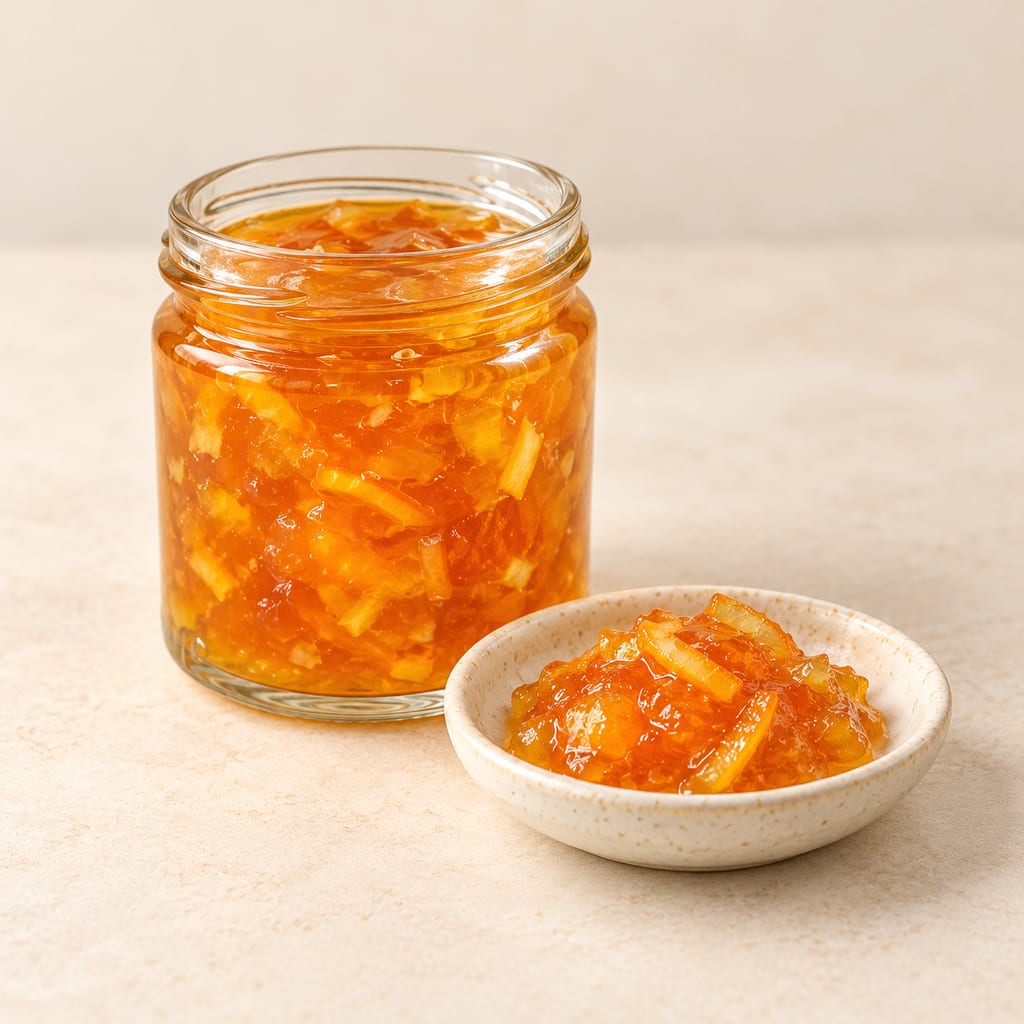
Orange marmalade
Orange marmalade suspends thin strips of citrus peel in a sweet gel. This navel-orange batch includes pulp and lemon and is preserved in a boiling-water canner.
 FermenteaWhere food goes to change
Substrates
Orange rind retaining its white inner pith, combining aromatic outer peel with the body and pectin used in marmalade and other citrus preparations.
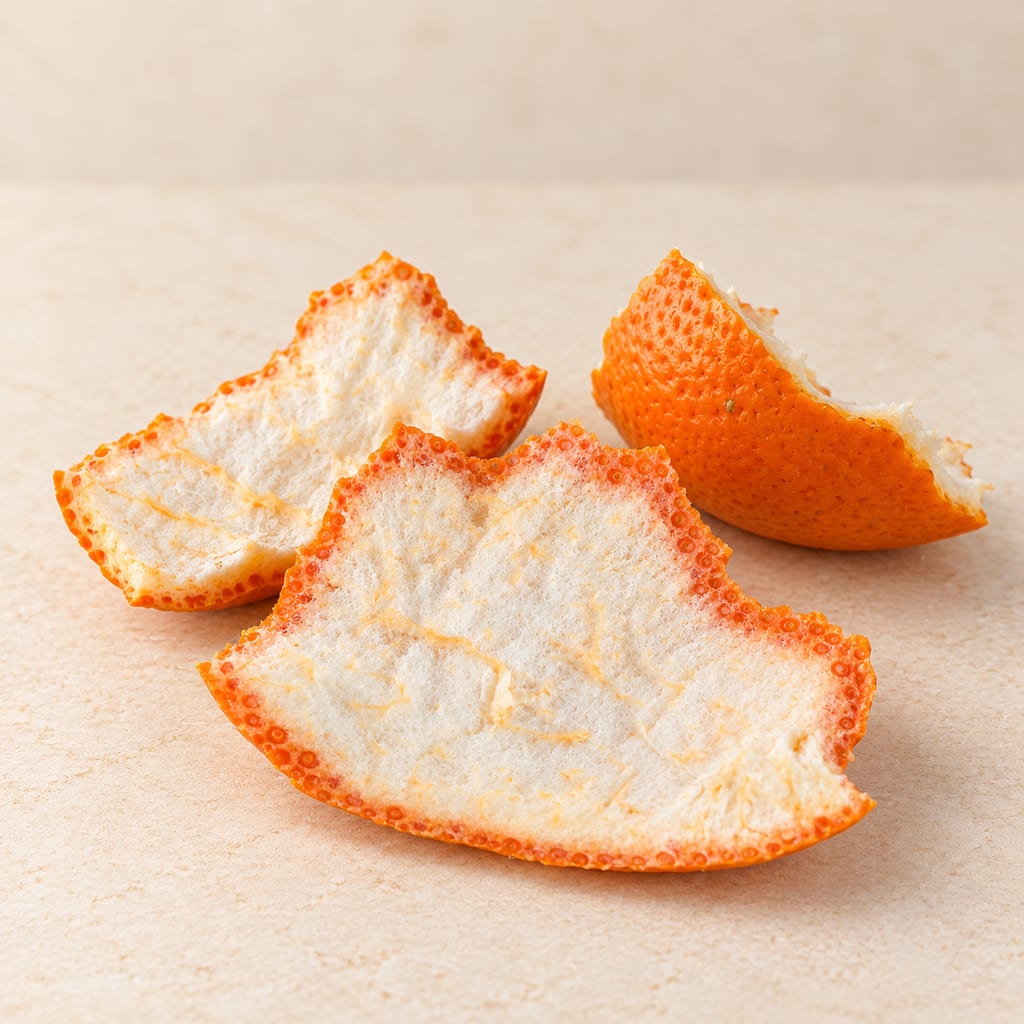
Orange peel with albedo is the rind with its white inner layer still attached. It includes the coloured outer surface and the softer, pale tissue beneath it. That qualification matters in a kitchen where peeling can mean several different things. A fine grating of zest takes mostly the aromatic outside; a thicker piece of rind brings the white layer as well. In marmalade, retaining that layer gives the cook a material with body and pectin as well as orange aroma.
The fruit usually called sweet orange belongs to the citrus family Rutaceae and is commonly named Citrus × sinensis in horticulture. Its rind surrounds the juice-filled segments, but it is a distinct ingredient from their flesh. It can be cut into strips that remain recognizable after cooking, becoming part of the texture of a preserve. An orange therefore offers more than juice: its outer and inner tissues can be separated, measured and used for different purposes within the same preparation.
Orange rind was already part of elaborate household confectionery in early modern England. In Gervase Markham's English housewife of 1615, an orange marmalade begins with careful knife work and steeping. The upper rind is pared very thinly, the fruit is soaked with changes of water, and boiling is followed by cooking with rosewater. Pulp and refined sugar are worked together and strained into boxes. The finished sweet belonged to a banquet repertoire of preserved fruits, pastes, marmalades and wafers.
That confection was organized differently from a modern transparent jelly containing thin strips. Its preparation shows how much attention cooks gave to rind, bitterness and the intended consistency. The word marmalade did not guarantee one fixed relationship between peel, pulp and sugar. A box of worked fruit paste and a jar of suspended peel could occupy related culinary territory while asking for different treatment of the orange. The historical preparation is part of the ingredient's story rather than a replacement method for a present-day preserve.
The later household jar gives rind another visible role. Instead of disappearing into a strained confection, pieces can remain distributed through the set spread. Cutting the rind becomes a decision about texture as well as extraction. The white layer that might be pared away for another dish is deliberately retained for this one. The same orange can consequently be prepared in apparently opposite ways without either choice being a general rule for all cooking: the desired food determines which layers are useful.
Sweet orange is a cultivated citrus with a complex ancestry. Genomic comparisons connect it with mandarin and pummelo lineages and reveal earlier mixing within its ancestry. The familiar round fruit should therefore not be imagined as an unchanged wild species discovered at one precisely recorded moment. The exact sequence and setting of its domestication are less certain than the identities of many cultivars maintained today. A named orange in an orchard represents selection and propagation as well as a botanical history.
Budding and grafting help preserve that selected fruit type. The part of the tree carrying the desired cultivar is joined to a rootstock chosen for its own growing characteristics. This allows a grower to reproduce the fruiting variety without relying on a seedling to repeat every quality of its parent. For the cook using rind, cultivar identity is relevant because oranges vary in peel, seeds, flesh and flavour. The name of the fruit type describes more than the colour of the outside.
Navel, common and blood oranges are meaningful groups within sweet oranges. The linked marmalade was developed with navel oranges, whose familiar navel reflects an additional structure at the blossom end. Sweet oranges also differ from sour oranges, even though both have aromatic rinds and a history in preserves. A recipe made for one kind of fruit brings its own proportions and handling. The common phrase orange peel does not establish that sweet and sour oranges, or every cultivar within them, will give the same result.
The coloured outer region of citrus peel is called the flavedo. Beneath it lies the albedo, the spongy white tissue often called pith. Farther inward are the membranes and juice vesicles making up the segments. This arrangement explains why zest, rind and pulp are different ingredients even when they all come from one fruit. A zester removes a thin outside layer; a knife can remove a thicker composite piece; separating the segments gives access to the juicy interior.
The pale albedo is not simply a coating of juice left behind. It is plant tissue with its own cellular structure and spaces. Its sponge-like arrangement contrasts with the firmer outer surface. A piece held with its inner side up displays a broad white area and a narrow orange edge, making the two layers easy to see together. In a cooked strip they remain connected, so the ingredient combines a relatively firm exterior with a thicker inner body rather than behaving like loose zest.
Oil reservoirs near the peel's outer surface contribute strongly to its aroma. Bending a piece can compress the softer tissue around those reservoirs and raise the pressure inside them. When the outer covering fails, tiny droplets of aromatic oil escape. The burst of orange scent from twisting a rind is thus a physical release from a structured material. It is distinct from the juice released when the fruit's inner vesicles are squeezed or bitten.
That mechanism also explains why a small piece of rind can have a noticeable aromatic effect. The oils are carried in a part of the fruit separate from much of its water-rich flesh. Cutting, grating and twisting expose or disrupt that region in different ways. Retaining albedo does not mean that the white layer supplies all the orange scent; the composite peel brings together tissues whose contributions differ. Aroma, fibrous texture and gelling capacity should be understood separately.
Pectin is a plant component that can form a gel under suitable conditions with acid and sugar. The white albedo is an important pectin-bearing part of citrus rind. In the linked navel-orange marmalade, leaving all or most of it attached is deliberate: this tissue supplies much of the pectin needed for the set. Removing it to produce cleaner-looking zest would change the ingredient on which that formulation depends. The white material has a practical purpose beyond making the strip thicker.
A marmalade gel forms through the combination of ingredients and cooking, rather than through peel acting alone. Fruit provides flavour and water along with some of the acid and pectin; sugar and acid help establish the conditions in which pectin can set. Too little acid can prevent a set, while too much can lead to liquid separating from a gel. The rind's contribution therefore belongs within the whole mixture. Recognizing its pectin does not supply an independent formula for altering the preserve.
The strips are first cooked with the fruit and water until tender, before sugar is added in the linked method. This gives the rind a softening stage before the later concentration and gelling stage. The cook is changing both the physical pieces and the liquid surrounding them. A good set alone does not make a tough strip pleasant to eat, and tender peel alone does not establish a finished gel. These are connected but distinct parts of the result.
Pectin behaviour also changes with cooking and the formulation used. Prolonged overcooking can impair a gel rather than strengthening it indefinitely. Commercial pectin products are prepared ingredients with particular directions, not a measured equivalent of an arbitrary handful of fresh rind. Raw albedo and an extracted, standardized pectin product differ in form and composition. Understanding that difference helps explain why a recipe that retains rind should be followed on its own terms.
Good peel begins with a suitable whole orange. Citrus needs an appropriate growing climate, light and water to develop useful fruit, and cultivar affects both maturity and the form of the rind. External colour is not a complete measure of eating quality: some mature Valencia oranges can remain greenish. Citrus does not become sweeter after picking. For rind destined for a preserve, the fruit should be sound as well as appropriate to the recipe, with no rotten areas treated as usable peel.
Wash the orange under running water before cutting it, including when the flesh and rind will later be separated. The knife and hands move between the outside and the interior during preparation. Washing produce with soap, detergent or a commercial produce wash is not recommended in current consumer guidance. Clean utensils and a clean board are part of preparing a fruit whose outer surface will itself become an ingredient, rather than be discarded after the juice is extracted.
When a recipe asks for peel with albedo, remove the rind without scraping away the required white tissue. Then cut it to that recipe's specification. Fine zest and a thick rind strip cannot be treated as the same measured material: they contain different proportions of the fruit's tissues and create different textures in the dish. A fresh strip, a dried peel and a sugared confection also have different water contents and preparation histories. Their common origin does not make them interchangeable quantities.
Keep cut rind under appropriate refrigerated handling and follow the preparation or product's directions for later storage. The keeping period for a whole orange is not automatically a keeping period for exposed pieces. Nor does the presence of aromatic oil or pectin make raw peel a shelf-stable food. Drying, candying or making a canned preserve changes it through further processing, each with its own method and intended final condition.
In marmalade, rind gives a recognizable bite and an aromatic contrast to the surrounding jelly. Candied peel gives the rind another role: strips are blanched and cooked in syrup, then used as a sweet in their own right or chopped into cakes and cookies. They can garnish desserts, be scattered over yogurt or be dipped in chocolate. A thick strip with its pith attached supplies a different eating texture from fine zest dispersed through a batter. The choice is about the structure of the finished food as well as its orange flavour.
Outside that preserve, peel can be valued chiefly for its aroma. A twisted strip in a drink releases oil at the surface, while grated zest distributes the outer layer in much smaller pieces. These uses put the emphasis on the flavedo and its reservoirs rather than on obtaining a gel from the white tissue. The part removed, its size and the way it is worked all help determine what the orange contributes to the finished food.
Industrial citrus processing likewise separates uses that a whole fruit holds together. Peel can supply pectin and aromatic oils alongside the juice obtained from its interior. Making commercial pectin involves extraction and further purification and standardization; recovering oil creates another ingredient stream. These operations help explain the economic value of the rind after juicing, but the resulting extracts are distinct from fresh peel on a kitchen board. A strip with its albedo attached remains a composite plant material, carrying several properties at once.
Orange is a citrus ingredient, including when only the peel is used. Citrus-free dietary specifications exclude peel as well as juice and flesh, and contact with sweet-orange material can cause skin reactions in some people. Processing it into a preserve does not change its identity into a non-citrus ingredient. The cultivar, growing place, pectin content and keeping period of a particular purchased orange remain product-specific; the linked marmalade specifies a navel-orange context without supplying a chemical assay for each rind.
citrus
Publication place of Markham’s documented orange confection, not the origin of sweet orange or the modern navel recipe.
Development/release location for the specific navel-orange marmalade method retaining albedo; not the fruit’s growing origin.
The linked preparation does not identify where its purchased navel oranges were grown.
Orange marmalade suspends thin strips of citrus peel in a sweet gel. This navel-orange batch includes pulp and lemon and is preserved in a boiling-water canner.
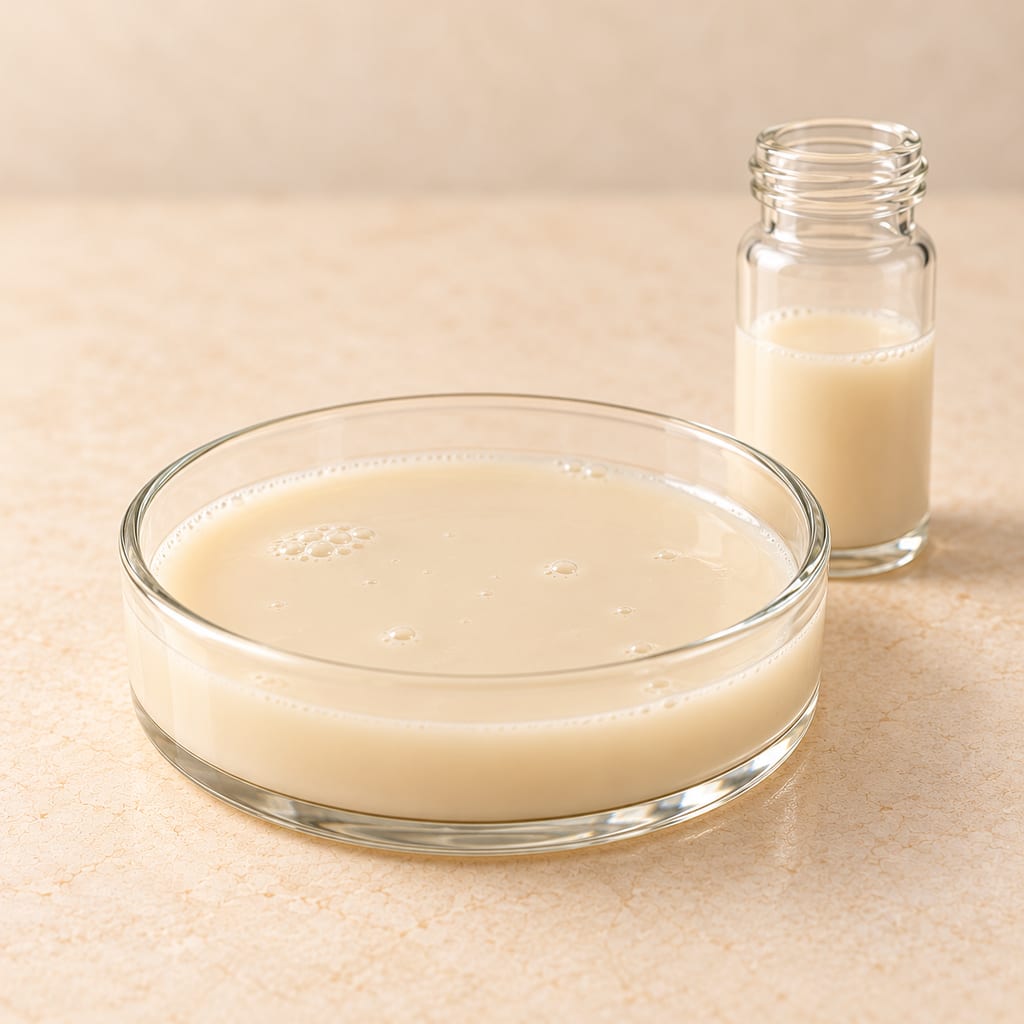
Brewer’s yeast is a working name for living cultures selected for brewing, not one strain or always one species. Ale and lager cultures differ, and older household books may use the term for foam or sediment from brewery beer.
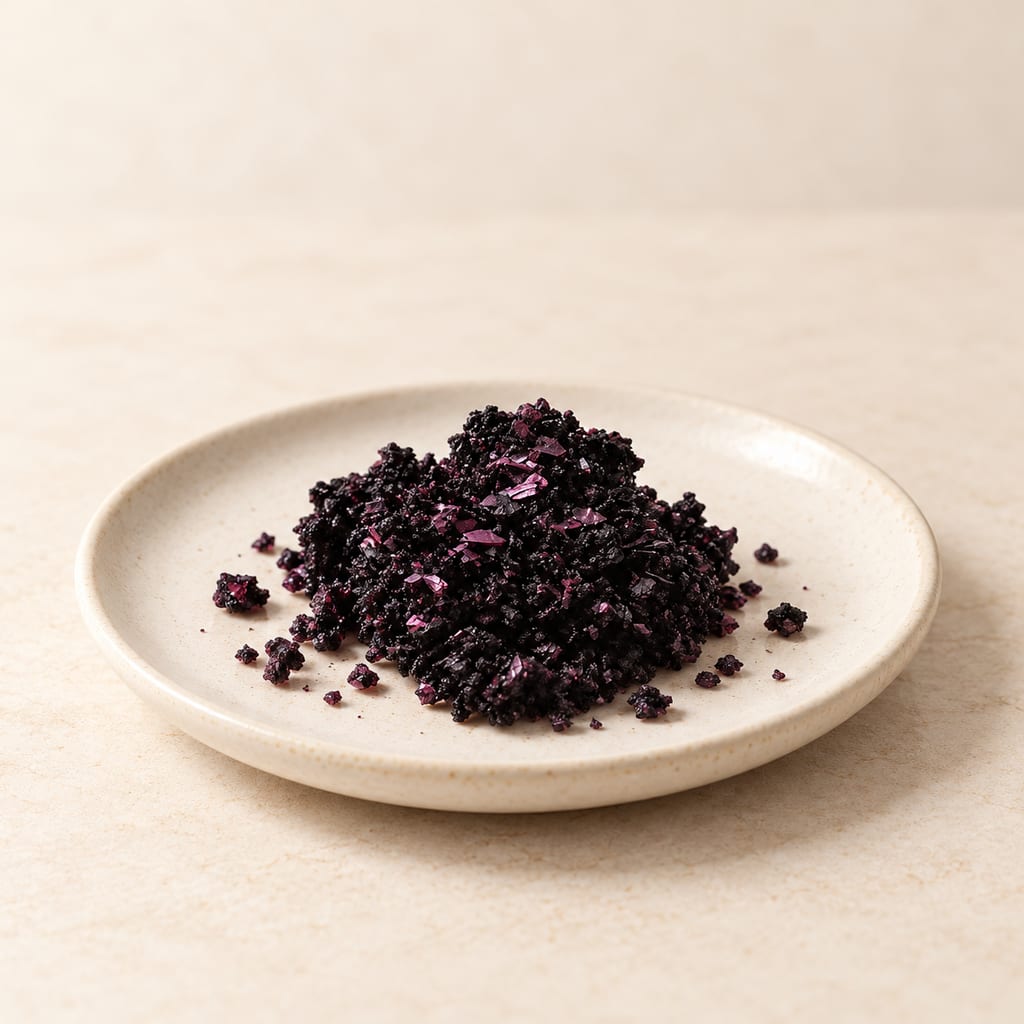
A mixed crystalline wine-vessel deposit, chiefly potassium hydrogen tartrate, used historically in wine recipes and recovered for refining into purer products.
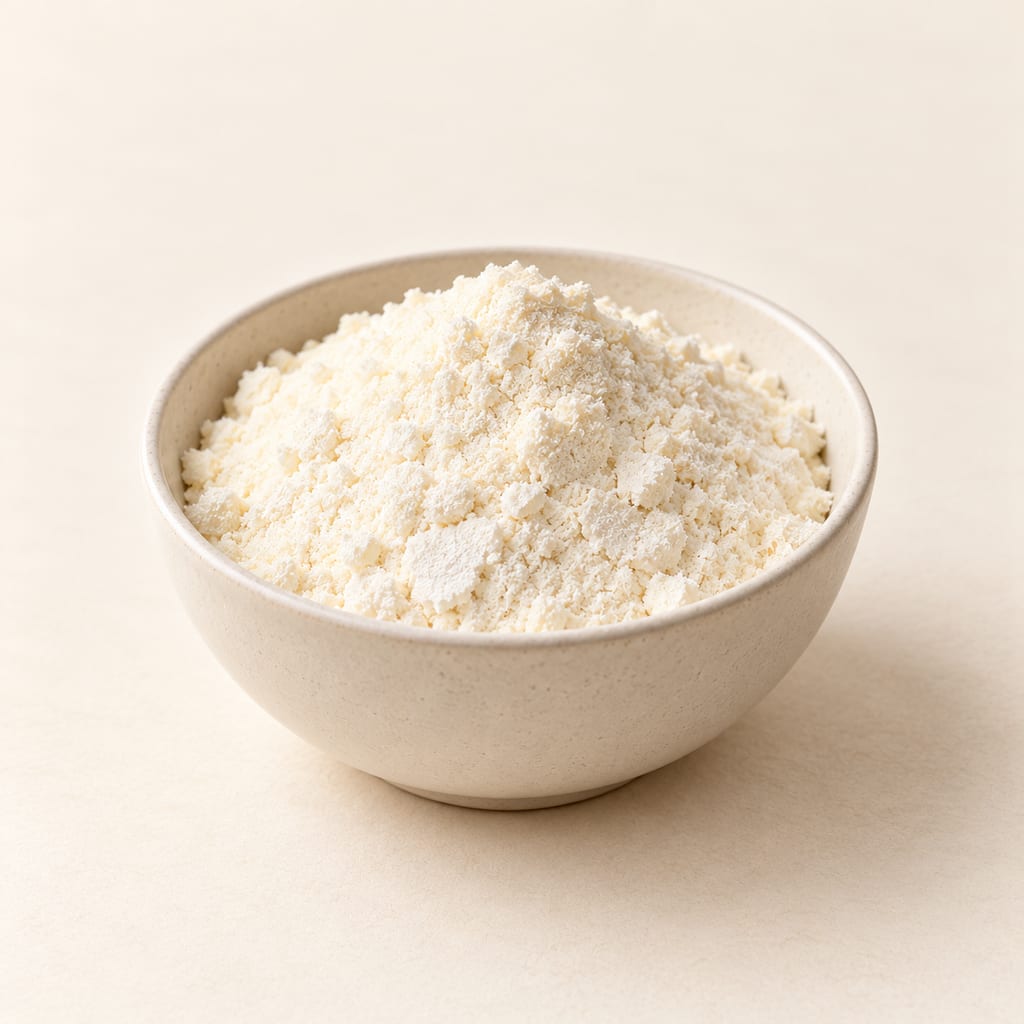
Dry milk is a family of dairy ingredients made by removing most water from milk or cream. The name includes distinct whole, partly skimmed and nonfat powders; fat level, heat treatment and particle form determine handling and use.
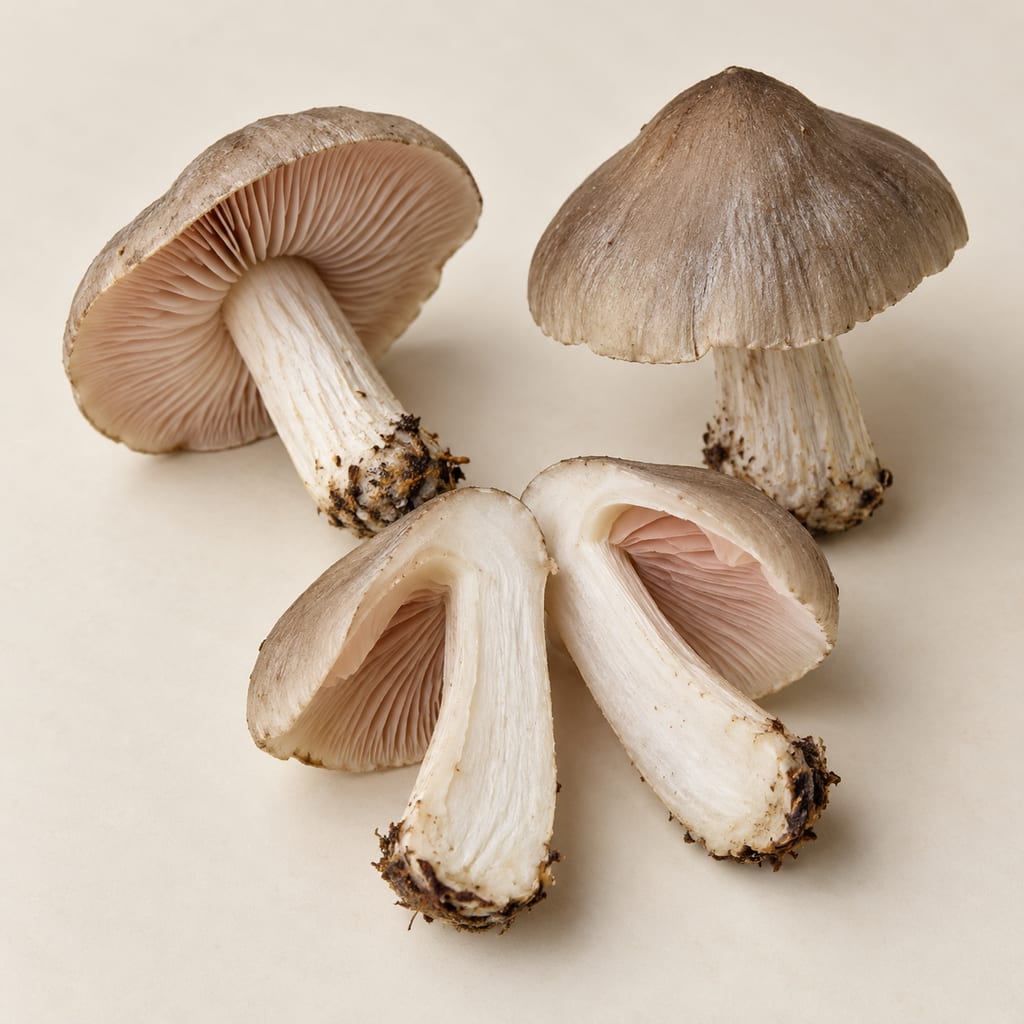
A woodland pinkgill reported as local food in Sikkim and parts of Italy, but difficult to identify and subject to strong regional warnings about confusion with toxic Entoloma species.
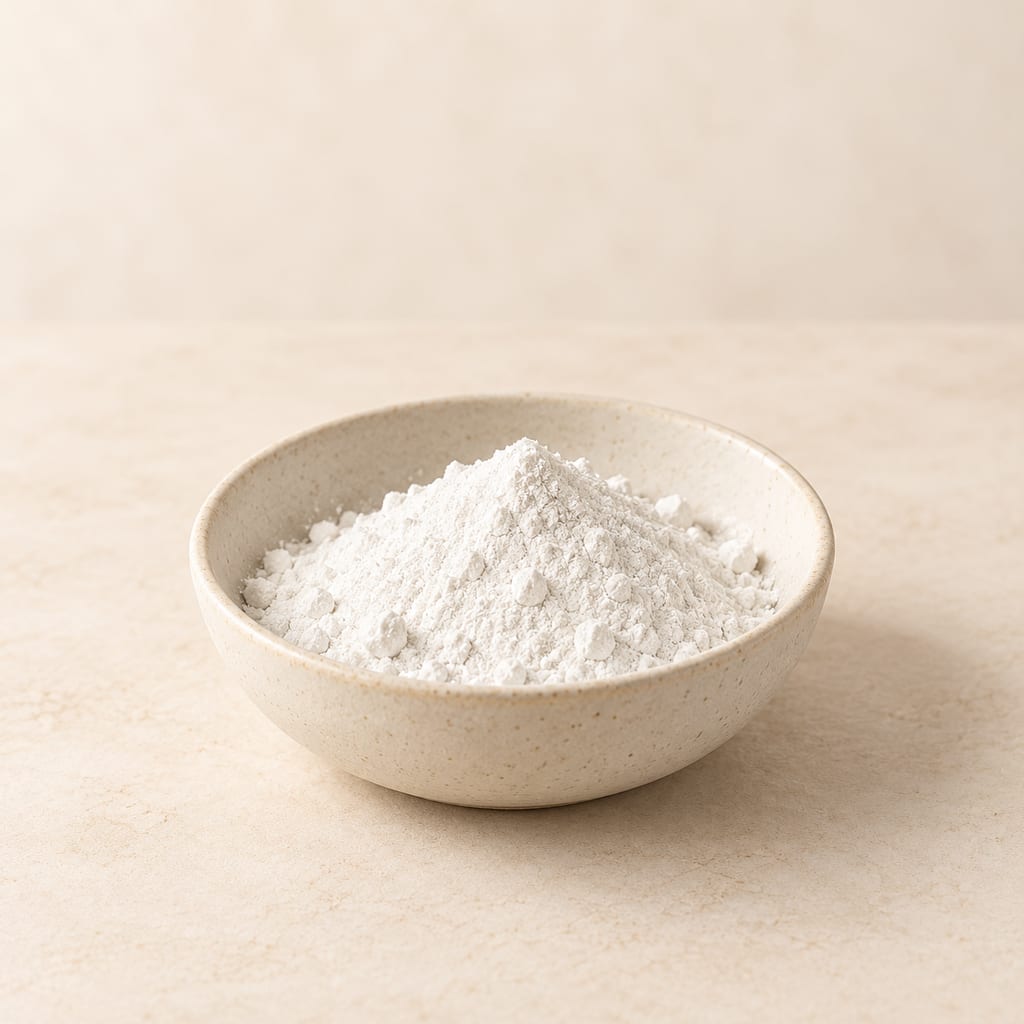
Gypsum is calcium sulfate dihydrate, a mineral salt that brewers dissolve in water for its calcium and sulfate and that tofu makers use to set soy curd.
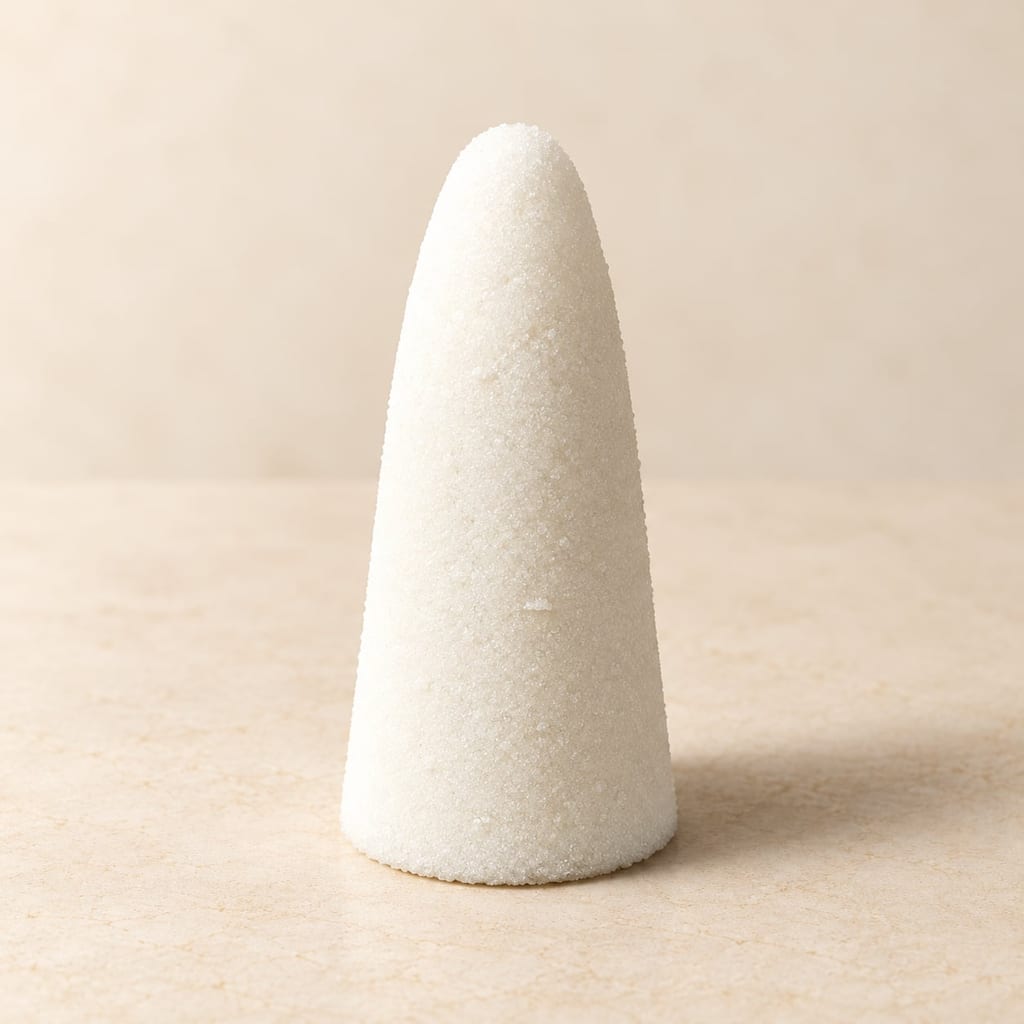
Refined sugar formed into a solid cone, historically cut or powdered for kitchen use and dissolved into wine liquor.
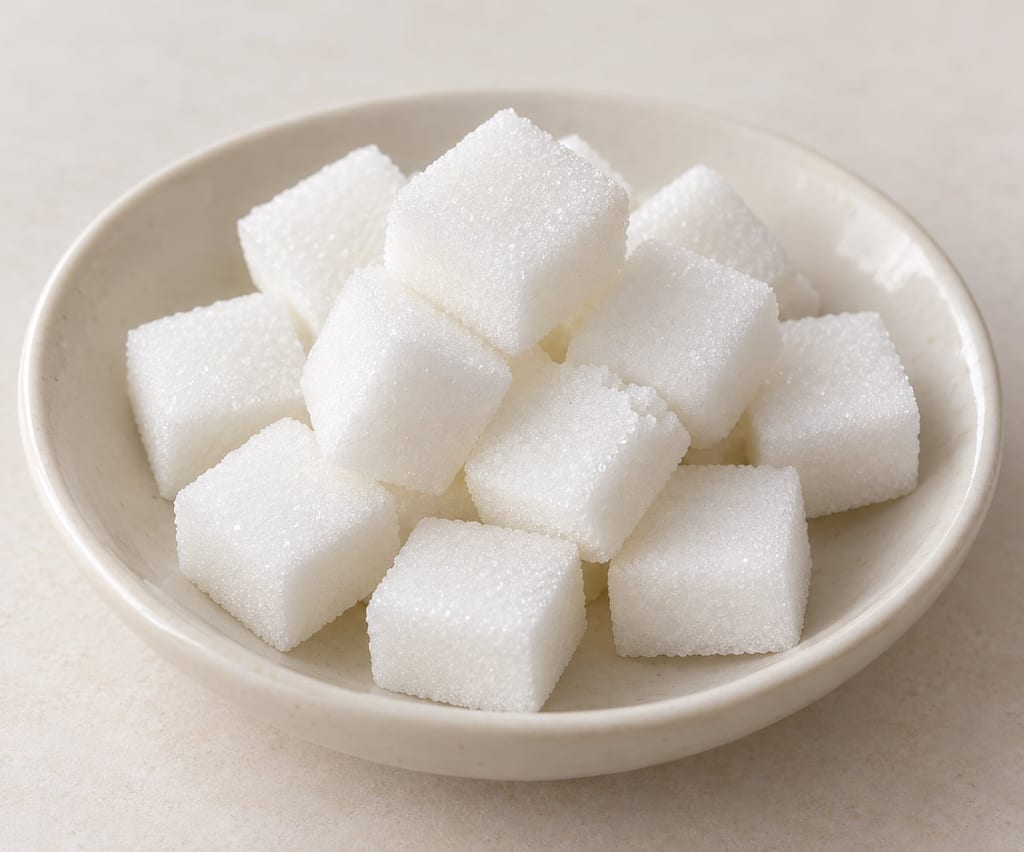
A historical refined-sugar form whose name has covered truncated cones and, in later usage, smaller pressed or cast pieces.
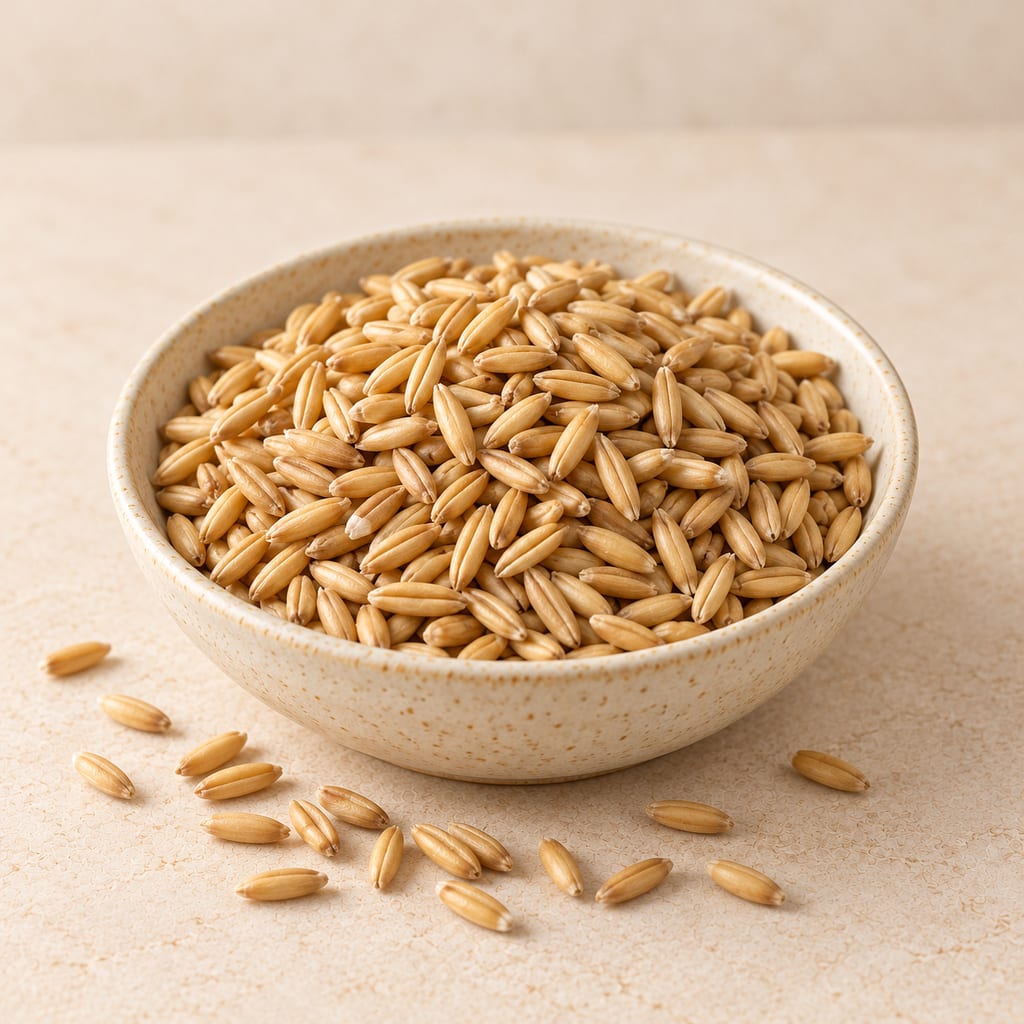
A cereal grain sold as groats, cut pieces, flakes, flour and malt. Oats shape porridge, bread and brewing differently as processing changes hydration, texture, starch, beta-glucan, protein and oil.
No community contributions have been published for this entry yet.
Sign in to contribute. Published comments and photos are free to read.
National Center for Home Food Preservation, University of GeorgiaResearch
Orange MarmaladeNavel oranges were used to develop this marmalade. Peel retains albedo; pulp and lemon are prepared separately. Cooking tenderizes the peel before sugar is added, and albedo supplies much of the pectin for the gel.
Cited in: The rind that belongs in the preserve; A confectioner's ingredient before the modern jar; Why the white layer matters to marmalade; From the orchard to the cutting board; A useful fraction in kitchens and factories; Handling sensitivities and the exact fruit
North Carolina Extension Gardener Plant ToolboxResearch
Citrus × sinensisSweet orange is a horticultural citrus hybrid in Rutaceae, with evergreen foliage and distinctive fruit. The plant profile describes its climate needs and contact-dermatitis context.
Cited in: The rind that belongs in the preserve; Handling sensitivities and the exact fruit
J. Beale for R. Jackson, LondonResearch
Countrey contentments: The English housewifeMarkham’s 1615 text describes careful upper-rind paring, steeping with water changes, boiling, rosewater, worked pulp and refined sugar for a boxed banquet confection. This historical use does not establish a first invention.
Cited in: A confectioner's ingredient before the modern jar
Nature Biotechnology32,656–662(2014)Research
Sequencing of diverse mandarin, pummelo and orange genomes reveals complex history of admixture during citrus domesticationSweet-orange ancestry includes admixed mandarin and pummelo-related lineages. The genomic study leaves aspects of domestication and lineage history uncertain.
Cited in: A cultivated fruit with a mixed ancestry
Plant Resources of South-East Asia, Handbook2: Edible fruits and nutsResearch
Citrus sinensis (L.) OsbeckSweet-orange fruit includes common, navel and blood-orange groups. Budding is a preferred propagation method; peel also supplies pectin and aromatic oil.
Cited in: A cultivated fruit with a mixed ancestry
Frontiers in Plant Science10:1167(2019)Research
Primary Metabolism in Citrus Fruit as Affected by Its Unique StructureCitrus fruit has an outer flavedo, spongy albedo, segment membranes and multicellular juice vesicles. These tissues have different structures and roles.
Cited in: The rind that belongs in the preserve; Two layers with different physical jobs
PNAS115(26):E5887–E5895(2018)Research
High-speed microjets issue from bursting oil gland reservoirs of citrus fruitBending citrus peel compresses the albedo and raises pressure in oil reservoirs until the covering ruptures and releases aromatic oil. The study examines citrus peel, including navel-orange models.
Cited in: Two layers with different physical jobs; A useful fraction in kitchens and factories
National Center for Home Food Preservation; USDA guide revised2015Research
General Information on Canning Jams, Jellies, and MarmaladesFruit, pectin, acid and sugar work together in gel formation. Too little or excessive acid affects setting and weeping; overcooking can damage pectin, and commercial pectins have product-specific directions.
Cited in: Why the white layer matters to marmalade
UC Statewide Integrated Pest Management ProgramResearch
Cultural Tips for Growing CitrusClimate, light and water affect citrus cultivation. Fruit maturity and rind colour are distinct; citrus does not become sweeter after picking. Whole fruit and prepared rind require different handling.
Cited in: From the orchard to the cutting board
U.S. Food and Drug AdministrationResearch
Selecting and Serving Produce SafelyChoose sound produce and wash it under running water without soap, detergent or commercial produce wash. Refrigeration matters for cut produce; washing does not sterilize fruit.
Cited in: From the orchard to the cutting board
Food and Agriculture Organization of the United NationsResearch
Practical Aspects of Citrus Juice ProcessingCommercial citrus production uses scion and rootstock selection. Peel processing includes pectin extraction, purification and standardization, as well as aromatic-oil recovery.
Cited in: A cultivated fruit with a mixed ancestry; A useful fraction in kitchens and factories
UC Agriculture and Natural ResourcesResearch
Waste Not! Use the Whole LemonCandied citrus peel can include orange pith. Blanching softens the peel before syrup treatment; the finished peel is used with cakes, cookies, yogurt and chocolate.
Cited in: A useful fraction in kitchens and factories
NSW Agency for Clinical InnovationResearch
Allergy diet – citrus freeThe February 2025 citrus-free clinical diet specification excludes citrus fruit, peel and juice in the context of citrus allergy.
Cited in: Handling sensitivities and the exact fruit