A reading from inside the food
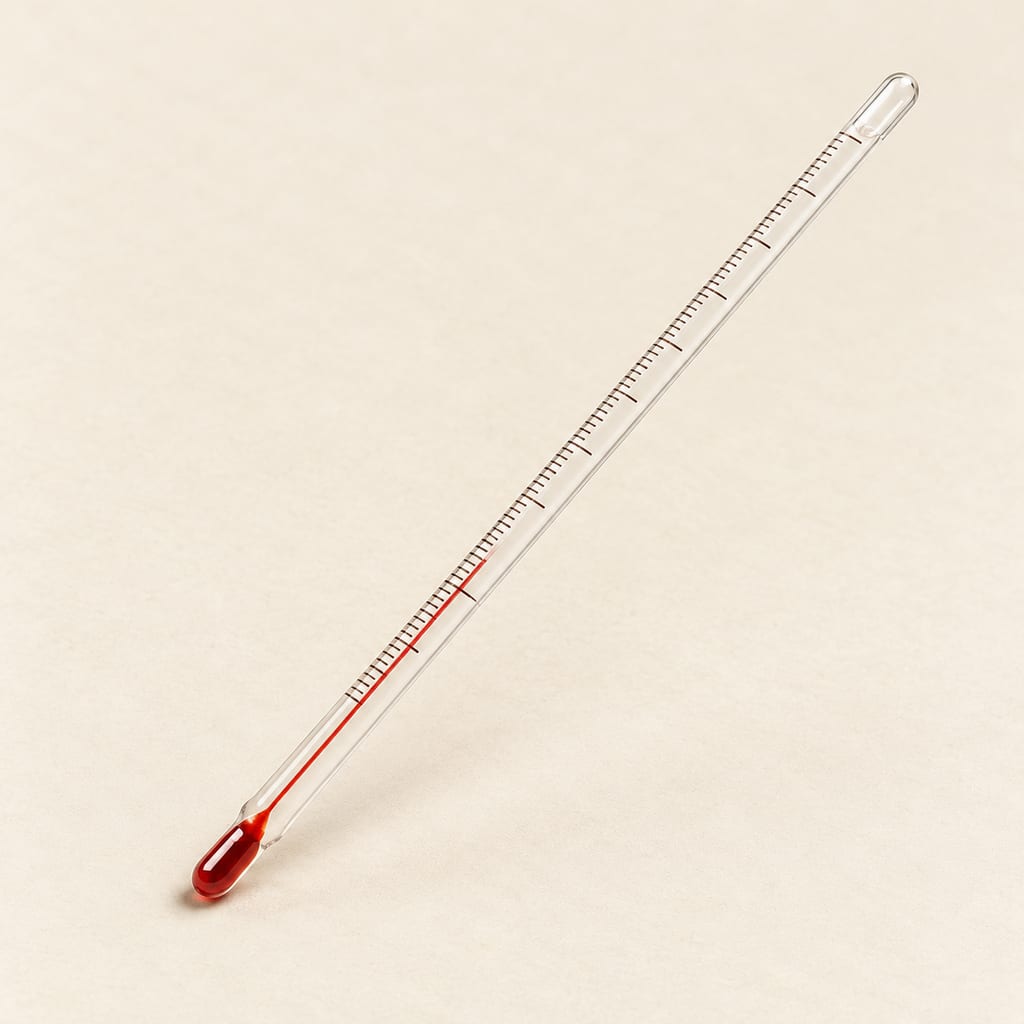
A food probe carries a temperature-sensing point into the material being measured. It is useful when the question is the food’s internal temperature rather than the setting on an oven, kettle, water bath or heating element. The value is local to the sensing tip: it does not mean every part of a large or uneven food has reached the same temperature.
For a thick piece of food, British Columbia’s restaurant sous-vide guidance directs operators to measure the internal temperature at the thickest part. It also calls for a digital probe-tip thermometer with stated accuracy of ±0.1°C, calibrated, traceable and certified. Those are requirements within that specific professional sous-vide framework, not a universal specification for kitchen thermometers or cheesemaking. The same document asks for internal temperature and holding time to be part of the food-safety plan and for a measurement immediately before service after any finishing step.
Sources for this section
Probe placement and the process display
A probe needs to reach the part whose temperature matters. In the cited sous-vide guidance, the target is the thickest part of the food; the instrument’s insertion instructions still matter because probe designs differ. A display on a bath or cooker reports that equipment’s sensing point. It is not a substitute for an internal measurement when a recipe or validated process calls for one.
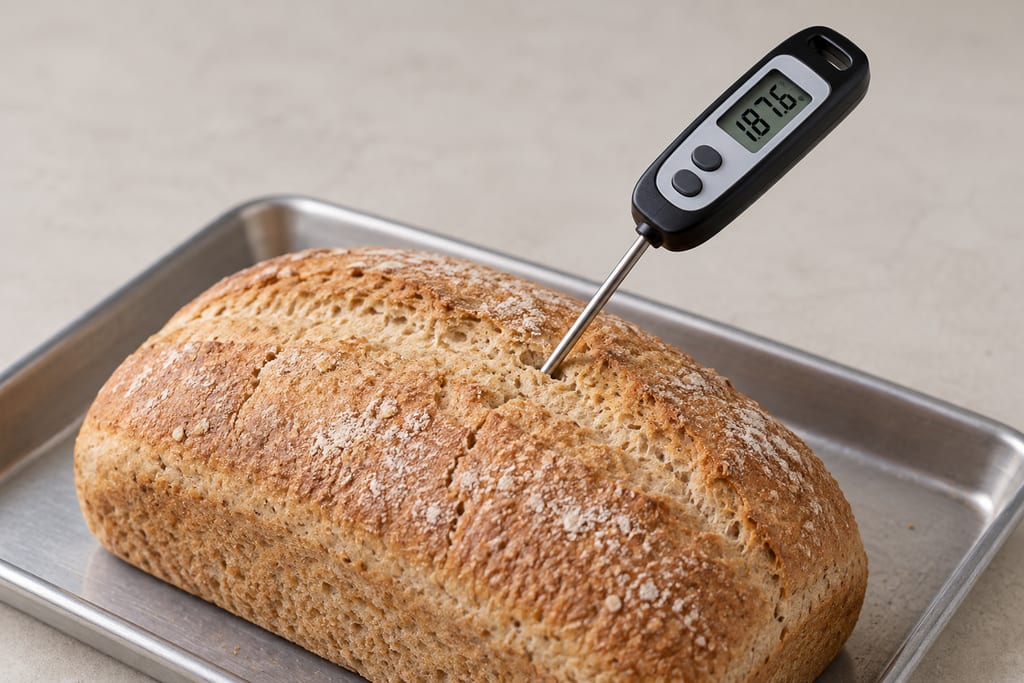
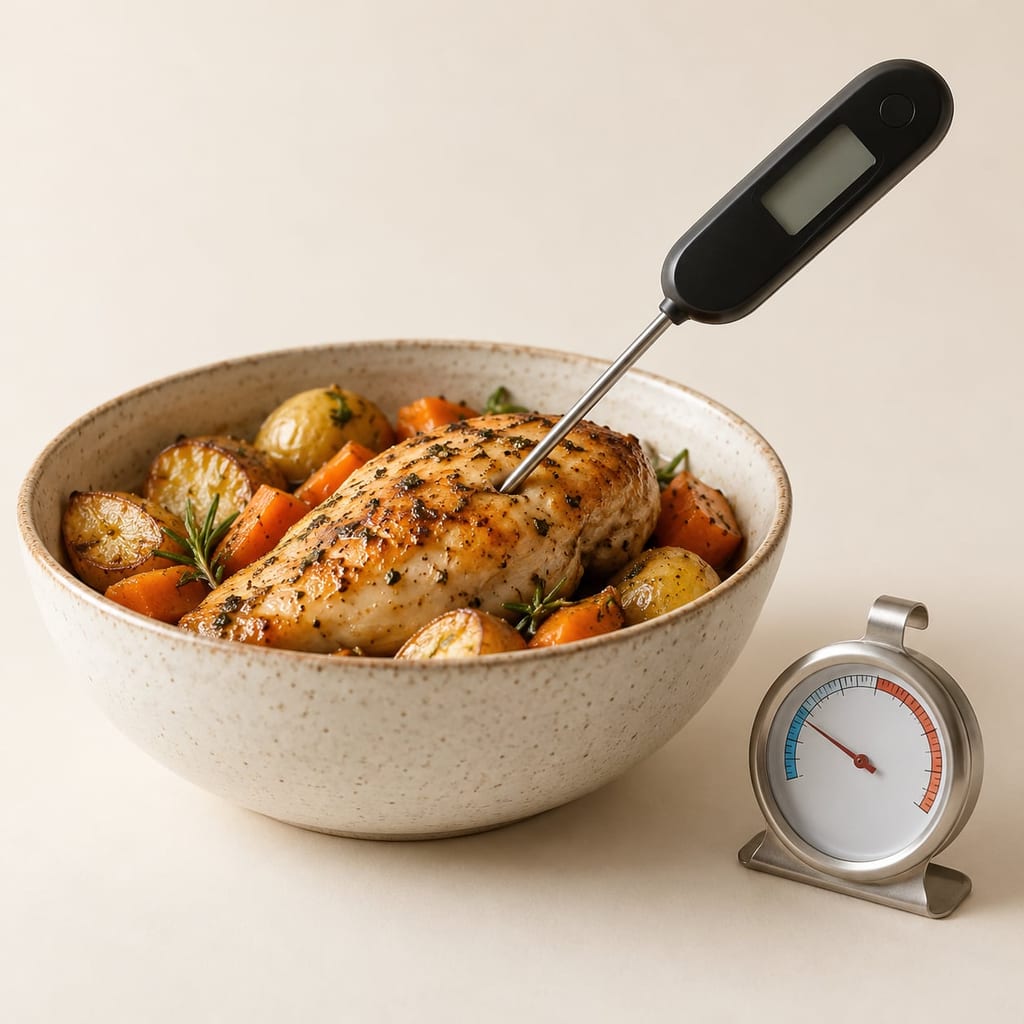
The probe is also different from an infrared thermometer, which reads a surface rather than the food’s interior. The linked photographs show particular digital tools in use, including one in a baking loaf and one at a commercial food pan. They are examples of contemporary use, not templates for every probe shape or a source of accuracy claims.
Sources for this section
Calibration, care and limits
A displayed number is only useful if the instrument performs within the range required by the method. The British Columbia restaurant guidance recommends annual verification by a laboratory instrument company and additional checks with ice water and boiling water. Penn State Extension’s home-cheesemaking advice is less prescriptive: calibrate thermometers regularly according to the manufacturer's instructions. These recommendations come from different contexts and should not be blended into a single universal schedule.
Keep the probe clean and follow the manufacturer’s limits for washing, disinfection, immersion and storage. Penn State’s guidance treats thermometers and pH meters as separate instruments that need calibration. A probe thermometer measures temperature; a pH meter measures acidity. Neither reading alone validates an entire fermentation or preservation process. Apply the limits and measurements specified by the recipe or relevant food-safety procedure.
Sources for this section
Related tools and a cheese-making example
The broader Food thermometer and refrigerator thermometer entry covers both internal probes and storage thermometers; this page narrows the subject to probes used for process measurements. A refrigerator thermometer samples the storage environment, while a probe measures food at its sensing point. A pH meter is a different instrument altogether.
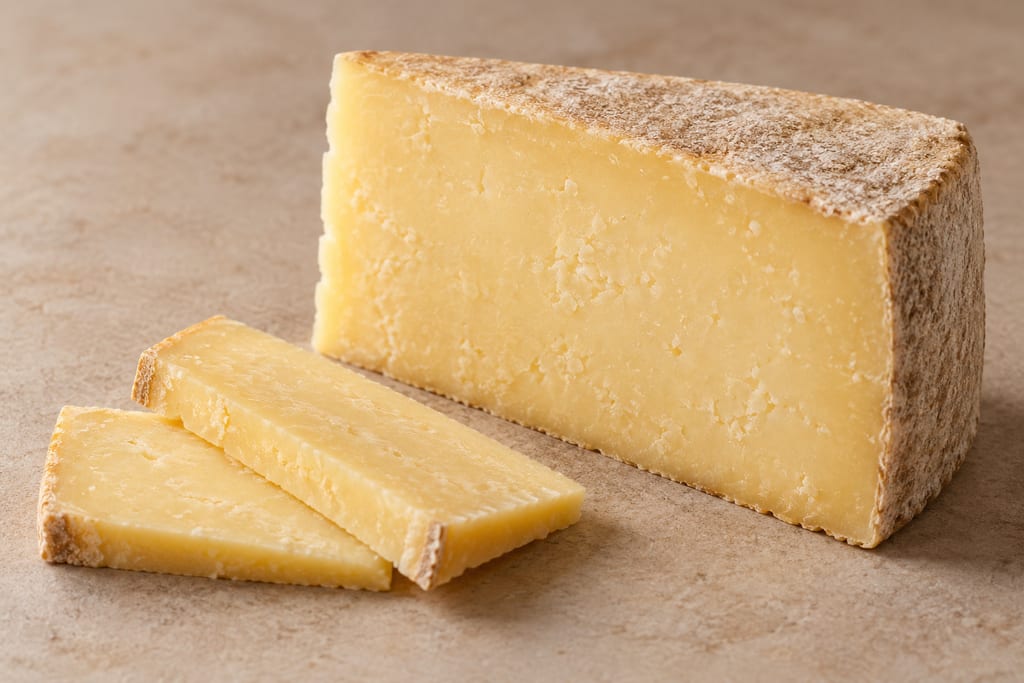
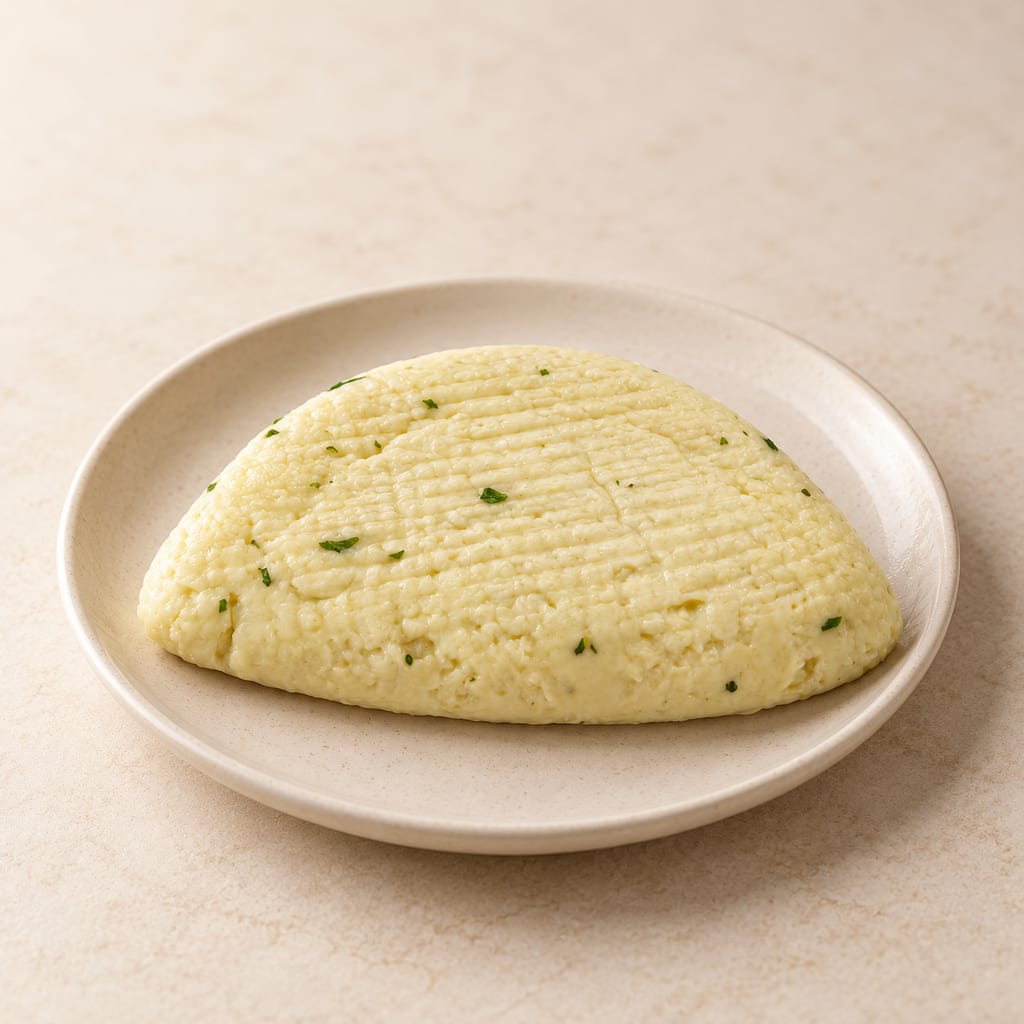
The published cow-milk halloumi method uses several distinct milk, curd and hot-whey temperatures. A probe can be used to check those stages when the cook follows that recipe, but the equipment link does not add a new temperature limit or certify the method.
Sources for this section
History
The consulted food-process guidance describes current digital probe thermometers but does not establish their inventor or first date of use.
Equipment details
How you get oneBought, manufactured Contemporary digital food probes are manufactured instruments. Accuracy, response, insertion depth, cleaning limits and display features vary by model; choose a device that meets the documented process requirements.
CareKeep the food-contact probe clean and use it only as its maker permits. Follow the instrument's instructions for cleaning, calibration, verification, immersion and storage. Penn State Extension advises regular calibration of thermometers used in home cheesemaking; its general utensil guidance also calls for food-grade, easy-to-clean equipment.
Made of
- Metal probe and temperature-sensing element — Bring the sensing point into the food
The inspected digital examples show a slender metal stem and readout. Probe shape, sensing technology and required insertion depth vary by model. - Digital display — Show the measured temperature
The pictured digital instruments have handheld displays; other thermometer designs differ.
Limits
The reading represents temperature at the probe's sensing tip, not the whole batch or the heater setting. Position the tip as the applicable recipe or measurement method specifies.
Source →British Columbia restaurant sous-vide guidance calls for calibrated, traceable, certified internal digital probe-tip thermometers accurate to ±0.1°C. That specification applies to this professional sous-vide context; it is not a universal accuracy requirement for every home food process.
Source →A temperature probe does not measure pH, acidity, salt concentration or water activity. It cannot, by itself, verify a preservation recipe or establish that a food is safe.
Source →Places
British Columbia
Documented use · Region evidenceRegional food-safety guidance context, not a claim that the thermometer originated in British Columbia or that every process uses the same specification.