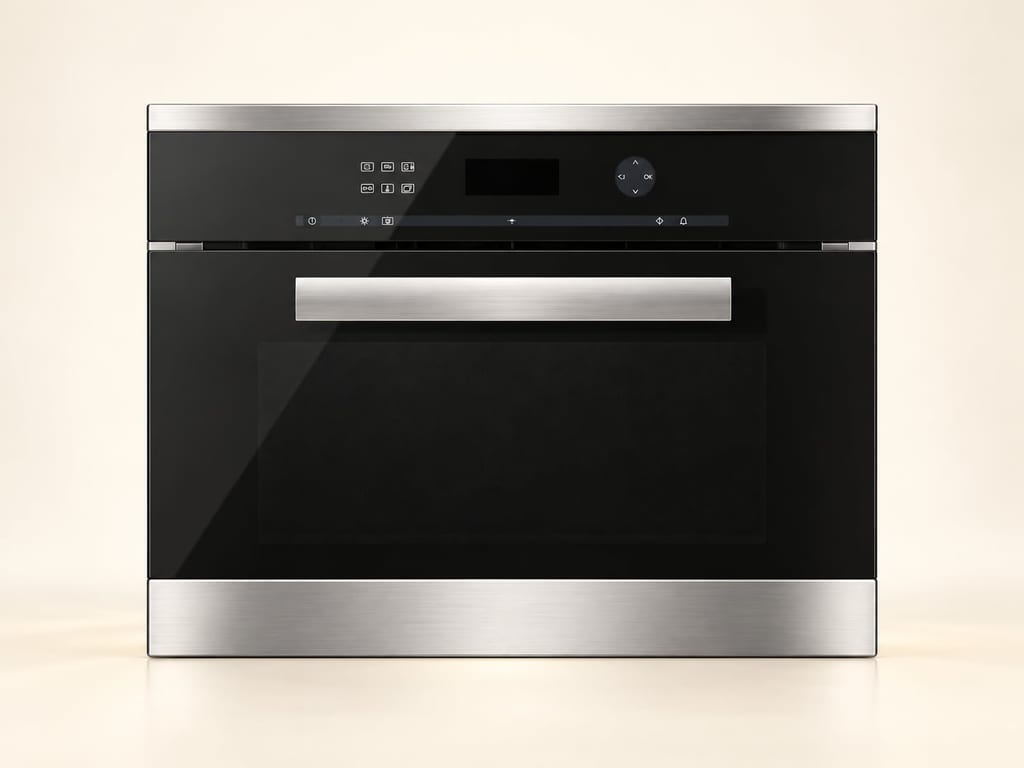
Miele DGM 6401 steam oven
The DGM 6401 is a compact built-in steam oven combined with a microwave, with a 40 L stainless-steel chamber, MultiSteam and electronic steam-temperature control from 40 to 100°C.
 FermenteaWhere food goes to change
Equipment · All-in-one appliances
steam oven · combi steamer · convection steam oven · combi-steam oven
A steam oven cooks with water vapour; a combi oven pairs steam with circulating dry heat. Their modes and temperature controls differ by model, so a documented yogurt programme cannot be assumed for every oven.
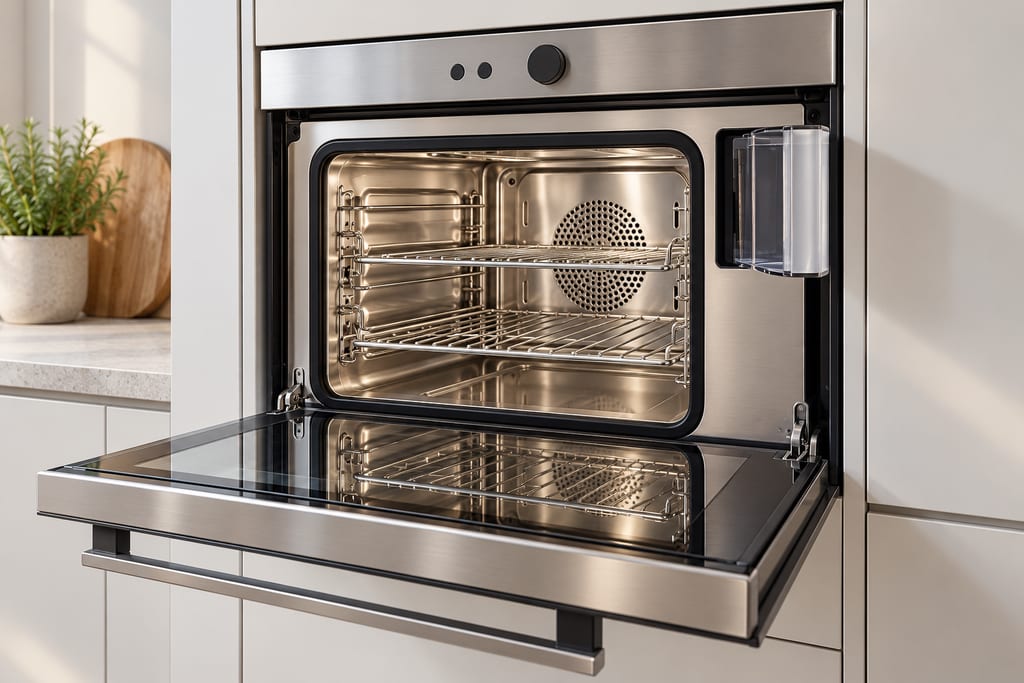
A steam oven brings water vapour into an enclosed cooking chamber. A combi or convection-steam oven adds circulating hot air, or combines steam with conventional oven heat, so it can switch between moist and dry cooking or use both together. The names overlap in product catalogs, but they do not describe one standardized machine: some steamers are dedicated steam appliances, some domestic steam ovens retain ordinary oven modes, and commercial combi steamers can be built for kitchen service.
The boundary matters for fermentation. An oven that merely steams at cooking temperatures does not automatically provide a low, stable incubation setting. Some manufacturers document a dedicated gentle setting or recipe; others give no such use. Read the exact model manual and the appliance's stated range rather than inferring a yogurt mode from the word “steam.” Miele's Australian range page, its separate DGM 6401 specification, and Siemens' oven guide show how manufacturers describe distinct functions and models.
A combi oven does not make a wet atmosphere by one universal mechanism. The BC Centre for Disease Control describes commercial convection-steam ovens that use circulating heat and steam; it notes that equipment may use a steam generator or inject measured amounts of water onto heating elements to make vapour. Both approaches provide moist heat, but their control hardware and air movement differ. Miele's own product material, for example, names external steam generation and MultiSteam for the DGM 6401 and external steam generation as a feature of its steam-oven family.
In cooking, humidity limits moisture loss and lets heat transfer through moist air. The BCCDC text discusses cooking times, shrinkage and commercial sous-vide use; it is not evidence that every appliance holds an even temperature around a culture jar, nor that a displayed oven setting equals the center temperature of the food. A fermentation use therefore has to be supported by the exact manual or recipe, and the food itself must not be treated as validated just because the cavity produces steam.
Miele Australia publishes a yogurt method that uses a steam oven as a warm cabinet after the milk is prepared. It heats the milk in a saucepan to about 90°C, cools it to about 40°C, then stirs in live yogurt. The inoculated milk goes into an unperforated steam container, covered with a lid or cling film, and the container is held in Steam mode at 40°C for five to eight hours or until thick. Miele warns in the same recipe that the yogurt should not be made above 45°C and says the longer hold becomes thicker and more sour. Those figures are part of this particular recipe, not universal settings for a steam oven.
The page is clear about its equipment but does not identify the oven model. The Miele accessory named is the unperforated steam container; it does not show separate lidded yogurt jars set on a rack. The related page for the Miele DGM 6401 gives a model-specific 40–100°C steam range, so the low end intersects the recipe's setting, but the cross-match does not turn the general recipe into a DGM 6401 test. The model page remains the authority for what that appliance is; this broader item covers the equipment class and its documented use.
Gaggenau's steam-oven use-and-care manual gives a different arrangement: fresh yogurt in closed jars on a wire rack, with the manual's table listing 110°F, 80% moisture and four to six hours. It also instructs the cook to heat the milk on the hob and cool it before mixing in live yogurt. The recipe demonstrates that the physical workflow may resemble Miele's warm hold while the program, container and settings belong to that manufacturer's documentation.
This comparison is useful precisely because it is not a universal recommendation. The Gaggenau values should stay attached to its own manual; Miele's recipe uses 40°C with a covered unperforated pan, and the DGM 6401 is a third, model-specific product record. These sources do not establish that jars fit safely in every rack, that a machine maintains the setpoint evenly, or that any oven process preserves food for storage.
The manufacturer examples span built-in household steam ovens, combi-steam ovens sold in the United States, Siemens' distinction between steam-only and added-steam household ovens, and commercial convection-steam appliances described in British Columbia restaurant guidance. The shared principle is the use of water vapour in an oven cavity; size, air circulation, steam production, controls and available programs are not shared specifications. This is a modern equipment category documented in several markets, not a claim about one country of origin or a traditional fermentation vessel.
For a home user, the practical question is whether the exact unit offers the temperature and mode a particular source names and whether its approved container fits the rack or tray. For a restaurant, the BCCDC discussion concerns cooking processes and equipment, not fermentation. For either setting, the oven supplies heat and moisture; the vessel, starter and food method remain separate and should be described by the recipe that uses them.
These are manufactured appliances rather than site-built fermentation rooms. A built-in model has a specific cavity, steam supply, rack system and installation envelope; a countertop commercial unit has a different footprint and operating context. Miele's DGM 6401, for example, is a compact steam oven combined with a microwave. Its measurements, controls and 40-litre chamber belong to that exact model and regionally published sheet. Other Miele models and other brands must be checked against their own manuals.
Steam and hot oven parts can scald. Use the manual's opening, handling and cleaning instructions, and let removable parts cool as directed. Do not substitute settings from a different brand, or assume that warm humid air is sterilizing, pasteurizing or preserving a food. The available yogurt recipes describe incubation only; the sources here establish no preservation shelf life or food-safety validation for fermentations made in an arbitrary steam or combi oven.
The sources document contemporary household and commercial steam or combi ovens, but they do not establish a first inventor, date of invention or manufacturing origin for the category. The DGM 6401 is one specific Miele steam oven with microwave; the separate Miele Australia recipe names no model.
Steam cooking uses hot water vapour and heated cavity parts; the exact manual governs opening, handling trays and cleaning.
Hazard sourceUse the appliance's own operating instructions, intended containers and accessories; do not move a programme or temperature from one oven model to another.
Control sourceA steam-only oven and a combi oven are related but not identical: steam-only appliances may lack conventional dry-heat modes, while combi models add circulating hot air and may control moisture in different ways.
Source →Miele Australia's yogurt method applies to an unspecified Miele steam oven. The page does not name the DGM 6401 or promise compatibility across every steam or combi oven.
Source →The DGM 6401 is a specific compact steam oven with microwave; its model-specific Australian sheet specifies steam-temperature regulation from 40 to 100°C. That range does not establish the temperature inside a yogurt container or a validated recipe outcome.
Source →Gaggenau's separate steam-oven manual describes a yogurt setup with its own temperature, moisture and time settings. Those figures belong to that manual's appliance context and are not generic oven settings.
Source →Miele Australia documents a household yogurt method using a steam oven; this identifies the documented recipe market, not the appliance's place of manufacture or the category's origin.
The BC Centre for Disease Control describes commercial convection-steam ovens in restaurant sous-vide guidance; this does not document fermentation use.
The DGM 6401 is a compact built-in steam oven combined with a microwave, with a 40 L stainless-steel chamber, MultiSteam and electronic steam-temperature control from 40 to 100°C.
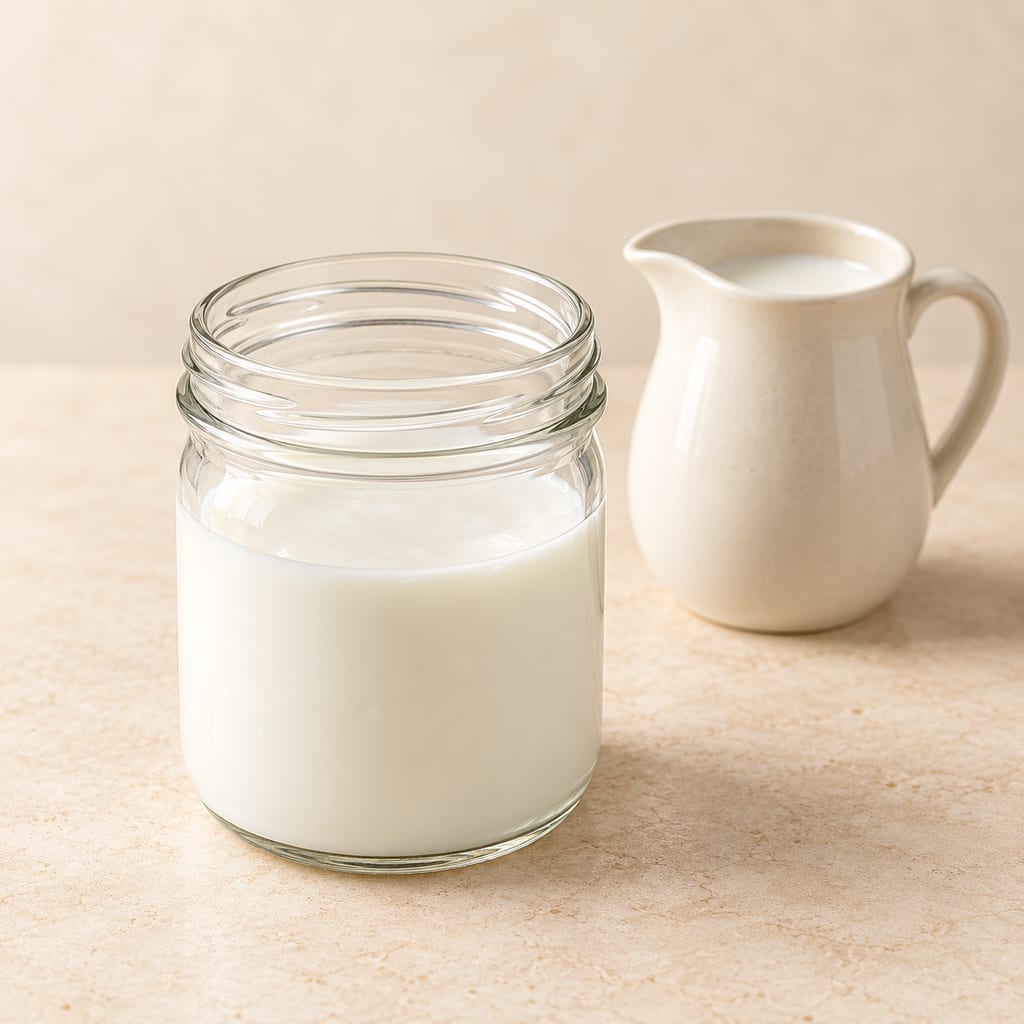
Set yogurt keeps the milk’s cultured gel intact in its final container. This Canadian home method follows the same heating and inoculation as stirred yogurt, without the final stirring.
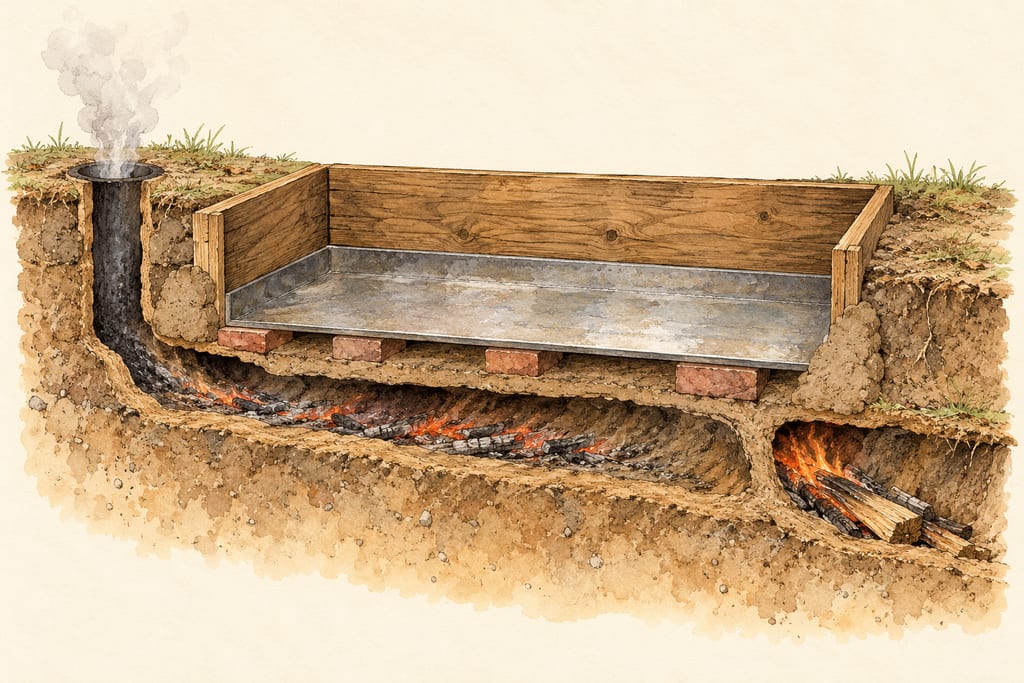
A separate cooking box heats ripened eulachon so grease rises for skimming. Nuxalk sources describe wooden or cedar sides, a metal bottom and, in one setup, a fire trench beneath the box.
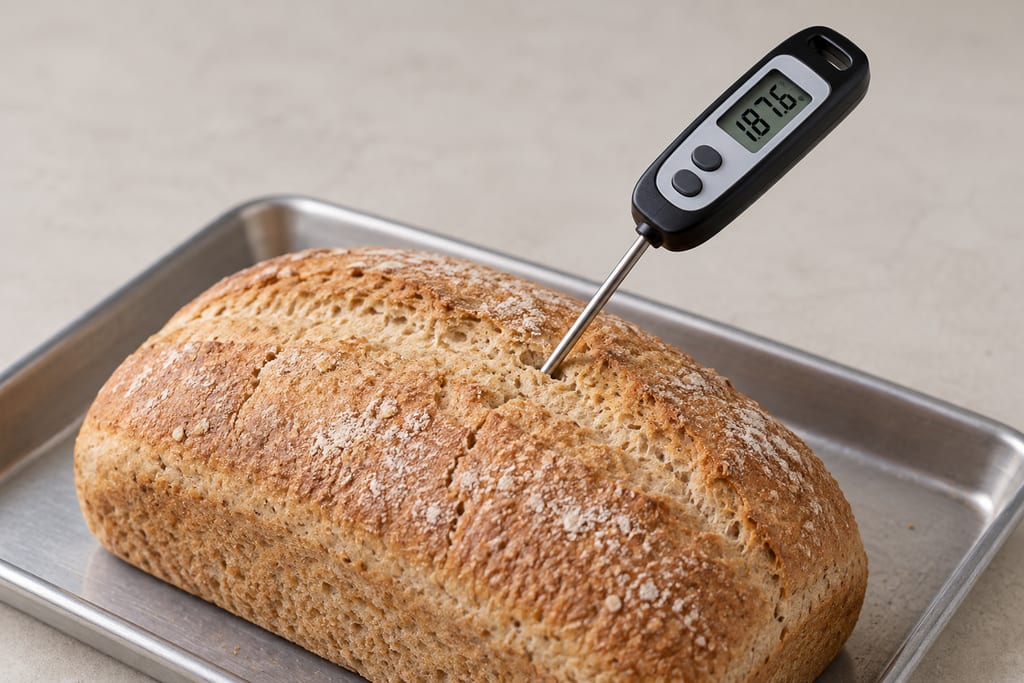
A probe thermometer measures the temperature of food at its sensing tip. It answers a different question from a kettle, oven or water-bath display, and from a pH meter.

Soft, spreadable Calabrian pork sausage made with a great deal of red chilli and fatty pork, stuffed into natural casings, sometimes smoked and matured while staying soft.

A way to add independent temperature logging to an existing food dehydrator without changing its built-in controls or protections. It is a monitoring method, not a rewiring plan.

Pleurotus cystidiosus is the abalone mushroom, a cultivated oyster-type fungus with dark brown caps that grows more slowly and is more demanding than other Pleurotus species.

A dark, balanced vinegar from Emilia-Romagna made by combining cooked or concentrated grape must with wine vinegar, then acetifying and refining it in wood under a protected specification.

A living dairy inoculum that starts controlled cream fermentation, developing acidity and aroma before sour cream or cultured butter is finished.

A small electric incubator holds jars at a selected temperature for yogurt and other documented warm food preparations. Controls, capacity and vessel arrangement vary by model.

Adygean salt is a seasoned table salt associated with Adygea and the wider North Caucasian culinary tradition. Salt is blended with garlic and a variable selection of herbs and spices; the exact mix depends on the named style and maker.

The African Caesar-group mushroom, Amanita masasiensis, is a wild ectomycorrhizal species of central and southern African woodlands, eaten locally. The genus contains deadly poisonous species, so identification needs care.
No community contributions have been published for this entry yet.
Sign in to contribute. Published comments and photos are free to read.
Miele AustraliaDocumented use · Yogurt incubation example
YoghurtMiele heats the milk in a saucepan, cools it, then mixes in yogurt, covers an unperforated steam container, and holds the container in the steam oven at 40°C for 5–8 hours or until thick.
The recipe page does not identify the oven model; its temperatures, times and container belong to this named recipe, not every steam oven.
Cited in: Miele's documented yogurt use is model-unspecified; Another manual, another yogurt programme; Buying, installation and safe handling
Miele AustraliaEquipment form · Steam only appliance context
Steam OvensMiele's steam-oven range page describes a standalone steam oven and its steam functions, including a 40°C yogurt use and stainless-steel oven interior; this is manufacturer information for Miele equipment, not a universal material specification.
Cited in: Steam alone, or steam with circulating heat; How steam enters the cooking chamber; Household and professional equipment
Miele AustraliaSpecific model comparison · Model capability
DGM 6401 Steam oven with microwave: technical specificationsMiele identifies the DGM 6401 as a steam oven with microwave; the model-specific Australian sheet gives electronic steam-temperature regulation from 40 to 100°C, external steam generation, MultiSteam and a 40 L stainless-steel chamber.
This exact model sheet does not make Miele Australia's separate generic yogurt recipe model-specific.
Cited in: Steam alone, or steam with circulating heat; How steam enters the cooking chamber; Miele's documented yogurt use is model-unspecified; Another manual, another yogurt programme; Buying, installation and safe handling
Miele UKSpecific model identification
DGM 6401: Product specificationThe UK regional sheet identifies DGM 6401 as a steam oven with microwave and documents its named model features; regional specifications should not be treated as identical electrical or installation values everywhere.
Miele USACombi oven definition · Market example
Combi-Steam OvensMiele describes combi-steam ovens as combining a conventional oven with steam cooking; its Combi mode allows both temperature and moisture to be set. These are Miele's product features, not a claim that all models share controls.
Cited in: Steam alone, or steam with circulating heat; Household and professional equipment
Siemens Home IndiaSteam only versus combi distinction · Market example
Which oven to buySiemens distinguishes steam ovens that include fullSteam or addedSteam functions from steamers used only for steam cooking, and describes addedSteam as combining conventional heat with steam.
Cited in: Steam alone, or steam with circulating heat; Household and professional equipment
GaggenauModel specific variation · Yogurt example · Hot steam handling
Use and Care Manual: Steam OvenThe manual gives a fresh-yogurt procedure in closed jars on a wire rack at 110°F, 80% moisture, for 240–360 minutes, and directs the user to heat and cool the milk before adding starter.
This is a separate manufacturer's appliance-specific recipe; it shows why one maker's setting is not transferable to another.
Cited in: Another manual, another yogurt programme; Buying, installation and safe handling
BC Centre for Disease ControlCommercial equipment description · Steam generation principle · Documented region
Guidelines for restaurant sous vide cooking in British ColumbiaBCCDC calls a convection steam oven a combi steamer oven and describes circulating heat with steam; it says equipment may create vapour with a steam generator or periodic measured water injection onto heating elements, and describes controlled humidity and reduced cooking time/moisture loss in the guideline's cooking context.
This restaurant sous-vide guidance documents equipment form and use context; it does not validate fermentation or yogurt incubation in any oven.
Cited in: How steam enters the cooking chamber; Household and professional equipment