Equipment
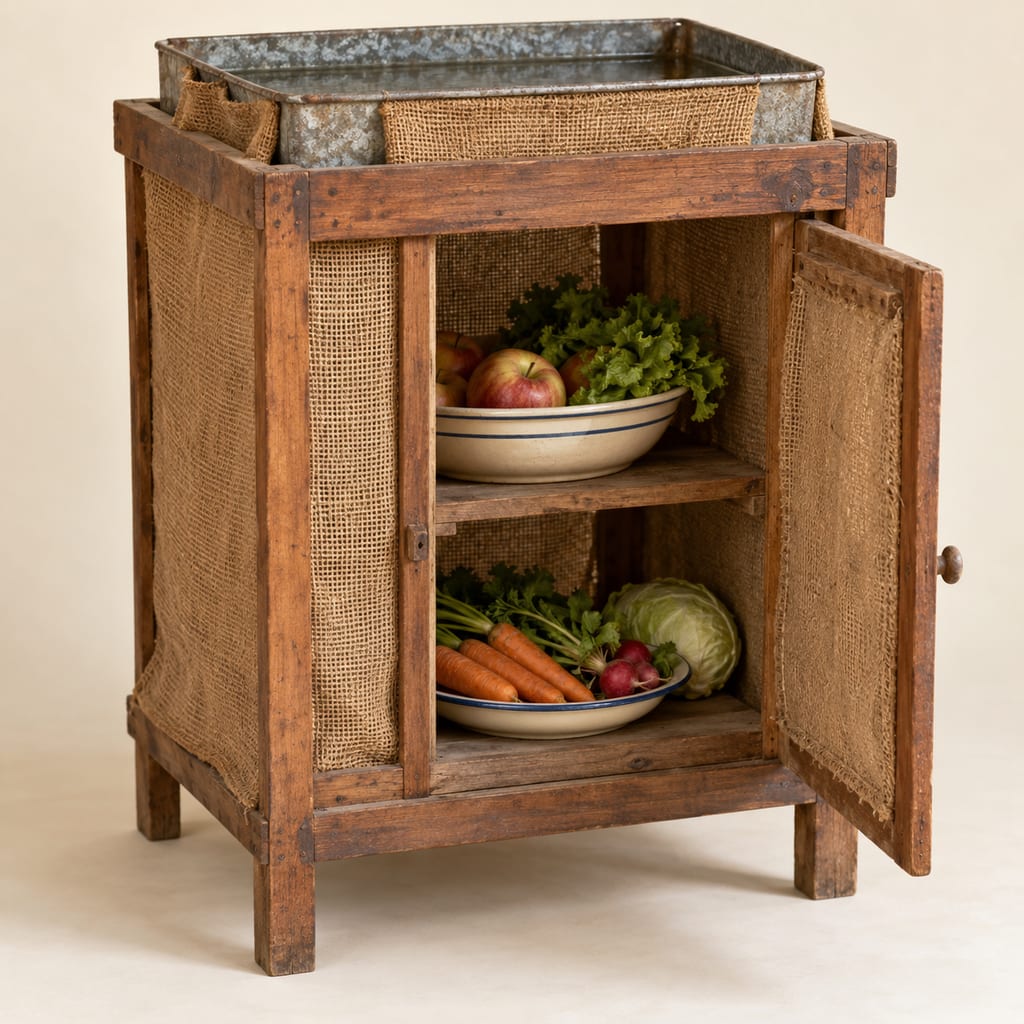
Coolgardie safe
An Australian food cupboard cooled by water evaporating from wet hessian panels, which draws heat from the air inside. It dates from the goldfields of Western Australia in the 1890s.
 FermenteaWhere food goes to change
626 sourced equipment pages: vessels, tools, appliances and built structures.
An Australian food cupboard cooled by water evaporating from wet hessian panels, which draws heat from the air inside. It dates from the goldfields of Western Australia in the 1890s.
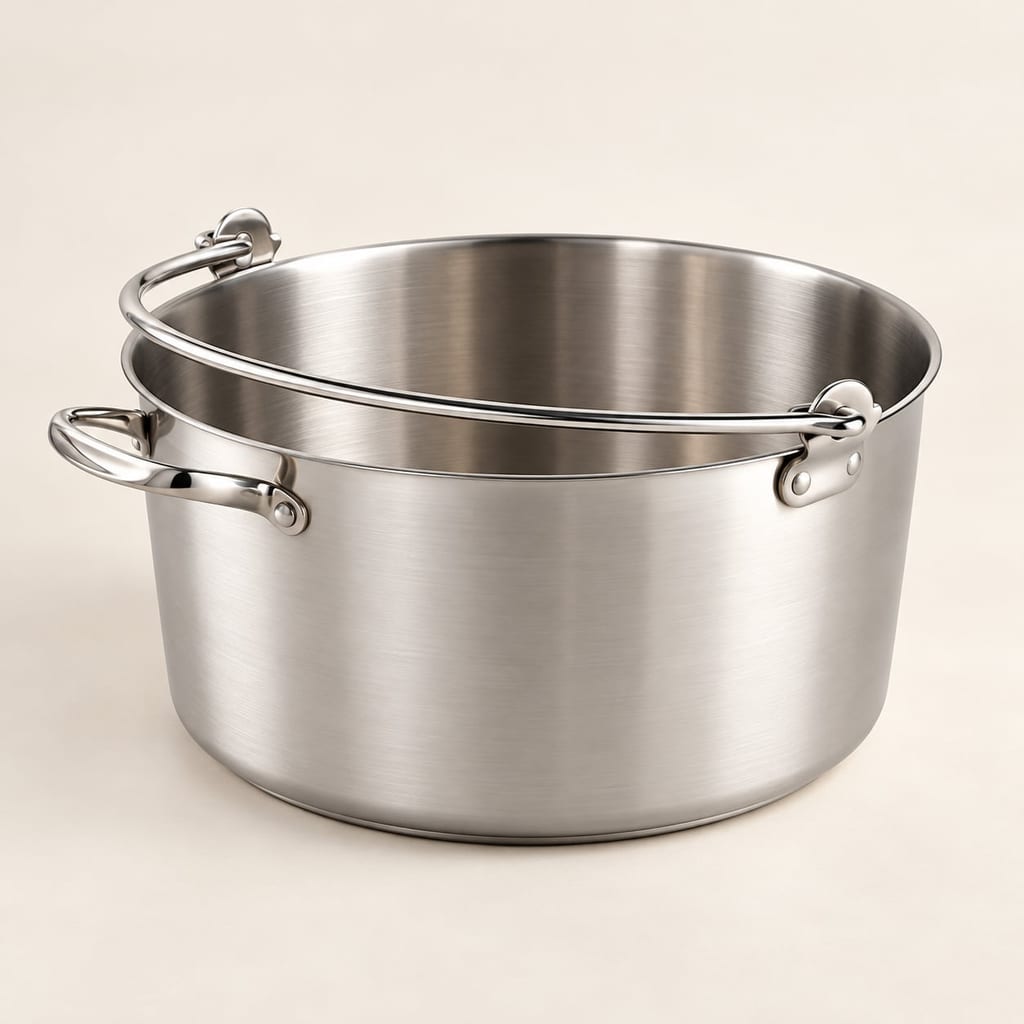
A contemporary, wide-mouthed stainless-steel pan for heating fruit mixtures into jams, marmalades, chutneys and other preserves. Its open surface supports evaporation, while base thickness, capacity and handles vary by model.
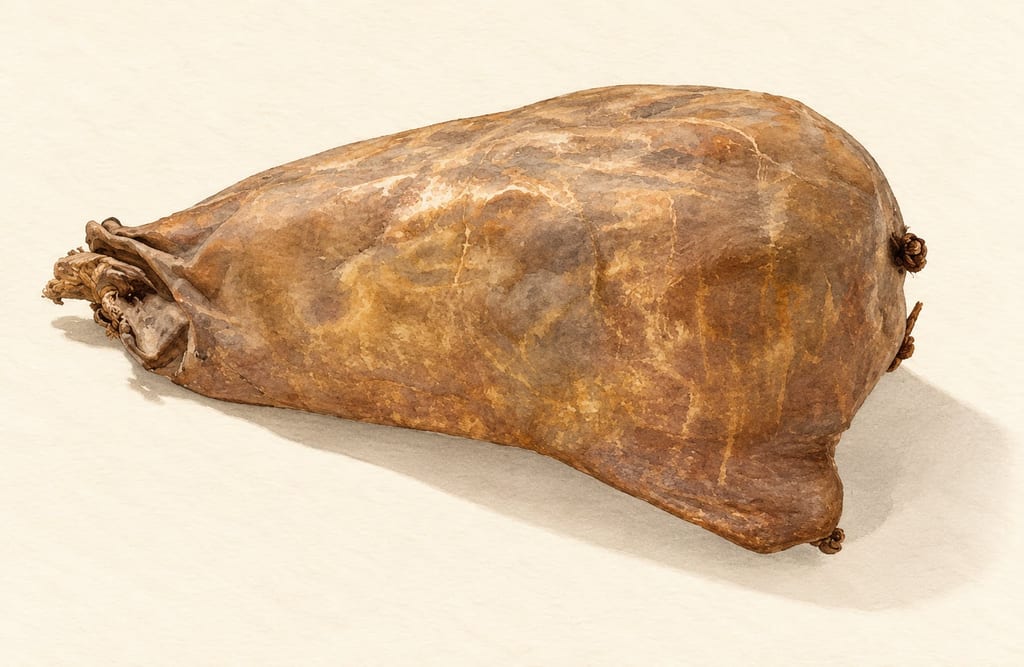
A surviving Australian Museum wallaby-skin water carrier made from a single hide, with a knotted, resin-tanned base and tied neck. Purchased in 1885; its maker, specific community and making date are not recorded.
Show on map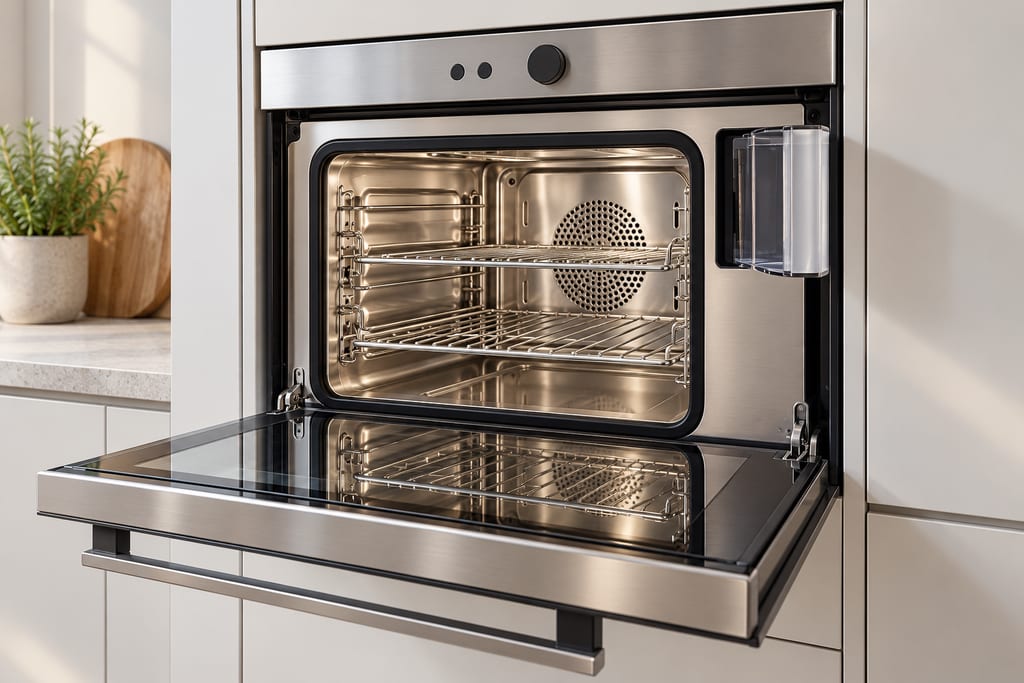
A steam oven cooks with water vapour; a combi oven pairs steam with circulating dry heat. Their modes and temperature controls differ by model, so a documented yogurt programme cannot be assumed for every oven.
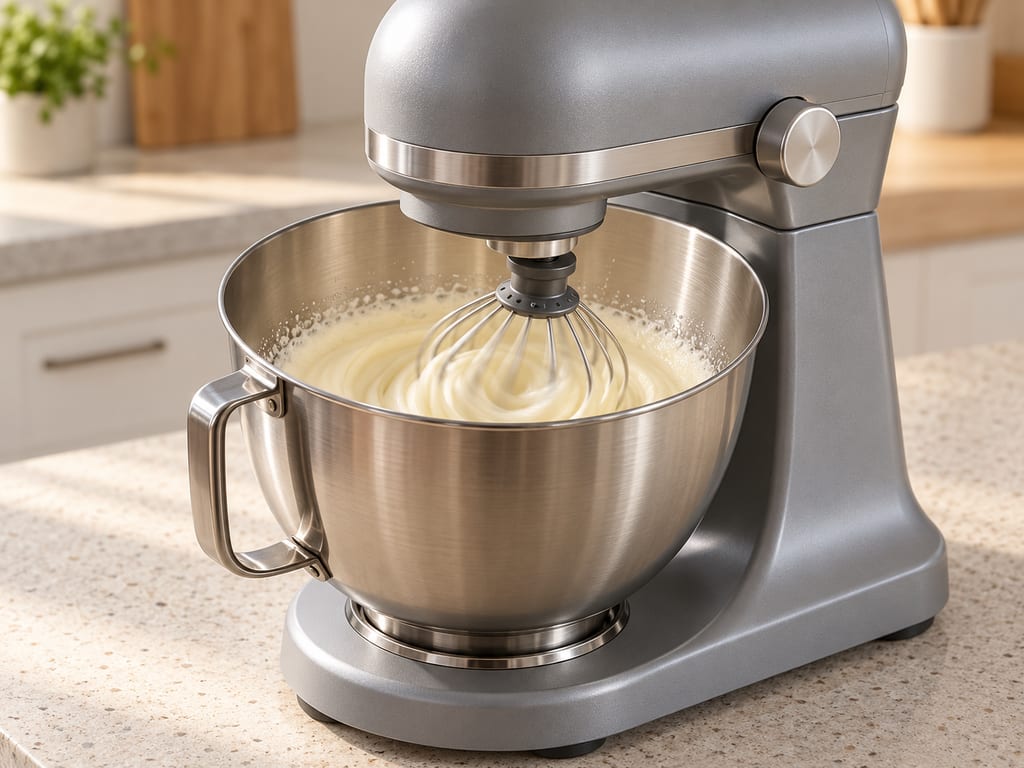
A stand mixer is a powered mixing machine built around a stationary base, a supported bowl and a driven beater or other tool. It can stir, beat, whip and knead; particular models may also accept separate accessories for other jobs.
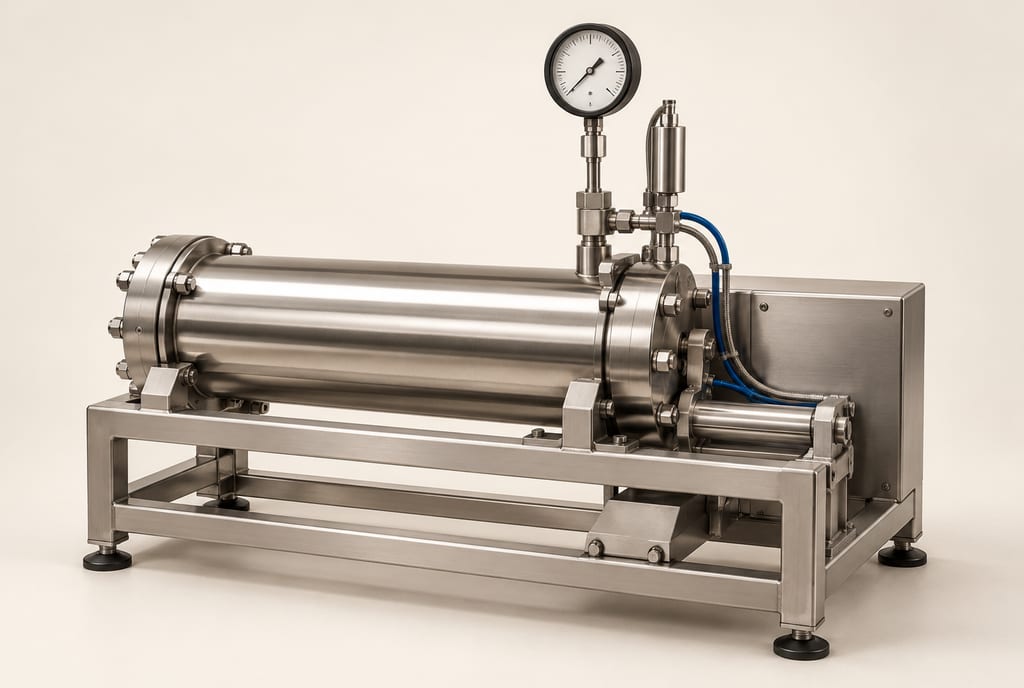
A pressure-rated vessel holds food in water while a high-pressure system applies a controlled hydrostatic treatment. Food, packaging and process conditions determine the result; ordinary HPP does not sterilize every product.
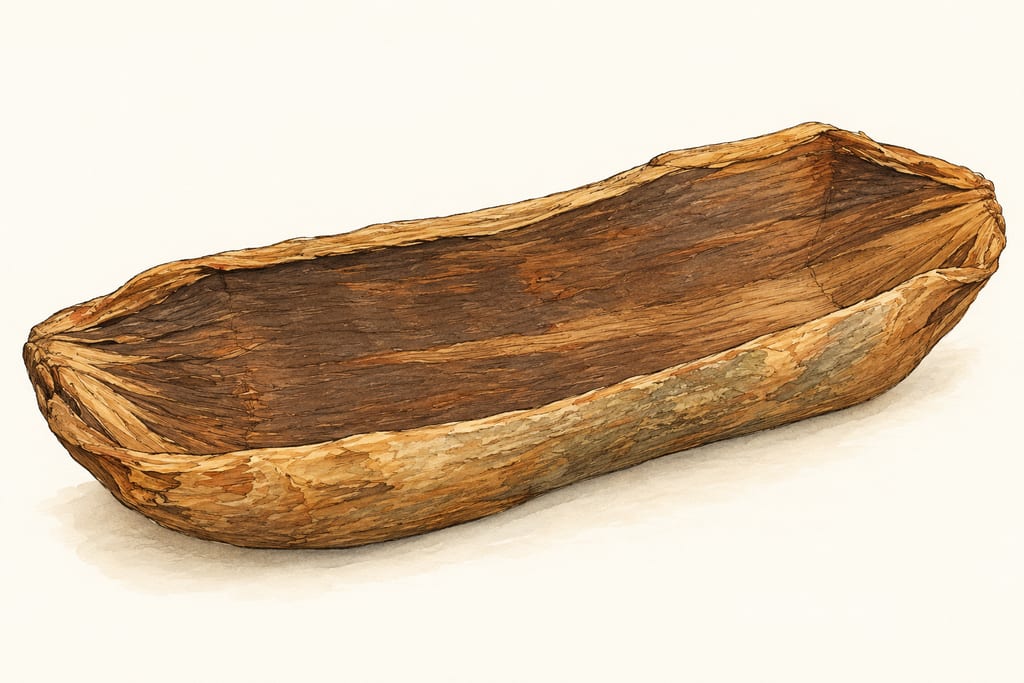
A wooden carrying dish used in Aboriginal food, water and seed work. Western Desert examples are called piti or ngurti; the general term does not imply one uniform form or fermentation use.
A Museums Victoria catalogue documents a Wangkangurru lukomb or kowapp, a rabbit-skin bag used to carry water around Lake Eyre. Its account describes skin preparation and tanning, while dating and image rights require care.