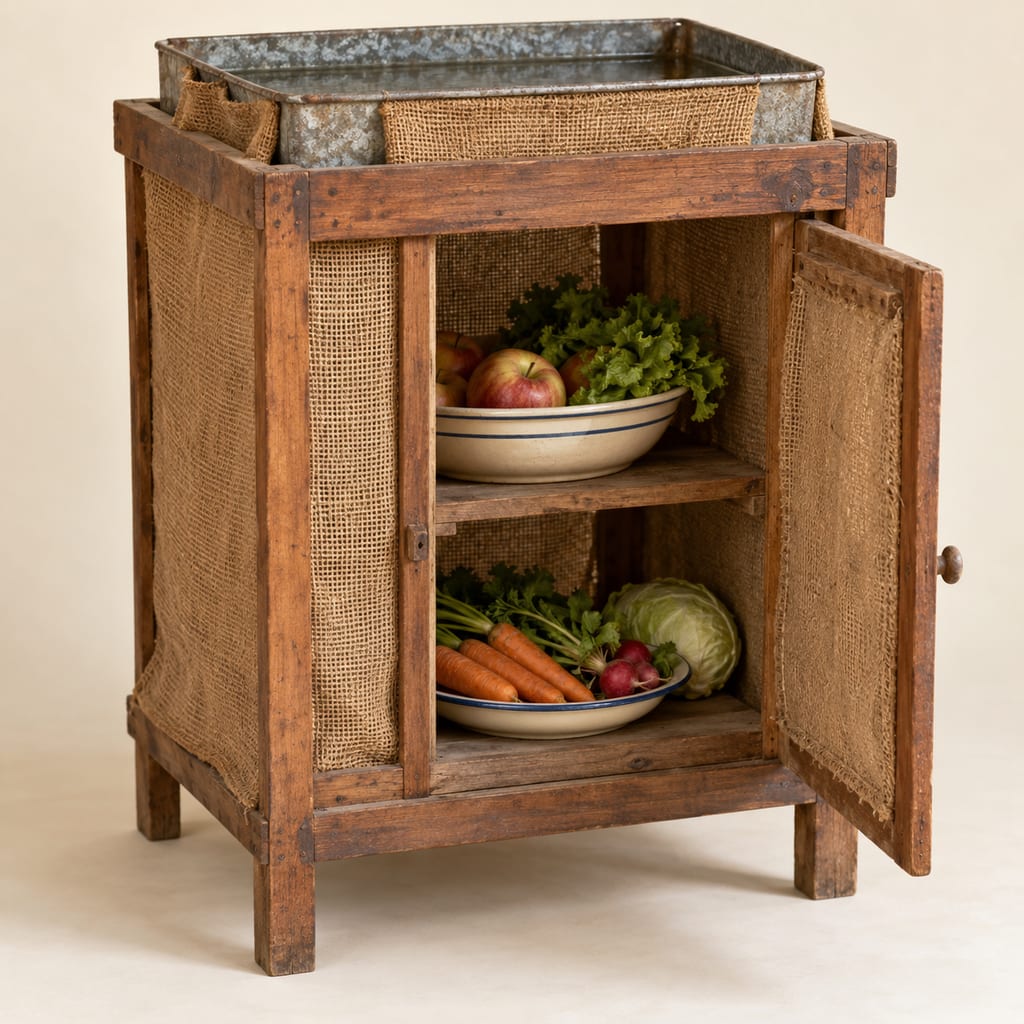
Coolgardie safe
An Australian food cupboard cooled by water evaporating from wet hessian panels, which draws heat from the air inside. It dates from the goldfields of Western Australia in the 1890s.
 FermenteaWhere food goes to change
Equipment · Gourds, calabashes and carved bowls
A wooden carrying dish used in Aboriginal food, water and seed work. Western Desert examples are called piti or ngurti; the general term does not imply one uniform form or fermentation use.
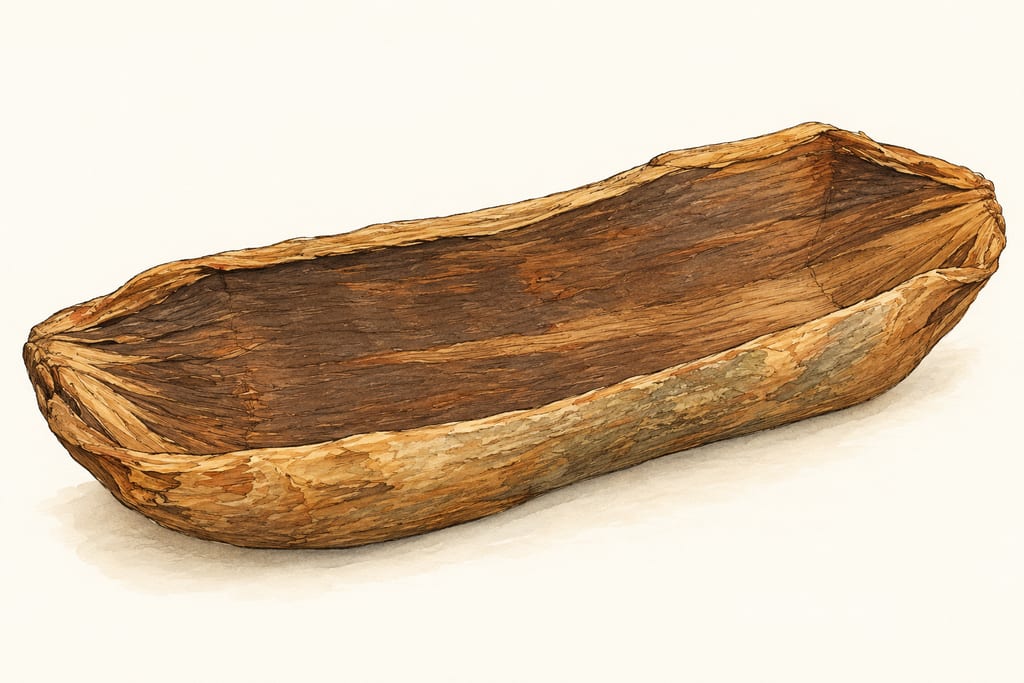
Coolamon is an English-language umbrella name for a family of carrying dishes, not a single standardized design. QAGOMA notes that the word is specific to northern and western New South Wales, but is now used more broadly for wooden vessels across Australia. In the Western Desert, the National Museum of Australia identifies wooden dishes as piti and ngurti. Those local names matter: a pan-Australian label should not erase the distinct languages, makers and Countries represented by individual objects.
Museum records describe shallow, trough-shaped forms whose curved base can help a dish sit upright on uneven ground. Their material and surface treatment vary. The Met's Wardaman carrying tray, dated to the early or middle twentieth century, is recorded as softwood and paint; the museum contrasts this example with hardwood trays further south. These are examples, not a recipe for one universal coolamon.
A coolamon's depth and length affect what it can carry. The National Museum of Australia describes deeper Western Desert bowls for food and water and for soaking medicinal plants, while shallower dishes were used to separate seed. QAGOMA describes flatter examples used like plates, deeper dishes used for gathering food or winnowing, and longer forms with high sides or inward-curving wings used as cradles. Smaller dishes also served as digging and clearing tools. These uses belong to different forms and contexts; they should not be collapsed into one object doing everything.
Seed sorting is part of a larger food system. The Australian Museum describes the labour of collecting seeds, separating them from husks, winnowing, grinding, and cooking cakes or loaves. A coolamon may be relevant equipment for seed work and the related seed-and-root bread record, but it is not itself a bread or a fermentation method.
The National Museum of Australia's account also places these objects in the history of colonial collecting along the Canning Stock Route. It describes official collections made in 1906–07 and 1930–31, including a coolamon collected by Canning's party. The same account records Aboriginal people adapting materials left by the stock-route works: Martu artists recognised a metal coolamon made from well troughing as the work of their parents. This is one documented object, not evidence that metal replaces wood everywhere; it shows why these vessels should be understood within living and changing material cultures, not as frozen relics.
The sources do not establish an origin date, standard dimensions, universal wood species, common care regimen, or a fermentation-specific function. The Met's dimensions describe one Wardaman object only. For a contemporary vessel, its maker and custodians are the right authorities on its name, use and care.
The National Museum of Australia describes Western Desert wooden dishes called piti and ngurti alongside contemporary Martu material culture. It also places museum collecting in the colonial history of the Canning Stock Route: Canning's party collected Aboriginal material culture in 1906–07 and again in 1930–31, while the museum account notes that people adapted the well materials left by those works. A metal coolamon recognised by Martu artists as made and used by their parents is one specific example of that continuing adaptation.
The sources describe carrying, food gathering and seed work; they do not establish coolamons as fermentation vessels or describe a fermentation process.
Source →There is no single material or geometry: shallow, deep and high-sided forms have different documented uses, and regional examples vary.
Source →The National Museum of Australia documents Western Desert wooden vessels called piti and ngurti; this is a regional example, not a label for all Aboriginal vessels.
QAGOMA says the word coolamon is specific to this area and has been adopted more broadly for wooden vessels; this marks the term's regional scope, not the exclusive geography of the object.
An Australian food cupboard cooled by water evaporating from wet hessian panels, which draws heat from the air inside. It dates from the goldfields of Western Australia in the 1890s.
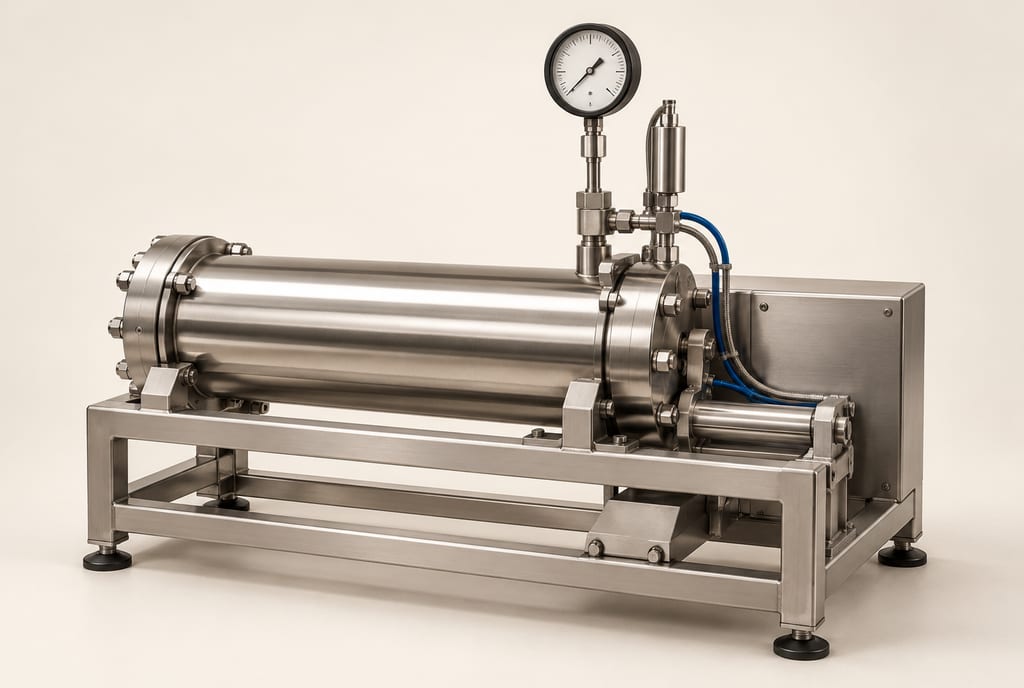
A pressure-rated vessel holds food in water while a high-pressure system applies a controlled hydrostatic treatment. Food, packaging and process conditions determine the result; ordinary HPP does not sterilize every product.
A Museums Victoria catalogue documents a Wangkangurru lukomb or kowapp, a rabbit-skin bag used to carry water around Lake Eyre. Its account describes skin preparation and tanning, while dating and image rights require care.
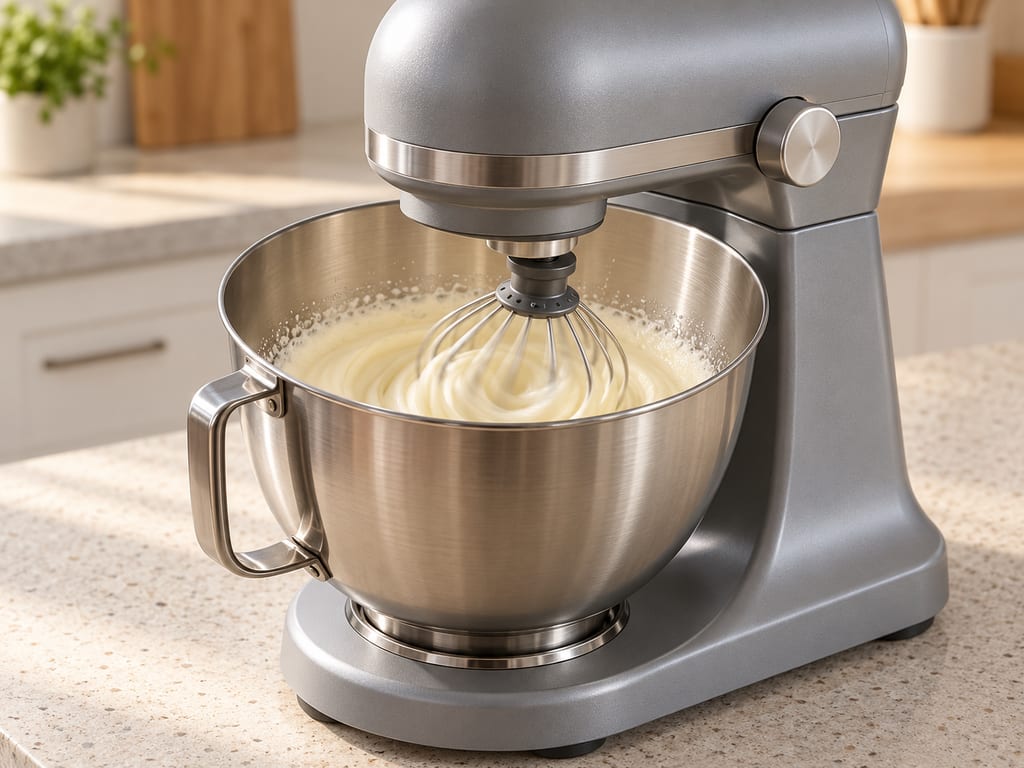
A stand mixer is a powered mixing machine built around a stationary base, a supported bowl and a driven beater or other tool. It can stir, beat, whip and knead; particular models may also accept separate accessories for other jobs.
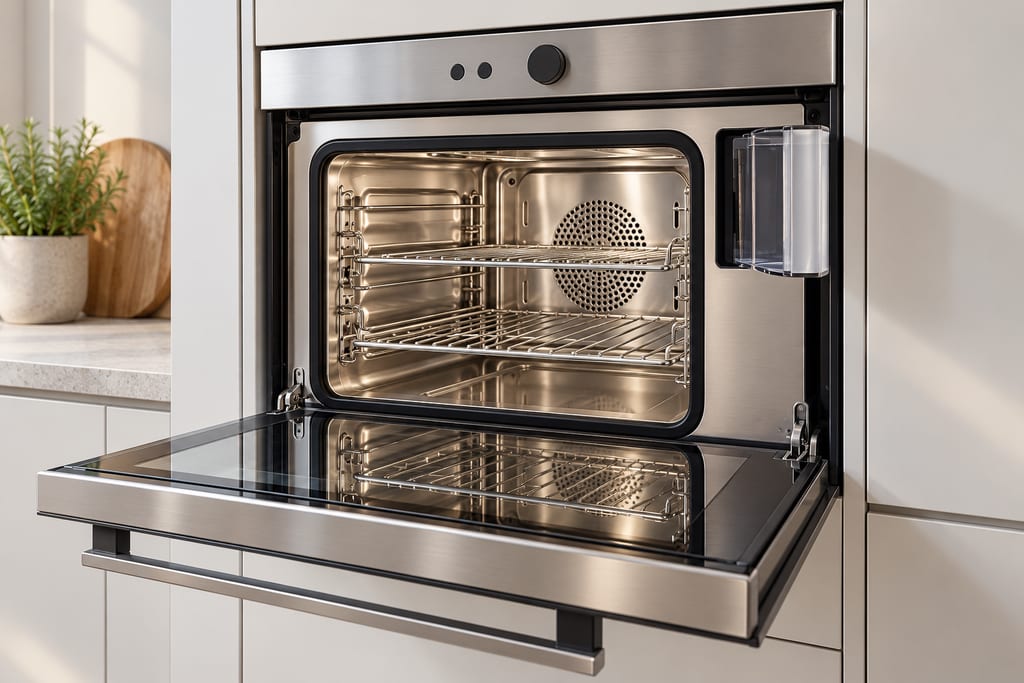
A steam oven cooks with water vapour; a combi oven pairs steam with circulating dry heat. Their modes and temperature controls differ by model, so a documented yogurt programme cannot be assumed for every oven.
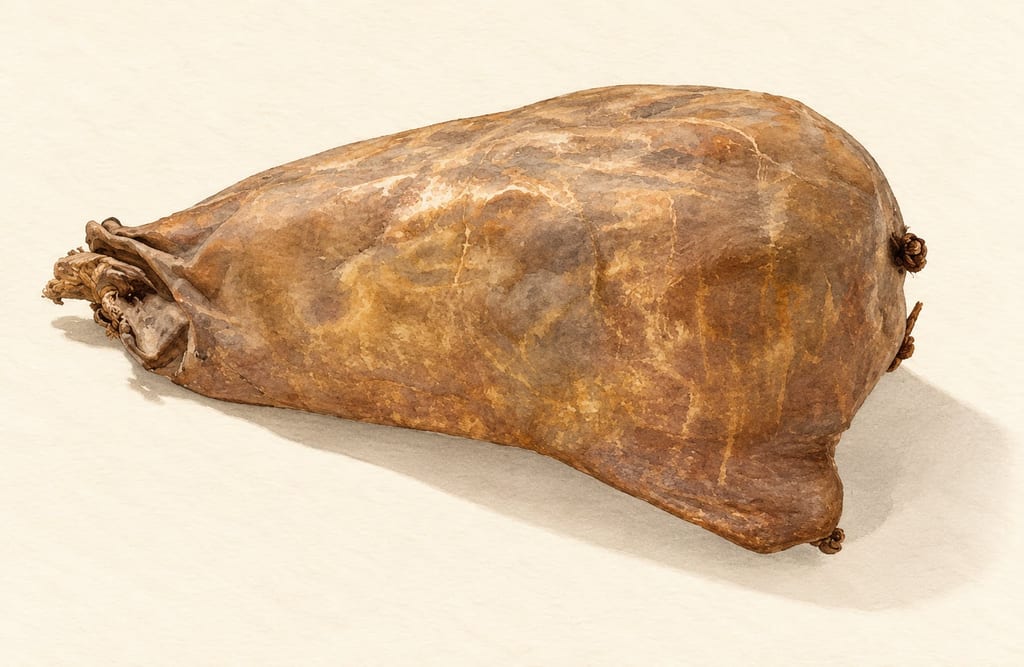
A surviving Australian Museum wallaby-skin water carrier made from a single hide, with a knotted, resin-tanned base and tied neck. Purchased in 1885; its maker, specific community and making date are not recorded.
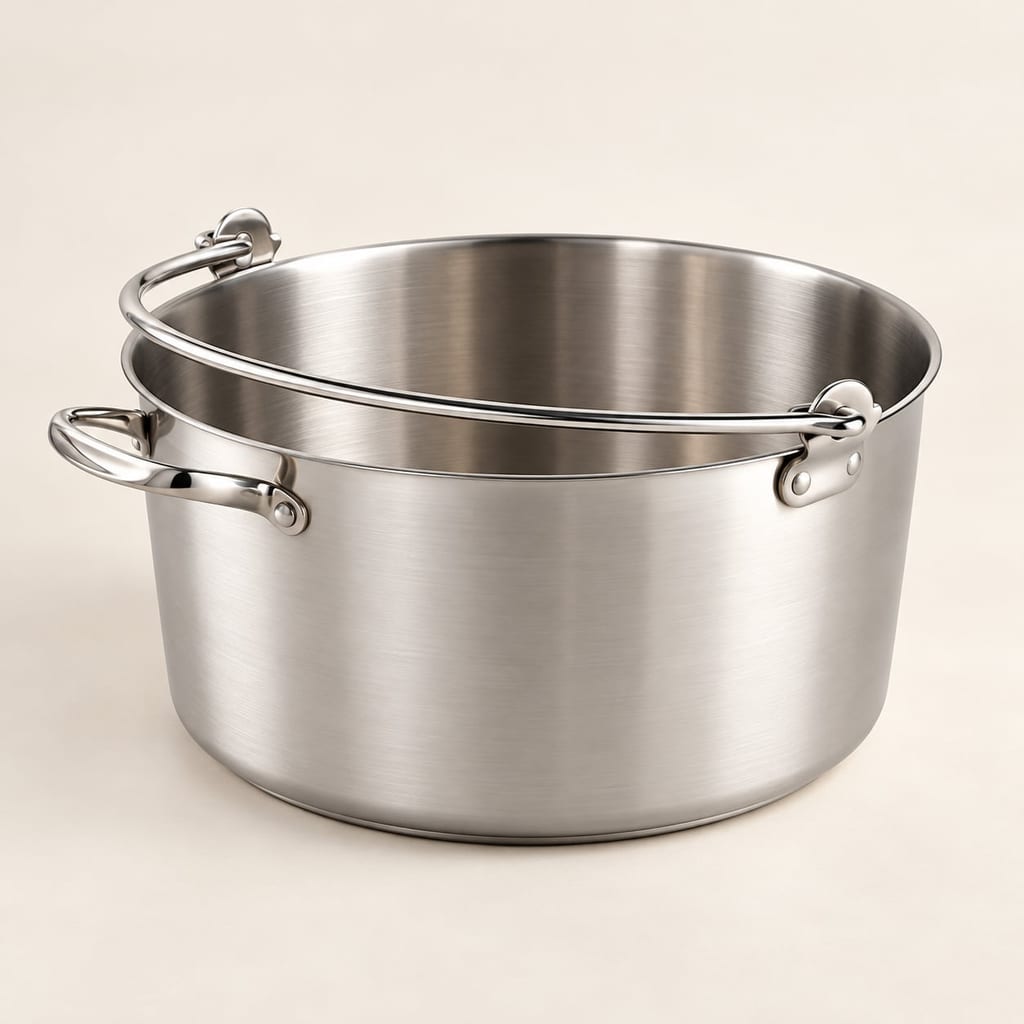
A contemporary, wide-mouthed stainless-steel pan for heating fruit mixtures into jams, marmalades, chutneys and other preserves. Its open surface supports evaporation, while base thickness, capacity and handles vary by model.
No community contributions have been published for this entry yet.
Sign in to contribute. Published comments and photos are free to read.
National Museum of AustraliaHistory · Cultural context · Use
Creating cultureThe page names Western Desert wooden coolamons as piti and ngurti.
It distinguishes deep bowls for carrying food and water and soaking medicinal plants from shallower seed-separating dishes and notes smaller digging and clearing uses.
It describes colonial collection history around the Canning Stock Route and a specific metal coolamon made from well troughing and recognised by Martu artists as their parents' work.
Cited in: A name shared across different forms; The shape follows the work; Collection history and living practice
Queensland Art Gallery | Gallery of Modern ArtTerminology · Form · Use · Geography
CoolamonsThe page says coolamon is specific to northern and western New South Wales and is now used more broadly for wooden vessels across Australia.
It describes shallow forms as plate-like, deeper dishes for gathering food, pastes or winnowing grain, and long or high-sided forms as cradles.
The page documents carved hardwood examples and dates particular collection objects to the late nineteenth and early twentieth centuries.
Cited in: A name shared across different forms; The shape follows the work
The Metropolitan Museum of ArtObject record · Form · Material · Geography
Carrying TrayThe Wardaman carrying tray is dated early to mid-twentieth century and recorded as wood and paint from the Northern Territory, Victoria River region.
The record describes shallow trough-shaped carrying trays, curved bottoms that sit upright on uneven ground, and differences in materials and ornamentation across regions.
The record specifies softwood for this Wardaman example and contrasts it with hardwood trays further south.
Cited in: A name shared across different forms; Collection history and living practice
Australian MuseumFood processing context
Food Culture: Aboriginal BreadThe museum describes seed gathering, separating seeds from husks, winnowing, grinding seeds, and cooking cakes or loaves as connected but distinct tasks in seed-food work.
It explains that seed breads varied by region and named plant foods; it does not provide a single recipe or claim a single shared bread tradition.
Cited in: The shape follows the work