Water
Water carries dissolved ingredients, transfers heat and forms the liquid environment of many ferments; its minerals and treatment influence how it behaves.
 FermenteaWhere food goes to change
Equipment · Historical object · Skins and bladders
A surviving Australian Museum wallaby-skin water carrier made from a single hide, with a knotted, resin-tanned base and tied neck. Purchased in 1885; its maker, specific community and making date are not recorded.
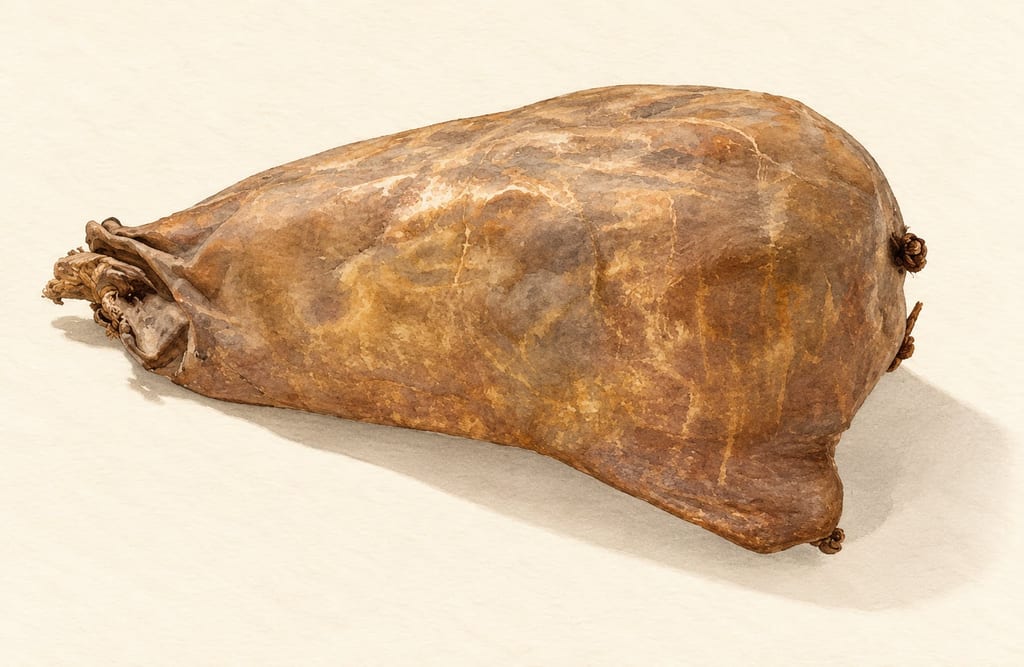
The Australian Museum describes this object as a water carrier made from the skin of a wallaby identified as the bridled nailtail wallaby (Onychogalea fraenata). The hide was removed in one piece, then shaped as a portable vessel. The neck is drawn together and tied with twine; the base is permanently closed with knotted twine and treated with resin. The museum says the resin treatment helped stop water escaping when the carrier was carried upright. This is a traditional hide vessel, not a manufactured bottle or sausage casing.
The surviving object measures 40 cm long, 16 cm wide and 10.5 cm deep. The museum estimates that it could have held about 6 litres. That figure is a museum estimate for this specimen, not a standardized capacity for wallaby-skin carriers.
The museum says First Nations people made skin carriers of this type to carry substantial quantities of water through arid and semi-arid parts of Australia. It describes this particular object as typical of such carriers, but does not identify its maker or a specific First Nations community. Its collection region should therefore not be used to assign a language group, Nation or maker.
The object was collected from an area between the Darling and Lachlan rivers in western New South Wales by a man from Mossgiel and purchased by the Australian Museum in 1885. The museum page title calls it “pre-1885,” but the text gives 1885 as the purchase date and does not establish when it was made. The purchase date is not a manufacture date.
The museum describes the skin as removed with as few incisions as possible, pulled down over the muscle and bone in one piece, then left to dry for a few weeks and treated with resin. It identifies twine as the closure material at the neck and base, but does not name the resin species or plant fibre used for the twine. The page also notes that local trees and grasses supplied resin and plant fibres for this type of work; it does not specify which species were used for this specimen.
The surviving object is described as brittle and cracked in appearance. The museum's record explains its historic water-carrying form, but does not recommend that it be filled or used today, and gives no cleaning or food-safety instructions. The page supports a careful account of one museum object and its broad First Nations context, not a universal design or an identified community-specific practice.
The Australian Museum describes the specimen as a typical example of skin water carriers made by First Nations people in arid and semi-arid Australia. It records museum purchase in 1885, not the date of manufacture.
The museum's estimate that the vessel could have held about 6 L is not a measured or verified capacity.
Source →The page title says “pre-1885,” while the text states that the museum purchased the object in 1885. The source does not date its manufacture.
Source →The museum does not identify the maker or a specific First Nations community for this specimen; do not infer one from its collection region.
Source →The museum describes the surviving object as brittle and cracked; it does not give current-use, cleaning or water-safety guidance.
Source →This water carrier is a hide vessel, not a sausage casing or a modern reusable water bag.
Source →The Australian Museum says this specimen was collected from an area between the Darling and Lachlan rivers; it gives no exact collection site or manufacture date.
The museum says First Nations people made skin carriers of this type to carry water through arid and semi-arid areas; it does not identify this specimen's maker or community.
Water carries dissolved ingredients, transfers heat and forms the liquid environment of many ferments; its minerals and treatment influence how it behaves.
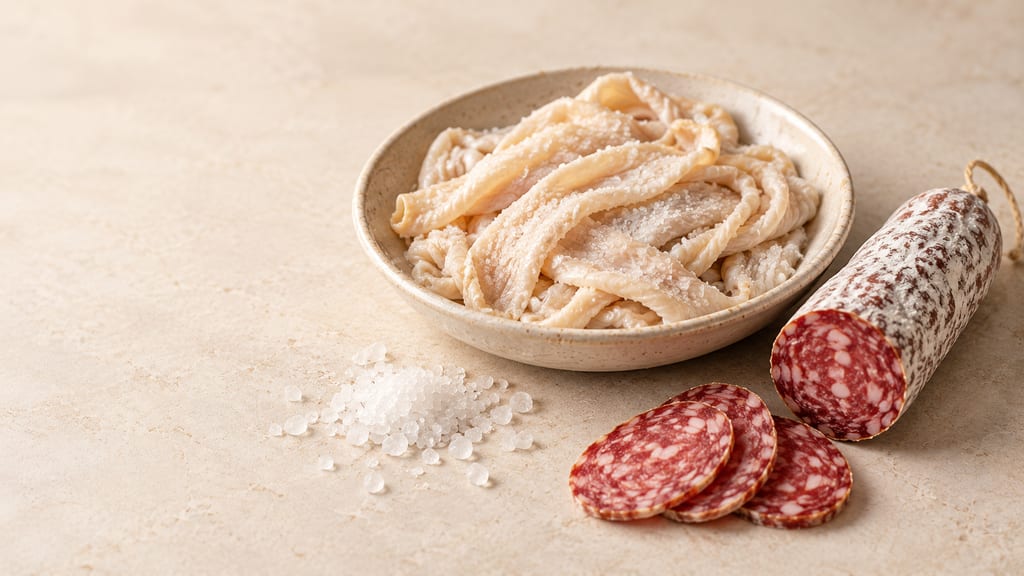
Gut, stomach, bladder, caul and skin have held food for as long as recipes have been written down. Which part of the animal a cook chose still decides a food's shape, how it dries and smokes, and how it is eaten.
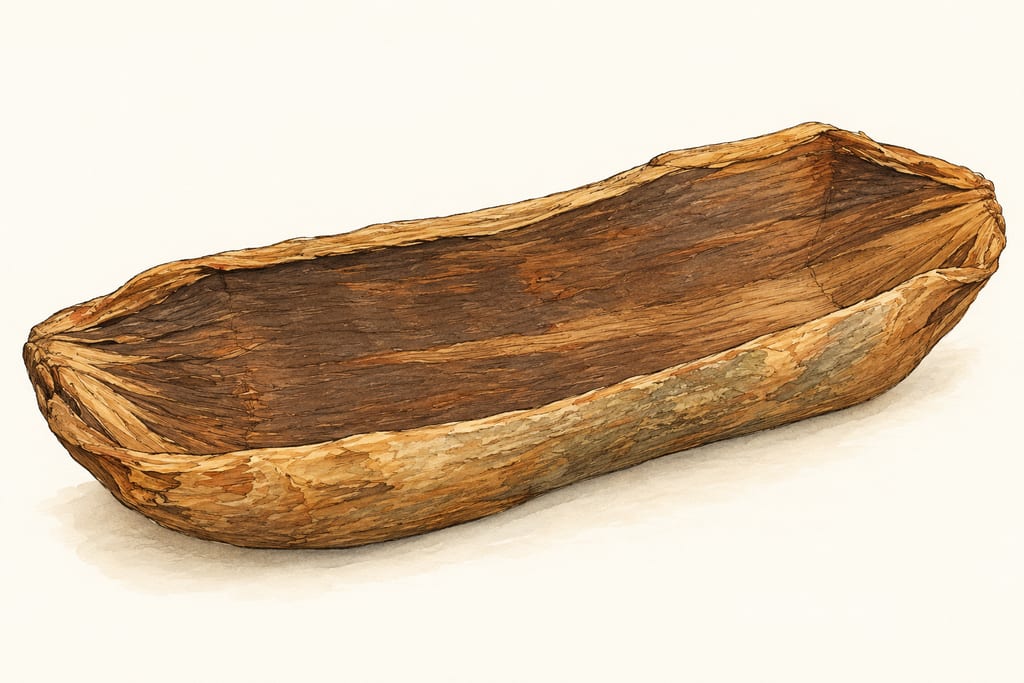
A wooden carrying dish used in Aboriginal food, water and seed work. Western Desert examples are called piti or ngurti; the general term does not imply one uniform form or fermentation use.
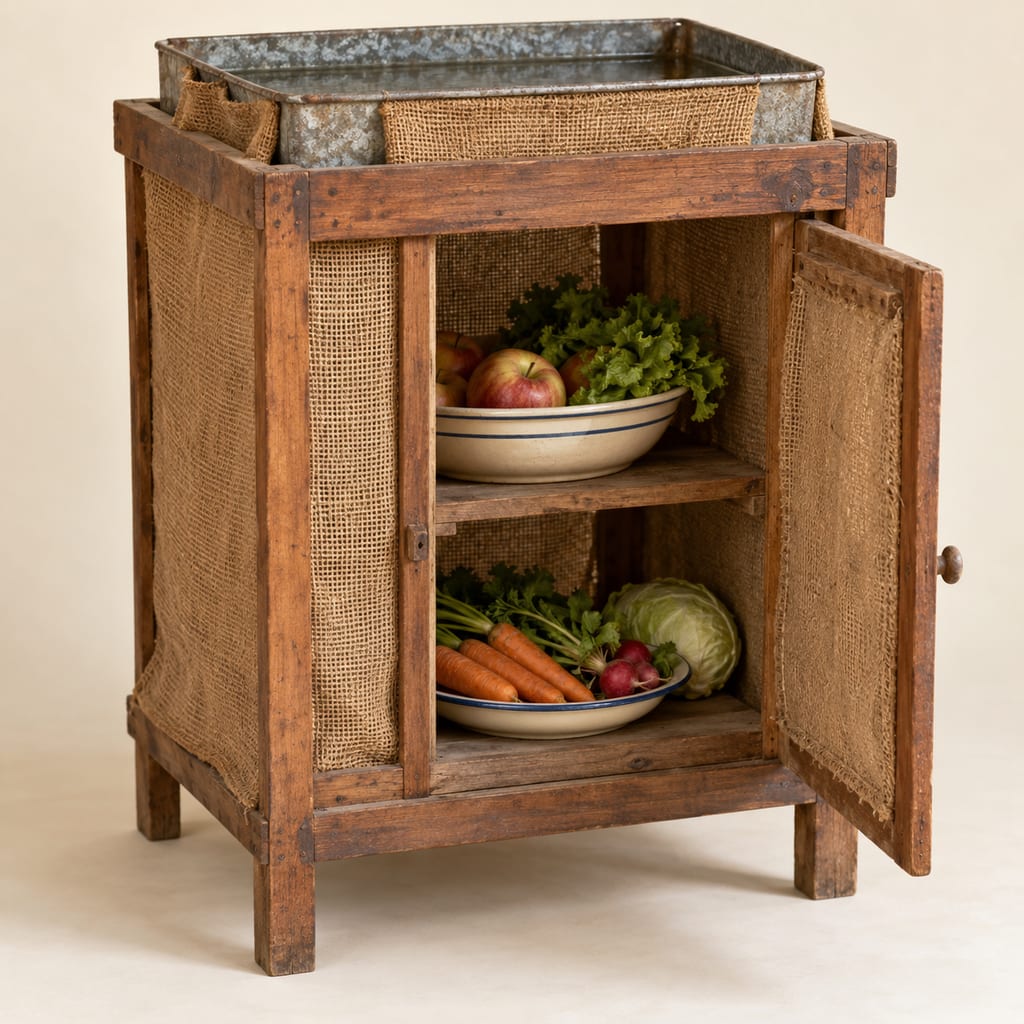
An Australian food cupboard cooled by water evaporating from wet hessian panels, which draws heat from the air inside. It dates from the goldfields of Western Australia in the 1890s.
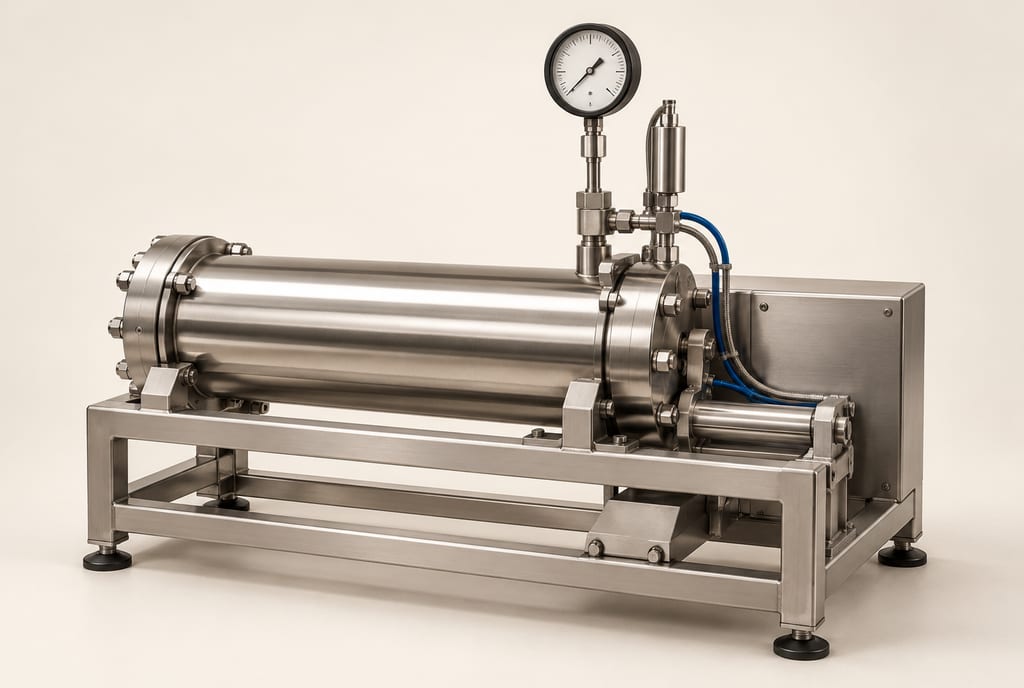
A pressure-rated vessel holds food in water while a high-pressure system applies a controlled hydrostatic treatment. Food, packaging and process conditions determine the result; ordinary HPP does not sterilize every product.
A Museums Victoria catalogue documents a Wangkangurru lukomb or kowapp, a rabbit-skin bag used to carry water around Lake Eyre. Its account describes skin preparation and tanning, while dating and image rights require care.
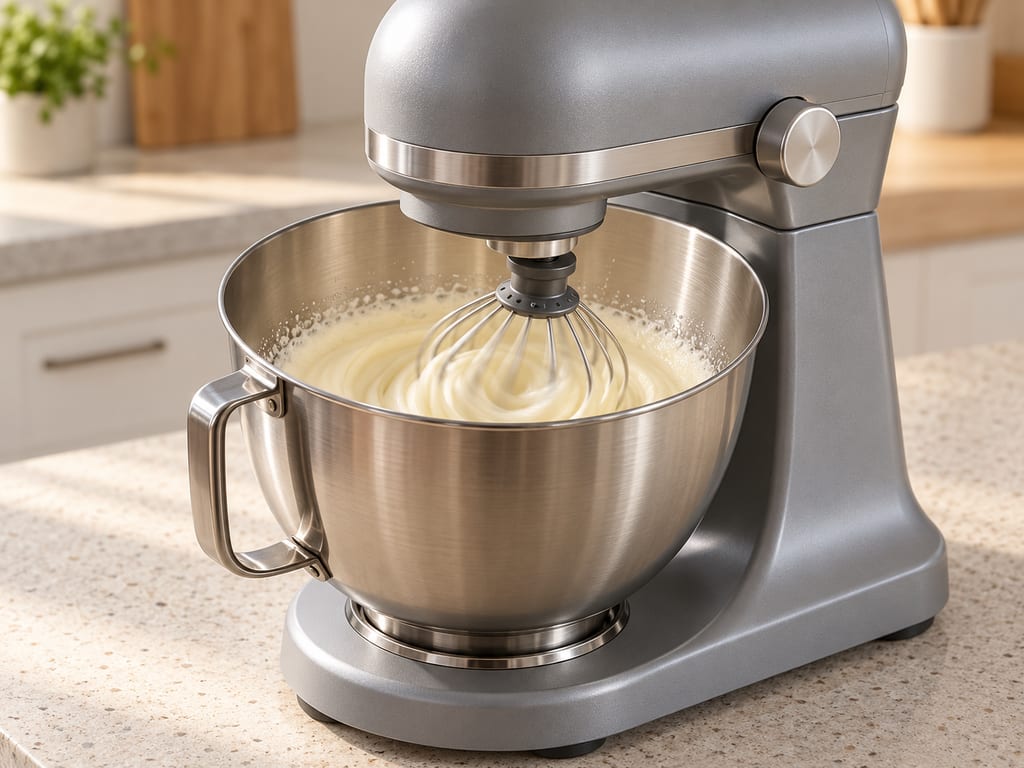
A stand mixer is a powered mixing machine built around a stationary base, a supported bowl and a driven beater or other tool. It can stir, beat, whip and knead; particular models may also accept separate accessories for other jobs.
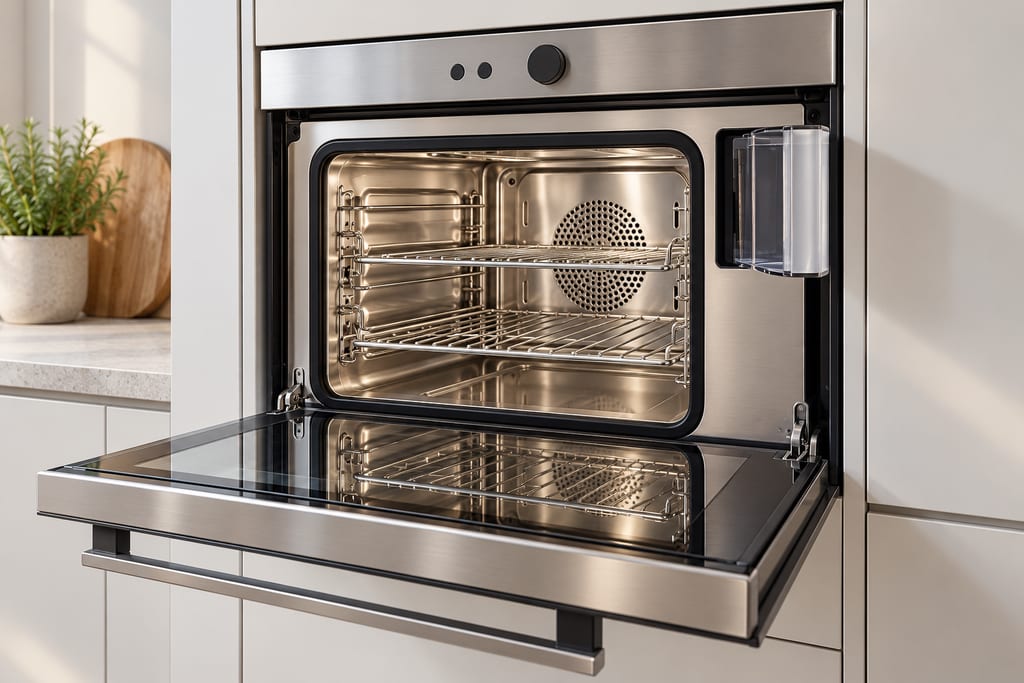
A steam oven cooks with water vapour; a combi oven pairs steam with circulating dry heat. Their modes and temperature controls differ by model, so a documented yogurt programme cannot be assumed for every oven.
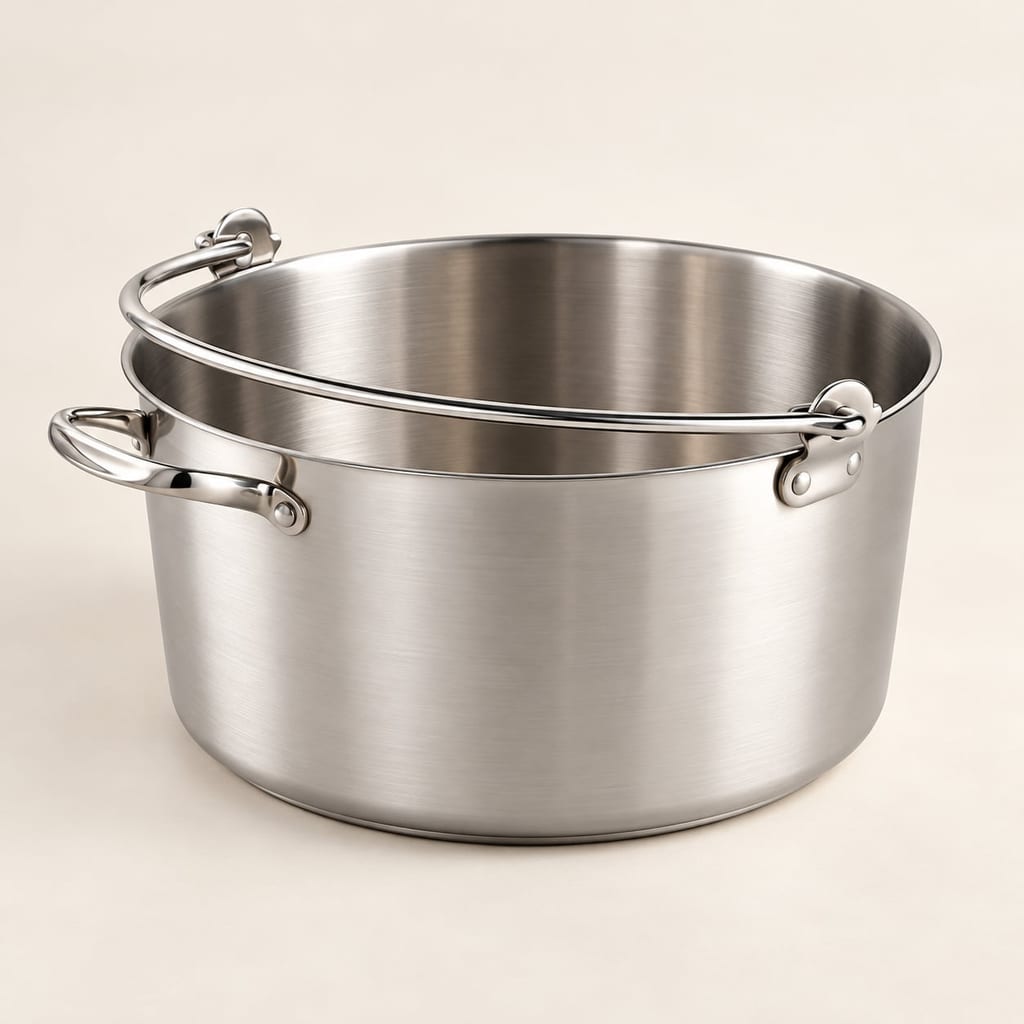
A contemporary, wide-mouthed stainless-steel pan for heating fruit mixtures into jams, marmalades, chutneys and other preserves. Its open surface supports evaporation, while base thickness, capacity and handles vary by model.
No community contributions have been published for this entry yet.
Sign in to contribute. Published comments and photos are free to read.
Australian MuseumObject documentation · Traditional context · Materials · Dimensions · Capacity estimate · Collection provenance
Wallaby-skin water carrierThe museum identifies the vessel skin as bridled nailtail wallaby and describes the hide as removed in one piece.
The base is permanently sealed with knotted twine and treated with resin; the neck is tied with twine for access.
The museum gives dimensions of 40 × 16 × 10.5 cm and estimates the vessel could have held approximately 6 L.
The museum says skin water carriers of this type were made by First Nations people for carrying water through arid and semi-arid areas; it does not name the maker's community.
This specimen was collected from an area between the Darling and Lachlan rivers in western New South Wales and purchased by the Australian Museum in 1885; the making date is not stated.
The museum describes the surviving object as brittle and cracked in appearance.
Cited in: A whole-skin carrier for water; Traditional context and careful attribution; Materials, closure and limits of the record