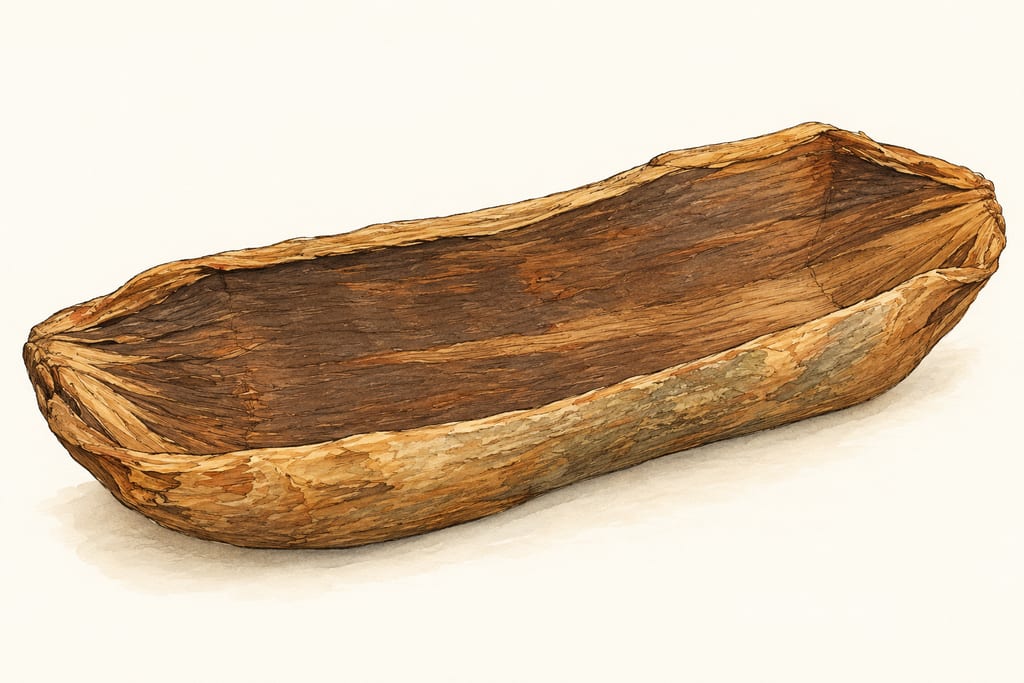
Coolamon
A wooden carrying dish used in Aboriginal food, water and seed work. Western Desert examples are called piti or ngurti; the general term does not imply one uniform form or fermentation use.
 FermenteaWhere food goes to change
Equipment · Industrial and laboratory plant
A pressure-rated vessel holds food in water while a high-pressure system applies a controlled hydrostatic treatment. Food, packaging and process conditions determine the result; ordinary HPP does not sterilize every product.
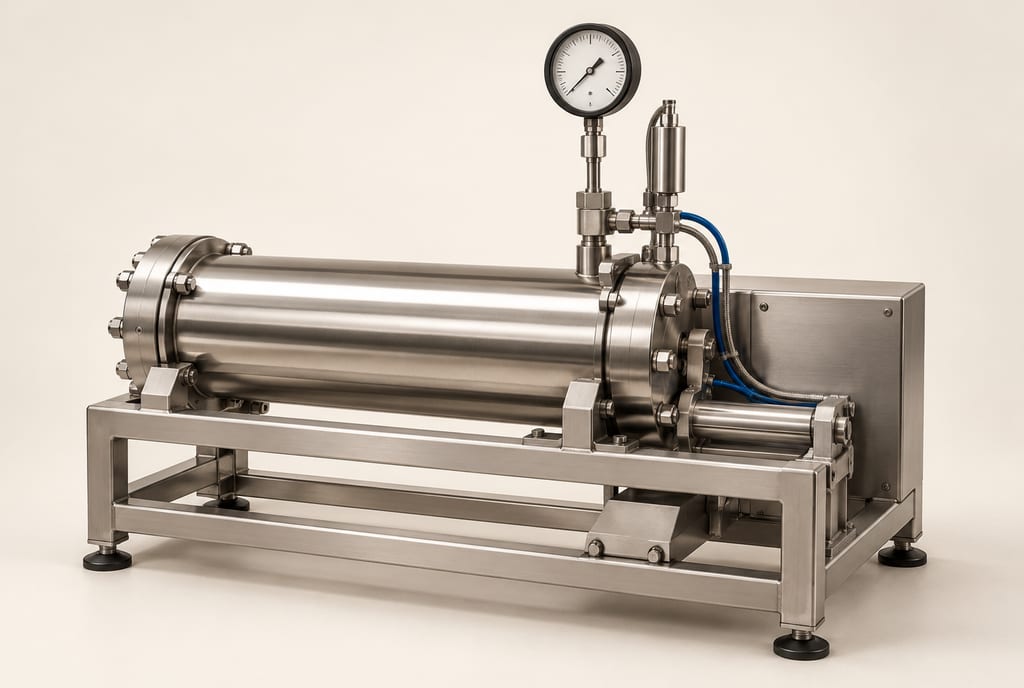
A high-pressure processing vessel is the pressure-bearing chamber at the centre of an HPP system. In batch processing, packaged food is placed inside the chamber, which is filled with water. A pressure system raises the water pressure, holds it for a defined period, then releases it so the chamber can be unloaded. Water transmits the pressure to the package and its contents. Because the treatment is isostatic, pressure is applied throughout the product rather than from one pressing face; the product's shape is not the same kind of barrier it would be under a mechanical press.
The linked photograph records one small research unit at Food Science Australia: its caption identifies a two-litre HPP machine, and the image shows a horizontal metal chamber with a gauge. It is a useful example of a vessel and loading stage, not a template for all production machines. This page does not assign a universal capacity, dimension, alloy or closure design. Commercial systems, pilot units and laboratory apparatus differ, and a photograph does not reveal their internal pressure rating or safeguards.
EFSA describes high-pressure treatment as a non-thermal process used to reduce vegetative microorganisms in foods. The pressure and hold time are chosen for the product and target outcome; water activity, acidity, food composition and the microorganism can change the result. The processing cycle includes compression, a hold at target conditions and decompression. A chamber is therefore only one part of a validated system: the pump or intensifier, pressure controls, temperature conditions, packaging, loading pattern and product formulation all matter.
Batch HPP is commonly used for products already sealed in flexible packages, helping avoid recontamination from handling after treatment. The equipment can also treat liquid products using continuous or semi-continuous arrangements, but those systems handle the product differently. A vessel photograph should not lead readers to assume every HPP process uses the same package, pressure cycle or vessel layout.
Pressure treatment can reduce pathogens and spoilage organisms while retaining some qualities that heat may change, but it is not sterilisation by default. Bacterial spores are more pressure resistant than vegetative cells; ordinary non-thermal HPP does not reliably destroy them. Many treated foods still depend on refrigeration, acidity or another validated preservation barrier. EFSA also stresses that efficacy varies with both the food and the intended microbial target. Results from one product cannot be carried over to another just because both fit in the chamber.
The figures sometimes used to describe HPP are not a home processing instruction. A food business must validate the pressure and time for its own product, packaging and safety target, and maintain a process that delivers those conditions. This entry records equipment form and function; it does not provide an operating recipe, certify a machine, or replace the manufacturer's safety and maintenance instructions.
HPP chambers operate under very high hydrostatic pressure. A vessel failure can release stored energy as a blast; the generic pressure-vessel guidance does not assess any specific HPP model.
Hazard sourceInstallation, commissioning and maintenance should be performed by suitably skilled persons according to the manufacturer's specifications.
Control sourceThis page does not provide operating settings, pressure ratings, service intervals or opening procedures. Use the exact equipment manufacturer's documentation and facility procedures; it is not an operating manual.
HPP efficacy depends on the food matrix, target organism and validated pressure/time conditions. A vessel does not supply a universal treatment recipe.
Source →Ordinary non-thermal HPP does not reliably inactivate bacterial spores. HPP-treated foods may require other preservation barriers such as refrigeration or acidity.
Source →The image documents a two-litre unit at Food Science Australia. This is one research-scale example, not the origin of HPP or a claim that all HPP equipment is Australian.
A wooden carrying dish used in Aboriginal food, water and seed work. Western Desert examples are called piti or ngurti; the general term does not imply one uniform form or fermentation use.
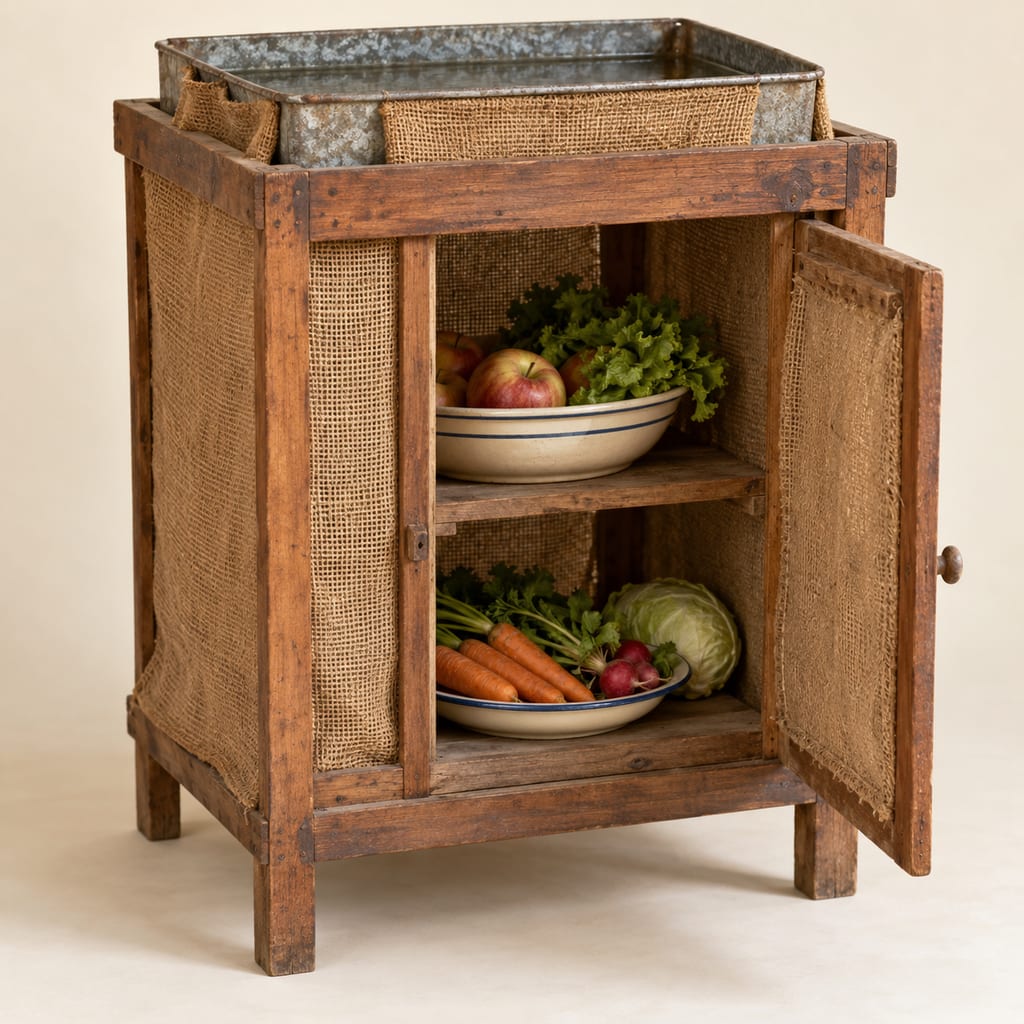
An Australian food cupboard cooled by water evaporating from wet hessian panels, which draws heat from the air inside. It dates from the goldfields of Western Australia in the 1890s.
A Museums Victoria catalogue documents a Wangkangurru lukomb or kowapp, a rabbit-skin bag used to carry water around Lake Eyre. Its account describes skin preparation and tanning, while dating and image rights require care.
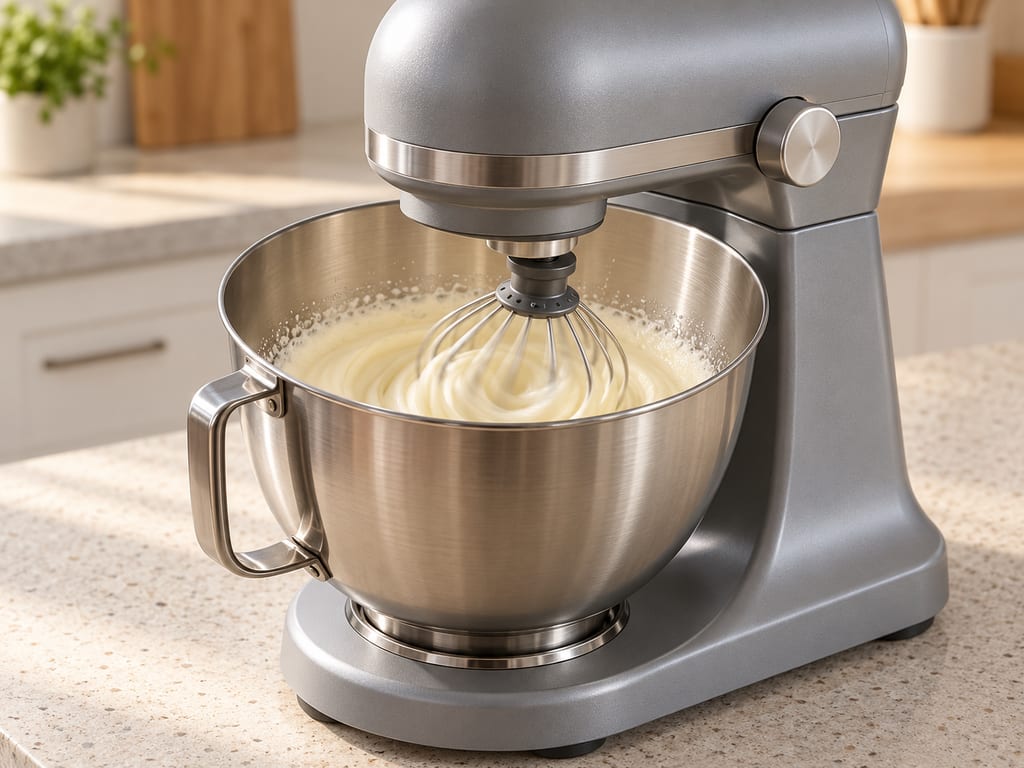
A stand mixer is a powered mixing machine built around a stationary base, a supported bowl and a driven beater or other tool. It can stir, beat, whip and knead; particular models may also accept separate accessories for other jobs.
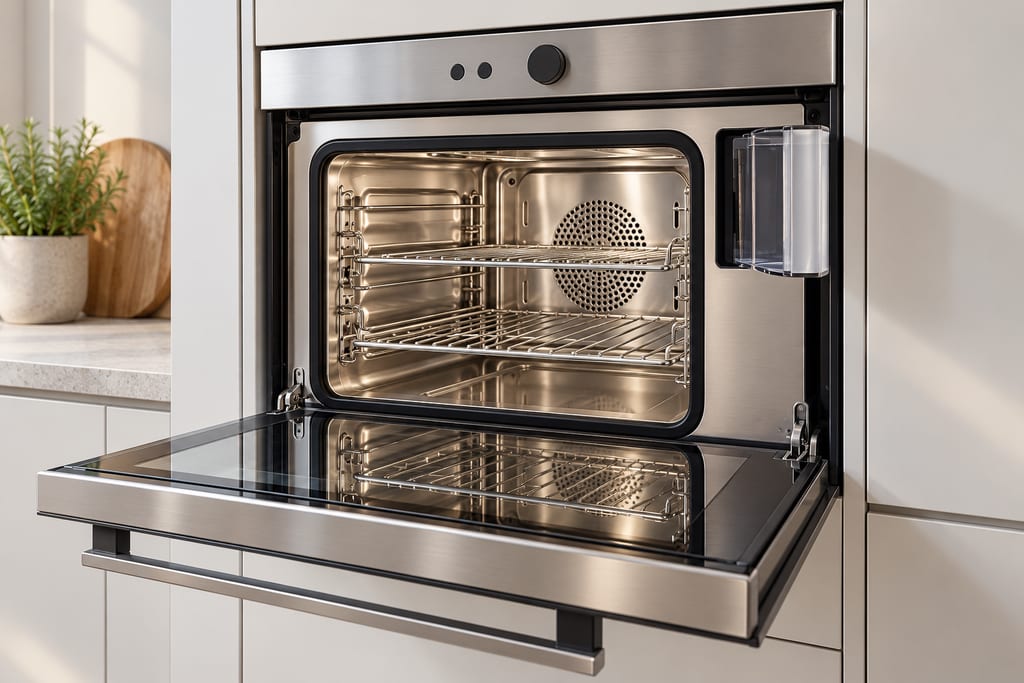
A steam oven cooks with water vapour; a combi oven pairs steam with circulating dry heat. Their modes and temperature controls differ by model, so a documented yogurt programme cannot be assumed for every oven.
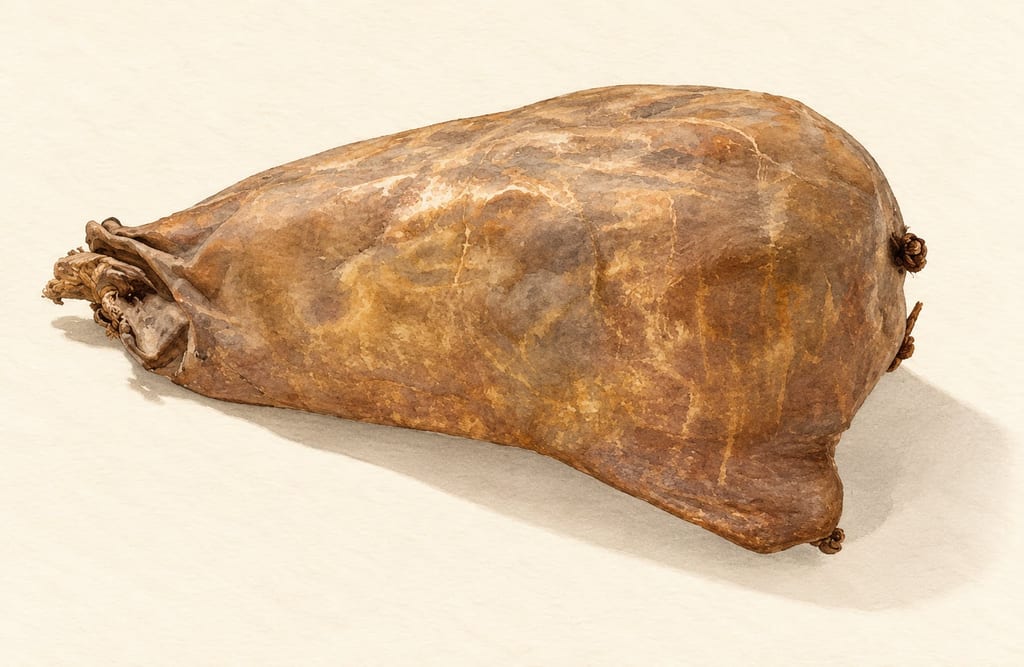
A surviving Australian Museum wallaby-skin water carrier made from a single hide, with a knotted, resin-tanned base and tied neck. Purchased in 1885; its maker, specific community and making date are not recorded.
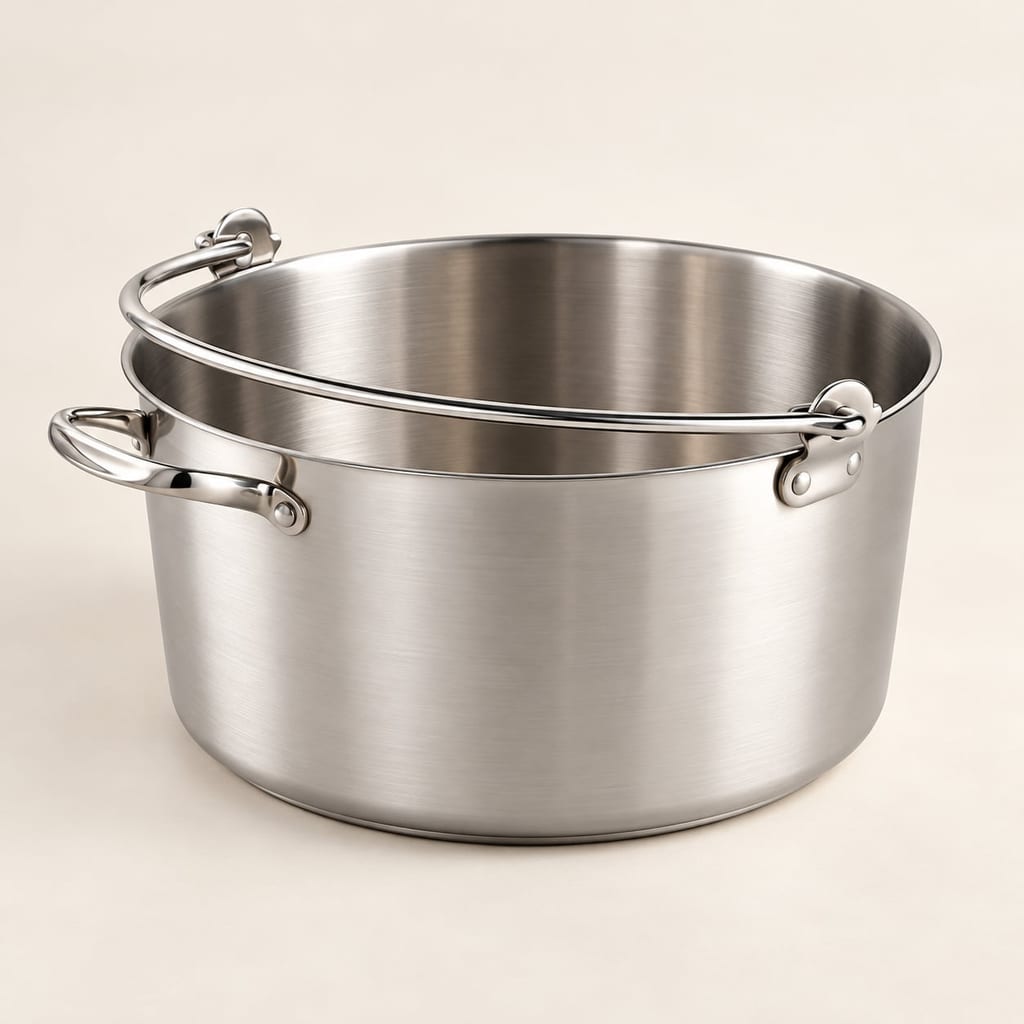
A contemporary, wide-mouthed stainless-steel pan for heating fruit mixtures into jams, marmalades, chutneys and other preserves. Its open surface supports evaporation, while base thickness, capacity and handles vary by model.

Soft, spreadable Calabrian pork sausage made with a great deal of red chilli and fatty pork, stuffed into natural casings, sometimes smoked and matured while staying soft.

A way to add independent temperature logging to an existing food dehydrator without changing its built-in controls or protections. It is a monitoring method, not a rewiring plan.

Pleurotus cystidiosus is the abalone mushroom, a cultivated oyster-type fungus with dark brown caps that grows more slowly and is more demanding than other Pleurotus species.

A dark, balanced vinegar from Emilia-Romagna made by combining cooked or concentrated grape must with wine vinegar, then acetifying and refining it in wood under a protected specification.

A living dairy inoculum that starts controlled cream fermentation, developing acidity and aroma before sour cream or cultured butter is finished.

A small electric incubator holds jars at a selected temperature for yogurt and other documented warm food preparations. Controls, capacity and vessel arrangement vary by model.

Adygean salt is a seasoned table salt associated with Adygea and the wider North Caucasian culinary tradition. Salt is blended with garlic and a variable selection of herbs and spices; the exact mix depends on the named style and maker.

The African Caesar-group mushroom, Amanita masasiensis, is a wild ectomycorrhizal species of central and southern African woodlands, eaten locally. The genus contains deadly poisonous species, so identification needs care.
No community contributions have been published for this entry yet.
Sign in to contribute. Published comments and photos are free to read.
EFSA JournalEquipment operation · Food safety · Process limits
The efficacy and safety of high-pressure processing of foodHPP applies isostatic pressure; food and organism characteristics, pressure and holding time affect microbial reduction.
Commercial systems use water as the pressure-transmitting fluid; products are commonly pre-packed before treatment.
The assessment distinguishes food-specific outcomes and process conditions; it does not establish one universally valid treatment.
Cited in: What the pressure cycle does; Food safety and practical limits
Virginia Cooperative Extension, Virginia TechEquipment form · Operating cycle
How is High Pressure Processing Used to Process Foods?Batch HPP places packaged products in a water-filled vessel, then holds and releases the pressure.
The extension distinguishes batch processing of packaged solids from continuous or semi-continuous treatment of flowing liquids.
Cited in: A vessel in a pressure-processing system; What the pressure cycle does
Wikimedia Commons; original source CSIRO ScienceImageGeography · Equipment form · Visual reference
CSIRO ScienceImage 2672: Loading bottles into the high-pressure processing unitThe image caption identifies a two-litre high-pressure processing unit at Food Science Australia and dates the photograph to 22 March 2006.
The visible unit has a horizontal metal chamber and pressure gauge; its exact alloy and internal specifications are not stated.
The file page licenses the photograph under Creative Commons Attribution 3.0 Unported.
Cited in: A vessel in a pressure-processing system
U.S. Occupational Safety and Health AdministrationPressure system hazard
Pressure Vessels — Hazard RecognitionOSHA describes blast effects from sudden expansion of pressurized fluid after pressure-vessel rupture. This generic hazard supports caution, not a model-specific risk assessment.
New Zealand Ministry for Primary IndustriesEquipment safety · Installation and maintenance
Guidance document on further processing: high-pressure processingThe HPP guidance says equipment should be installed, commissioned and maintained by suitably skilled persons according to the manufacturer's specifications.