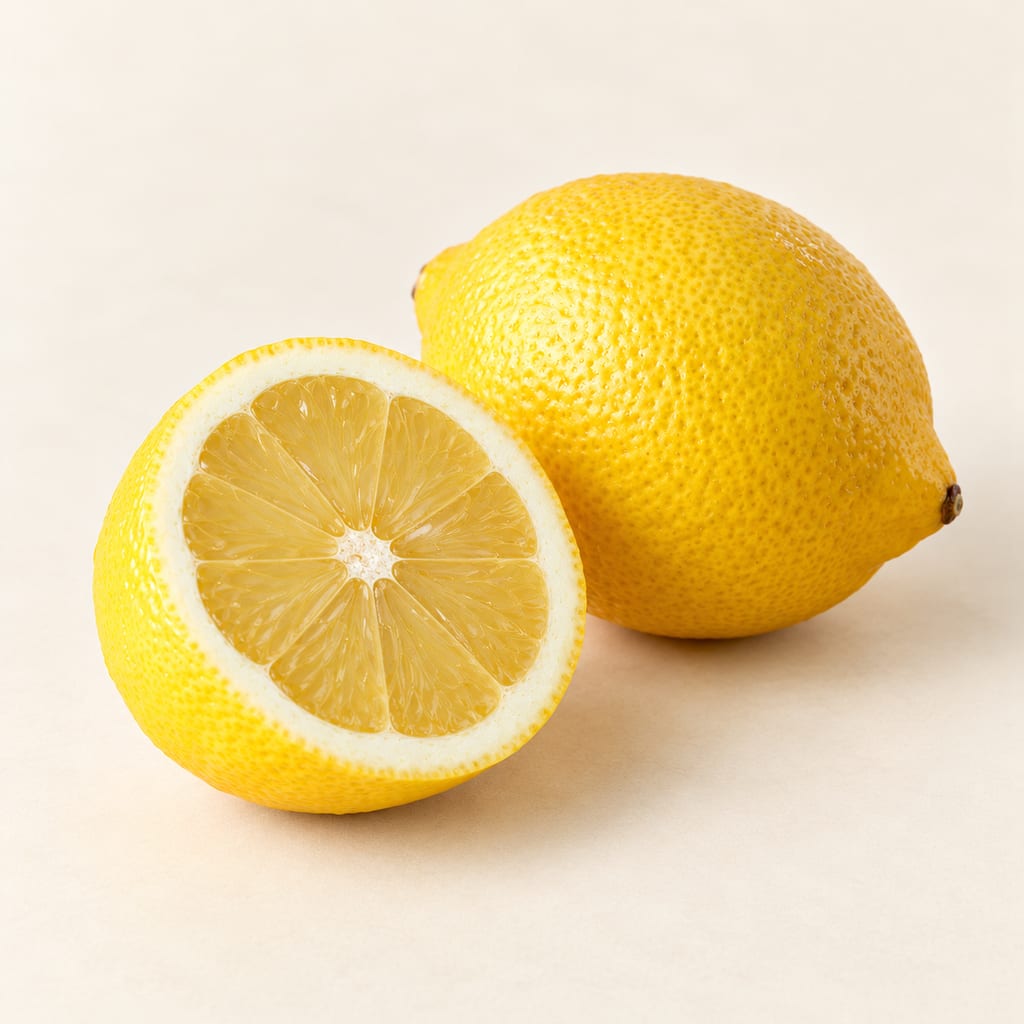
Lemons
Lemons are aromatic, acidic citrus fruits whose peel, pith and juice serve different jobs in food and drink. The fruit is a hybrid with a complex history.
 FermenteaWhere food goes to change
Preserved lemon is salted lemon packed in a jar until it releases its own juice. The sources give no fermentation duration, salt amount or measured endpoint.
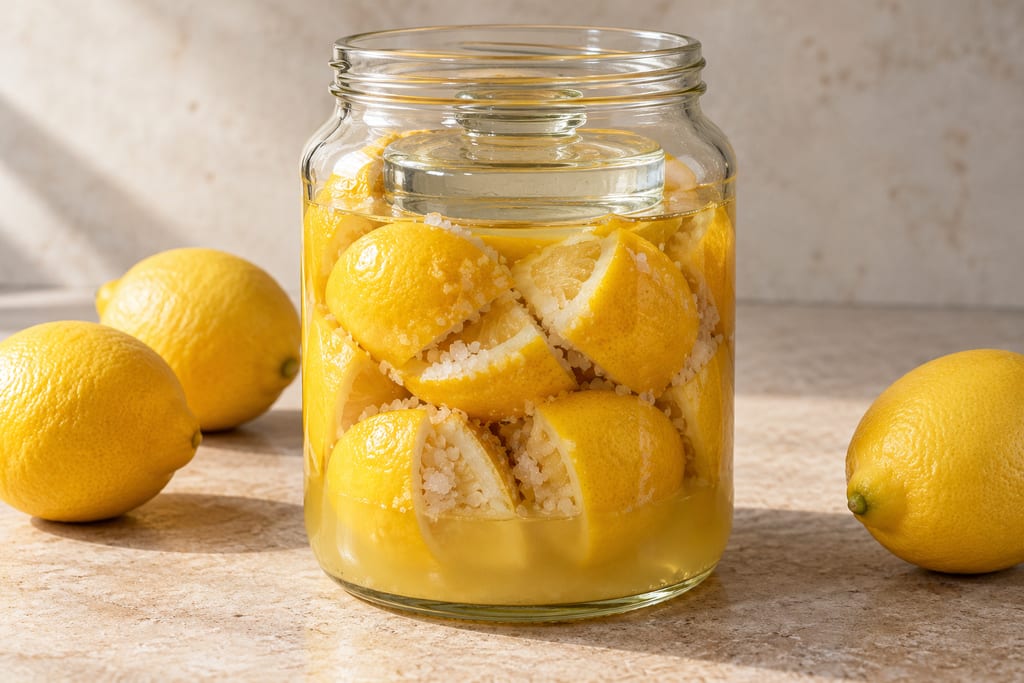
Preserved lemon, in this video, is yellow lemons salted and packed in a glass jar until they release their own liquid. The creator names the result a fermented lemon and presents it as an easy home preparation.
A complete batch formula and fermentation schedule are not established.
The lemons are quartered without cutting through the base, or cut into smaller pieces. The cut surfaces are salted, and the centres are salted too. The lemons are pressed to release their liquid, and more salt is sprinkled to draw out more.
The fruit is packed into a glass jar with a glass weight that keeps it under the liquid it releases. A board, a knife, a spoon and a packing stick are mentioned. The jar capacity and the total lemon count are not stated.
The narration gives two measures that conflict: about one teaspoon of salt per lemon, and a tablespoon for the centres. The creator also gives a general option of 2 per cent of the total weight. The source does not say that this is the measured basis of her batch.
The extra salt sprinkled to draw out more liquid is not quantified. Because the amounts cannot be fixed from the source, the salt level of a batch made from this page is unknown.
The creator suggests using the pulp or the peel in salads and other dishes. The video does not describe a specific dish.
The creator reports one jar kept refrigerated for a year. That is an anecdote, not a validated storage recommendation.
The creator estimates 30 to 45 minutes for the preparation but gives no fermentation duration or measured endpoint. The video does not establish a regional origin, a historical tradition or a validated home process, and no qualified process review of this method is recorded.
This contemporary video does not establish a regional origin, a historical tradition or a validated home process.
Scaling: source batch only
The salt amounts conflict and the extra salt is unquantified, so the salt level of the batch is unknown.
Hazard sourceOne jar kept refrigerated for a year is an anecdote in the video, not a validated storage recommendation.
The video mentions grapefruit-seed drops, vinegar and bicarbonate when cleaning the lemons. They are not ferment ingredients and are not part of this recipe.
The video does not establish a regional origin, a historical tradition or a validated home process.
Lemons are aromatic, acidic citrus fruits whose peel, pith and juice serve different jobs in food and drink. The fruit is a hybrid with a complex history.
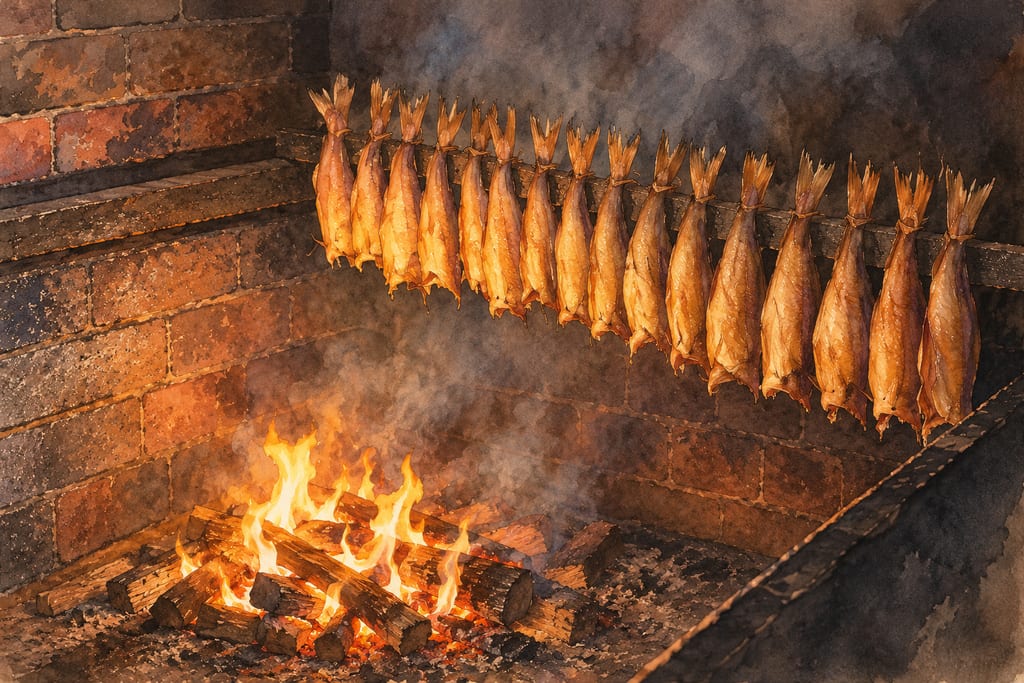
The Arbroath “barrel” is a hardwood-fired smoking pit with triangular rails and a cover. Its documented form belongs to the traditional hot-smoking of haddock around Arbroath and Auchmithie, Scotland.

Crisp battered white fish in warm corn tortillas with shredded cabbage, lime and fresh salsa. This home version draws on the Ensenada style without claiming to be a definitive historic formula.
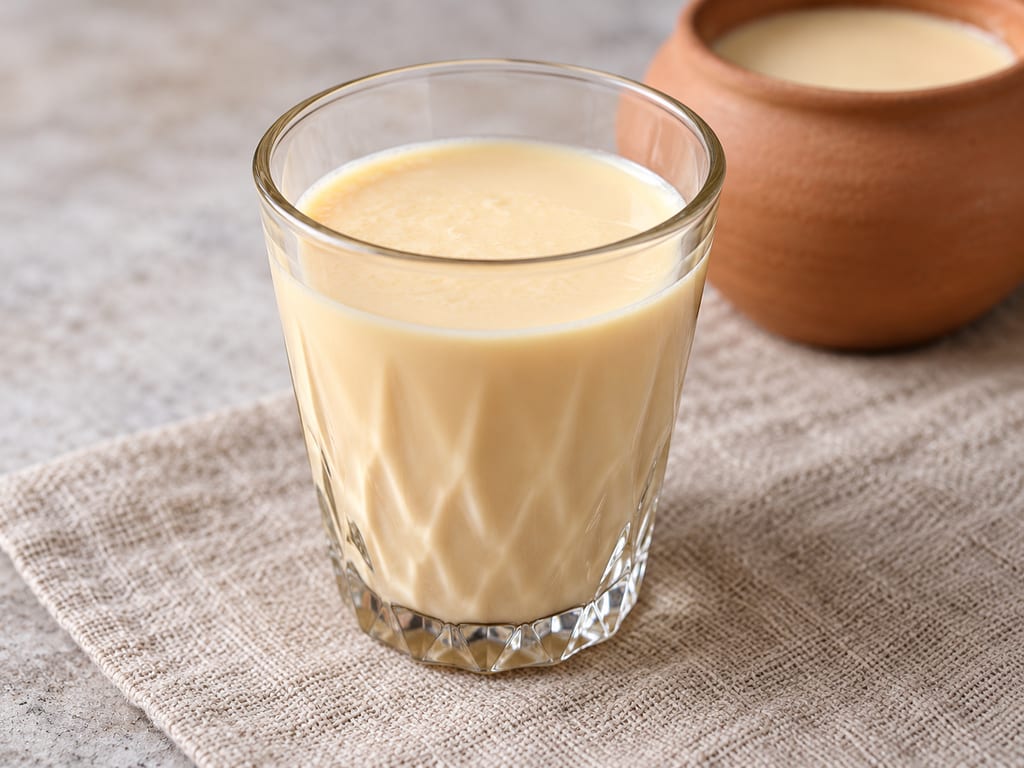
Baked milk is an Eastern European preparation of milk held at high heat for hours until it turns cream-coloured with a cooked, mildly sweet flavour, without any fermentation.

A coarse South African farmhouse sausage of beef with pork or mutton fat, defined by its coriander seasoning and cooked fresh over coals rather than preserved.
A flood-season pit store described for Omagua communities along the Amazon: manioc tubers were buried before inundation and recovered as waters receded. Its shape and lining are not recorded.
A temporary, in-place earthen oven used to cook camas with heat retained by fire-heated stones. The dimensions described here belong to one Kalispel-supervised reconstruction, not a universal form.

Chuño negro is a source-documented Andean potato-preservation practice. This entry records producer tradition; it is not a validated household process for making potentially toxic bitter potatoes safe.
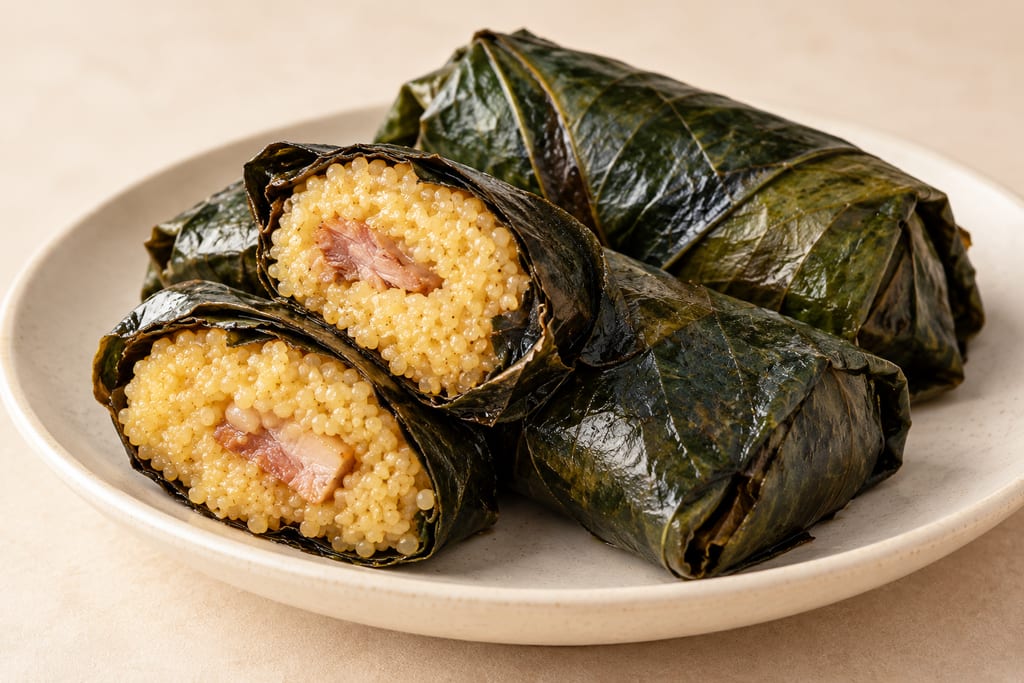
Cinavu is a Paiwan leaf-wrapped parcel built around millet or taro, meat and locally gathered leaves. It belongs to a food culture of harvest, hospitality and shared work, with village recipes differing in both filling and cooking time.
No community contributions have been published for this entry yet.
Sign in to contribute. Published comments and photos are free to read.
MaiMethod · Safety
EL FERMENTO MÁS FÁCIL Y DELICIOSO // LIMÓN FERMENTADO 🍋🧂Creator Mai: yellow lemons and pure salt; quartered without cutting through the base or cut smaller; salted cuts; narration conflicts between about one teaspoon per lemon and a tablespoon for the centres; a 2 per cent of total weight option given separately, not a measured batch ratio; extra salt sprinkled to draw liquid, unquantified; glass weight to keep the fruit submerged; 30–45 minutes of preparation; no fermentation duration or endpoint; one jar refrigerated for a year as an anecdote.
Cited in: What the creator makes; Preparation; The salt question; Uses; Storage report; Limits of the evidence