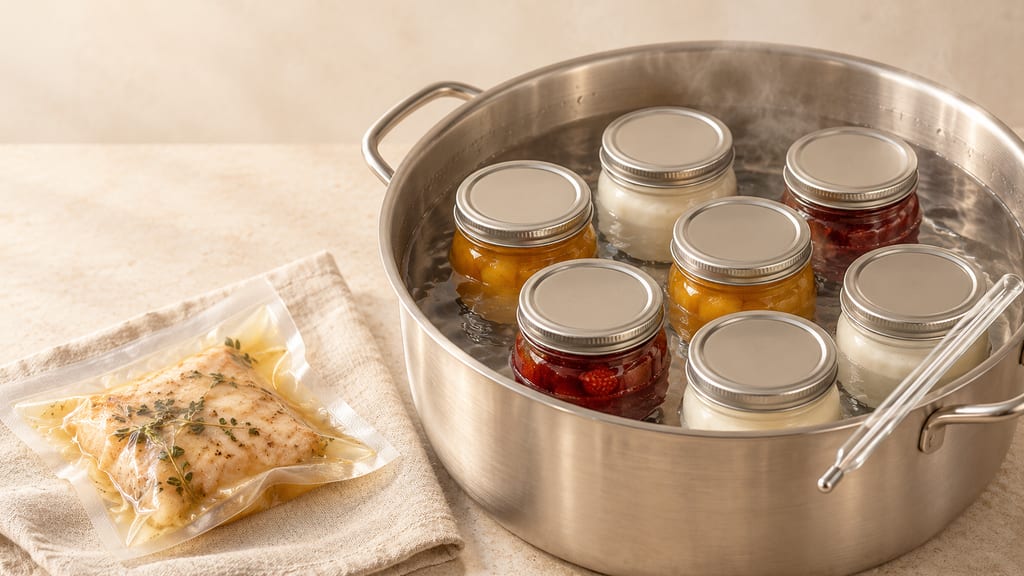
One bath, many small jars
A sous-vide circulator holds a tank of moving water at a set temperature. With jars instead of bags it can incubate yogurt, set eggs, extract kombu and steep syrups, once you know what it does and does not control.
 FermenteaWhere food goes to change
Modern method
lavender syrup · lemon-rosemary syrup · sous vide syrup
Sugar syrups flavoured by holding botanicals, sugar and water in sealed bags in a 135°F (57°C) water bath for an hour, then cooling and refrigerating; several can share one bath.
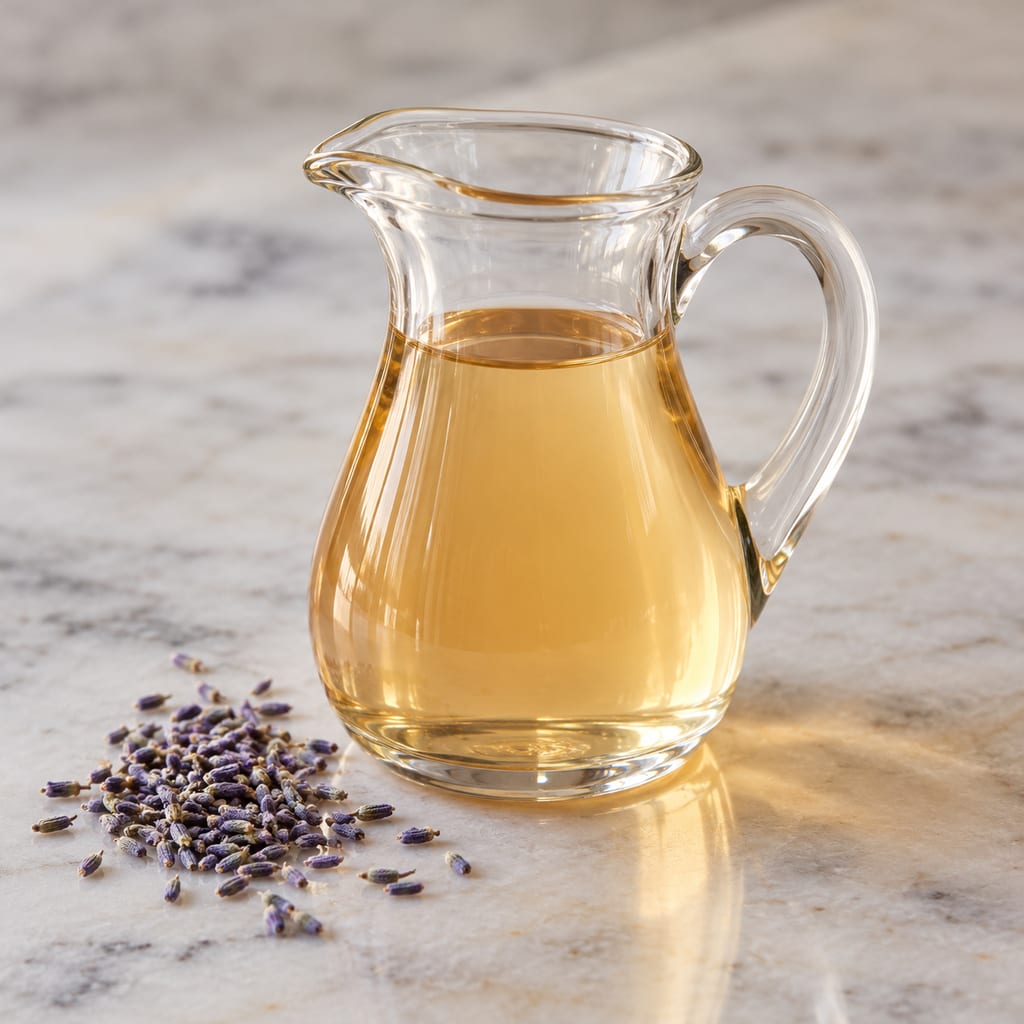
A botanical syrup is sugar dissolved in water and flavoured with an herb, flower or fruit. The usual route is to simmer the sugar and water, add the botanical, and steep it while the syrup cools. The method here does the same job in a sealed bag in a water bath held at 135°F (57°C), so the syrup never reaches a boil. The sugar and water and the botanical are sealed together for one hour, then the bag is cooled, the liquid strained through a fine mesh and bottled.
Both documented recipes come from an appliance maker's recipe library. The first is a dried-lavender syrup, one tablespoon of culinary-grade lavender to a cup each of water and sugar. The second is a lemon-rosemary syrup, which uses the same bath and one hour but is agitated and carries a refrigerated keeping time of up to two weeks, as the source gives it.
The sources set the bath at 135°F (57°C) and give no explanation of the setting, so the reasons here are limited to what the method does. A warm bath keeps the sugar dissolved and the water from boiling off in a sealed bag, and it gives the botanical a steady hour to release its flavour without the rapid change of a pan. The circulator holds that temperature for the whole hour, which is why the method is a bath rather than a stove.
Several bags can share one bath at the same setting, so a cook who makes two syrups at once with the same time and temperature needs one circulator, not two. Other botanicals at this setting are not in either source and are a reasoned adaptation rather than a documented recipe.
The lavender syrup is stored in the refrigerator, and the source gives no keeping time for it. The lemon-rosemary syrup is kept in an airtight glass container in the refrigerator for up to two weeks. Neither source suggests storing either syrup at room temperature, and this page does not offer one.
The lavender syrup's keeping time is not stated. The sources print their yield only as a number of servings, without a unit, so the volume the batch makes is unknown. Other botanicals and other fruit or juice combinations have not been tested at this bath setting, and no sourced method for them is recorded here.
The two recipes that document this method are modern sous-vide recipes published by an appliance maker. No dated source for herb or flower syrups in this form was read.
Scaling: source batch only
Refrigerated storage
Control sourceNeither recipe gives a room-temperature storage. Keep the syrup refrigerated; the sealed bag is a package, not a preservation step.
The 57°C hour is a steeping bath, not a pasteurising hold. Other botanicals at this setting are untested adaptations.
The sources are two modern appliance-maker recipes and name no place of origin for this method.
A sous-vide circulator holds a tank of moving water at a set temperature. With jars instead of bags it can incubate yogurt, set eggs, extract kombu and steep syrups, once you know what it does and does not control.

Aam panna is a tart Indian summer drink made by cooking unripe green mango until its flesh softens, then blending the pulp with sweetener, salt and spices and diluting it with water.
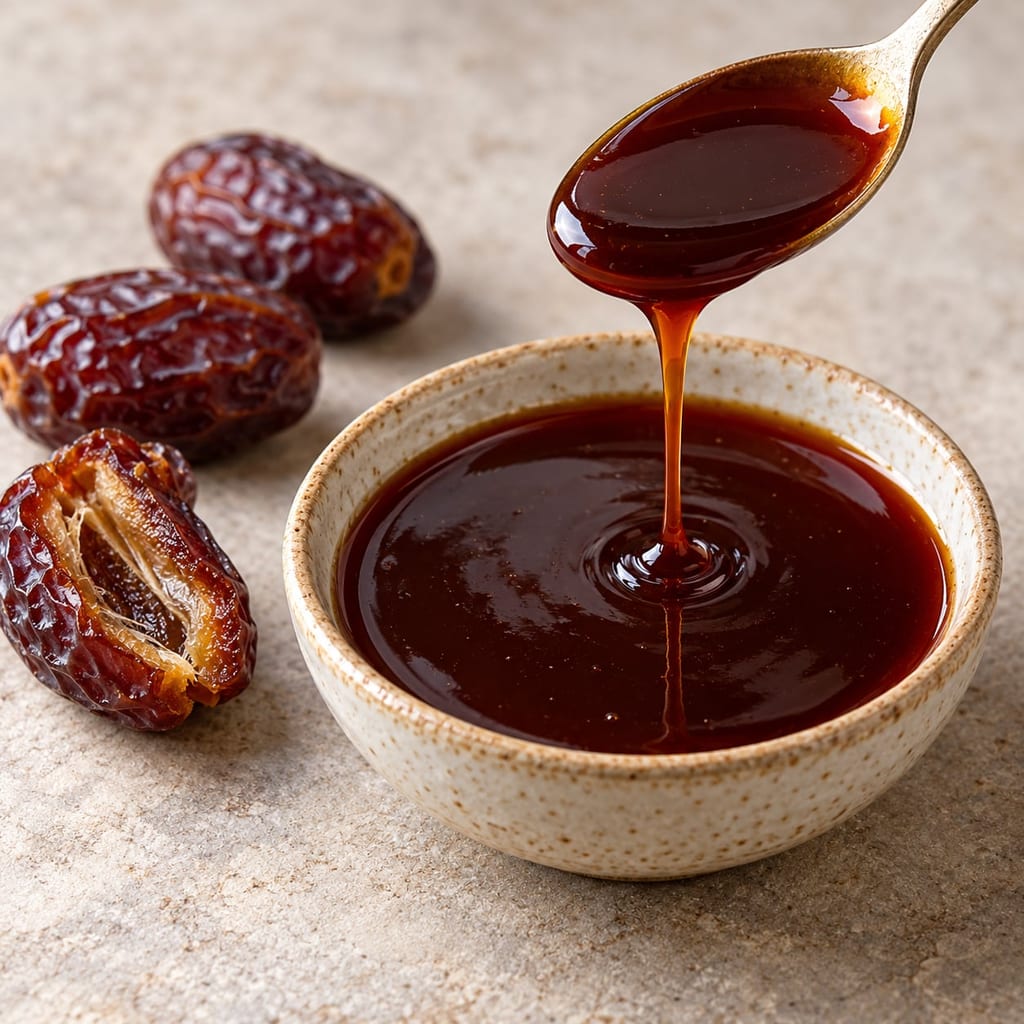
A thick, dark, very sweet syrup made from dates, known as dibs, rub, silan or date molasses. It sweetens tahini and desserts and glazes or sauces savoury dishes across the Middle East and North Africa.
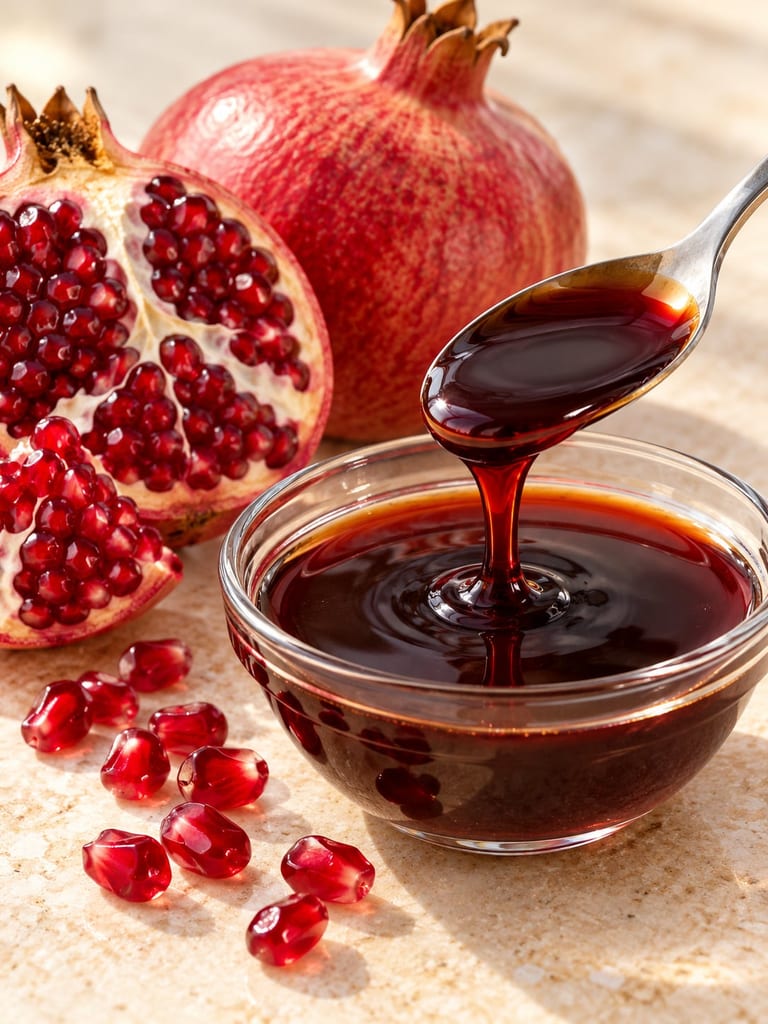
The registered Hatay method presses pomegranate arils and slowly concentrates the strained juice. Its 100 kg source batch and experienced-producer endpoint are retained; no home-scale time or shelf-life is inferred.
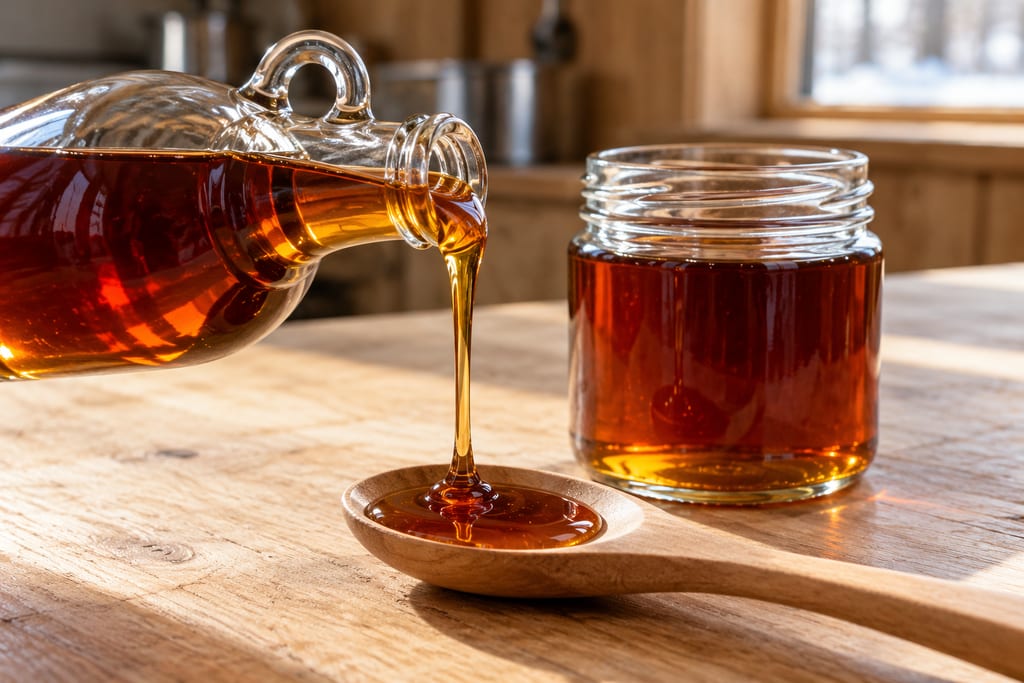
Maple sap of about two percent sugar boiled down in a shallow pan until it reaches syrup density, the sugar concentration the standard defines, then filtered hot and packed hot.
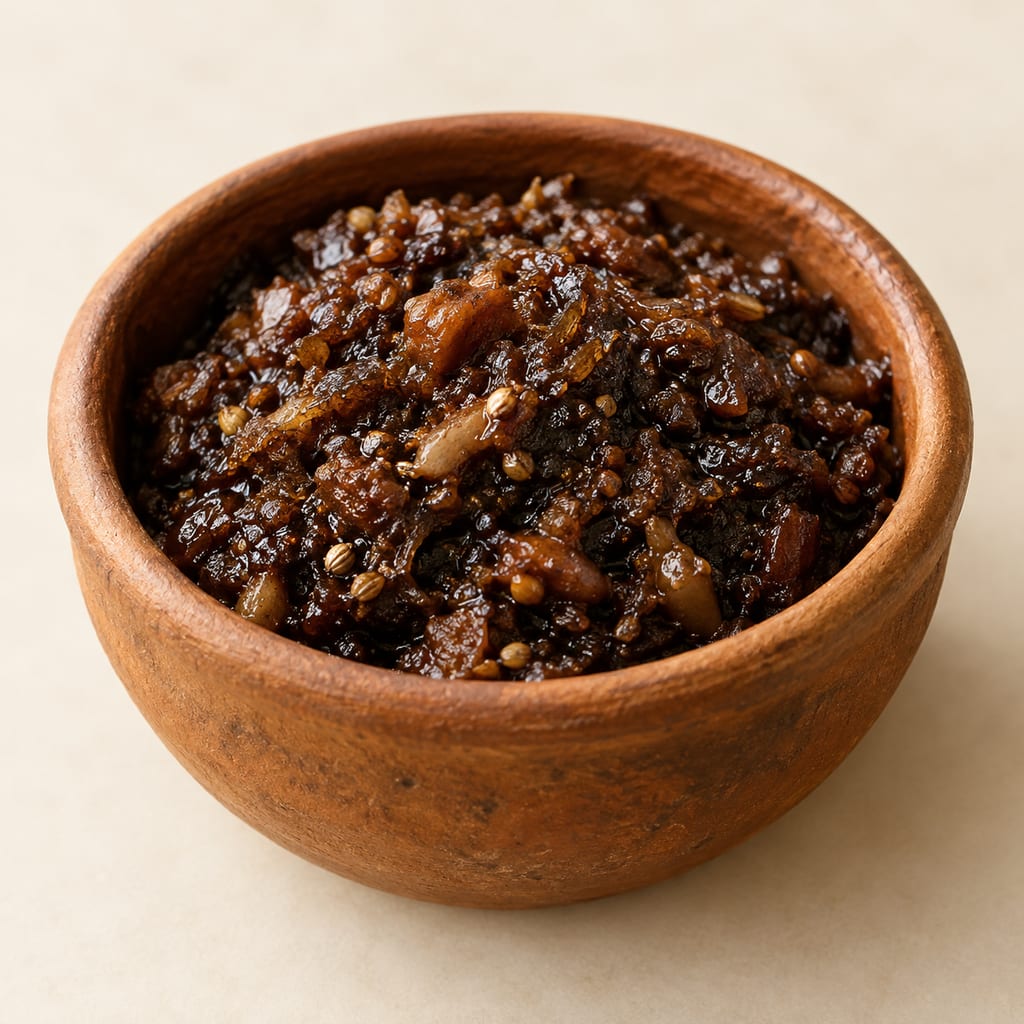
Must murri was a medieval Andalusi and North African seasoning of baked wheat dough, grape must and aromatics, cooked slowly in an oven.
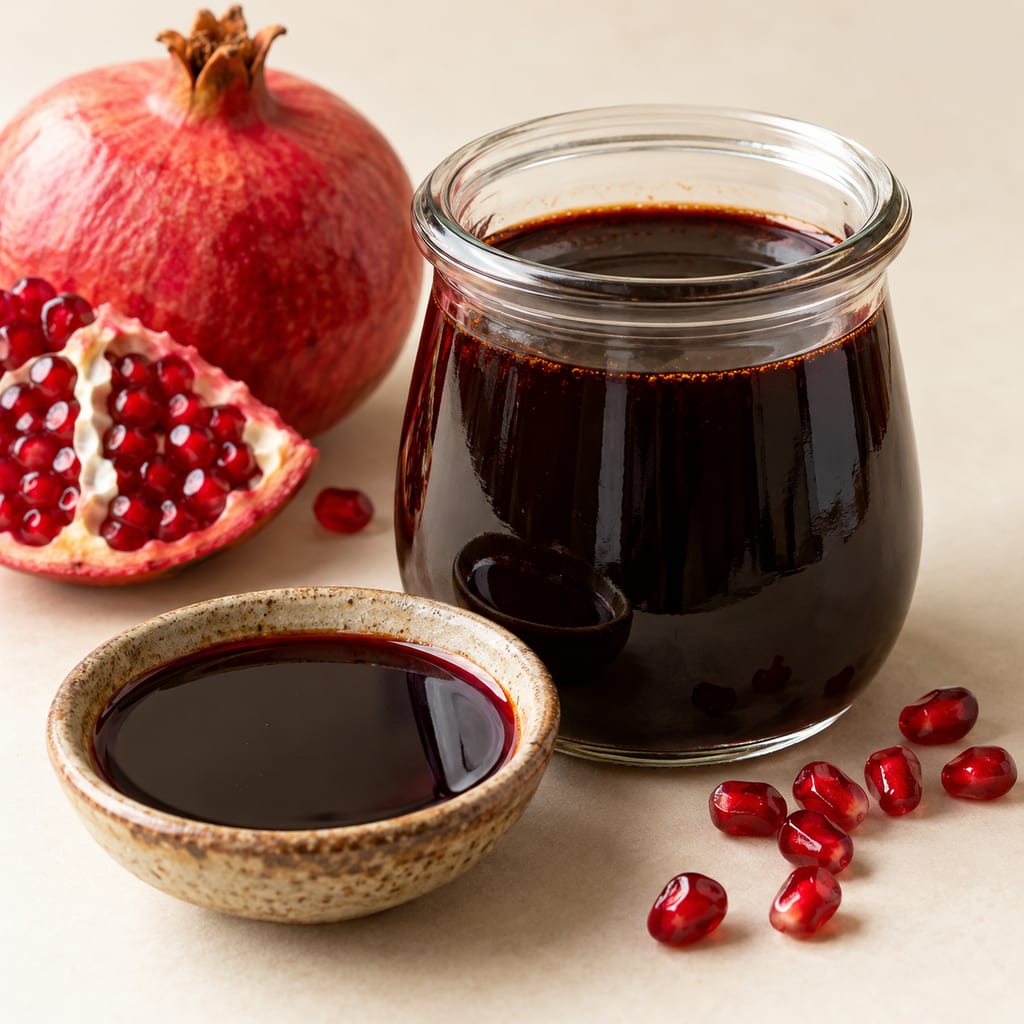
A thick, sour condiment made by reducing pomegranate juice over heat until it is concentrated, used across the Middle East, the South Caucasus and the Balkans in dressings, stews and grilled dishes.
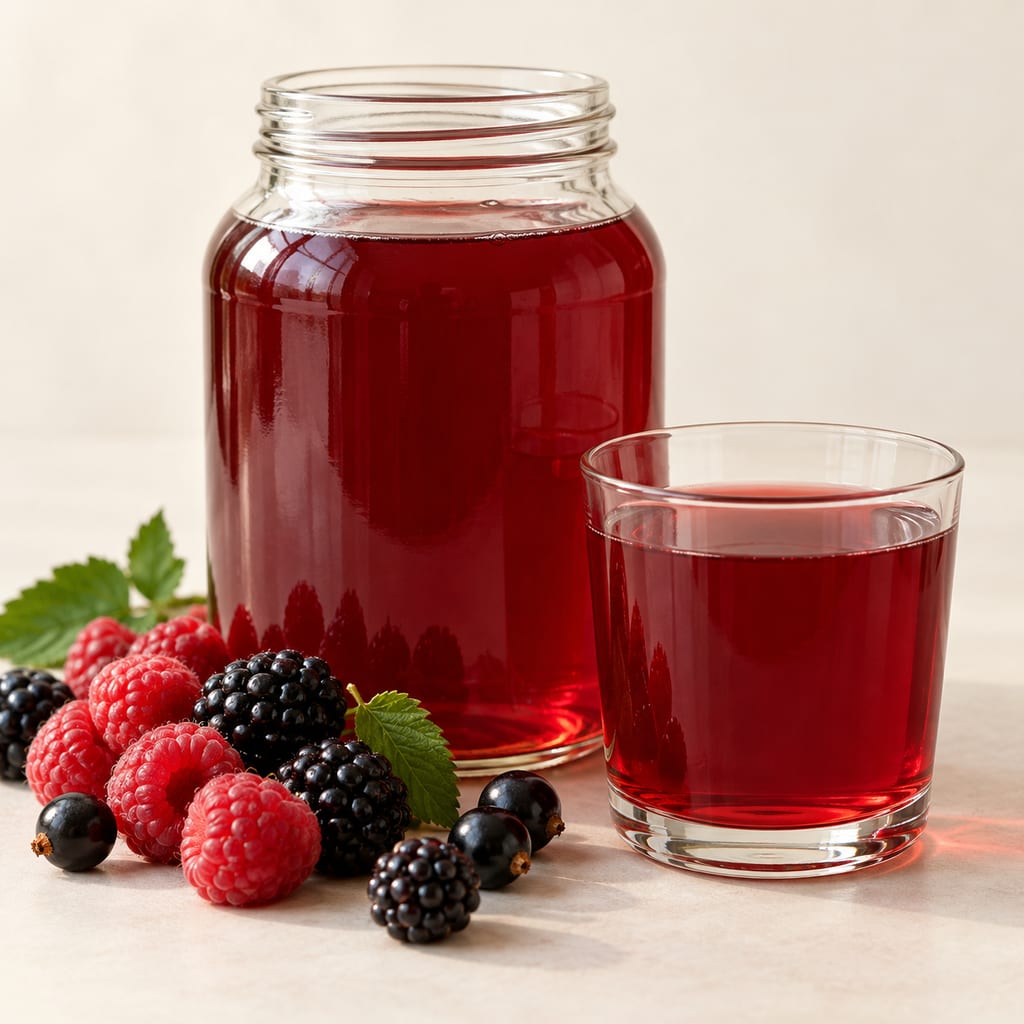
Clear juice that a stacked steam juicer draws out of ripe fruit by steam alone, without crushing it. It is the base for jelly, syrup or cordial and still needs its own keeping step.
No community contributions have been published for this entry yet.
Sign in to contribute. Published comments and photos are free to read.
Anova CulinaryMethod
Sous Vide Lavender SyrupQuantities, 135 °F for 1 h, strain, refrigerate
Cited in: Syrups made in a water bath; Why the bath holds the temperature; Storage and keeping; Open questions
Anova CulinaryMethod · Storage
Sous Vide Lemon-Rosemary SyrupQuantities, 135 °F for 1 h, agitate, refrigerate up to 2 weeks
Cited in: Syrups made in a water bath; Storage and keeping