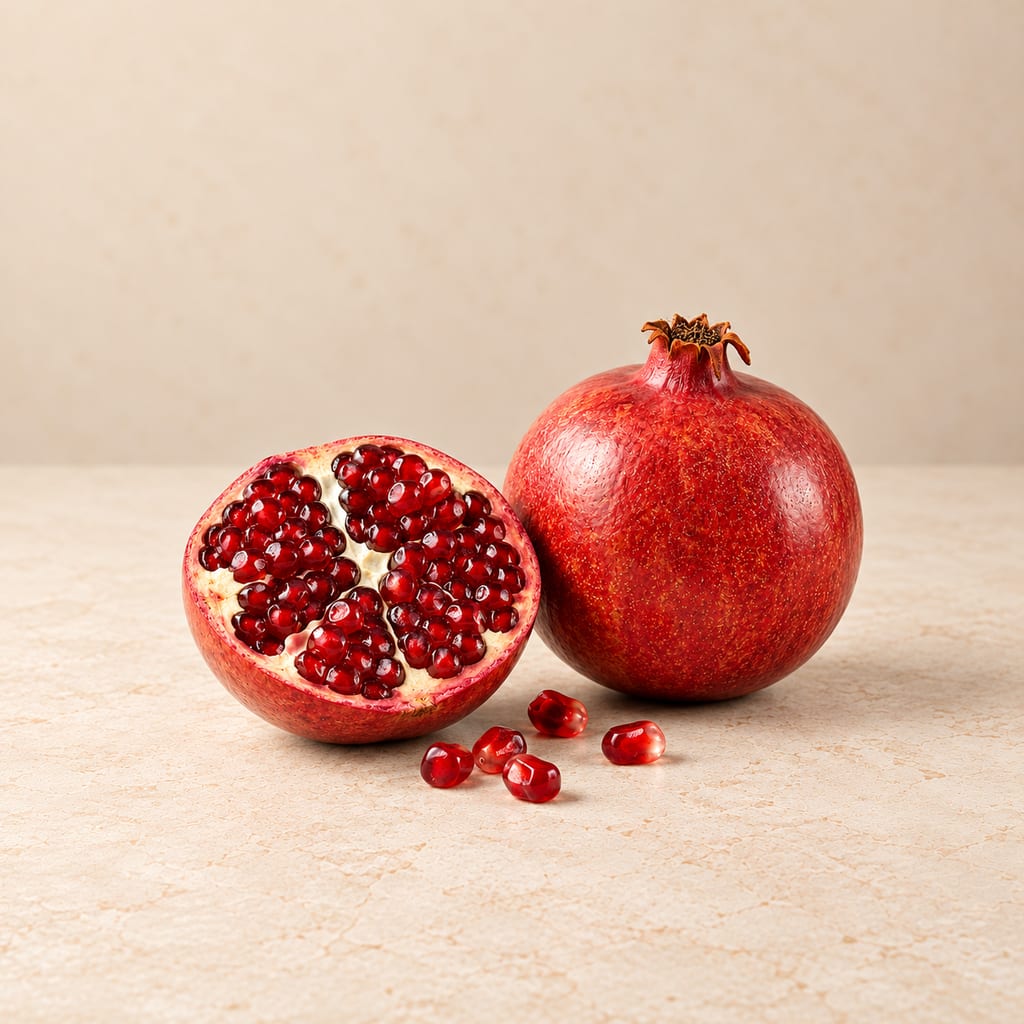
Pomegranate
The pomegranate (Punica granatum) is a seed-filled fruit whose arils run from sweet to sharply sour, depending on citric acid. Sour fruit becomes juice, molasses and dried anardana.
 FermenteaWhere food goes to change
dibs ar-rumman · Narsharab · Robb-e anar
A thick, sour condiment made by reducing pomegranate juice over heat until it is concentrated, used across the Middle East, the South Caucasus and the Balkans in dressings, stews and grilled dishes.
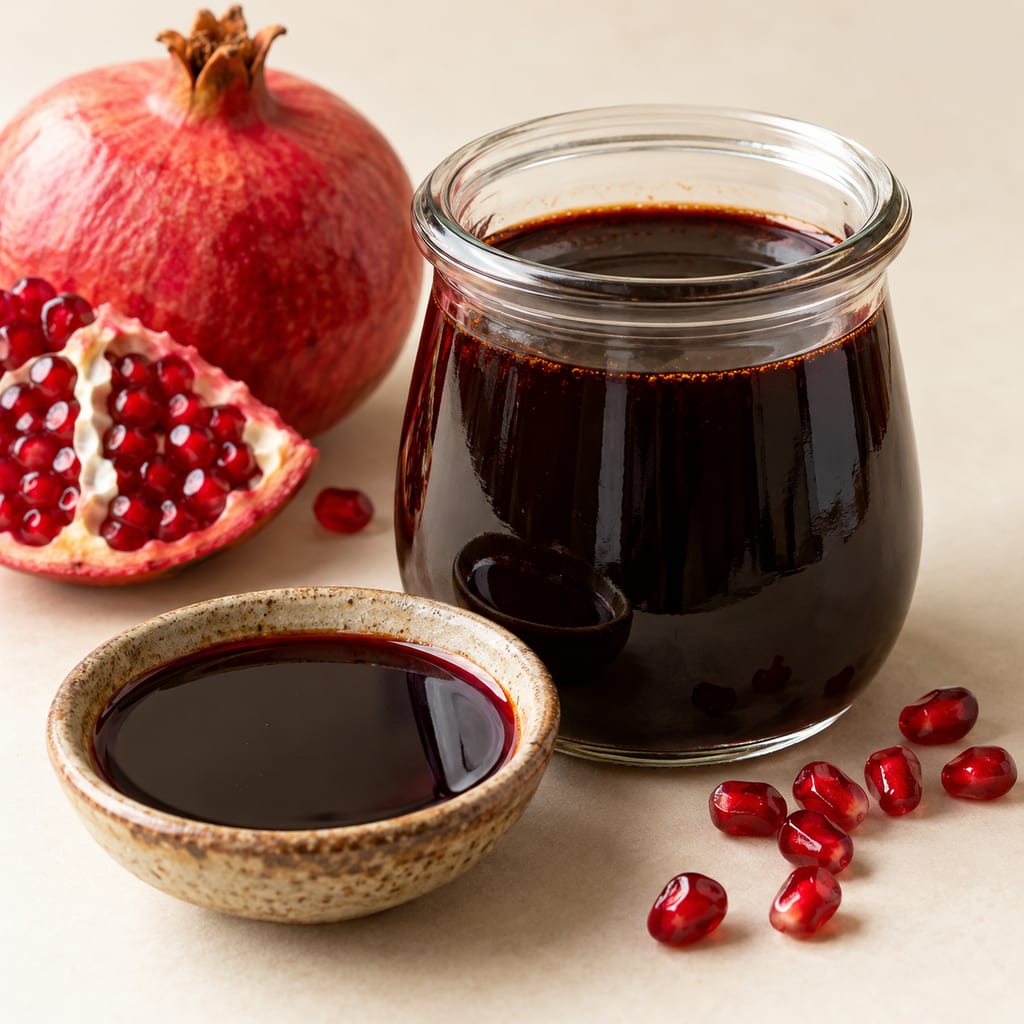
Pomegranate molasses is a thick, dark condiment made by concentrating pomegranate juice. Its sourness comes from the fruit and is concentrated by the reduction. The Persian name narsharab means pomegranate wine, although the product contains no alcohol.
The same product travels under other names, including dibs ar-rumman in Arabic and robb-e anar in Persian. Its names in Greek, Turkish, Armenian and Azerbaijani show how widely it is used across West Asia, the South Caucasus, Anatolia, the Balkans and the Levant.
The core ingredient is pomegranate juice, pressed from unpeeled fruit. Sugar is added in the common method, and some versions use none; the article does not separate sugared and unsweetened products for each region. Coriander, basil, cinnamon and a little black or red pepper are named as additions in the common method.
The reduction is the main process. Water evaporates as the juice is heated, and the juice is taken down to half its original volume before the seasonings go in.
Squeeze the juice from unpeeled pomegranates and heat it gently. Let the water evaporate until the volume is halved. When the liquid has thickened, add the chosen seasonings and let them dissolve in.
The sources read give no cooking time or temperature. A cook must watch the pan, because a concentrated fruit syrup can scorch as it thickens.
Pomegranate molasses is used in fish and meat dishes and as a salad dressing. It gives a light sour flavour rather than a pure sweetness, and it is used to sharpen dishes rather than to make them sweet.
The article lists West Asia, the South Caucasus, Anatolia, the Balkans and the Levant as the regions of use. It does not describe production in each country separately. Unsweetened reductions and versions with added sugar are different formulations; this recipe treats the juice reduction as the base and the sugar as optional.
The sources read give no storage time, water activity or pH for the finished molasses. Record the storage advice from a producer or a validated source before stating a shelf life.
Open question: the production times and sugar content differ between regional and commercial versions, and this page has one source only.
The Wikipedia article gives the name narsharab from Persian, meaning pomegranate wine, though the product contains no alcohol. It describes the product's use across West Asia, the South Caucasus, Anatolia, the Balkans and the Levant, and gives its names in Persian, Arabic, Greek, Turkish, Armenian and Azerbaijani. It does not discuss its history beyond the name, so no date of first production is established here.
Scaling: not stated
Wikipedia lists these regions for the condiment. It does not describe production in each area separately, so the row is a region list, not a place of origin.
The pomegranate (Punica granatum) is a seed-filled fruit whose arils run from sweet to sharply sour, depending on citric acid. Sour fruit becomes juice, molasses and dried anardana.

A Georgian walnut sauce of ground walnuts, garlic, vinegar and spices, thinned with water or broth. It is served with poultry, vegetables and bread, and is the sauce of the dish satsivi.
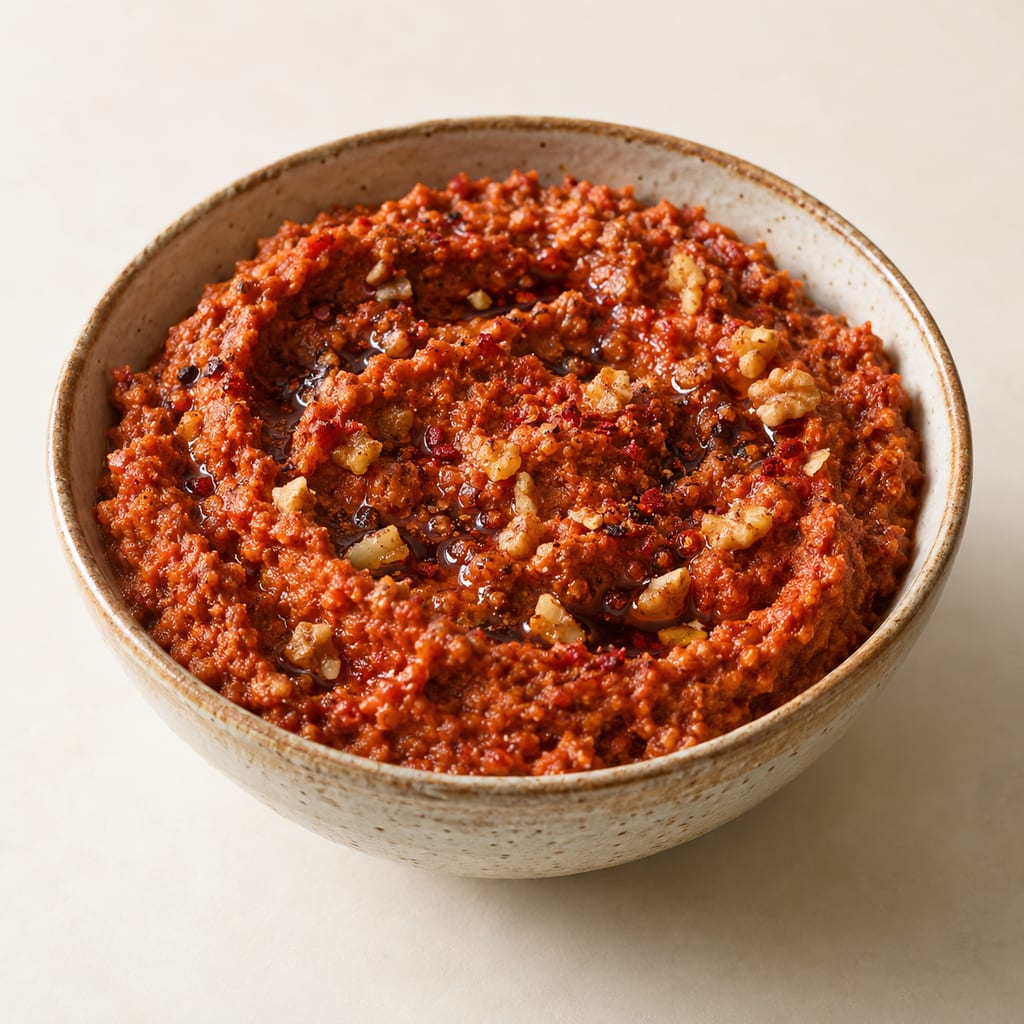
A Syrian red pepper and walnut dip usually linked to Aleppo, thickened with breadcrumbs and sharpened with pomegranate molasses, with Aleppo pepper and cumin.

Aam panna is a tart Indian summer drink made by cooking unripe green mango until its flesh softens, then blending the pulp with sweetener, salt and spices and diluting it with water.
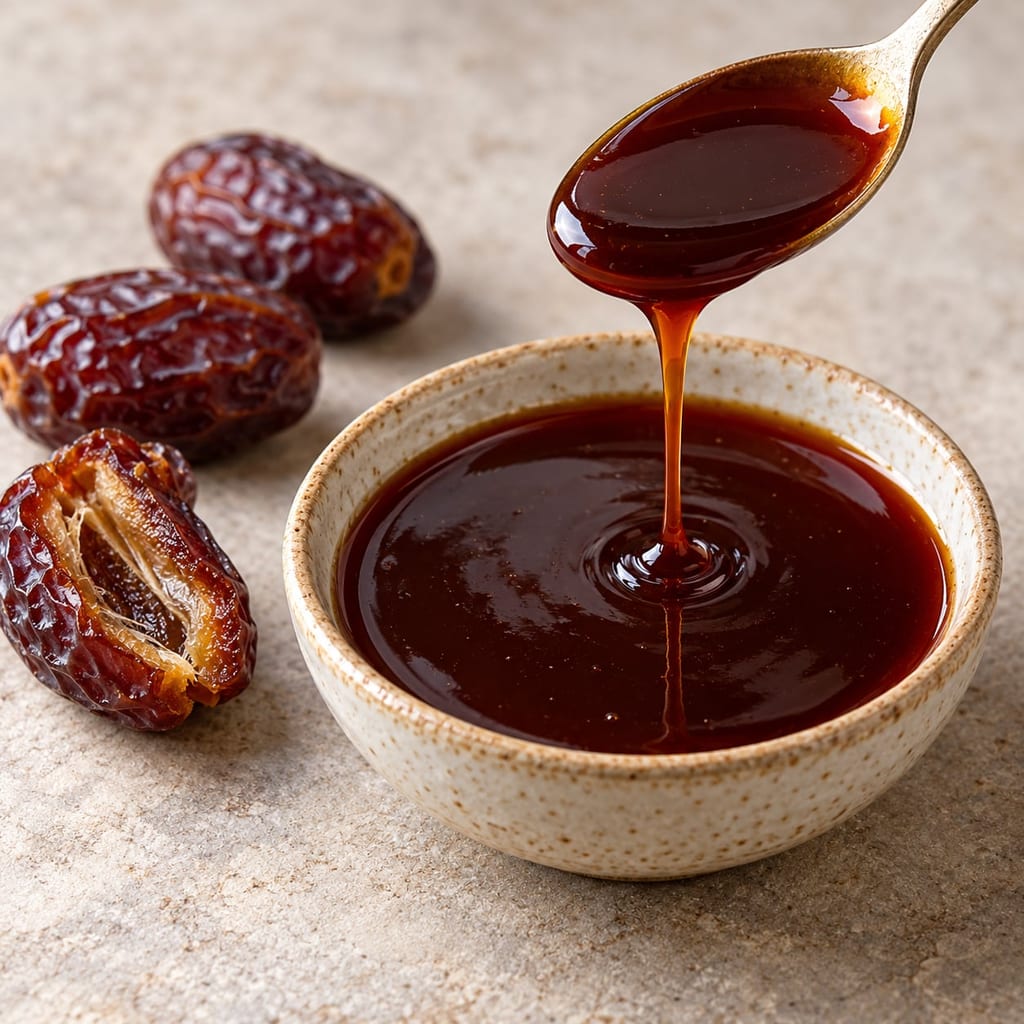
A thick, dark, very sweet syrup made from dates, known as dibs, rub, silan or date molasses. It sweetens tahini and desserts and glazes or sauces savoury dishes across the Middle East and North Africa.
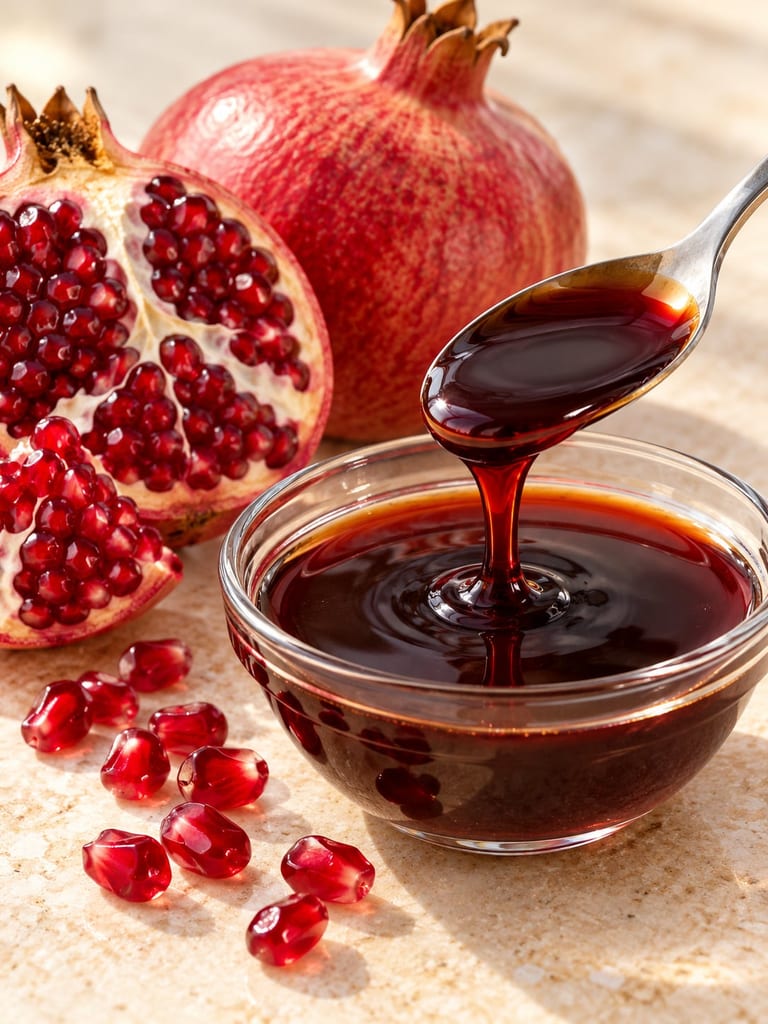
The registered Hatay method presses pomegranate arils and slowly concentrates the strained juice. Its 100 kg source batch and experienced-producer endpoint are retained; no home-scale time or shelf-life is inferred.
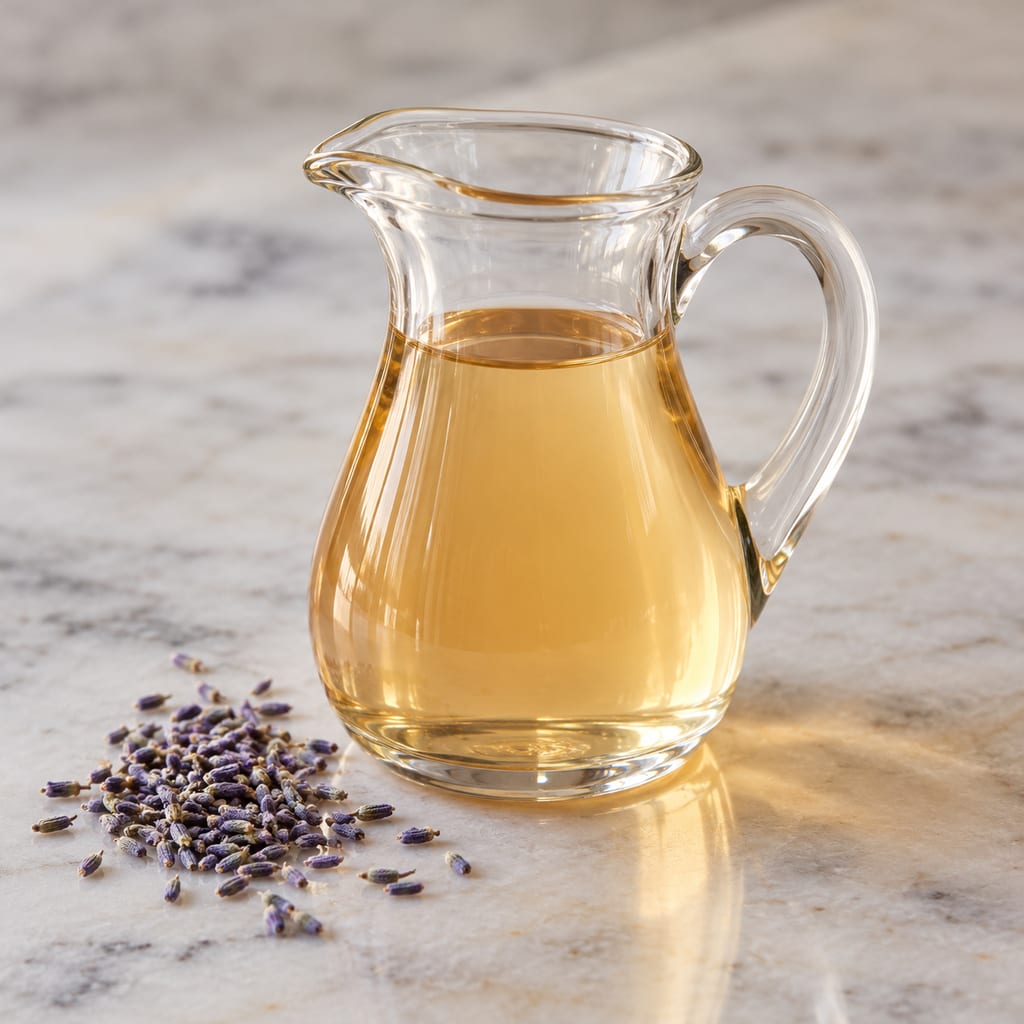
Sugar syrups flavoured by holding botanicals, sugar and water in sealed bags in a 135°F (57°C) water bath for an hour, then cooling and refrigerating; several can share one bath.
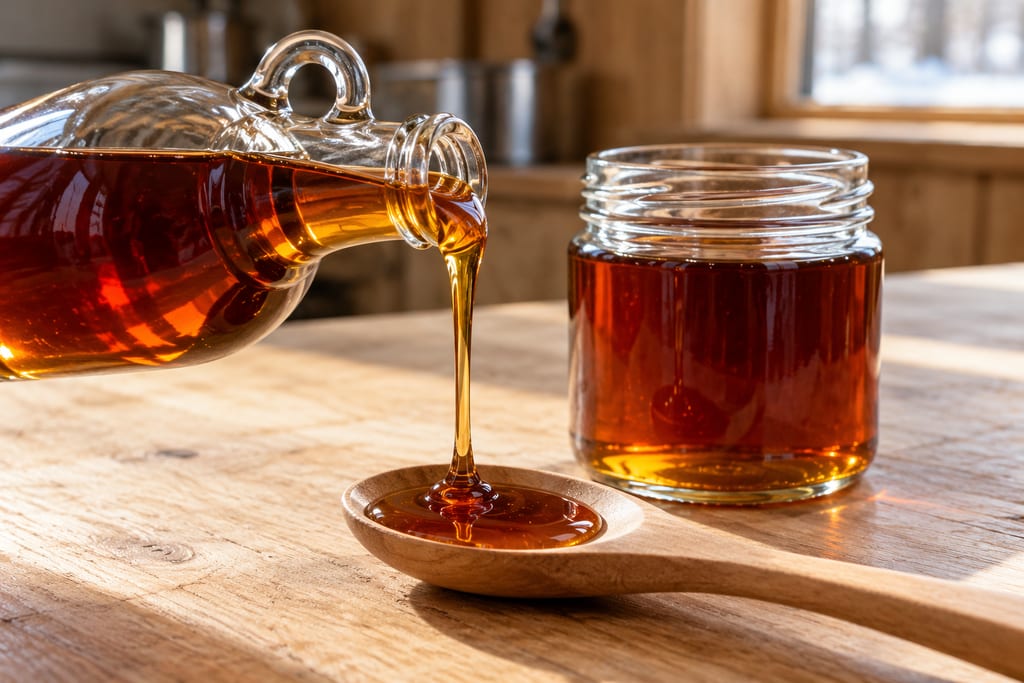
Maple sap of about two percent sugar boiled down in a shallow pan until it reaches syrup density, the sugar concentration the standard defines, then filtered hot and packed hot.
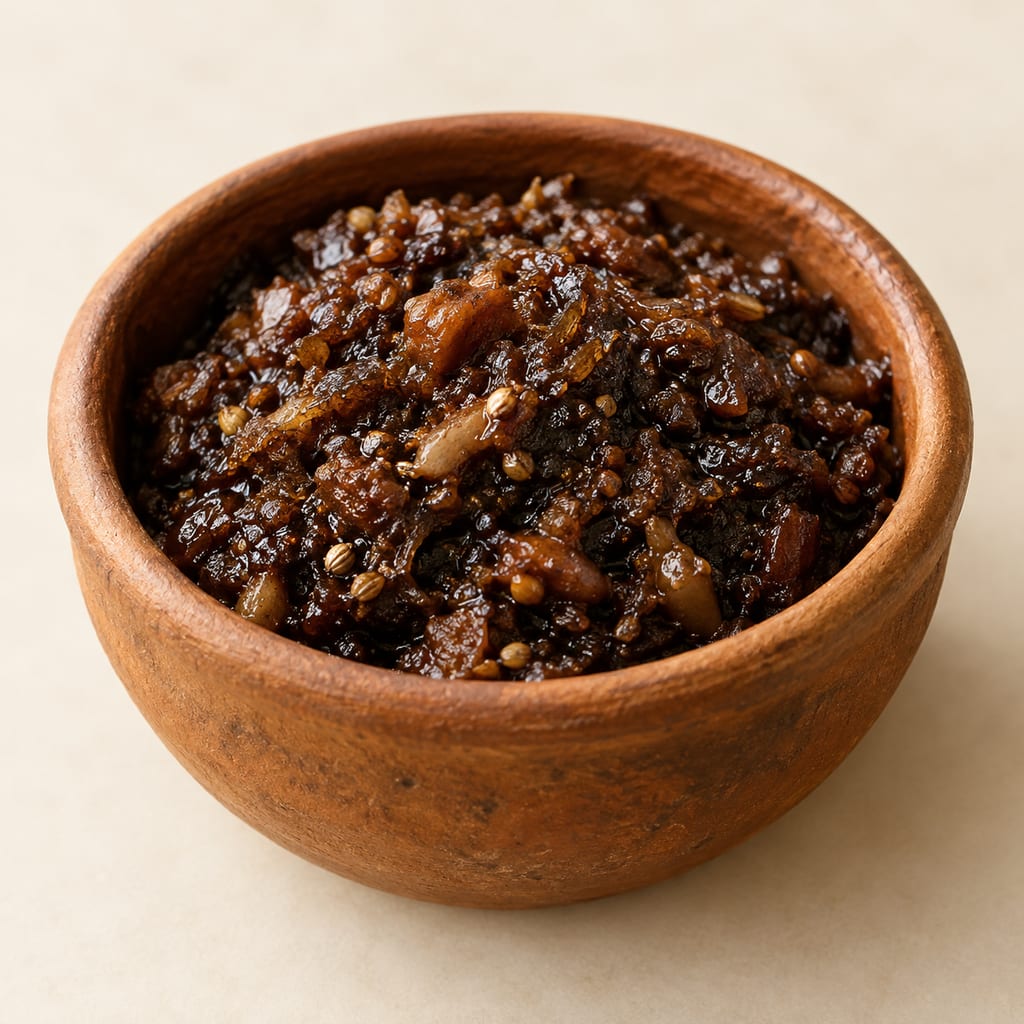
Must murri was a medieval Andalusi and North African seasoning of baked wheat dough, grape must and aromatics, cooked slowly in an oven.
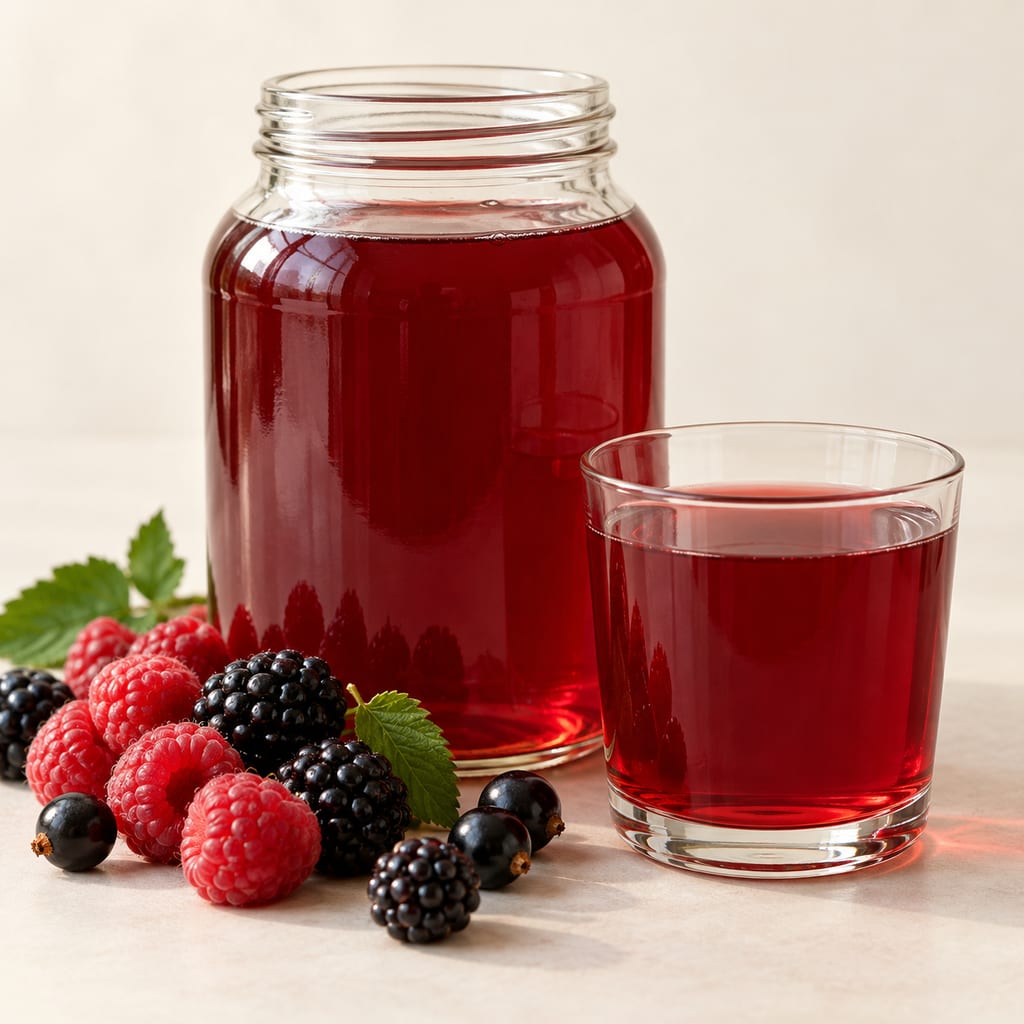
Clear juice that a stacked steam juicer draws out of ripe fruit by steam alone, without crushing it. It is the base for jelly, syrup or cordial and still needs its own keeping step.
No community contributions have been published for this entry yet.
Sign in to contribute. Published comments and photos are free to read.
WikipediaHistory · Method · Regional variation · Uses · Ingredients
Pomegranate molassesCondiment made from concentrated pomegranate juice; used across West Asia, the South Caucasus, Anatolia, the Balkans and the Levant
Names: narsharab (Persian, pomegranate wine), dibs ar-rumman, robb-e anar
Common method: squeeze unpeeled pomegranates, heat to reduce to half original volume, then add sugar, coriander, basil and cinnamon, sometimes black or red pepper
Used in fish and meat dishes and salad dressings, giving a light sour flavour
Cited in: A reduced juice with many names; Ingredients and their jobs; Method; Uses; Regions and variation; Storage and open questions