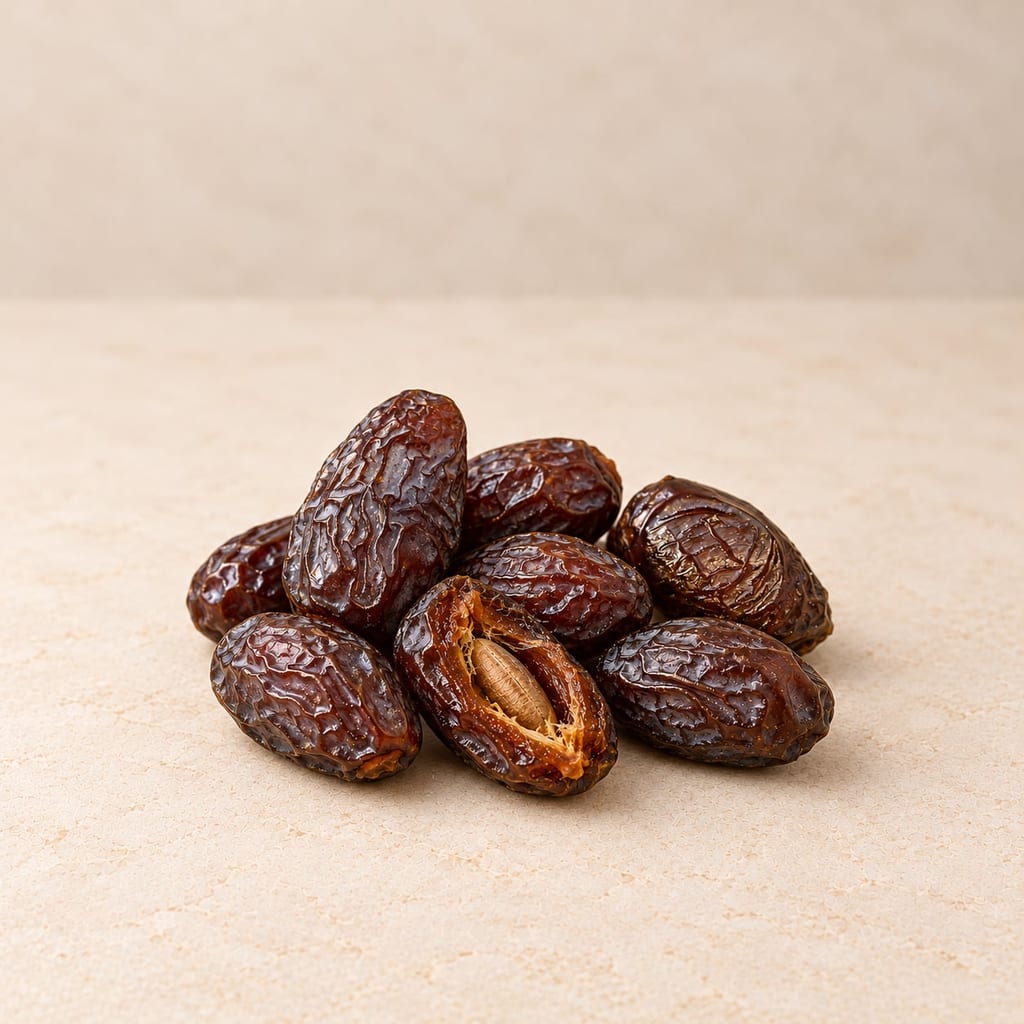
Dates
Dates are the sugar-rich fruit of the date palm, eaten soft or dried and used whole, pitted, as syrup or as paste. In sauces and chutneys they add sweetness and body.
 FermenteaWhere food goes to change
دِبس · Date molasses · Date honey · Silan · Dibs · Rub · Debes · Dvash tmarim · Date syrup
A thick, dark, very sweet syrup made from dates, known as dibs, rub, silan or date molasses. It sweetens tahini and desserts and glazes or sauces savoury dishes across the Middle East and North Africa.
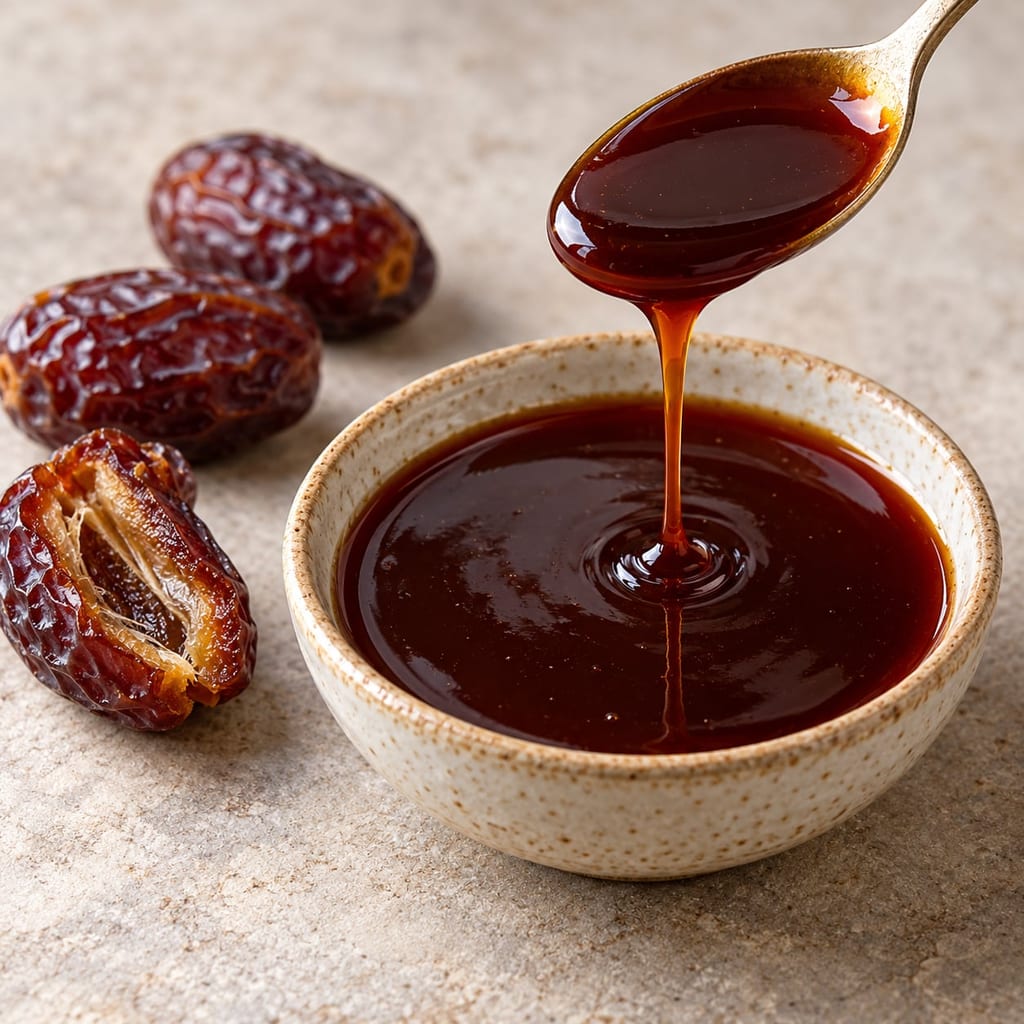
Date syrup is a thick, dark brown, very sweet syrup extracted from dates. The Arabic names are dibs and rub, the Hebrew silan or dvash tmarim, and the Persian shireh khorma. In English it is called date honey, date molasses or date syrup. The name silan is the common term in Israel.
The product is a sweetener that also works as a glaze and sauce ingredient. It is related to but distinct from pomegranate molasses, which is made from pomegranate juice.
In Iran and Iraq date syrup sweetens tahini, usually eaten at breakfast; grape syrup is an alternative. In the Middle East it is rubbed on chicken and potatoes with cardamom, salt and olive oil, coated in sesame and fried or baked, and served as a sauce with stuffed onions and turnips. It is an ingredient in basbousa, a semolina cake.
In Libya it is used widely, usually with asida, a porridge-like dessert. In Algeria it appears in baghrir.
Date honey is described as used for thousands of years, and was common in the desserts of ancient Mesopotamia. Rabbinic texts read the honey in Deuteronomy as date honey rather than bee honey. The first-century historian Josephus described date pressing at Jericho's oases, and a date press was found at Qumran.
An archaeological storage jar marked with a palm tree was found in a building destroyed during the siege of Jerusalem in 586 BCE. The article cites it as evidence of date honey storage; the contents are not identified.
FAO's bulletin on date-palm products describes a Libyan village method for dibs, recorded in a field experiment and reported by W. H. Barreveld in 1993. Dates are boiled with an equal weight of water over a wood fire, the pulp is pressed through a woven basket, and the press-cake is boiled again with more water. The bulletin records four extractions in all, filters the combined juice through cloth, and boils the juice down for a few hours with a piece of date-palm fruit stalk in the pan.
The end point is judged on white sand, not by temperature. A drop of syrup that soaks into the sand is not yet ready; a drop that stays as a small ball is. In the recorded batch, 25 kg of dates gave 12.5 kg of syrup at 67 °Bx. Barreveld judged the outturn poor, with much sugar lost in the press-cake, and noted that blending the dates releases colloidal material that makes the juice hard to separate.
Southern Iraq is recorded in the same bulletin as a regional variant: the juice is pressed under weights and concentrated in the sun in open pans. The Gulf area is recorded as a source of syrup that formed in bagged dates kept in humid conditions. Home-scale quantities, the water used in the later extractions and a home storage time are not given by the source.
The sources read give no shelf life, water activity or storage temperature. Nutrition claims in the article, such as its magnesium and potassium content compared with maple syrup and honey, are reported as laboratory or small-study findings or marked as needing citation, and are not used on this page.
The water added in extractions two to four is not printed. Home-scale quantities and home storage times are not given. The method is documented from one village batch and one field experiment, so it is not a tested home recipe. The Israeli, Palestinian and Gulf production methods are still not established.
The Wikipedia article describes date honey as used for thousands of years and common in desserts in ancient Mesopotamia. Rabbinic texts interpret the honey in Deuteronomy as date honey. An archaeological storage jar marked with a palm tree was found in a building destroyed during the siege of Jerusalem in 586 BCE, which the article cites as evidence of storage. Josephus described date pressing in Jericho's oases, and remains of a date press were found at Qumran.
Yield 12.5 kg syrup at 67 °Bx from 25 kg dates · Scaling: source batch only
FAO reads the date-palm fruit stalk in the pan as preventing boiling retardation and overheating.
Hazard sourceDo not assume a thinner home syrup keeps like the 67 °Bx village syrup.
Mesopotamia is named for desserts with date honey; Iraq is named for sweetening tahini. Historical and present use are not separated by the source.
Used widely, usually with asida.
Used in desserts such as baghrir.
The article gives about 20,000 tonnes of date molasses a year and names Kalkini Upazila for date juice and molasses. The production process is not described.
The article links date pressing in Jericho's oases with the first-century historian Josephus. It is a historical attestation, not a modern production place.
Field experiment of a village method, reported by FAO; not a claim of origin.
Juice pressed under weights and concentrated in the sun in open pans, as FAO records.
Dates are the sugar-rich fruit of the date palm, eaten soft or dried and used whole, pitted, as syrup or as paste. In sauces and chutneys they add sweetness and body.
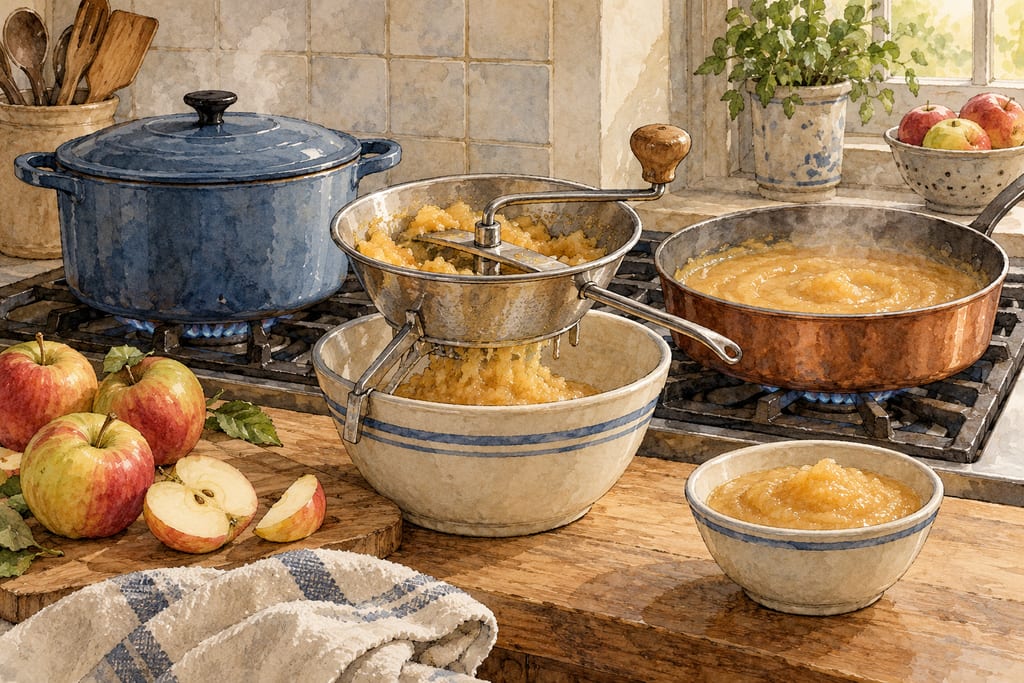
Each appliance does the stage it is good at: a closed pot to soften, a mill or cloth to separate, an open pan or freezer to concentrate or clarify.
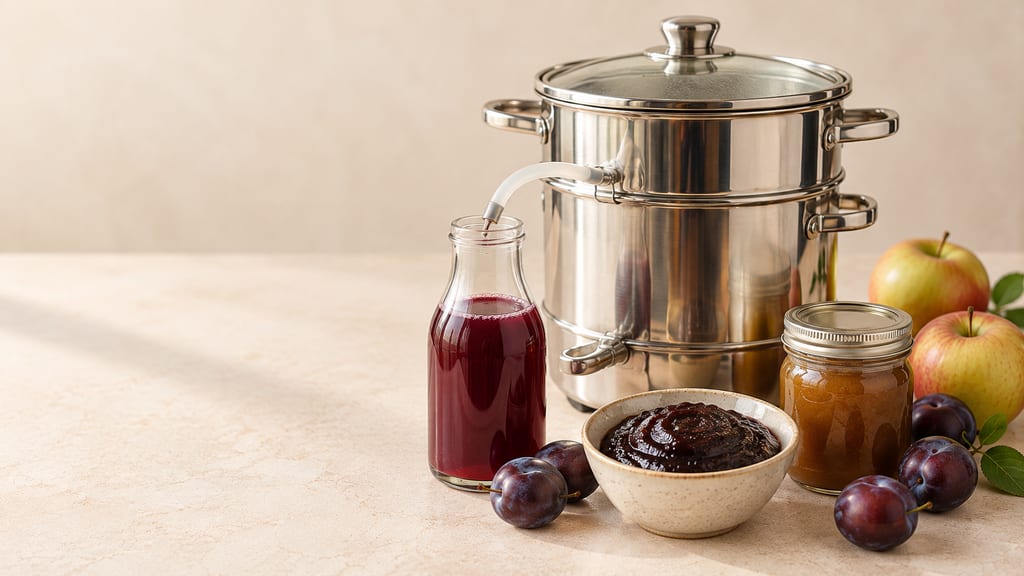
Fruit becomes juice, butter, paste or syrup in two moves: get the liquid out, then drive the water off. Steam juicers, slow cookers, microwaves and freezers each do one of those moves well, and none does both.
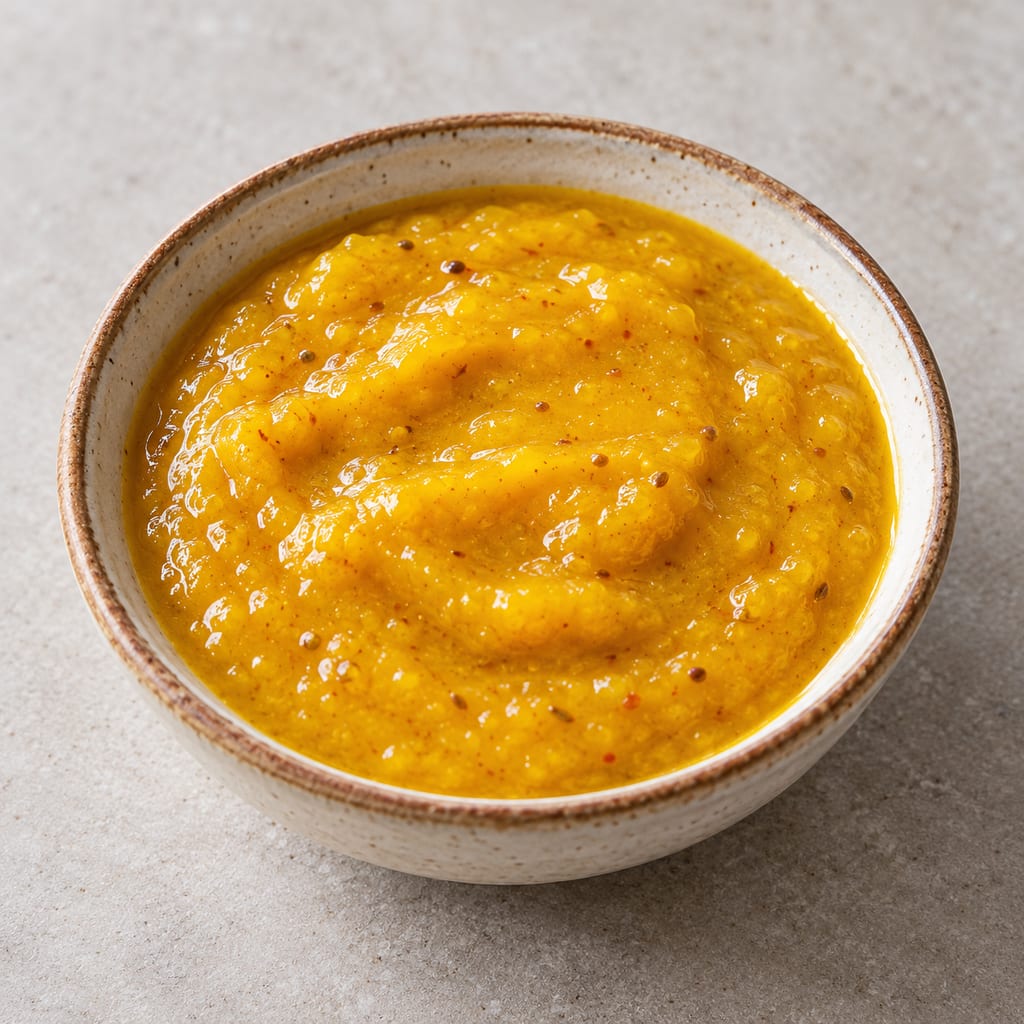
This cooked amba follows a Jewish Food Society recipe that simmers ripe mango with onion, garlic, mustard seed and warm spices into a tangy Middle Eastern condiment.
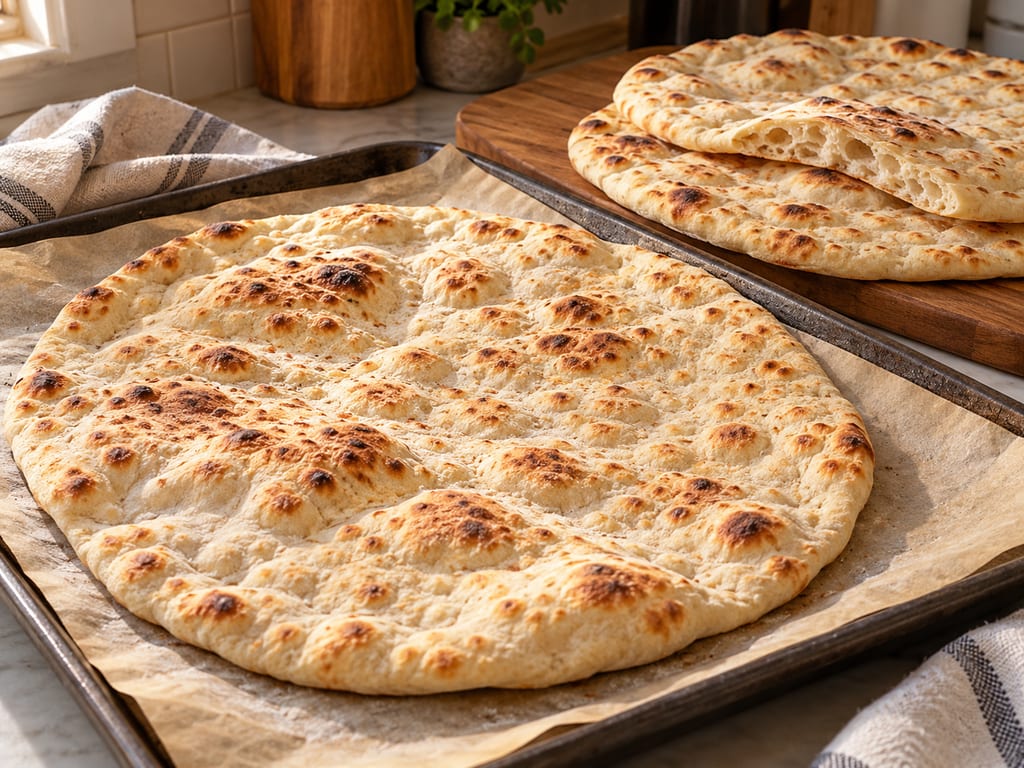
A soft, water-only Iraqi wheat flatbread adapted for a domestic oven with parchment and a preheated baking stone or inverted sheet.
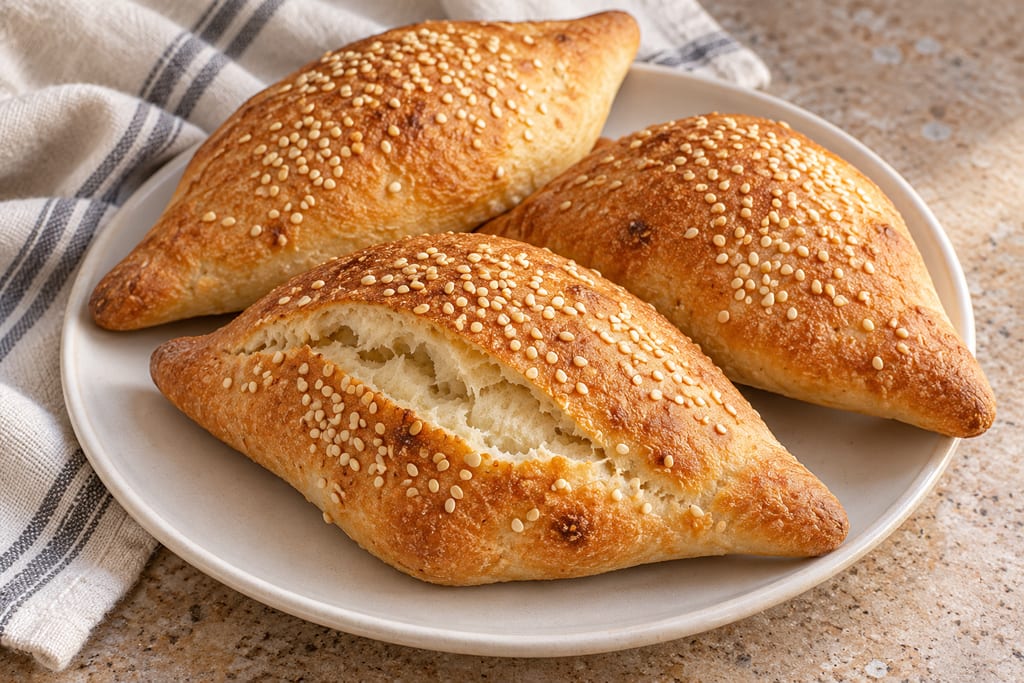
Iraqi diamond-shaped yeast breads topped with sesame and baked in a home oven.

Aam panna is a tart Indian summer drink made by cooking unripe green mango until its flesh softens, then blending the pulp with sweetener, salt and spices and diluting it with water.
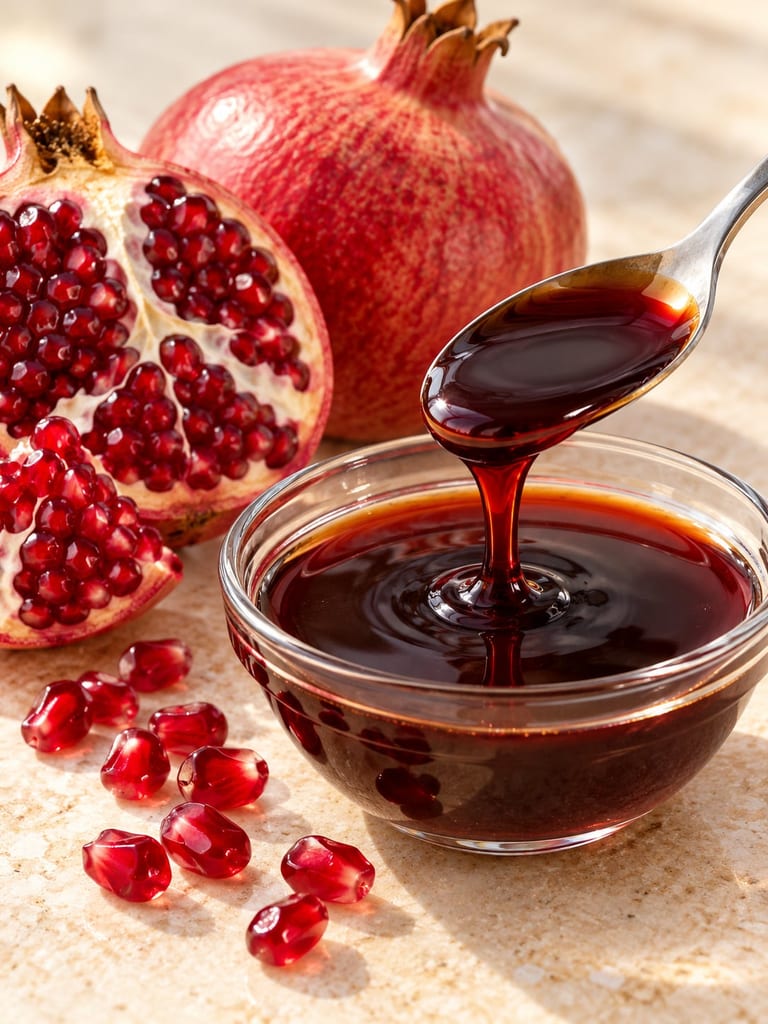
The registered Hatay method presses pomegranate arils and slowly concentrates the strained juice. Its 100 kg source batch and experienced-producer endpoint are retained; no home-scale time or shelf-life is inferred.
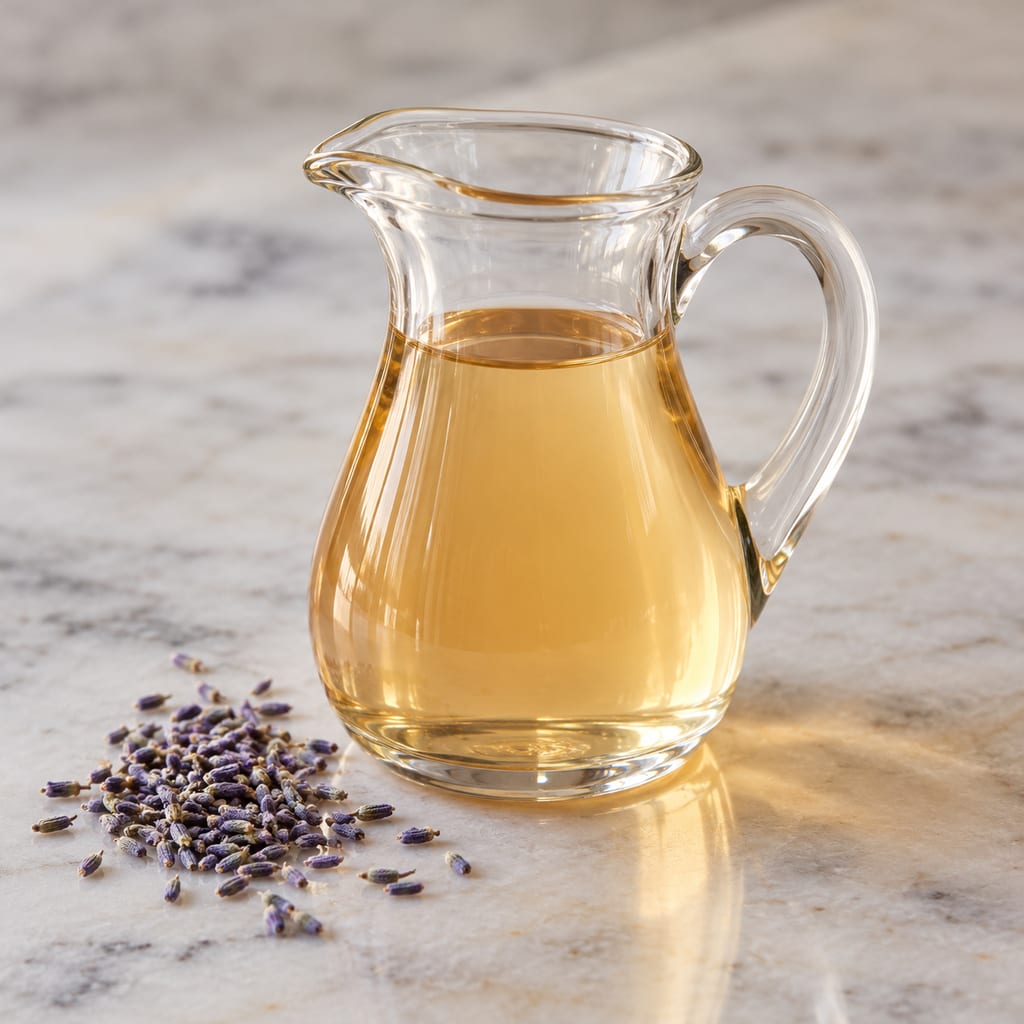
Sugar syrups flavoured by holding botanicals, sugar and water in sealed bags in a 135°F (57°C) water bath for an hour, then cooling and refrigerating; several can share one bath.
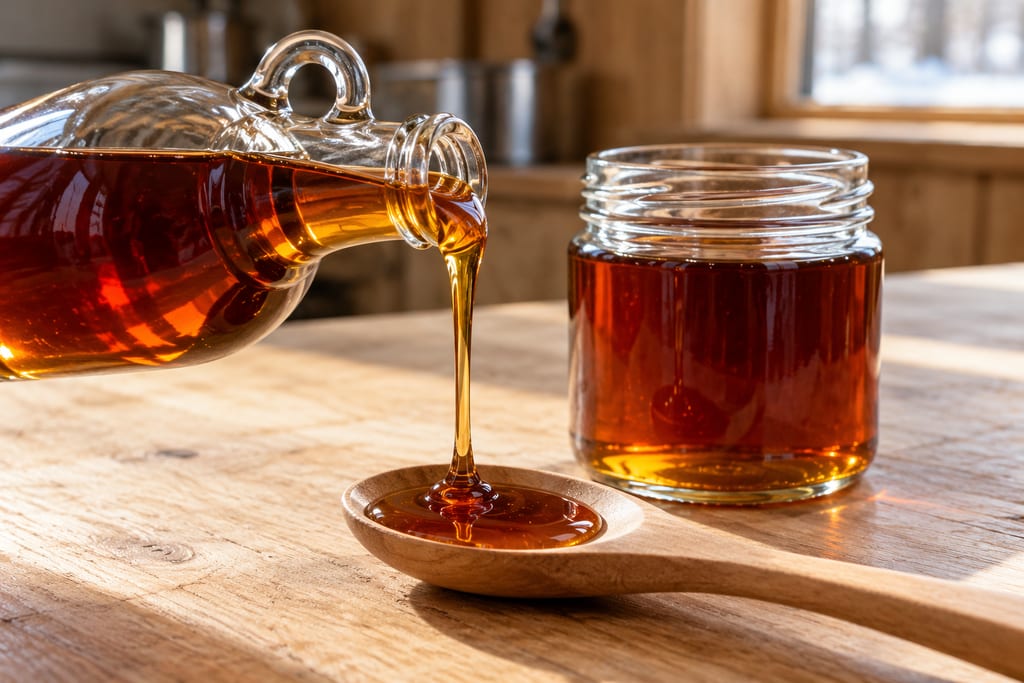
Maple sap of about two percent sugar boiled down in a shallow pan until it reaches syrup density, the sugar concentration the standard defines, then filtered hot and packed hot.
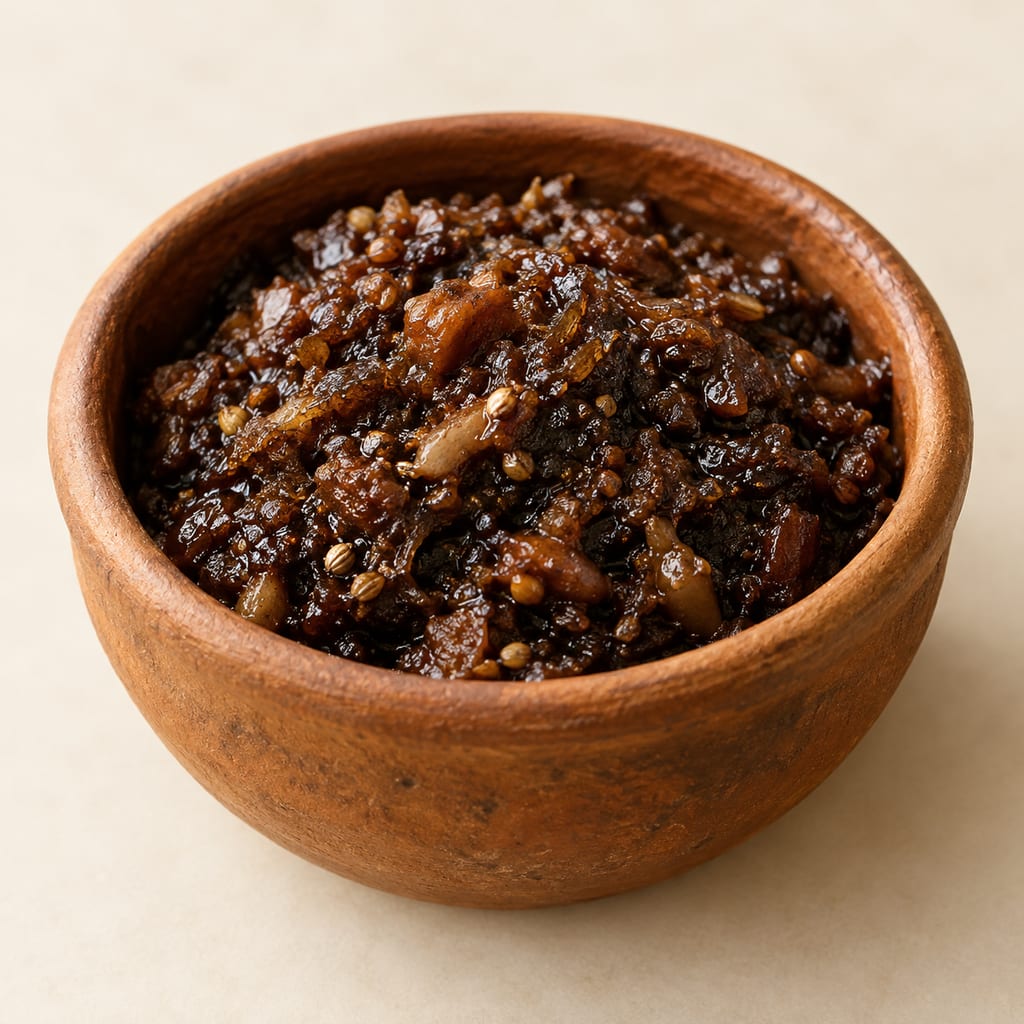
Must murri was a medieval Andalusi and North African seasoning of baked wheat dough, grape must and aromatics, cooked slowly in an oven.
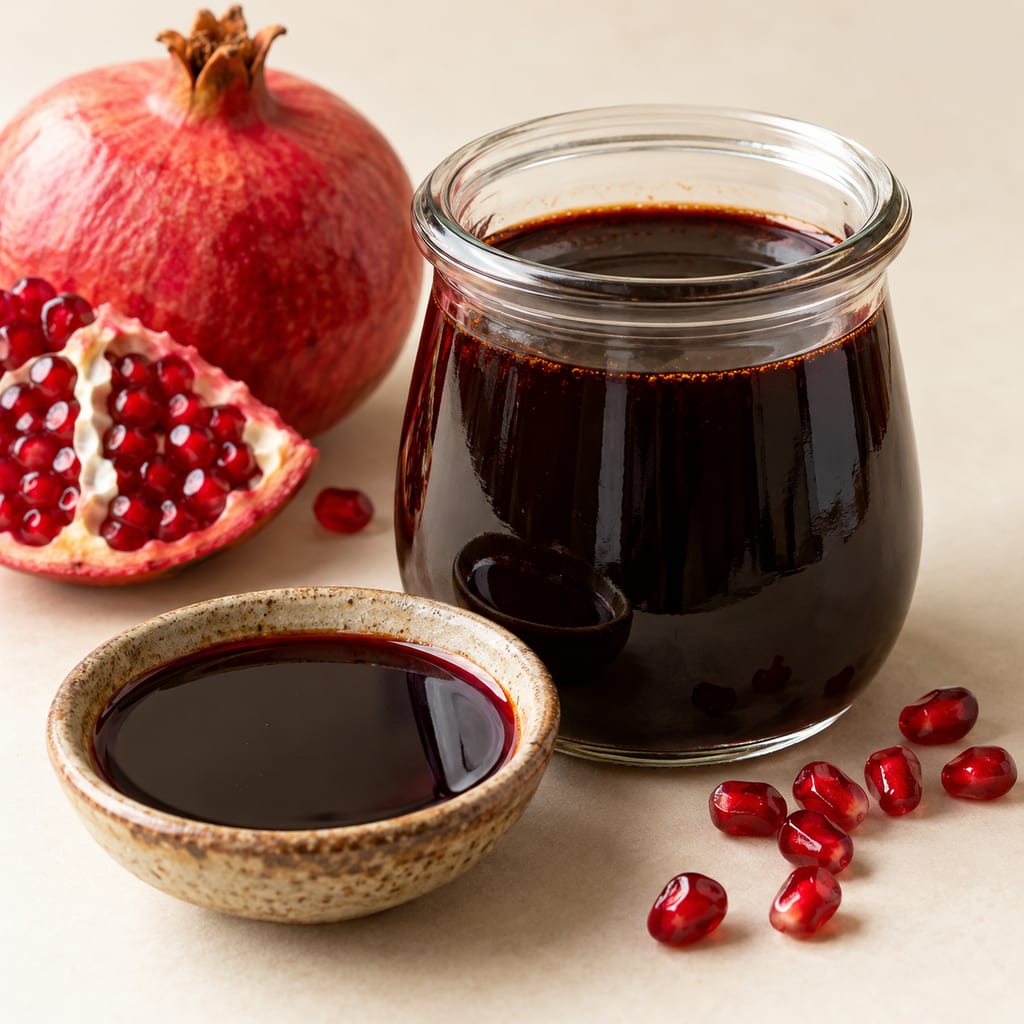
A thick, sour condiment made by reducing pomegranate juice over heat until it is concentrated, used across the Middle East, the South Caucasus and the Balkans in dressings, stews and grilled dishes.
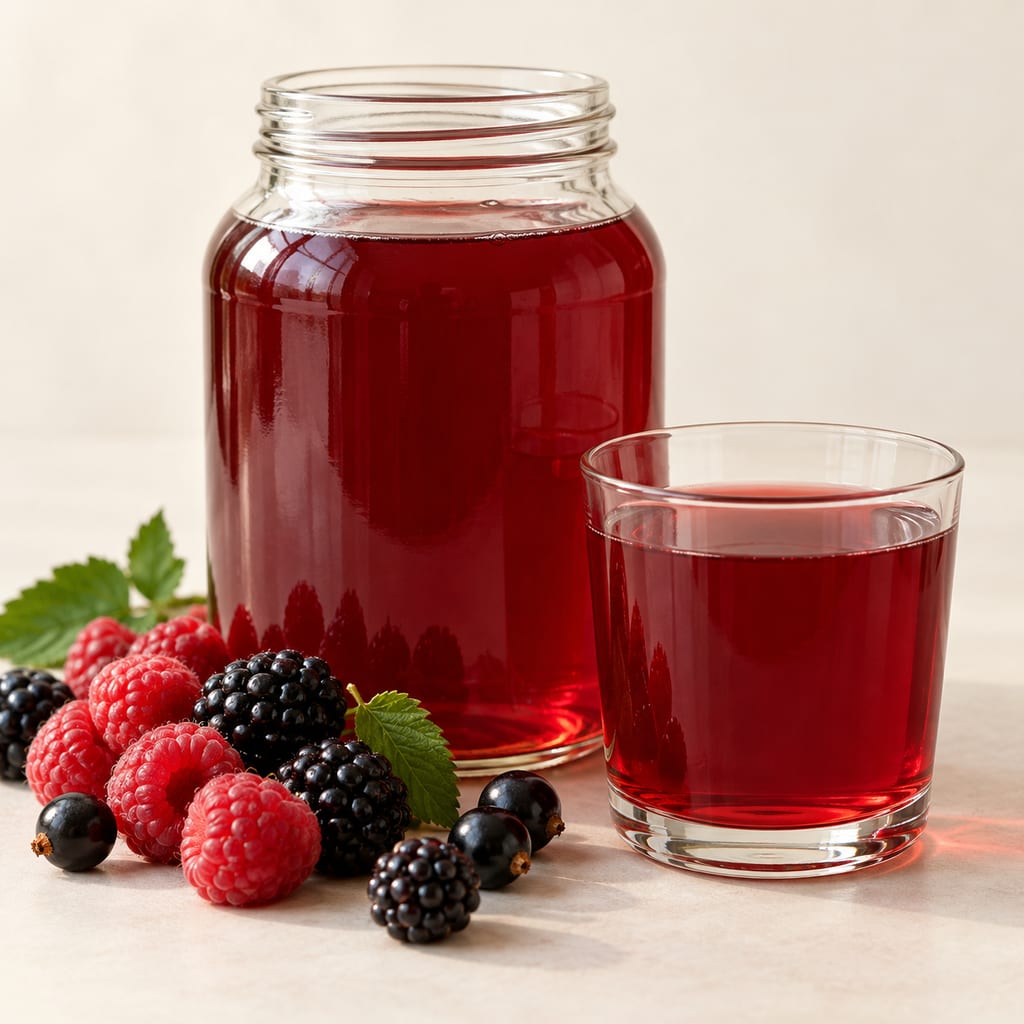
Clear juice that a stacked steam juicer draws out of ripe fruit by steam alone, without crushing it. It is the base for jelly, syrup or cordial and still needs its own keeping step.

At North Abydos in Egypt, a fixed early Dynastic brewery comprised parallel semi-subterranean installations with rows of ceramic mash vats; excavation reports revise their number, scale and estimated batch capacity.

Ají amarillo is the orange-yellow Peruvian chilli cultivar group of Capsicum baccatum, used to colour and season huancaína sauce and ají de gallina. Published heat estimates do not establish one range for the named cultivar.

Toasted almonds are whole sweet almond kernels dry-roasted until golden to brown. Heat replaces their marzipan note with a roasted, nutty one; they thicken and flavour romesco.

Kodiak salmon, halibut and cod cut as seg'aq and hung on an initaq rack to become tamuuq, with kac'amaasaq and kupcuunaq named as different results.

Aniseed is the dried ripe fruit of Pimpinella anisum, an aromatic Apiaceae spice commonly called a seed. It adds a sweet, warm aroma to breads such as Moroccan krachel and South African mosbolletjies, and is distinct from star anise.

A fixed Late Chalcolithic installation in Areni-1 cave combined a shallow clay pressing basin with a large jar set into the cave floor and storage vessels nearby.

Ripe avocado flesh is the soft, buttery, fat-rich pulp of Persea americana, eaten raw. It is low in acid, so it is a fresh ingredient that needs care in chilled dishes.

A portable dome and pan used over a hearth, with embers on the lid and heat from below. Regional peka and saç forms share this principle while differing in materials, pan shape and how the food is cooked.
No community contributions have been published for this entry yet.
Sign in to contribute. Published comments and photos are free to read.
WikipediaHistory · Ingredients · Uses · Regional variation · Safety
Date syrupThick dark brown, very sweet fruit syrup extracted from dates; names dibs, rub, date honey, date molasses, debes, Persian shireh khorma
Uses: sweetener in tahini (Iran, Iraq); chicken and potato marinade with cardamom, salt and olive oil; sauce for stuffed vegetables; basbousa; asida (Libya); baghrir (Algeria)
Bangladesh produces about 20,000 tonnes of date molasses a year; Kalkini Upazila
Production process not described; no sugar percentage, yield or temperature given
Cited in: A date syrup with many names; How it is used; History; Storage and safety
WikipediaHistory · Ingredients
SilanHebrew names dvash tmarim and silan (the common term); Arabic debes and rub
Rabbinic reading of Deuteronomy as date honey; 586 BCE storage jar; Josephus on Jericho date pressing; Qumran date press
Cited in: A date syrup with many names; History
FAO Agricultural Services Bulletin No. 101, Rome (1993)Method · History · Science · Yield · Storage
Date palm products, Chapter 3 (derived date products: date juice, date syrup)Libyan village method; extraction principles; four extractions; white-sand end point; 25 kg dates to 12.5 kg syrup at 67 °Bx
Southern Iraq variant; Gulf accidental syrup
Cited in: Making it at village scale; Open questions