
Aam panna
Aam panna is a tart Indian summer drink made by cooking unripe green mango until its flesh softens, then blending the pulp with sweetener, salt and spices and diluting it with water.
 FermenteaWhere food goes to change
murrī (must) · Must murrī · Wheat and must murri · Grape must murri
Must murri was a medieval Andalusi and North African seasoning of baked wheat dough, grape must and aromatics, cooked slowly in an oven.
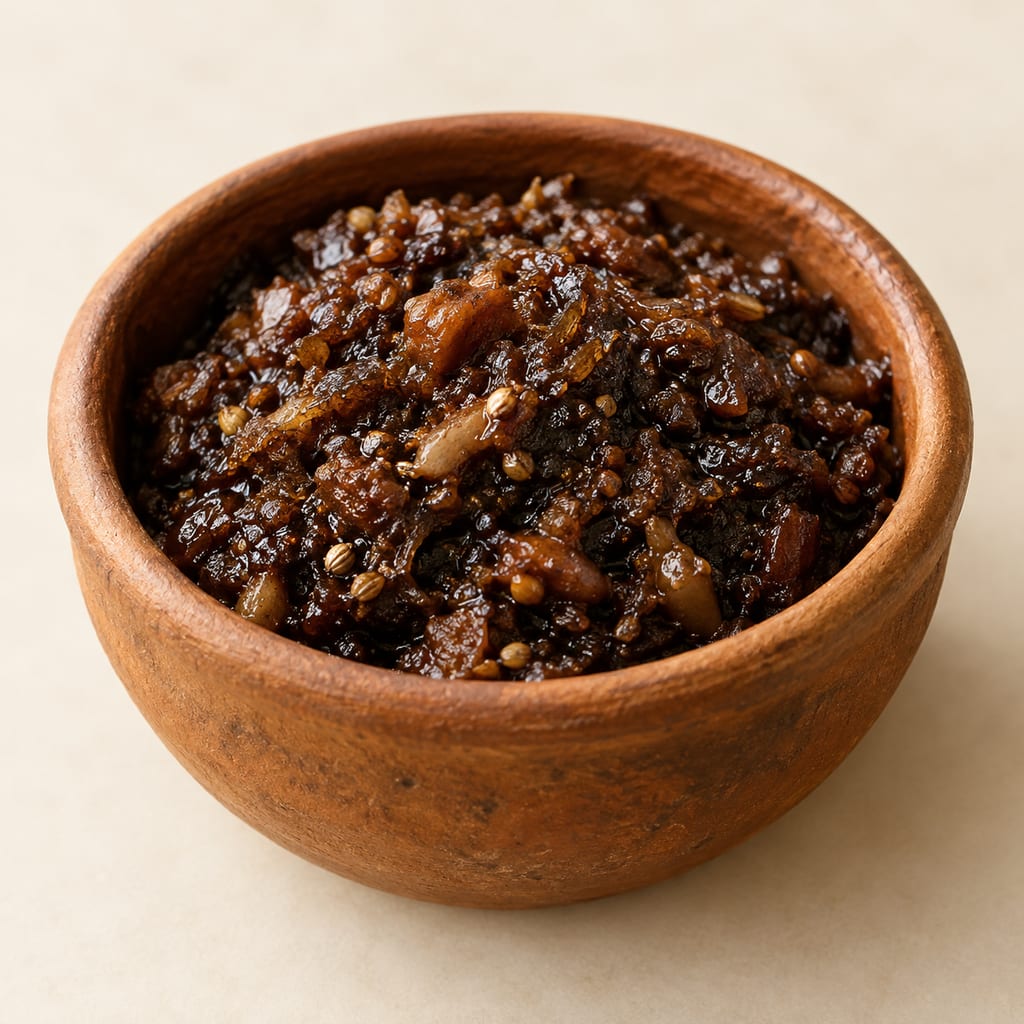
Must murri uses wheat flour and grape must where the barley murri uses barley and water. The recipe belongs to the same family of salty, aromatic grain condiments, but its method is a baked, cooked reduction rather than a weeks-long fermentation.
The Eat Like a Sultan page describes the traditional murri as made by rotting and fermenting barley. It notes that this version departs from that method.
The recipe names quinces, fennel seed, nigella, oregano and citron leaves with the must, and allows a little honey for a sweet edge. It is baked overnight, strained and then used.
The source gives no quantities, so proportions are unknown. A modern cook will have to choose them, and the choice is not evidence of the historical formula.
Historical text and contemporary translation need separate documentation. Older translations and summaries can change ingredients or method, so the medieval Arabic or a specialist translation should be checked before a reconstruction is called ancient.
The recipe is taken from The Exile's Cookbook tradition, as stated on the Eat Like a Sultan page. The page gives no century for the recipe. Its text is a medieval recipe with a contemporary translation, and the two should be documented separately.
Scaling: source batch only
Historical recipe, not a tested process. It is baked and strained rather than fermented, and the source gives no food-safety guidance. Keep any homemade batch refrigerated and check it before use.
The page places the recipe in medieval Arab cuisine in general and does not give a century.
Aam panna is a tart Indian summer drink made by cooking unripe green mango until its flesh softens, then blending the pulp with sweetener, salt and spices and diluting it with water.
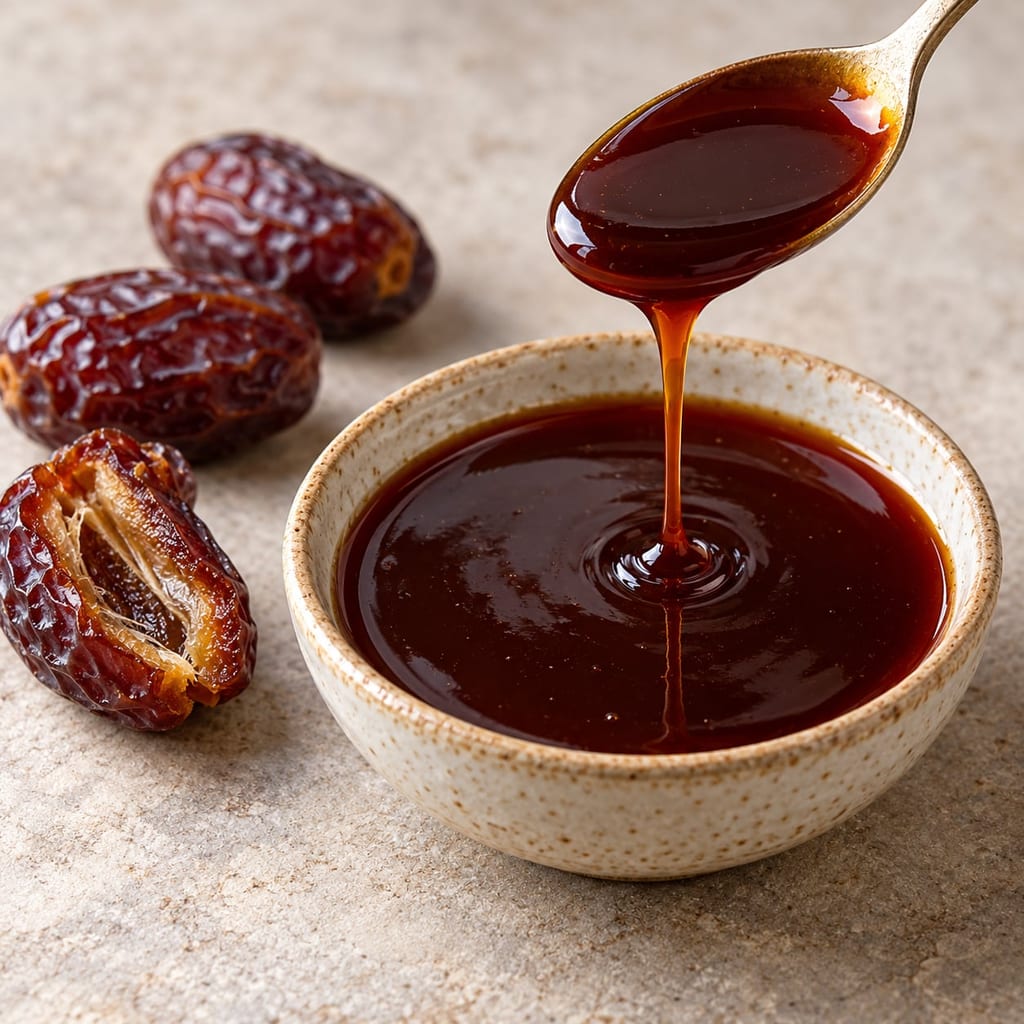
A thick, dark, very sweet syrup made from dates, known as dibs, rub, silan or date molasses. It sweetens tahini and desserts and glazes or sauces savoury dishes across the Middle East and North Africa.
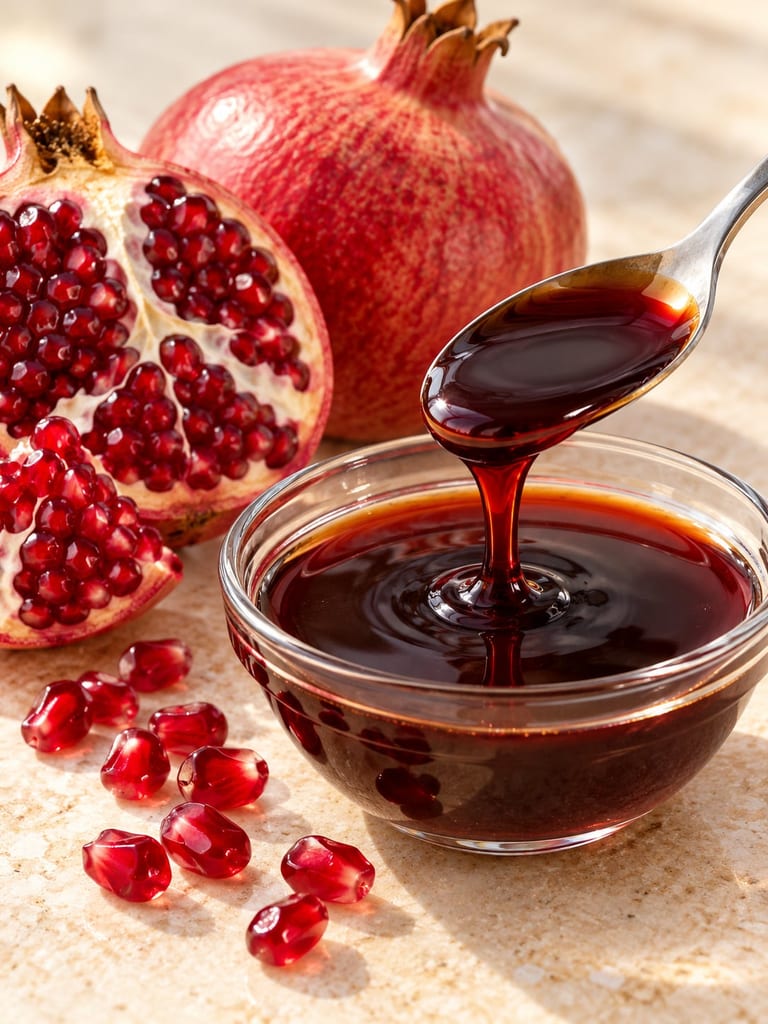
The registered Hatay method presses pomegranate arils and slowly concentrates the strained juice. Its 100 kg source batch and experienced-producer endpoint are retained; no home-scale time or shelf-life is inferred.
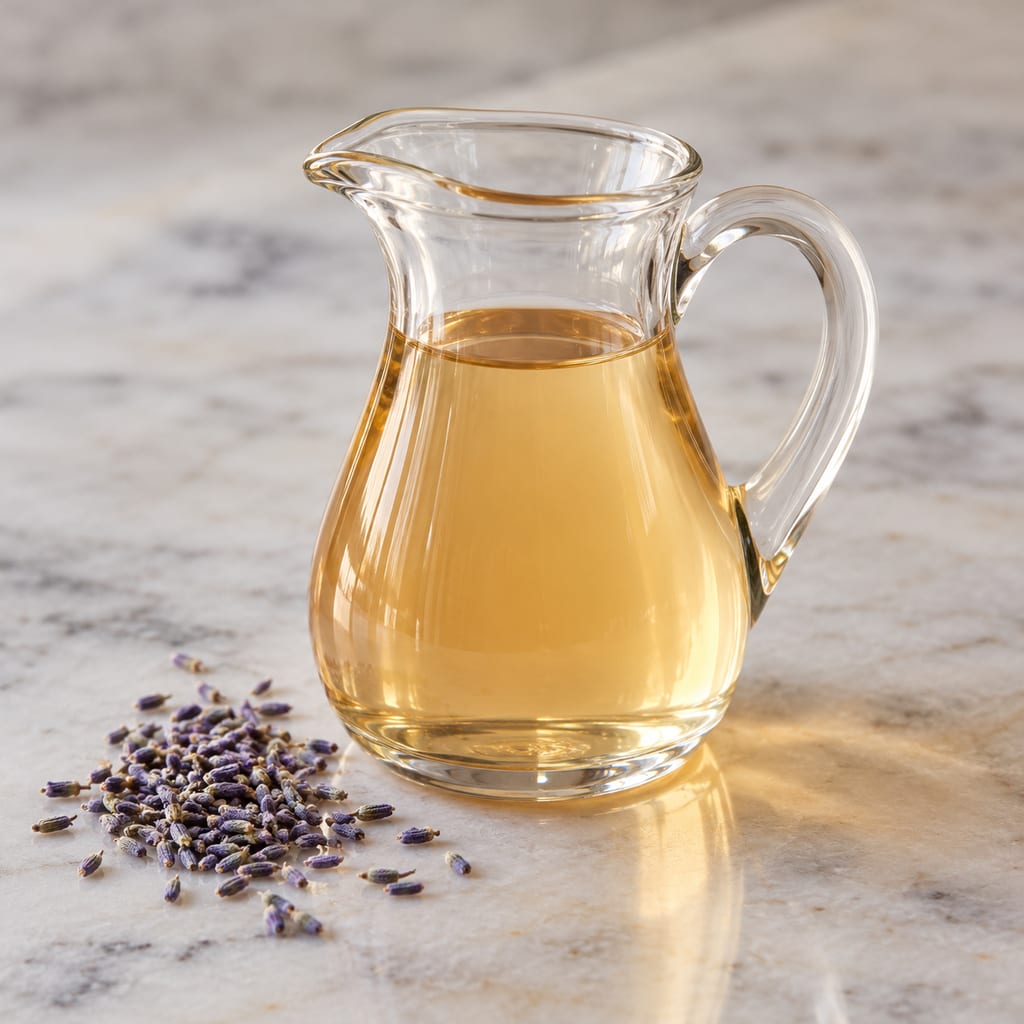
Sugar syrups flavoured by holding botanicals, sugar and water in sealed bags in a 135°F (57°C) water bath for an hour, then cooling and refrigerating; several can share one bath.
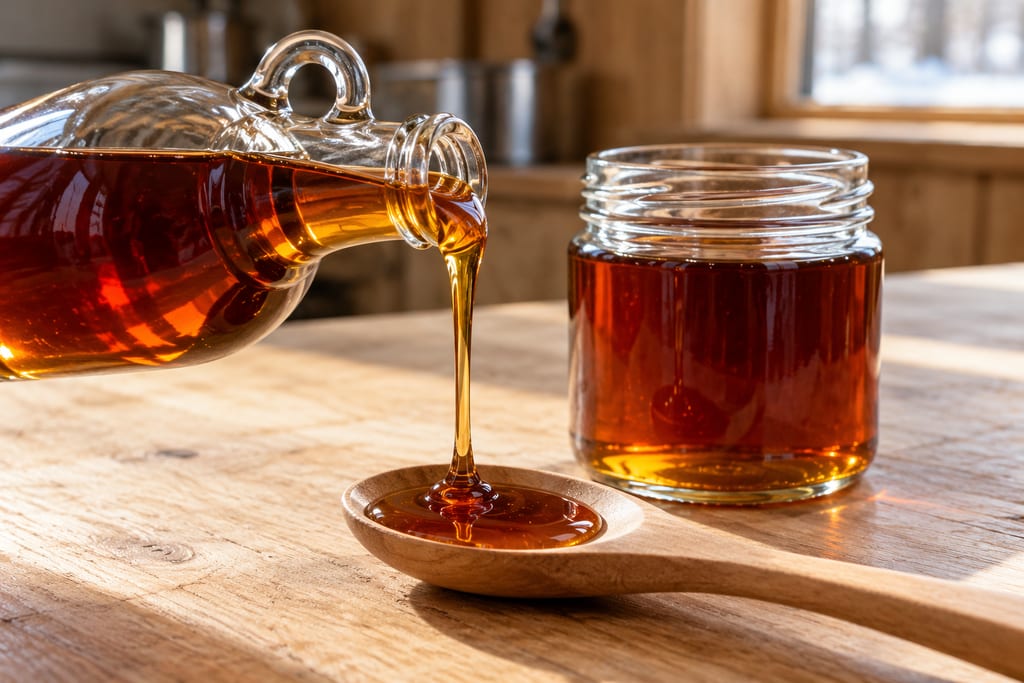
Maple sap of about two percent sugar boiled down in a shallow pan until it reaches syrup density, the sugar concentration the standard defines, then filtered hot and packed hot.
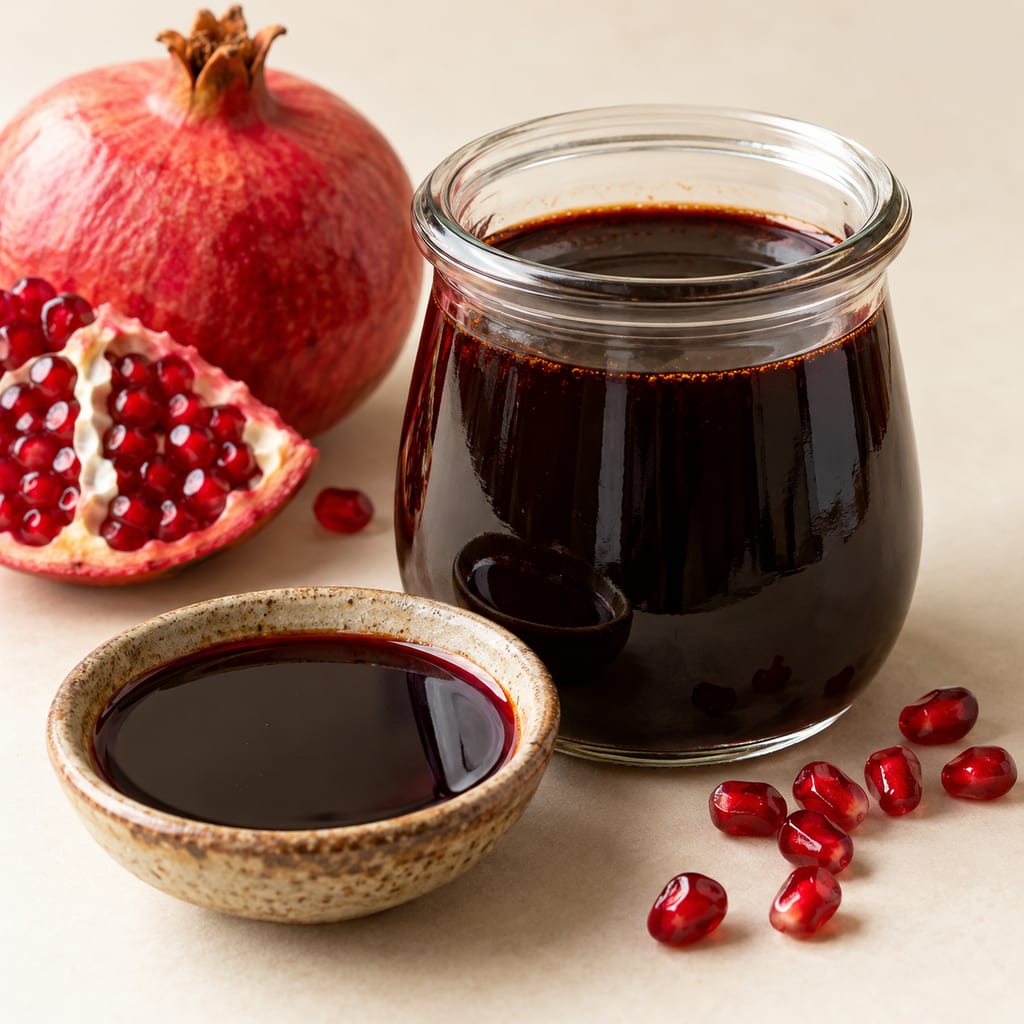
A thick, sour condiment made by reducing pomegranate juice over heat until it is concentrated, used across the Middle East, the South Caucasus and the Balkans in dressings, stews and grilled dishes.
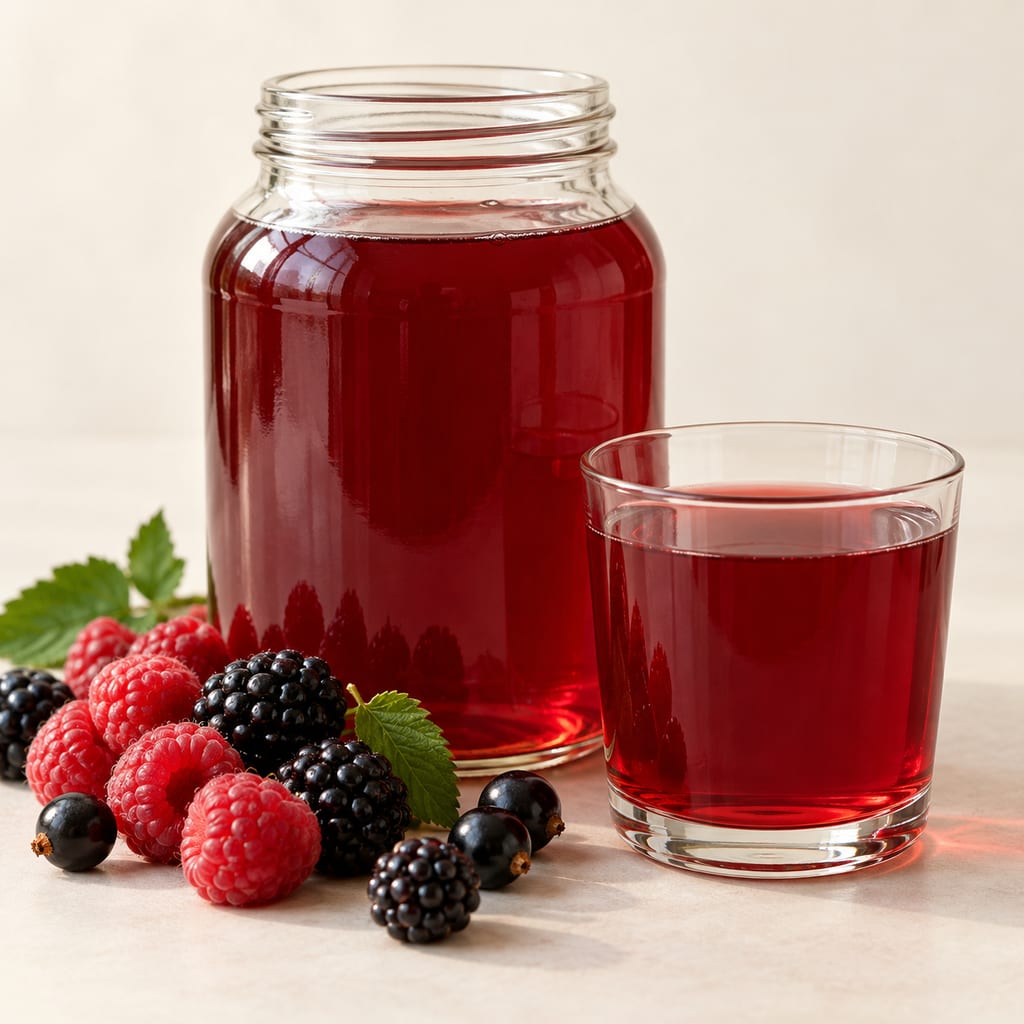
Clear juice that a stacked steam juicer draws out of ripe fruit by steam alone, without crushing it. It is the base for jelly, syrup or cordial and still needs its own keeping step.

Protected Italian vinegar made only from cooked grape must, fermented and aged in a battery of wooden barrels for at least 12 years: sweet, sharp and syrupy.
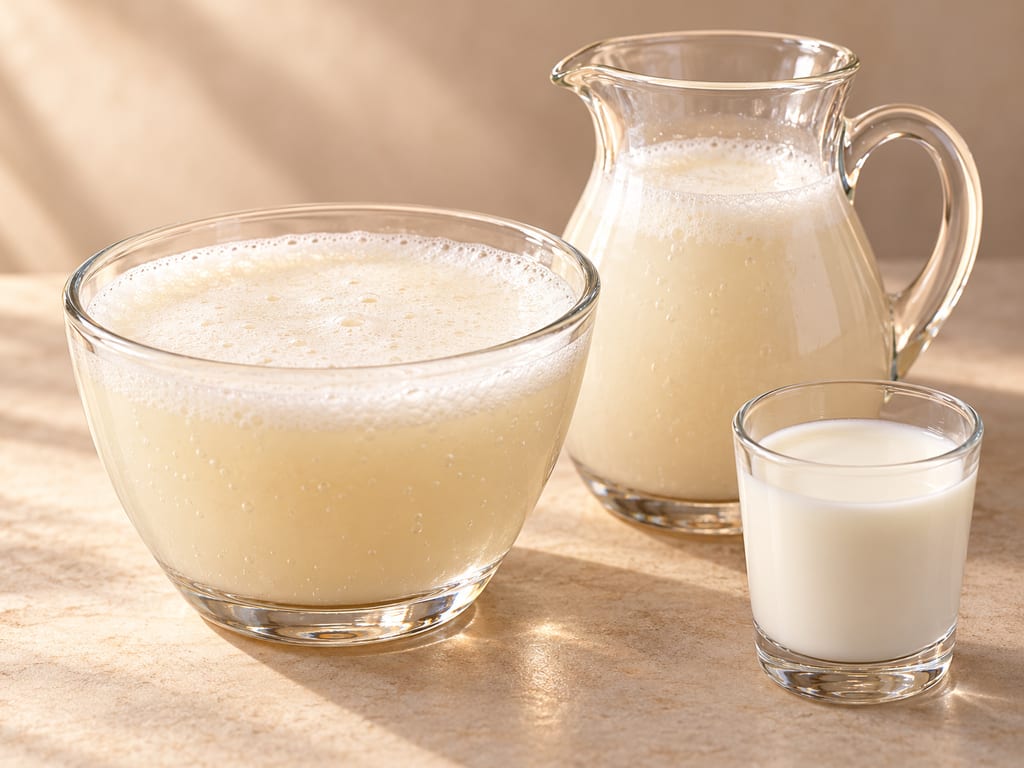
Airag is Mongolia’s fermented mare’s-milk drink, traditionally churned with saved starter in a reusable cowhide khokhuur.

Appam, or hoppers, are South Indian and Sri Lankan rice pancakes made from a fermented coconut-and-rice batter and cooked in a curved pan to a crisp lacy rim and a soft, spongy centre.
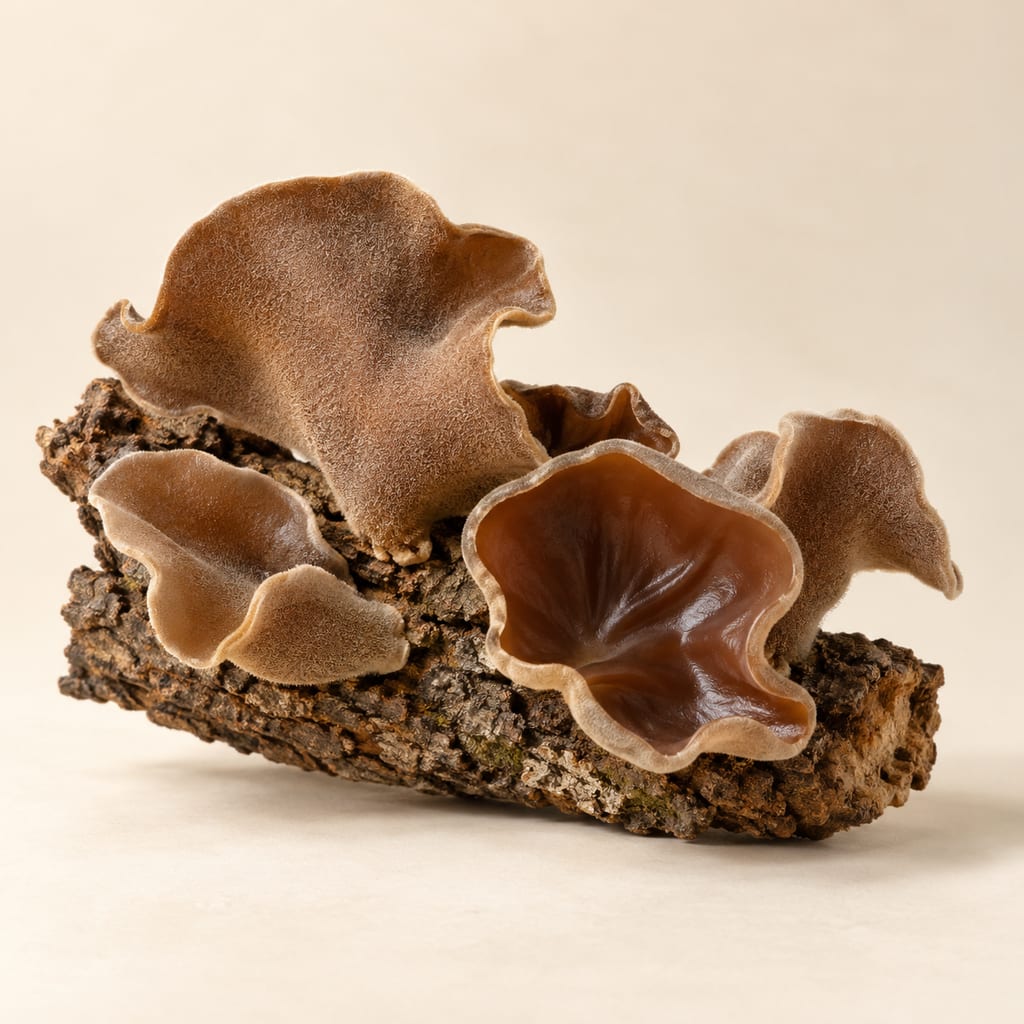
Auricularia tremellosa is a wood ear fungus of the genus that supplies most dried wood ear sold in China; its own food record is thin, and the culinary practice described here comes from the closely related wood ear species.
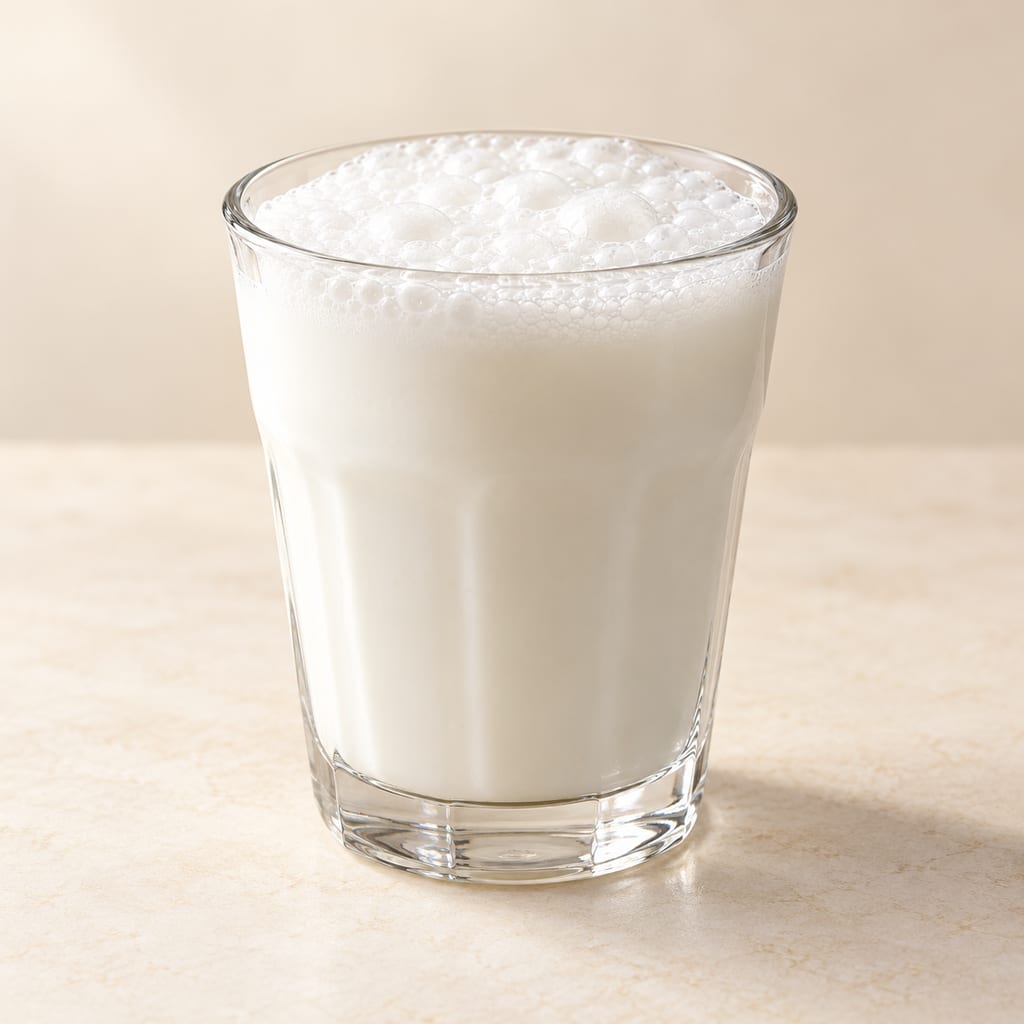
Ayran is Turkey’s cold, savoury yogurt drink: plain yogurt is loosened with water and lightly salted, then whisked smooth or aerated into a soft cap of foam.
A thin stone griddle used over an open hearth. Norwegian archaeology documents the established tradition from the early Middle Ages; a Viking-period origin is only a cautious suggestion linked to Shetland.

Crushed or milled barley cooked in water until the starch softens and the mixture thickens, the plainest way a northern household turned stored grain into a meal, here with apple and hazelnut.

Black carrot is the anthocyanin-pigmented Eastern carrot (Daucus carota var. atrorubens), the purple root that preceded orange types and still colours kanji and şalgam.
No community contributions have been published for this entry yet.
Sign in to contribute. Published comments and photos are free to read.
Eat Like a SultanMethod
Must murrīWheat flour, must, salt, quince, fennel seed, nigella, oregano, citron leaves, honey; bake overnight; strain
Cited in: Wheat in place of barley; The recipe as recorded; Reading the source