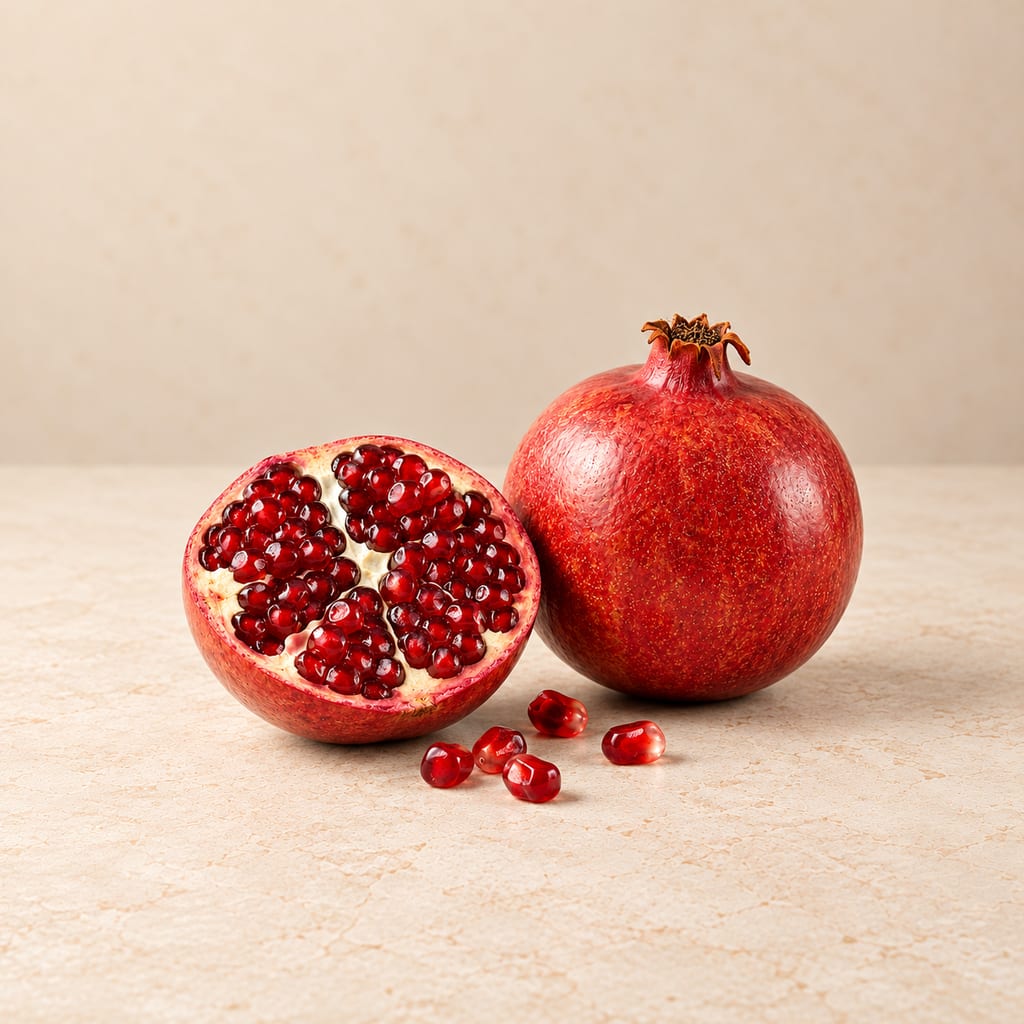
Pomegranate
The pomegranate (Punica granatum) is a seed-filled fruit whose arils run from sweet to sharply sour, depending on citric acid. Sour fruit becomes juice, molasses and dried anardana.
 FermenteaWhere food goes to change
Traditional method
Hatay Nar Ekşisi · nar ekşisi
The registered Hatay method presses pomegranate arils and slowly concentrates the strained juice. Its 100 kg source batch and experienced-producer endpoint are retained; no home-scale time or shelf-life is inferred.
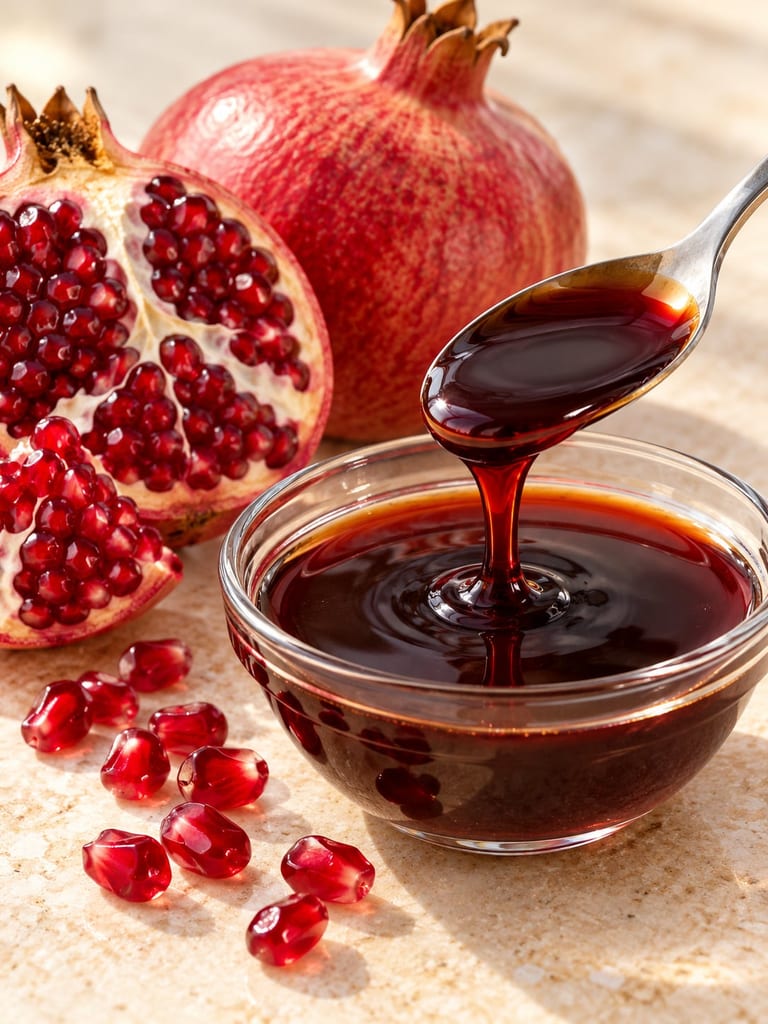
Nar ekşisi is pomegranate juice pressed and reduced to a thick sweet-sour condiment. Hatay Nar Ekşisi is protected by a Turkish geographical indication whose boundary covers Hatay Province. It requires all production stages there, but does not establish a single birthplace. The application took effect in 2020 and registration followed in 2023; the specification says the preparation has a long history without dating its beginning. Those legal dates must not be retold as an origin story.
Local Hicaz and sour pomegranates shape the product. Sweeter Katırbaşı and Karamehmet must be blended with sour fruit. The GI definition excludes added sugar, sweetener and other additives. It describes fruit acidity alongside sweetness, cooked caramel notes and a thick flow associated with high dry matter. These are sensory traits, not measurable household endpoint criteria.
A Hatay ethnobotany study records Turkish nar ekşisi and Arabic hamed rimmen. Cooks use the condiment in stuffed vegetables, salads, soups and meat; the GI also names pastry. The acidity and cooked-fruit flavor suit savory foods, though the amount is a matter of taste.
Pomegranate belongs to a wider family of regional sour sauces. Informants describe cornelian cherry, plums, citrus and grapes as alternatives, and recall pomegranate, cranberry and plum sauces before tomato and tomato paste displaced many in everyday cooking. This is reported oral history, not a dated universal timeline. These neighboring sauces are not ingredients in the protected pomegranate product.
The registered traditional batch starts with 100 kg fruit and yields about 5–10 kg concentrate. The source gives five- to seven-fold reduction but no time, small-batch conversion, thermometer target or household shelf-life protocol. Its final consistency is judged by an experienced producer. We retain the source scale rather than invent a home ratio.
The traditional description sorts and washes fruit, opens it, removes arils by hand, presses them, and strains juice through food-contact cloth. The juice boils at atmospheric pressure in a tinned copper basin over strong heat. The cook skims foam; once foaming subsides, stirring and ladling help evaporation until the reduction is five- to seven-fold. The separate industrial vacuum method is not combined with these steps.
Boiling concentrated syrup creates a serious splash-burn hazard. The cited extension article concerns maple syrup and supports only the general warning, not this pomegranate method. The GI describes dark ambient storage for the protected product; that does not validate home processing or room-temperature storage for an unmeasured household batch. This page makes no such storage recommendation.
A 2025 study tested two Hatay samples made by traditional open heating and measured HMF above the TS 4953 limit of 50 mg/kg. That result applies to the tested samples; it does not establish that all batches exceed the limit or decide this recipe's safety. The Ministry also distinguishes nar ekşisi from imitations marketed with misleading names.
The Hatay specification is a product specification as well as a recipe description. It defines the named product through ingredients, production geography, process and characteristic qualities. Its province-wide boundary means all stages of the protected preparation belong in Hatay. A regional rule should not be stretched into a claim that nar ekşisi was invented at one village or that no similar condiment is made elsewhere. People throughout Türkiye and neighboring food cultures make pomegranate reductions; the protected name identifies the Hatay product under that particular specification.
The official record calls the product long-established and culturally and economically important to Hatay, but it does not supply a first written mention, archaeological date, or named inventor. We therefore retain an unknown earliest attestation. The date the protection applies from and the date the registry issued its decision answer legal questions. They do not tell us how old the preparation is. When a local food has a deep oral tradition, careful writing can preserve that fact without inventing a chronology.
The Turkish phrase nar ekşisi literally signals pomegranate sourness. The Hatay ethnobotany paper records hamed rimmen as an Arabic name used by interviewees. These names help situate the condiment within a multilingual region, but they should not be used as proof that every speaker means the exact protected Hatay formulation. Names, recipes and commercial labeling do not always map one-to-one. The GI specification gives a practical way to identify its named product: pomegranate fruit, a defined Hatay provenance and the specified traditional method.
Contemporary regulation makes this distinction visible at the shop shelf. The Ministry of Agriculture and Forestry described a Turkish Food Codex rule under which nar ekşisi products may be made from pomegranate, pomegranate juice, concentrate and water, while imitation goods cannot be sold under deceptive nar-ekşisi-like names. In some shops genuine pomegranate reduction sits beside bottles of nar ekşili sos. The latter may be a cheaper sauce that evokes the flavor or name but is a different product. This commercial context is useful for readers comparing photographs or labels; it is not a recipe option and does not alter the Hatay protected specification.
Pomegranate cultivars do not all bring the same balance of sugar and acidity. The Hatay specification names Hicaz and local sour cultivars. It also describes Katırbaşı and Karamehmet as sweeter fruits that are to be combined with sour pomegranate. That instruction matters because acidity is a defining counterweight to the reduction's sweetness. It does not give a numerical blend ratio, so none should be supplied as if it were the official formula. Growers and producers work with the fruit available to them while remaining within the stated product identity.
Only the fruit's juice is concentrated for the protected condiment. The GI description excludes sugar, artificial sweeteners and additives. As water evaporates the naturally present fruit sugars and acids become more concentrated, and cooking adds the caramel-like sensory note described by the registry. This does not mean the product is caramel syrup or that extra sugar should be cooked into it. The official description is a set of identifying sensory qualities, not an invitation to sweeten the batch until it tastes familiar.
The low-flowing texture is linked in the specification to the finished product's high dry matter. A thick ribbon from a spoon is therefore a reasonable visual cue for a ready condiment, but a photograph or kitchen spoon cannot measure composition. The producer described by the GI relies on experience. There is no fixed temperature, time, or refractometer reading in the traditional method presented here. A specific numerical value taken from another process, another producer's batch or industrial vacuum concentration would add false precision.
The official quantity also guards against false precision. One hundred kilograms of starting fruit reportedly produce about five to ten kilograms of finished sour. The wide range itself reflects variation in incoming fruit and the traditional endpoint. It is not a guaranteed yield for a smaller pot, nor a conversion factor for ten kilograms of fruit at home. Extraction losses, ripeness, variety and cook's judgment can all matter. The source does not tell us how to scale them. The recipe keeps the original source batch visible and avoids translating it into a household measure.
Sorting and washing come first. Leaves and damaged debris are removed before the fruit is opened. In the registered method the pomegranate halves are tapped with a rod so the arils fall out by hand. This is a mechanical way to separate the seed sacs from the peel; it is not a crushing ferment, and no starter culture or salt is added. The arils are then pressed manually and the juice is passed through cloth intended for food contact.
Straining before the boil separates juice from solid fragments and helps the producer work with a liquid batch. The registered traditional method names a tinned copper basin, strong heat and atmospheric pressure. The vessel is broad and suited to open evaporation; the specification names the historic equipment rather than providing a dimensioned build. A substitute pot could change heating area, boil behavior and batch depth. Because no alternate-vessel validation is included, the recipe does not claim any modern pot will reproduce the registered method exactly.
During boiling the producer removes foam. The official description connects this stage with removing foam and bitter tannins. It does not quantify the volume to skim or describe a timing schedule. Once new foam formation stops, stirring and ladling the juice back into the basin assist evaporation, and the cook continues until it has concentrated five- to seven-fold. The traditional endpoint is judged by an experienced producer's assessment of consistency. This progression explains what the source means by concentration without pretending that a novice can infer a safe endpoint from a stopwatch.
The GI document also gives an industrial route under vacuum, with conditions suited to industrial equipment. That route is intentionally not folded into this account. Vacuum concentration changes pressure, temperature and evaporation conditions; it is not a modernized step that can be substituted casually into the open-basin sequence. A description of one process should not borrow the equipment settings or safety assumptions of the other. The batch here follows the named traditional method only.
Hatay cooks use pomegranate sour to season foods that benefit from acidity and concentrated fruit aroma. The ethnobotany survey records it in dolma, salads, soups and meat dishes. The GI specification also names pastries. The condiment may be stirred into a dressing, spooned into a cooked dish or added to a filling according to the cook's taste. Those serving suggestions explain use rather than prescribe a universal quantity. The 100 kg figure describes preparation of the condiment and should not be confused with the amount added to a meal.
Regional alternatives help explain culinary function. Cornelian cherry, plum, citrus and grape can also supply tartness, while the Hatay survey describes older use of cranberry and plum sauces. Substituting these fruits makes a different sour sauce, not a variant that can be sold or understood as pomegranate-based Hatay Nar Ekşisi. The distinction is like keeping a family of techniques in view while preserving the identity of a single protected product. Similar purpose does not make ingredients identical.
The 2025 quality study deserves precise interpretation. It analyzed two Hatay products prepared by traditional open heating from the varieties in its title and reported HMF values above a 50 mg/kg TS 4953 maximum. A small set of samples can raise a worthwhile question about process control, but cannot determine the values of every producer's batch or of the specific 100 kg source lot described here. We cite it as a quality observation and do not claim a health outcome that the paper did not establish.
Likewise the GI's description of storage for its registered product is not a household preservation study. It does not validate a jar prepared in an untested home kitchen, a sealing procedure, or a storage period for a scaled-down batch. This recipe gives no canning directions and does not advise room-temperature storage. The concentrated syrup is also extremely hot during production and can adhere to skin; the extension safety source is about maple syrup, and is cited only for the general severity of hot-syrup burns. Work around the open basin cautiously and rely on an independently validated preservation process if household shelf storage is the aim.
The GI calls the product long-established but gives no earliest date. Protection effective 18 December 2020 and registration on 24 May 2023 are legal milestones, not origin dates.
Scaling: source batch only
Boiling concentrated juice can splash and cling to skin; extension source supports only the general hot-syrup hazard.
Hazard sourceGI storage description does not validate a household batch or shelf life.
Hazard sourceProtect hands and eyes around boiling syrup; hot syrup causes severe burns.
Control sourceDo not infer room-temperature shelf stability for an unvalidated household batch.
Control sourceCooked reduction, not fermentation.
No supported home-scale method or shelf-stability claim.
A 2025 study found HMF above TS 4953's 50 mg/kg maximum in its two Hatay samples only.
GI production boundary, not an origin claim.
The pomegranate (Punica granatum) is a seed-filled fruit whose arils run from sweet to sharply sour, depending on citric acid. Sour fruit becomes juice, molasses and dried anardana.
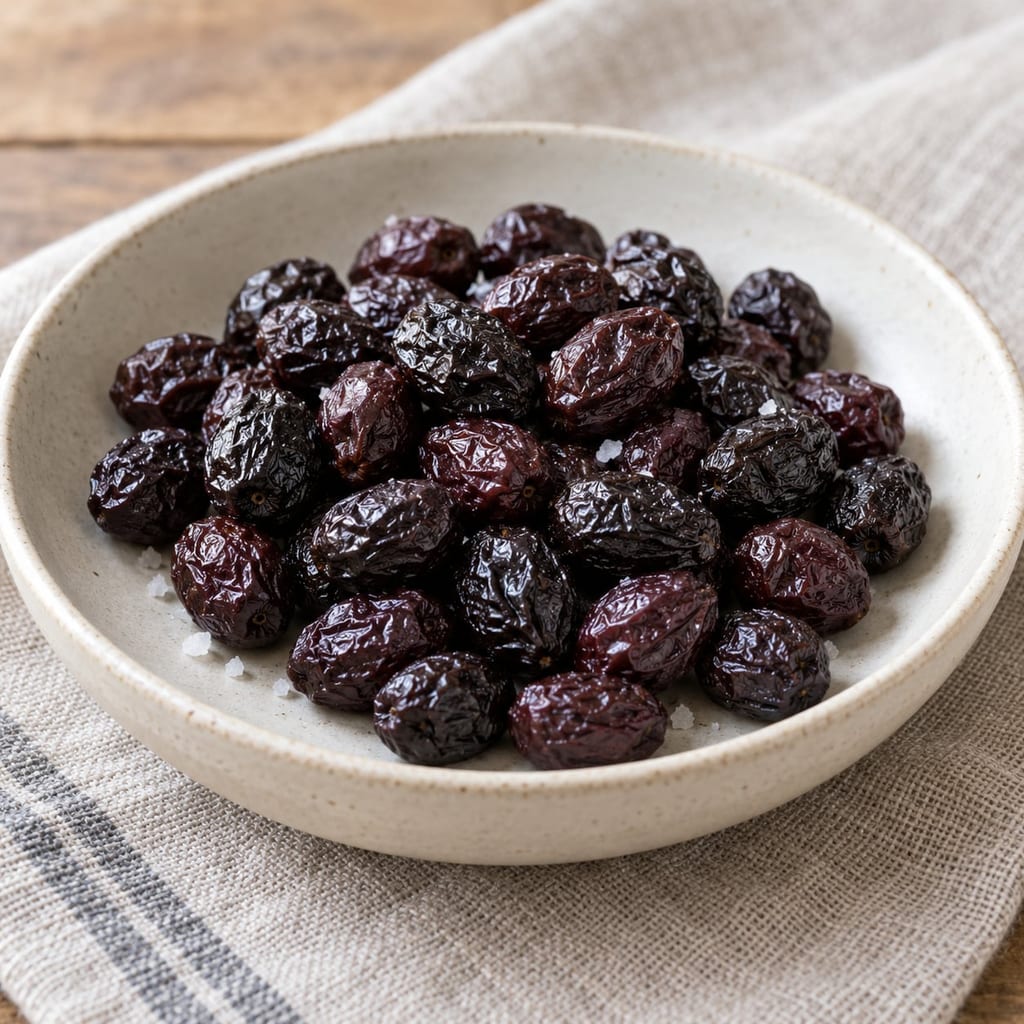
Fully ripe dark olives are mixed with salt and turned weekly as salt draws out moisture. Distinct from existing brine-fermented and lye-treated olives.
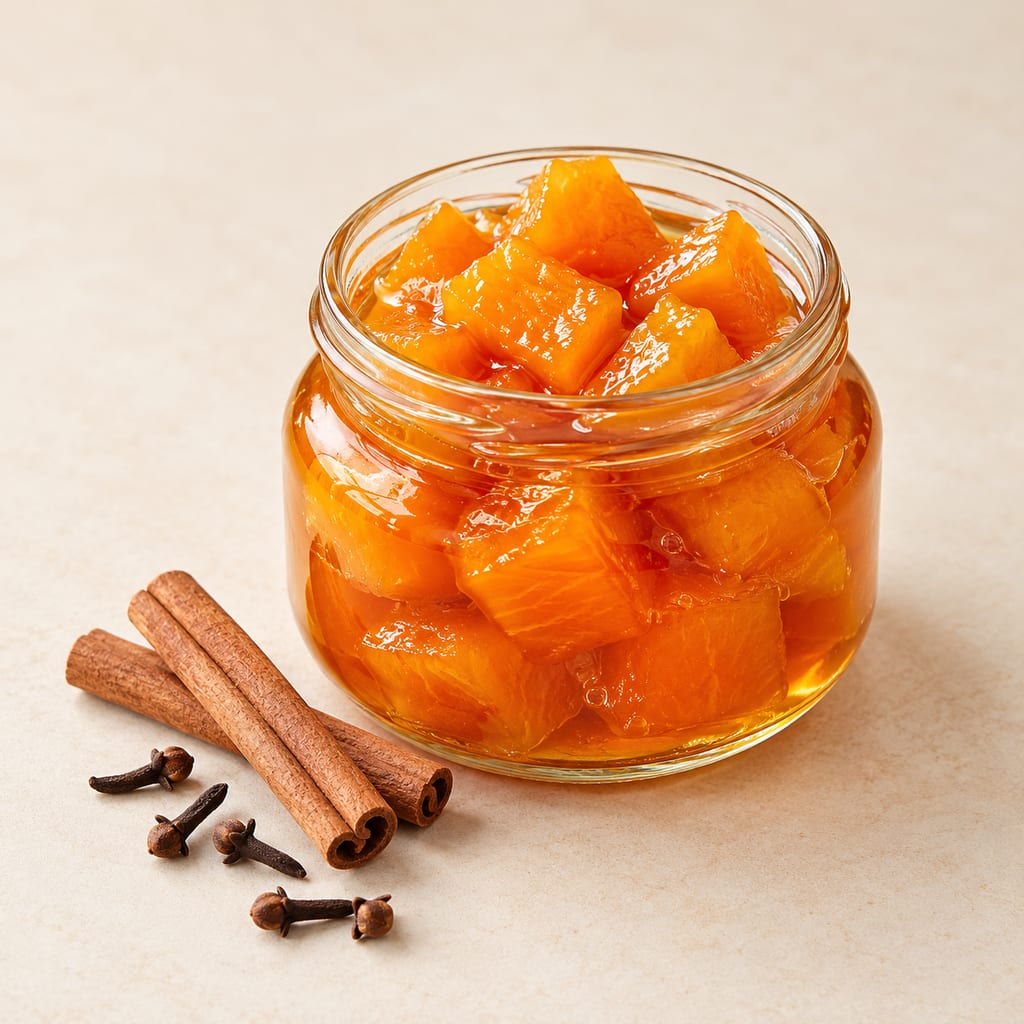
Turkish pumpkin jam without lime: Freeze for winter; small fresh portion refrigerated up to 48 hours.

Ayran is Turkey’s cold, savoury yogurt drink: plain yogurt is loosened with water and lightly salted, then whisked smooth or aerated into a soft cap of foam.
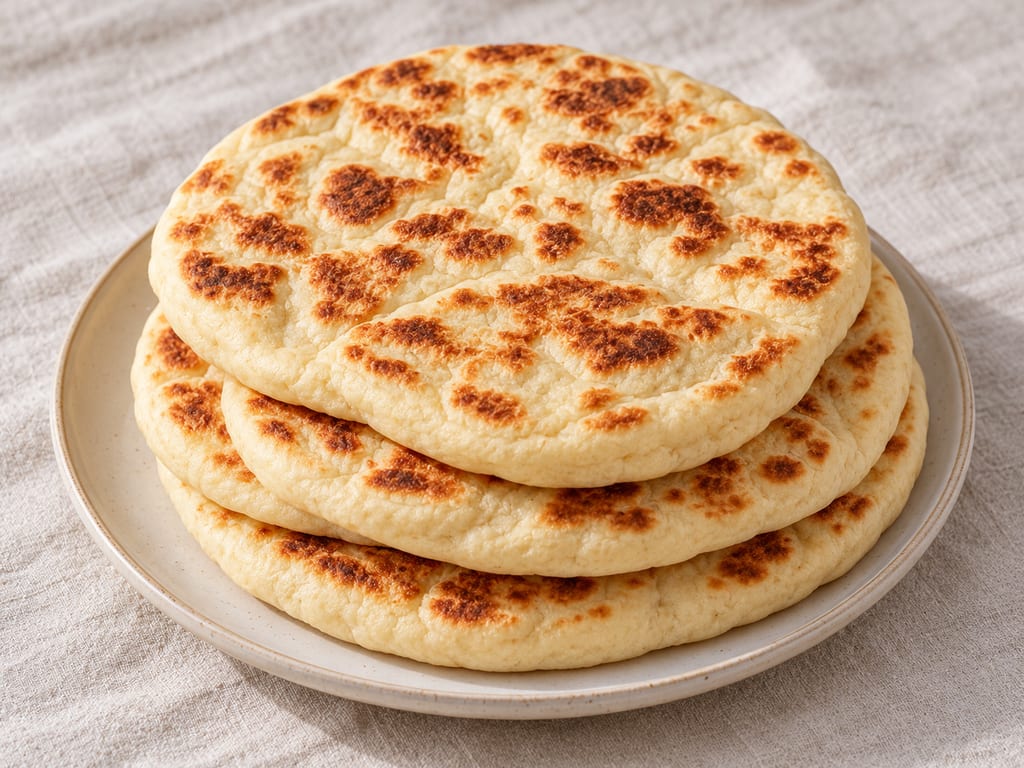
This Turkish bazlama uses yeast, plain yogurt and olive oil for a soft dough cooked in a skillet. Shape it into twelve small or six larger rounds, flip as bubbles appear, and wrap the breads to keep them soft.
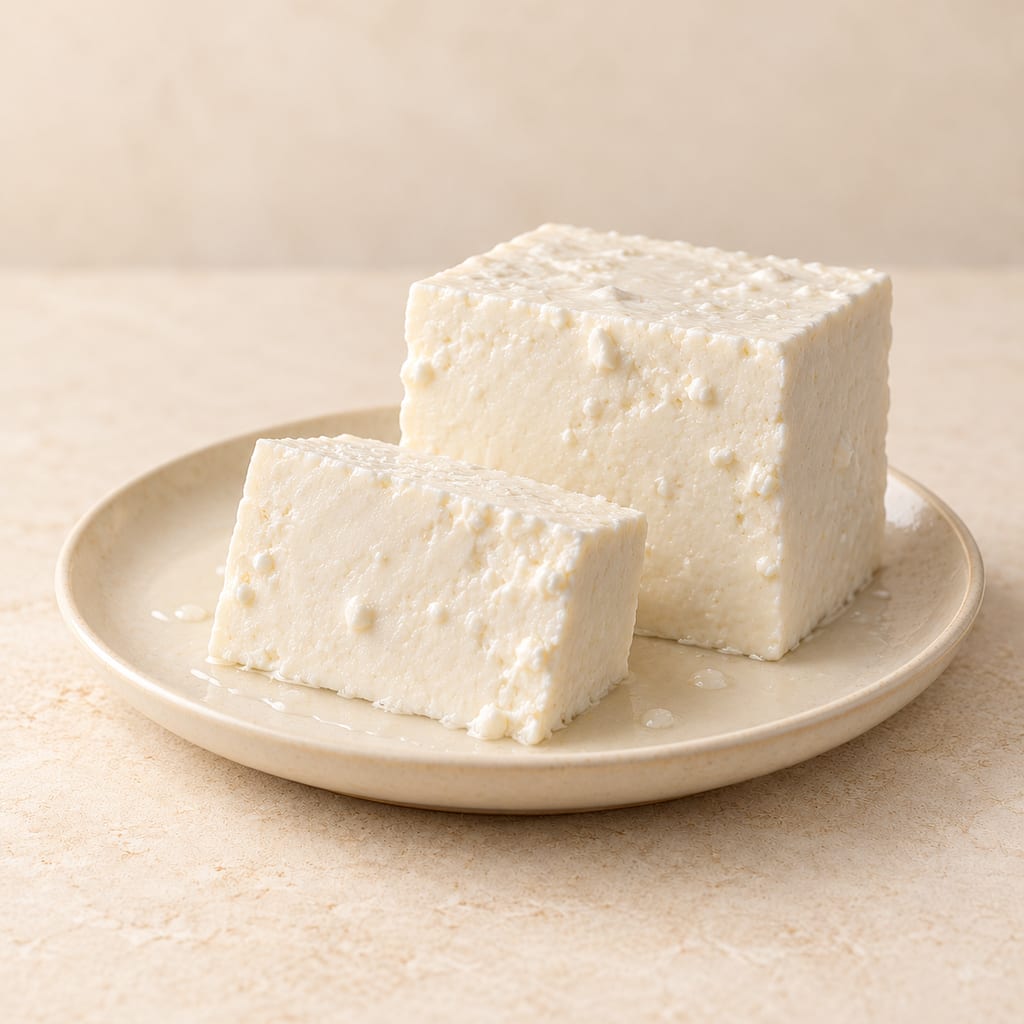
Beyaz peynir is a Turkish white cheese matured in brine. Sheep milk, alone or mixed with other milks, gives a close-textured cheese cut into blocks and packed in cans.
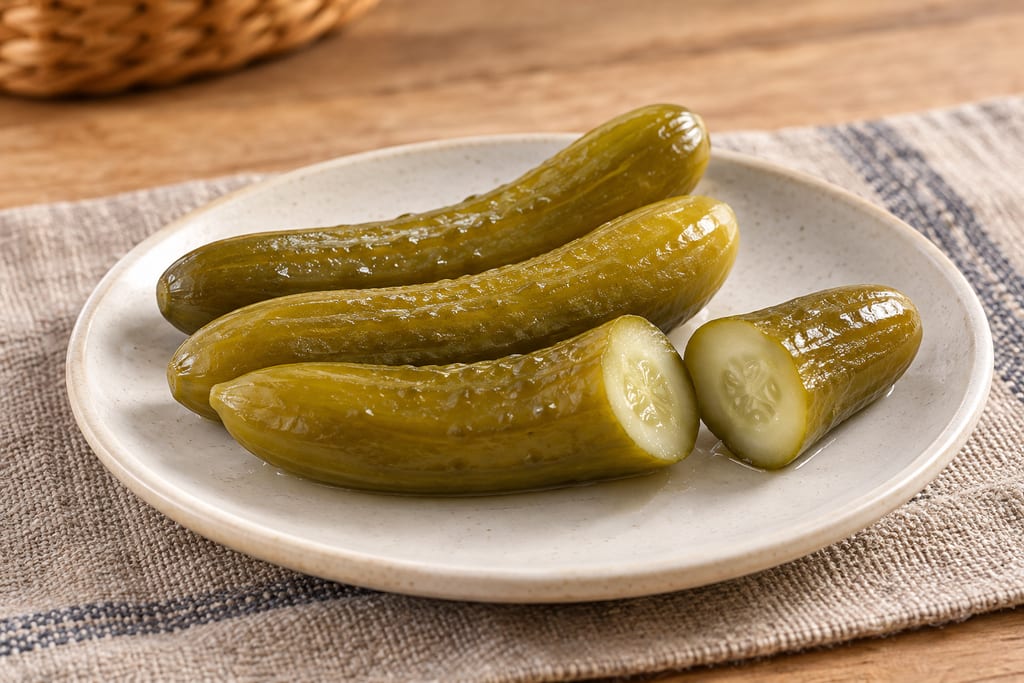
Çubuk turşusu is a registered pickle from Çubuk district in Ankara. Its cucumber variant is sold as Salatalık Turşusu, and a commercial specification sets its brine and room-temperature period.
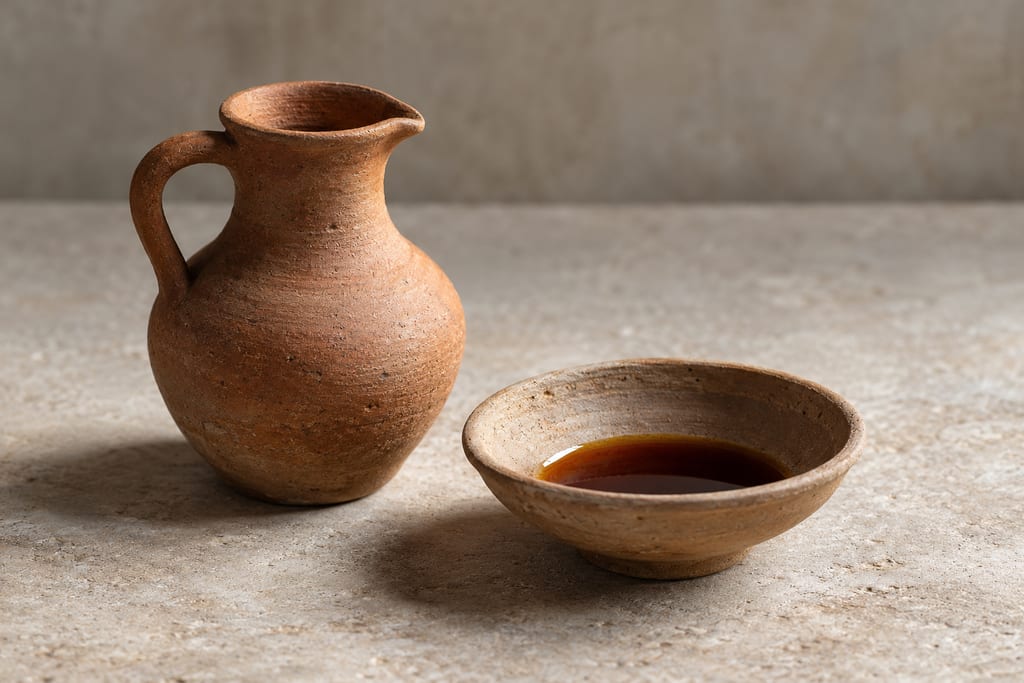
Garum, Greek garos and Latin liquamen, was the fish sauce of the ancient Mediterranean: fish and viscera salted and left in the sun, then drained off as a savoury liquid.
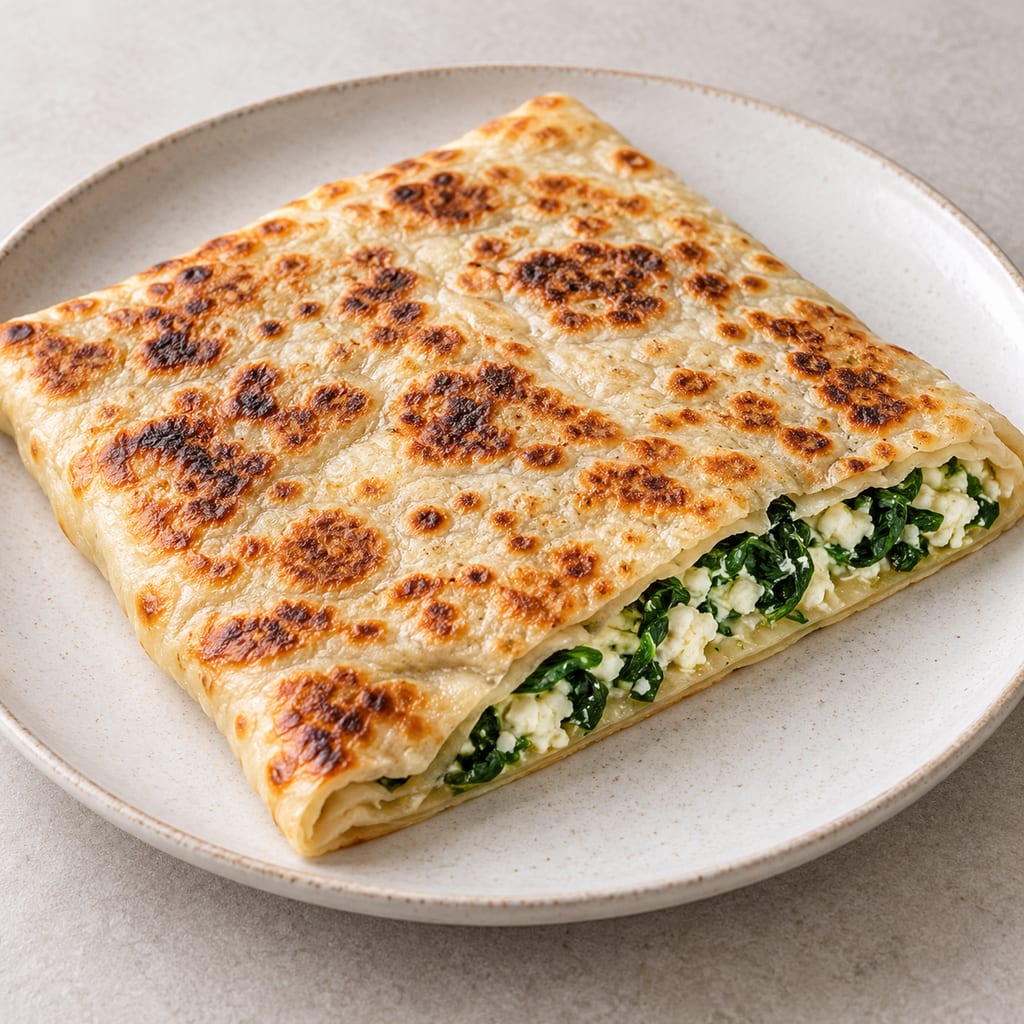
A yeast-and-yogurt dough is rolled into a large thin sheet, filled with spinach, onion and feta, folded closed, then cooked on an oiled griddle. This is Özlem Warren’s spinach-and-cheese family-style version.

Aam panna is a tart Indian summer drink made by cooking unripe green mango until its flesh softens, then blending the pulp with sweetener, salt and spices and diluting it with water.
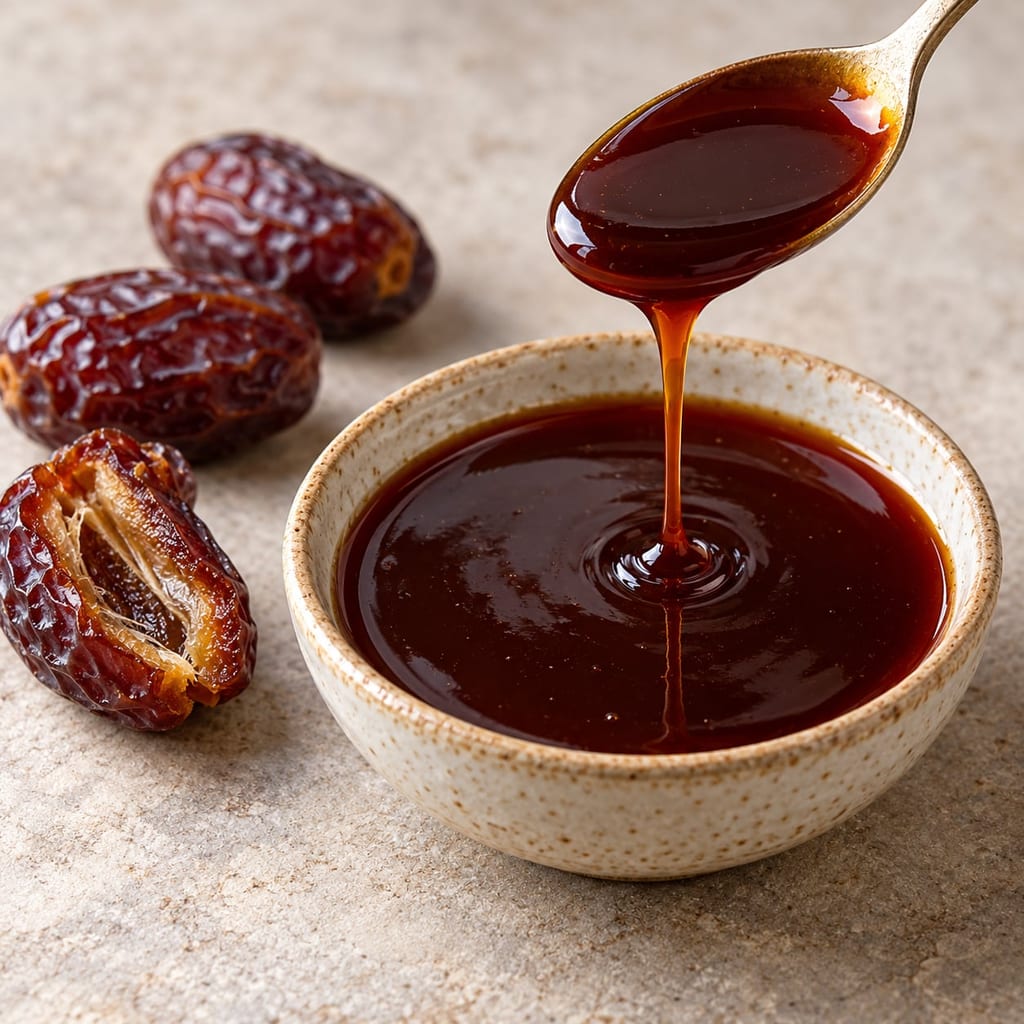
A thick, dark, very sweet syrup made from dates, known as dibs, rub, silan or date molasses. It sweetens tahini and desserts and glazes or sauces savoury dishes across the Middle East and North Africa.
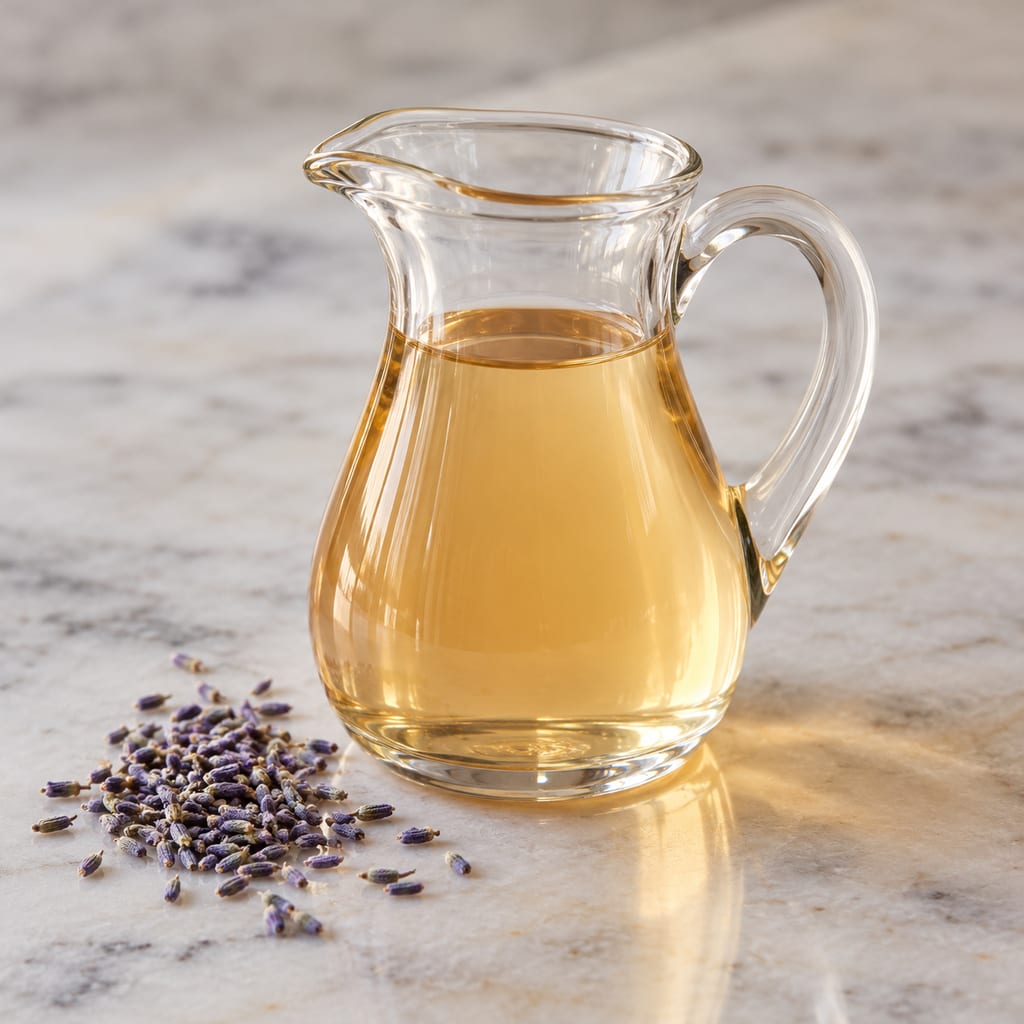
Sugar syrups flavoured by holding botanicals, sugar and water in sealed bags in a 135°F (57°C) water bath for an hour, then cooling and refrigerating; several can share one bath.
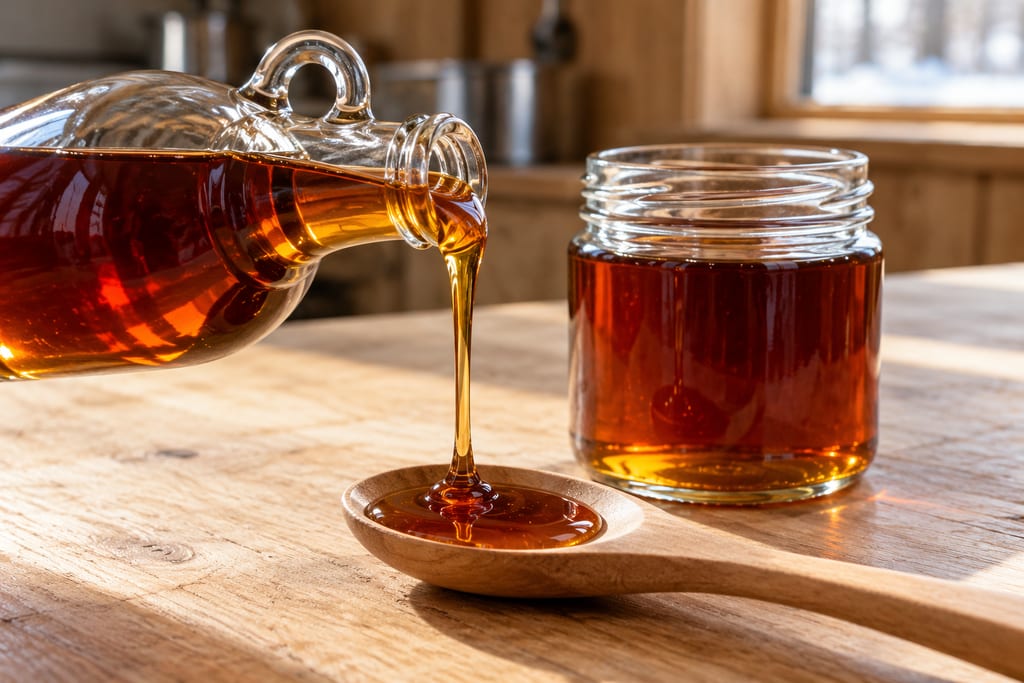
Maple sap of about two percent sugar boiled down in a shallow pan until it reaches syrup density, the sugar concentration the standard defines, then filtered hot and packed hot.
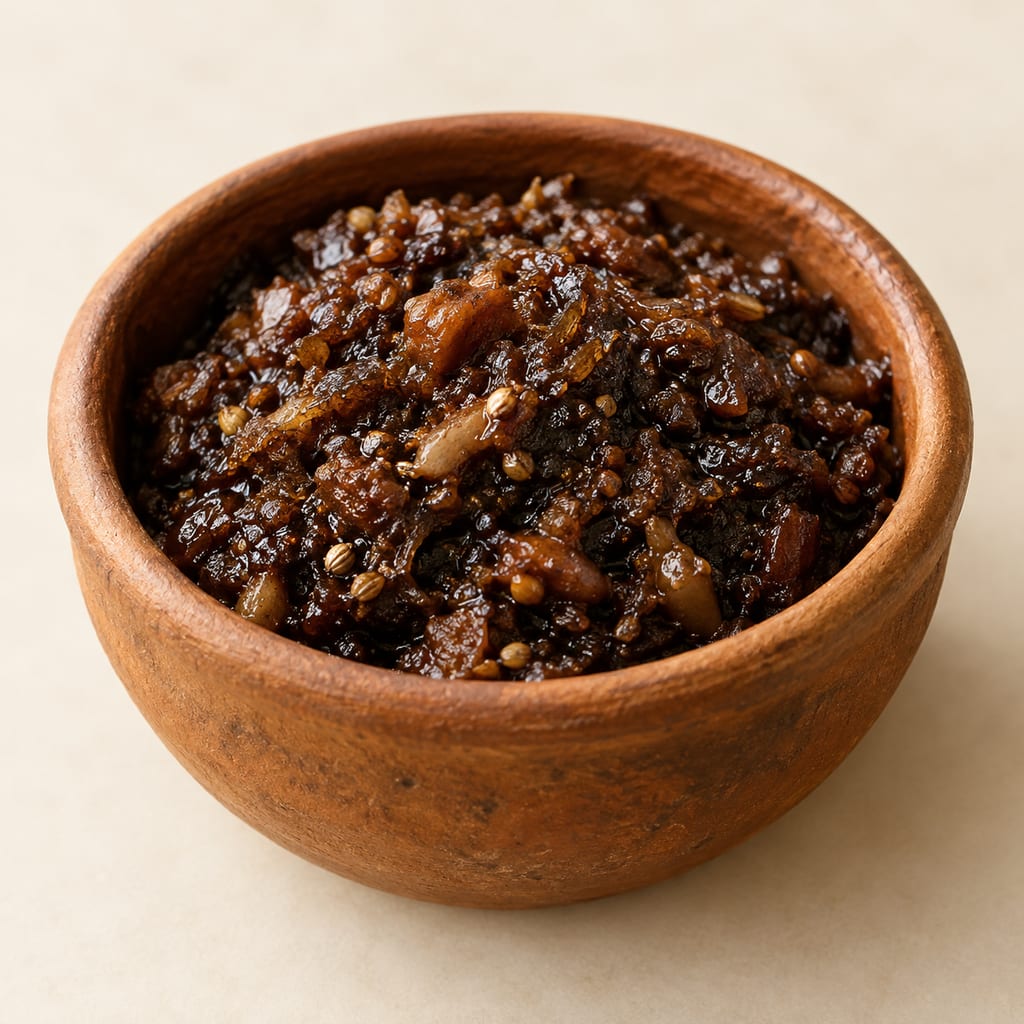
Must murri was a medieval Andalusi and North African seasoning of baked wheat dough, grape must and aromatics, cooked slowly in an oven.
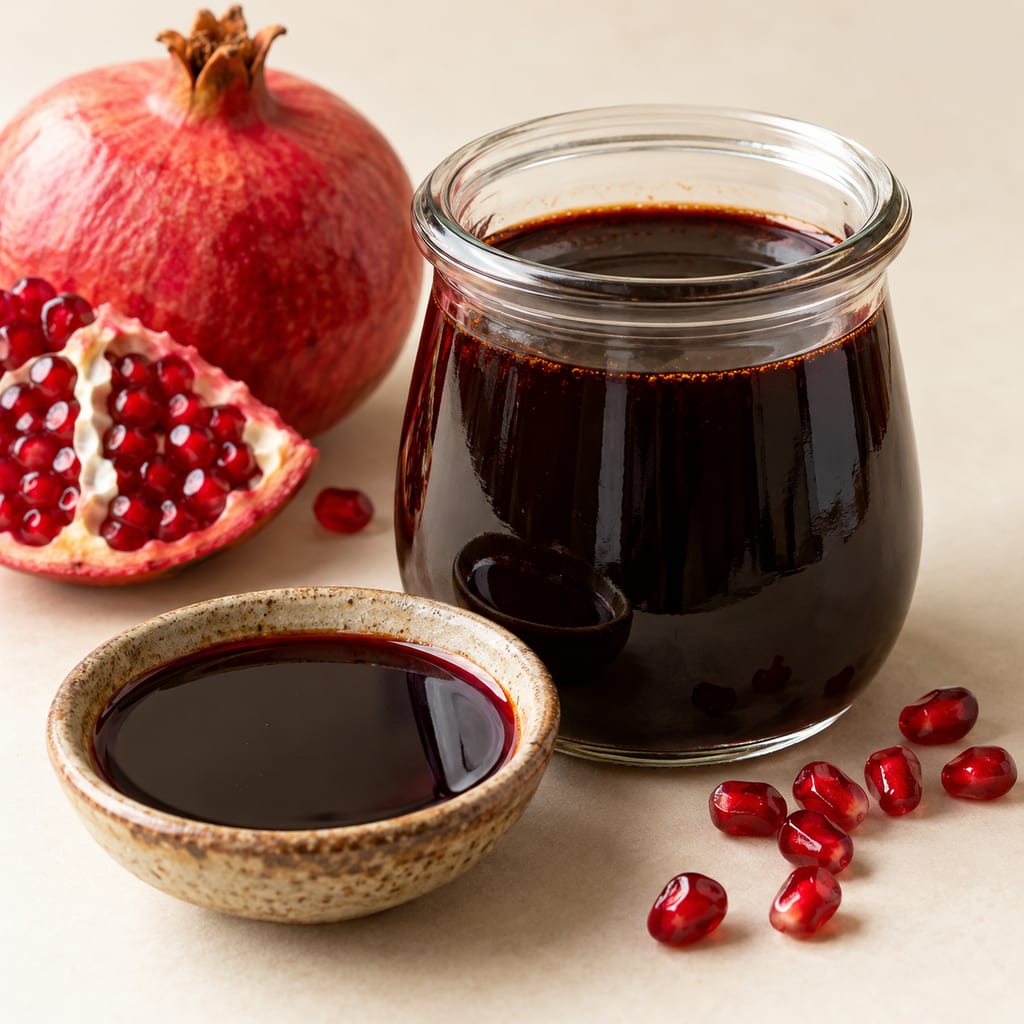
A thick, sour condiment made by reducing pomegranate juice over heat until it is concentrated, used across the Middle East, the South Caucasus and the Balkans in dressings, stews and grilled dishes.
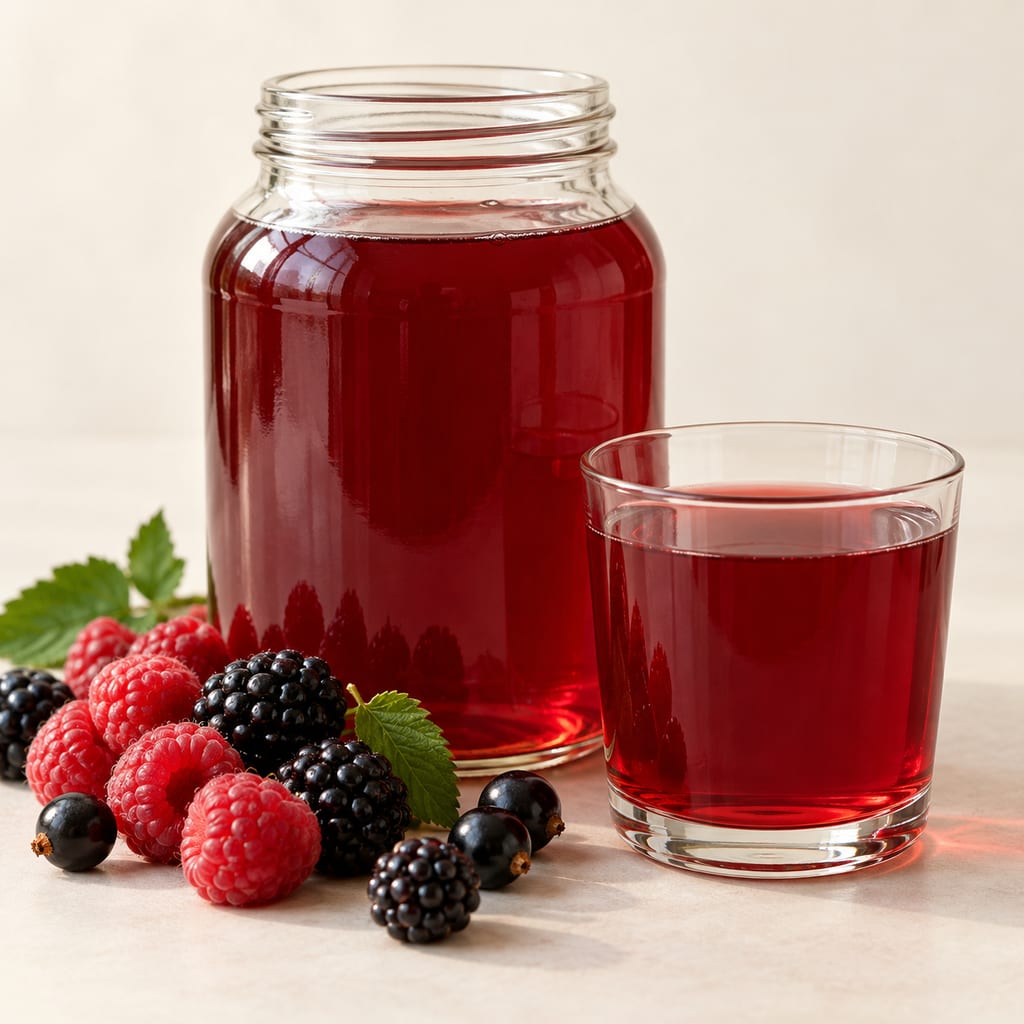
Clear juice that a stacked steam juicer draws out of ripe fruit by steam alone, without crushing it. It is the base for jelly, syrup or cordial and still needs its own keeping step.
No community contributions have been published for this entry yet.
Sign in to contribute. Published comments and photos are free to read.
Turkish Patent and Trademark OfficeMethod · Geography · History · Ingredients · Uses
Hatay Nar Ekşisi Geographical Indication Specification, Bulletin 2023/150Legal boundary and dates; method, batch and yield; cultivar rules; sensory profile and uses.
AnadoluHistory · Uses · Variations
Traditional Foraged Spice, Sauce, and Egg-Painting Plants of Hatay, Türkiye: Bringing the Traditional into CommerceTurkish/Arabic names, local uses, regional sour-sauce alternatives and informants' accounts of tomato replacing older sour sauces.
Kayseri University Journal of Engineering SciencesQuality
Determination of the Standards of Pomegranate Sour obtained from Hejaz Pomegranate and Katırbaşı Pomegranate Varieties Grown in Hatay ProvinceTwo studied samples exceeded 50 mg/kg HMF; findings are sample-specific.
Republic of Türkiye Ministry of Agriculture and ForestryIdentity · Regulation
Nar ekşisi impression products barred from saleDistinguishes pomegranate sour from imitation products.
University of New Hampshire ExtensionSafety
Maple Sugaring: Tips for Beginners and Backyard Maple Sugar ProducersGeneral hot-syrup burn hazard only.